1873 L’Obéissante - One of the World’s Earliest
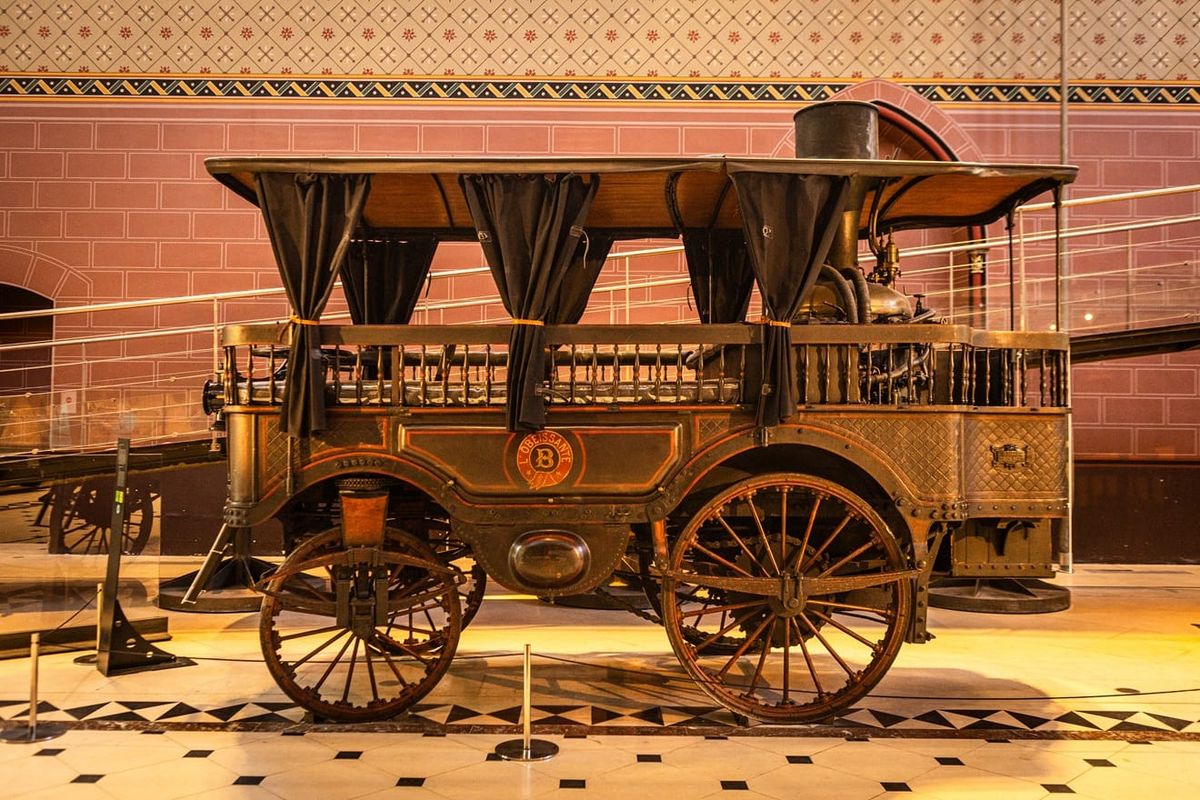
Among the most remarkable pioneers of self-propelled vehicles was L’Obéissante, an extraordinary steam-powered vehicle created in 1873 by the French engineer Amédée Bollée
Text: Gautam Sen
Images: Mariami Khubulava
When discussing the origins of the automobile, most people instinctively point to the Benz Patent-Motorwagen as the very first car. Popular history often celebrates Bertha Benz’s famous long-distance drive as the moment the world realized that the automobile could replace the horse and carriage. Yet the reality is far more complex, and considerably older.
More than a decade before Karl Benz’s creation appeared, numerous self-propelled vehicles had already demonstrated that mechanised road transport was both feasible and practical.
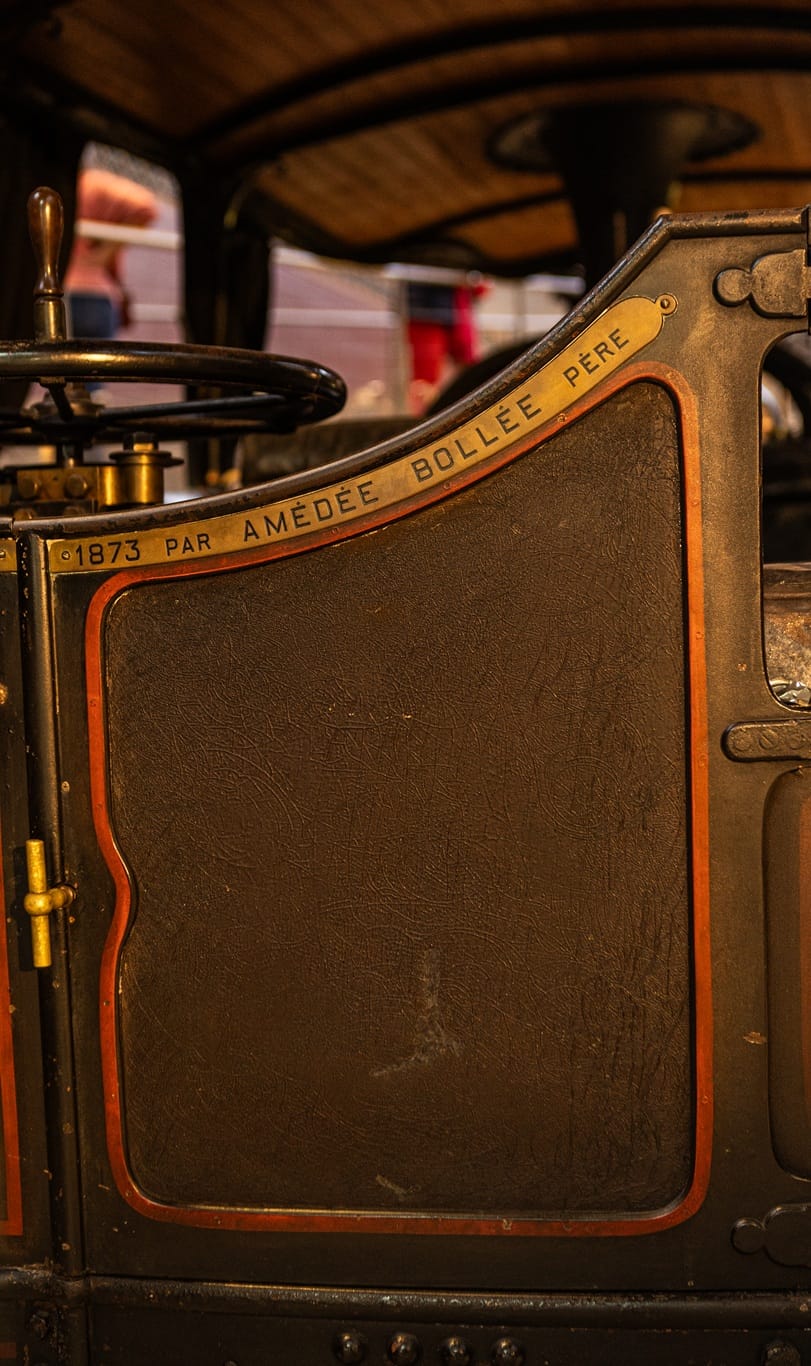
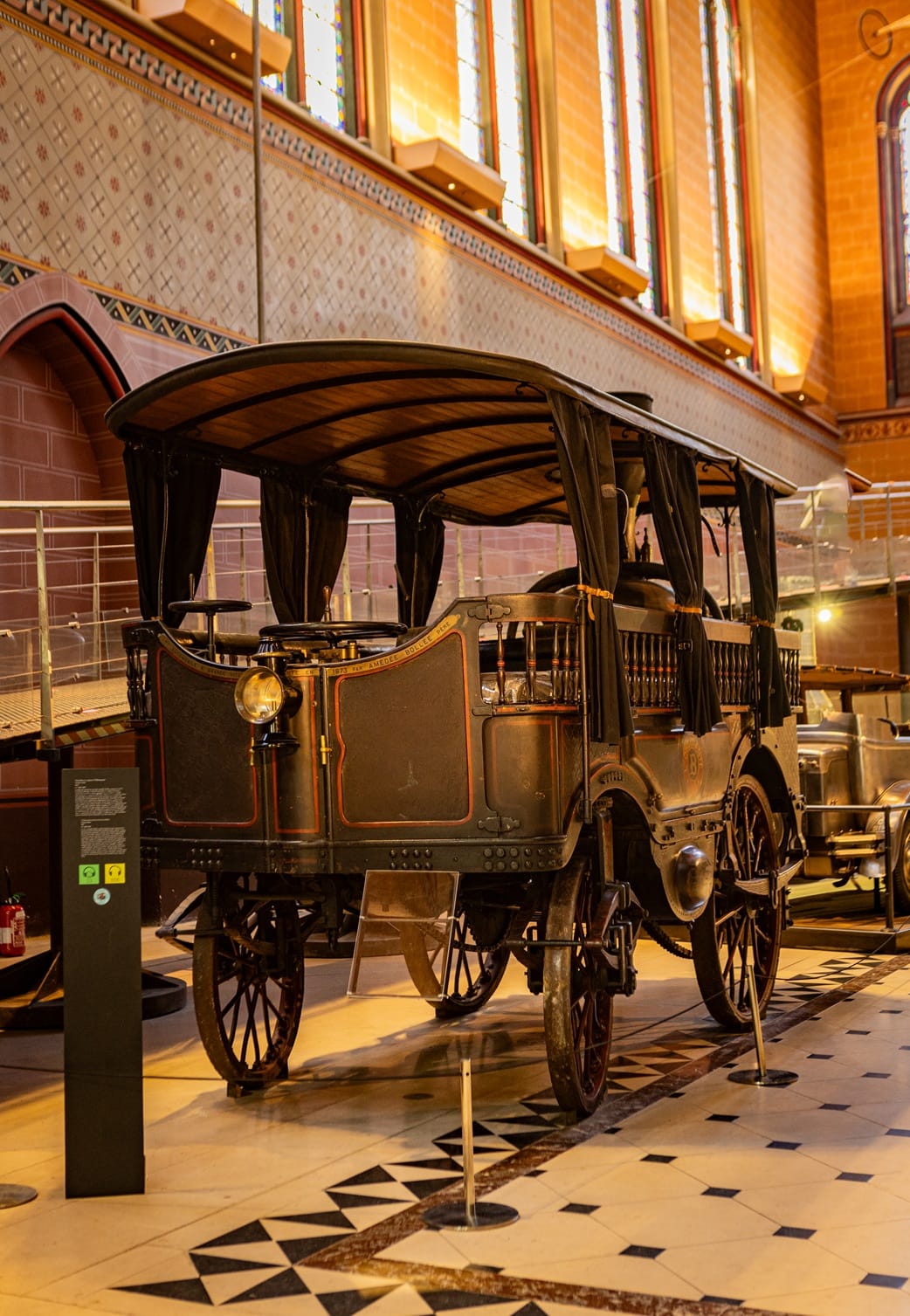
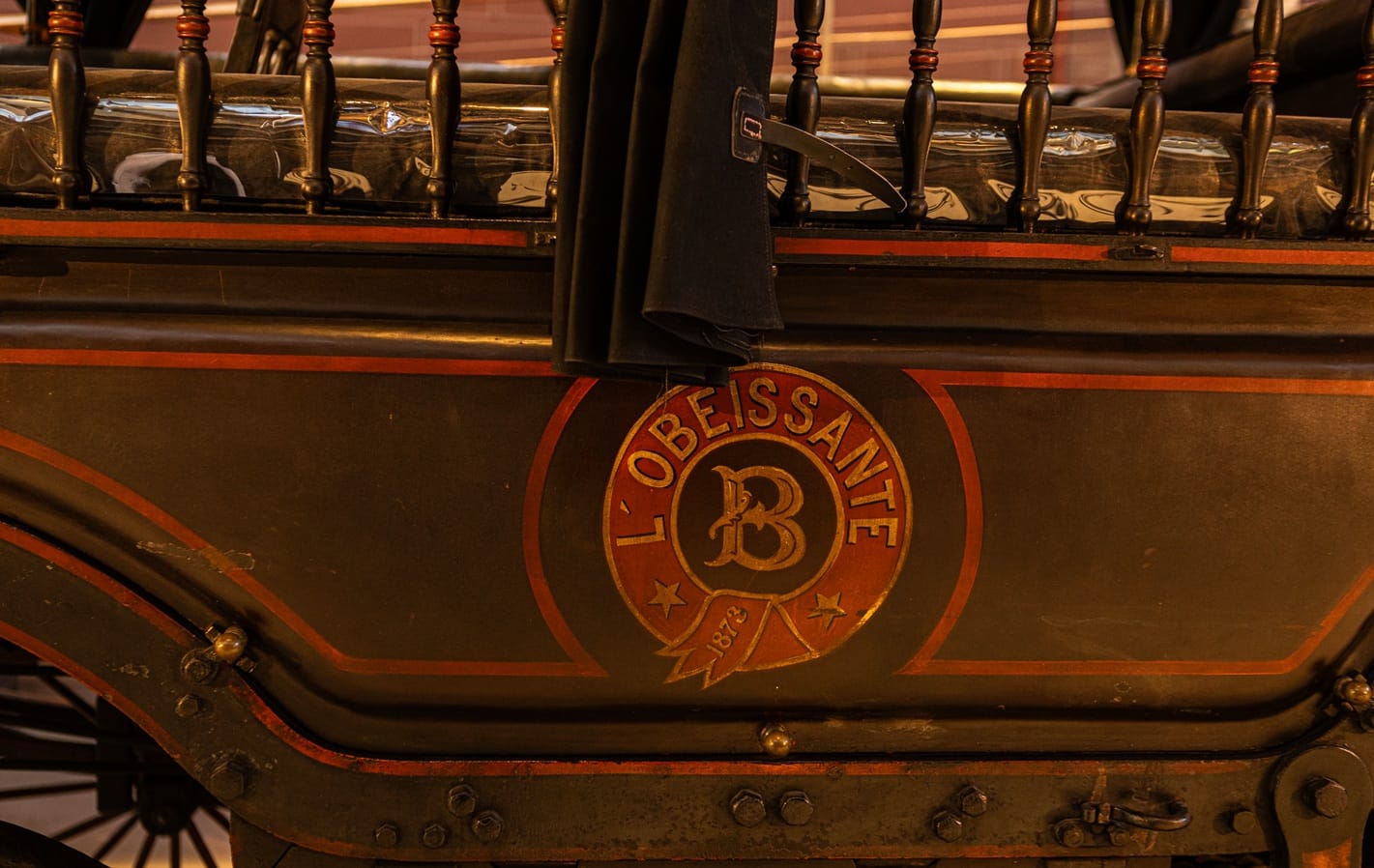
Among the most remarkable of these pioneers was L’Obéissante, an extraordinary steam-powered vehicle created in 1873 by the French engineer Amédée Bollée.
Built thirteen years before the Patent-Motorwagen, L’Obéissante is widely regarded as one of the first true touring automobiles capable of transporting passengers over long distances with reliability and speed unimaginable for its era.
Designed to carry twelve passengers in addition to a driver and a stoker responsible for maintaining the boiler fire, the machine was astonishingly advanced for the nineteenth century.
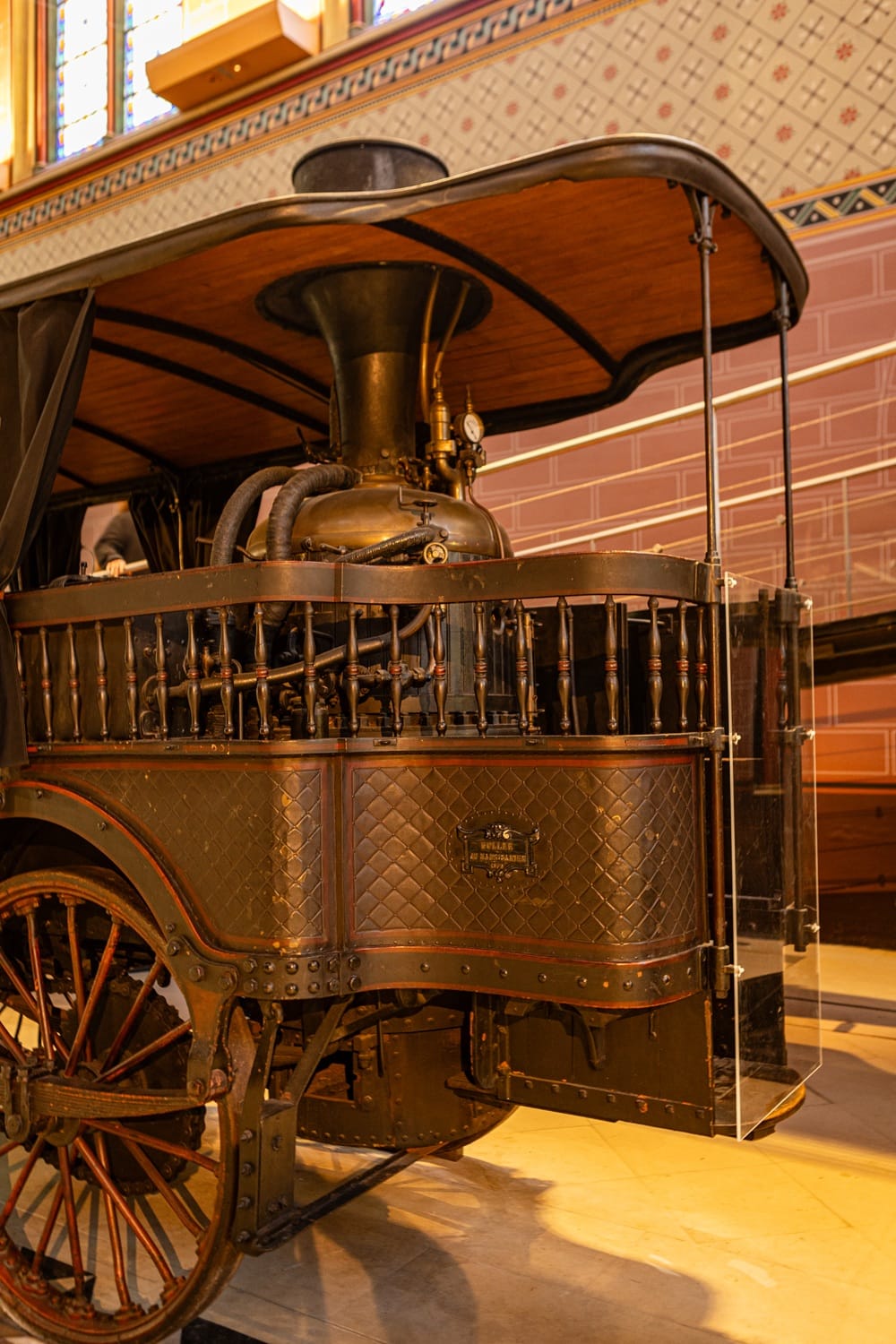
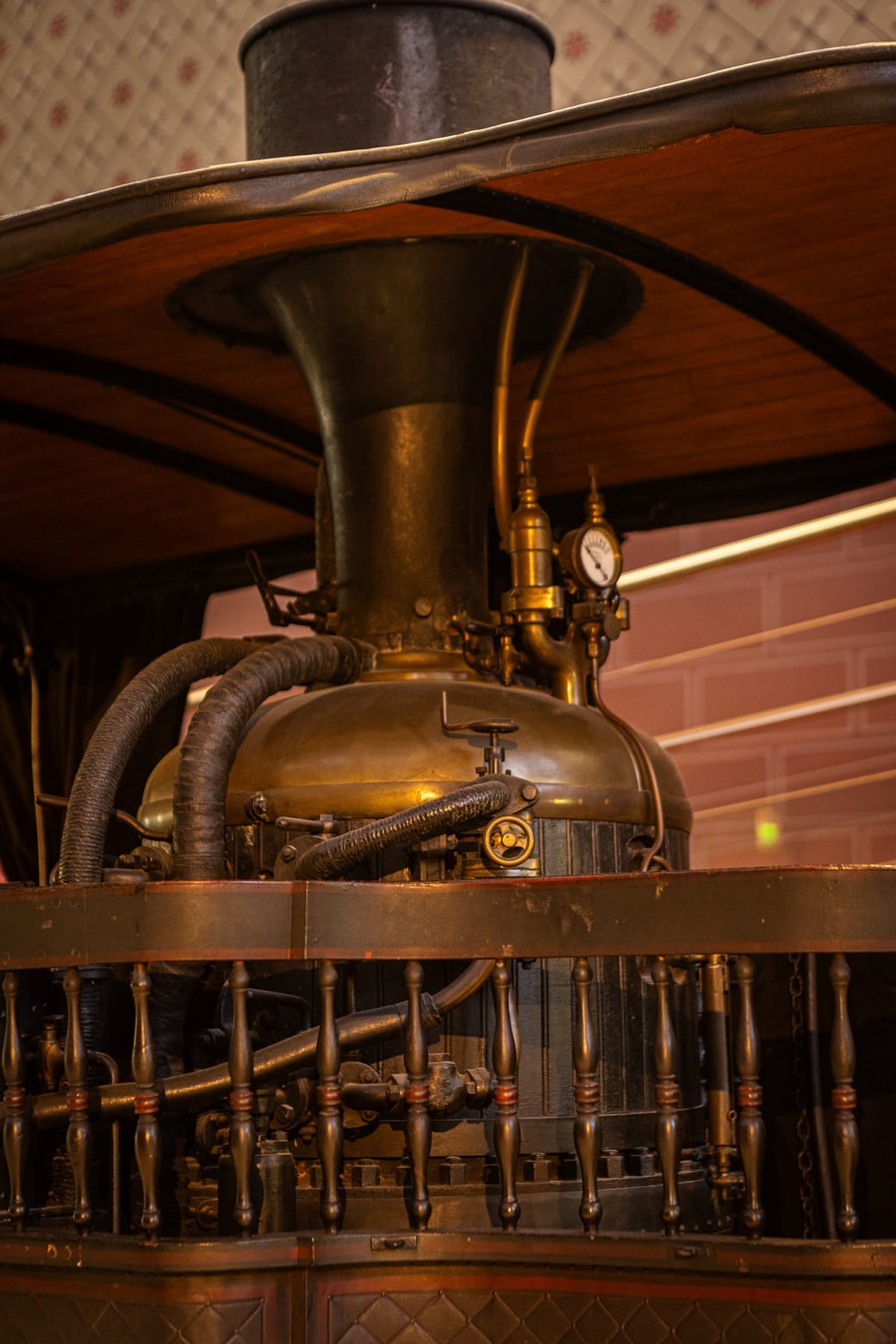
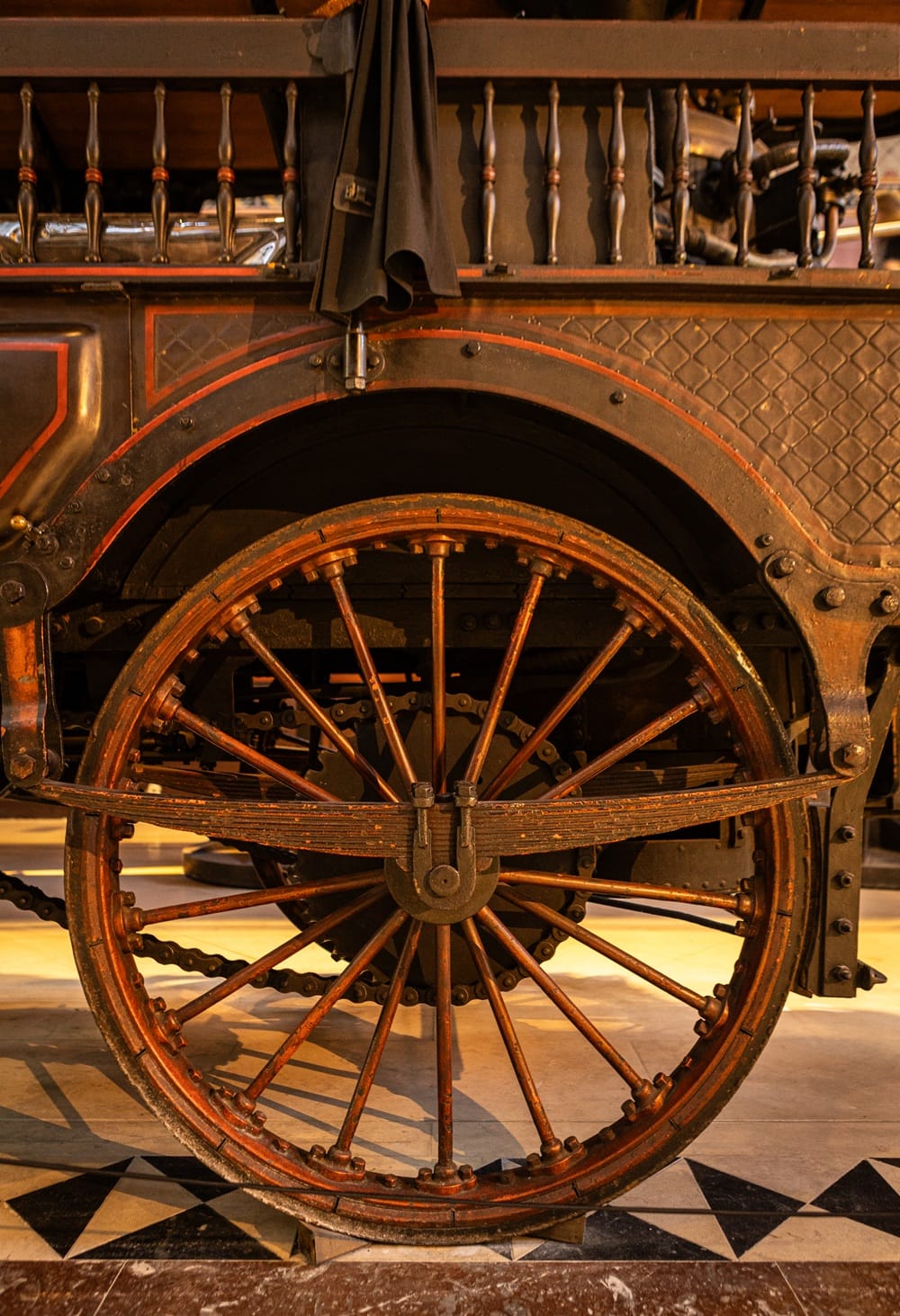
Technically, L’Obéissante featured a tubular steam boiler, chain transmission, and twin V-twin steam engines. These innovations enabled the vehicle to cruise comfortably at around 30 km/h, while top speed approached 40 km/h – extraordinary performance in the 1870s.
Even more impressively, the vehicle could climb gradients of up to 12 percent, proving that it was far more than a fragile engineering curiosity.
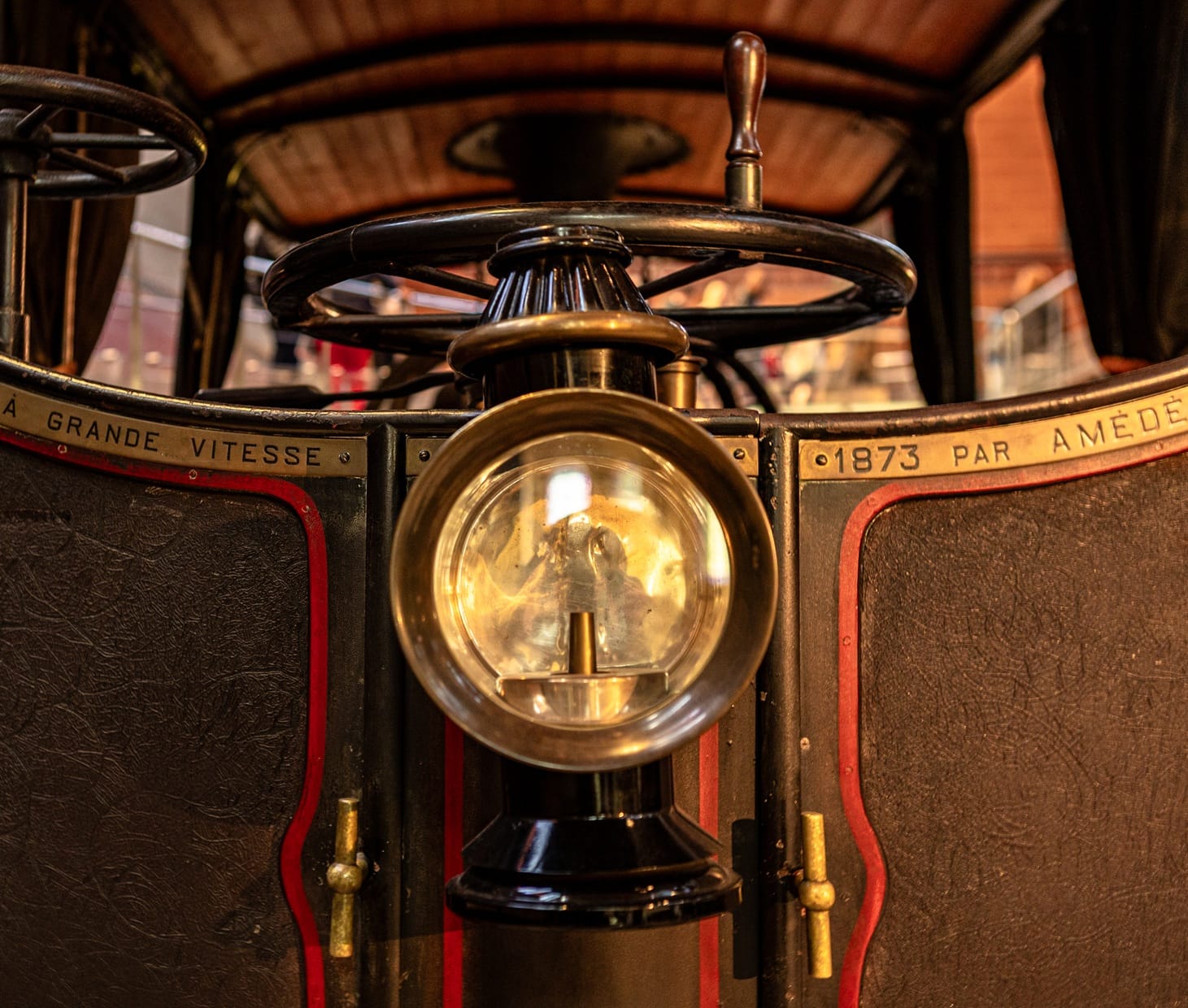
The car earned its name, meaning “The Obedient One,” because of its remarkable steering stability and controllability, qualities that led many historians to describe it as the world’s first high-speed automobile.
Its most famous journey took place on 9 October 1875, when Bollée drove L’Obéissante from Le Mans to Paris, covering approximately 230 kilometres in 18 hours, including stops for water and meals.
The feat spectacularly demonstrated the viability of long-distance mechanised road travel decades before the automobile age truly began.
The trip, however, caused considerable confusion among authorities. Since no laws yet existed governing automobiles, Bollée accumulated no fewer than 75 fines during the journey.
Ironically, these penalties were later annulled after officials, including the Paris police prefect, personally experienced demonstrations of the vehicle and recognised its significance.
Remarkably, L’Obéissante may also have become one of the earliest motor vehicles to travel portions of the route later associated with the famous 24 Hours of Le Mans circuit, nearly half a century before the race itself was founded in 1923.
Today, this pioneering machine survives as one of the oldest functioning automobiles in existence.
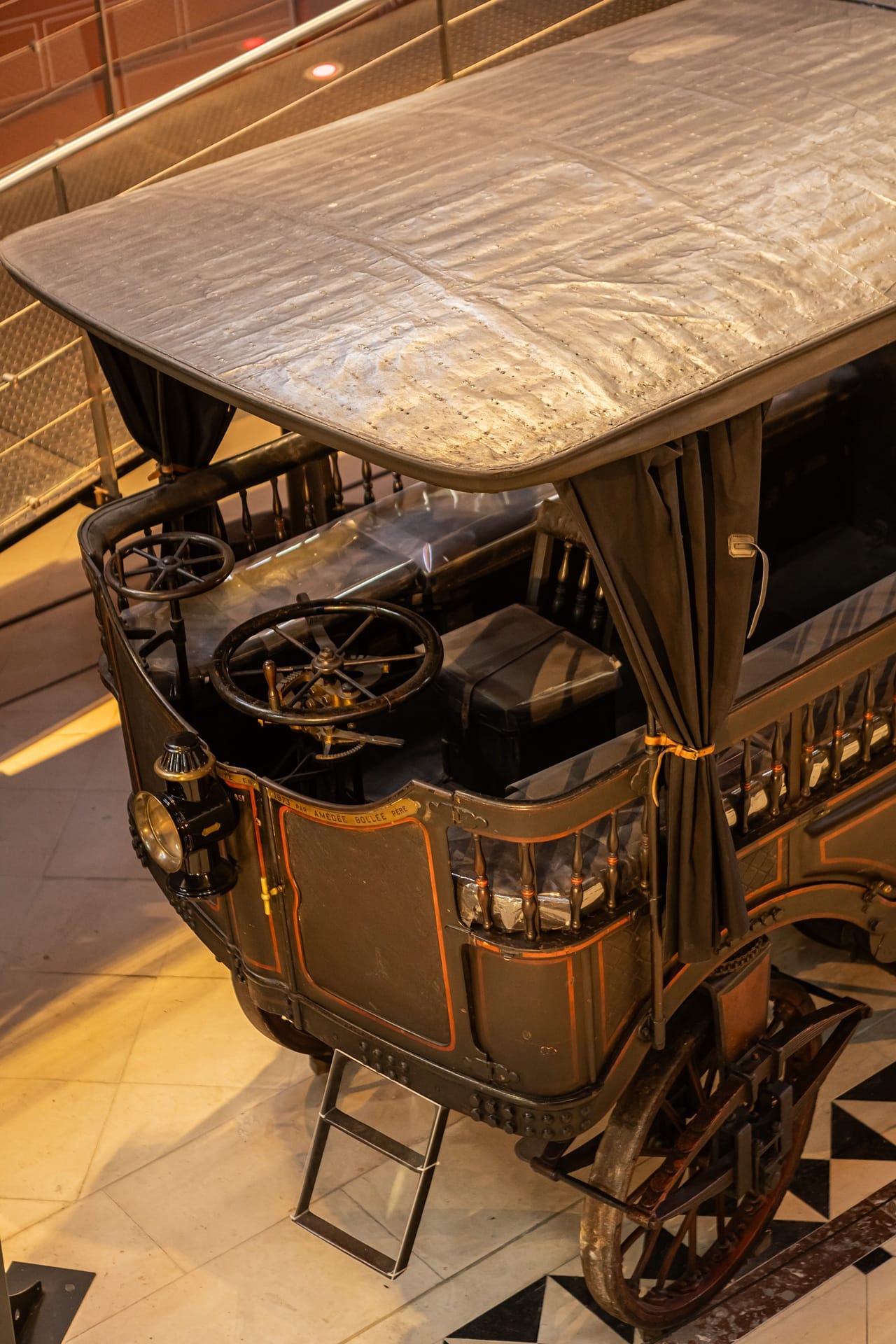
After appearing prominently during the centenary celebrations of the Le Mans race at the 2023 Rétromobile exhibition and participating at the Bologna Salon in October 2023, L’Obéissante returned to the Musée des Arts et Métiers in Paris, where it remains a centrepiece of early automotive history.
Far more than a mechanical curiosity, L’Obéissante stands as powerful evidence that the dream of practical motorised transport was alive long before the modern automobile industry truly emerged.
Comments ()