1923 Rolls-Royce Twenty – The Shining Roadster
Introduced in 1922, the Twenty – named for its 20hp rating – shared the Silver Ghost’s inline six-cylinder layout but in a more compact and modern form
Text: Gautam Sen Images: Makarand Baokar
With the 40/50hp Silver Ghost firmly established as one of the finest automobiles money could buy, Sir Henry Royce set out to create a model positioned a step below it: a smaller, more affordable car aimed at owners who preferred to drive themselves rather than rely on a chauffeur.
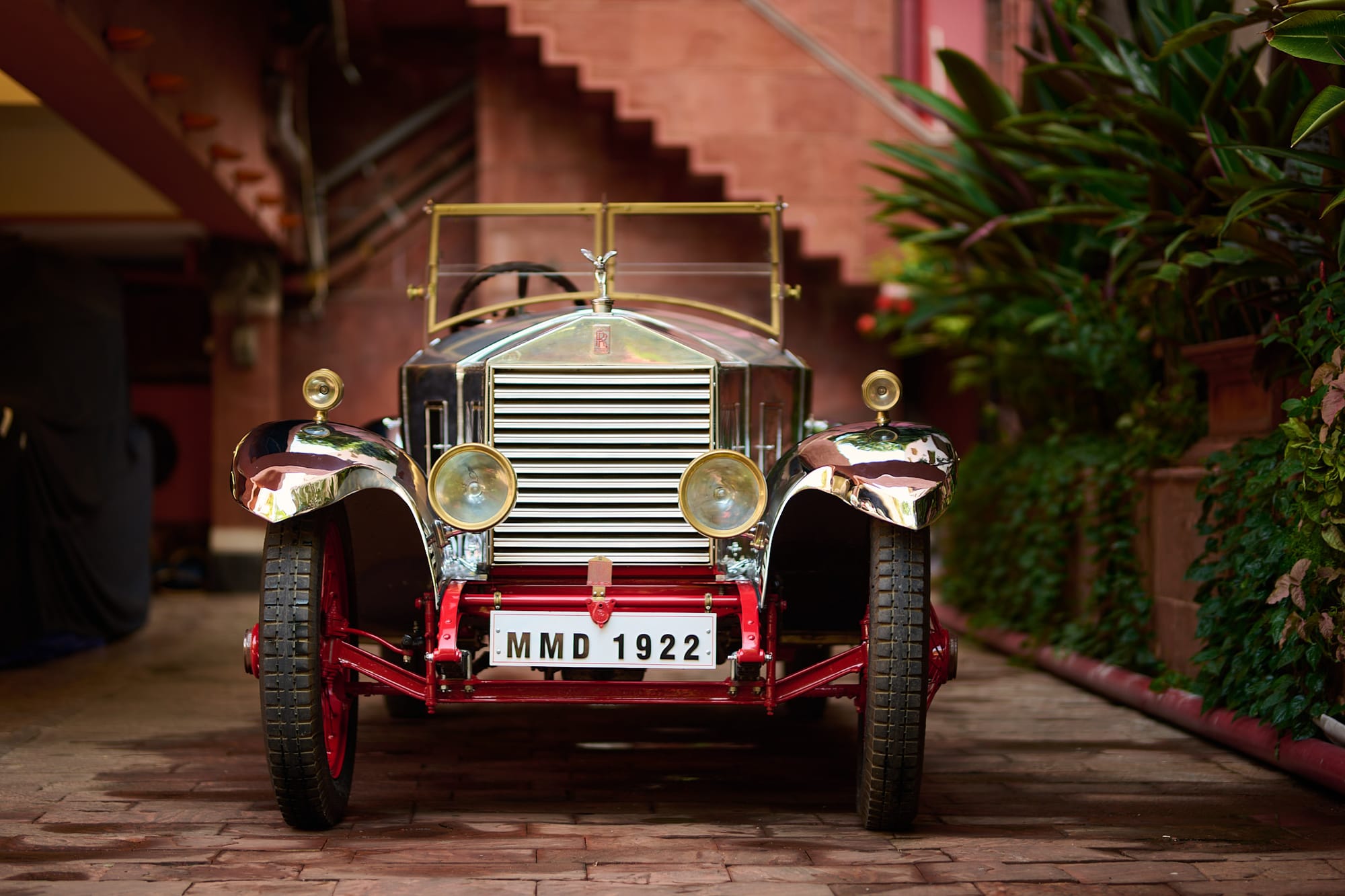
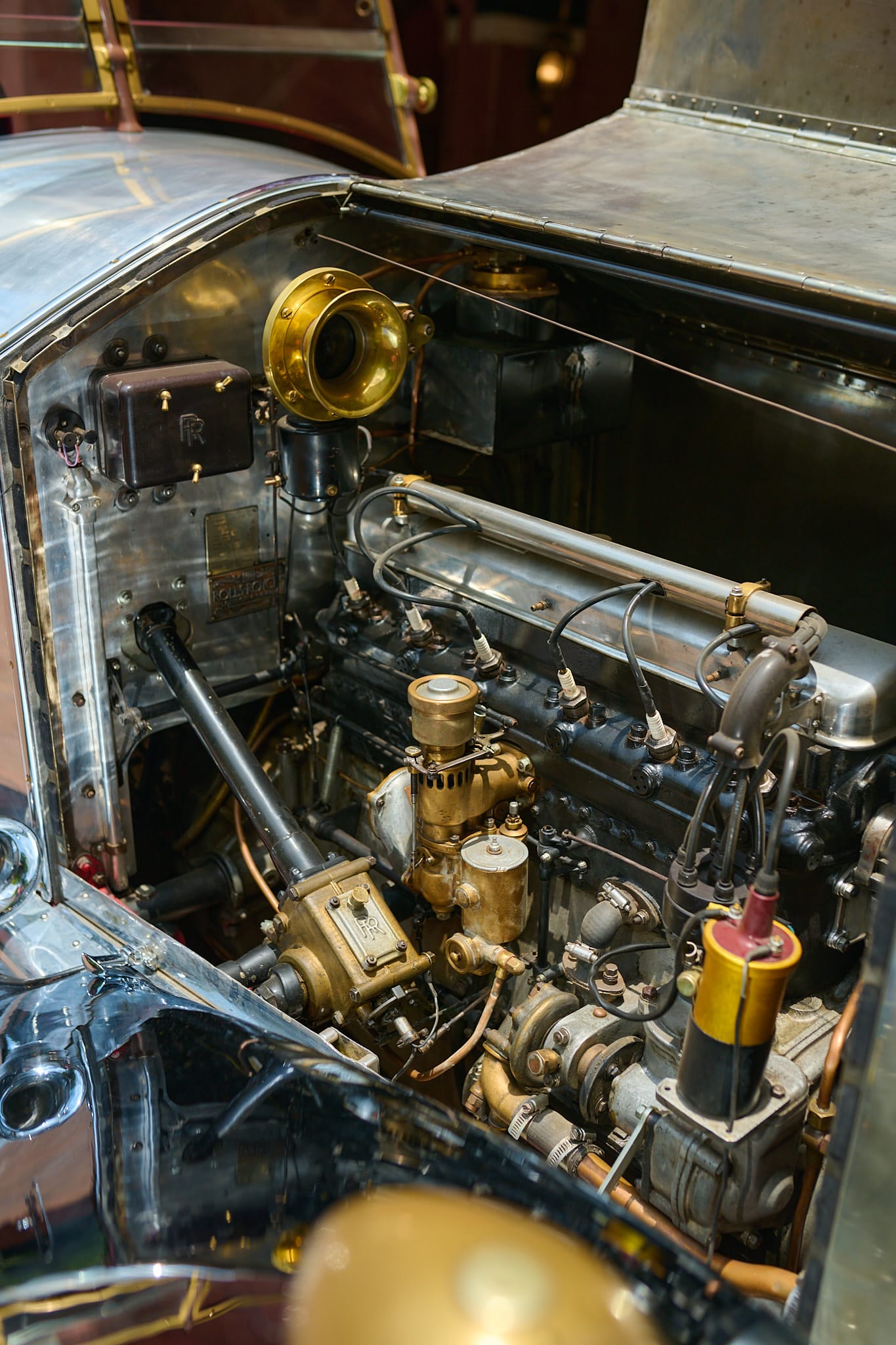
Introduced in 1922, the Twenty – named for its 20hp rating – shared the Silver Ghost’s inline six-cylinder layout but in a more compact and modern form. Its 3127cc engine was notably smaller and featured a single block with a detachable cylinder head, in contrast to the Silver Ghost’s two three-cylinder units.
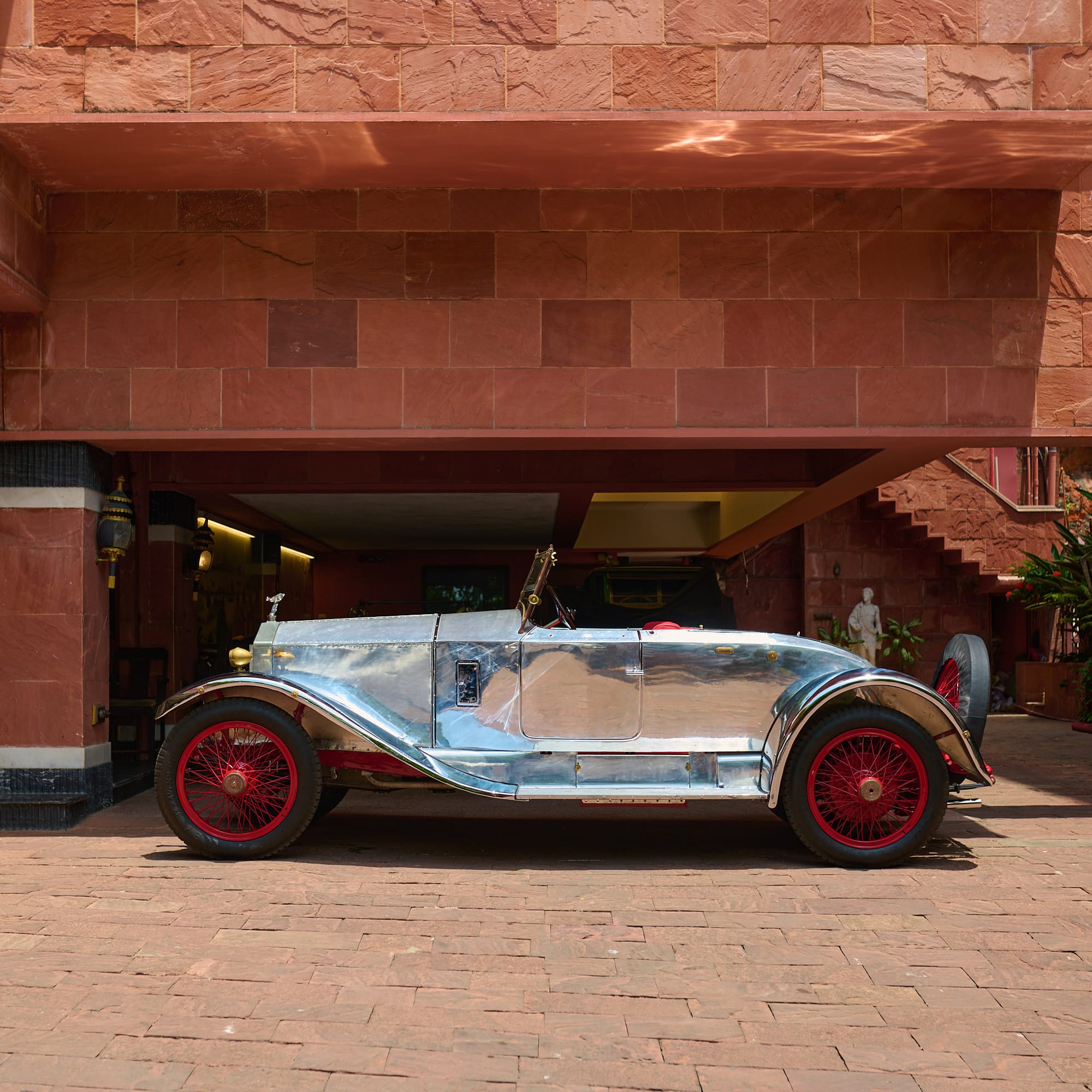
Initially paired with a three-speed gearbox, later upgraded to four speeds in 1925, the Twenty could reach a top speed of approximately 100 kph (60 mph), a respectable figure for the era. The car used semi-elliptical leaf springs at both the front and rear, while braking was originally limited to the rear wheels, with four-wheel brakes introduced in 1925.
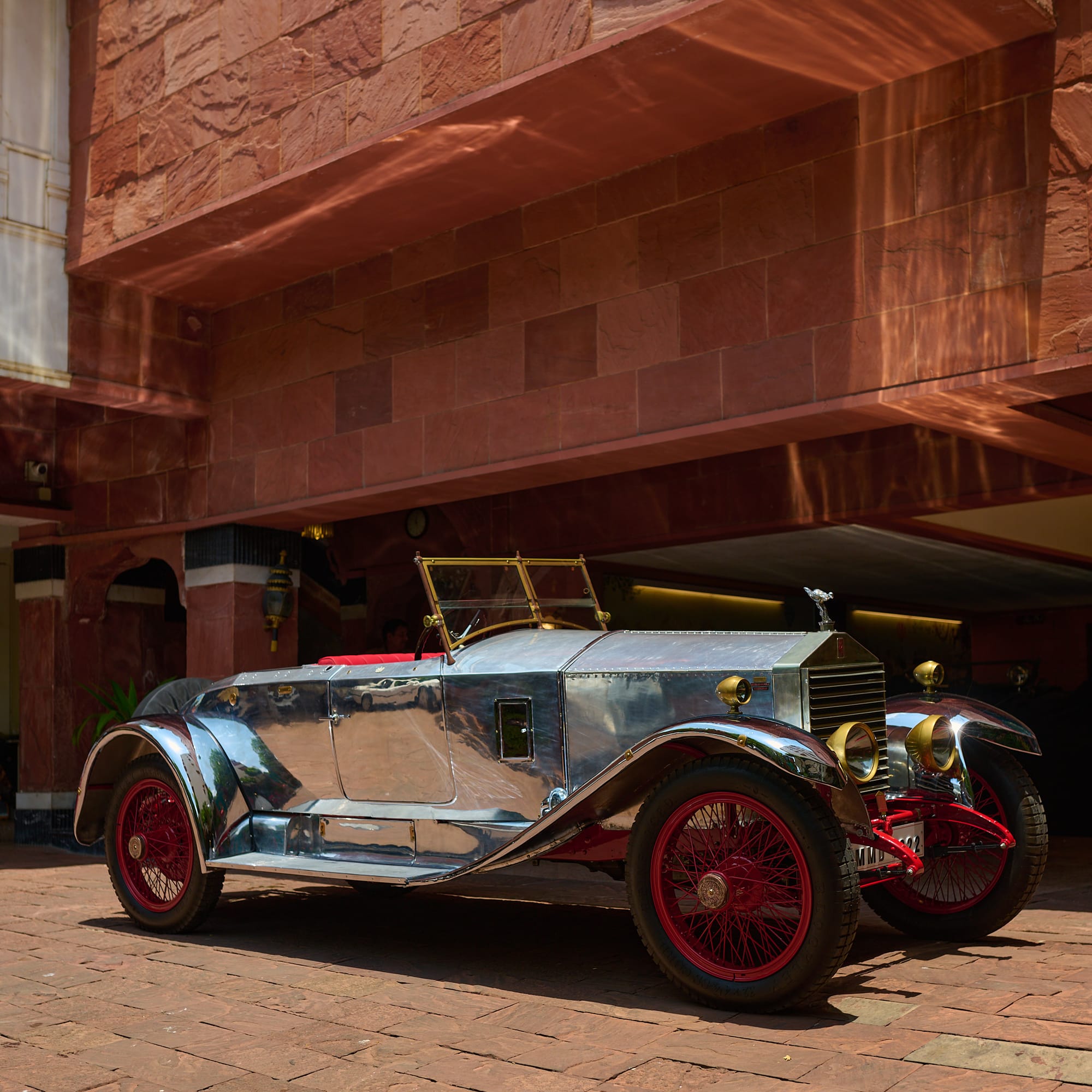
Production of the Twenty continued until 1929, when it was succeeded by the more powerful 20/25hp, with a total of 2,940 examples built. Of these, marque expert André Blaize estimates that only around 75 were delivered to India, many of them commissioned by the princely states.
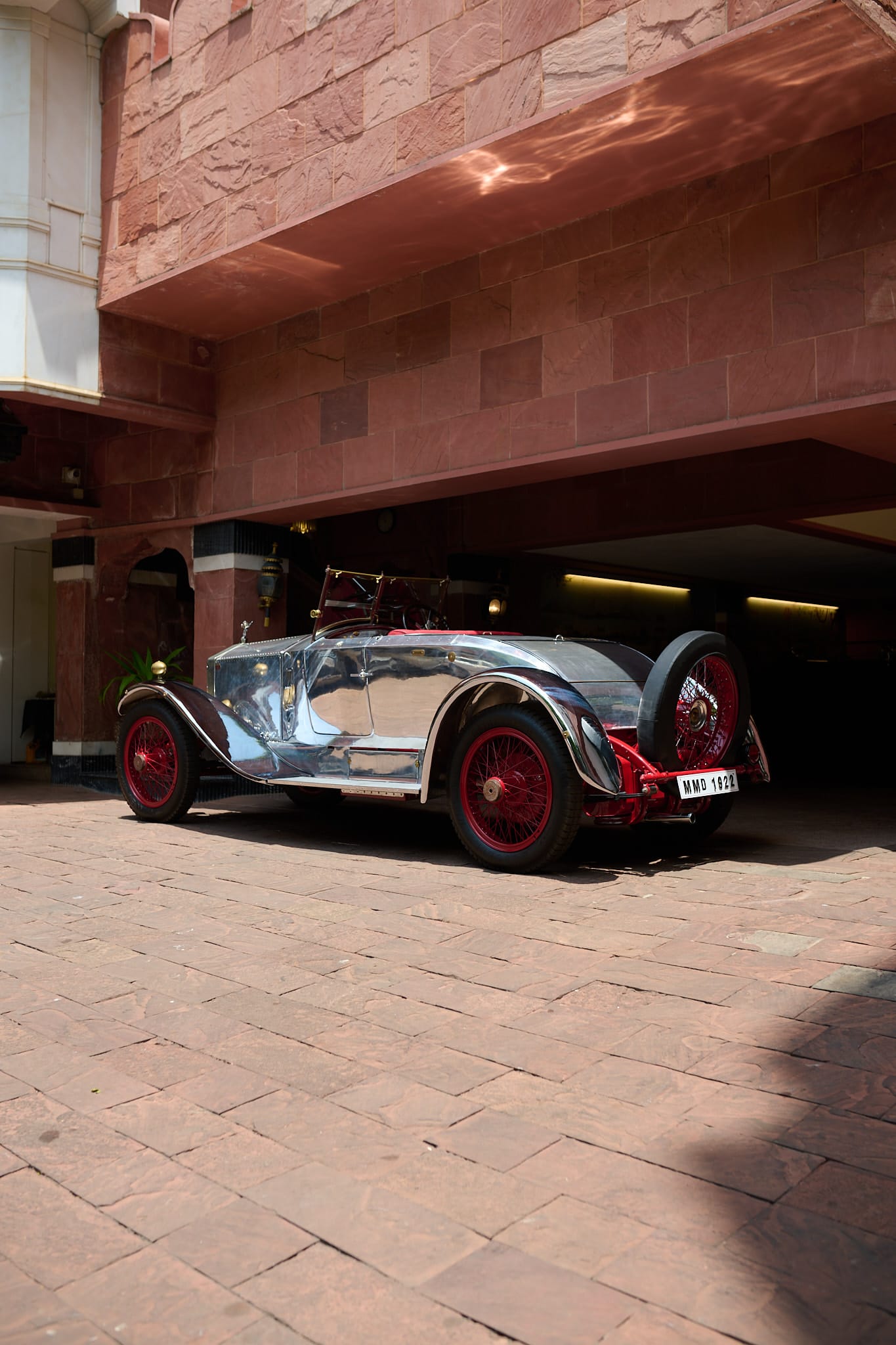
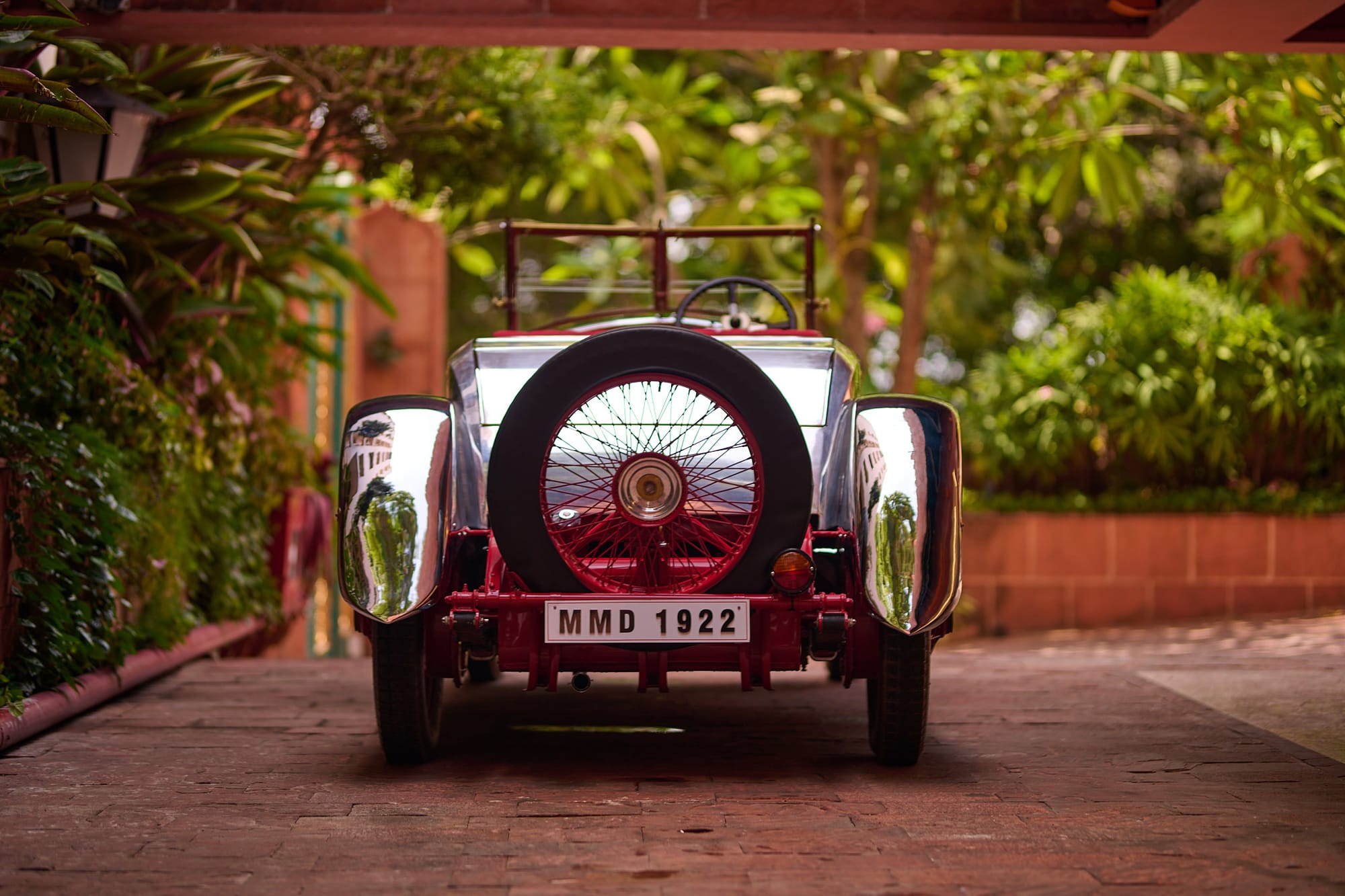
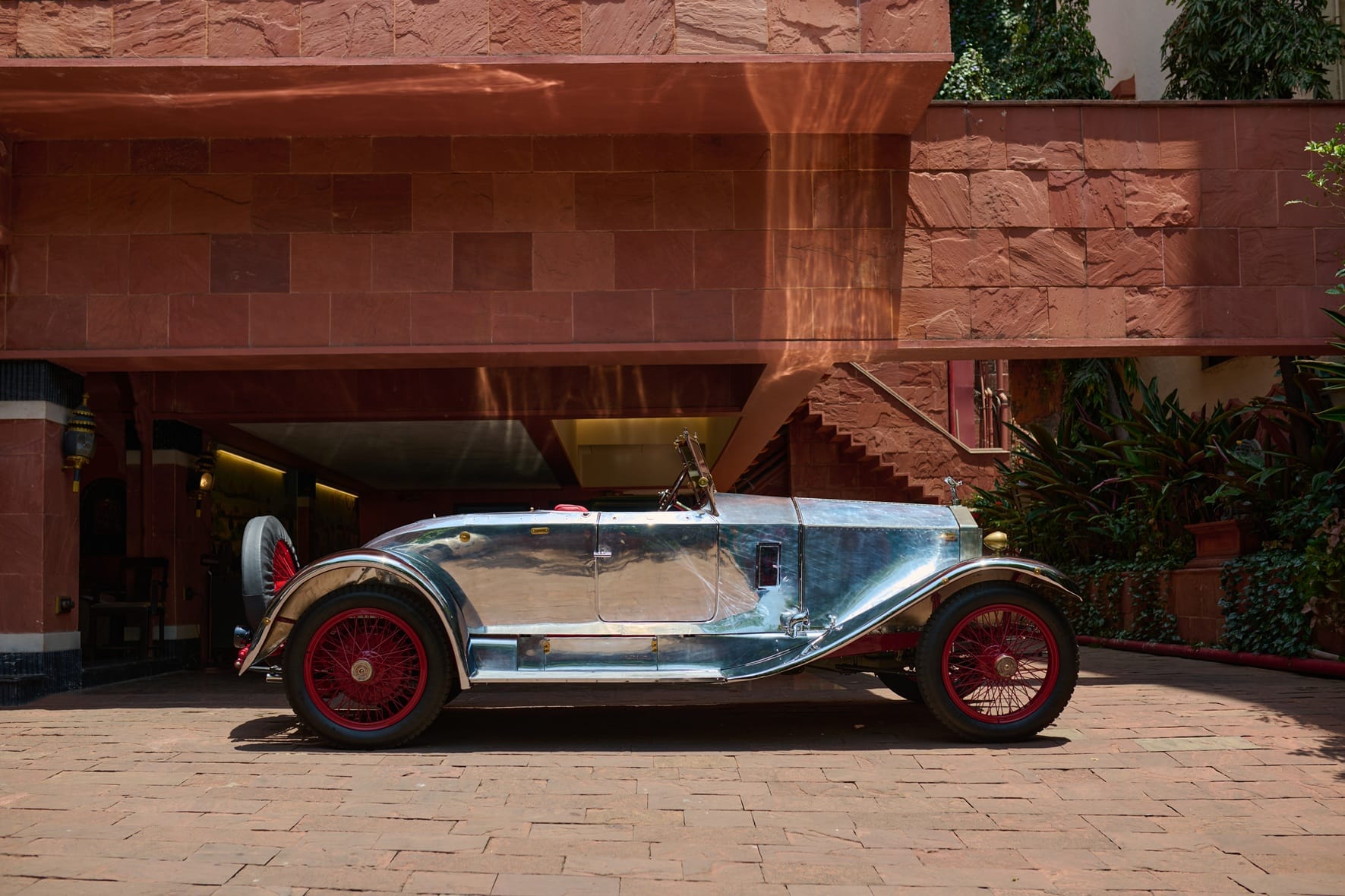
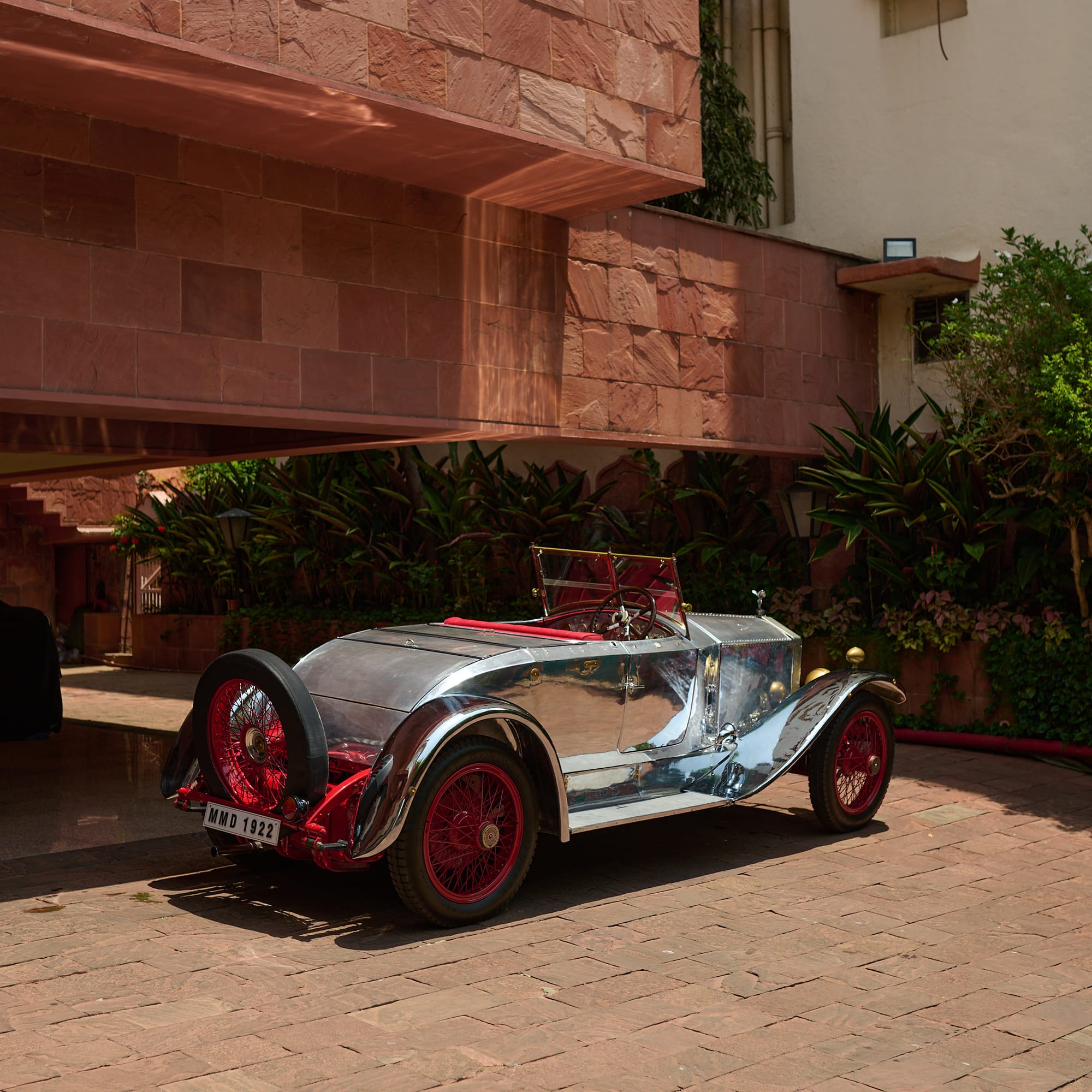
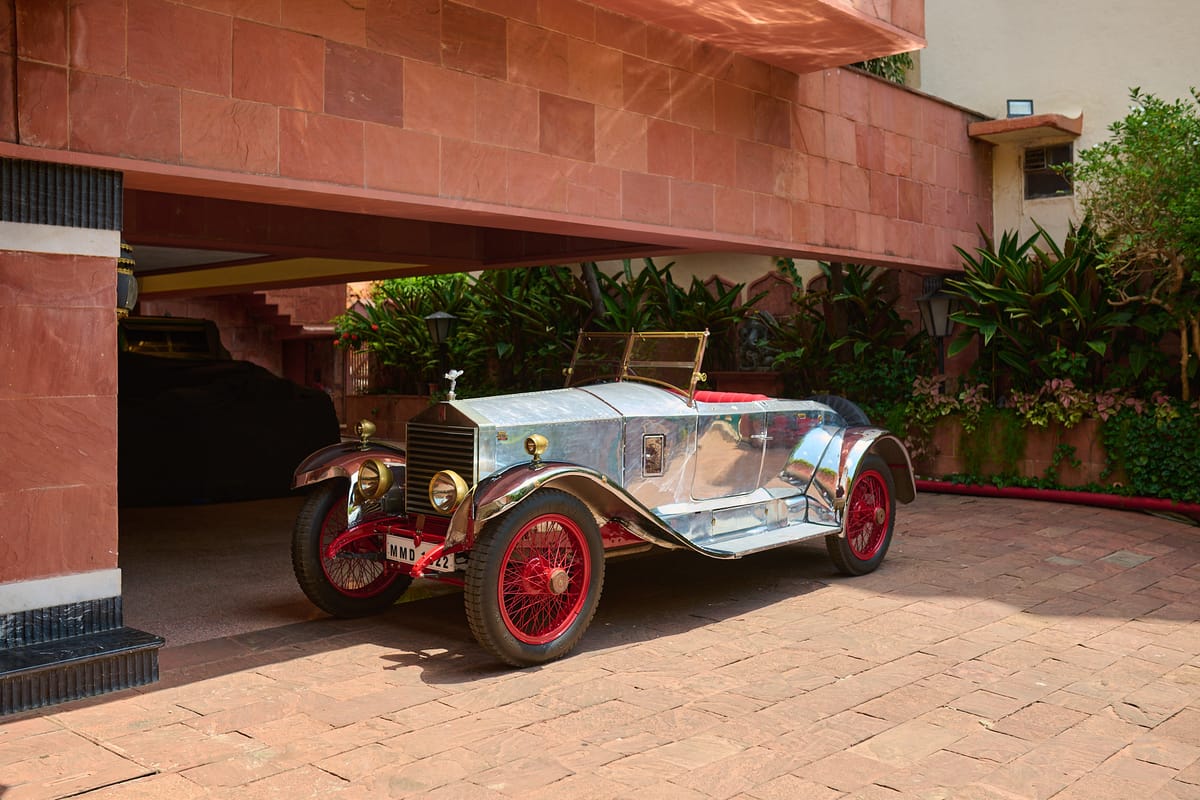
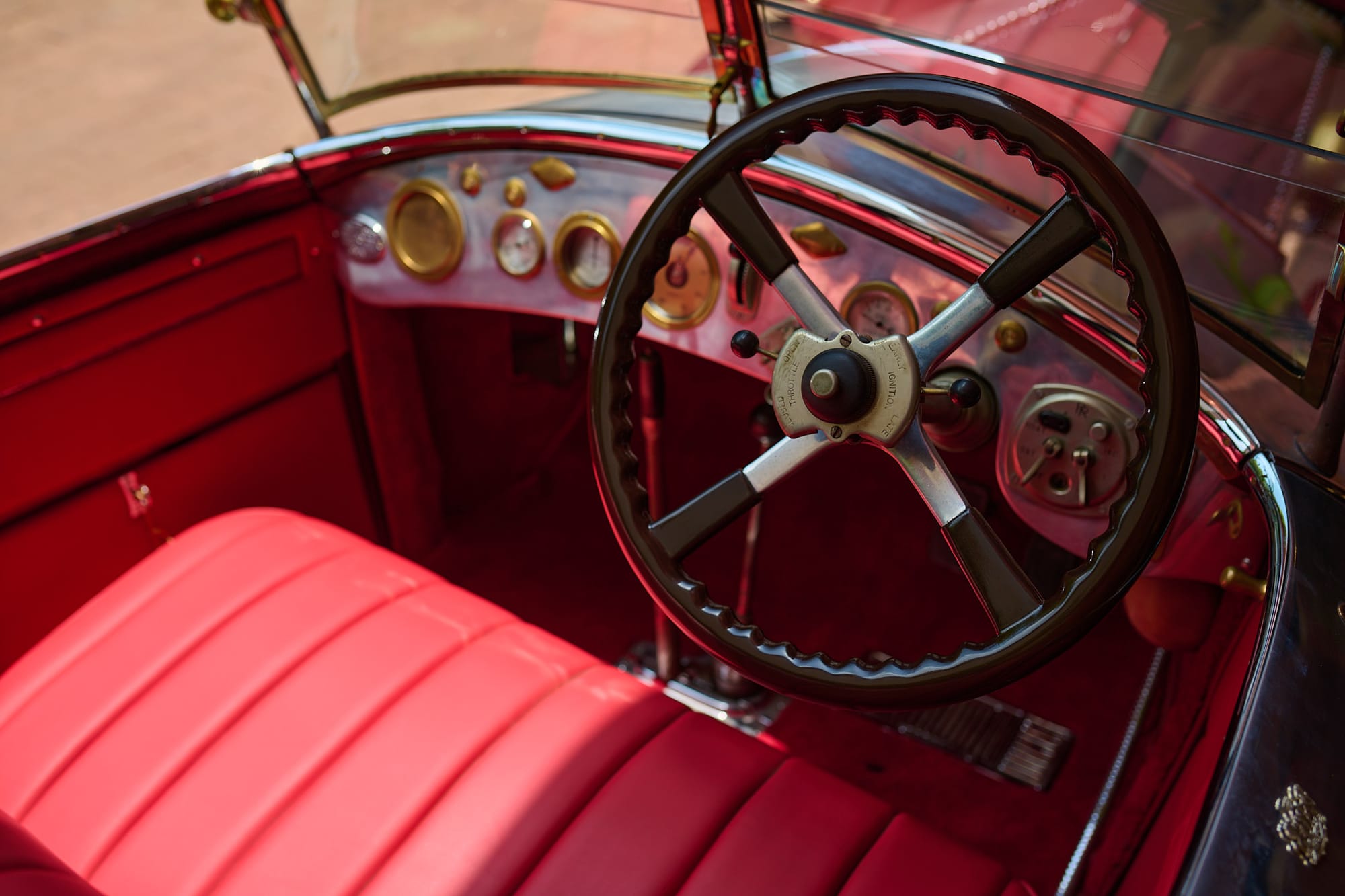
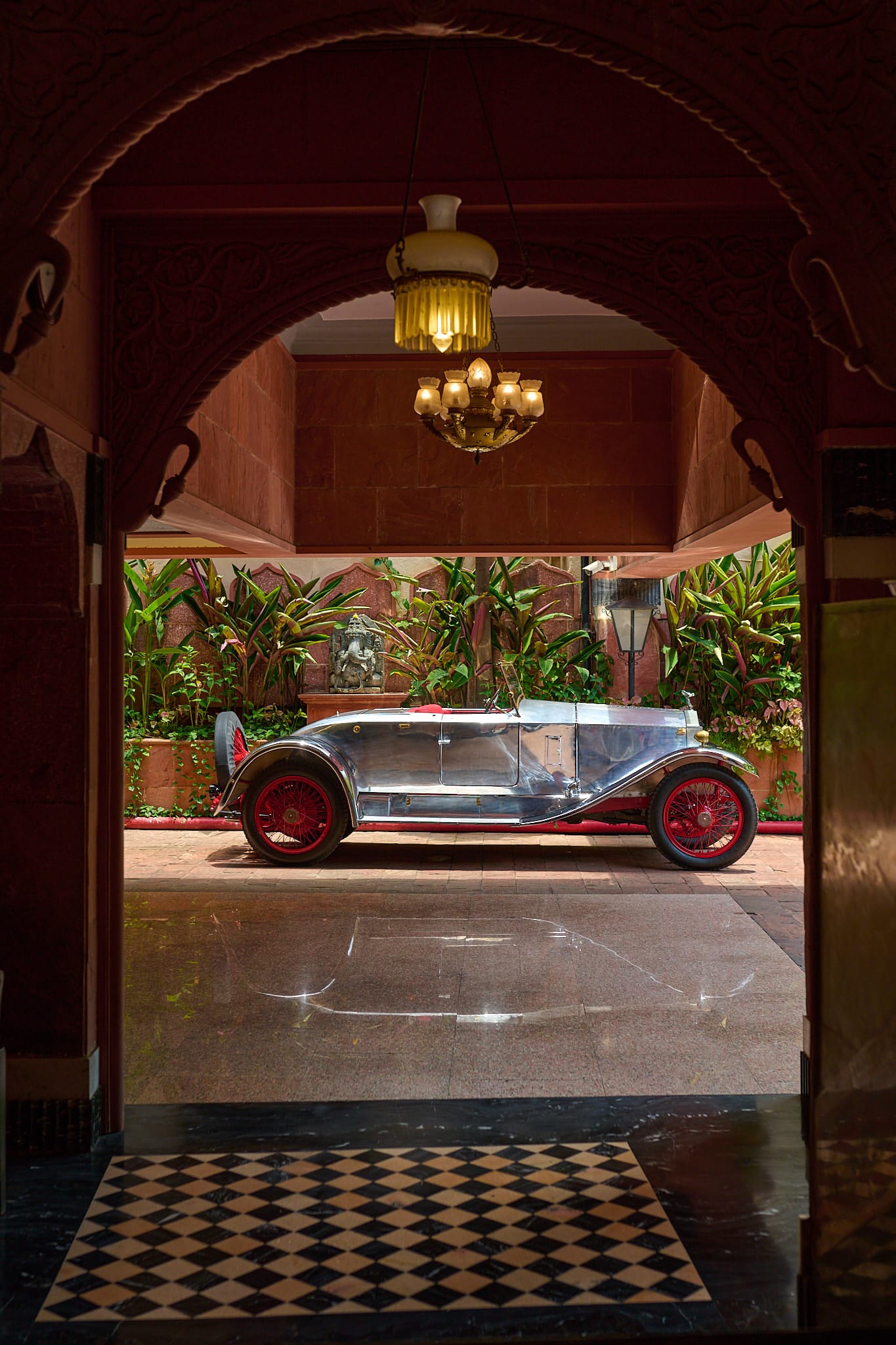
The car was left unpainted and finished in polished aluminium, giving it a striking silver sheen
It was also in the years following the First World War that Indian princes began ordering cars without paint, opting instead for polished aluminium finishes or nickel plating. Among the most renowned examples of this trend is a 1926 Rolls-Royce Phantom I, chassis number 71DC.
This striking car has appeared at numerous European events, notably the special exhibition of Maharajas’ cars at Rétromobile in Paris in 2014 and is a standout exhibit at the Dutch National Car Museum, the Louwman Collection. It was formerly owned by Nawab Wali-ud-Dowla, the wealthy prime minister of Hyderabad.
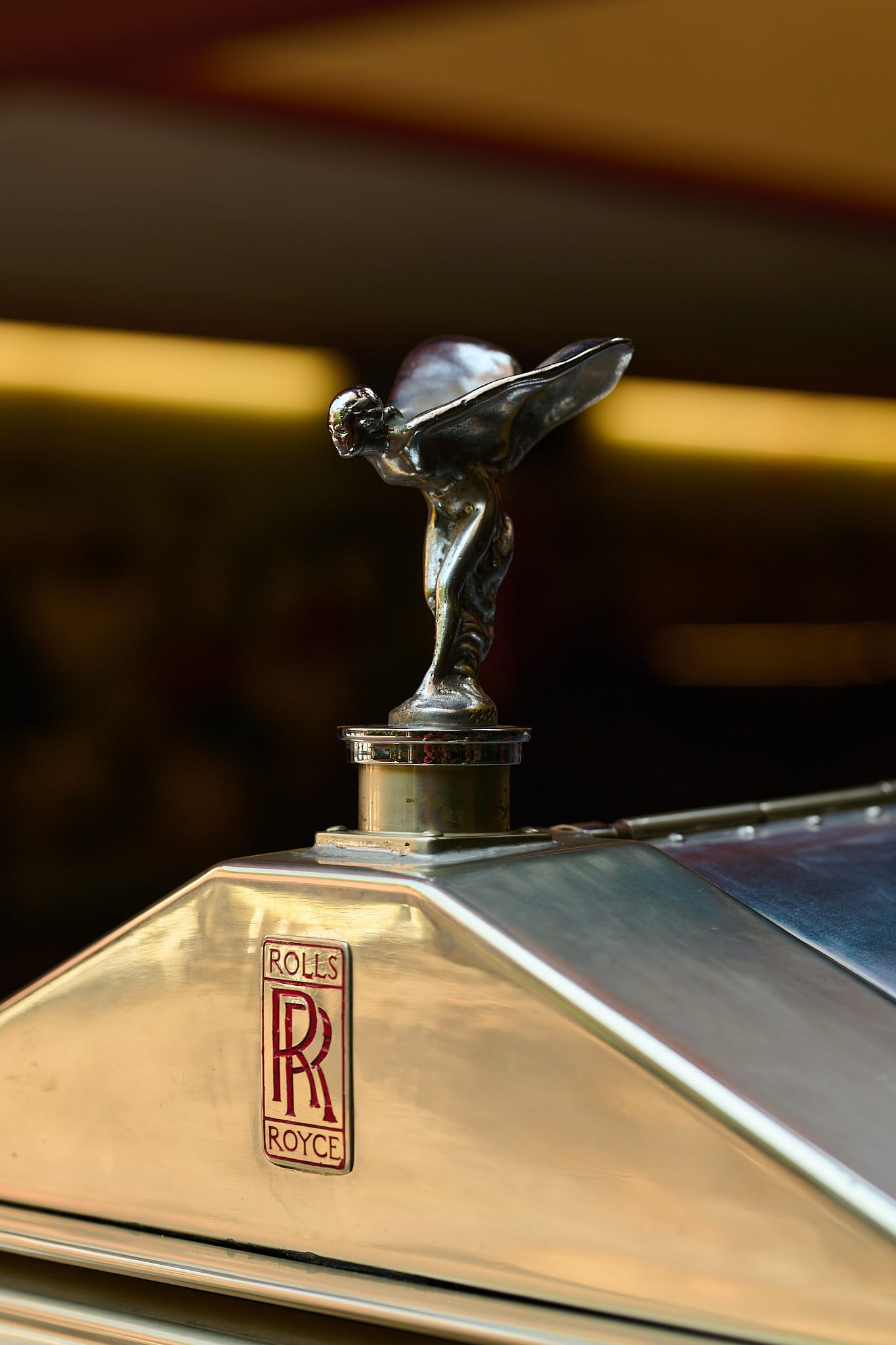
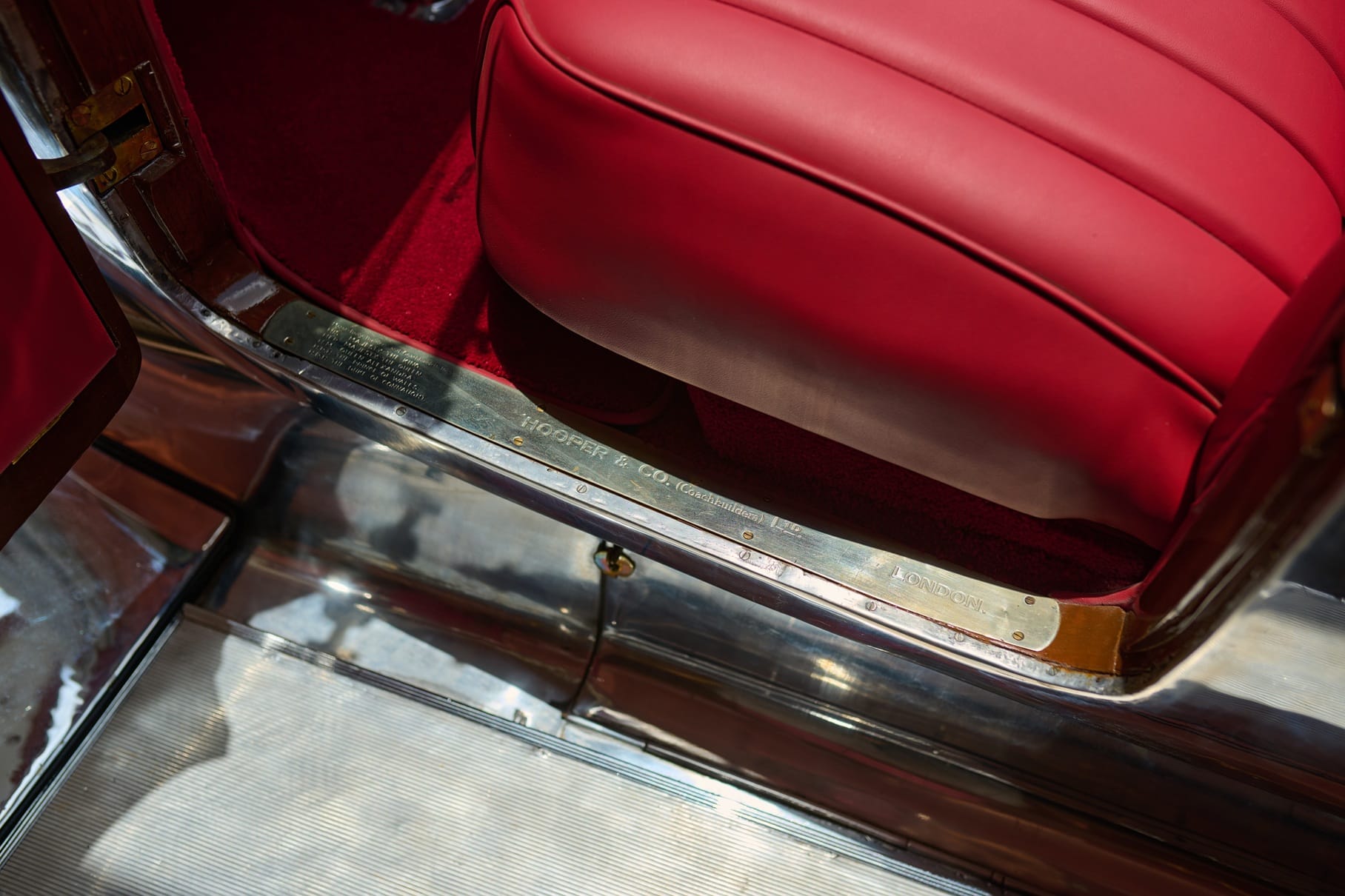
Wonderful details abound
However, the first car the Nawab acquired with such a finish was an all-aluminium Rolls-Royce Twenty ordered in 1923. Chassis number 85K6, featuring a distinctive roadster body by Hooper, was left unpainted and finished in polished aluminium, giving it a silver sheen. This treatment made both of the Nawab’s Rolls-Royces among the most striking automobiles in pre-war India.
Like the Phantom I, this 20hp Rolls-Royce appears to have remained within the family until 1932, after which it was acquired by the Mir of Khairpur. It was later sold to Nawab Alam Yar Jung, the Minister of Law and Justice in Hyderabad.
According to Rolls-Royce authority André Blaize, the car was purchased in early 1973 by Geoffrey Bawa, the celebrated Sri Lankan architect widely regarded as one of the most influential figures in Southeast Asian architecture during the latter half of the 20th century. A leading proponent of what is now globally recognised as “tropical modernism,” Bawa championed the use of indigenous materials and craftsmanship, helping to spark a post-colonial cultural renaissance.
Unfortunately, after acquiring the car, Bawa discovered that he was unable to export it to Sri Lanka. As a result, he eventually sold it to his close friend and fellow enthusiast, Pranlal Bhogilal, and the car has remained part of the Bhogilal collection ever since.
Comments ()