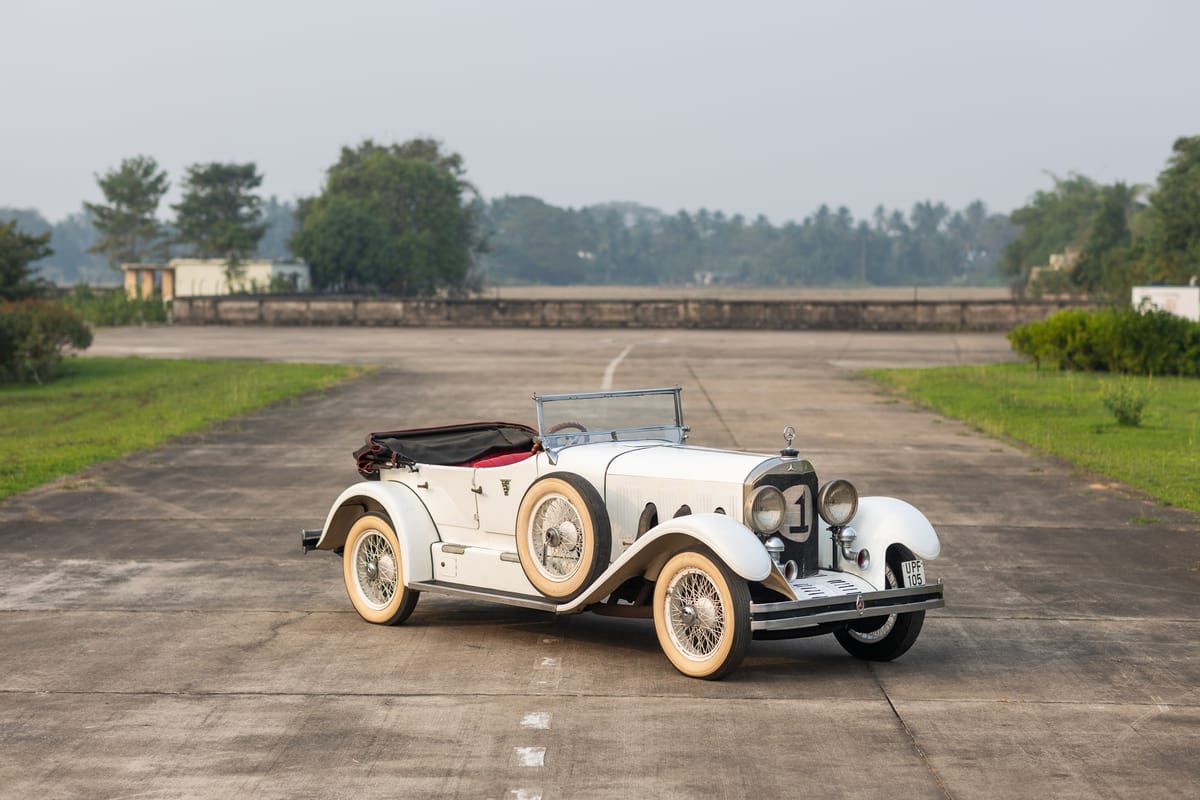
1928 Mercedes-Benz 630 K – The First of the Superchargers
When fitted with the Roots-type supercharger, the car was designated the Model K and became the fastest series-production tourer in the world
Text: Gautam Sen Images: Makarand Baokar & Vrutika Doshi
When Daimler and Benz merged in 1926 to form Daimler-Benz, Daimler’s flagship model was the formidable Mercedes 24/100/140. This remarkable car had been conceived by Paul Daimler, son of company founder Gottlieb Daimler, and drew heavily on his experience gained from racing and from developing the Roots-type supercharger.
The somewhat complex designation 24/100/140 reflected the car’s engineering sophistication: 24 referred to its taxable horsepower, 100 denoted the output without the supercharger engaged, and 140 represented the power produced when the supercharger was operating at full capacity. This triple-rating system underscored Mercedes’ technical confidence and set the car apart in an era increasingly defined by performance as much as luxury.
By 1923, Ferdinand Porsche had succeeded Paul Daimler as Daimler’s chief engineer. Under Porsche’s direction, it was decided to develop a new prestige model that would build upon the strengths of the 24/100/140 while offering greater refinement. The result was the Mercedes-Benz 630, introduced in 1928, just over a year after the historic merger.
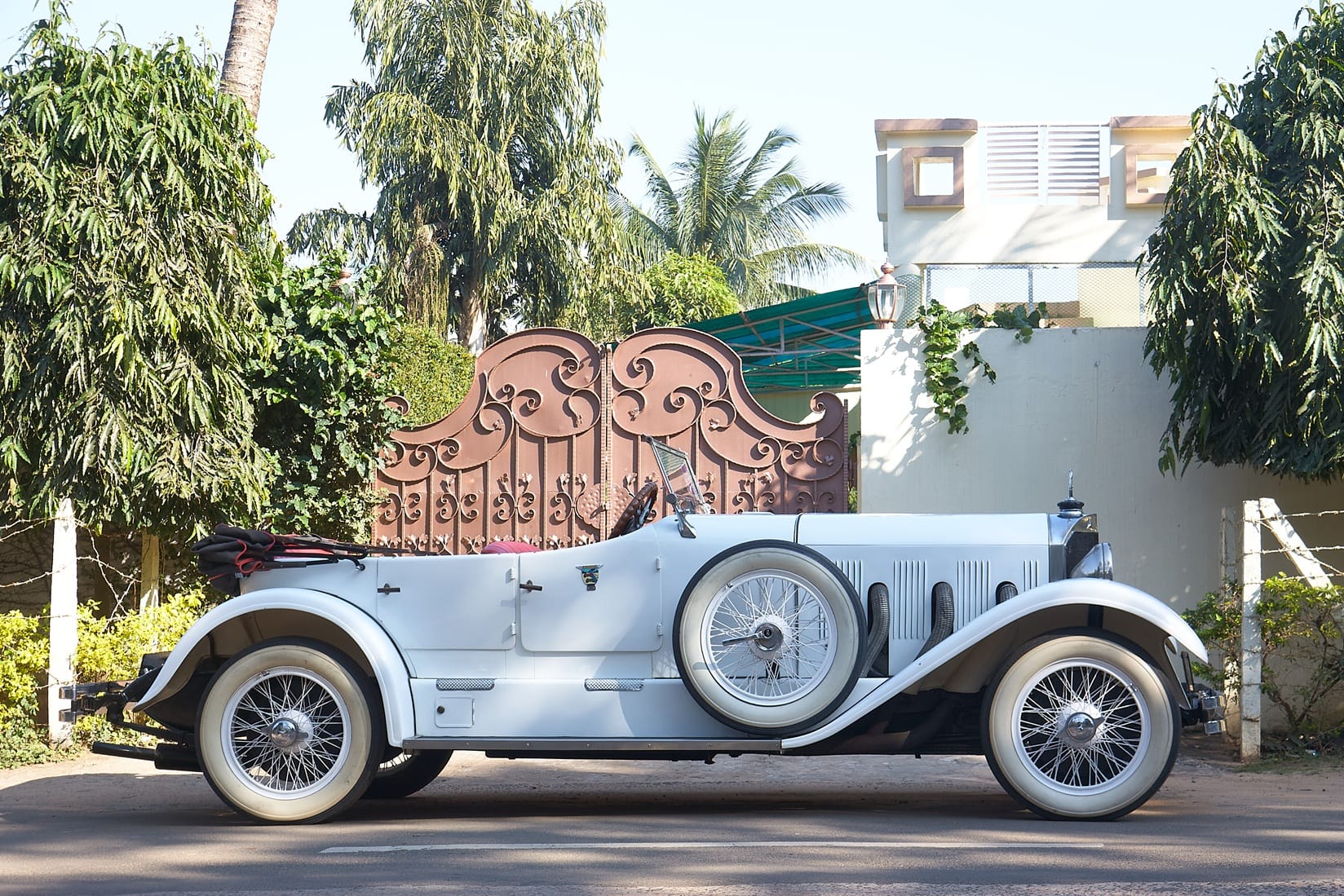
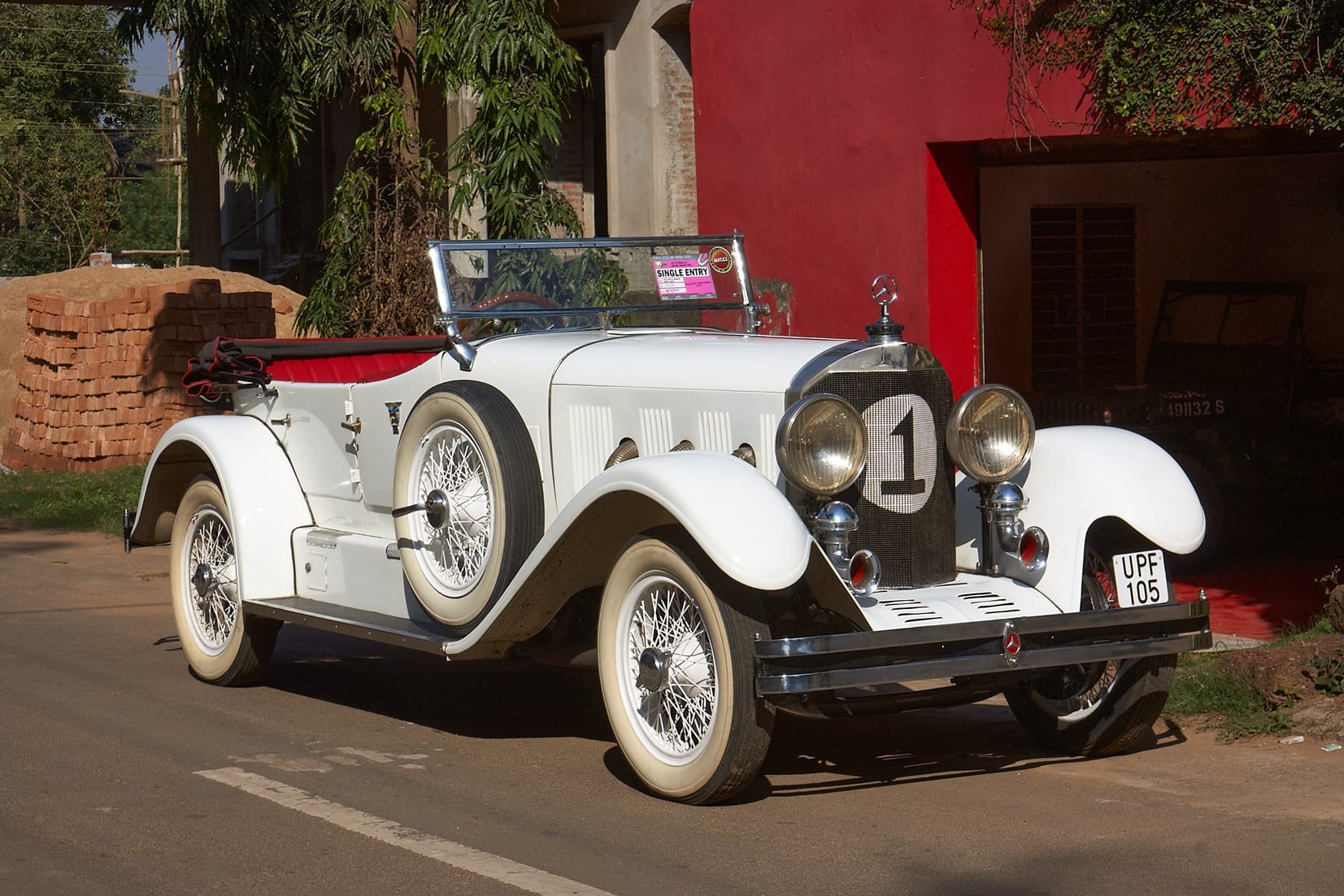
Porsche further developed Daimler’s pioneering 6,246cc overhead-camshaft straight-six engine. When fitted with the Roots-type supercharger, the car was designated the Model K and became the fastest series-production tourer in the world, capable of exceeding 145 km/h—an extraordinary figure for the late 1920s. The letter “K” stood for kurz, the German word for “short,” as Porsche reduced the wheelbase of the 630 from 3.75 metres to 3.4 metres to improve agility and performance. This designation should not be confused with the later use of “K” to denote Kompressor (supercharger), although the Model K did indeed feature one.
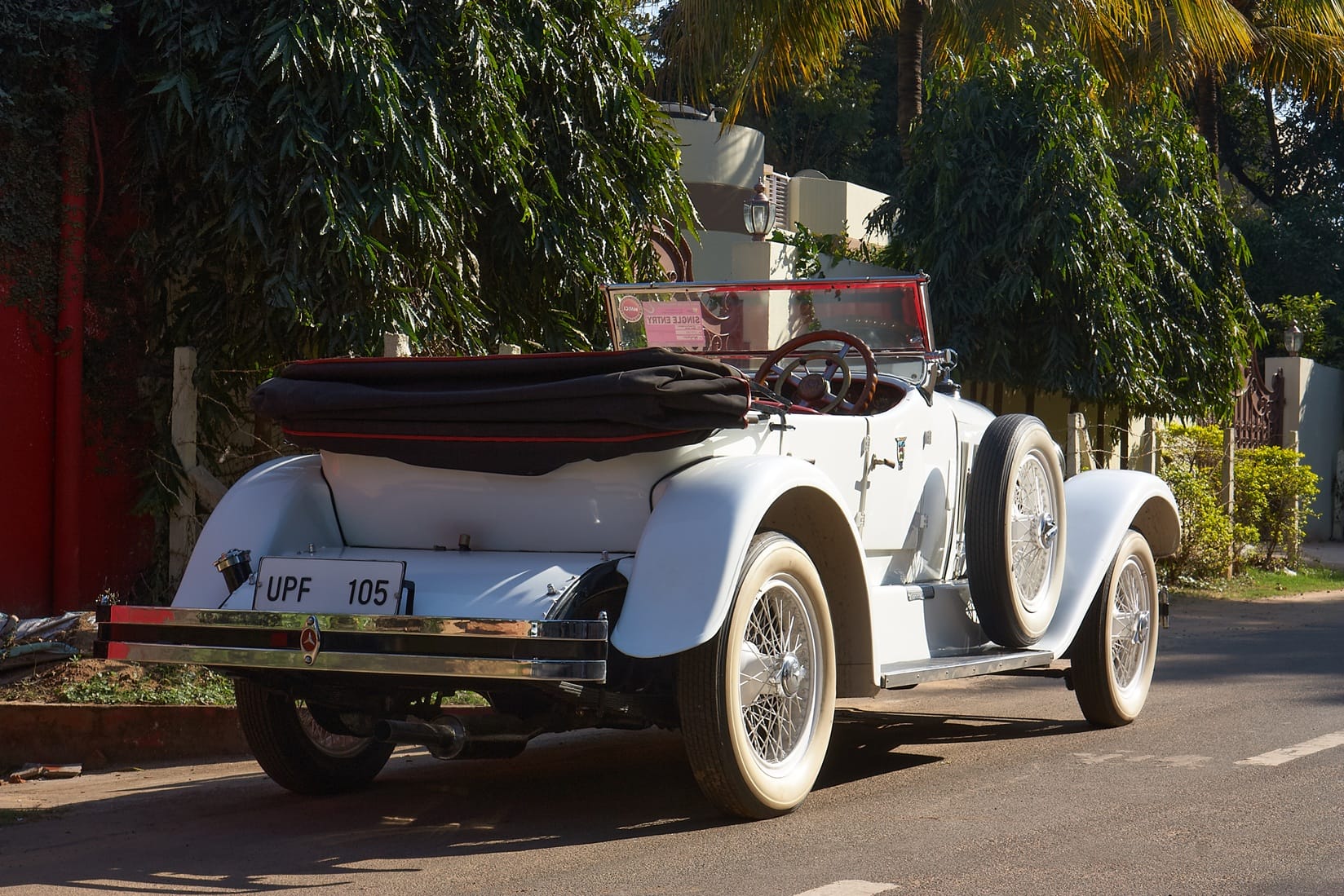
Of the approximately 150 Model Ks produced, it is not known exactly how many reached India, but at least two examples are known to have survived in the country. One was imported by Maharajkumar Gopalsaran of Tekari, a small princely estate in Bihar. The car later changed hands and was acquired by Anthony Stewart, an Englishman employed by the British-owned Indian Tobacco Company in Saharanpur, Uttar Pradesh.
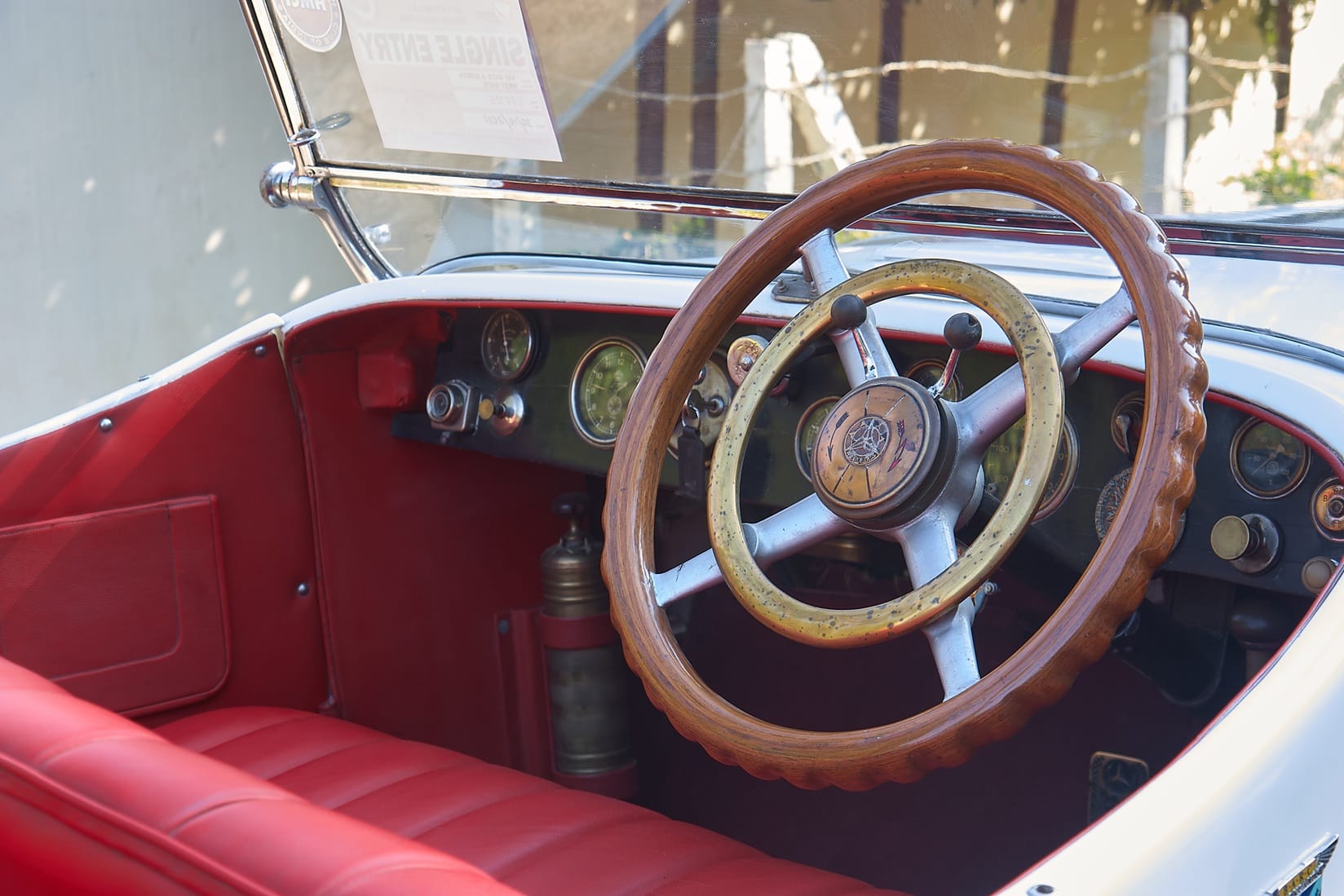
In the early 1980s, the Mercedes was purchased by Pune-based enthusiast Cyrus Poonawala, who subsequently sold it to one of Dr Vijay Mallya’s companies. Another Model K in India was acquired by Kunwar Alekshandra Kant Singh, the prince of Bhinga, a taluqdari estate in Uttar Pradesh. Originally finished in red, this car was fitted with a wooden storage box at the rear, used by the prince to carry picnic hampers—a charming detail that reflected its dual role as both performance machine and leisure vehicle.
Following the prince’s death in 1936, the car passed to his son, Chandramani Kant Singh. In an unusual exchange, Chandramani Kant later traded the Mercedes to his uncle for a trailer, which could be converted into a tent. The uncle, the late Rajadhiraj Sudershan Singh, sent the car to Bombay in the mid-1960s. From there it was moved to Rajkot, where it remained stored in a workshop for some time, before being transported by truck to Calcutta. The recipient was Thakur Amarjeet Singh of Gumanpura, Sudershan Singh’s son-in-law.
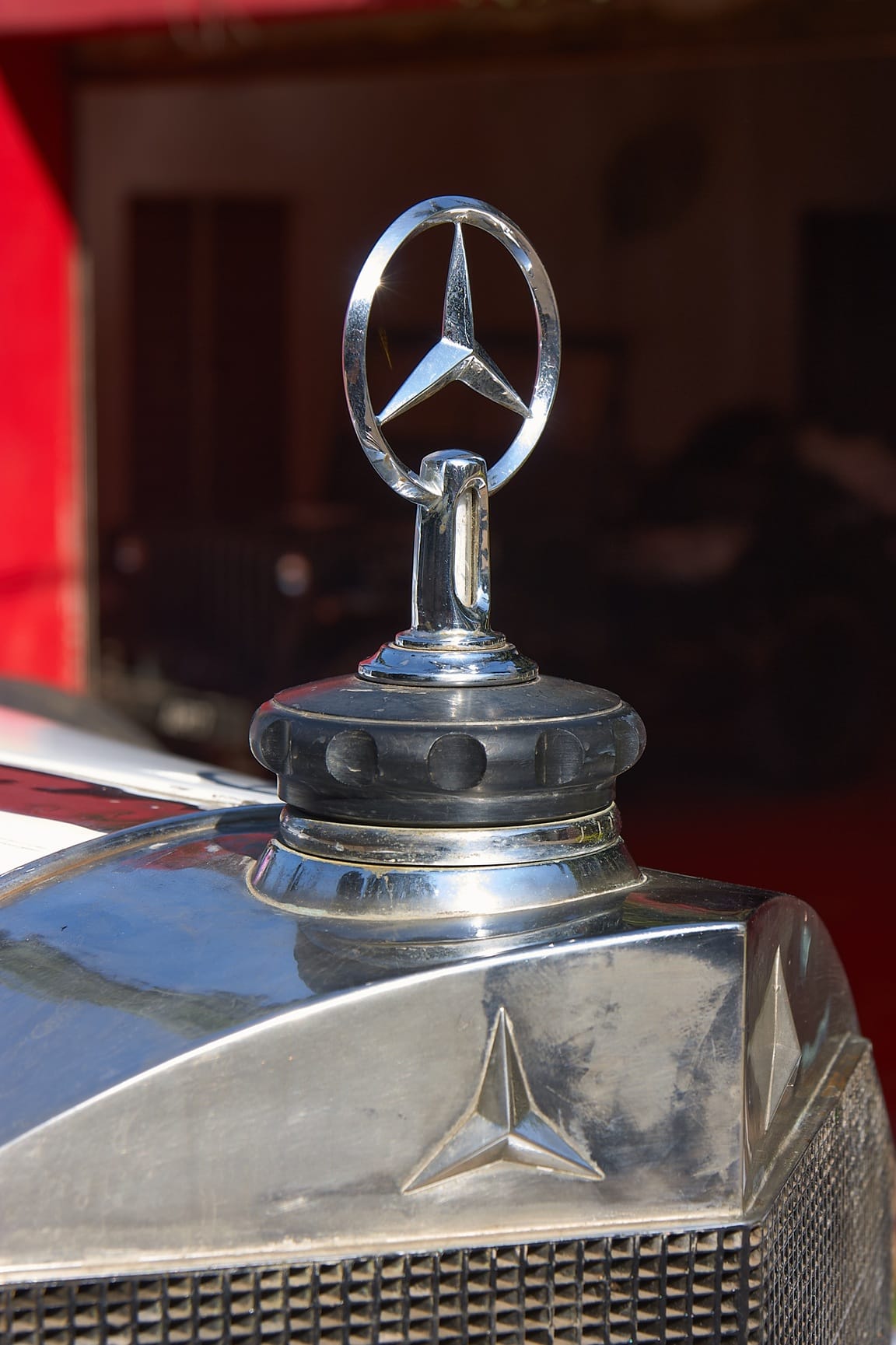
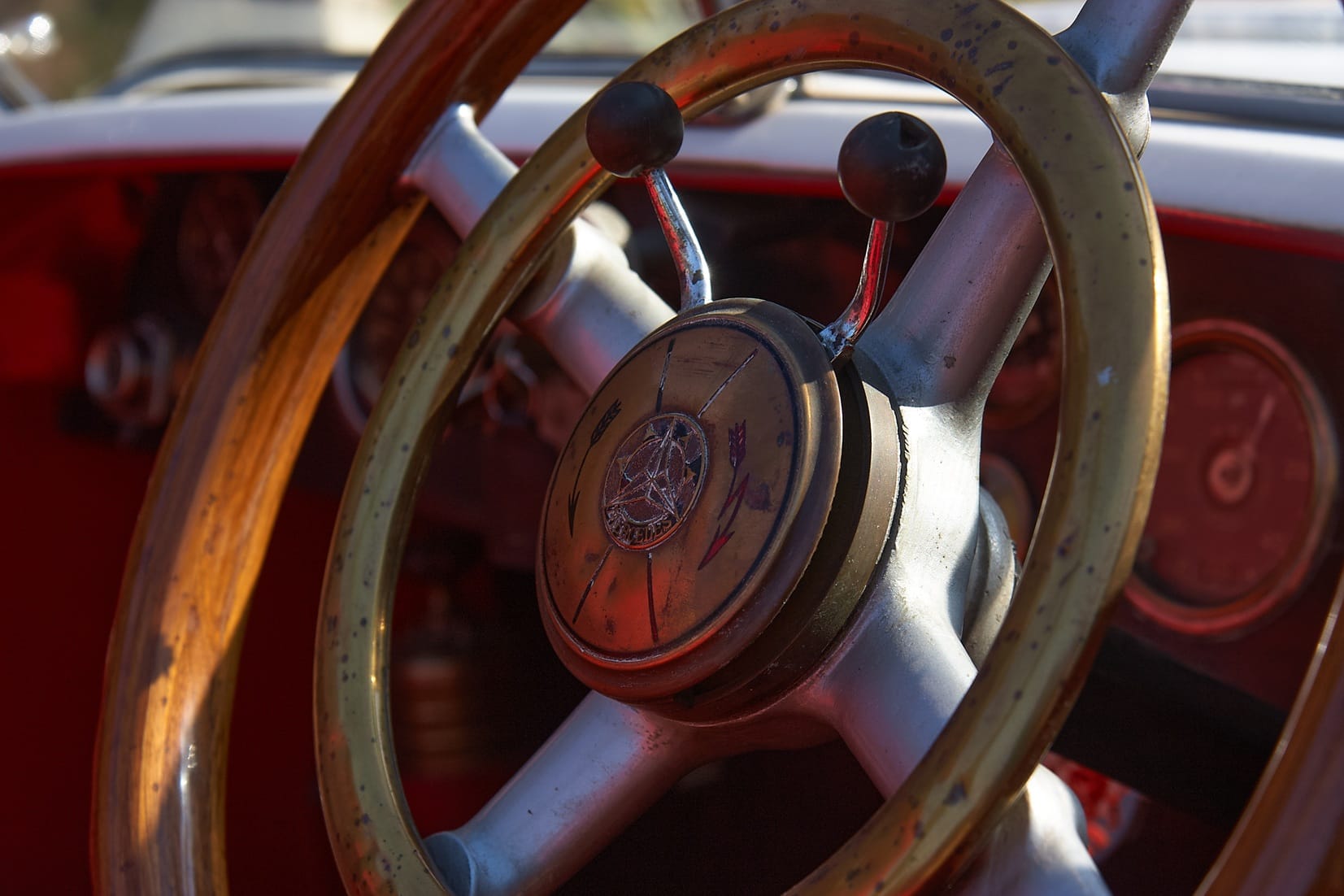
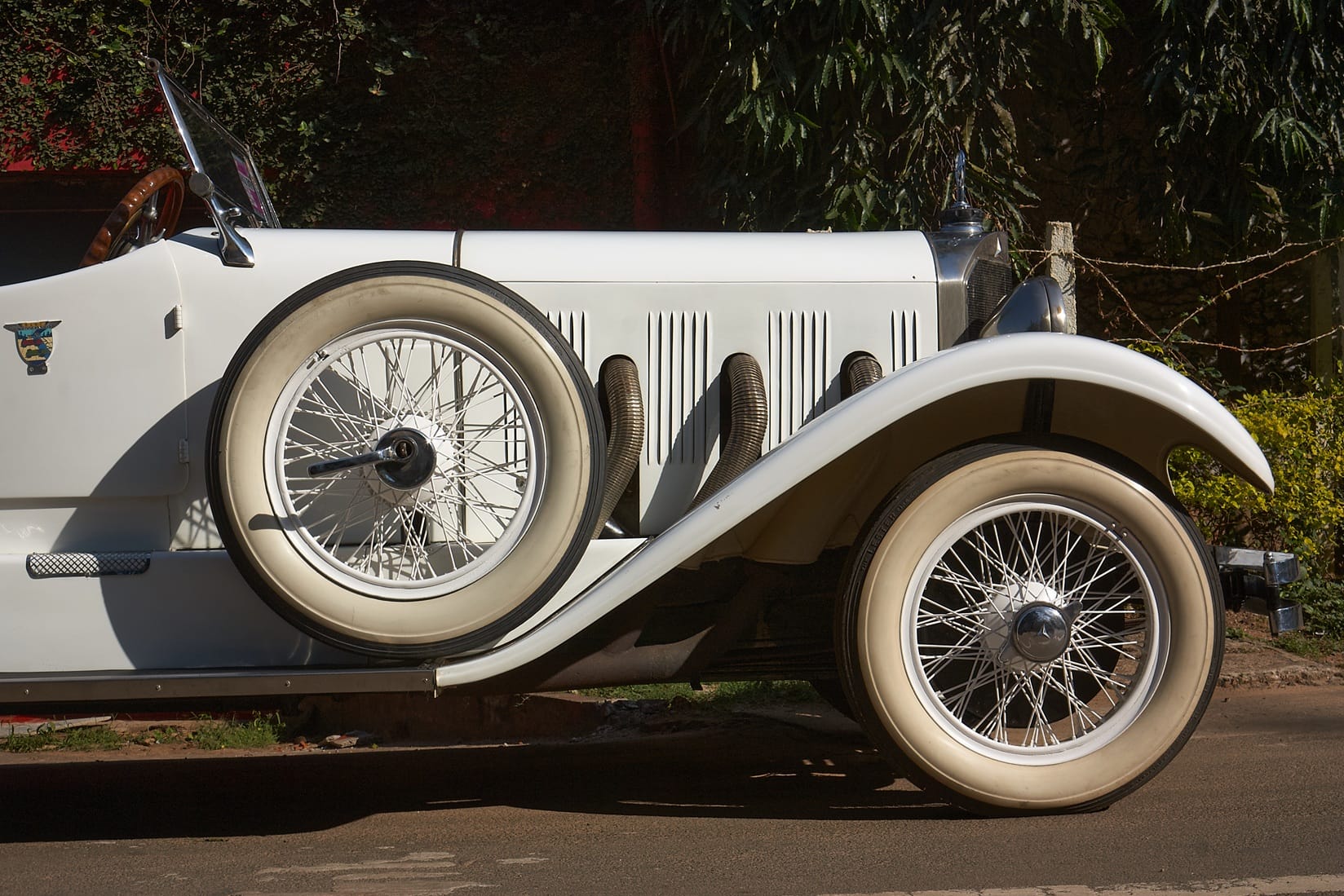
Quality details appropriate for a flagship product
Although the car was largely complete, its mechanical systems required extensive attention. Amarjeet Singh made earnest efforts to revive it but was ultimately unsuccessful, and the Mercedes remained laid up in his garage in Alipore, Calcutta.
In the late 1990s, the car was acquired by noted restorer and enthusiast Ranjit Malik. With just over 9,000 kilometres recorded on the odometer, the Mercedes presented a rare and compelling restoration challenge. Malik undertook a thorough restoration, completing the bodywork and successfully recommissioning the mechanicals.
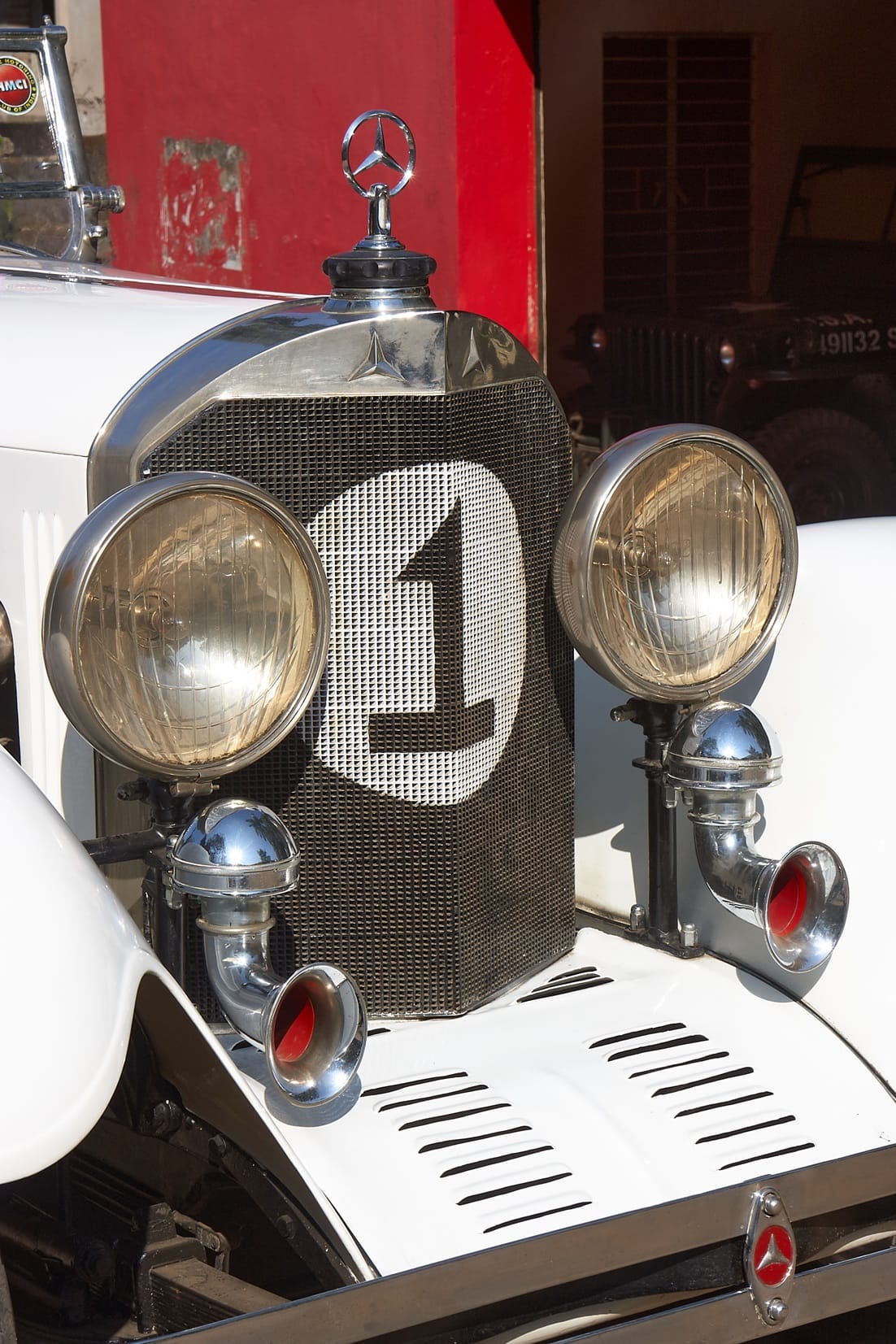
In the summer of 2009, the car changed hands once more, and since then it has formed part of the Dharmaditya Patnaik collection in Bhubaneswar—an enduring testament to Mercedes-Benz’s early mastery of combining luxury, innovation, and extraordinary performance.
Comments ()