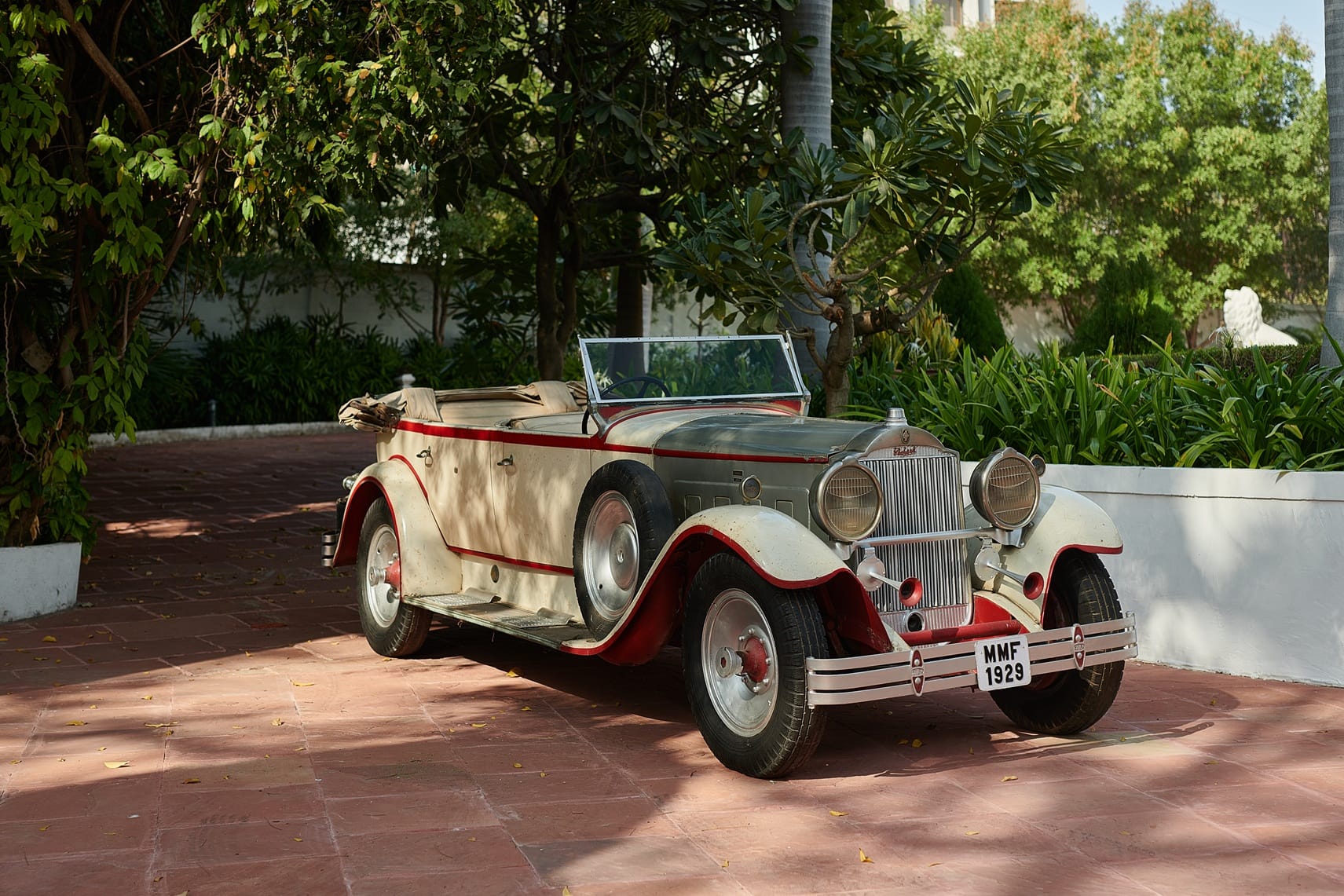
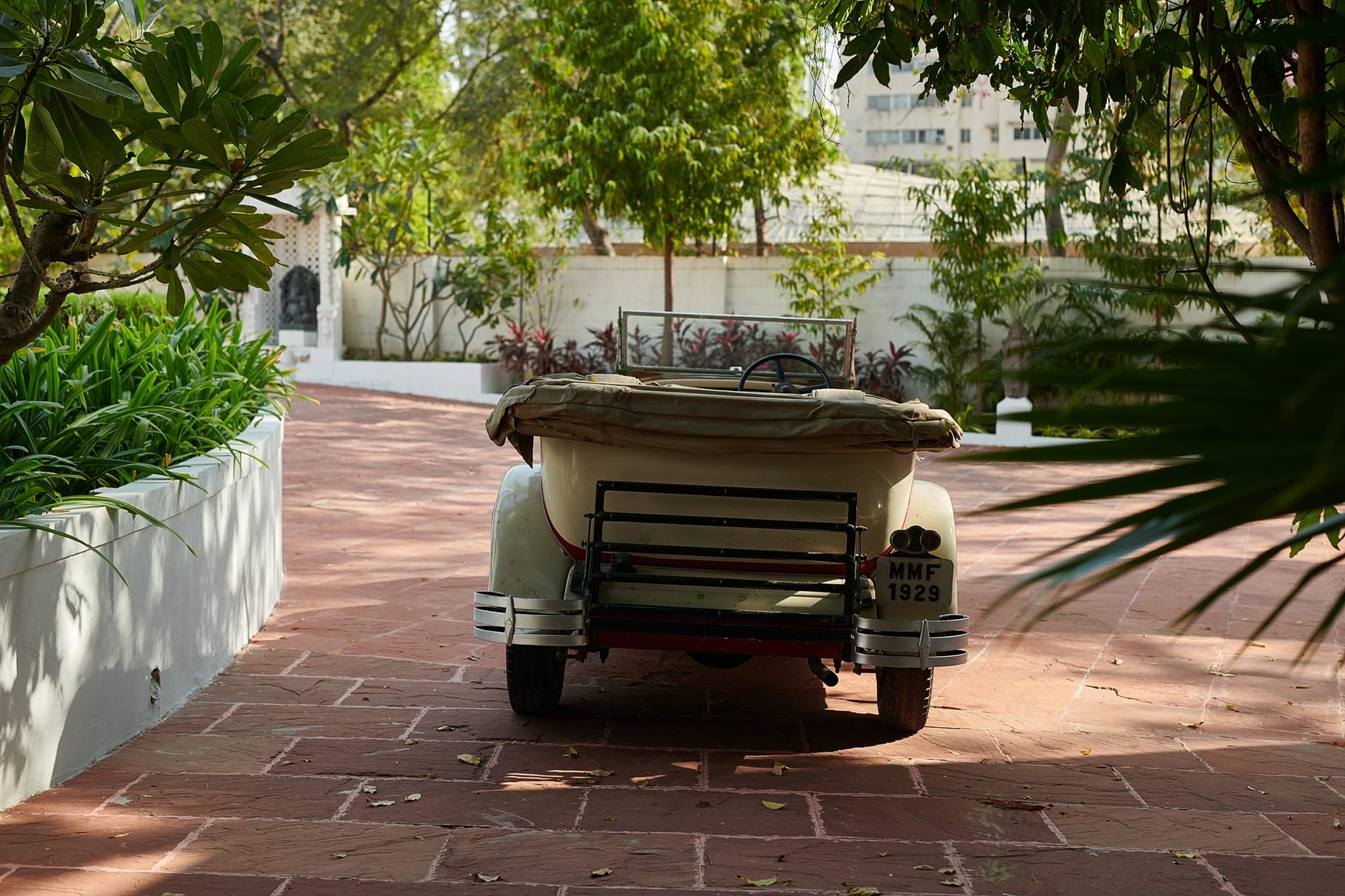
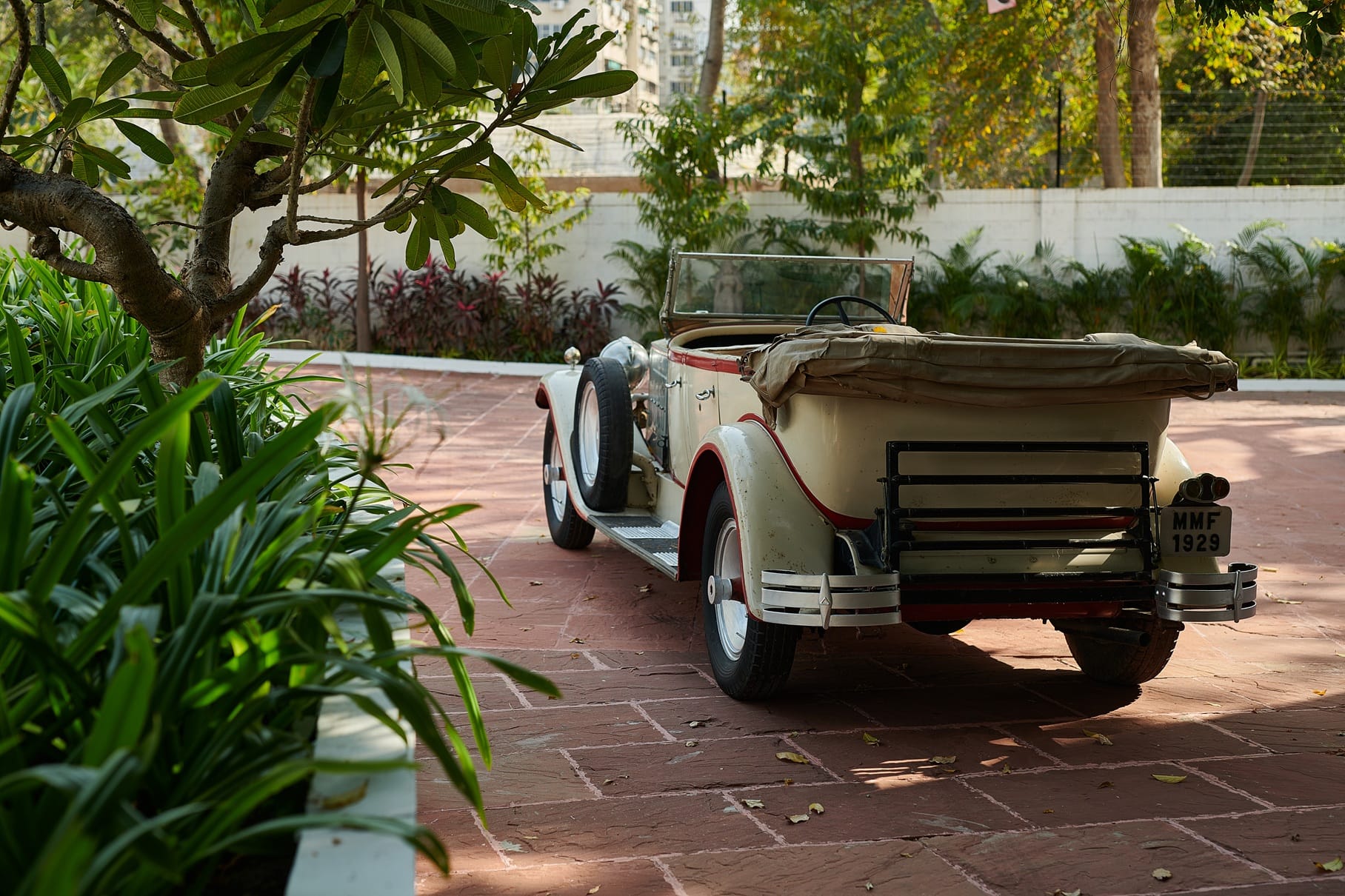
1930 Packard 745 - The Epitome of Luxury
The Packard 745 was powered by a 6309cc straight-eight engine producing an impressive (for its era) 106 horsepower. Remarkably, this engine remained in production into the 1950s
Text: Gautam Sen
Images: Makarand Baokar
Packard, one of the legendary “three Ps” of American luxury motordom (the others being Pierce-Arrow and Peerless), had relatively modest beginnings with a small single-cylinder runabout.
Founded in 1899 in Warren, Ohio, as the Ohio Automobile Company by brothers James Ward Packard and William Doud Packard, along with George L. Weiss, the firm was renamed the Packard Motor Car Company in 1902 and relocated to Detroit in 1904.
The company’s early single-cylinder cars soon gave way to twin- and four-cylinder models. In 1912, Packard introduced its first six-cylinder car, the Six, also known as the Dominant Six – a highly luxurious and expensive automobile that ranked among the most prestigious American cars of its era.
Beyond automobiles, Packard contributed significantly to aviation and marine engineering during the First World War. Drawing on experience gained from the Liberty V aero engine, the company went on to develop the world’s first V12 engine for automotive use.
This engine, named the Twin Six and introduced in 1916, proved highly successful and became Packard’s flagship model, helping establish the brand as the world’s leading luxury car manufacturer through the Roaring Twenties.
However, the 1929 stock market crash severely affected the company. In response, Packard streamlined its line-up in the early 1930s, focusing primarily on the Standard Eight and Super Eight series. This strategic shift helped the company maintain its position as the world’s best-selling luxury automobile marque.
India proved to be an important market for Packard, with many princely families becoming devoted customers. Among them was the Maharaja of Jaipur, Sawai Man Singh.
The earlier ruler, Madho Singh II had many children by various concubines, but, due to superstition and warnings from a sage, he avoided having legitimate heirs with his five wives.
Consequently, on March 24, 1921, he adopted his kinsman, ten-year-old Mor Mukut, as his son and successor, renaming him Man Singh. Madho Singh II passed away a little over a year later, and in 1922, Sawai Man Singh ascended the throne of Jaipur at just 11 years of age.
As ruler, Man Singh pursued modernisation, developing infrastructure and establishing numerous public institutions that later contributed to Jaipur becoming the capital of Rajasthan. Recognising the potential of tourism early on, he converted Rambagh Palace into a luxury hotel in 1958.
In 1965, he was appointed Indian Ambassador to Spain. He was also a celebrated polo player, notably winning the World Cup in 1933. Tragically, he died in 1970 after a fall during a polo match in England. He was survived by his third wife, Gayatri Devi, and four sons.
Although he had two earlier politically arranged marriages, his most renowned relationship was with Gayatri Devi of Cooch Behar, daughter of Maharaja Jitendra and Indira Raje.
Celebrated for her beauty and elegance, Gayatri Devi was once regarded as one of the most beautiful women in the world. She outlived the Maharaja, passing away on July 29, 2009, at the age of 90.
She retained several of the exquisite automobiles acquired during her time with Sawai Man Singh, including a 1937 Bentley 4½ Litre MX Series (purchased before their marriage and later showcased at the 2008 Cartier Concours in Bombay) and a 1950 Jaguar XK120.
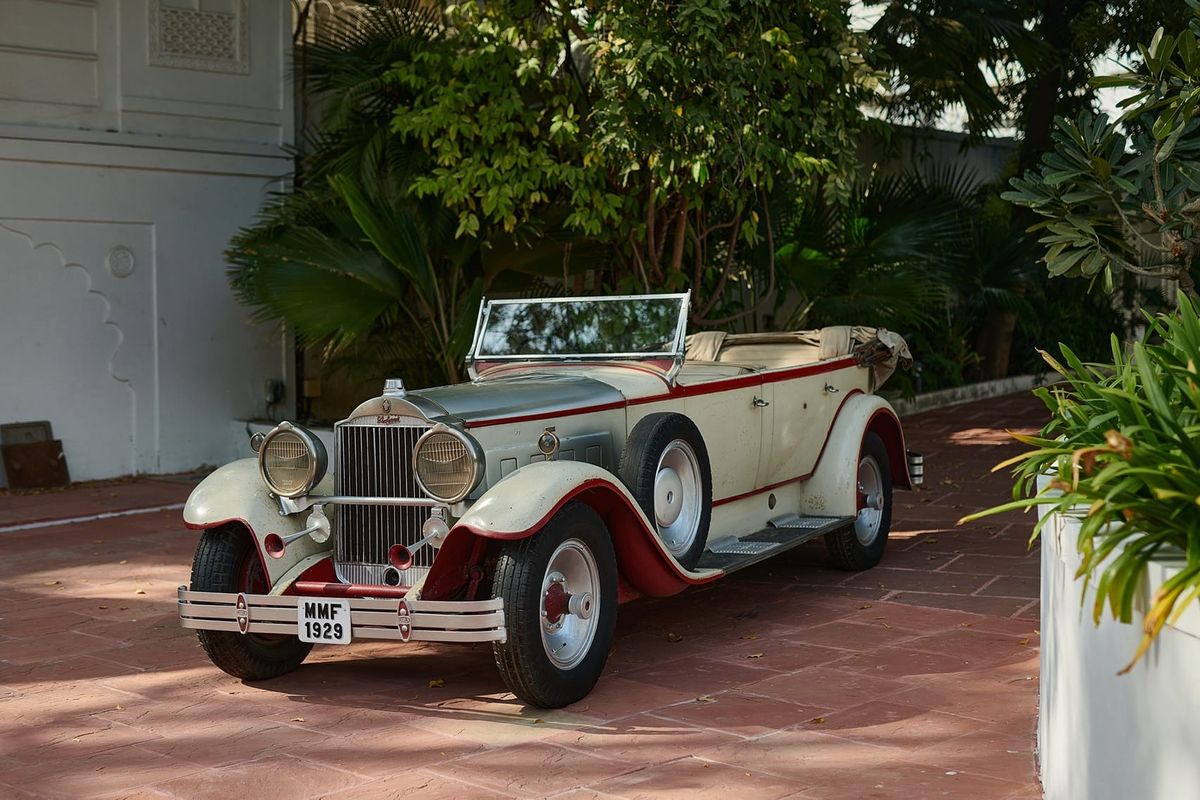
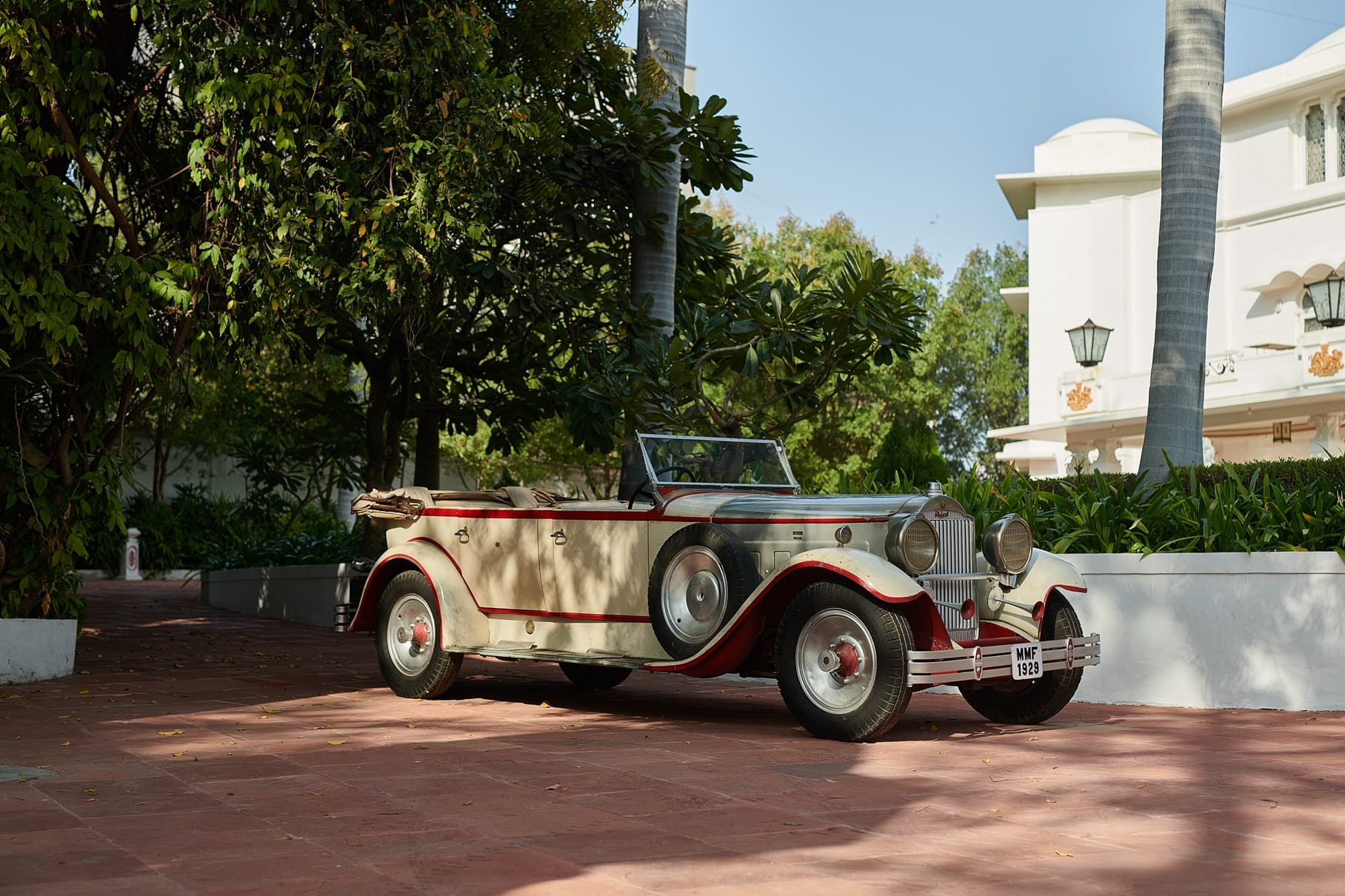
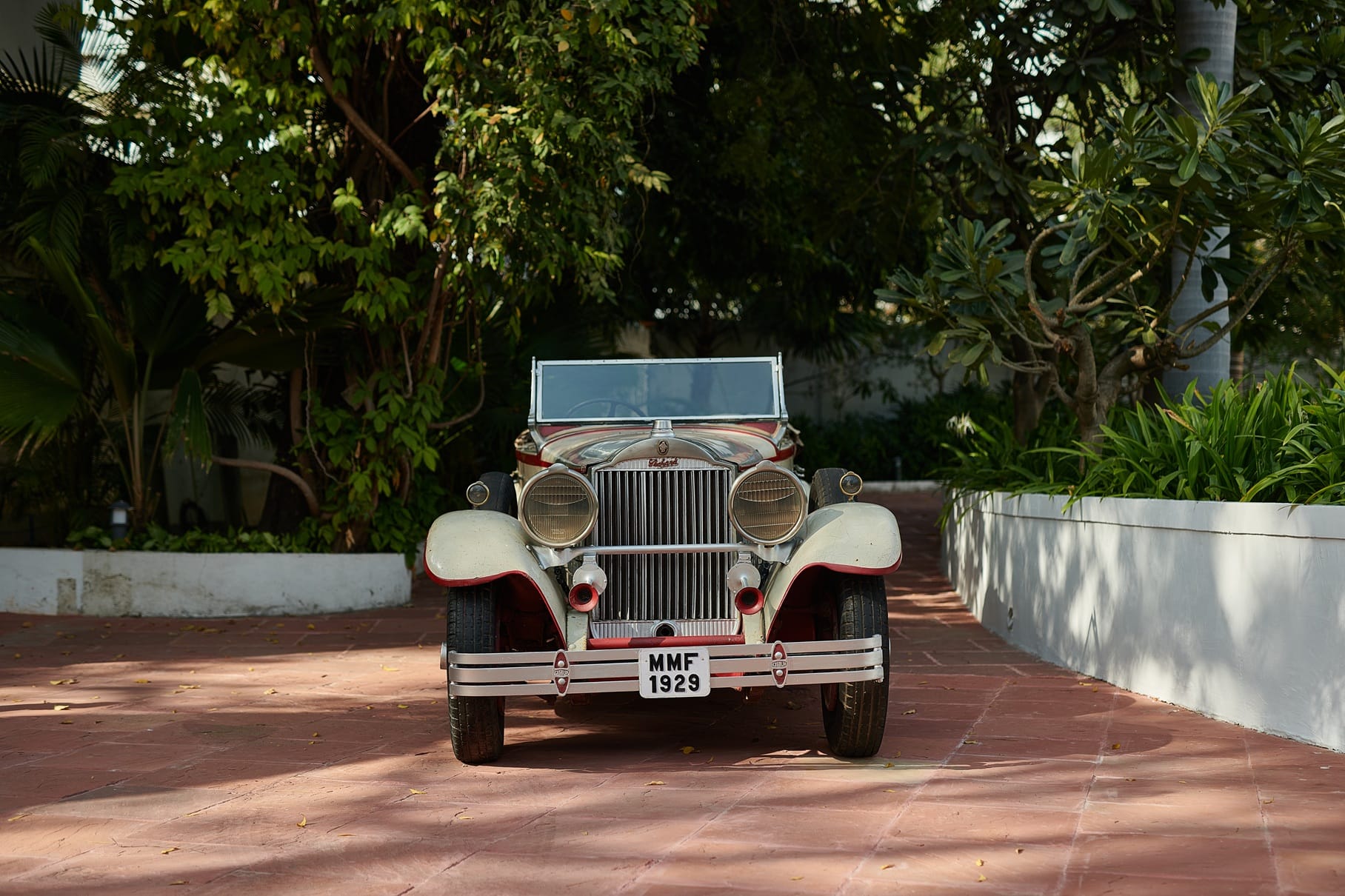
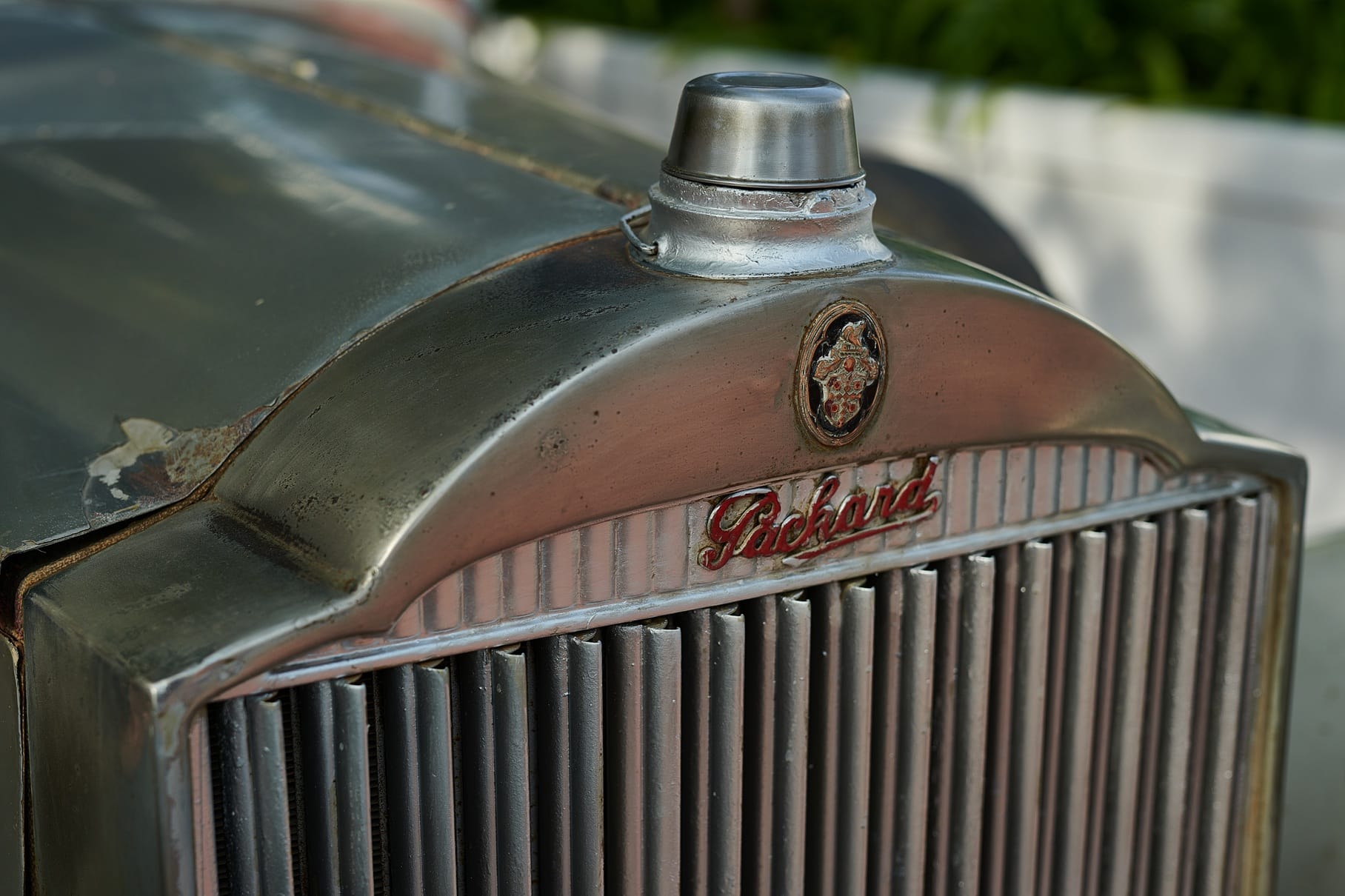
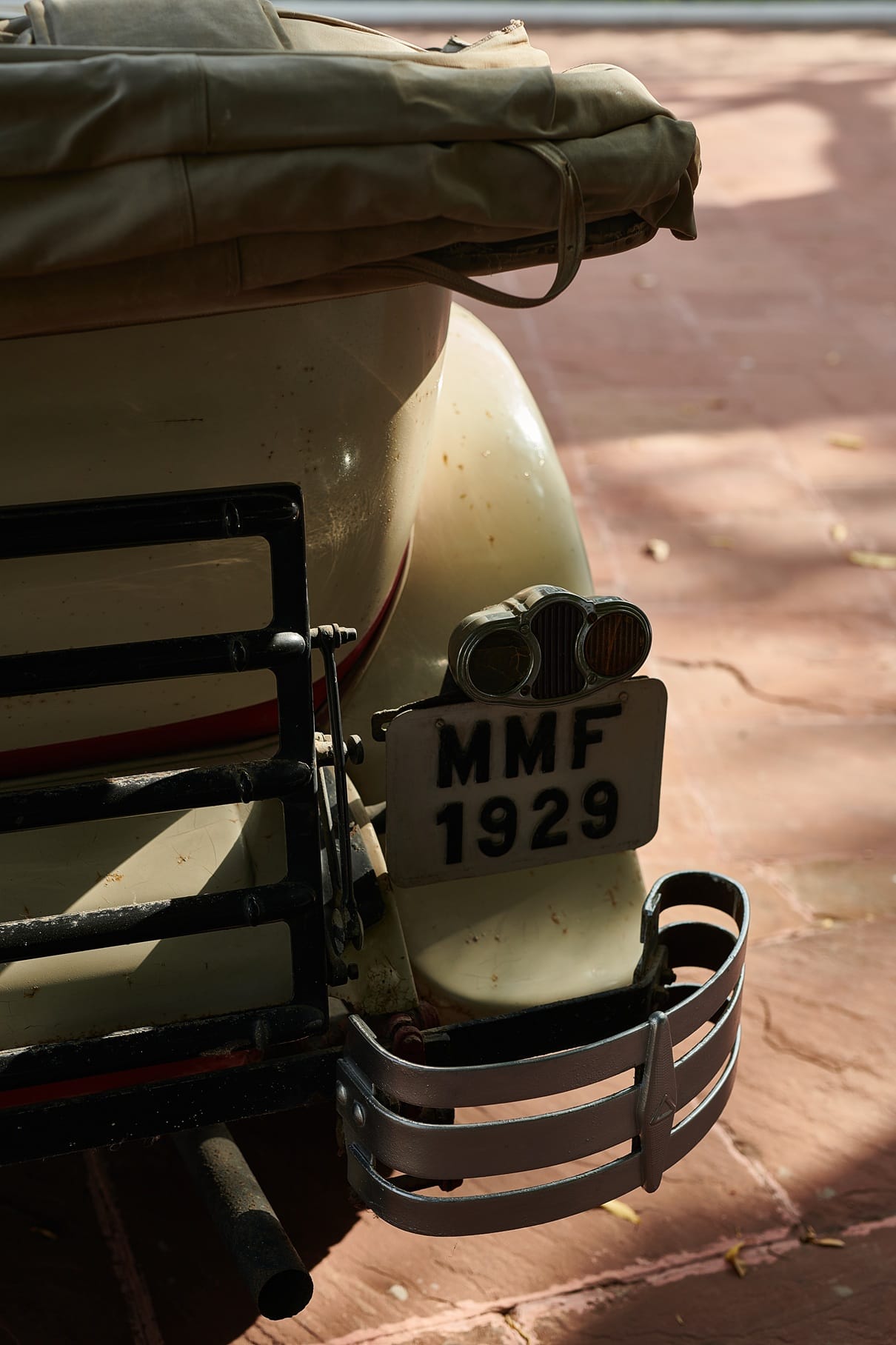
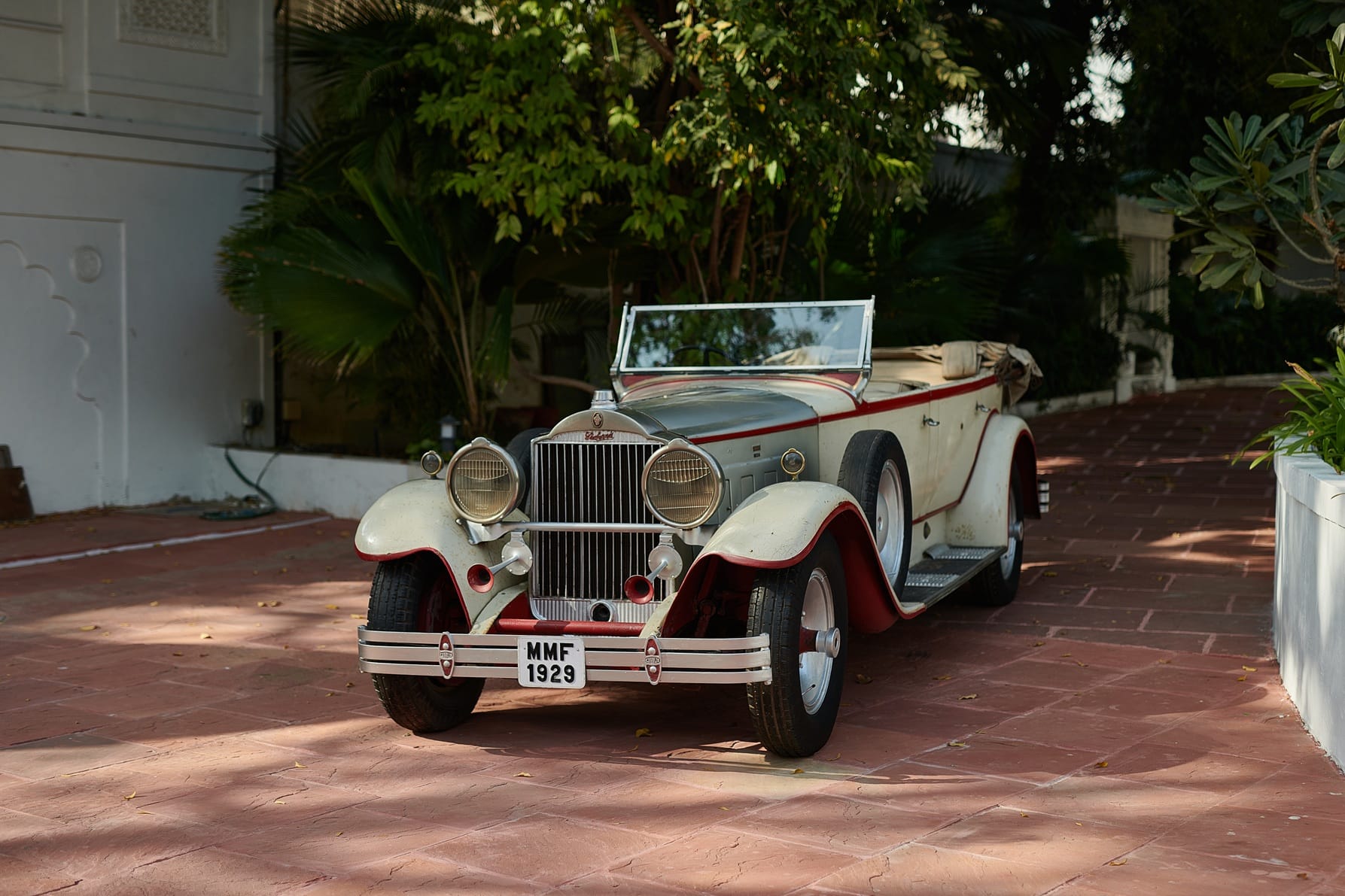
One of the cars that eventually left their possession and entered the Pranlal Bhogilal collection is a 1930 Packard 745, featured on this page.
Packard, as we know, was the leading luxury car brand, selling around 55,000 cars in 1928. Despite the 1929 economic downturn, the company still managed sales of approximately 35,000 units that year and even exceeded 36,000 in 1930. Of the 1930 production, only 1,789 units of the 745 model were built, making it relatively rare.
The Packard 745 was powered by a 6309cc straight-eight engine producing an impressive (for its era) 106 horsepower. Remarkably, this engine remained in production into the 1950s.
The model featured several advanced technologies for its time, including a centralised chassis lubrication system, front-wheel brakes, a four-speed transmission, a shatterproof laminated windscreen, and a hypoid rear axle.
Renowned for its smoothness and refinement, Packard automobiles were regarded as excellent long-distance touring cars. Closed body styles were more common, making open tourers especially rare, such as the fine surviving example described here, which can be seen at the Dastan Autoworld Museum in Ahmedabad.
Comments ()