1931 Lancia Dilambda – An Italian Style Icon
Text: Gautam Sen Images: Makarand Baokar
Without doubt the Lancia Lambda represented the cutting edge of automotive innovation in the 1920s. Whereas, Lancia’s flagship model of 1929, the Dilambda, appeared, at first glance, to be a step backwards. This apparent regression, however, was entirely deliberate. The Dilambda project originated in 1926, when Vincenzo Lancia set out to develop a more modern successor to the celebrated Lancia Trikappa for his wealthiest clientele. The new car was initially conceived as a monocoque design, like the Lambda, and was to be powered by a large eight-cylinder engine of 3.0-3.5 litres.
The course of the project changed dramatically when a wealthy American visitor, a certain Mr Flocker, toured the Lancia factory in Turin. He persuaded Vincenzo Lancia that the company stood to gain significantly by exporting a model better suited to the American market.
Acting decisively, and without consulting his closest collaborators, Vincenzo Lancia abandoned the original concept and redirected the project toward a much larger and heavier car. Doubting that a loadbearing monocoque structure would be viable at this increased scale, he instructed the design office to develop a conventional ladder-frame chassis instead.
The first chassis prototype was patented in June 1927 and refined by January 1928. A second patent described a box-section ‘X’-shaped frame incorporating a longitudinal beam to house the transmission shaft, with the fuel tank integrated at the rear.
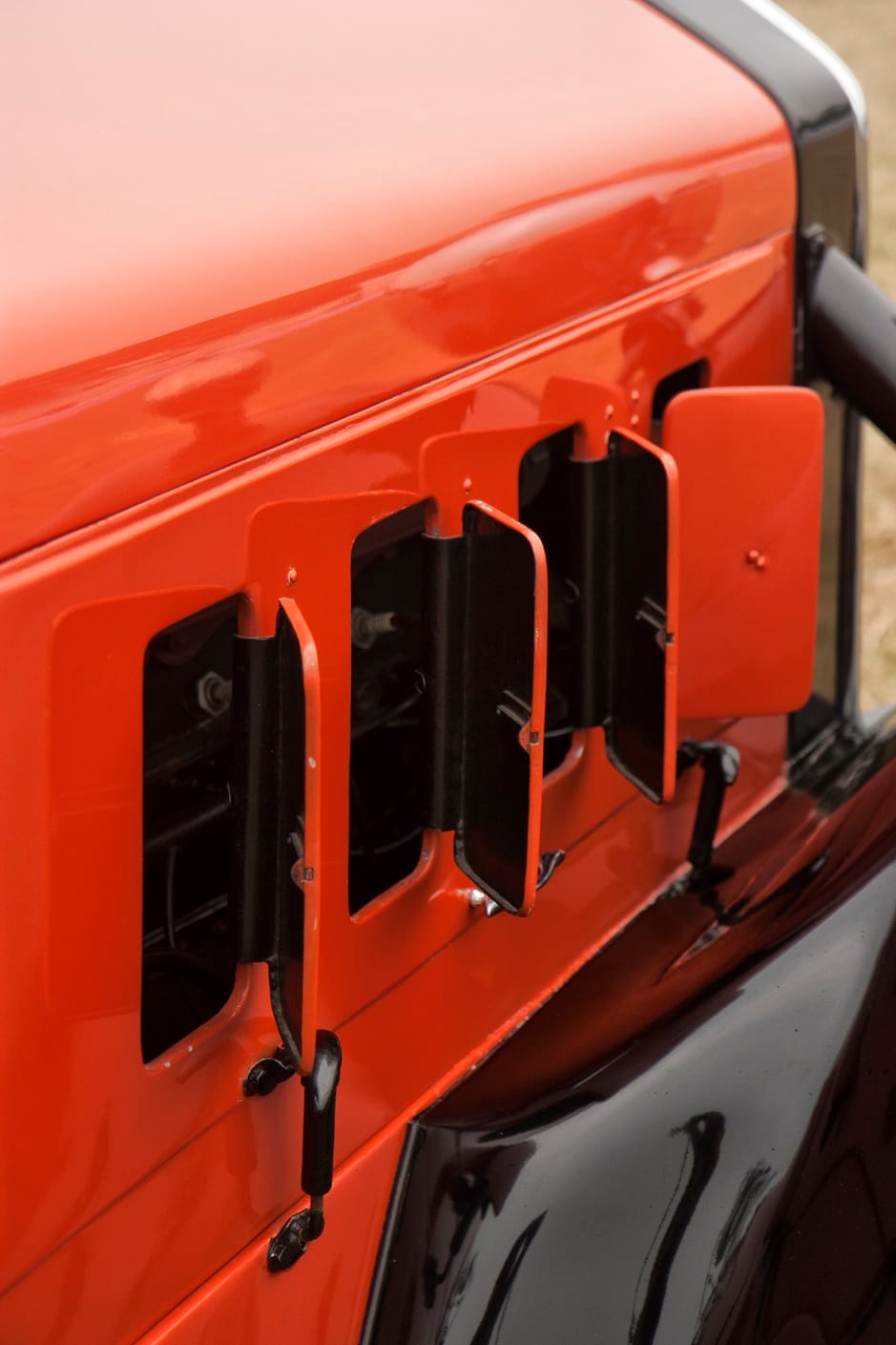
Alongside this new chassis came an innovative engine: a narrow-angle (24°) 4.0-litre V8. Producing 100 bhp at 3800 rpm, the engine was renowned for its exceptional flexibility, famously allowing the car to pull away smoothly even in fourth gear. Additional technical innovations included silent-block engine mountings, a newly designed lubrication pump, a thermostat-controlled cooling system, and a centralised chassis lubrication point.
Series production began in 1929, following a small batch of pre-production cars built in 1928. Buyers could choose between a factory-built saloon or a tourer body, though most Dilambdas were delivered as bare chassis to be bodied by some of the most distinguished carrozzerias in Italy, as well as leading firms in France and elsewhere.
With incremental refinements, the Dilambda was produced in three series and two wheelbase lengths. Between 1929 and the end of production in 1935, just 1,685 examples were built, a figure rendered even more exclusive by the Wall Street crash of 1929, which devastated demand for high-end automobiles. To put its positioning into perspective, a Dilambda chassis alone cost more than three times the price of a Fiat 514 tourer.
Only a small number of Dilambdas ever reached India, and fewer still survive today. Among them is a beautifully preserved Dilambda tourer owned by Mumbai-based collector Hemant Ruia, and another housed at Pranlal Bhogilal’s Dastan Autoworld Museum near Ahmedabad. Both cars feature coachwork by Carrozzeria Viotti, the Turin-based firm founded by Vittorio Viotti, one of the first Italian coachbuilders to establish a proper production line and a supplier to Alfa Romeo, Fiat, and Lancia.
Another of Lancia’s official coachbuilders was Carrozzeria Pinin Farina. Its founder, Battista “Pinin” Farina, later known as Battista Pininfarina, was born in Turin on November 2, 1893, and passed away in 1966. The second youngest of eleven children, Farina grew up in Turin after his father, a Piedmontese farmer, relocated there in search of work.
The nickname “Pinin,” meaning “little one” in Piedmontese, became his professional moniker. Self-taught, Battista apprenticed in the workshop of his brother Giovanni Farina, whose son Giuseppe would later become the first Formula One World Champion. Surrounded by automotive luminaries such as Giovanni Agnelli and Vincenzo Lancia, Battista went on to establish Carrozzeria Pinin Farina in 1930 at 107 Corso Trapani in Turin. In its first year alone, the firm produced 42 bodies with a workforce of 90.
One of Pinin Farina’s earliest clients was Sawai Mahendra Vir Singh Deo, the Maharaja of Orchha. In 1931, the Maharaja commissioned a rolling chassis of Cadillac’s flagship V16 and had it shipped to Turin, where Pinin Farina clothed it in a striking boat-tail roadster body. Although the car left India in the 1960s, it survives in the United States today and remains one of the earliest extant Pinin Farina specials.
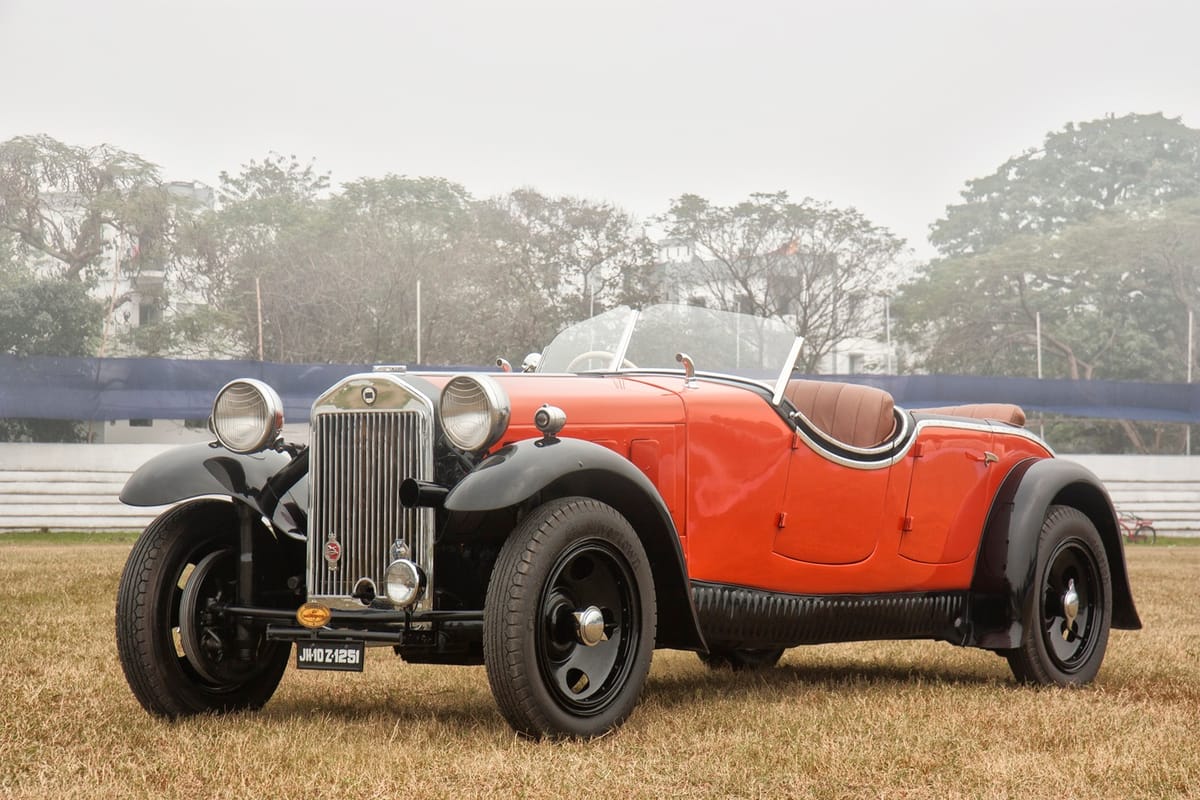
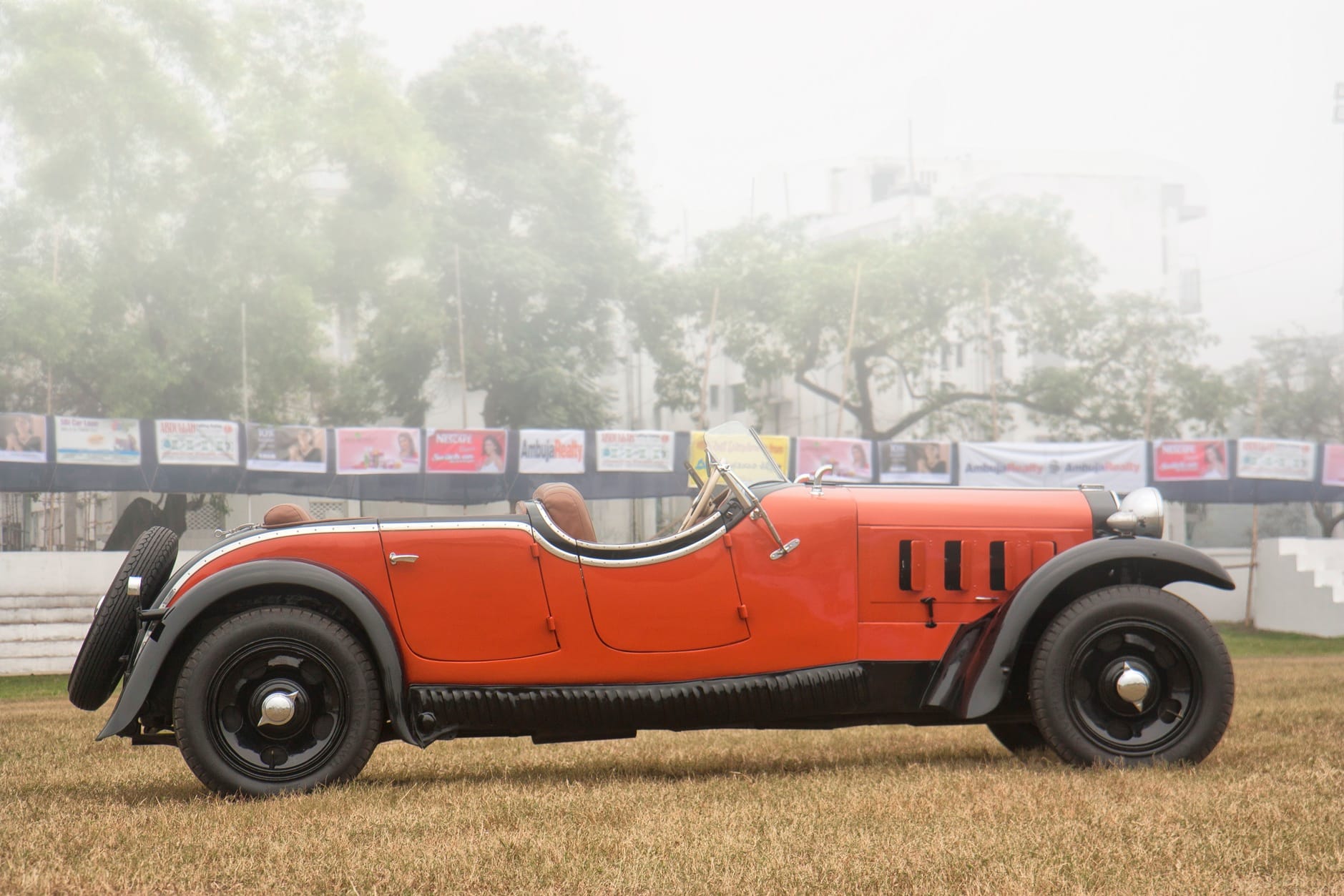
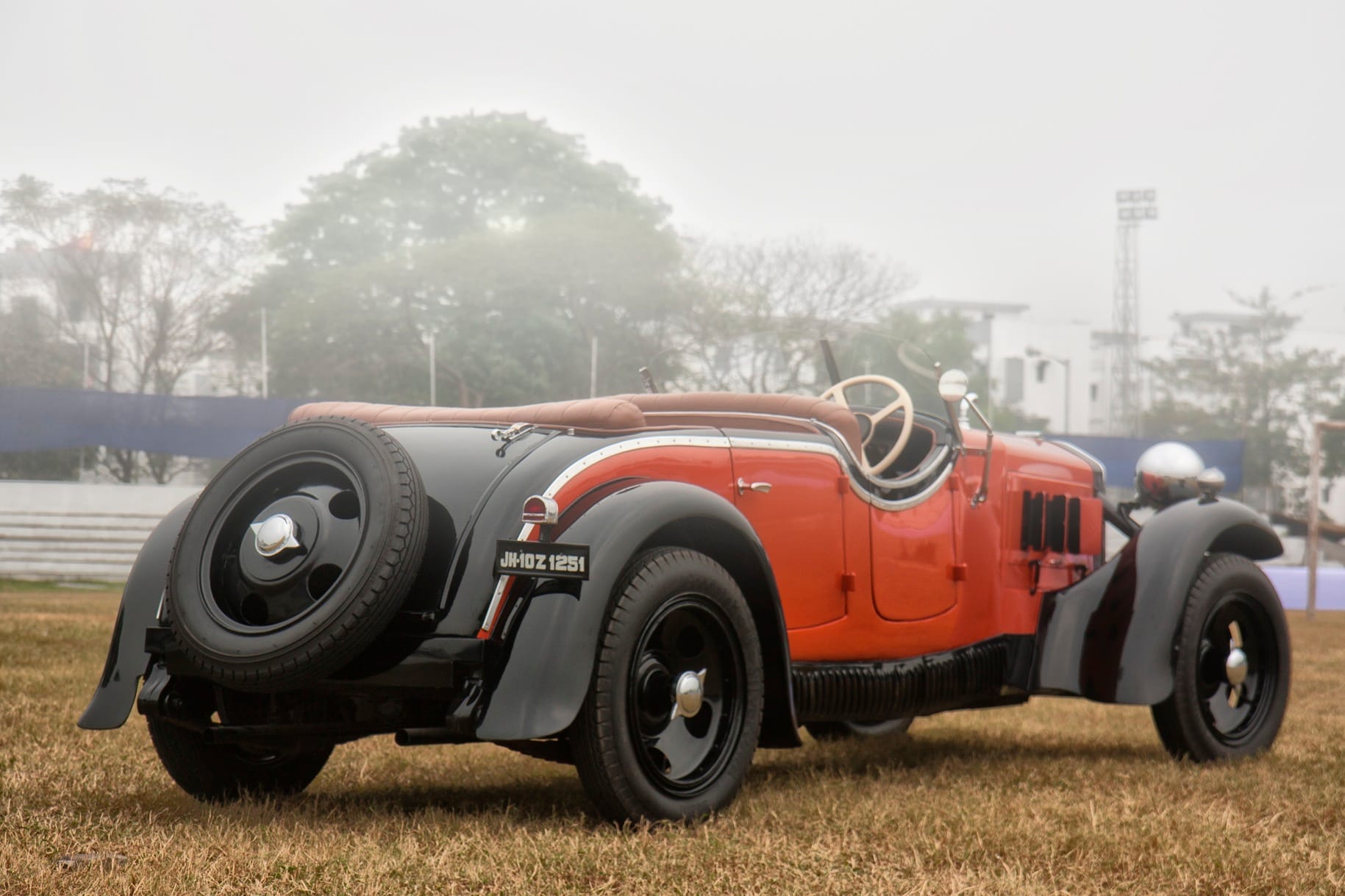
Another contender for that distinction may well be the Lancia Dilambda featured here. Chassis number 27-921, this Series 2 Dilambda from 1931 has been authenticated by Massimo Castagnola of Lancia’s historical department within Fiat Chrysler Automobiles.
Owned by the Agarwal family of Kolkata since new, the car was rediscovered in 2004 in a family-owned godown in Salanpur, West Bengal. It has since been restored twice by Sanjoy and Rajiv Ghosh, most recently in time for the 2011 Cartier Concours d’Elegance, where its orange-and-black livery earned it the distinction of “Ladies’ Favourite.”
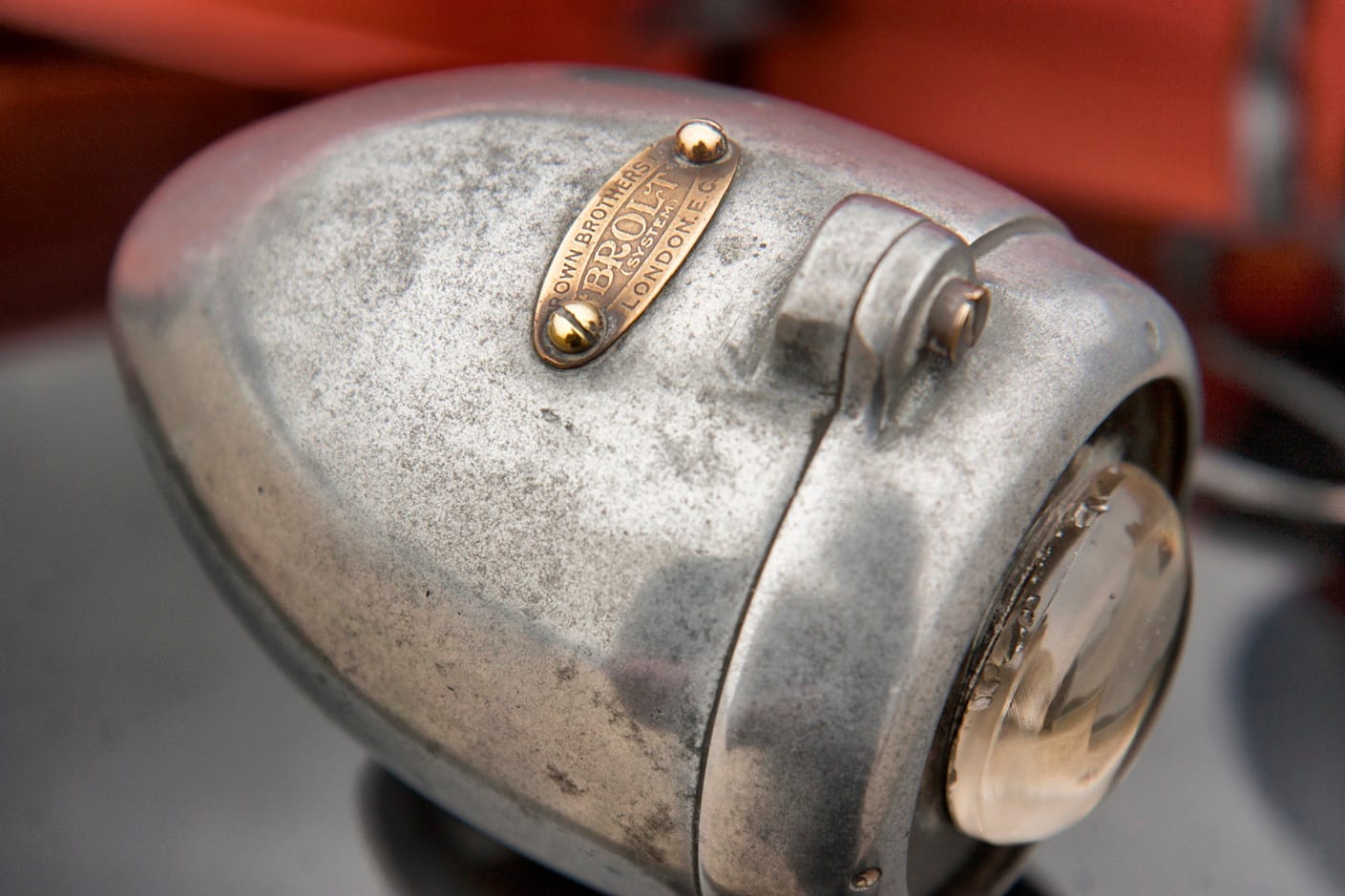
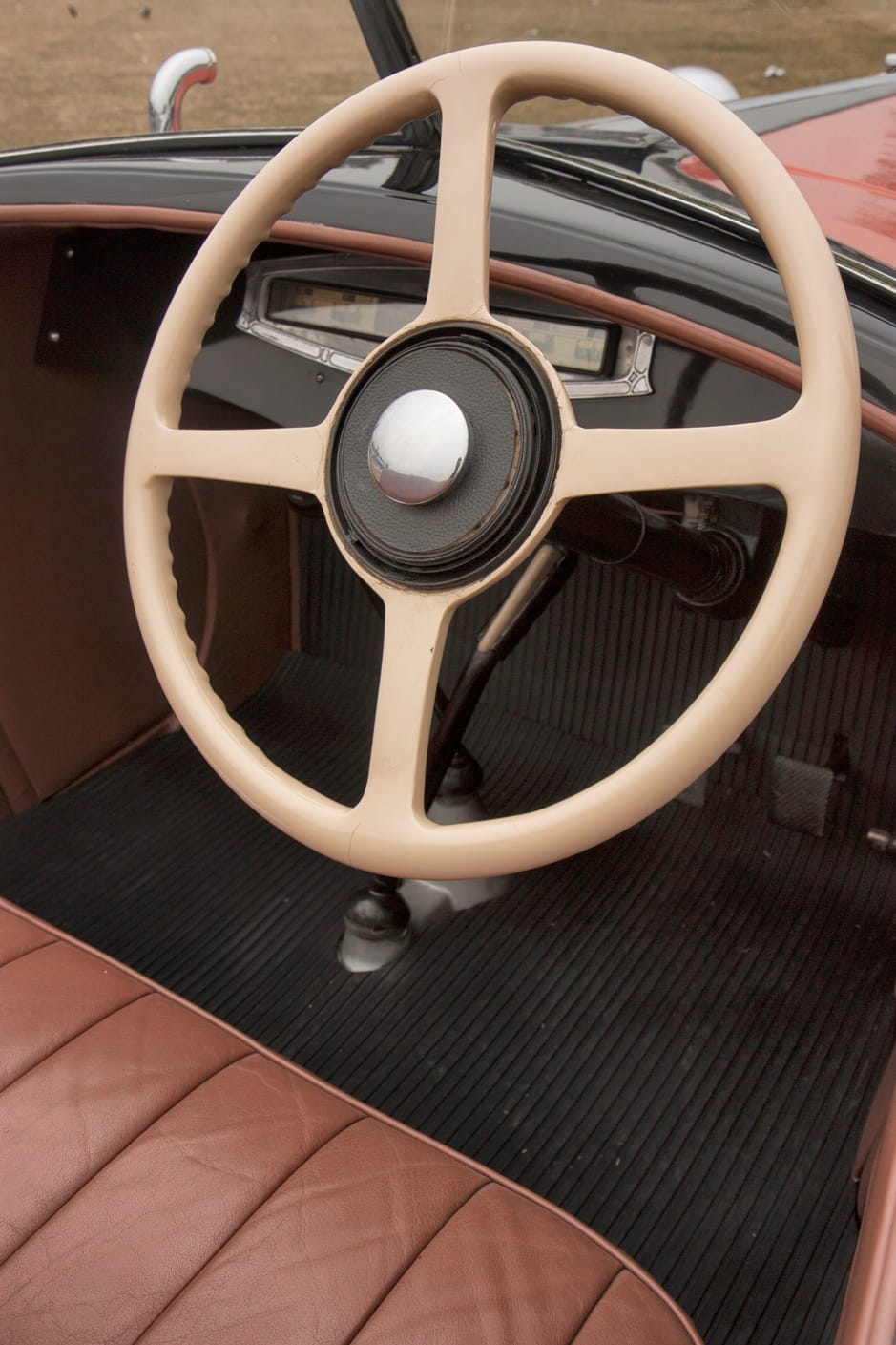
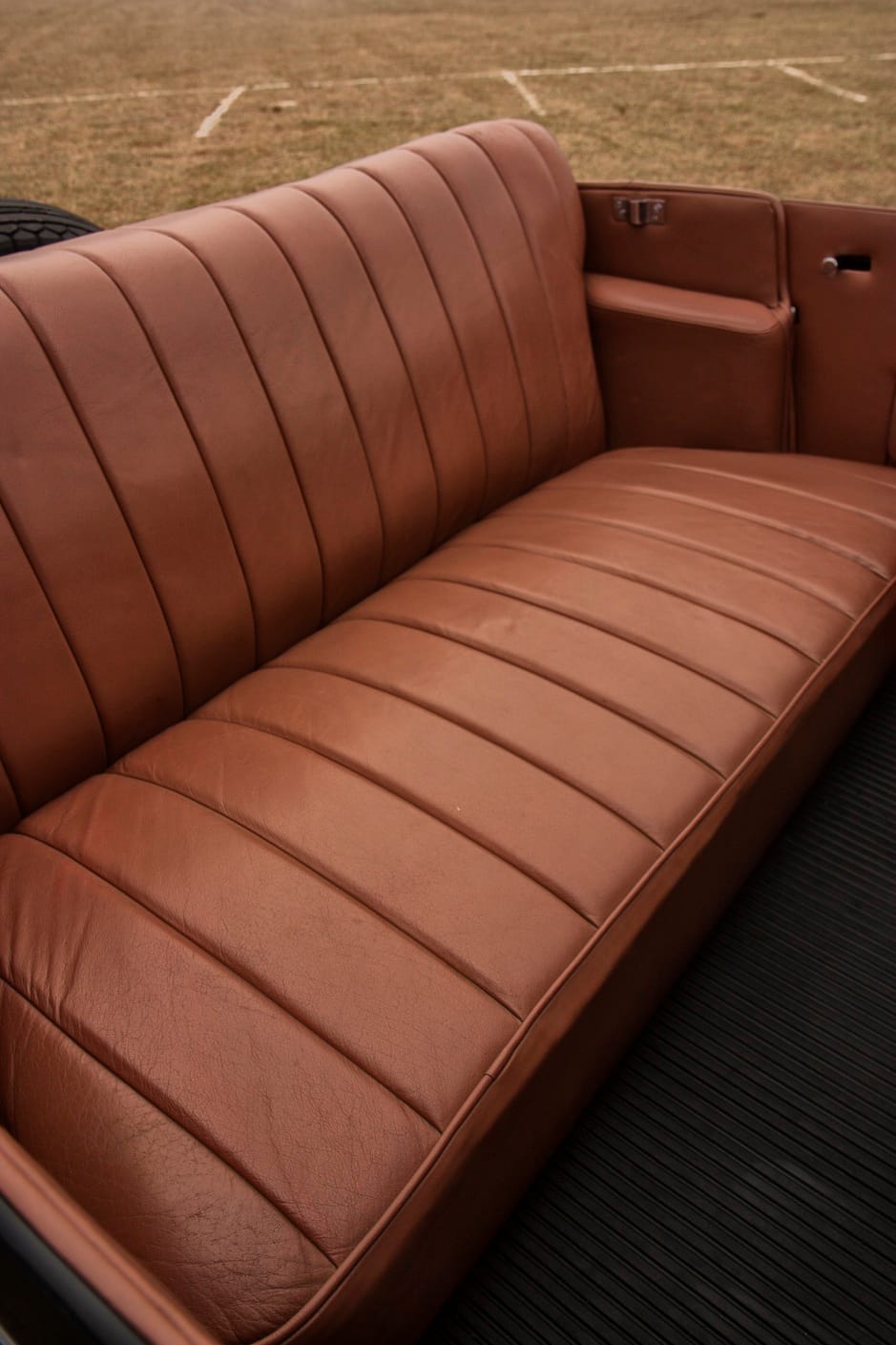
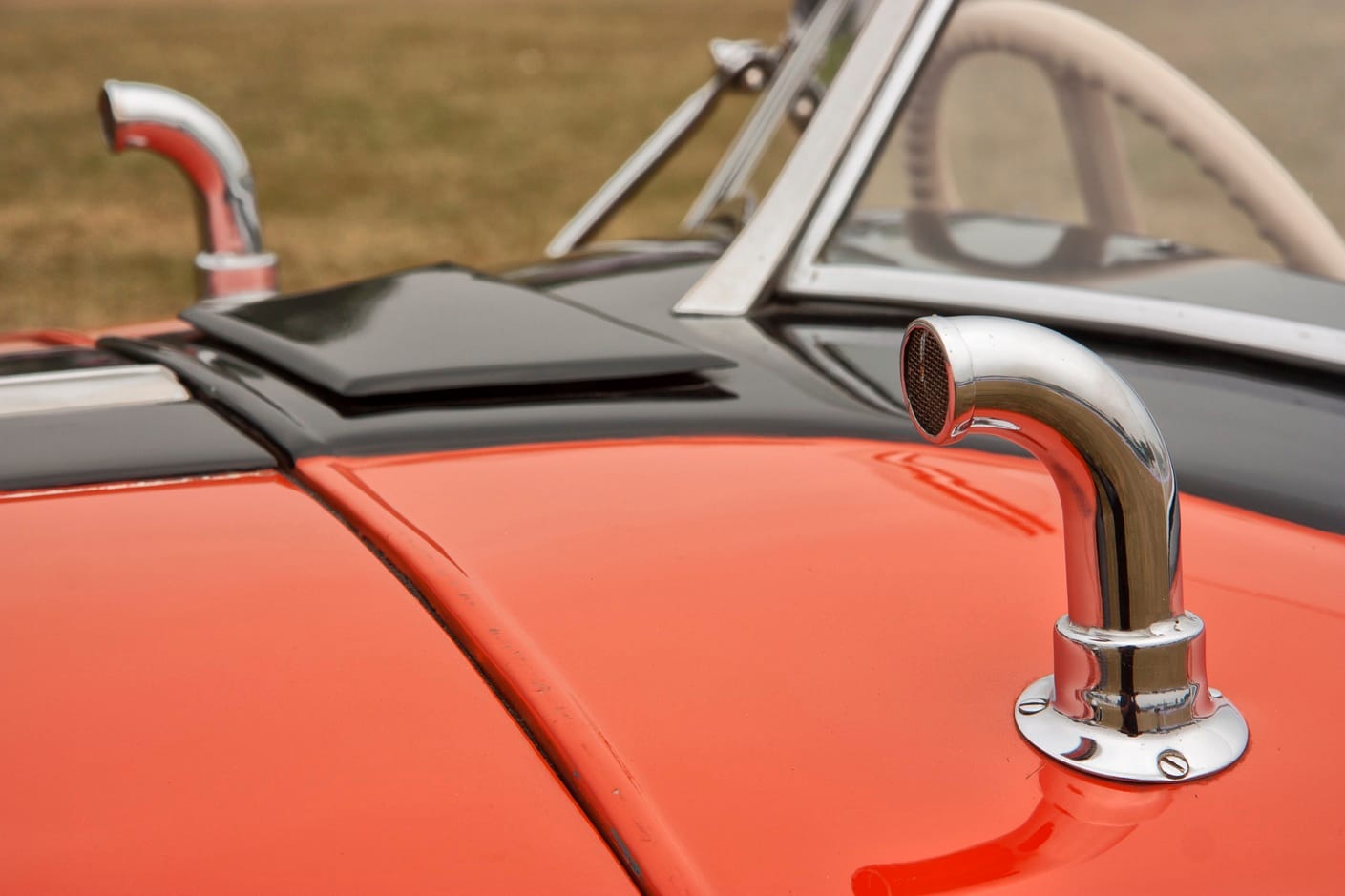
Beautiful detailing and luxury appointment make this an exceptional automobile
The car’s bodywork is both distinctive and elegant. With the sill plates missing, the identity of the coachbuilder long remained uncertain. However, comparison with period images of a Dilambda bodied by Pinin Farina suggests a strong stylistic connection: the swage lines and detailing are remarkably similar. The most notable difference lies in the dual-cowl arrangement seen in the archival image, which may have been altered or removed at some point, or could represent a closely related variant.
As Pininfarina’s earliest archives no longer survive, absolute confirmation remains elusive. Nevertheless, several respected historians and design experts, including Delahaye specialist Jean-Paul Tissot and Christian Descombes, support the attribution. Italian automotive historian Paolo Giusti goes further, stating: “The body, in my opinion, is a Pinin Farina, with 90 per cent certainty.”
If this assessment is correct, the car assumes exceptional historical importance as one of the earliest surviving designs, remarkably, in India, from a design house that, since December 2015, has been under Indian ownership following the Mahindra Group’s acquisition of a controlling stake in Pininfarina.
Comments ()