1931 Lancia Dilambda – The Svelte Sportstar
Lancia's Dilambda combined advanced engineering with elegant coachbuilt sophistication and distinction
Text: Gautam Sen
Images: Makarand Baokar
If the Lambda represented the very forefront of automotive technology in the 1920s for introducing monocoque construction, Lancia’s new flagship for 1929, the Dilambda, appeared at first glance to be a step backwards. There was, however, a sound reason for this.
Development of the Dilambda had begun in 1926 when Vincenzo Lancia decided to create a more modern successor to the renowned Trikappa for his wealthier clientele, powered by a new 3.0-3.5-litre eight-cylinder engine. Like the Lambda, it was originally intended to feature monocoque construction.
Events took an unexpected turn when a wealthy American visitor, Mr Flocker, toured the Lancia factory in Turin. He convinced Vincenzo Lancia that the company could greatly benefit by exporting a model better suited to American tastes. Without consulting his closest associates, Lancia abandoned the original concept and redirected the project towards a considerably larger automobile.
Believing that a loadbearing monocoque would not be suitable for a substantially bigger and heavier car, Vincenzo Lancia instructed his engineers to develop a conventional ladder-frame chassis instead. The first prototype chassis was patented in June 1927 and further refined by January 1928.
A second patent described an innovative box-section ‘X’-frame incorporating a central longitudinal member for the propeller shaft, with the fuel tank integrated at the rear. The Dilambda’s new engine was equally advanced: a 4.0-litre V8 with an exceptionally narrow 24-degree bank angle.
Producing 100bhp at 3800rpm and renowned for its remarkable flexibility, the Dilambda could pull away from rest in fourth gear without hesitation. Other technical innovations included silent-block engine mountings, a newly designed oil pump, a thermostat regulating coolant temperature, and a centralised chassis lubrication system.
Series production began in 1929, following a dozen or so pre-production cars completed during 1928. Buyers could choose between factory-built saloon and tourer bodies, although most Dilambdas left the factory as bare chassis to be bodied by Italy’s leading carrozzerias, as well as renowned coachbuilders in France and elsewhere.
With continuous refinements, the Dilambda evolved through three series and was offered on two wheelbases. Between 1929 and the end of production in 1935, only 1,685 examples were built.
If the production figures appear remarkably exclusive, it should be remembered that the Wall Street Crash of 1929 devastated the automobile industry, as demand for mid-range and luxury cars collapsed almost overnight.
The Dilambda itself was an exceptionally expensive proposition, with its bare chassis alone costing more than three times the price of a Fiat 514 Tourer. Only a small number found their way to India, and today just a handful survive.
Two of the Dilambdas that survive in Mumbai and Ahmedabad (as part of the Pranlal Bhogilal collection at Dastan Autoworld) both wear elegant coachwork by Carrozzeria Viotti, the Turin-based firm founded by Vittorio Viotti. One of the first Italian coachbuilders to establish a proper production line, Viotti supplied bodies to Alfa Romeo, Fiat and Lancia.
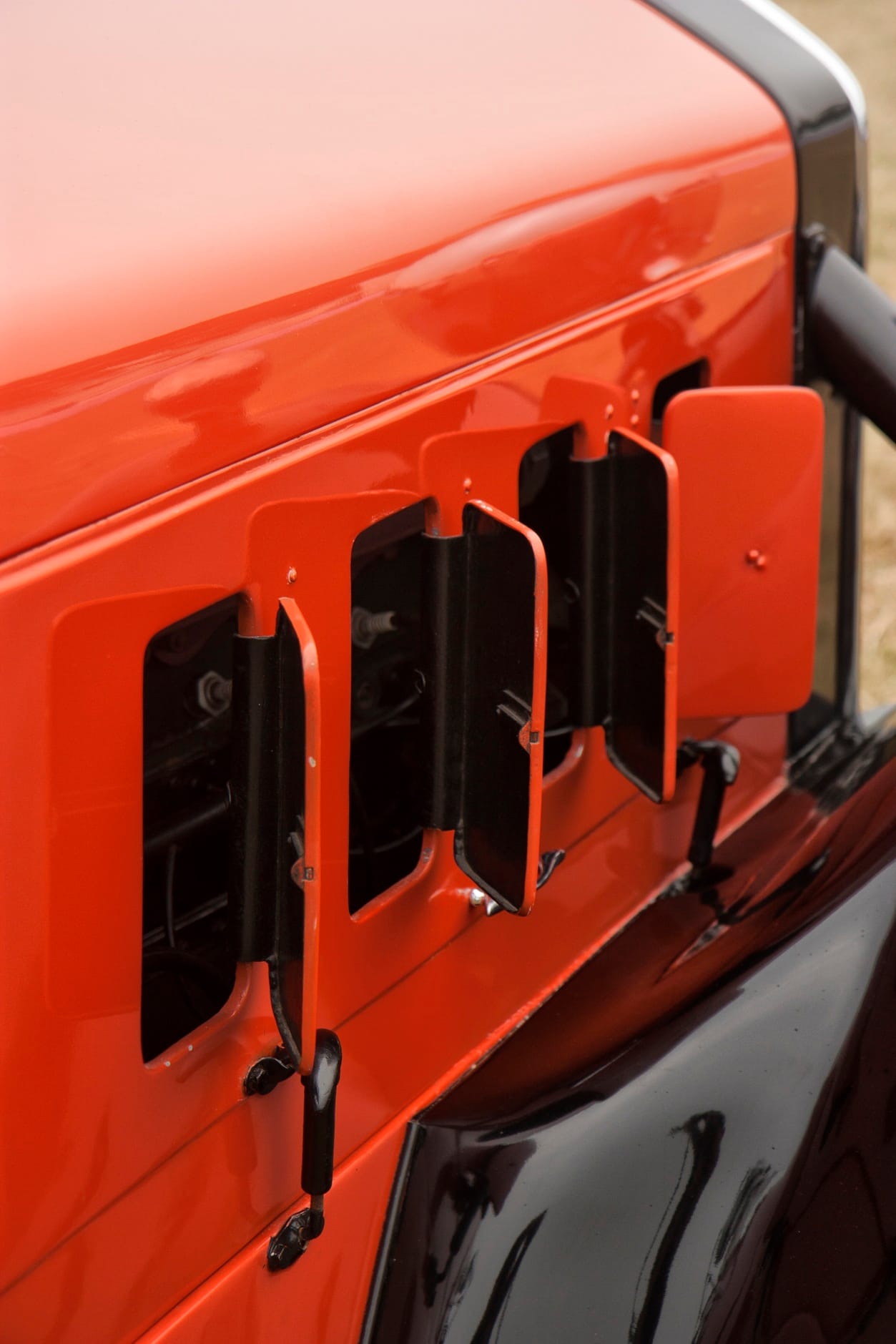
Lancia’s other principal coachbuilding partner was Carrozzeria Pinin Farina. Battista ‘Pinin’ Farina (officially Battista Pininfarina from 1961) was born in Turin on 2 November 1893 and died on 3 April 1966. The second youngest of eleven children, Battista was born into the Farina family, his nickname ‘Pinin’ - meaning ‘tiny’ in the Piedmontese dialect - remaining with him throughout his life.
In 1899, Battista’s father found employment with the newly established Fabbrica Italiana Automobili Torino (FIAT), founded by Giovanni Agnelli. Largely self-taught, Battista began his career as an apprentice in the workshop of his elder brother Giovanni Farina, whose son Giuseppe would later become Formula One’s first World Champion. The garage was frequented by leading figures of the Italian motor industry, including Giovanni Agnelli and Vincenzo Lancia.
In 1930, Battista established Carrozzeria Pinin Farina at 107 Corso Trapani in Turin. During its first year, the company employed 90 people and produced 42 bodies. Among its earliest patrons was Maharaja Sawai Mahendra Vir Singh Deo of Orccha, who ordered the rolling chassis of Cadillac’s new V16 in 1931 and sent it to Turin to receive a spectacular boat-tail roadster body by Pinin Farina.
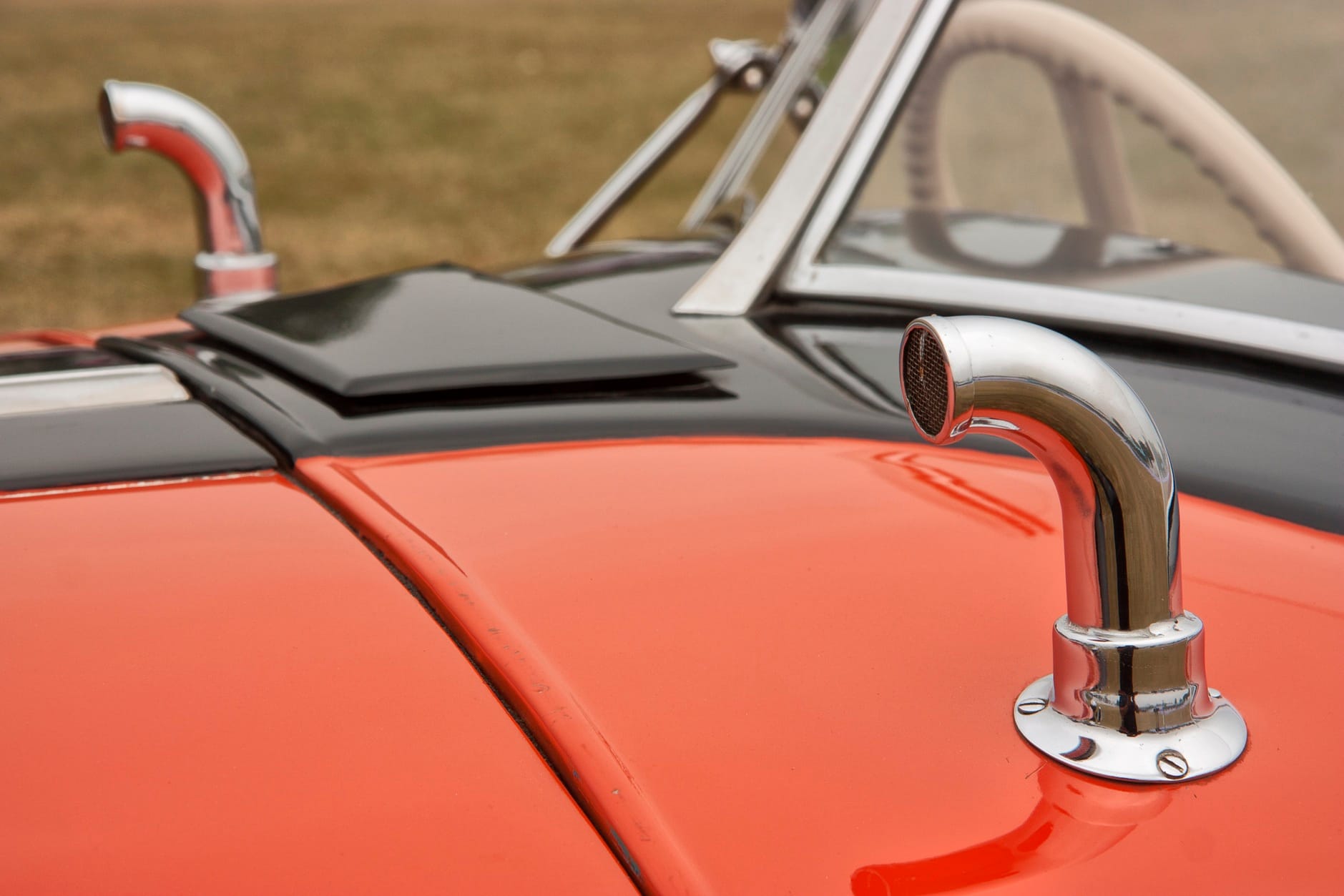
Although exported from India during the late 1950s, the car survives in the United States and remains one of the earliest surviving Pinin Farina creations. Another equally early example may well be the car featured here.
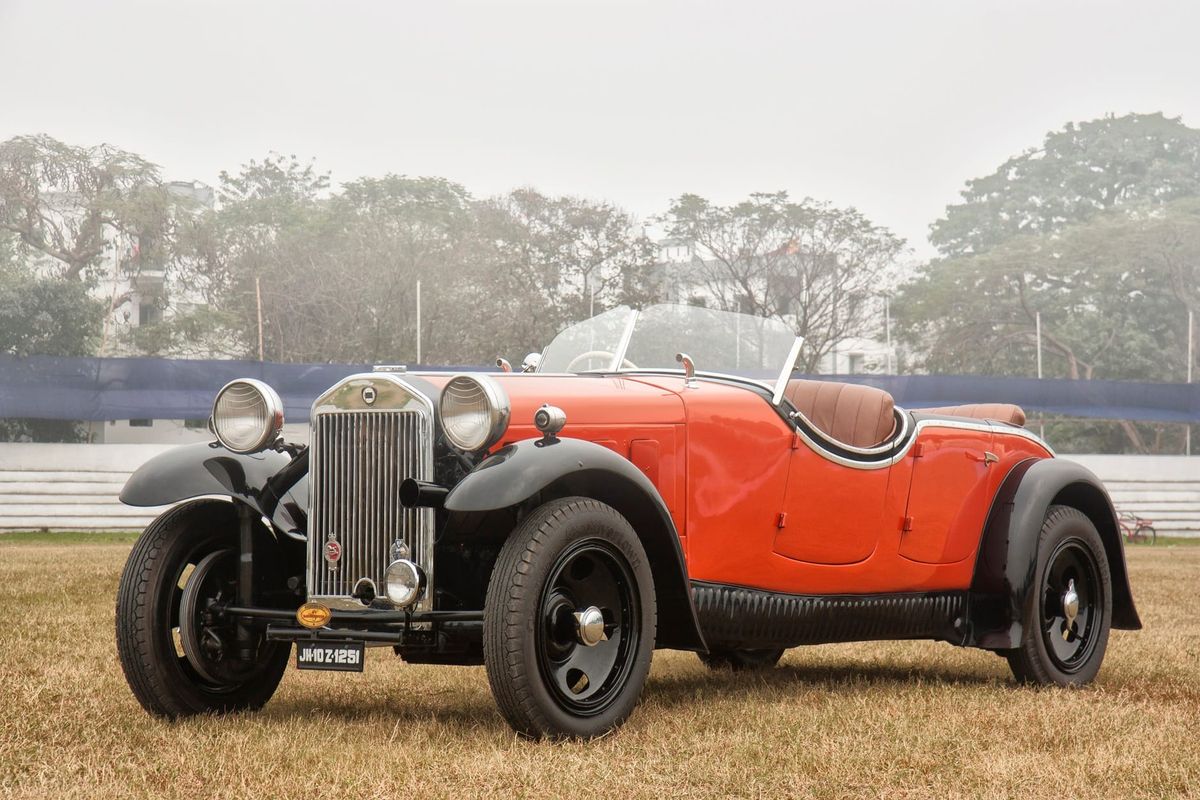
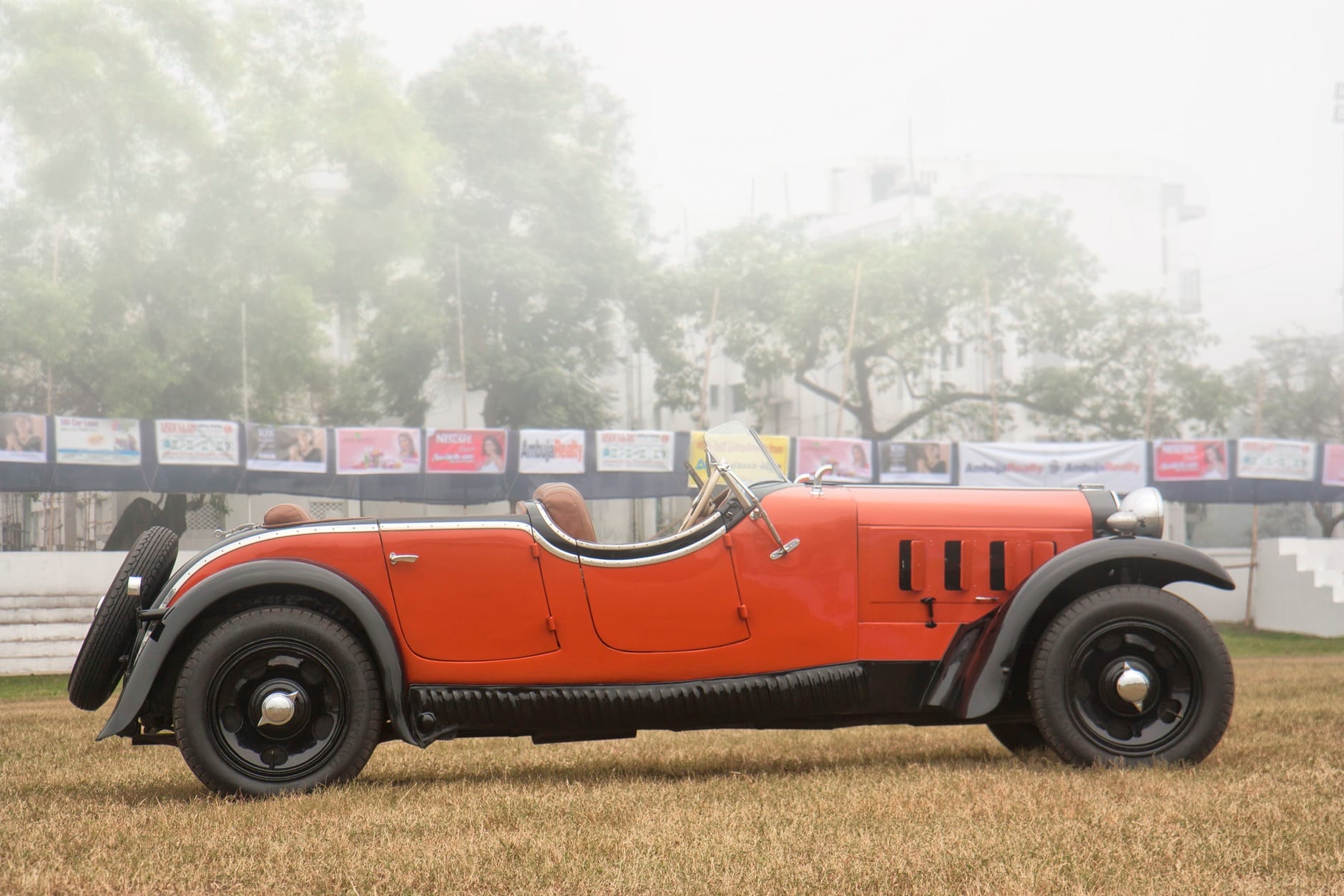
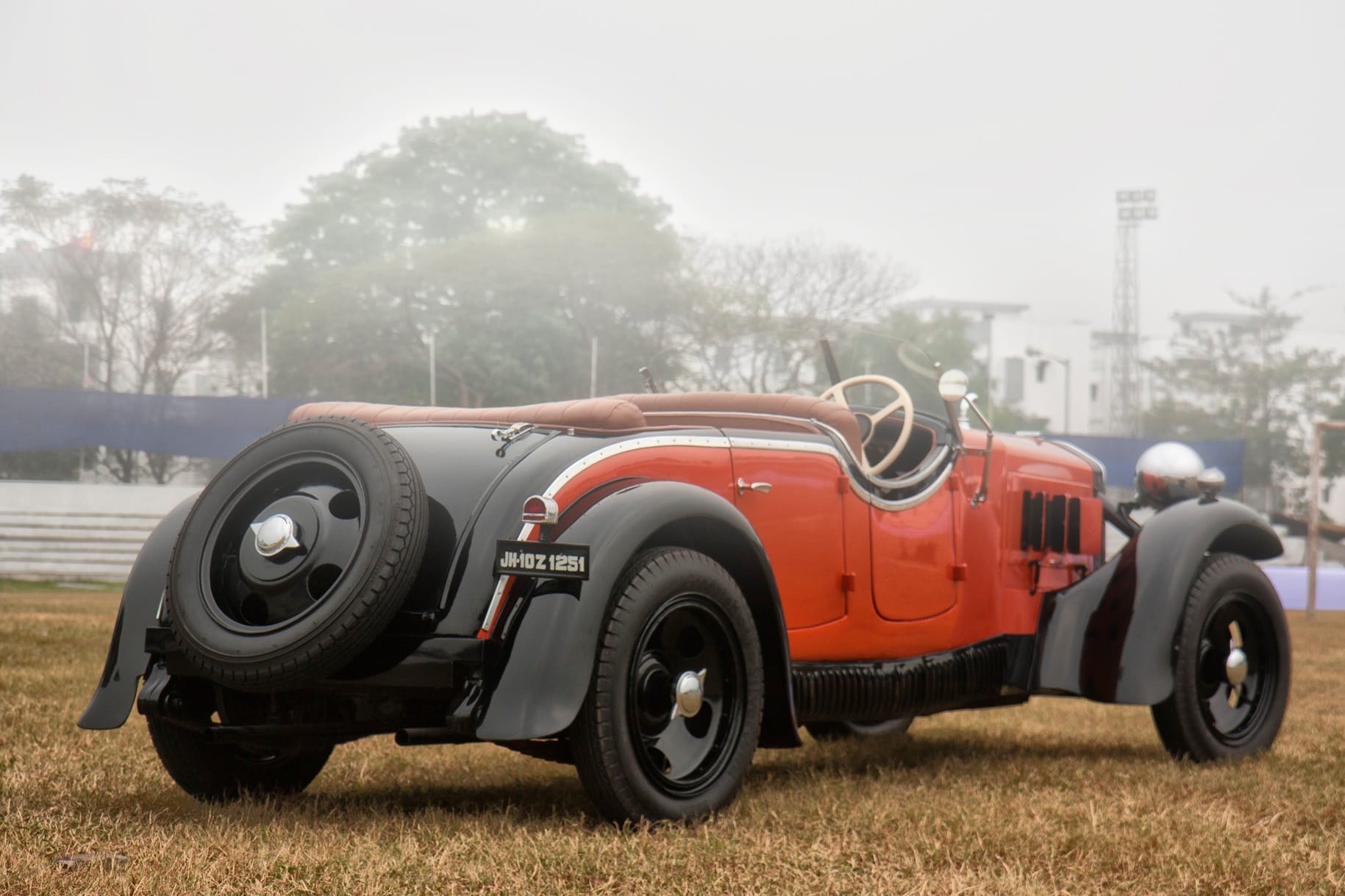
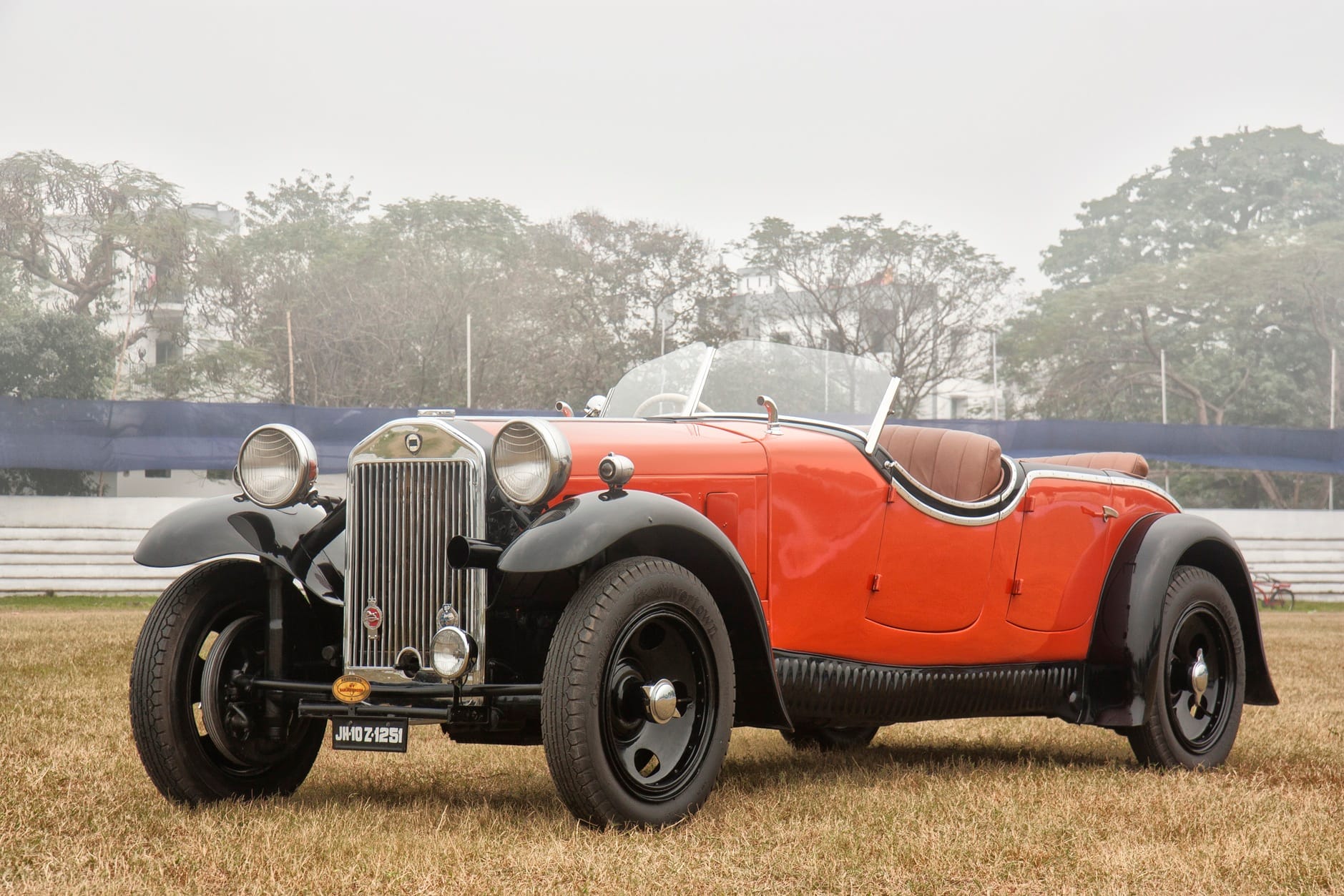
This Lancia Dilambda, chassis no. 27-921, is a Series 2 model dating from 1931, as confirmed by Massimo Castagnola of Lancia’s historical department. According to family records, the car has remained with the Kolkata-based Agarwal family since new.
It was “rediscovered” in 2004 in a family-owned warehouse at Salanpur, West Bengal, and has since been restored twice by the late Sanjoy Ghosh. Following its second restoration, completed in time for the 2011 Cartier Concours d’Elegance, the striking orange-and-black Dilambda was voted the ladies’ favourite.
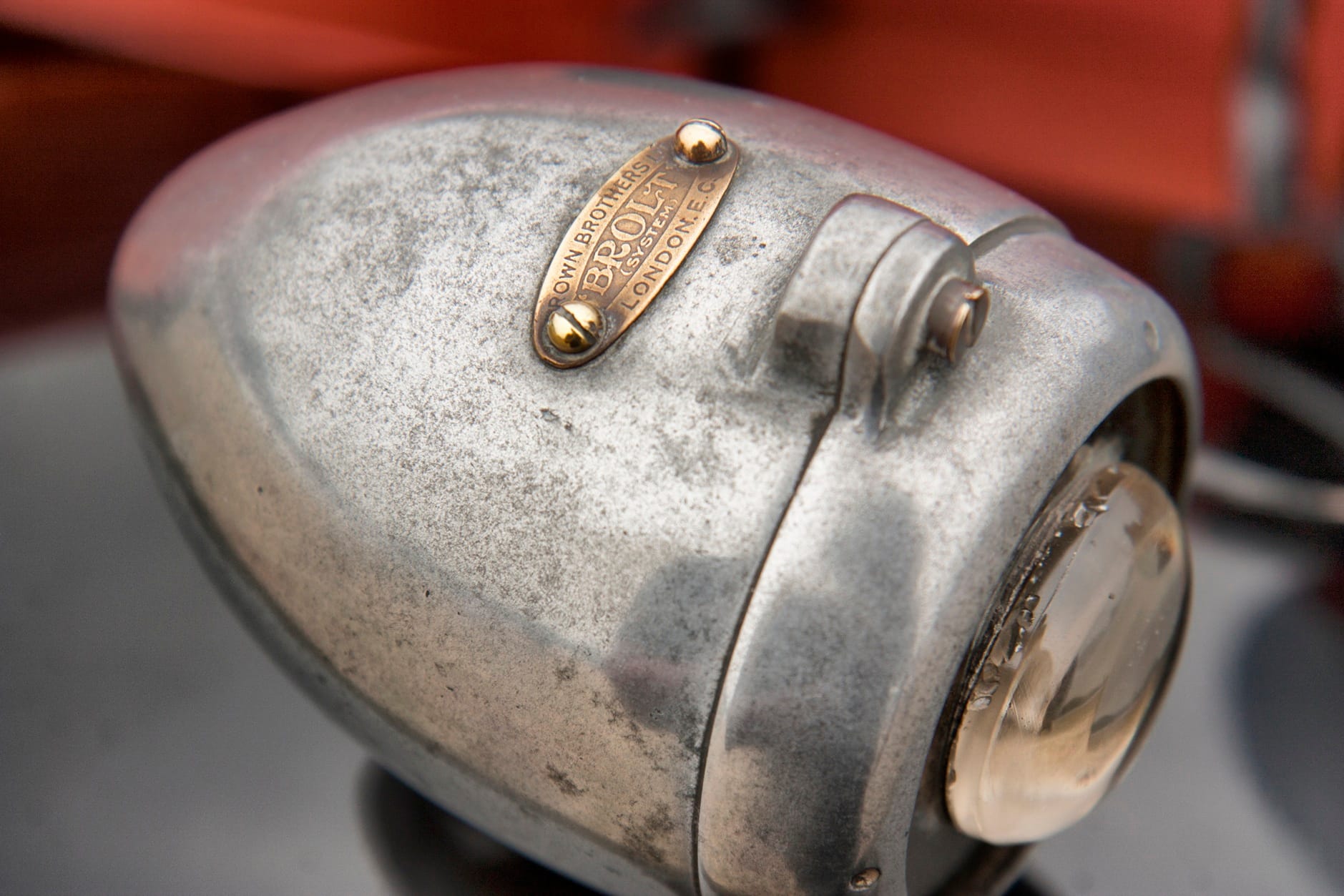
Its elegant coachwork is unlike any other surviving Dilambda. As the original sill plates were missing, the identity of the coachbuilder remained unknown. However, photographs of another Dilambda bodied by Pinin Farina strongly suggest that this car is either the very same design or an extremely close variation proposed by the Turin coachbuilder. The swage lines and many styling details are remarkably similar.
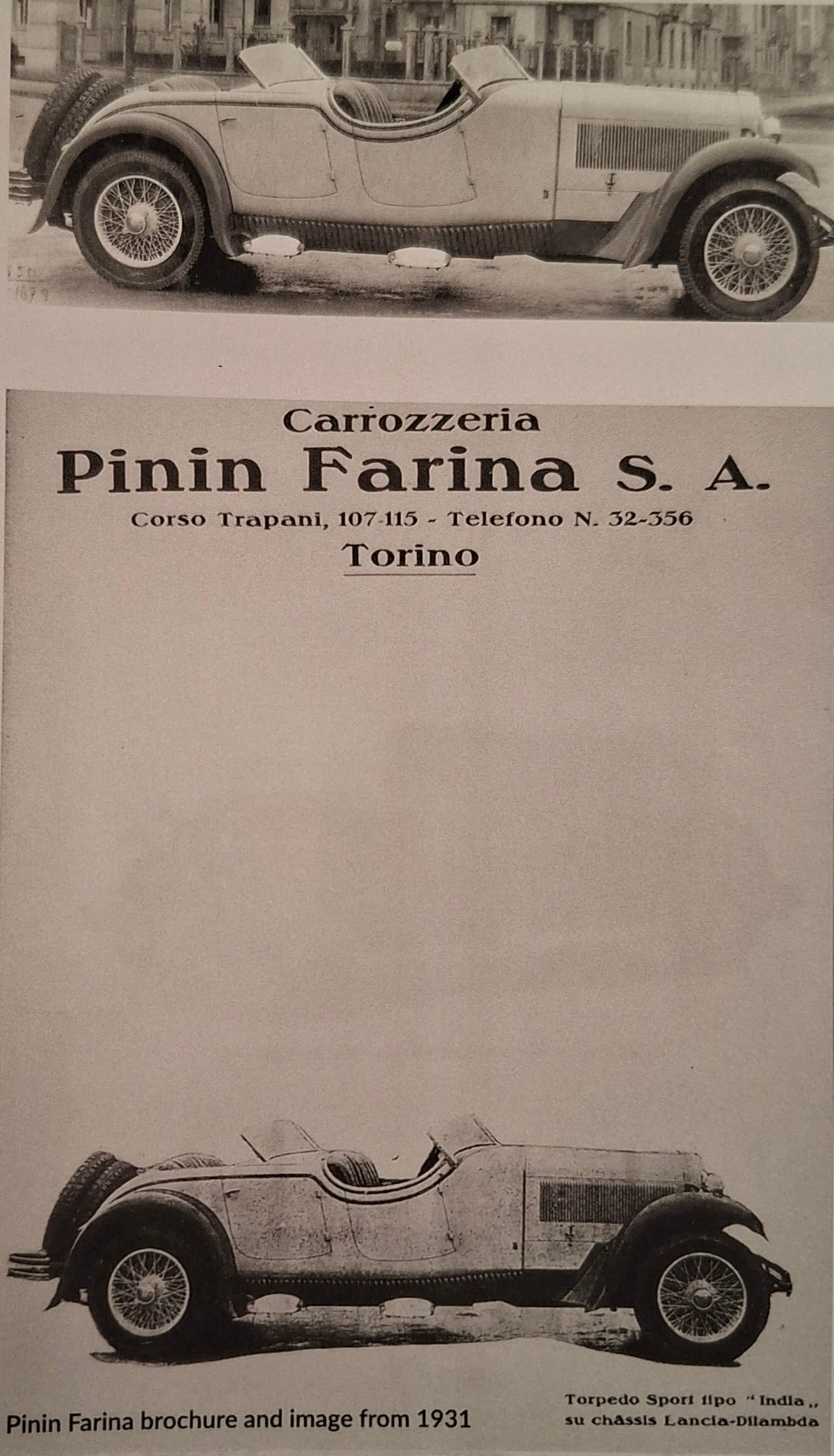
The principal difference lies in the dual-cowl arrangement of the illustrated car, complete with a second pair of windscreens, which may have been removed or modified during the car’s lifetime. Equally possible is that Pinin Farina offered more than one variation of the design. Unfortunately, the firm's earliest archives no longer exist, preventing Pininfarina from confirming this theory with complete certainty.
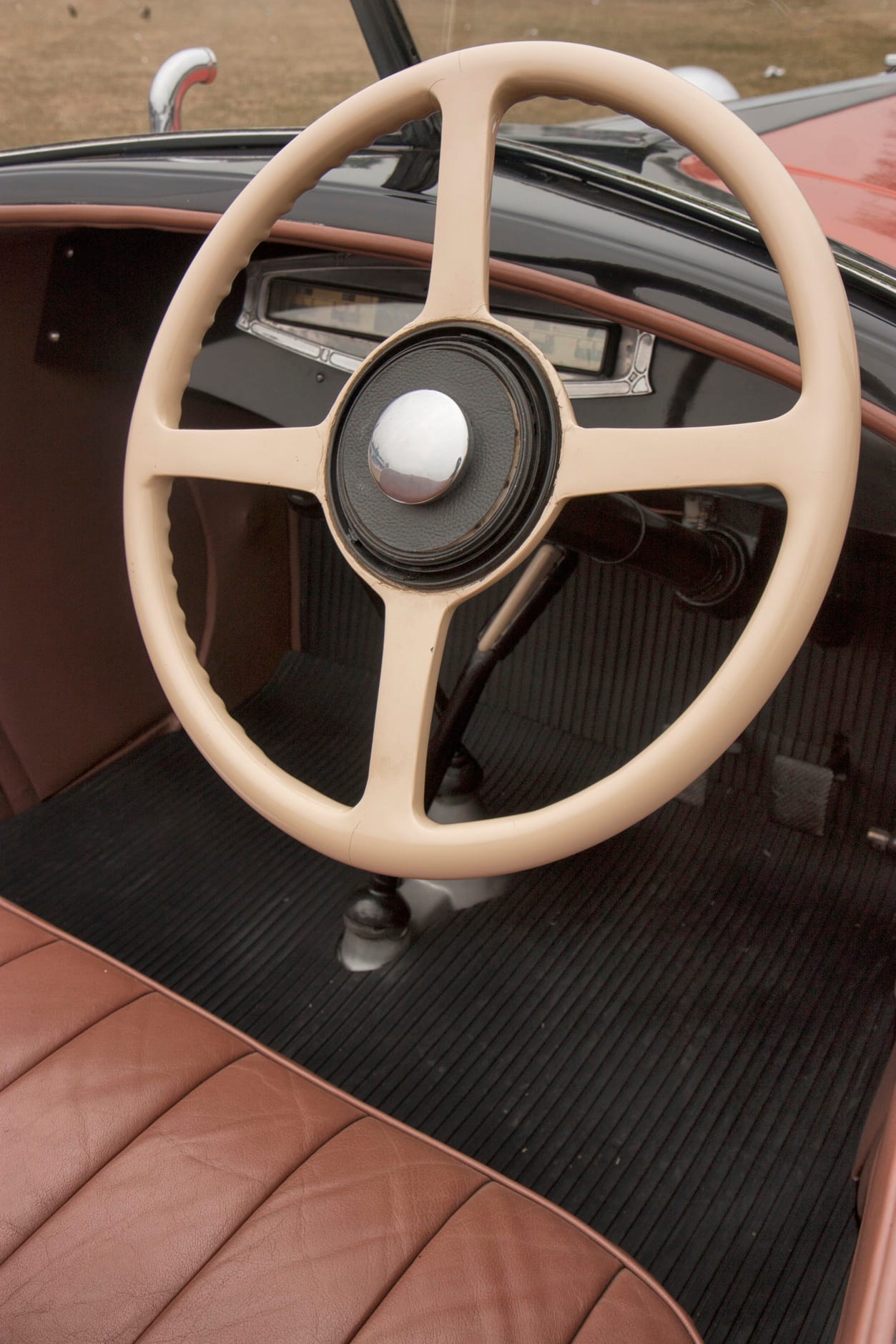
Nevertheless, several respected historians and design authorities, including Delahaye expert Jean-Paul Tissot and Christian Descombes, believe the coachwork to be an early Pinin Farina design. Prominent Italian automotive historian Paolo Giusti concurs, stating: “The body, in my opinion, is a Pinin Farina, with 90 percent certainty.”
If this assessment proves correct, the Agarwal Dilambda assumes exceptional historical importance. It would rank among the earliest surviving designs by Pinin Farina anywhere in the world - and remarkably, it survives in India.
Comments ()