1934 Humber Snipe 80 Pullman Landaulette – English Elegance
Humber established itself as one of Britain’s most respected makers of refined upper-middle-class automobiles, developing a reputation for engineering quality, reliability, and dignified luxury

Text: Gautam Sen
Images: Vrutika Doshi & Gautam Sen
Founded in 1868 by Thomas Humber as a bicycle manufacturer, Humber evolved rapidly during the pioneering years of motoring. By 1896, the company had entered motorcycle production, and just three years later, it introduced its first motorcar, powered by a single-cylinder engine.
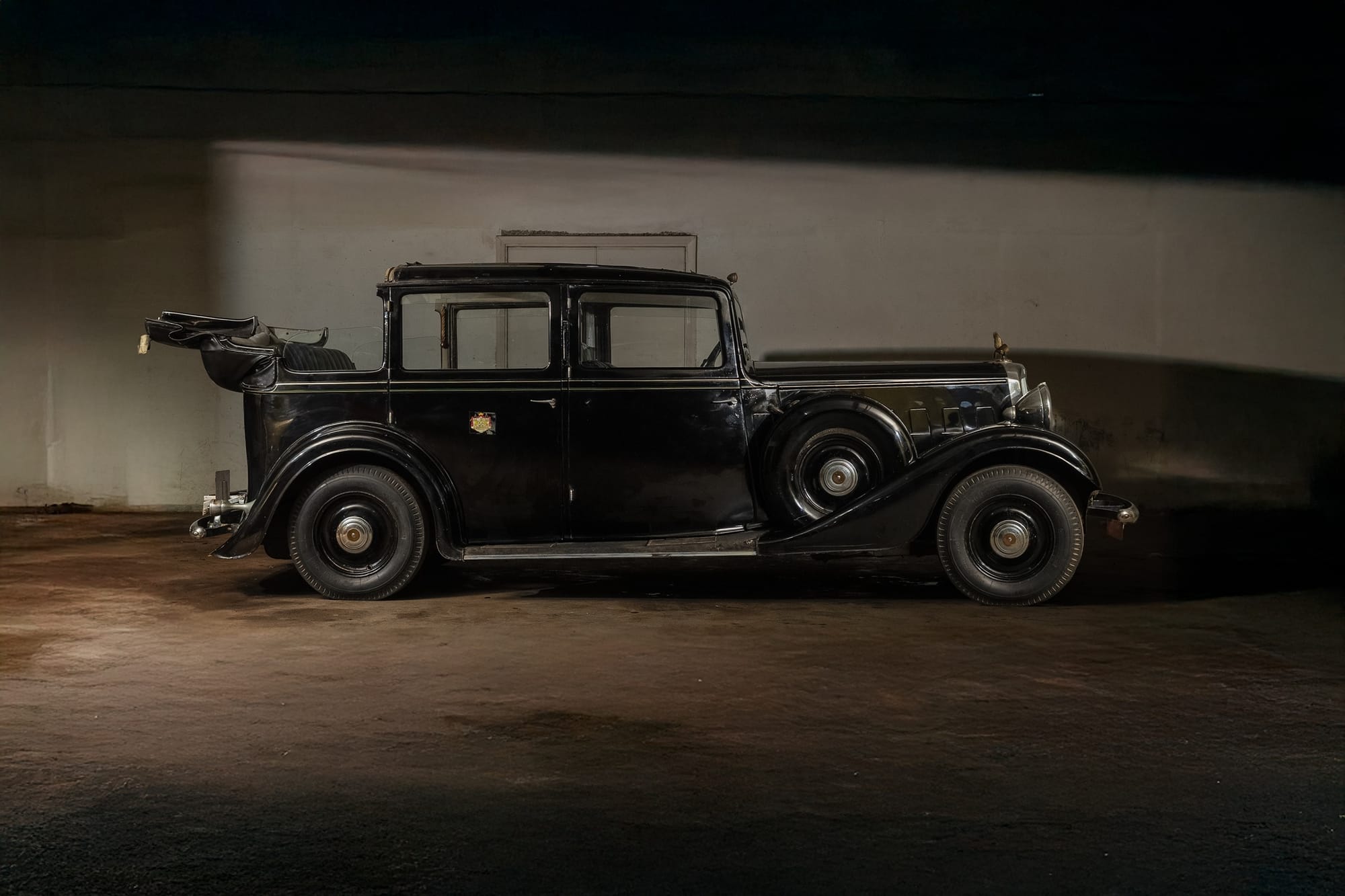
Over the following decades, Humber established itself as one of Britain’s most respected makers of refined upper-middle-class automobiles, developing a reputation for engineering quality, reliability, and dignified luxury.
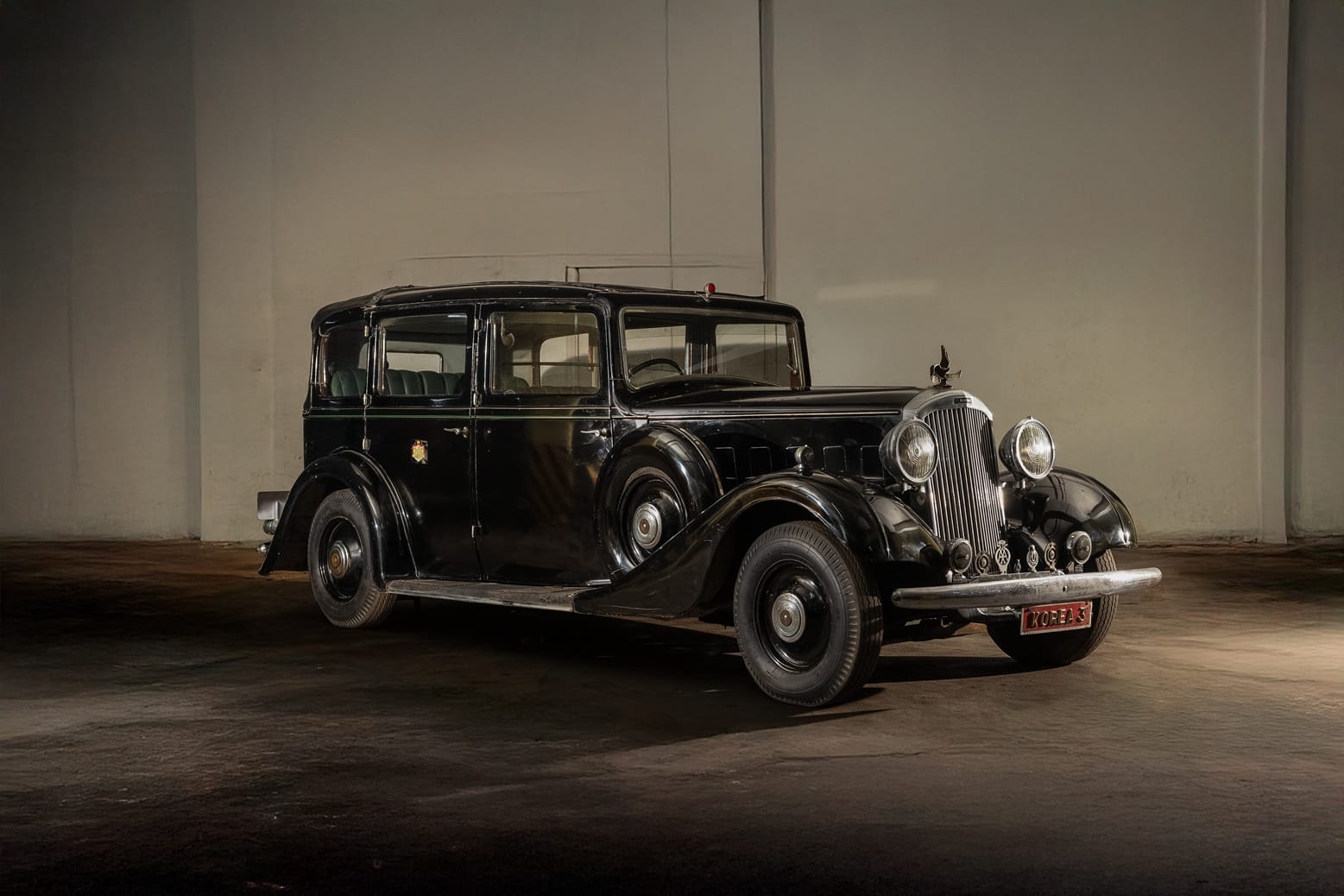
The marque entered a new phase in 1932 when it became part of the Rootes Group, joining brands such as Hillman, Singer, and Sunbeam. Although Humber would eventually disappear following Chrysler’s takeover of Rootes in 1968 and Peugeot’s acquisition of Chrysler Europe in 1976, the marque’s pre-war automobiles remain among the finest examples of British luxury motoring.
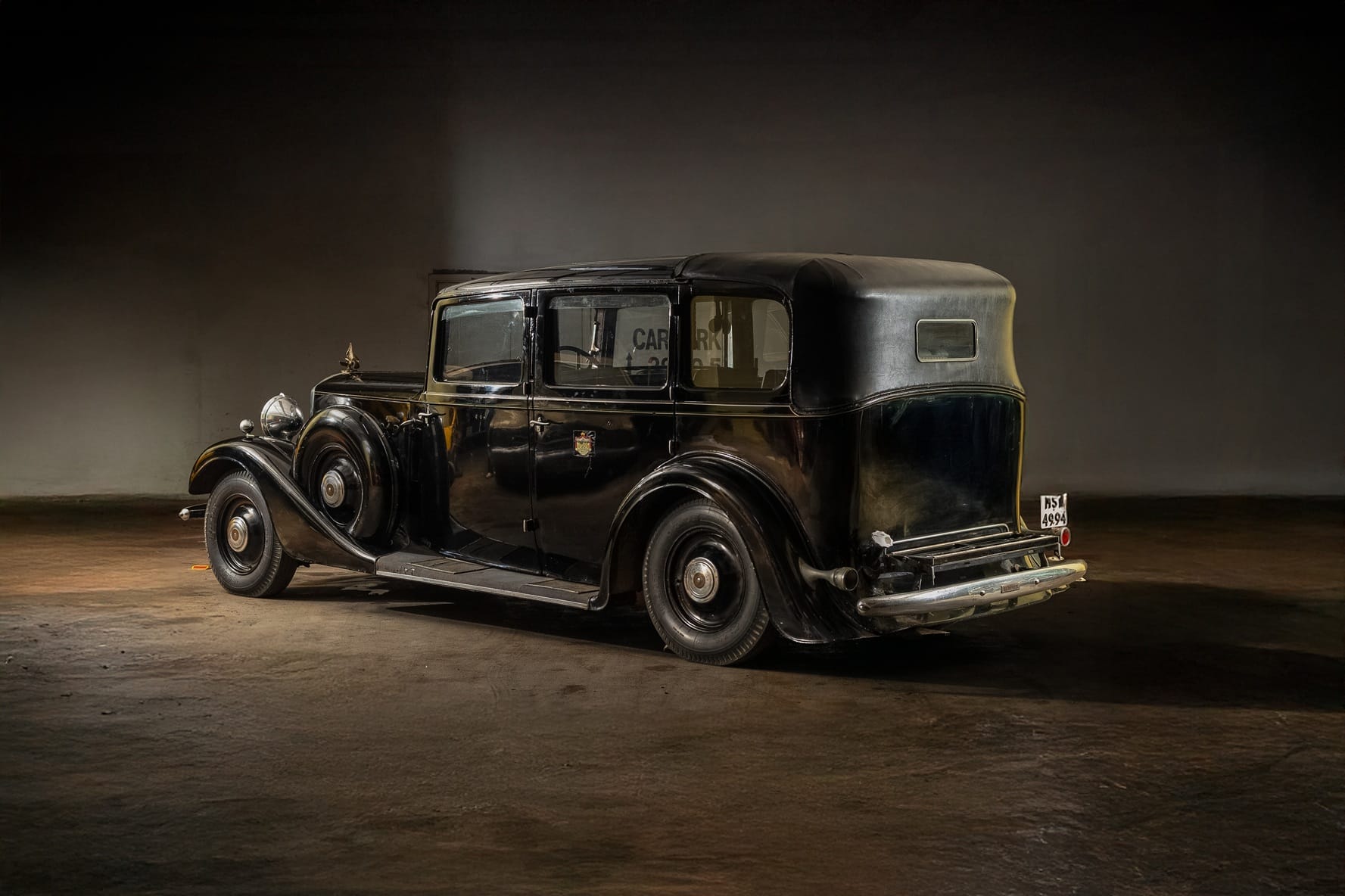
Among Humber’s most distinguished models of the 1930s was the Snipe 80 and its Pullman derivatives. Introduced in 1930, these large and imposing cars were powered by a smooth and torquey 3.5-litre inline six-cylinder engine and were offered in a variety of luxurious configurations, including formal saloons, seven-seat Pullman limousines, Sedanca de Ville bodies, and elegant Landaulettes. Combining comfort, refinement, and understated prestige, the Snipe Pullman became particularly popular as ceremonial and official transport throughout the British Empire.
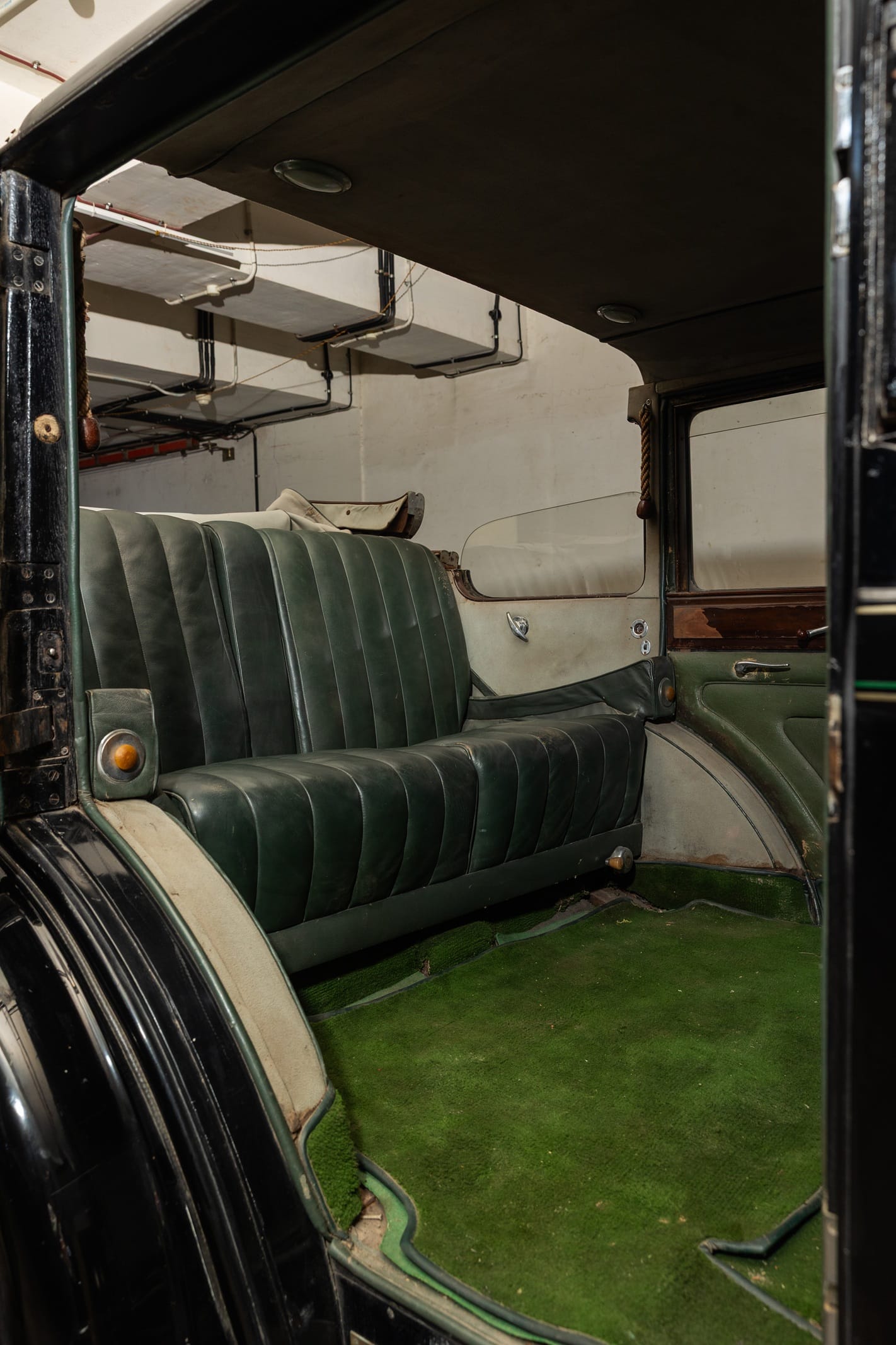
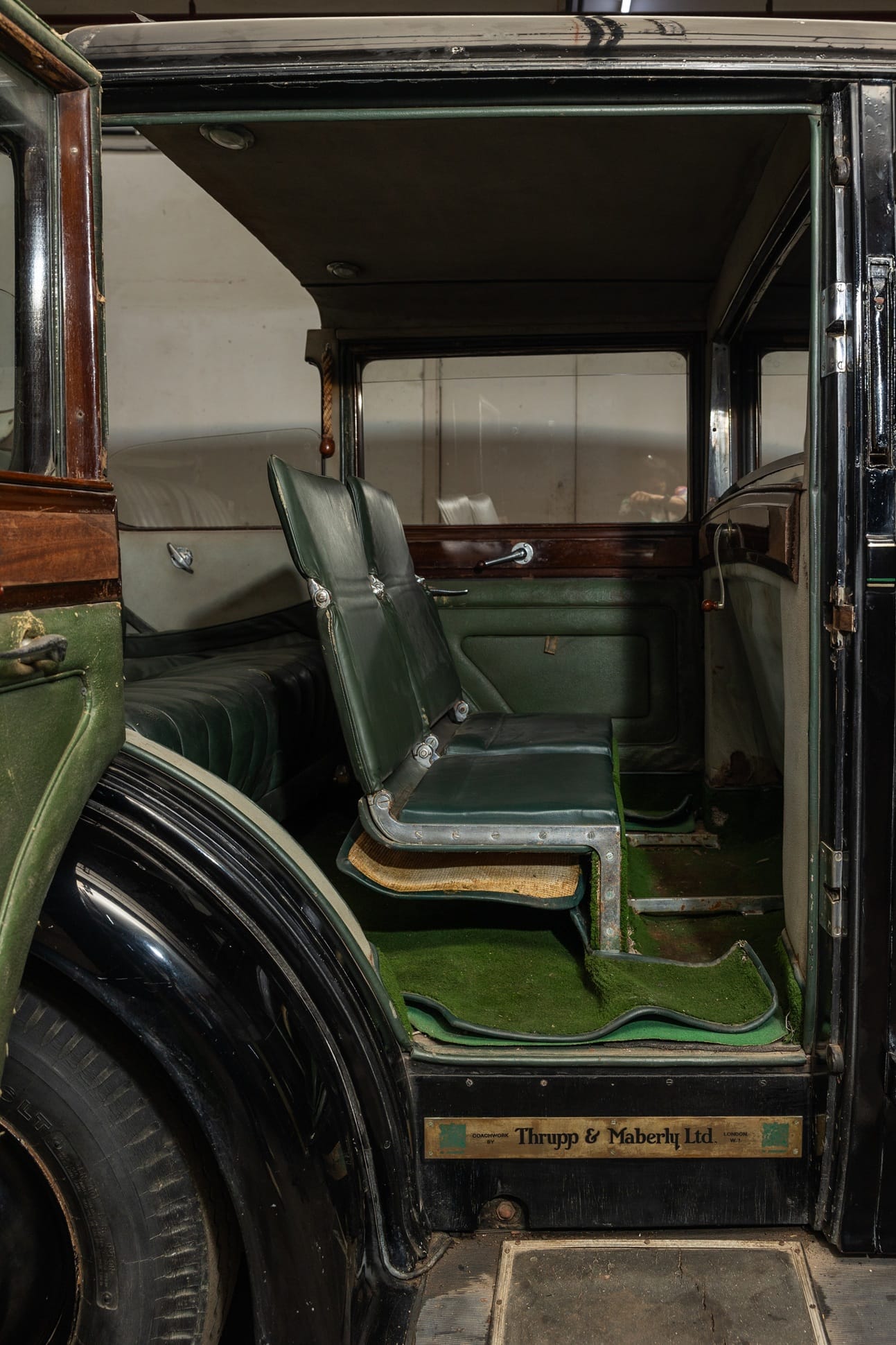
Combining ceremonial elegance with the dignified presence expected of an official state automobile, the Humber is a spacious seven-seater, including a pair of occasional jump seats
Interestingly, Humber’s presence in India was closely linked to luxury motoring circles. The Bombay-based firm Allied Motors – official Rolls-Royce dealers in India – also represented Humber during the 1930s. In fact, the personal car of Allied Motors’ general manager, Mr. Chandler, was a Humber too.
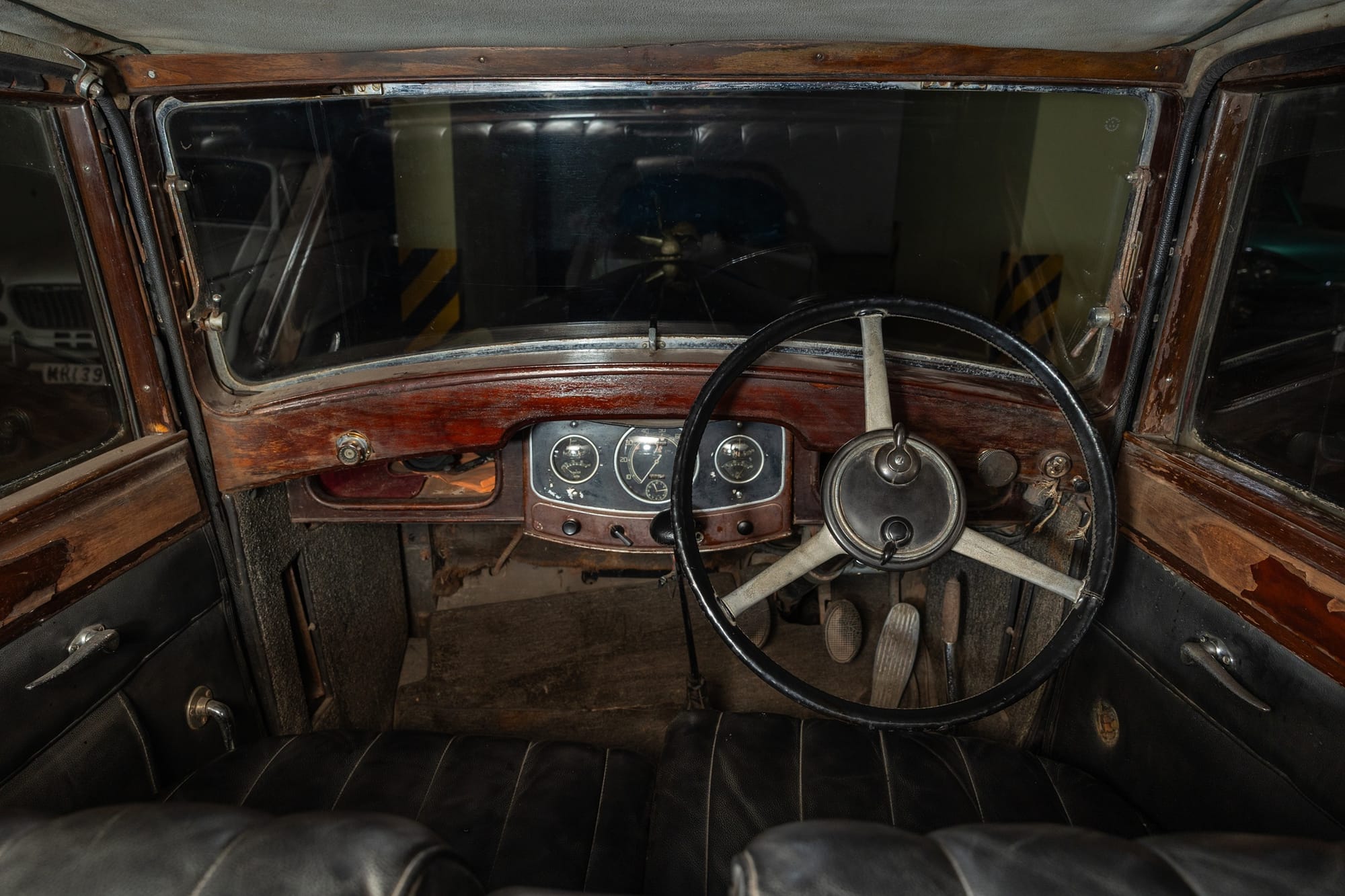
The remarkable example featured here is a 1934 Humber Snipe 80 Pullman Landaulette with bespoke coachwork by Thrupp & Maberly, one of Britain’s most prestigious coachbuilders and former carriage makers to Queen Victoria. Acquired by the Rootes brothers in 1925, Thrupp & Maberly became closely associated with Humber’s most exclusive creations.
This particular car carries an especially fascinating history. According to period records, a photograph of the vehicle appeared in Autocar magazine in 1934 with the caption: “Humber Landaulette made specially by Thrupp & Maberly for the Viceroy of India.”
Originally delivered to the Viceroy in Calcutta, the car remained in official service until the 1940s, when it was auctioned and acquired by Raja Ramanuj Pratap Singh Deo of the princely state of Koriya in central India.
Decades later, noted restorer Manvendra Singh Barwani rediscovered the Humber alongside a Rolls-Royce Silver Ghost in Baikunthpur during the late 1980s. However, the cars could only be acquired years later. The Rolls-Royce eventually went to collector Inder Krishnamurthy of Hyderabad, while the Humber was purchased by prominent Mumbai-based collector Harit Trivedi in 2007.
Trivedi already owned a 1934 Humber Snipe 80 Pullman limousine and was aware of the rarity of the model. Research conducted through Humber enthusiasts later suggested that surviving Landaulette variants are exceptionally scarce, with this example believed to be one of perhaps only two extant worldwide.
The car itself is a magnificent example of formal pre-war British coachbuilding. Its beautifully proportioned Landaulette body allows the rear-most passenger compartment roof section to fold open, a hallmark of ceremonial vehicles of the era. Inside, a retractable glass division separates passengers from the chauffeur, while a speaking tube enables communication when privacy is desired. Folding jump seats transform the rear cabin into a spacious seven-seat interior suitable for official occasions.
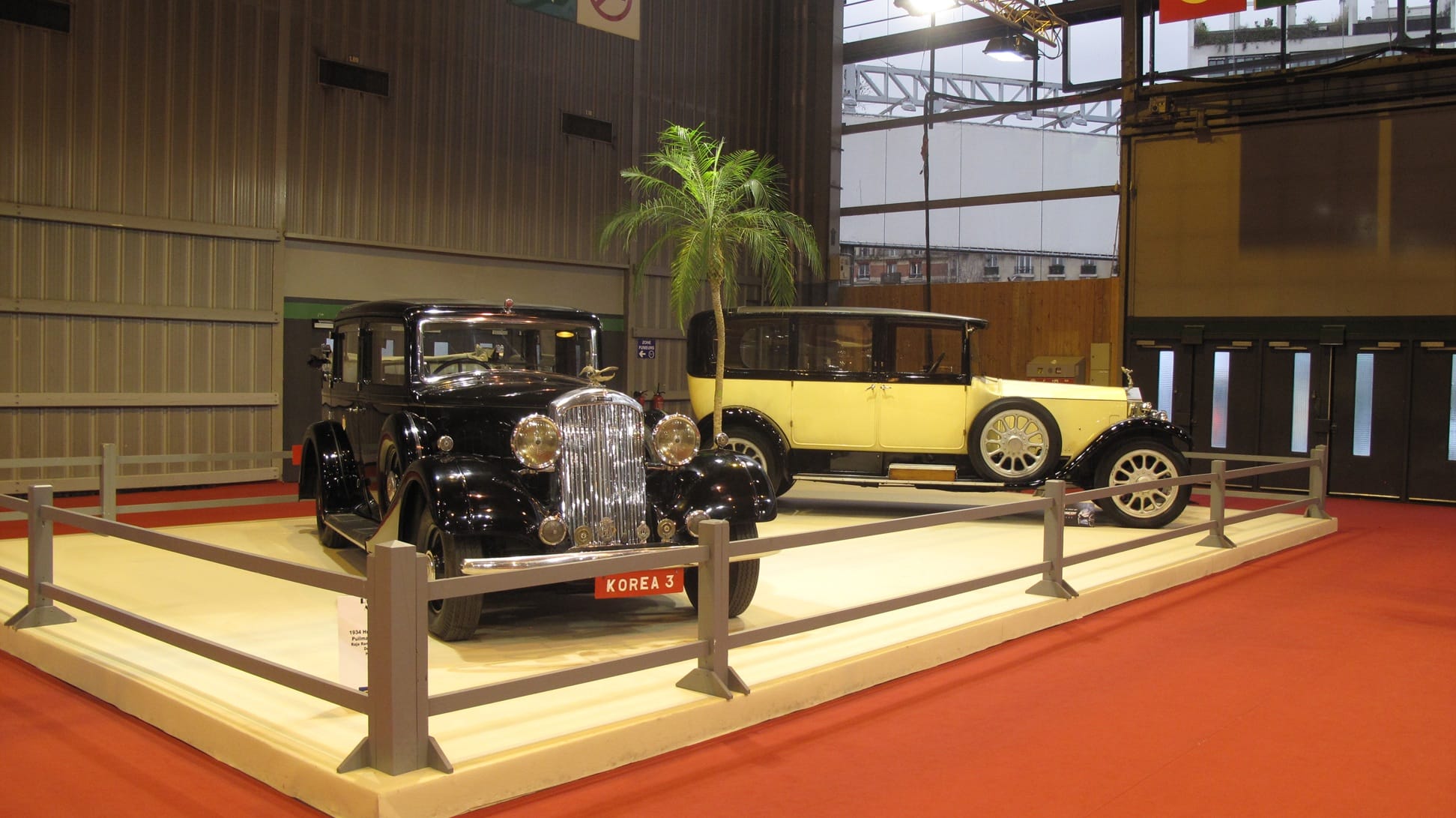
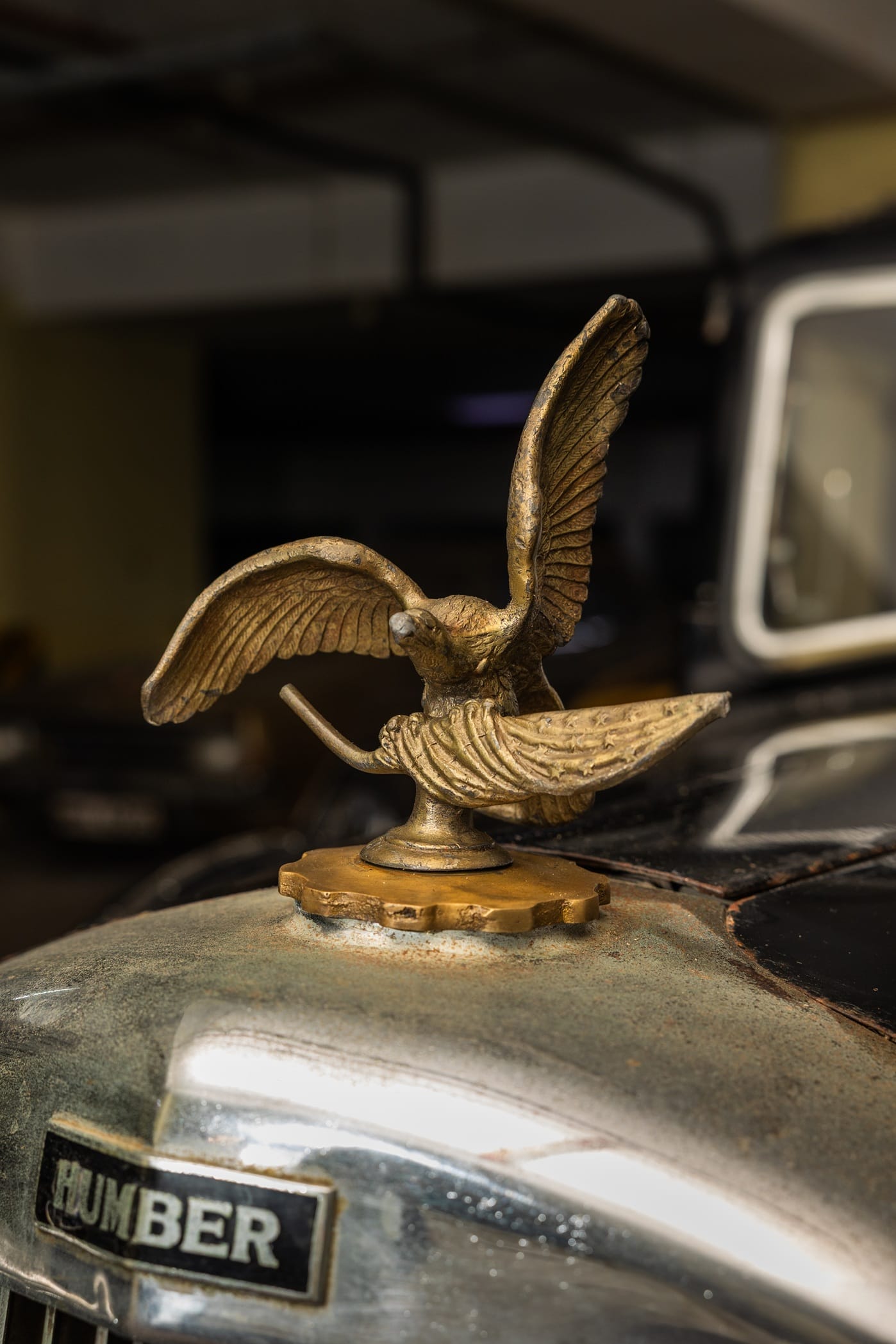
Several details further distinguish this Humber. The car rides on unusual 16-inch disc wheels, supplied as period accessories by a Coventry manufacturer, rather than standard Humber wheels. The eagle mascot adorning the radiator was later added by Trivedi, along with an extraordinary collection of motoring badges related to the Indian subcontinent and Burma, several of which are exceptionally rare today.
Majestic, elegant, and deeply connected to both British and Indian automotive history, this Humber Snipe 80 Pullman Landaulette stands as one of the most significant surviving examples of the marque and an evocative reminder of the grandeur of pre-war ceremonial motoring.
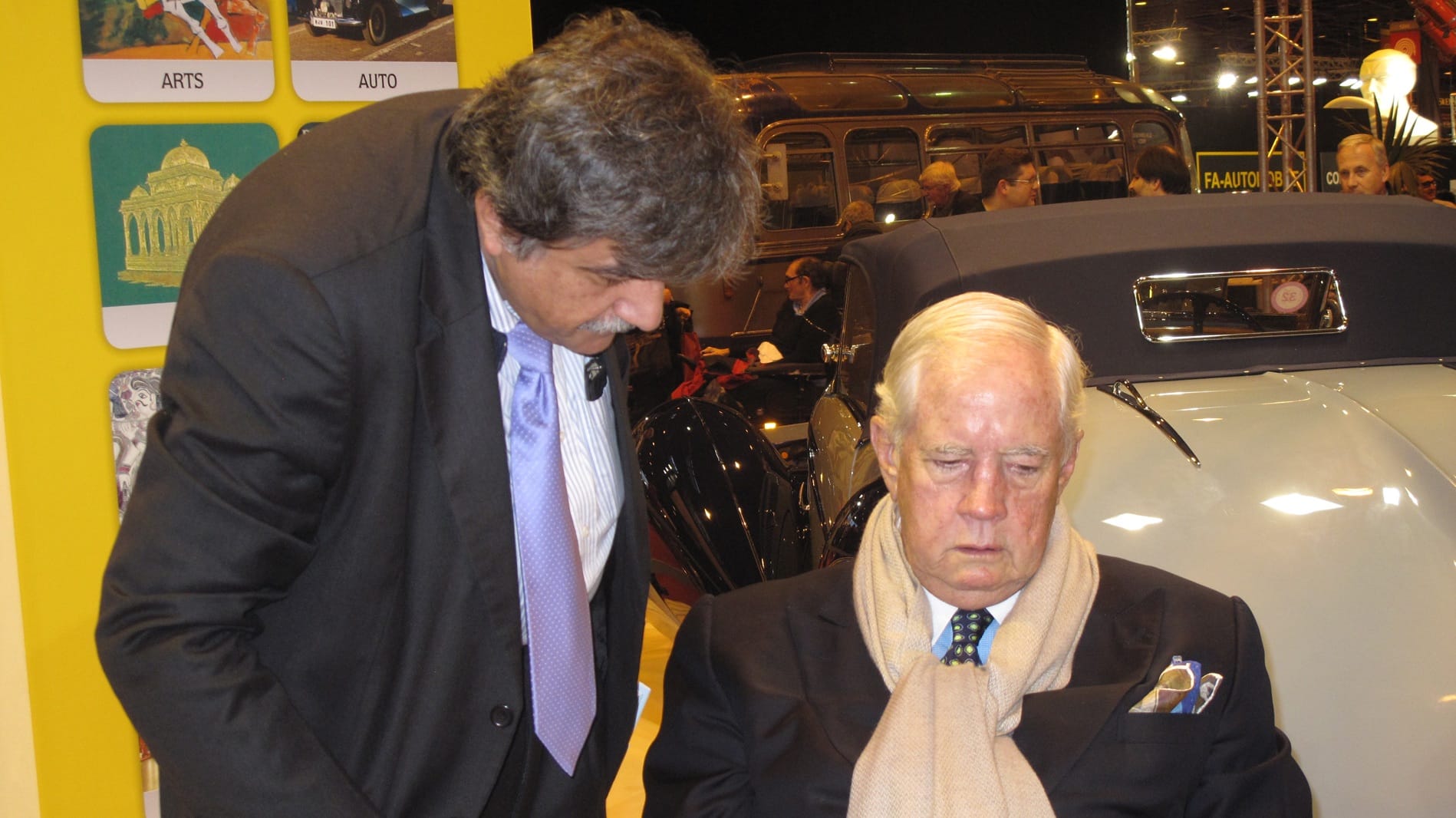
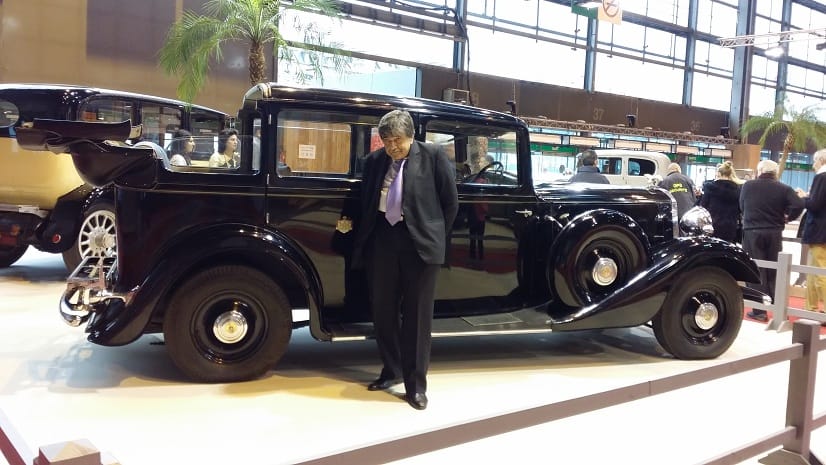
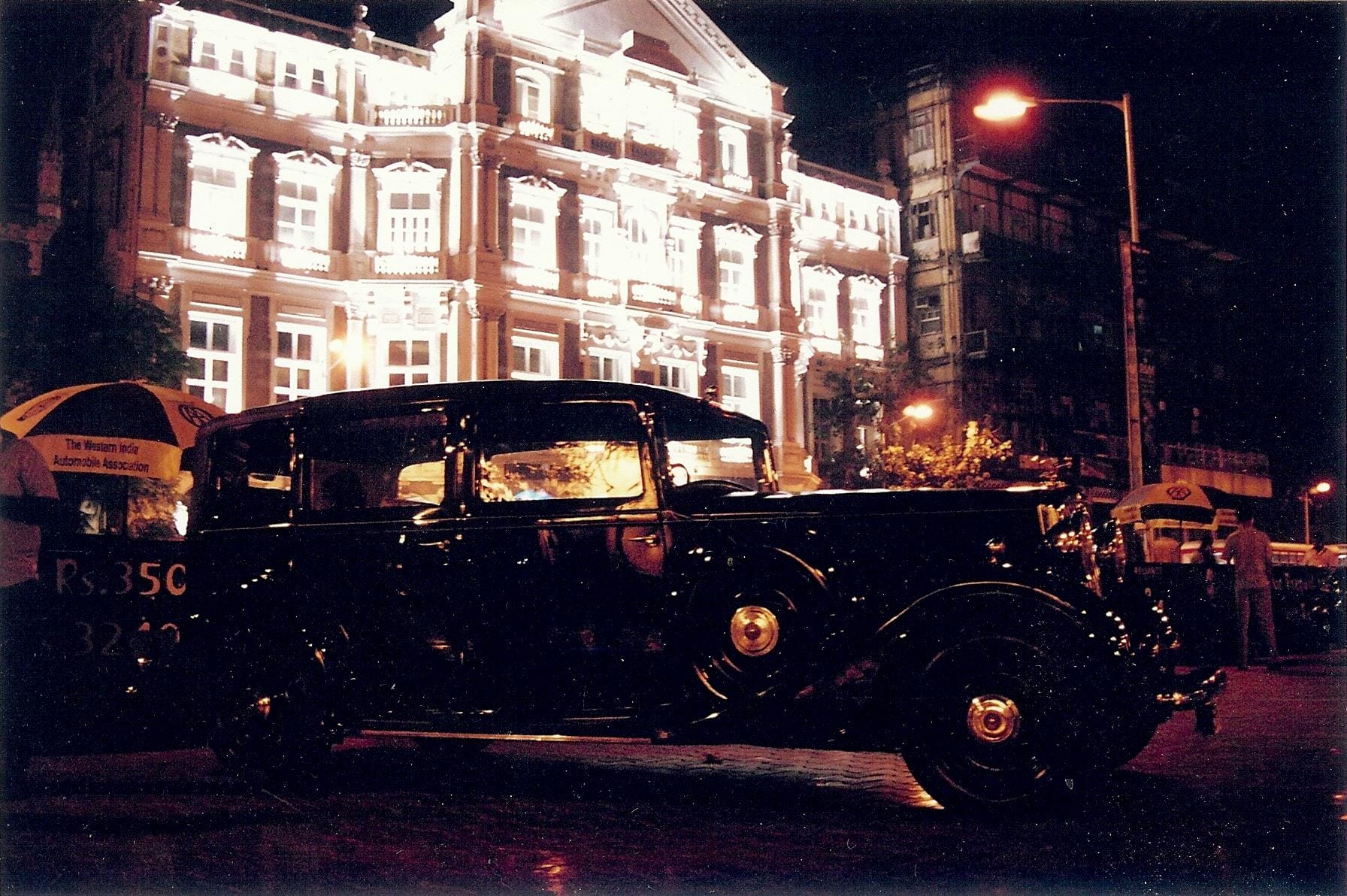
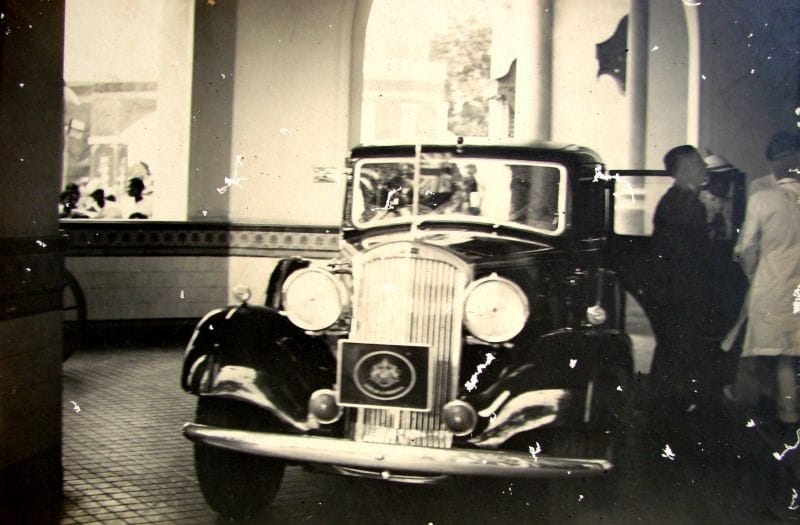
Harit Trivedi pictured alongside the late renowned collector Peter Mullin (top left), who had brought his magnificent Delahaye 135 to the same exhibition, and Trivedi with the Humber at Salon Rétromobile (top right). Period images of the Humber at bottom left and right
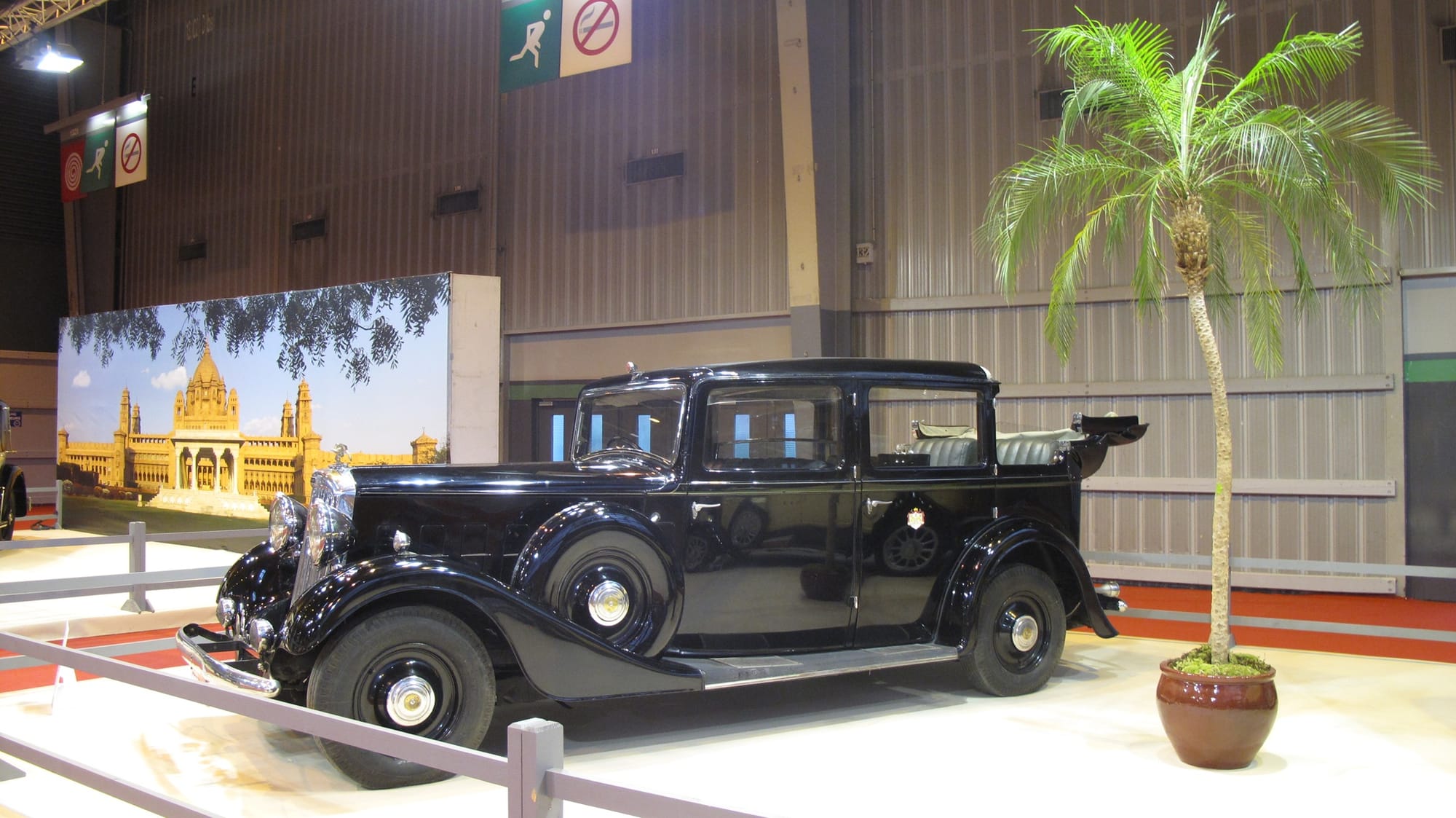
The Humber achieved international recognition when it appeared at the special “Cars of the Maharajas" exhibition during the 2014 edition of Salon Rétromobile 2014 in Paris, held from 5-9 February 2014, and curated by yours truly. The exhibition attracted more than 120,000 visitors, all eager to admire the extraordinary automobiles once owned by India’s princely rulers.
Among the many celebrated vehicles on display, Trivedi’s Humber held a unique distinction: it was the only car transported directly from India for the event, while the remaining exhibits were sourced from European and American museums and private collections. Its presence highlighted not only the rarity of the 1934 Humber Snipe 80 Pullman Landaulette itself, but also the growing international appreciation for India’s rich and often overlooked motoring heritage.
Comments ()