1934 Rolls-Royce 20/25HP – A Relic of Calcutta’s Jewish Past
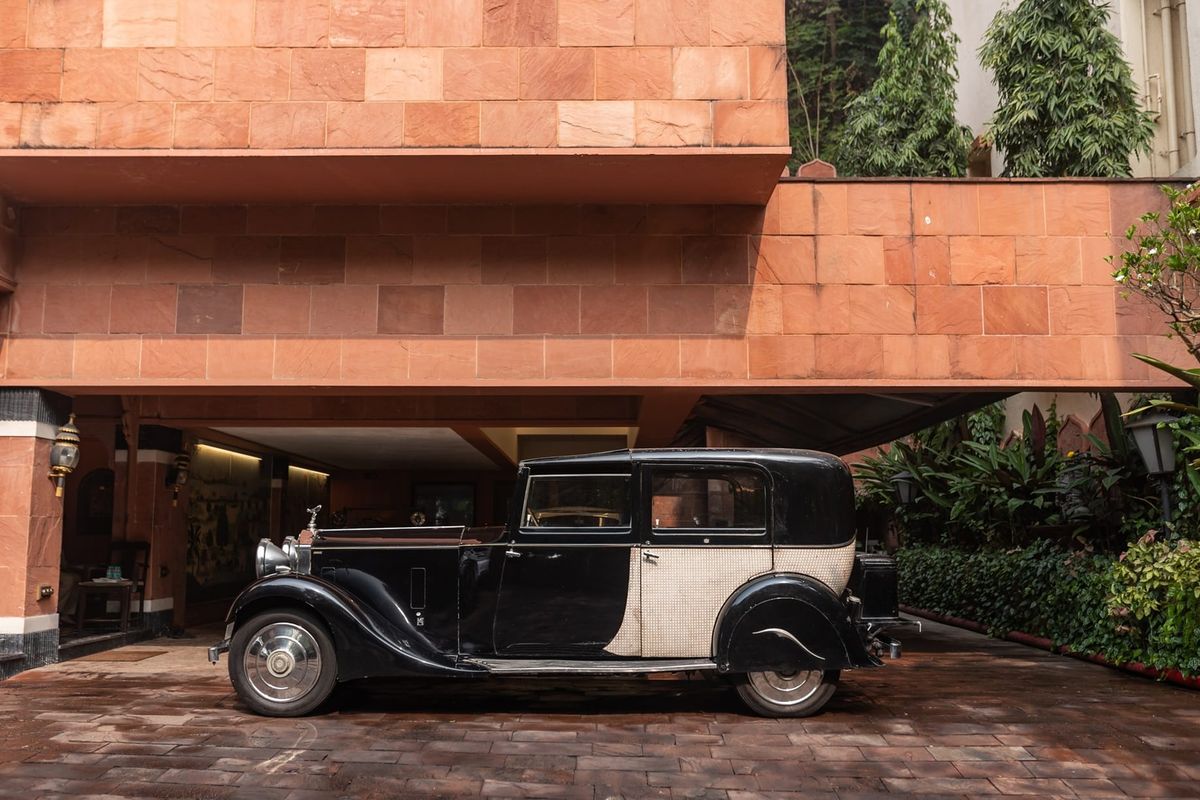
Among the many symbols of the affluence of Kolkata's Jewish community was its passion for fine automobiles, including Rolls-Royce
Text: Gautam Sen
Images: Vrutika Doshi
The story of Kolkata’s Jewish community is one of remarkable rise, cultural transformation, and eventual dispersal, woven closely with global trade, colonial history, and, intriguingly, automotive heritage.
Established in the late 18th century, this community was founded by Baghdadi Jewish merchants arriving from Iraq and Aleppo. Over time, Kolkata (then Calcutta) emerged as one of the most important centres of the Judeo-Arabic diaspora in Asia.
During the 19th century, the community flourished, driven by lucrative trade in commodities such as cotton, jute, and opium. Prominent families, including the Sassoons, Ezras, Elias, and Gubbays, accumulated immense wealth and influence, funding synagogues, schools, and charitable institutions across Asia and the Middle East.
Over generations, their identity gradually evolved from a Judeo-Arabic heritage toward a more Anglicised, Judeo-British culture, reflecting the broader colonial milieu. Yet, despite the prominence of elite families, a significant portion of the community remained modest in means and relied on philanthropic support.
At its peak during World War II, Kolkata’s Jewish population exceeded 6,000. However, the decades following Indian independence in 1947 brought rapid decline. Economic upheaval, the collapse of colonial trade systems, communal tensions, and the creation of Israel prompted large-scale emigration to countries such as Britain, Australia, and Israel.
Today, fewer than twenty Jewish residents remain in the city, and the once-vibrant community survives largely through its architectural heritage and global diaspora.
Among the many symbols of this community’s affluence was its passion for fine automobiles. Several leading families owned prestigious marques, including Rolls-Royce.
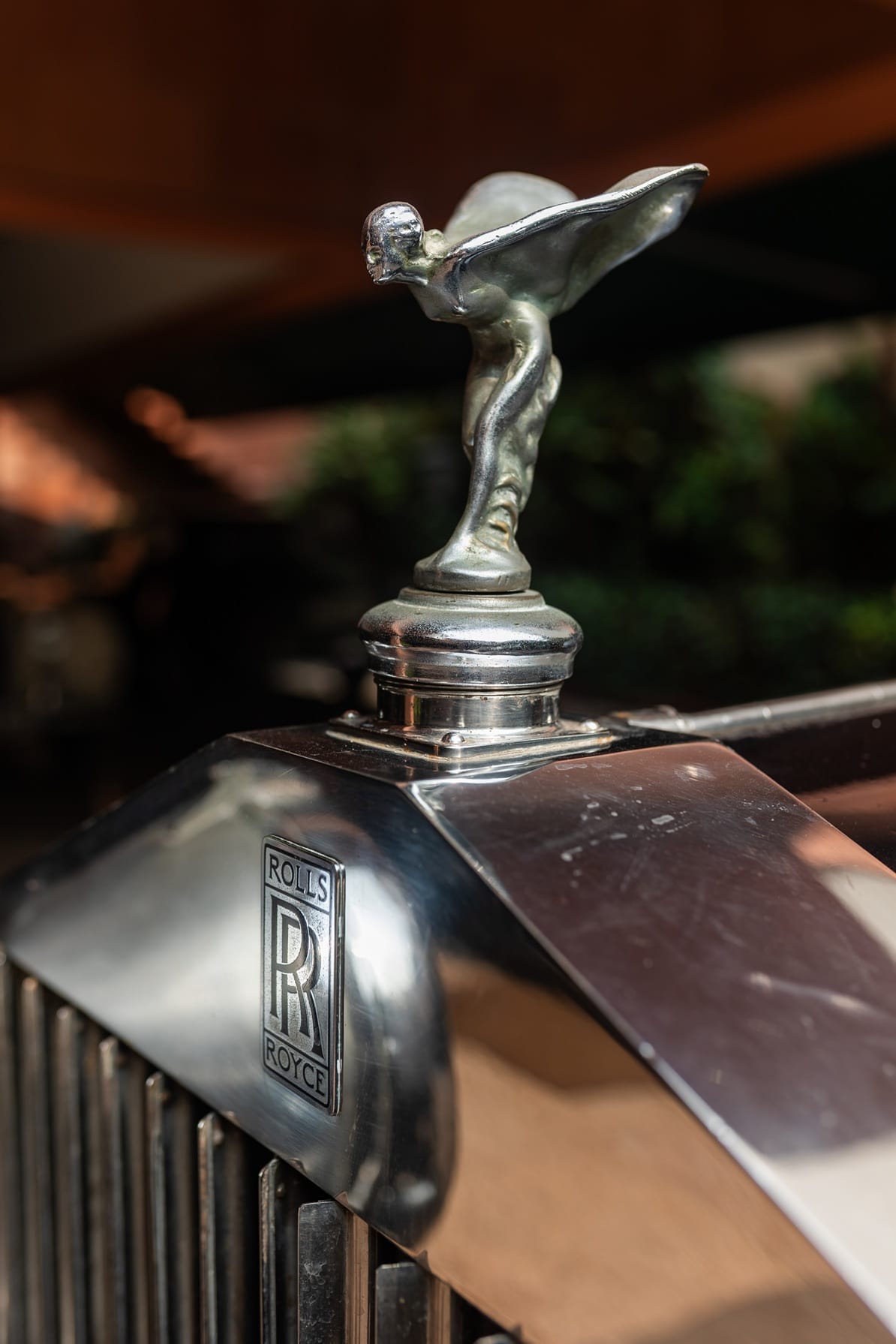
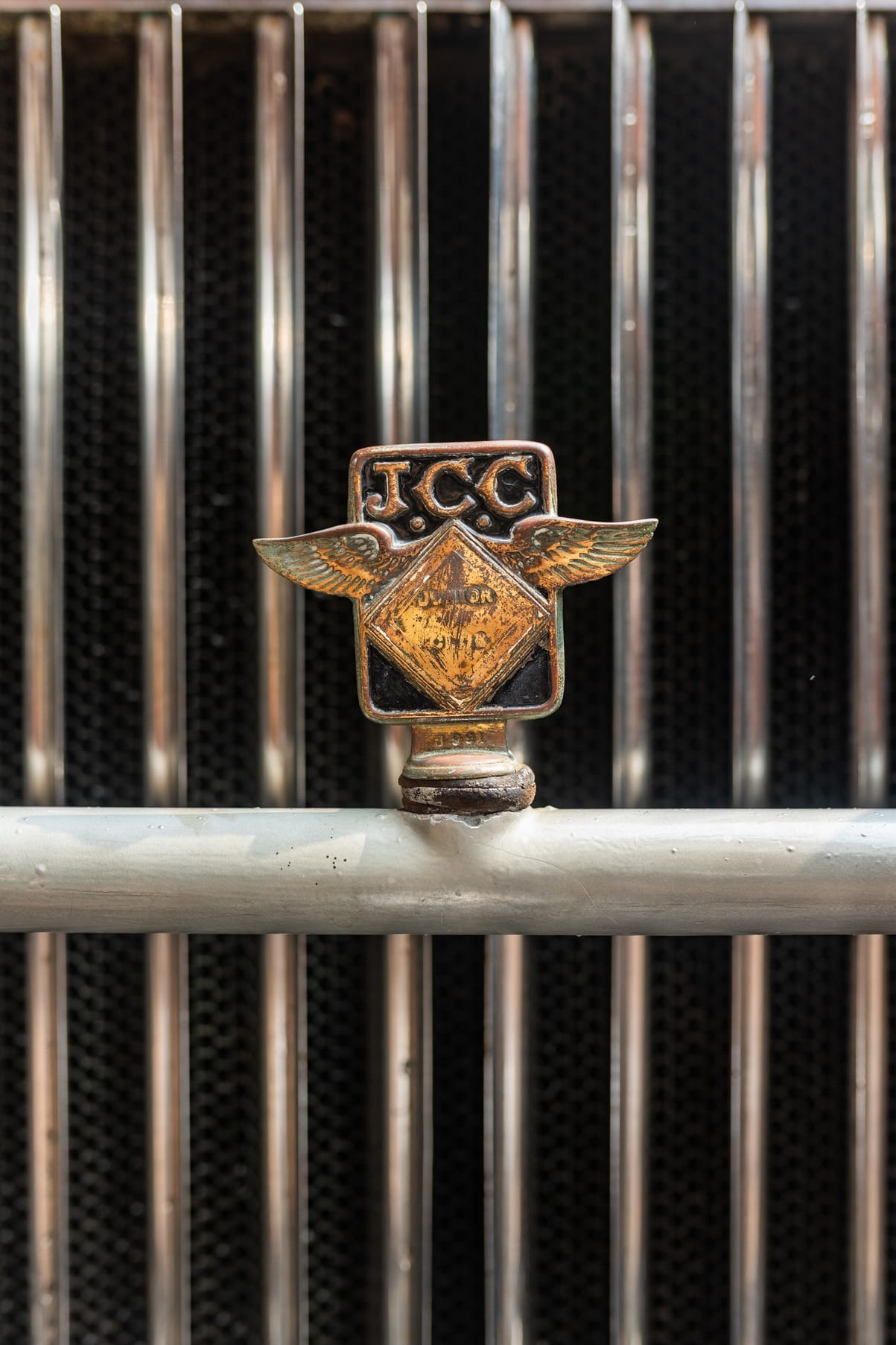
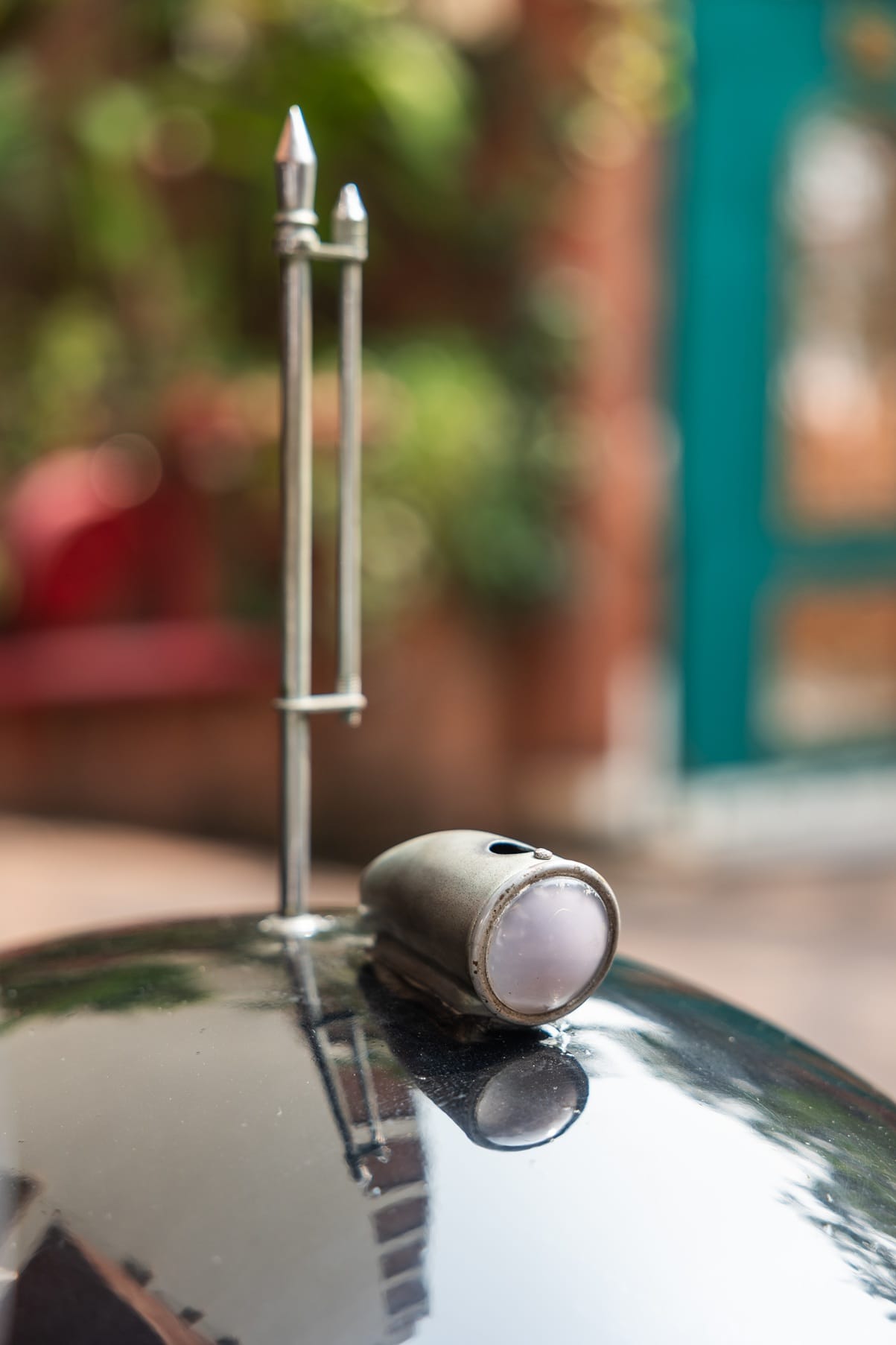
As they say, God is in the details...
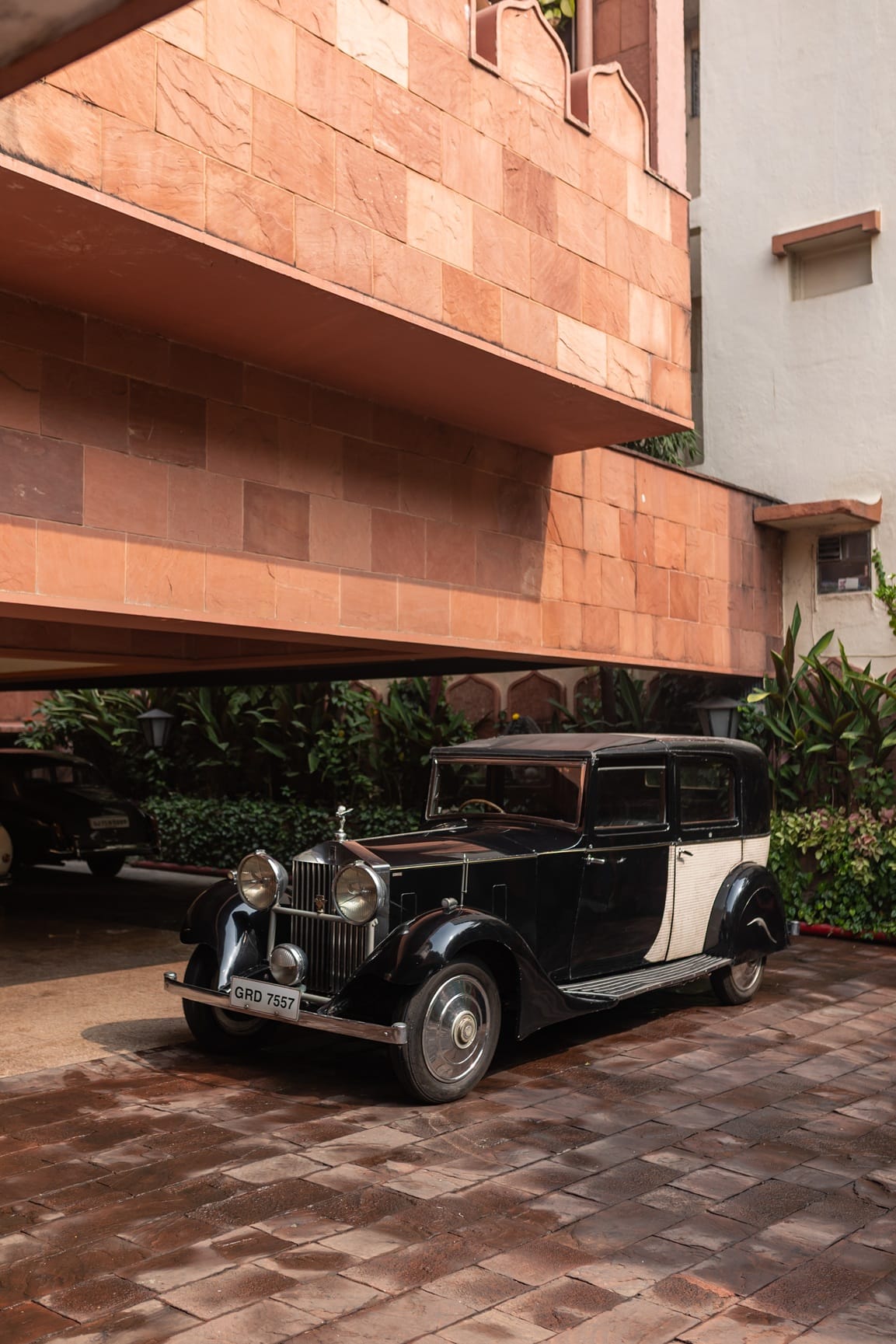
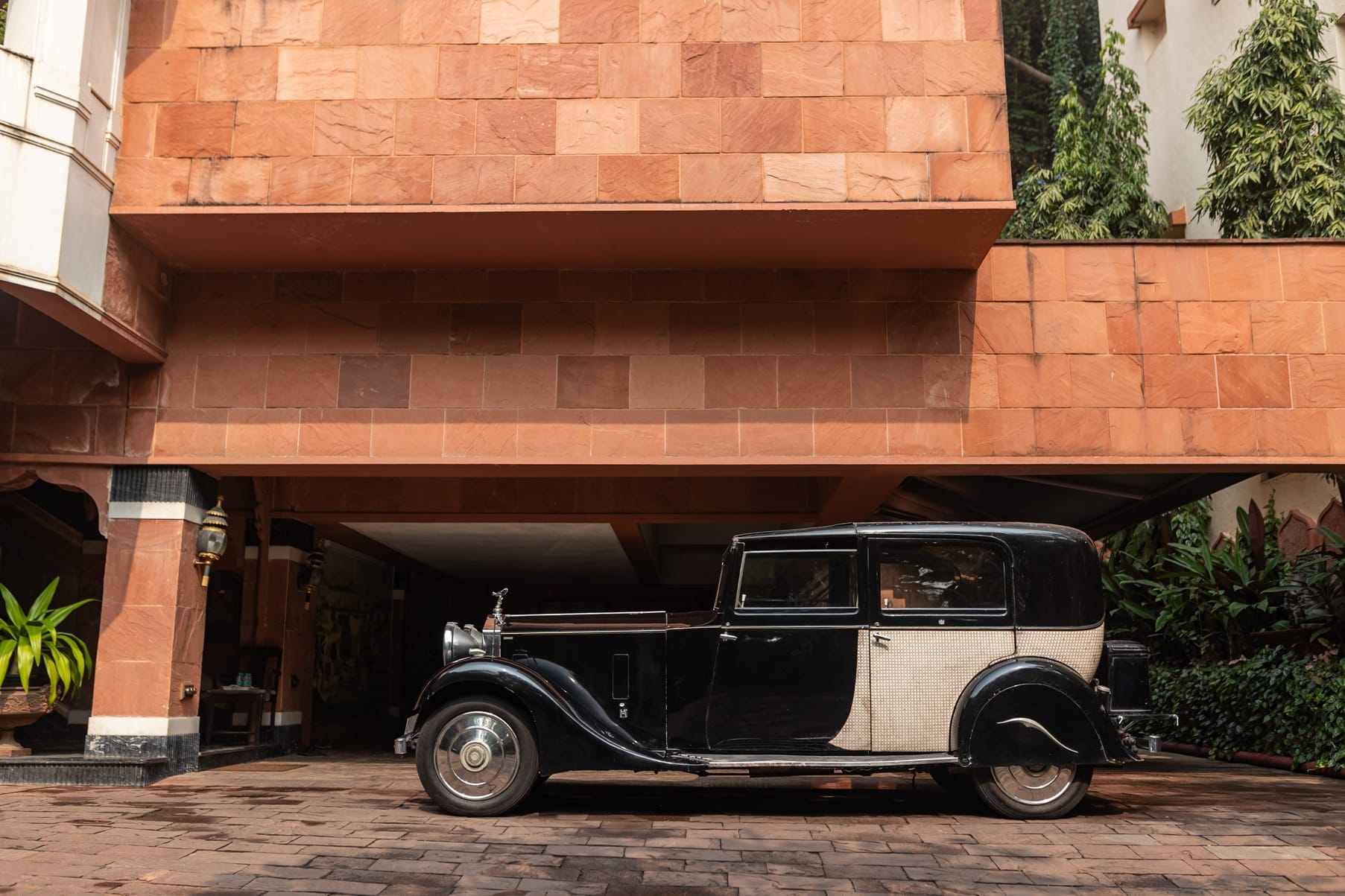
One particularly notable example is a 1934 Rolls-Royce 20/25HP originally commissioned by Menashe Maurice Elias Gubbay, a prominent businessman born in Calcutta in 1862. Gubbay was connected through marriage to the illustrious David Sassoon family, further cementing his status within the elite mercantile network.
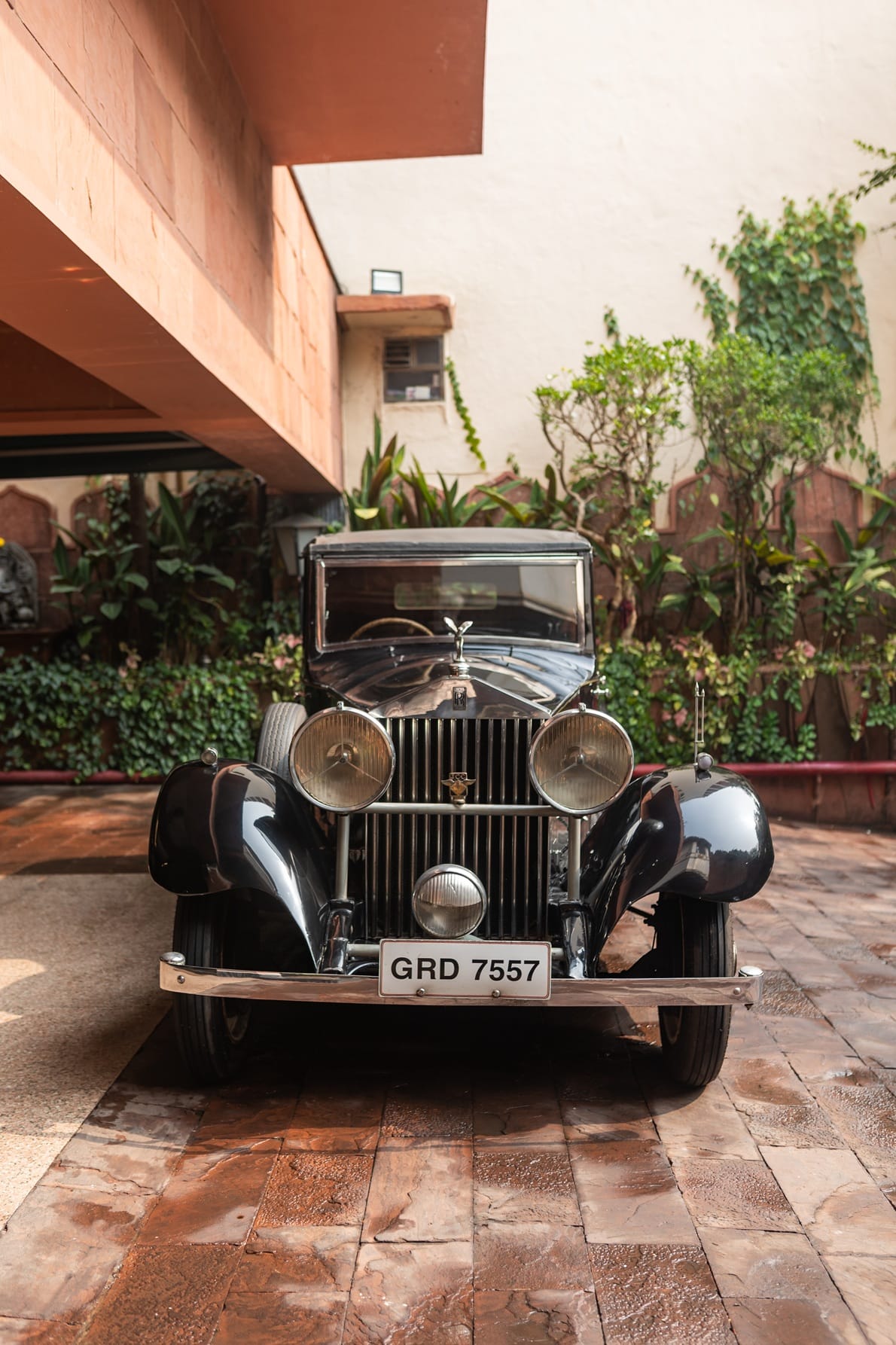
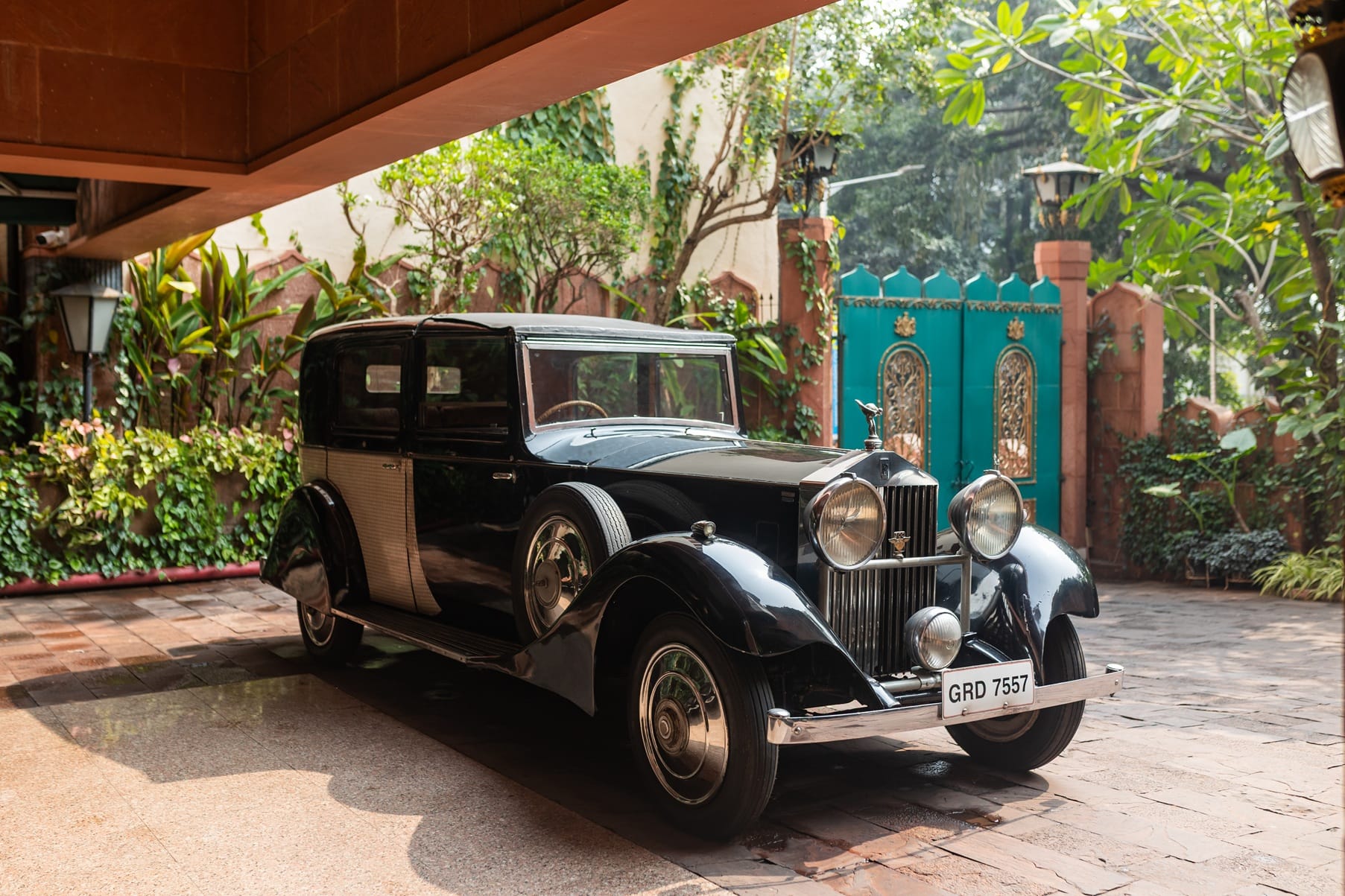
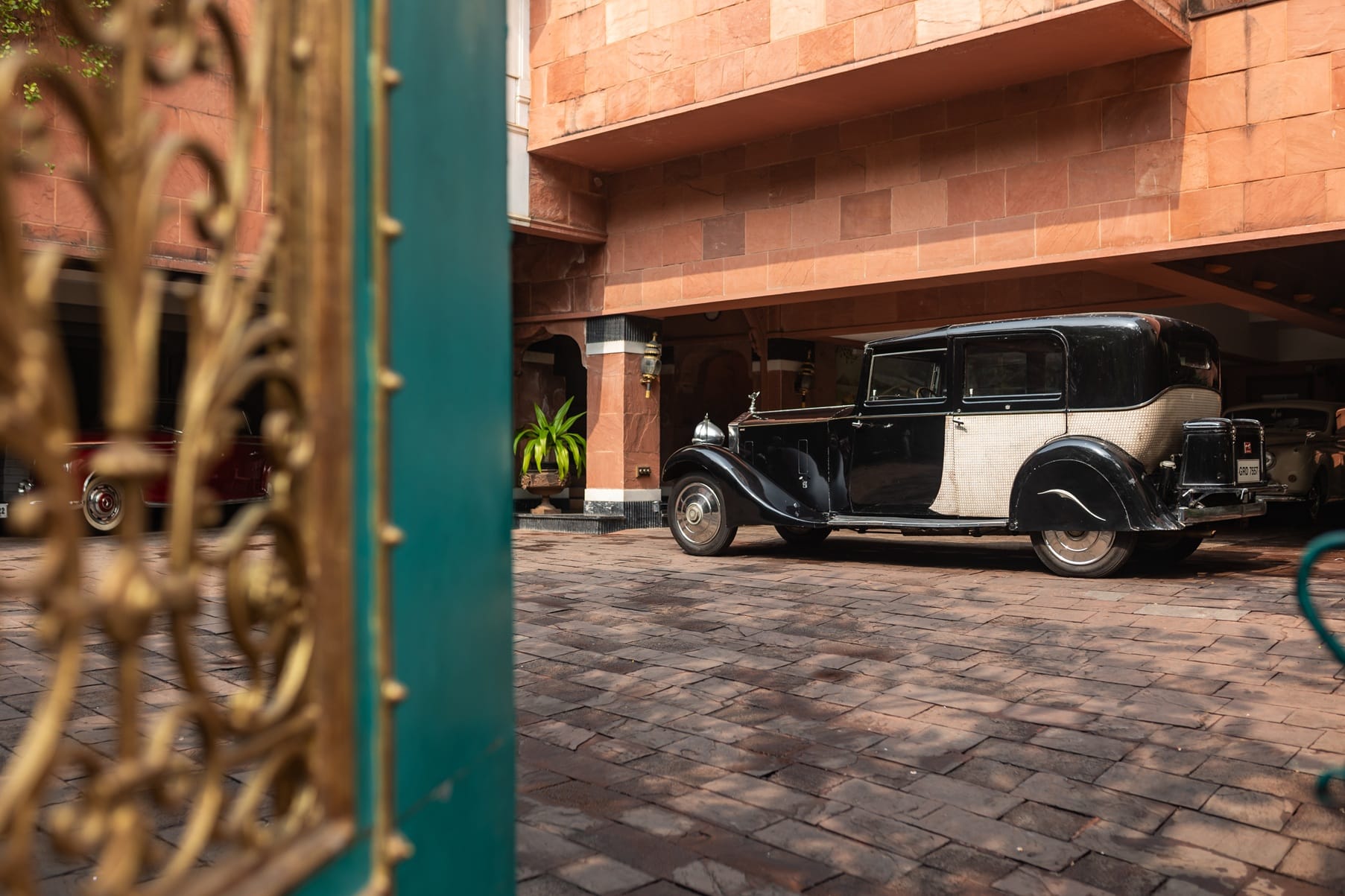
The car itself, bodied as a Sedanca de Ville by the renowned London coachbuilder Hooper & Co., featured bespoke specifications including the absence of occasional seats, full rear wheel spats, polished aluminium discs, and distinctive spotlights mounted near the A-pillars.
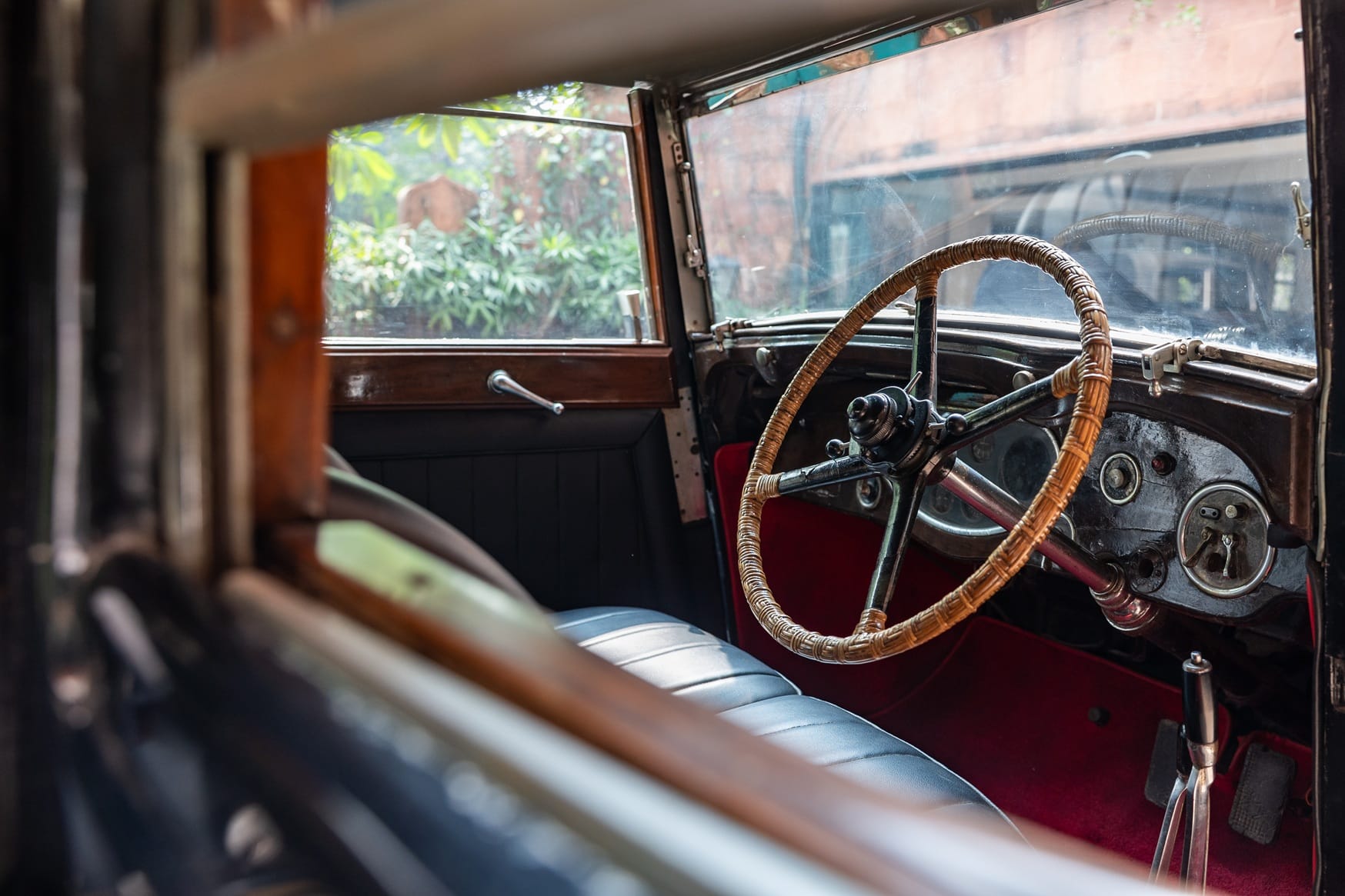
Delivered to Calcutta in 1934 (chassis # GXB71), the car remained in the long-term ownership of the Gubbay family for several decades. It was later acquired by Calcutta-based enthusiast H. C. Agarwal, who eventually sold it in 1978 to prominent Indian collector Pranlal Bhogilal.
The 20/25HP model itself marked an important evolution for Rolls-Royce. Introduced in 1929 as a successor to the underpowered “Twenty,” it featured an enlarged 3.7-litre inline-six engine, offering improved performance and a top speed of around 120 km/h.
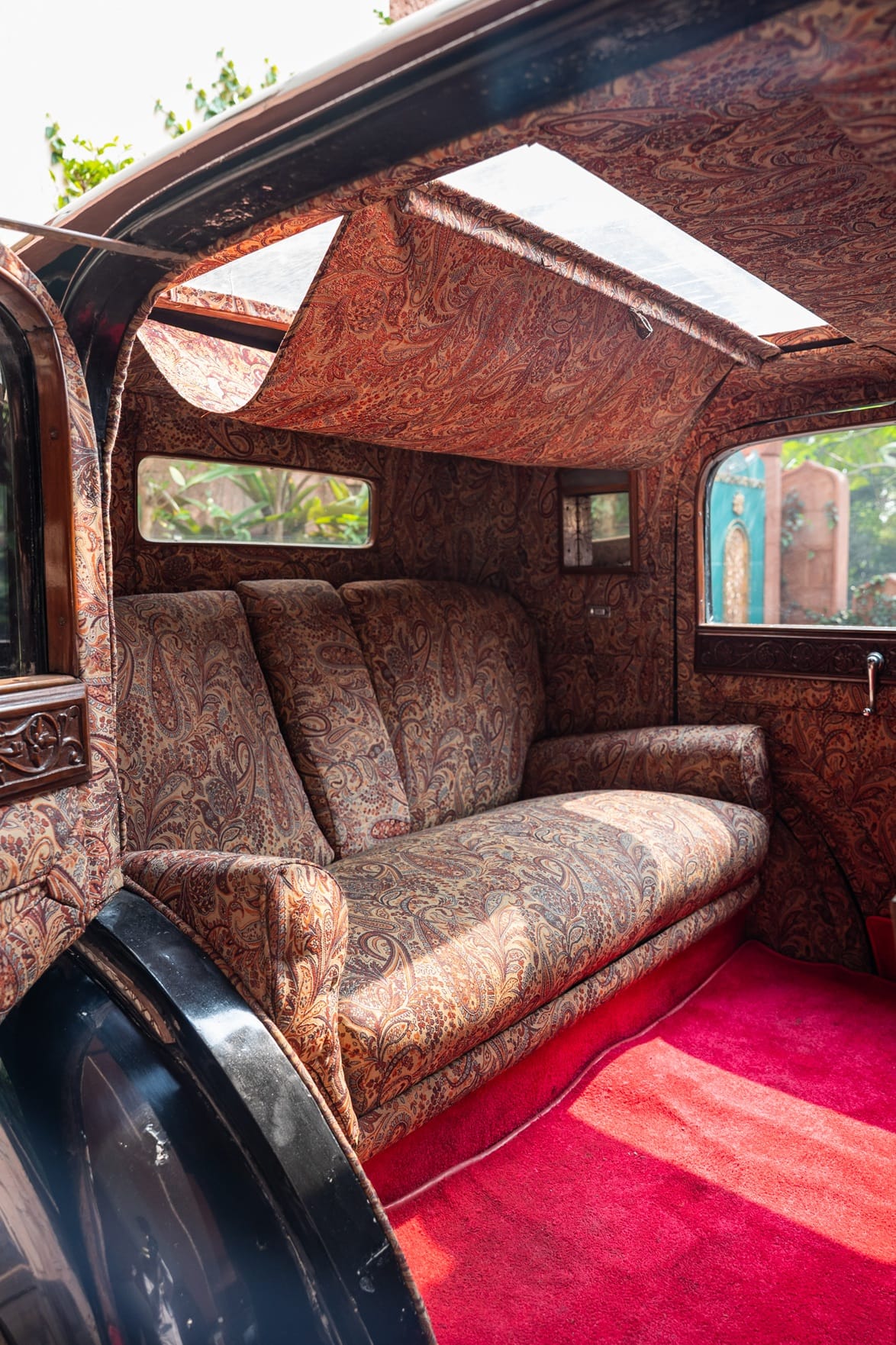
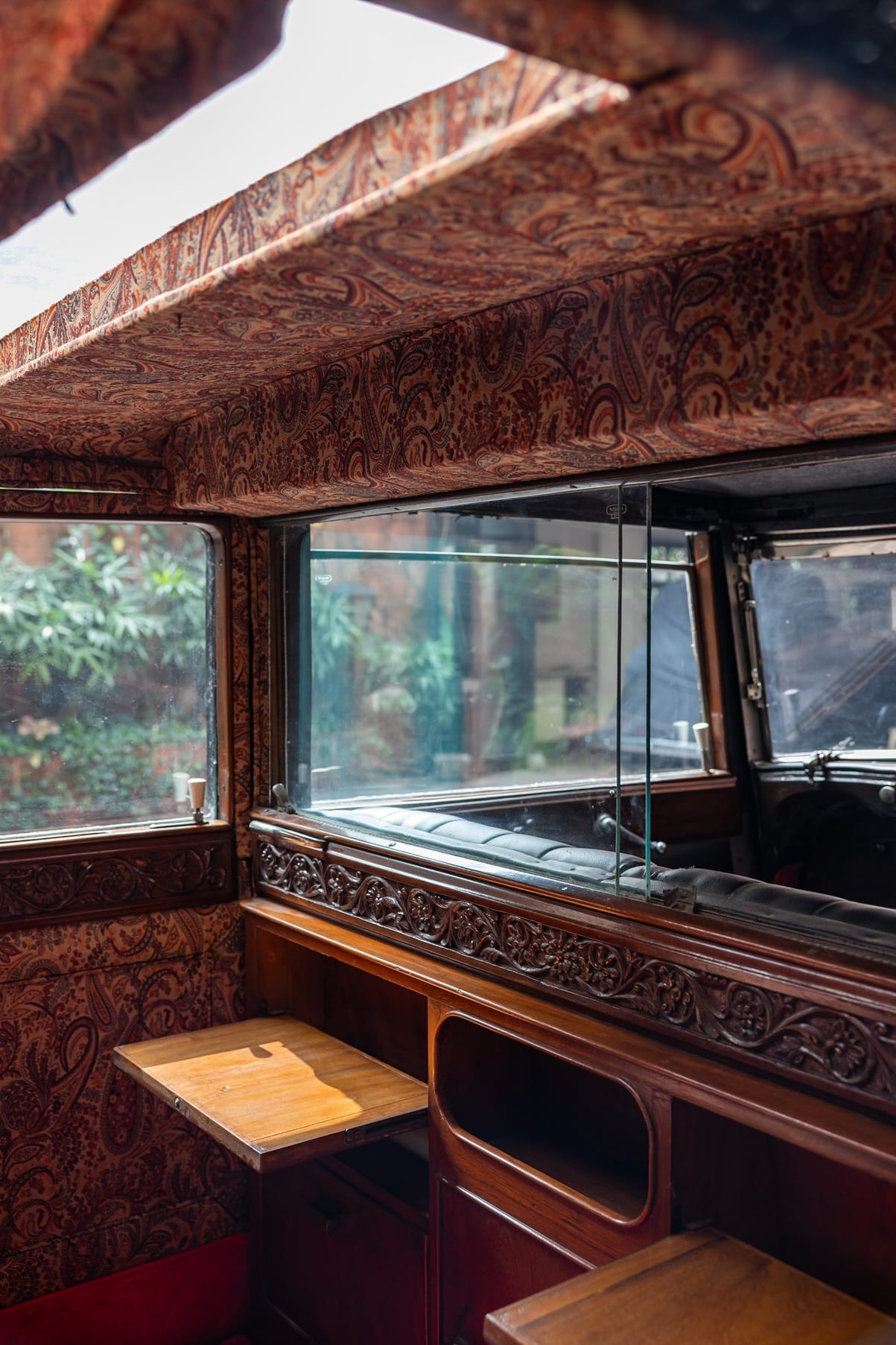
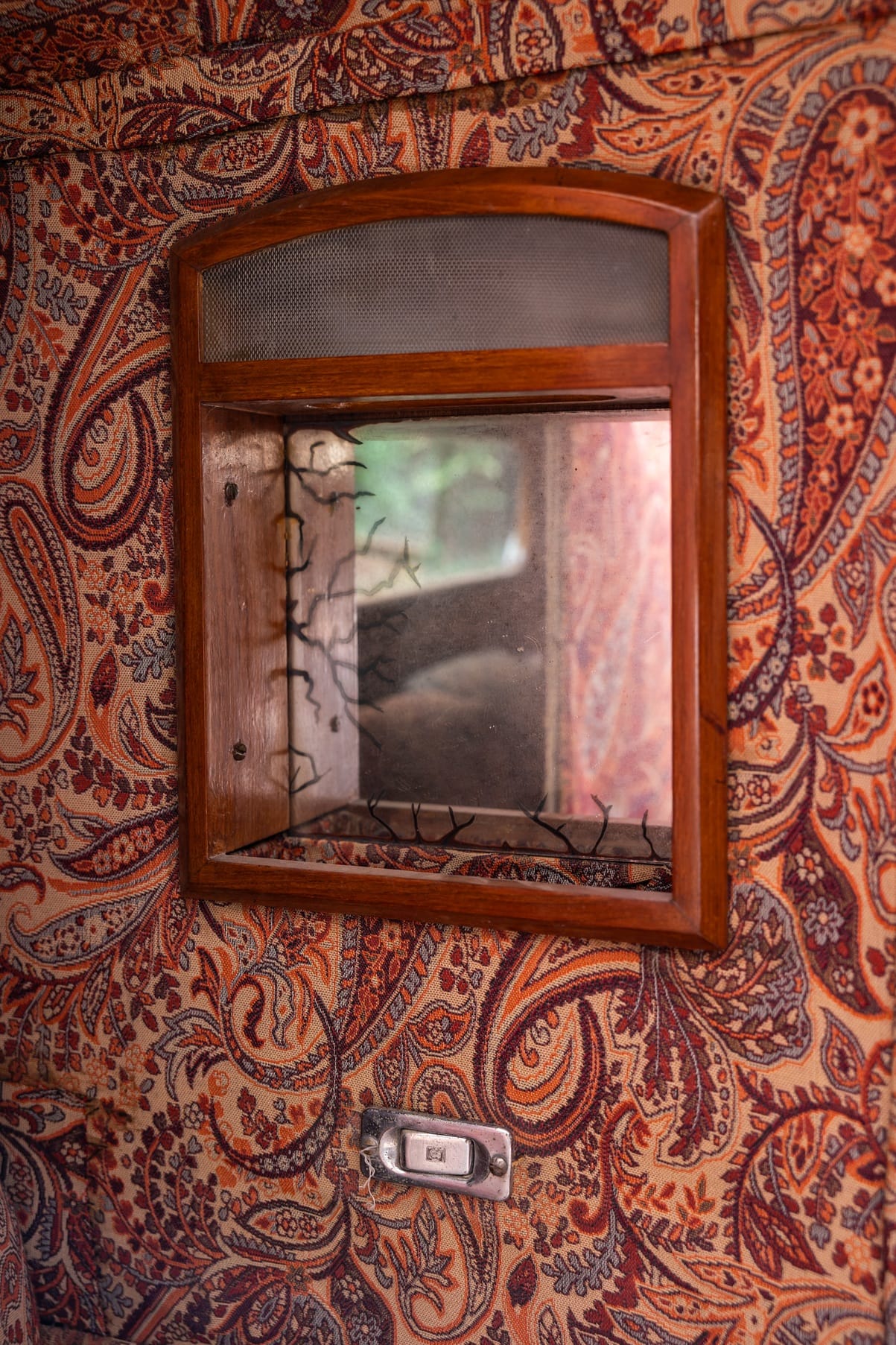
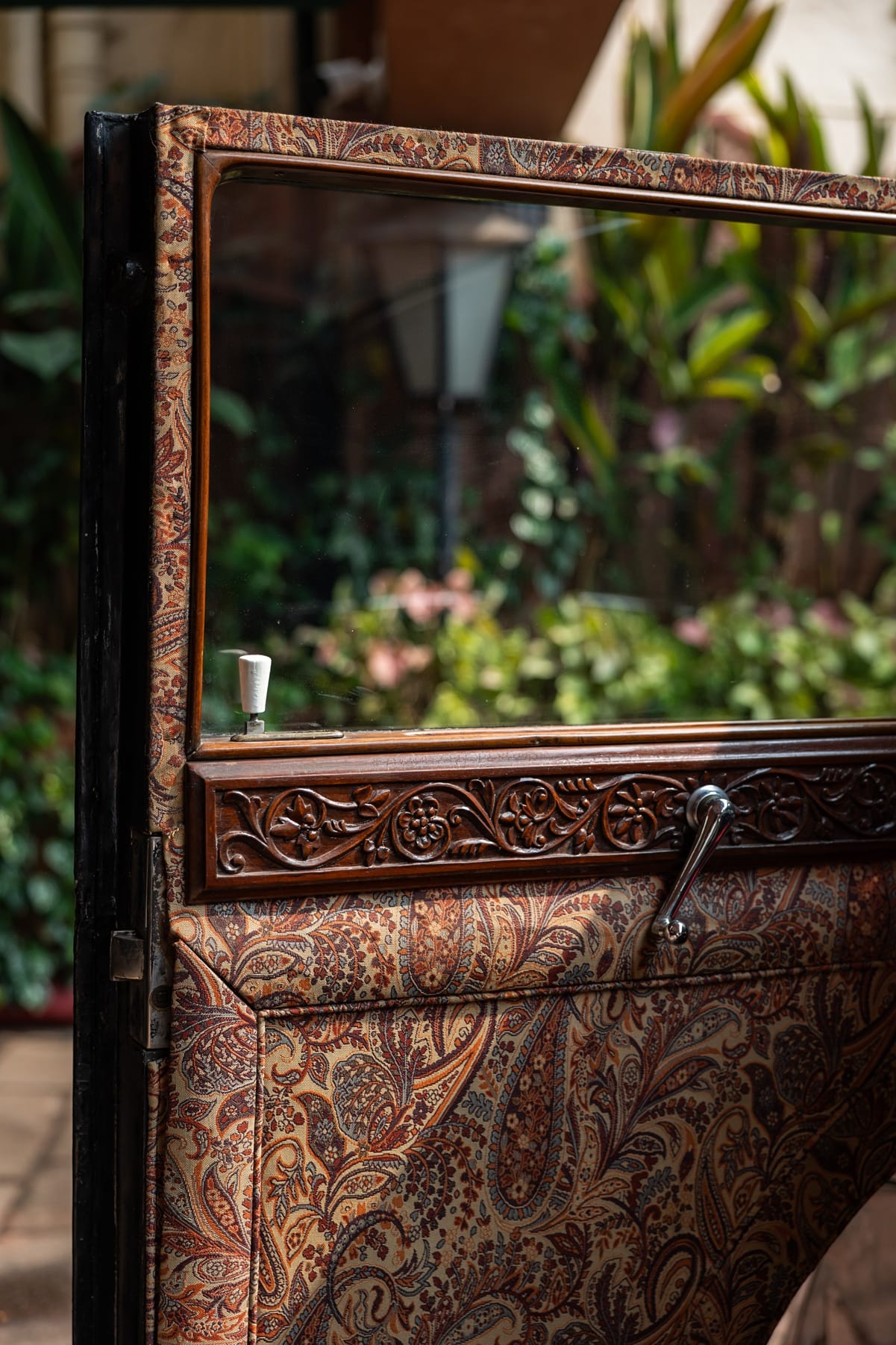
The interiors are as lavish and as thoughtful as most pre-war Rolls-Royces
Though around 55 examples made their way to India – out of 3,827 produced – well-preserved cars with such distinguished provenance remain exceptionally rare.
Today, this Rolls-Royce stands not only as a fine example of pre-war automotive craftsmanship but also as a tangible link to a lost world: the cosmopolitan, affluent, and culturally rich Jewish community of colonial Calcutta.
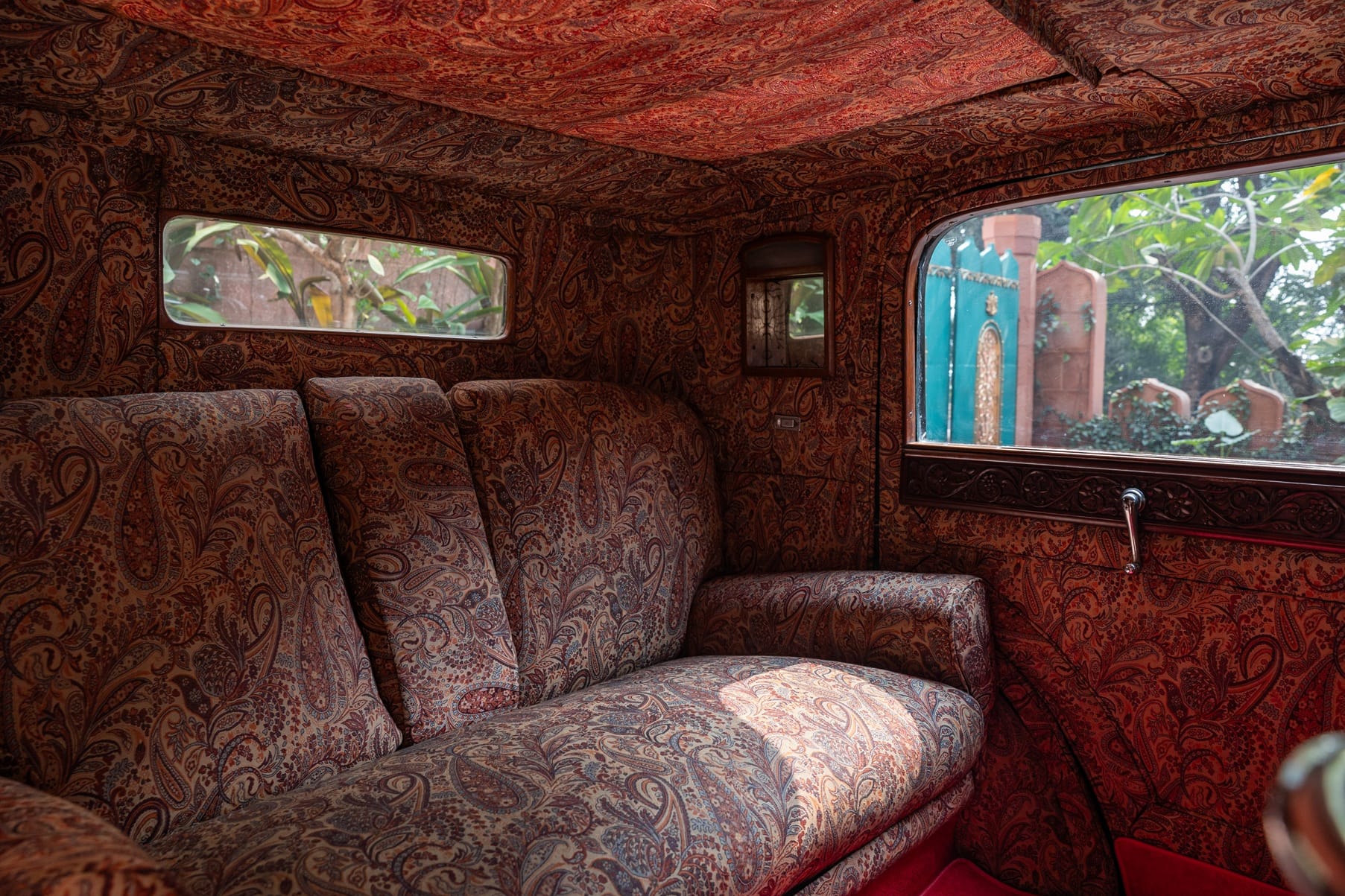
Fortunately, the car continues to be preserved within the distinguished collection of Pranlal Bhogilal, where it remains an important and cherished part of India’s automotive heritage.
Comments ()