1935 Bentley 3½ Litre – The Silent Sports Car
When Bentley Motors collapsed financially in 1931, the company was quietly acquired by a shadowy entity that soon revealed itself to be Rolls-Royce
Text: Gautam Sen
Images: Makarand Baokar
When Bentley Motors collapsed financially in 1931, its future appeared uncertain. The company was quietly acquired by a shadowy entity that soon revealed itself to be Rolls-Royce, marking the beginning of a new chapter for the storied marque.
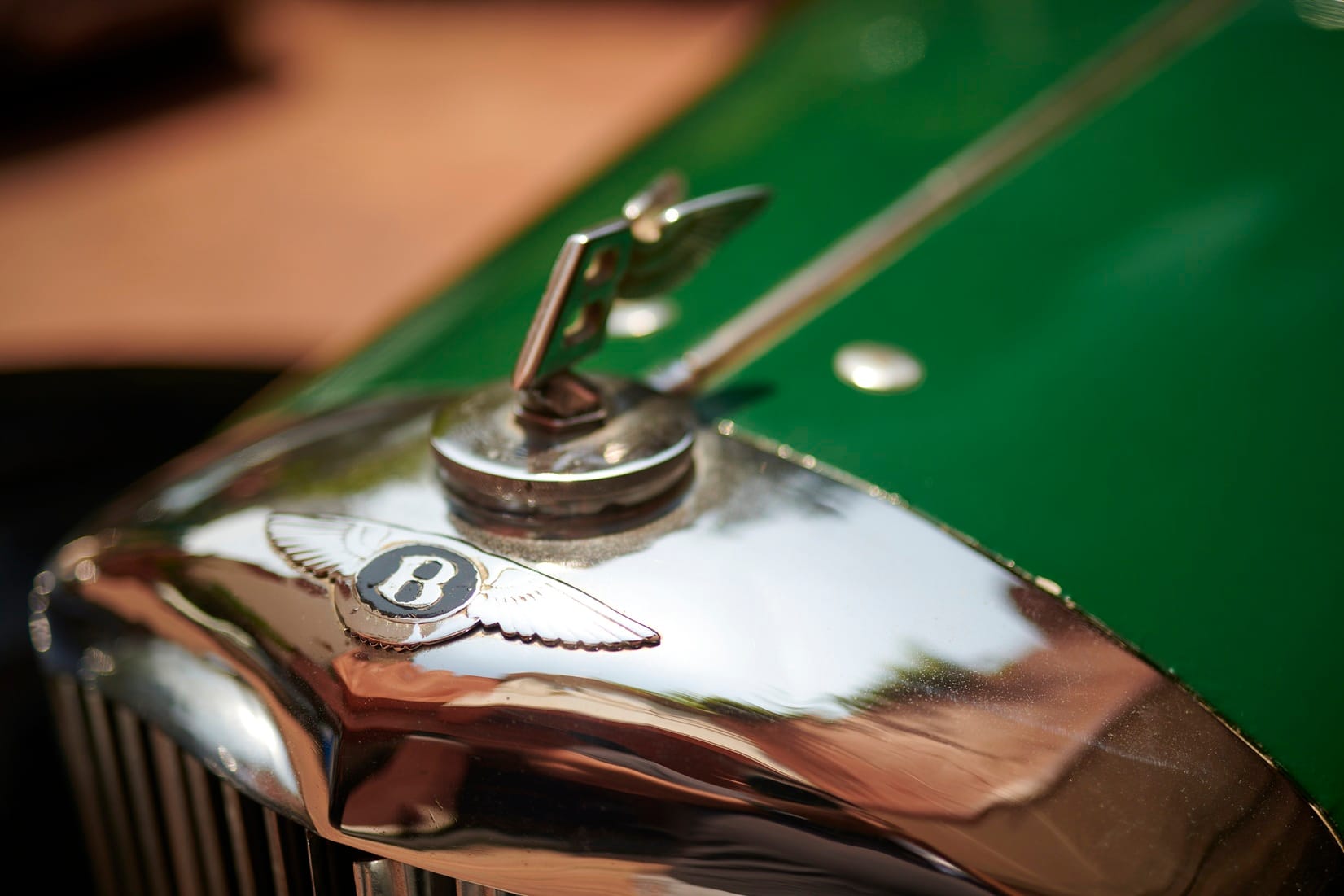
Under its new ownership, Bentley’s identity evolved into something less raw and overtly sporting than before, yet no less capable. The first model of this new era, the Bentley 3½ Litre, would come to define this transformation.
Based on the Rolls-Royce 20/25 HP platform but imbued with a more dynamic character, the 3½ Litre was announced in 1933, with customer deliveries beginning in 1934. Though it remained in production for only three years, it proved remarkably successful, with nearly 1,200 examples sold worldwide.
Its blend of performance and refinement earned it the evocative nickname “the silent sports car,” and it quickly found favour among discerning buyers, including India’s princely elite.
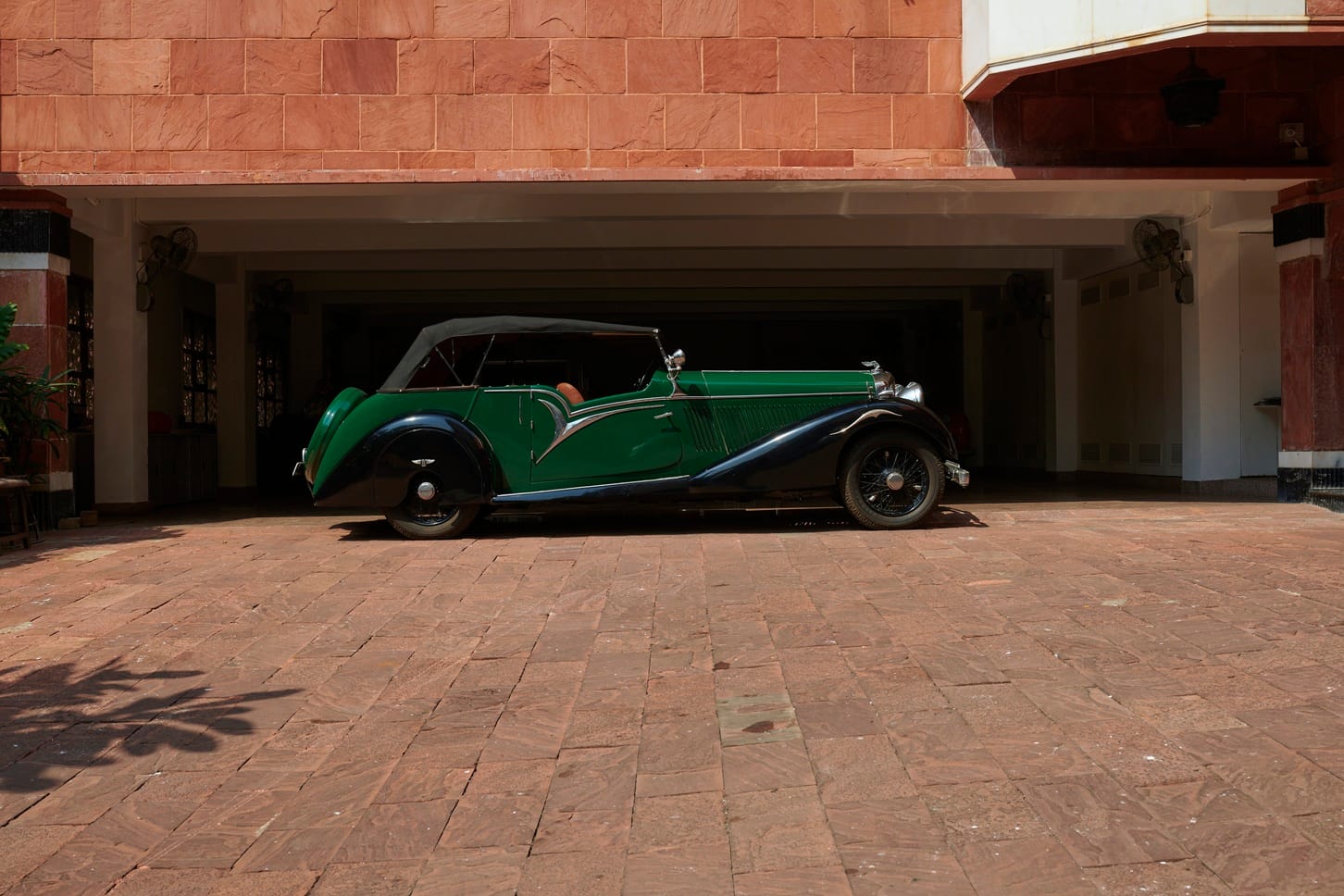
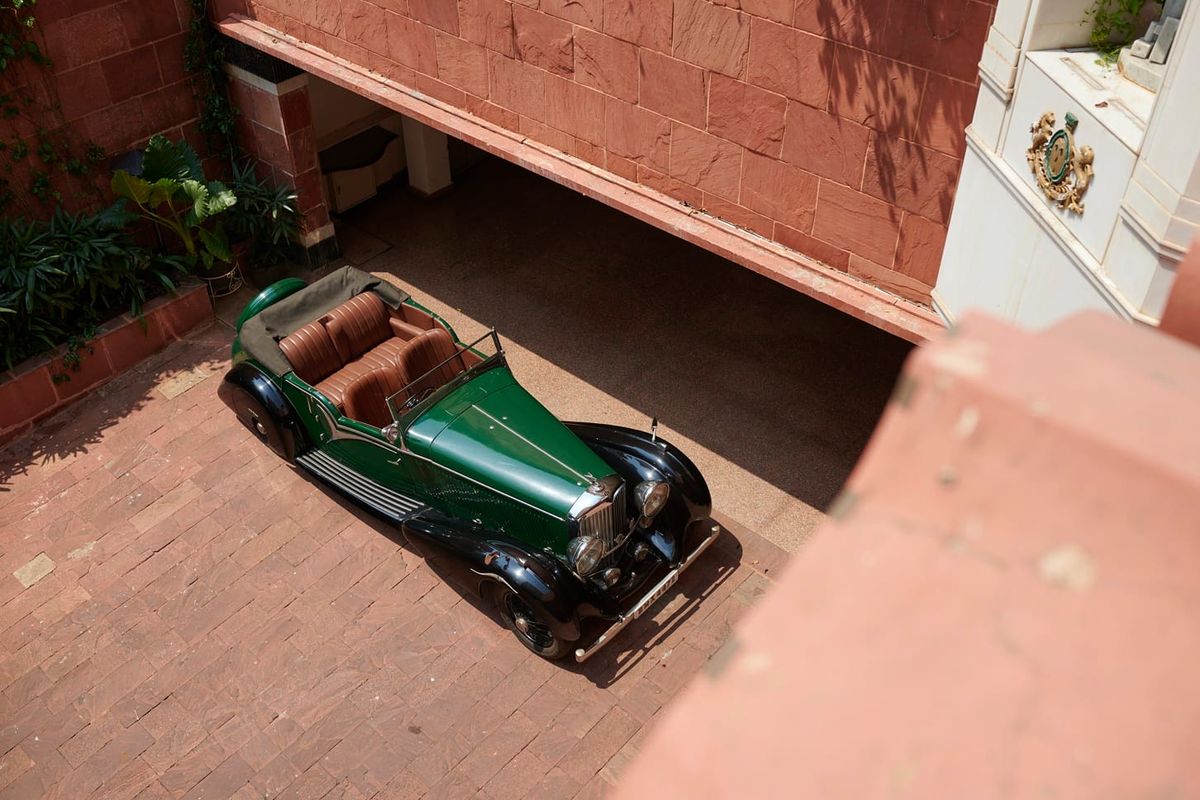
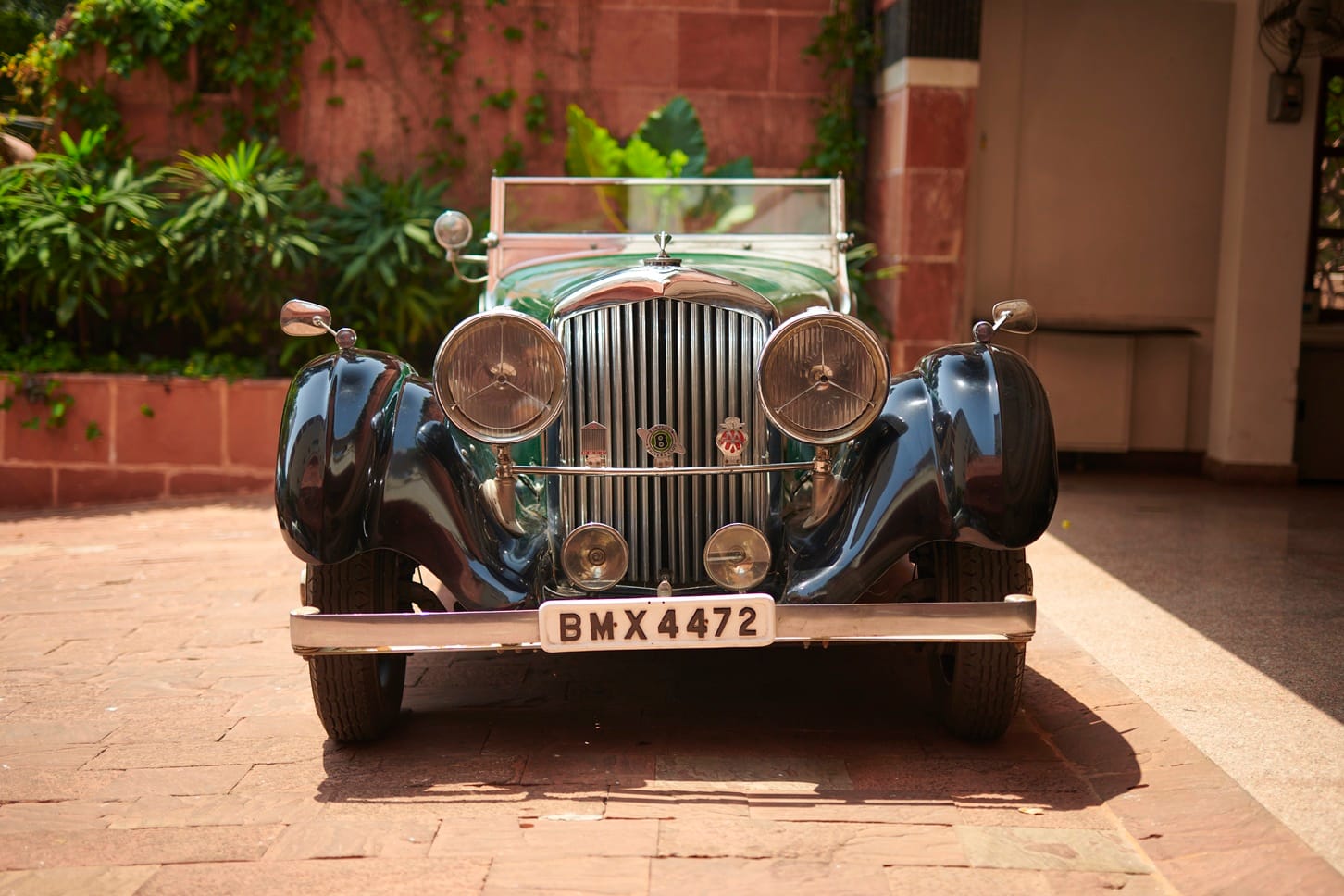
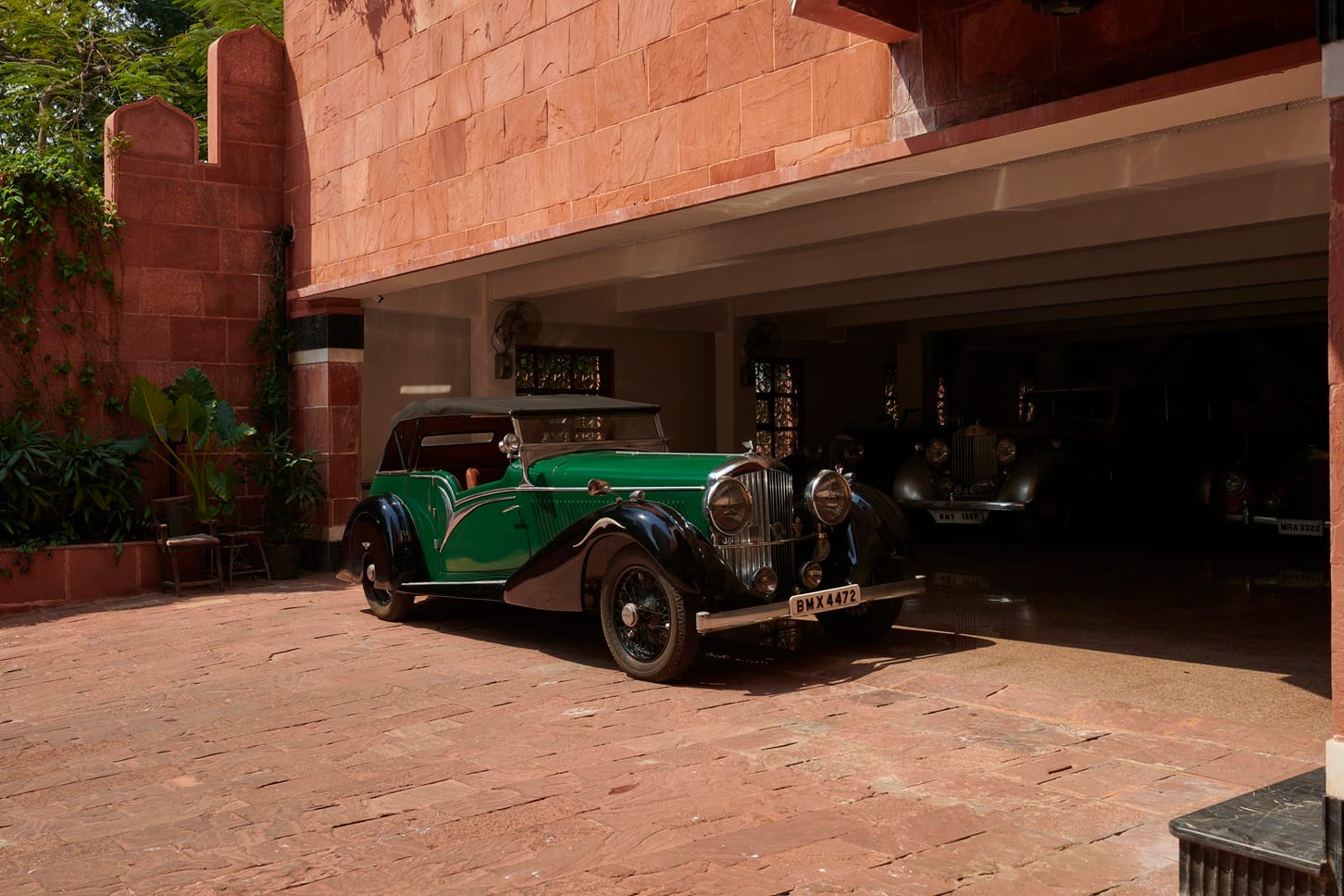
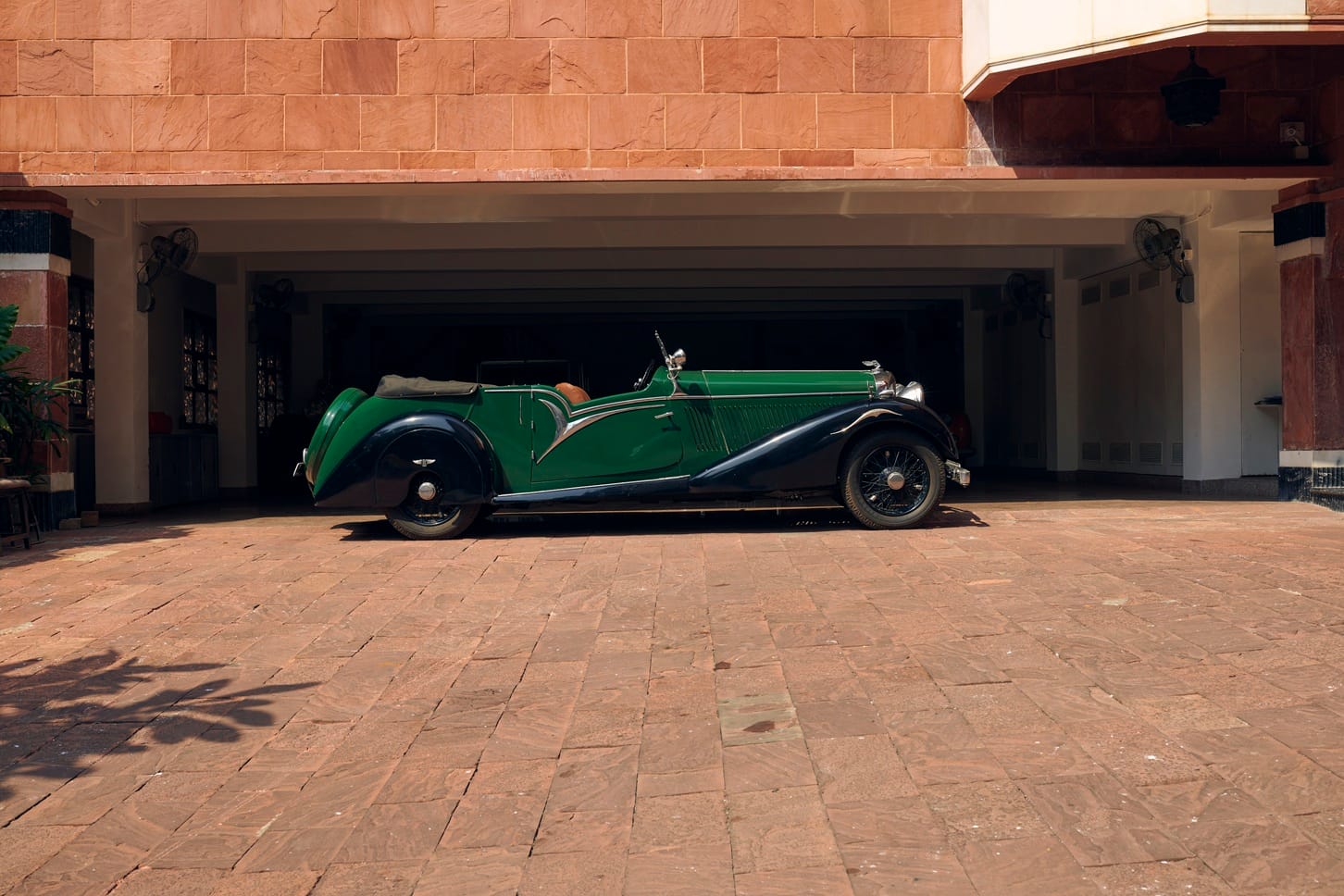
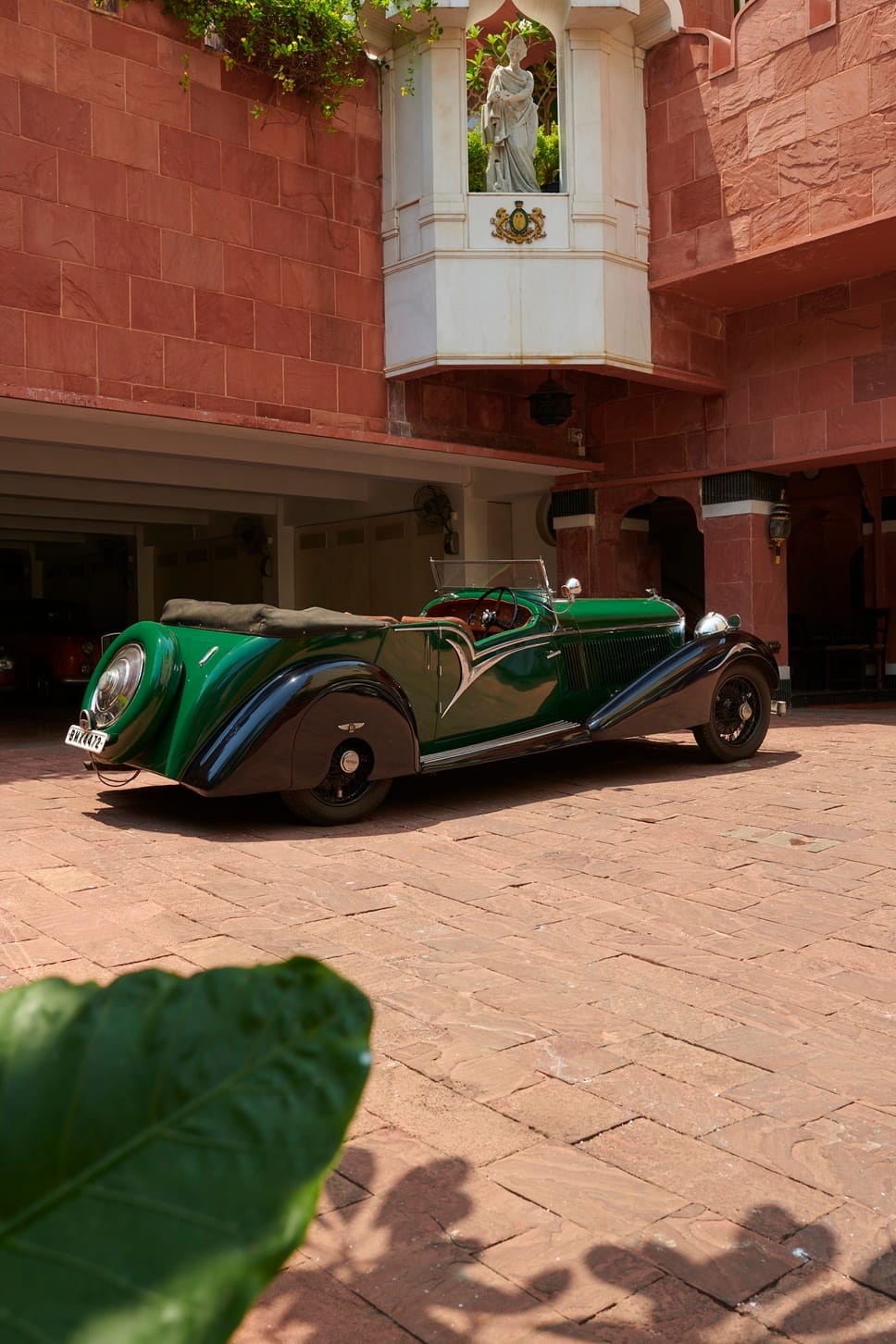
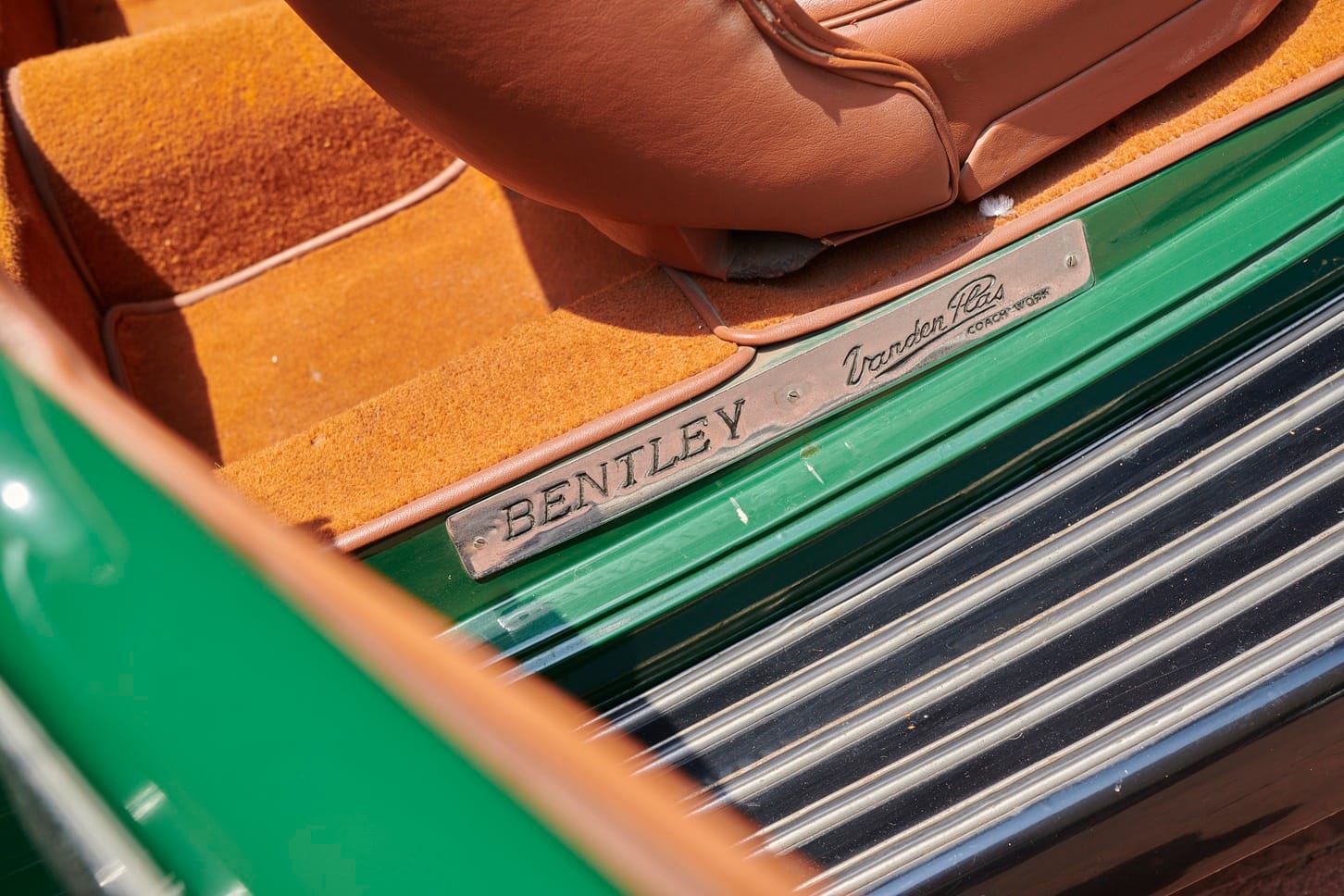
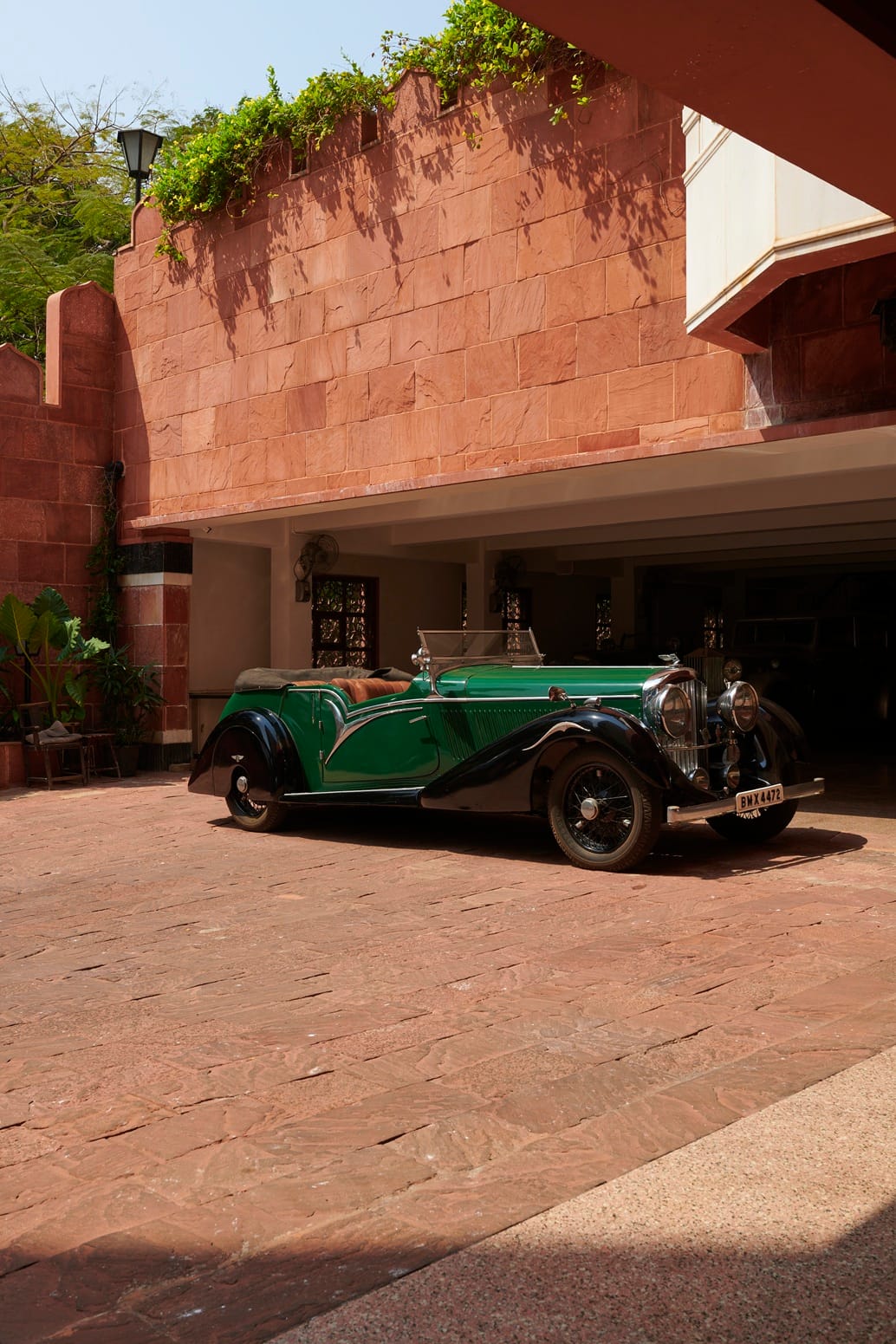
Among the many cars delivered to India, one example stands out for both its provenance and its survival: chassis B50FB, a 1935 Bentley 3½ Litre with elegant tourer coachwork by Vanden Plas.
This particular car was acquired by Krishna Kumarsinhji Bhavsinhji, the ruler of the princely state of Bhavnagar and a noted automobile enthusiast.
The Maharaja’s lineage traces back to a Rajput clan that migrated from Rajasthan to the Gujarat coast in the 13th century. Generations later, in 1823, his ancestor Bhavsinhji Gohil founded the city of Bhavnagar after relocating from Sihor for strategic and commercial reasons.
Positioned advantageously along maritime trade routes, Bhavnagar grew into a prosperous port city, maintaining commercial links with regions as far afield as Africa, Zanzibar, Singapore, and the Persian Gulf.
By the time Krishna Kumarsinhji Bhavsinhji ascended the throne in 1919, Bhavnagar was a well-established princely state. Known for his progressive outlook, he would later become one of the first Indian rulers to accede to the Union of India after independence, subsequently serving as Governor of Madras from 1948 to 1952.
Alongside his political acumen, he cultivated a deep passion for automobiles, assembling an eclectic and impressive collection. While he showed a marked preference for Mercedes-Benz, including notable models such as a 500K and a 290 limousine, his affinity for Bentley ran deep. As early as 1928, he acquired a 6½ Litre Bentley with striking Barker coachwork, followed by a 4½ Litre model in 1929 with Vanden Plas bodywork.
These earlier Bentleys, products of the W.O. Bentley era, were bold, performance-focused machines. Although both have since left India, they remain significant examples of pre-war automotive artistry.
The 3½ Litre, acquired in 1935, represented a different philosophy. Though less aggressive than its predecessors, it offered a more refined driving experience without sacrificing performance.
The Vanden Plas tourer body endowed chassis B50FB with a sense of elegance and presence, combining flowing lines with open-air motoring appeal. It was a car equally suited to ceremonial duties and leisurely drives, perfectly aligned with the lifestyle of its royal owner.
Unlike many historic automobiles that have vanished into private collections abroad, this Bentley has remained in India and today forms part of the renowned Pranlal Bhogilal Collection.
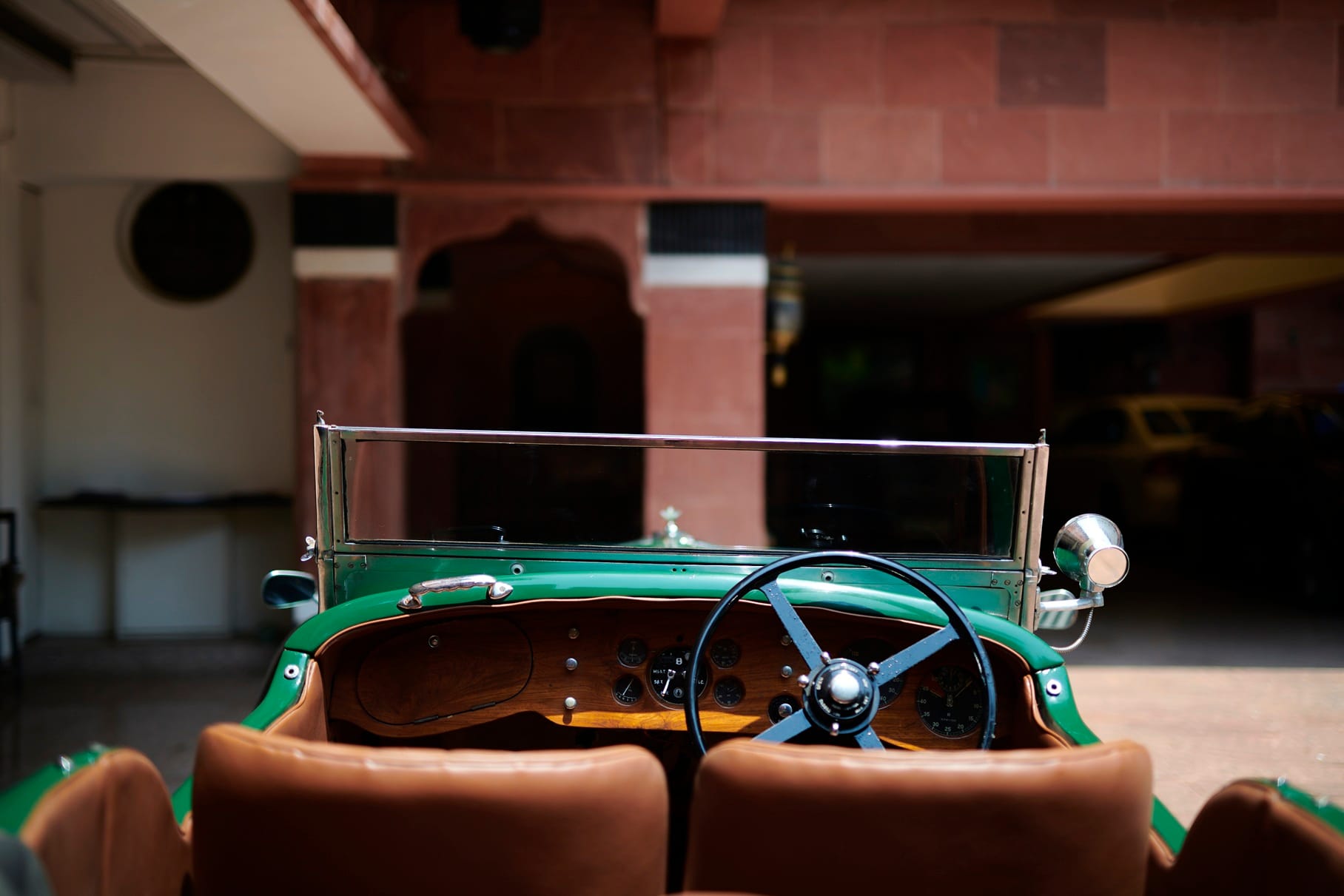
Its survival adds to its significance, offering a tangible link to both India’s princely motoring culture and Bentley’s transitional years under Rolls-Royce stewardship. Though it may not possess the raw edge of the earlier W.O. Bentleys, the 3½ Litre occupies a crucial place in the marque’s history. It demonstrated that performance and refinement need not be mutually exclusive, setting the tone for Bentley’s future as a builder of sophisticated grand tourers.

In the case of this particular car, its story is enriched further by its royal ownership, its elegant coachwork, and its enduring presence on Indian soil. Today, chassis B50FB stands not merely as a beautifully preserved automobile, but as a symbol of an era, when engineering excellence, aristocratic patronage, and bespoke craftsmanship came together to create machines of lasting legacy.
Comments ()