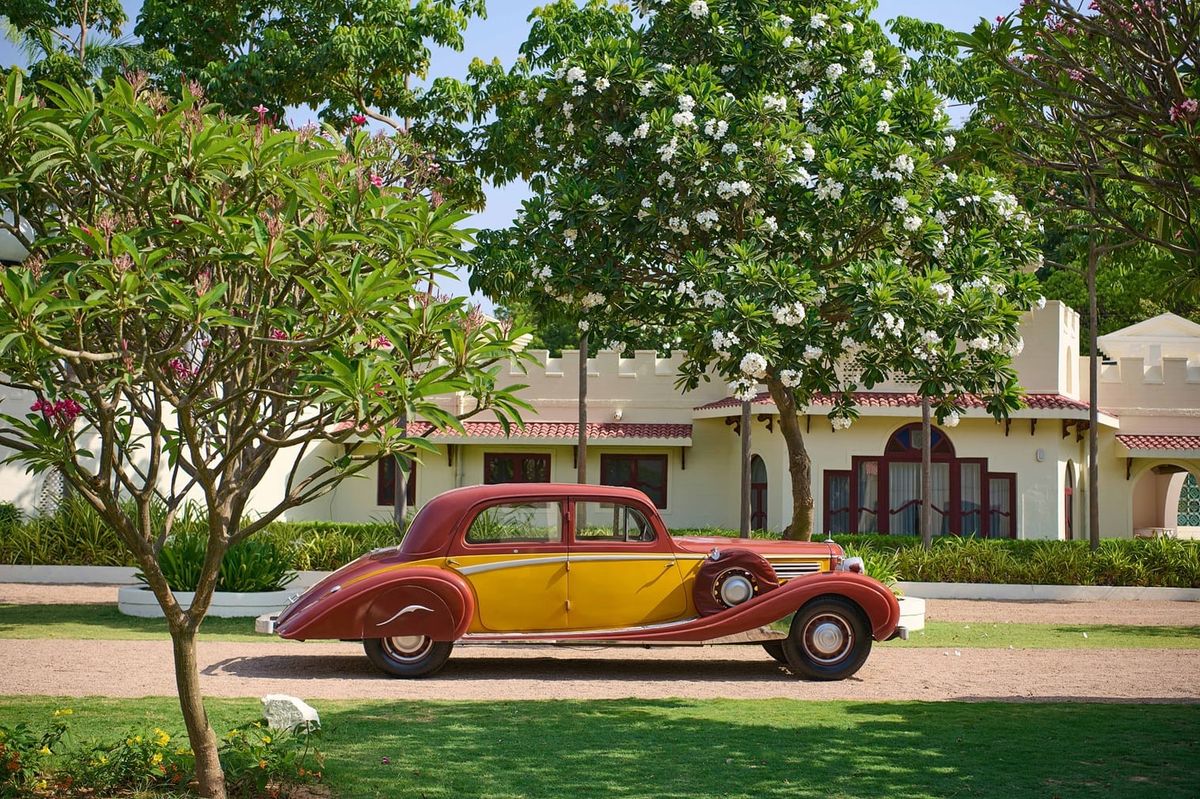
1937 Maybach SW38 – Teutonic Splendour
In the 1930s, Maybach’s production focus shifted toward the SW series. The “SW” designation referred to its advanced swing-axle independent suspension
Text: Gautam Sen
Images: Makarand Baokar
Wilhelm Maybach, one of the pioneering figures of the early automobile industry and a key collaborator of Gottlieb Daimler, played a central role in shaping luxury automotive engineering in the early 20th century.
After initially working within Daimler’s organisation, he later joined Ferdinand von Zeppelin to develop engines for airships. However, the Treaty of Versailles, which prohibited Germany from producing dirigibles in the post-war period, forced Maybach to redirect his engineering expertise toward automobiles.
This transition led to the founding of Maybach Motorenbau, marking the beginning of one of the most prestigious names in luxury motoring.
In the early 1920s, Maybach introduced a series of refined and technically advanced vehicles, starting with the W1 in 1921, followed by the W3 in 1922 and the W5 in 1926, which featured a large 7.0-litre inline-six engine. These models established the brand’s reputation for smooth power delivery, mechanical sophistication, and long-distance comfort.
The pinnacle of early Maybach engineering arrived with the DS7 in 1929, later marketed under the “Zeppelin” name from 1930. This was followed by the even more extreme DS8, powered by a 7.9-litre V12 producing around 200 horsepower, an extraordinary figure for its time.
Fewer than 200 examples of the DS7 and DS8 were ever built, making them among the rarest and most prestigious luxury cars of the pre-war era.
In the 1930s, Maybach’s production focus shifted toward the more commercially viable SW series. The “SW” designation referred to its advanced swing-axle independent suspension, a significant technical innovation for the period.
Powered by a 3.5-litre straight-six producing around 140 horsepower, the SW range evolved into the SW 38 in 1936, which featured a slightly larger 3.8-litre version of the same engine. This adaptation was designed to maintain performance even in markets where fuel quality was inconsistent.
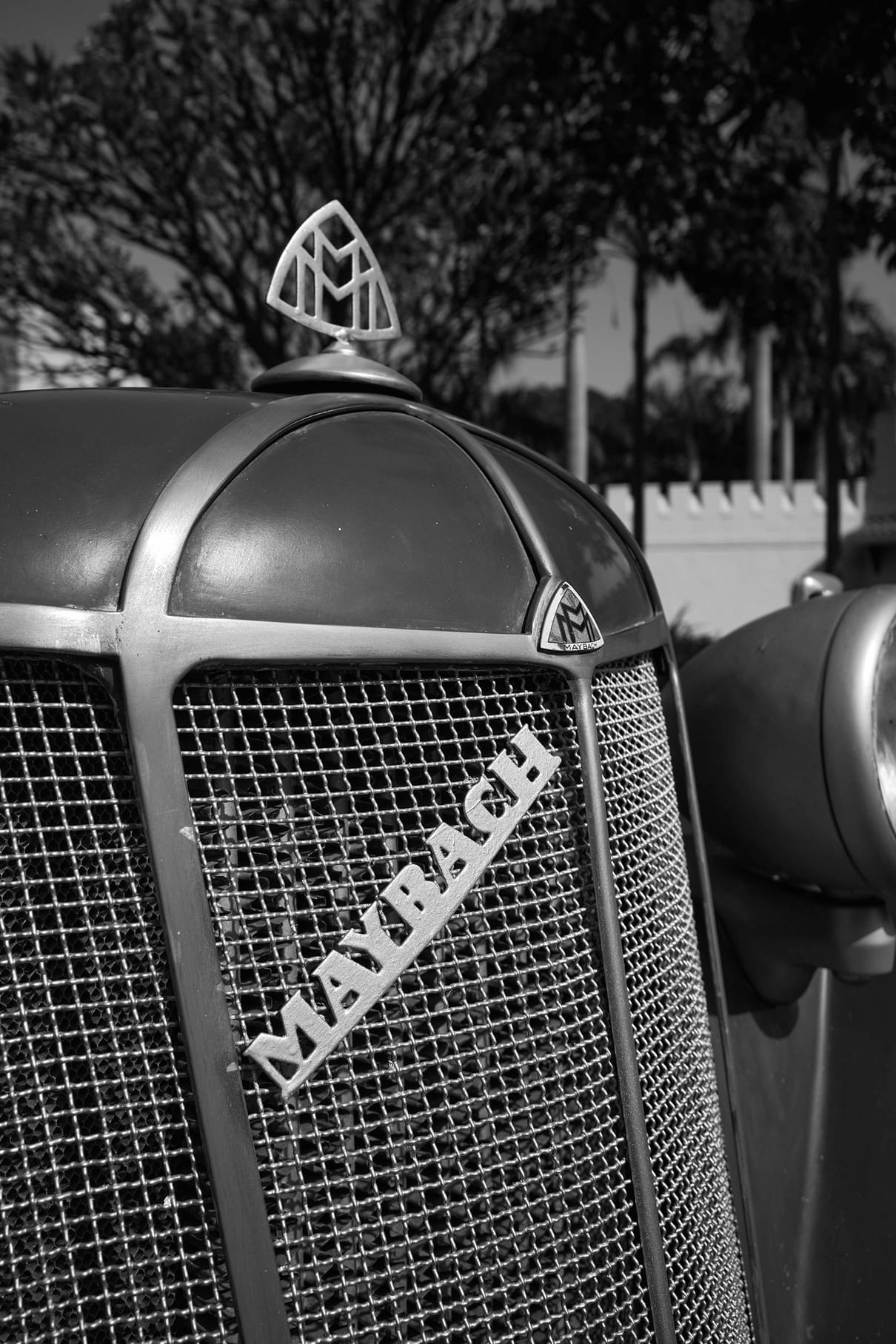
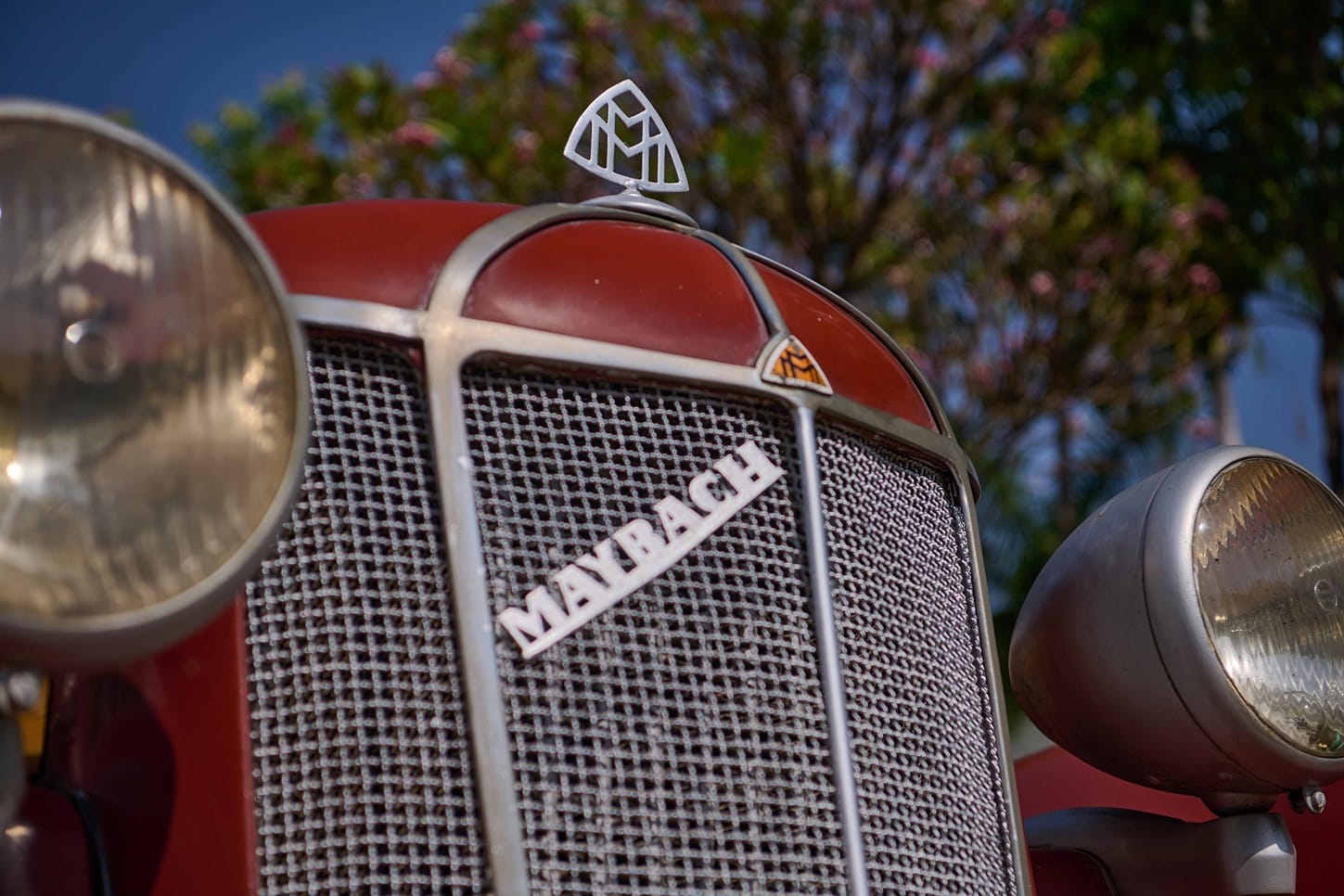
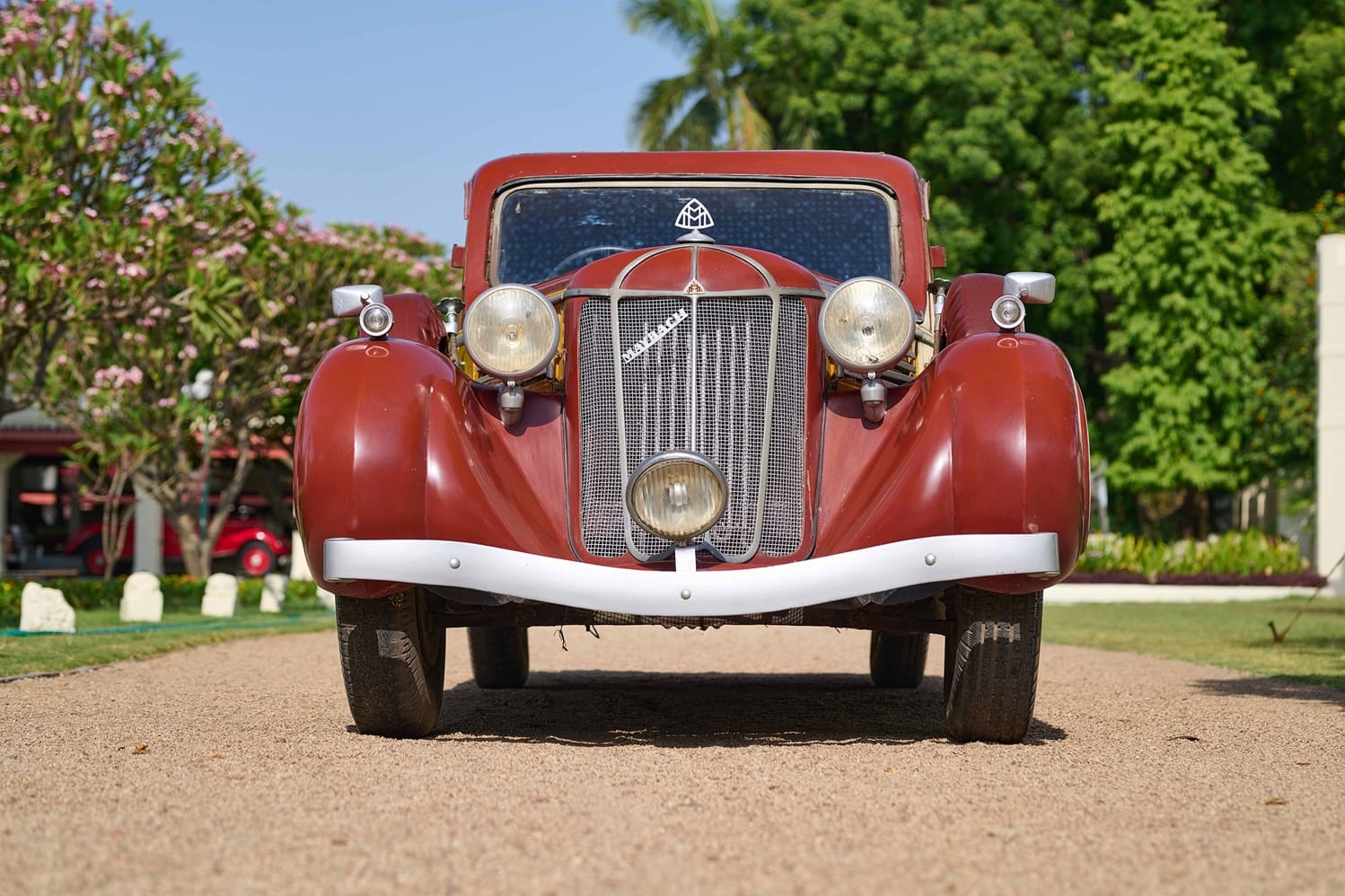
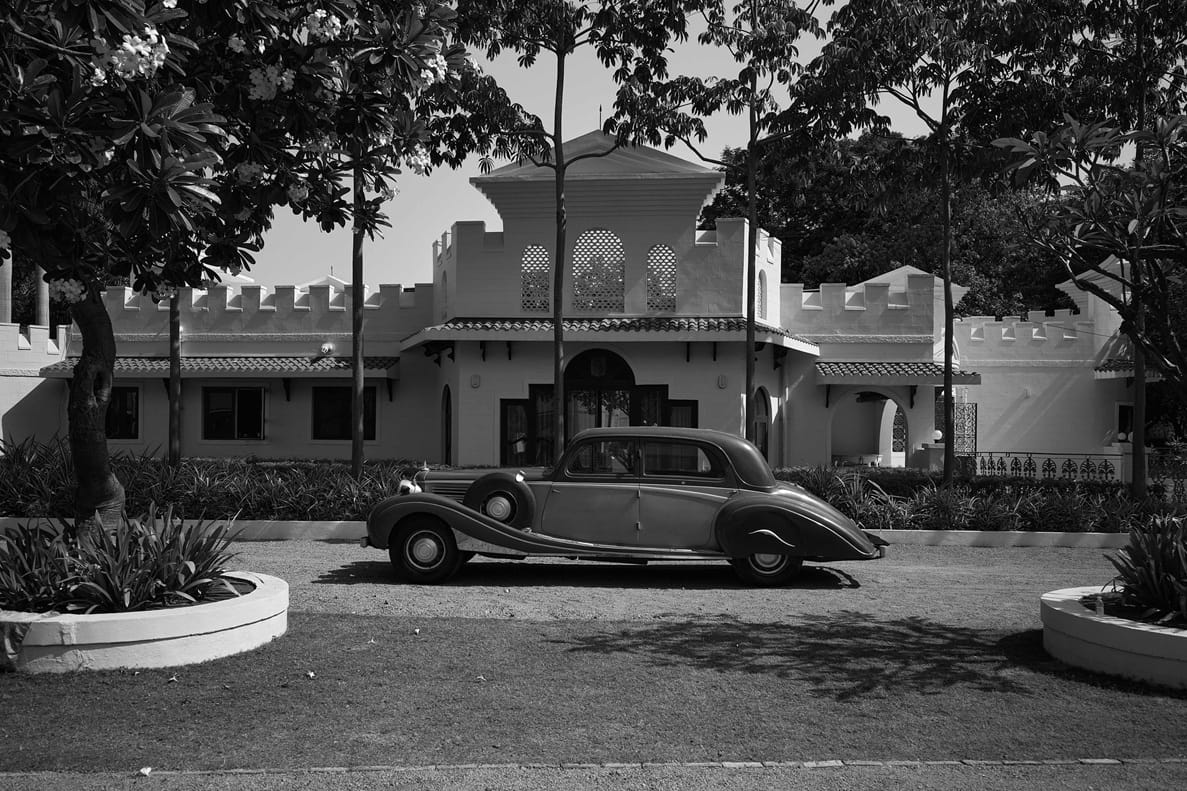
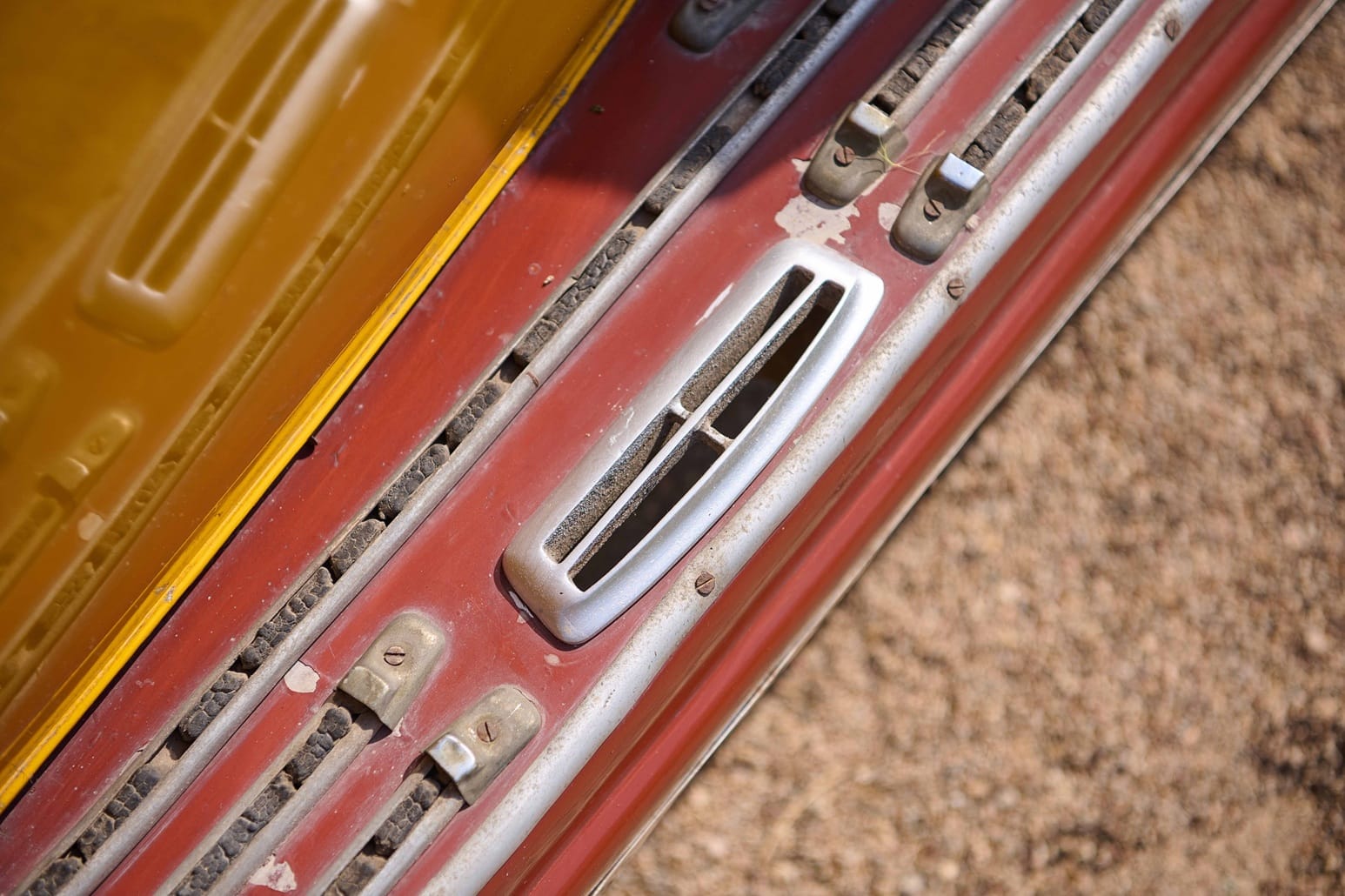
During the 1930s, both Maybach and Spohn experimented extensively with streamlined, highly aerodynamic forms inspired by contemporary advances in aviation and automotive design; the radiator grille of this particular SW 38 reflects that progressive thinking, featuring a uniquely sculpted design unlike that seen on other surviving Maybachs
Despite its relatively modest displacement, the SW 38 was a remarkably capable luxury touring car, capable of approaching 190 km/h. Its engineering balance of refinement, speed, and stability made it one of the most advanced grand tourers of its time.
Maybach’s reputation extended far beyond Europe, even finding a following among India’s princely states.
Notable examples were acquired by the Maharajas of Patiala, Kolhapur, and Kota, often bodied by prestigious coachbuilders such as Hermann Spohn of Ravensburg, a firm closely associated with Maybach. These bespoke creations reflected both engineering excellence and extreme exclusivity.
Production of Maybach automobiles ended with the onset of the Second World War, as the company shifted to military and marine engines.
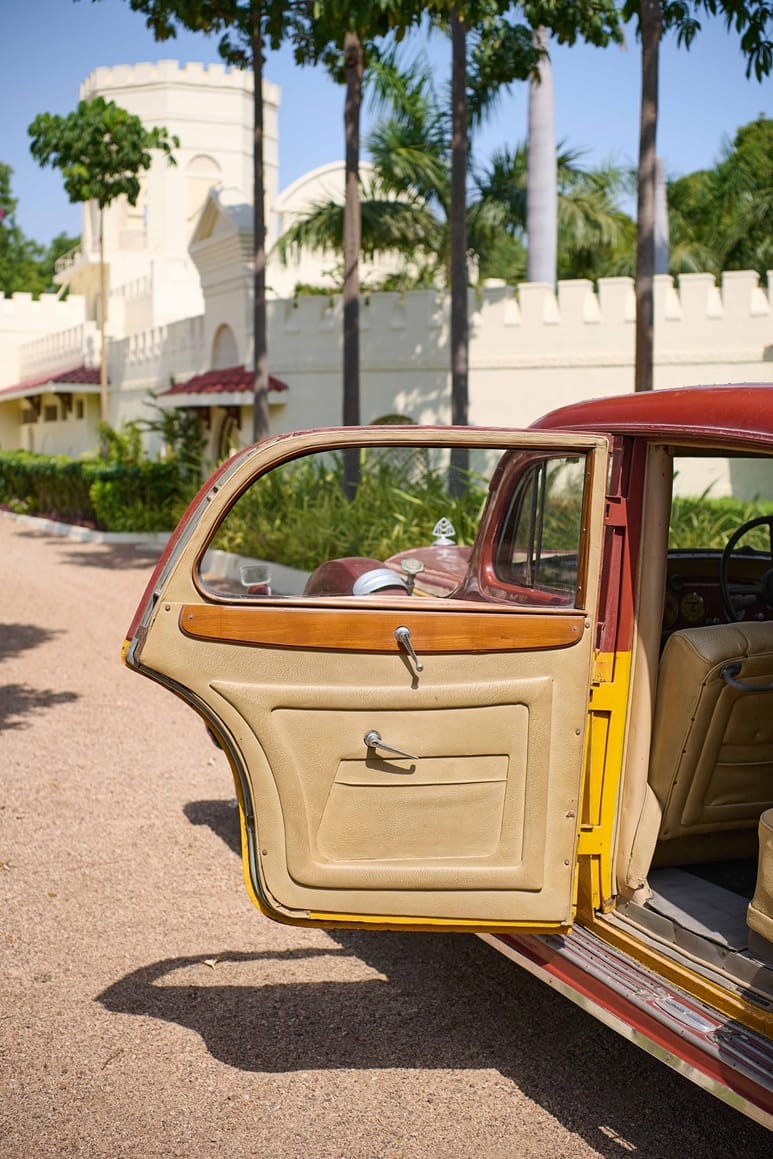
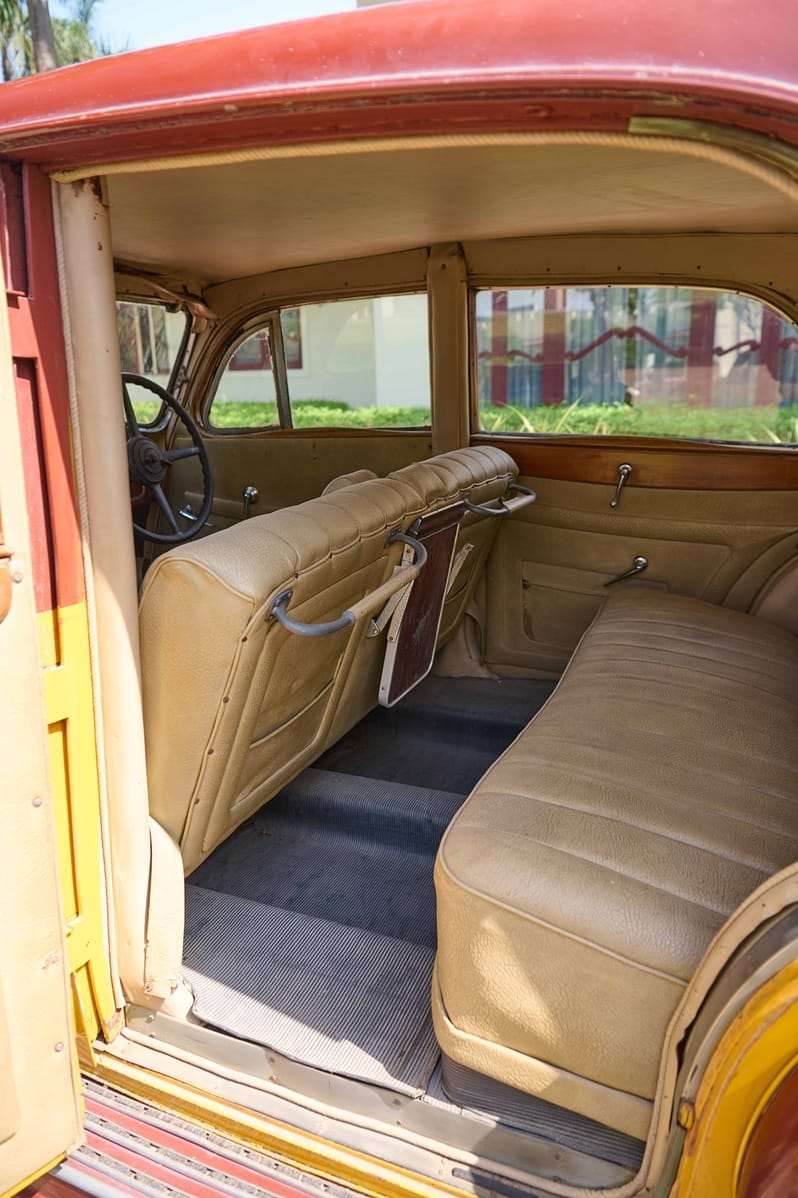
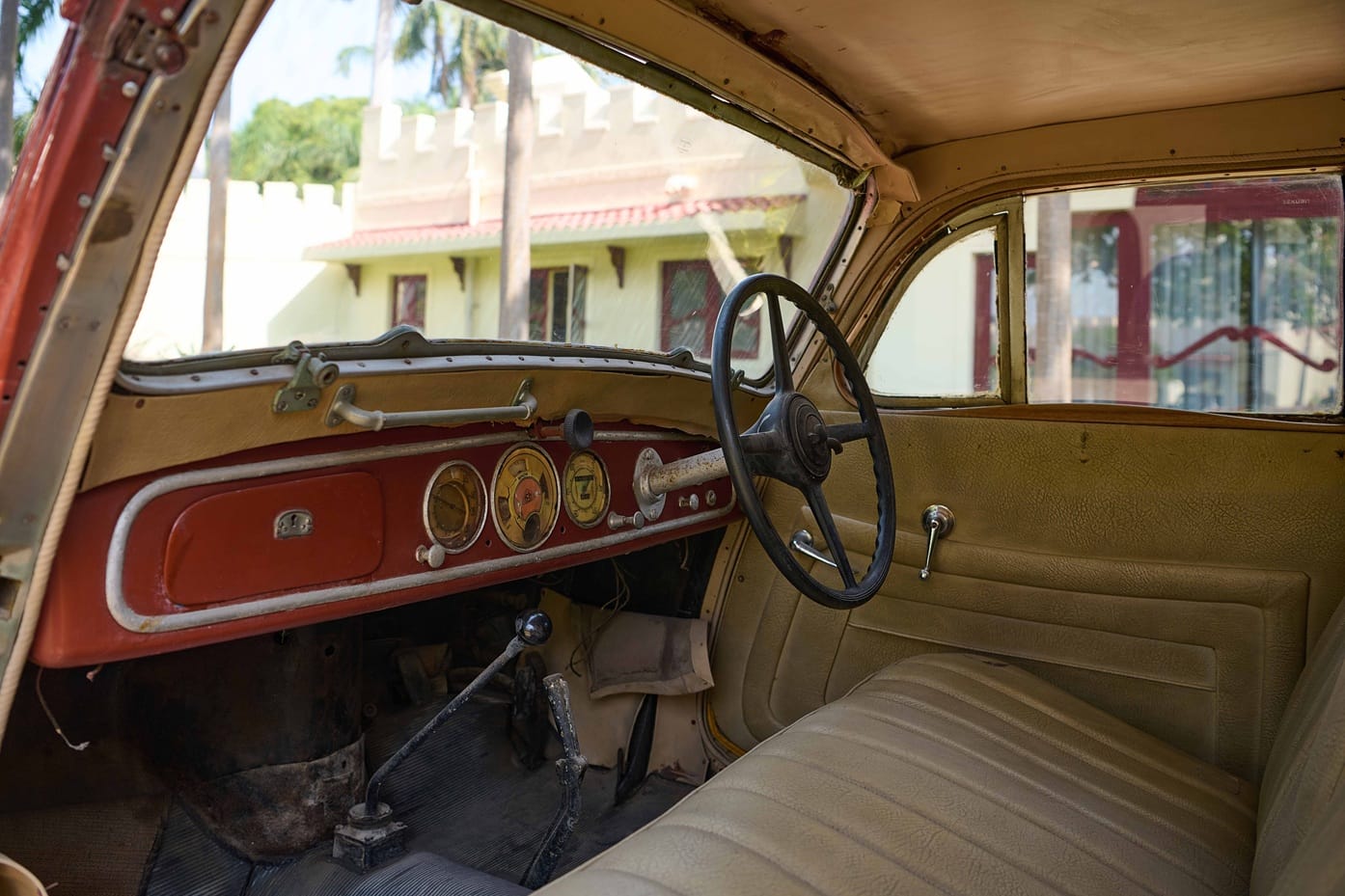
Deep, wide doors allow for comfortable ingress and egress into a spacious interior
Between 1921 and 1939, only around 2,300 Maybach cars were built in total, with an estimated 150-odd surviving today worldwide.
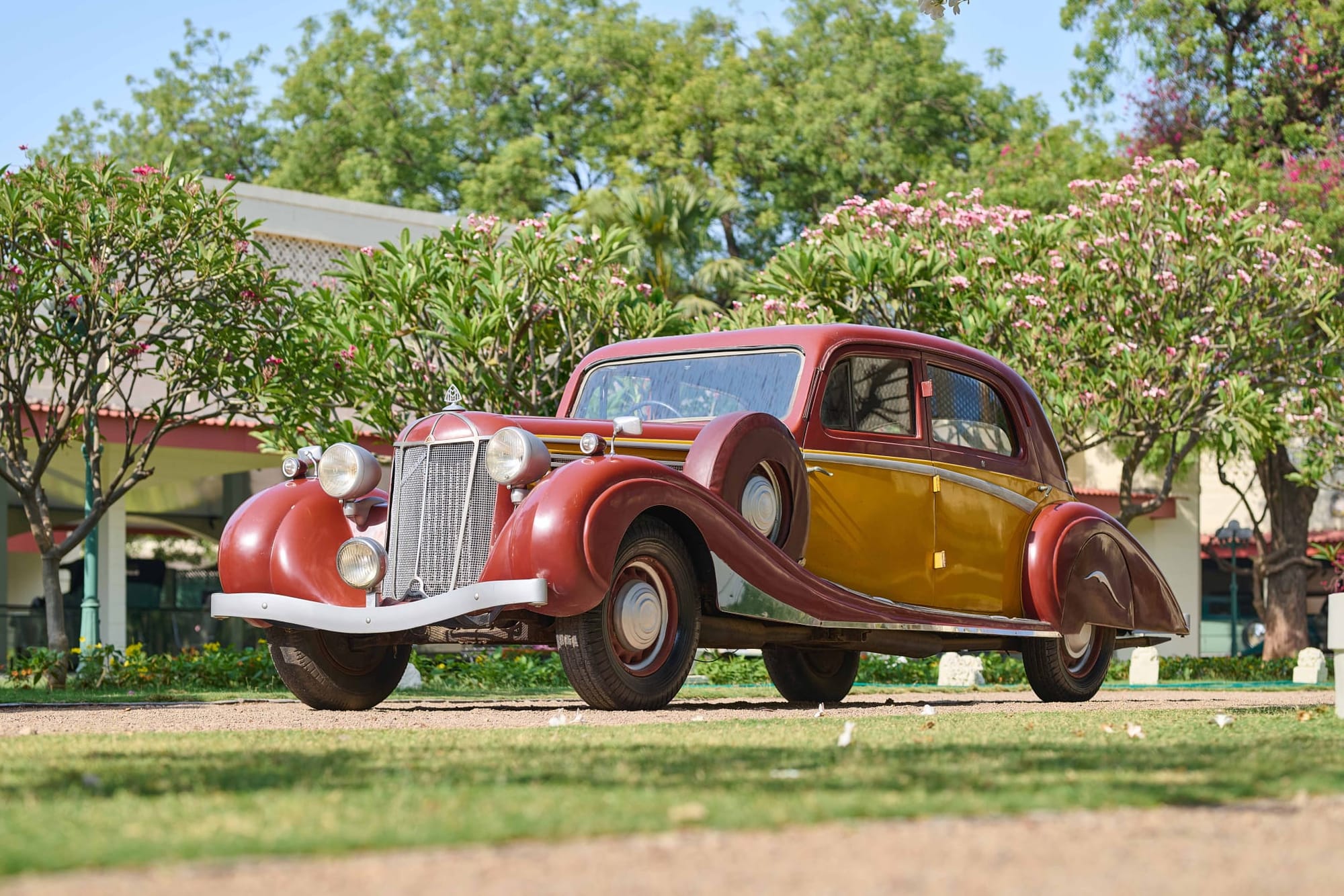
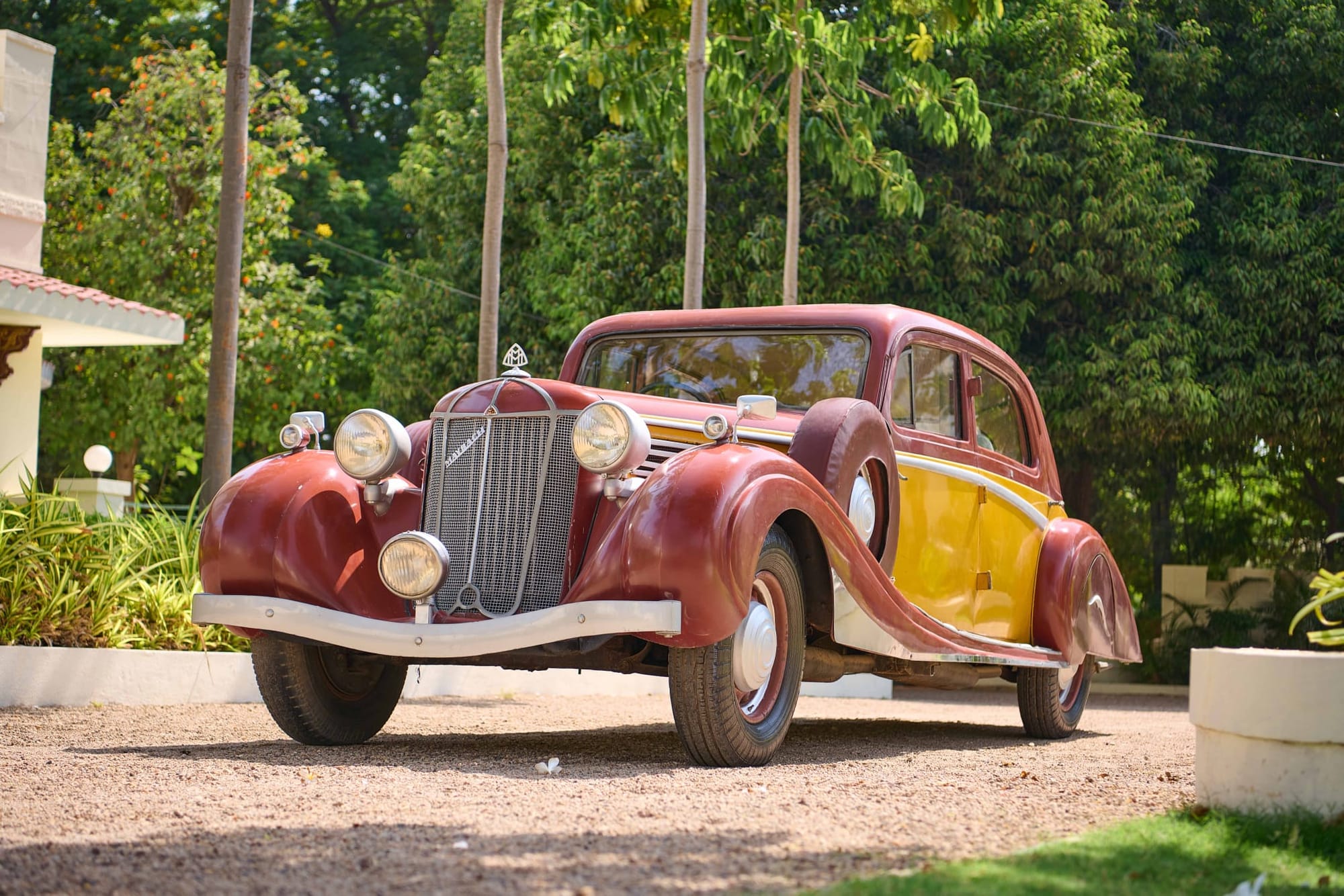
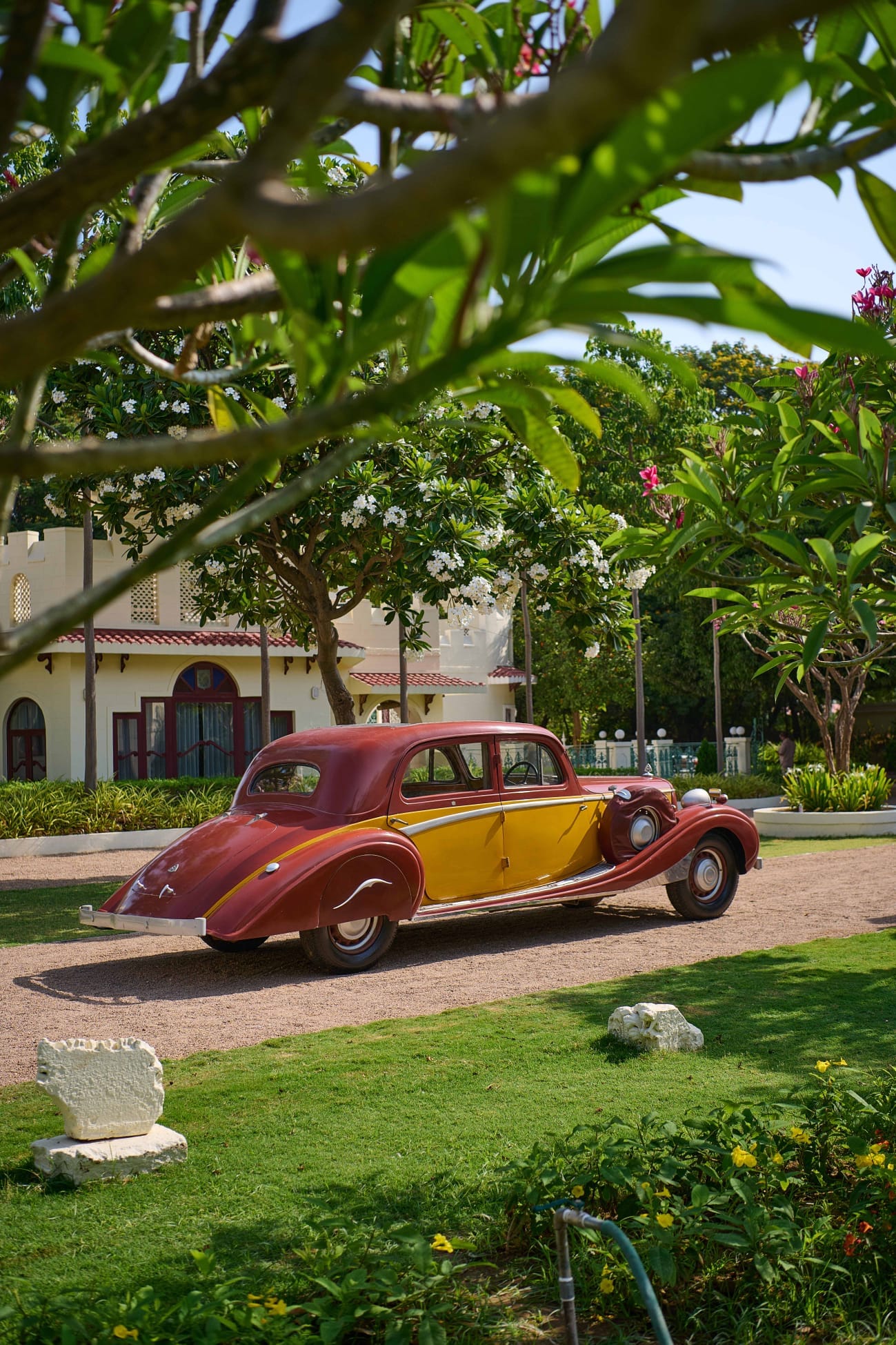
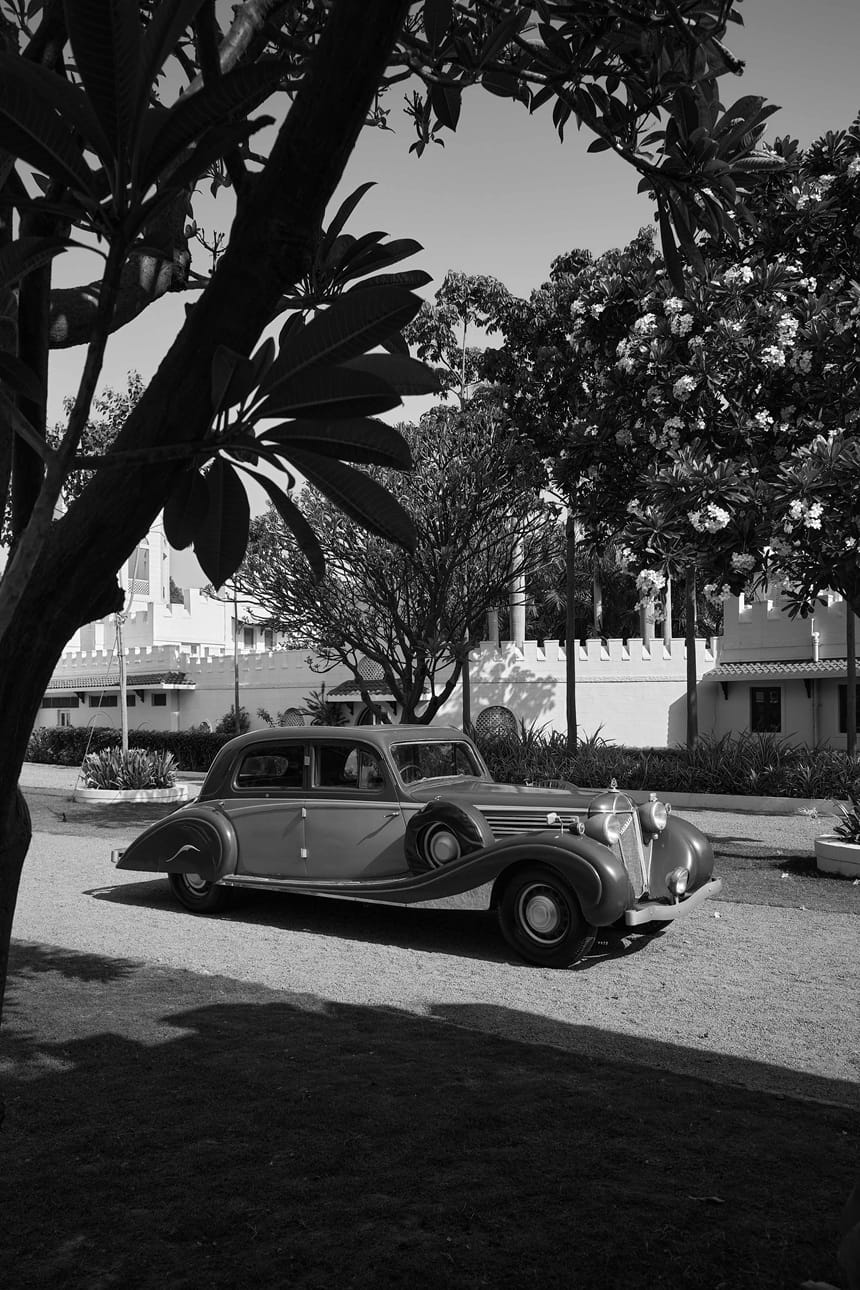
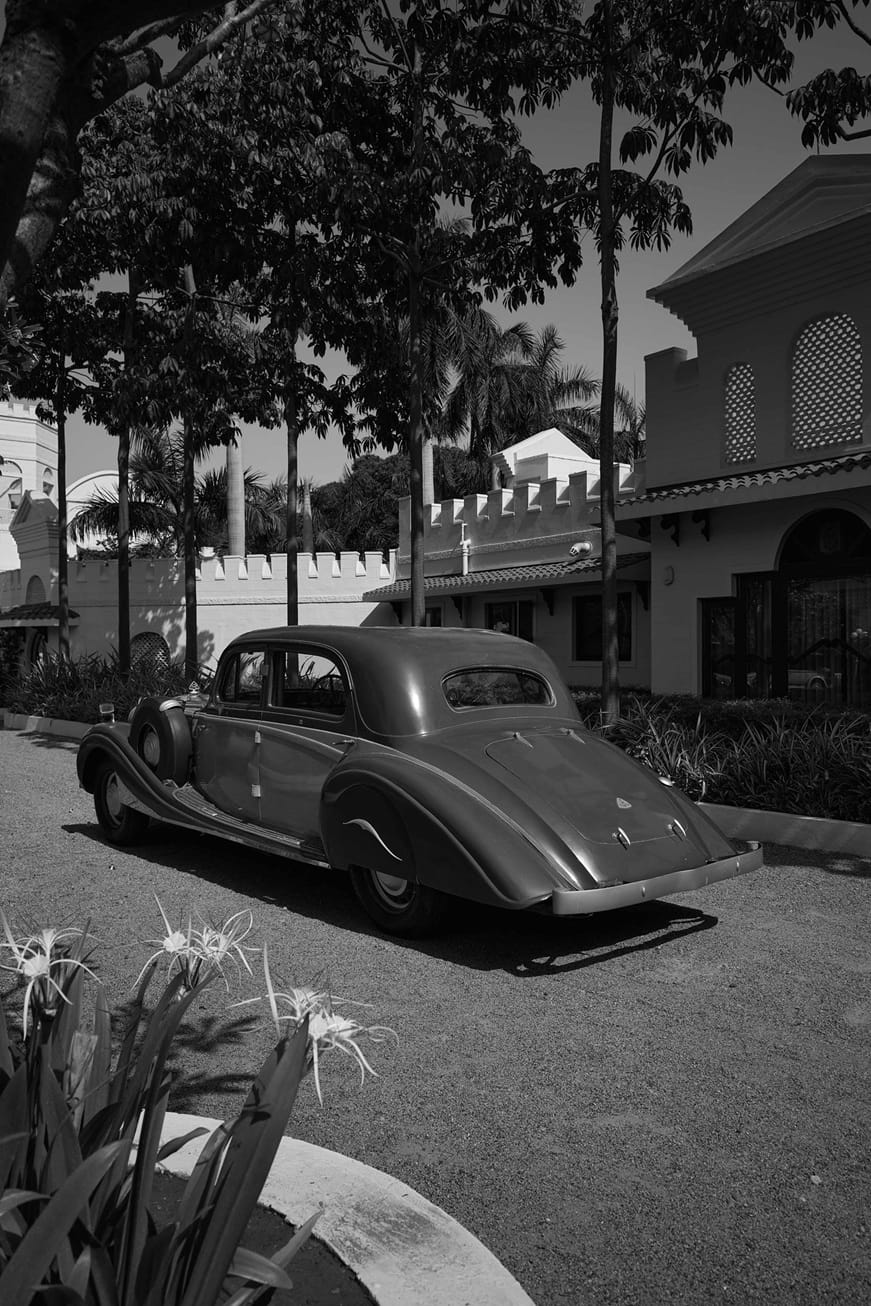
Among these rare survivors is the Spohn-bodied Maybach SW 38 sports saloon from the renowned Pranlal Bhogilal collection, a remarkable automobile representing one of the most exclusive chapters in pre-war motoring history. Featuring what appears to be a unique and highly distinctive body design by Spohn, the car combines German engineering sophistication with an unusually elegant and expressive styling treatment.
The SW 38 was originally ordered new in the late 1930s by the Maharao of Kota, Umed Singhji II, an influential princely ruler known for his long reign and intellectual stature. He acquired two Maybachs during this period: a formal long-wheelbase limousine and this far more sporting saloon, reflecting both prestige and refined automotive taste.
At a later stage, the car passed into the ownership of the Maharani of Jetpur, remaining within aristocratic circles before eventually being acquired by the legendary Indian collector Pranlal Bhogilal. Thanks to his efforts in preserving historically significant automobiles, this rare Maybach survived at a time when many comparable pre-war luxury cars disappeared.
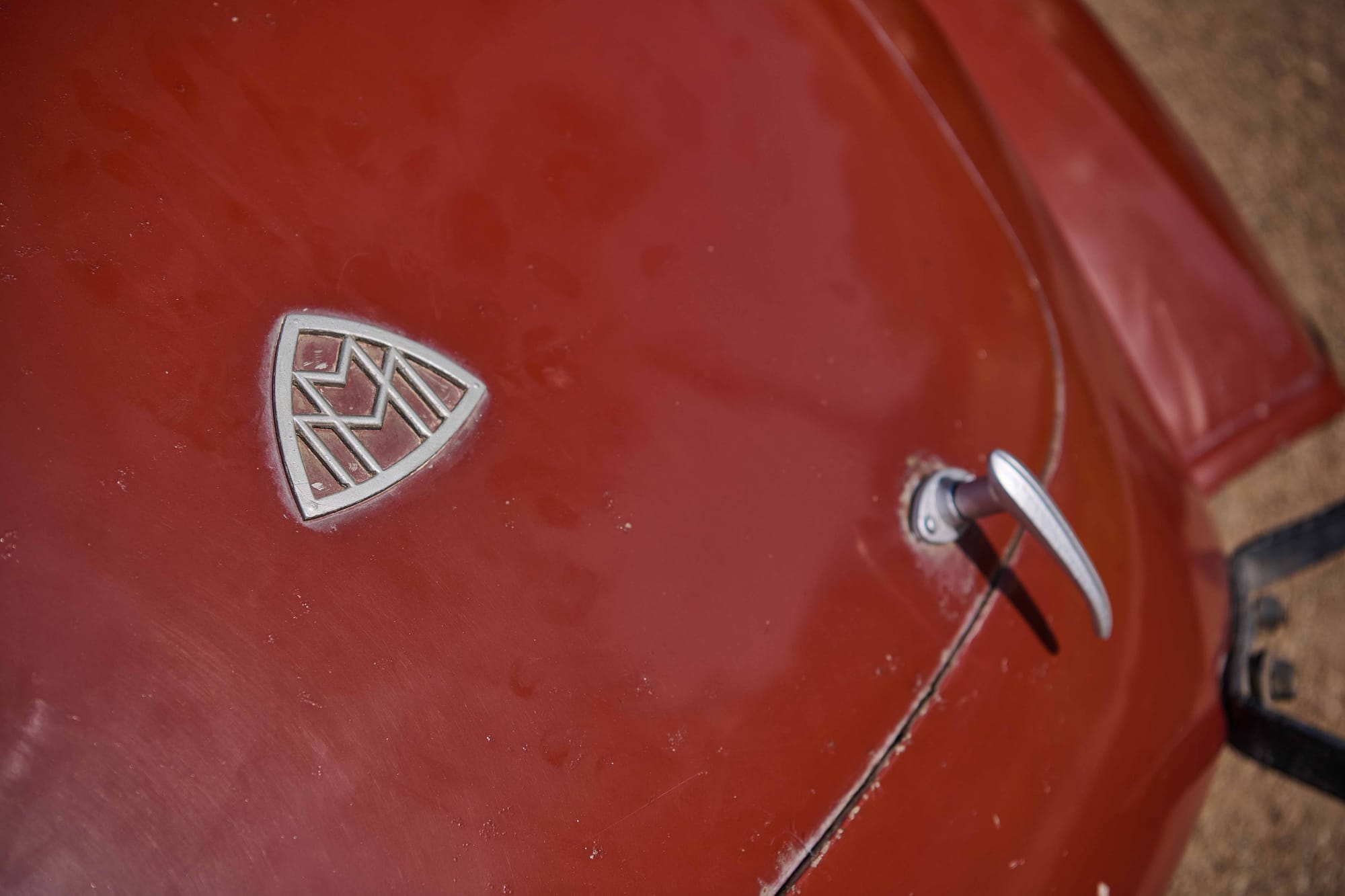
Today, the Spohn-bodied SW 38 remains one of only three surviving Maybachs in India and can be seen at the Dastan Autoworld Museum, where it stands as an extraordinary reminder of both Maybach’s engineering excellence and the remarkable automotive patronage of India’s princely era.
Comments ()