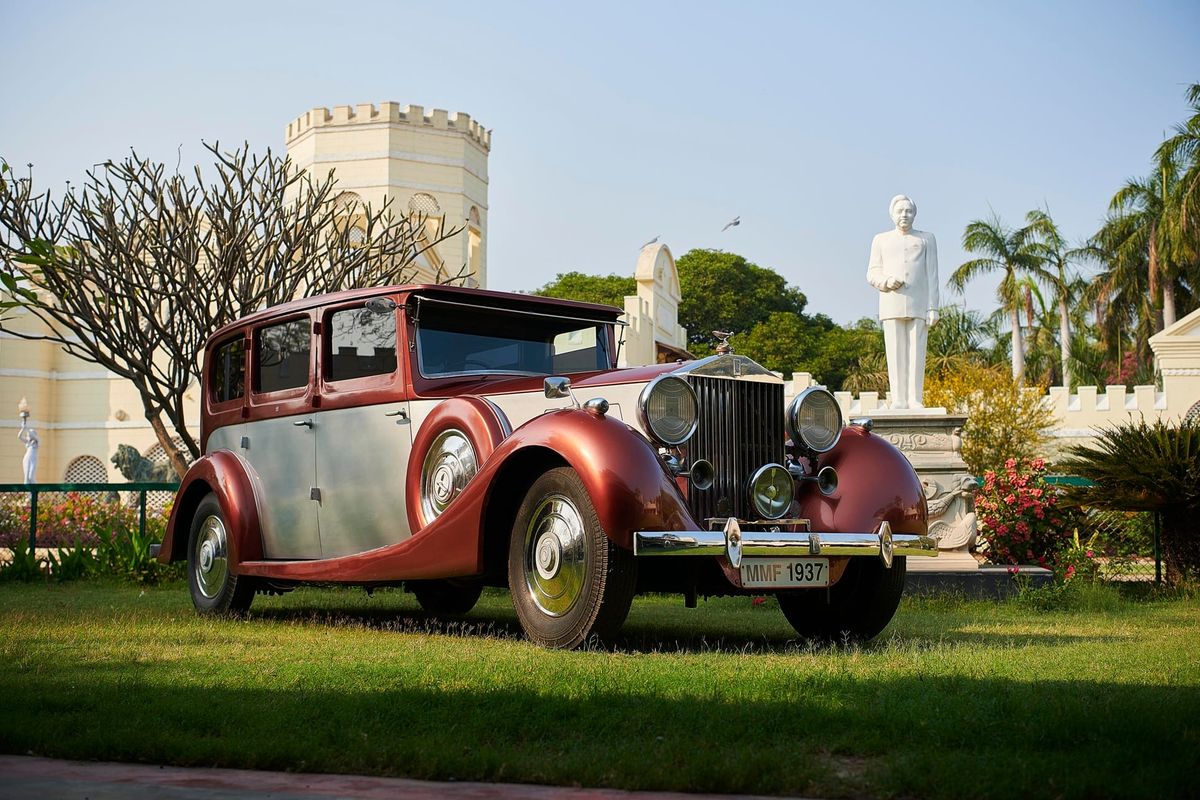
1937 Rolls-Royce Phantom III – A Magnificent Motor Car
A magnificent Phantom III with royal connections and remarkable history
Text: Gautam Sen
Images: Makarand Baokar
During the 1980s and 1990s, it was not unusual to encounter a magnificent pre-war Rolls-Royce gliding along Mumbai's Marine Drive, its polished coachwork reflecting the waters of the Arabian Sea. At the wheel sat a uniformed chauffeur in a peaked cap, while in the rear compartment rode an impeccably dressed gentleman, often concealed behind dark-tinted glass. To most people, it was simply an unusual sight. For me, it became something of a game.
Usually travelling to work on a scooter or motorcycle (lent for Indian Auto magazine testing purposes), I would spot one of these stately machines in traffic and immediately set off in pursuit. Mumbai's stop-start traffic made the chase possible. Weaving through gaps and edging past taxis and buses, I would eventually draw level with the great car, wave to its occupant and, on occasion, exchange a few words.
More often than not, the gentleman inside was the late Pranlal Bhogilal, India's most celebrated collector of historic automobiles.
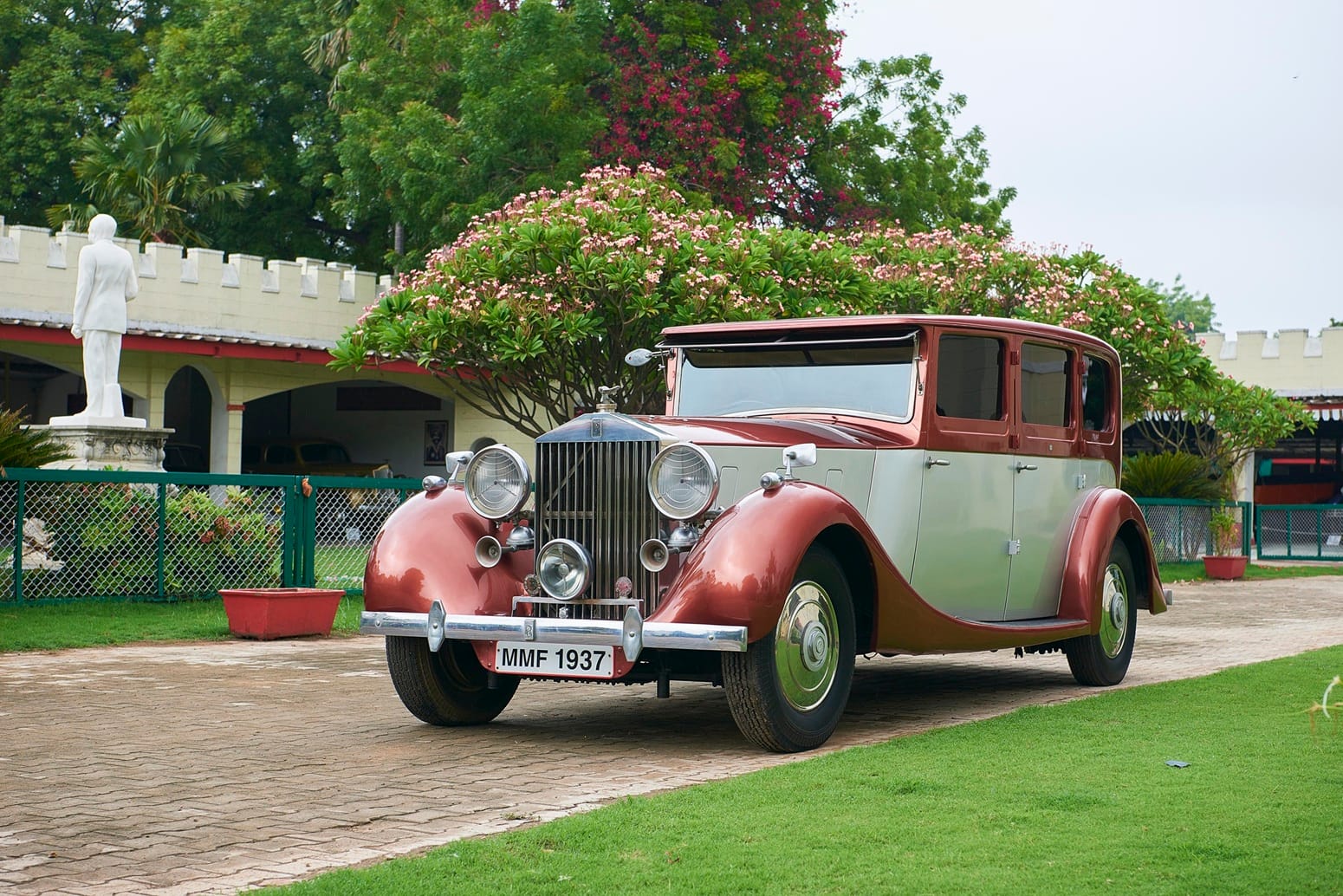
Among the many treasures in his collection, a couple of cars seemed to hold a particularly special place in his affections: a pair of 1937 Rolls-Royce Phantom IIIs. Bhogilal owned three Phantom IIIs, two of which were kept at Daskot, his Mumbai residence, and remained in regular use long after most cars of similar age had been relegated to museums. Chassis 3BT75 was one of his favourites.
Keeping a Phantom III on the road is no simple undertaking. Maintaining two in regular use requires extraordinary dedication. The reason lies in the car itself.
When Rolls-Royce introduced the Phantom III in 1936, it represented the company's most ambitious and technically advanced motor car. The luxury market of the early 1930s had become a contest of engineering prestige. Maybach and Hispano-Suiza offered sophisticated V12 engines, while Cadillac and Marmon had ventured into the realm of V16s. Rolls-Royce, long regarded as the maker of "the best car in the world", could hardly remain on the sidelines.
Drawing heavily upon the company's experience in aero-engine development, Sir Henry Royce personally supervised the creation of Rolls-Royce's first V12-powered automobile. By then, however, his health was failing, and he feared he would not live to see the project completed. Sadly, he was correct. The Phantom III became the last Rolls-Royce project in which Royce was personally involved.
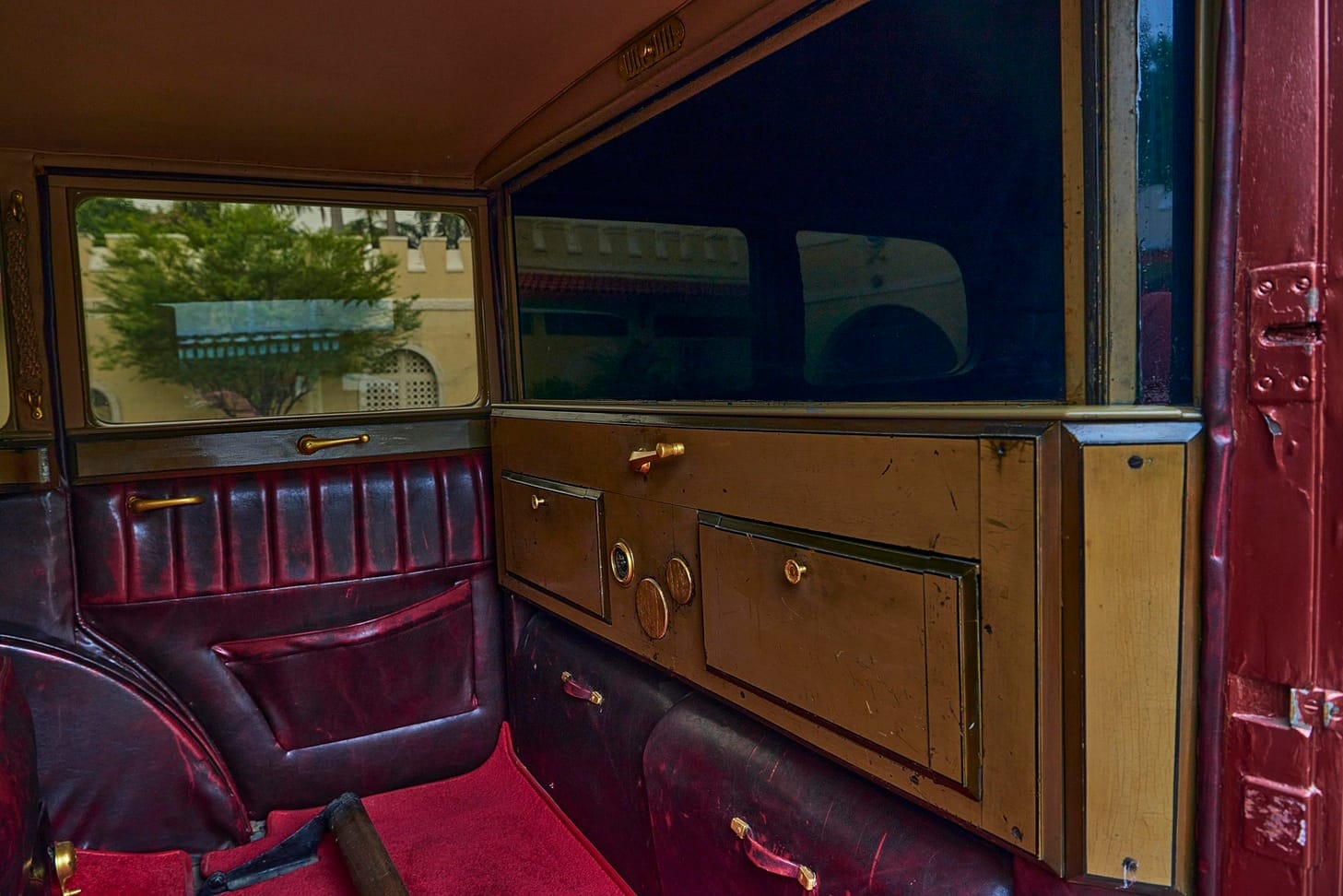
The resulting engine was a masterpiece: a 7.3-litre V12 producing around 165 horsepower and featuring overhead valves, hydraulic tappets and a single camshaft. Smooth, refined and exceptionally quiet, it embodied everything Rolls-Royce stood for. The chassis was equally advanced.
Independent front suspension, inspired by contemporary American practice, delivered remarkable ride comfort, while servo-assisted brakes on all four wheels provided reassuring stopping power. It was a motor car engineered without compromise.
Between 1936 and 1939, only 727 Phantom IIIs were built before war brought production to an end. Of these, perhaps two dozen were delivered new to India. Today, fewer than a dozen Indian-delivered examples are believed to survive. Chassis 3BT75 is one of them.
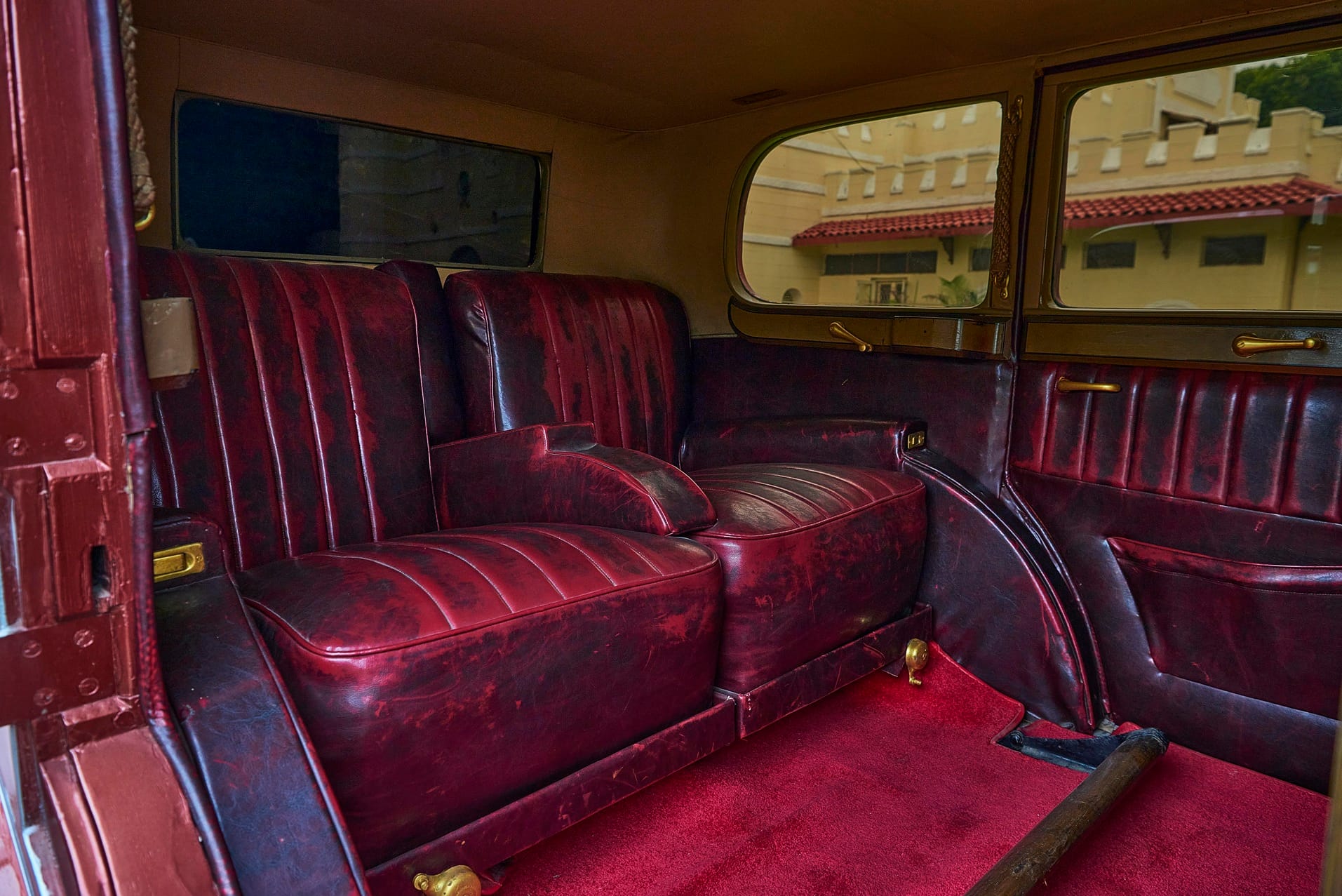
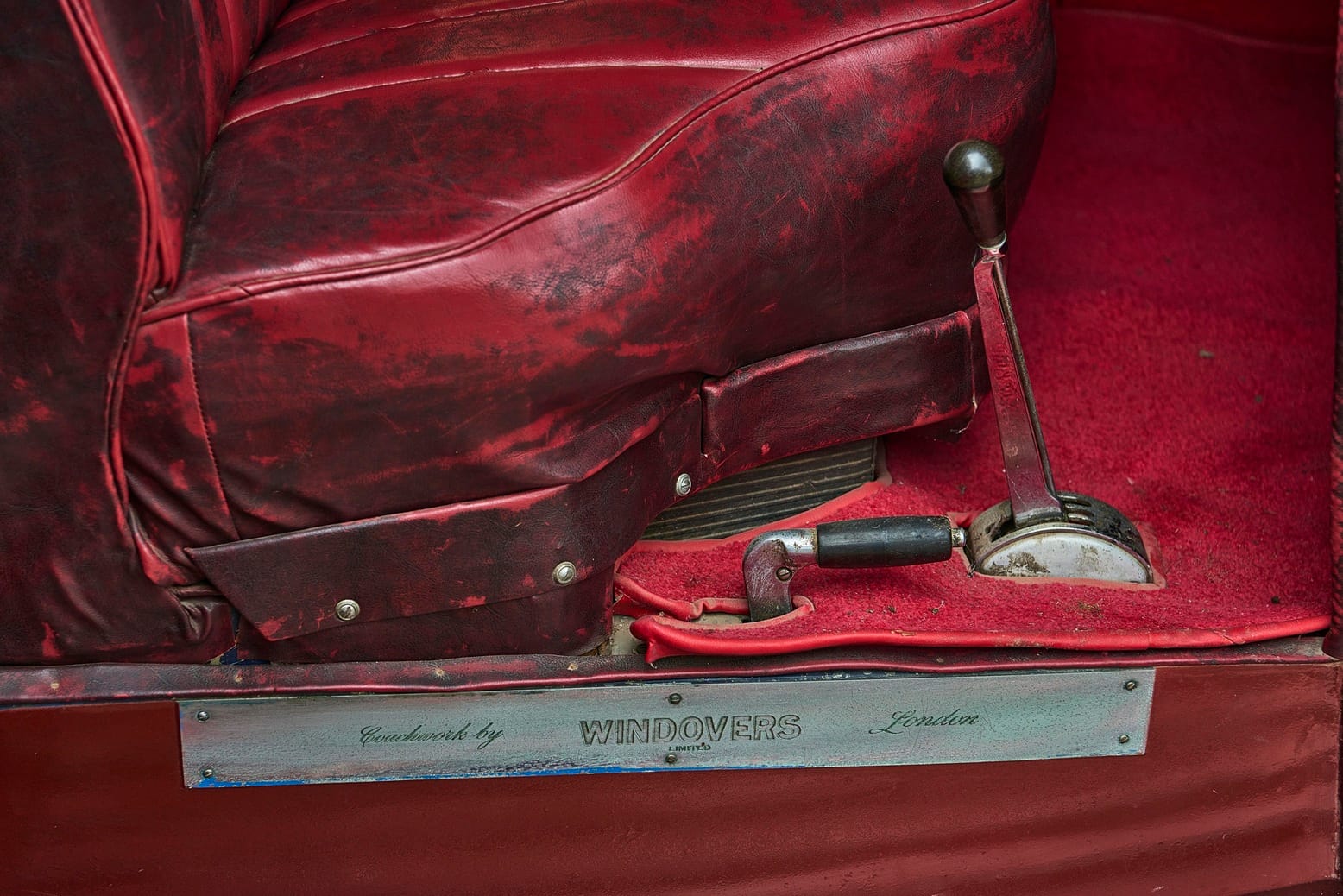
According to Phantom III historian Steve Stuckey, chassis 3BT75 was originally intended for use in Britain. Ordered by the coachbuilder Windovers on 11 September 1936, it was dispatched from the Rolls-Royce London depot on 24 March 1937. The completed car had initially been commissioned by the Honourable Charles FitzRoy, son and heir of the 3rd Baron Southampton, but for reasons now unknown, the order was cancelled shortly before construction commenced.
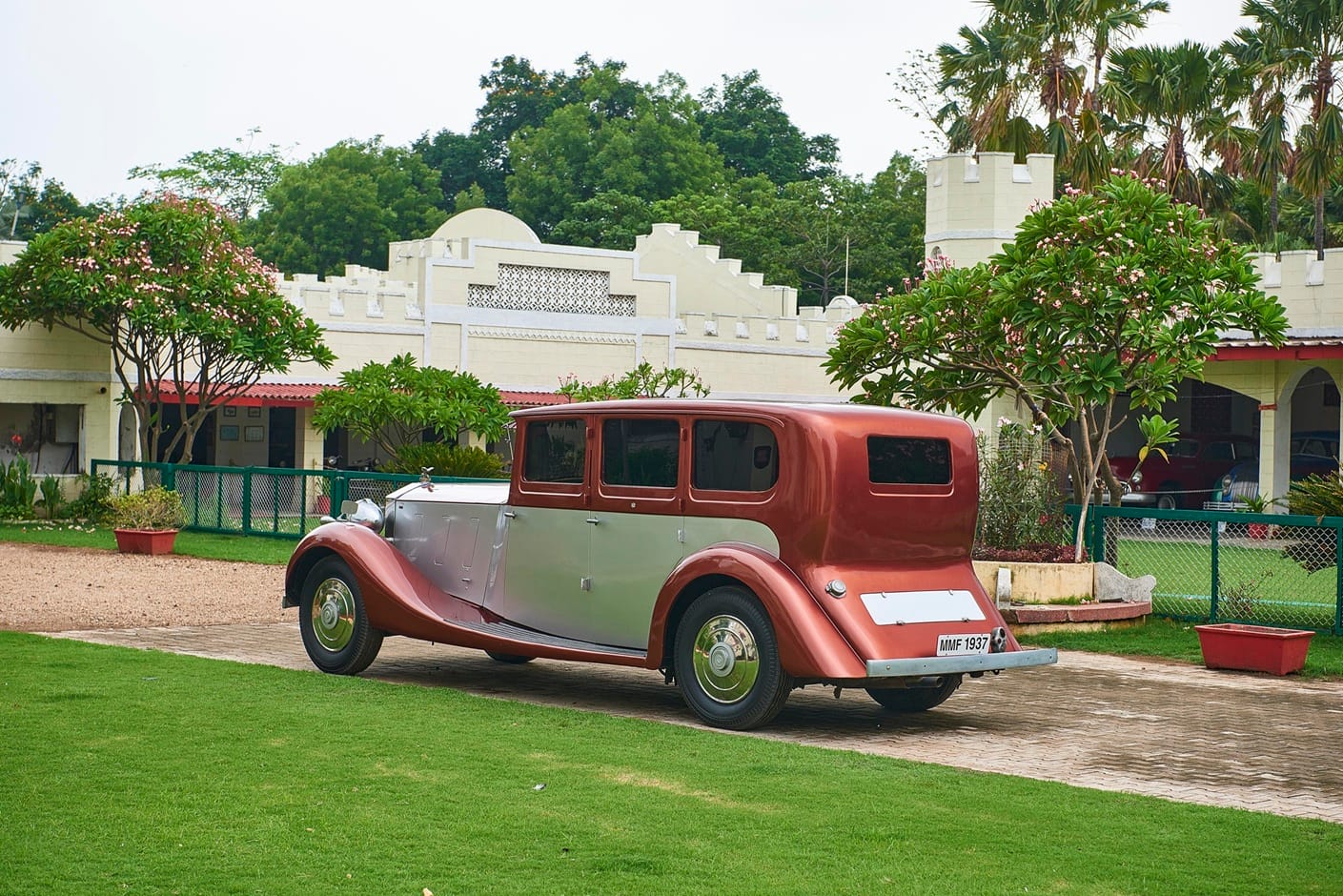
Windovers subsequently fitted the chassis with a distinctive seven-passenger saloon body. Unusually, it was a six-light design with three side windows on each side, but without a chauffeur's division (which seems to have been added later), a style sometimes referred to as a "saloon limousine". A single spare wheel was mounted on the driver's side.
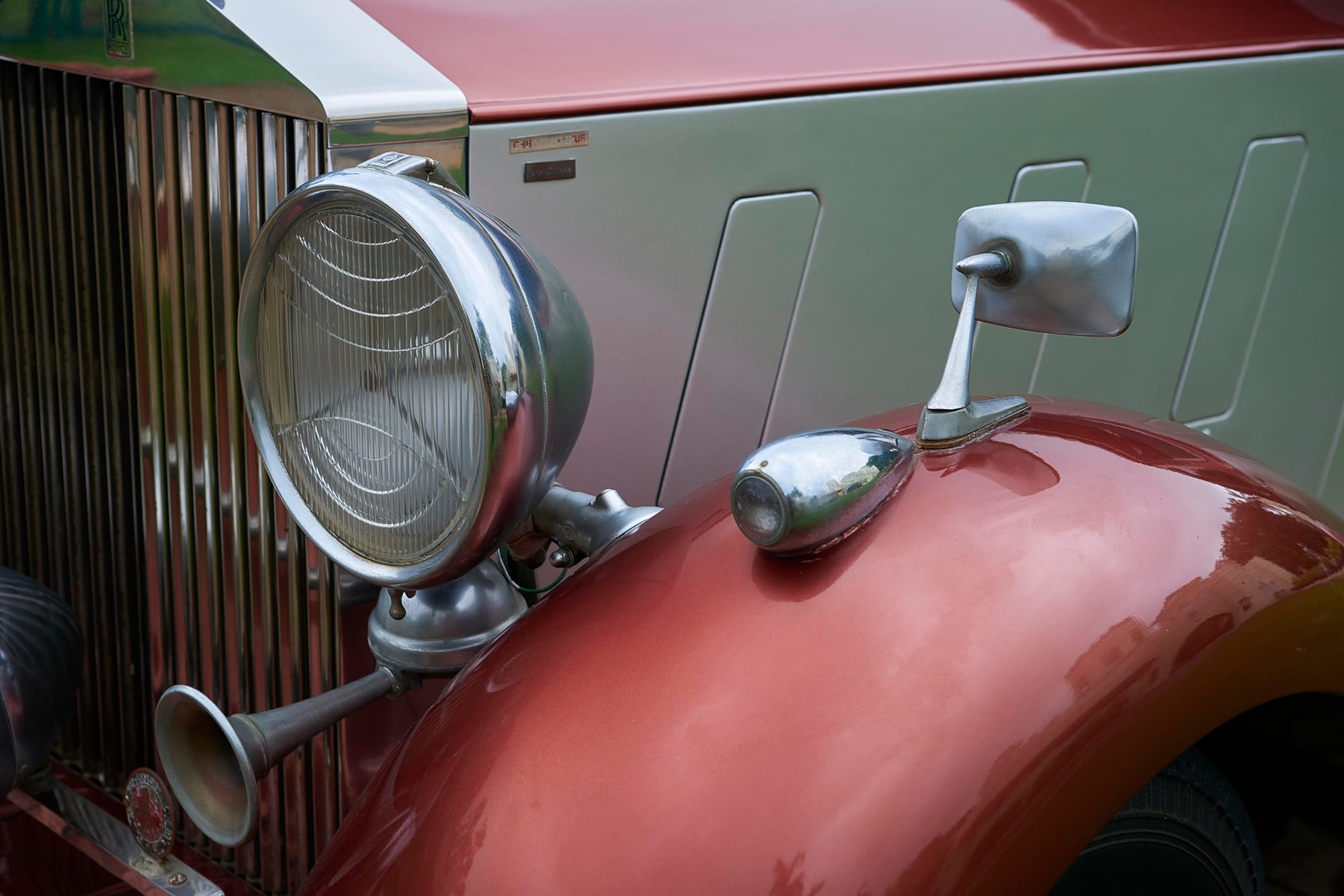
The completed car remained in Windovers' stock until it was sold on 4 June 1937 to Maharaja Natwarsinghji of Chhota Udepur. Although only a small nine-gun salute state in eastern Gujarat, Chhota Udepur possessed a long and distinguished history. Ruled by the Khichi Chauhan dynasty, whose lineage was traditionally traced to Prithviraj Chauhan, it comprised more than 500 villages and occupied an important place among the princely states of the region.
Following completion on 7 July 1937, the Phantom III was shipped to Bombay aboard the SS Strathnaver on 11 September. It remained with the Chhota Udepur royal family until 1975, when it was acquired by Pranlal Bhogilal. As Bhogilal later recalled, transporting the car from Chhota Udepur to Mumbai proved a considerable challenge in itself.
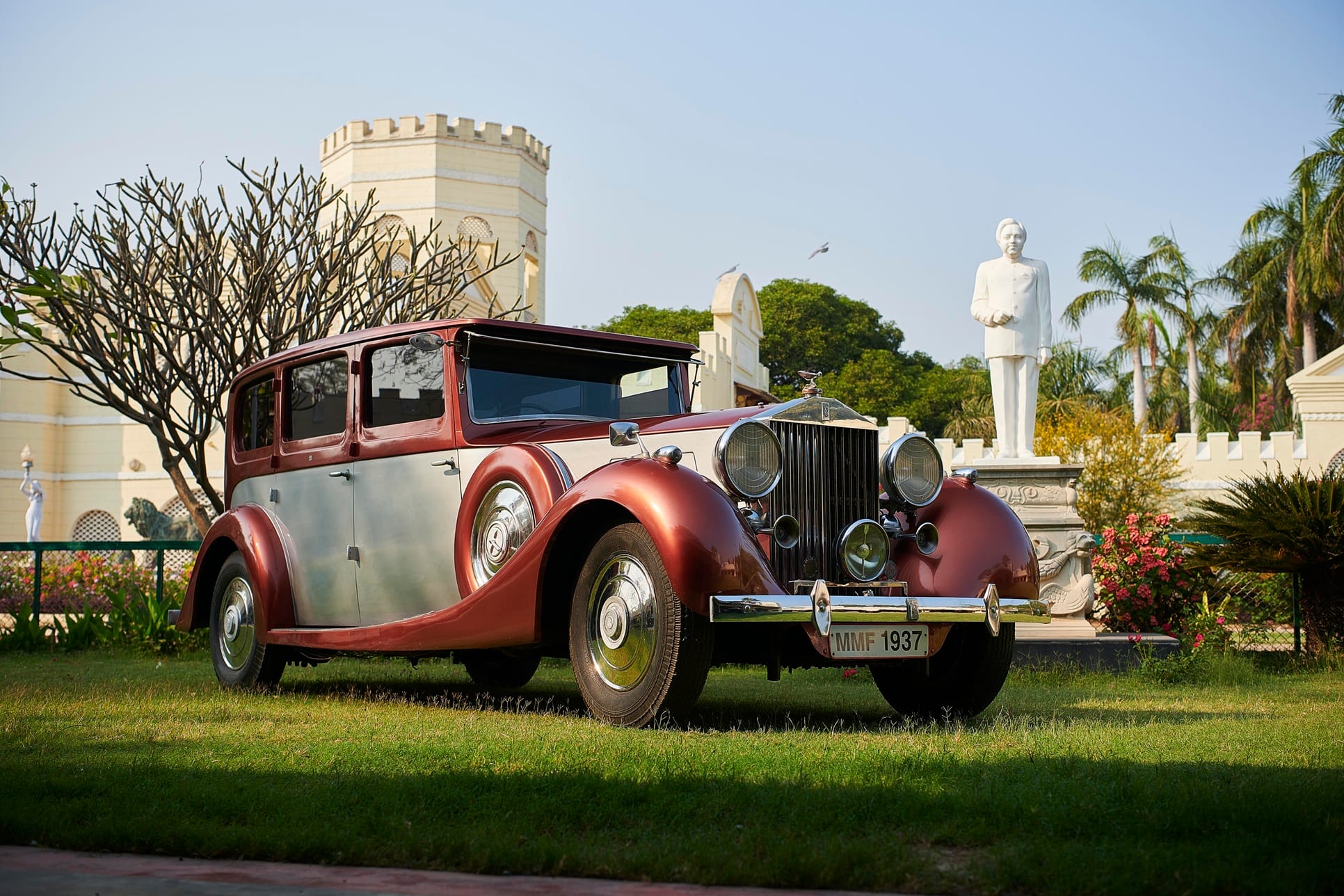
Once in Bhogilal's care, the Phantom III found its ideal custodian. Unlike many collectors who treat historic automobiles as static exhibits, he believed they should be used and enjoyed. His Rolls-Royce was not merely preserved; it remained an active part of daily life. Generations of Mumbai residents became accustomed to seeing the great Phantom threading its way through modern traffic, its immense V12 purring almost silently as it carried its owner to meetings, social engagements and motoring events.
Comments ()