1937 Rolls-Royce Phantom III – The Maharani’s Carriage
Manufactured with no regard for cost, only 727 Phantom IIIs were produced before production ceased in 1939. Of these, perhaps two dozen made their way to India.
Text: Gautam Sen Images: Makarand Baokar
By the early 1930s, the race for multi-cylinder engines was in full swing among luxury automakers: Maybach and Hispano-Suiza had developed sophisticated V12s, while Cadillac and Marmon pushed even further into V16 territory. Rolls-Royce, a company that prided itself on making the “best cars in the world,” could not afford to be left behind. Drawing heavily on its experience building aircraft engines, Henry Royce began the design process, despite failing health and the fear that he might not live to see the project completed. Tragically, this proved true: the Phantom III was the last design Royce worked on before his death in 1933.
The result was Rolls-Royce’s first V12 engine, a 165bhp, 7.3-litre pushrod design with overhead valves, hydraulic lifters, and a single camshaft: an engineering gem of its era. Another major innovation was the adoption of an independent front suspension system, inspired by a GM design. This coil spring-based suspension, featuring adjustable ride control, was paired with a traditional solid rear axle using semi-elliptical leaf springs. Braking was provided by a servo-assisted system on all four wheels.
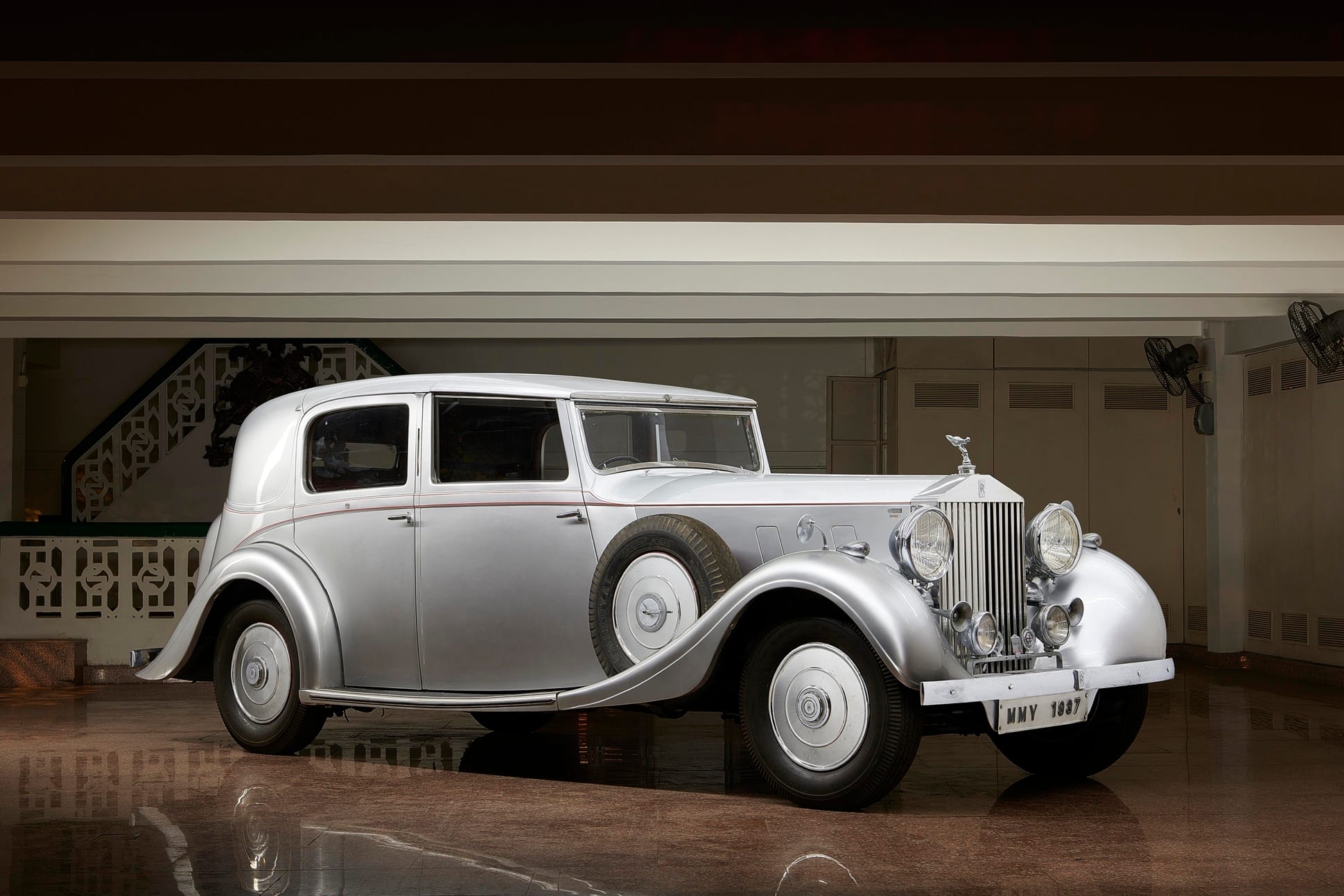
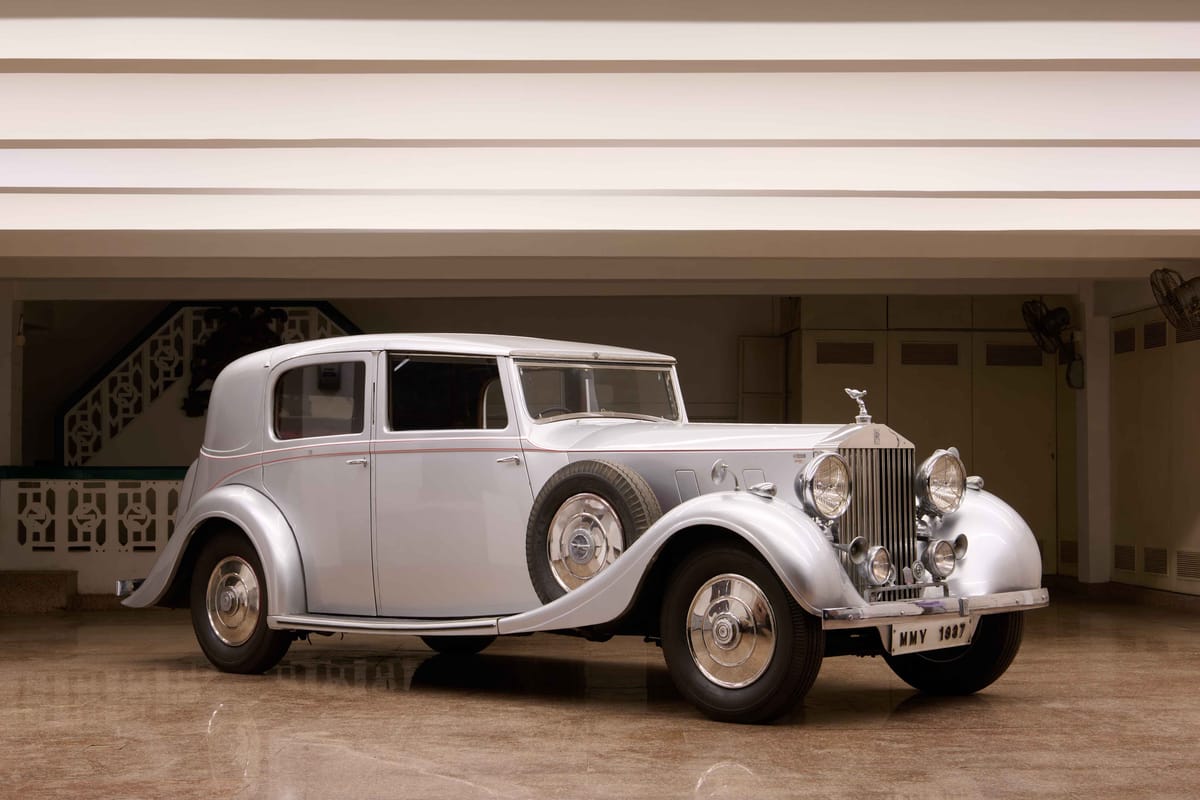
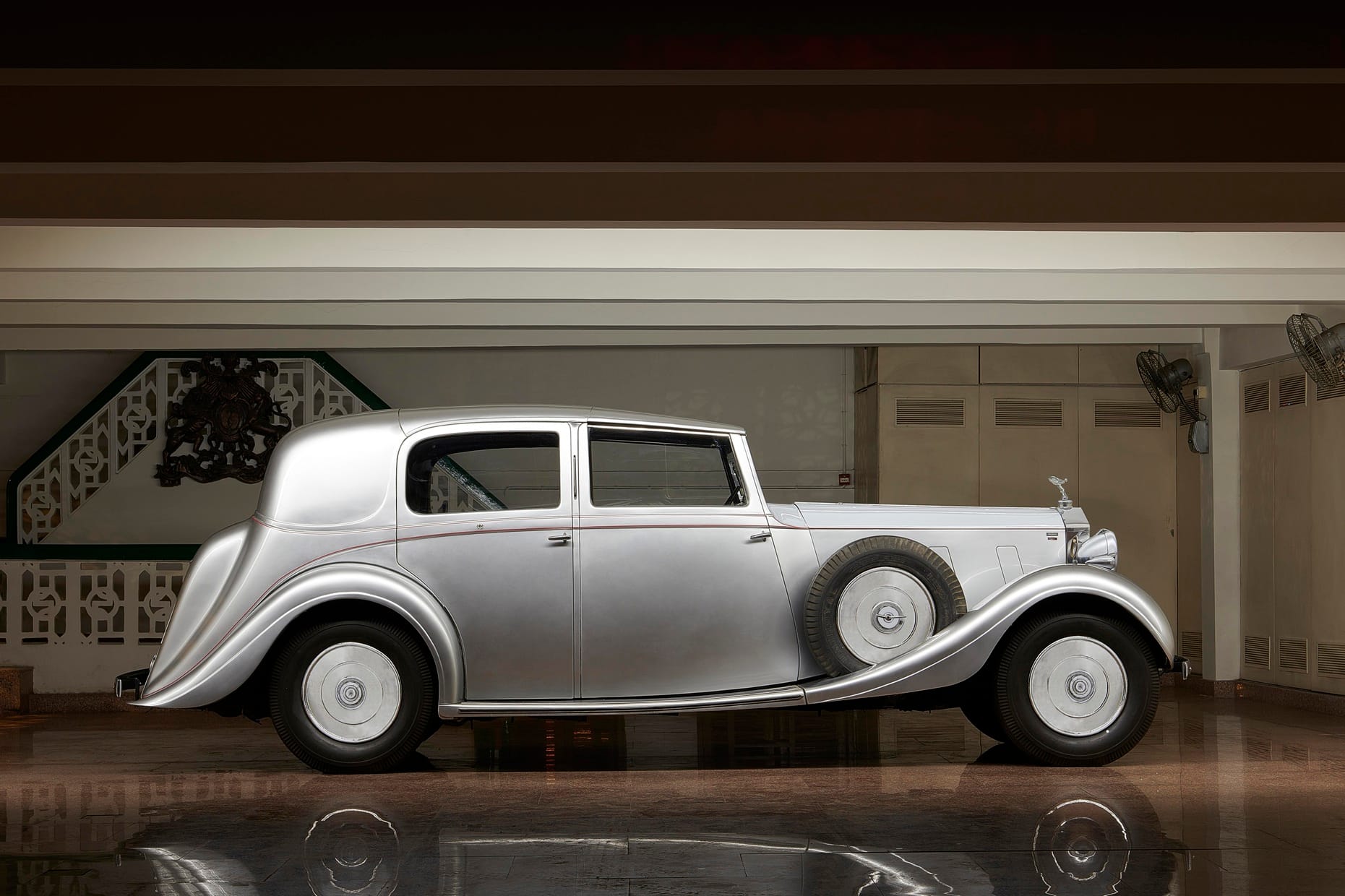
Manufactured with no regard for cost, only 727 Phantom IIIs were produced before production ceased in 1939. Of these, perhaps two dozen made their way to India, and fewer than a dozen survive today (excluding some recent imports). One of these remarkable cars, the subject of this feature, was acquired and used by the Maharani of Nabha.
Nabha, a 2,400-square-kilometre princely state entitled to a 13-gun salute, was one of the 13 states that comprised undivided Punjab. Ripudaman Singh, Maharajah of Nabha since 1912, was a rather controversial figure. Following a series of indiscretions, he was forced to abdicate in 1928 in favour of his nine-year-old son, Pratap Singh, and went into exile. Pratap Singh Malvinder Bahadur was formally anointed Maharajah only in 1940, upon reaching the age of 21. In the intervening years, the person of real authority in Nabha was the Rajmata, the Dowager Maharani, Rani Jasmer Kaur.
Jasmer Kaur, daughter of Sardar Anokh Singh Longowalia, had been married to Hira Singh Malvinder Bahadur, Maharaja of Nabha since 1871. Their son, Ripudaman Singh, was the spirited individual who eventually ran afoul of the British authorities. After Ripudaman’s abdication, with his son yet to be in his teens, it was the Maharani who managed the affairs of the state, and who also commissioned the appropriate luxury car for her personal use.
More importantly, the Maharani needed a car for the Coronation procession of King George VI in London on 12 May 1937. Bringing a car all the way from India was impractical, so acquiring a new one in the UK made far more sense. She purchased the vehicle through Rolls-Royce agent George Newman & Co., which, although based in London, also maintained a branch in Brighton. Conveniently, the Nabha family had a residence nearby at 13 Lewes Crescent, Brighton.
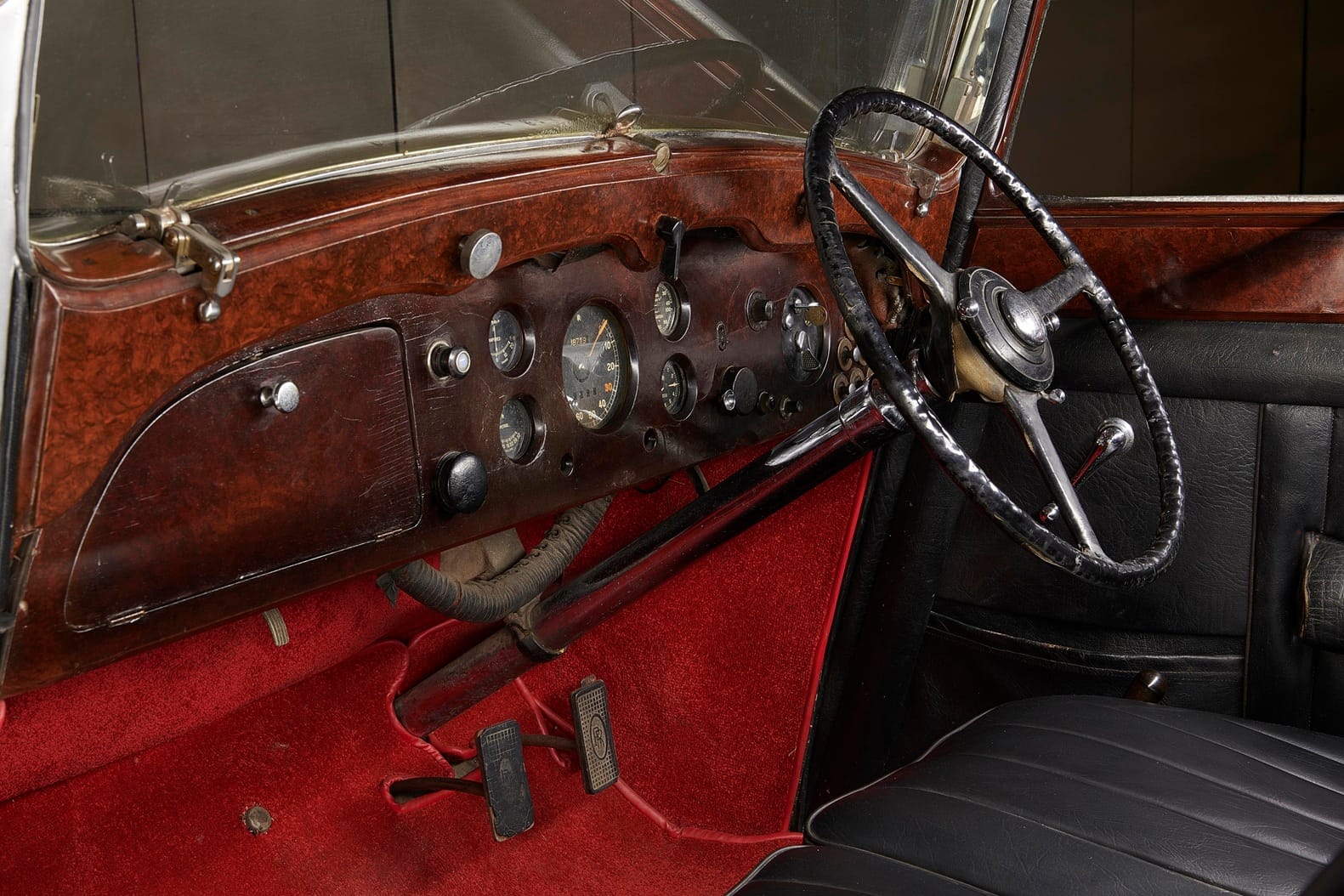
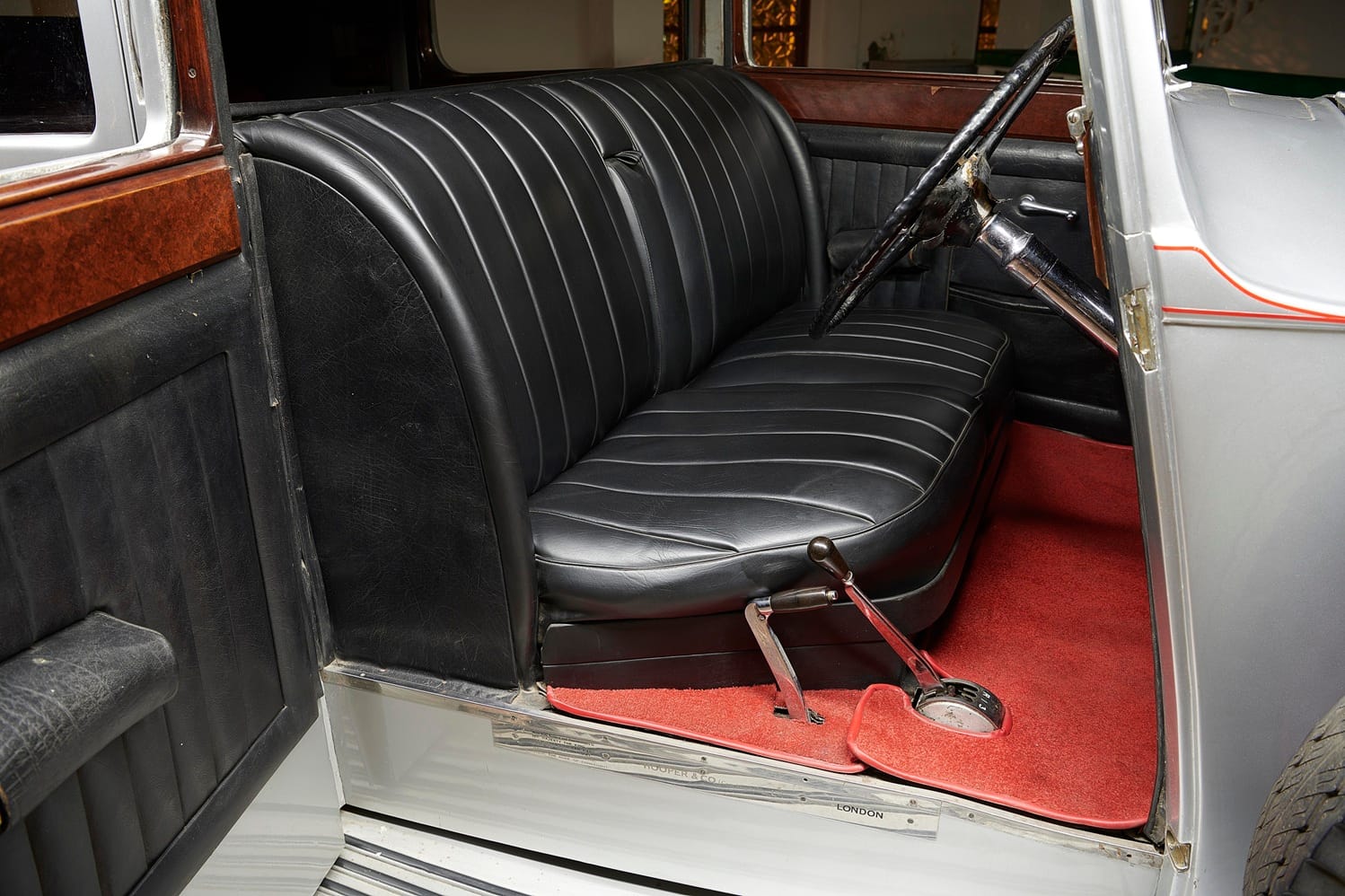
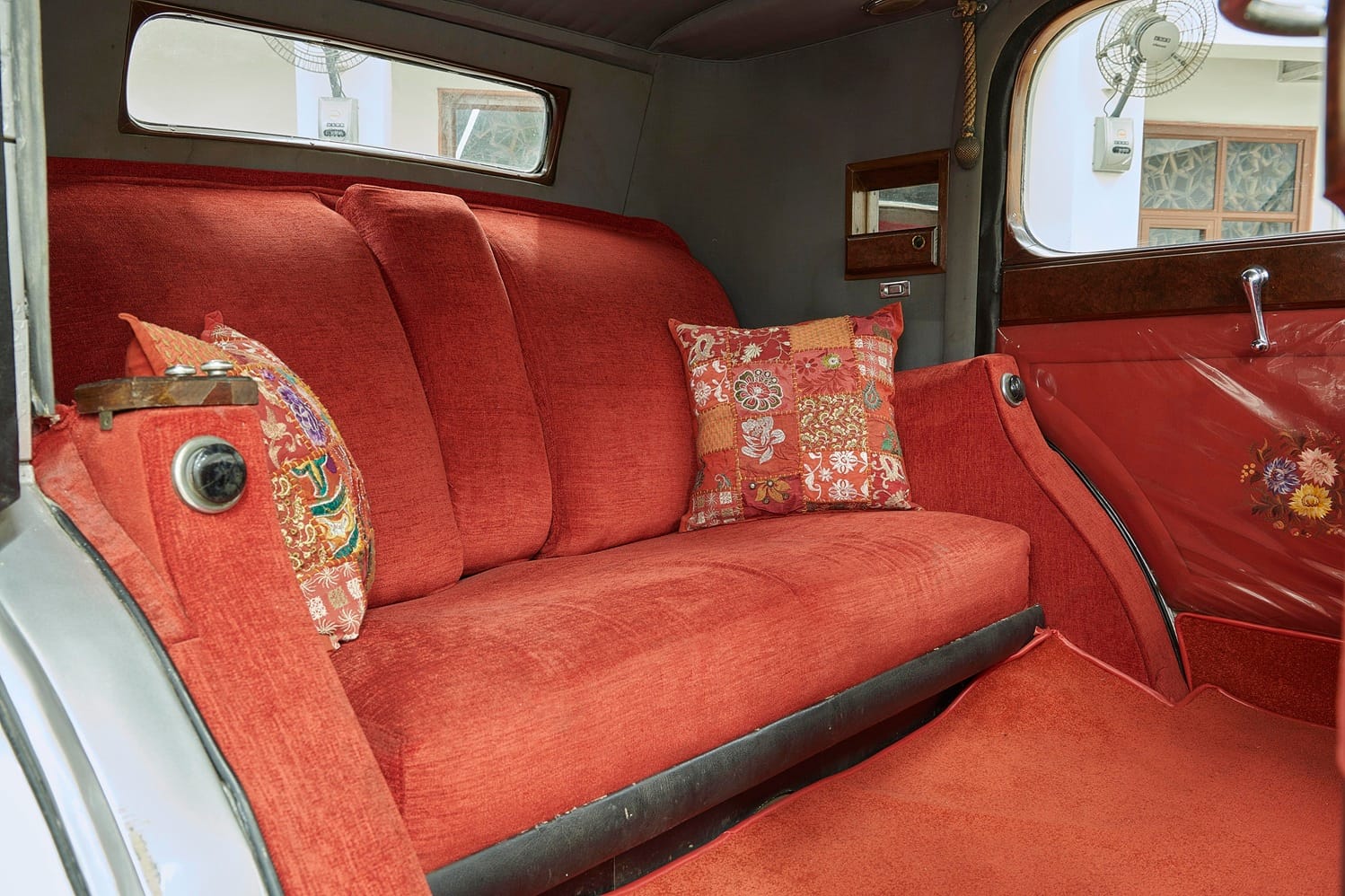
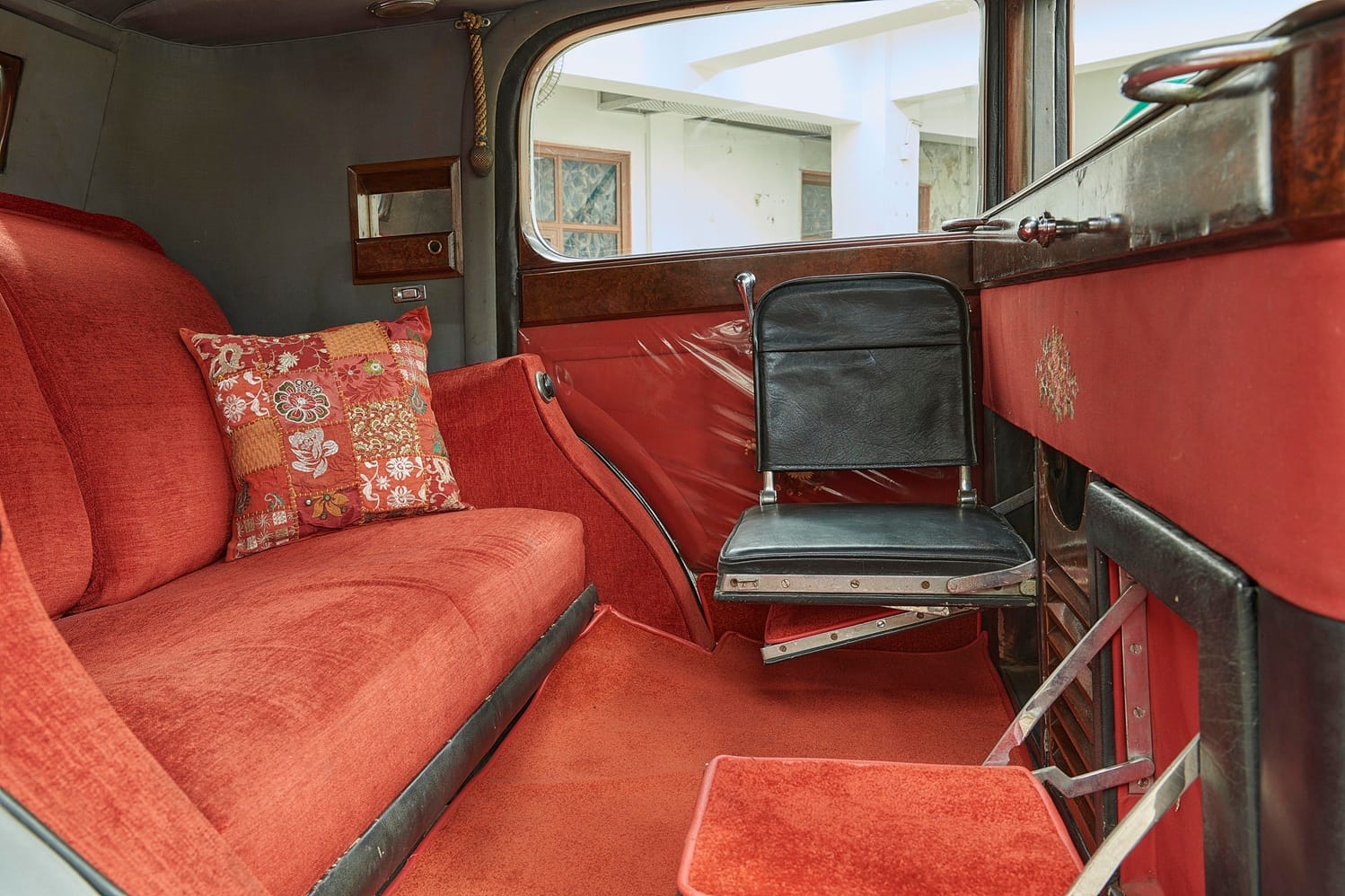
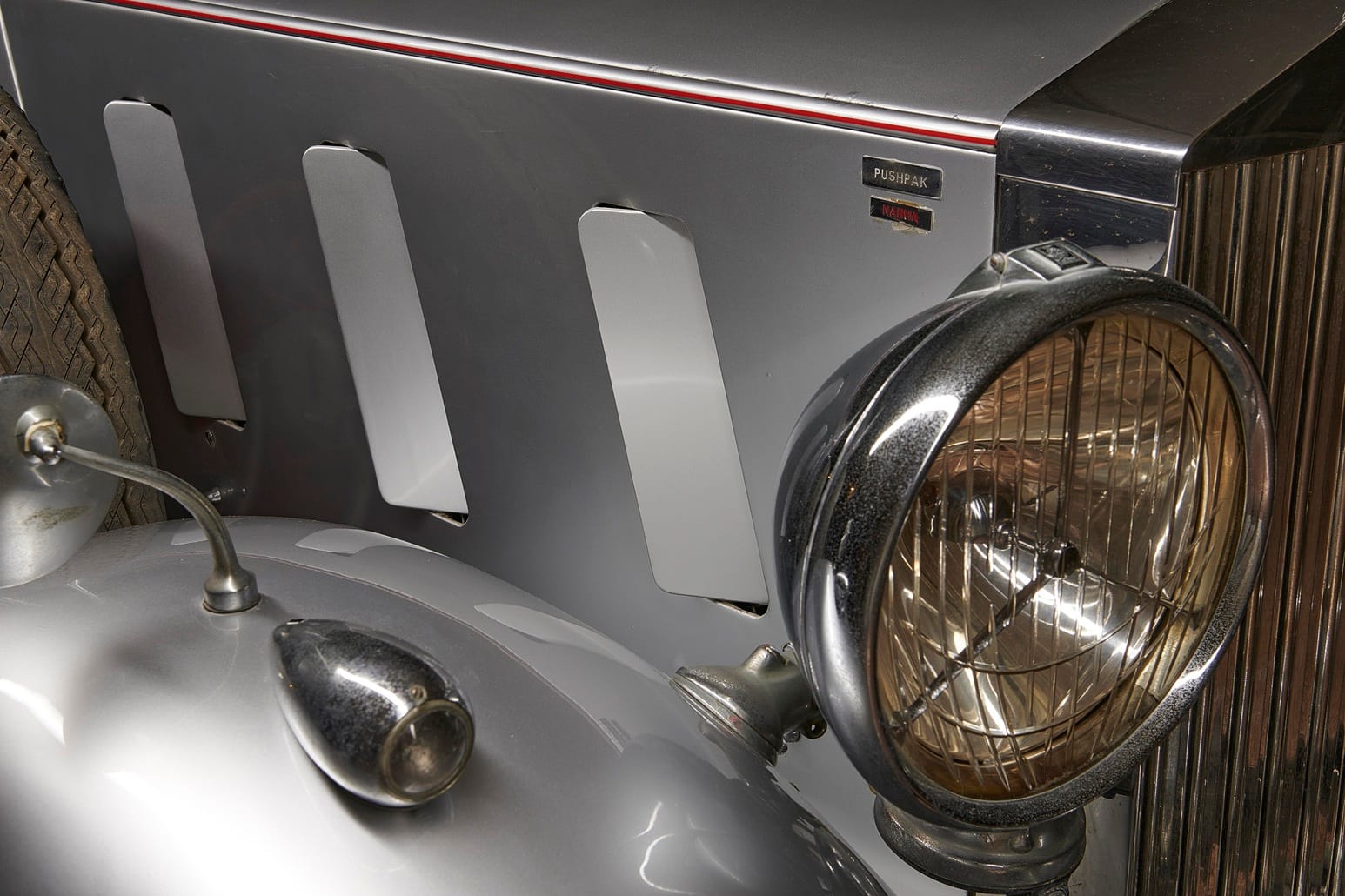
The car she acquired was a Rolls-Royce Phantom III. According to Phantom III historian Steve Stuckey, chassis #3BU82 left Rolls-Royce’s Derby factory on 1 February 1937, fitted with engine #R38J. Notably, this chassis was designated for use in the UK only. The chassis had been ordered by the coachbuilders Hooper on 11 August 1936 via the agent G. Newman. Hooper constructed a sedanca de ville body on it – the only other car of this design being on chassis #3CP170, now in Australia, according to Stuckey – and fitted it with a spare wheel on each side. The car cost £2,976 at the time.
The car was delivered to the Maharani on 10 May 1937, bearing the English registration UF1, just in time for the Coronation procession. Its arrival was deemed newsworthy and was reported in the Sussex Daily News on 12 May 1937, accompanied by a photograph of the Maharani. The caption read: "The Maharanee of Nabha entering the new Rolls-Royce car which the distinguished visitor will use on the Coronation procession, and which has just been supplied by Newman's, the local people."
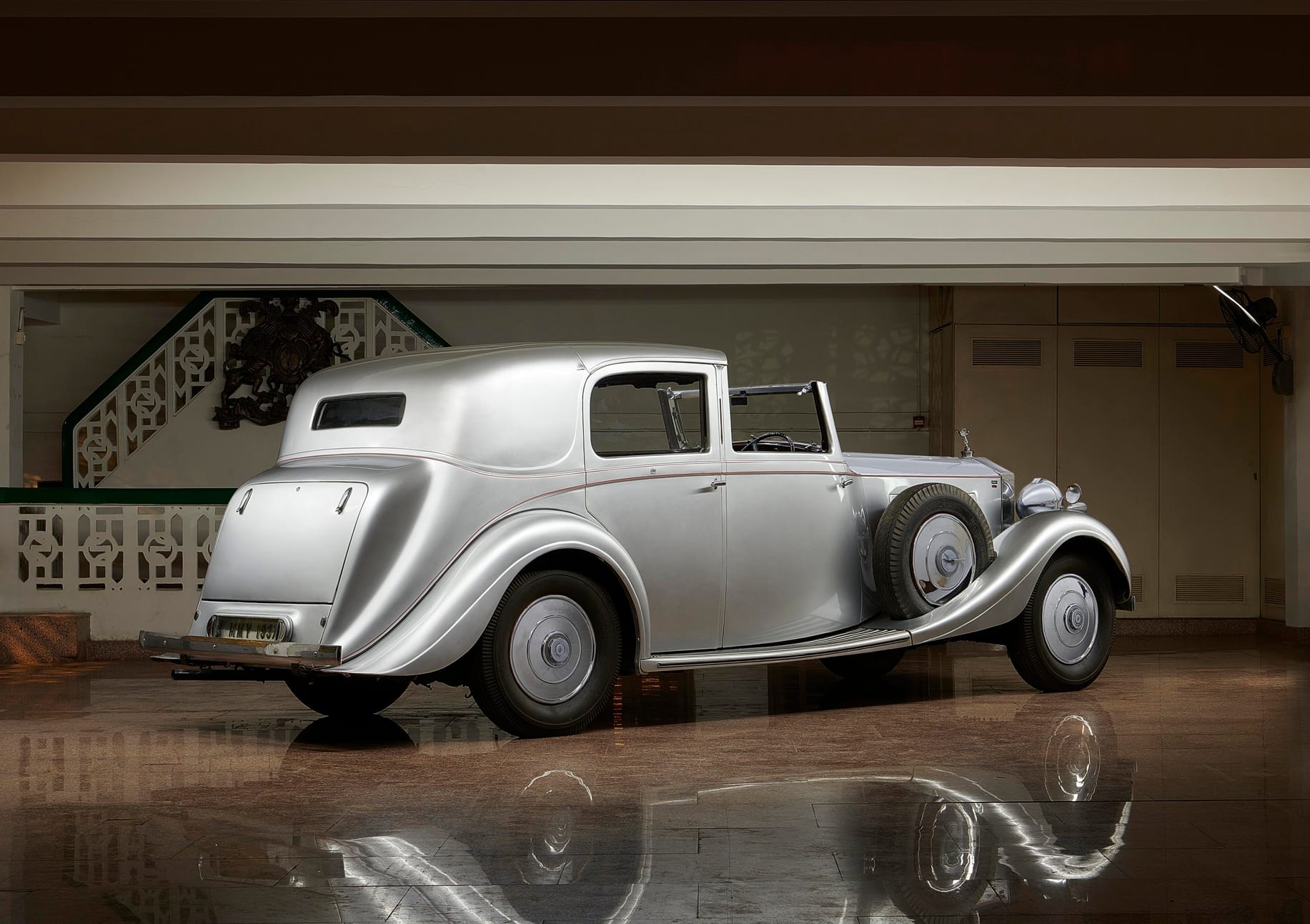
While it is not clear exactly when the car was shipped to India, it can be reasonably assumed that it was sent shortly after the Coronation. Details of its use in Nabha are scarce. According to Phantom III historian Steve Stuckey, the car’s second owner was Shahaji C. Angre, who purchased it in 1967 when the odometer read approximately 40,000 km. In the 1970s, the legendary collector Pranlal Bhogilal acquired the car from Angre. Since then, it has remained part of the Pranlal Bhogilal collection and was used fairly regularly by Bhogilal in Mumbai until his passing.
Comments ()