1948 Bentley Mk VI Two-Door Saloon – Silence, Elegance & Style
In the years following the Second World War, when Europe’s great automotive manufacturers were rebuilding and redefining themselves, the Maharaja of Mysore assembled one of the most remarkable collections of automobiles anywhere in the world
Text: Souvik Ghose Chaudhuri
Images: Makarand Baokar
Amongst India’s princely rulers, few possessed a passion for automobiles quite like Jayachamaraja Wodeyar, the Maharaja of Mysore. Cultured, cosmopolitan and deeply knowledgeable about music, art and philosophy, the Maharaja was also a genuine enthusiast of fine motor cars.
In the years immediately following the Second World War, when Europe’s great automotive manufacturers were rebuilding and redefining themselves, the Maharaja of Mysore assembled one of the most remarkable collections of automobiles anywhere in the world.
His garage reflected not merely wealth, but taste, curiosity and discernment. Amongst the many extraordinary machines he acquired were the rare Invicta Black Prince, a flamboyant Figoni et Falaschi-bodied Delahaye 175, numerous Daimlers and an impressive fleet of Bentleys.
The Maharaja was not the kind of collector who purchased a single example from a marque he admired. Once convinced of a manufacturer’s merits, he acquired several.
During the late 1940s and early 1950s, he is believed to have purchased at least five Daimlers in quick succession. His enthusiasm for Bentley was equally pronounced – he was reputed to have acquired at least six of them, almost at one go. And seven Rolls-Royces!
In fact, his repeated orders from the Rolls-Royce Motor Cars became so well known that insiders reportedly coined the phrase “doing a Mysore” whenever a customer ordered multiple Rolls-Royces or Bentleys at once. Such was the scale of his patronage.
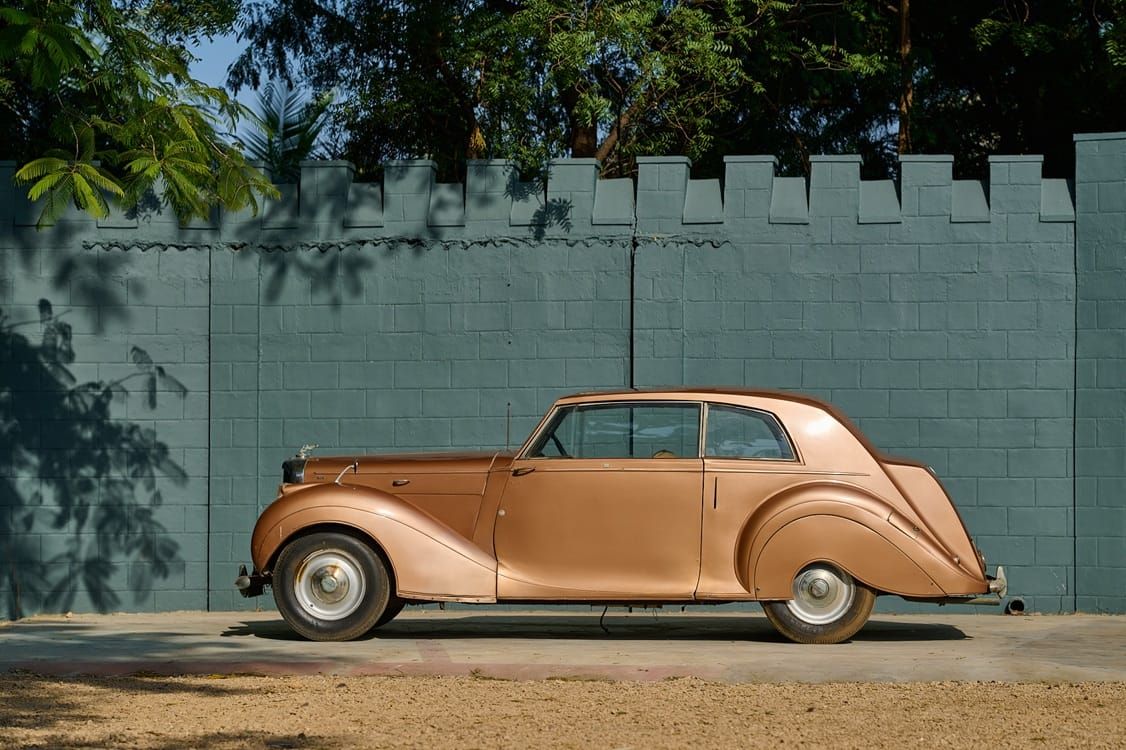
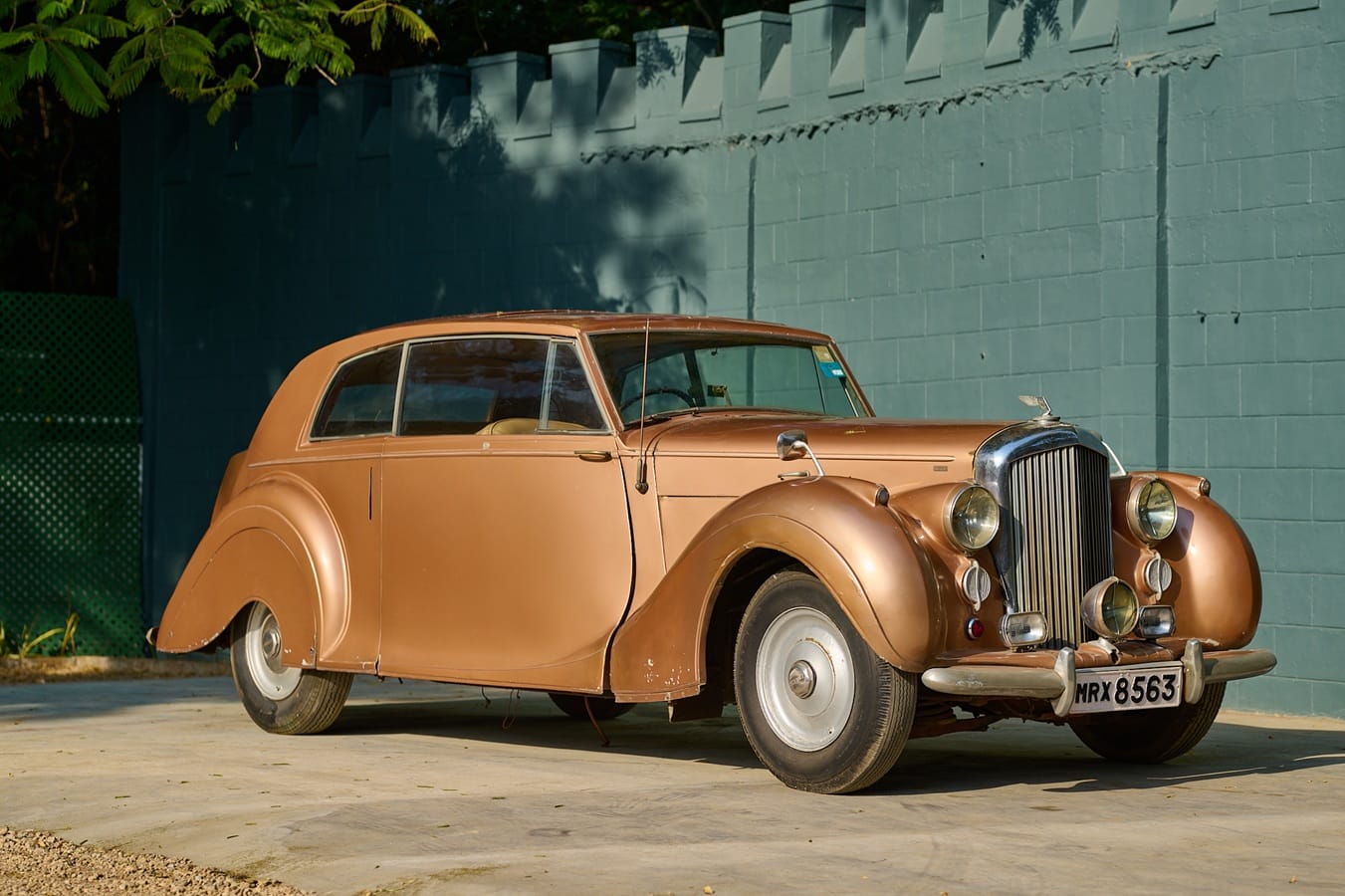
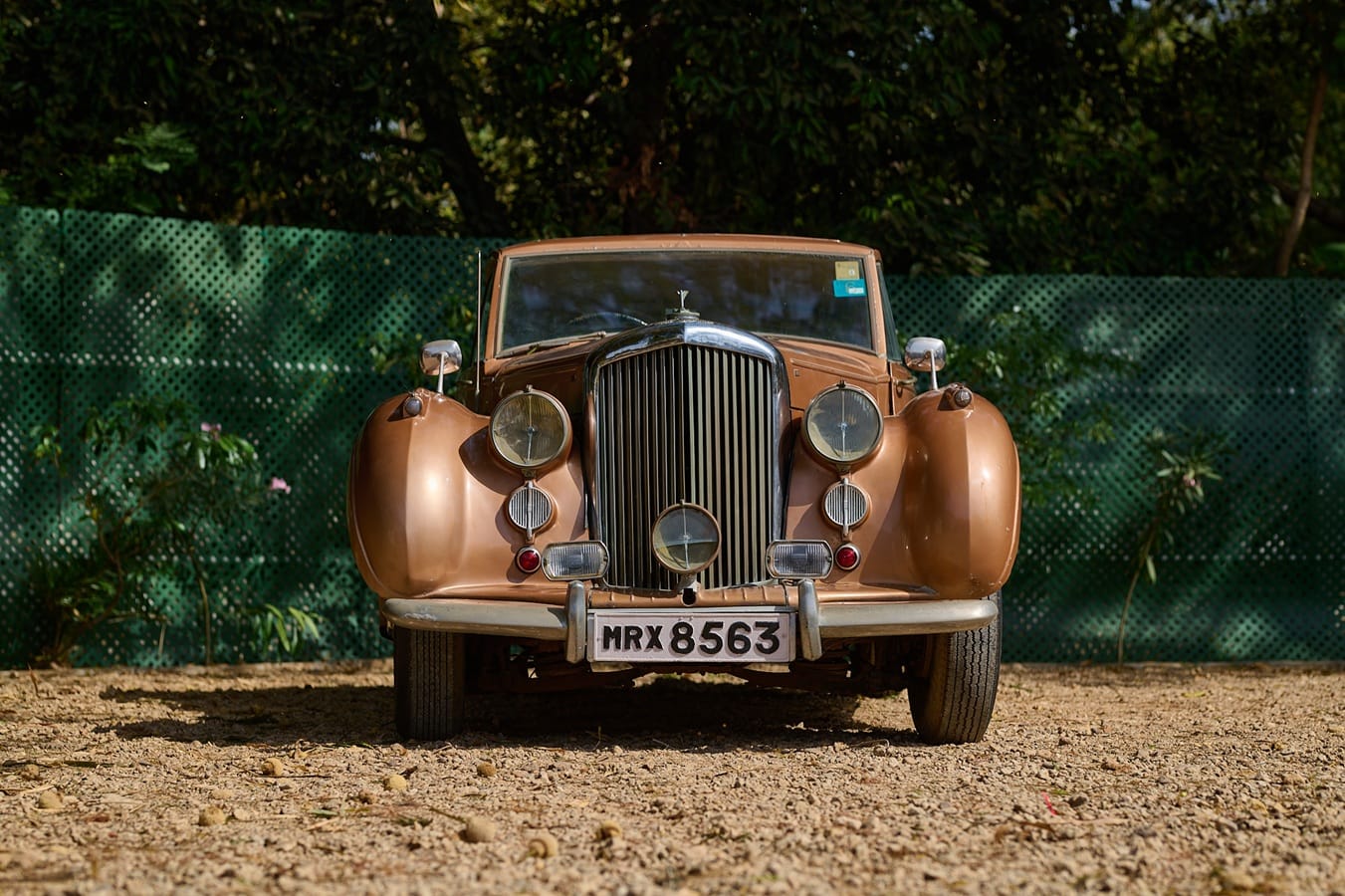
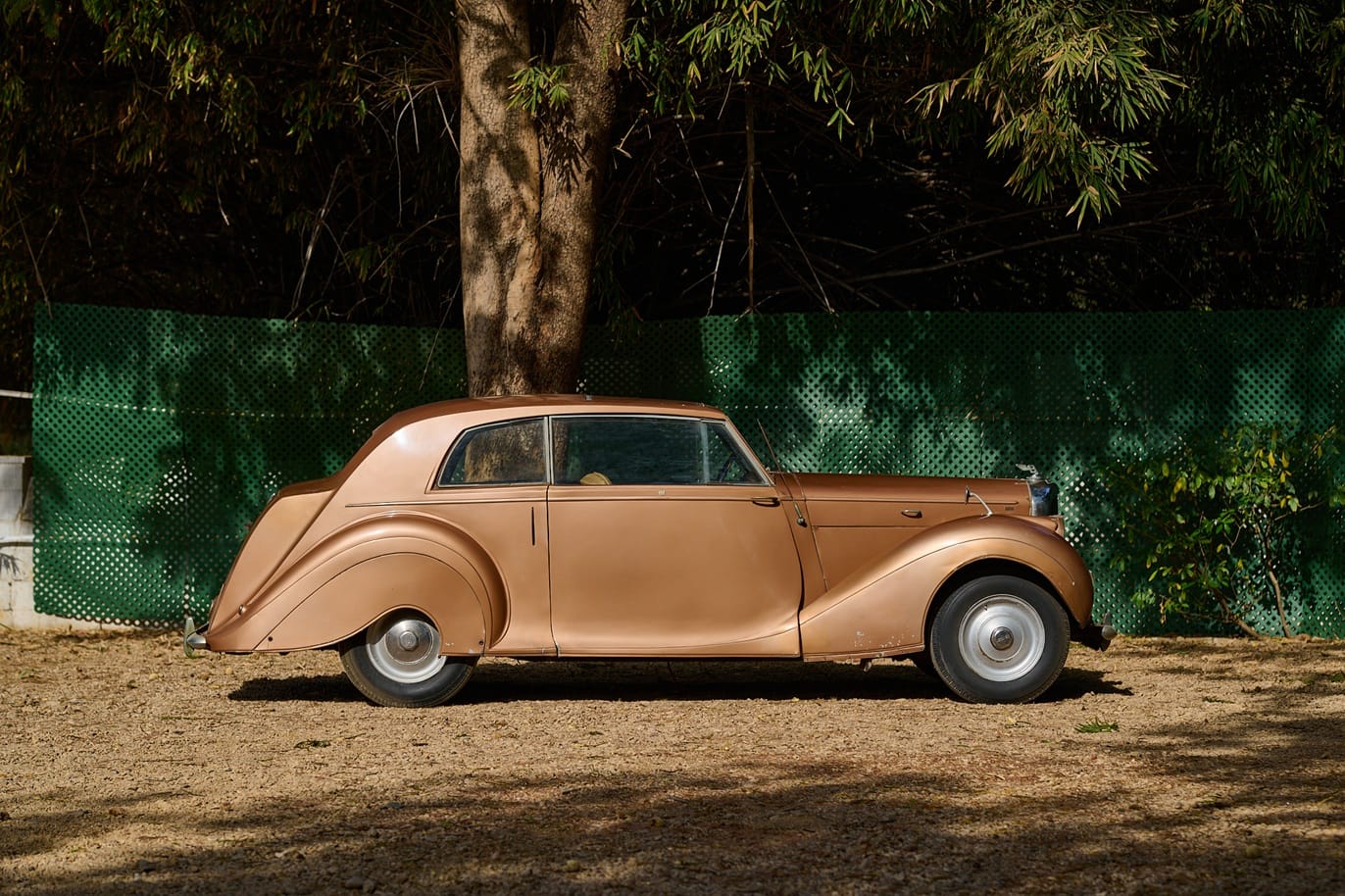
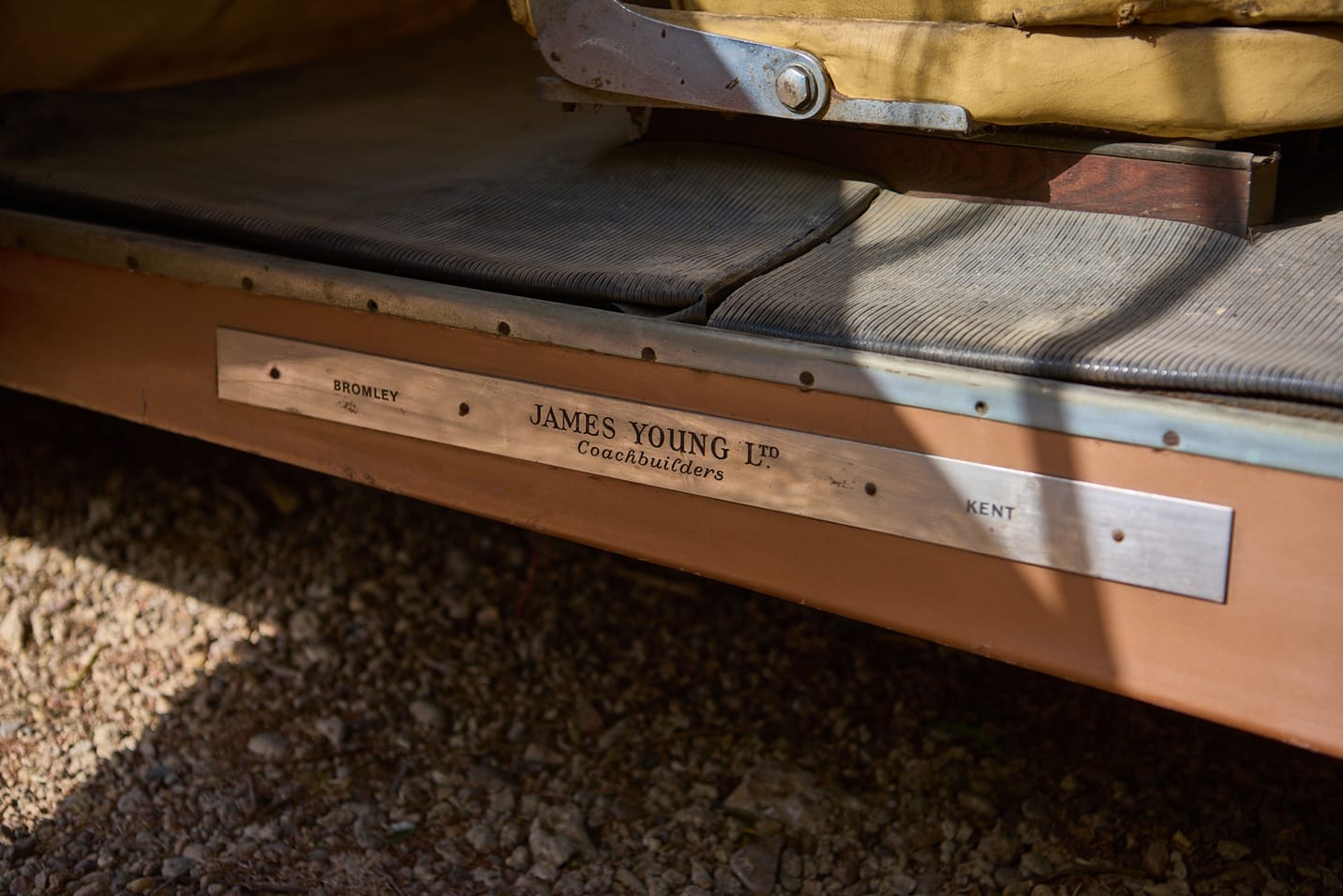
Among the most elegant of all the Bentleys he owned was a beautiful Bentley Mark VI, chassis number B125AJ, fitted with exquisite two-door saloon coachwork by James Young.
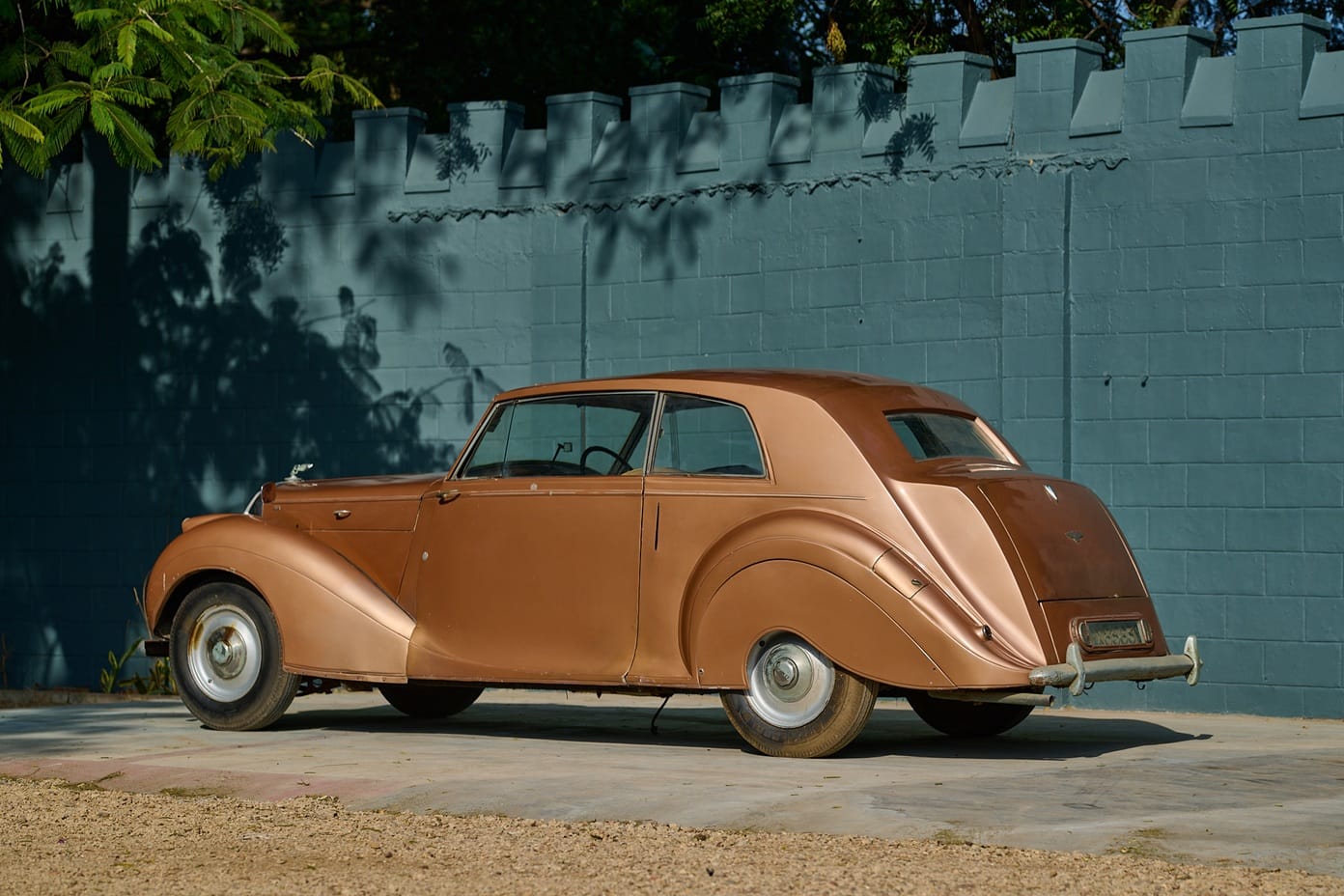
The Maharaja also owned other notable Bentleys, including three Mk VI Drophead Coupés, several saloons, even a limousine. Yet this particular James Young coupé remains especially striking for its understated sophistication and graceful proportions.
The Bentley Mk VI itself was one of the great success stories of Britain’s post-war motor industry. Introduced in 1946, it was Bentley’s first post-war model and also the first Bentley offered with factory-produced steel bodywork.
A little over 5,200 were built before production ended in 1952, an impressive figure for a luxury automobile of the era.
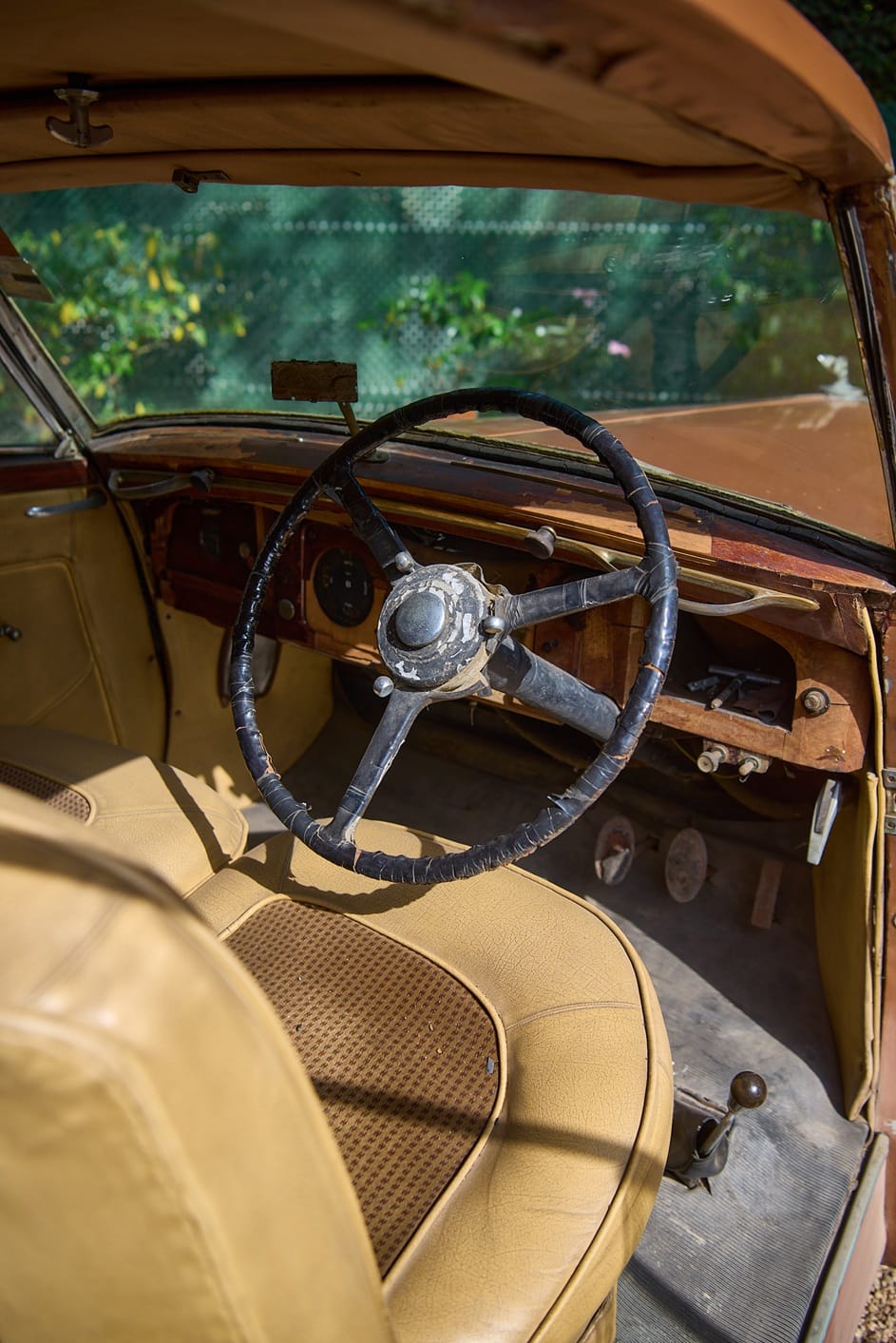
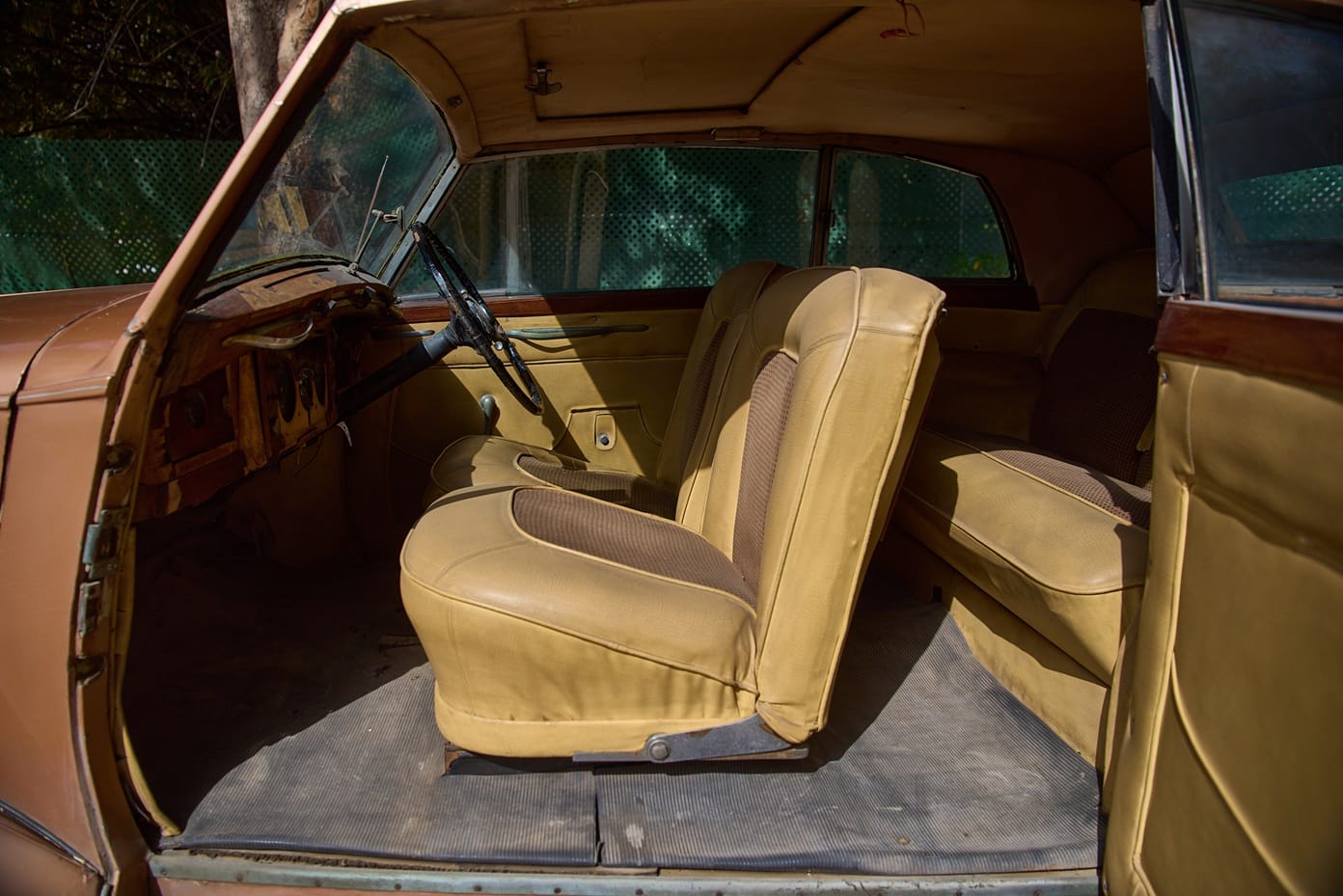
Yes, the car needs to be restored, and when done it will be a show-stealer
Mechanically, the Mk VI shared much with the Rolls-Royce Silver Wraith, including its chassis and engineering fundamentals. However, the Bentley featured a shorter wheelbase and was tuned for a more sporting character.
Its twin SU carburettors provided livelier performance than the single Stromberg unit used in the Silver Wraith, reinforcing Bentley’s reputation as the more driver-oriented marque.
The standard Bentley Mk VI saloon was deliberately restrained in appearance. In the austere years following the war, discretion had become fashionable, and Bentley’s subtle elegance appealed to buyers who wished to avoid overt displays of wealth. Rolls-Royce, by contrast, was often perceived as more formal and ostentatious.
For a ruler as refined and internationally exposed as the Maharaja of Mysore, Bentley’s quiet sophistication must have held considerable appeal. Yet his tastes were never entirely conservative.
The same man who admired Bentley’s restraint was equally captivated by the dramatic curves and theatrical flair of the Figoni et Falaschi-bodied Delahaye 175 unveiled at the 1949 Paris Salon. His collection, therefore, reflected both elegance and individuality.
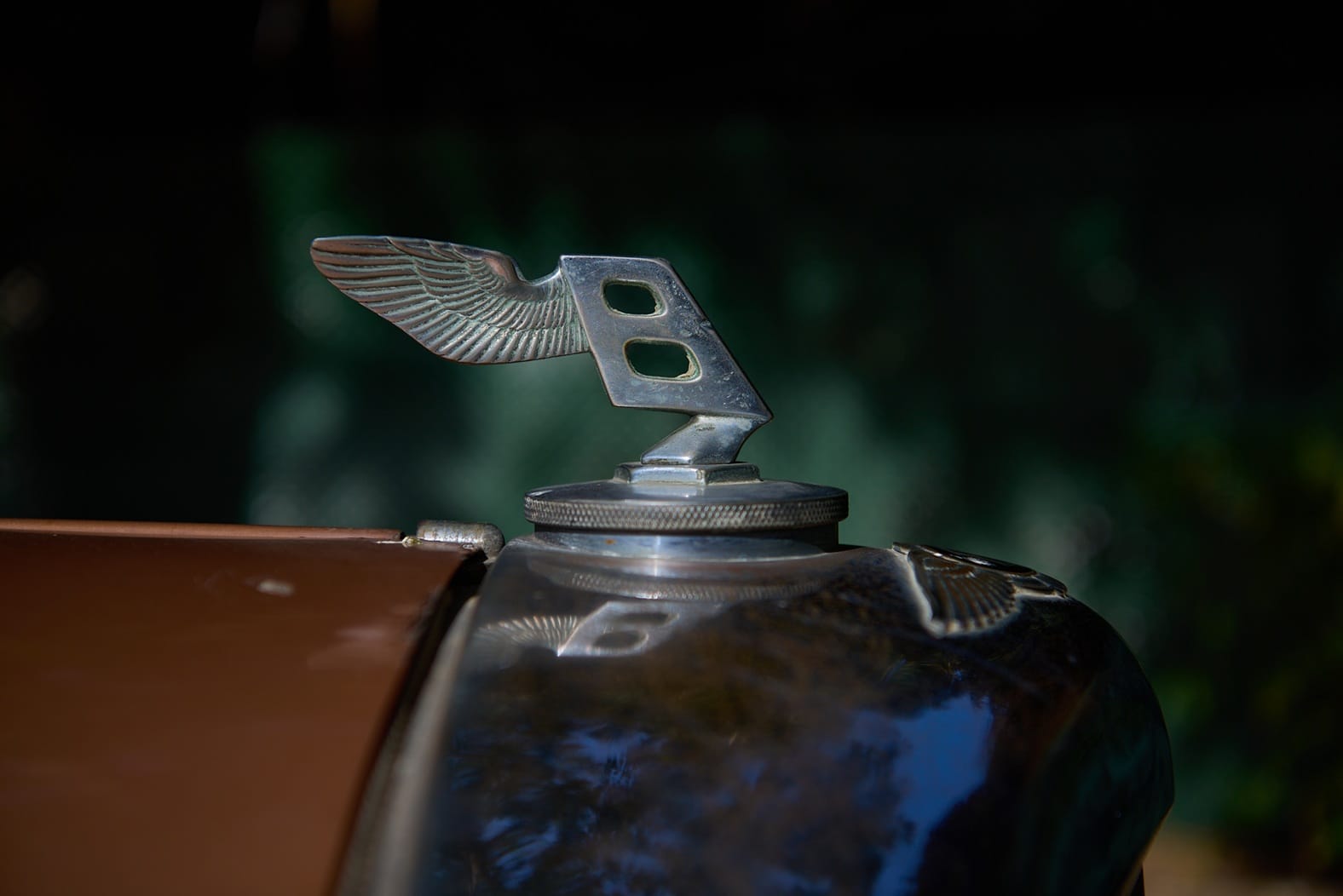
Importantly, the Maharaja rarely settled for standard factory specifications. Many of his Bentleys featured bespoke coachwork by Britain’s leading coachbuilders, transforming already distinguished automobiles into unique works of art. This James Young-bodied coupé is a perfect example.
The design bears the unmistakable influence of A. J. McNeil, one of the most talented automotive stylists of his generation. During the 1930s, McNeil had enjoyed a celebrated career at Gurney Nutting, where he created some of the era’s most elegant bodies. After the war, he joined James Young as chief designer while simultaneously serving as design chief at Gurney Nutting.
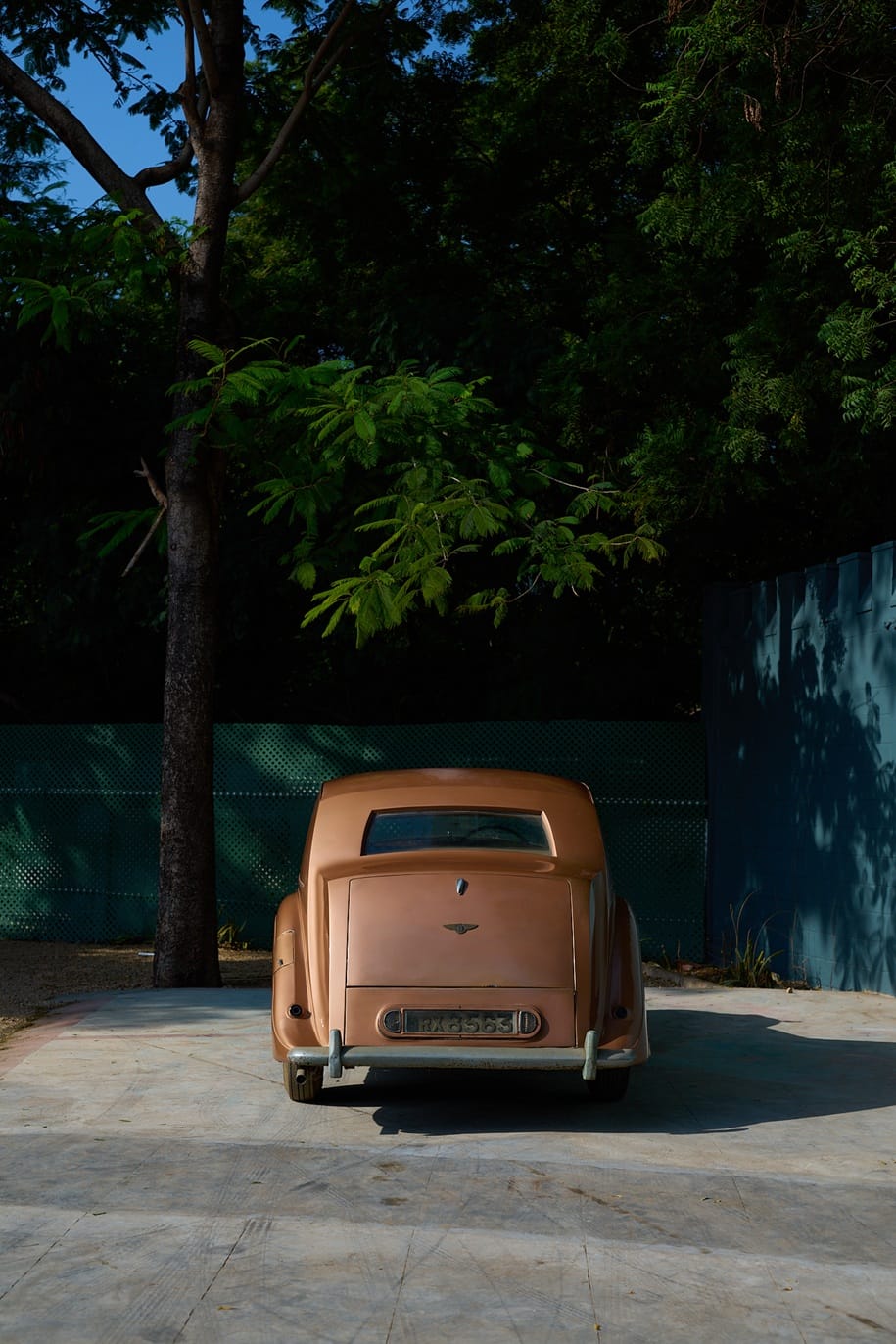
His stylistic signatures are all present in this Bentley: flowing lines, elegantly integrated wheel spats, subtle crease detailing and frameless doors without a full-height B-pillar. The result is an automobile of remarkable grace and balance — sporting yet dignified, restrained yet undeniably sophisticated.
A masterpiece of British coachbuilding, this distinguished Bentley forms part of the celebrated Dastan Autoworld Museum collection assembled by the late Pranlal Bhogilal.
Comments ()