1948 Cadillac Series 62 Convertible Coupé – A Milestone Wonder
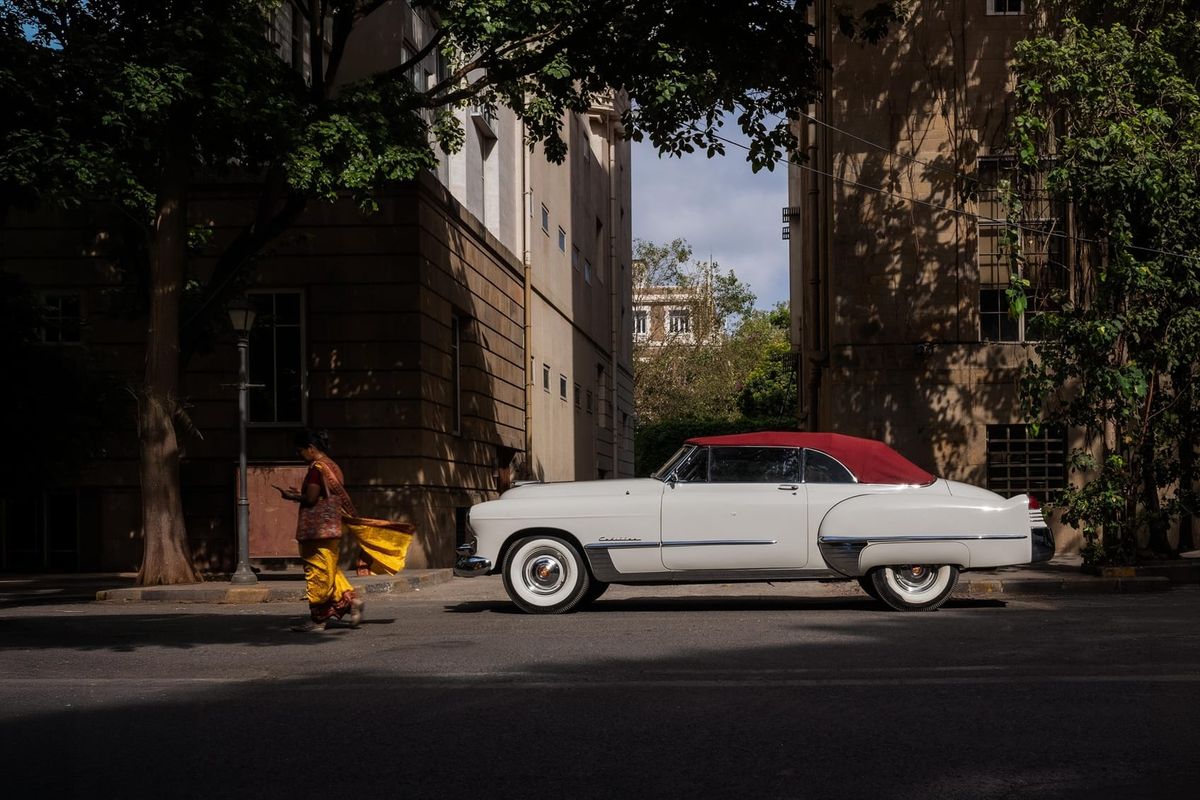
Under Harley Earl’s direction, the postwar Cadillacs of 1948 began moving away from the soft, rounded pre-war forms toward a more expressive, modern identity.
Text: Gautam Sen
Images: Vrutika Doshi
When the first prototype of the Lockheed P-38 Lightning took to the skies on 27 January 1939, it marked the arrival of one of the most visually radical aircraft of its time. Its twin-boom configuration, with engines mounted in two slender rear fuselages and a central nacelle housing the pilot, created a silhouette unlike anything seen before in aviation. Sleek, purposeful, and almost futuristic, it would quietly leave an imprint far beyond the world of aeronautics.
Among those who encountered the aircraft in its early, classified demonstrations were General Motors’ design leadership under Harley Earl, along with key collaborators such as Bill Mitchell, Frank Hershey, and Art Ross.
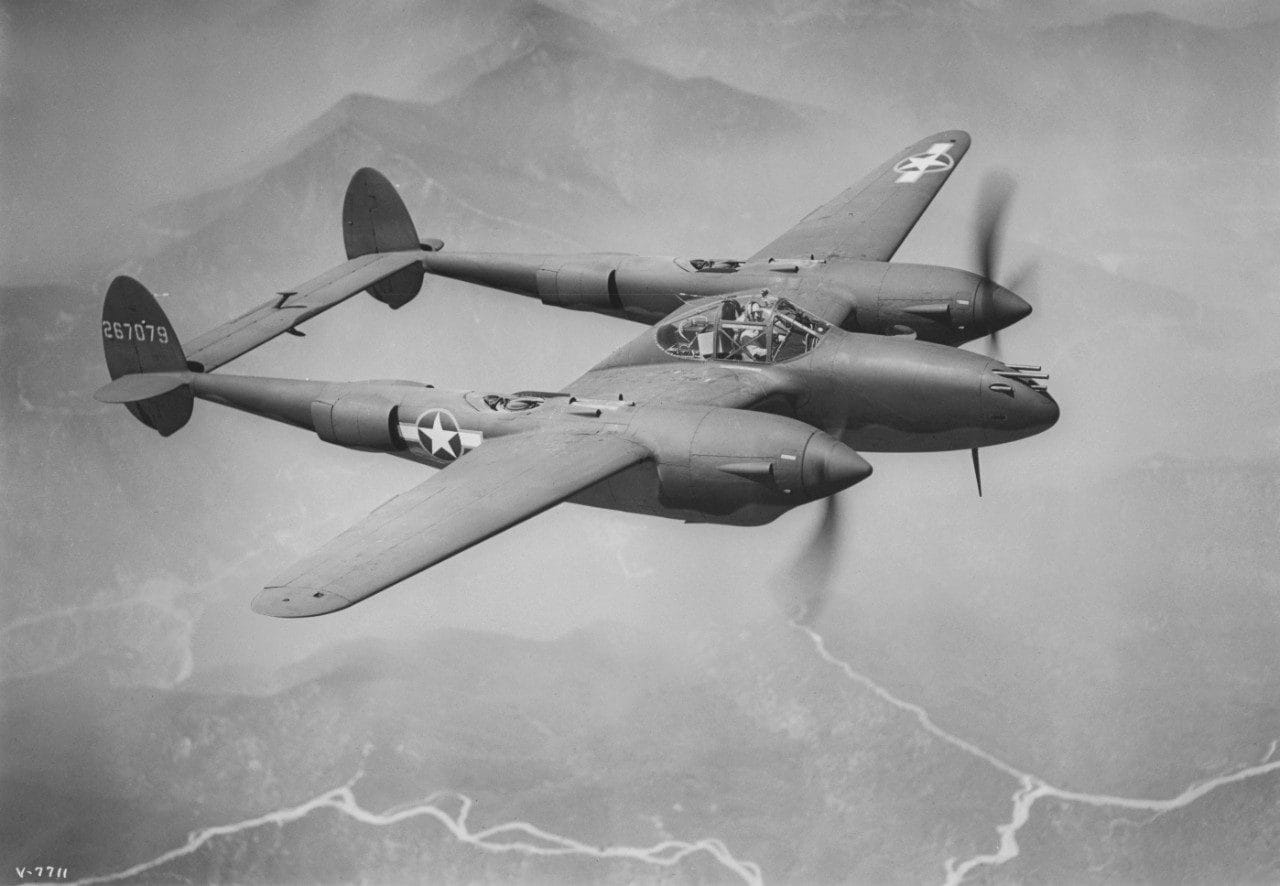
For designers constantly searching for the next visual language in automotive styling, the P-38 was a revelation. Its twin-boom rear arrangement, in particular, struck a deep chord. It was not simply functional; it was sculptural.
Less than a decade later, that inspiration would surface in one of the most significant turning points in American automotive design: the postwar Cadillacs of 1948. Under Harley Earl’s direction, Cadillac began moving decisively away from the soft, rounded pre-war forms toward a more expressive, modern identity. The result was the Cadillac Series 62 (as well as the Series 60 Special and the Series 61), a car that quietly introduced a design feature that would come to define an entire decade: the tailfin.
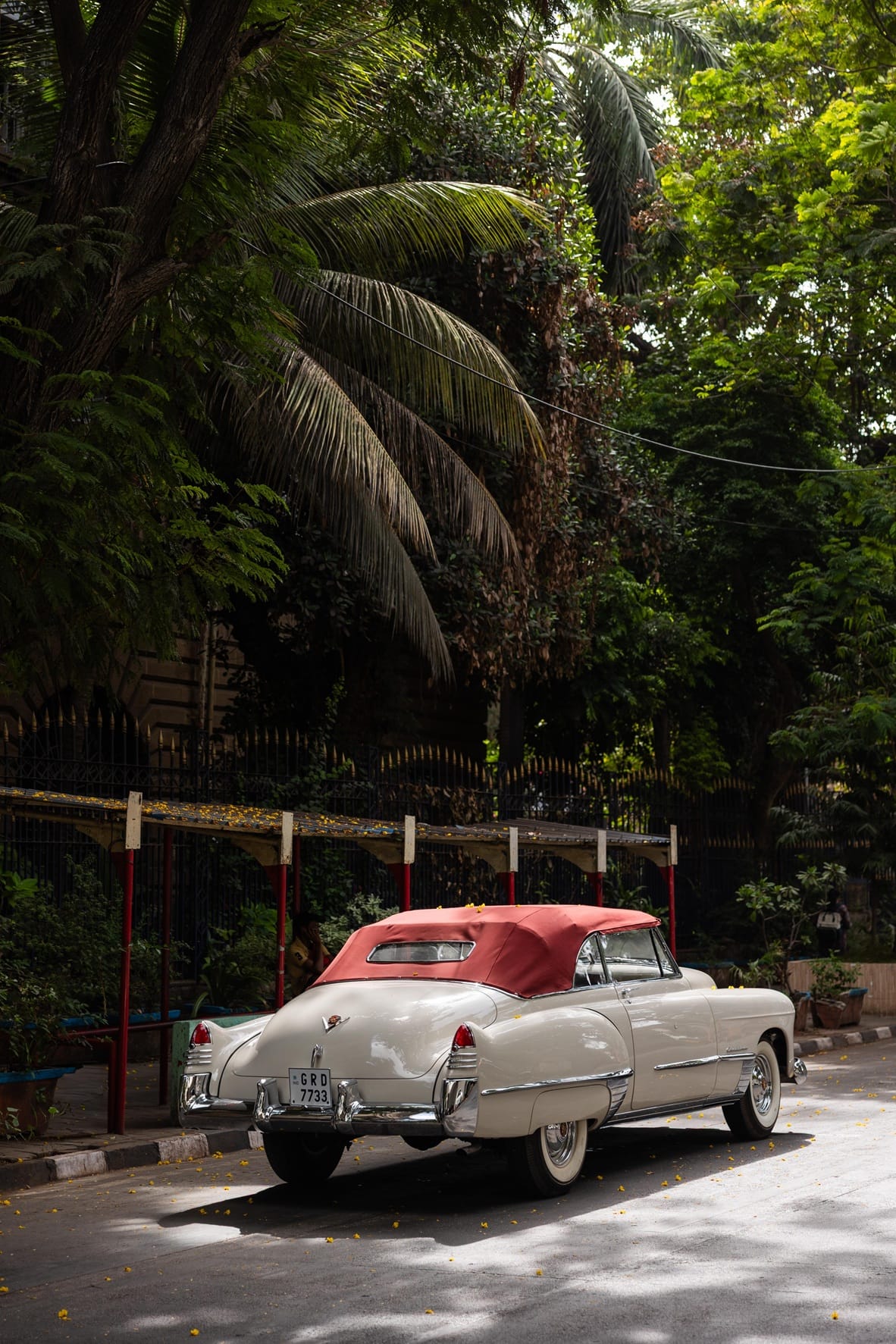
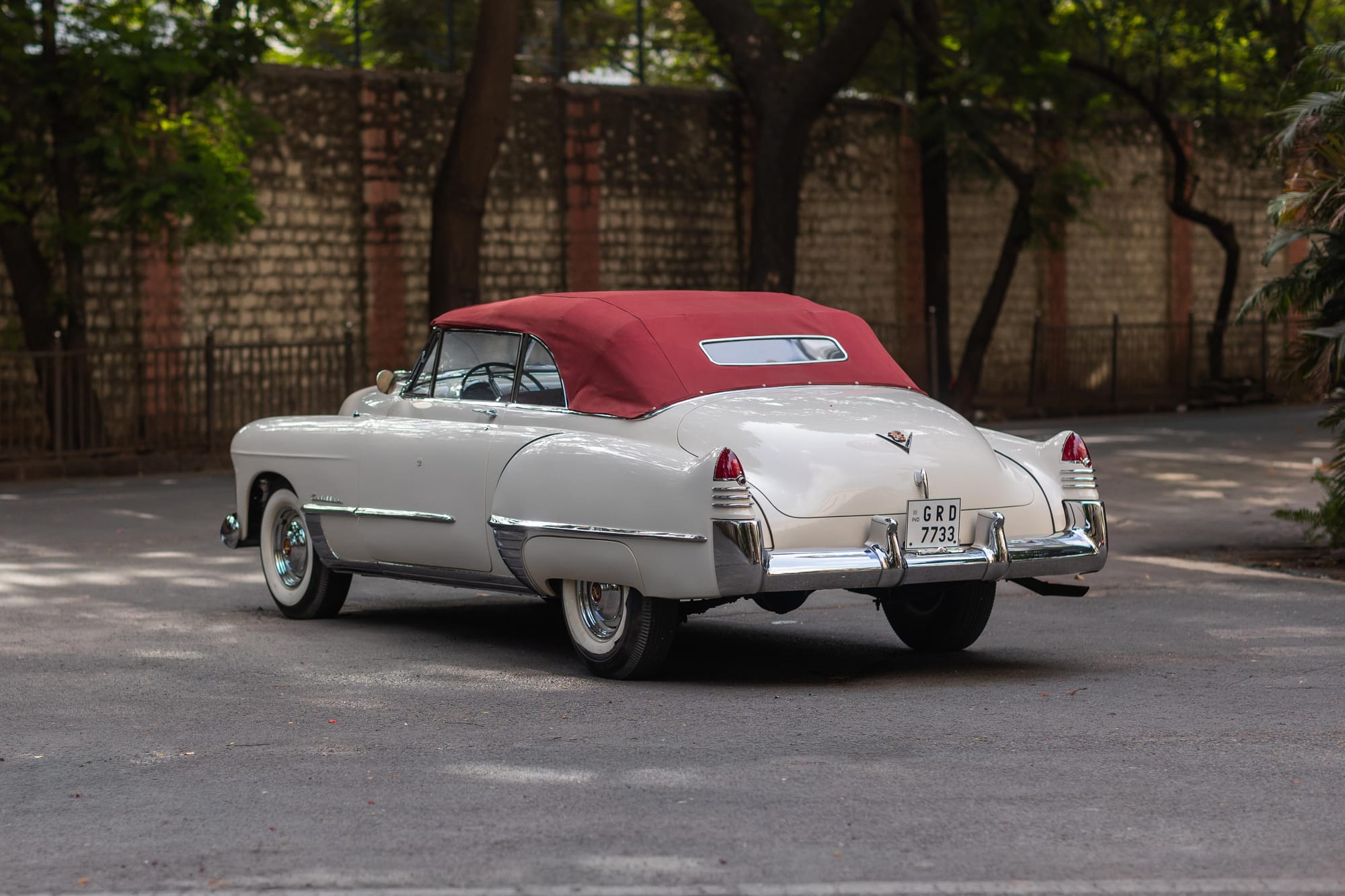
At first glance, the fins on the 1948 Cadillac were restrained: subtle rear fender extensions that framed the tail lamps rather than dominating the car’s profile. Yet their presence was transformative.
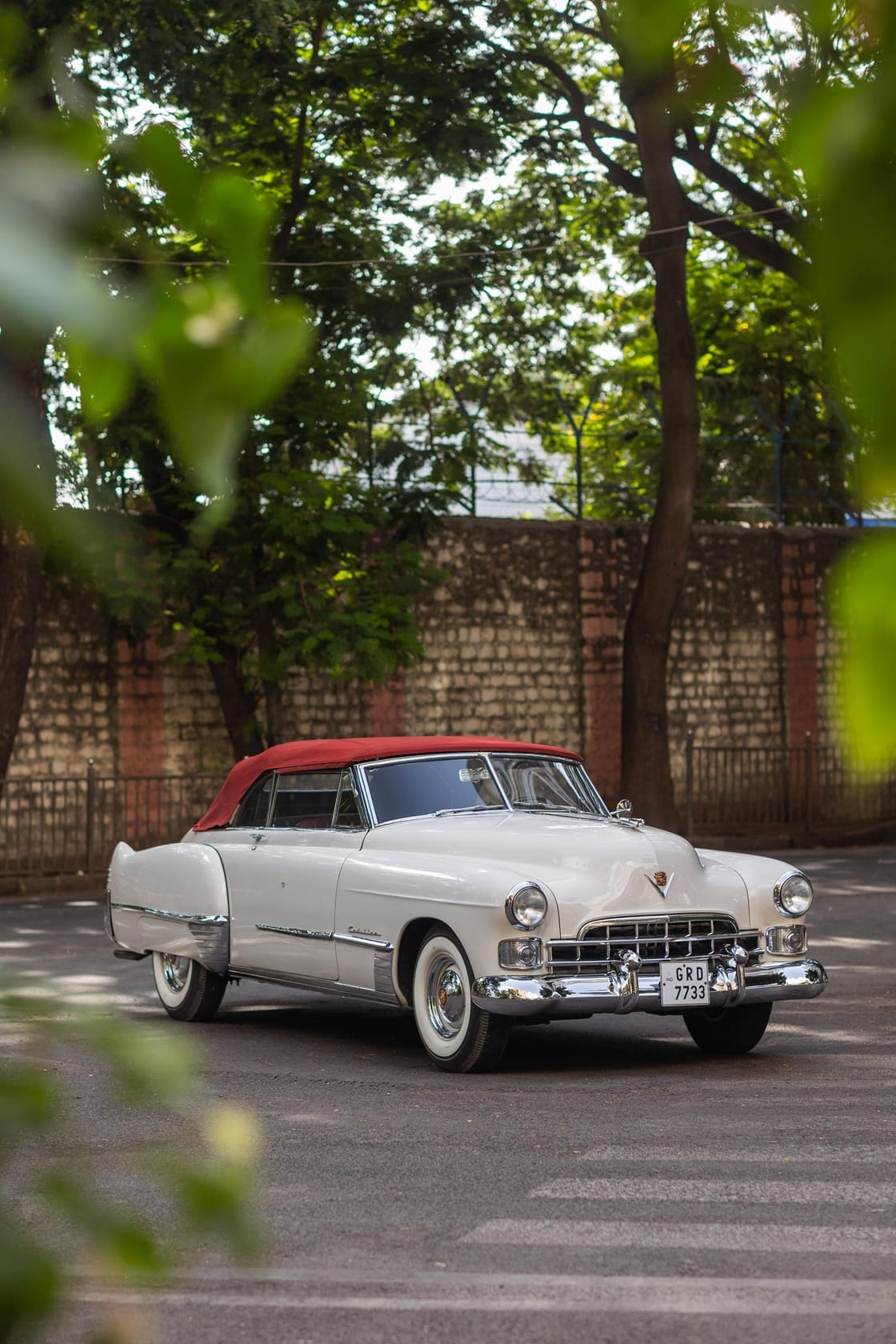
They gave the rear of the car a sense of direction and motion, even at rest, as though the vehicle itself was poised to move forward at any moment. Bill Mitchell (who would later head General Motors’ design centre) captured this shift in thinking succinctly, noting that the fins “gave definition to the rear of the car for the first time,” making the back end as visually compelling as the front.
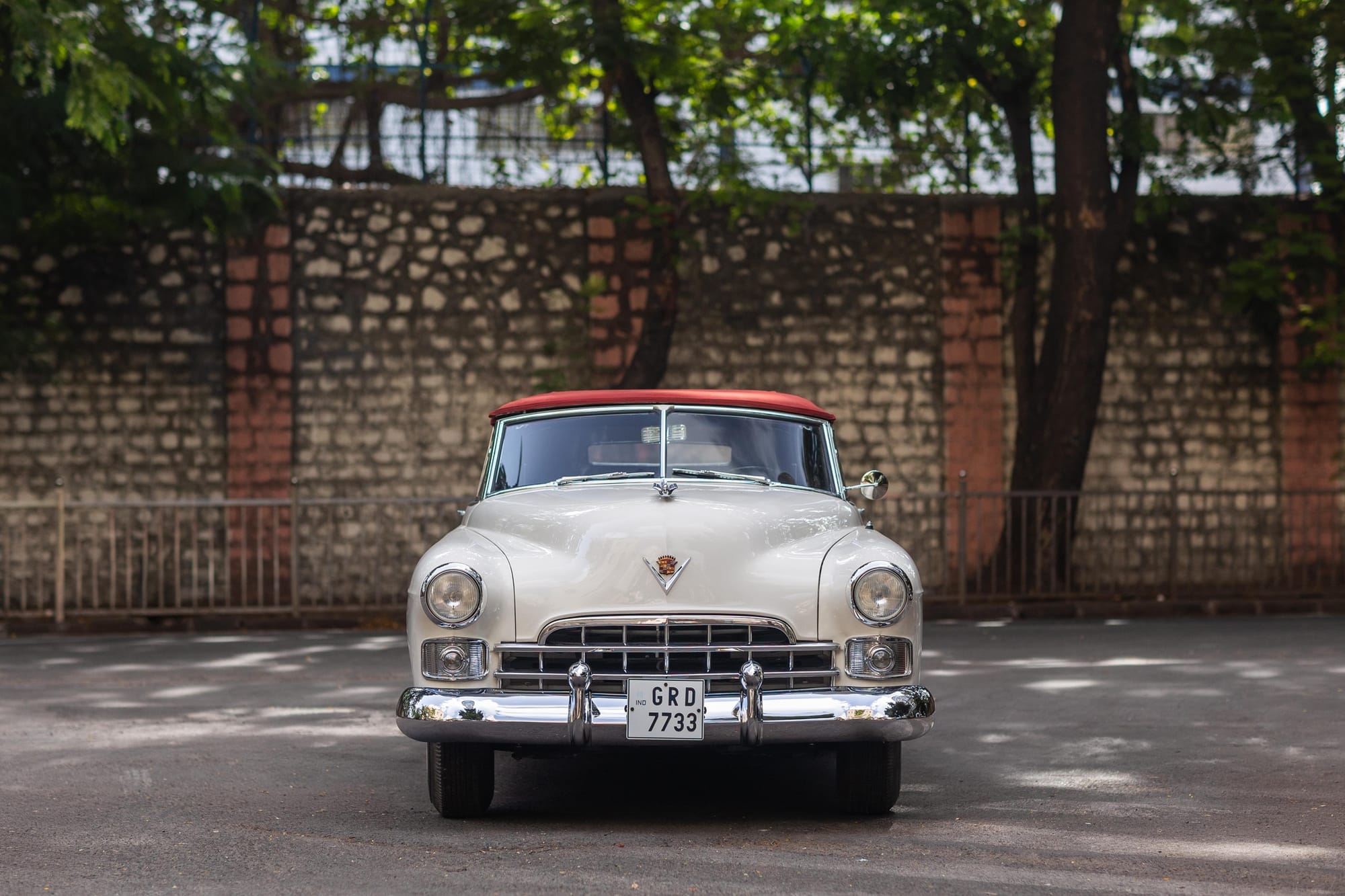
These early fins were not aerodynamic devices in the modern sense, but rather stylistic echoes of aviation influence, particularly twin-tail aircraft like the P-38 Lightning.
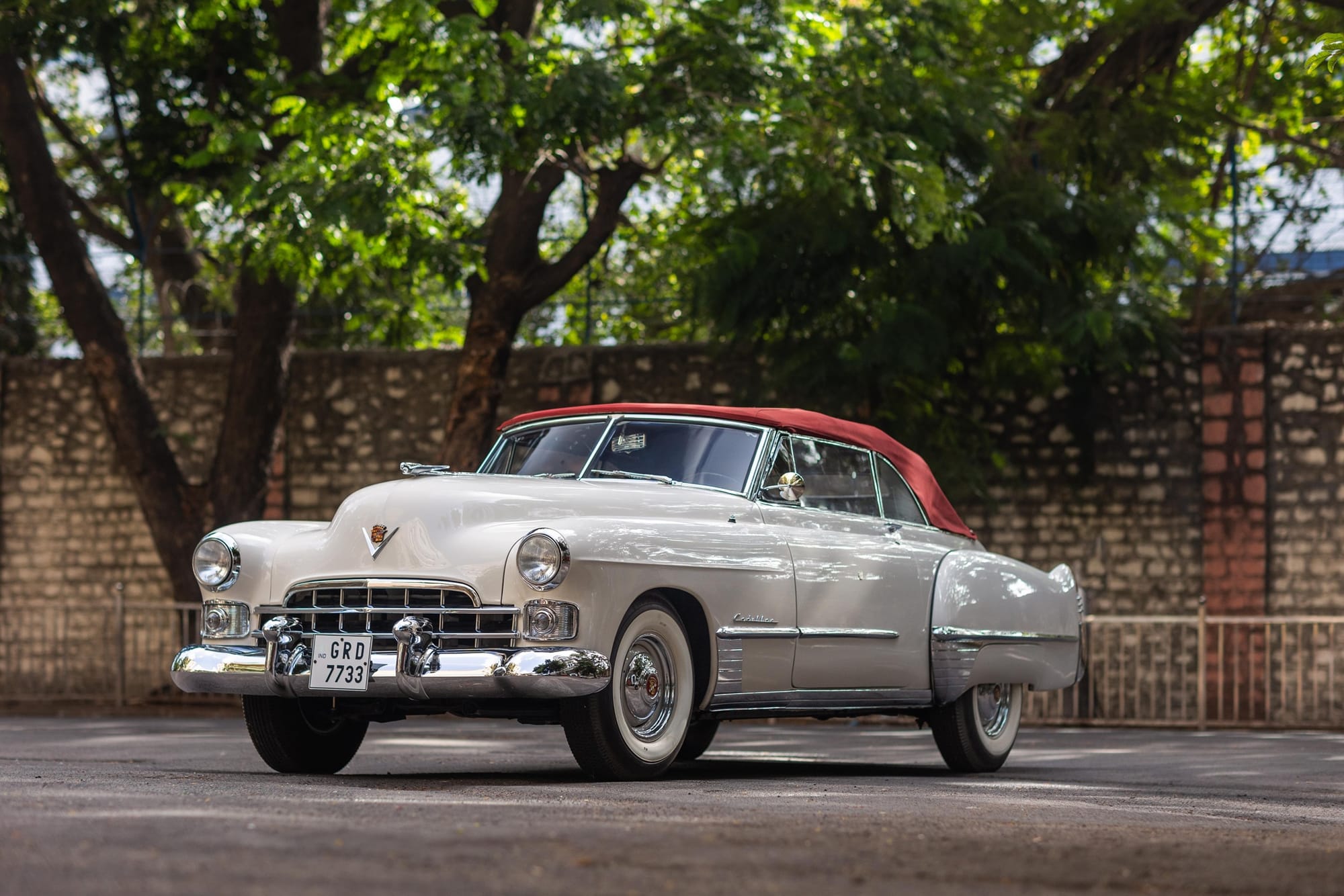
Integrated into the rear fenders and taillight housings, they introduced a sense of tension and balance, subtly reshaping how designers and the public understood the automobile’s form.
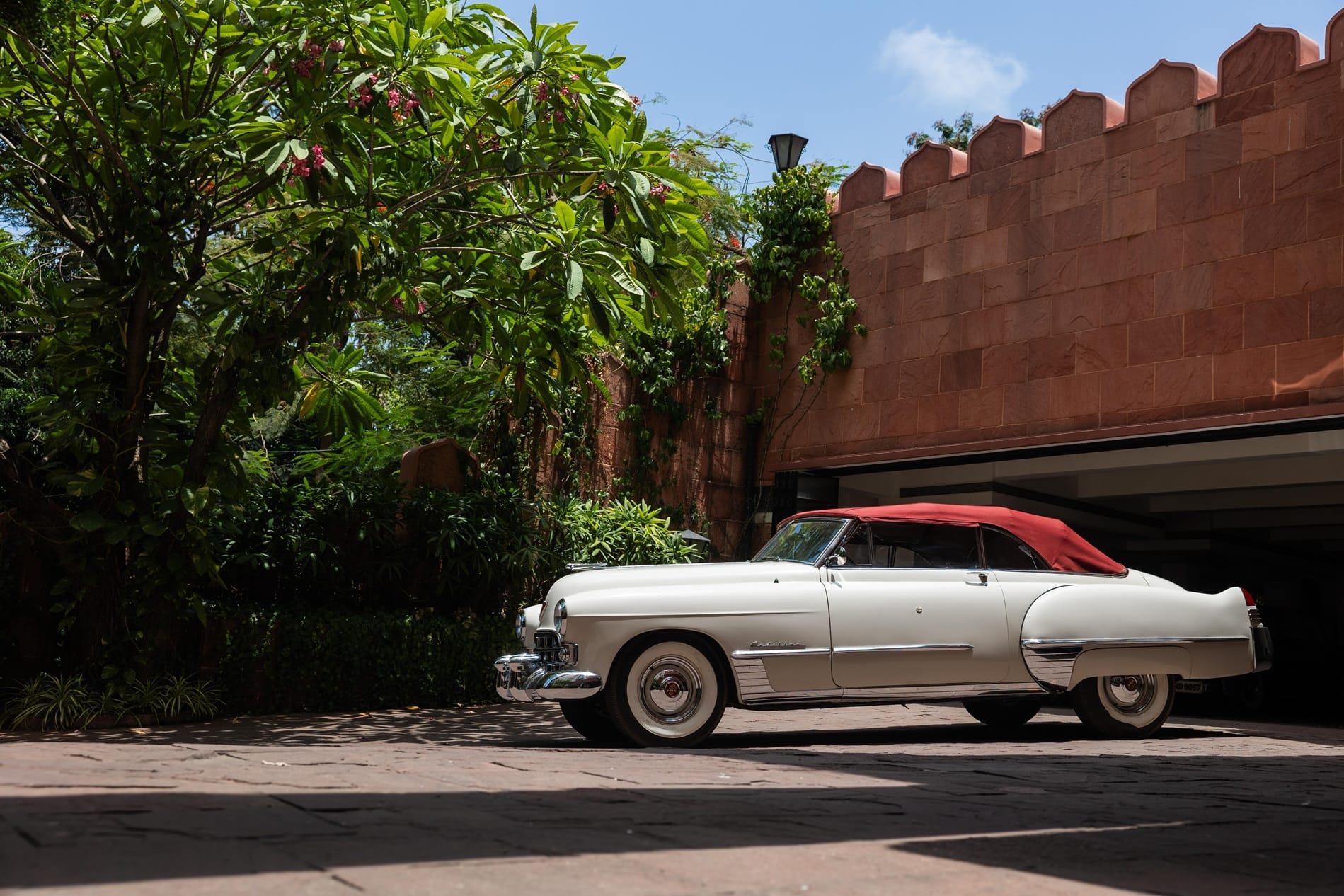
The 1948 Cadillac was far more than a single styling experiment; it was a declaration of intent. Alongside the emerging fin motif, the car featured Cadillac’s signature eggcrate grille, now more assertive in its presence, and a long, elegantly curved bonnet.
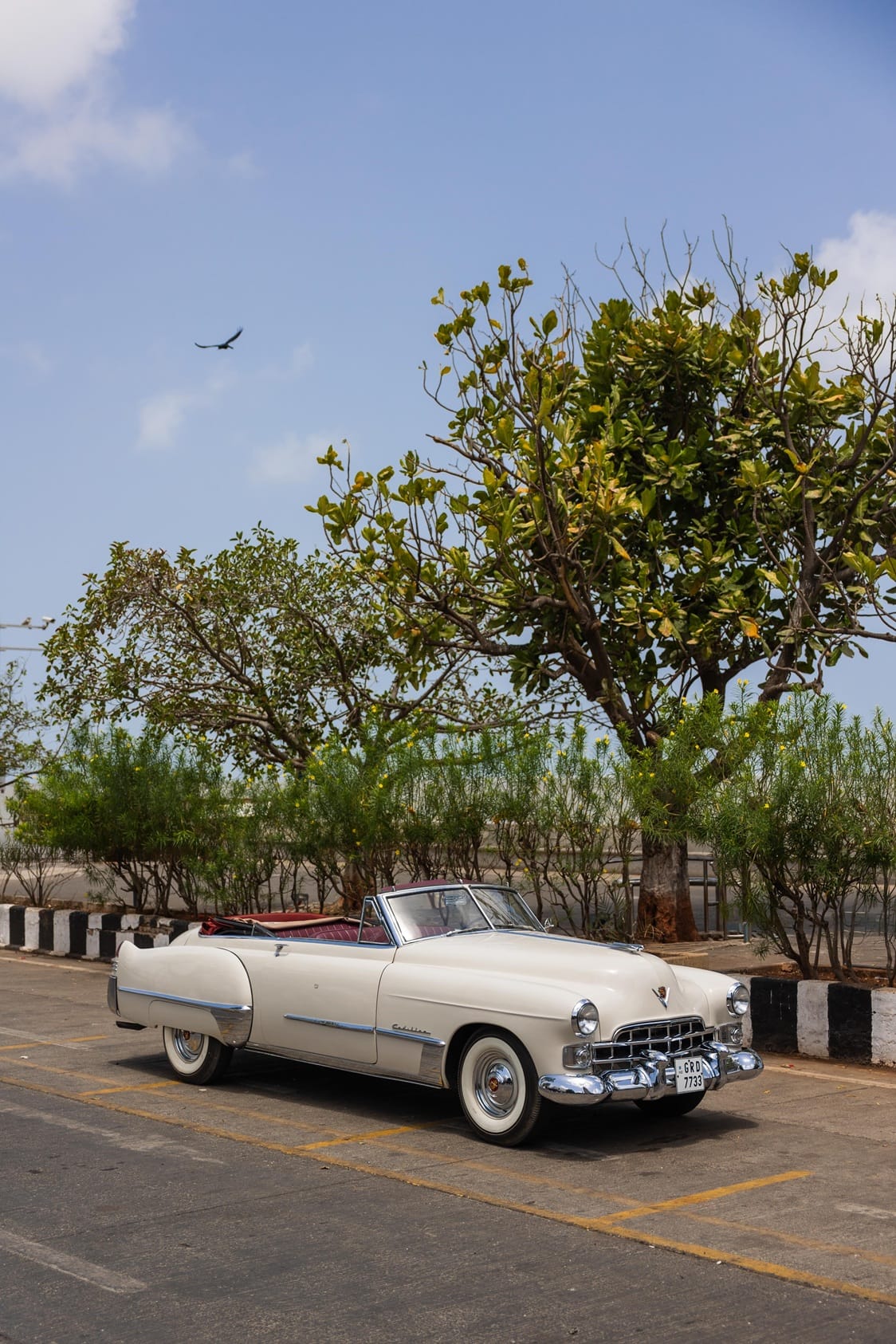
Its bodywork was carefully sculpted, with flowing fender lines and refined surfacing that balanced strength with sophistication. Even the smallest details contributed to a sense of controlled luxury and forward-looking optimism.
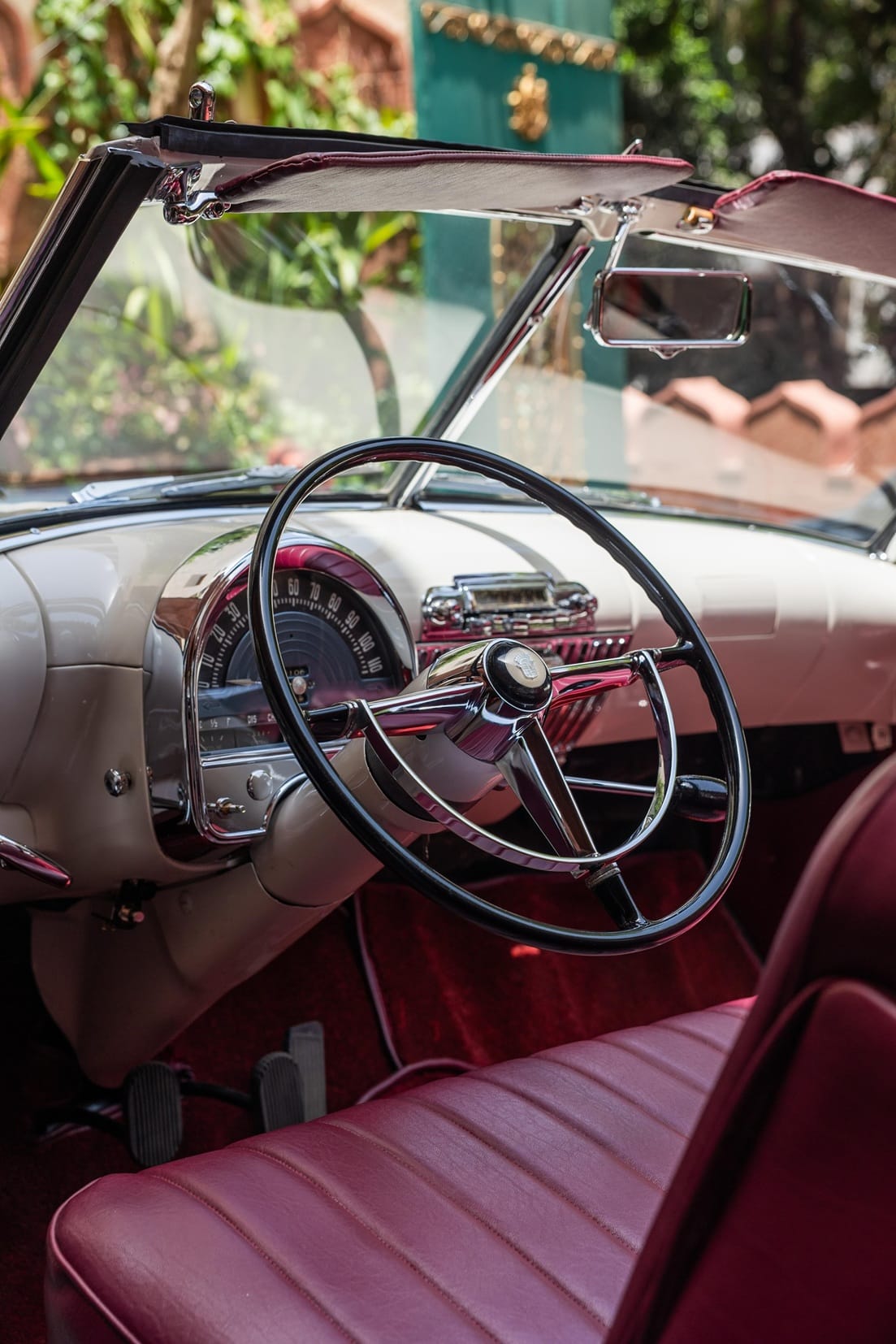
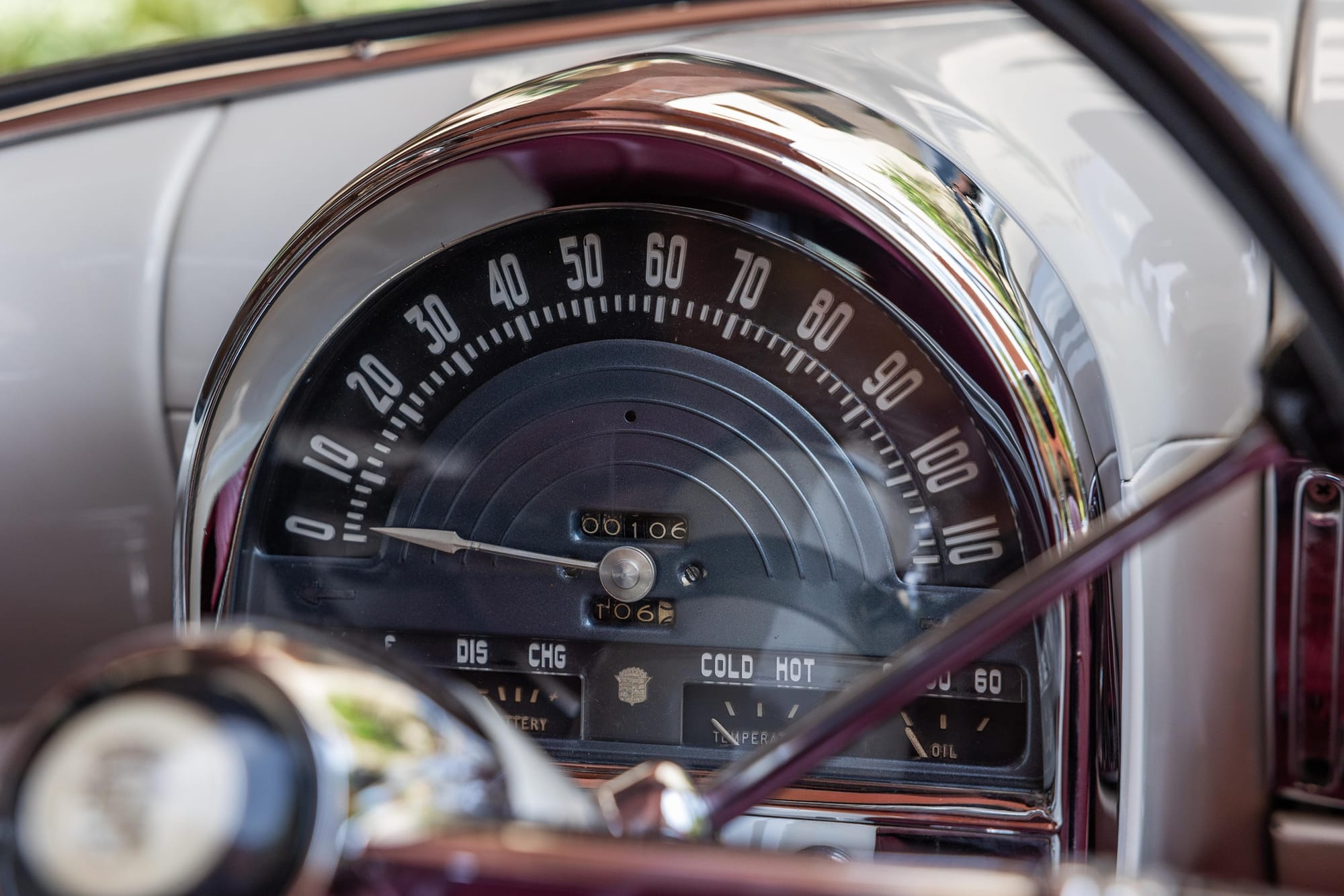
Inside, Cadillac pushed boundaries just as boldly. The dashboard was dominated by a dramatic, drum-like instrument cluster: a richly ornate centrepiece that encapsulated the optimism and ambition of the immediate postwar era.
Although it would prove too complex and expensive for long-term production, it remains one of the most distinctive interiors of its time.
The 1948 Cadillac range was broad, but it was the Series 62 that captured the imagination of the public most strongly. Offered in multiple body styles – including sedans and striking fastback coupés – it embodied the brand’s new design philosophy in its most accessible form.
At the top of the range, the convertible coupé stood apart. With just 5,450 examples produced from a total output exceeding 52,000 Cadillacs that year (1948), it remains one of the most desirable American luxury cars of its era.
More broadly, Cadillac’s success during this period placed it among the world’s leading luxury manufacturers, second only to Packard in global sales. Yet beyond numbers and competition, the true legacy of the 1948 model year lies in its design language. It was a moment when form began to speak as powerfully as engineering.
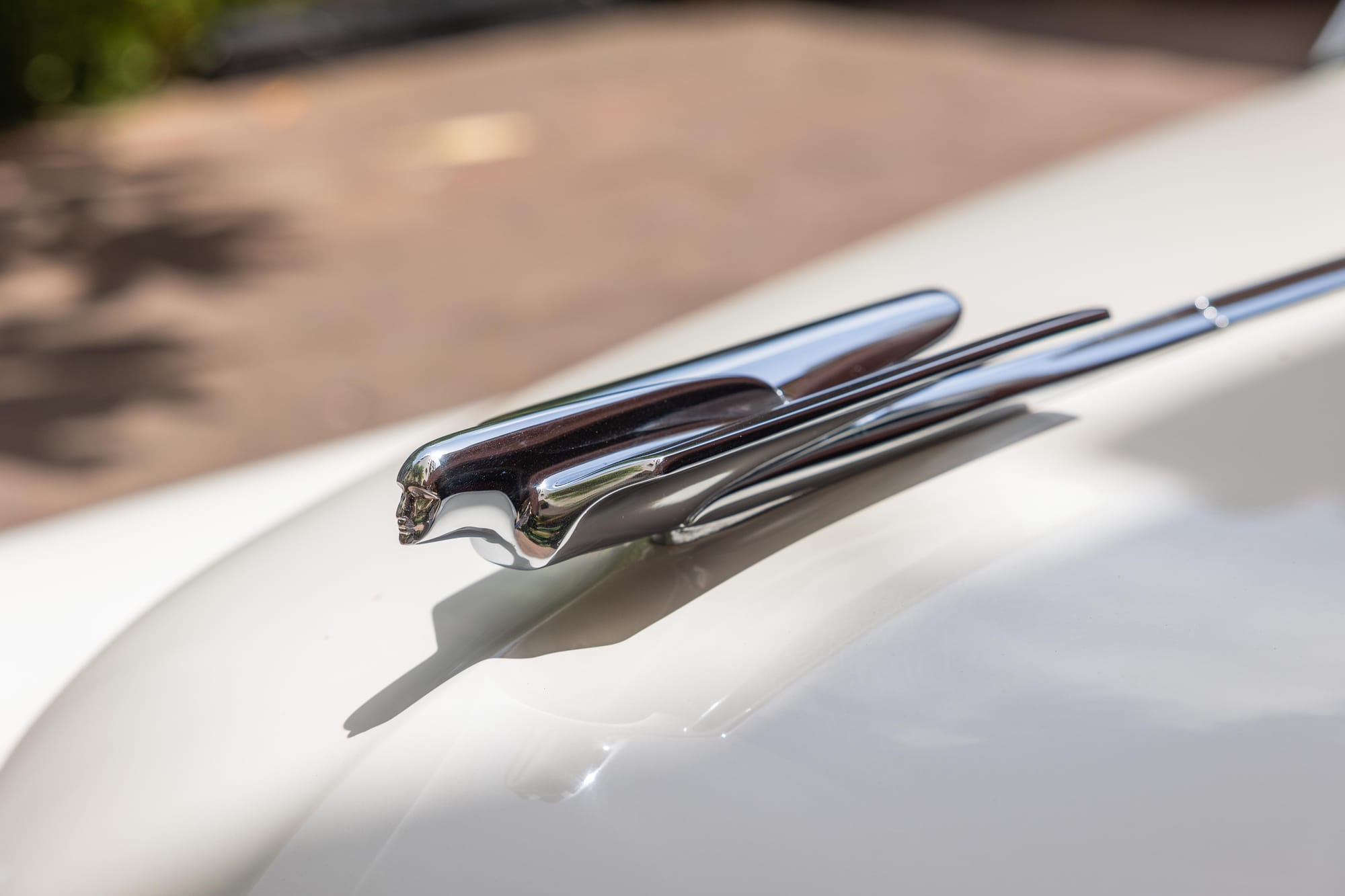
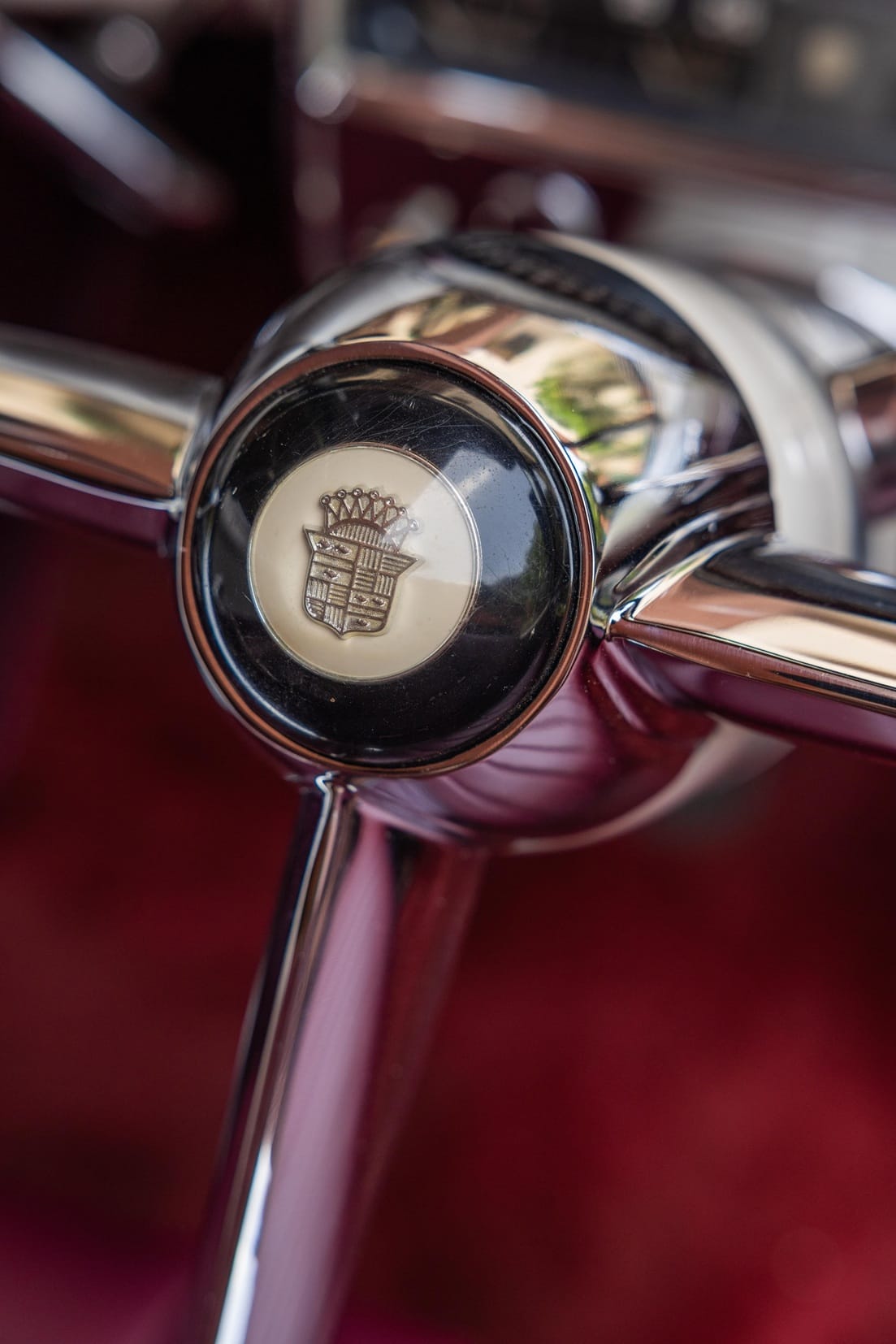
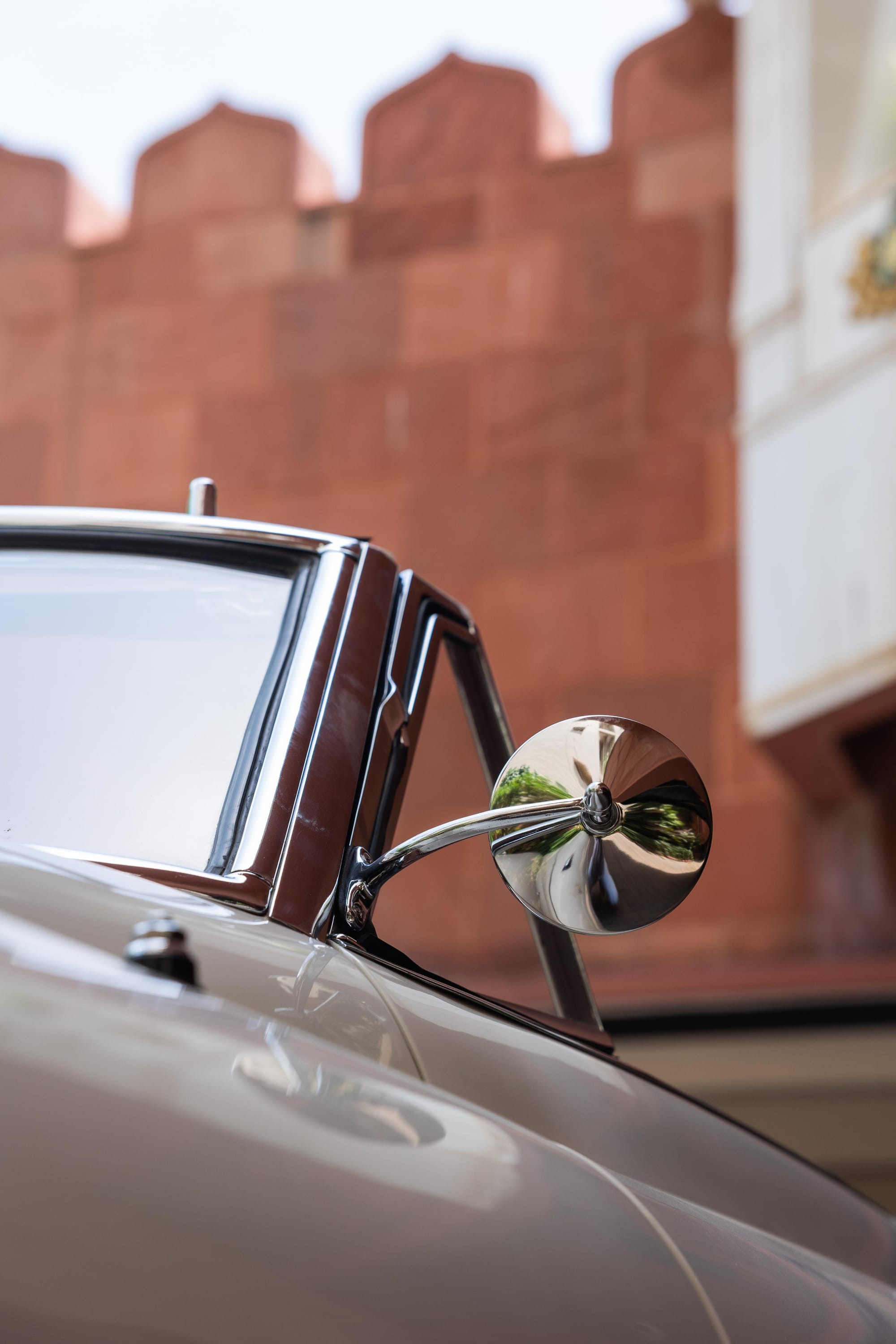
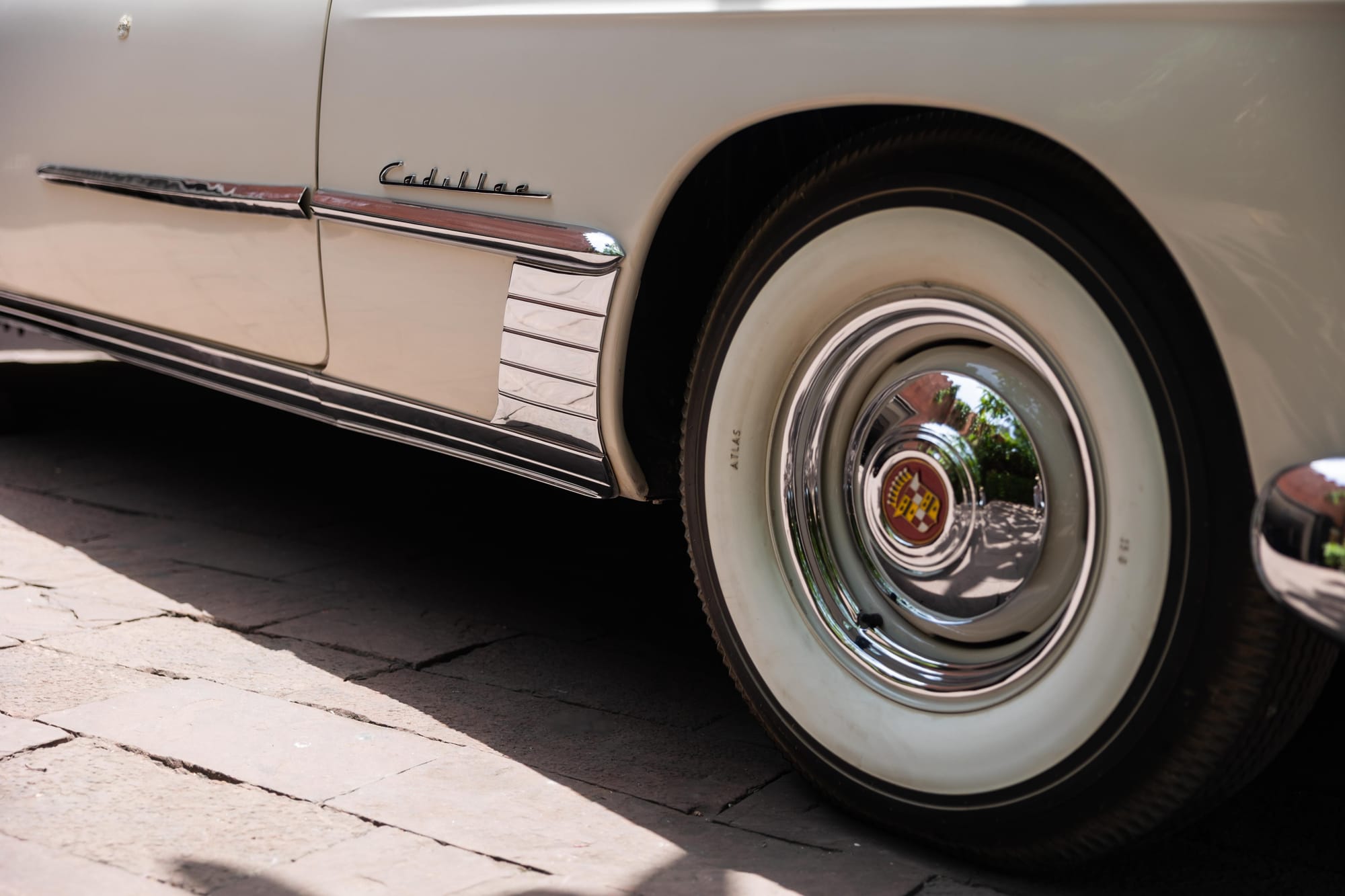
Wonderful details and ornamentation abound
The tailfins, still modest and exploratory, would soon grow into the extravagant architectural gestures of the 1950s, shaping not only Cadillacs but the entire visual identity of American automobiles. What began as a subtle aviation-inspired detail evolved into a cultural symbol of speed, optimism, and technological confidence.
Even today, the most coveted examples remain the elegant convertible coupés, admired not just as luxury cars but as rolling sculptures from a moment when design was discovering its future.
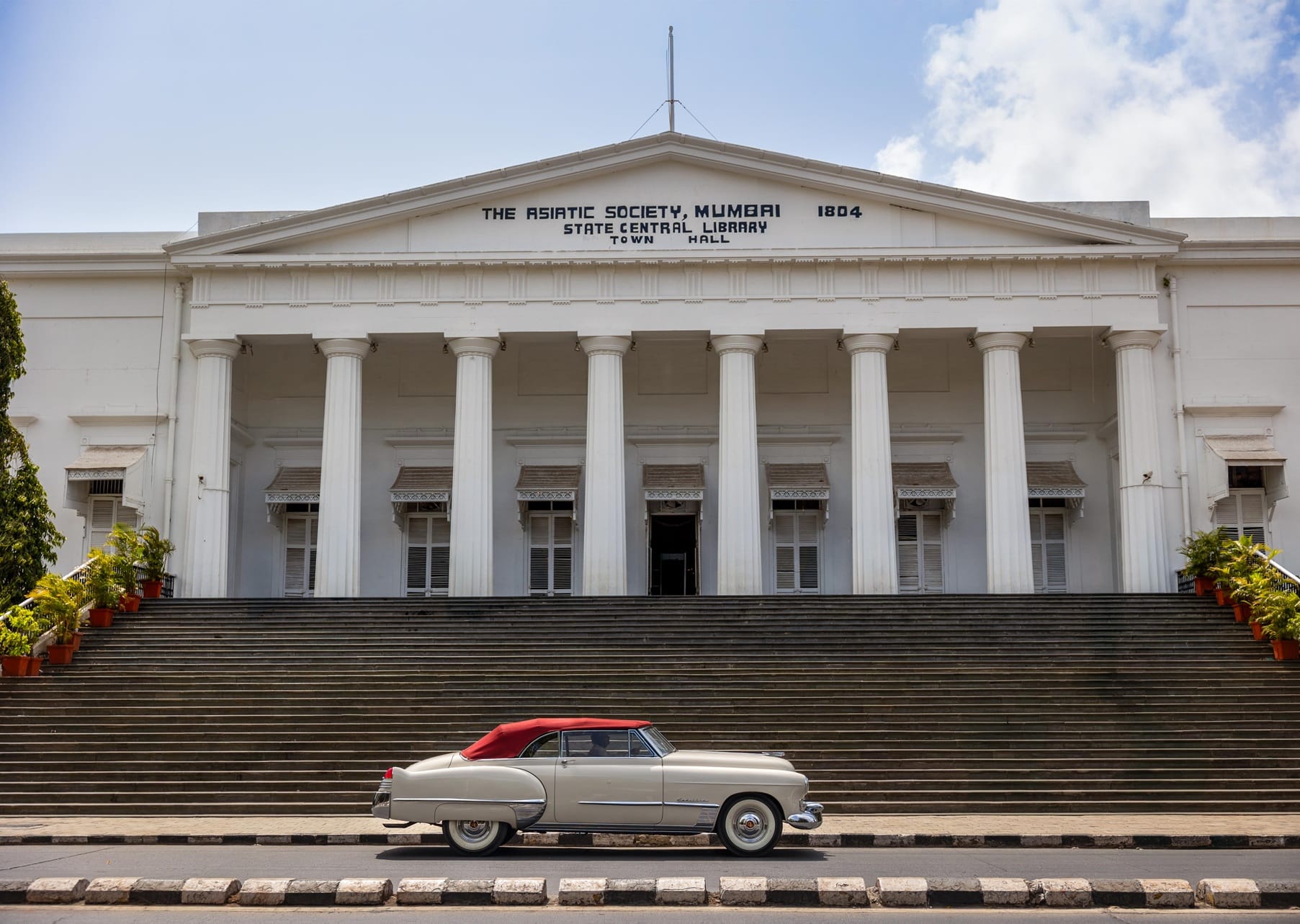
One particularly notable example, perhaps the only one in India, was imported to Bombay in 1948, remained in the city for decades and eventually became part of the collection of Pranlal Bhogilal around 1980. The car was kept at Pranlal Bhogilal’s city palace in Ahmedabad and was extensively used by him whenever he was in the city.
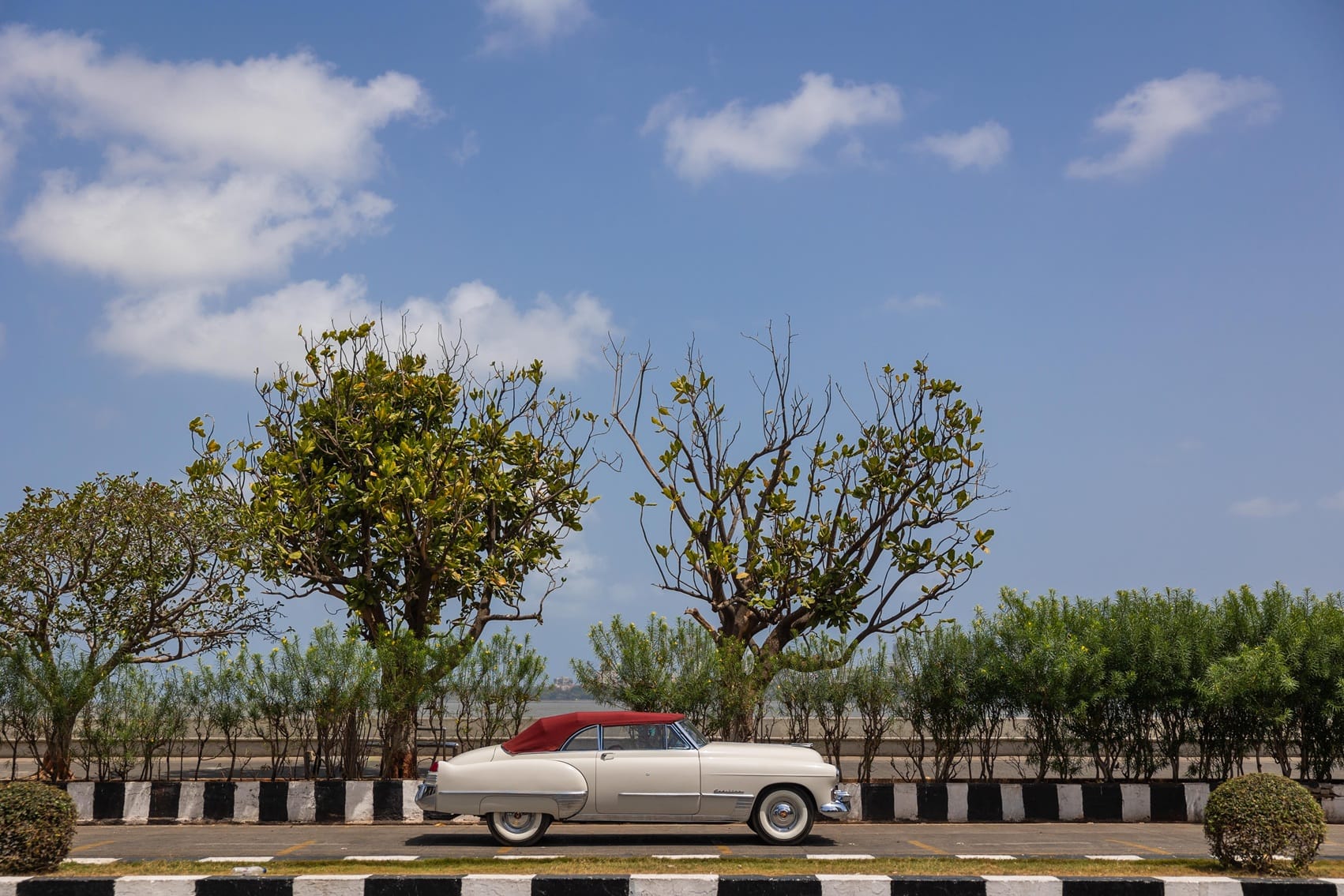
A favourite of Pranlal Bhogilal, the Cadillac was later preserved and displayed at the Dastan Autoworld Museum. It has recently undergone a comprehensive restoration, ensuring that its legacy continues to be experienced firsthand rather than only remembered in history books.
In this way, the 1948 Cadillac Series 62 Convertible Coupé endures not merely as a milestone automobile, but as a bridge between worlds: aviation and automotive, pre-war elegance and post-war modernity, engineering and art.
Comments ()