1959 Mercedes-Benz 300d – Understated Elegance & Opulence
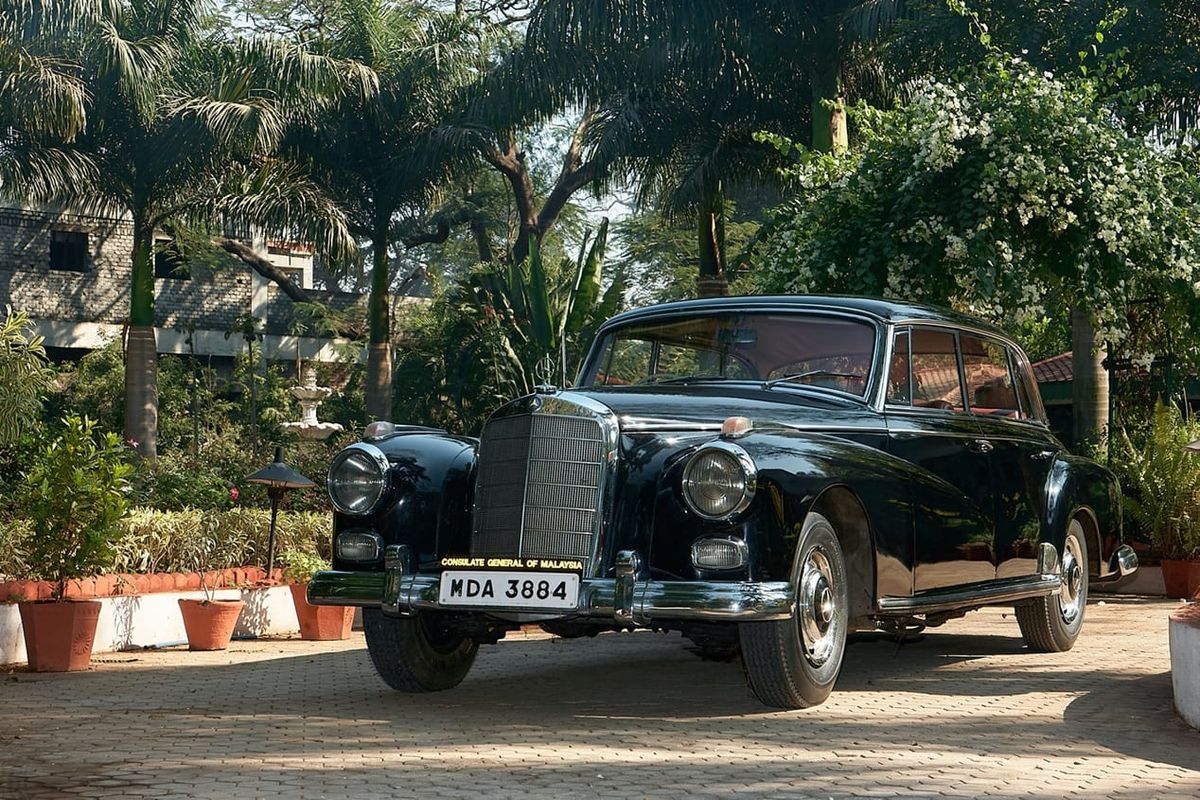
The stately and opulent Mercedes-Benz 300, better known as the “Adenauer”, formed the backbone of the brand’s prestige lineup
Text: Gautam Sen
Images: Makarand Baokar
While models such as the Mercedes-Benz 300Sc and the iconic Mercedes-Benz 300 SL often capture the spotlight when discussing Daimler-Benz in the 1950s, it was in fact the stately and opulent Mercedes-Benz 300, better known as the “Adenauer”, that formed the backbone of the brand’s prestige lineup.
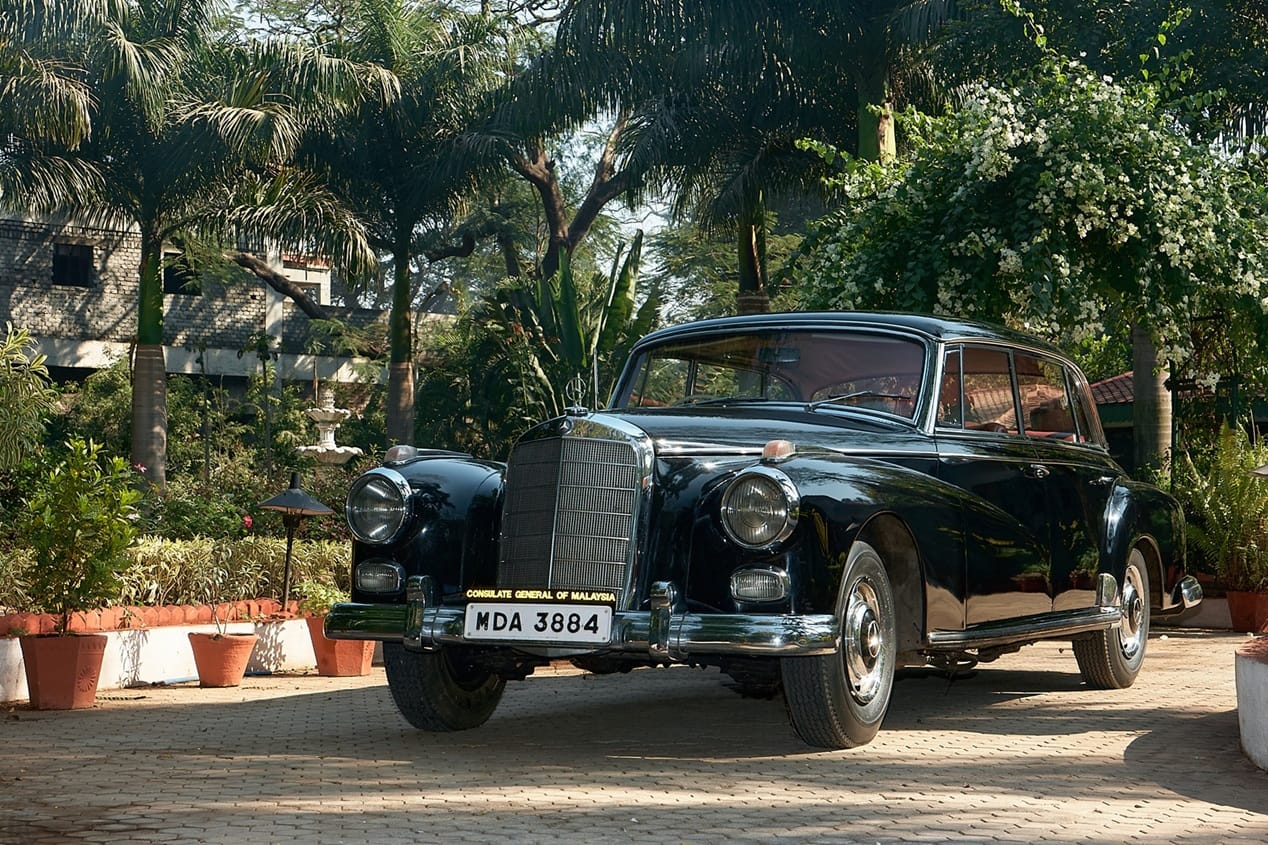
Nicknamed after Konrad Adenauer, the first Chancellor of West Germany, this flagship model became inseparable from his public image. During his 14-year tenure, Adenauer is said to have used no fewer than six examples in various configurations, including cabriolet, saloon, and landaulet forms, cementing the car’s association with statesmanship and authority.
Beneath its dignified exterior, the 300 shared much of its engineering DNA with its sportier siblings. It was powered by a refined 3.0-litre inline six-cylinder engine, closely related to those found in the 300Sc and 300 SL, ensuring smooth and capable performance.
Yet, unlike those niche performance cars, the Adenauer was conceived as a luxurious and practical flagship, which contributed to its broader appeal. Over an 11-year production span from 1951 to 1962, more than 15,000 units were built, an impressive figure for such an exclusive automobile.
The first generation (W186), introduced in late 1951, quickly gained popularity among political leaders, diplomats, and industrialists.
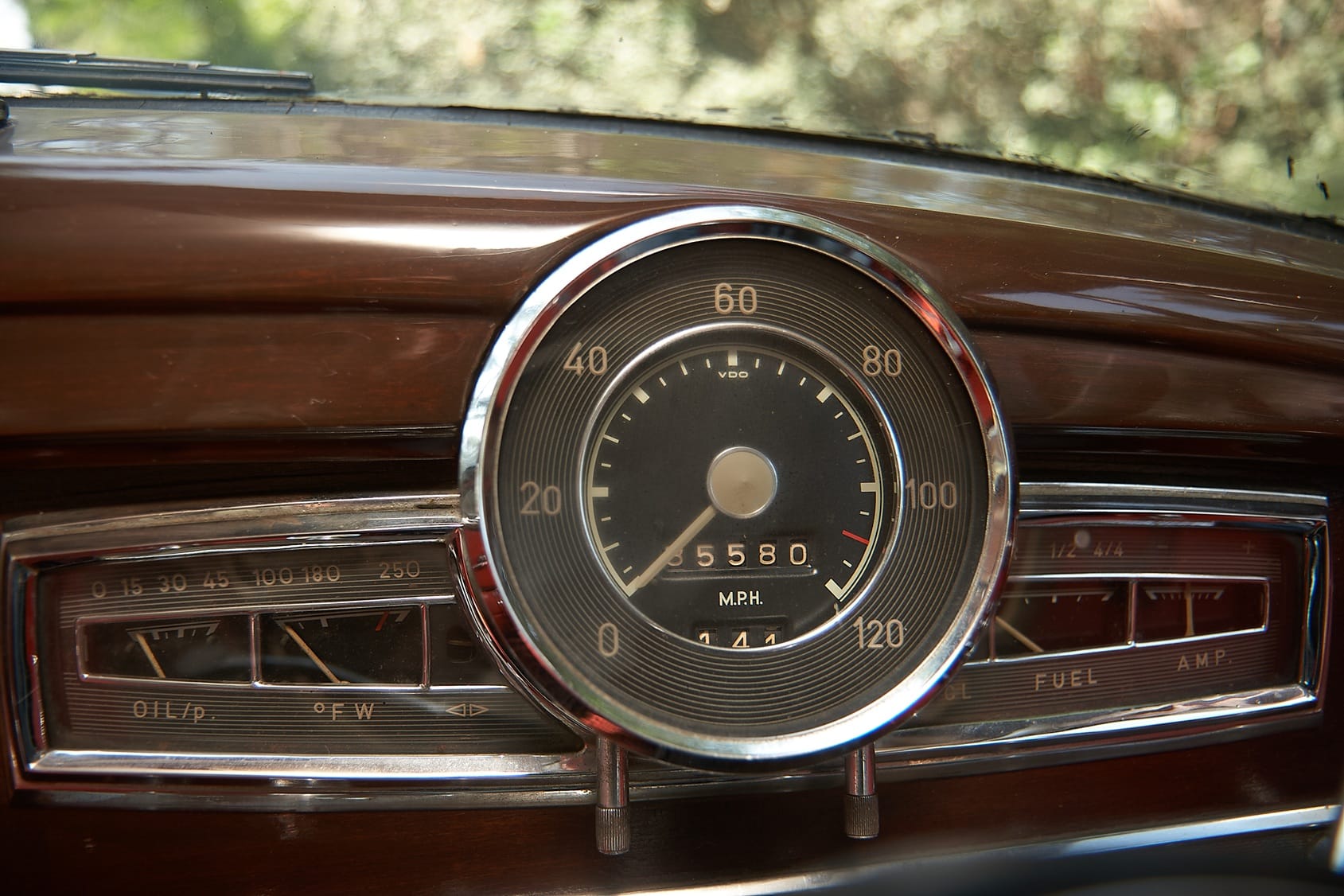
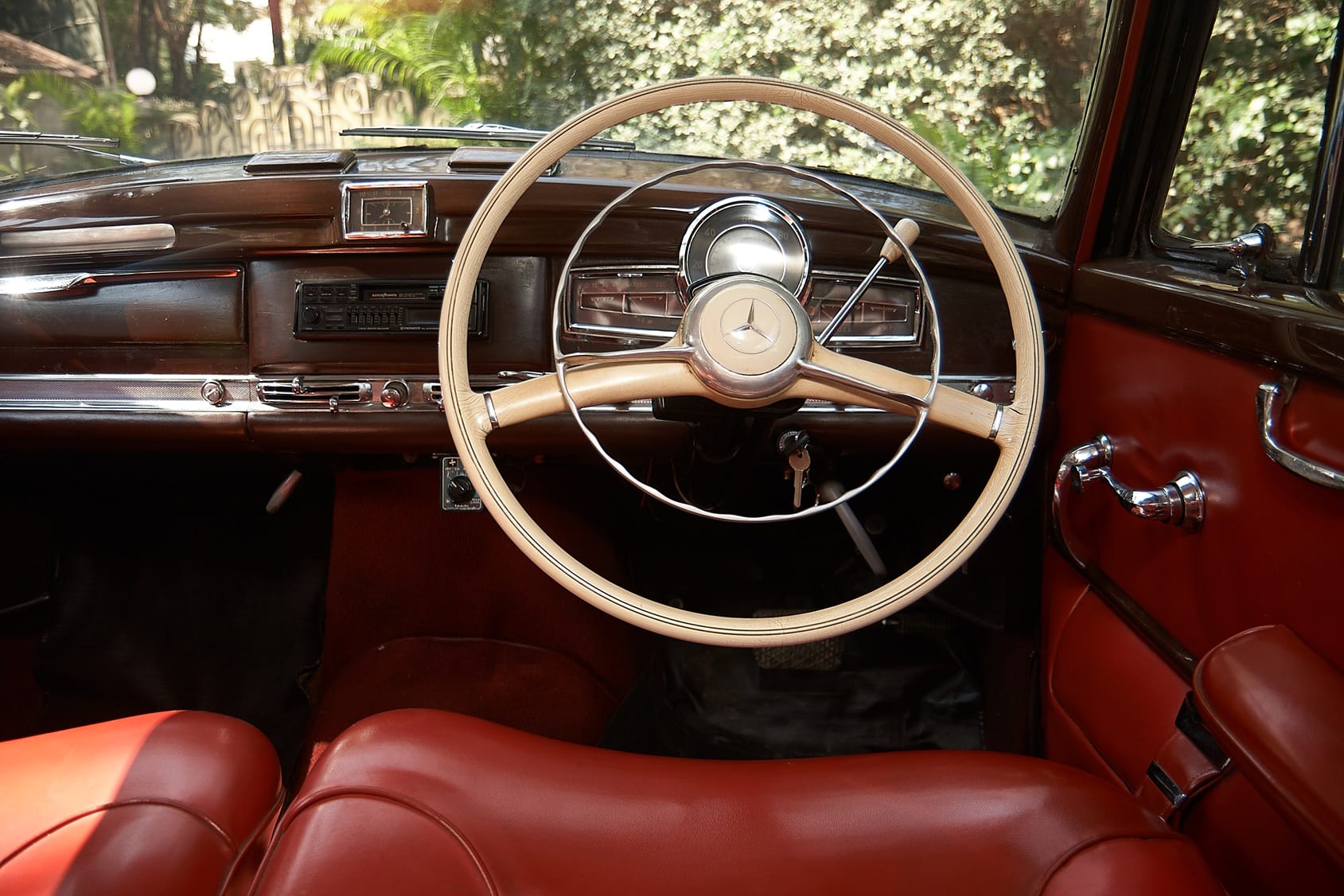
Mercedes-Benz offered an array of advanced features for the time, including a glass partition, integrated VHF telephone, and even a dictation system, transforming the car into a mobile office. Buyers could choose from several body styles, ranging from formal limousines to elegant cabriolets and phaetons.
In 1957, the model evolved significantly, with the introduction of the Mercedes-Benz 300d. This updated version featured a new mechanically fuel-injected engine and standard automatic transmission, enhancing both performance and drivability.
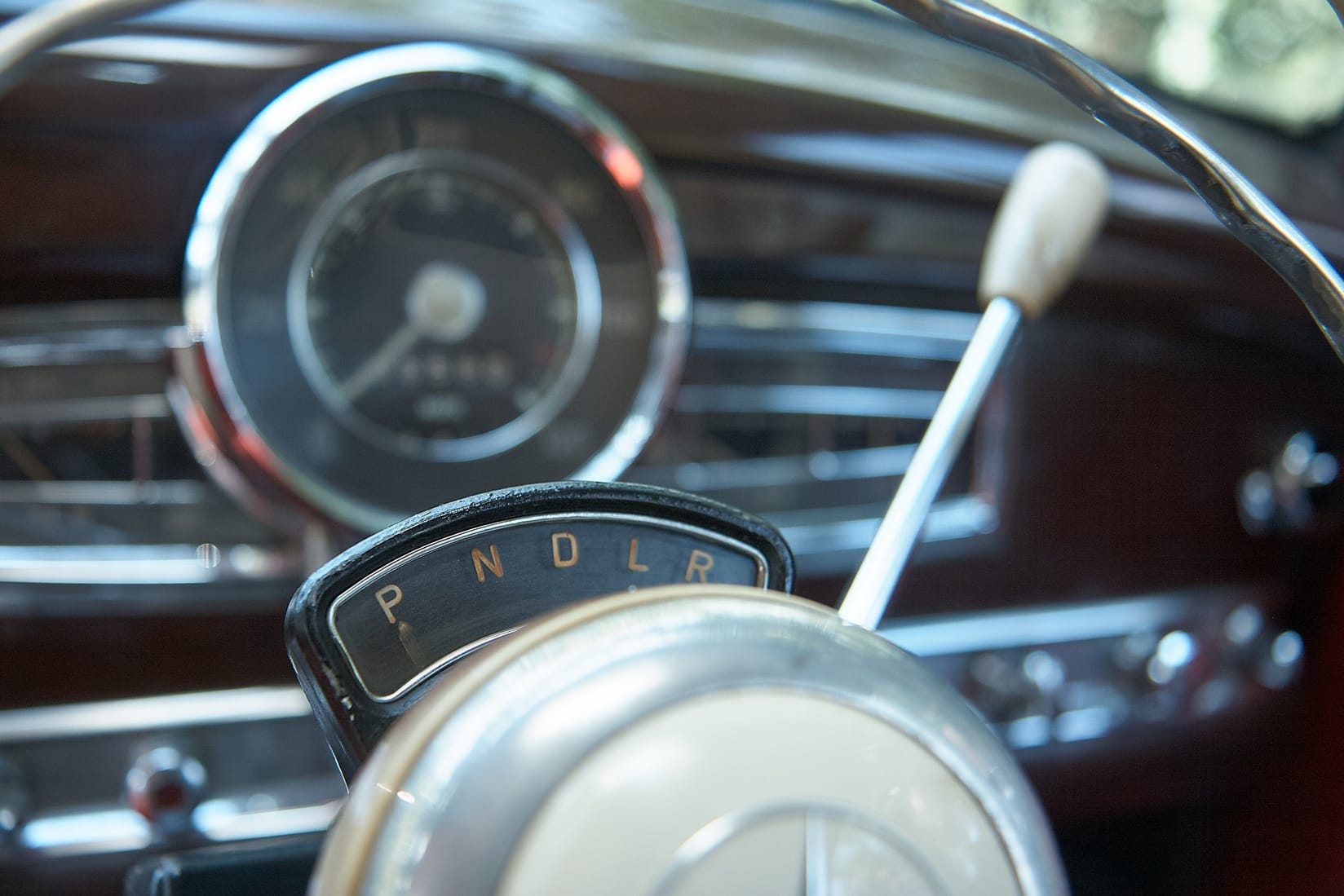
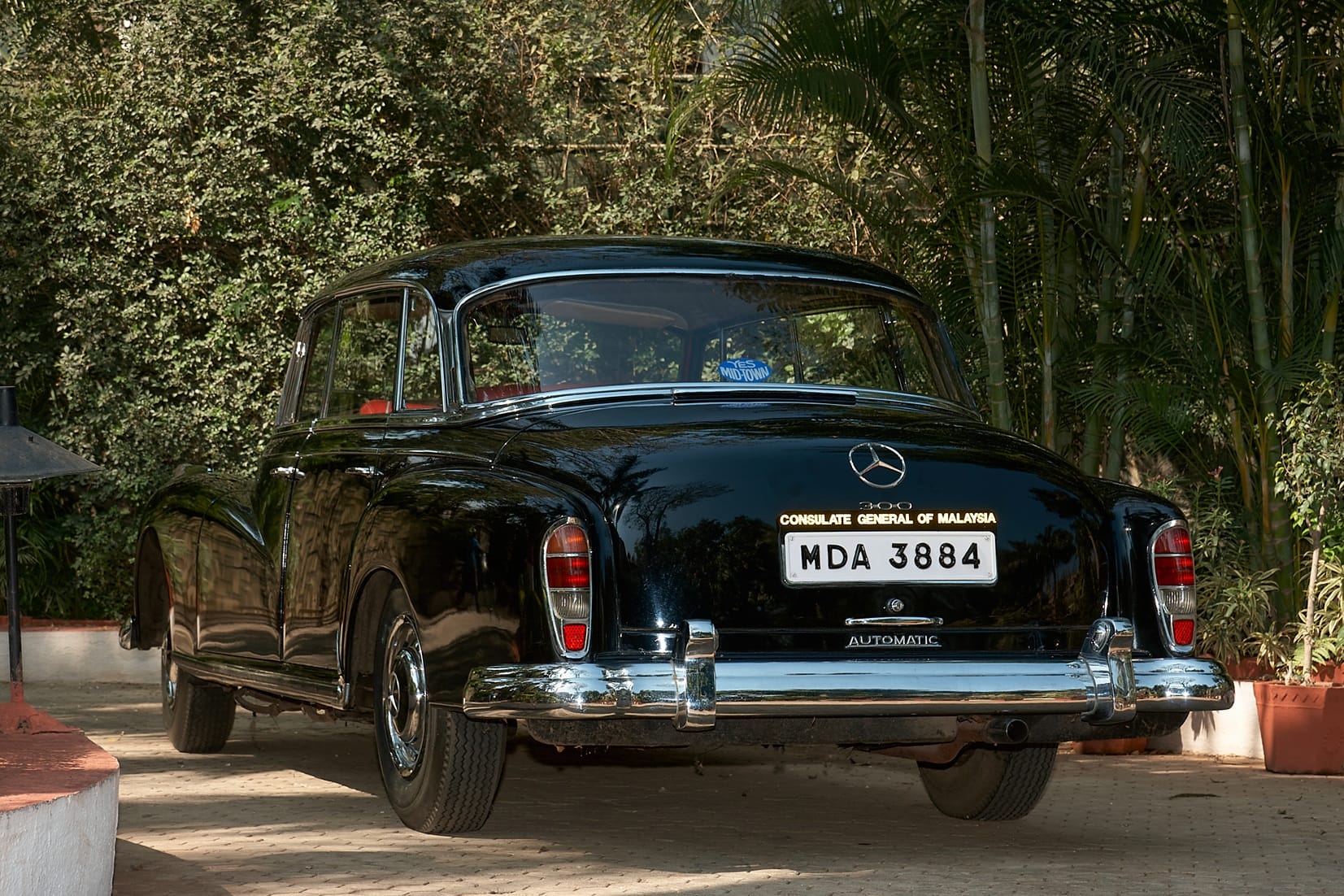
Visually, it adopted a more modern look, with a larger trunk and sleek, pillarless side windows. Despite these improvements, production of the 300d remained limited, with just over 3,100 units built before the model was discontinued in 1962.
Although many Adenauers made their way to India, the later W189 models are particularly rare. One such example, registered in 1959 in Coimbatore, has a well-documented history. Initially owned by Saroja Mills Ltd, it remained in the region for nearly two decades before passing through a subsequent owner in 1978.
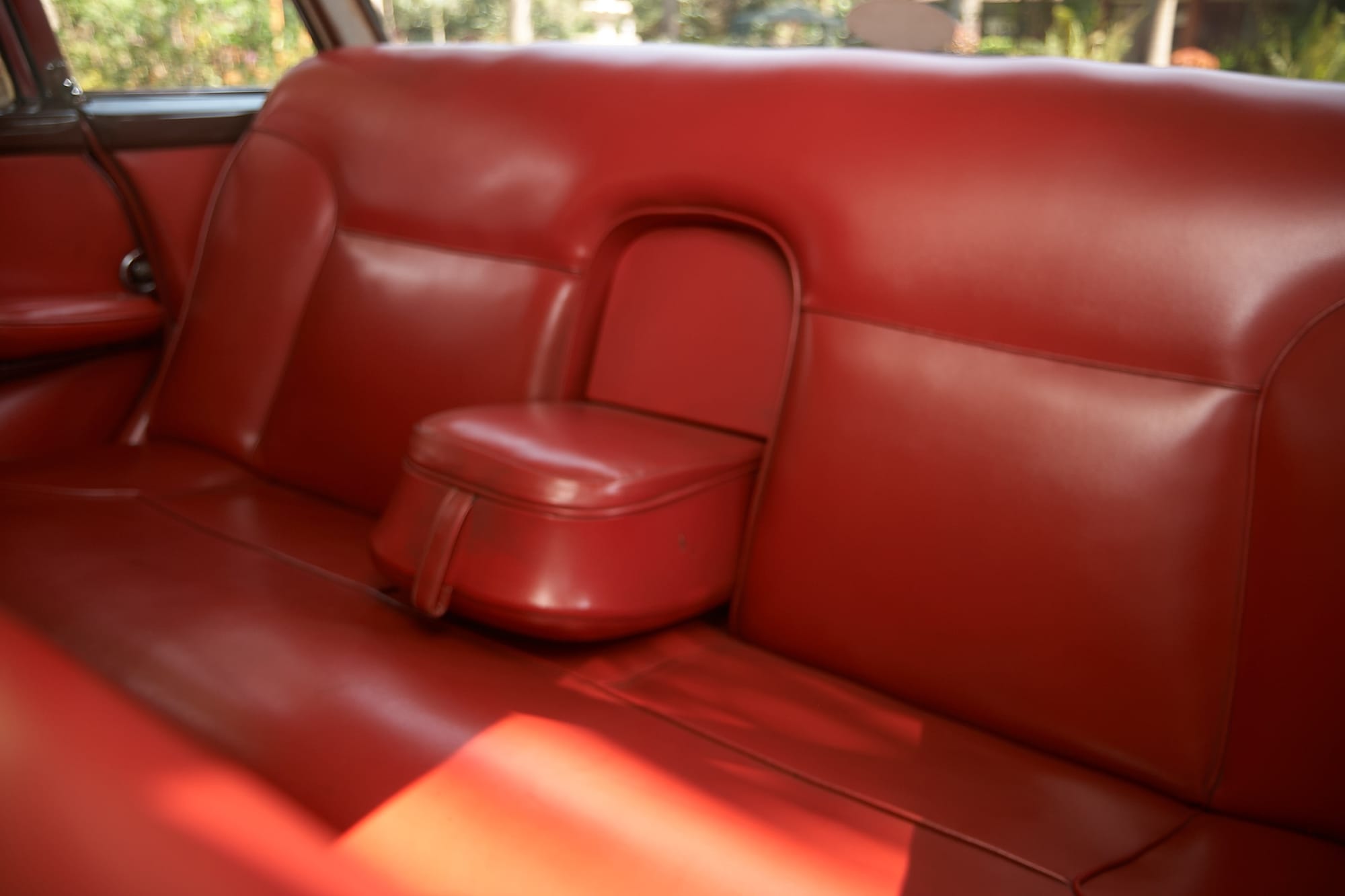
It was then acquired in 1980 by noted collector Abbas Jasdanwalla, in whose Pune-based collection it remains today, having undergone restoration work, including a repaint, in the 1990s.
Comments ()