1962 Michelotti-Boudot-Conrero: A Mid-Engine Experiment You Probably Haven’t Heard Of
The Michelotti-Boudot-Conrero Coupé is a rare machine: an early-1960s Franco-Italian one-off
Text: Gautam Sen
Images: Mariami Khubulava
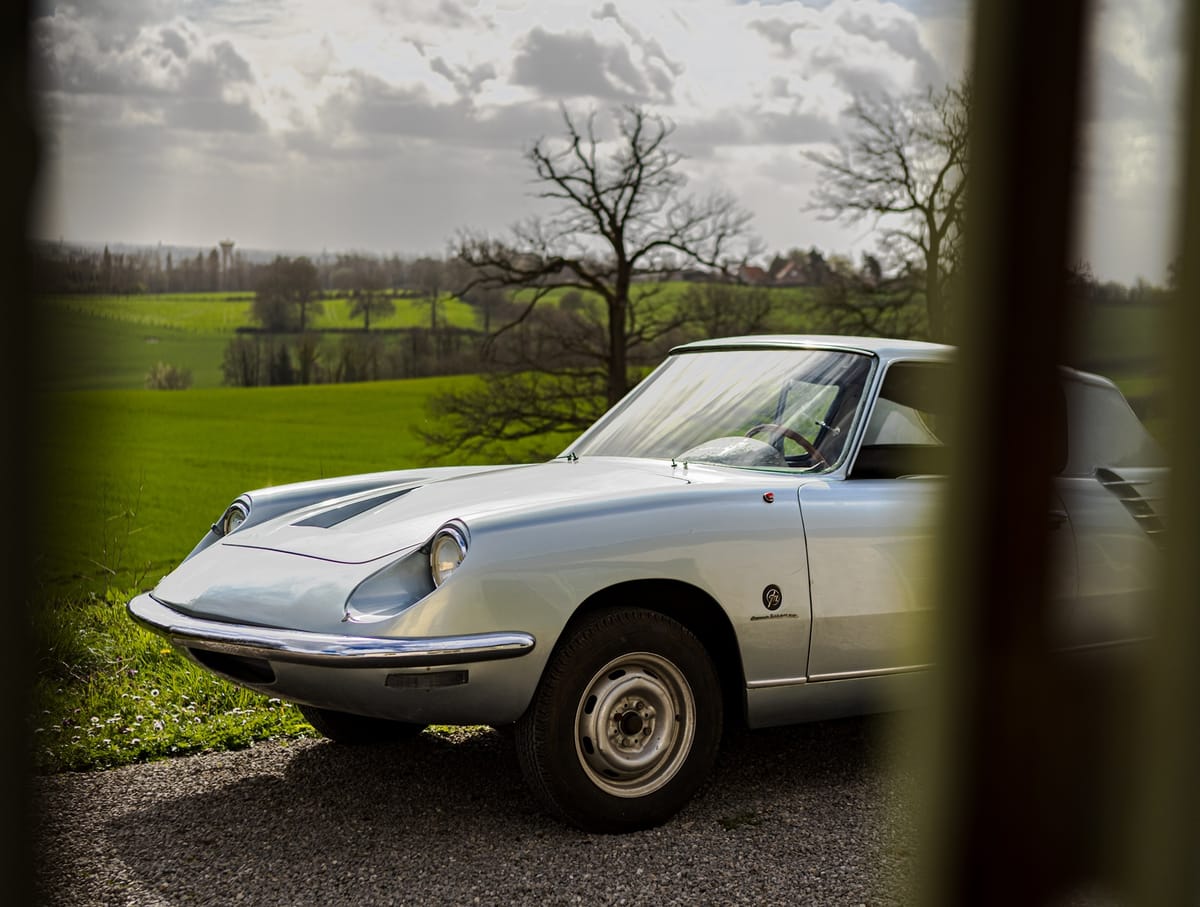
Every so often, a prototype surfaces that feels less like a car and more like a question posed in aluminium. The Michelotti-Boudot-Conrero Coupé is one of those rare machines: an early-1960s Franco-Italian one-off that, even today, looks like it escaped from an alternate engineering timeline that never quite made it into the history books.
The story begins with French racing driver Roger Boudot and Lyon-based enthusiast Jacques Meyerie, who envisioned something far more ambitious than a simple coachbuilt special. Boudot himself conceived and constructed a tubular chassis, before commissioning Giovanni Michelotti to clothe it. What followed was not a rebody, but a complete rethinking of what a compact sports car could be.
Beneath the aluminium skin sat a heavily reworked Renault Dauphine-based engine, enlarged to 998cc and transformed by Virgilio Conrero. With twin overhead camshafts and extensive modifications, output climbed to an estimated 95bhp at 7400 rpm – remarkable for a car weighing barely 600 kg. In period terms, this was serious performance from modest origins (the Dauphine’s 845cc and 27bhp).
More radical still was the layout. The engine was mounted midship, ahead of the rear axle, driving the rear wheels, years before the configuration would become widely accepted in road-going sports cars, though the René Bonnet Djet and the De Tomaso Vallelunga followed later the same year. In concept, it was ahead of its time.
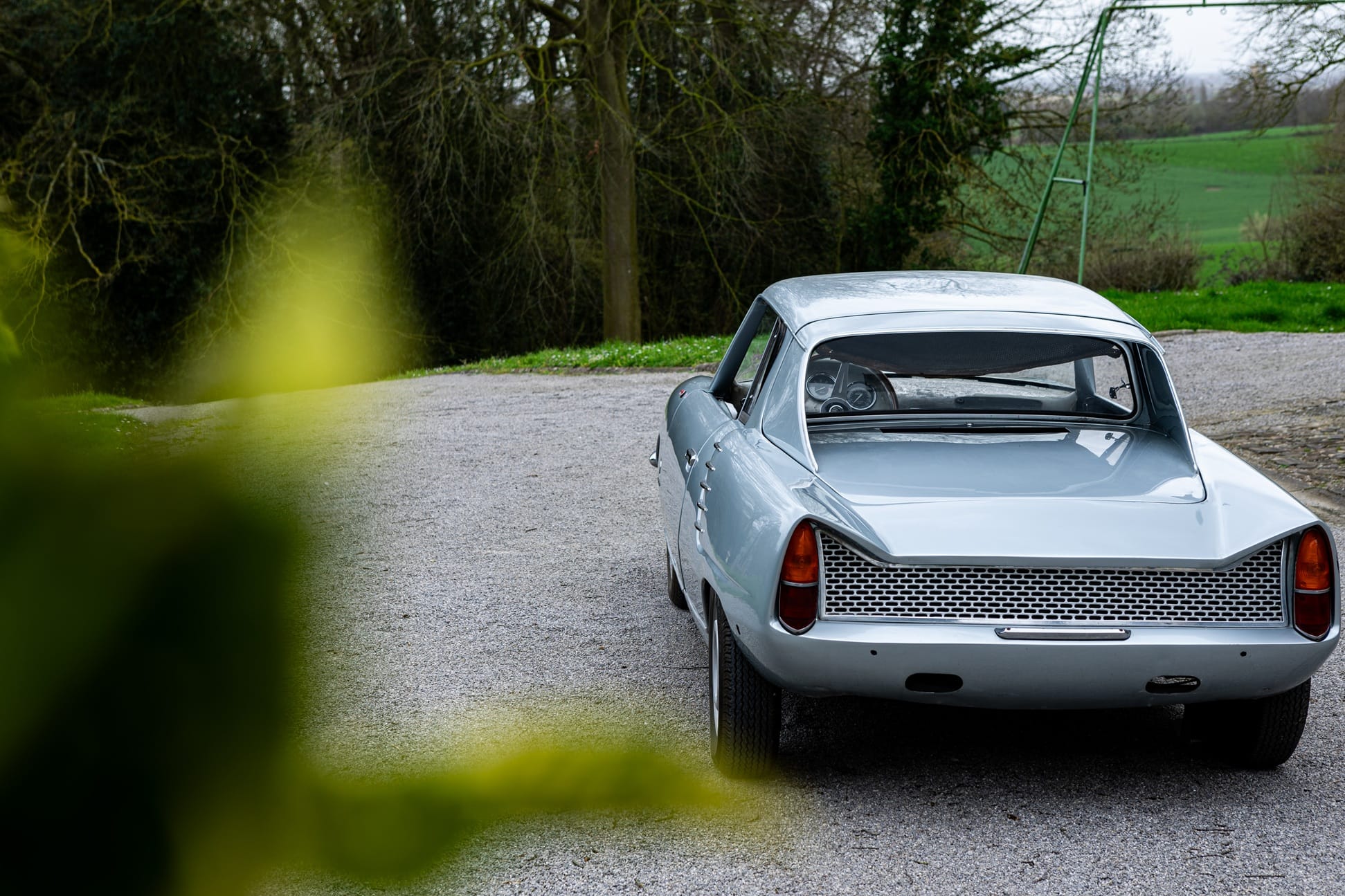
But innovation came at a cost. The initial cooling solution – placing the radiator at the rear – proved inadequate, and the highly strung engine suffered an early demise. It was a reminder that experimentation often walks hand in hand with compromise.
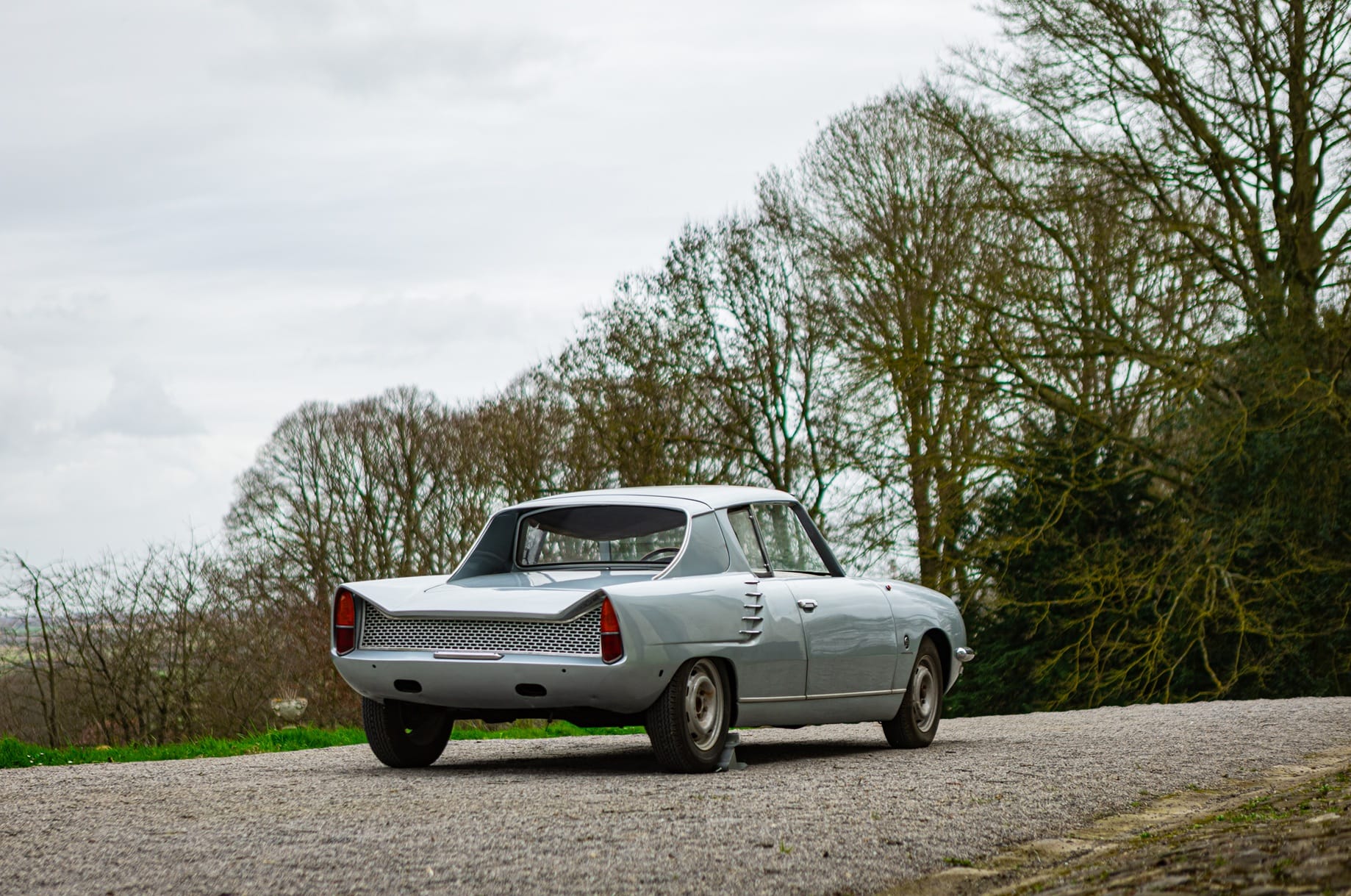
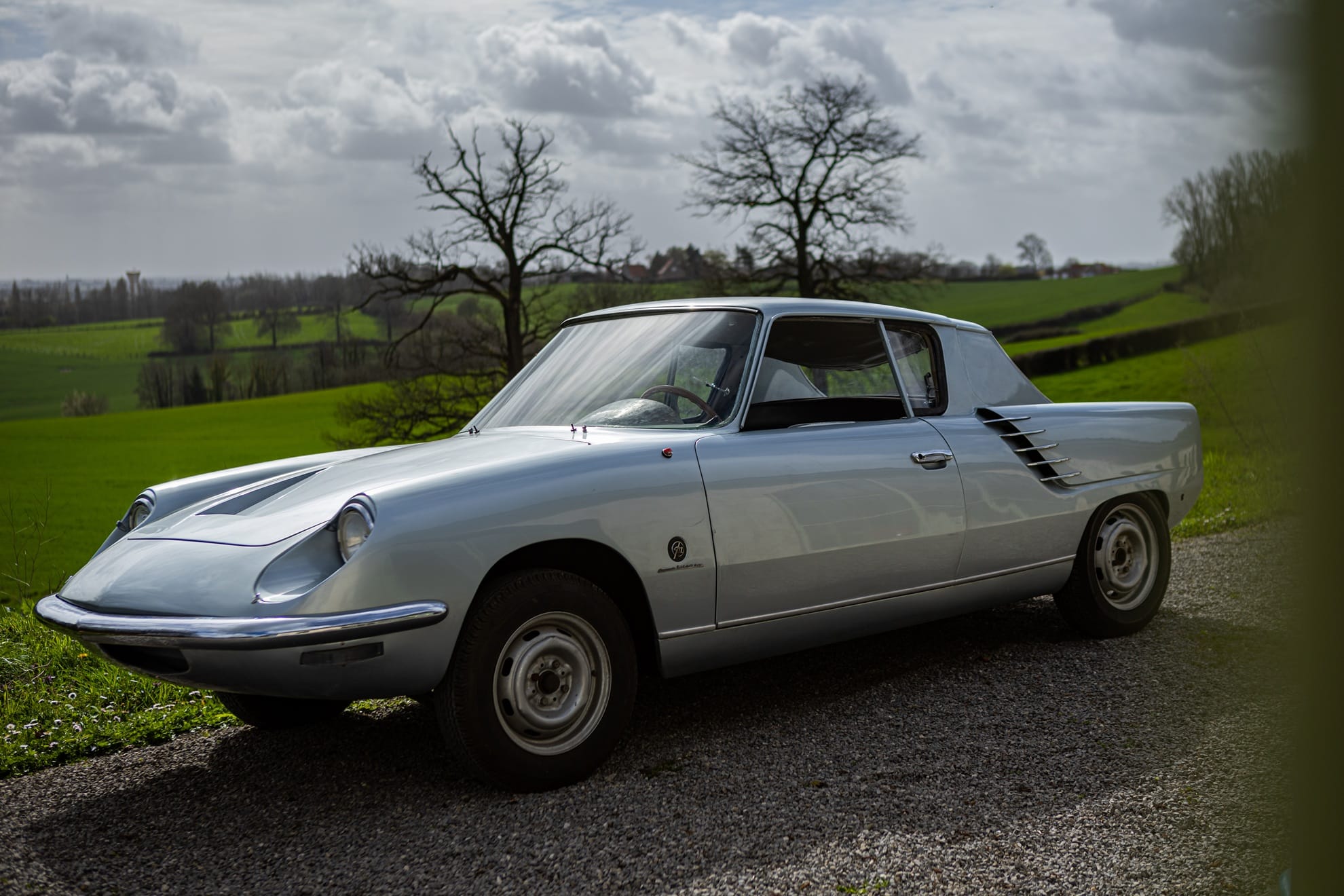
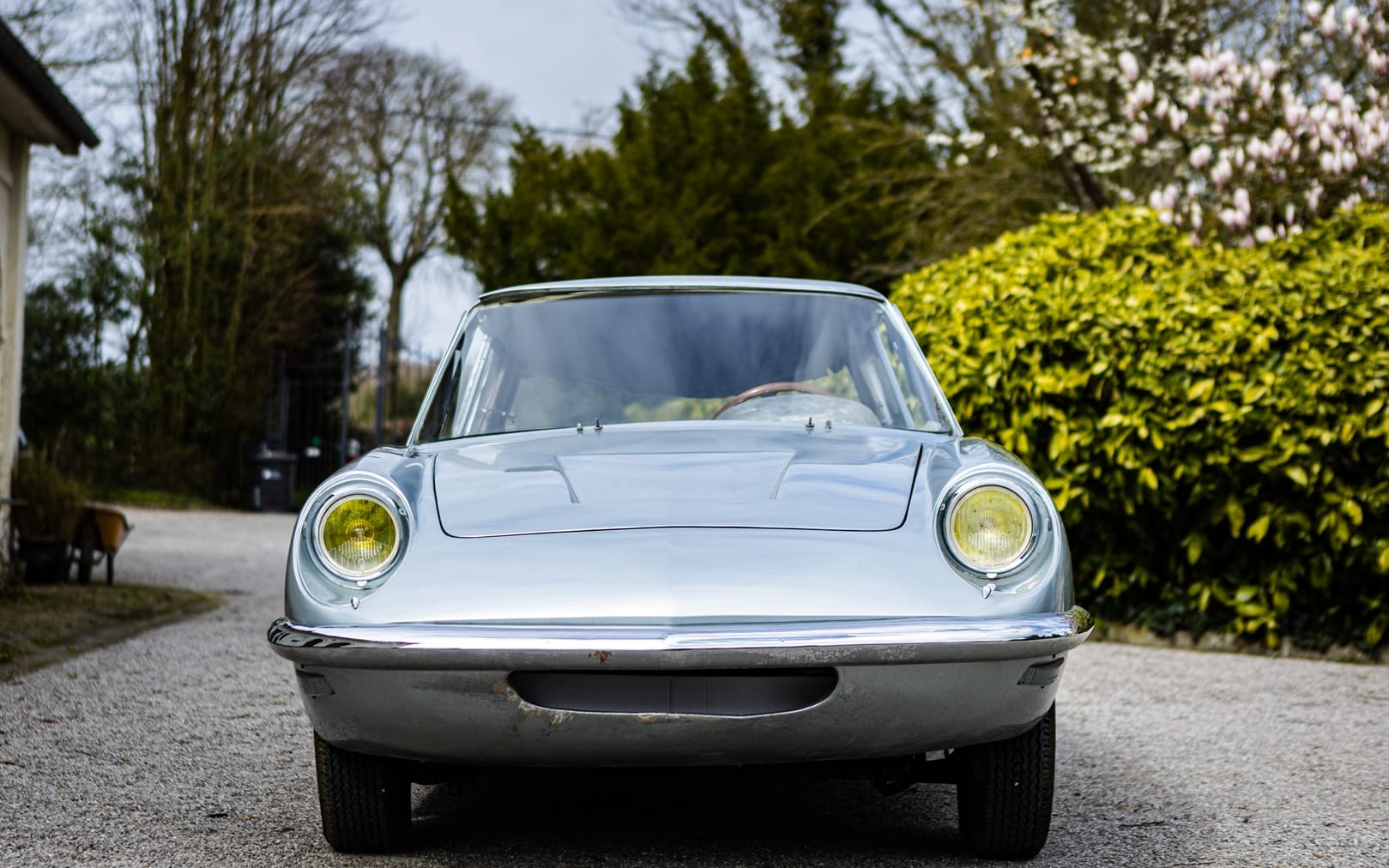
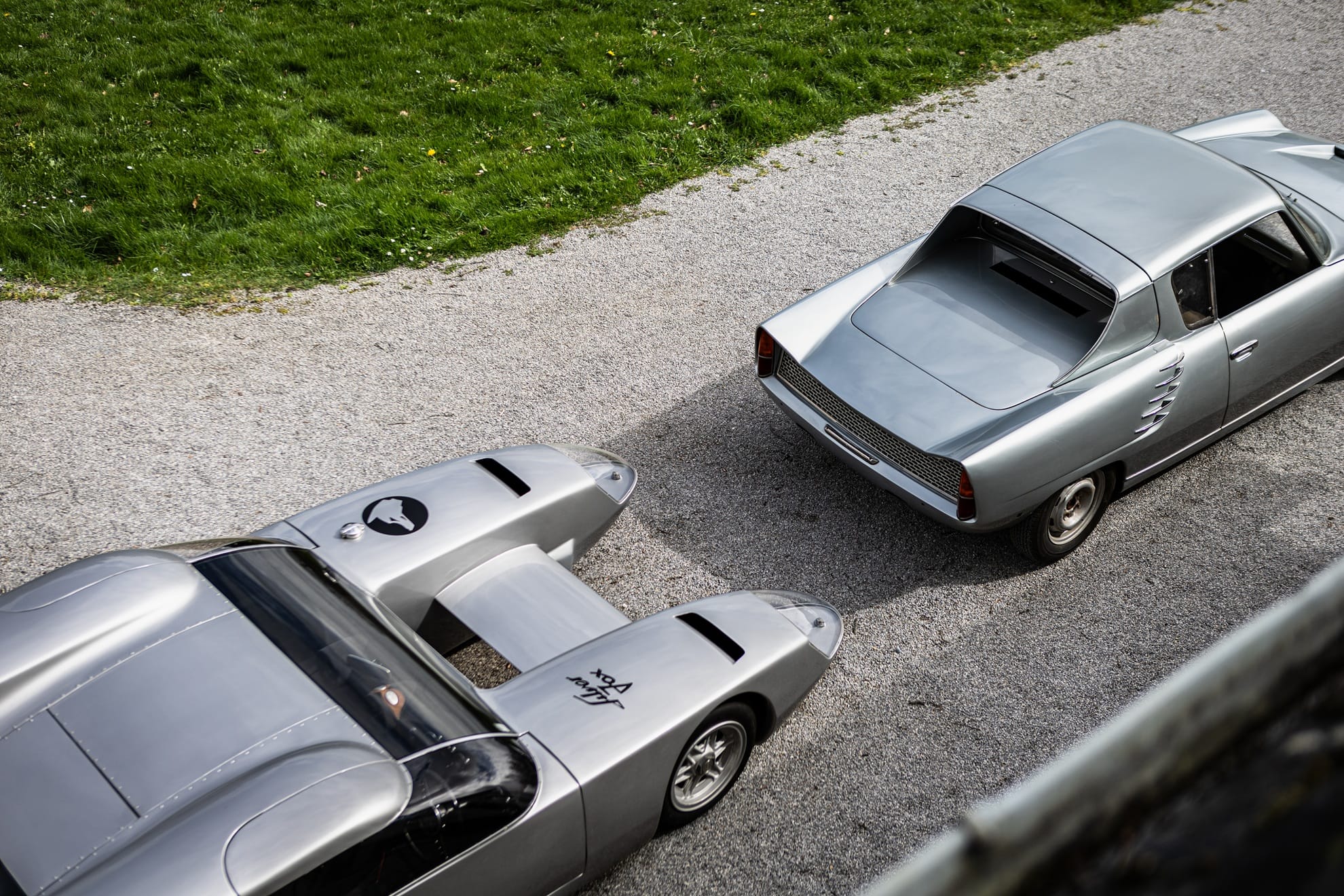
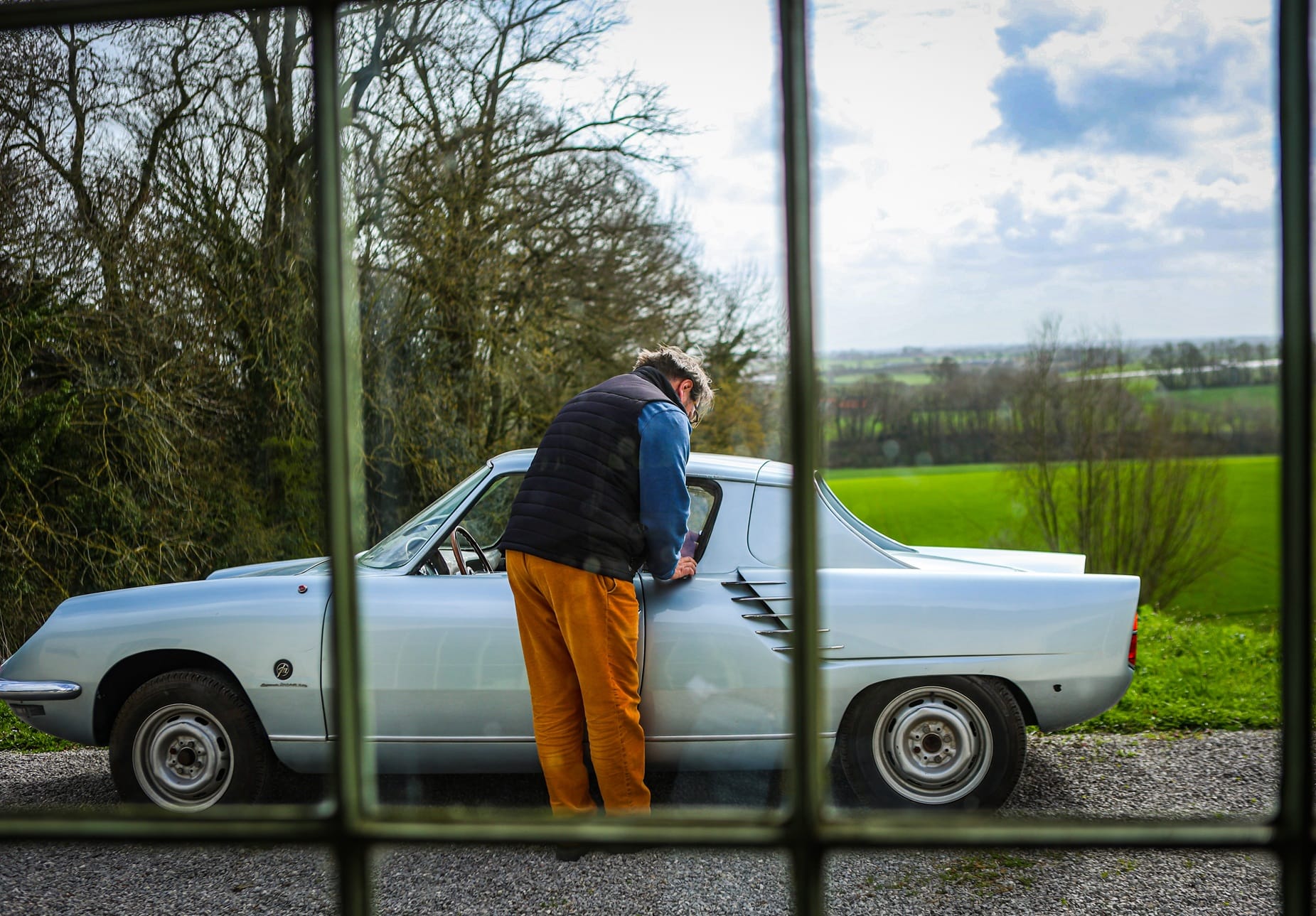
If the engineering was unconventional, the design was nothing short of provocative. Michelotti’s front end is restrained, almost orthodox, with smooth surfaces and covered headlamps recalling contemporary Italian GTs and even hinting at cars like the OSCA Fiat 1500 Coupé. But from the doors rearward, the car transforms. The tail is angular, complex, and almost architectural, dominated by a reverse-sloping rear window and a rear-hinged engine cover designed for maximum accessibility.
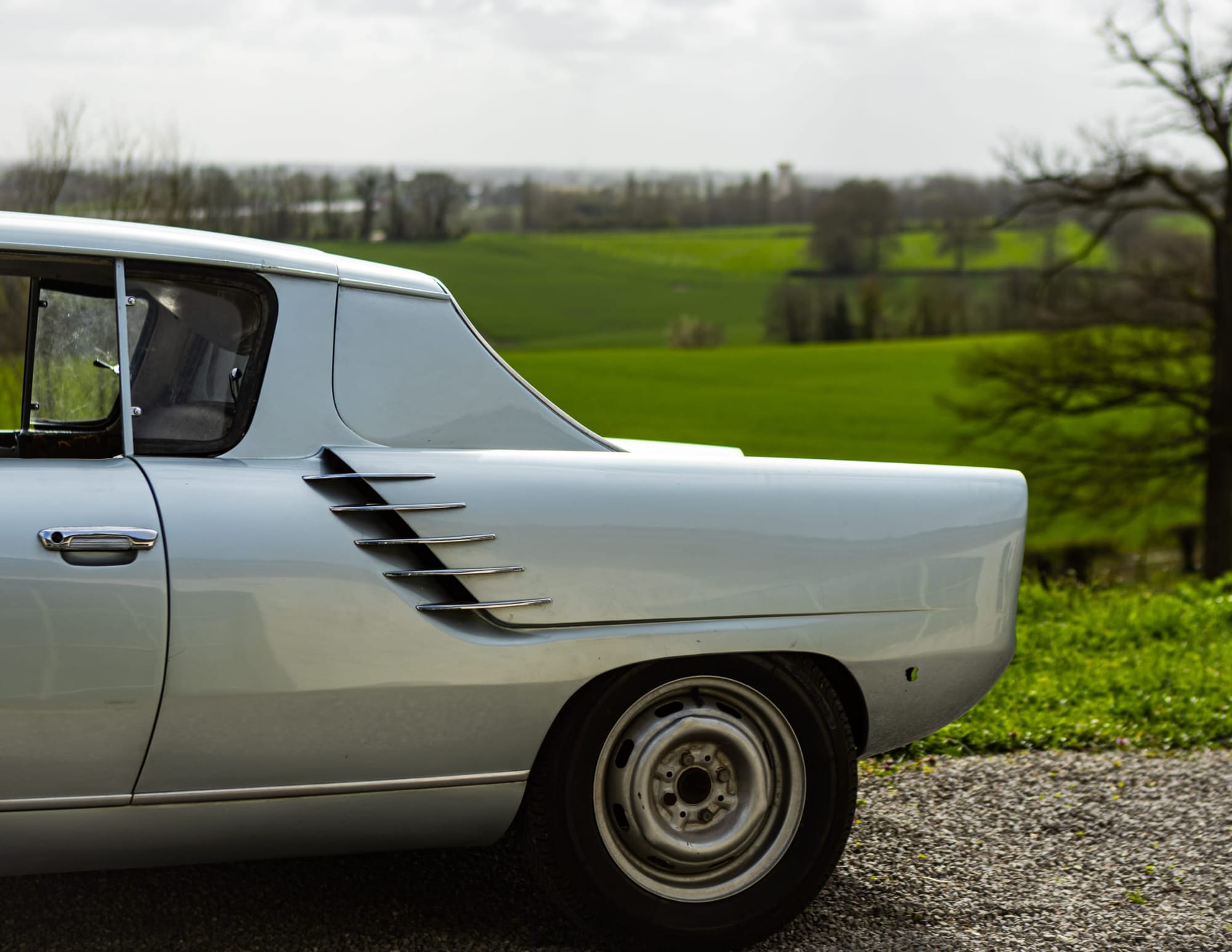
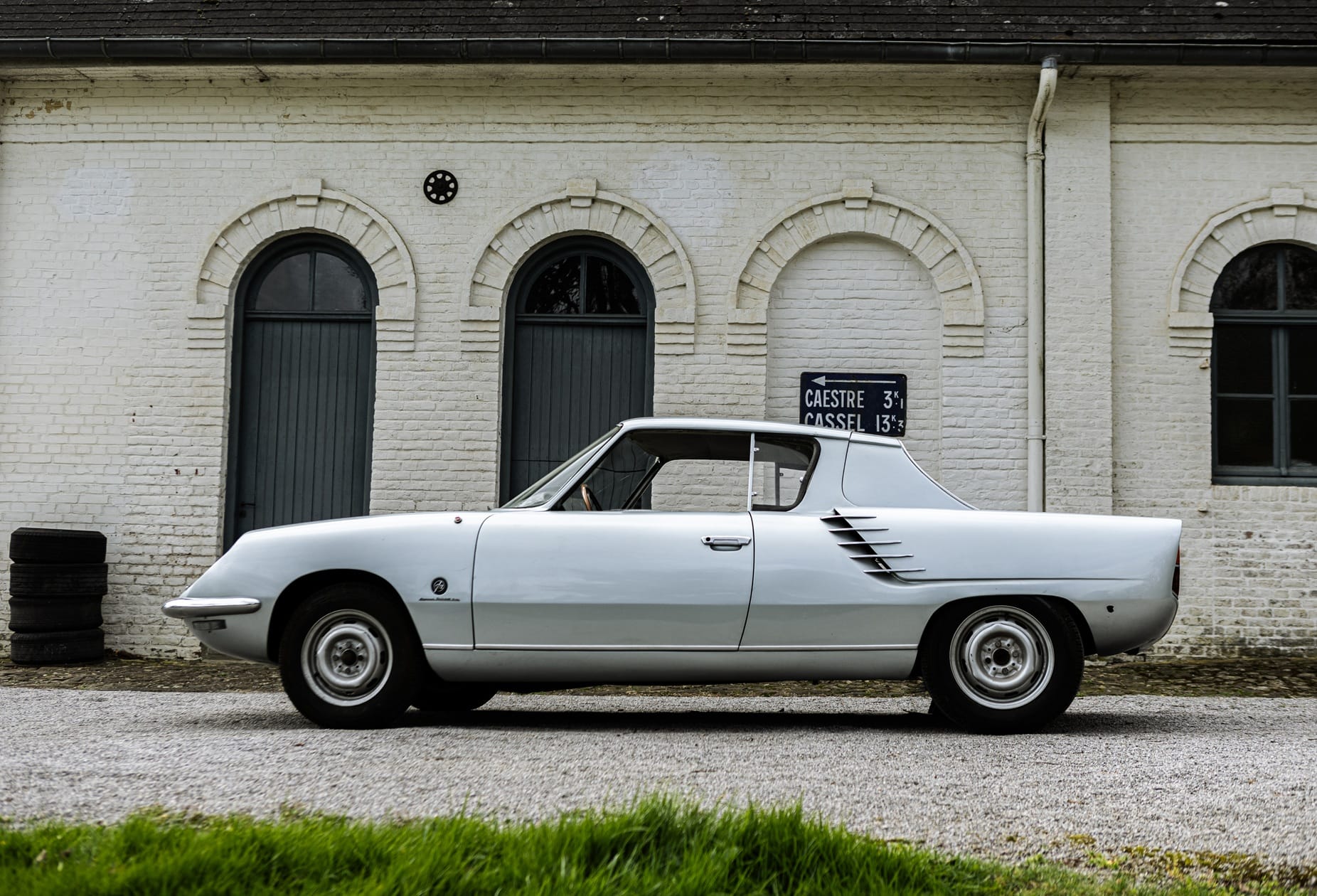
In profile, the effect is striking: two distinct design languages meeting abruptly at the midpoint. It is at once cohesive and contradictory, with echoes of Alpine, ASA, and Bertone’s more experimental forms, yet ultimately without precedent.
Adding to its intrigue, a young Paolo Martin (later of Pininfarina fame) contributed early sketches during his apprenticeship with Michelotti, recalling: “I only did the drawing as an intern; I was learning.”
Only one example was ever built.
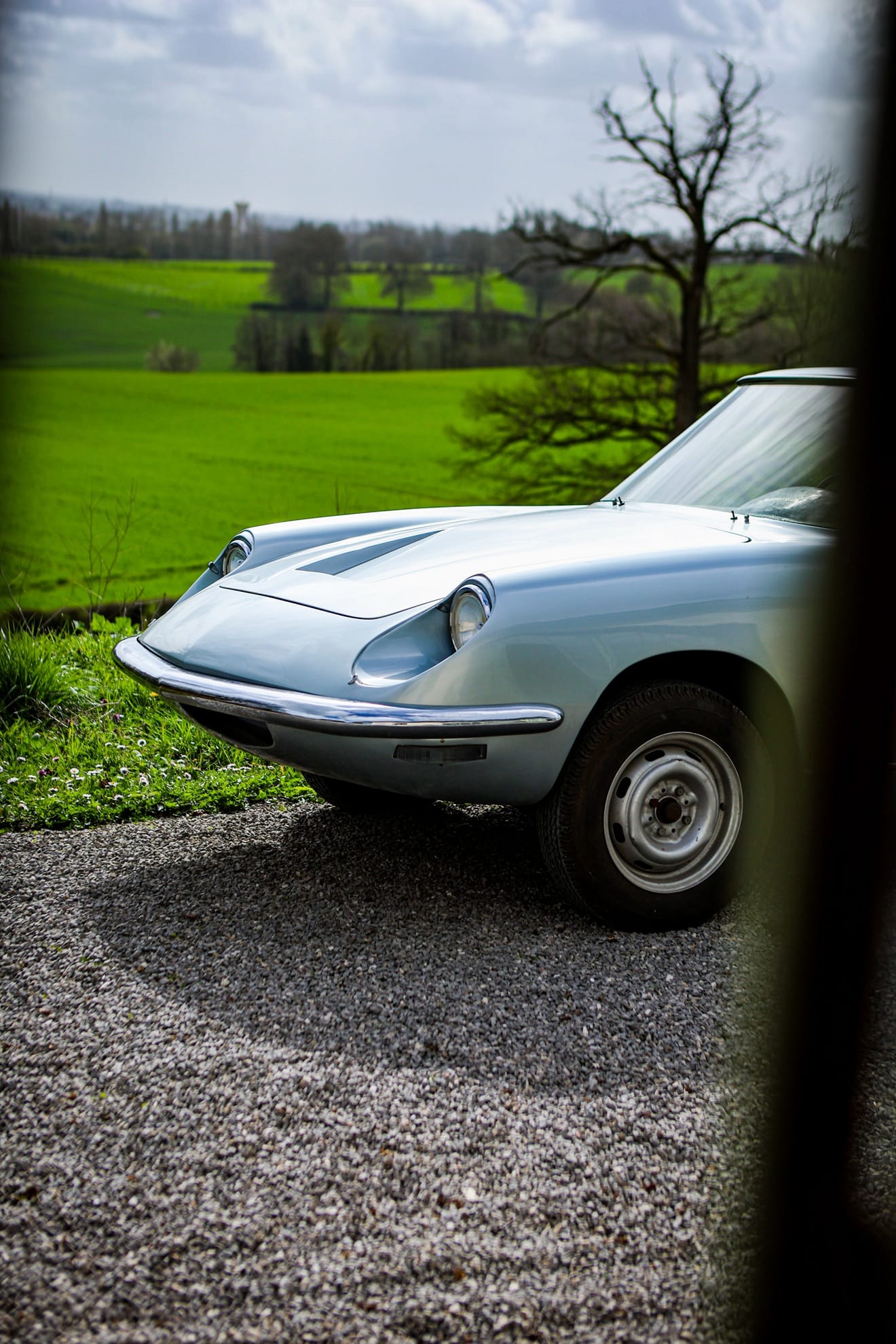
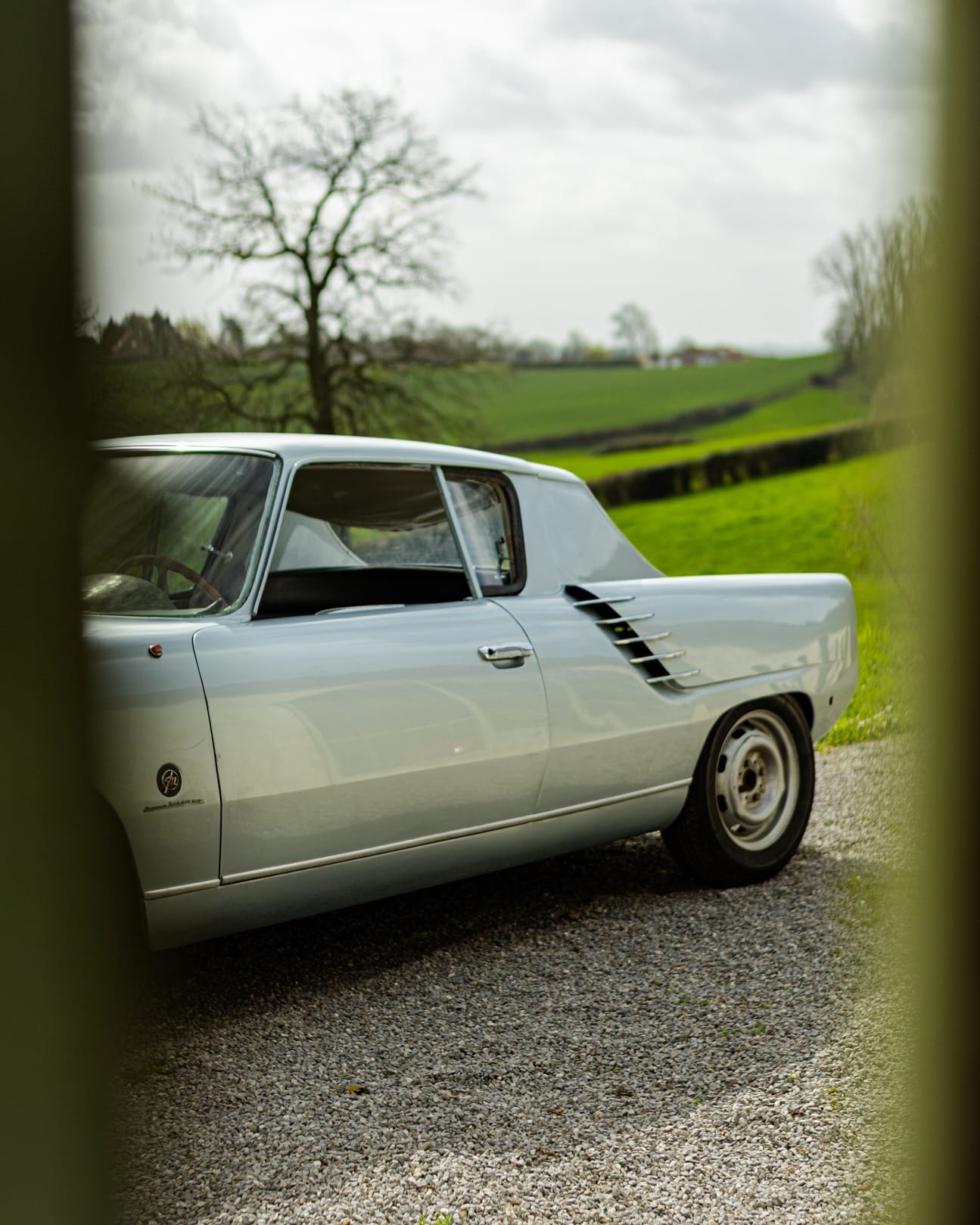
Arguably, it could be said that the front half and the rear half were from two different designs...
Following the failure of the original engine, the car was later fitted with a Lancia Flavia flat-four, producing around 100bhp, and the radiator was relocated to the front, resolving the cooling issues. Then, as so often happens with such singular creations, it slipped quietly into obscurity.
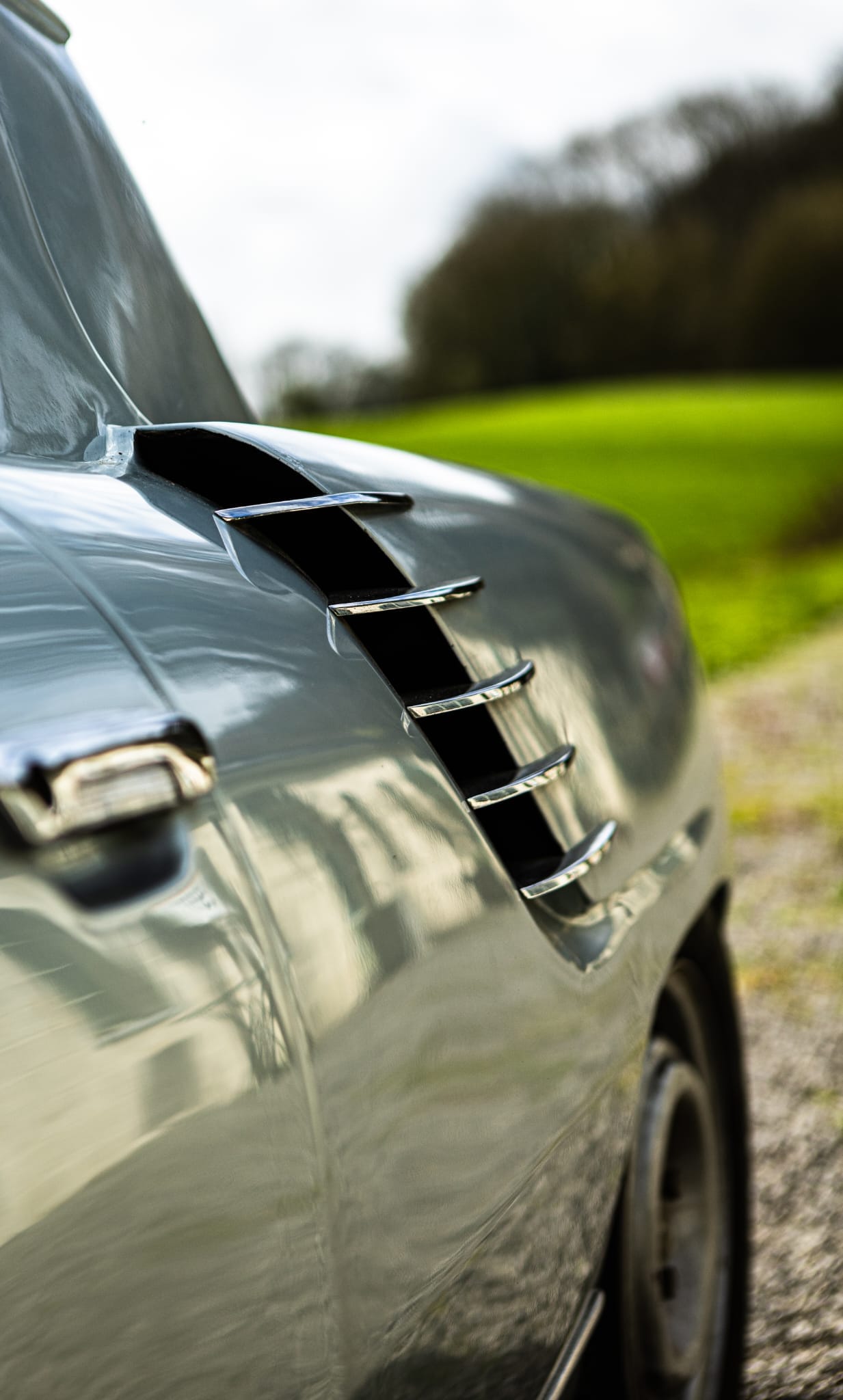
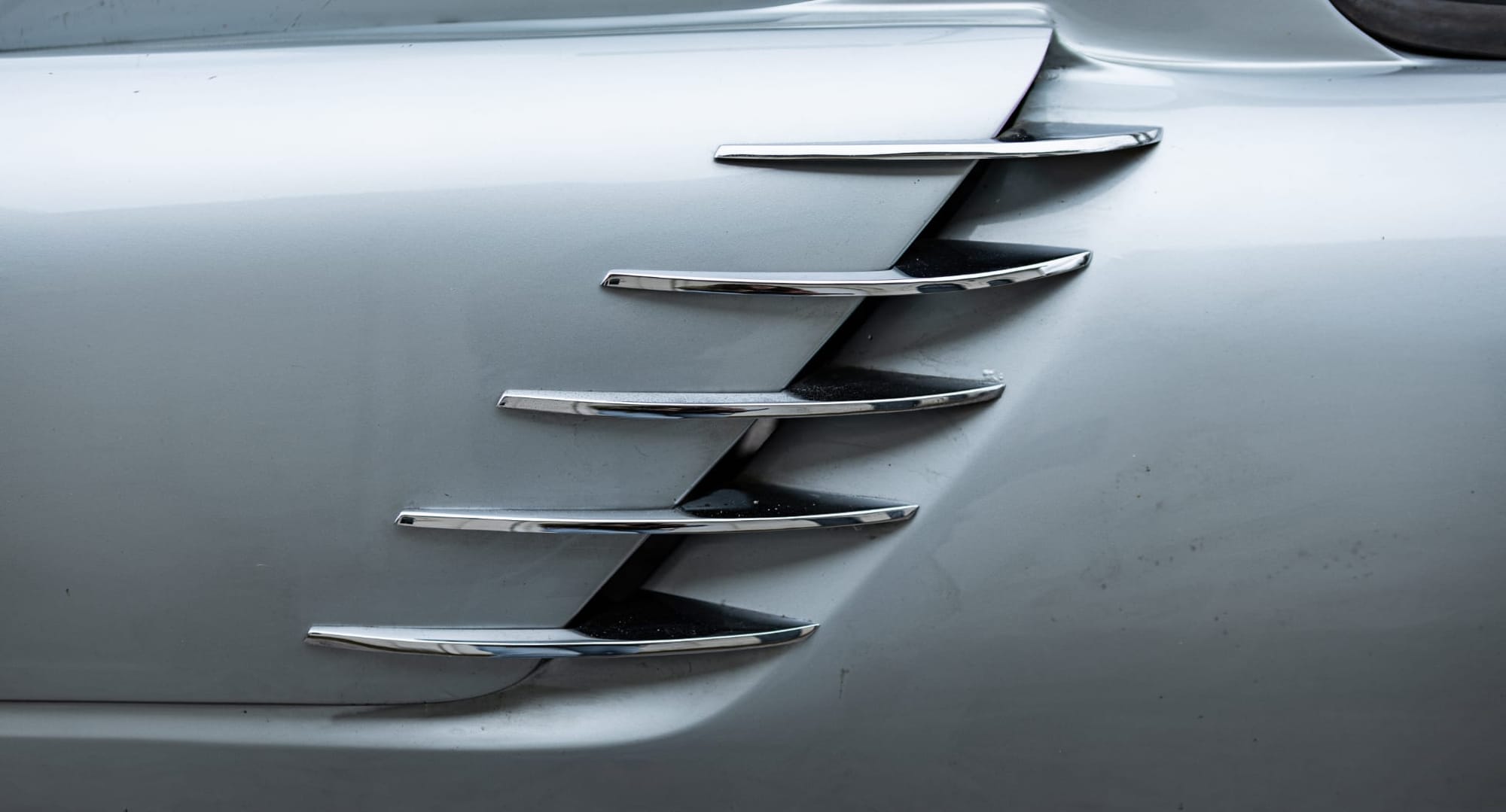
The distinctive air intake slats on the mid-rear fenders were an indication of the location of the engine, which was behind the seats but ahead of the rear axle
Decades later, it was rediscovered by automotive sleuth Christophe Pund, and has since re-emerged in partially restored form, including a notable appearance at the Rétromobile, earlier this year.
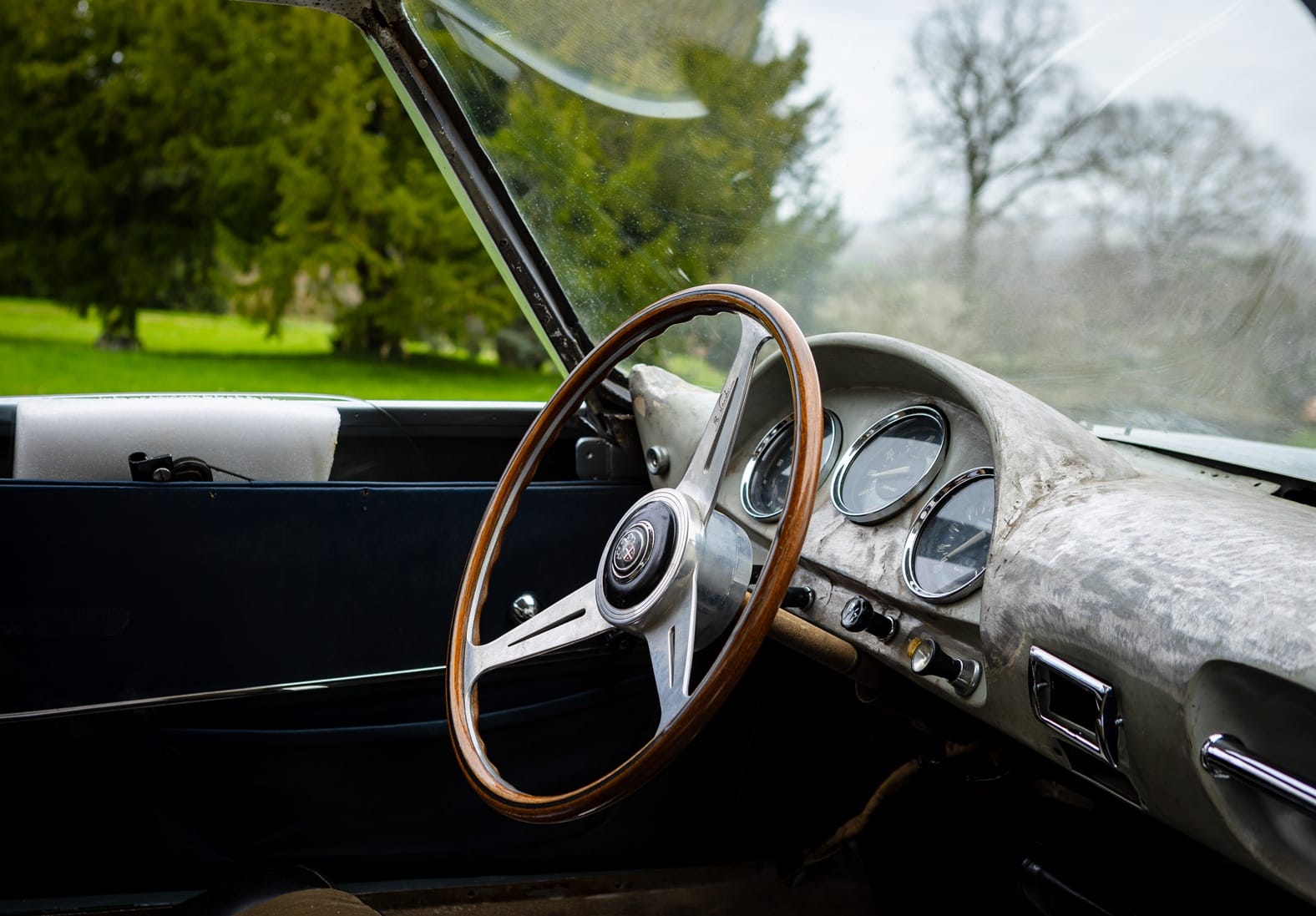
Seen today, the Michelotti-Boudot-Conrero Coupé feels less like a forgotten curiosity and more like an early exploration of ideas that would only become mainstream much later. It is not merely rare, it is experimental, unresolved, and quietly visionary.
In other words, it is still asking questions.
Comments ()