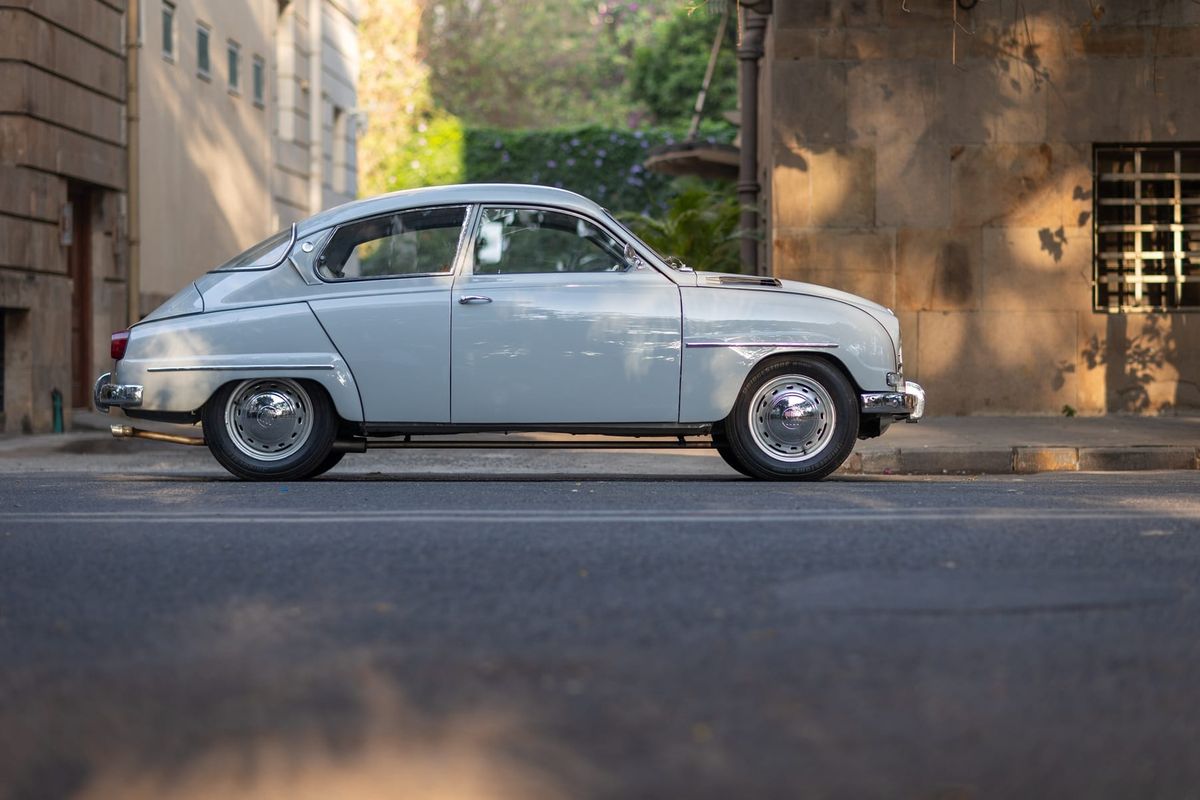
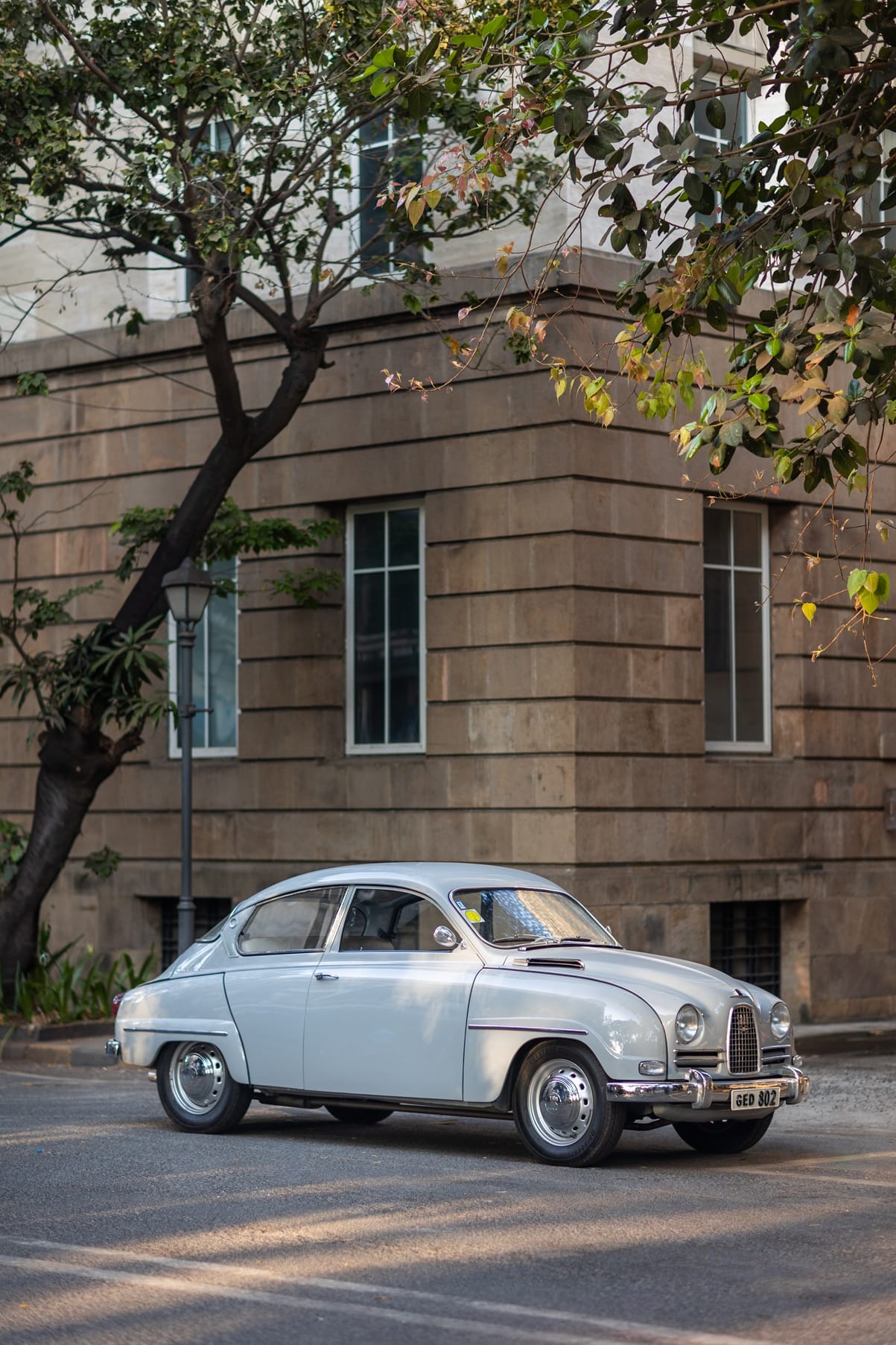
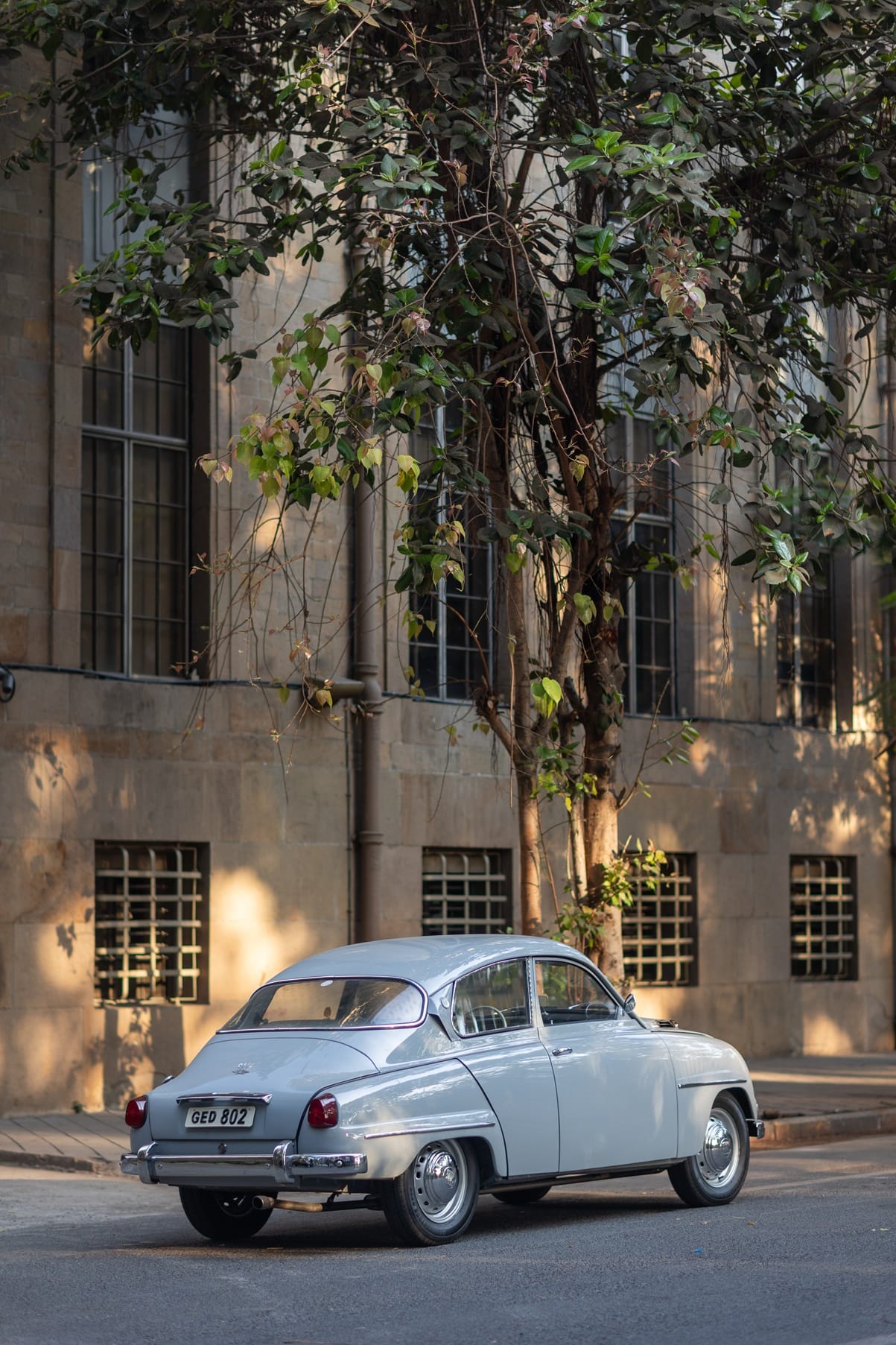
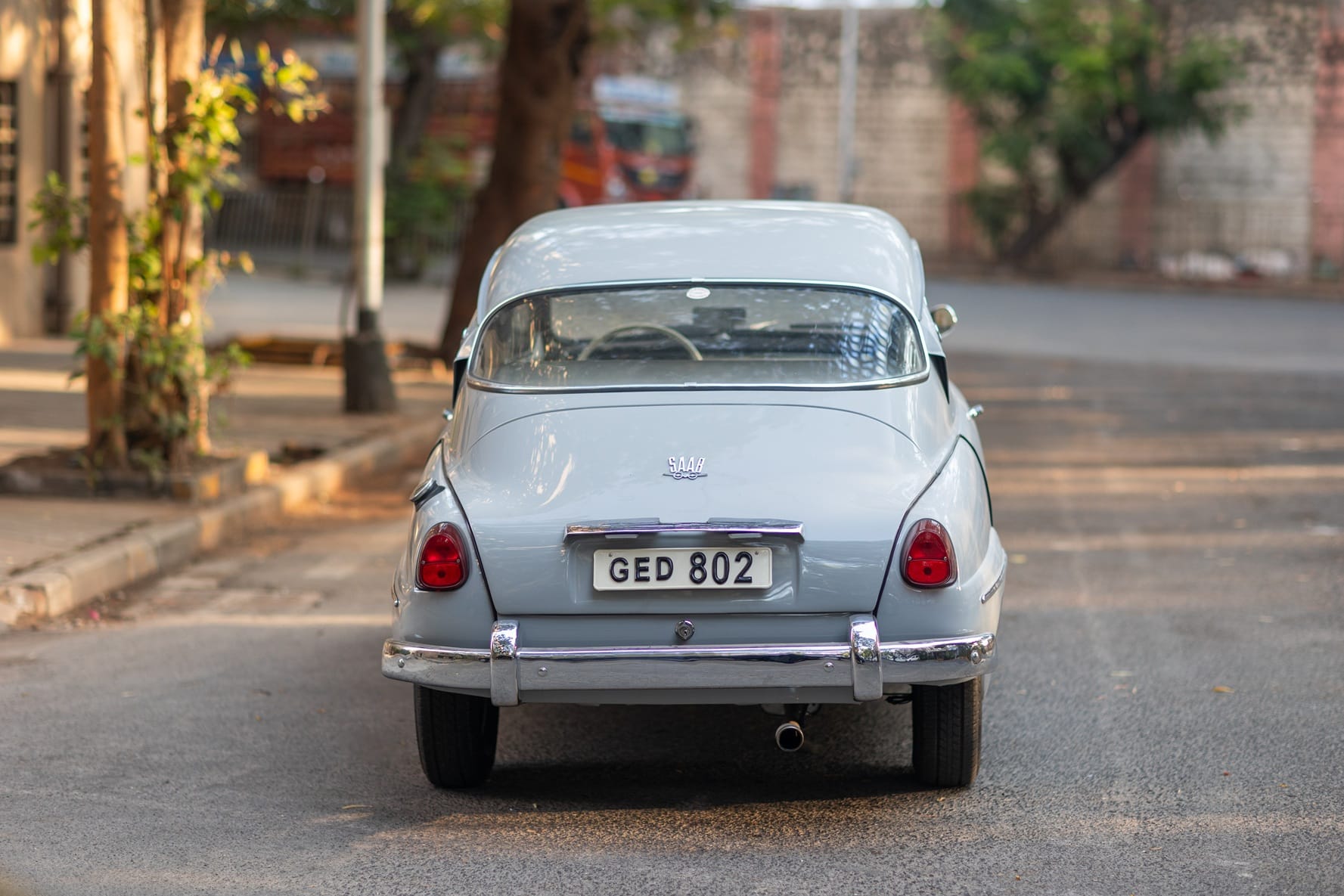
1963 Saab 96 – An Amazing Oddity
Sixten Sason is widely regarded as one of the most influential Scandinavian designers of the 20th century. His groundbreaking automotive work for Saab defines his legacy
Text: Gautam Sen
Images: Vrutika Doshi
Sixten Sason is widely regarded as one of the most influential Scandinavian designers of the 20th century. A remarkably versatile creative mind, he produced work across a broad spectrum of industries, designing for companies such as Electrolux, Hasselblad, and Husqvarna. Yet it was his groundbreaking automotive work for Saab that would define his legacy.
Sason’s most celebrated contribution came with “Project 92,” which gave birth to the Saab 92. The car was revolutionary in nearly every respect. Its compact two-stroke engine, innovative construction, and above all its aerodynamically efficient shape set it apart from its contemporaries.
At a time when most manufacturers adhered to conventional styling and engineering solutions, Saab, under Sason’s vision, chose a radically different path. The 92’s streamlined form was not merely aesthetic; it was rooted in aeronautical thinking, reflecting Saab’s origins as an aircraft manufacturer. This model established Saab as a carmaker defined by individuality and technical ingenuity.
That same spirit of innovation carried forward into the Saab 93, Saab 95, and Saab 96, all designed by Sason and representing logical evolutions of the original concept. The Saab 92 was powered by a modest 25bhp, 764cc twin-cylinder two-stroke engine developed in collaboration with Hans Müller of DKW.
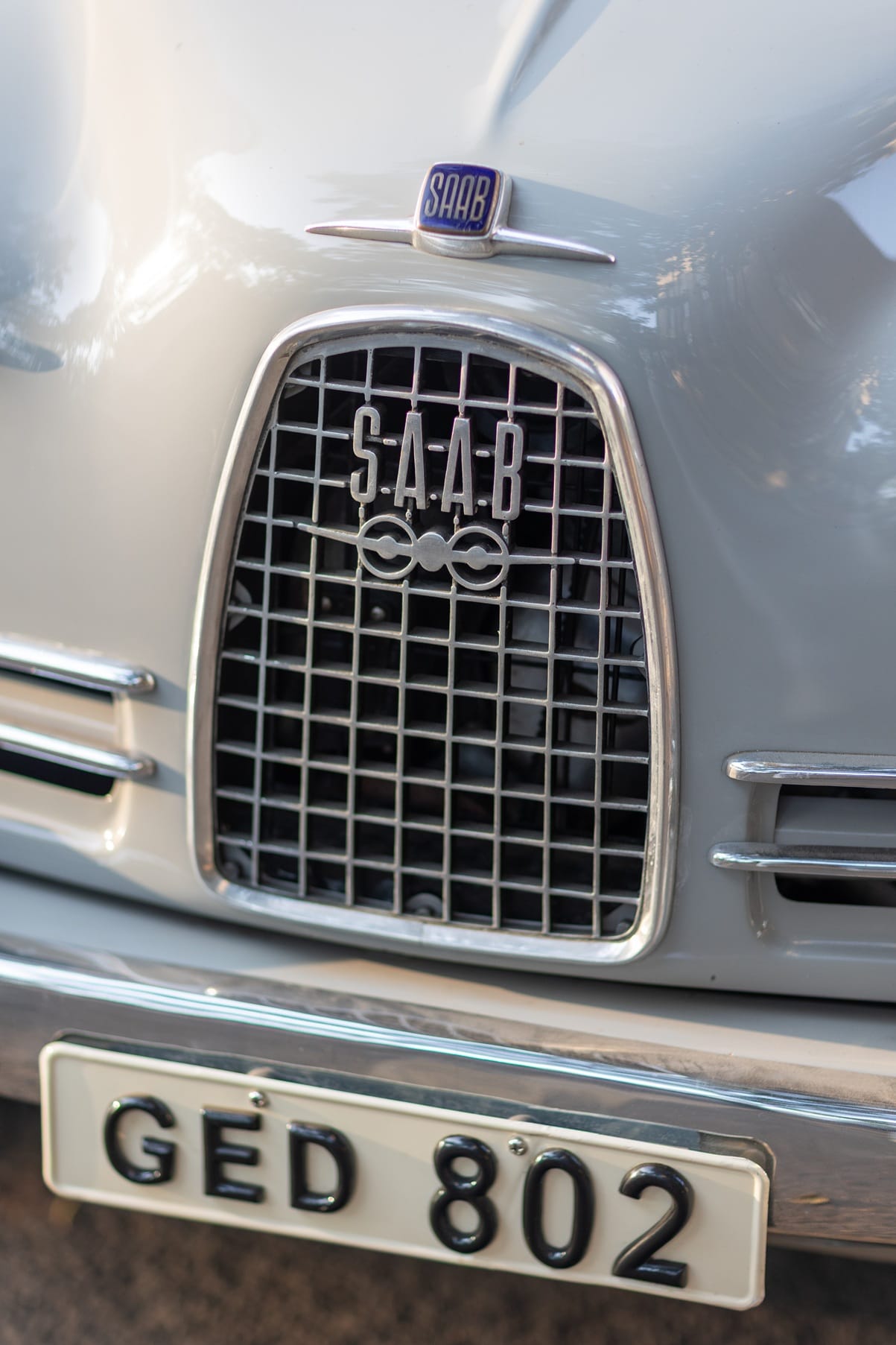
In the Saab 93, this was replaced by a more powerful 748cc triple-cylinder unit producing 33bhp, still driving the front wheels. The Saab 96 further refined the formula, featuring an 841cc version of the triple-cylinder engine delivering 38bhp. Combined with its lightweight construction and aerodynamically efficient body, the 96 could comfortably exceed 120 km/h, which was impressive performance for its class and era.
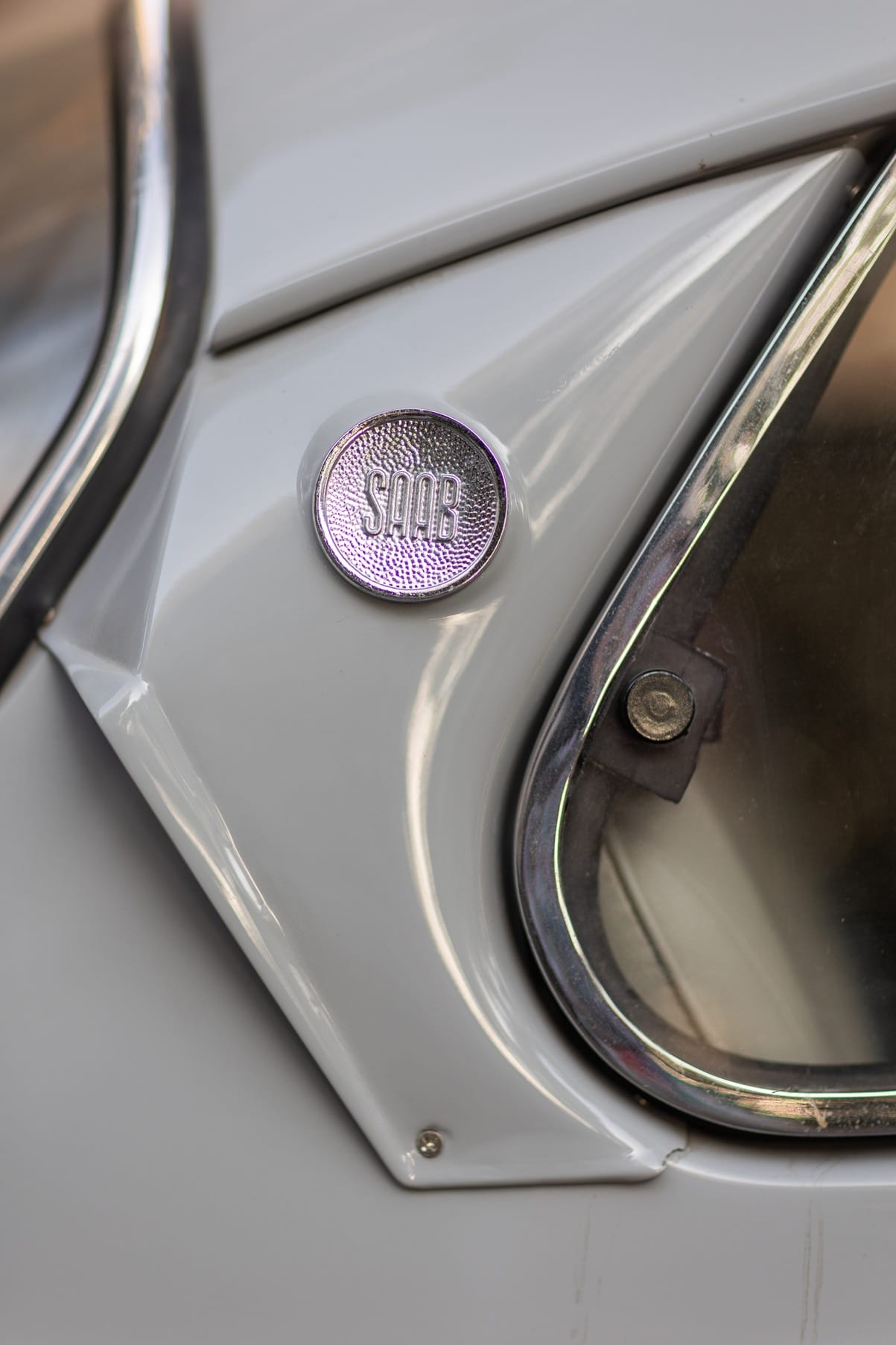
Beyond straight-line speed, the Saab 96 earned a formidable reputation for its handling characteristics, particularly in rallying. Its balance and traction made it a favourite among some of the sport’s most celebrated drivers, including Erik Carlsson – famously nicknamed “on the roof” – as well as Simo Lampinen and Stig Blomqvist. Their successes in international competition helped cement Saab’s image as a maker of tough, capable, and unconventional cars.
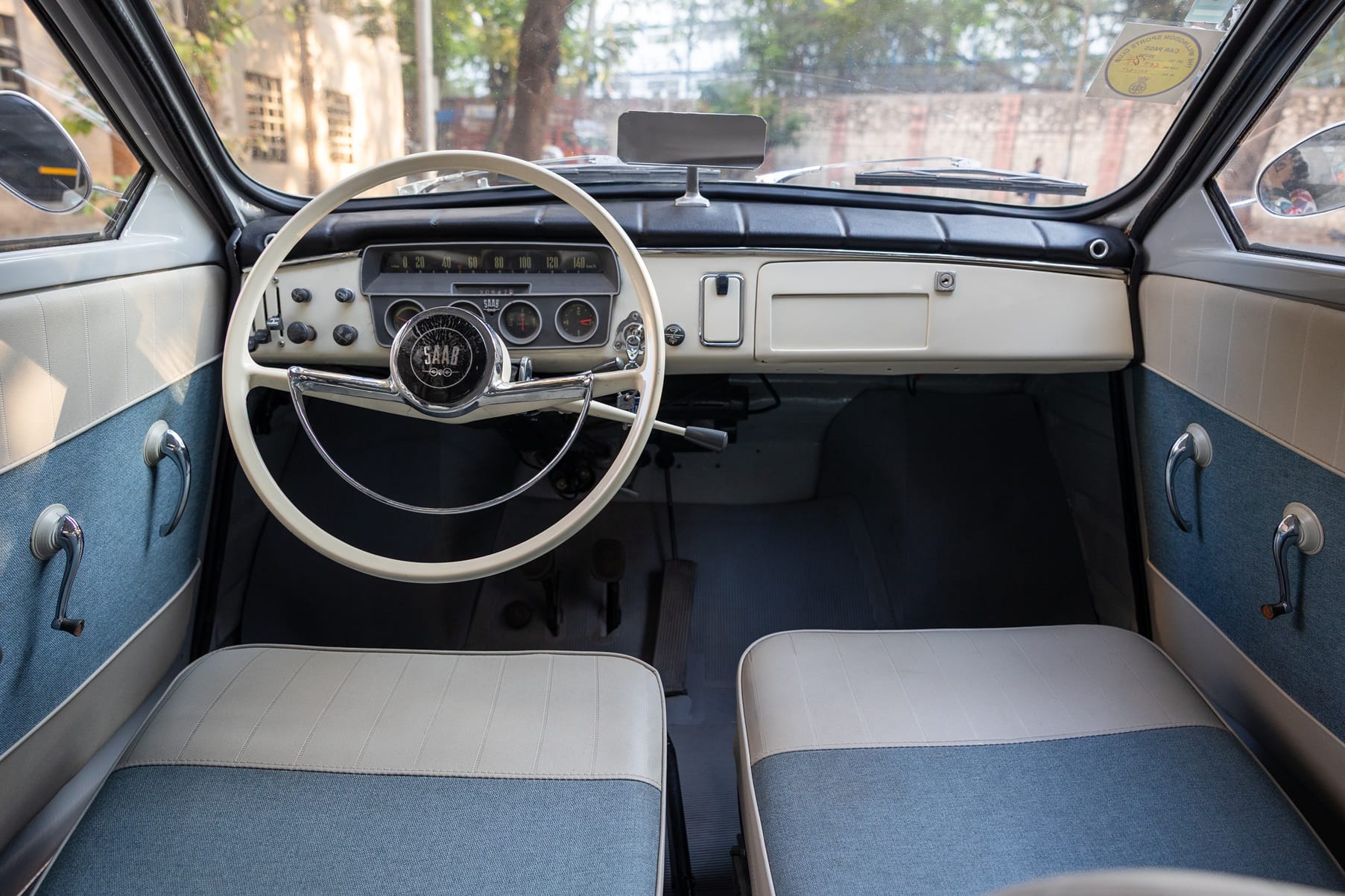
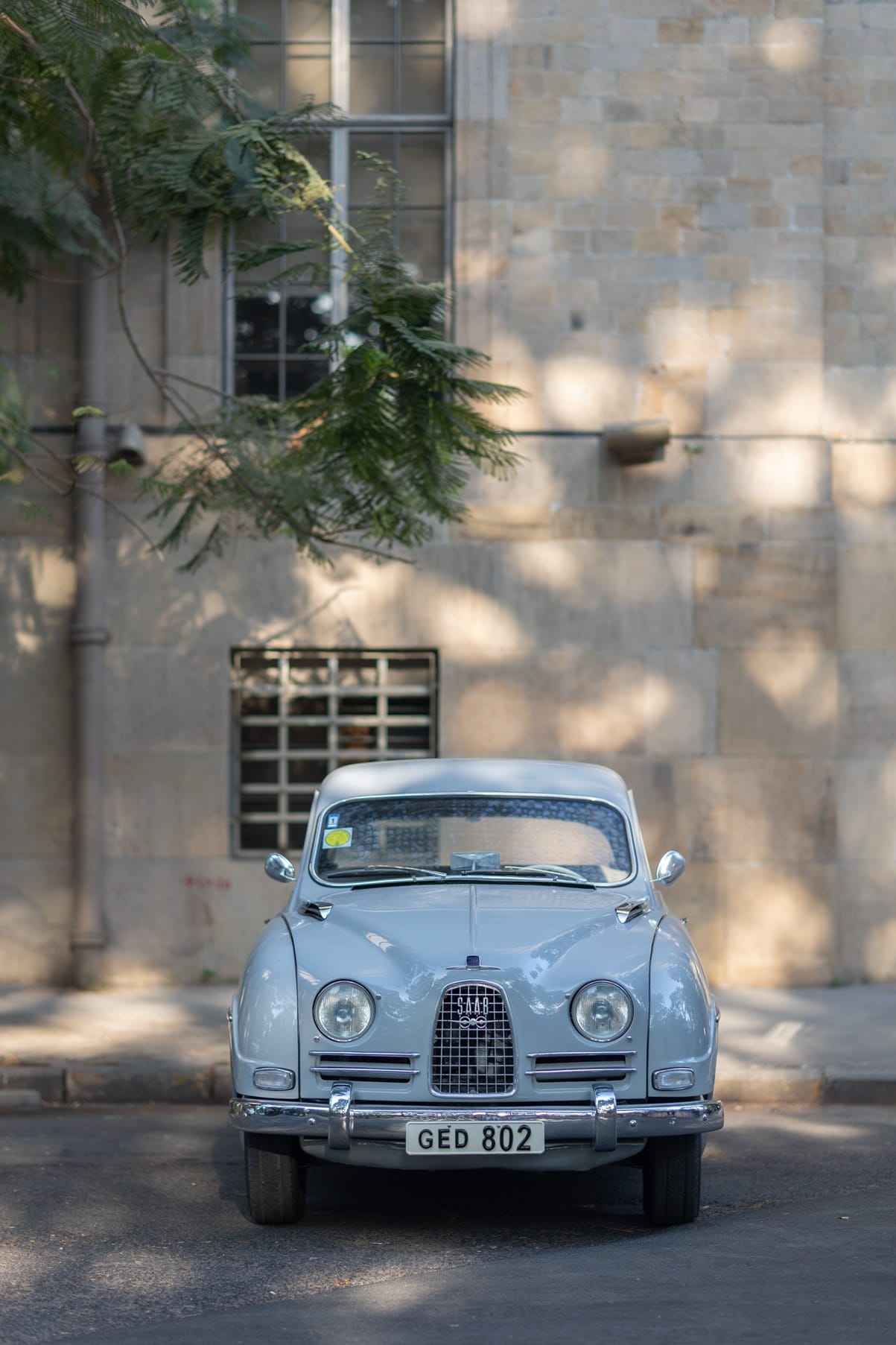
Over a production span of two decades, from 1960 to 1980, the Saab 96 underwent continuous development. Later versions adopted a more powerful V4 engine sourced from Ford, ultimately culminating in total production of 527,241 units. Despite this relatively large figure, early two-stroke examples have become increasingly rare, particularly in countries like India, where only a handful were ever imported.
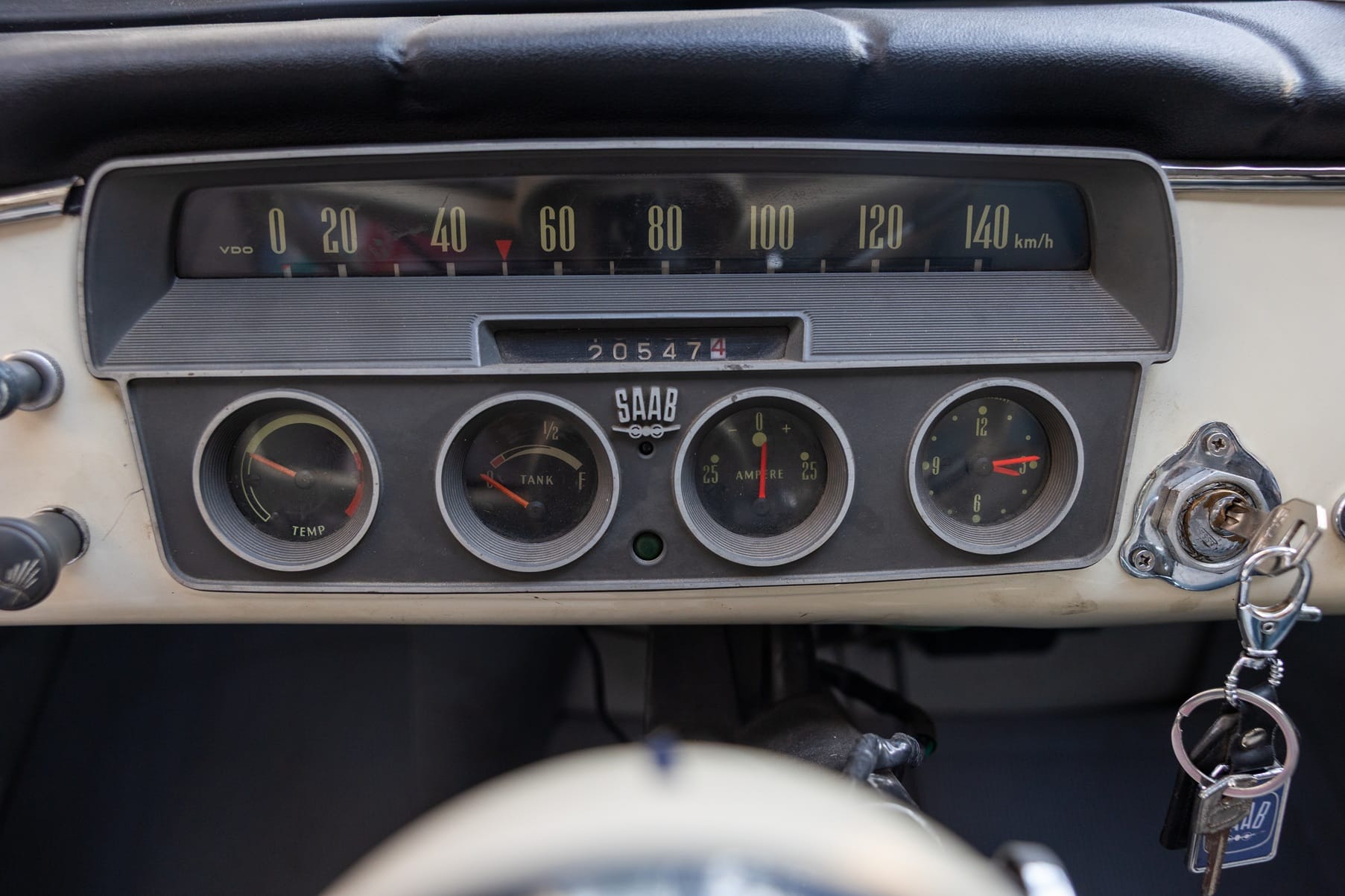
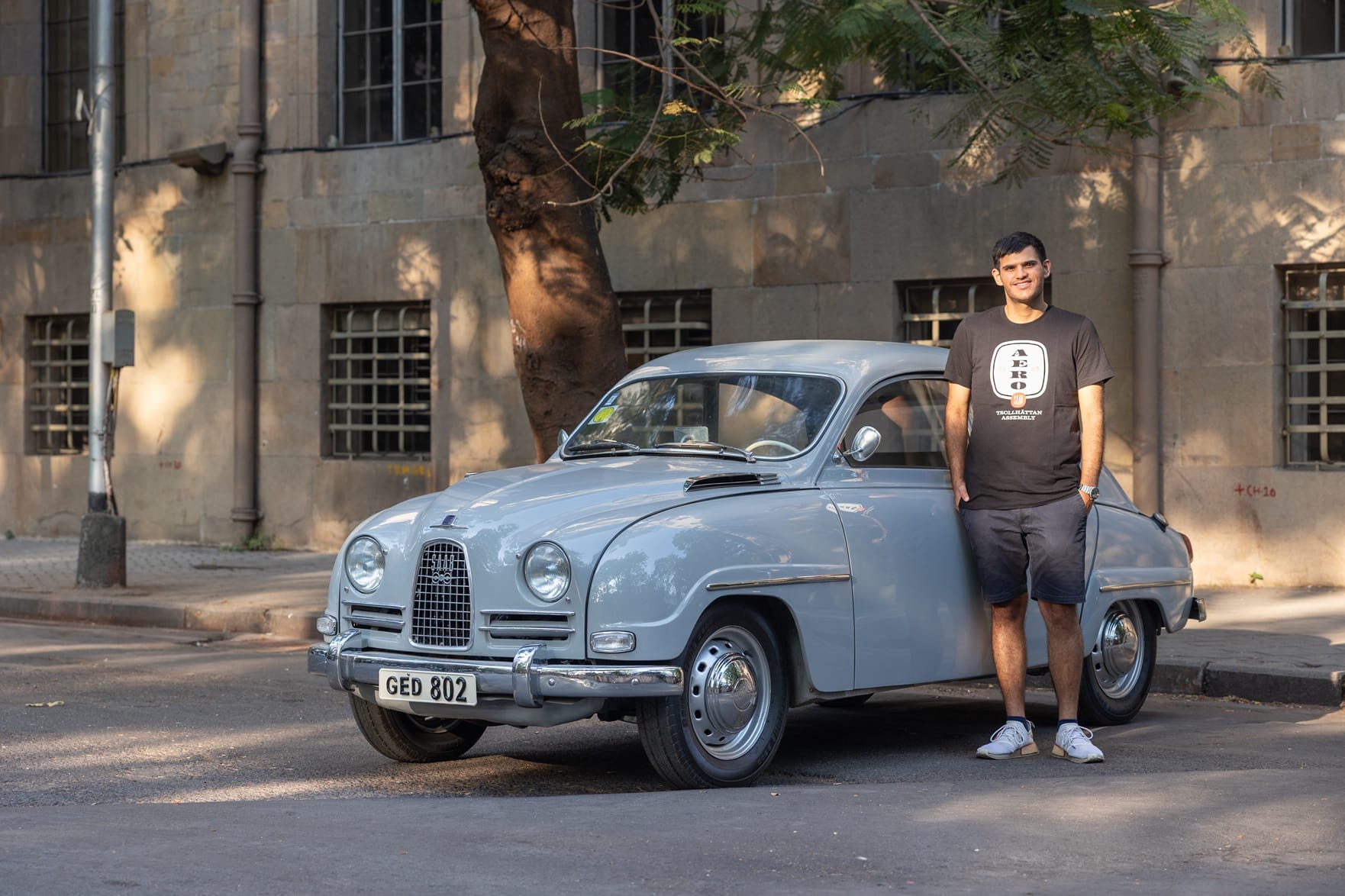
One such rare example found its way into the hands of collector Harshit Merchant in 2001. At the time, the car was in a severely deteriorated condition. Its discovery came through a close friend, Chetan Bhargav, an enthusiastic car lover who, despite not owning a vehicle himself, had a keen eye for the unusual. He urged Harshit to investigate a mysterious car he had come across, insisting it was worth acquiring. Upon seeing it for the first time, Harshit immediately recognised its significance, even though he had never encountered a Saab 96 before.
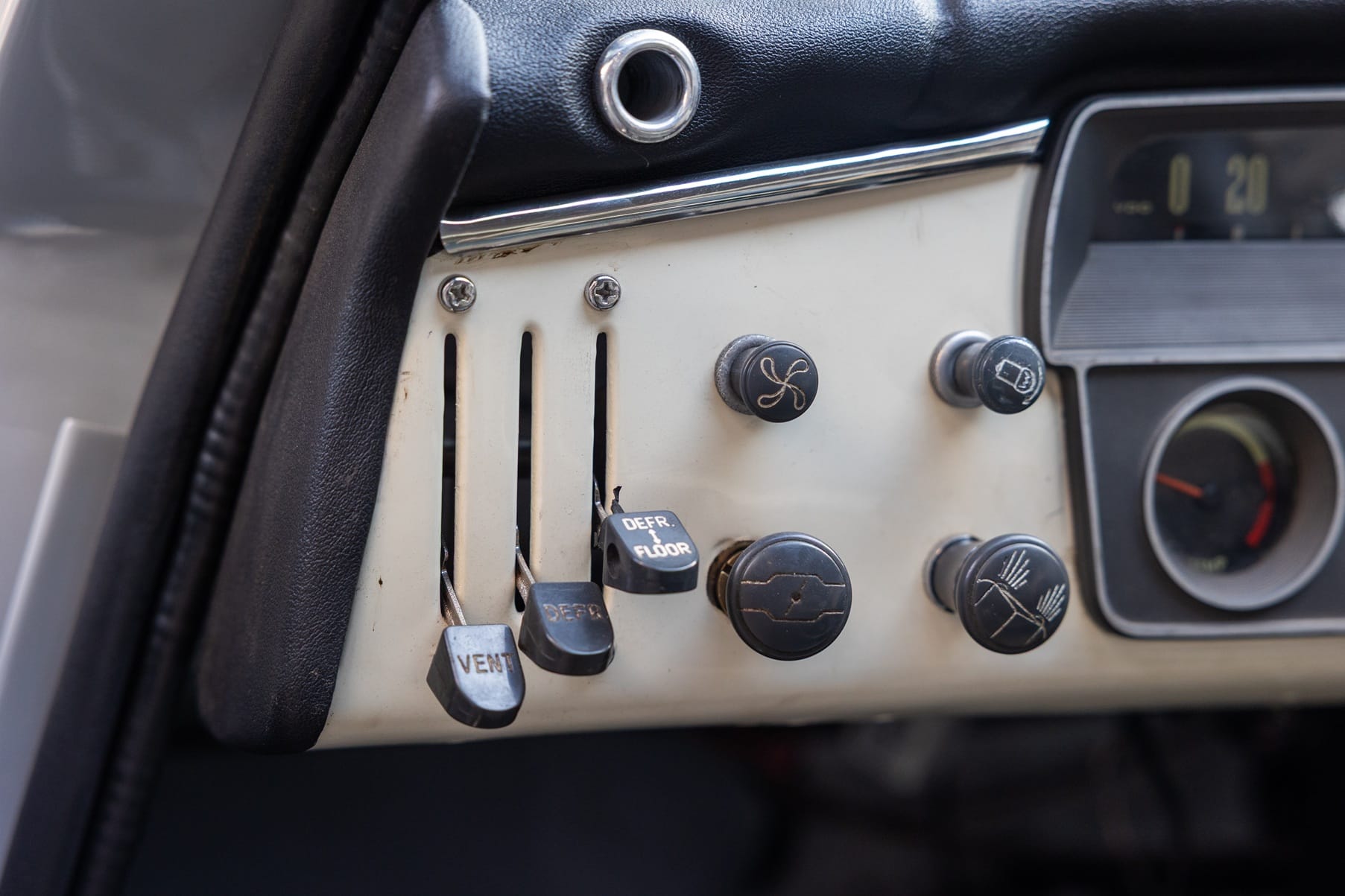
The restoration that followed was a lengthy and demanding process, requiring patience, dedication, and a deep appreciation for the car’s historical value. Tragically, Chetan Bhargav passed away in 2006, before he could see the car restored to running condition. When the Saab was finally brought back to life in 2009, it stood not only as a beautifully revived piece of automotive history but also as a deeply personal tribute. For Harshit, the car remains a lasting connection to his friend, a symbol of shared passion and memory.
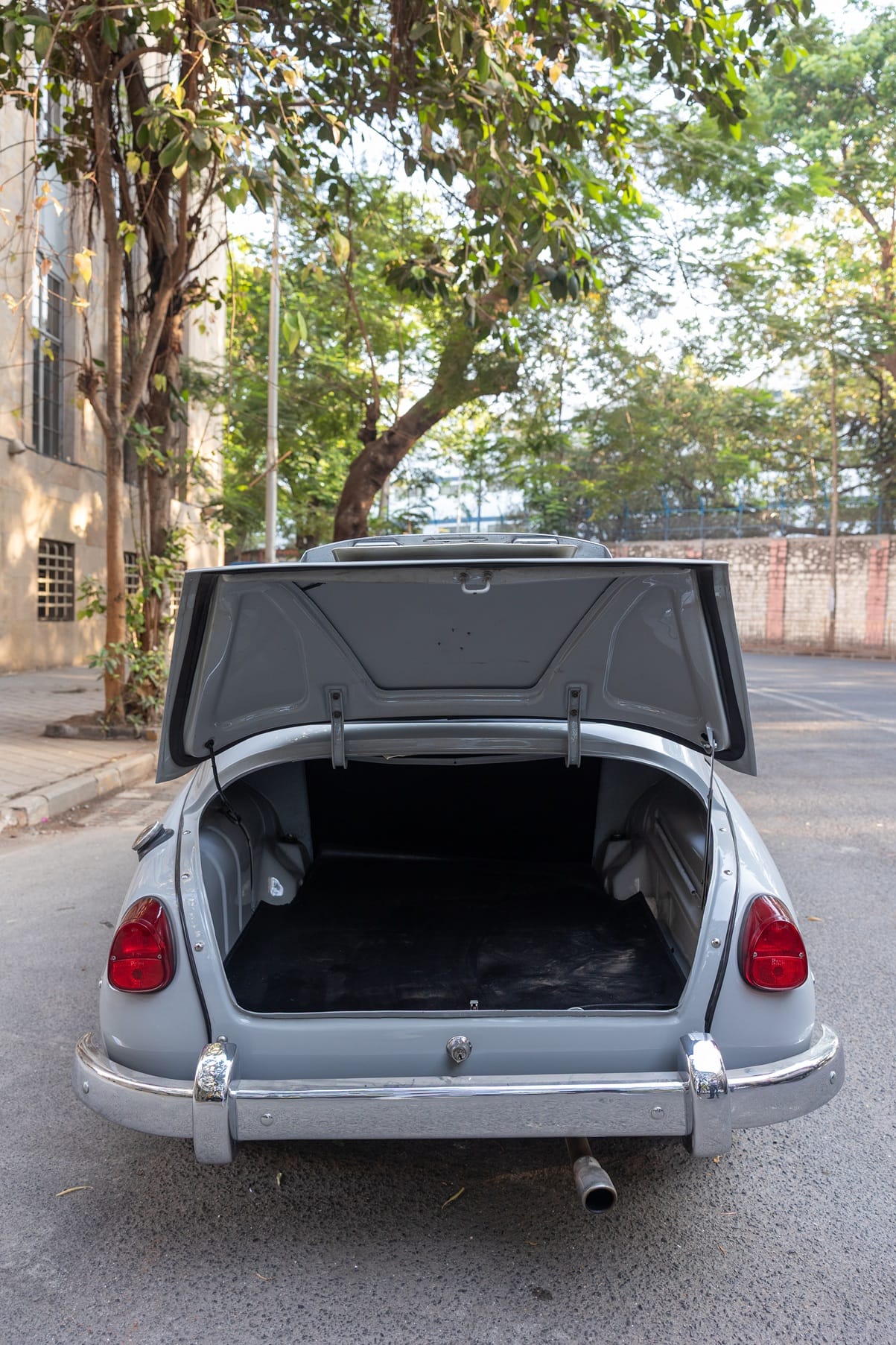
Today, this Saab 96 embodies far more than its engineering and design significance. It represents the enduring legacy of Sixten Sason’s visionary approach, an approach defined by originality, functionality, and a willingness to challenge convention. Decades after Sason’s passing in 1967, his work continues to resonate, not only through the cars themselves but through the stories and emotions they inspire.
Comments ()