1967 OSI Silver Fox: The Twin Boom Wonder
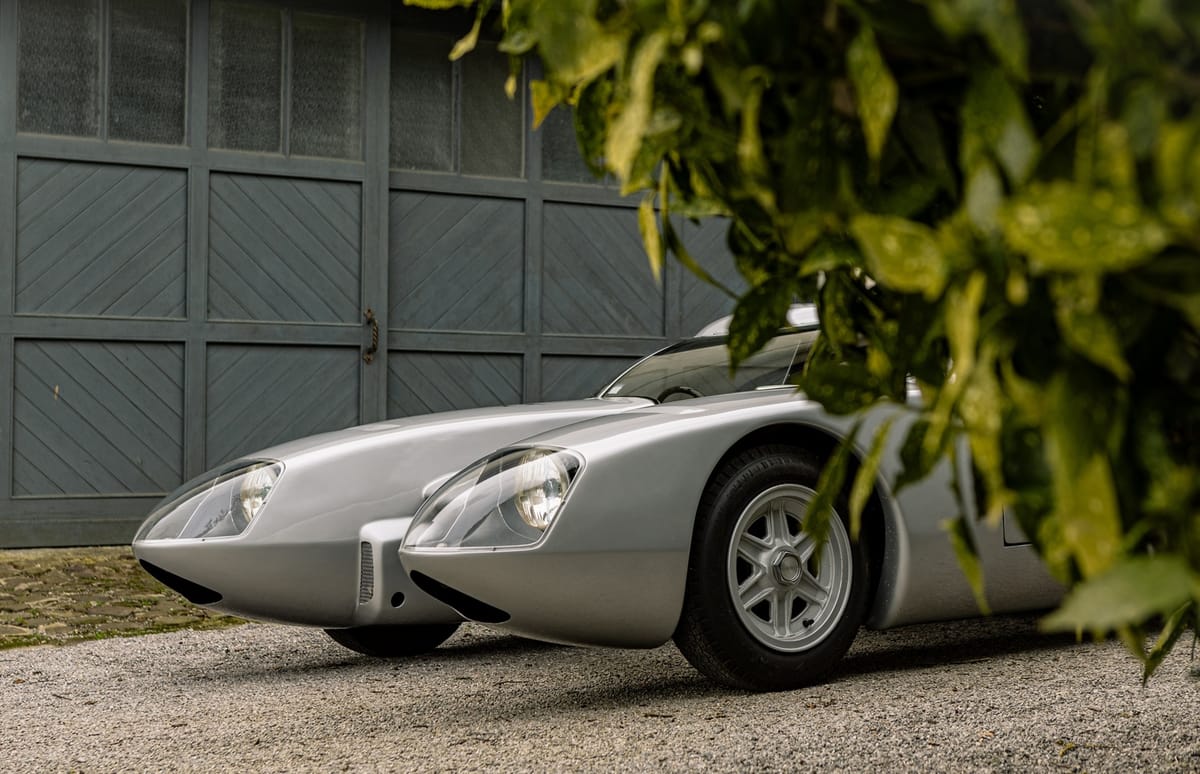
In 1967, Italian coachbuilder OSI unveiled its most radical project at the Turin Motor Show, a prototype conceived for endurance racing, particularly the 24 Hours of Le Mans.
Text: Gautam Sen
Images: Mariami Khubulava
It is likely that few today are familiar with Officine Stampaggi Industriali (OSI) or its extraordinary creation, the Silver Fox. Yet in the 1960s, OSI – founded by former Ghia president Luigi Segre – was among Italy’s most innovative coachbuilders.
The company produced limited-run models for marques such as Ford, Alfa Romeo, and Innocenti, alongside striking experimental concepts like the Alfa Romeo Giulia Scarabeo.
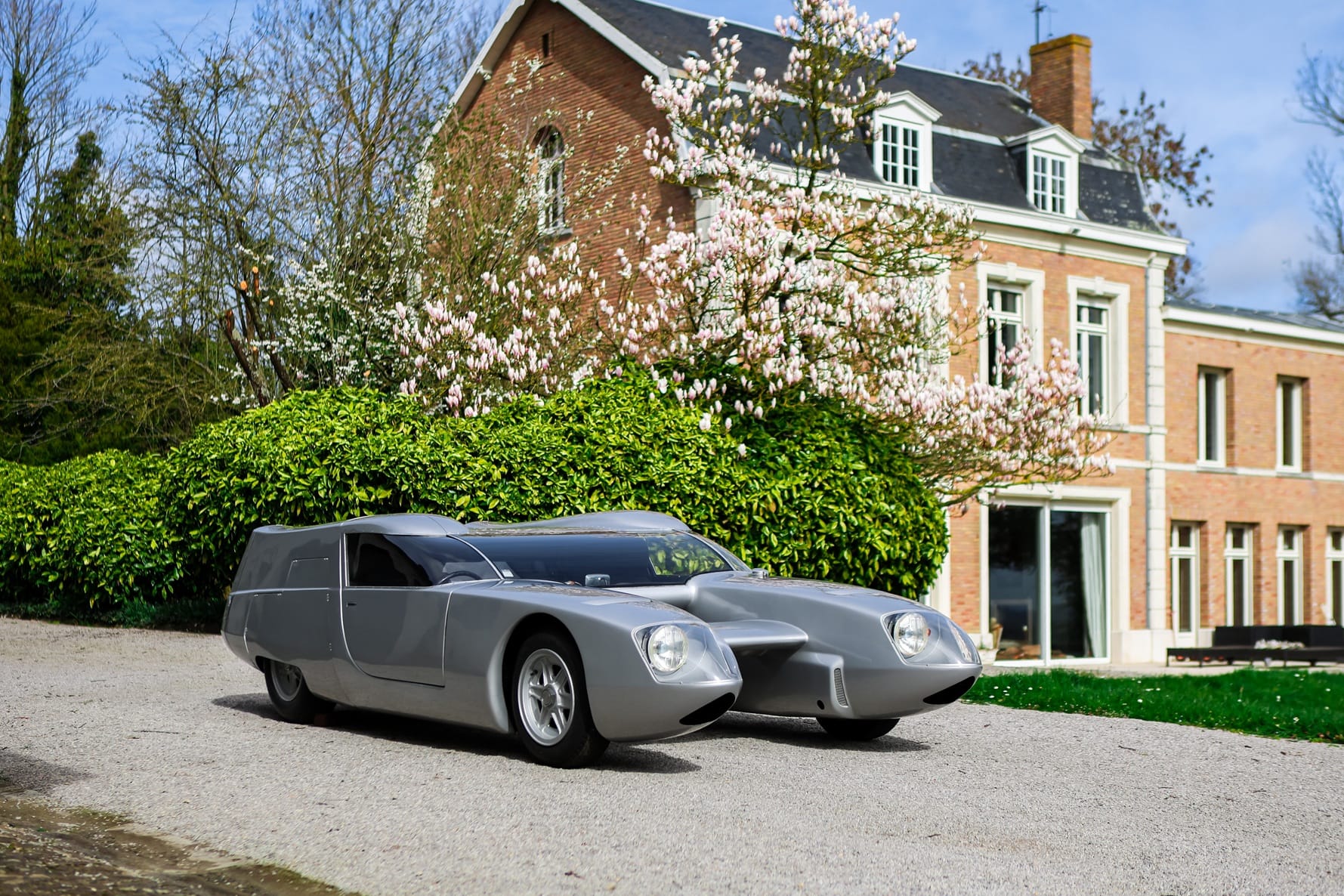
In 1967, at a time when Italian automotive design thrived on bold experimentation, OSI unveiled its most radical project at the Turin Motor Show, a prototype conceived for endurance racing, particularly the 24 Hours of Le Mans. Nicknamed the “Bisiluro” (or twin-body), the Silver Fox was less a conventional car than a study in pure aerodynamics, essentially a winged machine on wheels.
The concept originated with legendary Italian engineer and racing driver Piero Taruffi, known as the “Silver Fox” after his triumph in the Mille Miglia in 1957. Taruffi envisioned a radically efficient vehicle that would rely on airflow management rather than raw engine power.
As early as 1948, and again in 1951, Piero Taruffi had already begun exploring the twin-boom concept that would later inspire the Silver Fox. His experimental machines, the Tarf I and Tarf II, were pioneering studies in aerodynamics and high-speed efficiency.
The Tarf I, powered by a modest 500cc Gilera motorcycle engine, proved remarkably successful, breaking six records in the 500cc category and two in the 1500cc class. Building on this success, Taruffi developed the more powerful Tarf II, equipped with a 1.7-litre supercharged engine from Maserati, producing around 290bhp. This advanced machine achieved an impressive top speed of approximately 300 km/h, underlining Taruffi’s early mastery of aerodynamic innovation and lightweight engineering.
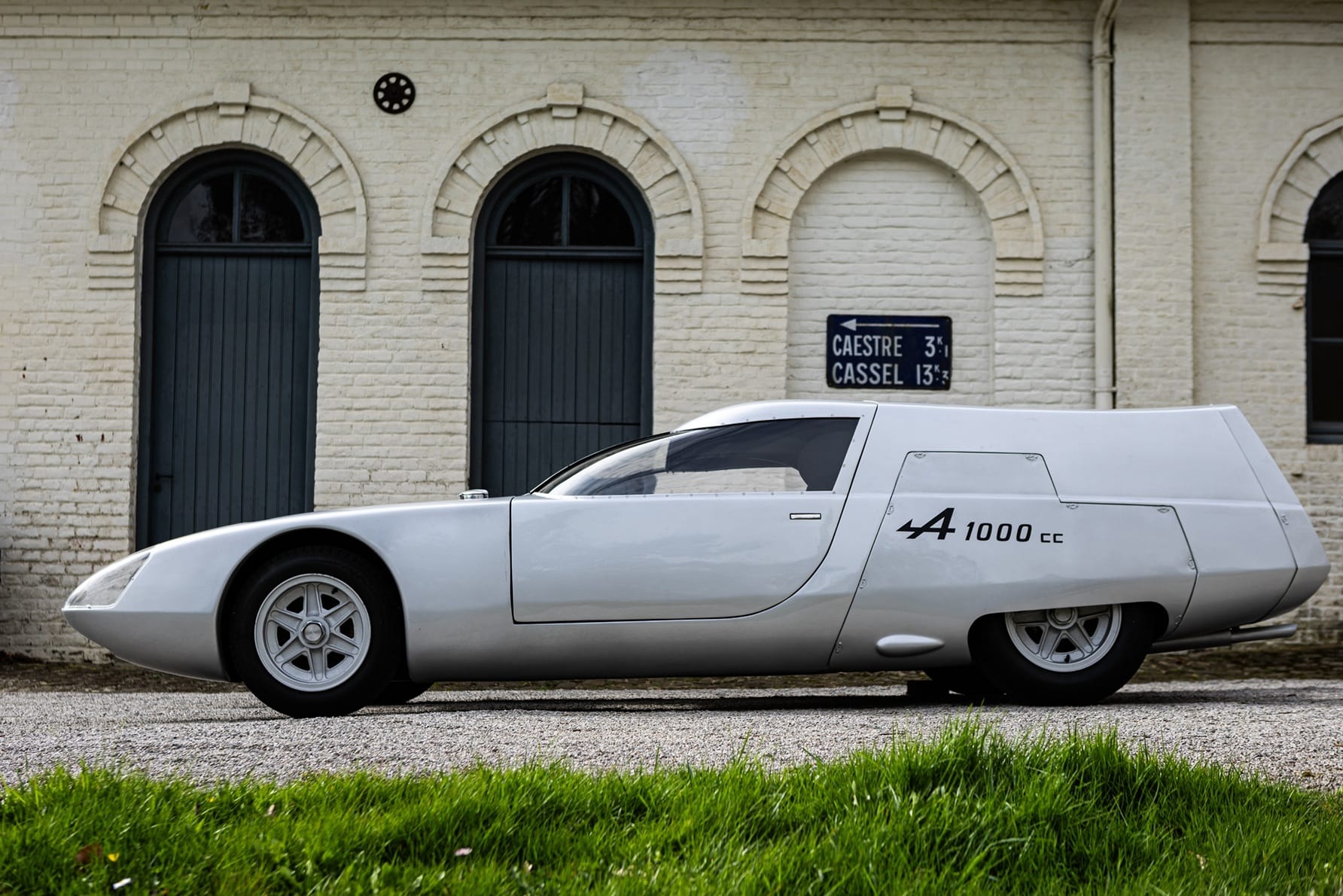
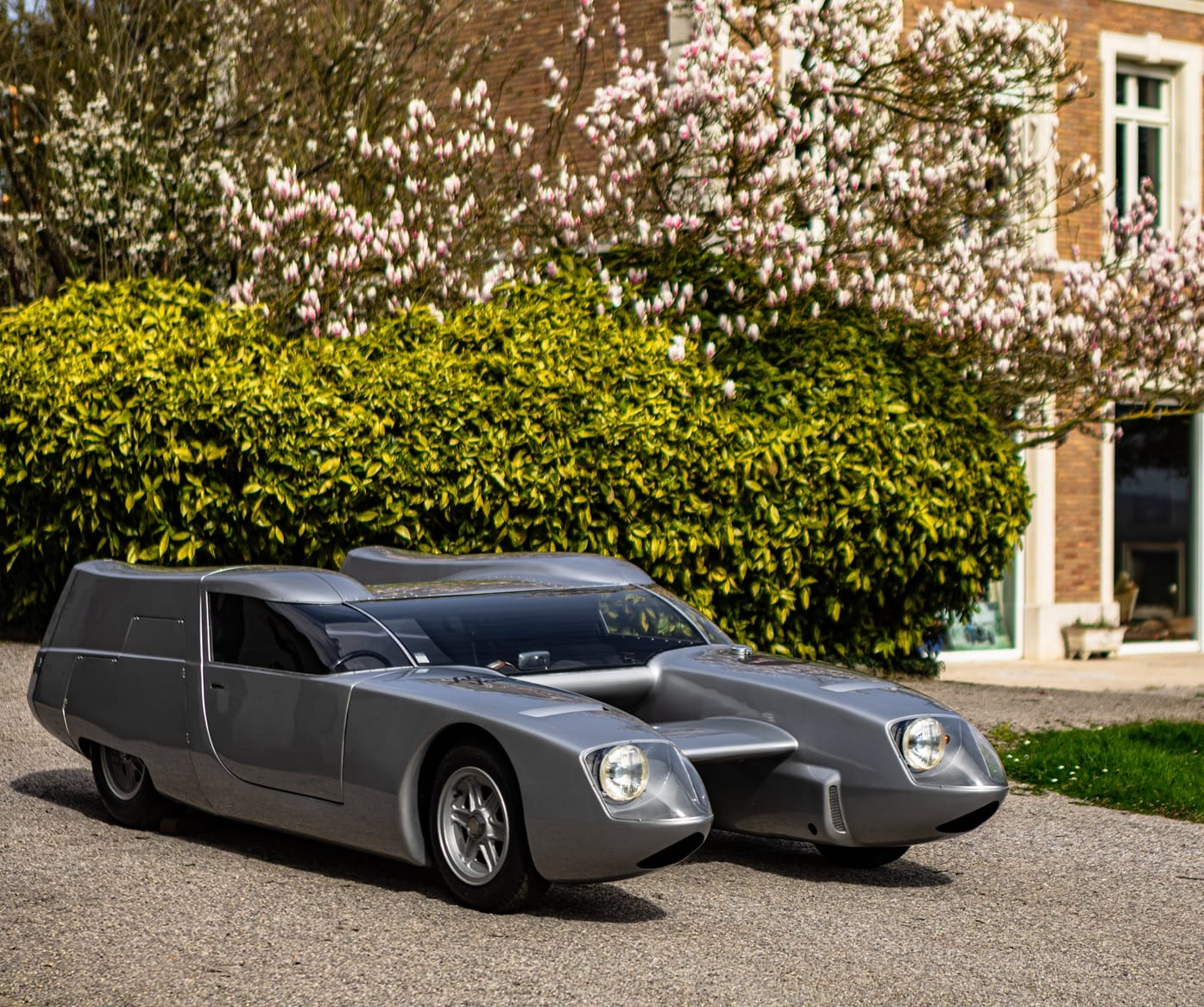
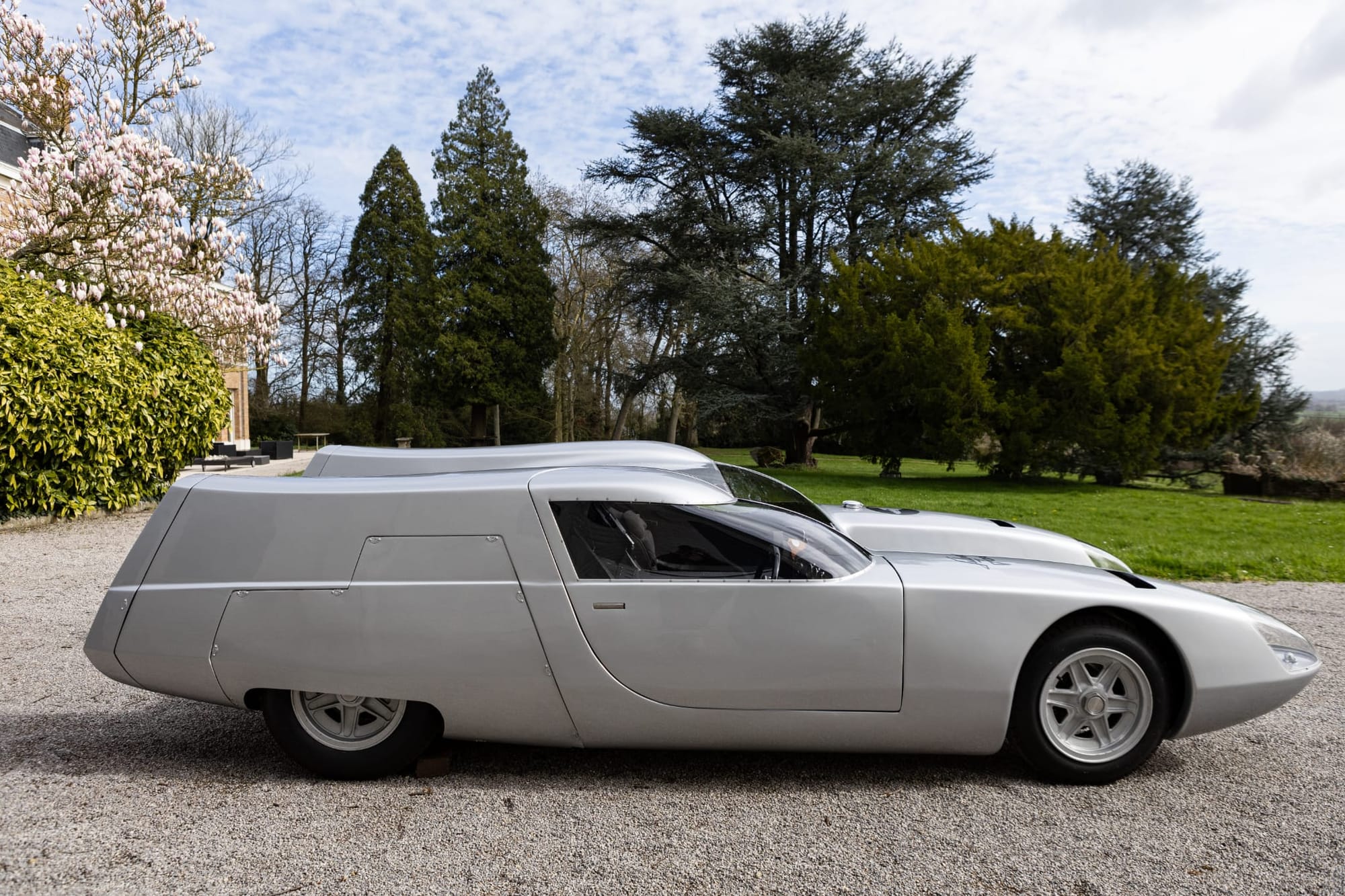
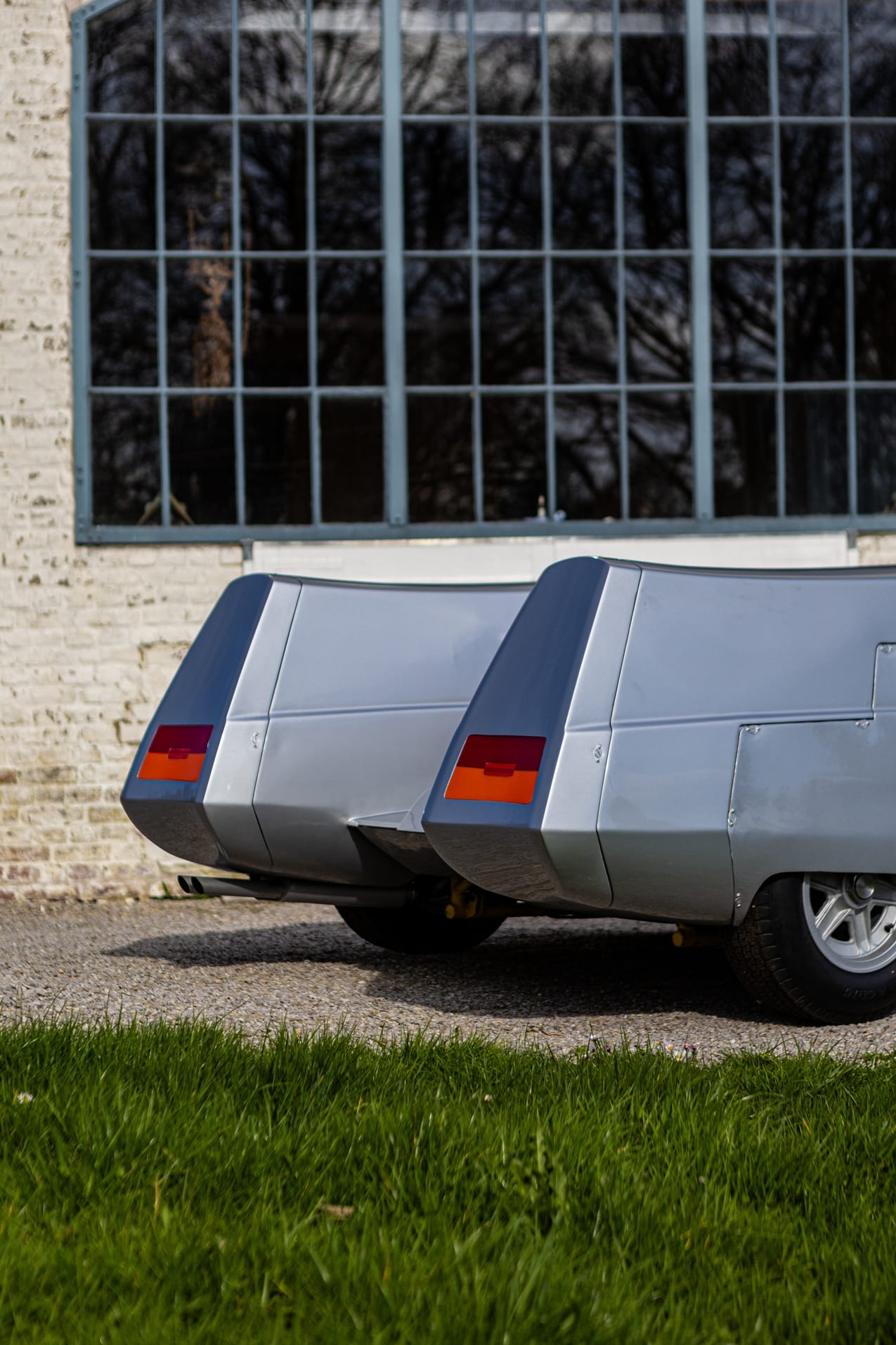
Working with OSI’s design chief Sergio Sartorelli, Taruffi once again proposed the unique twin-boom architecture: two slender parallel fuselages connected by three aerodynamic wings, creating a layout reminiscent of a catamaran, or even an aircraft.
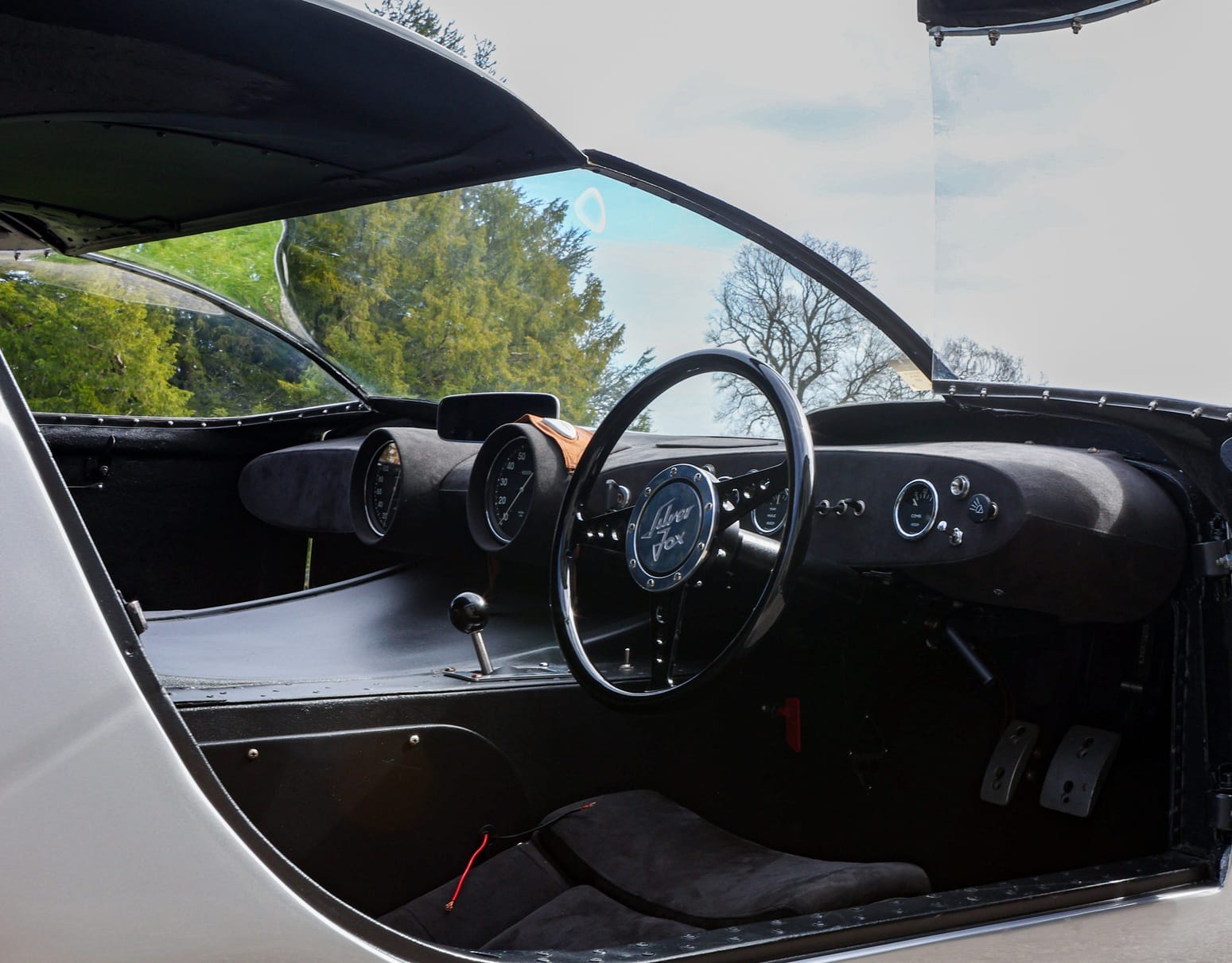
This unconventional configuration placed the driver in one pod and the engine in the other, ensuring optimal weight distribution. The power unit – a compact 1.0-litre four-cylinder from Alpine – was modest in output, yet the car’s lightweight construction and advanced aerodynamics allowed it to approach speeds of 250 km/h. At a time when far more powerful machines like the V12-engined Lamborghini Miura dominated headlines with a top speed of 278 km/h, the Silver Fox demonstrated that efficiency and design intelligence could rival brute force.
Its most striking feature lay in its aerodynamic system. The car incorporated three wing-like surfaces: a manually adjustable front wing, a large central wing that could be altered by the driver while in motion, and a fixed rear element. This early form of active aerodynamics anticipated technologies that would only become widespread decades later in endurance racing and Formula One. Every surface of the Silver Fox was shaped to guide airflow, reduce drag, and generate stability, an engineering philosophy far ahead of its time.
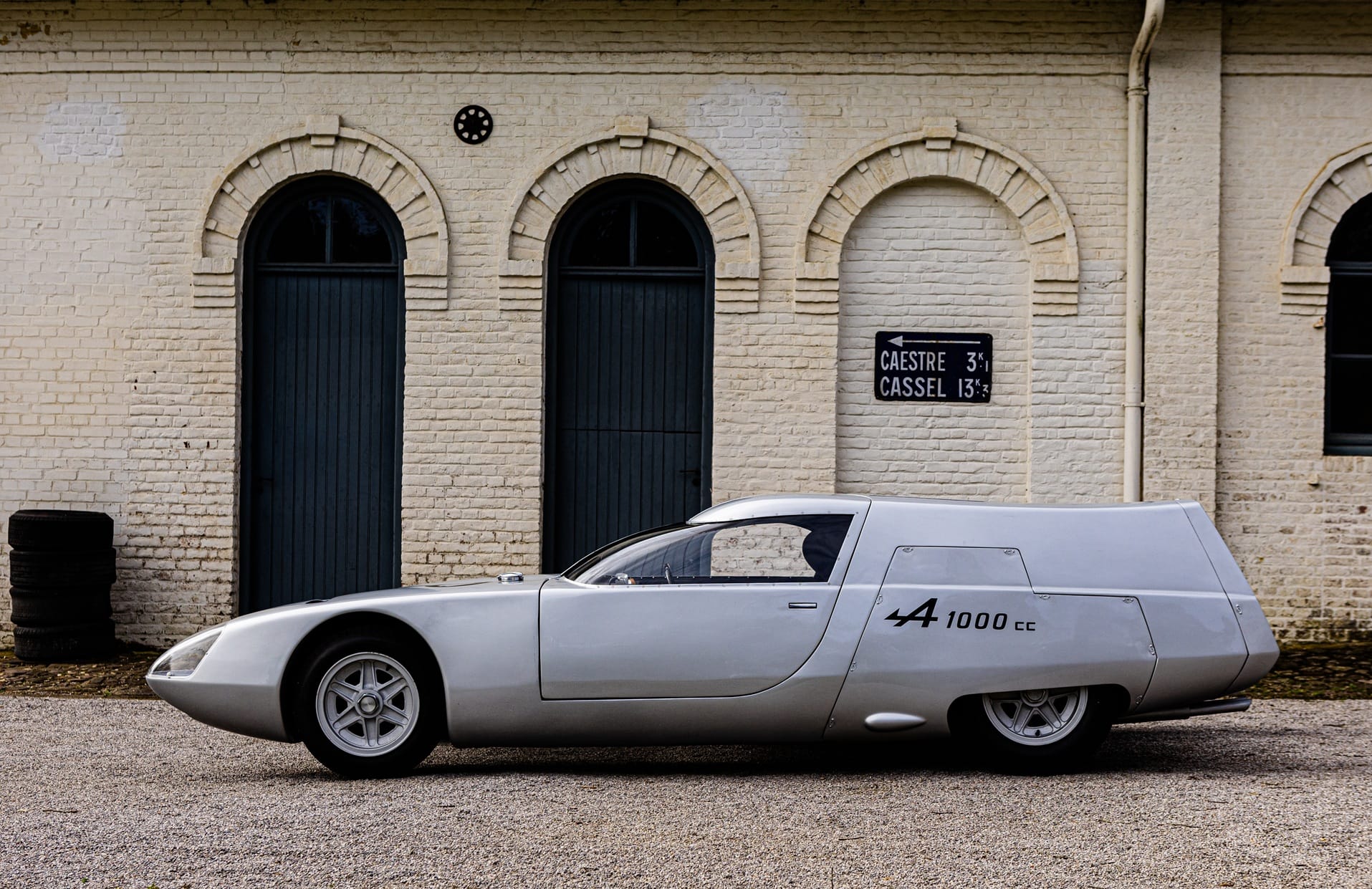
Originally conceived for FIA Group 6 competition, with ambitions of competing at the 24 Hours of Le Mans, the Silver Fox project was abruptly halted when OSI ceased operations in 1967. As a result, the car never realised its competitive potential and gradually slipped into partial obscurity, remaining on display at the Mougins museum of the renowned French collector Adrien Maeght.
In 1998, Christophe Pund – widely recognised for rediscovering rare and overlooked automotive treasures – acquired the Silver Fox from Maeght. He subsequently sold it in 2000 to French collector Paul-Emile Bessade. Over the following decade, Bessade undertook a meticulous restoration and completion of the prototype, working from original plans to ensure its sophisticated engineering functioned as originally intended.
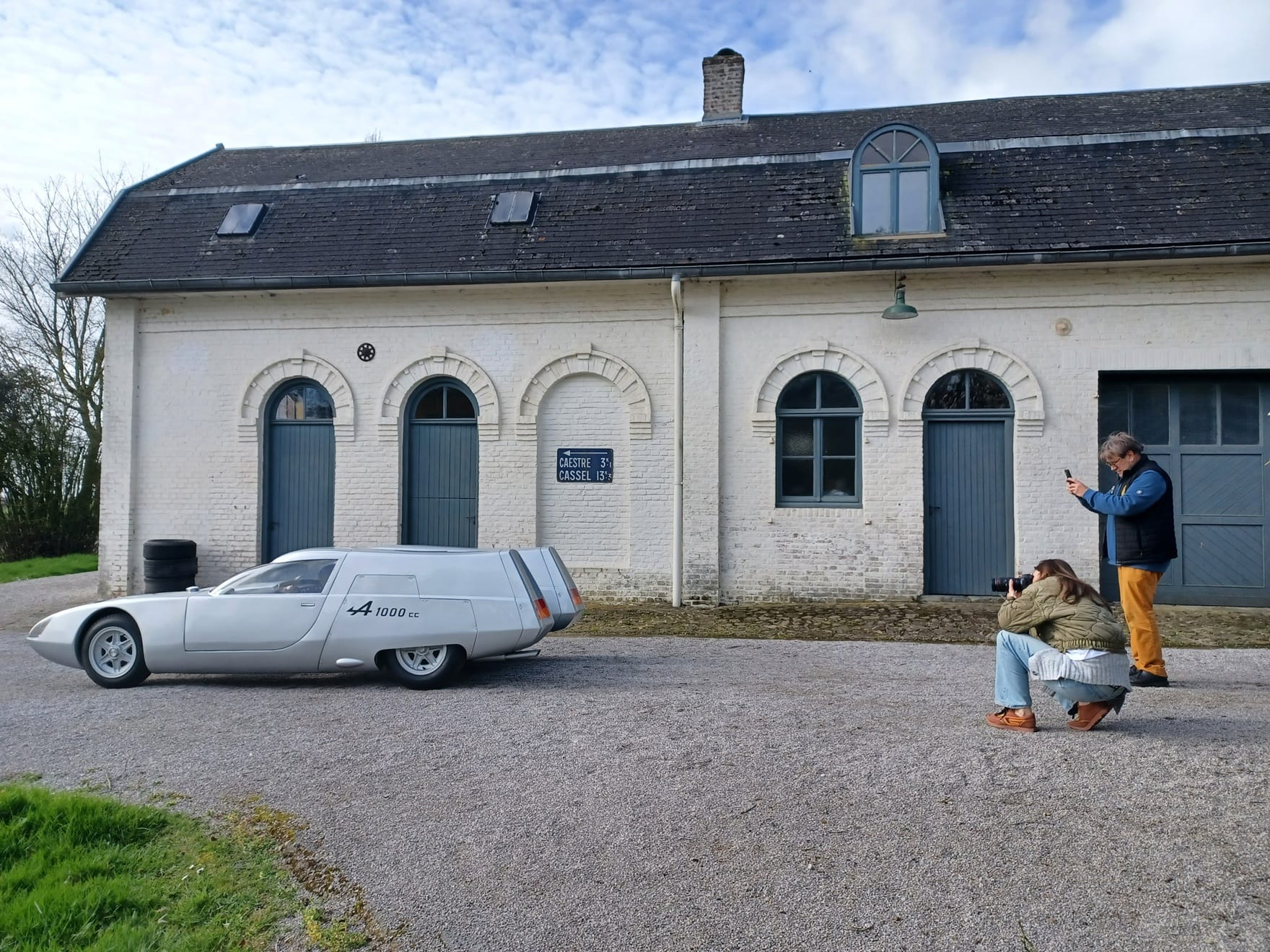
Nearly six decades after its creation, the Silver Fox returned to the spotlight in 2025, following its reacquisition by Christophe Pund. It garnered widespread acclaim at the prestigious Concorso d’Eleganza Villa d’Este on Lake Como, where it captivated enthusiasts and was awarded the Auto & Design Trophy. Its reception echoed the sense of wonder it had first inspired in 1967.
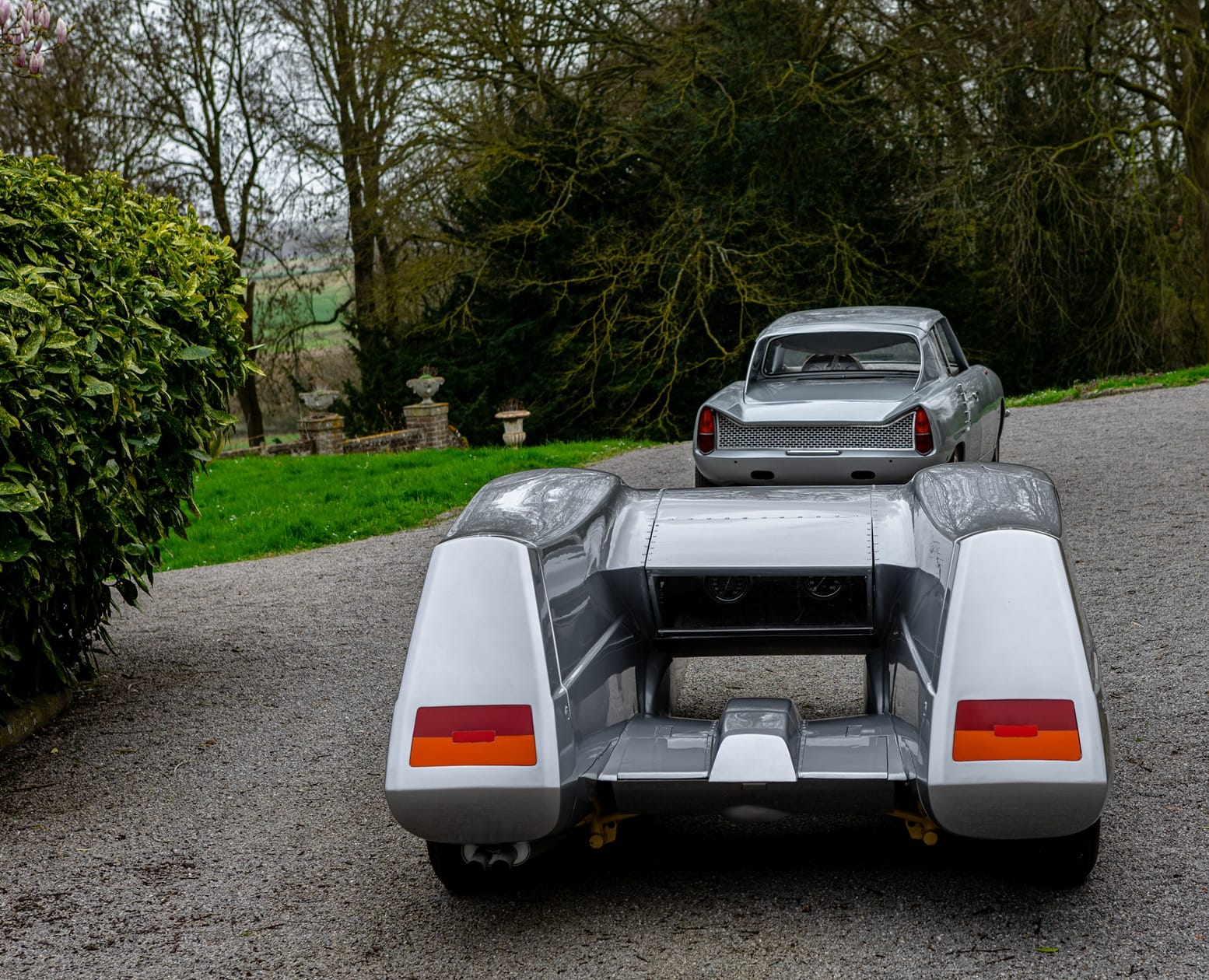
Today, the Silver Fox stands as a remarkable testament to a period when Italy served as a laboratory of automotive innovation. More than just a prototype, it represents a philosophy: that true performance lies not only in power, but in mastering the invisible forces of air and motion. In an age increasingly focused on efficiency and intelligent engineering, this visionary machine remains strikingly relevant, a reminder that even fleeting experiments can shape the future of the automobile.
Comments ()