1969 Lambretta Lui – The Cult Chicster
The little Lambretta Lui proved decades ahead of its time and style
Text: Gautam Sen
Images: Makarand Baokar
Sometimes, the most meaningful gifts are not the most expensive ones, but those that fulfil a lifelong dream. That was certainly the case for Italian enthusiast (and highly reputed historic vehicle restorer) Alessandro Cotterchio.
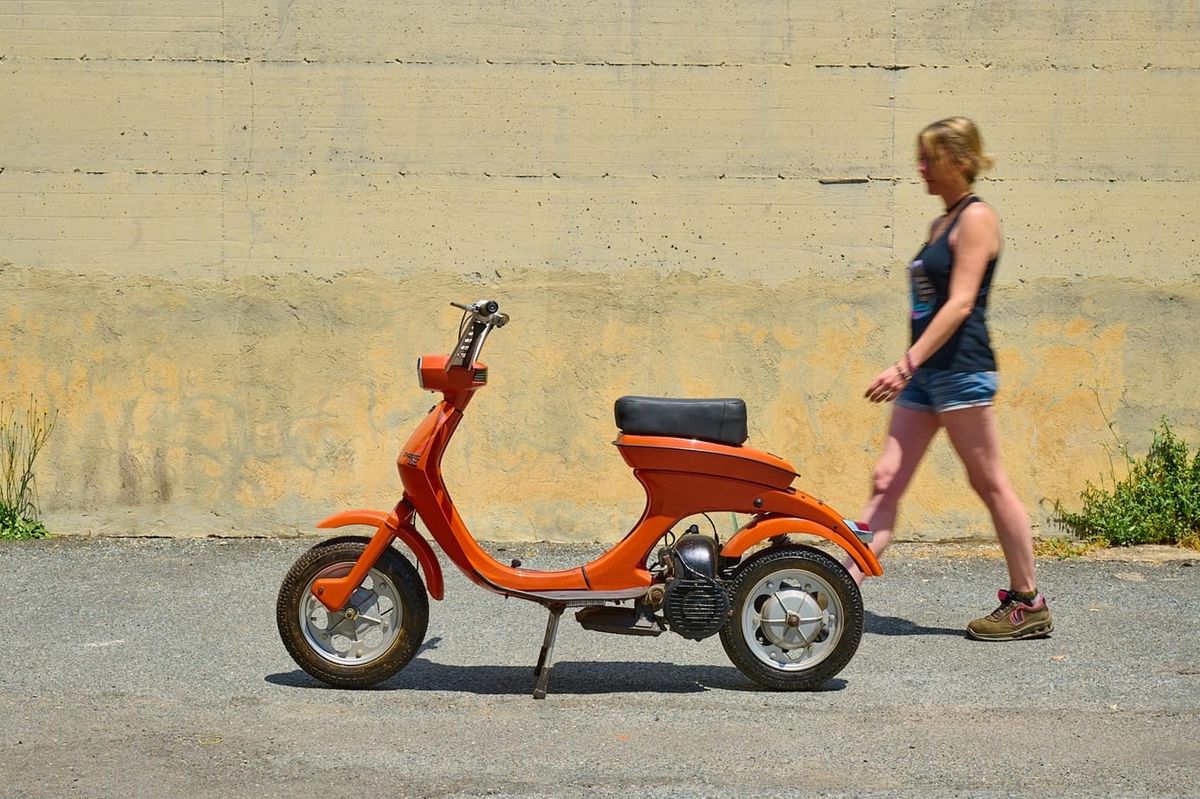
Around five years ago, after losing his father, Alessandro was going through one of the most difficult periods of his life. Wanting to lift his spirits, his close friend Tommaso Macrì did something extraordinary: he handed him the keys to a scooter Alessandro had admired for years but had never managed to find, a 1969 Lambretta Lui.
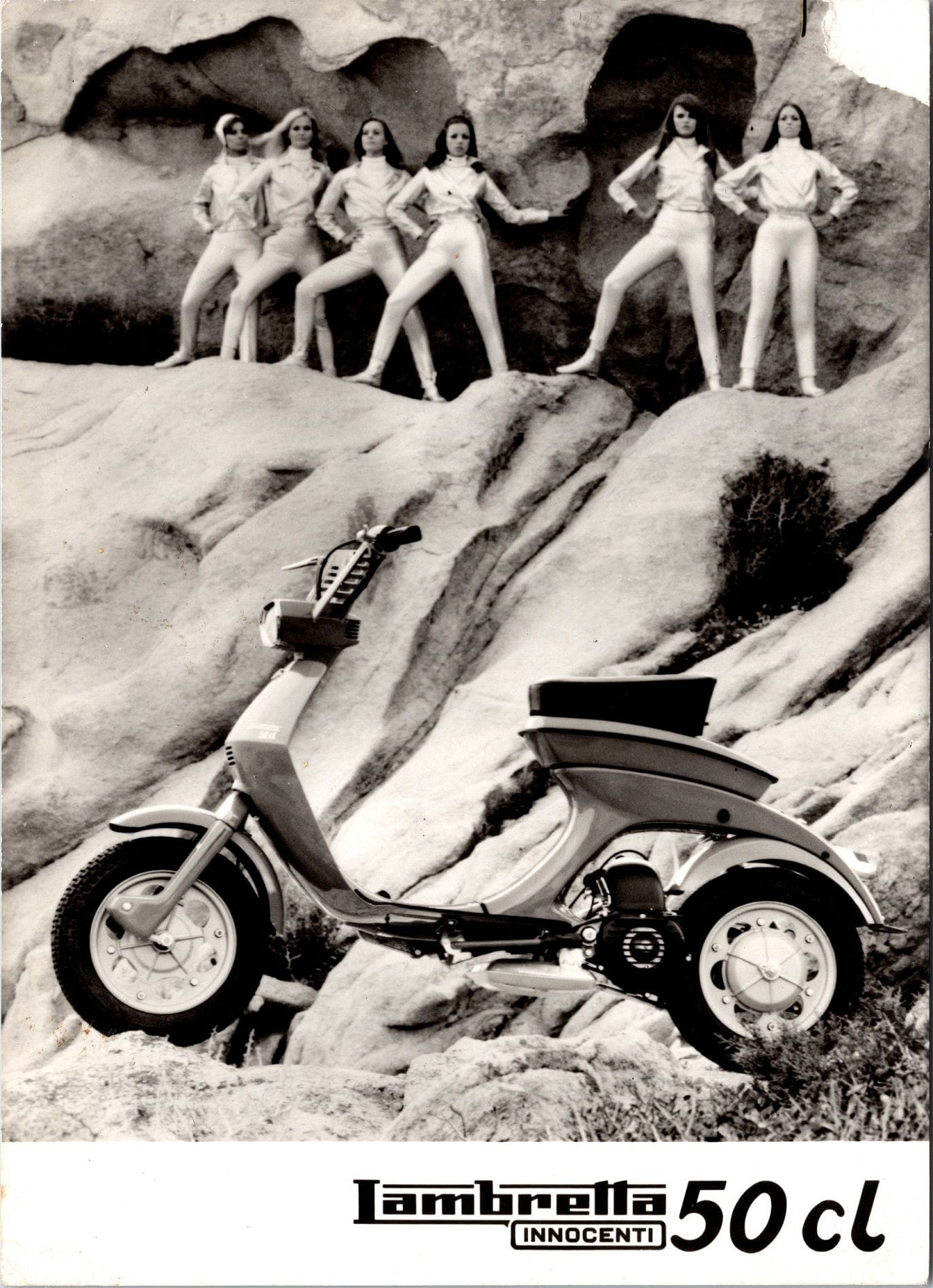
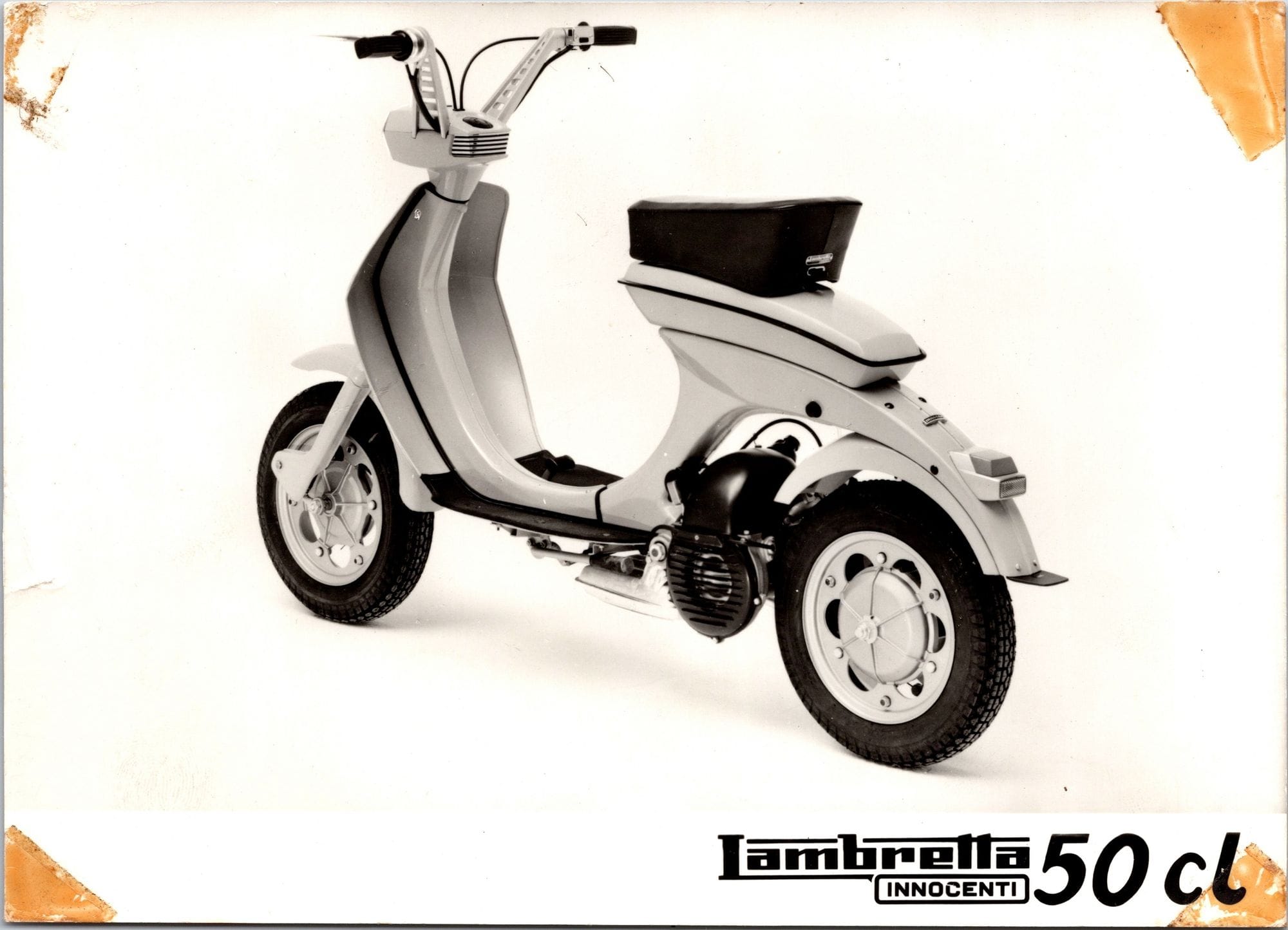
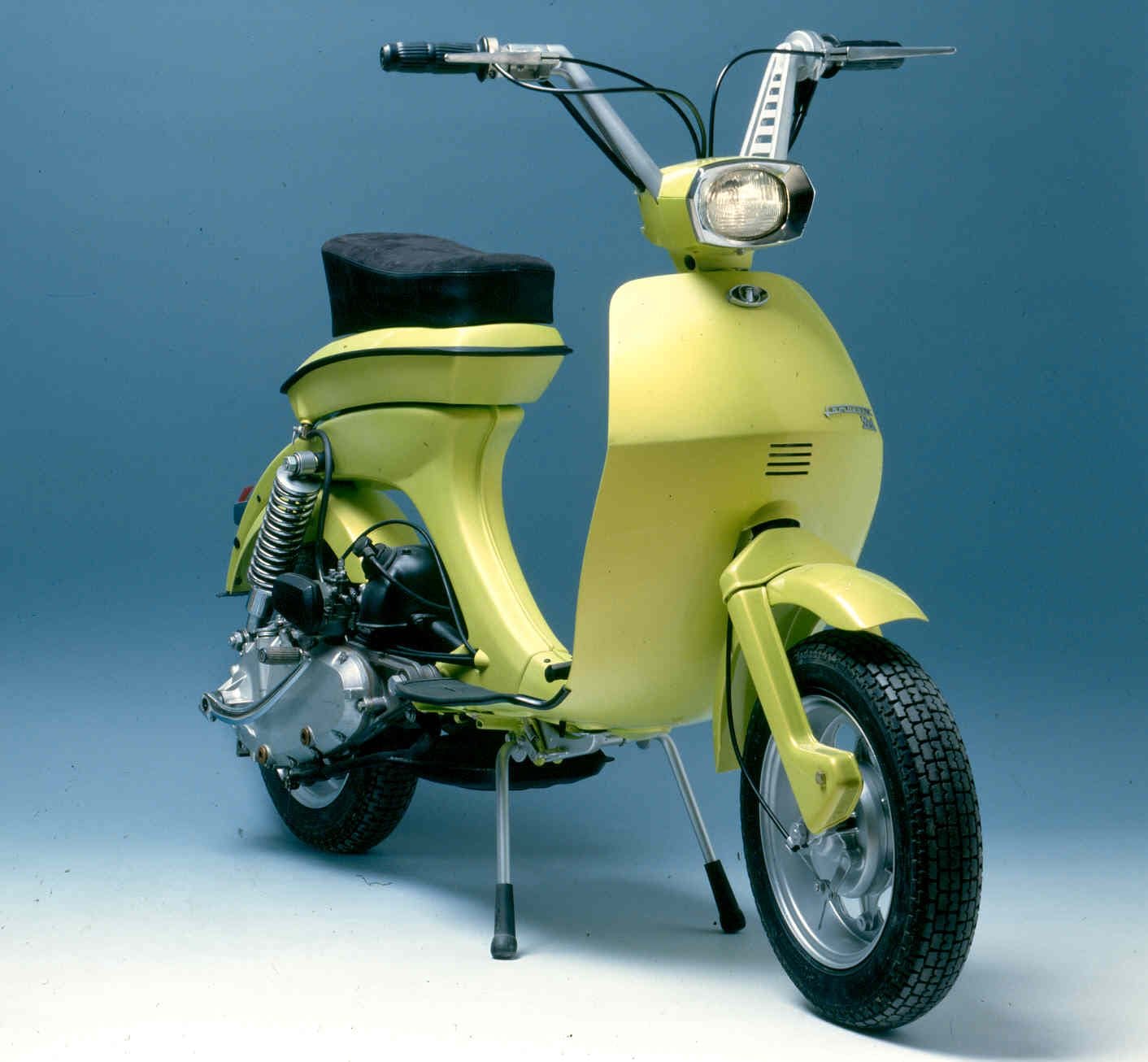
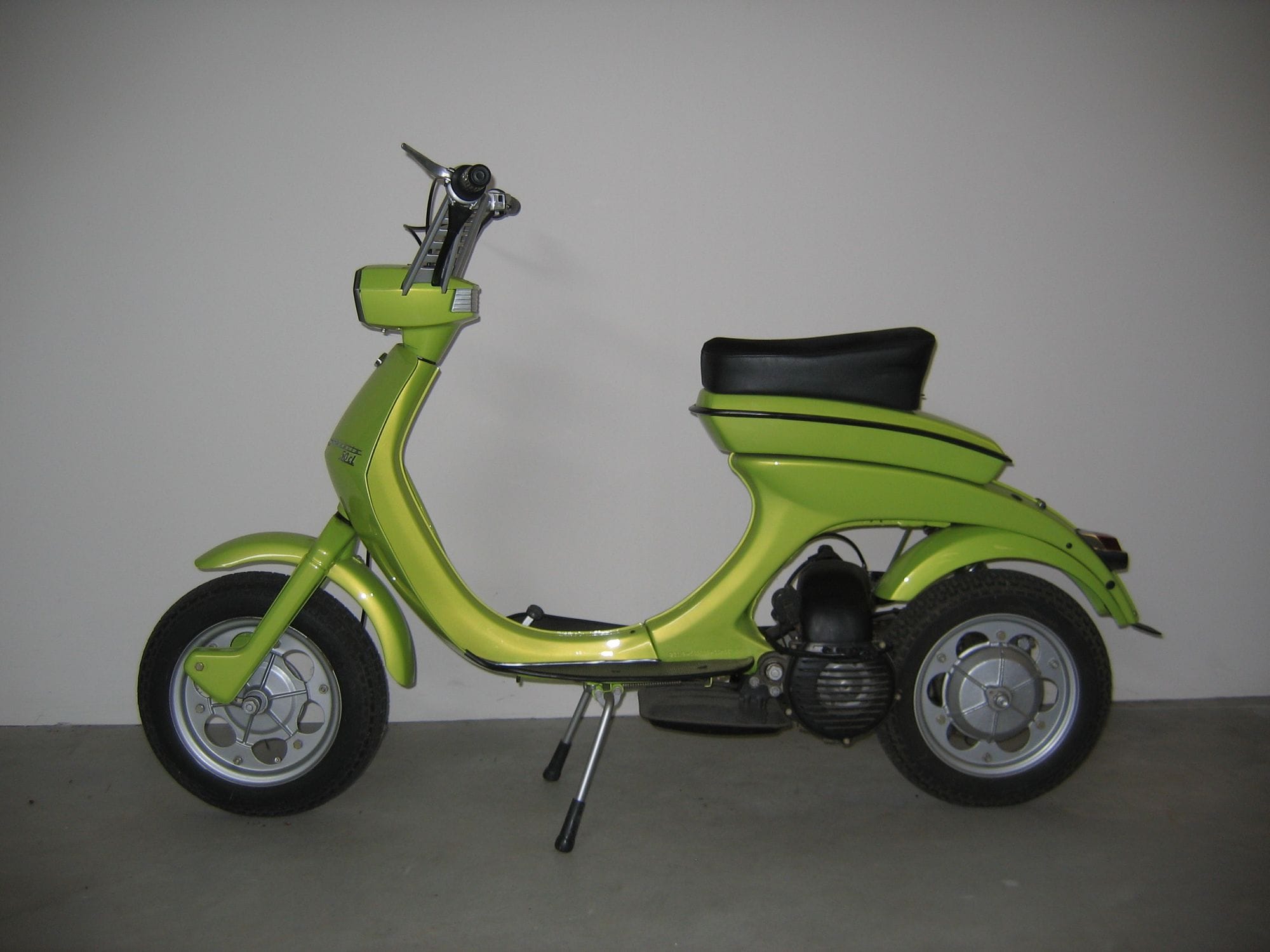
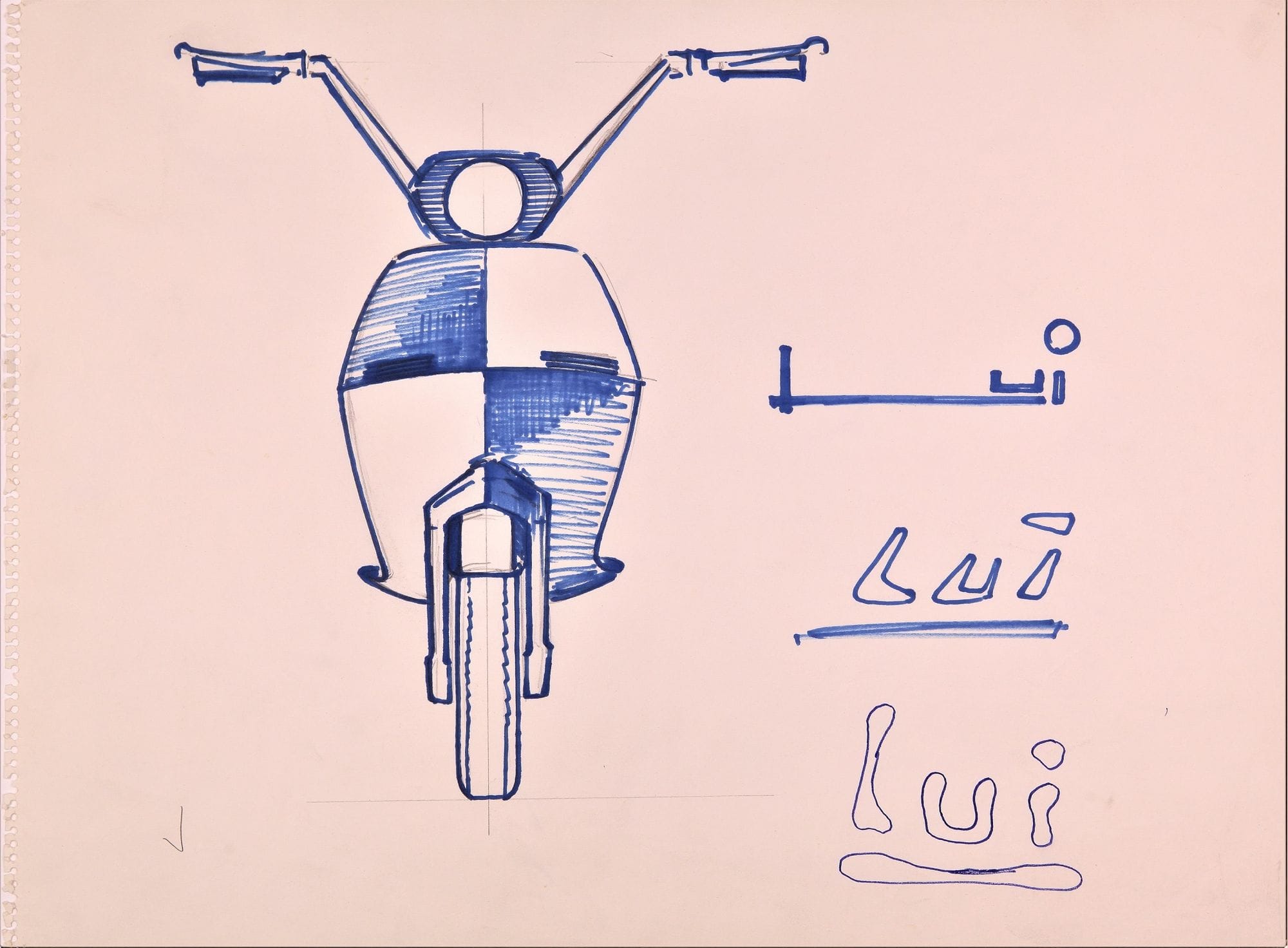
The period press-release image featured young ladies who were the target customers for this scooterette (above left); This is an image of a series-production model (above right); The little Lambretta was available in typical 1970s shades: a bright orange, a sublime blue, and a striking lime green (below left); This is the one surviving example in the Bertone Collection, which includes all the vehicles that used to be a part of the Bertone museum (below right)
The gesture achieved exactly what Tommaso had hoped. Alessandro instantly fell in love with the little scooter, not only because it was a beautiful example, but because the Lui had always occupied a special place on his wish list.
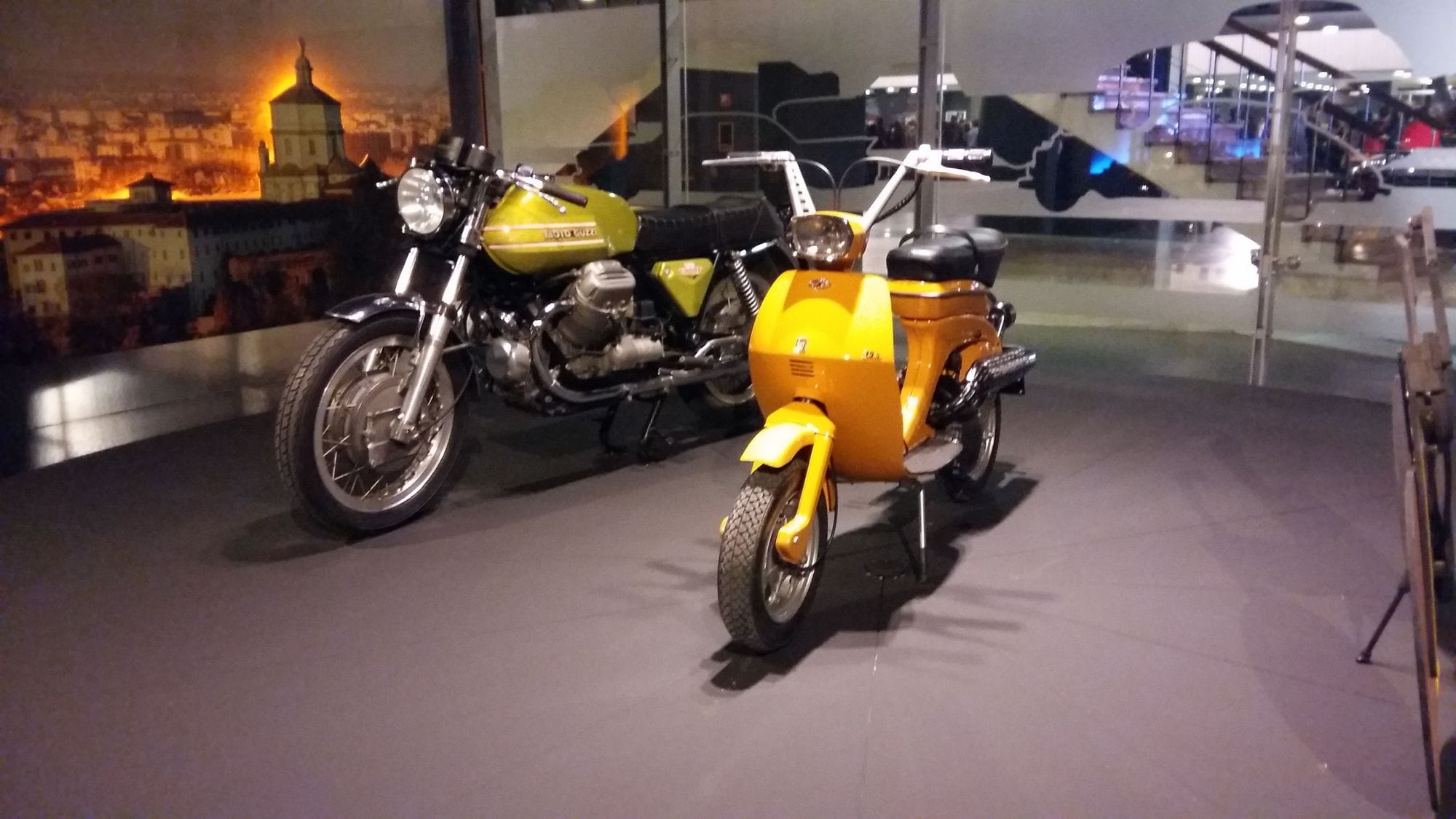
Its rarity meant that finding one in excellent condition was never easy, and Tommaso's machine was about as good as they come. Although he had owned it for only twelve years, the scooter had spent most of its life in Asti, near Turin, passing through the hands of just two careful owners before receiving certification from the Automotoclub Storico Italiano (ASI), confirming its originality and excellent state of preservation.
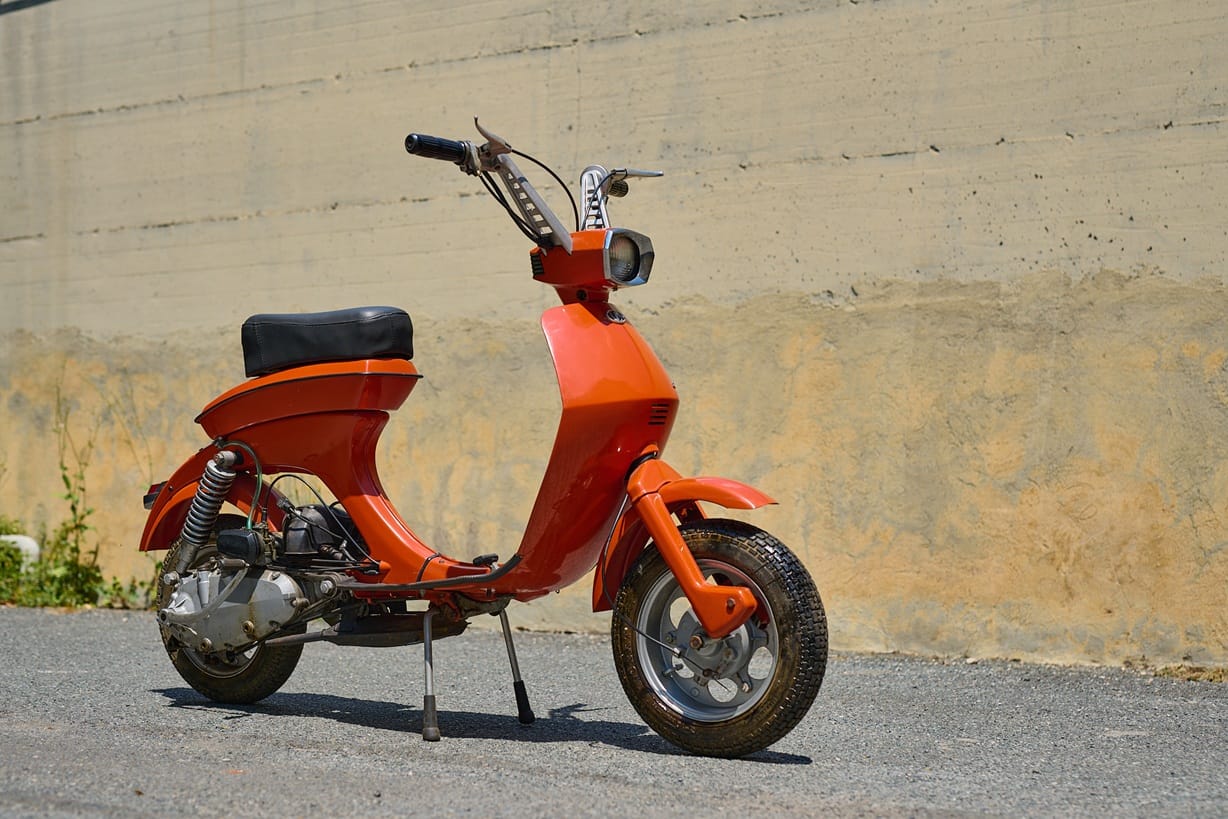
So, what makes the Lambretta Lui so desirable today?
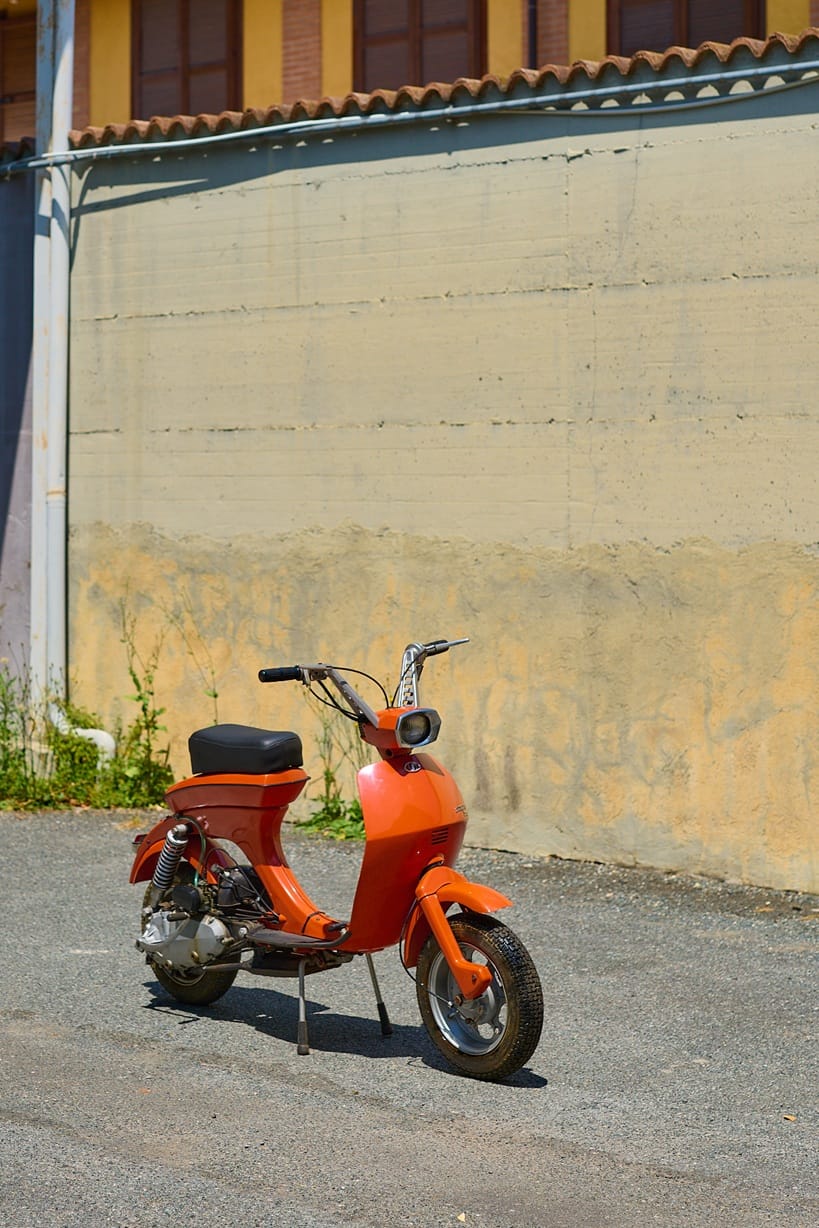
"I love its modern design and the fact that it is such a rare model," Alessandro explains. "Production lasted little more than a year, and, of course, it was designed by none other than Marcello Gandini."
That final point is perhaps the most remarkable. Long before Gandini became famous for masterpieces such as the Lamborghini Countach and Lancia Stratos, he was occasionally asked to turn his attention to far smaller projects. The Lui may have been humble compared with the supercars that would later make him famous, but it displayed exactly the same willingness to challenge convention.
"When it was launched, perhaps the design was simply too futuristic," Alessandro believes. "People didn't really understand it. Today, every Lambretta enthusiast wants one. It has become a true cult machine."
To understand why the Lui looked so different, it helps to look at the changing European market during the second half of the 1960s.
At the time, Innocenti, manufacturer of the famous Lambretta scooters and Piaggio's principal rival, recognised that traditional scooters were beginning to lose ground. Across Europe, lightweight mopeds were becoming increasingly popular, offering inexpensive personal mobility for younger riders. Innocenti decided it needed an entirely new product: a lightweight, affordable scooterette, or scooterino, that would appeal to this growing market.
The company's engineers quickly produced a working prototype during 1967. Mechanically, it was exactly what Innocenti wanted. Powered by economical 49.8cc and 75cc single-cylinder two-stroke engines, it was light, practical and inexpensive to manufacture.
Visually, however, it was another matter.
Management reportedly dismissed the styling as simply "unsellable."
Rather than attempting to redesign the machine themselves, Innocenti turned to the Turin-based design house Bertone, whose reputation for fresh, modern styling was rapidly growing. The brief was straightforward but challenging: create a scooter that looked fashionable without becoming complicated or expensive to build. It needed to be simple, lightweight and functional – a return to the essentials of urban mobility.
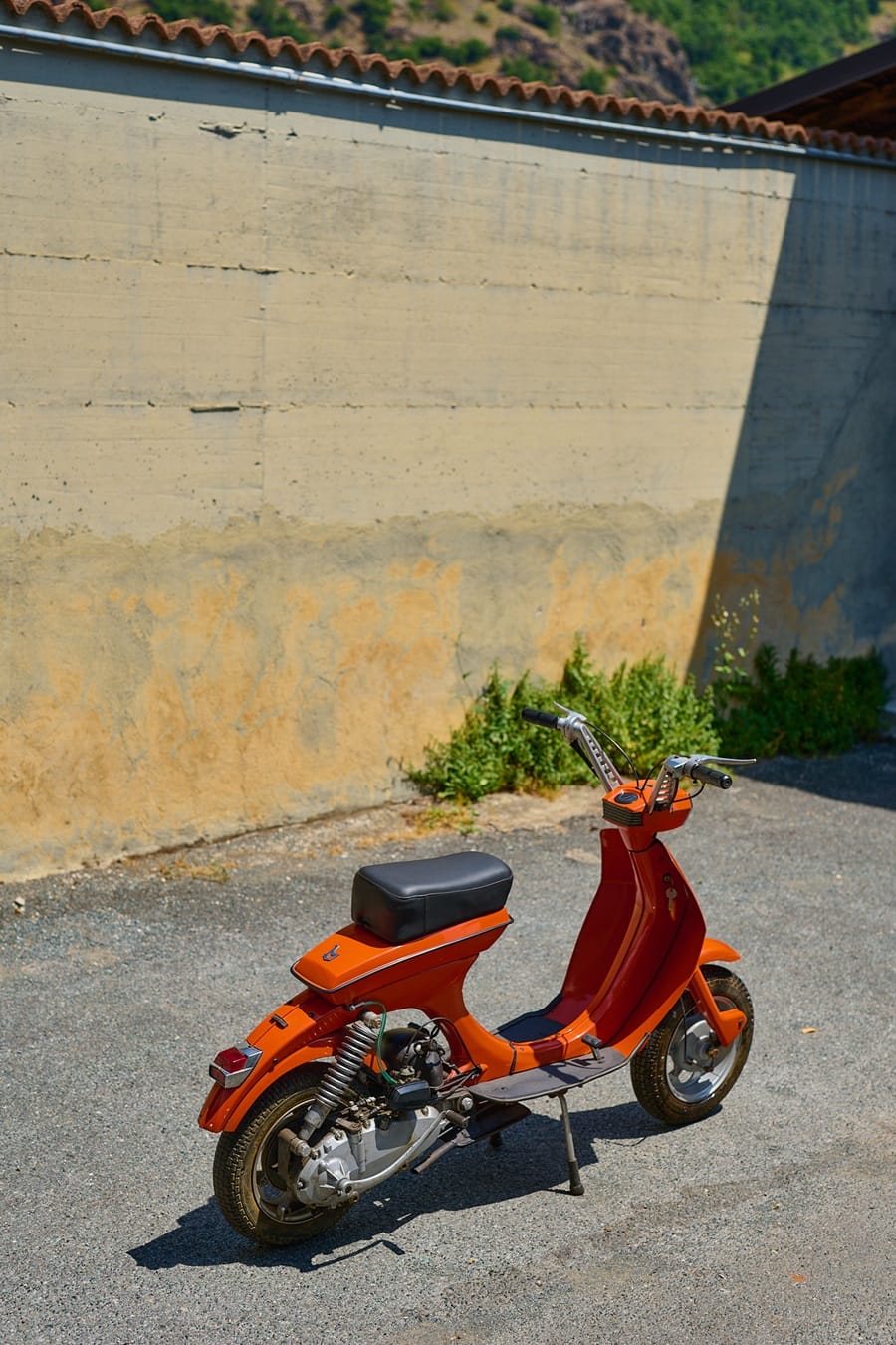
"The idea of designing a lightweight scooter was completely new, yet very interesting," Marcello Gandini recalled when speaking to this author in 2014. "In some ways, it was a challenge because we had to think very differently from the way we designed a car."
The challenge forced Gandini to rethink almost every aspect of the scooter's appearance.
"Because it had to be light and simple to manufacture," he explained, "the frame itself had to become part of the design."
The result was inspired by one of Lambretta's earliest successes, the open-framed Model D of the 1950s, but reinterpreted in an entirely modern way. Gandini transformed the utilitarian concept into something elegant and youthful, using sweeping lines and minimalist detailing that looked decades ahead of contemporary scooter design.
The Lui's construction reflected this philosophy perfectly. A tubular steel front frame carried a simple bolt-on leg shield, while a pressed-steel monocoque rear section supported the exposed engine beneath it. Rather than hiding the mechanical components, Gandini allowed them to become part of the visual composition.
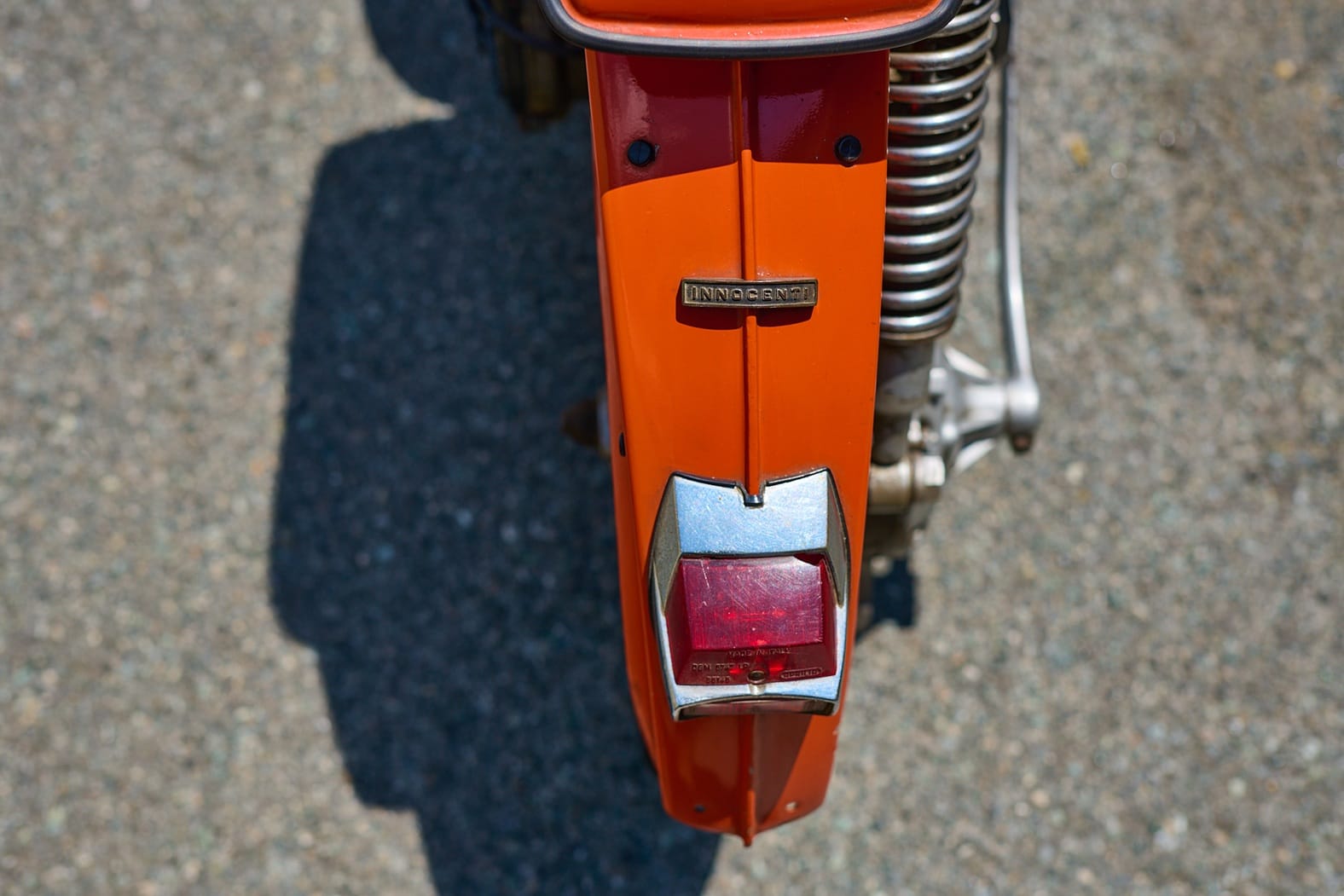
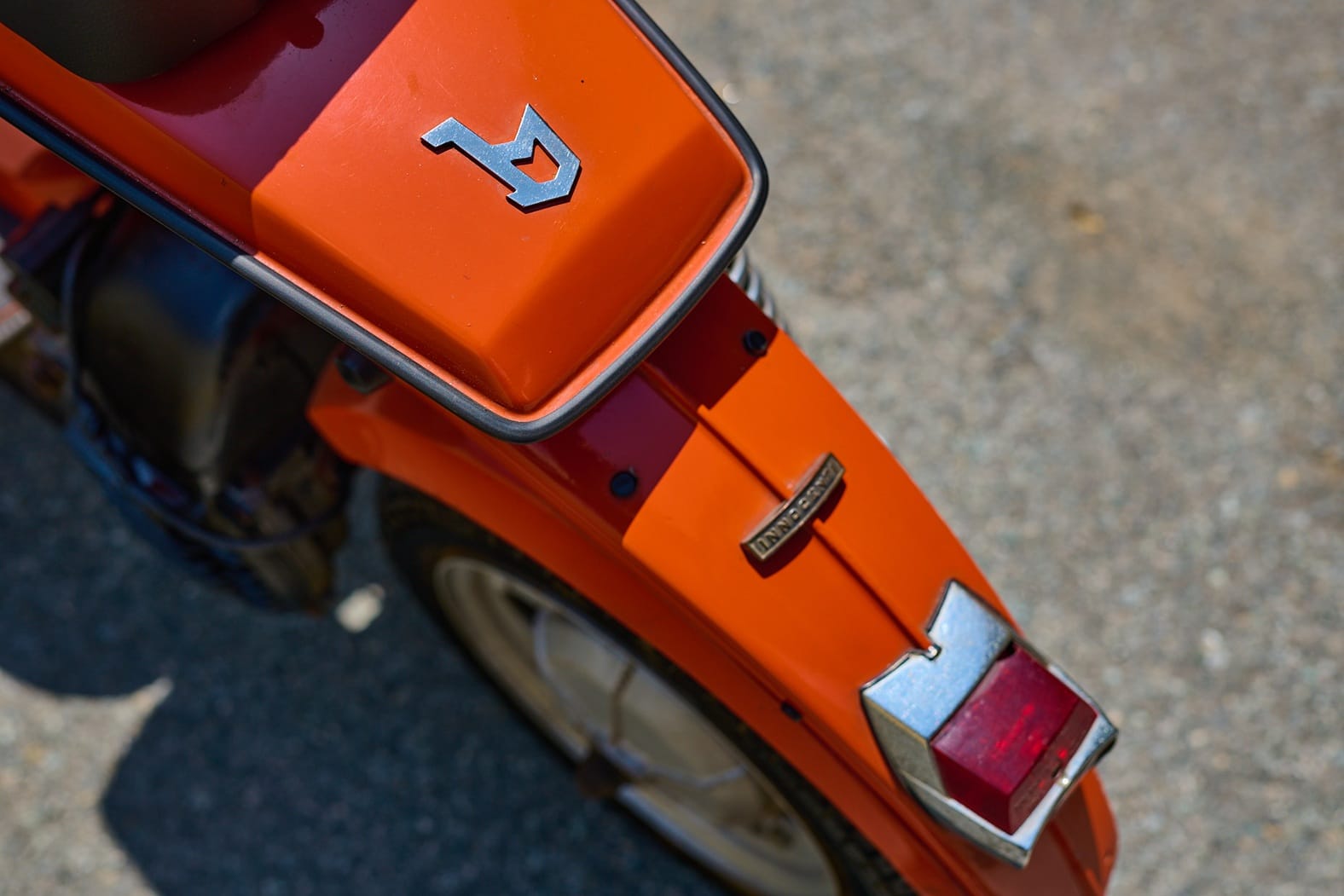
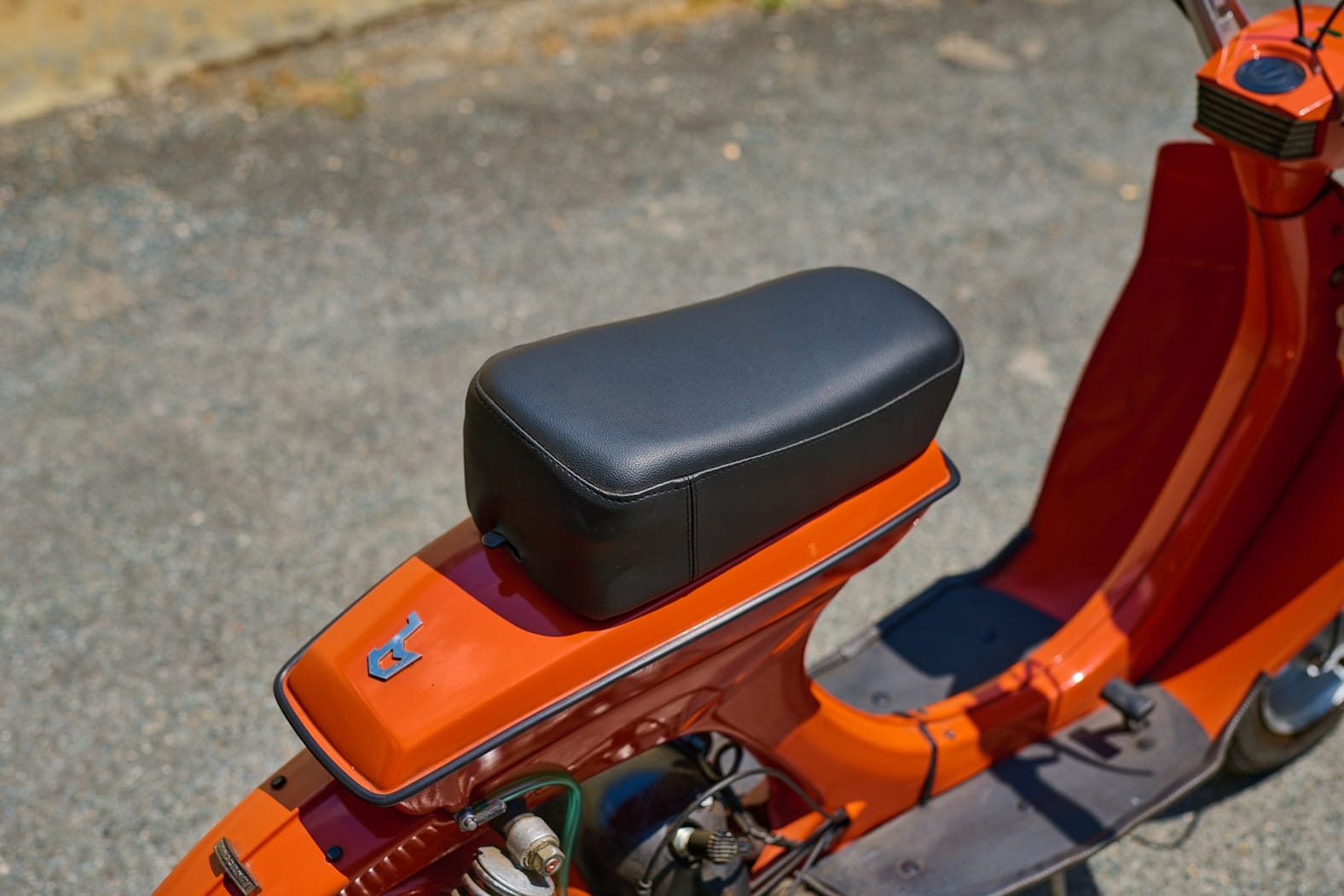
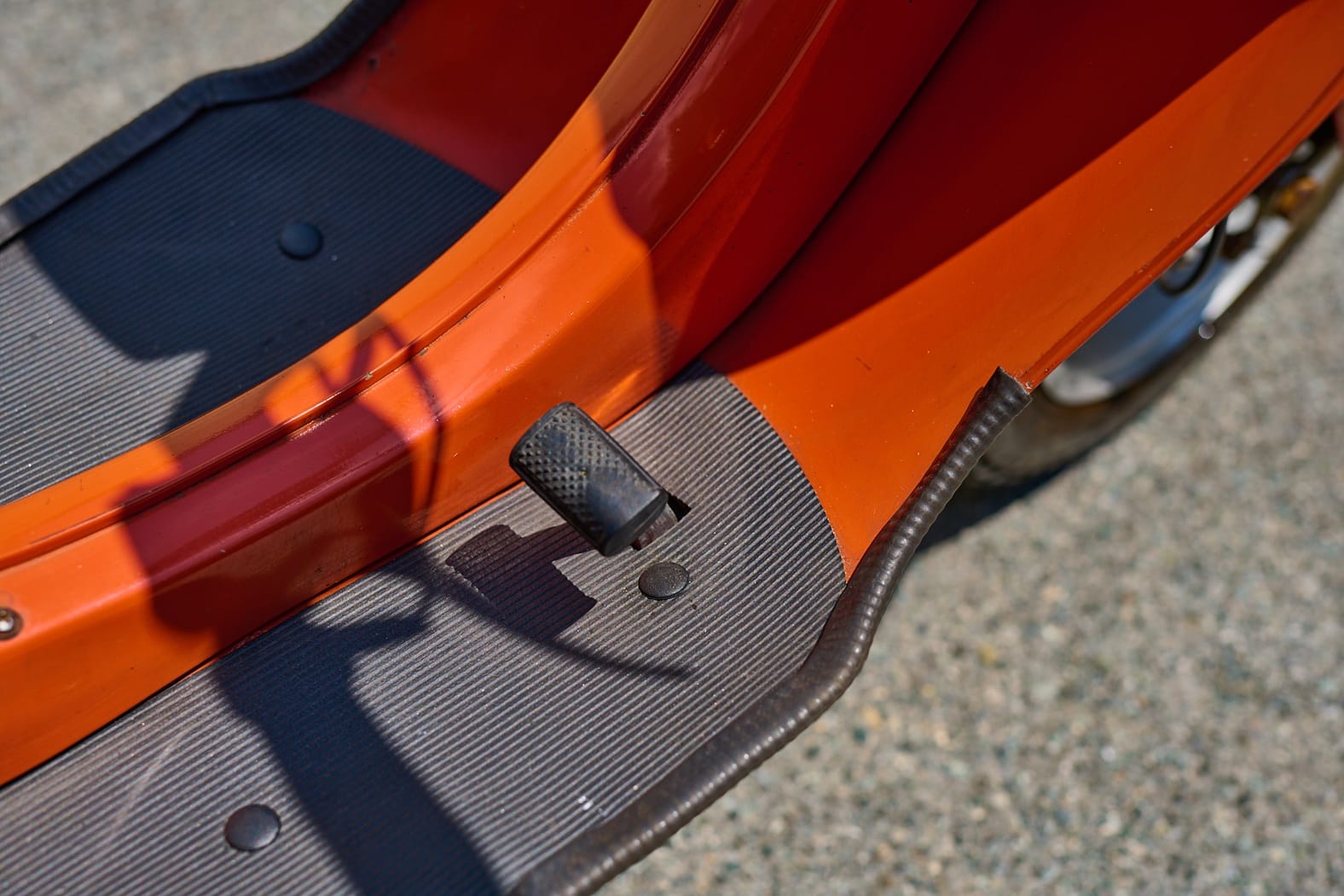
Lovely little details - such as the Bertone 'b' badge - distinguish the Lui from the mopeds and scooterettes of the late 1960s and early 1970s
One of the scooter's most distinctive features was its beautifully executed die-cast aluminium handlebar, emerging cleanly from the compact headlamp nacelle. It was a small detail, but one that gave the Lui a surprisingly sporting and sophisticated appearance despite its modest purpose.
Remarkably, Gandini and the Bertone team completed both the design and prototype in only three months.
Innocenti's management approved the proposal almost immediately, and the scooter entered production virtually unchanged from the original design study.
The Lambretta Lui 50 was officially introduced on 28 May 1968, followed later that year by the more powerful 75cc version. In export markets, the larger-engined model was marketed under the names Vega and Cometa.
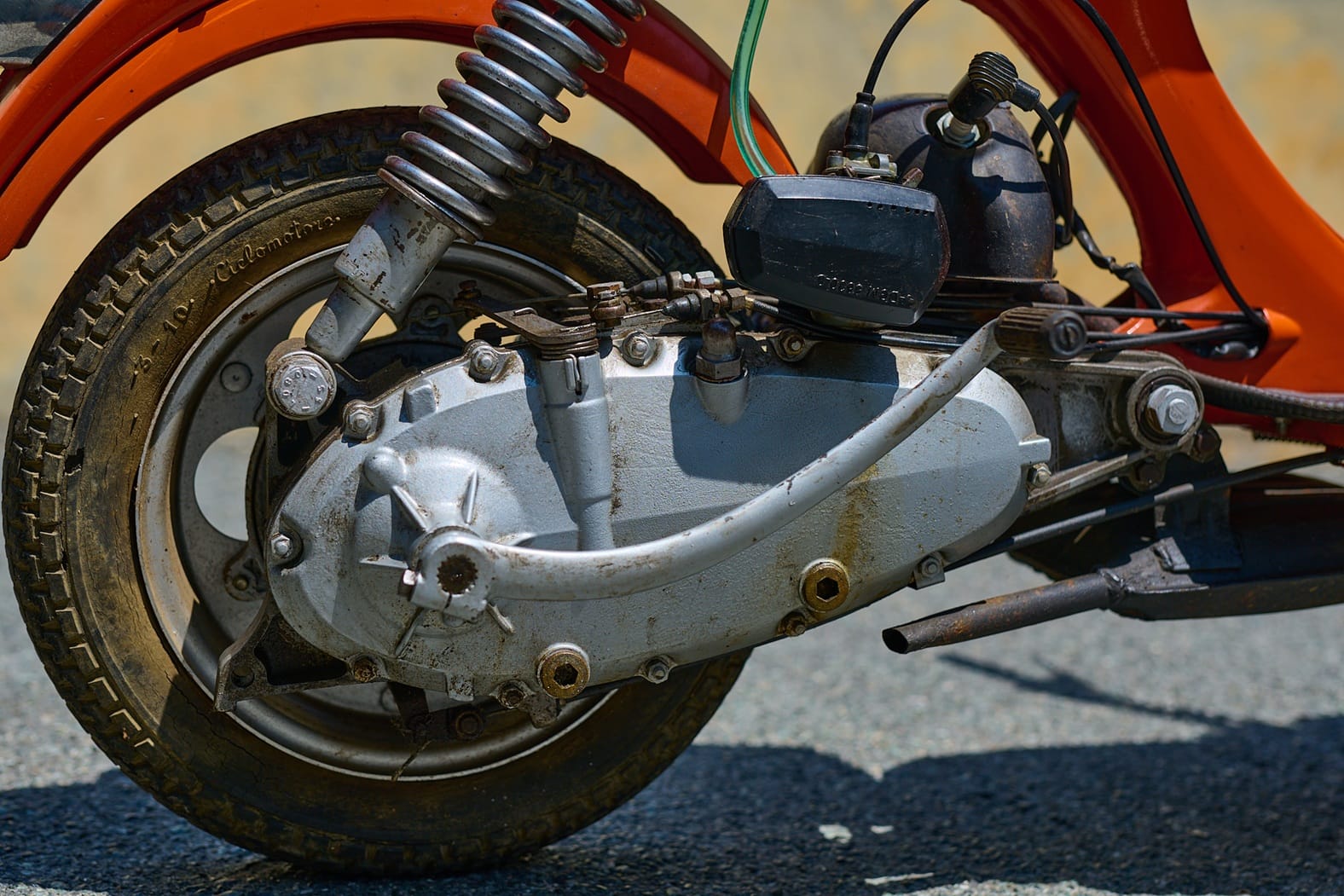
Although the Lui received favourable reviews from the motoring press, commercial success proved elusive.
Ironically, the scooter itself was not the problem. Instead, the market had changed dramatically. By the late 1960s, inexpensive small cars such as the Fiat 500 and Fiat 850 were becoming increasingly accessible to European buyers. Many families who might previously have purchased a scooter were now able to afford four wheels instead of two.
Faced with declining demand, Innocenti discontinued production of the Lui, Vega and Cometa in June 1969 after building approximately 37,000 examples.
What appeared to be a commercial disappointment at the time has, with hindsight, become one of the model's greatest strengths.
Because production lasted for barely a year and relatively few examples survived, the Lui has become one of the most sought-after Lambrettas among collectors. Even more remarkable is how contemporary it still looks. More than half a century after its introduction, Gandini's minimalist styling appears surprisingly modern. Park a well-preserved Lui alongside many current urban scooters and it scarcely looks out of place.
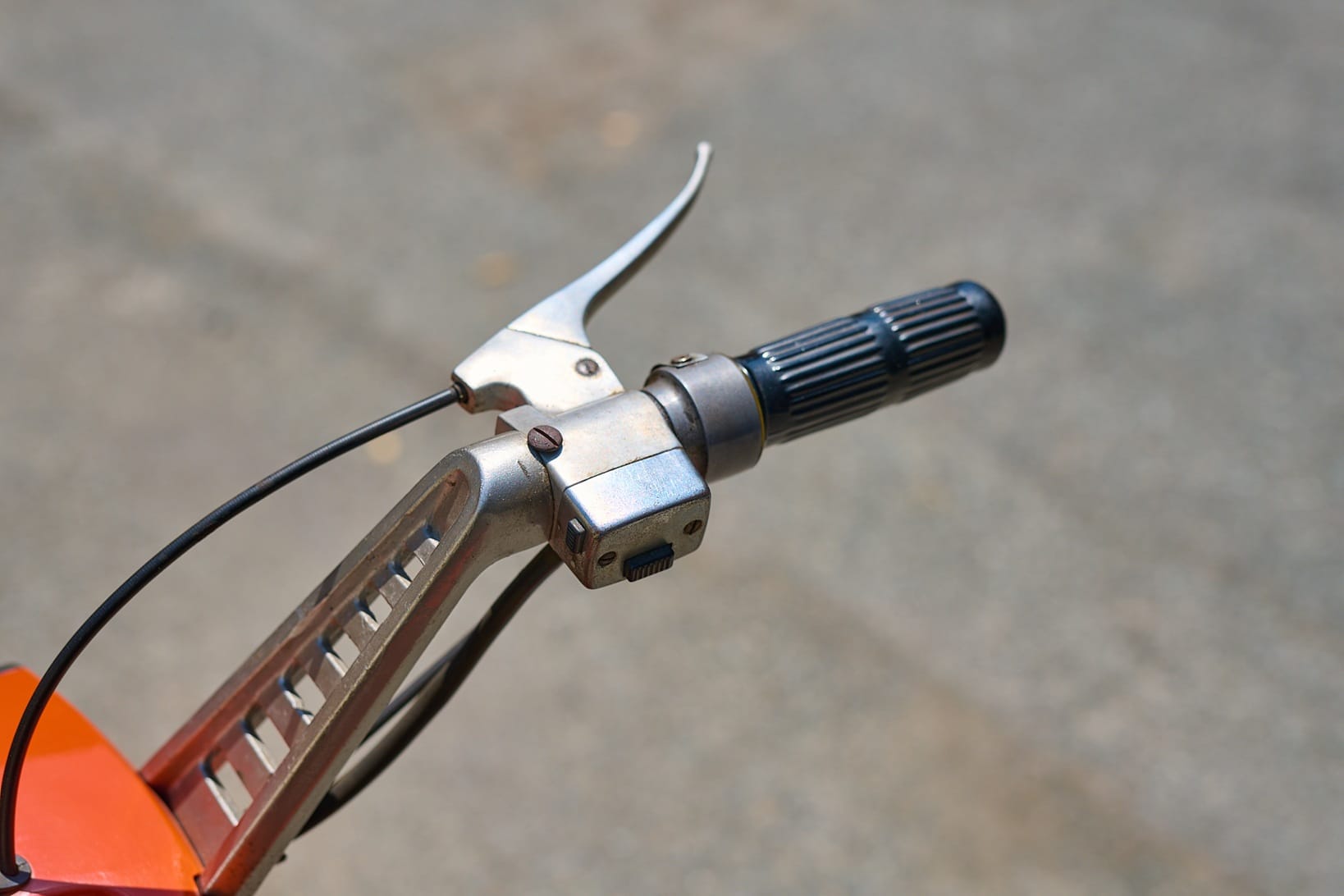
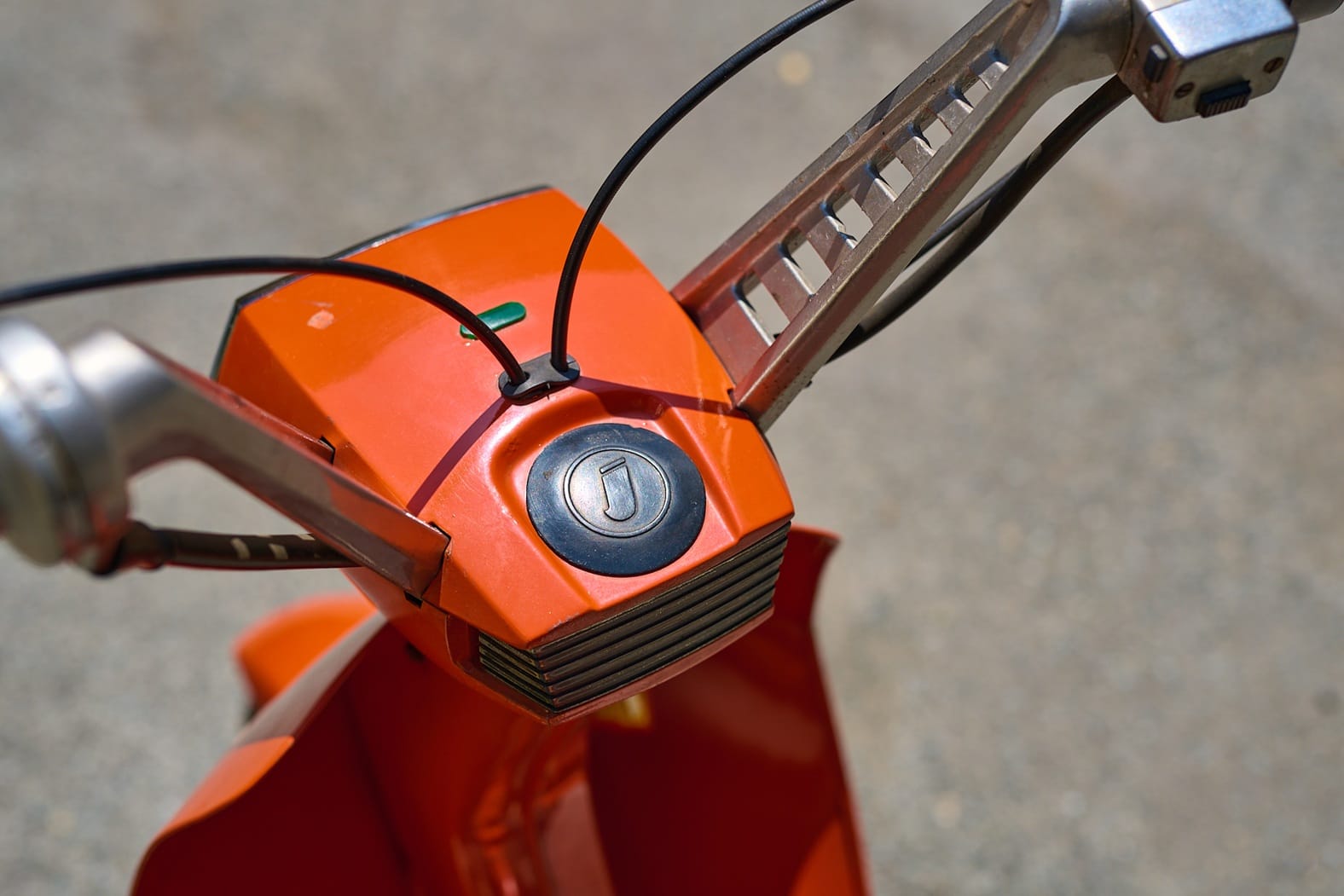
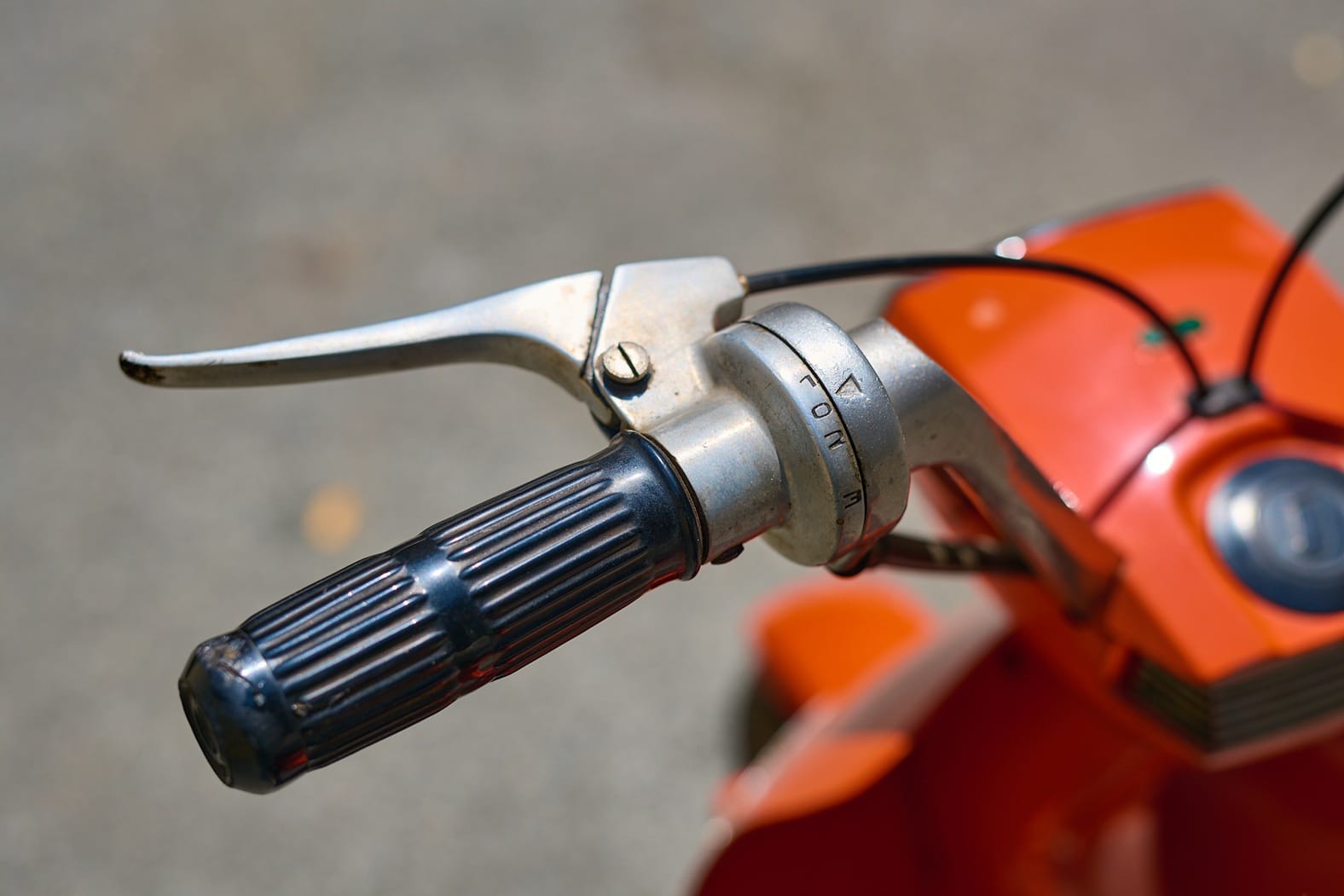
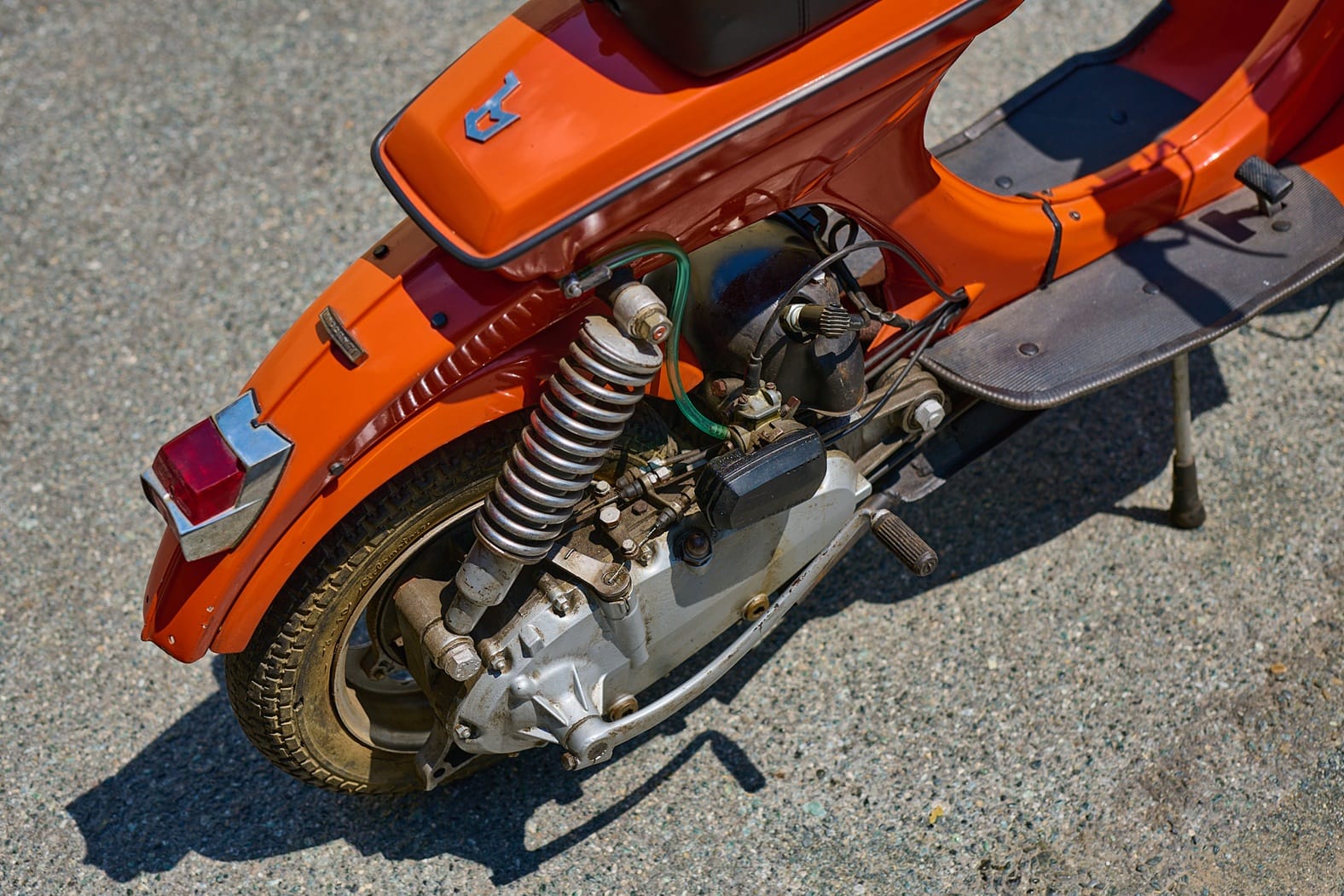
Amongst other details, the cast-aluminium handlebars provided the Lui with a sporty look (at top); at bottom left we can see the three-speed manual gearbox selector
There is also an intriguing Indian connection. When Innocenti ceased scooter production, the Government of India purchased the company's manufacturing equipment and established Scooters India Limited (SIL) in Lucknow to build Lambrettas for the Indian market. Yet despite acquiring the complete factory and tooling, SIL never chose to manufacture the Lui, Vega or Cometa, concentrating instead on the Vijai Super. In retrospect, this represented a missed opportunity, as the lightweight scooter might well have found a receptive audience in India's growing urban centres.
Today, surviving Luis are prized collector's items, commanding prices few would have imagined when they were discontinued. Their rarity, innovative engineering and unmistakable Bertone styling have elevated them from overlooked commuter scooters to genuine design icons.
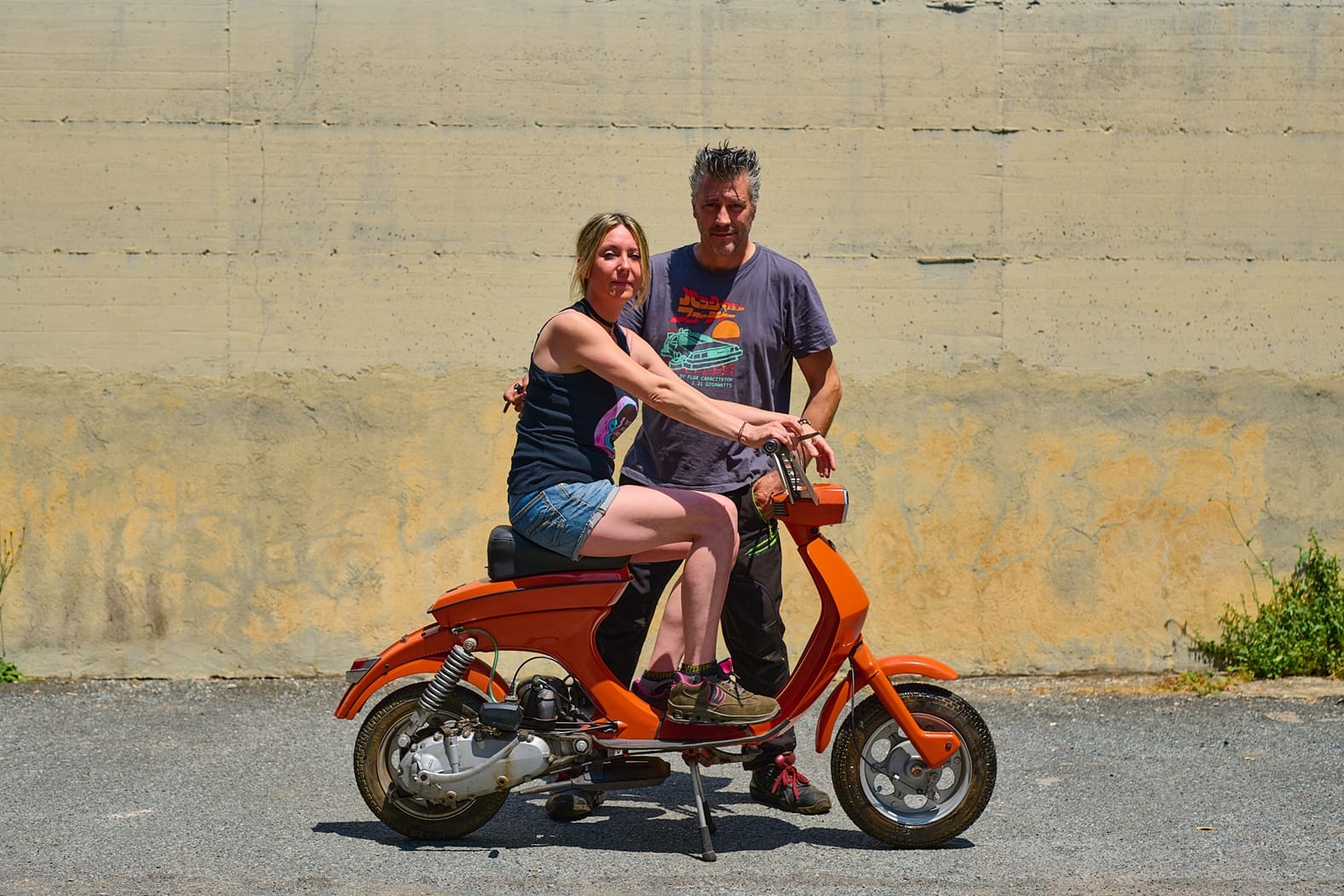
For Alessandro Cotterchio, however, the Lui's value has little to do with auction prices or collectability. It represents friendship, remembrance and the fulfilment of a lifelong ambition.
"My partner Sara and I would love to have it on display in our living room," he says with a smile.
Given the Lui's sculptural elegance (and the name of the man who designed it) that may not be such an outrageous idea after all.
Comments ()