Albert Spiess - A Collection That Speaks for Itself
Albert Spiess’ extraordinary collection reflects a lifelong passion for Lamborghini and automotive history
Text & Images: Branko Radovinović
The passing of Albert Spiess (19 January 1950 - 20 September 2026) has been a great loss to the world of automobiles.
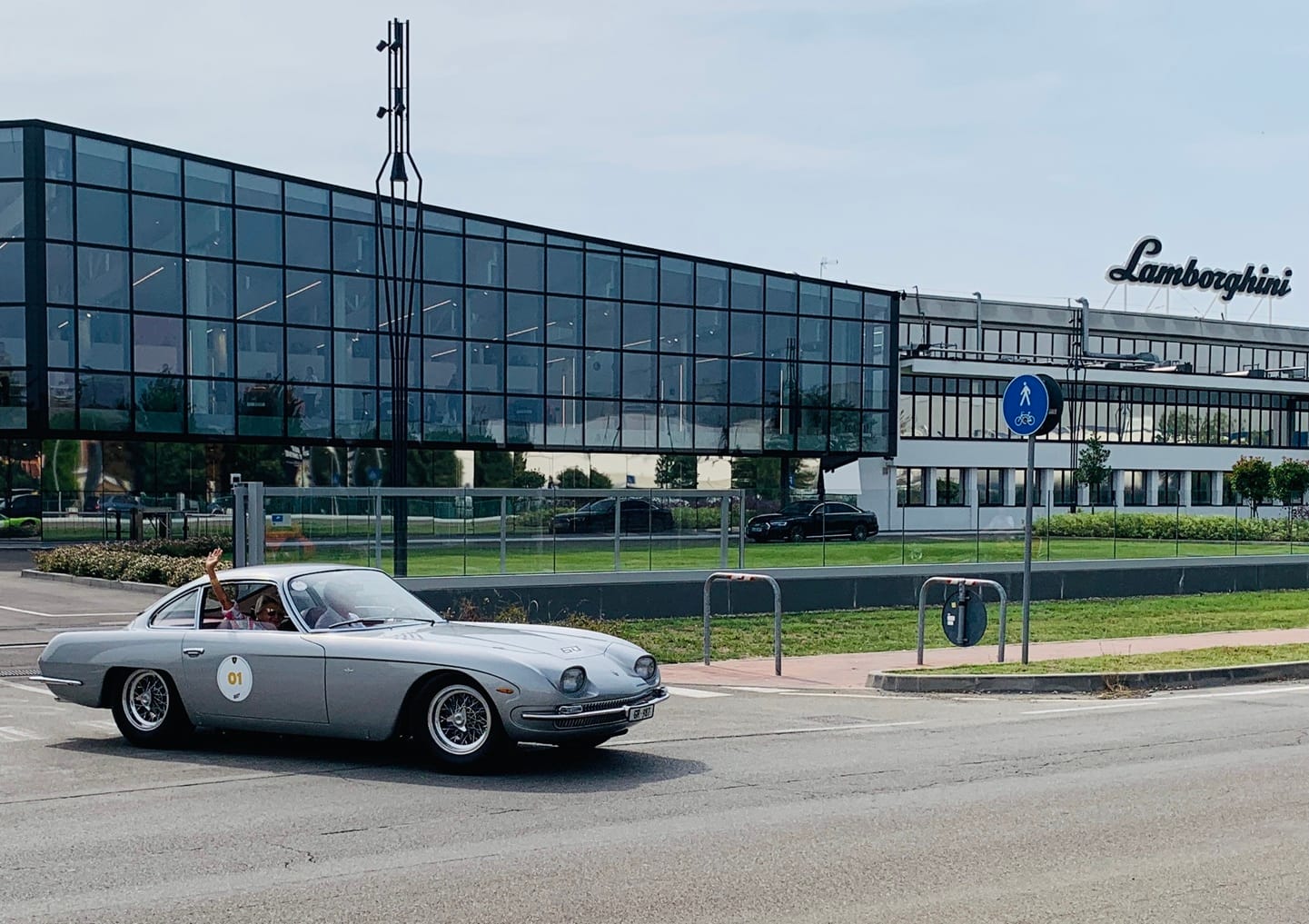
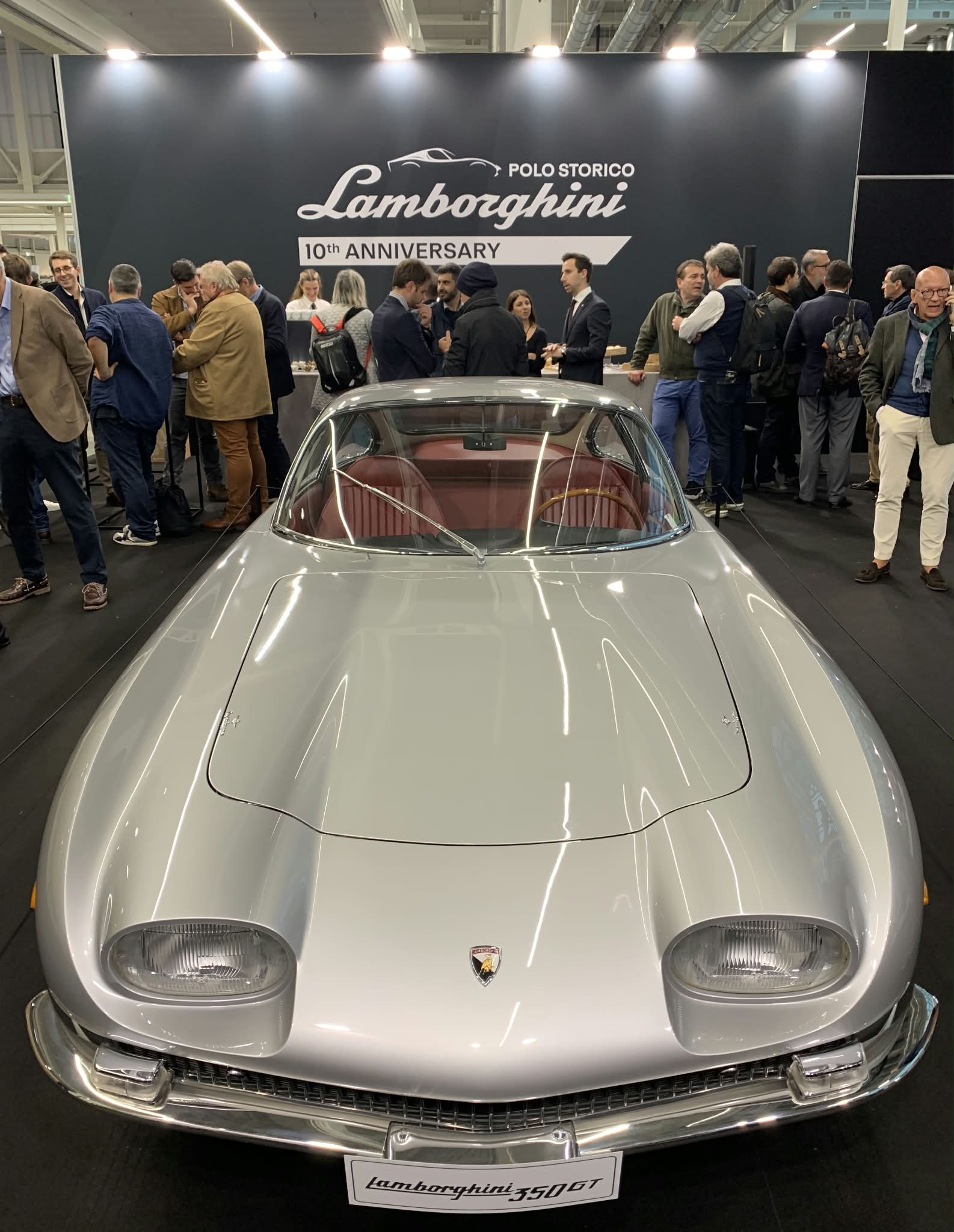
He was a man who consistently shunned the spotlight. Given the sheer size of his collection, his modesty was almost astonishing. It comprises hundreds of extraordinary automobiles, including Alfa Romeos, Aston Martins, Bugattis, Ferraris, Lancias, and Maseratis. At the heart of the collection, however, were Lamborghinis - some 130 vehicles that make up one of the most significant collections of the brand in existence.
That alone would have made Spiess one of the most important figures in the international historic vehicle world.
Yet he never sought recognition for what he had achieved. When he exhibited a car at a concours, his aim was not to show off his possessions. For him, it was about sharing a piece of automotive history with others.
This attitude was fundamental to the collection. It was not created as an investment nor according to a rigid collecting strategy. Spiess bought cars because he found them interesting, beautiful, or historically significant. A car’s provenance, its design, the chassis number, or simply the emotions it stirred in him could be enough to prompt him to acquire it. For him, quality was always more important than quantity.
The beginnings of this extraordinary collection were surprisingly modest. Spiess was from Schiers in the Swiss canton of Graubünden and spent most of his professional life in the food industry. His family had no particular connection to exotic cars.
In the mid-1970s, he bought his first sports car, a De Tomaso Pantera GTS. Although he eventually sold it, he later tracked the car down, restored it, and added it back to his collection. This marked the beginning of a passion that would stay with him for the rest of his life.
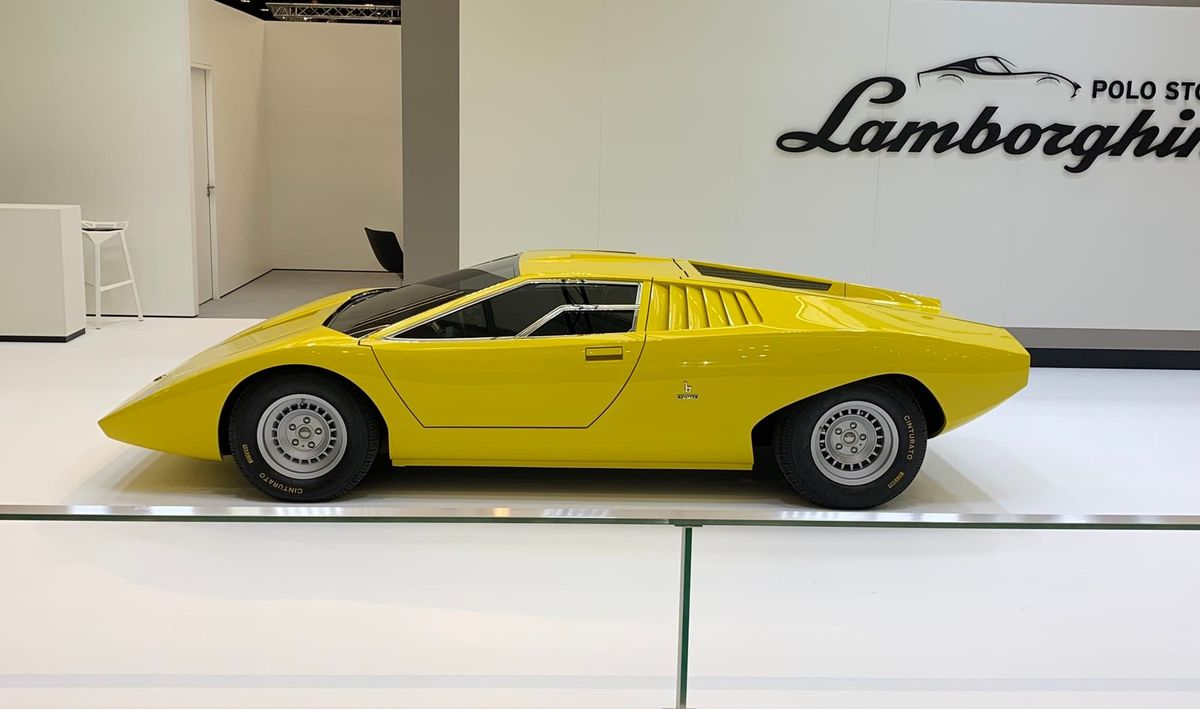
It was Lamborghini, however, that truly captured his imagination. The Miura had already made a deep impression on him, while the Countach embodied a completely new vision of what a supercar could be. In 1980, he ordered a new Countach LP400 S, followed two years later by a Miura SV and a rare Silhouette.
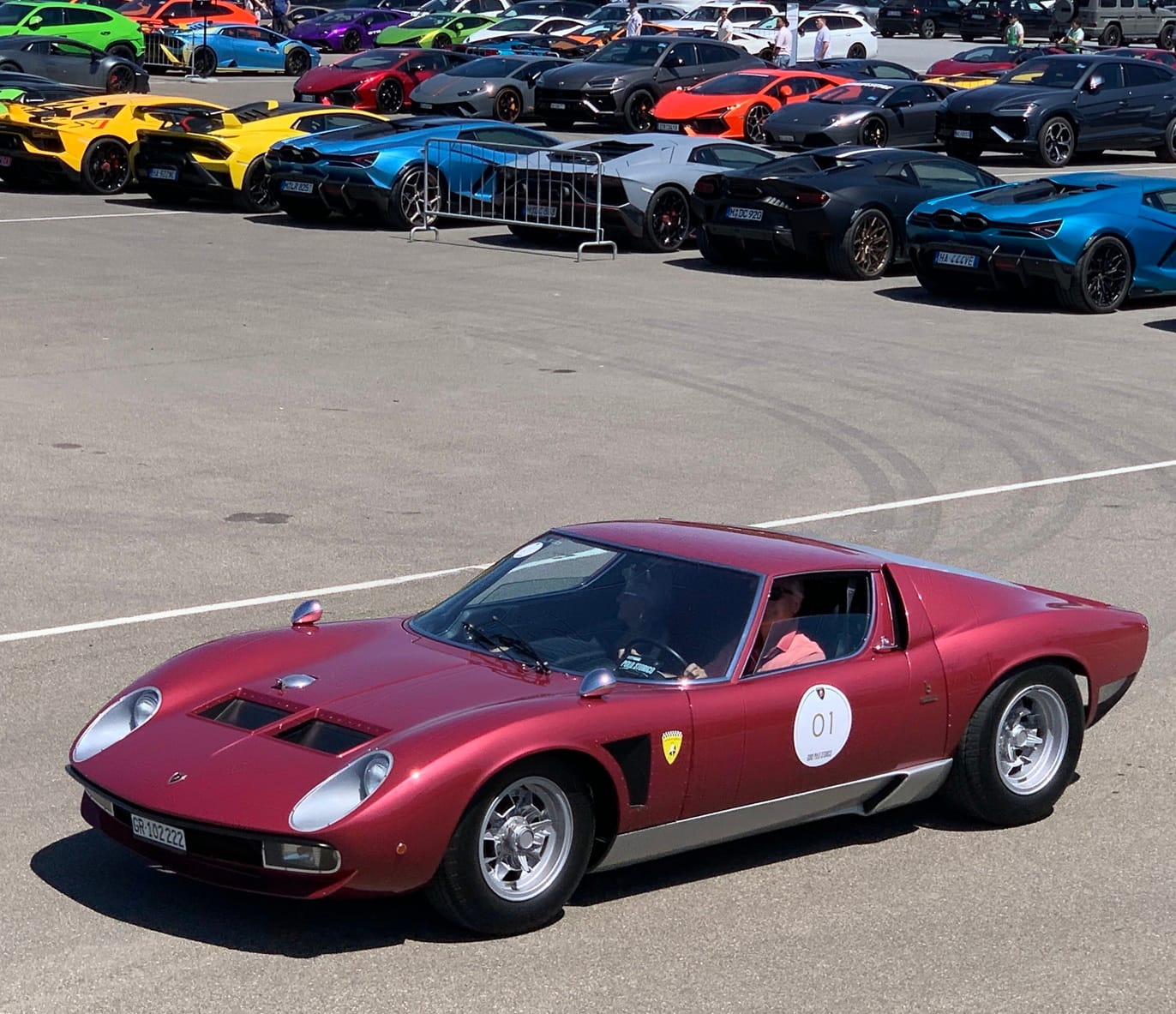
A meeting with Ferruccio Lamborghini proved to be another defining moment. Spiess was fascinated not only by the cars but also by Lamborghini himself and the extraordinary entrepreneurial spirit behind the company. As a result, he began to delve much more deeply into the brand’s history and discovered the enormous number of one-off cars, prototypes, and special projects that had been created around Lamborghini vehicles.
From that point on, his collecting became a quest for the extraordinary. He developed an instinct for recognising significant vehicles even before the broader collector community fully appreciated their importance. His perfectionism extended beyond the condition of the vehicles themselves; their history also had to be documented, with contemporary documents and archival material carefully researched and preserved.
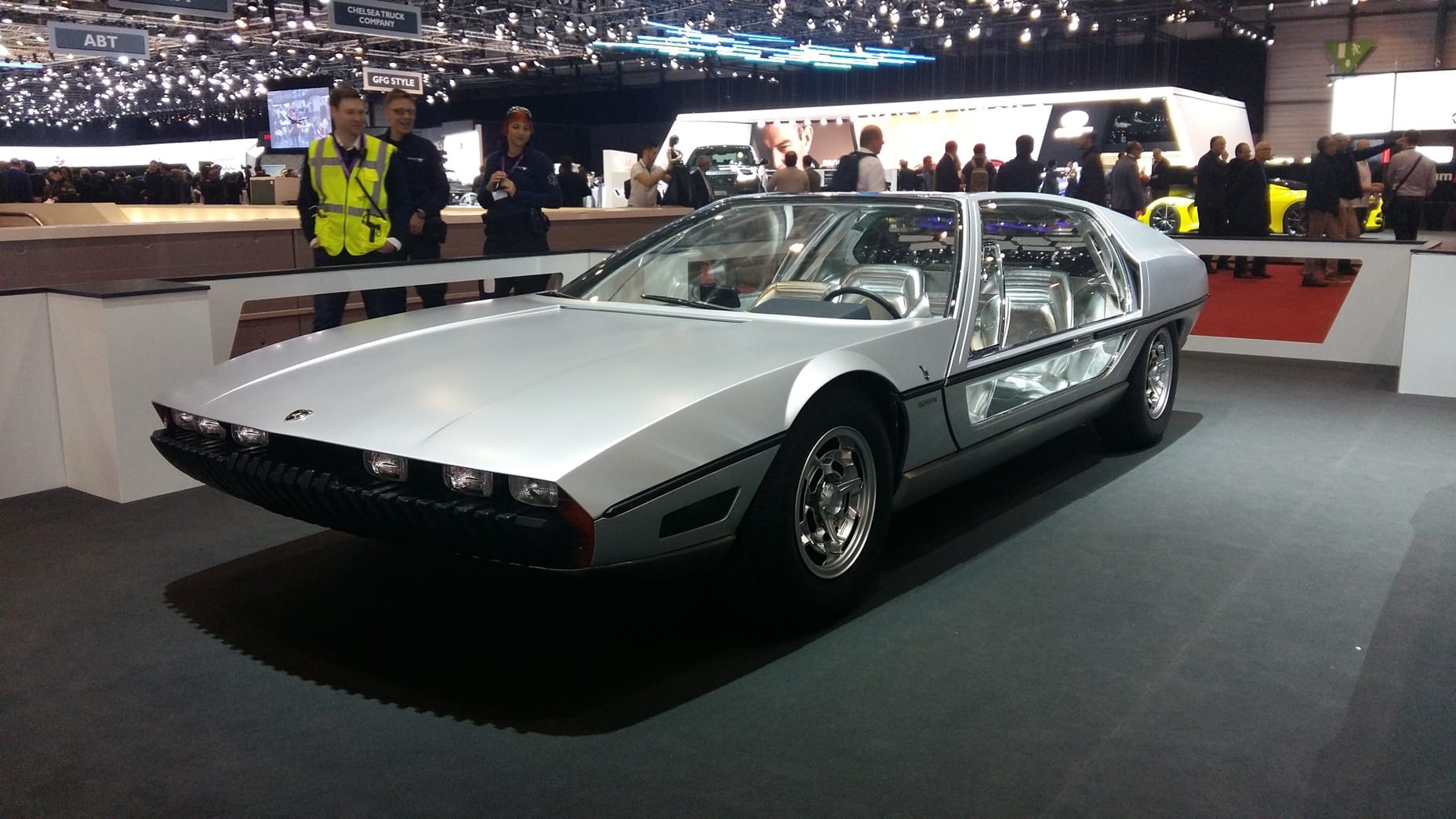
His fascination with Lamborghini stemmed from the Miura and the Countach, the two cars that had first ignited his lifelong passion for the brand. Over the years, this passion grew into an extraordinary quest for the most significant and unusual vehicles in Lamborghini’s history. The collection eventually comprised around 130 Lamborghinis, ranging from significant early production models to prototypes, one-off vehicles, and concept cars.
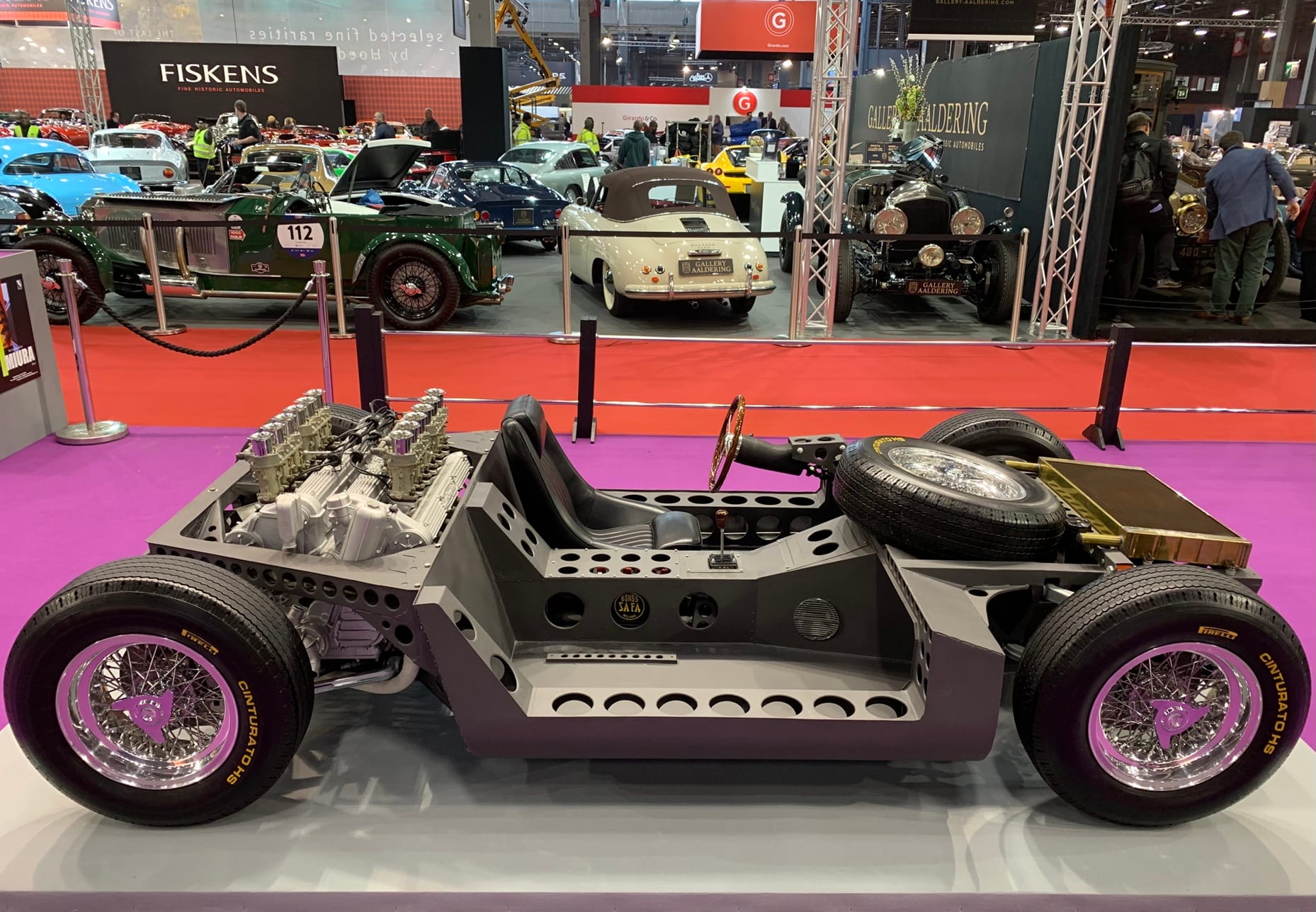
Spiess had a particular fondness for Marcello Gandini’s revolutionary designs, especially the Miura and the Countach, which had played such an important role in his initial fascination with Lamborghini. The Miura Roadster, the Marzal, and the Countach LP500 are among the most remarkable examples in the collection.
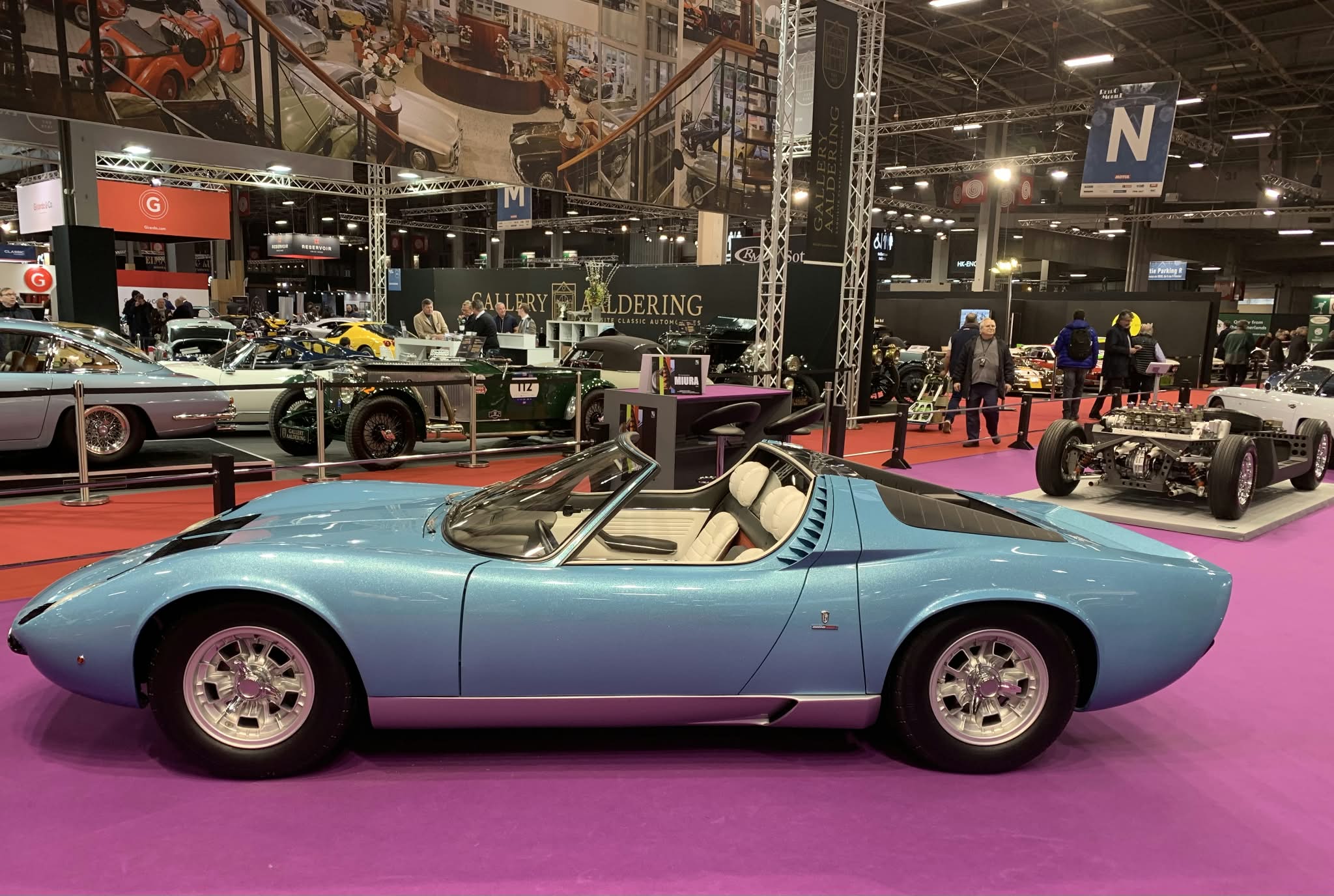
But his interests were never limited to Gandini. What drew him in was the broader history and personality of Lamborghini: the unusual cars, the stories behind them, and the moments of experimentation that made the company so unique.
For Spiess, cars like these were important because they represented far more than just rare vehicles. They captured moments in the brand’s evolution and revealed ideas that might otherwise have vanished from automotive history.
This philosophy also explains why his Lamborghini collection differs so greatly from a conventional model collection. It was intended to document all production variants, including the vehicles that told the most interesting stories - the unusual ones, the historically significant ones, and the one-of-a-kind ones.
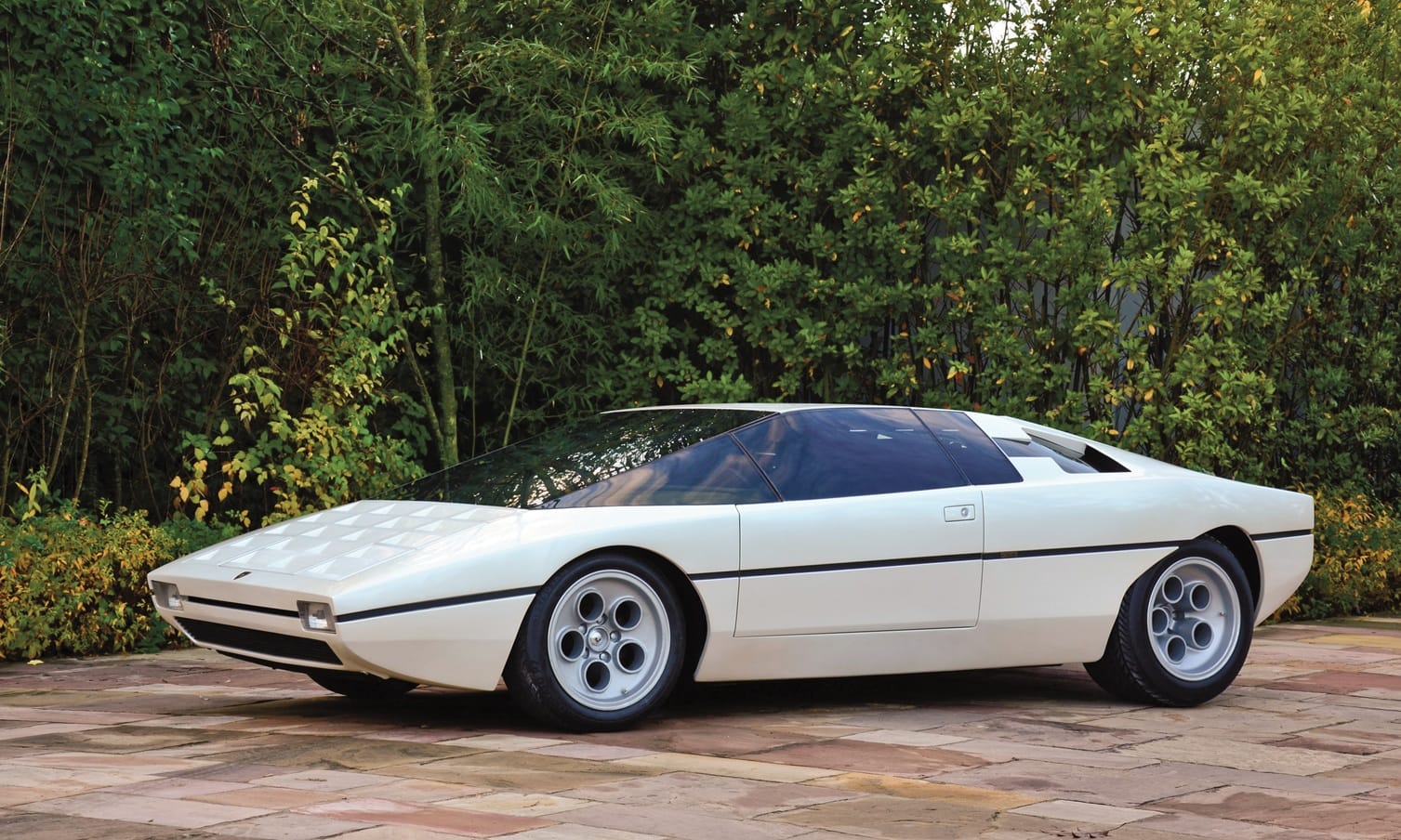
Although Lamborghini was clearly the centrepiece of the collection, Spiess’s interests extended far beyond Sant’Agata. Alfa Romeo was another important part of his automotive world, particularly the 33 Stradale, which won the Coppa d’Oro at the 2018 Concorso d’Eleganza Villa d’Este.
His fascination with exceptional design also led him to Zagato. He owned several significant vehicles with Zagato bodies and eventually commissioned the Lamborghini 5-95, which was designed by Zagato to mark the coachbuilder’s 95th anniversary.
Maserati and Bugatti were also represented by extremely significant vehicles. His Maserati collection included the 450S and the extraordinary Boomerang, while his Bugattis comprised development vehicles from the early stages of the EB110 project as well as the 18/3 Chiron concept car.
What united these otherwise very different brands was the same principle that guided his Lamborghini collection: Spiess was more interested in automotive history than in mere rarity or market value.
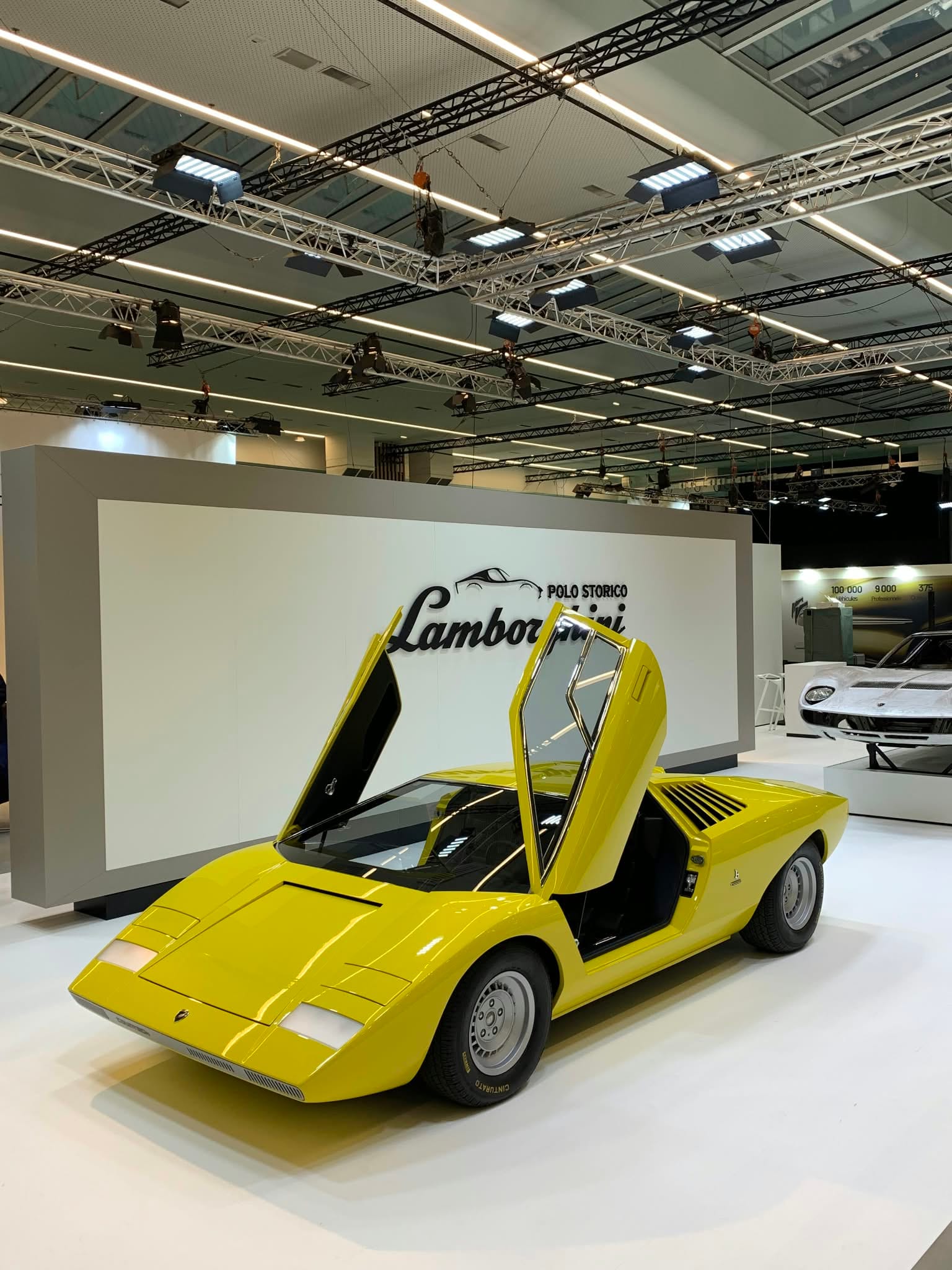
Spiess devoted a great deal of time to researching the history of his vehicles and their previous owners. In his view, the documentation accompanying a vehicle was ultimately even more important than the vehicle itself.
He also enjoyed working on the cars himself, cleaning the collection, and helping his mechanic prepare selected vehicles for drives and concours events. For him, a car had to remain alive. Driving a car was part of understanding it - its beauty, its character, and its technology.
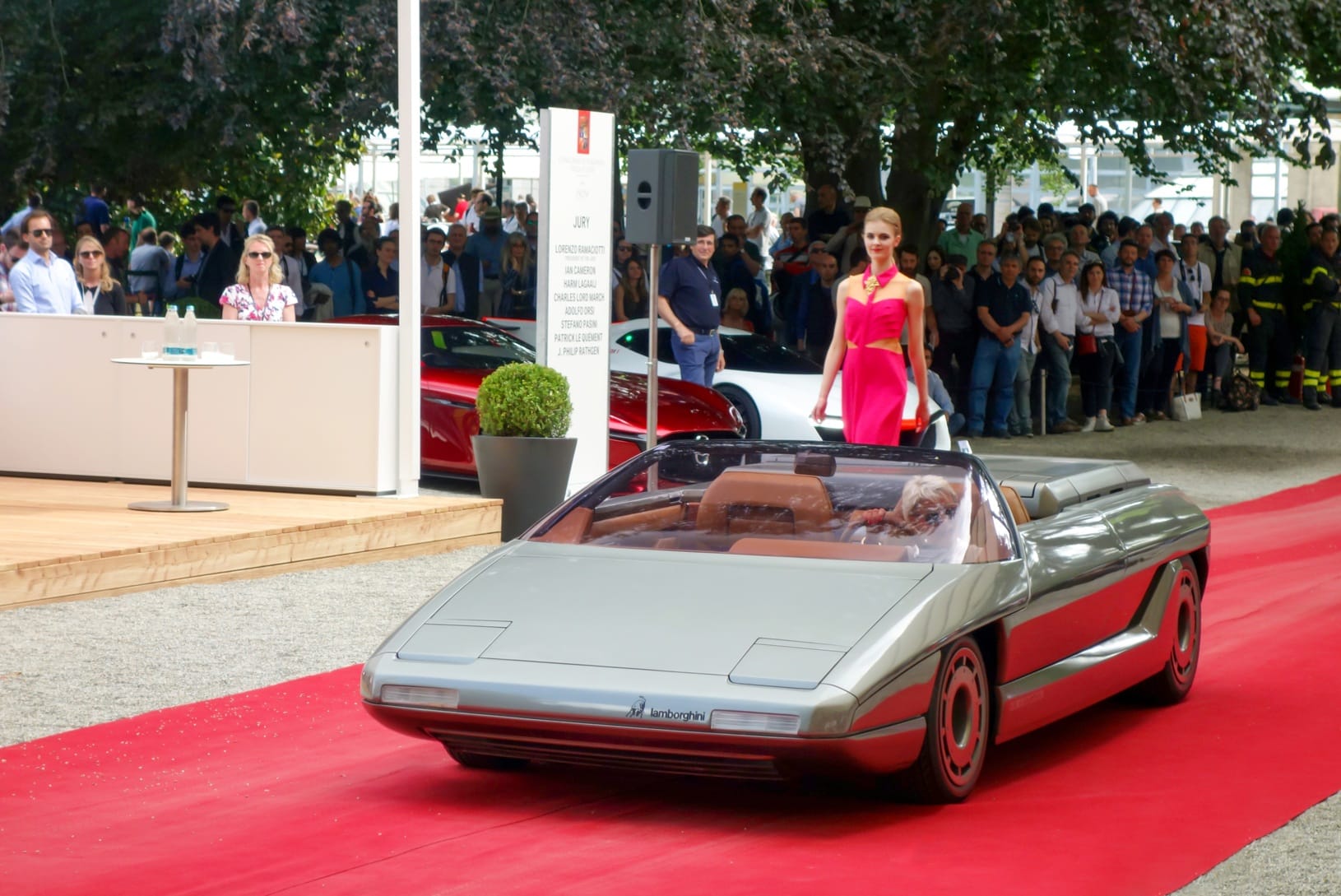
One of the most significant moments came in 2011, when Spiess and his partner Rita Kälin finally completed the warehouse designed to house the collection. It was the moment when he fully realised that something special had emerged simply from following his passion without any ulterior motives.
The future of such a collection is inevitably a difficult question. Spiess himself was aware of this. He knew that a collection of this magnitude could not simply be treated like an ordinary inheritance, and he found it hard to imagine what would become of his cars in the coming decades.
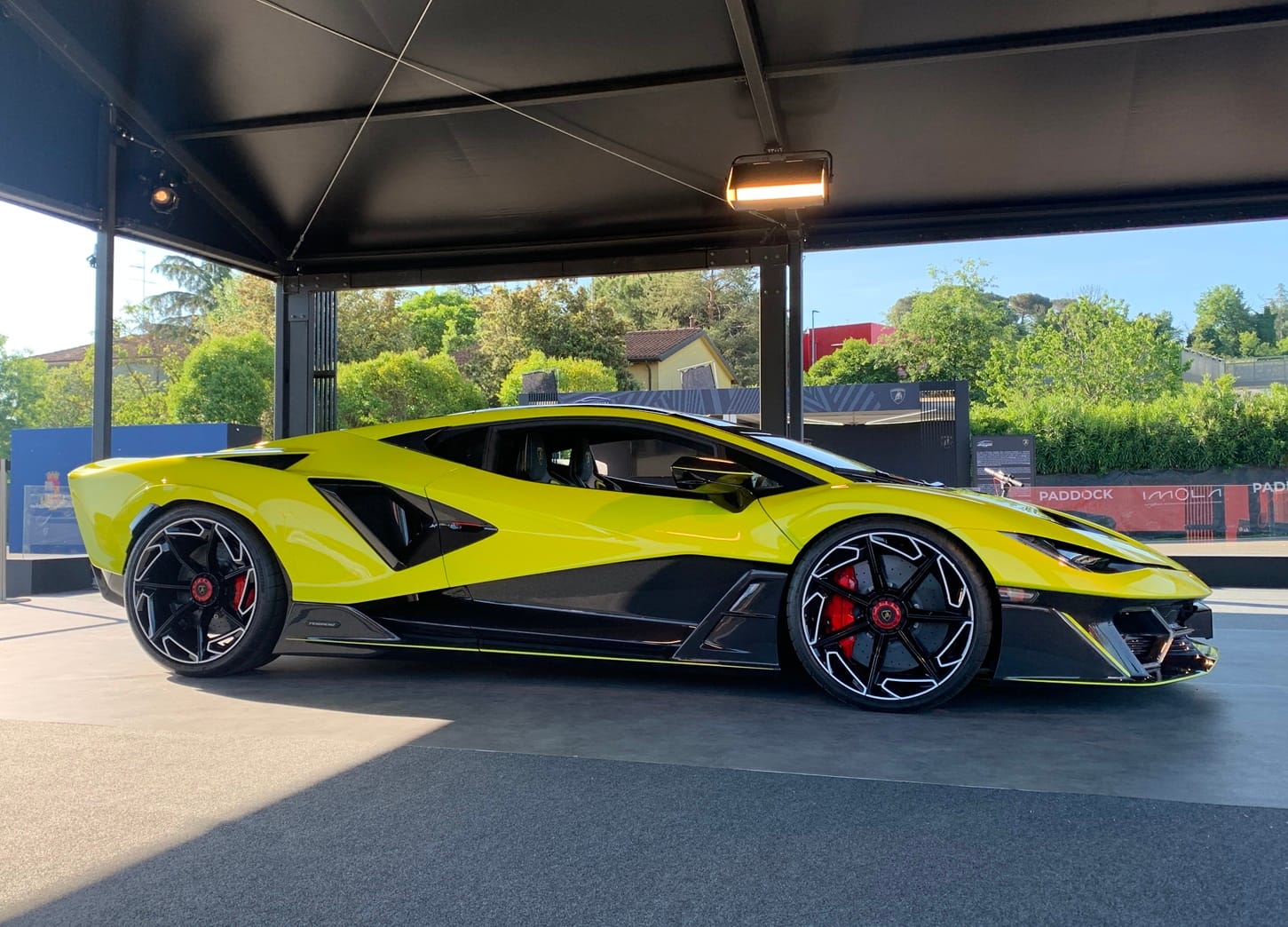
It would therefore be wonderful if the collection were preserved in its entirety and made accessible to the public in some form. Whether through a foundation, exhibitions, select public presentations, or a comprehensive digital archive - what matters is that this extraordinary automotive legacy does not disappear or fall into oblivion.
Together, these automobiles stand as an extraordinary testament to automotive design, engineering, craftsmanship, and history. Preserved as a whole, they could continue to inspire future generations and allow people to discover the stories behind the vehicles - and perhaps experience the same fascination and passion that originally drove Albert Spiess himself.
Comments ()