Between Two Bugatti Royales
Gautam Sen’s first World Forum for Motor Museums offers rare cars, remarkable people and fresh perspectives
Text & Images: Gautam Sen
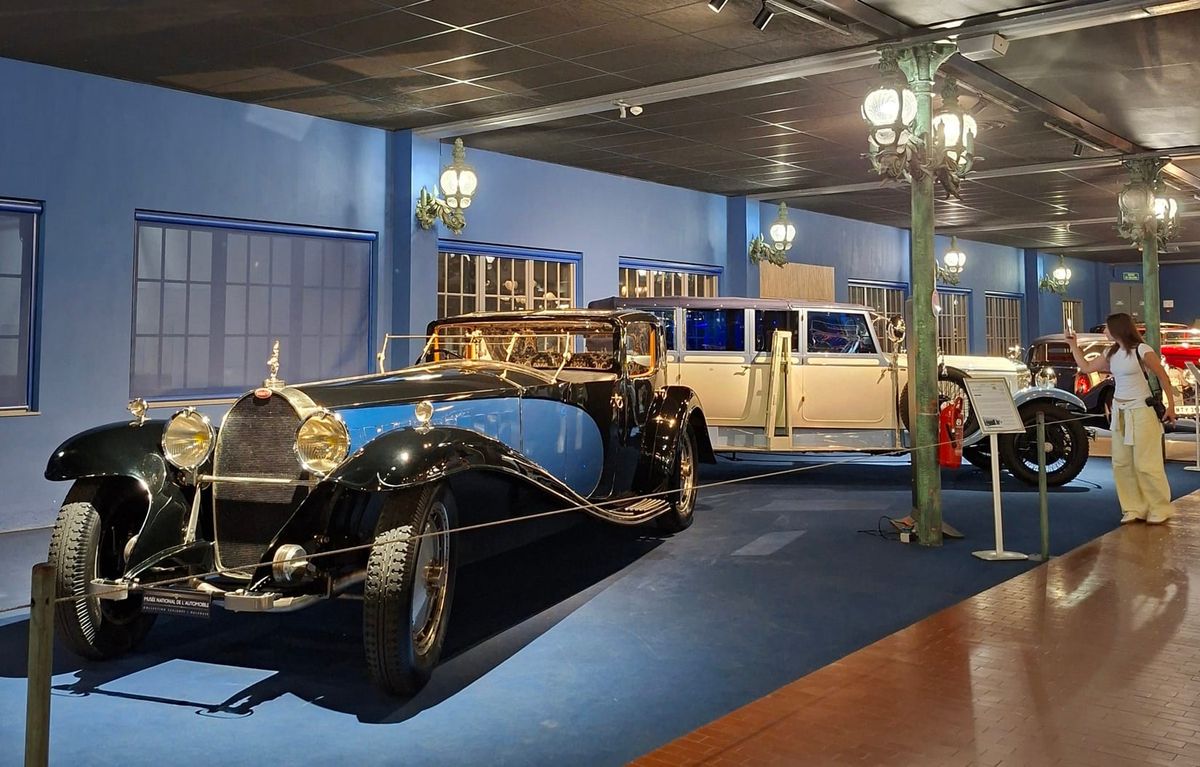
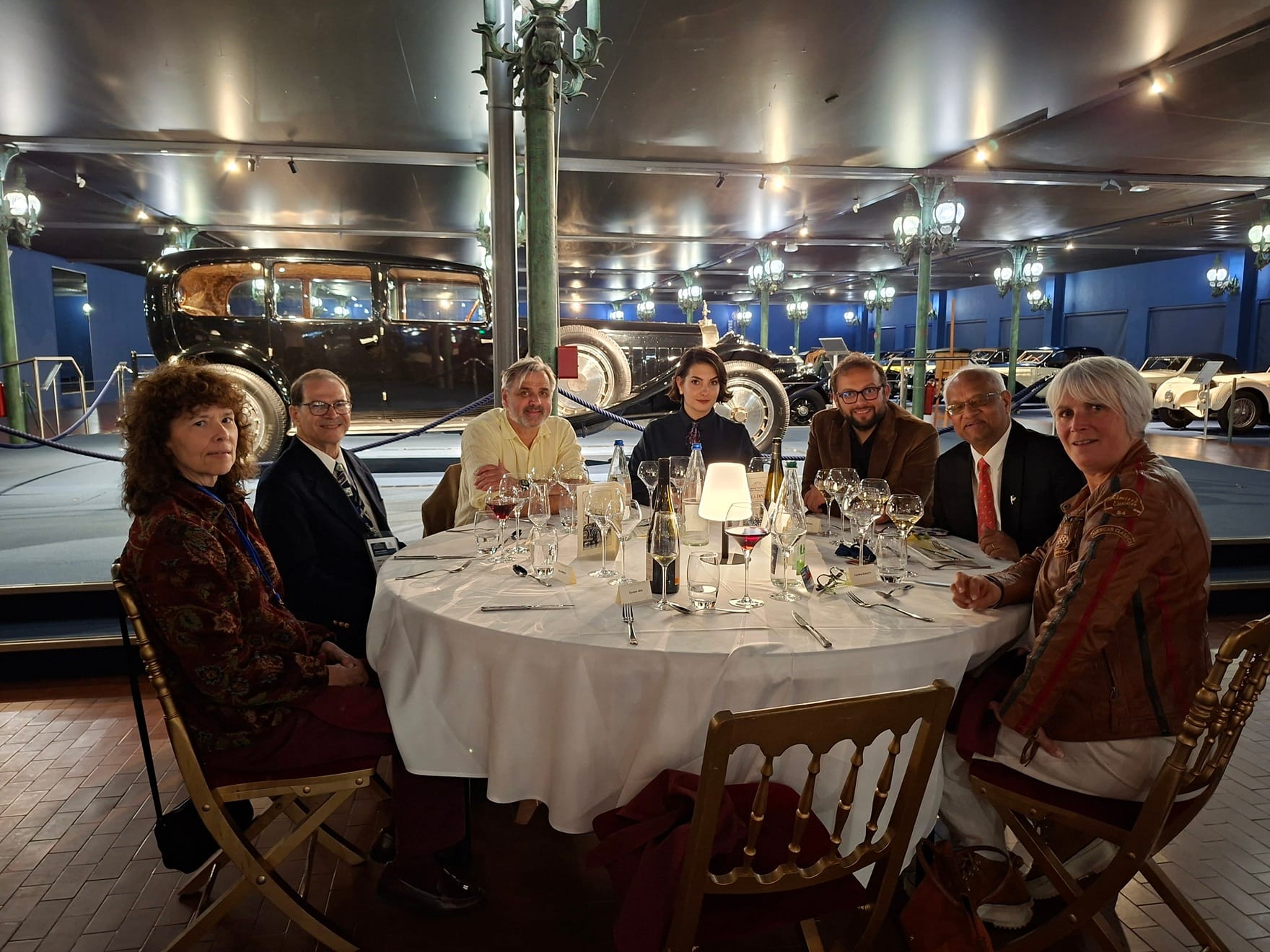
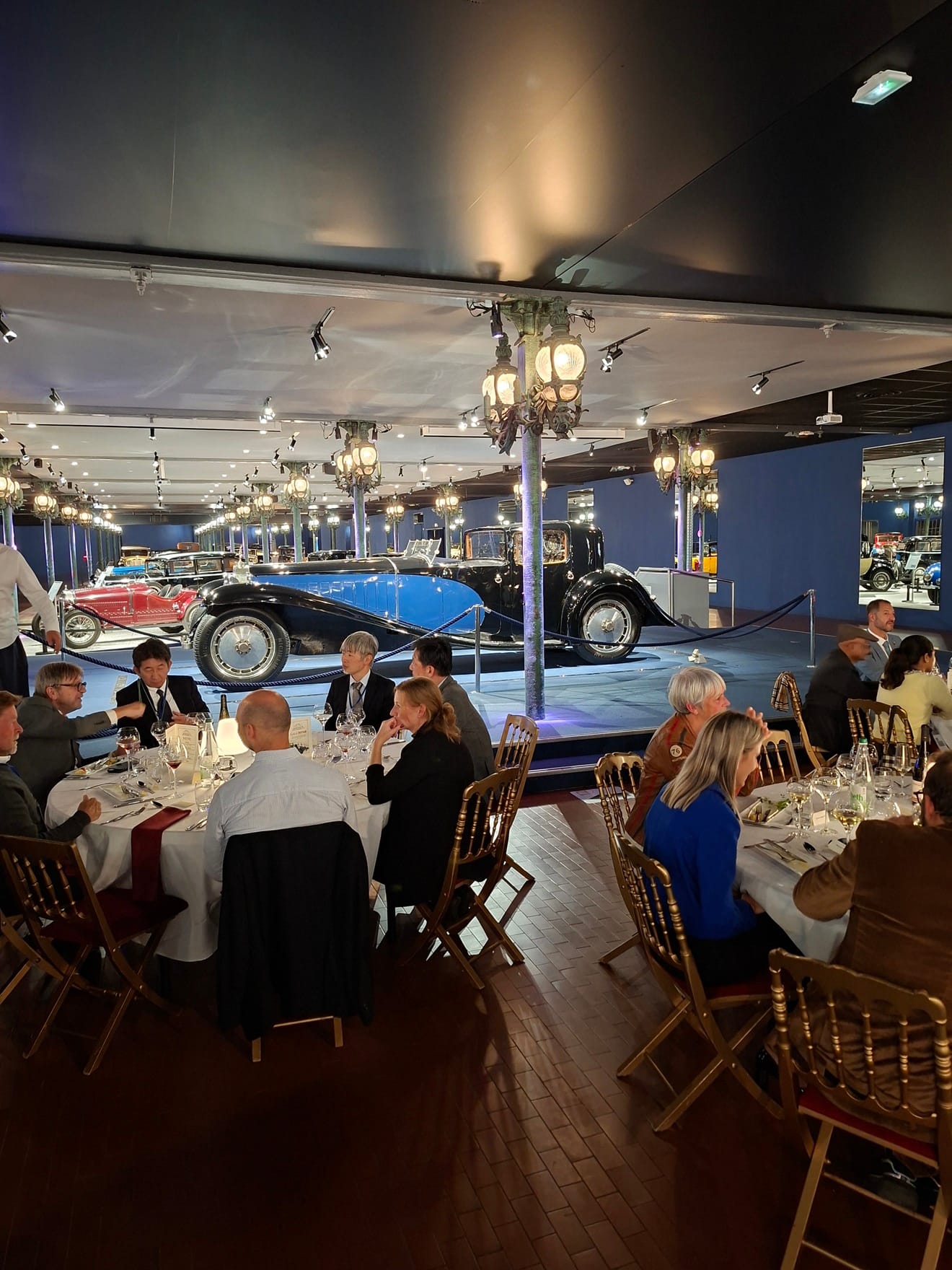
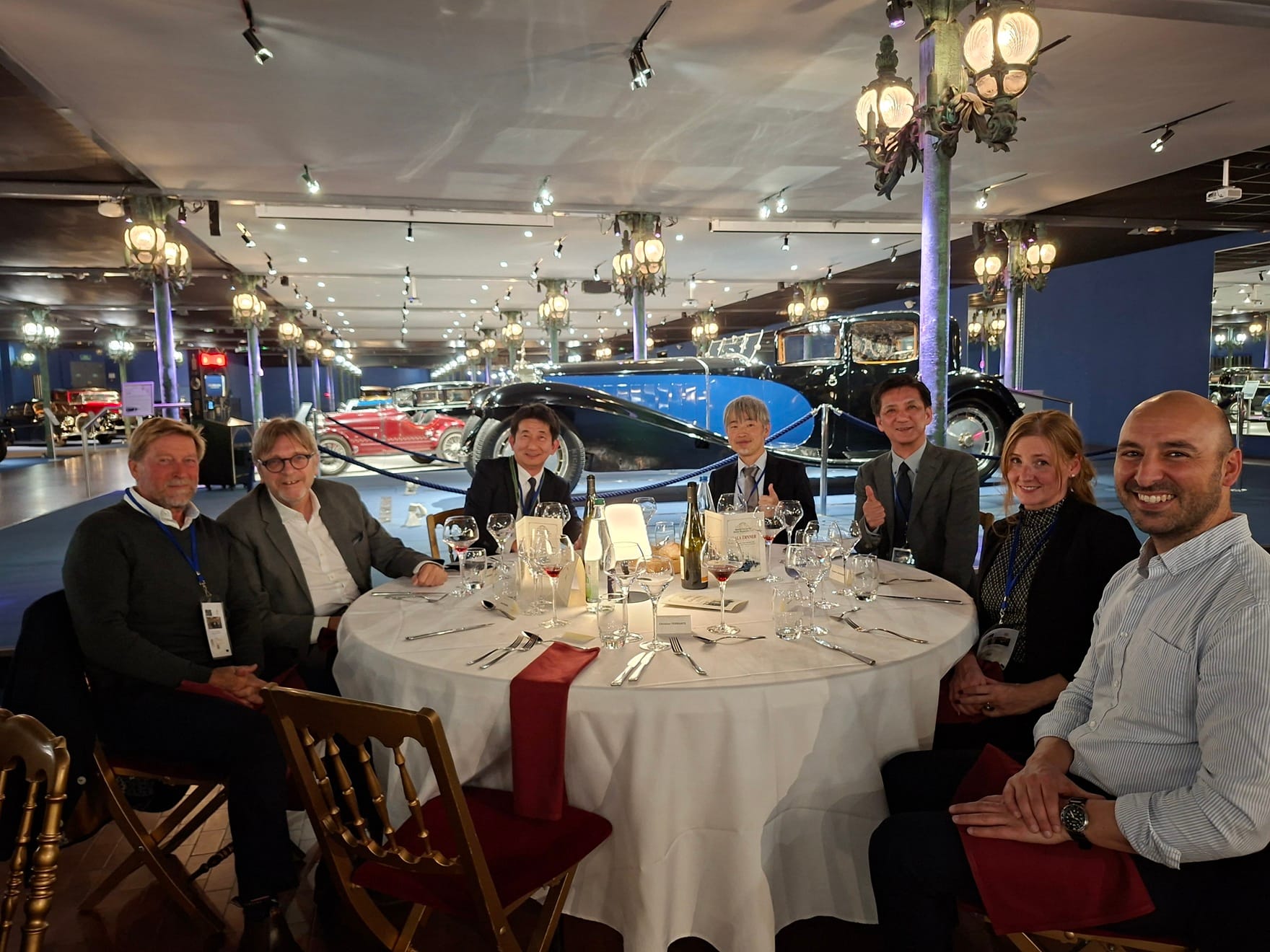
On 22 October 2026, I found myself having a rather delicious dinner between a pair of Bugatti Royales, in the company of Caroline Bugatti, granddaughter of Ettore Bugatti, and surrounded by a formidable collection of serious automotive enthusiasts and museum experts from around the world. It was, I have to admit, not a bad way to spend an evening.
How did I get there? Well, we decided that I should participate in something completely new to me: the World Forum for Motor Museums, or WFFMM, an international gathering of people who spend their lives worrying about something most of us simply take for granted: how on earth do you run a museum full of old cars?
Every two years, the WFFMM brings together museum directors, curators, heritage specialists, owners, advisors and assorted automotive obsessives somewhere in the world to exchange ideas, experiences, visiting cards and, presumably, the occasional headache. The subjects range from the highly philosophical: when is a historic car an artefact and when is it simply an old car? To the highly practical: how do you persuade people to come and see them?
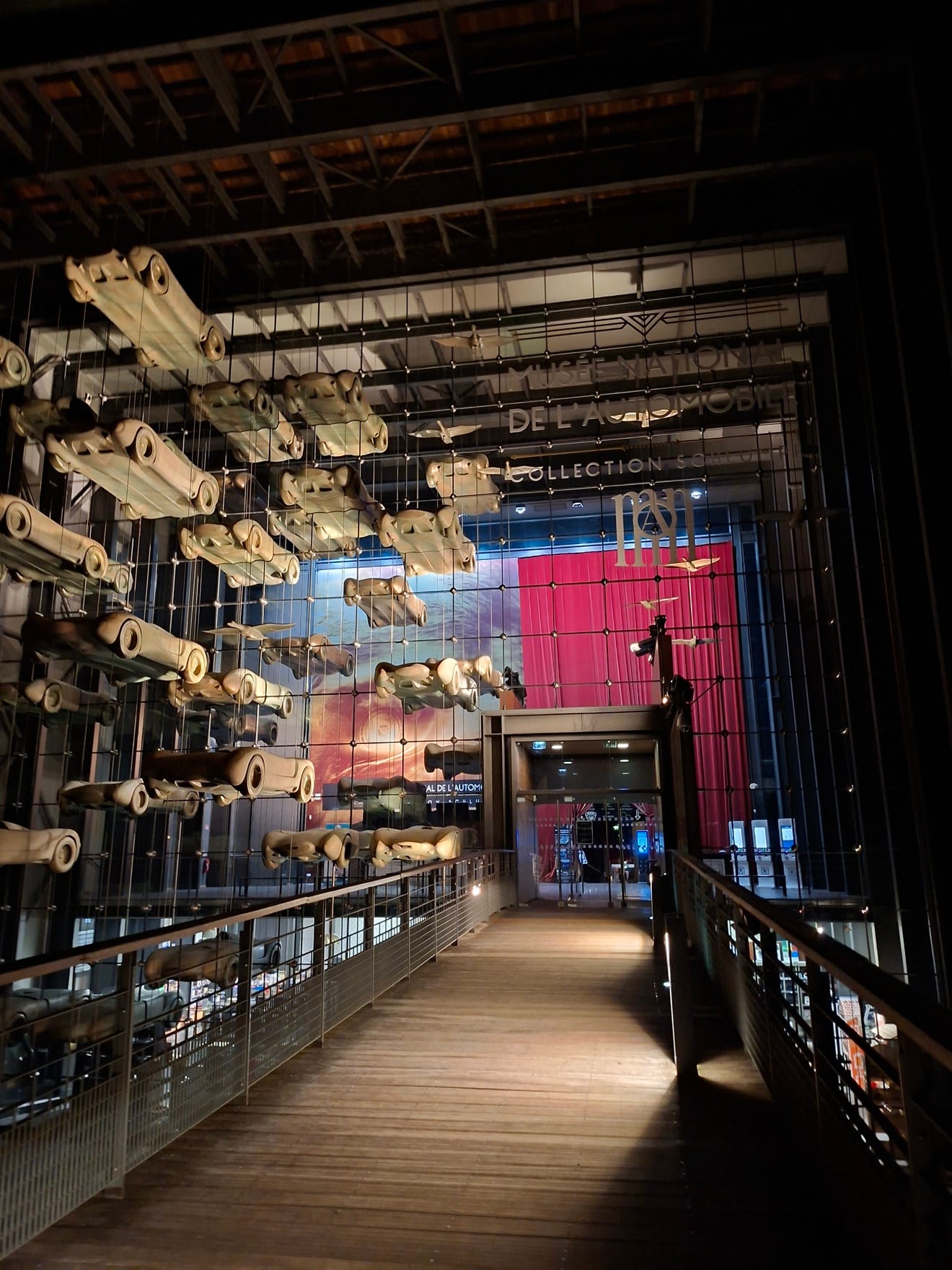
This year's forum was held at the magnificent Musée National de l’Automobile - Collection Schlumpf in Mulhouse, France. Scores of delegates arrived from all corners of the globe. There were representatives from New Zealand and Australia, Japan and Brazil, the United States and much of Europe.
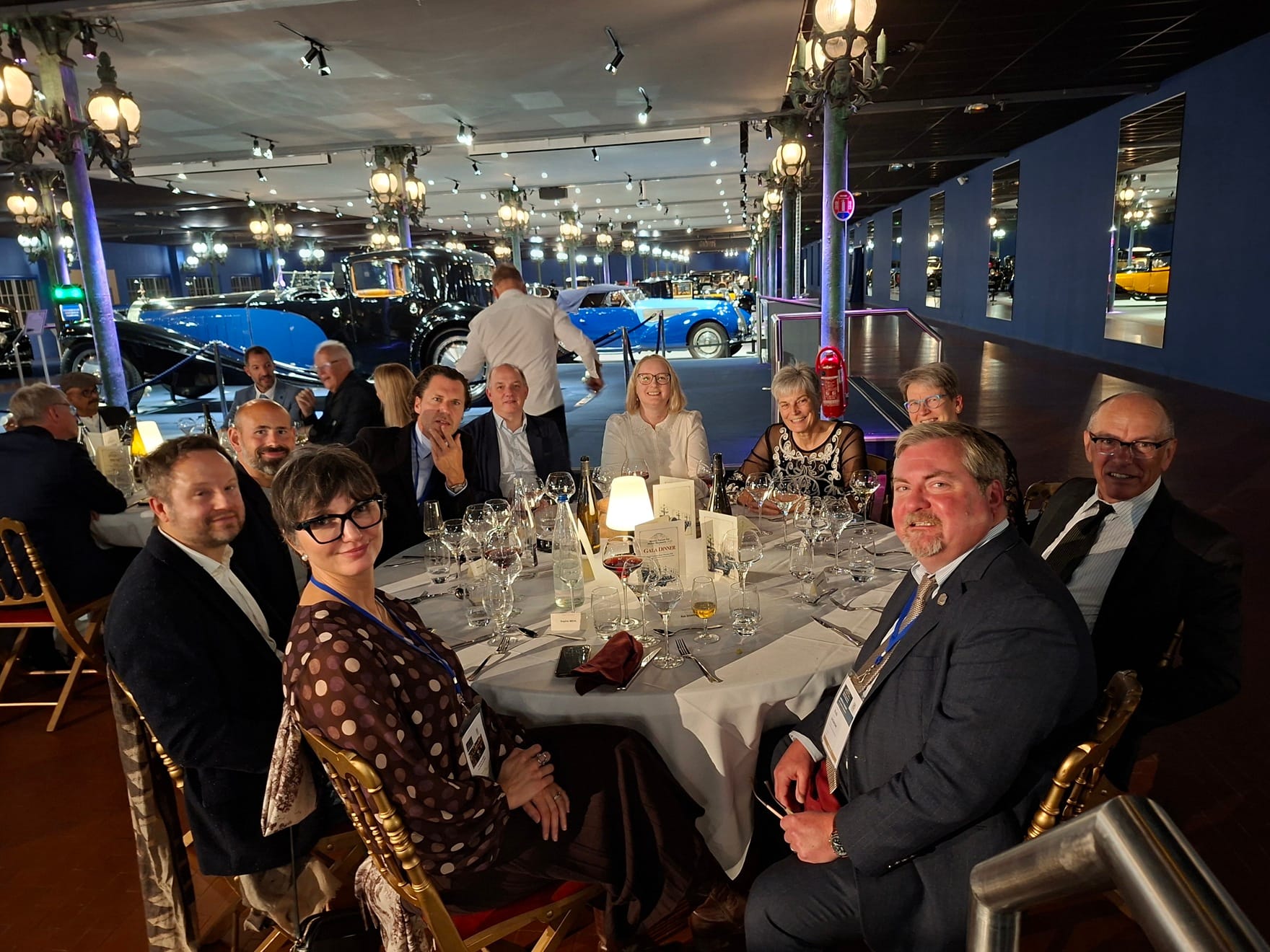
Among them were museums that hardly need an introduction: the Petersen Automotive Museum, represented by its curator Leslie Kendall; Revs Institute's Lauren Goodman; Beaulieu's National Motor Museum; the British Motor Museum at Gaydon; MAUTO in Turin; and M24, the museum of the 24 Hours of Le Mans, represented by Mathilde Blot, as well as a team from Autoworld Brussels.
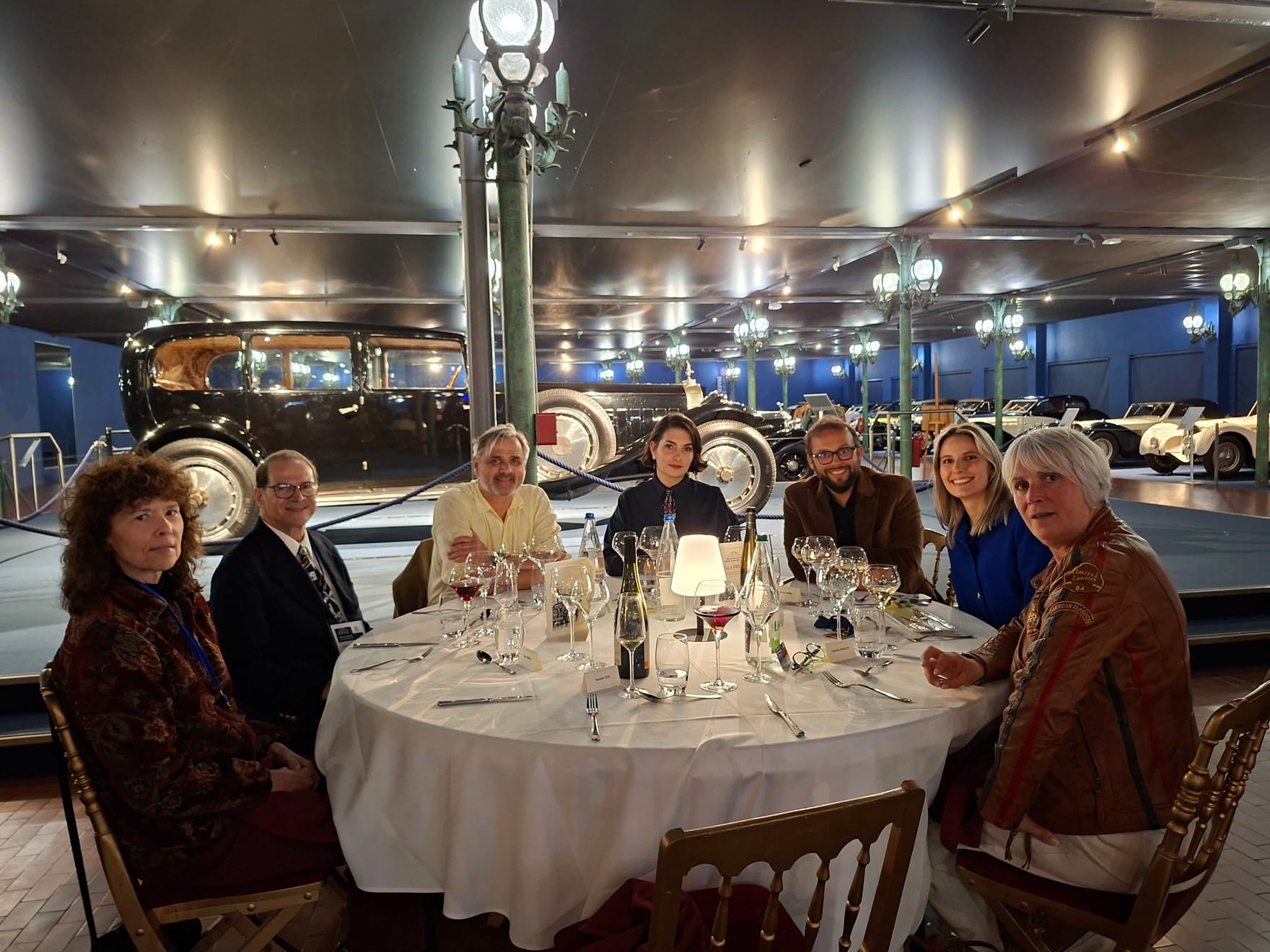
The manufacturers were well represented too, with Audi Museum Mobile and the Mercedes-Benz Museum from Germany, and Toyota's museum and the Fuji Motor Sports Museum from Japan.
And then there was India.
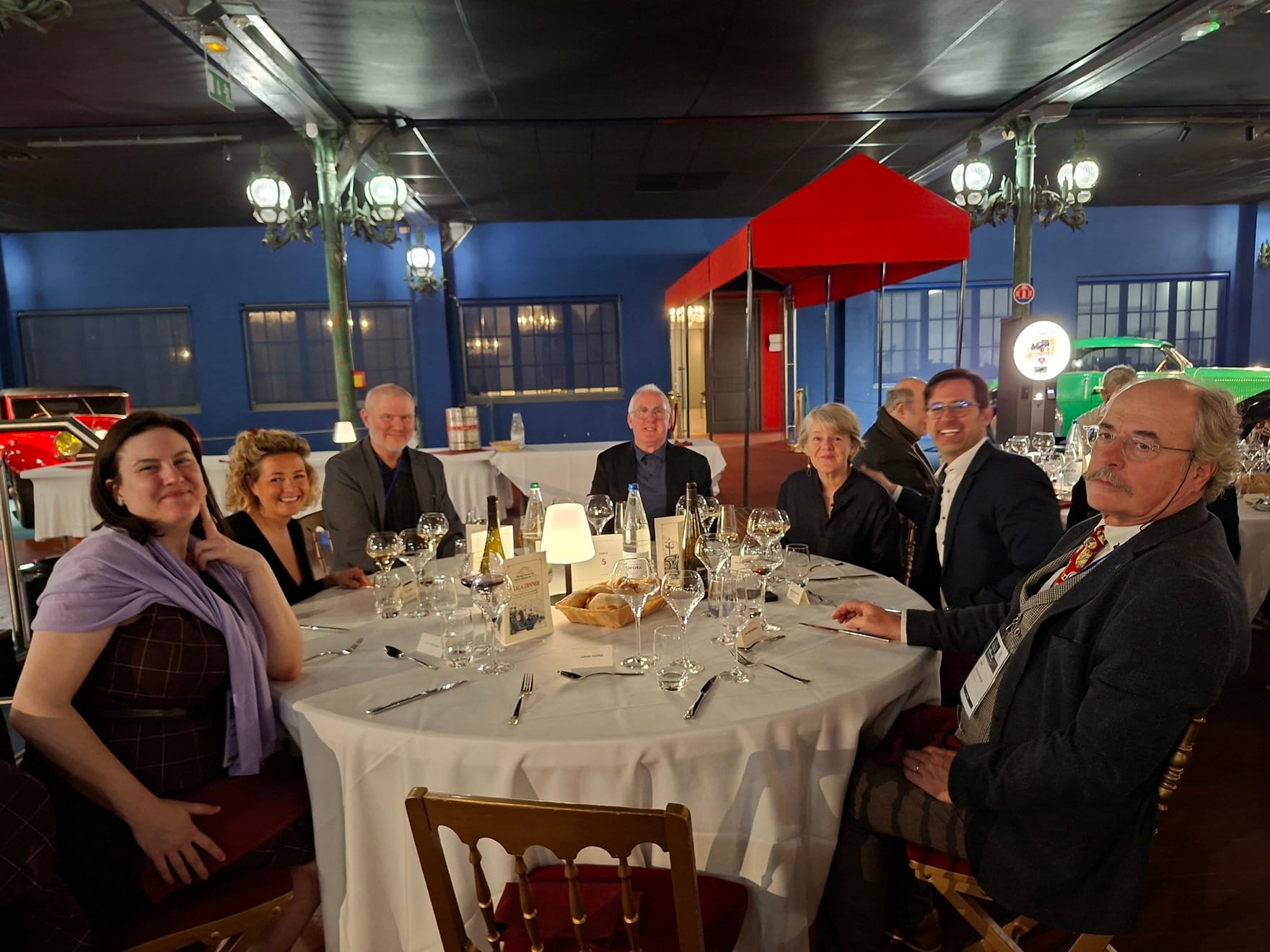
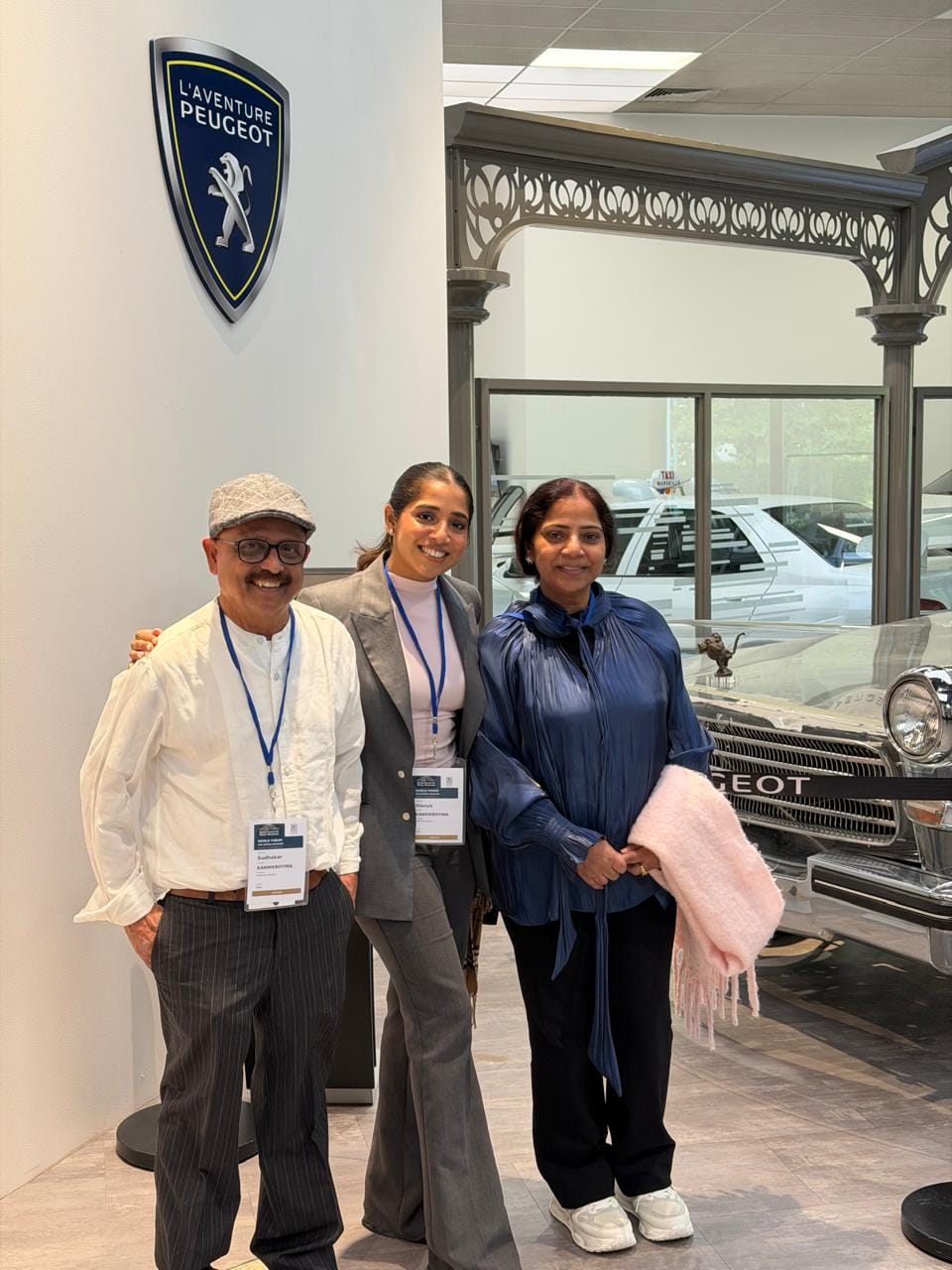
The Sudha Car Museum in Hyderabad was represented by three members of the Kannieboyina family, which runs the museum, while I was there on behalf of Dastan Autoworld.
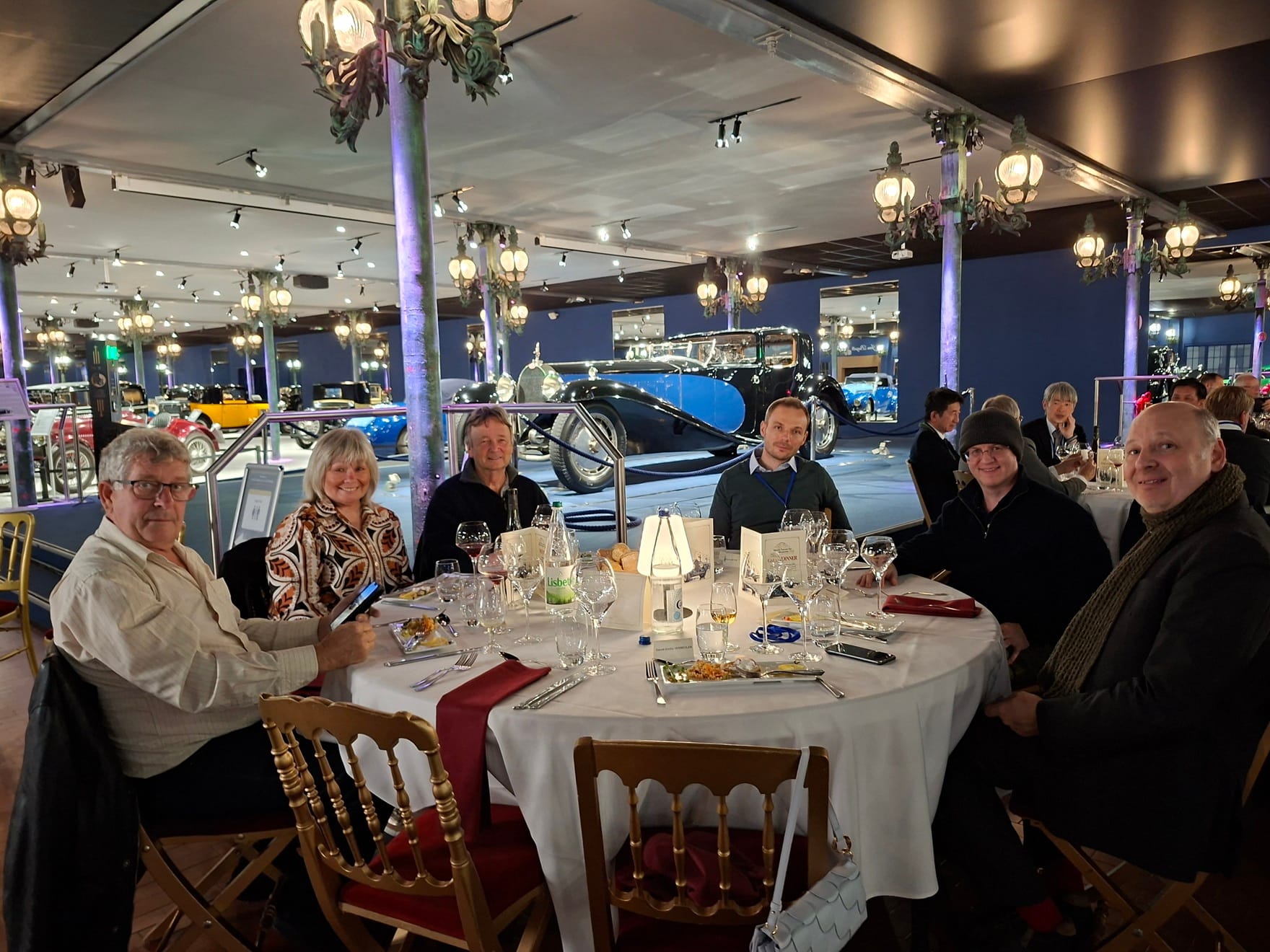
I must confess that, unlike many of the others, I had not arrived armed with a presentation, a PowerPoint file or a lifetime of museum statistics. My role was considerably simpler: listen and learn. Fortunately, there was plenty to listen to, and even more to learn.
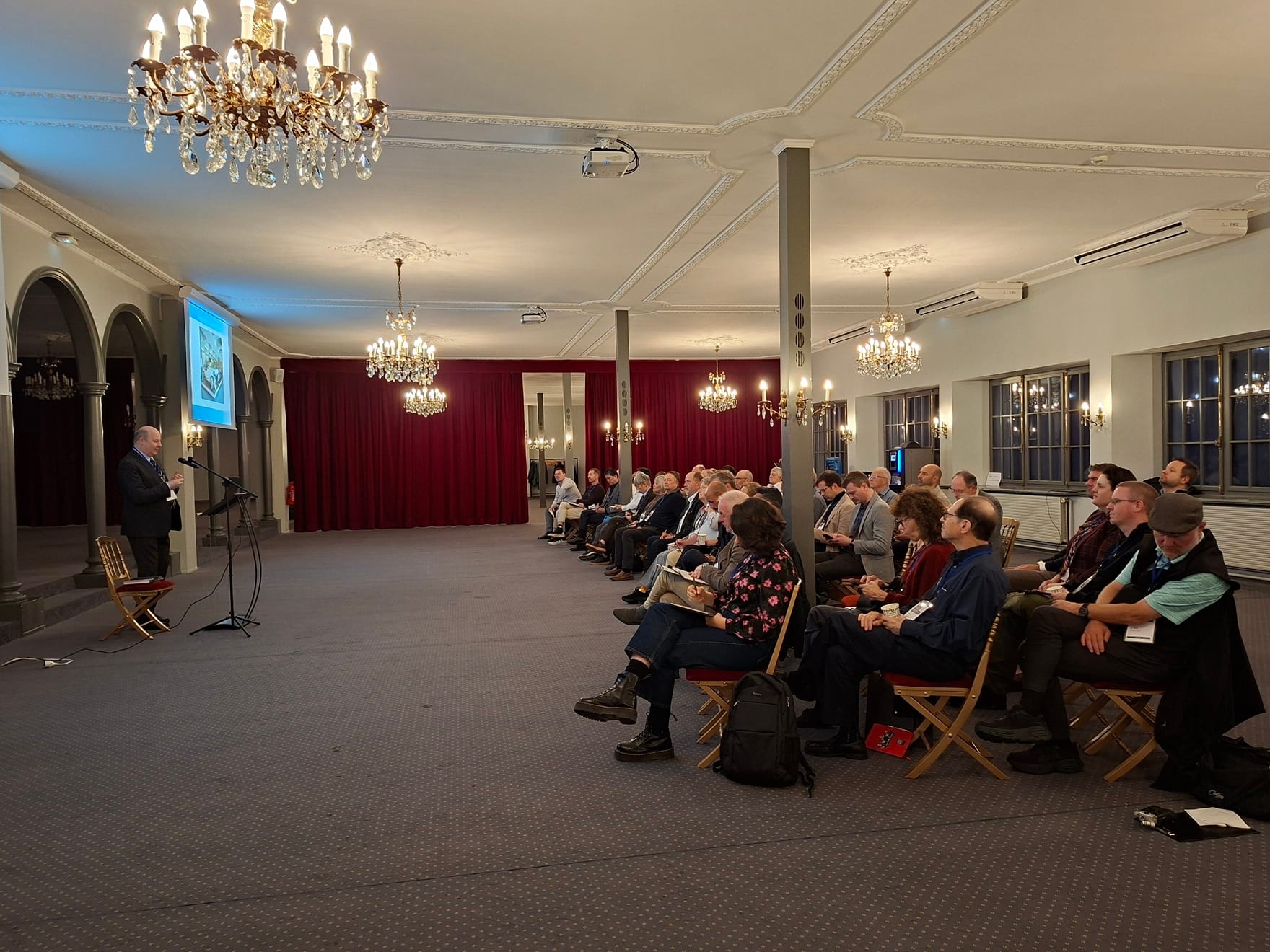
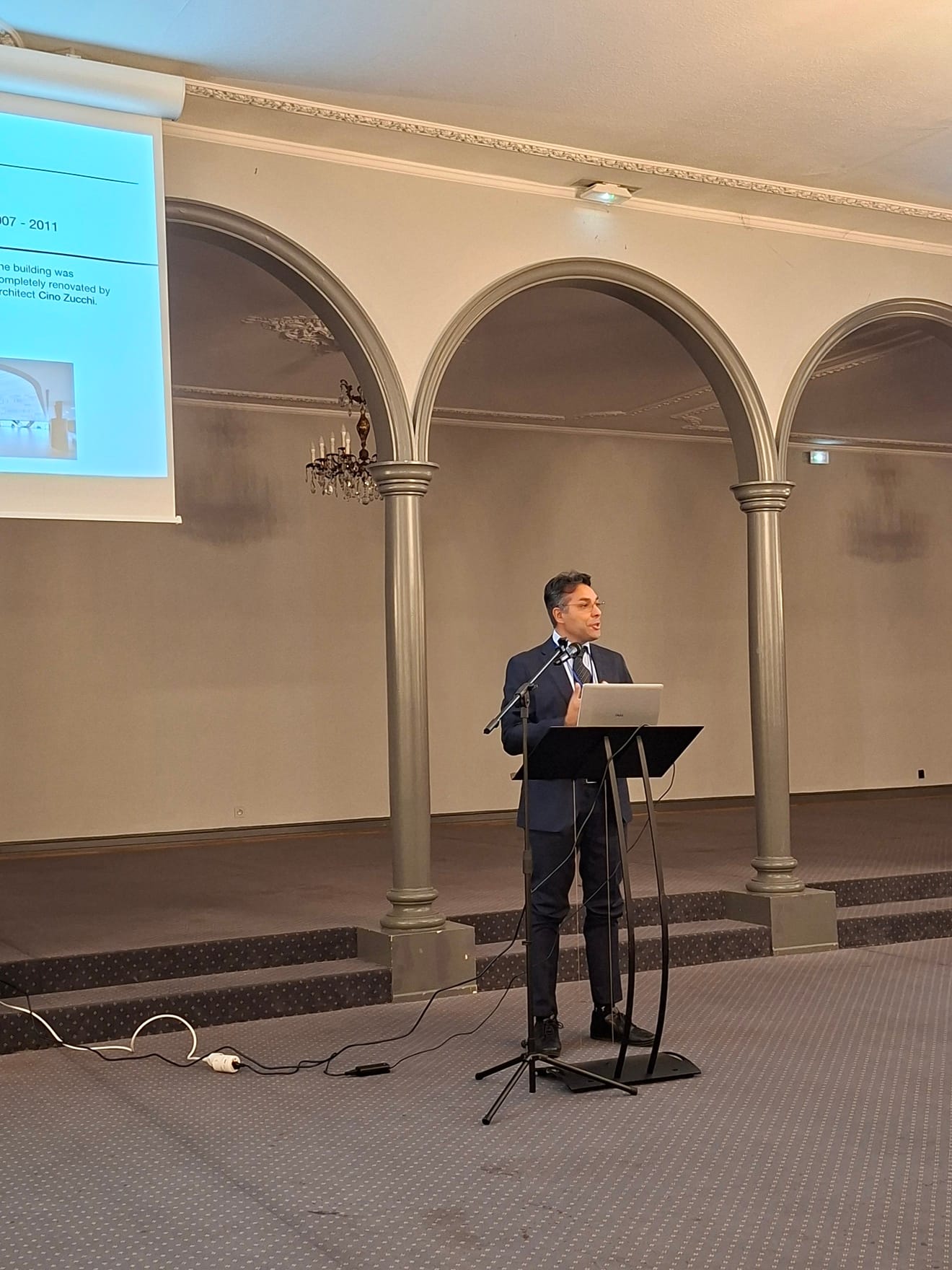
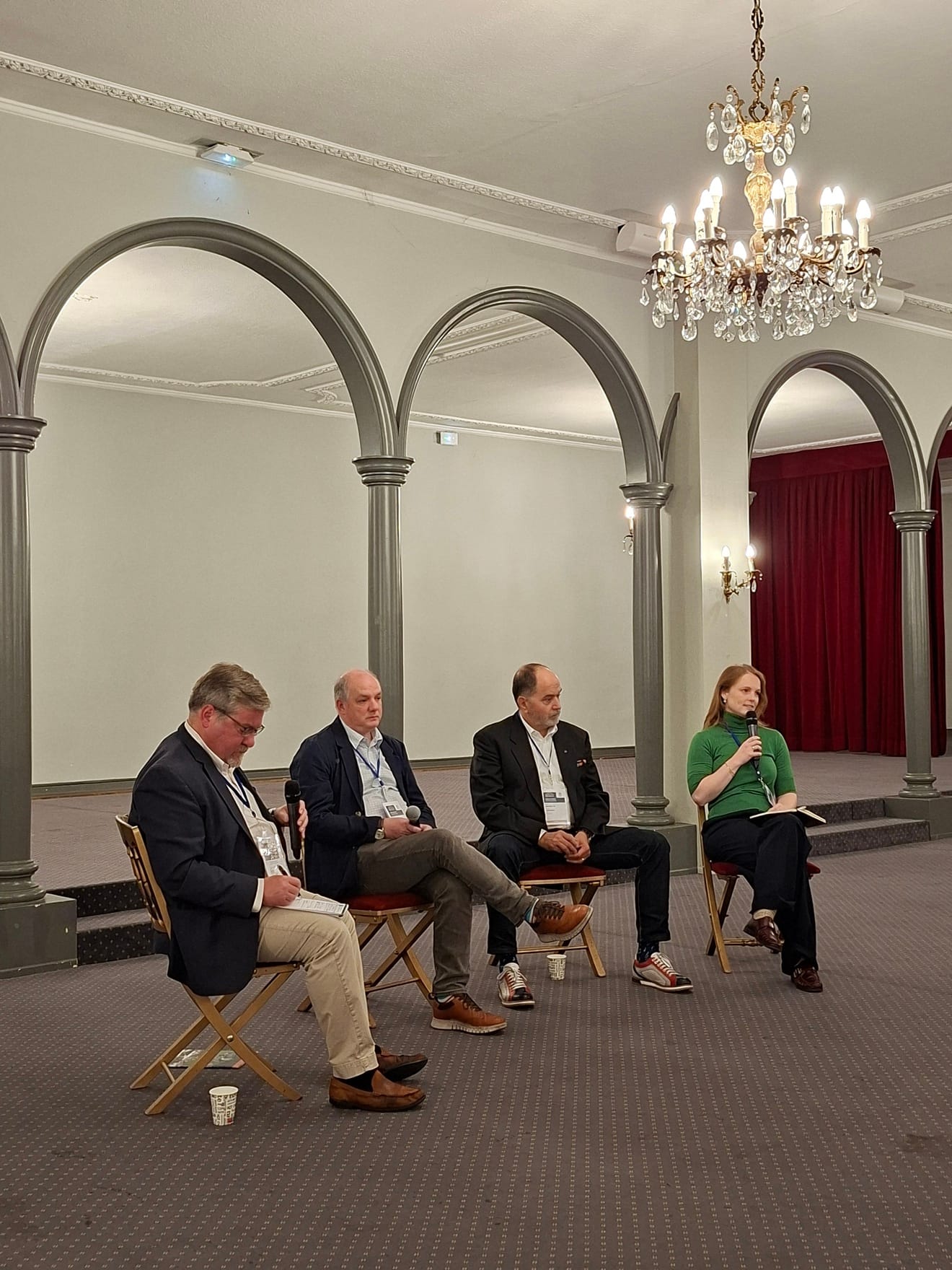
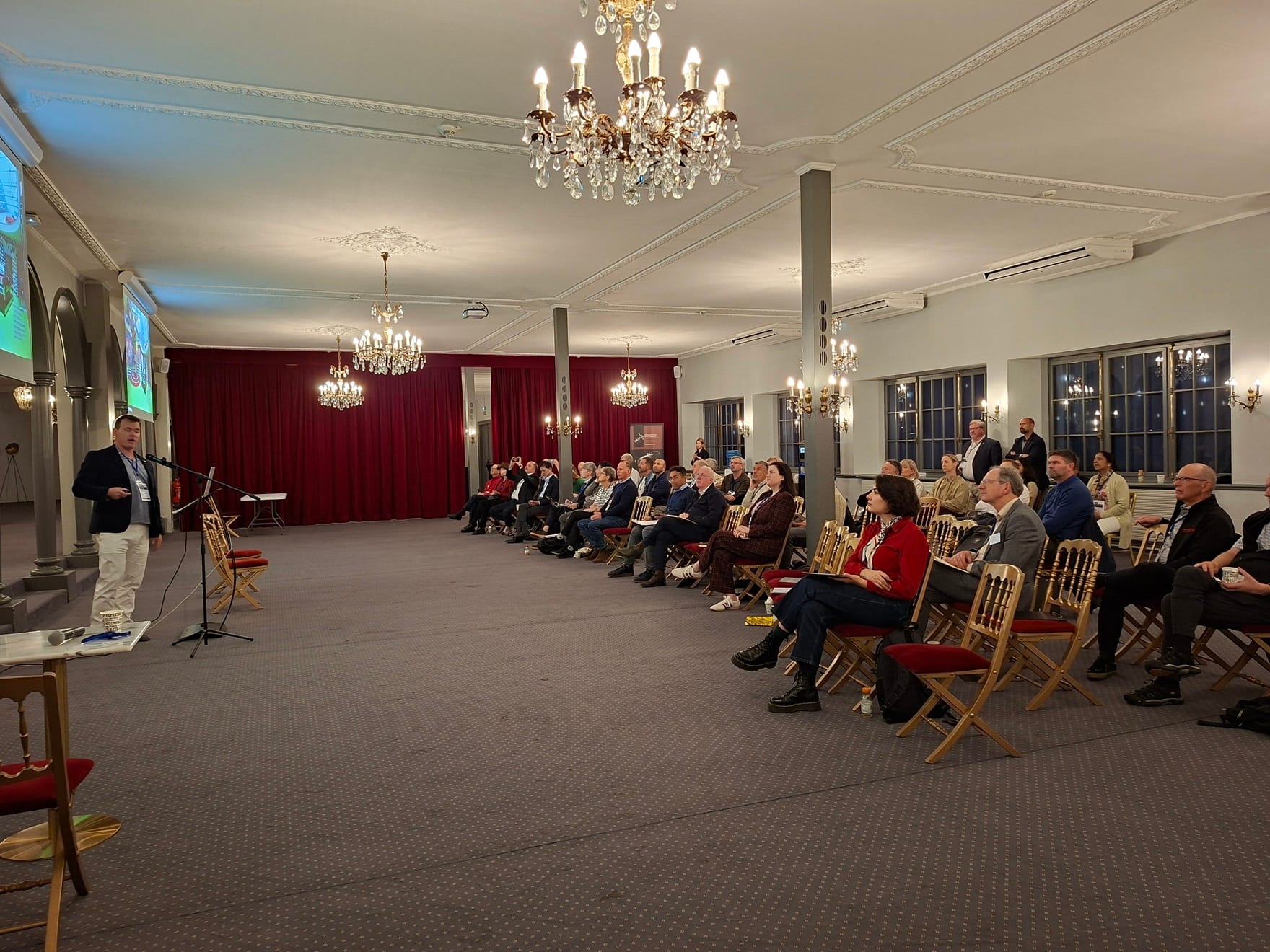
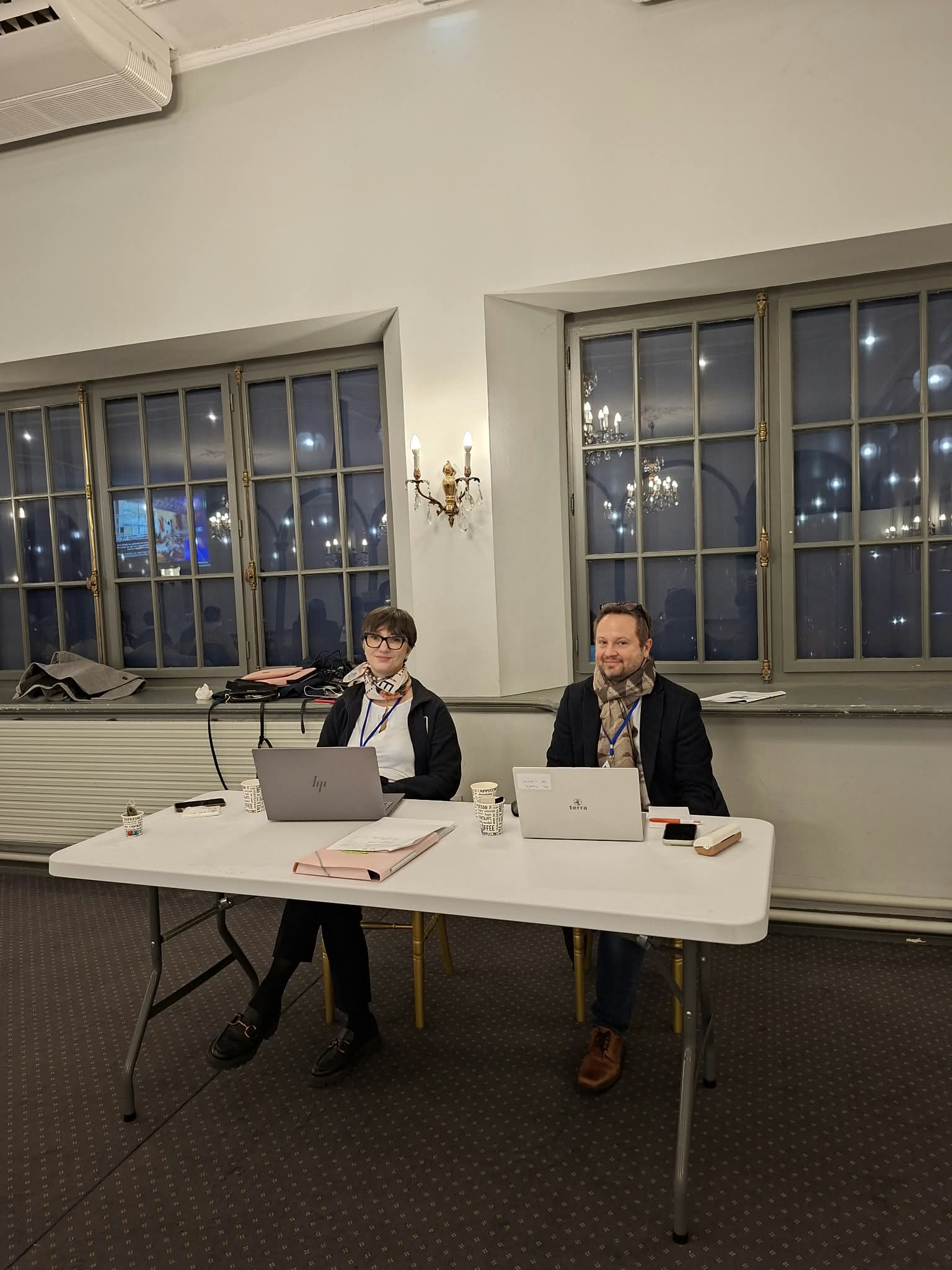
If the fun part was around the table, the serious part was at the adjoining hall where scores of experts and enthusiasts deliberated and debated. Davide Lorenzone at top right and Rob Signom, Peter Armstrong, Armin Gröger and Danaë-Emilie Vermeulen at left bottom
The theme of this year's gathering was “Driving New Perspectives”, which proved an appropriately broad invitation to look at the motor museum from just about every conceivable angle.
One of the first surprises was discovering just how many museums there are to worry about. According to Dr Pal Negyesi, who spoke about the future of automotive museums, there are more than a thousand of them around the world. That is an awful lot of cars requiring roofs, insurance, conservation, electricity, staff and, most importantly, visitors.
Davide Lorenzone of MAUTO tackled one of the perennial questions: when should a car be restored, and when should it simply be conserved?
It sounds straightforward until you realise that every decision can potentially alter the very object you are trying to preserve. At some point, the museum curator has to decide whether to reach for the polishing cloth or leave the patina alone.
Takuya Yamada of the Fuji Motor Sports Museum looked at another increasingly important subject: immersive digital experiences. How do you make a museum experience more engaging in an age when visitors can see almost anything on a screen?
It is a particularly interesting question for automotive museums, where the temptation must surely be to say: “Here is the real car, please don't touch it.”
Then came inclusivity. Andrea Bishop of the National Motor Museum pointed out something that may have escaped the attention of generations of automotive enthusiasts: many motor museums have traditionally been rather “bloke-ish” places.
This is hardly a revolutionary observation, but it is an important one. If museums want to attract the next generation, they need to appeal to people who have a much broader outlook on every issue, and don't necessarily know the difference between a DOHC and twin Webers…
The following day brought panel discussions on skills, clubs and, importantly, the people who keep clubs and organisations alive, as well as another on preserving manufacturers' archives. The panels brought together Keith McIlroy, Elizabeth Cozzi, Rob Signom, Lauren Goodman, Alexandre Martinez Milla, Lorenza Bravetta and Kohei Yanaka, as well as Danaë-Emilia Vermeulen (from Gallery D’Ieteren in Brussels), Armin Gröger (from Mercedes-Benz) and Stephen Laing.
And there was plenty of evidence that running a museum involves considerably more than putting attractive cars under bright lights.
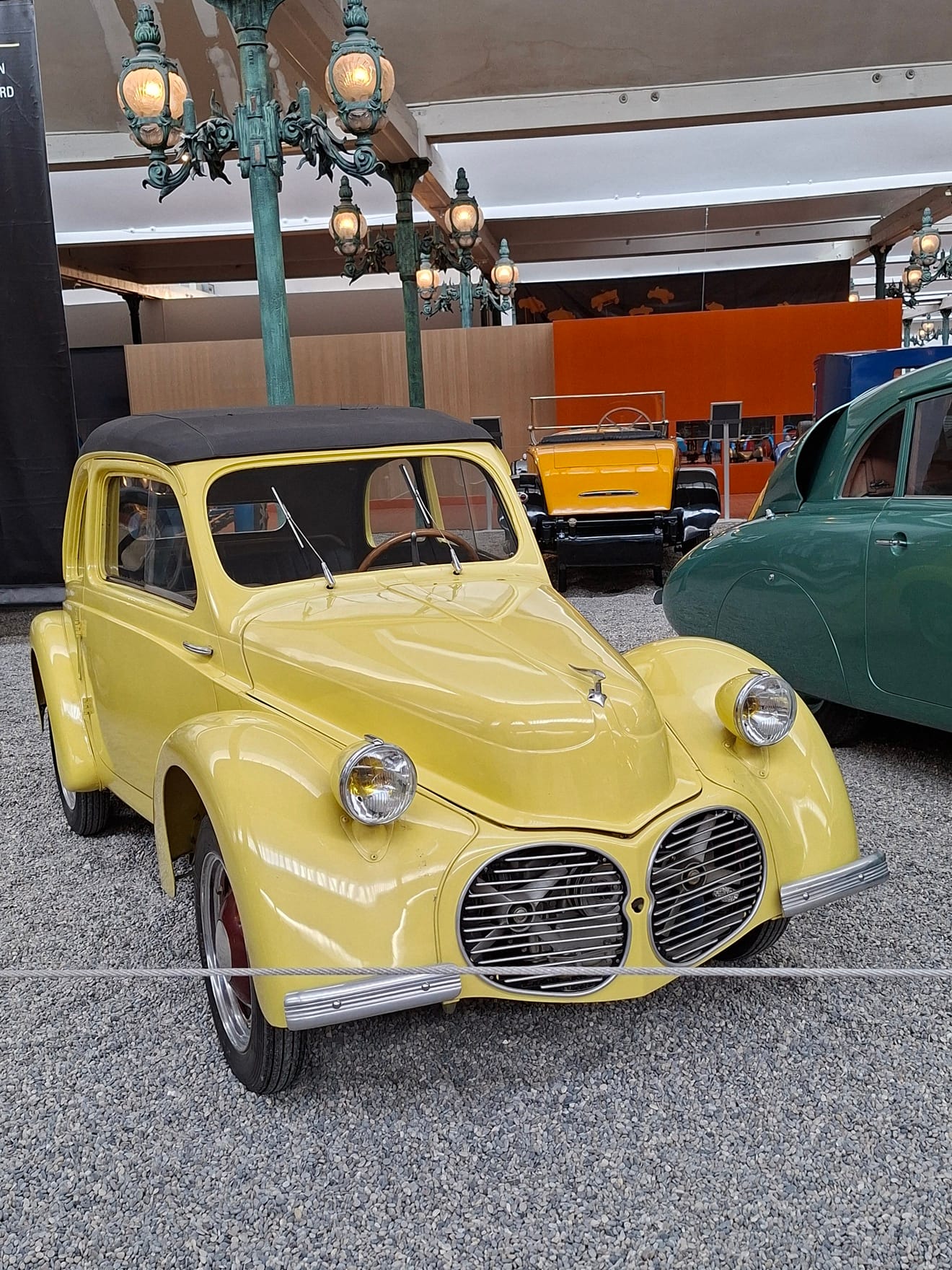
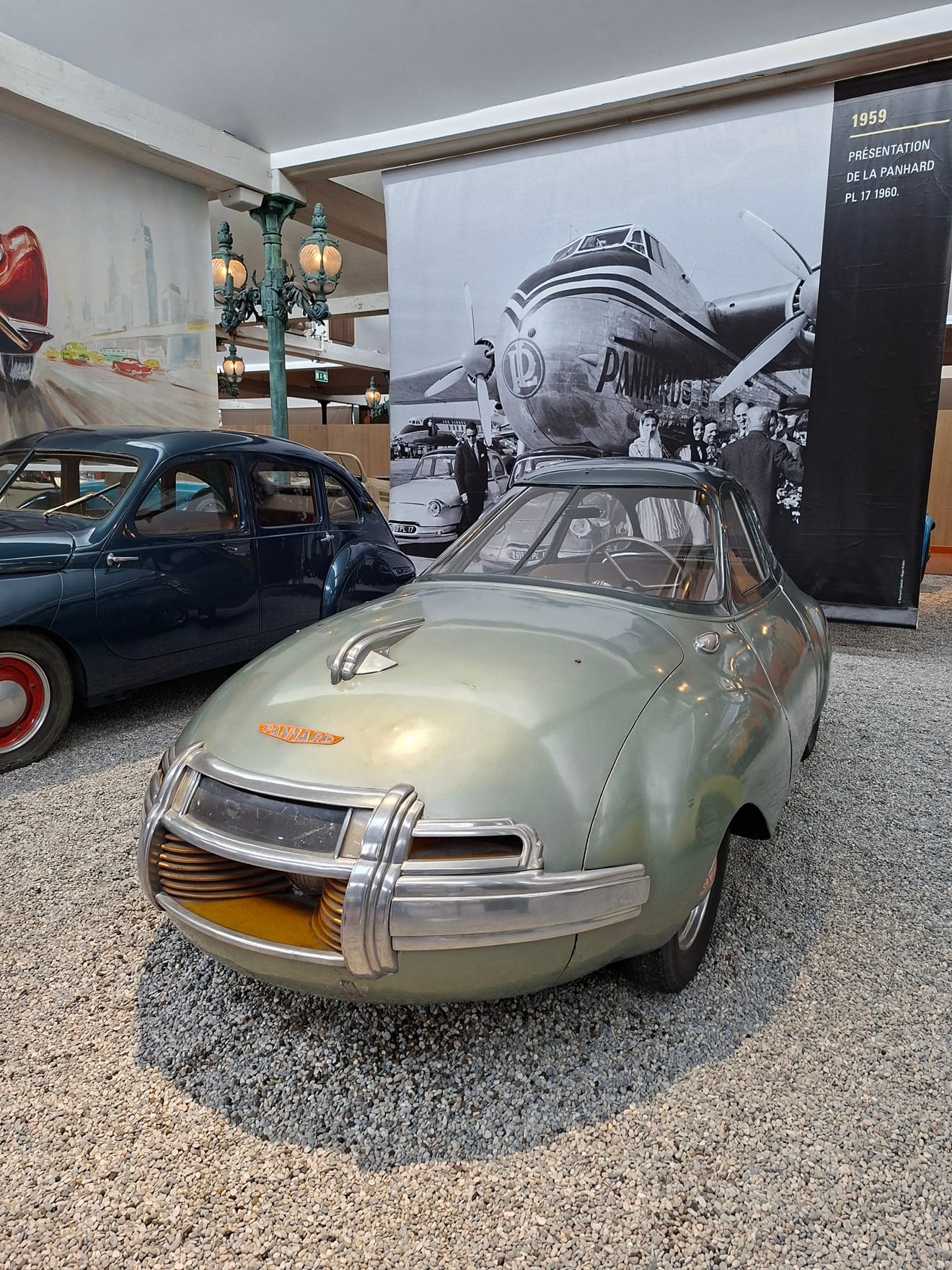
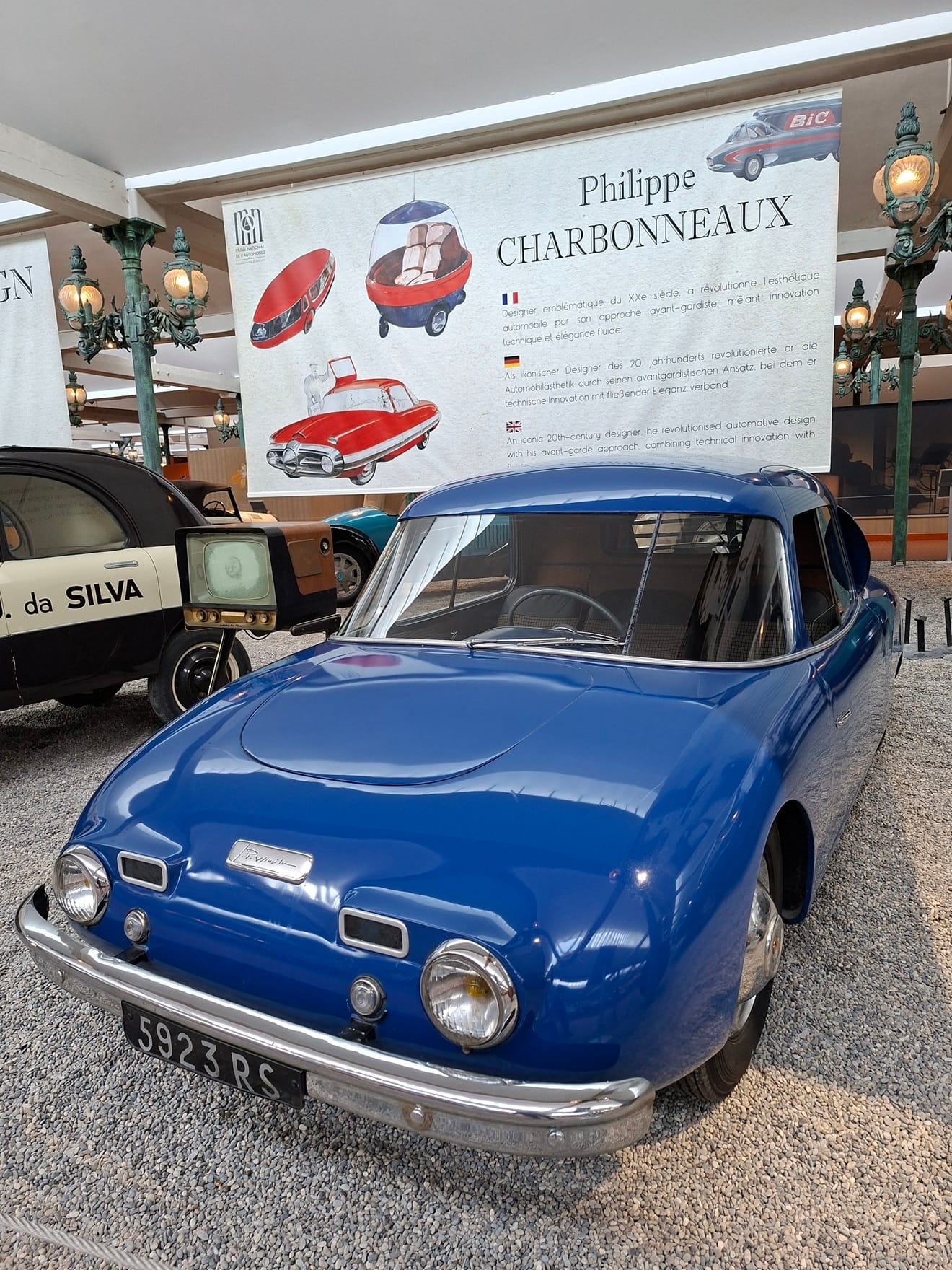
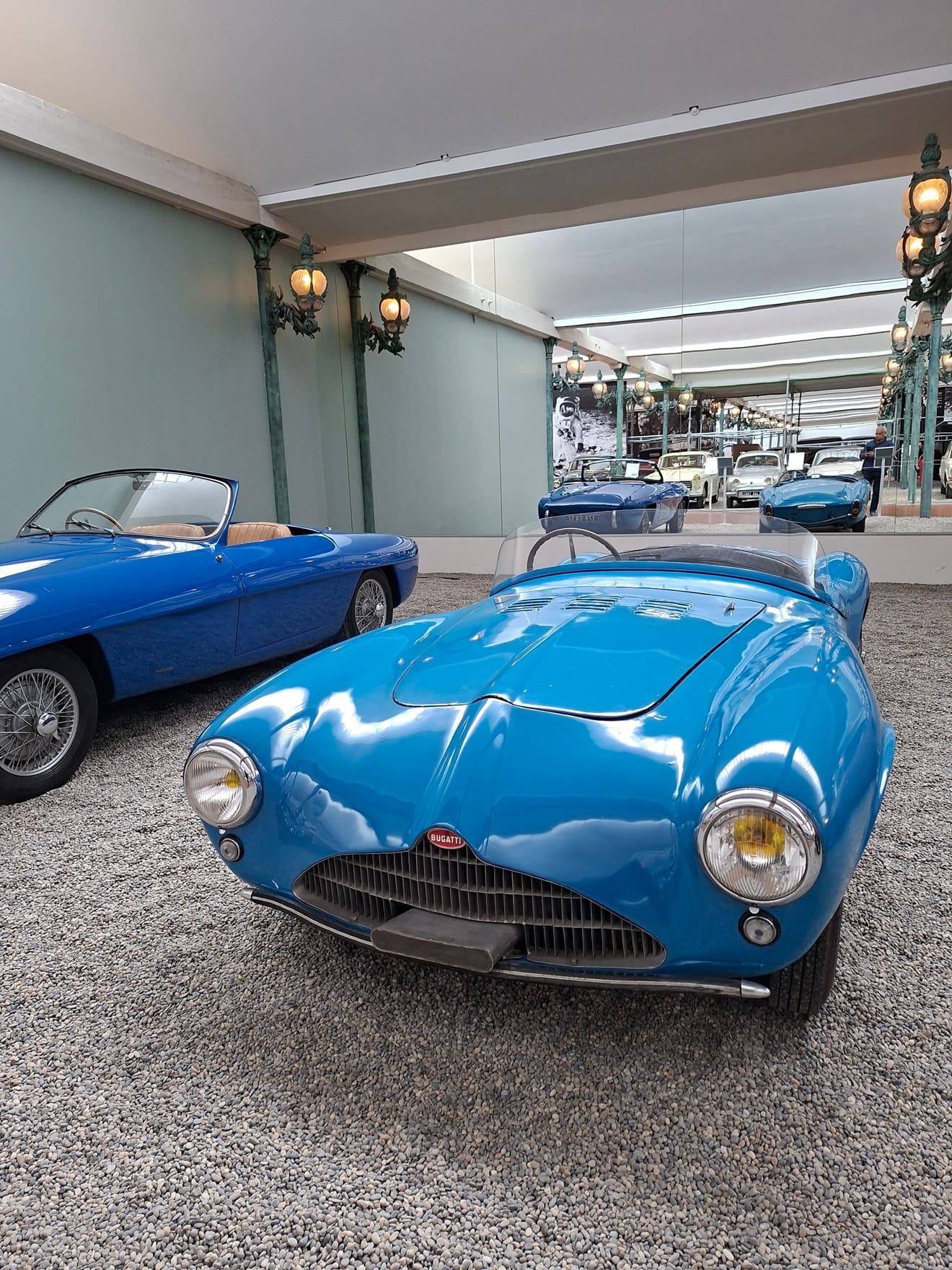
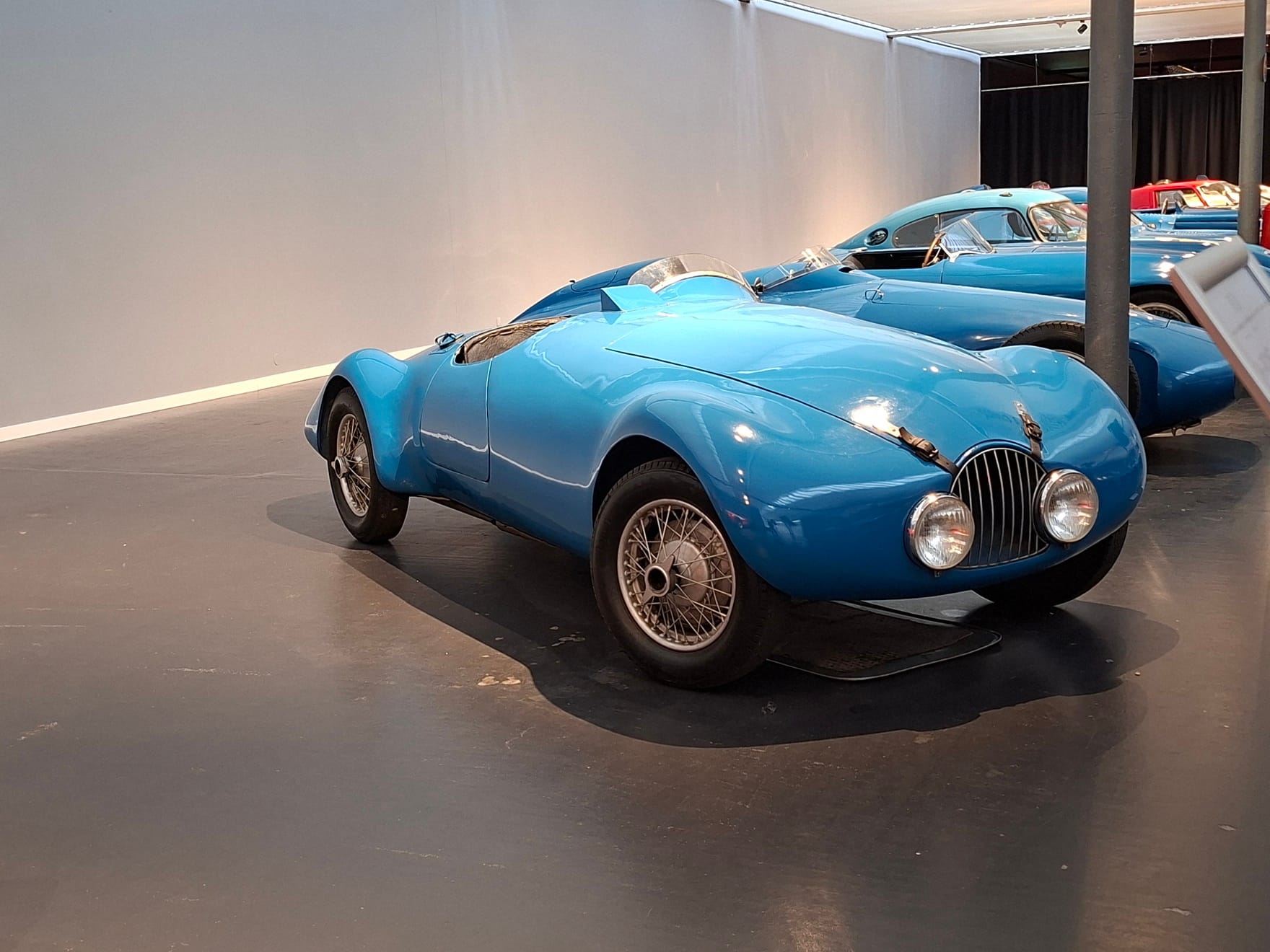
Of course, no report on an event at the Collection Schlumpf would be complete without featuring some of the absolute rarities at this astounding museum (the Jean-Albert Grégoire design for a post-war 400kg, 90km/h car at top left; the incredibly aerodynamic Panhard et Levassor Dynavia concept at top right; the highly advanced Wimille A Coupé at bottom left; and Bugatti's last-ditch attempt at making an accessible sports car, the 242 Biplace Sport, from 1956, at bottom right)
On the final day, Stavya and Sudhakar Kannieboyina of Sudha Car Museum provided an insight into how their remarkable museum in Hyderabad has managed to become such a success. Leslie Kendall of the Petersen Automotive Museum then considered another crucial question: how does a museum become, and remain, relevant?
That may well be the central challenge facing every automotive museum today. Cars themselves are changing rapidly, audiences are changing even faster, and the ways in which people consume information and entertainment have been transformed.
Simply having a wonderful collection is no longer enough. The challenge is to give people a reason to come, return and, ideally, tell someone else about it.
The final feedback session brought together WFFMM chair Wim Van Roy, vice-chair Rob Signom, Sebastien de Baere, Andrea Bishop and Stephen Laing, who had the unenviable task of listening to everything that everyone had said and somehow making sense of it.
And then, of course, there were the visits.
The hosts and organisers at Collection Schlumpf – Sophie Mehl, museum director Guillaume Gasser, Mylène Wittmer, and their colleagues Axelle Plaisant and Audrey Weinzaepflen – had arranged visits to some of the region's remarkable institutions, including the Cité du Train in Mulhouse, the Collection Schlumpf itself, plus a trip to Strasbourg and the European Parliament.
But for me, the most memorable moments were perhaps the least formal ones: conversations over coffee, discussions in corridors, meeting people whose names I had known for years, and discovering that museum professionals in Japan, America, Australia, New Zealand, Brazil, Belgium, Britain, France, Italy, Germany and India often face remarkably similar problems.
And then there was that dinner.
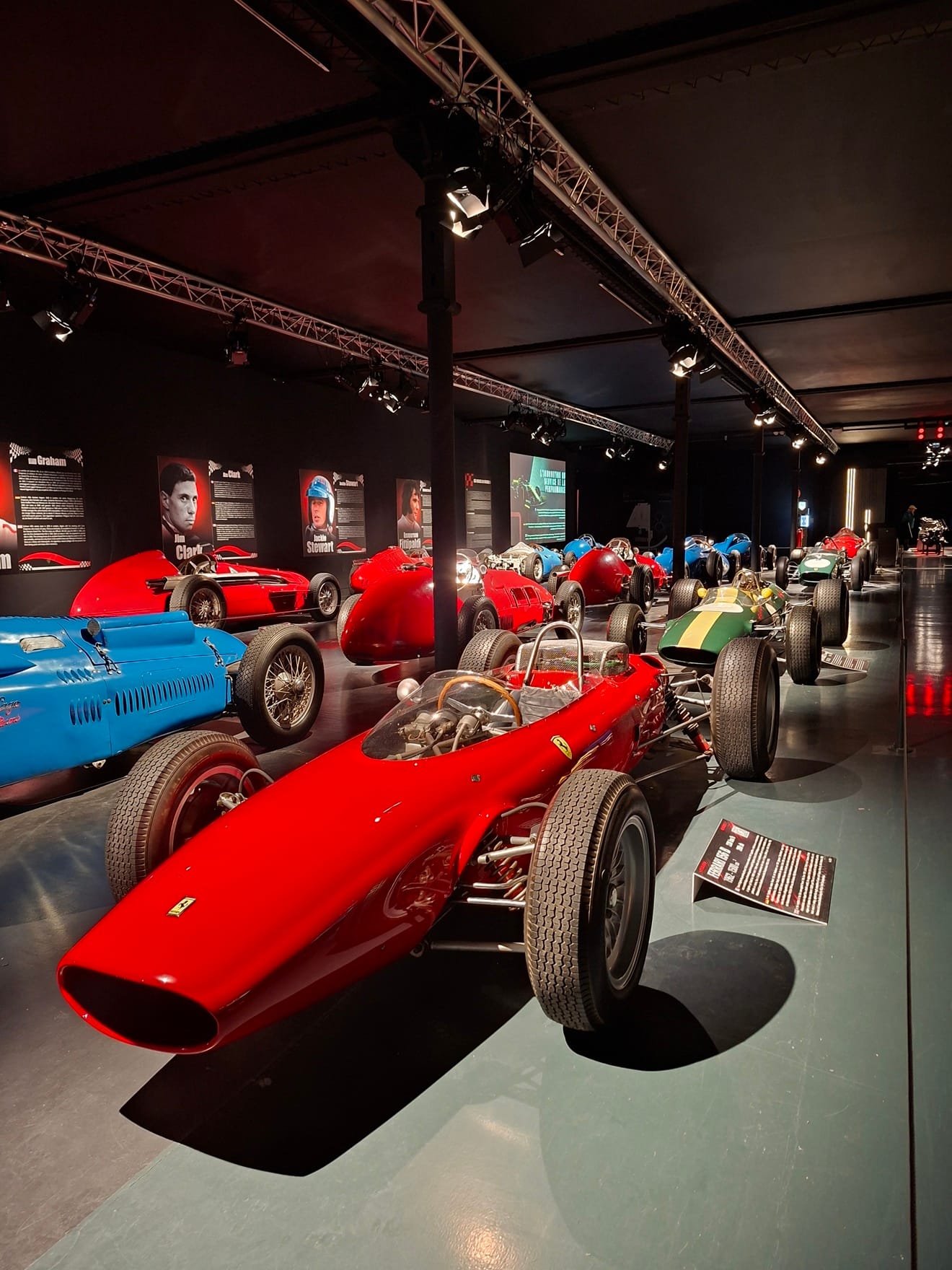
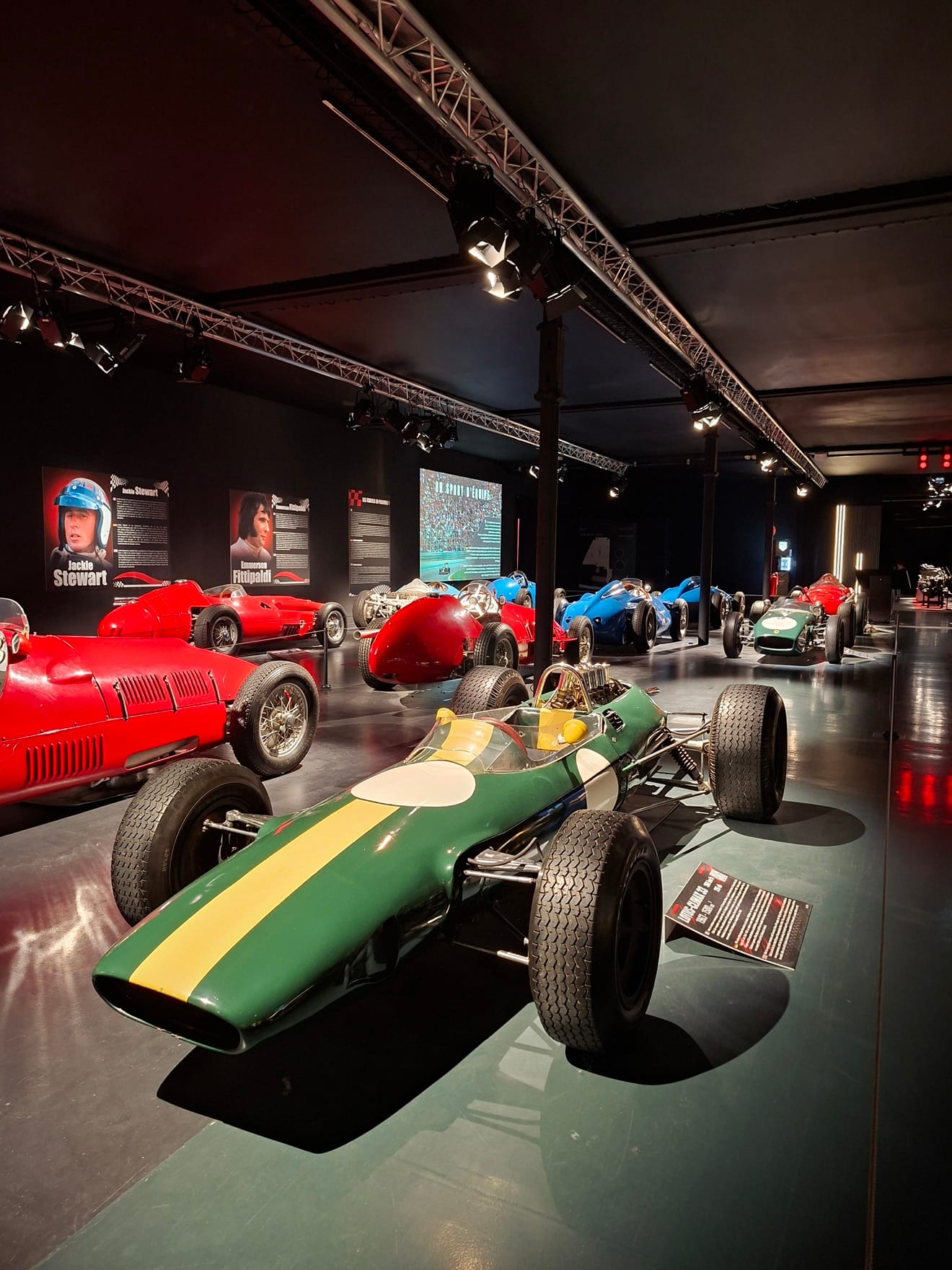
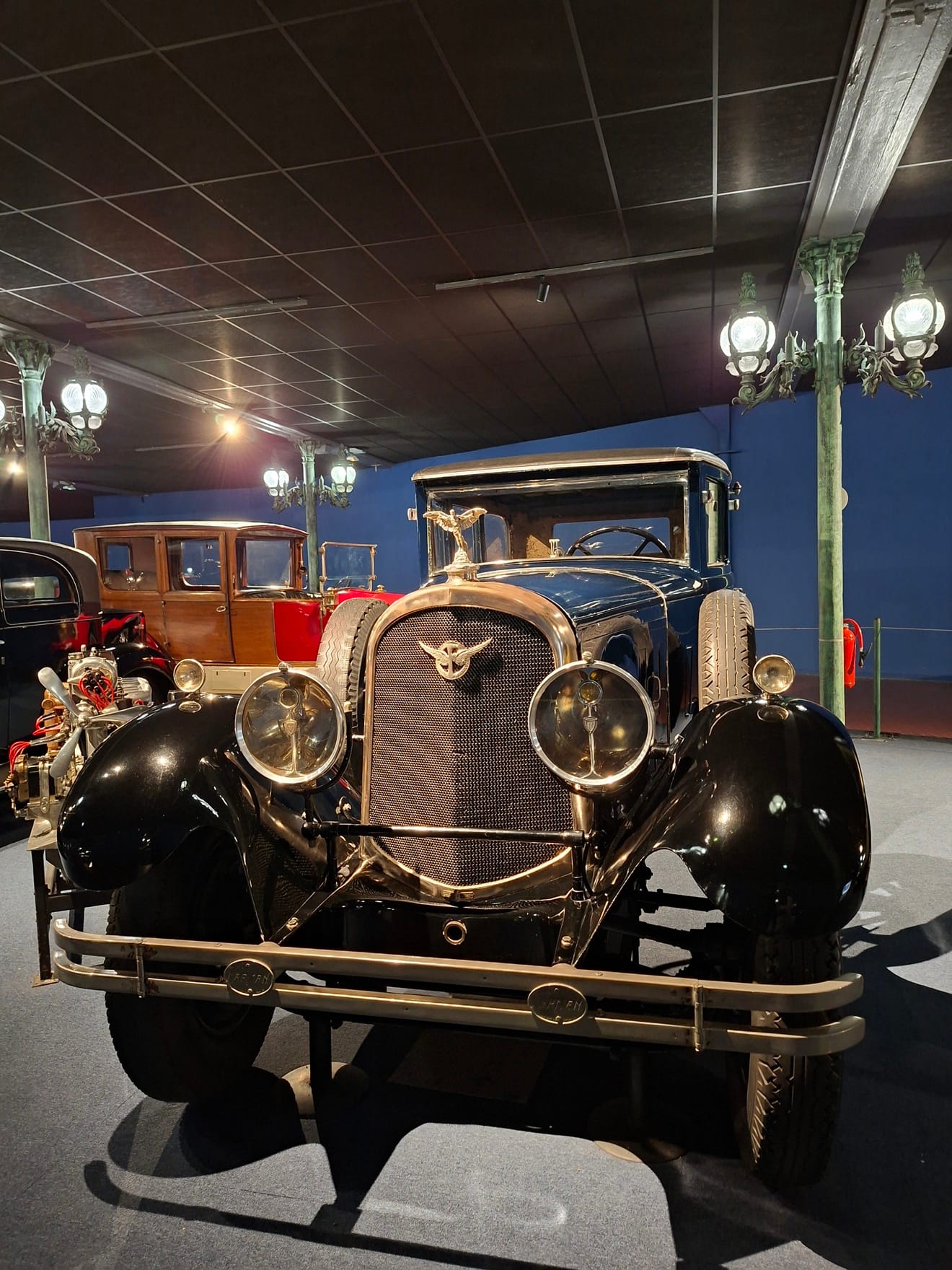
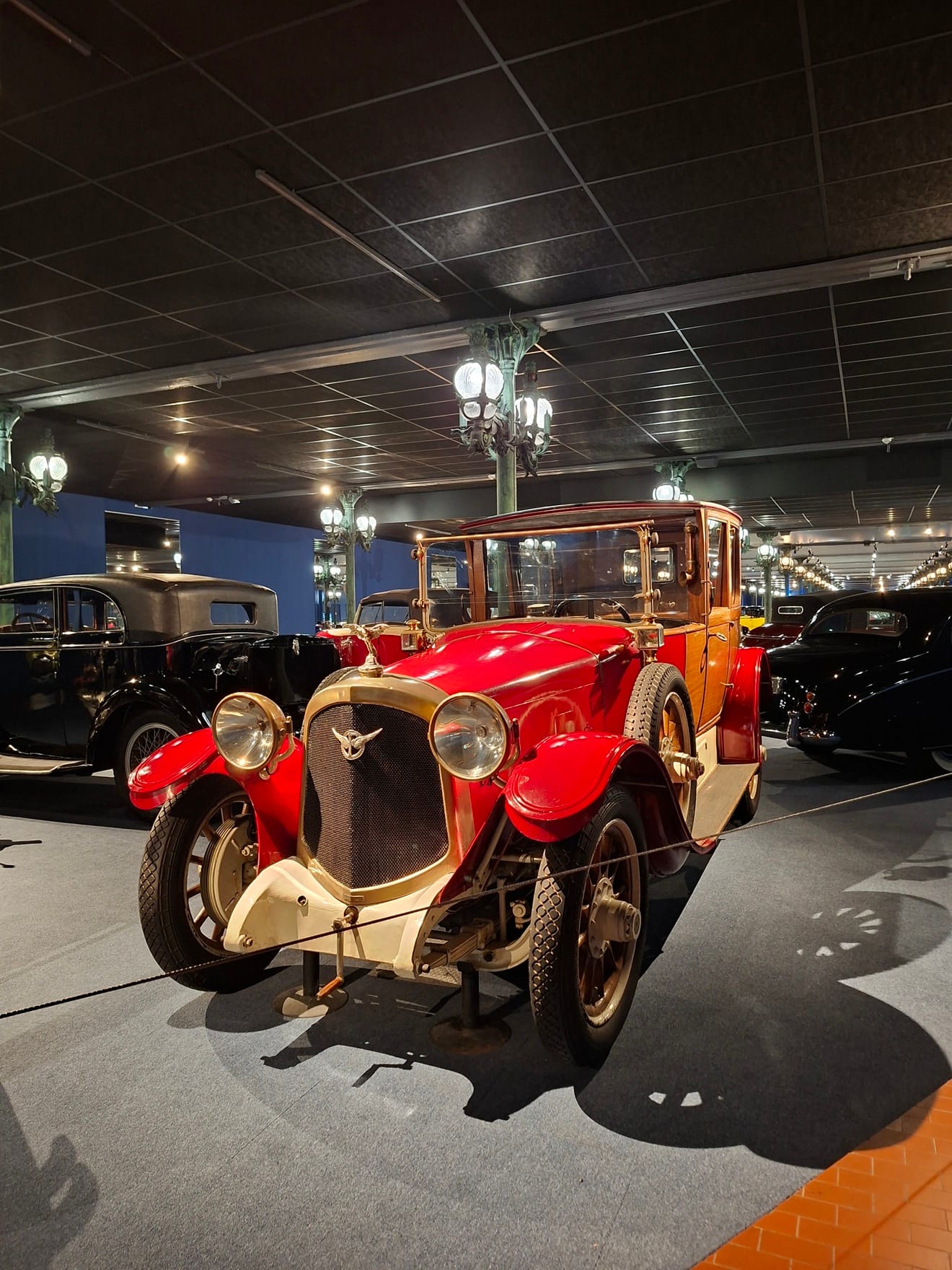
As well as the brilliant F1 exhibition and the masterpieces such as the pair of Farmans
Sitting between two Bugatti Royales, with Caroline Bugatti next to me, and a room full of people who collectively knew an astonishing amount about the preservation of the automobile, it occurred to me that I had perhaps chosen the right forum for my first museum conference.
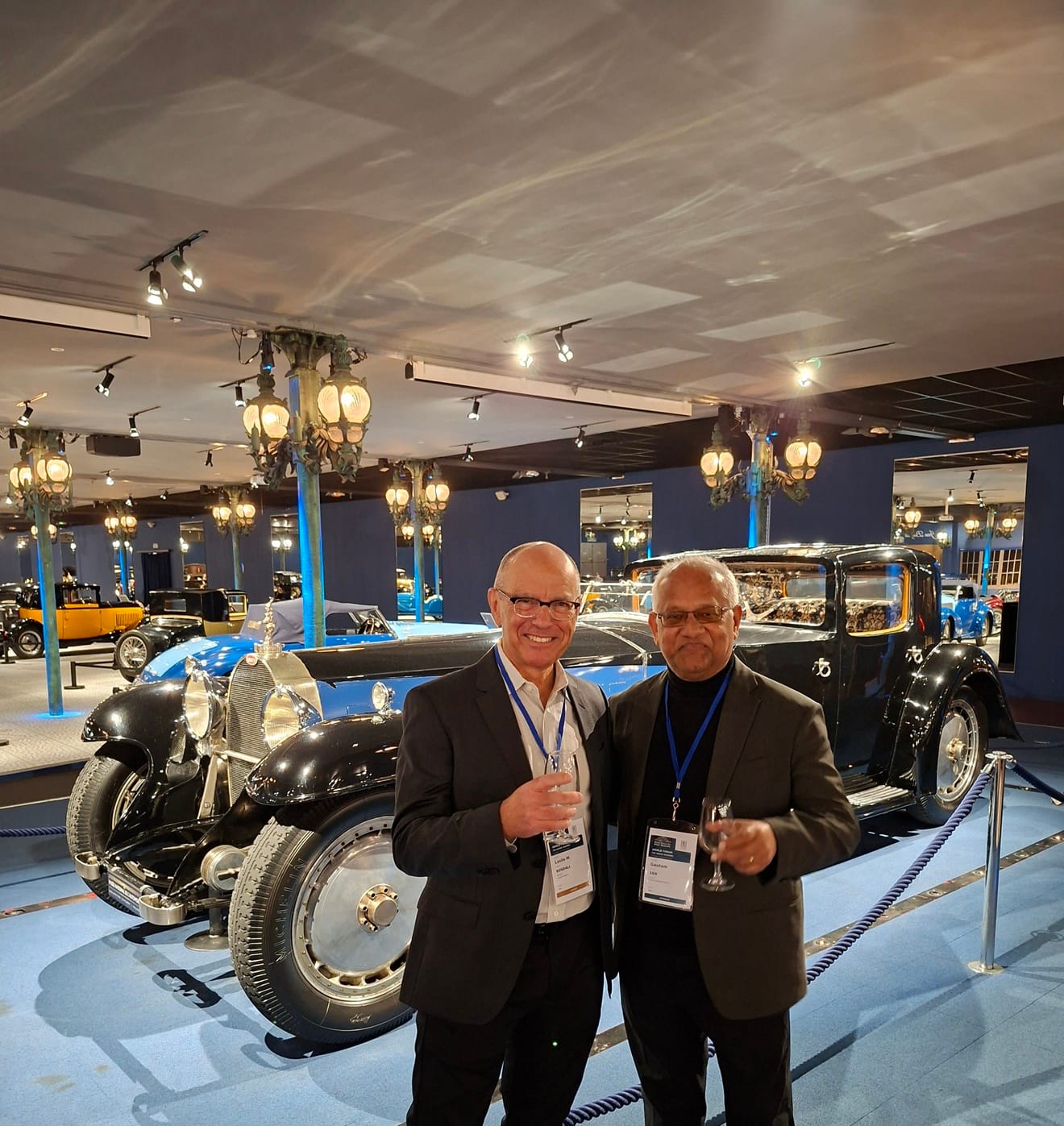
I may not have had much to contribute.
But I certainly came away with plenty to think about.
Comments ()