Bringing Alwar 3 Back to Life
Documenting the restoration of the 1927 Hispano-Suiza H6C
Text & Images: Vrutika Doshi
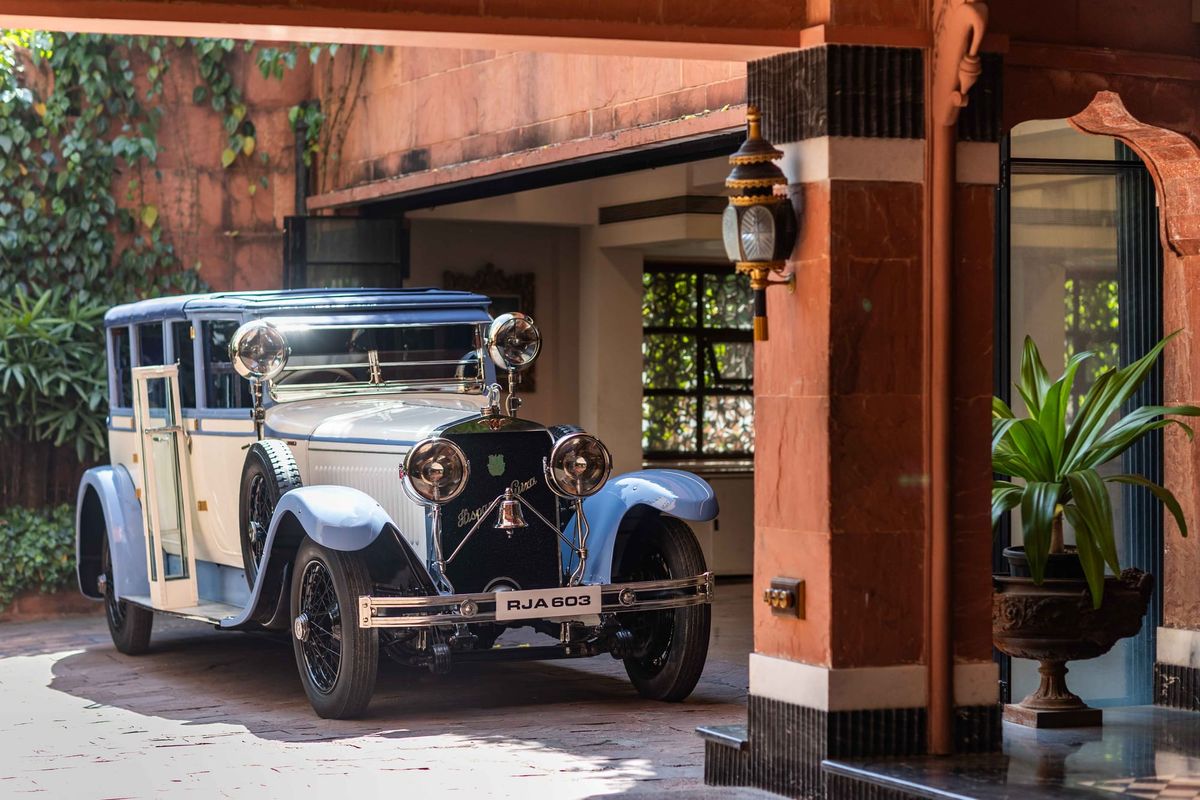
Among the many remarkable cars in the Pranlal Bhogilal Collection at Dastan Autoworld Museum, few have quite the presence of the 1927 Hispano-Suiza H6C known as Alwar 3. One of just 264 H6Cs built, the car was originally owned by Maharaja Jai Singh of Alwar before becoming part of one of India’s most celebrated historic vehicle collections.
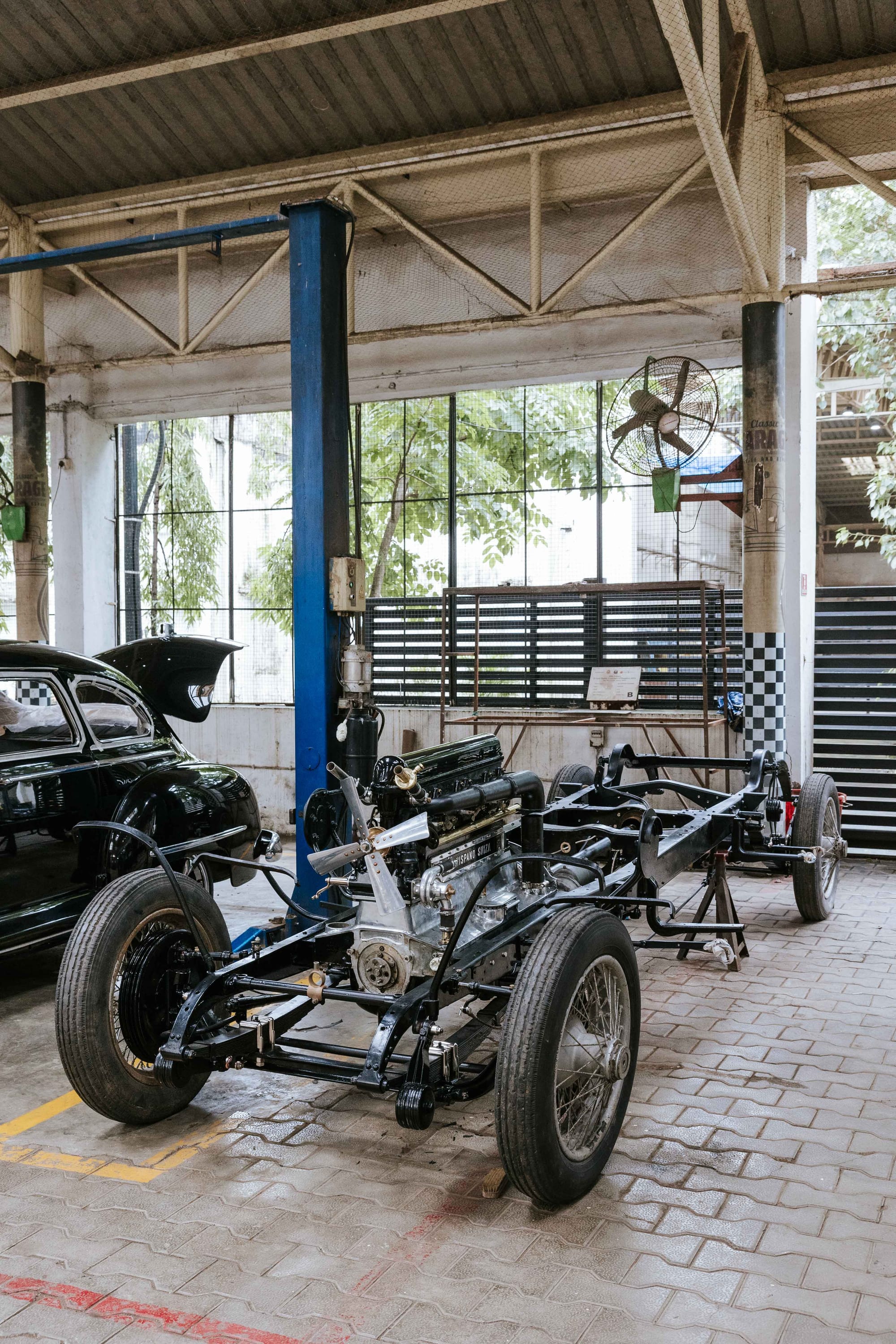
In 2025, Alwar 3 made its way to Supercar Garage in Mumbai for an ambitious restoration. There were just 101 days to bring the Hispano-Suiza back to life before it had to leave for Paris and the 2026 Salon Rétromobile. The objective was not simply to make an old car look new, but to preserve as much of the original Hispano-Suiza as possible while returning it to its authentic 1927 ivory-and-blue livery.
I was invited by Brijesh Chinai and Gautam Sen to photograph and document the entire process. For me, this was an opportunity to do much more than photograph a beautiful automobile. I wanted to tell the story of its resurrection: the dismantling, the painstaking craftsmanship, the small details, the inevitable setbacks and, above all, the people whose knowledge, patience and hands brought this extraordinary piece of history back to life.
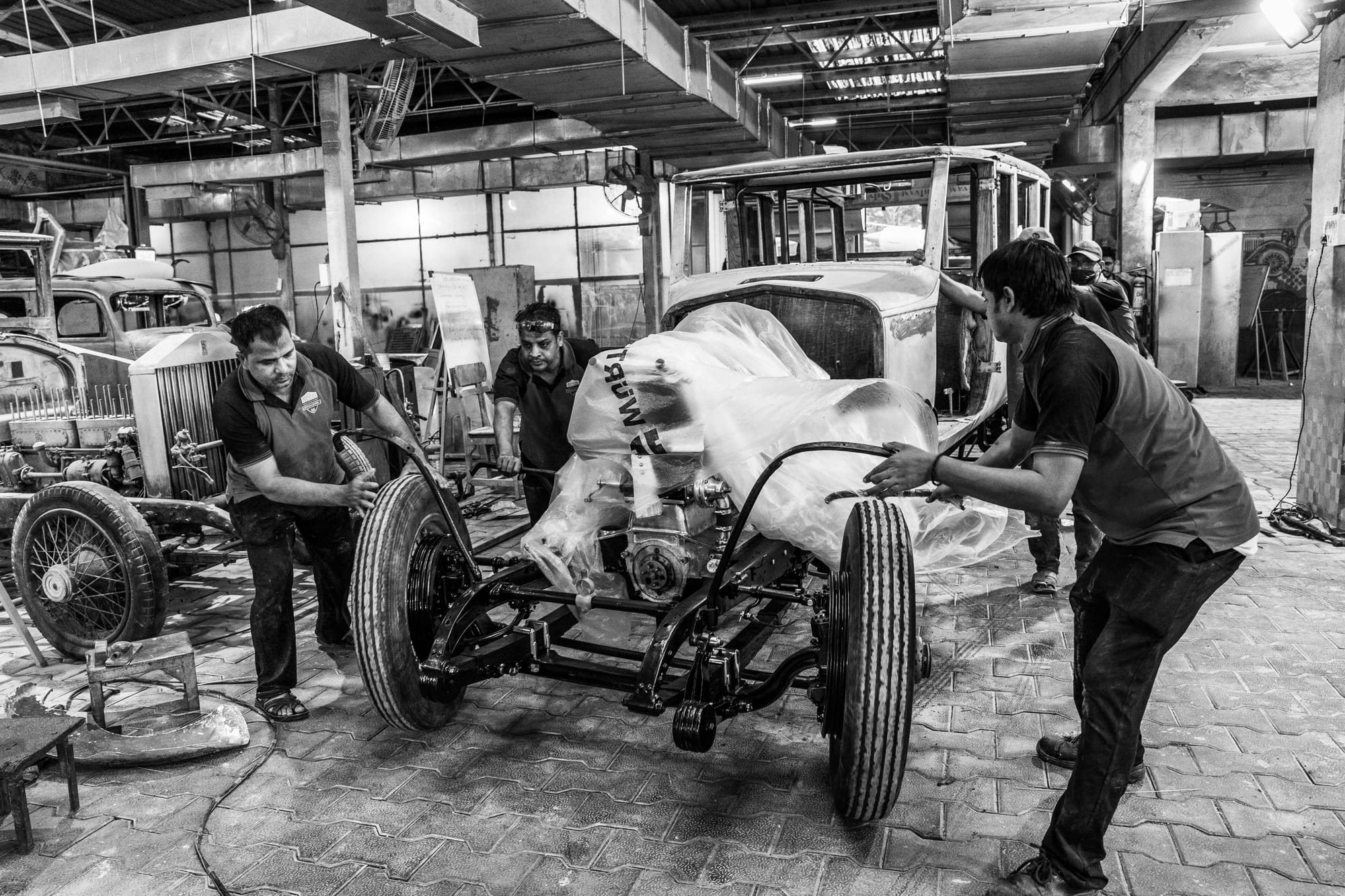
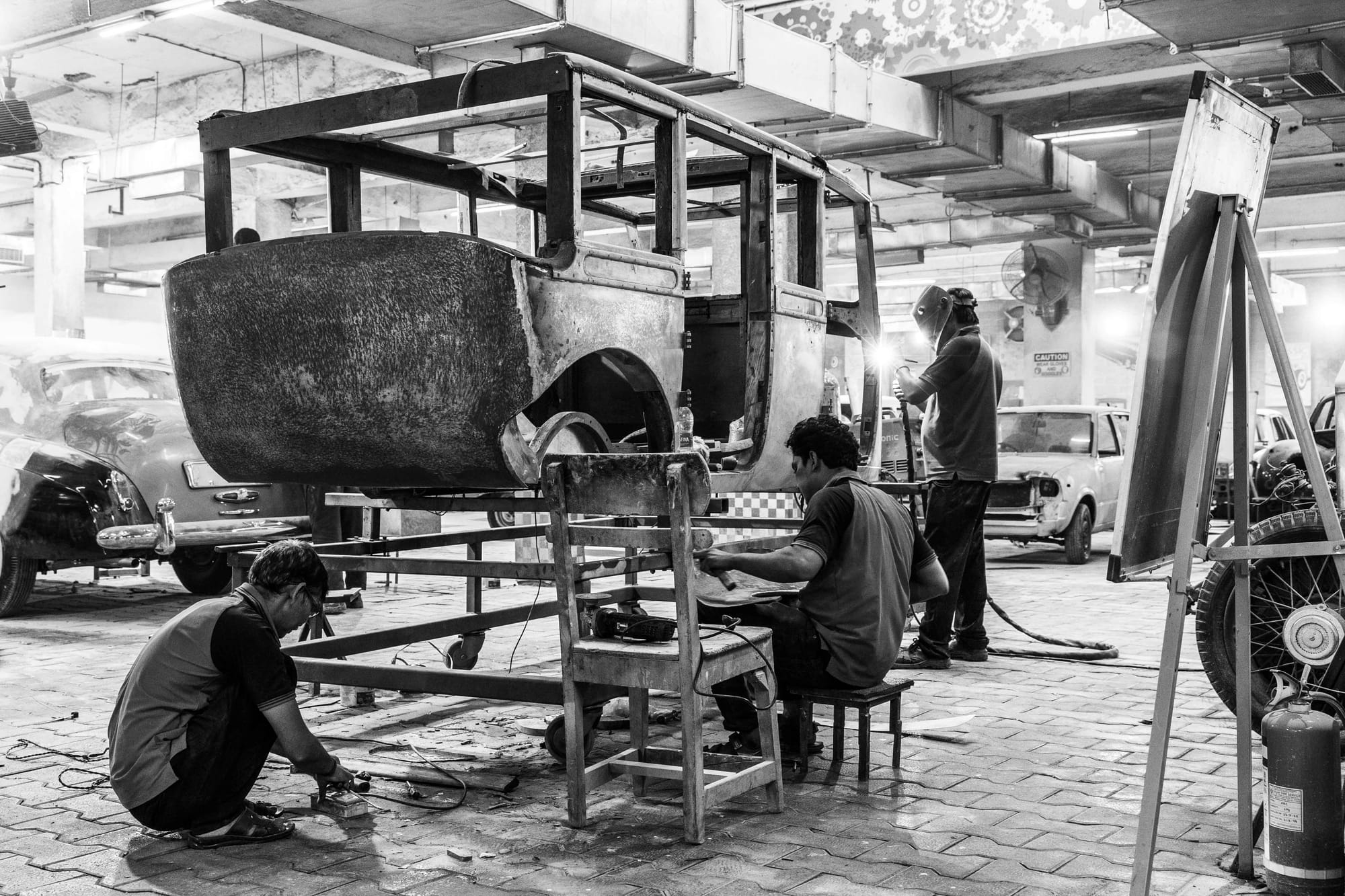
When Alwar 3 arrived at Supercar Garage, there was little sense of the magnificent Hispano-Suiza it would eventually become. The car was carefully dismantled, with its body, wooden structure, chassis, engine, interior and mechanical components separated and catalogued. Each element then embarked on its own journey of restoration, requiring the combined skills of mechanics, carpenters, metalworkers, painters and upholsterers.
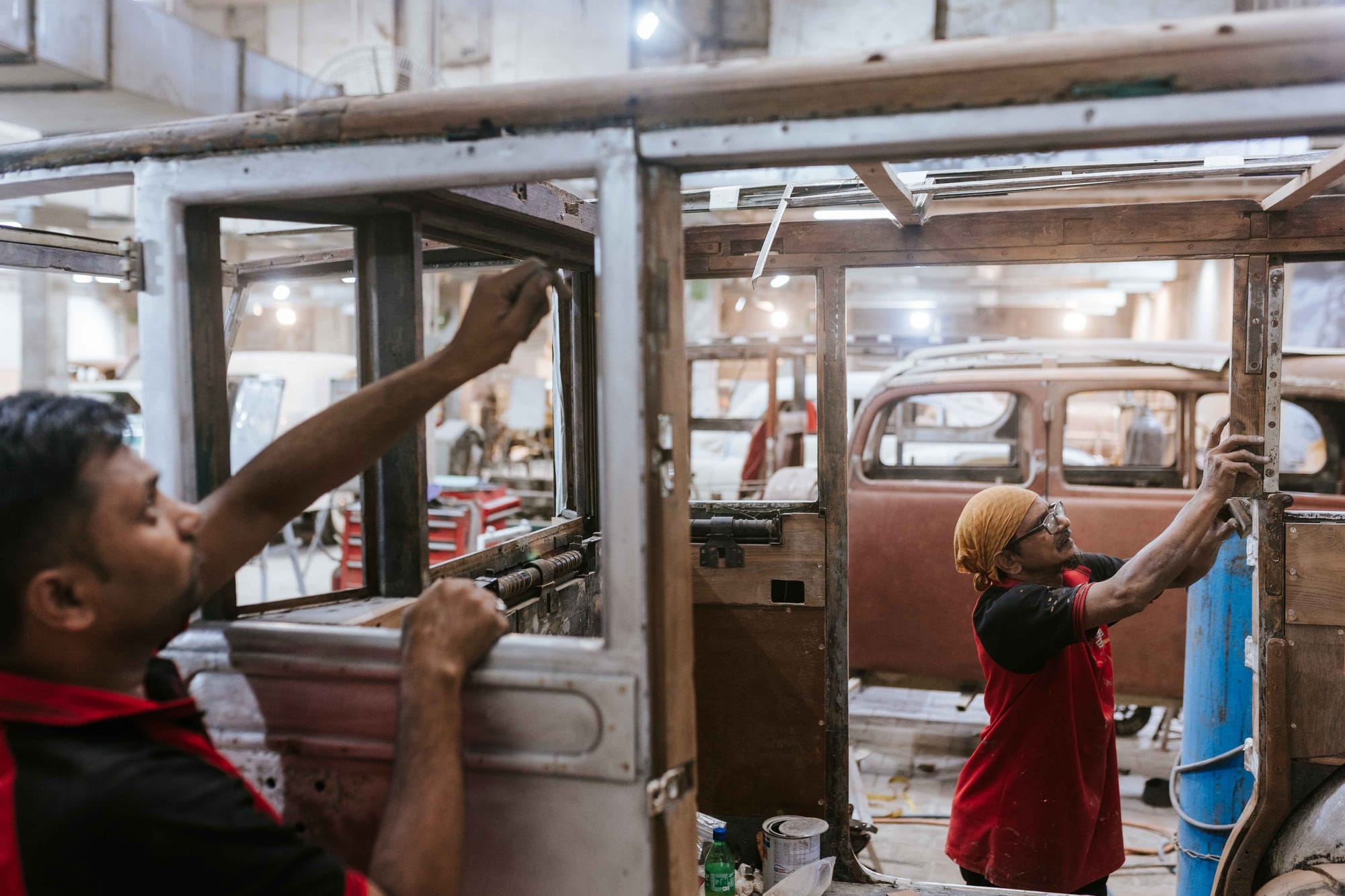
The work began with the fundamentals. The wooden body framework was painstakingly repaired while the chassis was stripped, sandblasted and refinished in black. Alongside this, the Hispano’s remarkable engine was carefully rebuilt, every component receiving the attention required before it could once again take its place on the restored chassis.
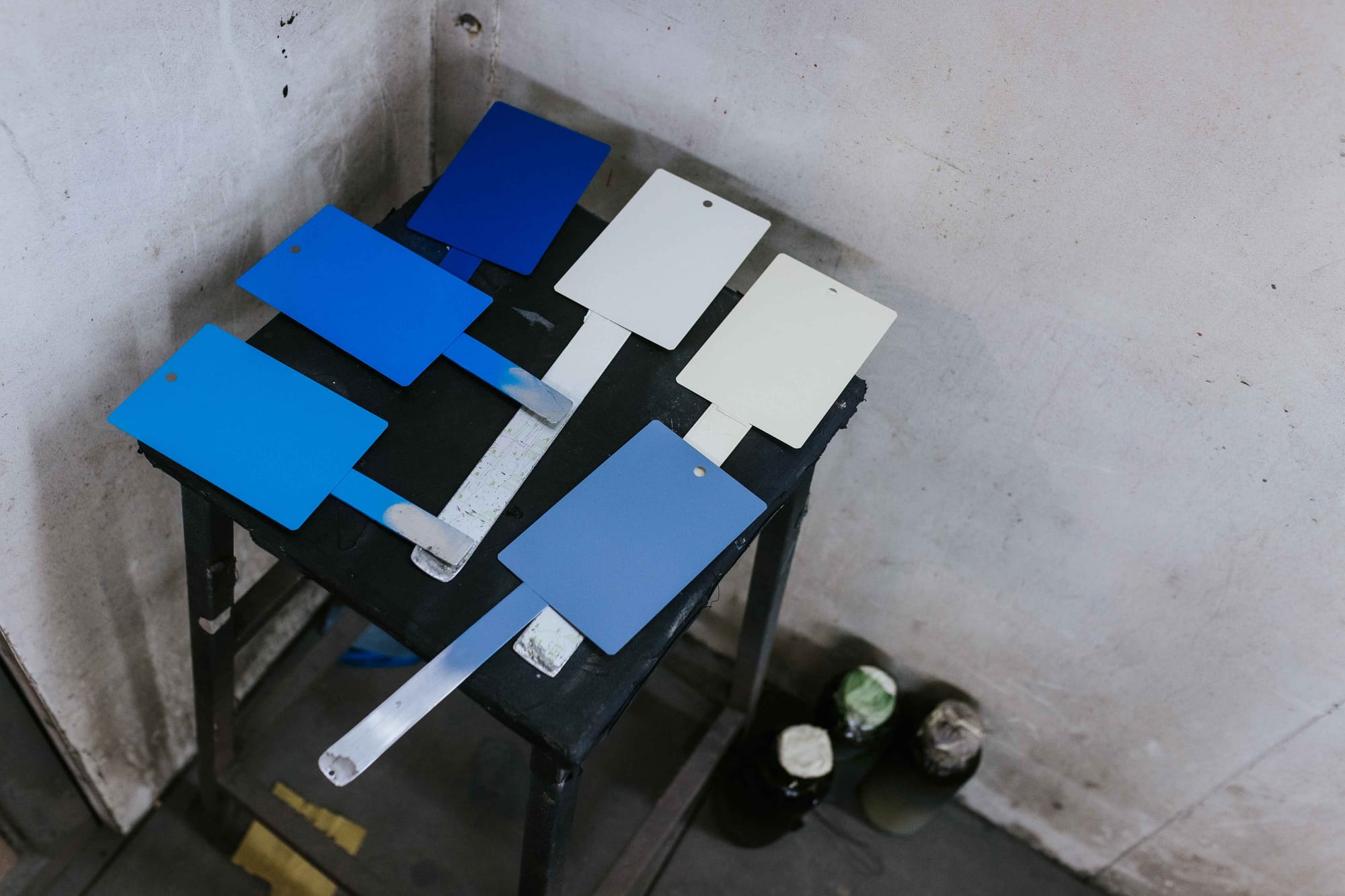
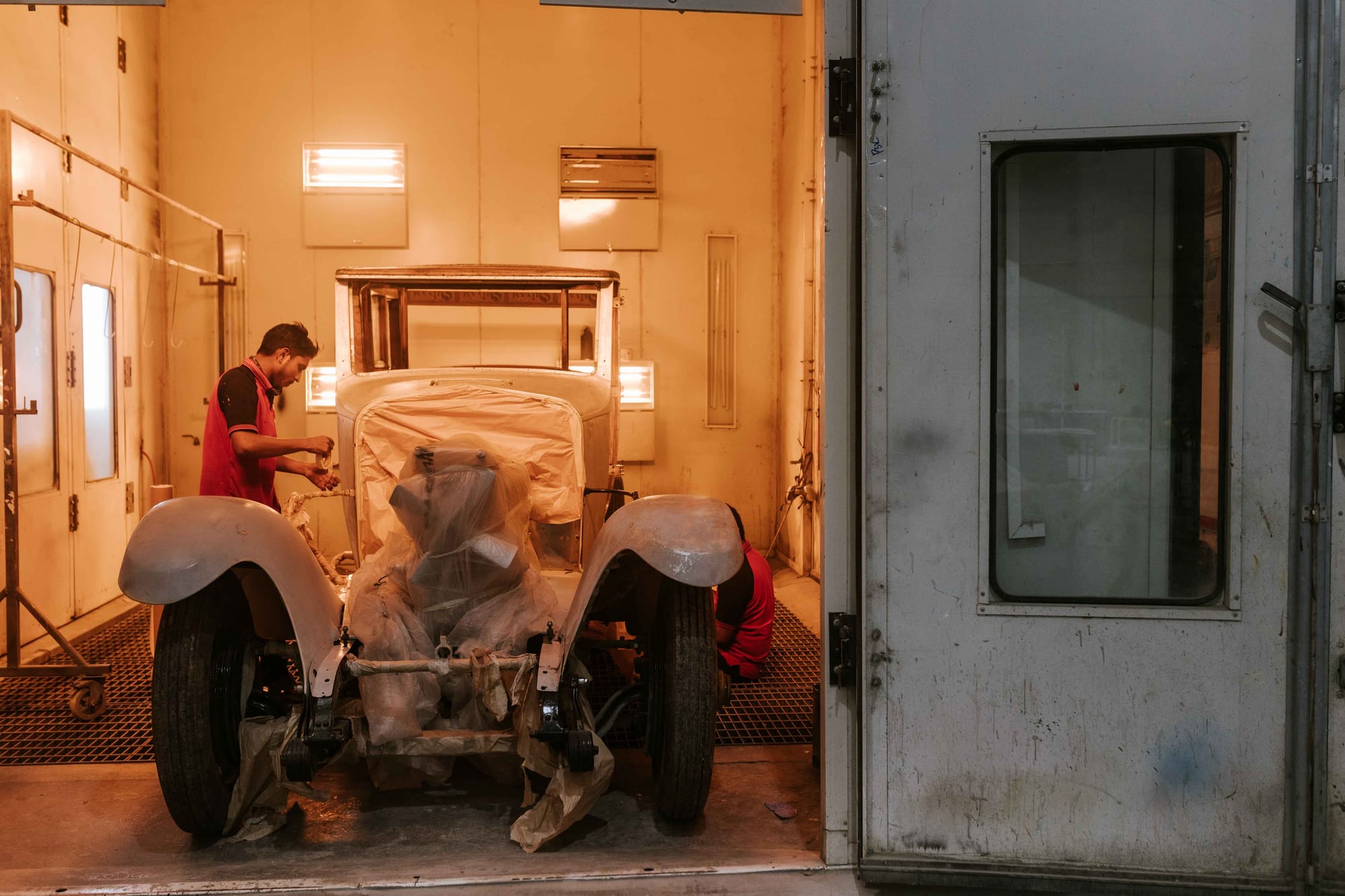
Choosing the colours before beginning the paint process
Perhaps the most fascinating part of the process was watching the wooden structure gradually re-emerge. The framework, particularly around the interior, demanded enormous patience and precision. Once completed, the body could finally be reunited with the chassis. The doors were installed and adjusted repeatedly until the gaps, lines and proportions were just right.
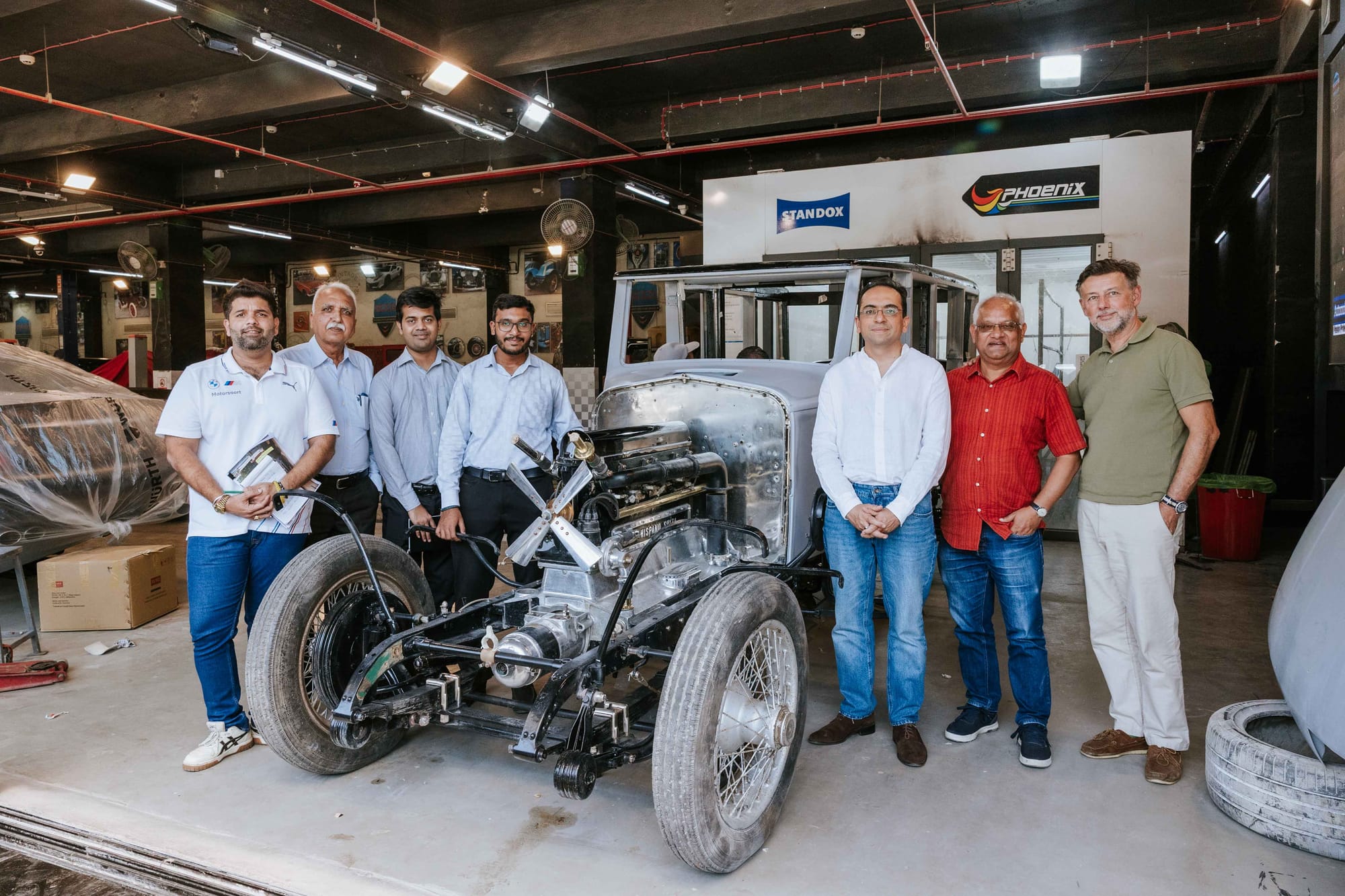
When the team from Dastan Autoworld came to take a look at the car
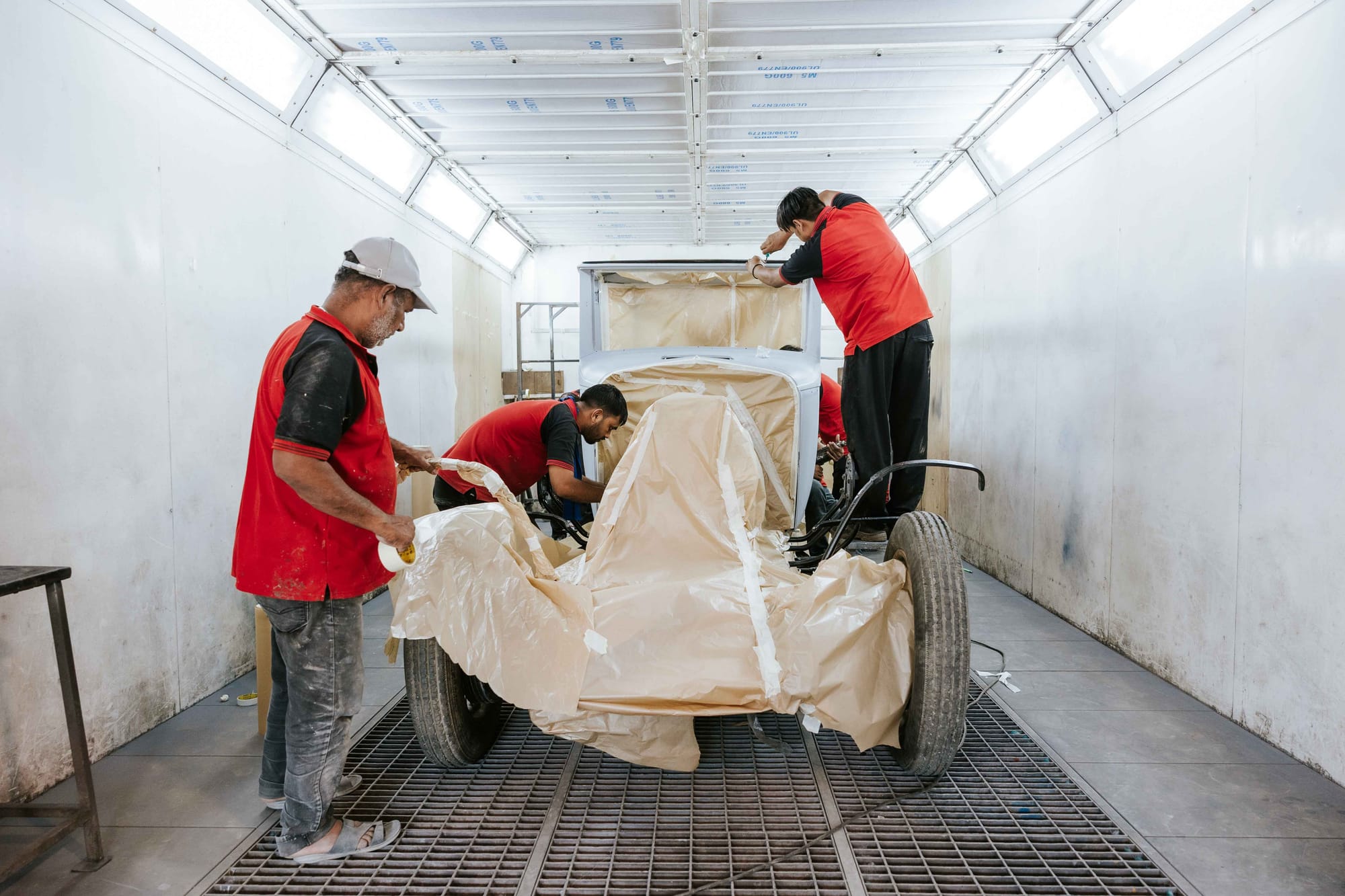
Then came the firewall and body panels. Panels were temporarily fitted and removed again as alignment was checked and corrected. Only when everything was right were they prepared with epoxy primer for the next stage. Restoration at this level is rarely about one dramatic transformation; it is a succession of hundreds of seemingly small decisions, each contributing to the final result.
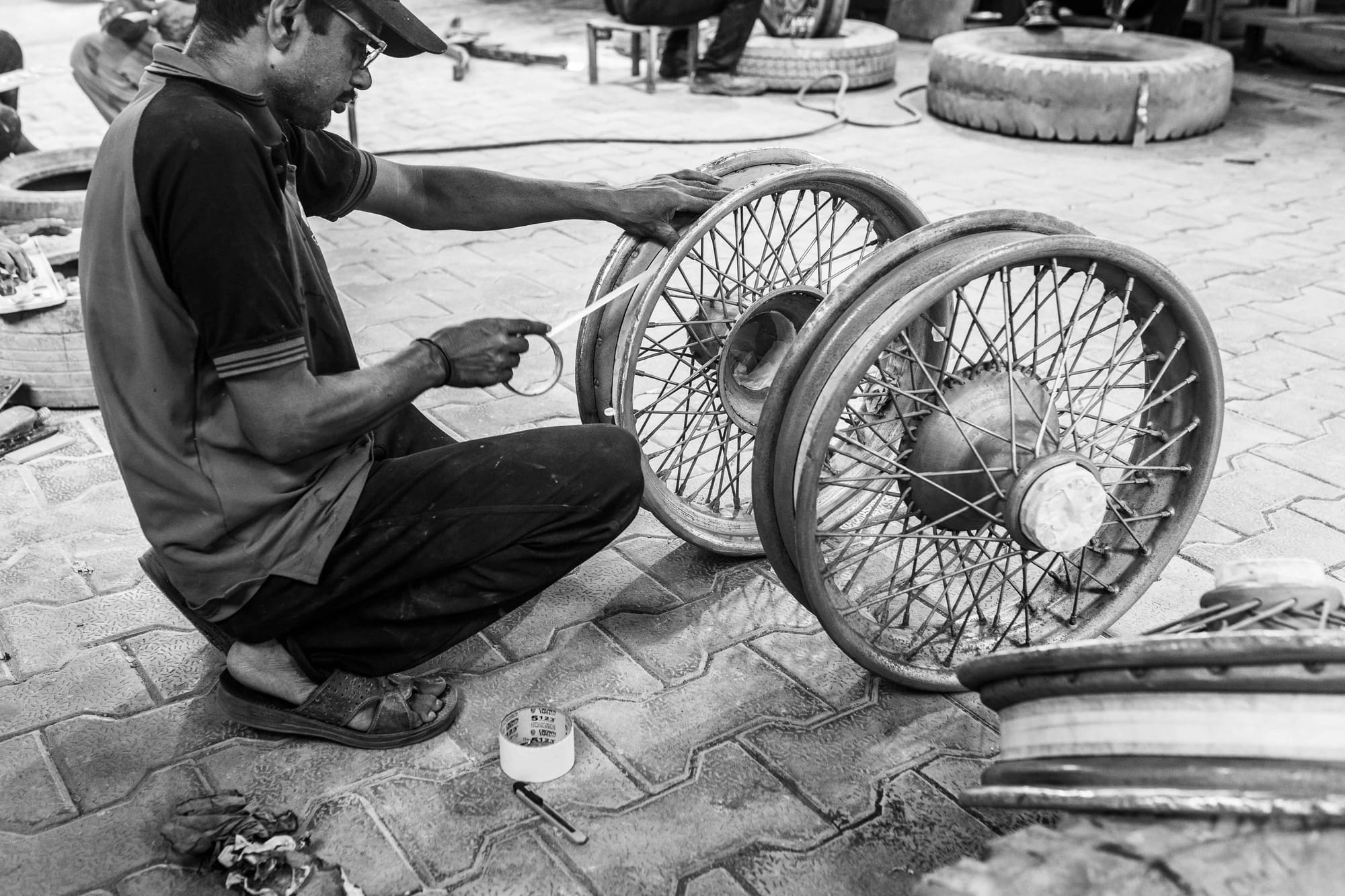
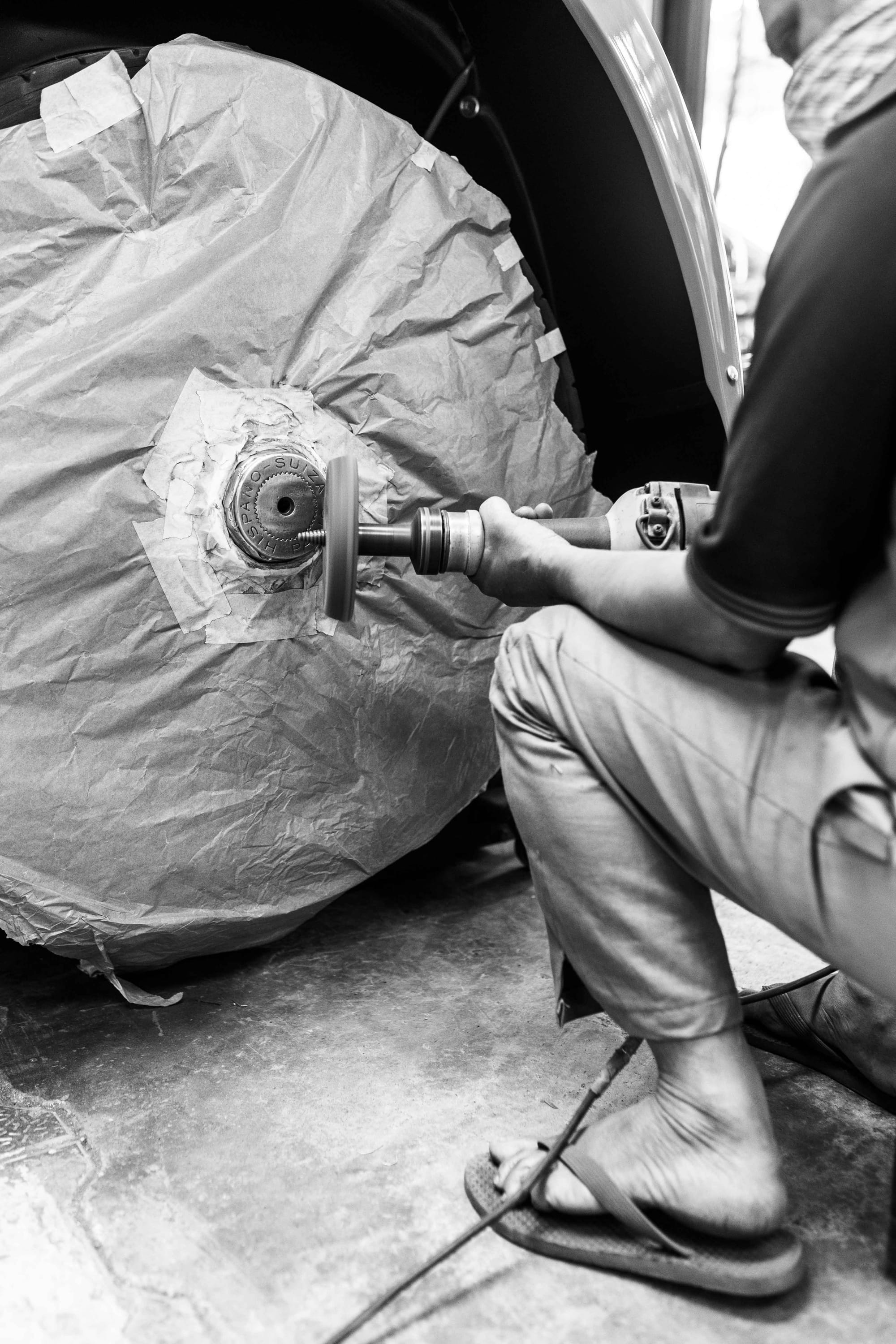
Finally came the colour. Through careful research, the Hispano was returned to the ivory-and-blue combination it wore in 1927. With the paintwork completed, the restored engine, interior, bodywork and countless finishing details were brought together for the final assembly.
And then, almost as quickly as it had begun, the 101-day journey was over.
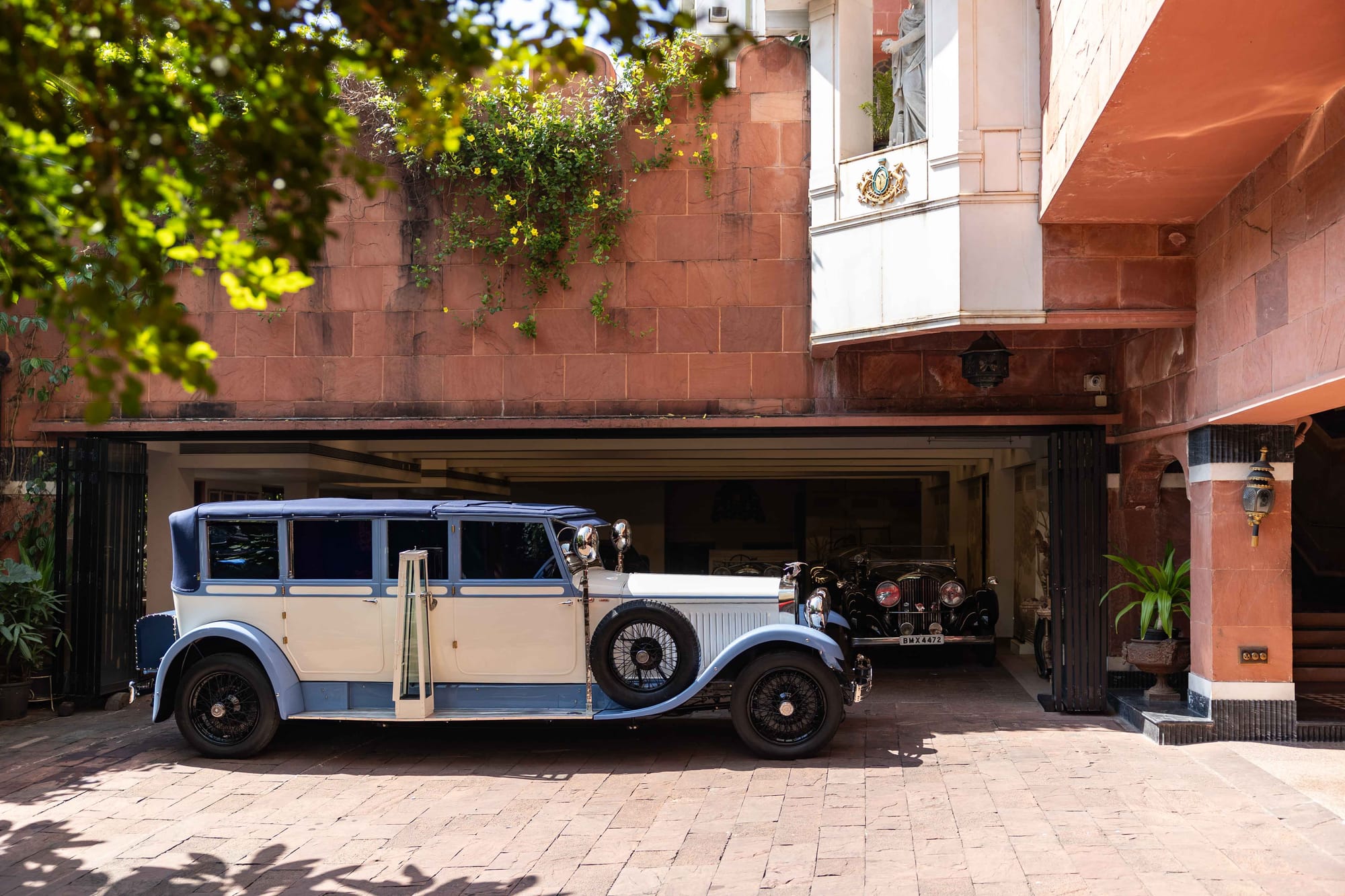
What had entered Supercar Garage as a tired and incomplete survivor was now once again unmistakably a Hispano-Suiza H6C, a magnificent automobile ready to cross continents and take its place at the 2026 Salon Rétromobile in Paris.
For me, however, the real story of Alwar 3 lies not only in the finished automobile. It is in the hands that shaped the wood, the mechanics who coaxed the engine back to life, the craftsmen who aligned each panel and the many hours spent getting details that most people will never notice exactly right.
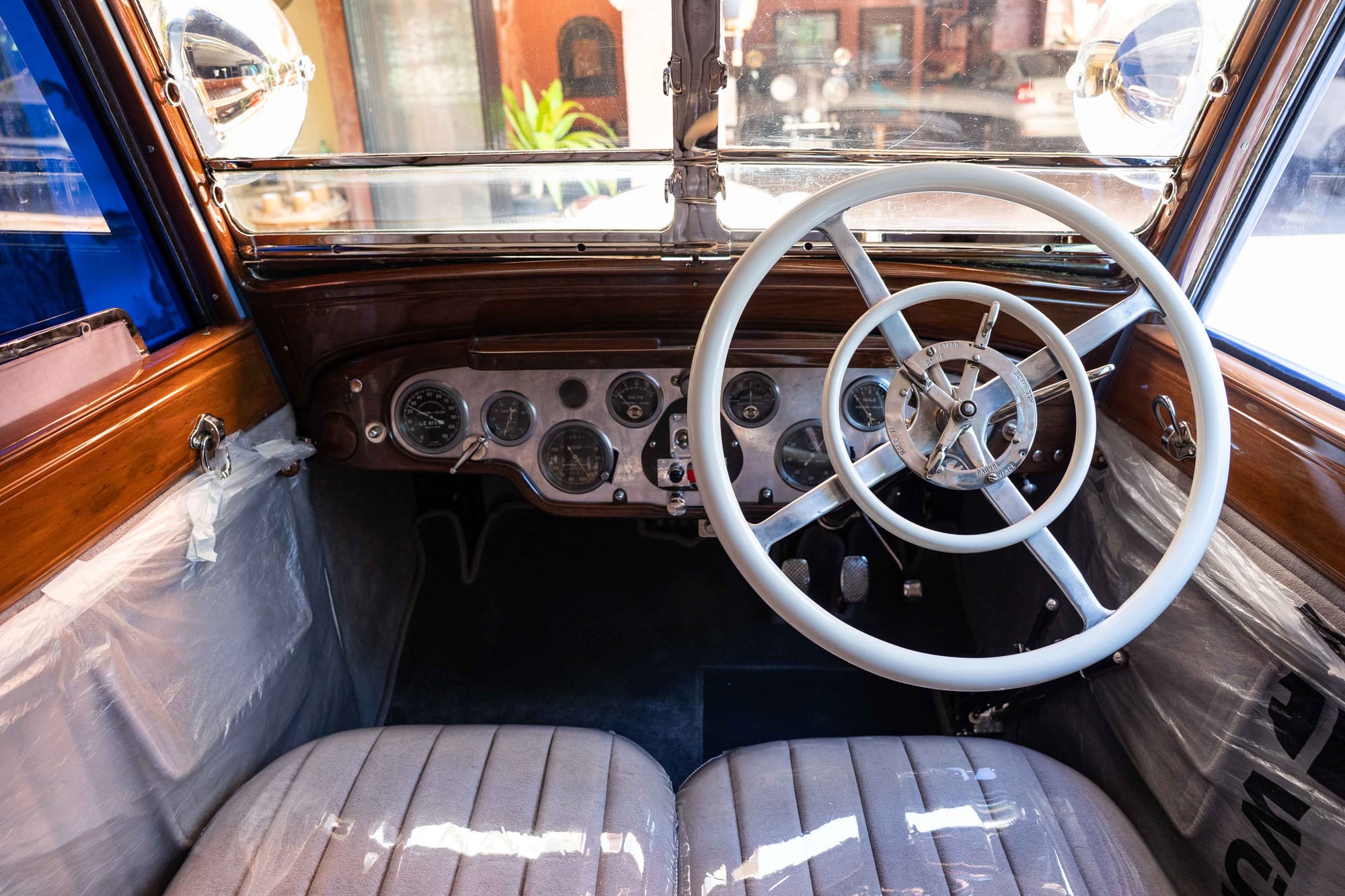
Photography provided a way of preserving that invisible history. These images document not simply the restoration of a car, but the restoration of a piece of India’s motoring heritage, and the extraordinary human effort required to give it another century of life.
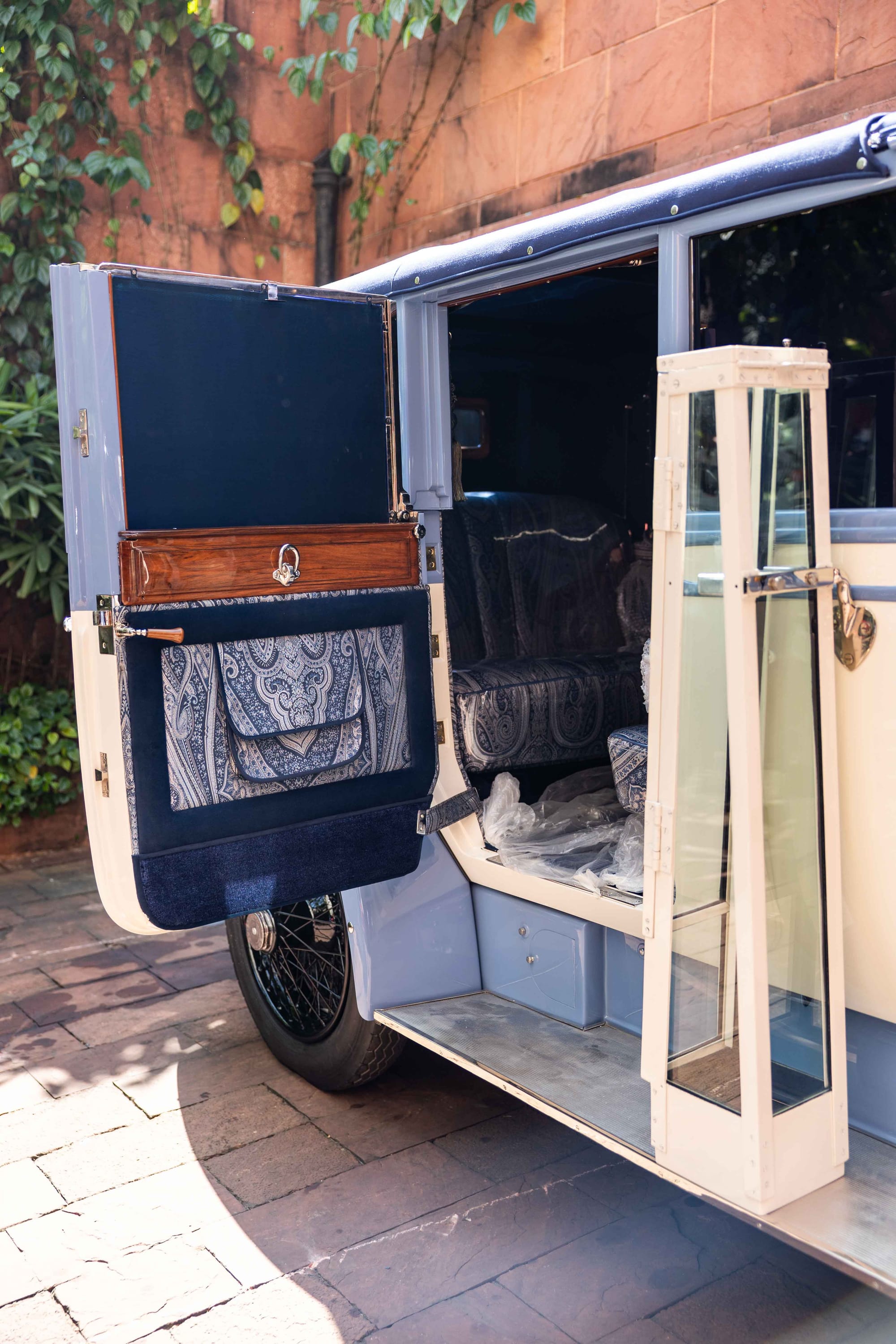
I hope that these photographs convey something of that journey: from disassembly to rebirth, from Mumbai to Paris, and from a forgotten chapter of the past to a Hispano-Suiza once again ready to be admired.
Comments ()