Cars & Cinema: An Automotive Film Festival
The Dastan Autoworld Festival Cars and Cinema 2026, explored the rich presence of automobiles in cinema across Bollywood, Hollywood, and European film traditions
Text: Gautam Sen
Images: Vrutika Doshi, Ajay Bhatnagar, Makarand Baokar & Deepanjan Sarkar
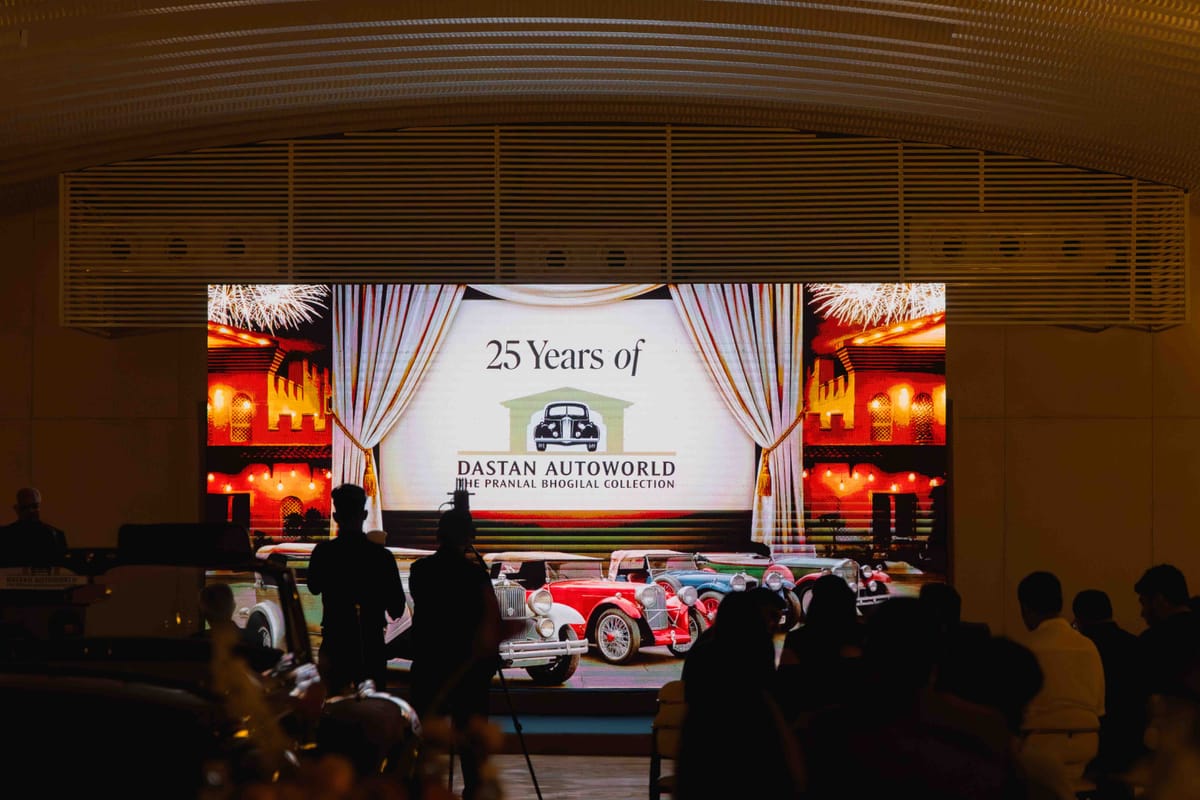
During the weekend of 27-28 February and 1 March, the Dastan Autoworld Museum, home to the renowned Pranlal Bhogilal Collection, celebrated the 25th anniversary of its founding by hosting India’s first automotive film festival.
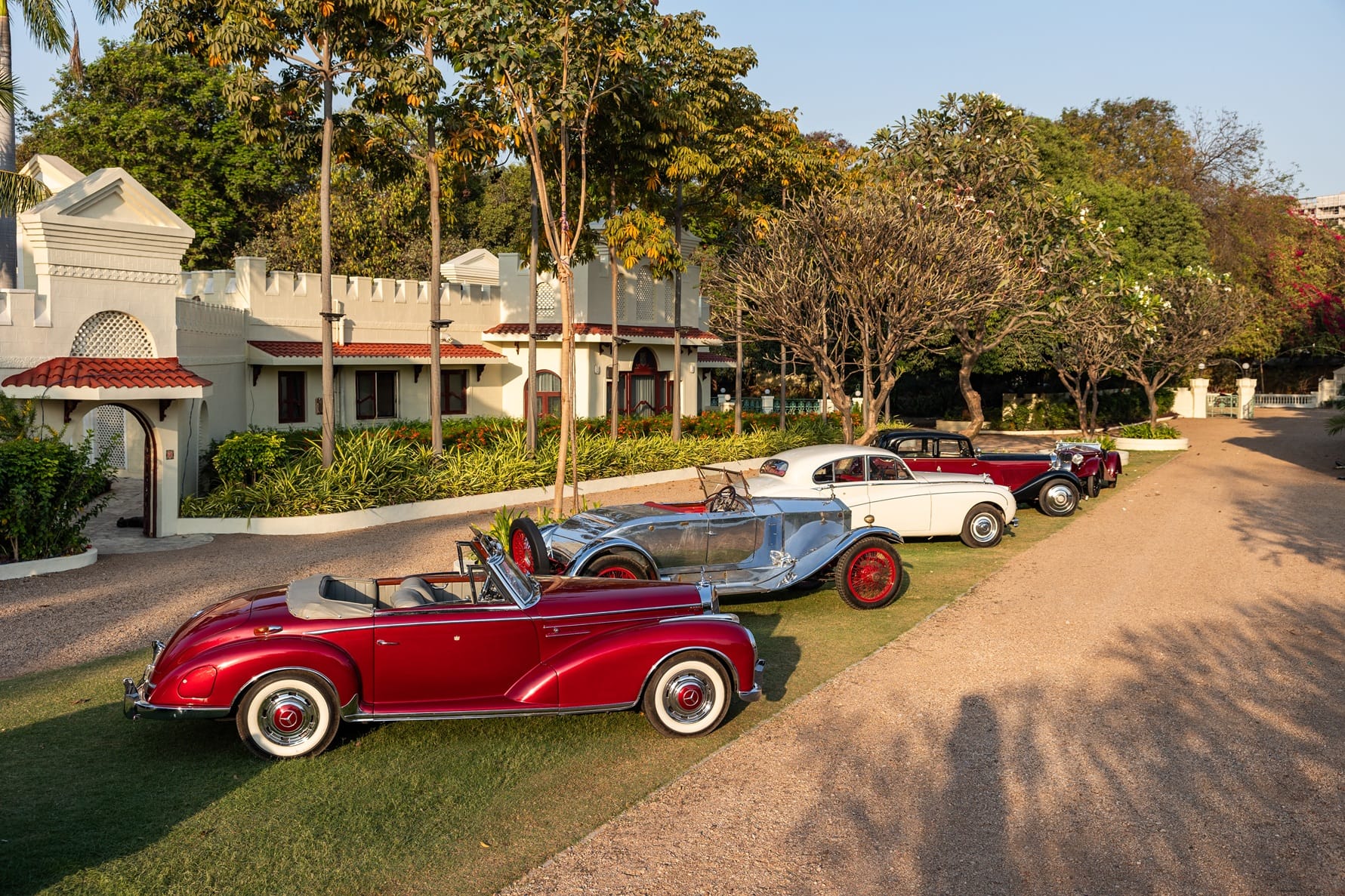
Titled the Dastan Autoworld Festival Cars and Cinema 2026, the event explored the rich presence of automobiles in cinema across Bollywood, Hollywood, and European film traditions.
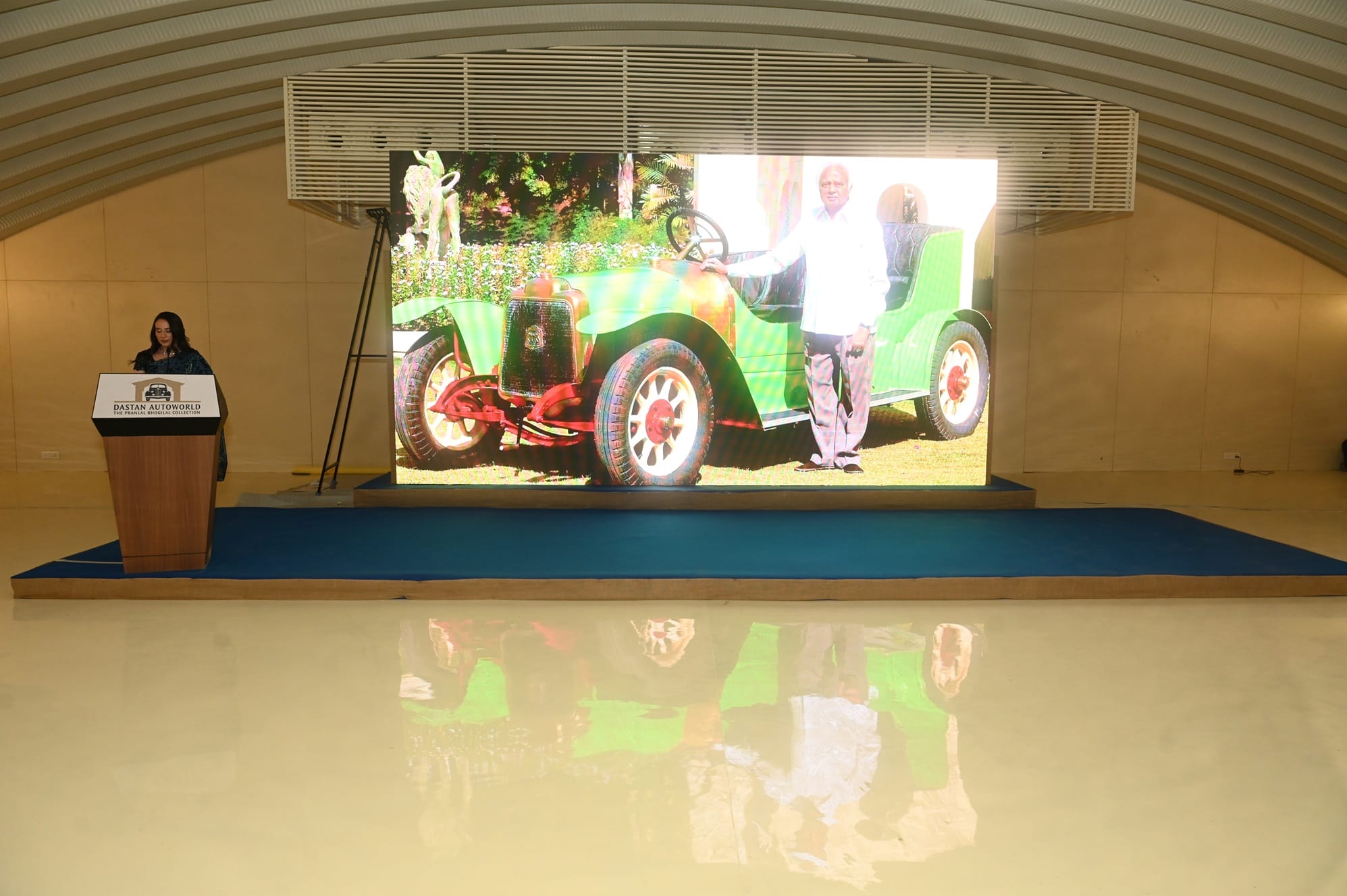
Recognising the deep relationship between cars and filmmaking, the festival took place at what is arguably India’s most important museum of historic vehicles.
With 128 automobiles on display, many of them former maharaja cars, the museum represents one of the world’s most significant collections of Indian princely automobiles.
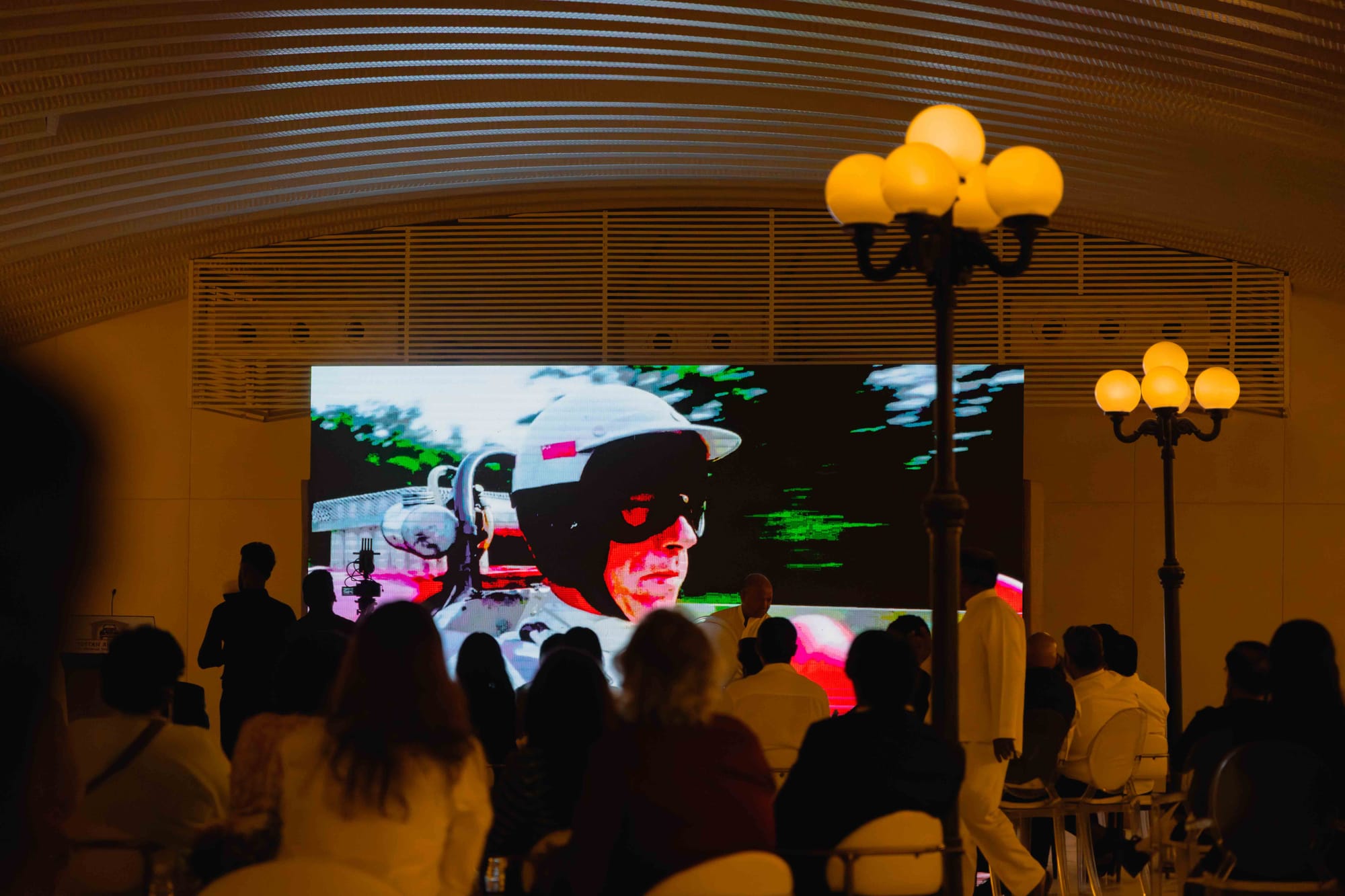
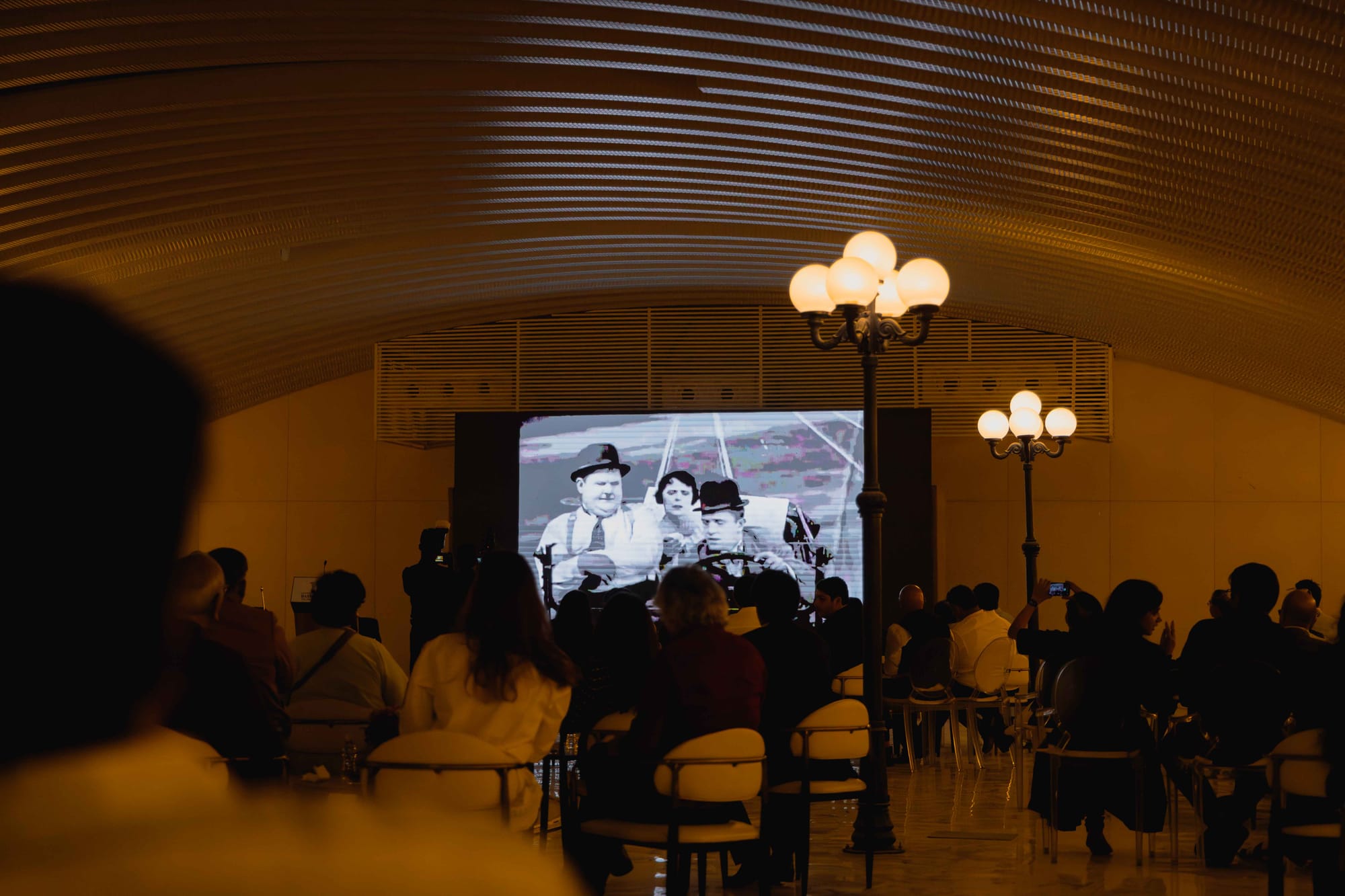
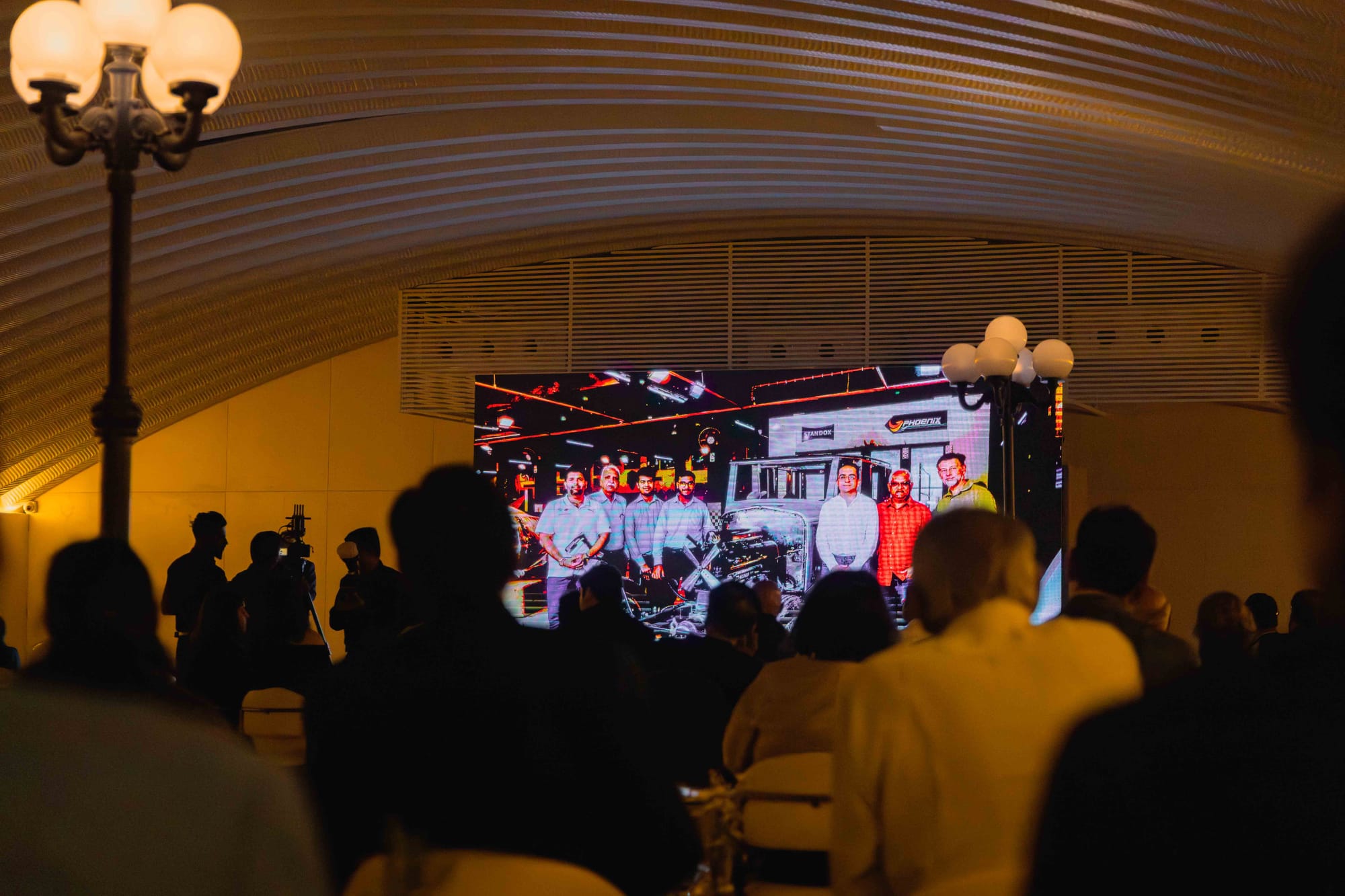
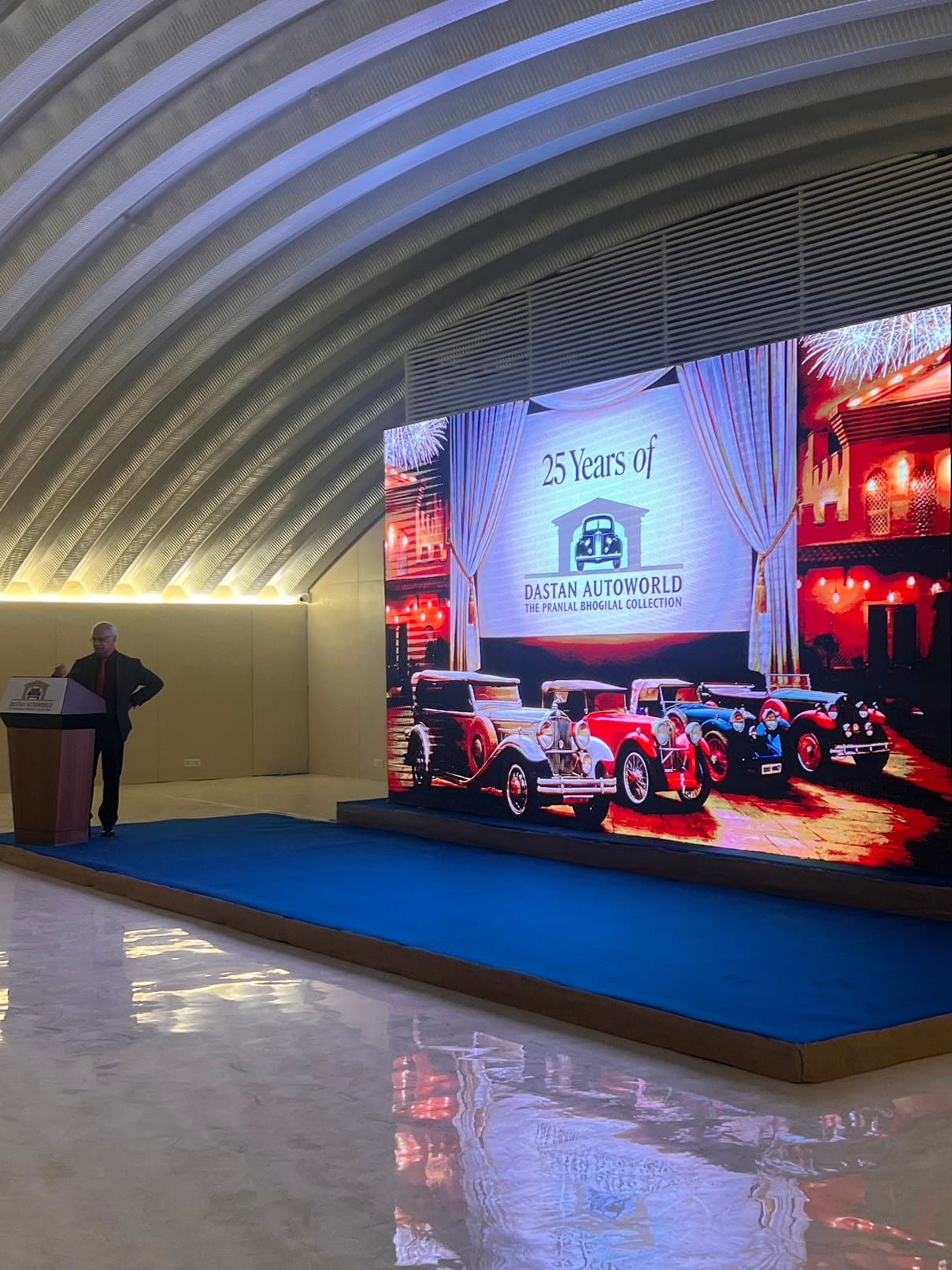
The preview to the film festival featured a curated presentation on the history of cars and cinema
The three-day festival brought together enthusiasts, collectors, and film lovers for a celebration of automotive storytelling on screen.
Screenings included classics such as The Italian Job (1969), Back to the Future, Le Mans, F1, and the animated favourite Cars, alongside Indian favourites such as Chalti Ka Naam Gaadi and Dhoom, as well as the French classic Taxi.
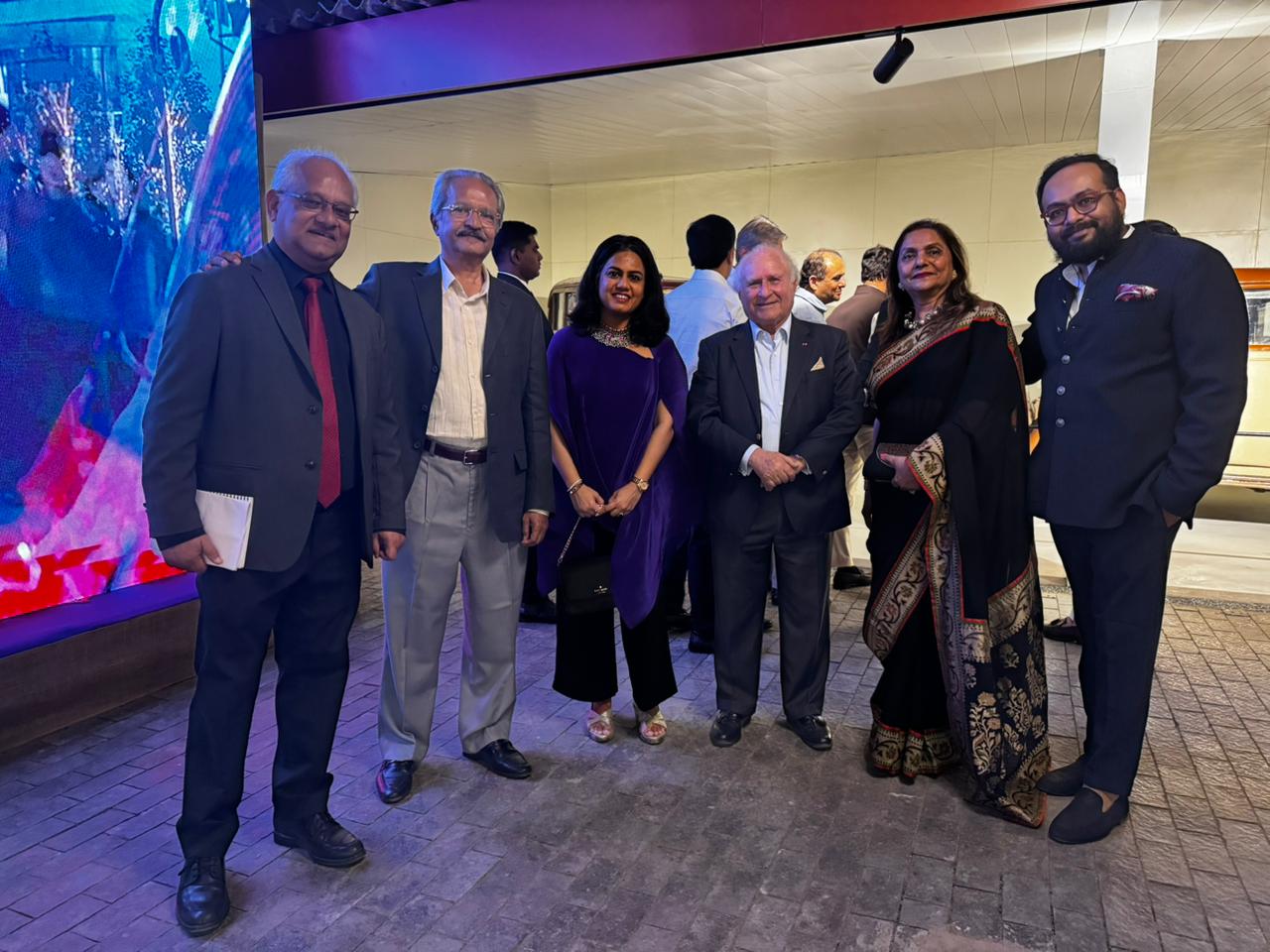
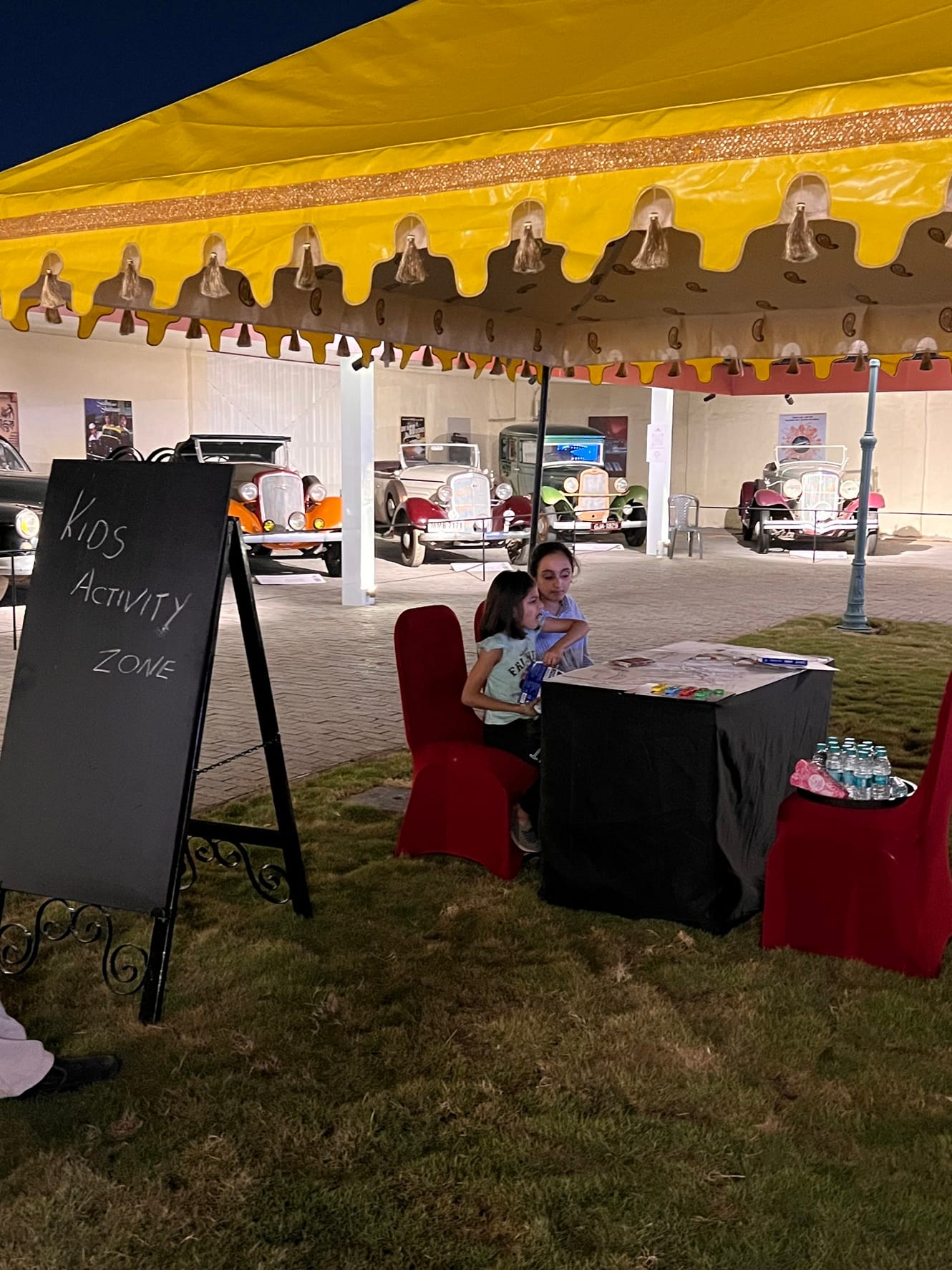
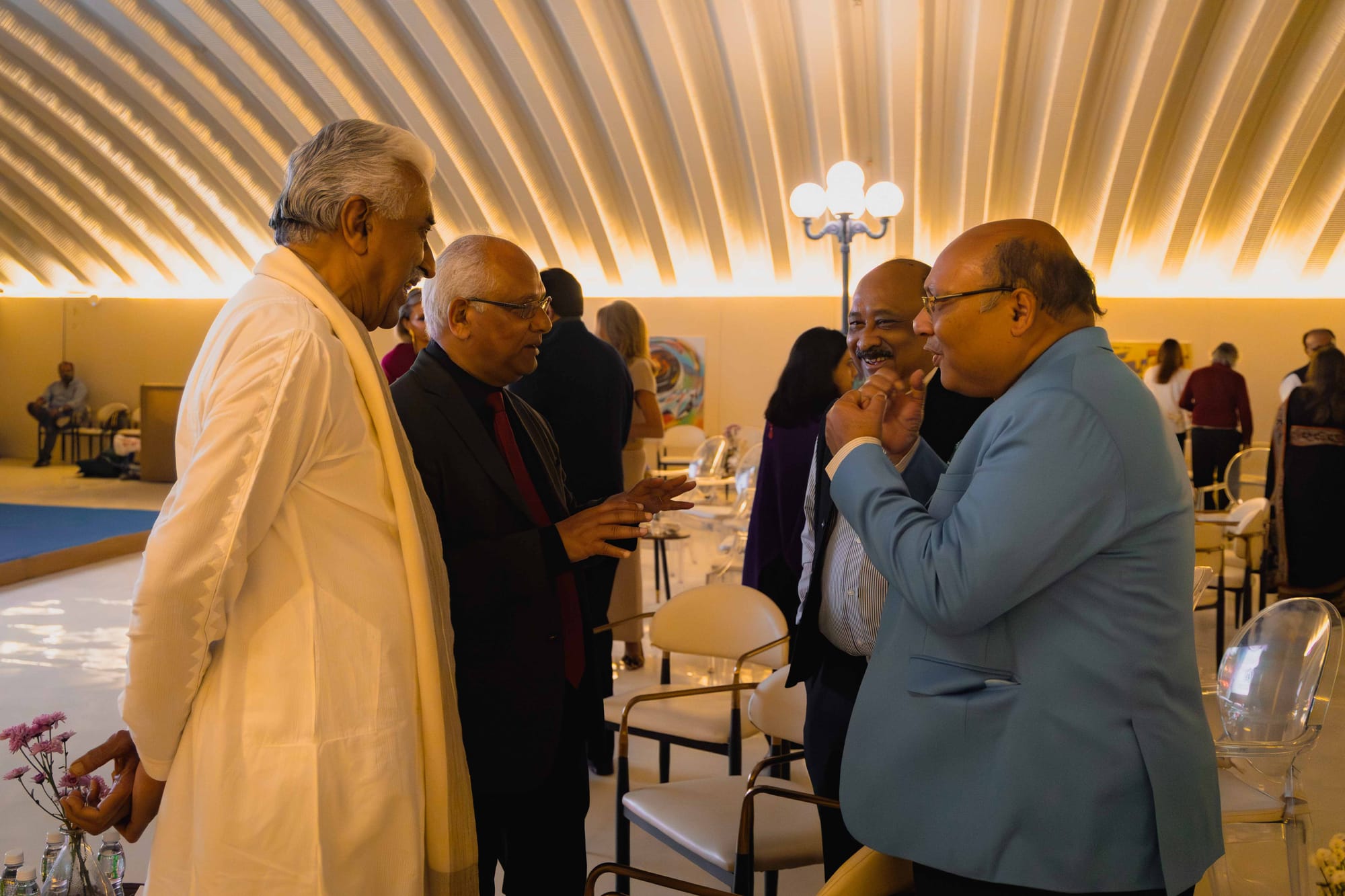
A festive atmosphere saw luminaries such as Sir Michael Kadoorie revisiting the museum, which he had known so well from more than two decades earlier. At top right we see Sir Michael Kadoorie in the company of yours truly, Kashyap Patel, Meghna Bhatnagar, Paulomi Patel and Ajay Bhatnagar. At bottom right we have the publisher of Mapin, Bipin Shah, yours truly, Partha Banik, and Raja Mukherjee, who came from Chennai and Kolkata respectively. And at bottom left two young ladies - Piyu and Jayavardhini - try their hand at colouring line illustrations of cars that are part of the Pranlal Bhogilal Collection
Additional clips highlighted memorable automotive sequences from films including Grand Prix, The Fast and the Furious, the Indian racing drama Apradh, and the cult short film C'était un rendez-vous by Claude Lelouch.
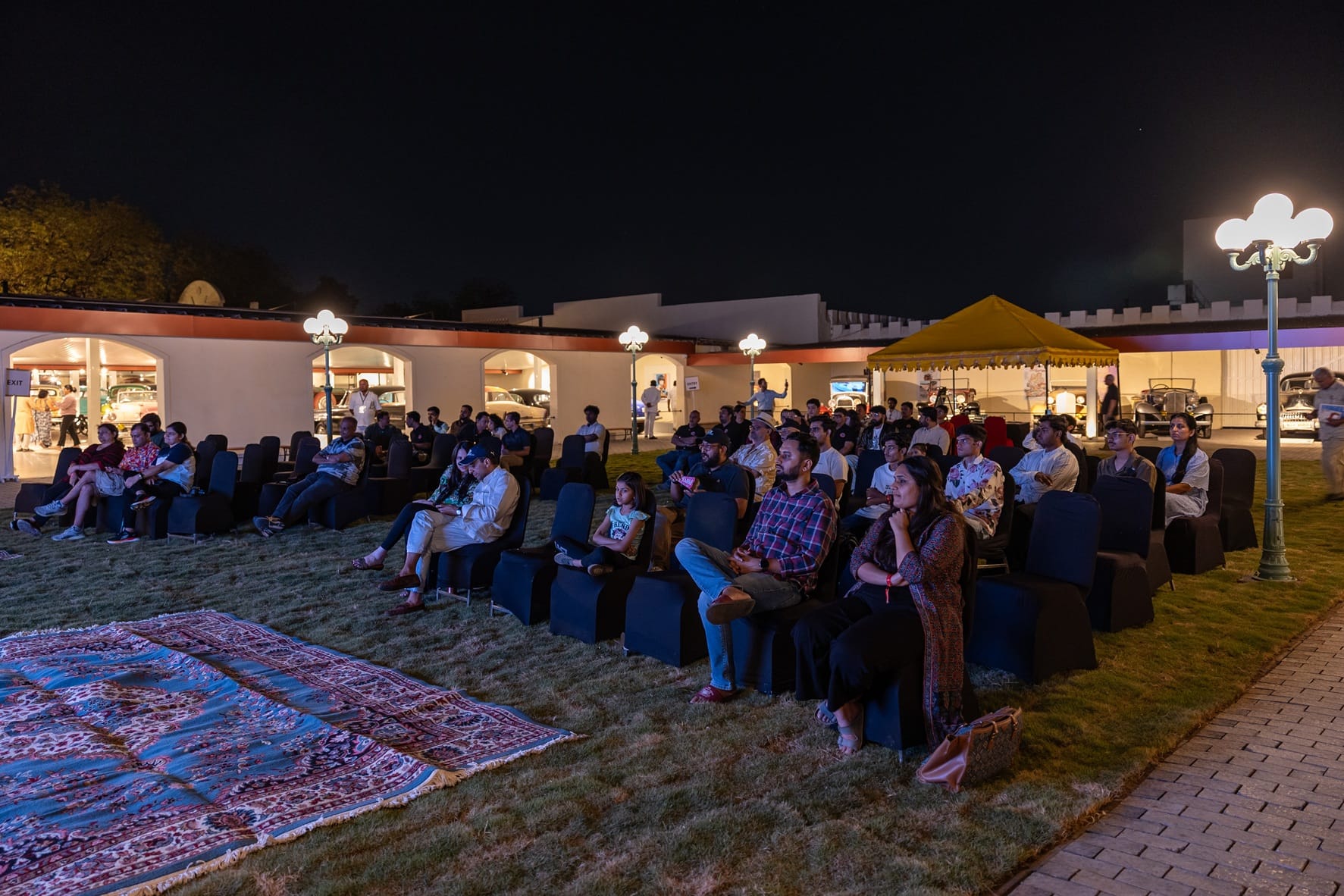
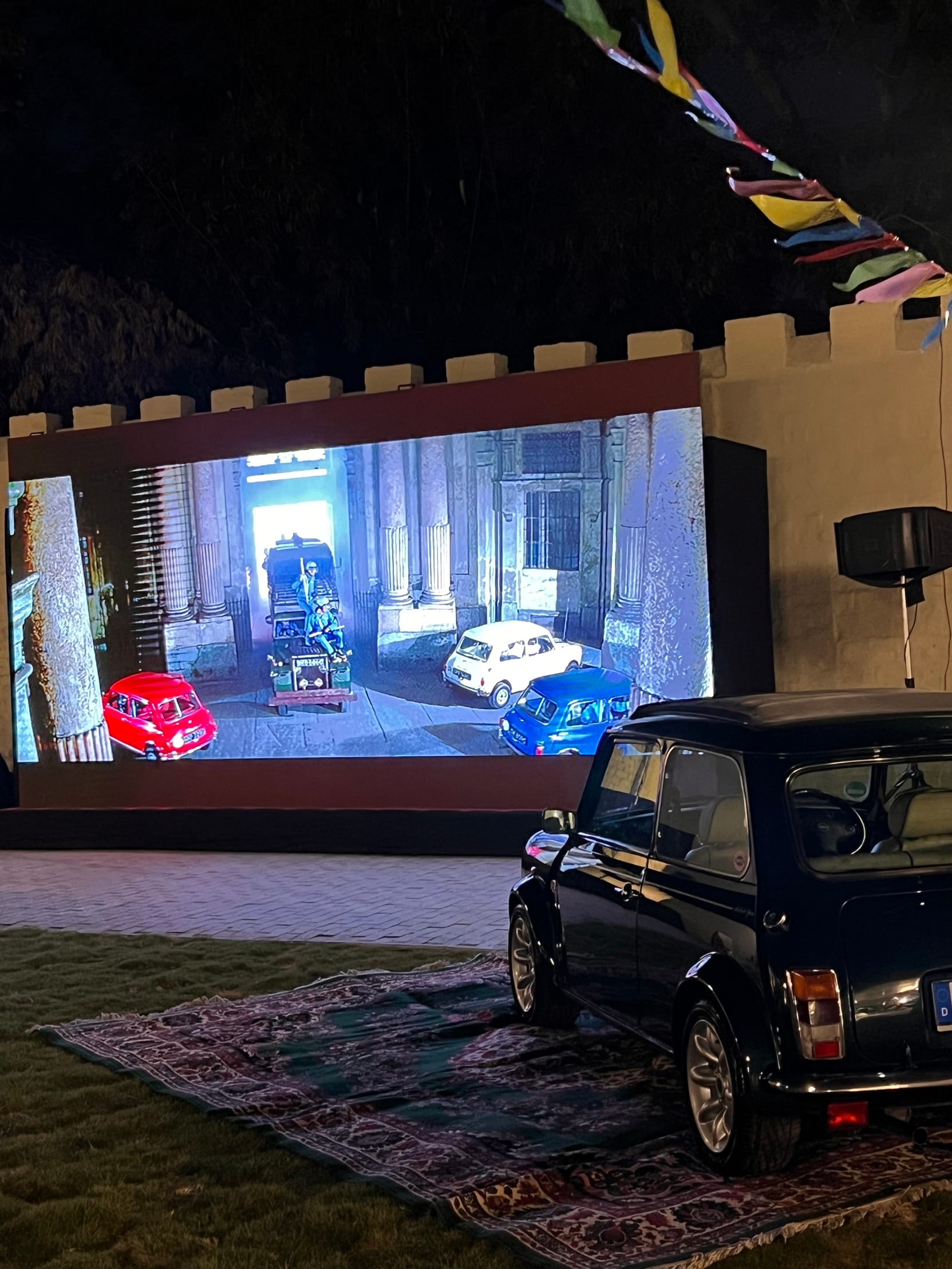
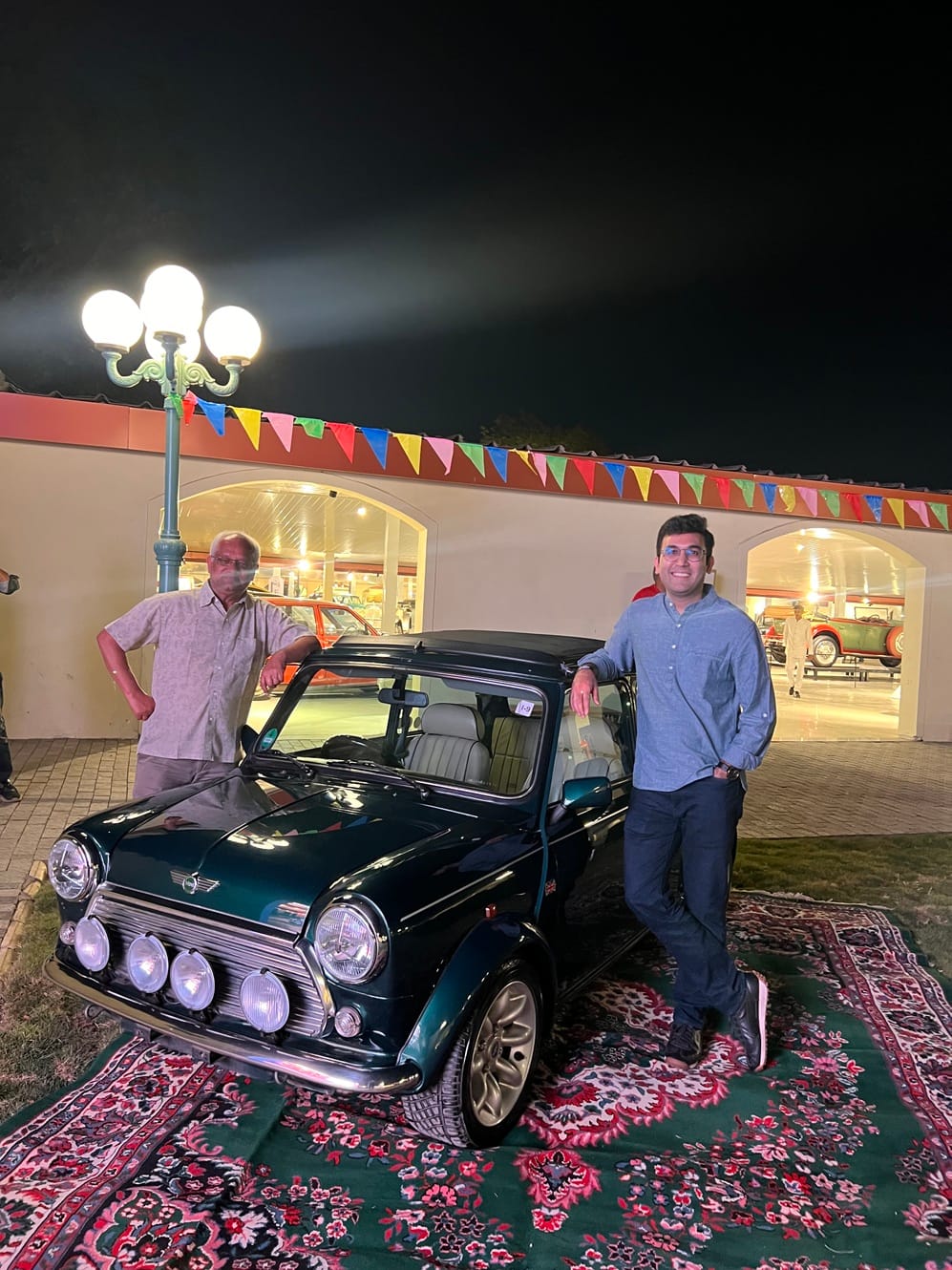
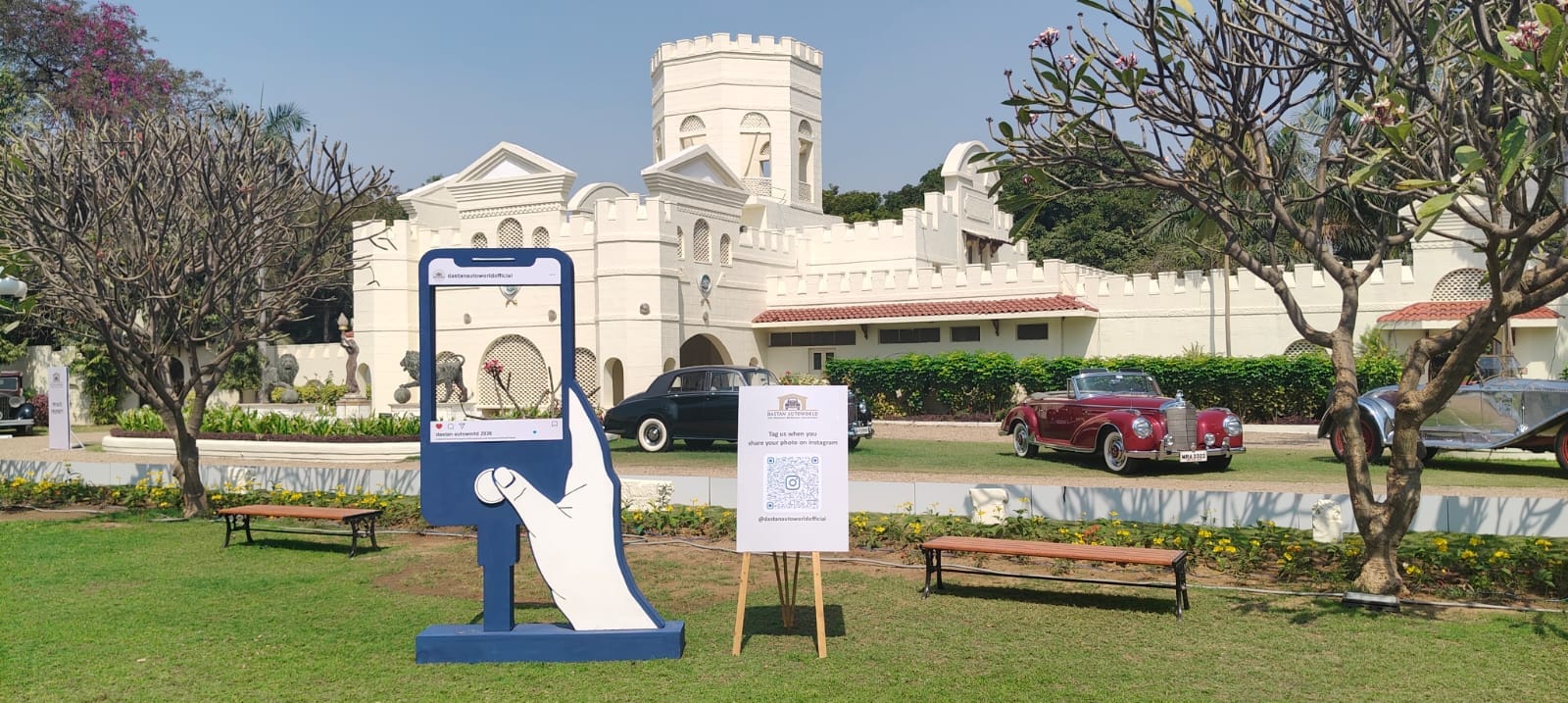
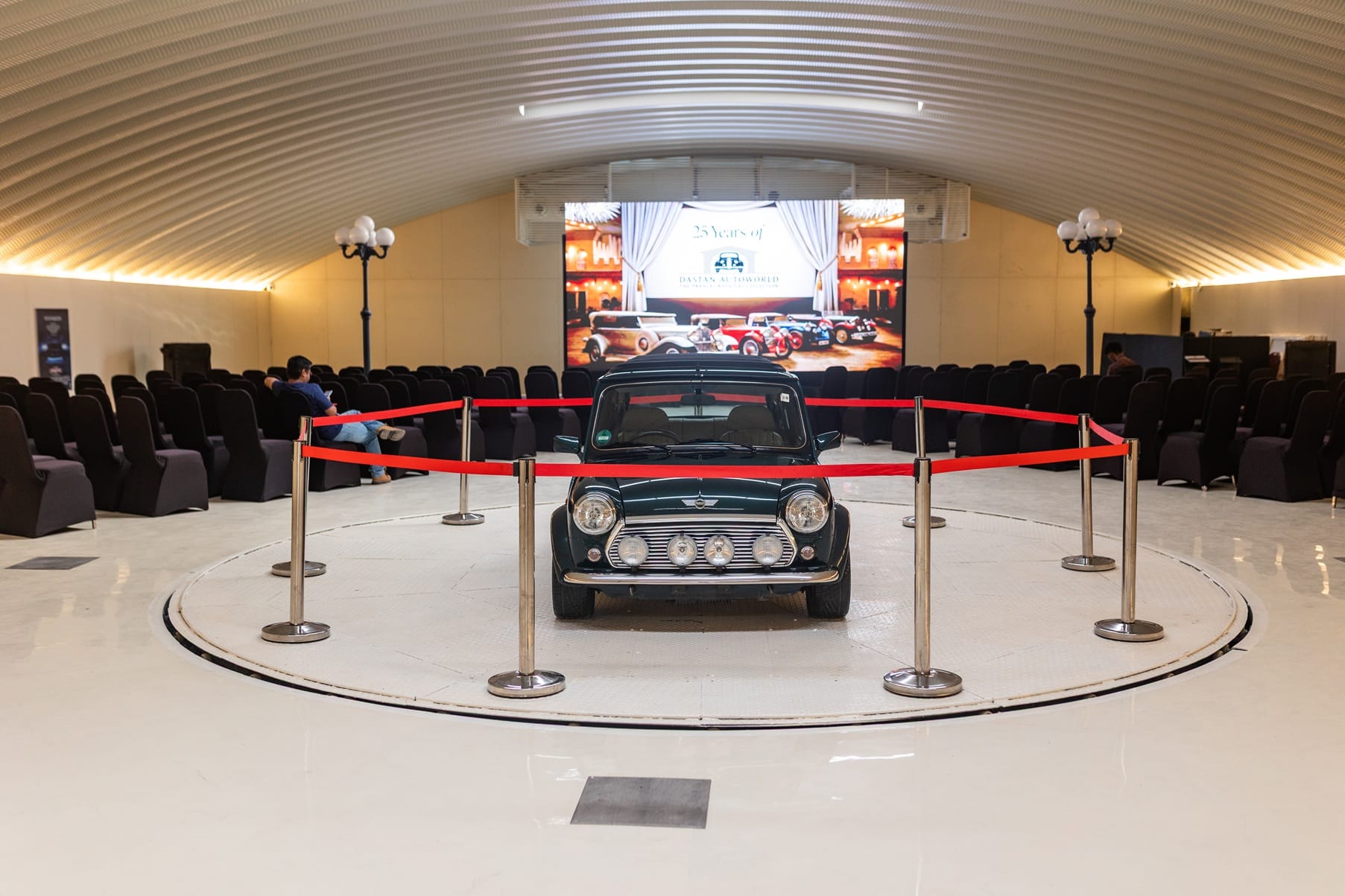
The evening shows were held outdoors, seated amidst cars which had either been in a movie or were similar to those seen in several of the films screened. At top right and bottom left we see the Mini Cooper belonging to designer Nirmit Soni, who is standing next to his lovely little car
The event attracted prominent figures from the automotive world, including Sir Michael Kadoorie and Louise Wood, as well as hundreds of historic-vehicle enthusiasts from across the country.
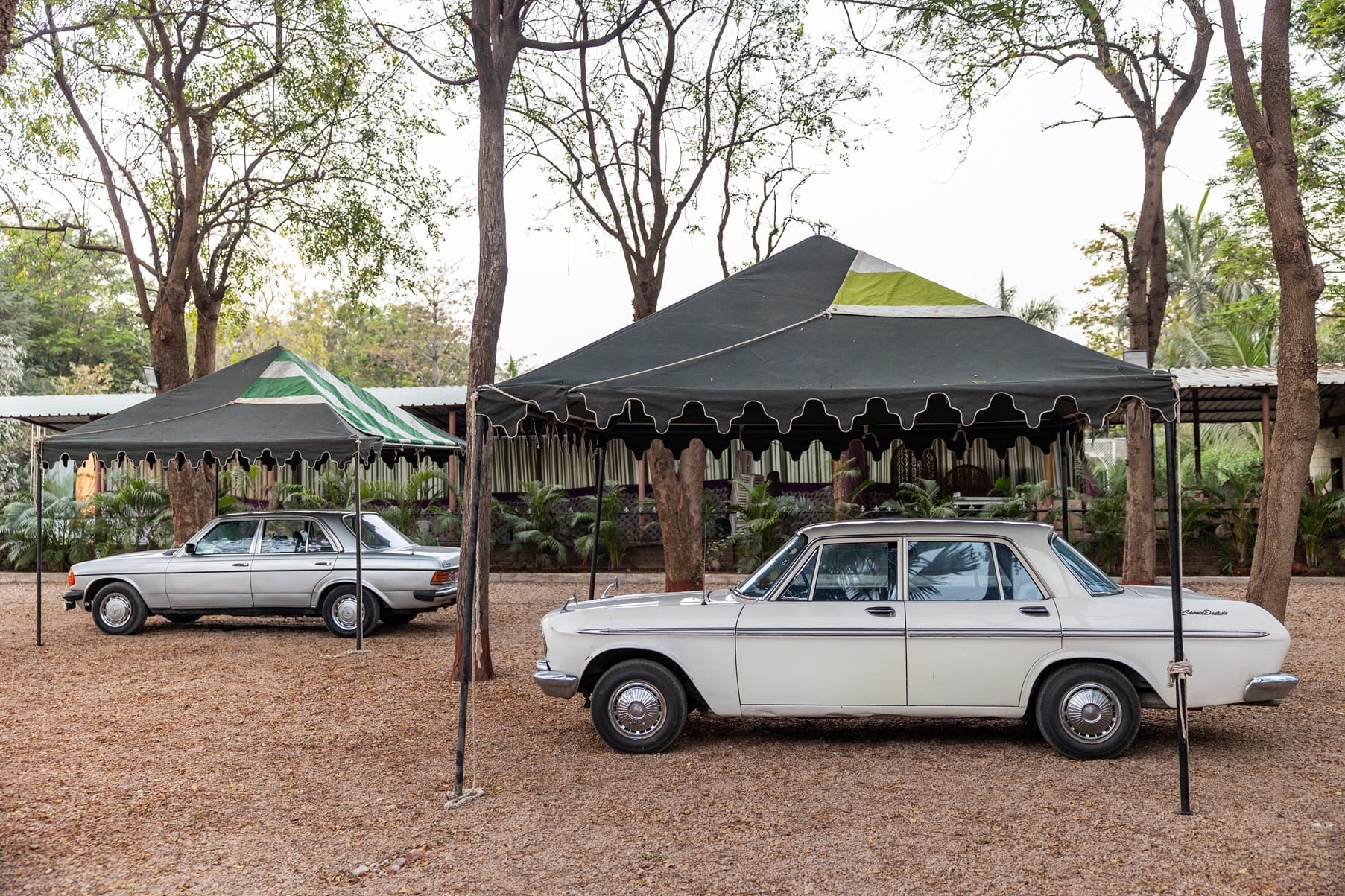
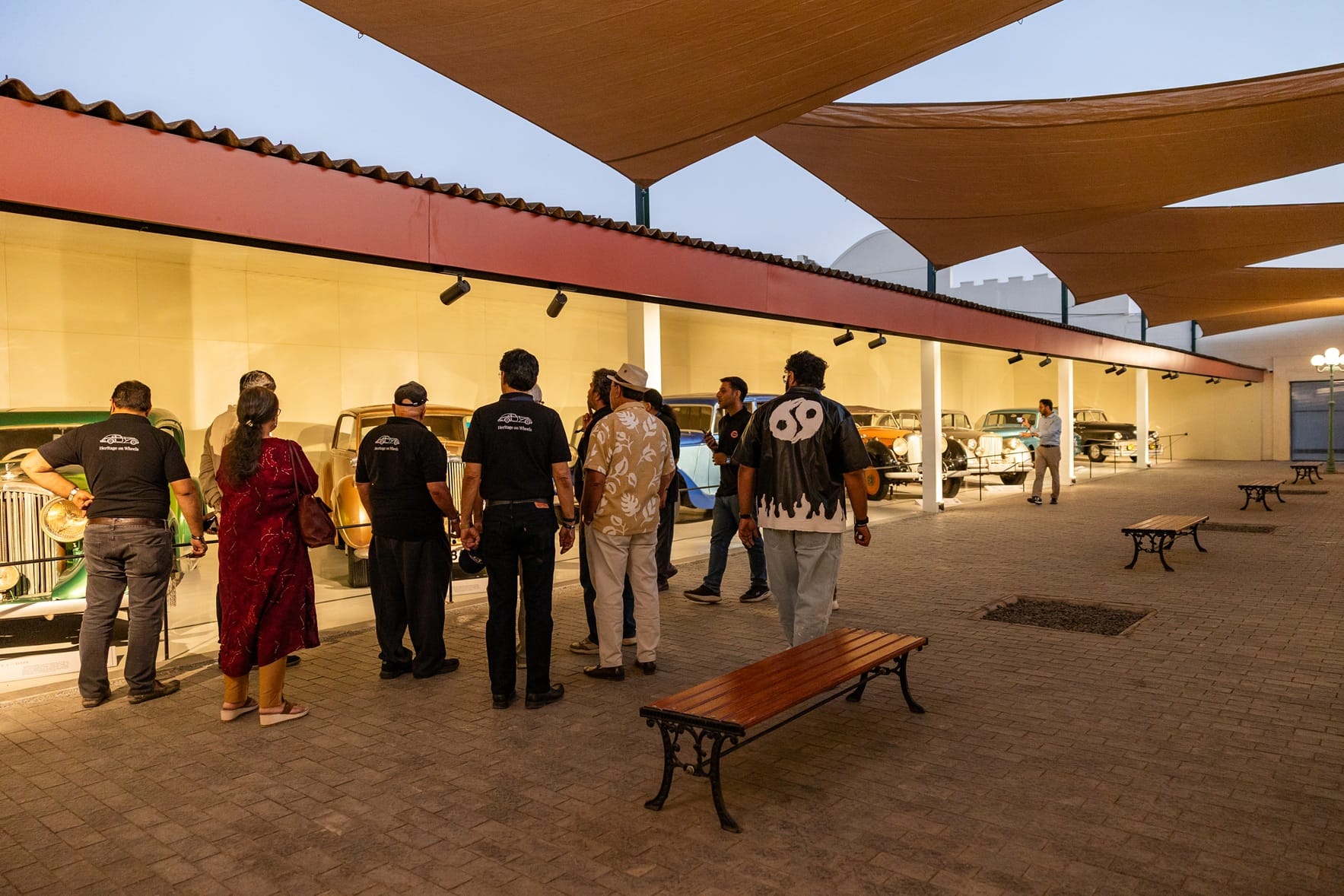
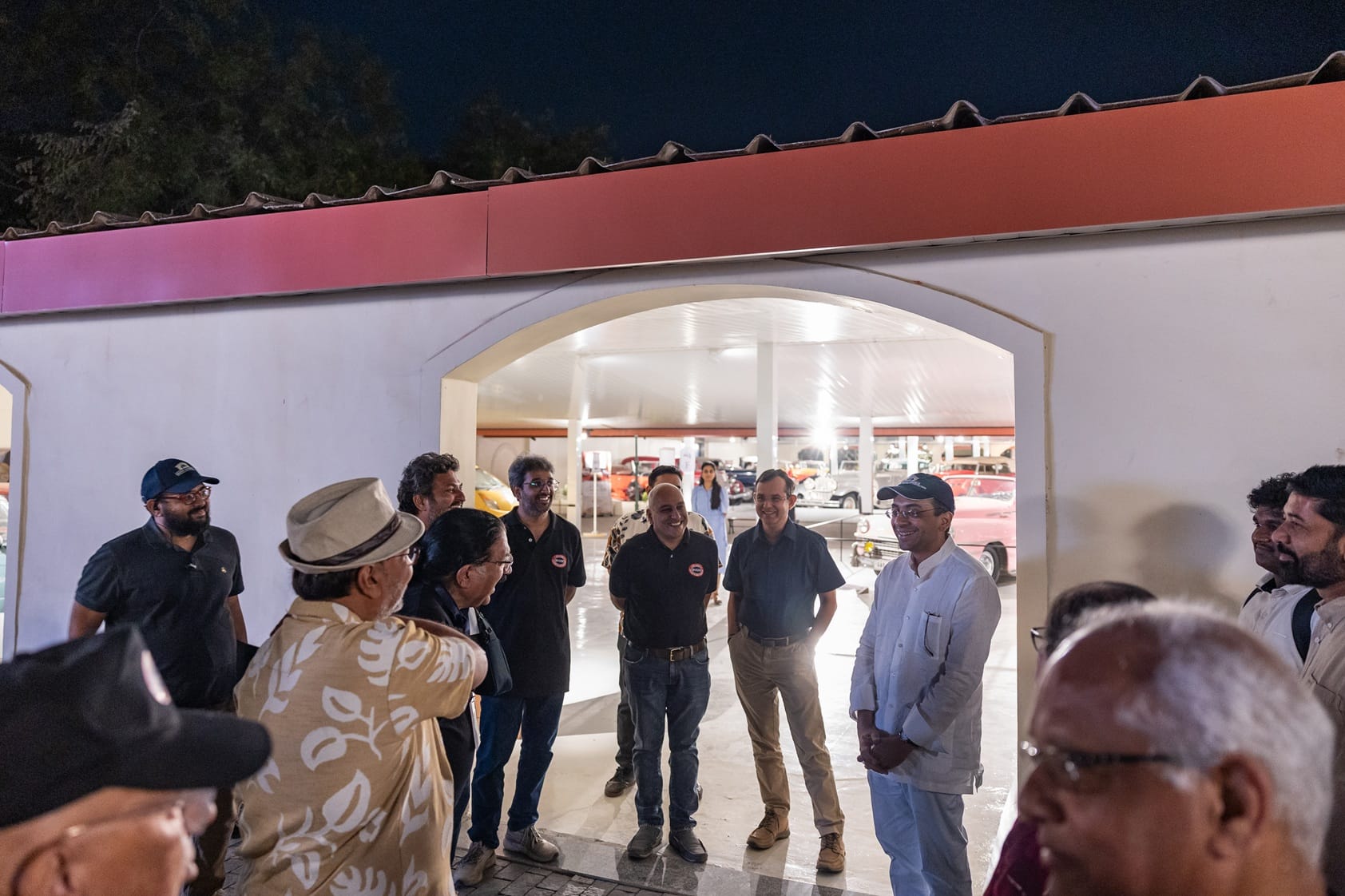
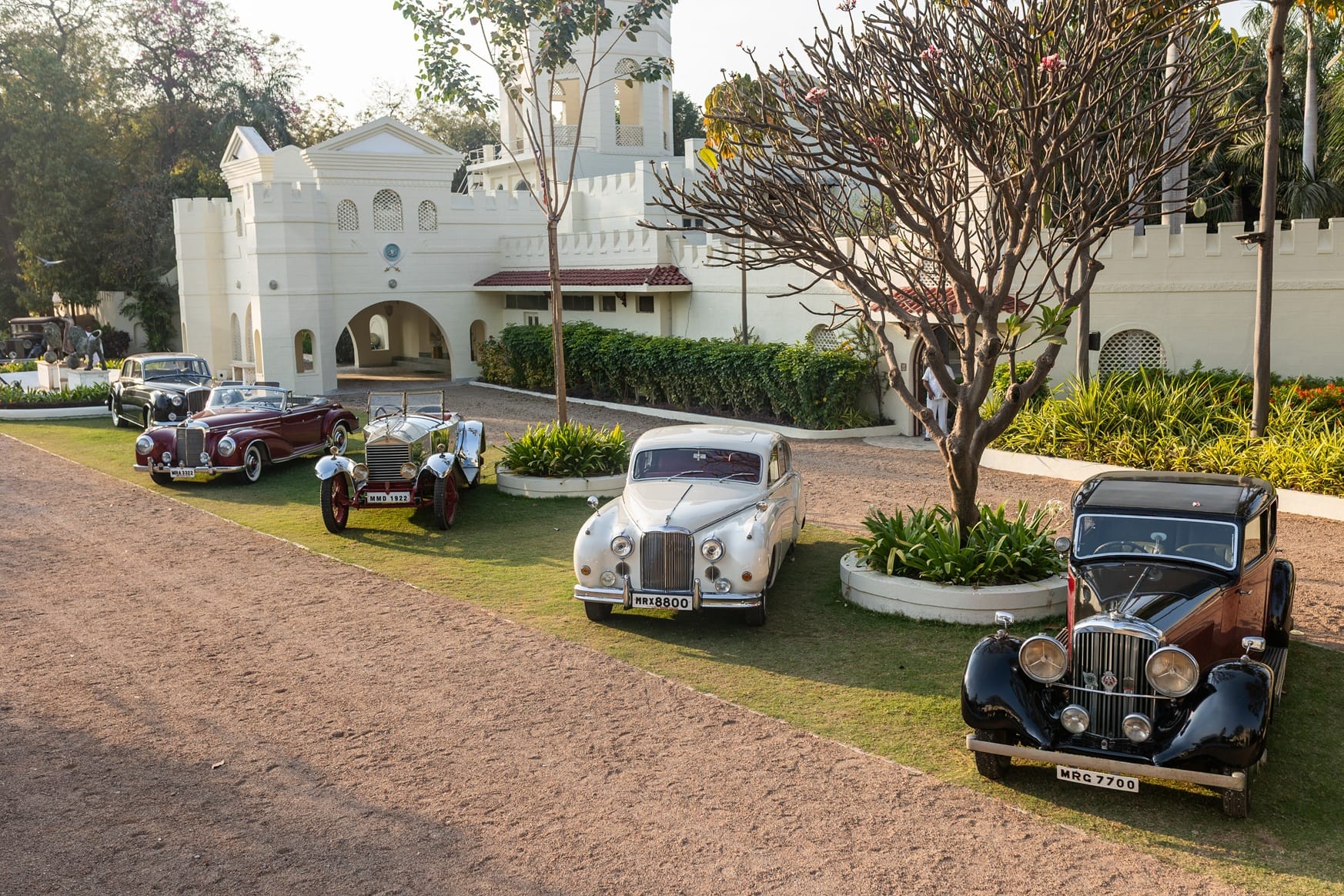
Members of the Gujarat Vintage & Classic Car Club (GVCCC) came to see the films as a team (in the top left image we can see Falgunsinh Dangar, Ajay Bhatnagar, Subodh Nath, Navroze Tarapore, Harseed Tarapore, Punjabapu Mandavgarh and Abhishek Nath), bringing a few of their cars, which were on display too (at top right we see a Mercedes-Benz W123 and a very rare Toyota Crown, from 1964). At bottom right we see GVCCC members in discussion with Brijesh Chinai
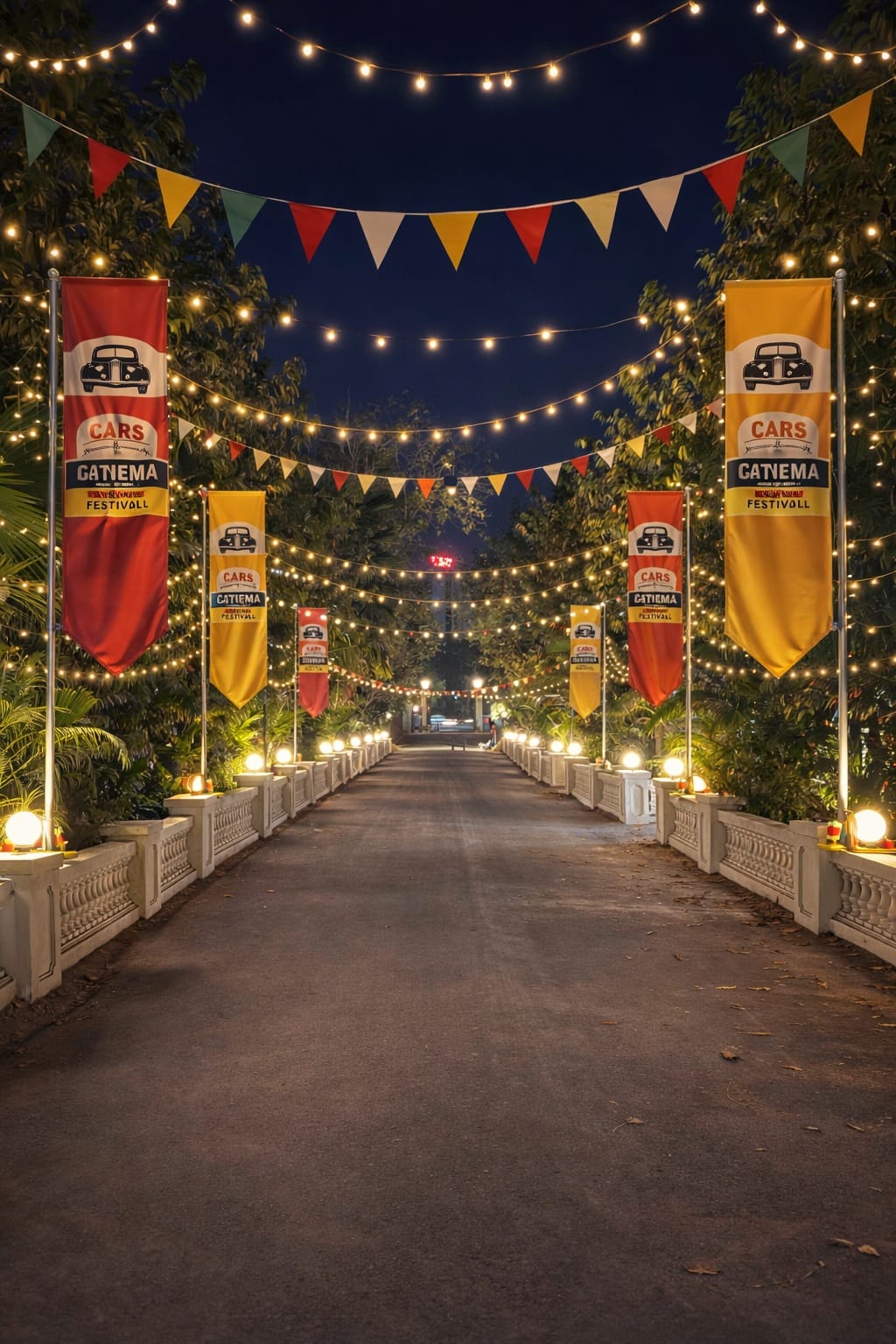
Daytime screenings were held inside the museum pavilion, while evening shows took place outdoors among historic cars, some of which had themselves appeared in Indian films.
From early slapstick comedies to psychological dramas and modern high-octane blockbusters, automobiles have long played an important role in cinematic storytelling.
Cars have often symbolised freedom, power, obsession, and identity, sometimes even becoming characters in their own right.
One of the most intriguing moments of the festival came during the preview evening, which explored a little-known connection between Hollywood and Indian art cinema through excerpts from Taxi Driver by Martin Scorsese.
Winner of the Palme d’Or at the Cannes Film Festival in 1976, Taxi Driver remains one of the most influential films of modern cinema. Starring Robert De Niro and Jodie Foster, it follows Travis Bickle, a lonely Vietnam War veteran who works nights as a taxi driver in New York City.
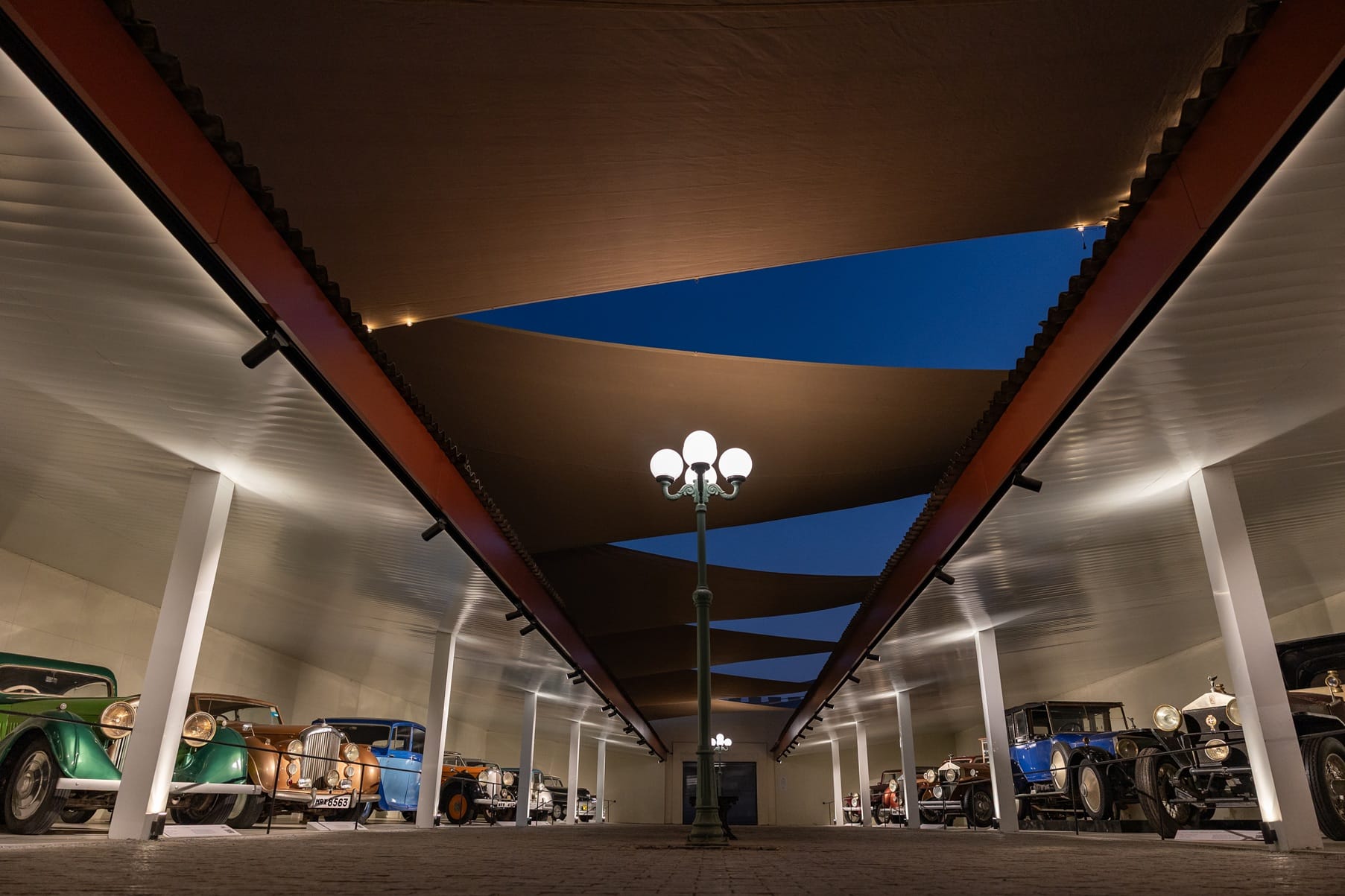
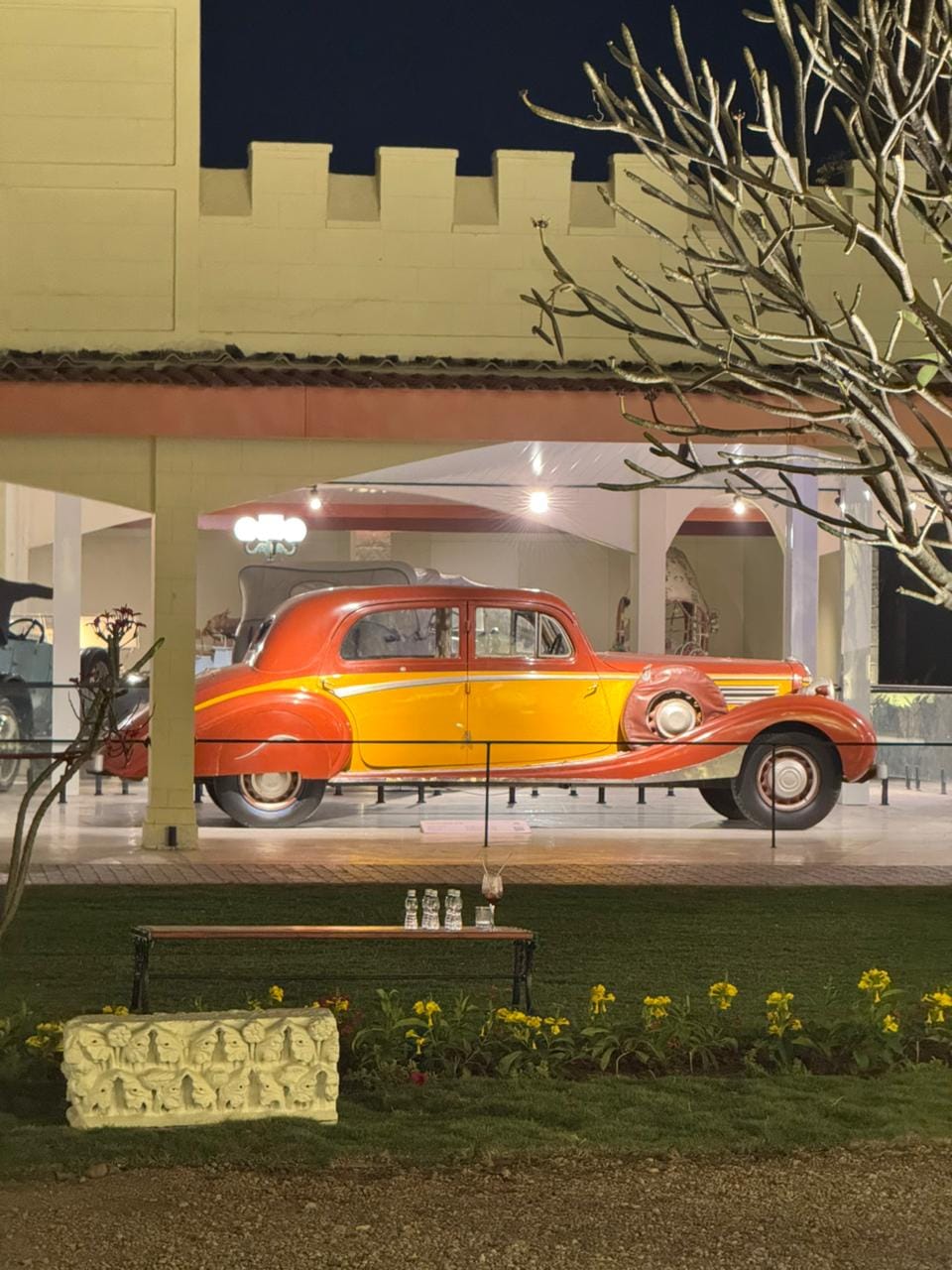
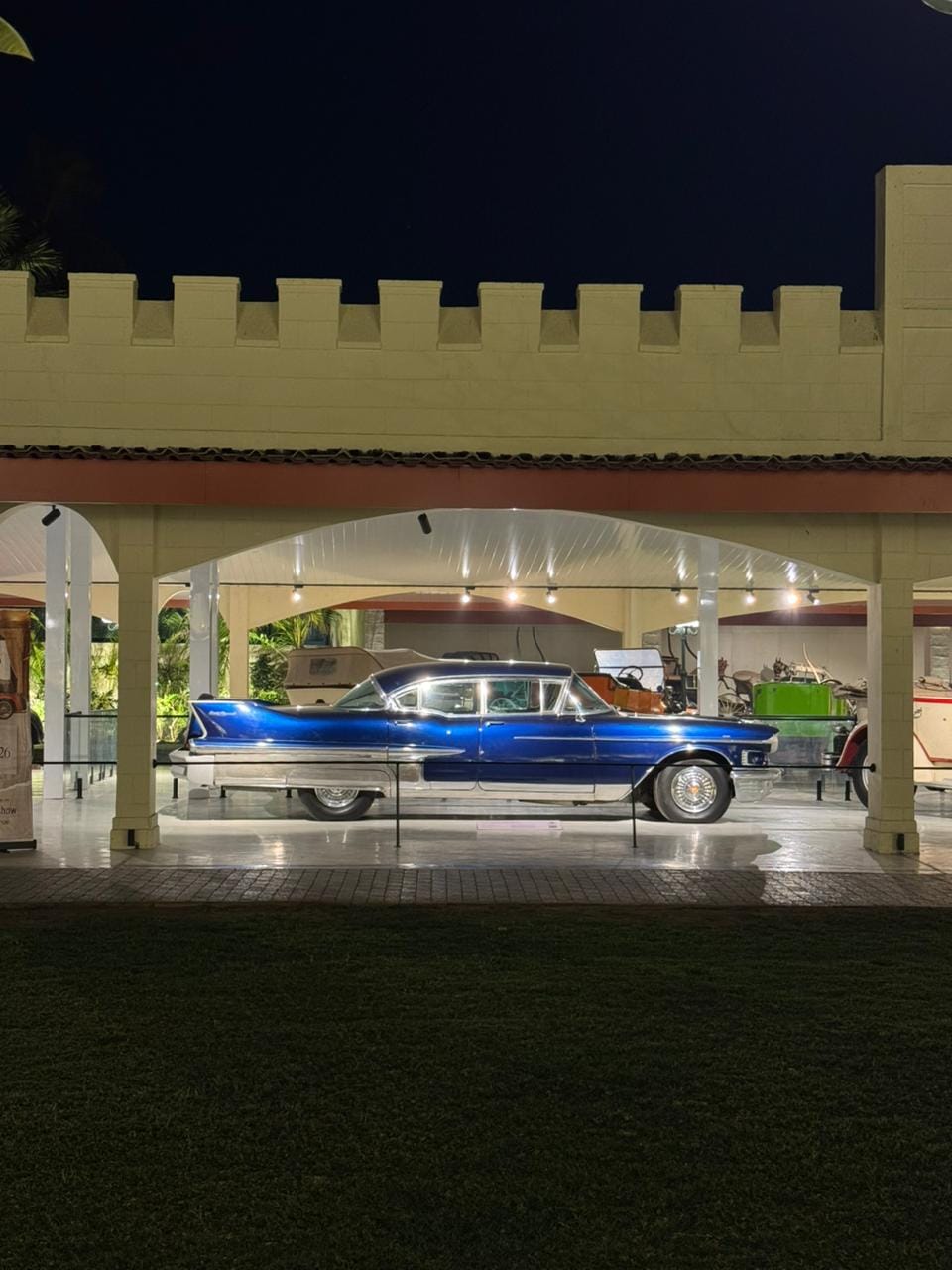
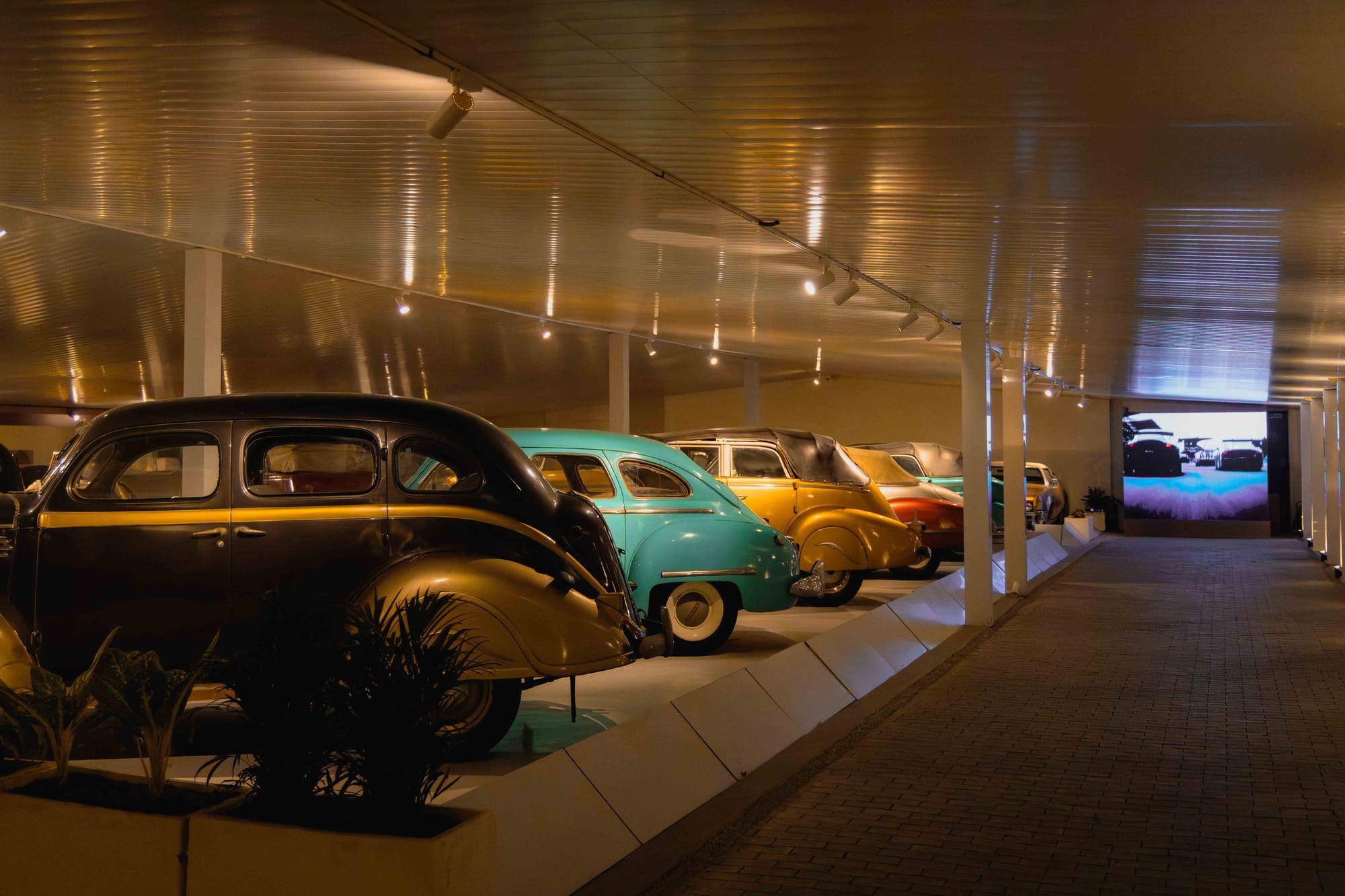
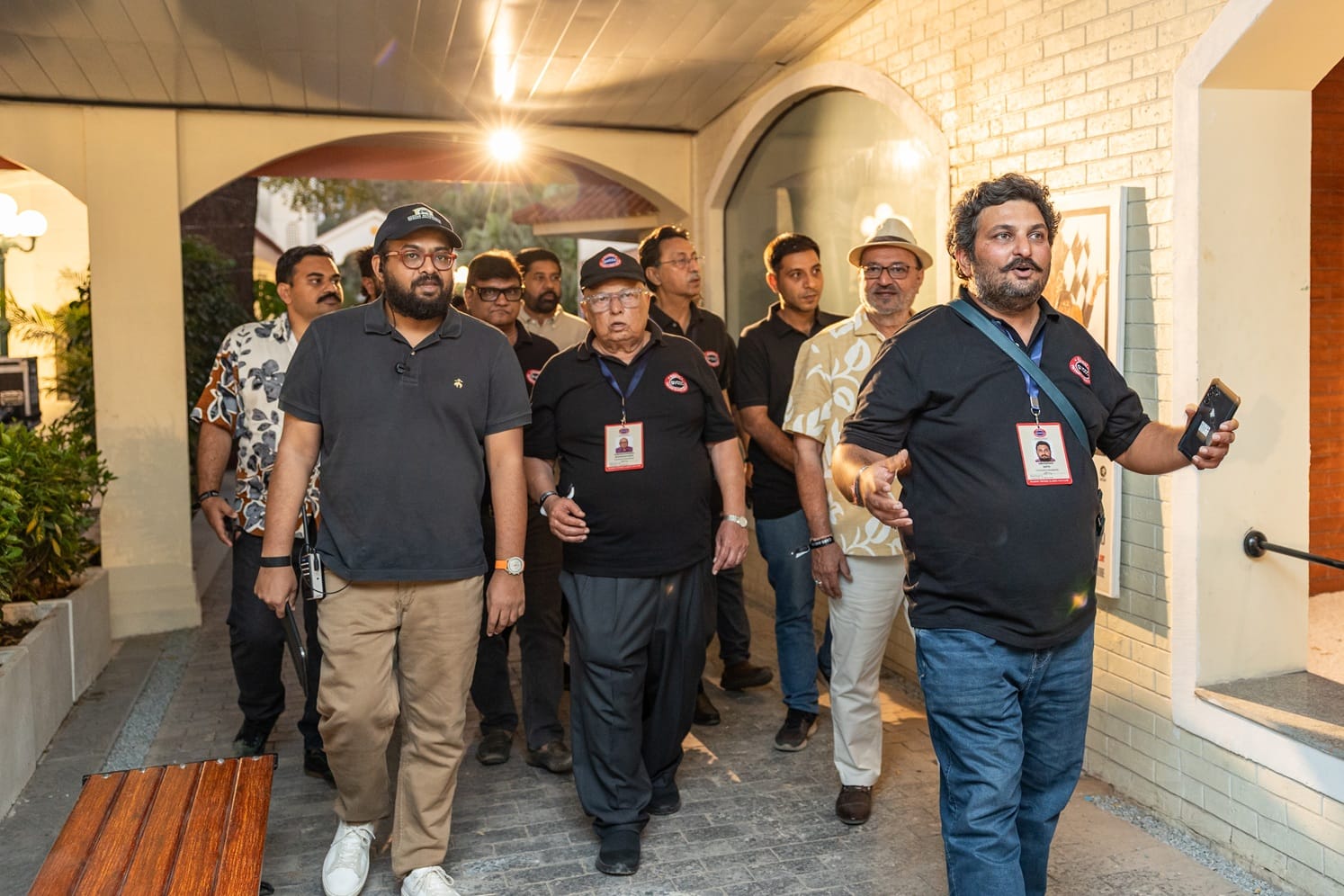
Dastan Autoworld has been undergoing an extensive revamp and the fruits of the efforts put in by Brijesh Chinai and his team could be seen for the first time
His gradual descent into isolation and obsession captured the deep urban alienation of 1970s America and helped redefine character-driven storytelling during the New Hollywood era.
Less widely known is the film’s connection to Indian cinema. Scorsese has long admired Satyajit Ray, whose 1962 film Abhijan portrays a similarly conflicted taxi driver played by Soumitra Chatterjee.
Ray’s film itself echoes ideas found in Ritwik Ghatak’s remarkable 1958 work Ajantrik, where Kali Banerjee plays an eccentric driver emotionally attached to his ageing car.
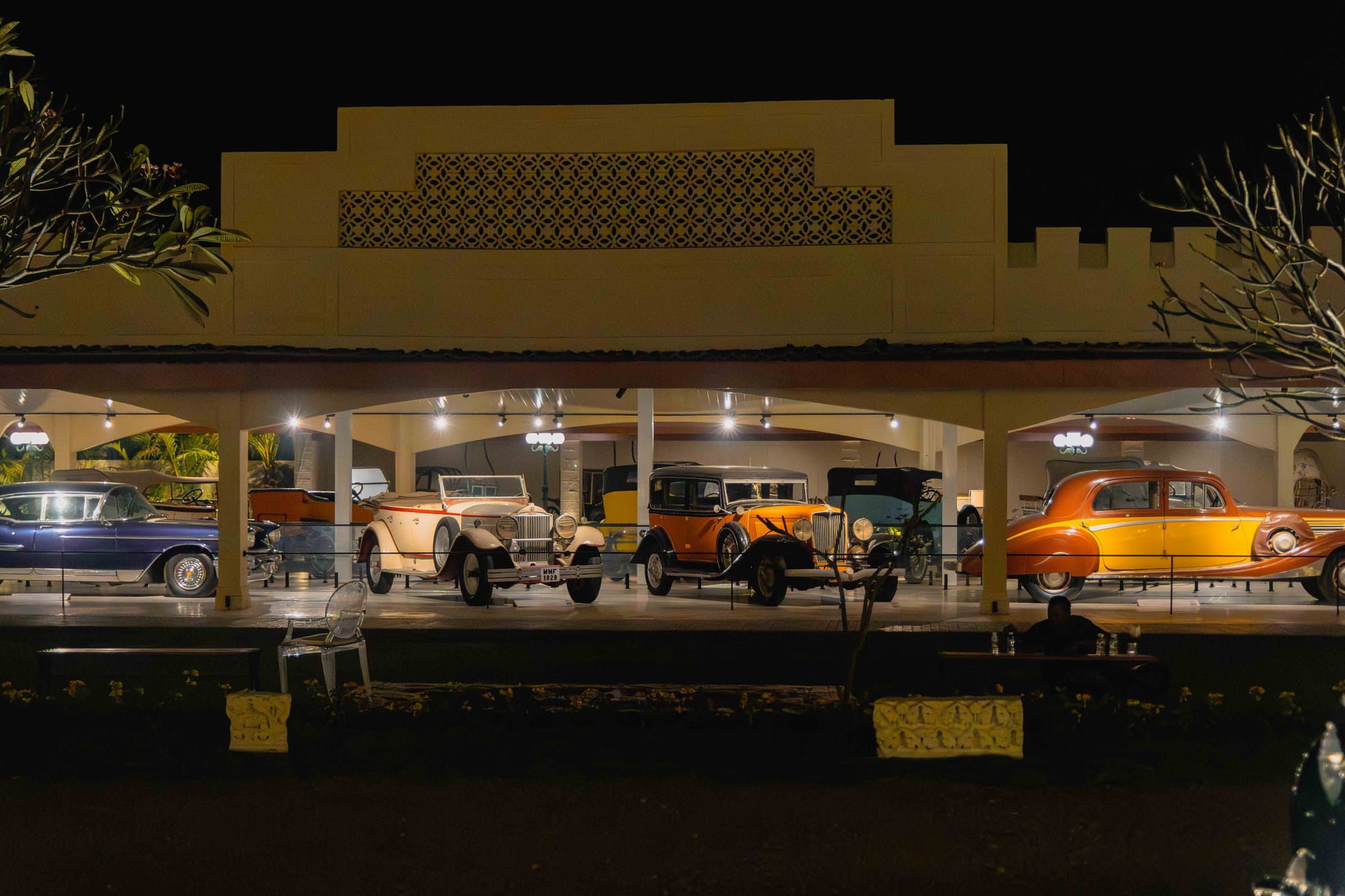
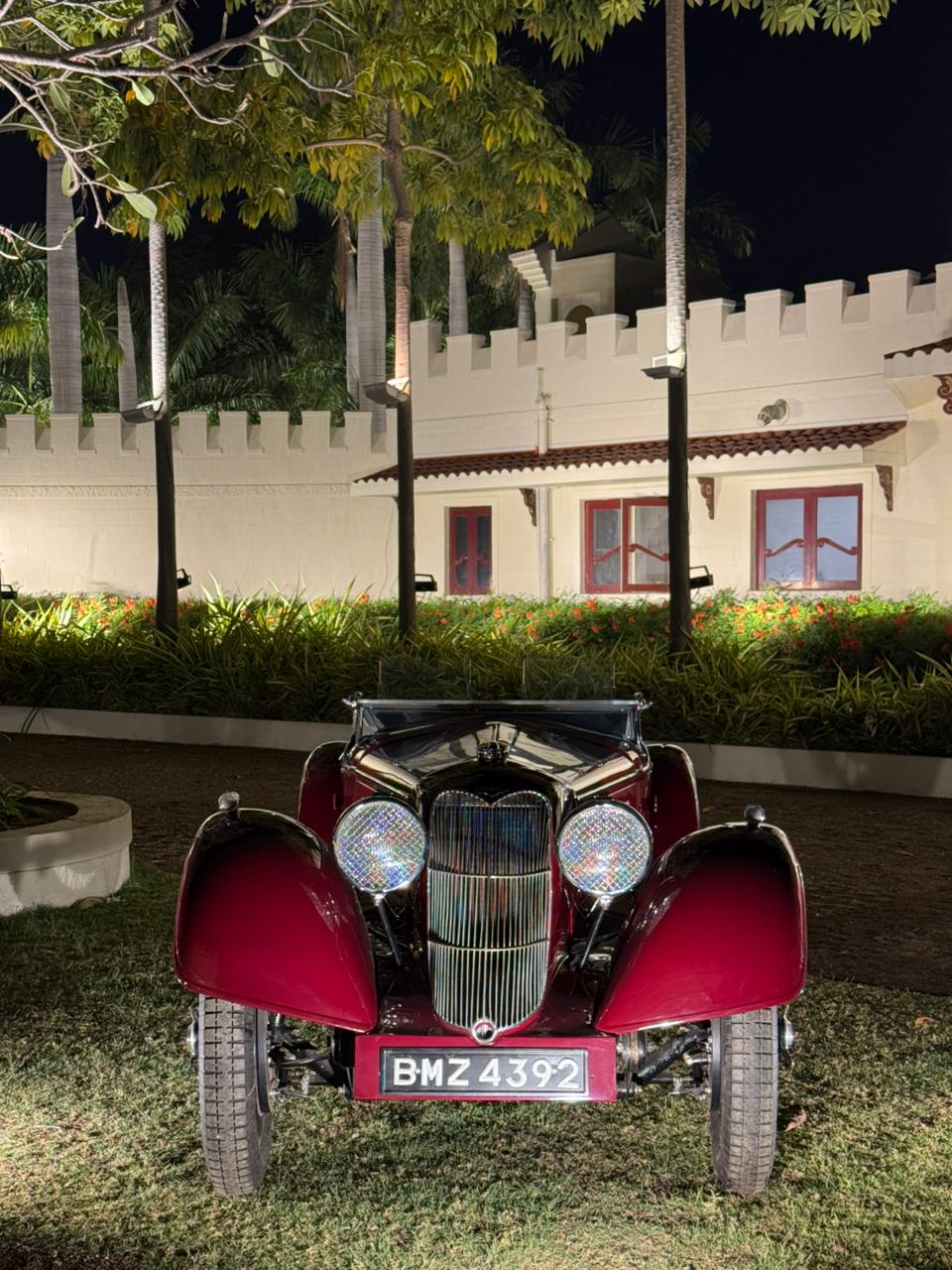
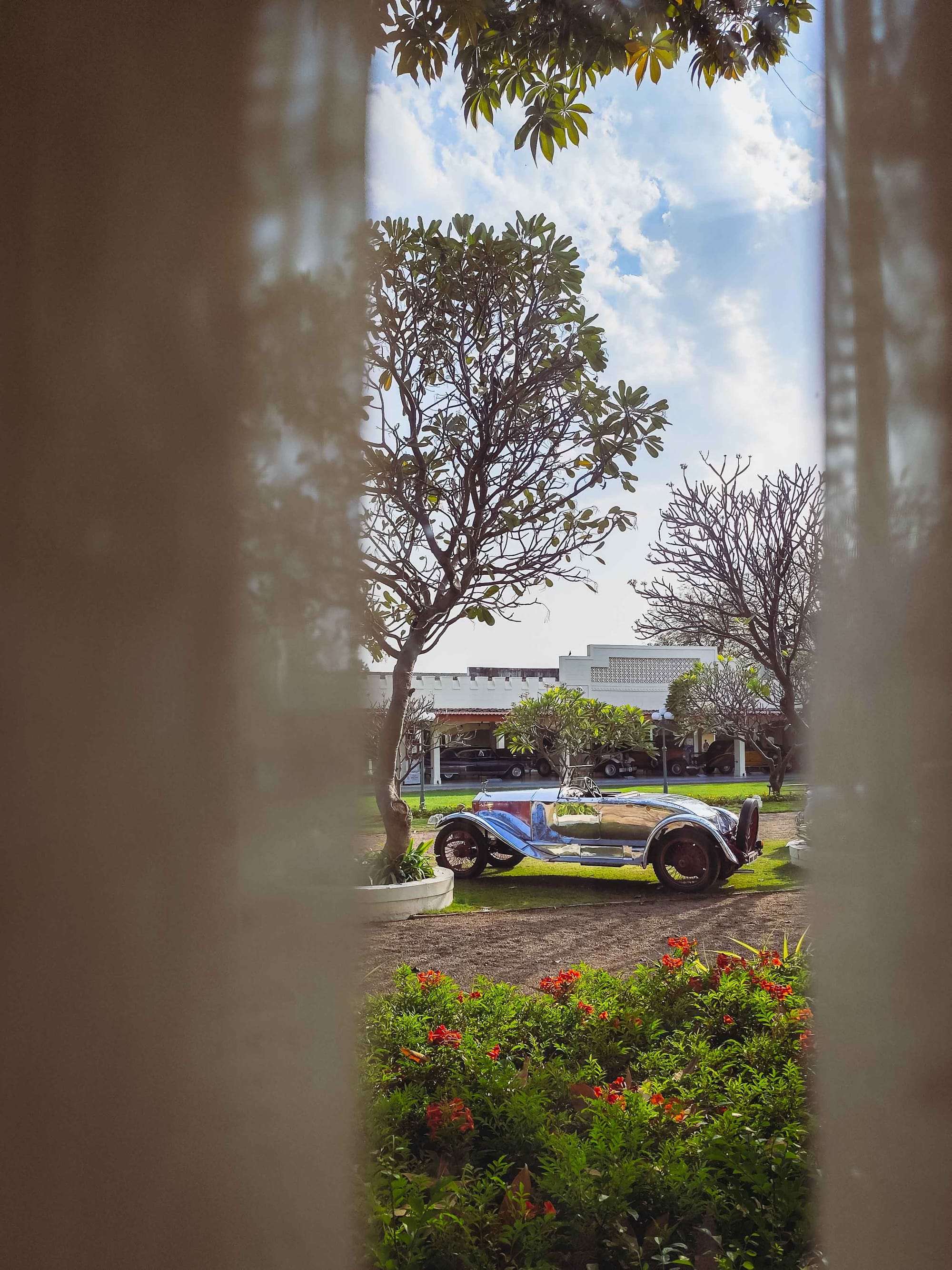
As the museum gets revamped, the herculean task of restoring and refurbishing more than a hundred cars has also started, as evinced by several cars
While Ajantrik explores the intimate relationship between man and machine, Abhijan deepens the psychological portrait of the solitary driver, an archetype later embodied by Travis Bickle.
Although Scorsese was initially unaware of Ghatak’s work, he later helped introduce the pioneering filmmaker to audiences in the United States and Europe. The unexpected link between Ajantrik, Abhijan, and Taxi Driver demonstrates how cinematic ideas can travel across cultures and generations.
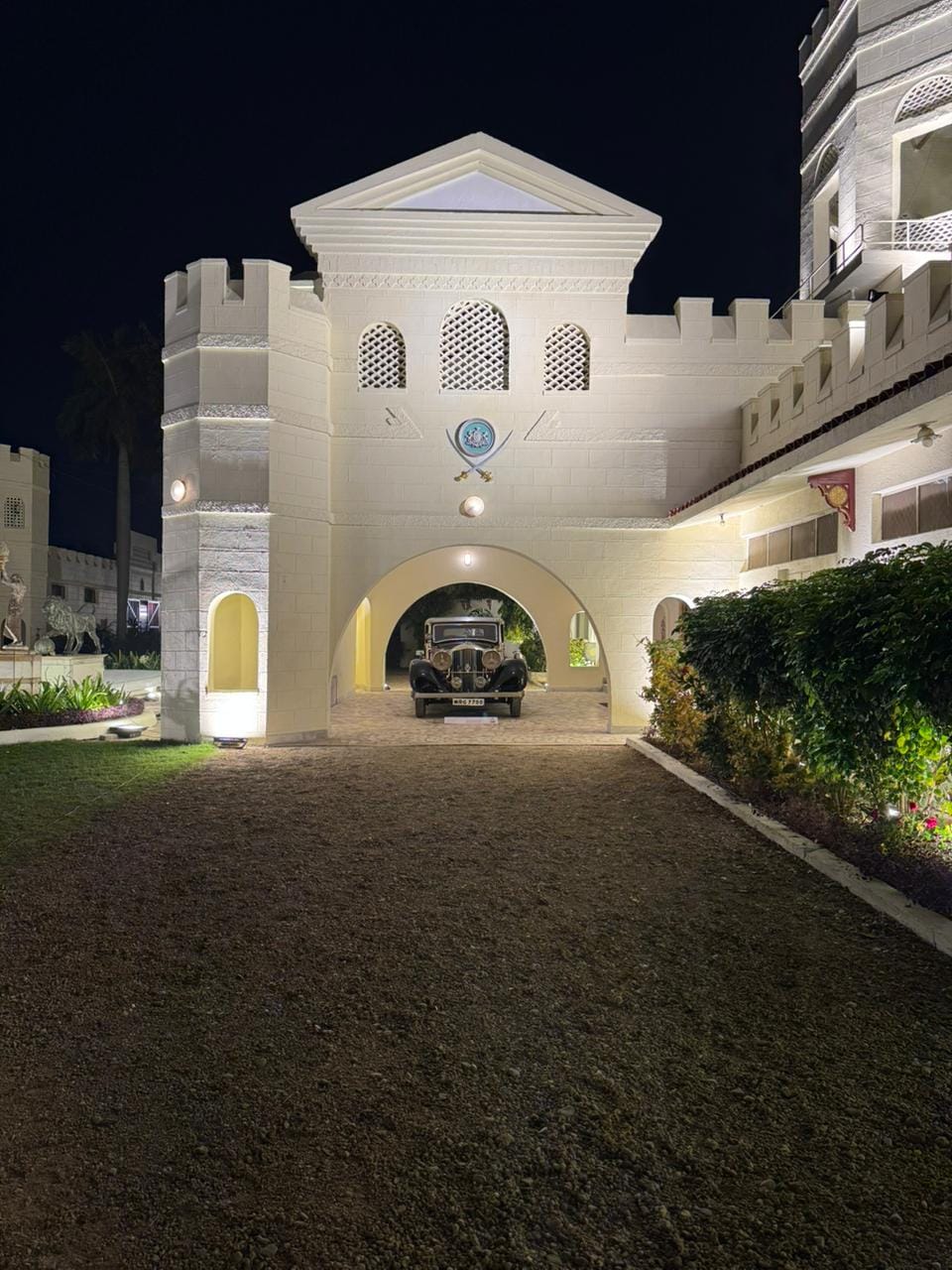
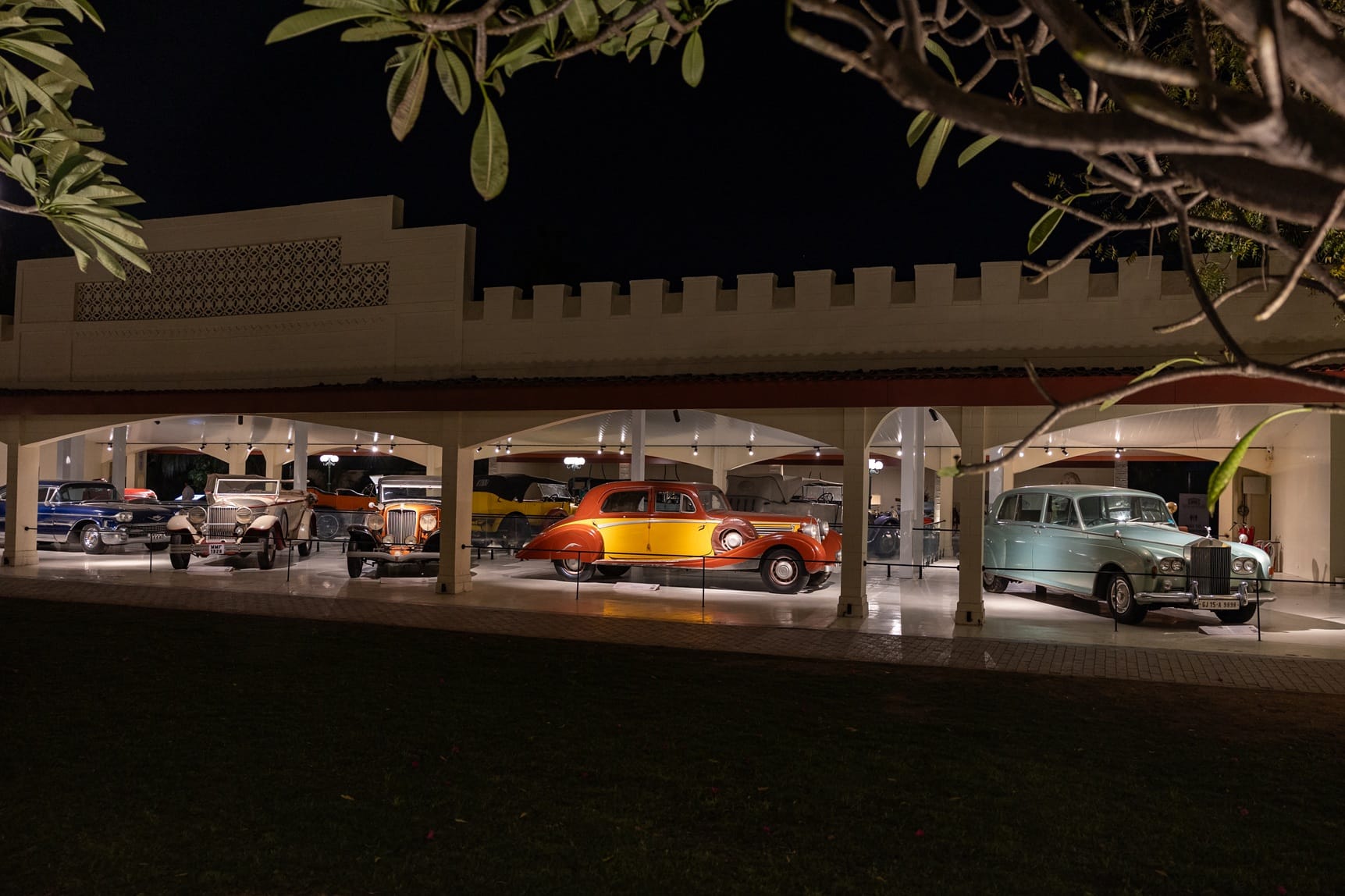
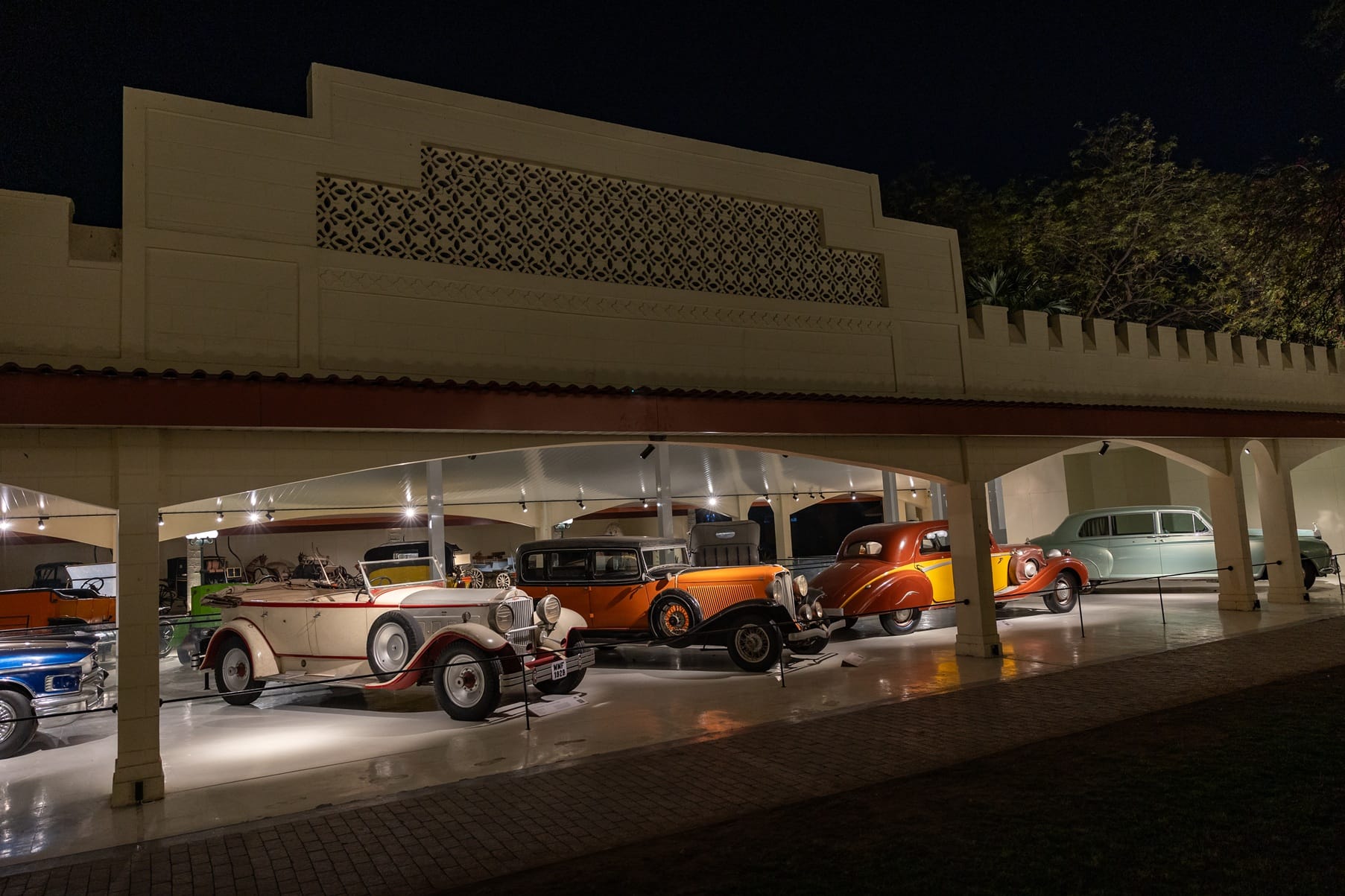
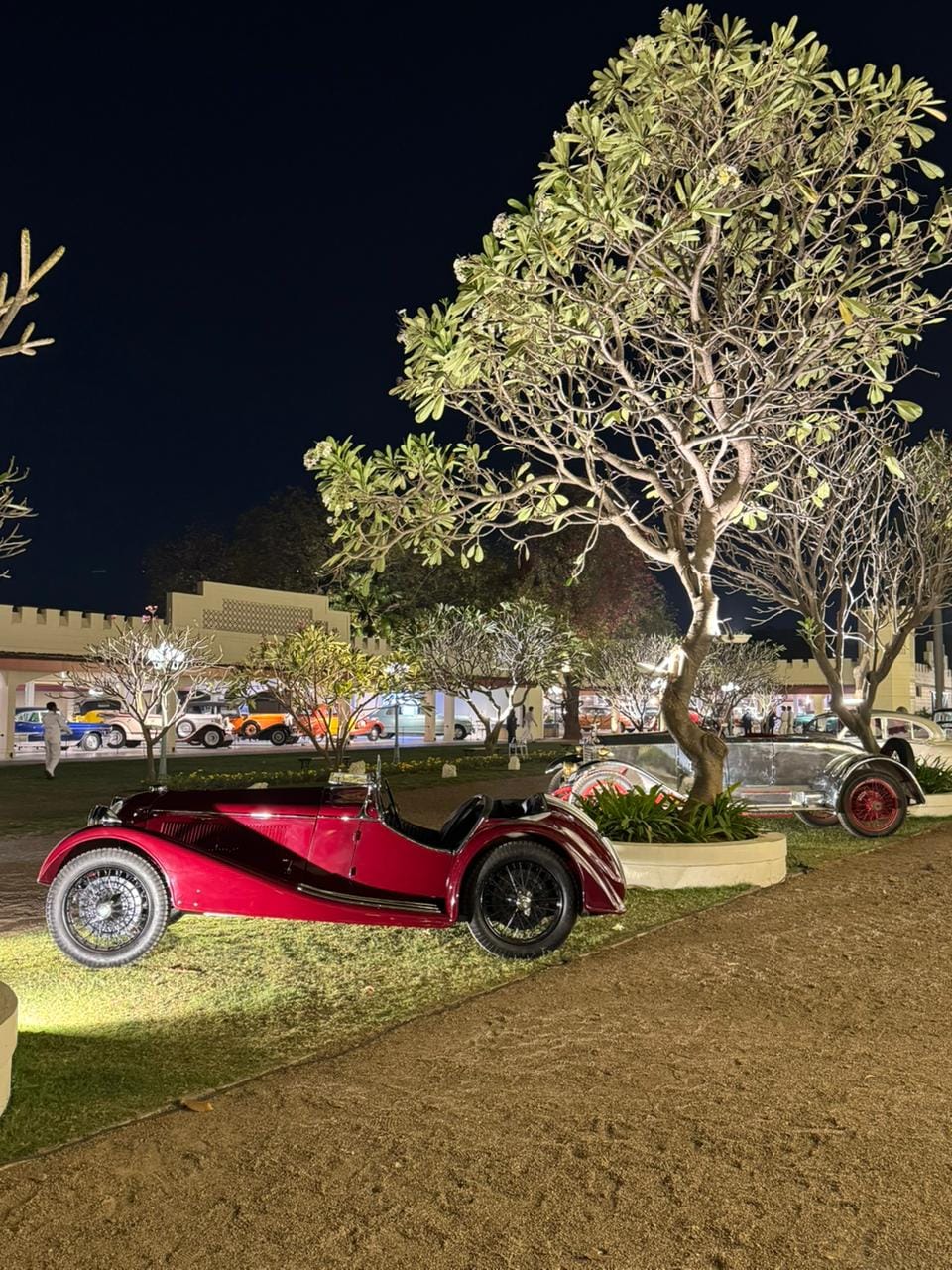
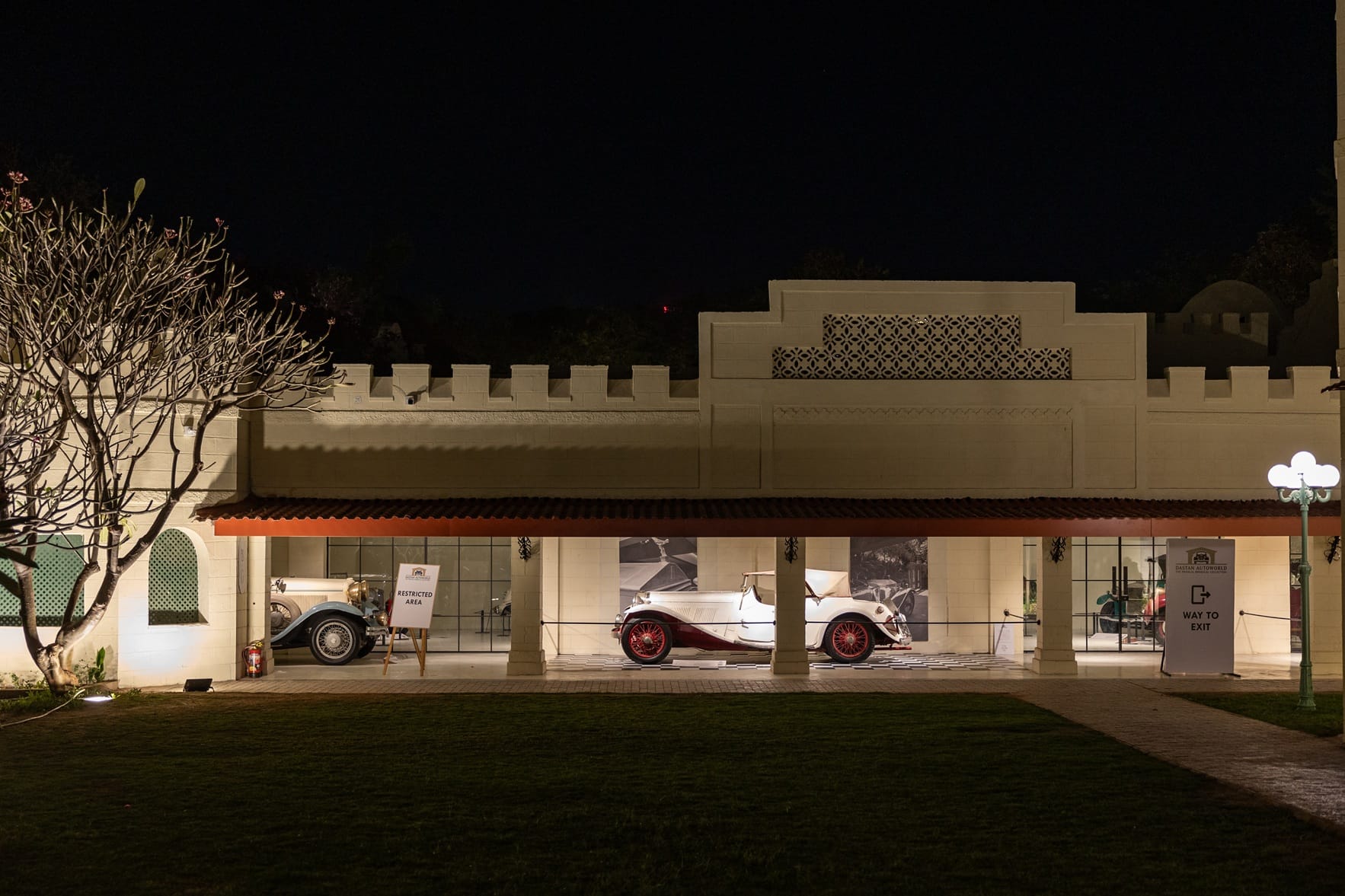
In the evening, the museum is indeed magical, with subtle lighting and mood effects
The Dastan Autoworld Festival Cars and Cinema 2026 offered only a first glimpse into this vast subject. The history of automobiles in cinema is rich, complex, and global, far too expansive to capture in a single event.
Yet even this brief exploration highlighted the enduring and fascinating relationship between cars and film.
Encouraged by the festival’s success, the organisers hope to make it an annual celebration of automotive cinema.
Comments ()