Chantilly: The Art of Automotive Elegance
A celebration where extraordinary cars, people and history come together
Text: Gautam Sen
Images: Mariami Khubulava & Gautam Sen
There is, perhaps, a fundamental problem with the term concours d’élégance. Literally meaning a “competition of elegance”, it raises the question of what constitutes elegance in the automobile. A Rolls-Royce may be elegant, as may a Lamborghini Miura, but what about Bikini, the irreverent beach car designed by the late Italian designer Ercole Spada? All three were represented at the 2026 Chantilly Arts & Elegance. How, then, can such fundamentally different automobiles be fairly compared?
The question becomes even more relevant when considering traditional concours judging systems. Several prominent American-style concours, as well as some in Europe and India, have used the ICJAG system, which focuses heavily on restoration quality. Such judging can reduce a concours to an assessment of paint, chrome, woodwork, fasteners, engine finishes and other minutiae, encouraging the presentation of immaculate “trailer queens”. A concours de restauration...
While ICJAG is rigorous in assessing restoration, it is less effective at recognising preservation, originality, provenance, historical significance, design importance and emotional appeal. The newer M100 system follows a similar philosophy but allocates five per cent of its score to the vehicle’s “emotional” appeal. Both systems, however, remain essentially deductive: points are lost for imperfections, making physical perfection the ultimate objective.
Yet a car is new only once. Time inevitably leaves its mark and restoring an automobile to “better than new” can create a false narrative. Modern paint and chrome techniques may produce spectacular results but can diminish authenticity. A degree of patina and restraint in restoration should therefore be regarded as virtues rather than defects. Over-restoration should be avoided.
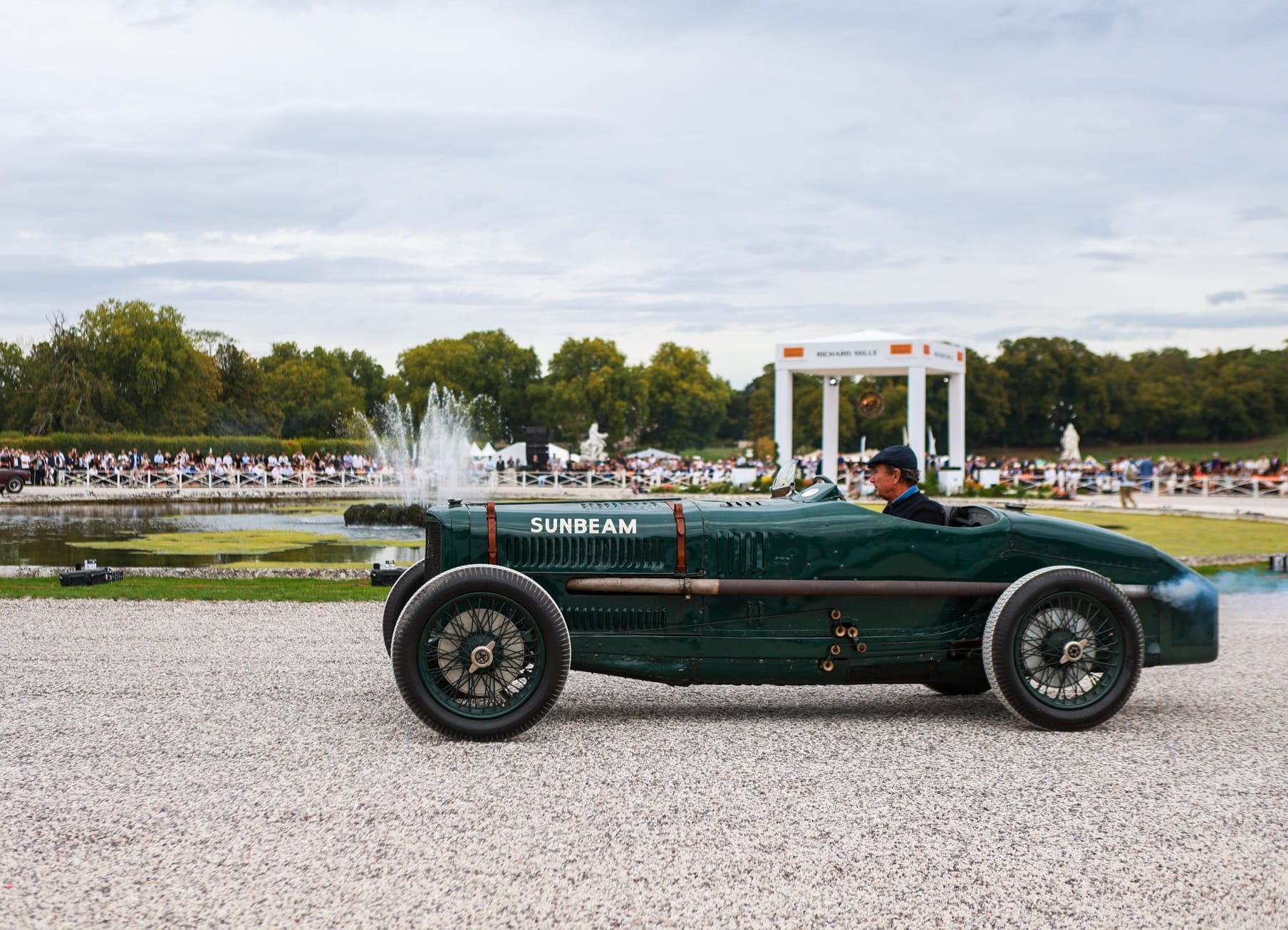
A more meaningful concours should reward authenticity and integrity. Original configuration, matching numbers, period-correct materials and specifications, and documented factory colours should all carry weight. Provenance is equally important: every car has a story, and thorough documentation helps preserve it. Rarity, cultural or national significance, and importance to a particular era of automotive history should also be recognised.
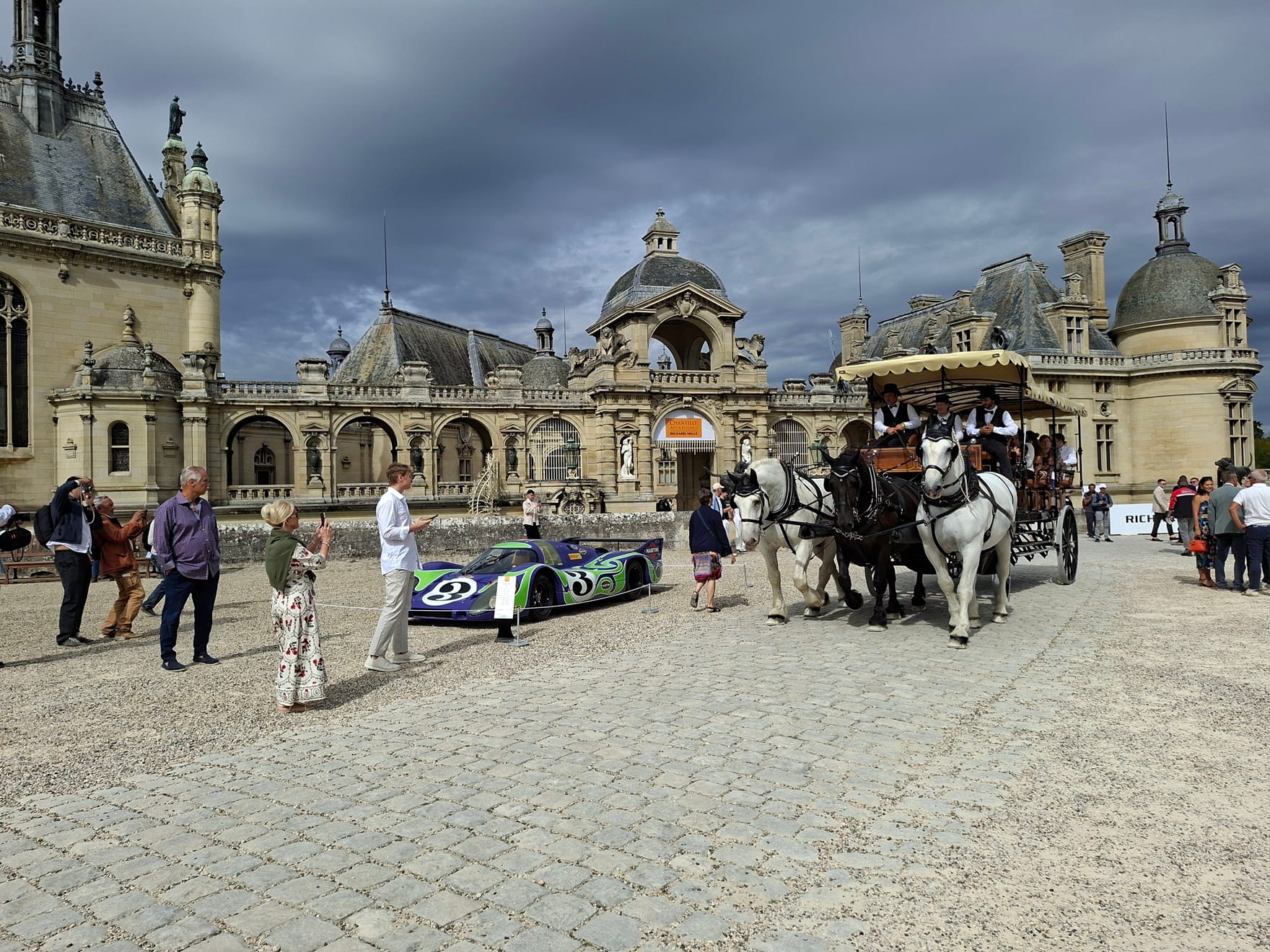
Innovation deserves consideration too, particularly where a vehicle represents an important advance in engineering, design or styling. Aesthetic appeal naturally remains subjective – beauty is, after all, in the eye of the beholder – but it should form part of a broader assessment rather than dominate it.
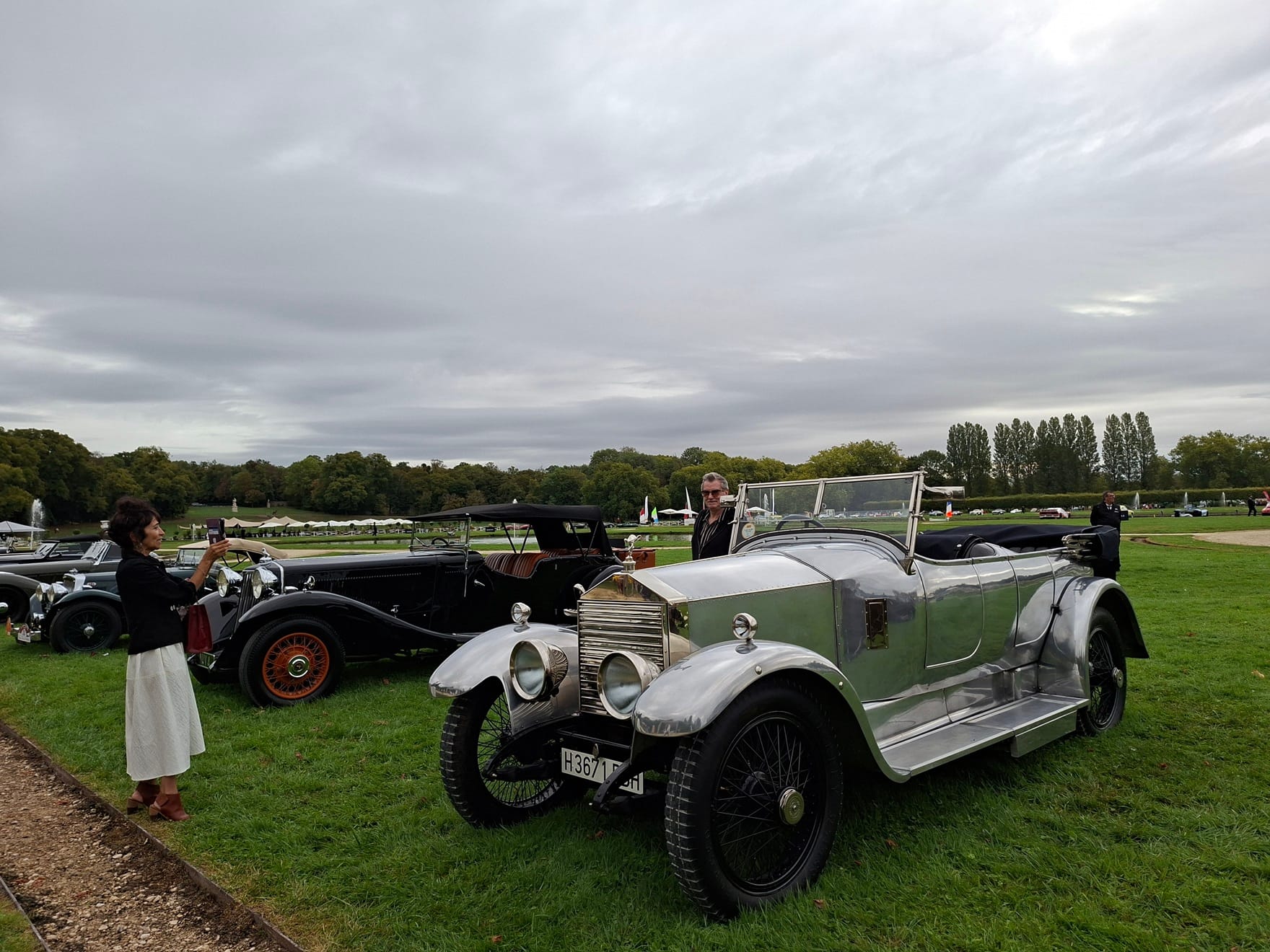
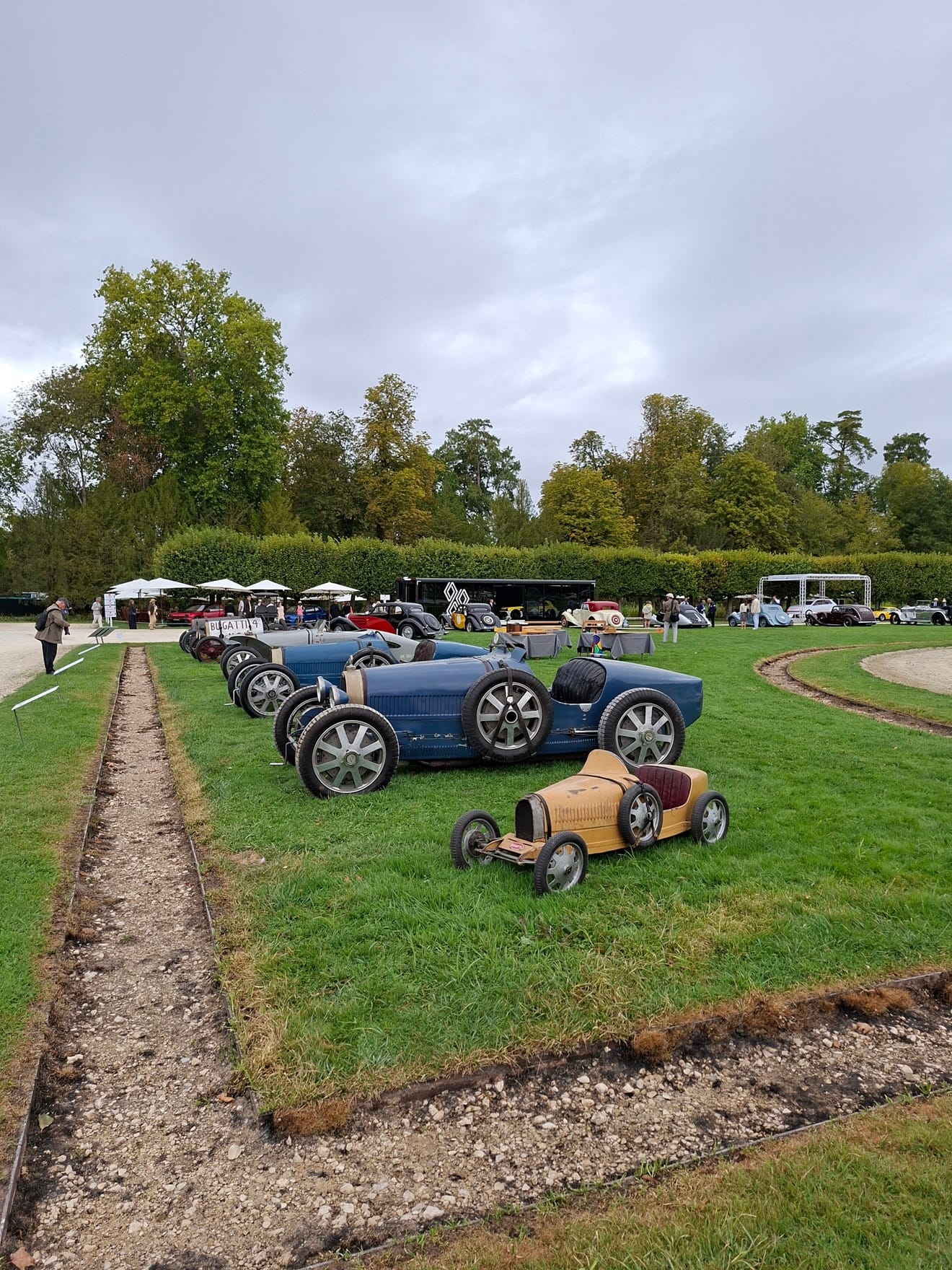
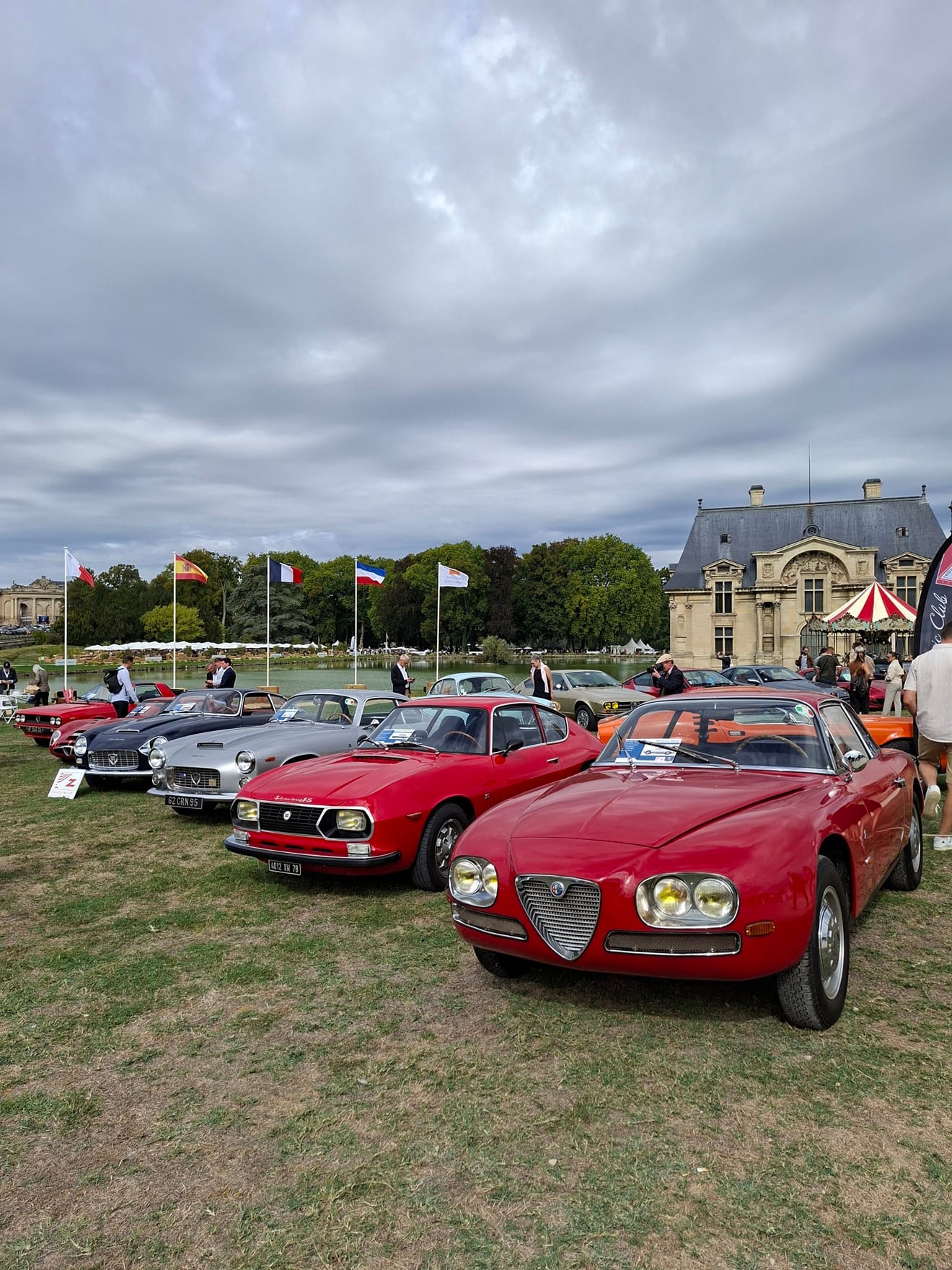
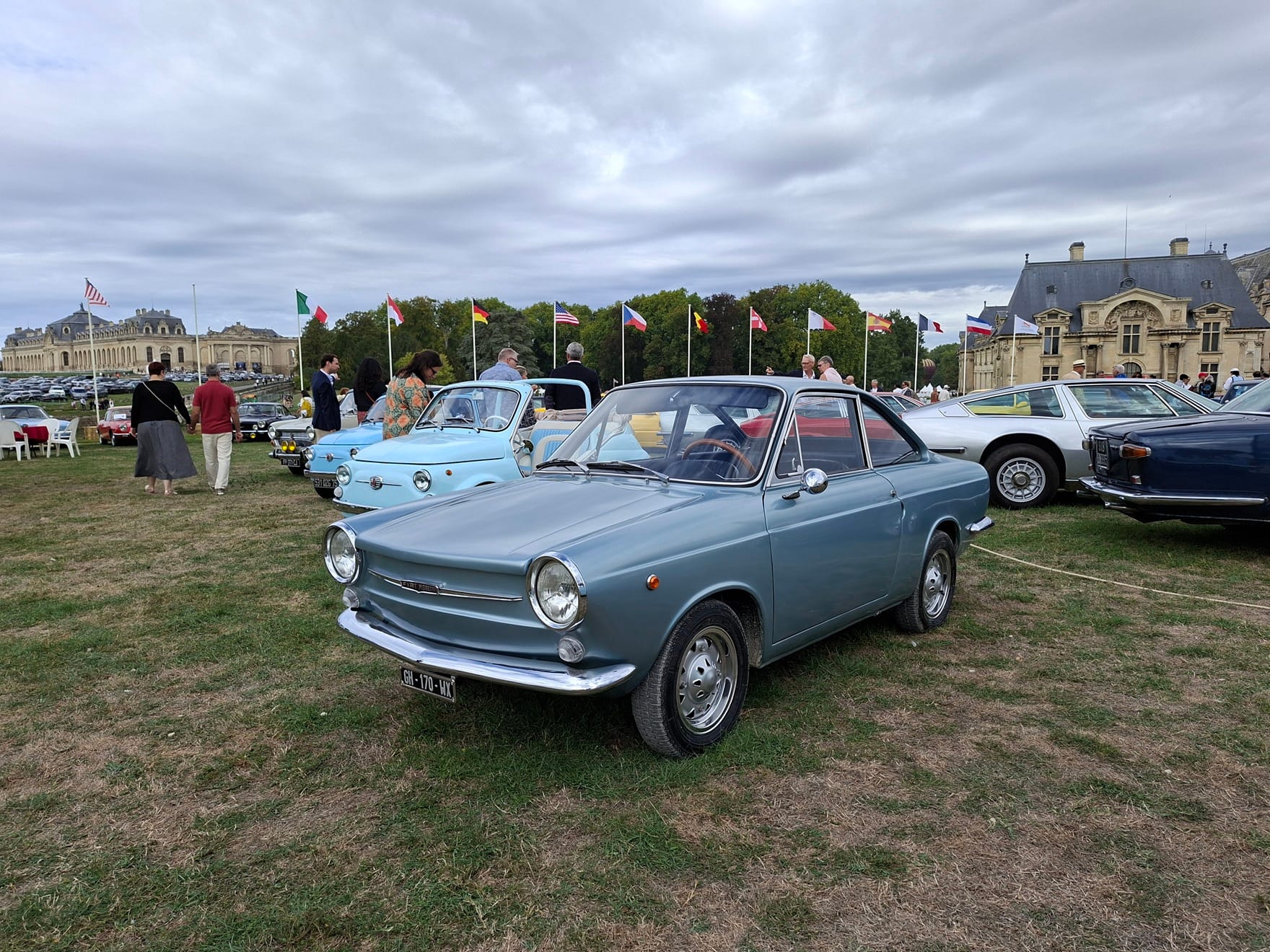
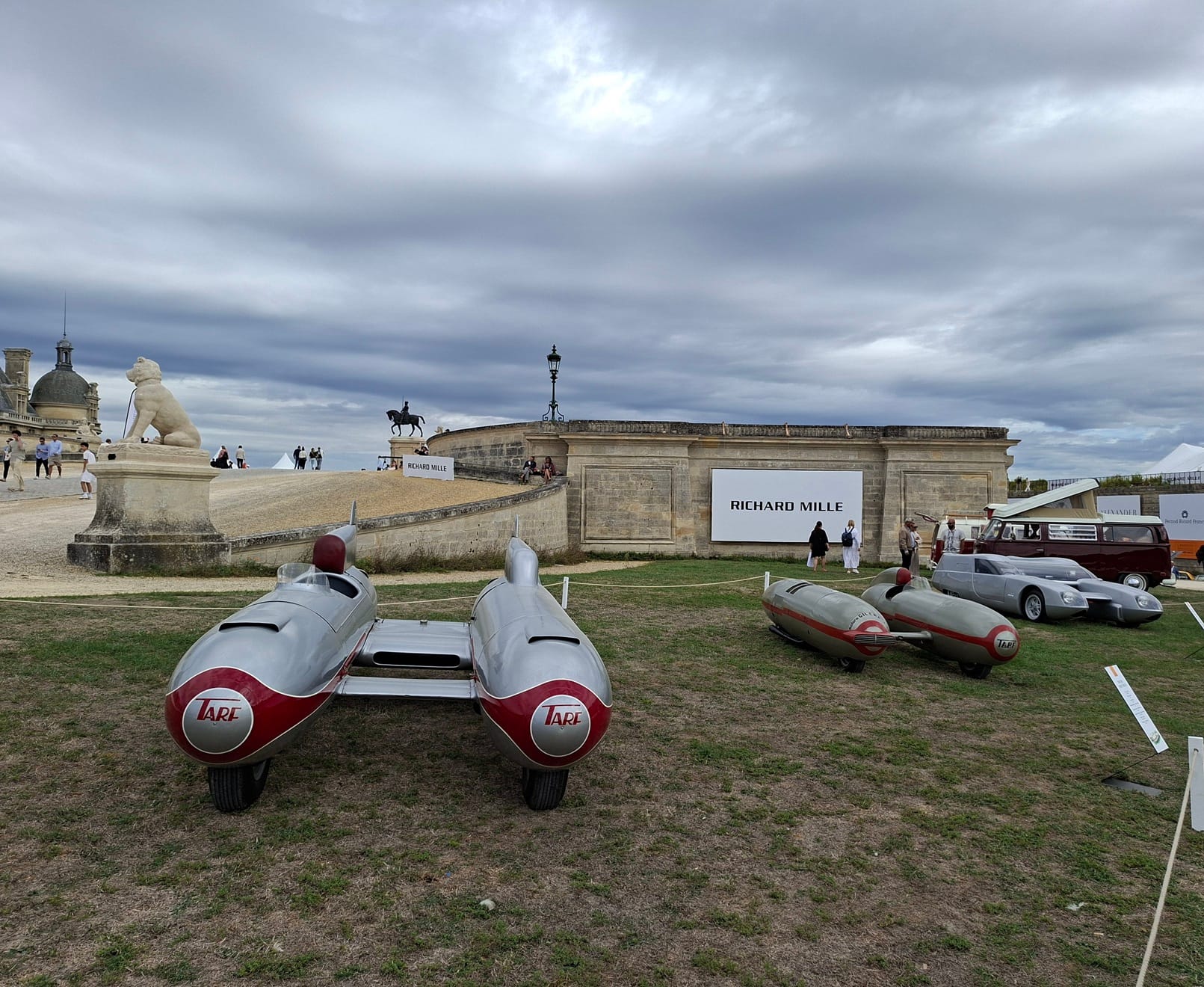
Chantilly is where you get to see a car with an Indian connect (top left) or racing Bugs (top right), rare Alfas (bottom left) and one lonely Moretti 500 (bottom right)... have you ever seen one before?
Finally, the car should be considered as a whole. Its presentation, the owner’s knowledge of its history, the quality of its ongoing care, whether it is actually driven, and even the appropriateness of the owner’s attire can contribute to the overall impression.
Perhaps the modern concours d’élégance should therefore judge not simply how perfect a car is, but how authentically, meaningfully and compellingly it represents its own history.
Perhaps the scoring system at Chantilly Arts & Elegance comes closer than most to addressing these broader considerations. It helps explain why Lamborghinis can stand alongside Delahayes, Delages and, indeed, a Spada Bikini, without requiring them to conform to a single definition of automotive elegance.


The mix is always astounding, from an ultra-rare Jaguar D-Type (top left) to a one-off racing special based on a Peugeot (bottom right), via an Ercole Spada-designed Lancia Flavia Coupé Zagato (bottom left) and another pair of Spada designs, an Alfa Romeo TZ and the Bikini behind it (top right)
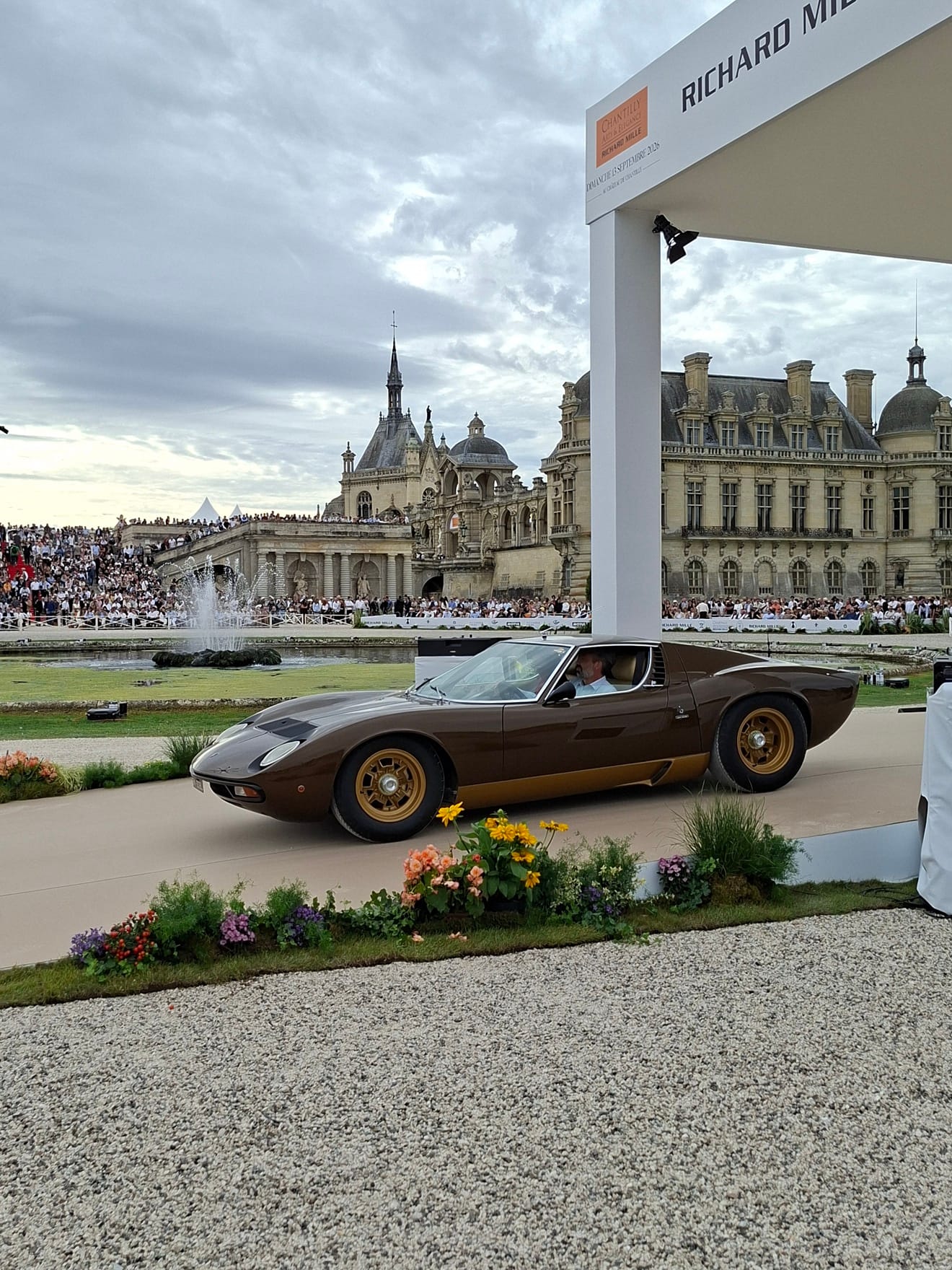
This philosophy is also reflected in the diversity of the classes. Alongside the familiar categories of pre-War closed and open cars were dedicated celebrations of Delahaye across the decades and the Lamborghini Miura, marking the model’s 60th anniversary.
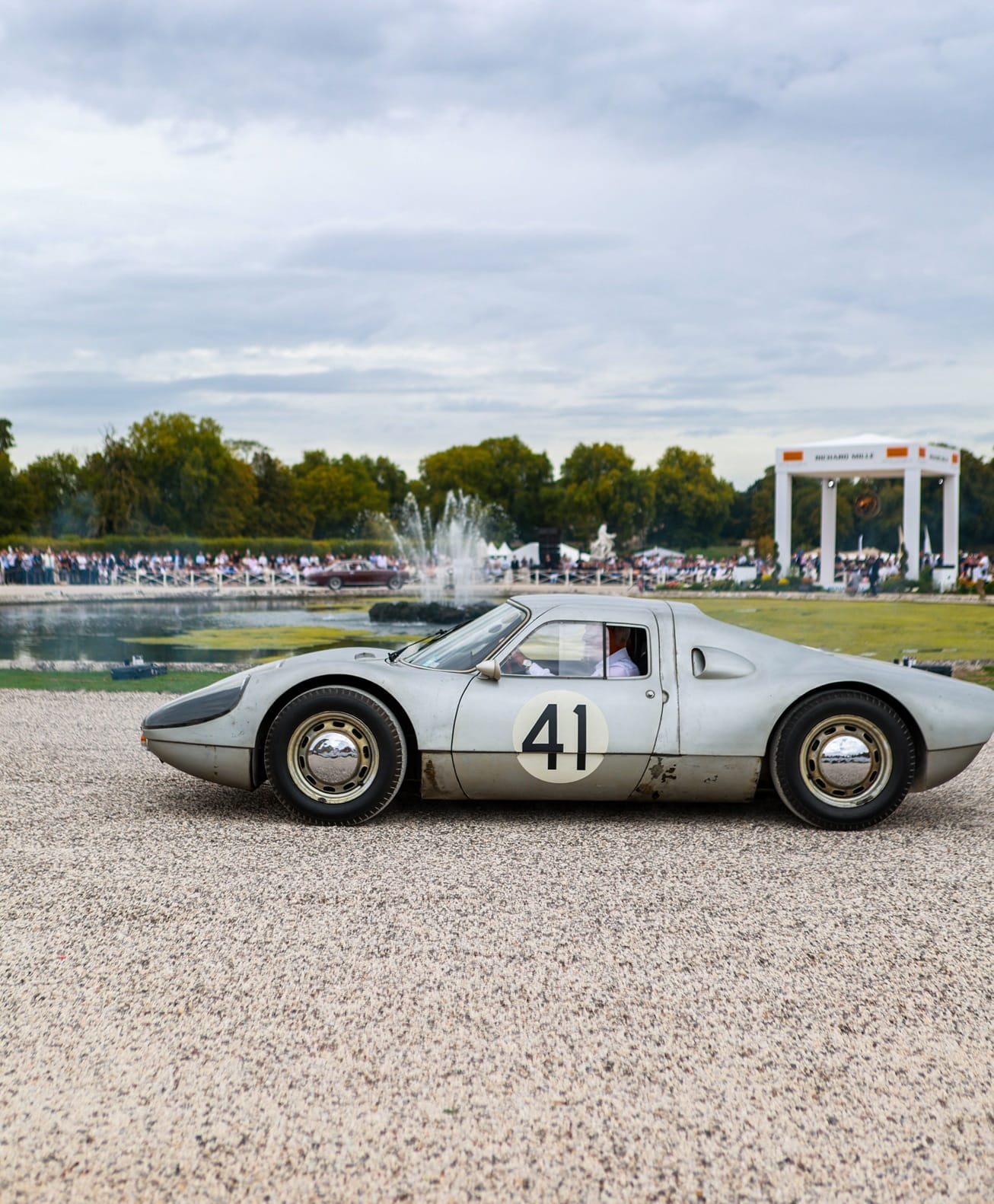
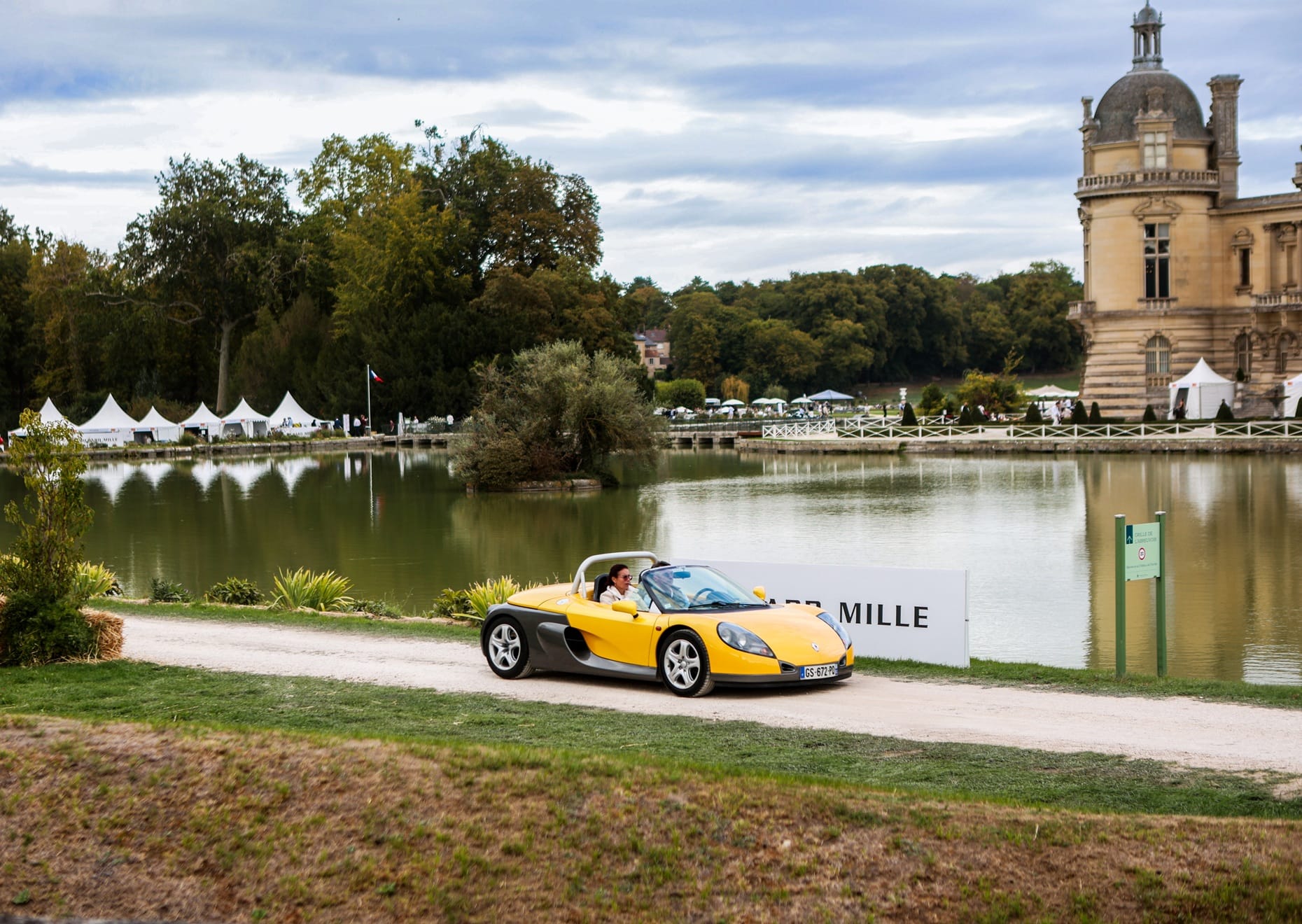
But Chantilly goes further, embracing the many facets of the automobile: Bugatti racing machines, roadsters that competed in endurance events, cars that took part in the historic Tour de France Automobile, GT1 racing cars, and competition machines from the era when the French Grand Prix was organised by the Automobile Club de France (ACF).
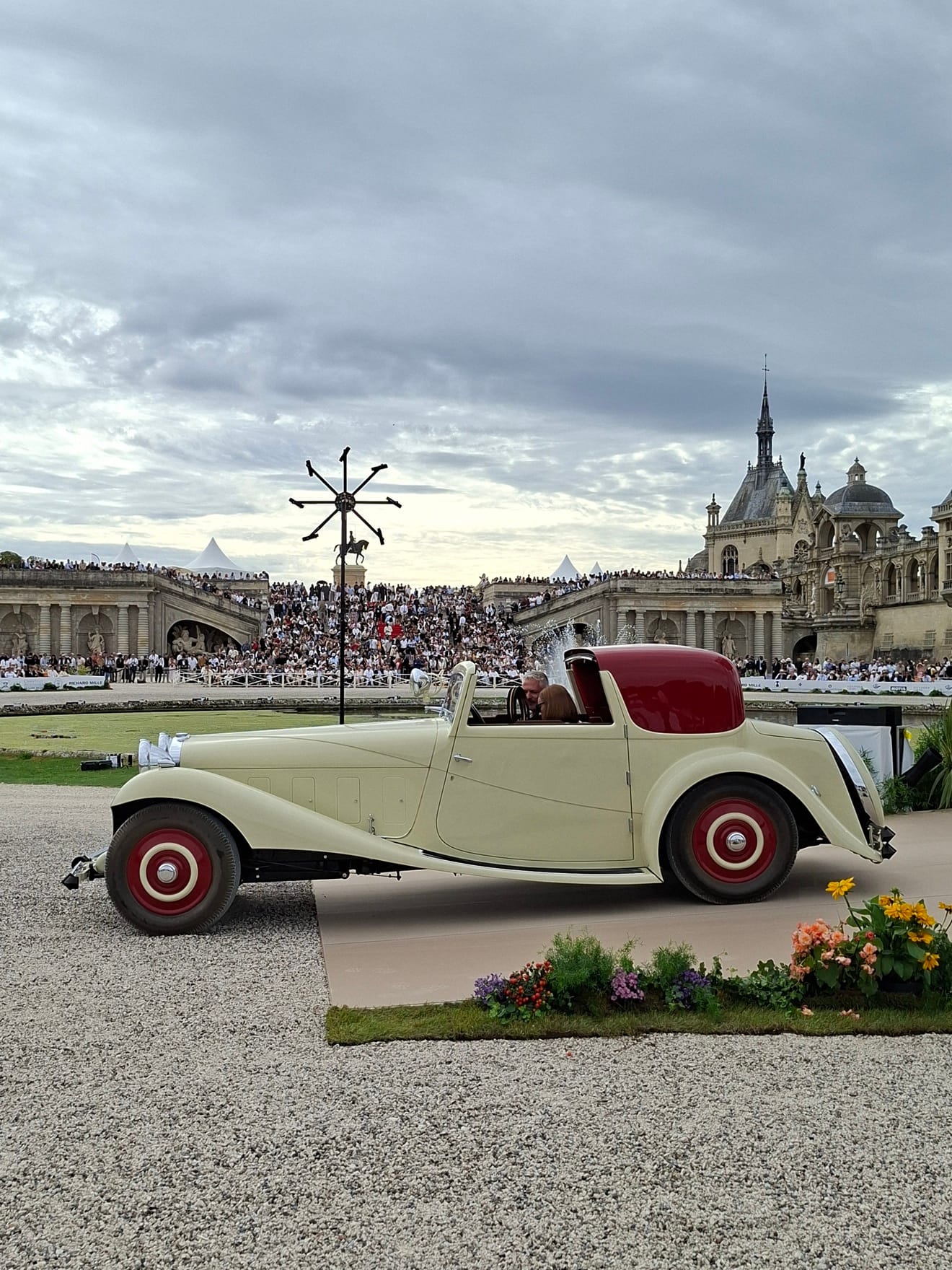
It is precisely this breadth that makes Chantilly so compelling. Rather than attempting to establish a single hierarchy of automotive perfection, it celebrates the extraordinary diversity of the automobile – its design, engineering, competition history, provenance, originality and, ultimately, its ability to inspire.
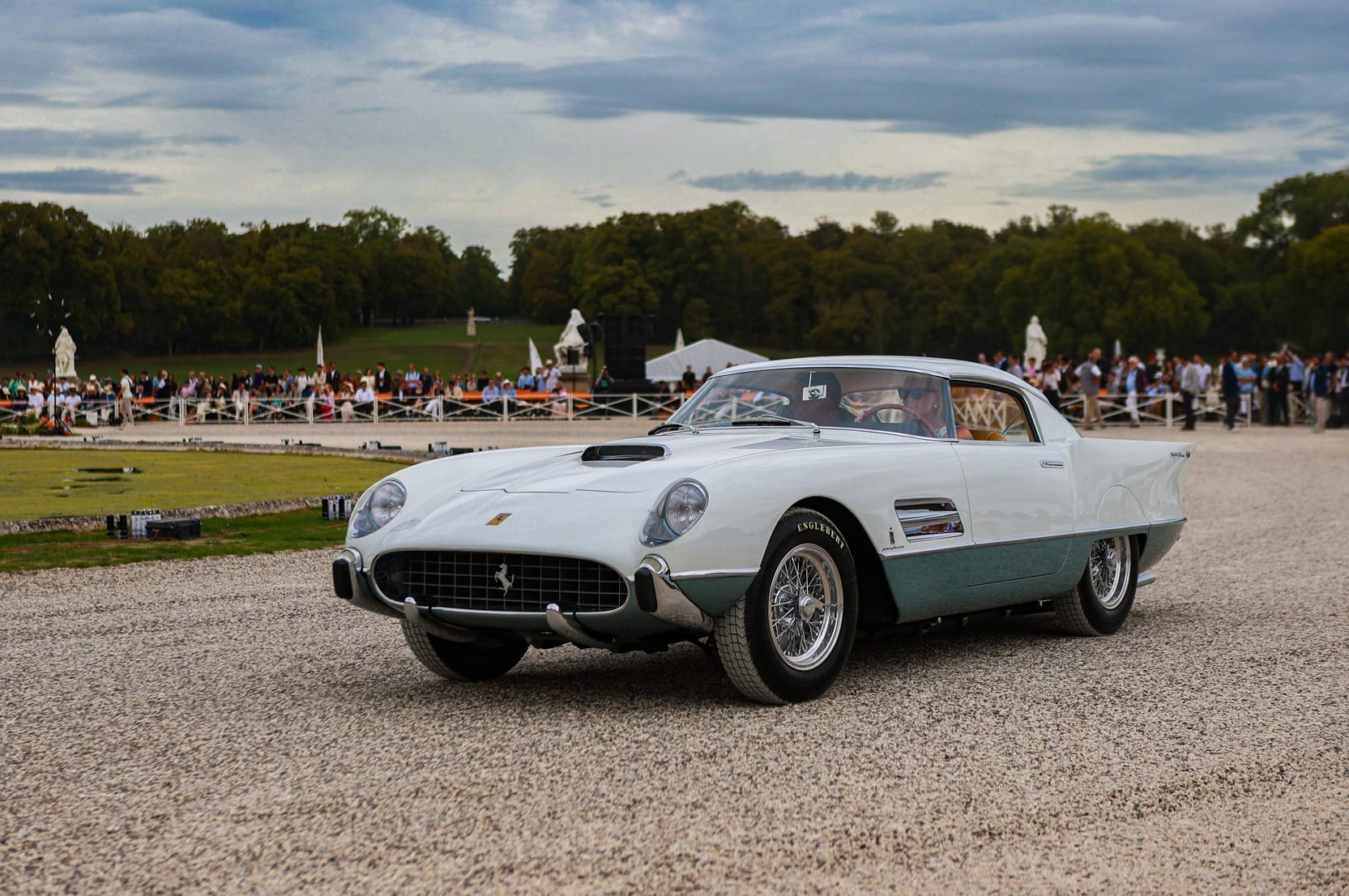
This philosophy is also reflected in Chantilly’s decision to award three Best of Show honours: one for pre-War automobiles, whose character and criteria are fundamentally different from those of post-War cars, and a third for contemporary concept cars, which are judged primarily for their elegance and design.
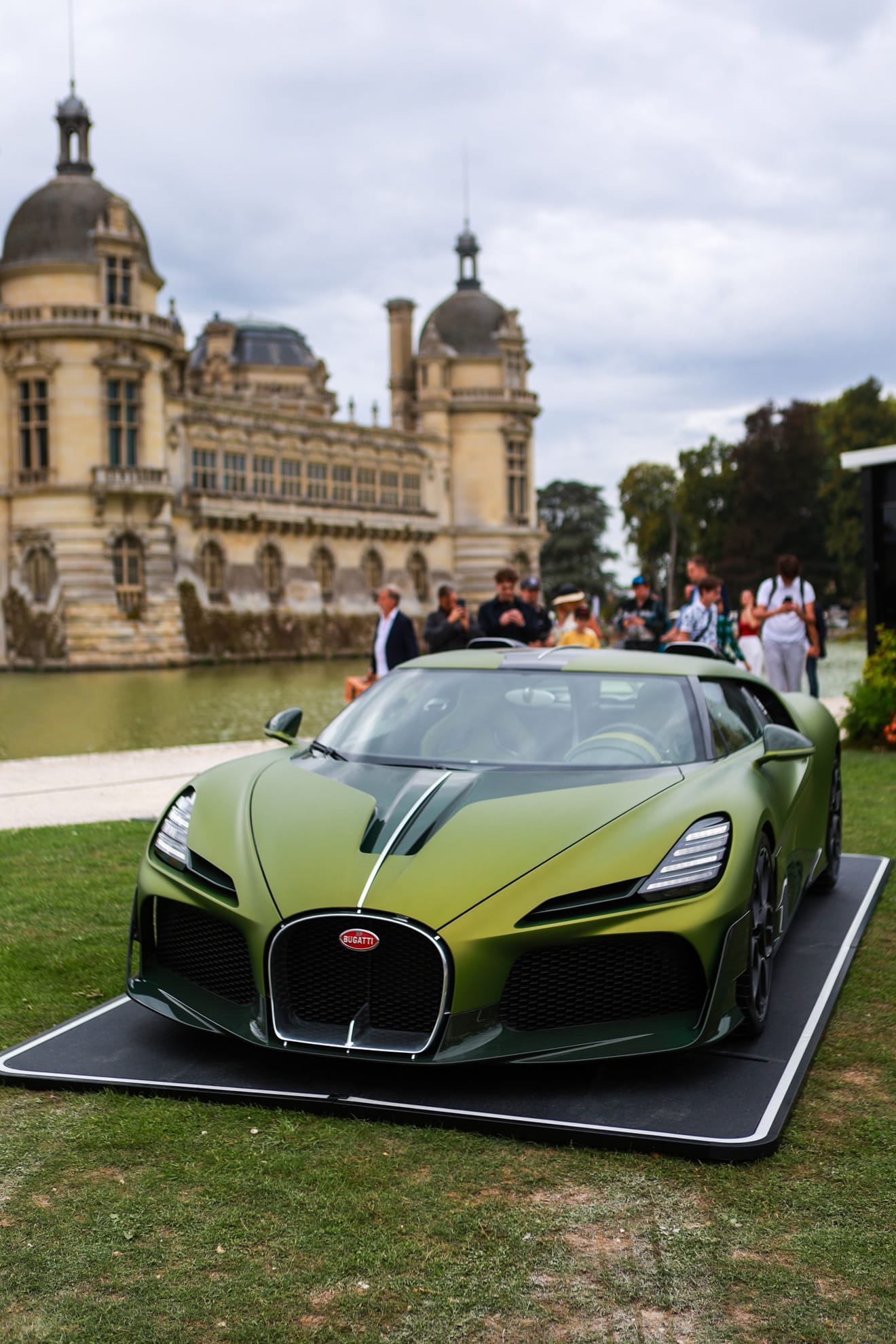
Rather than forcing very different forms of automotive expression into a single hierarchy, Chantilly recognises excellence within their respective worlds.
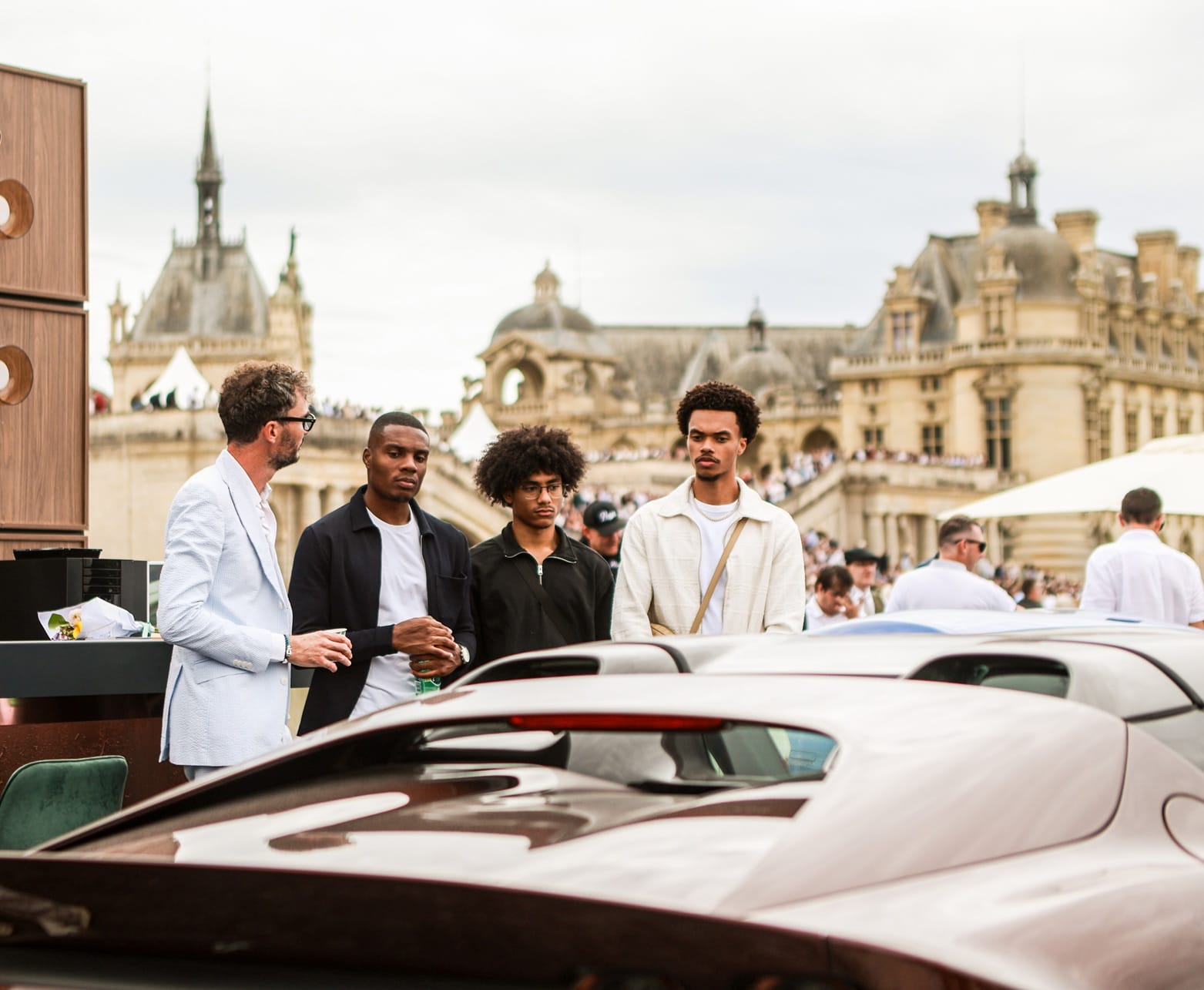
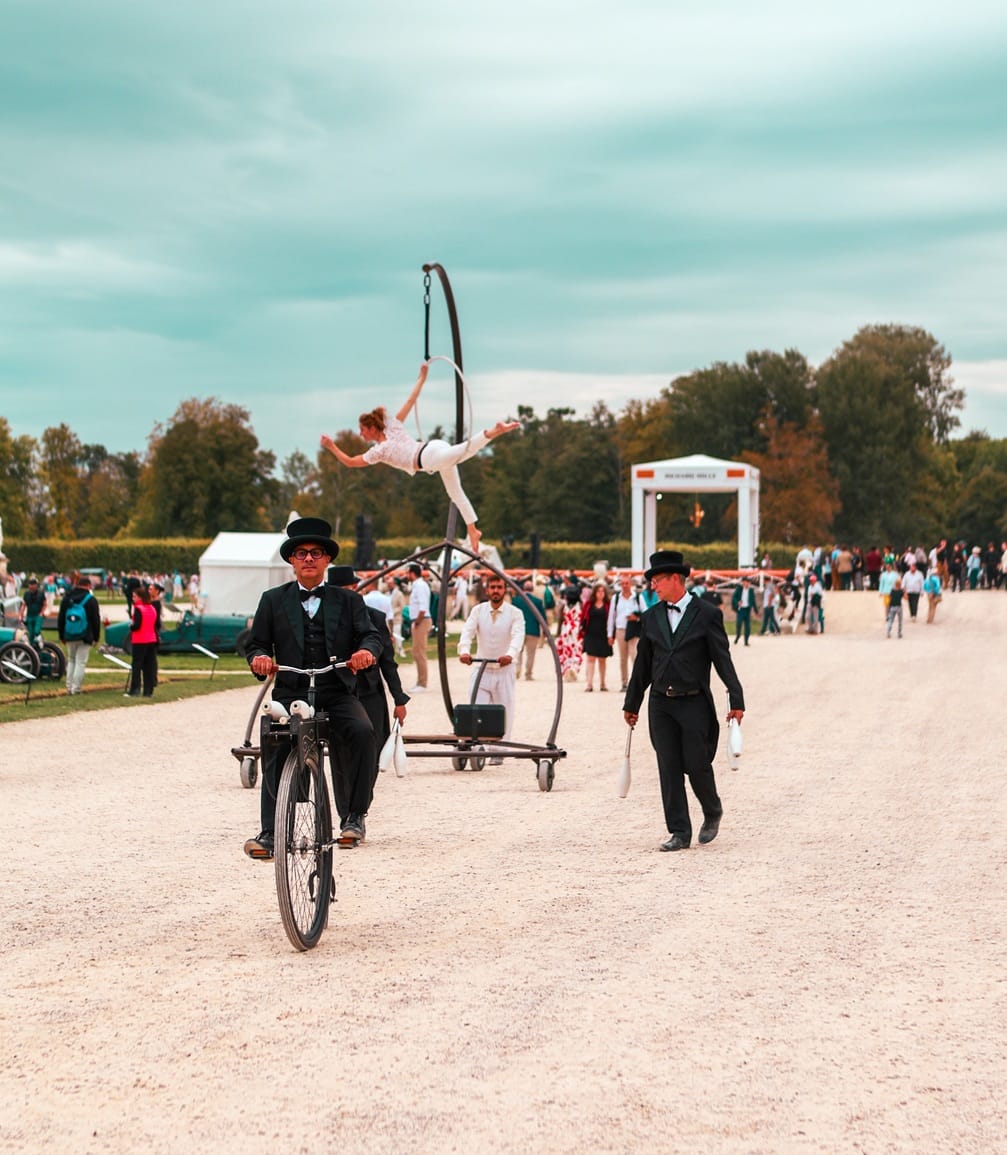
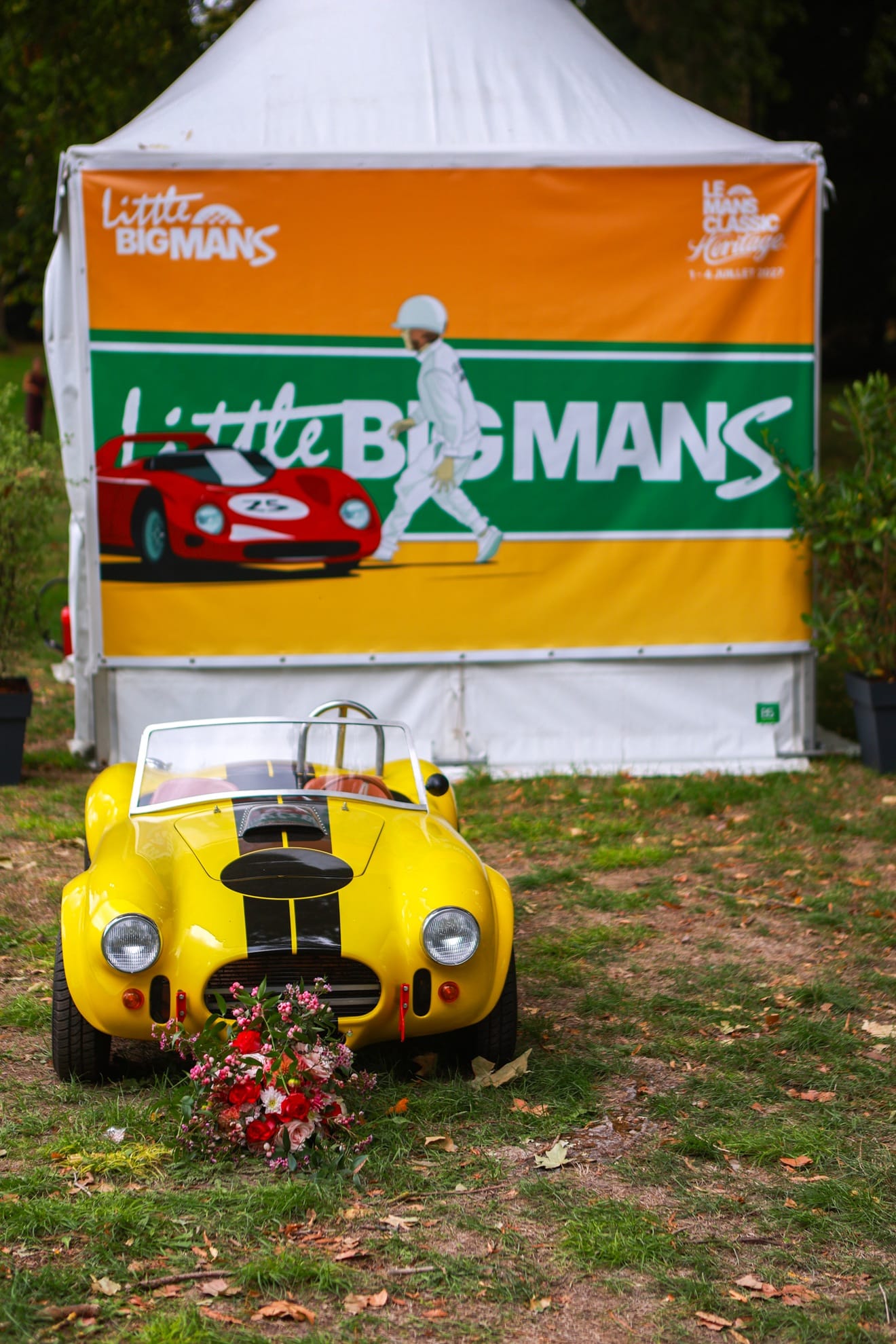
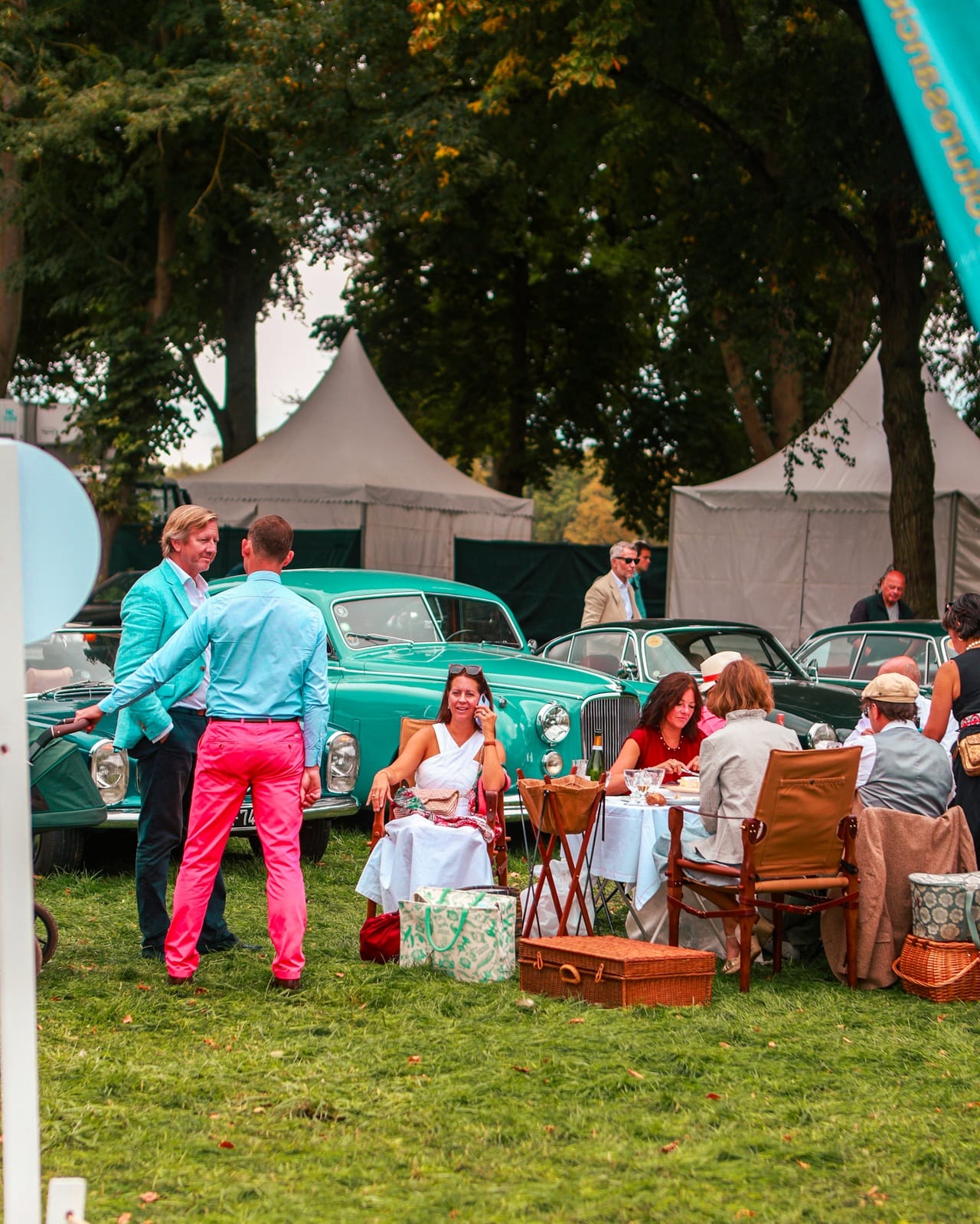
Of course, what makes Chantilly unique is the range of entertainment and things to see, which helped attract some 30,000 this year
Another defining characteristic is, as Indian enthusiast Ameya Mishra observed two years ago, “the nature and quality of the restorations. While American concours have, over time, encouraged a culture of celebrating extensively, and sometimes excessively, restored automobiles, an approach that has influenced restorations around the world, including in India, Chantilly offers a refreshing alternative. Its cars demonstrate that elegance does not necessarily reside in immaculate, flamboyant or over-restored perfection.”
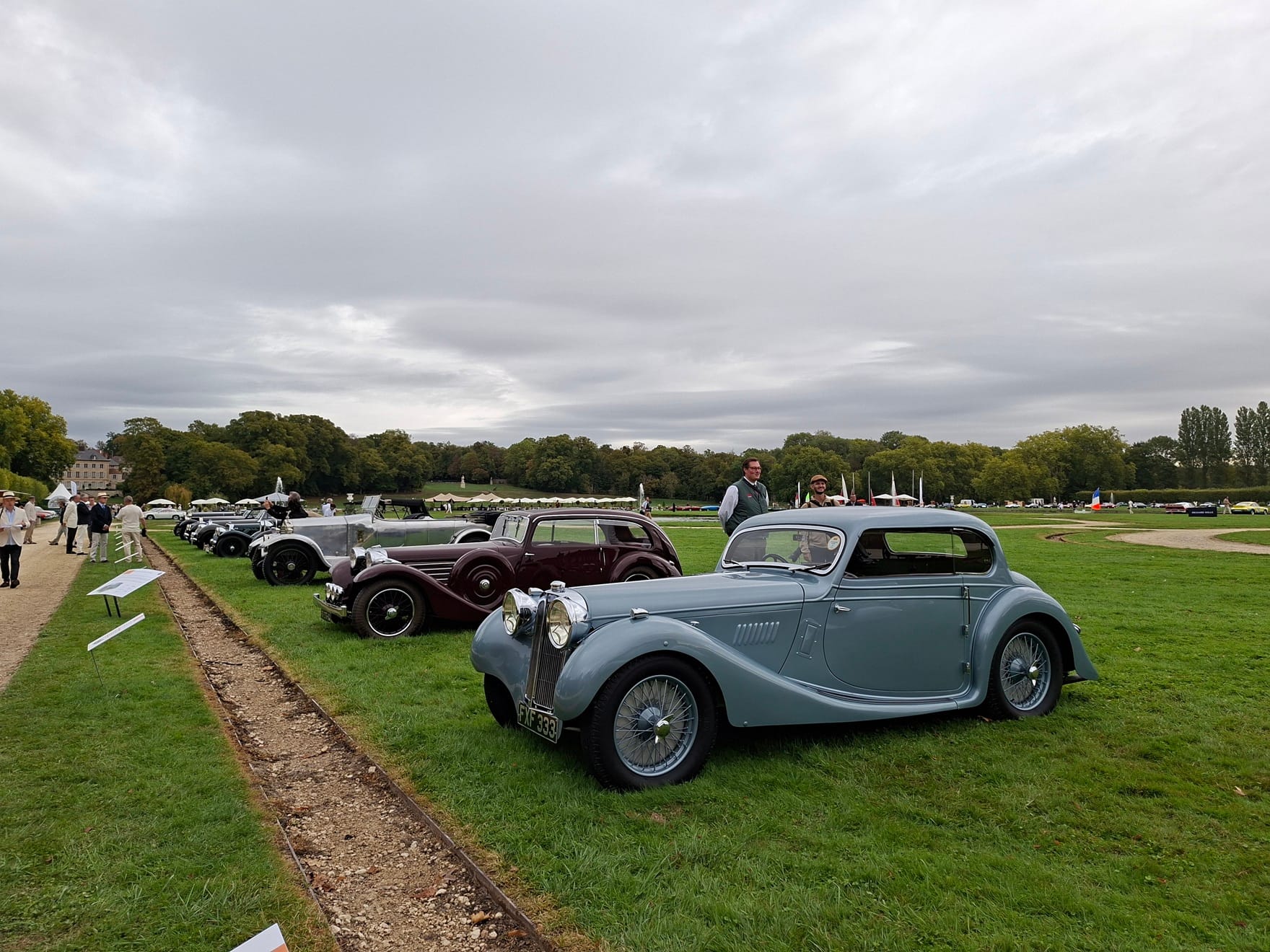
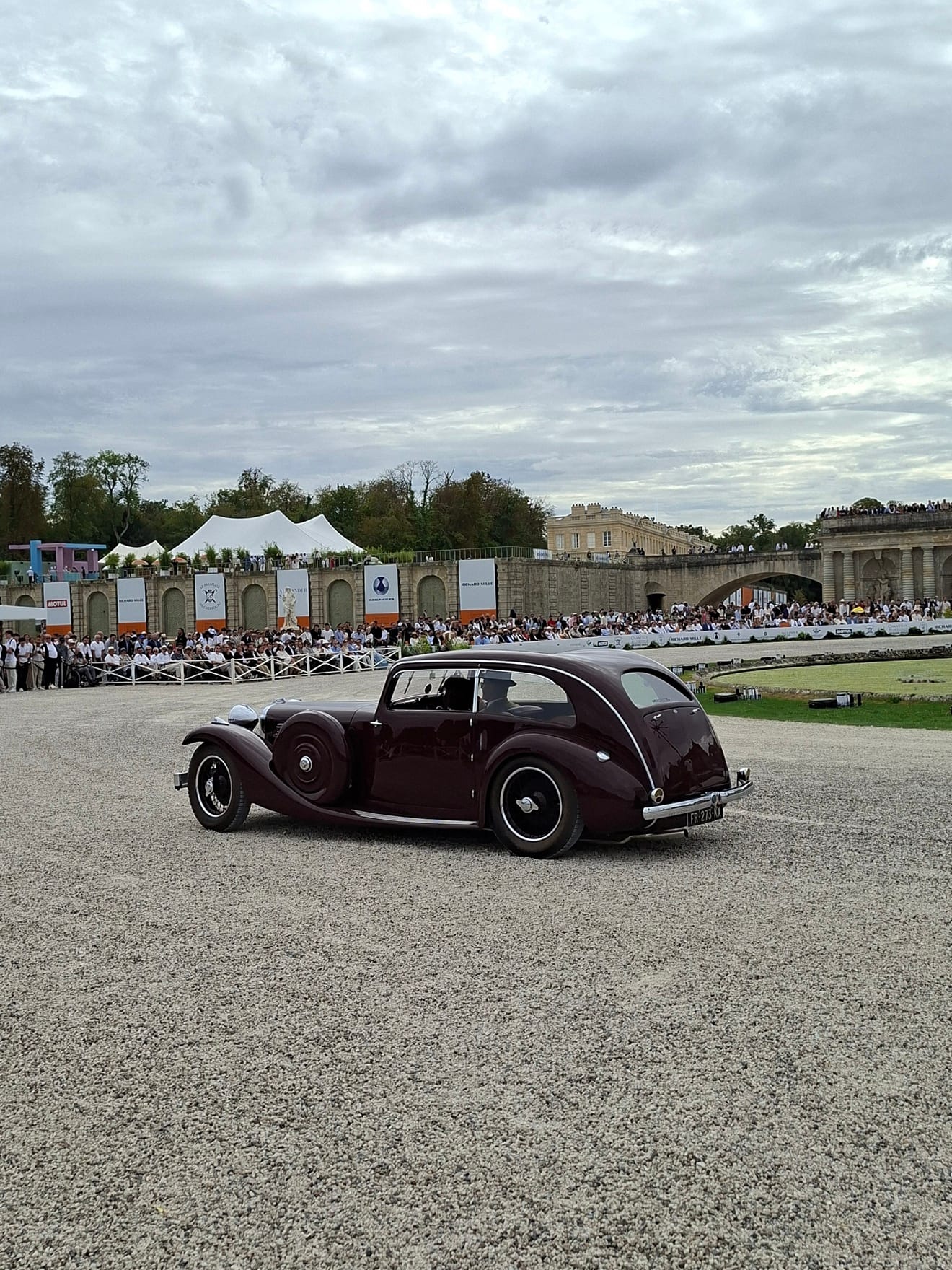
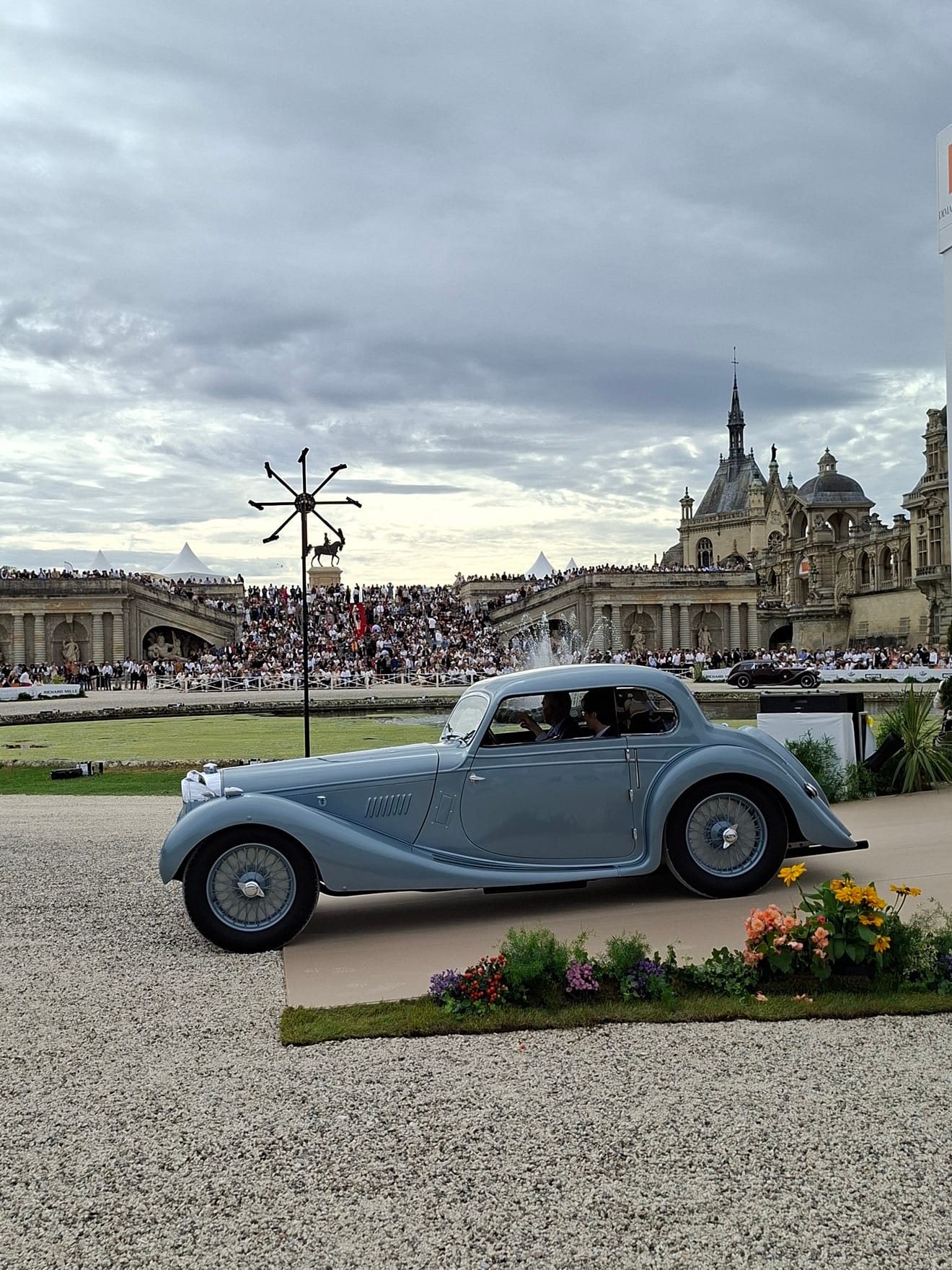
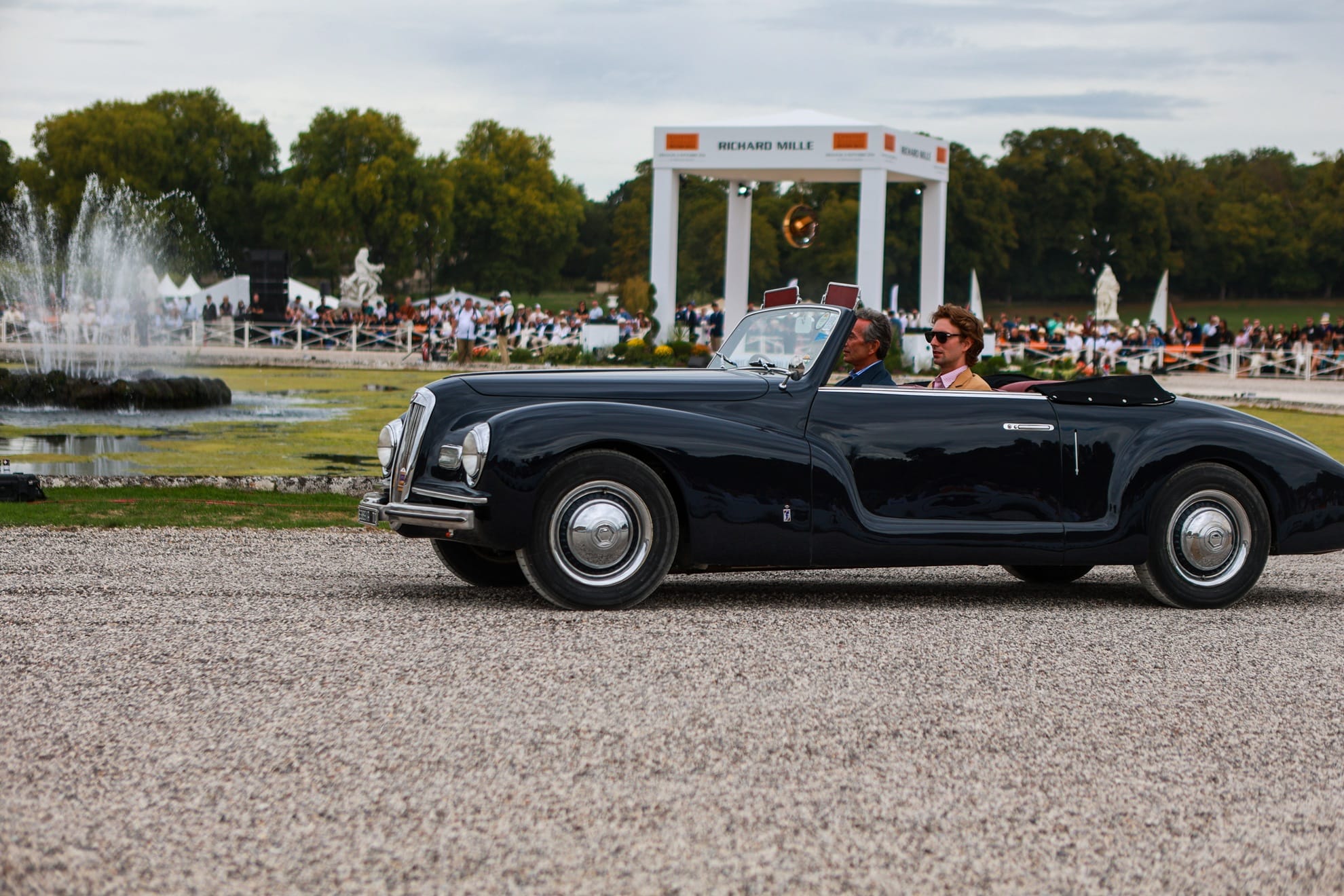
But we must remind everyone that the cars are the stars, such as this rare V12-powered Atalante (top and bottom left), an SS1 Airline Coupé (top right) and a Lancia Astura
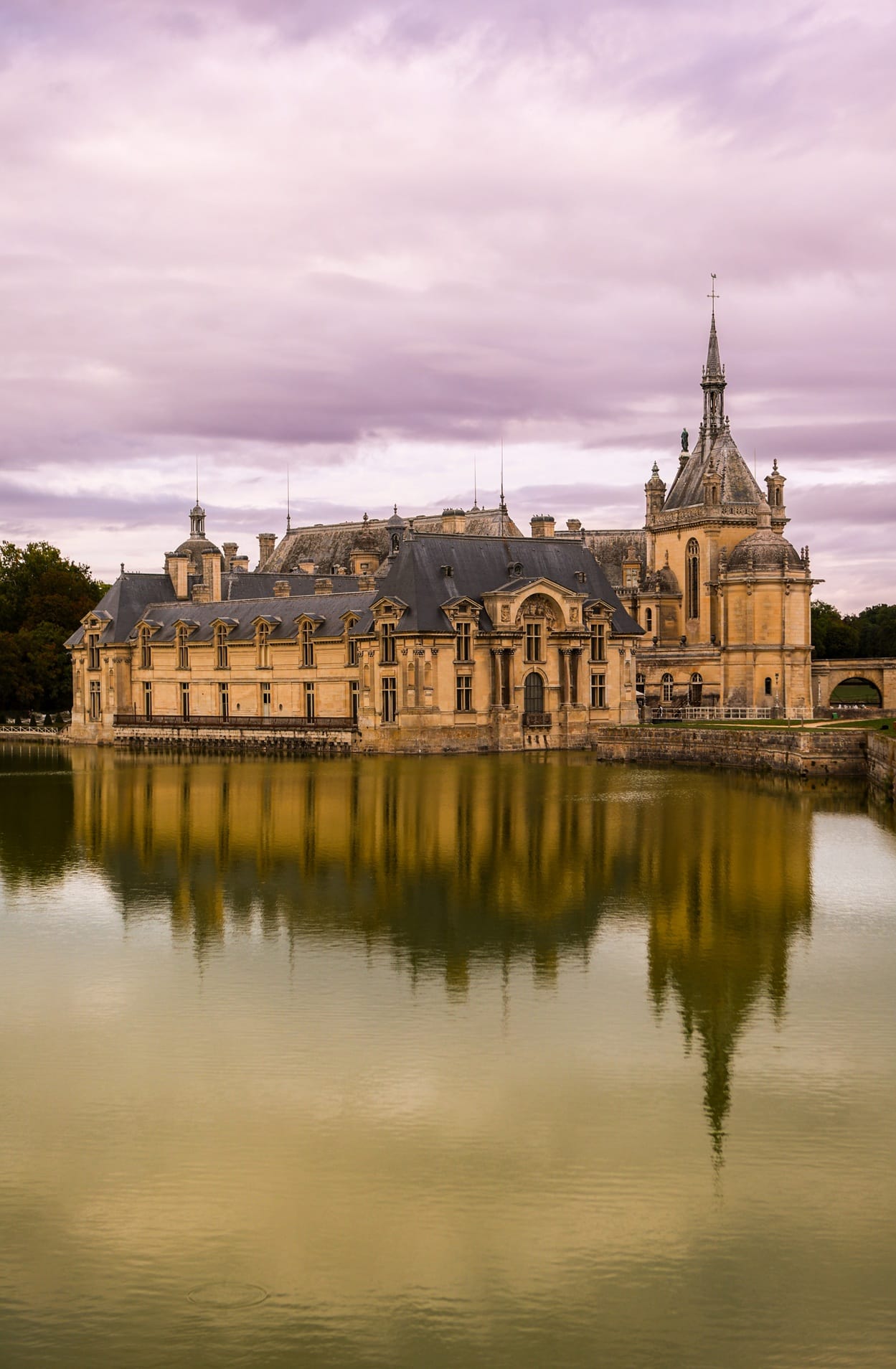
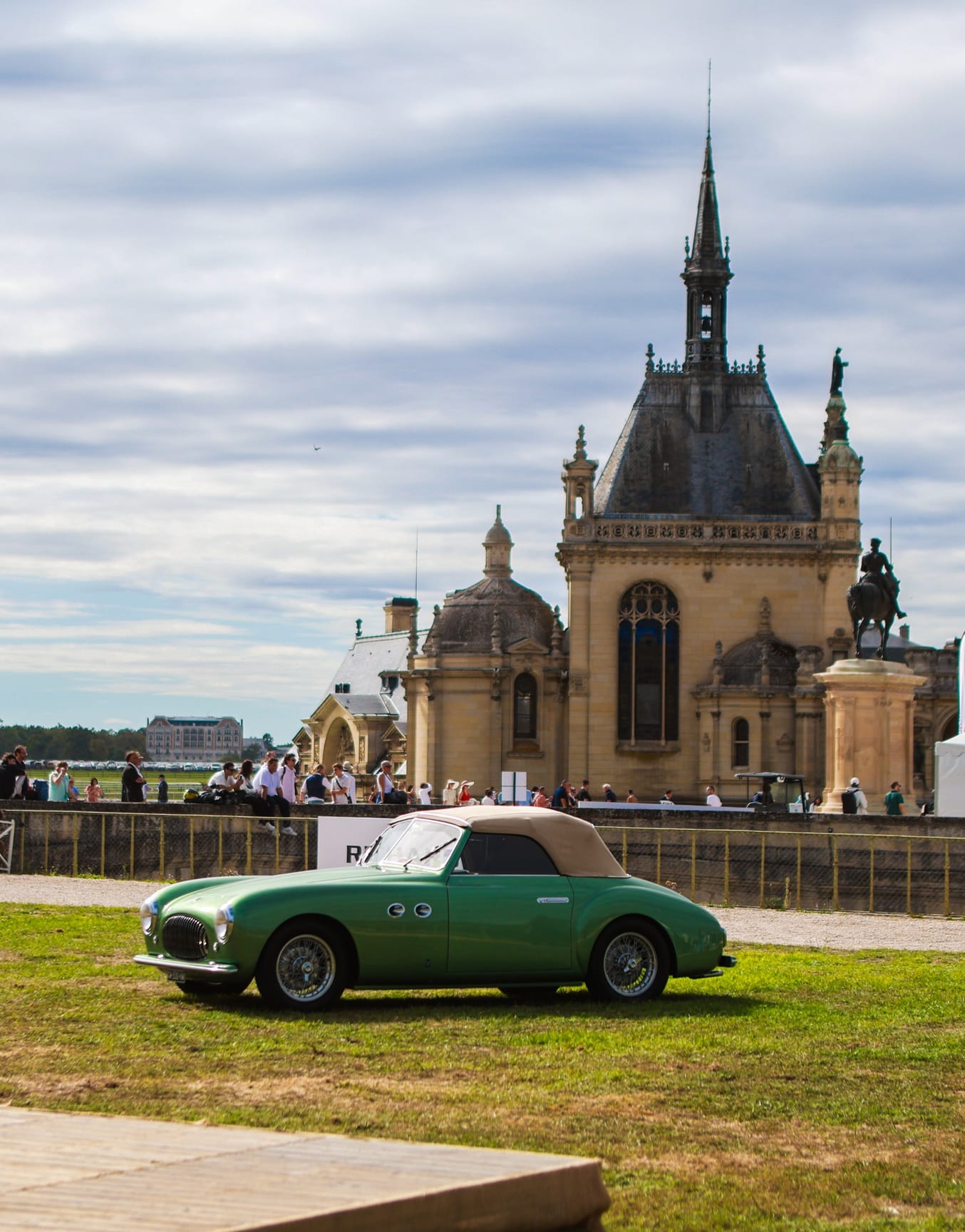
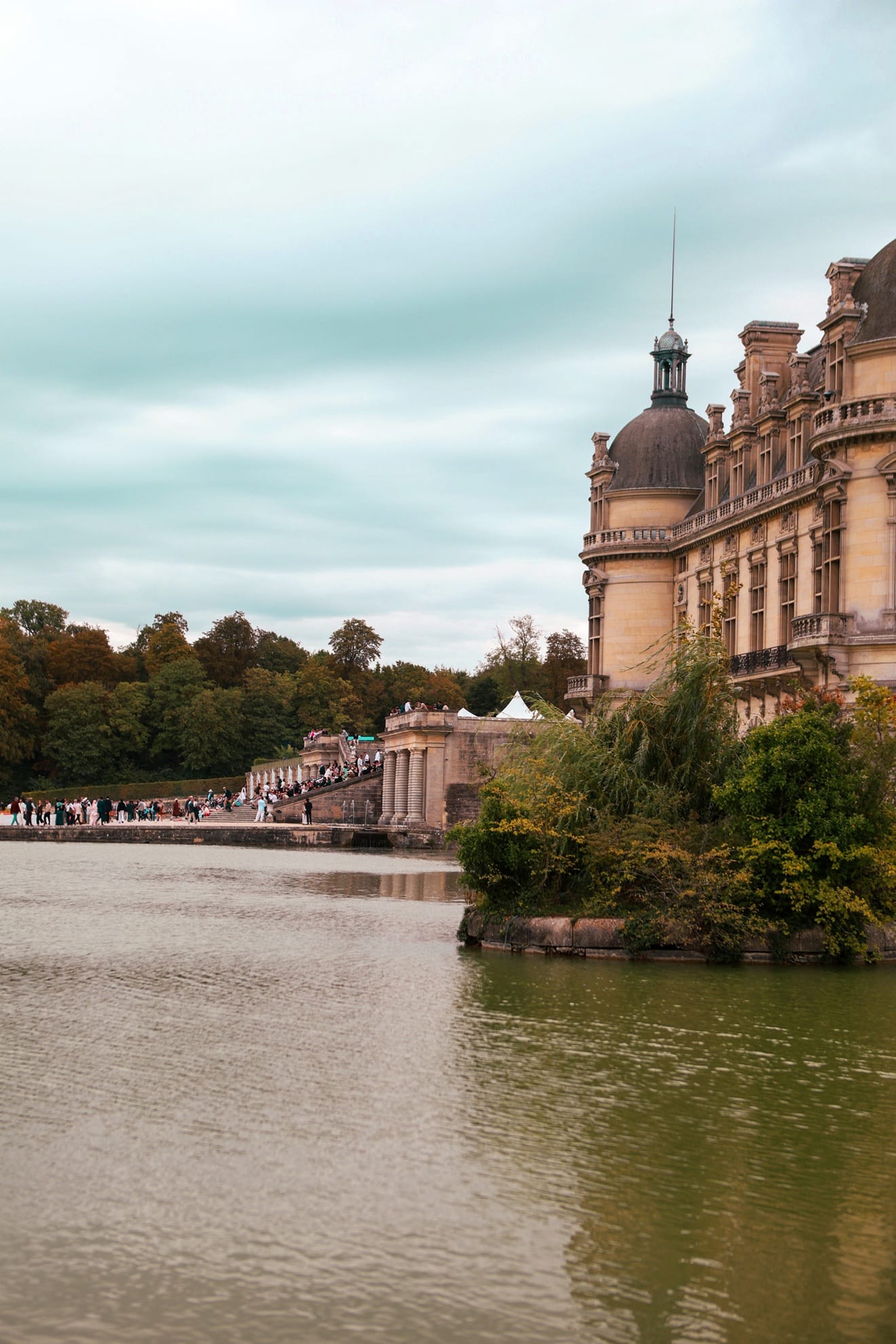
Even though the cars competing in the concours are naturally the main attraction, the supporting spectacle is no less compelling. The magnificent Château de Chantilly, with its exquisite gardens and expansive parkland, provides a setting that is almost as captivating as the automobiles themselves. There is also the extraordinary equestrian show, with its remarkable displays of horsemanship, followed by spectacular pyrotechnics that transform the afternoon into something truly theatrical.
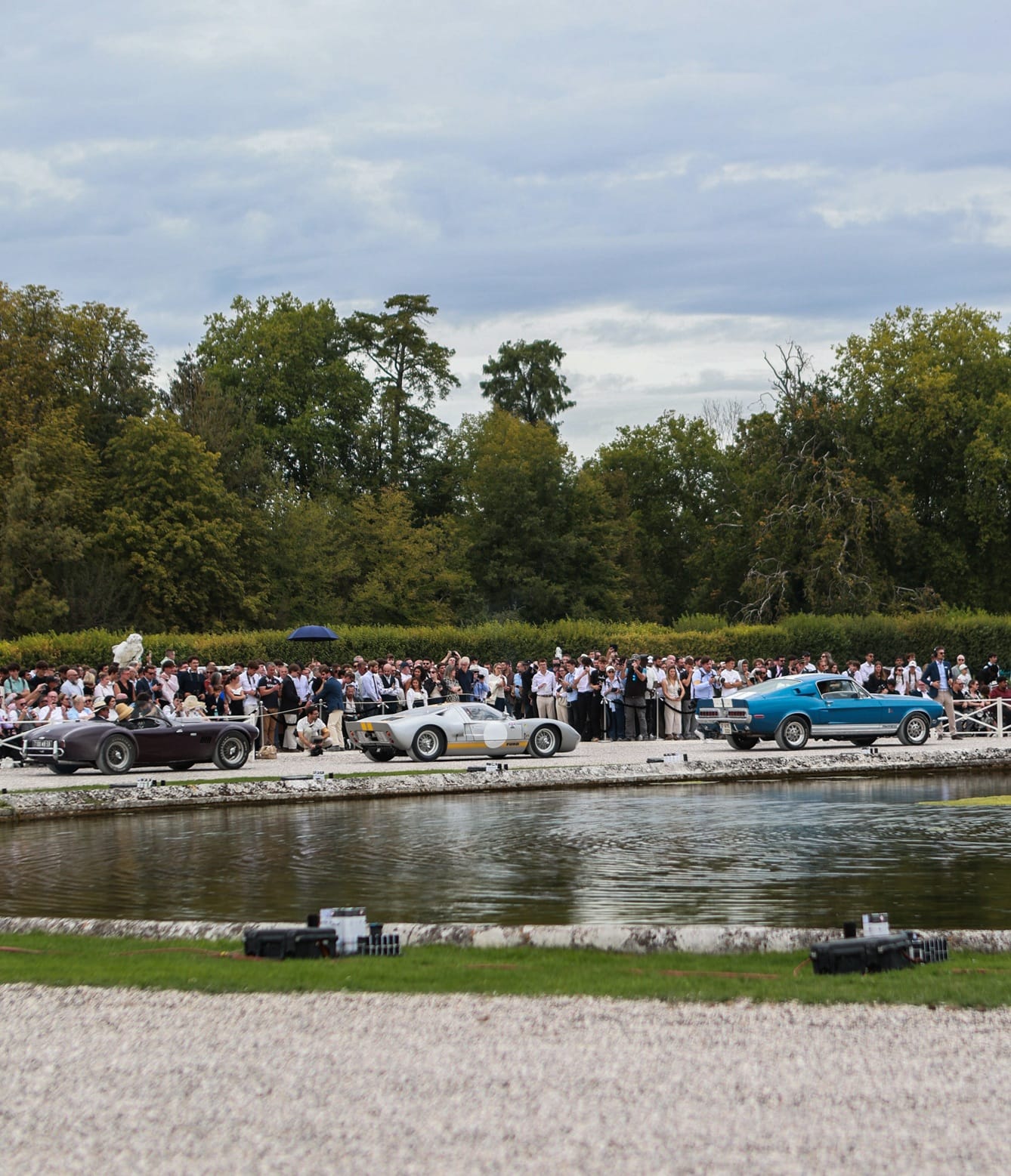
And then there are the club areas, which offer an entirely different treasure trove of automotive discoveries. Spread throughout the estate, they brought together more than 900 additional cars, many of them rare and fascinating in their own right. For the enthusiast, exploring these displays can be every bit as rewarding as the main concours, making Chantilly far more than simply a competition of automobiles, but a celebration of the entire culture, history and spectacle surrounding them.
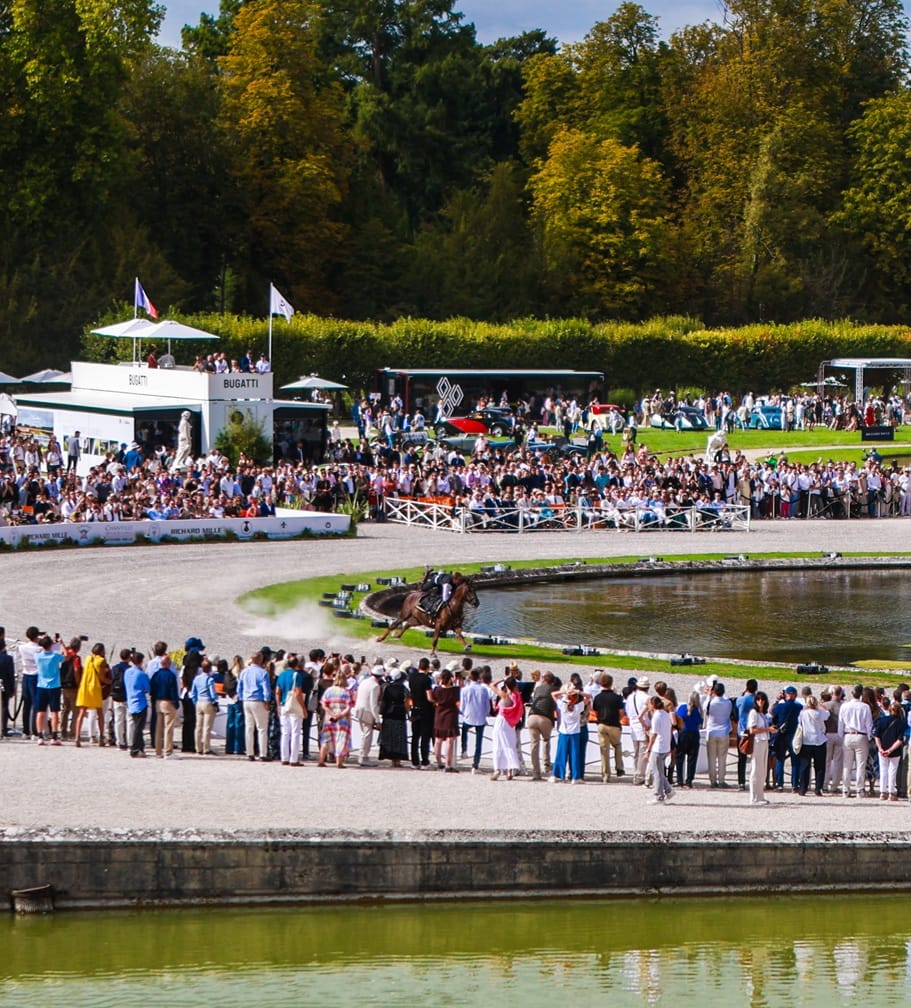
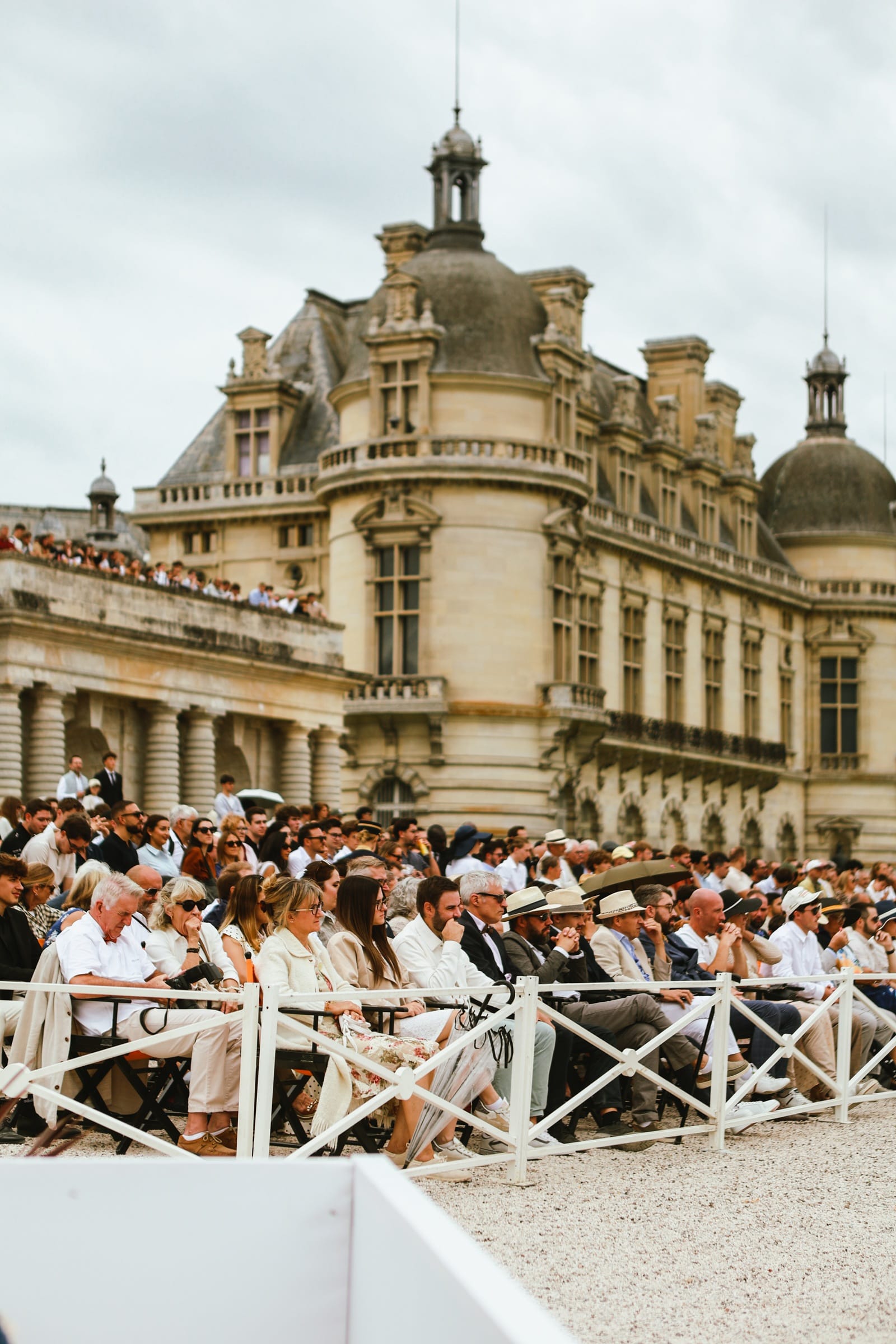
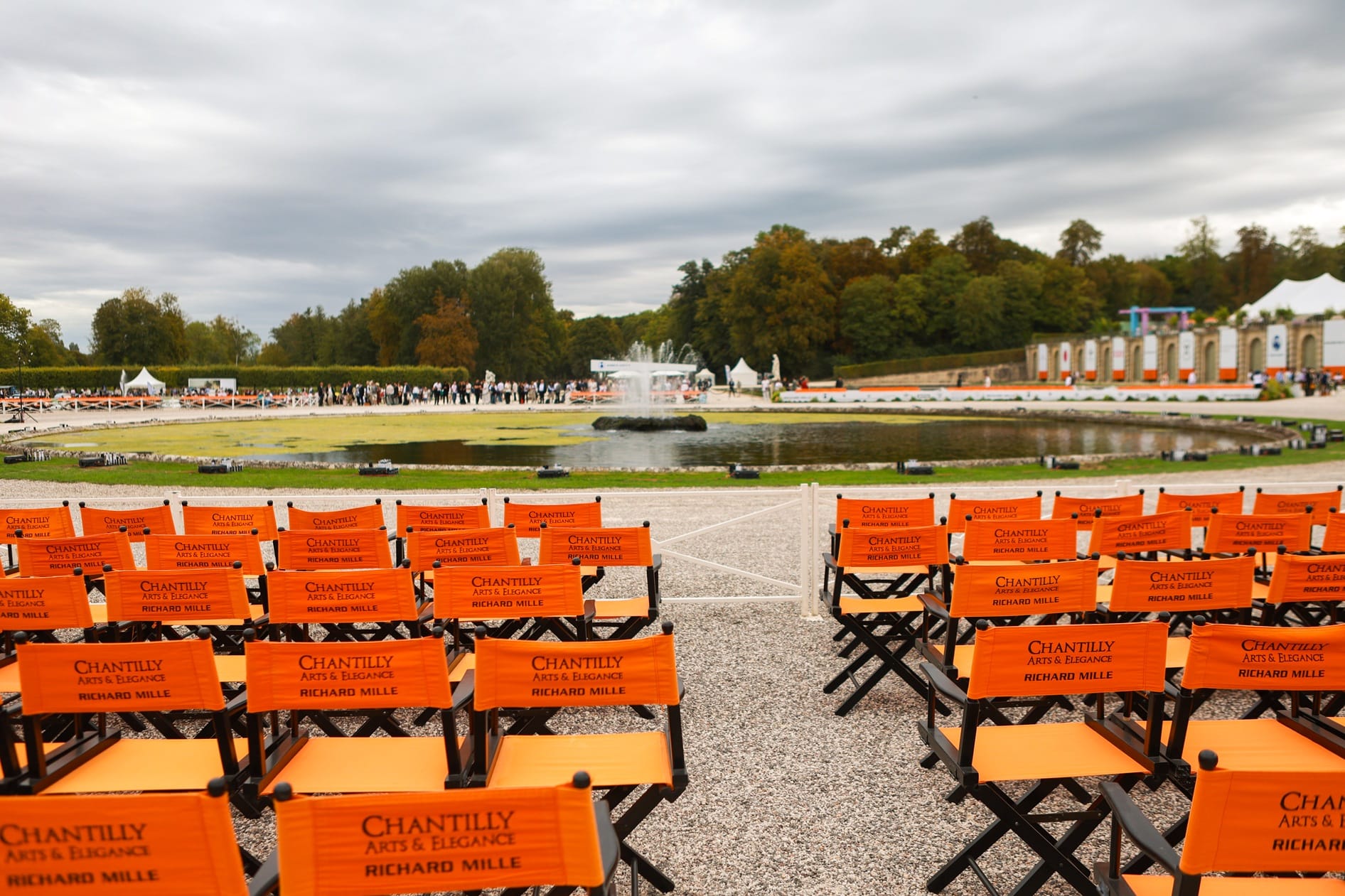
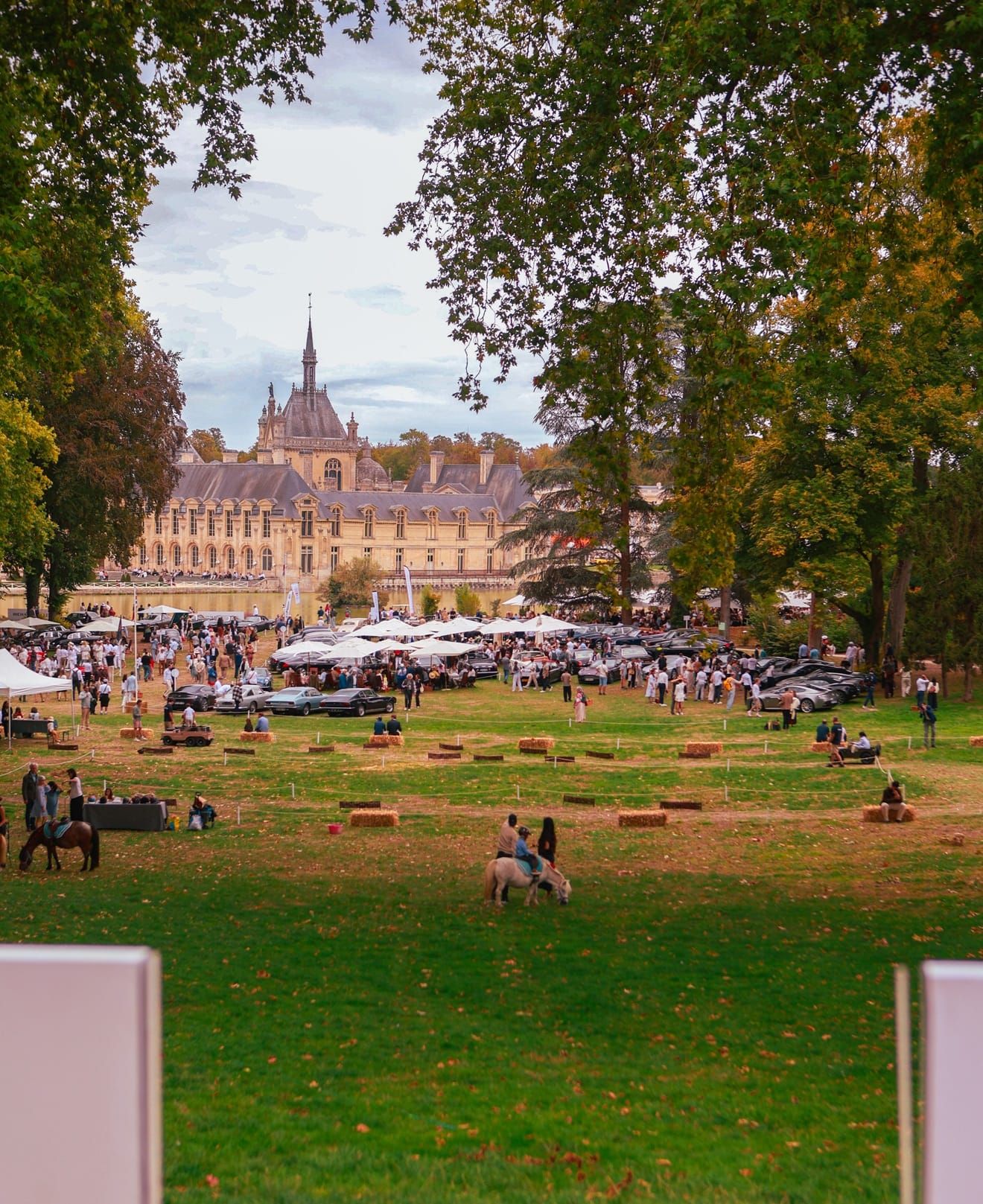
The arrangements for the visitors are excellent too, allowing everyone a close look at the cars parading by
Best of Show Pre-War: 1933 Delage D8 SS
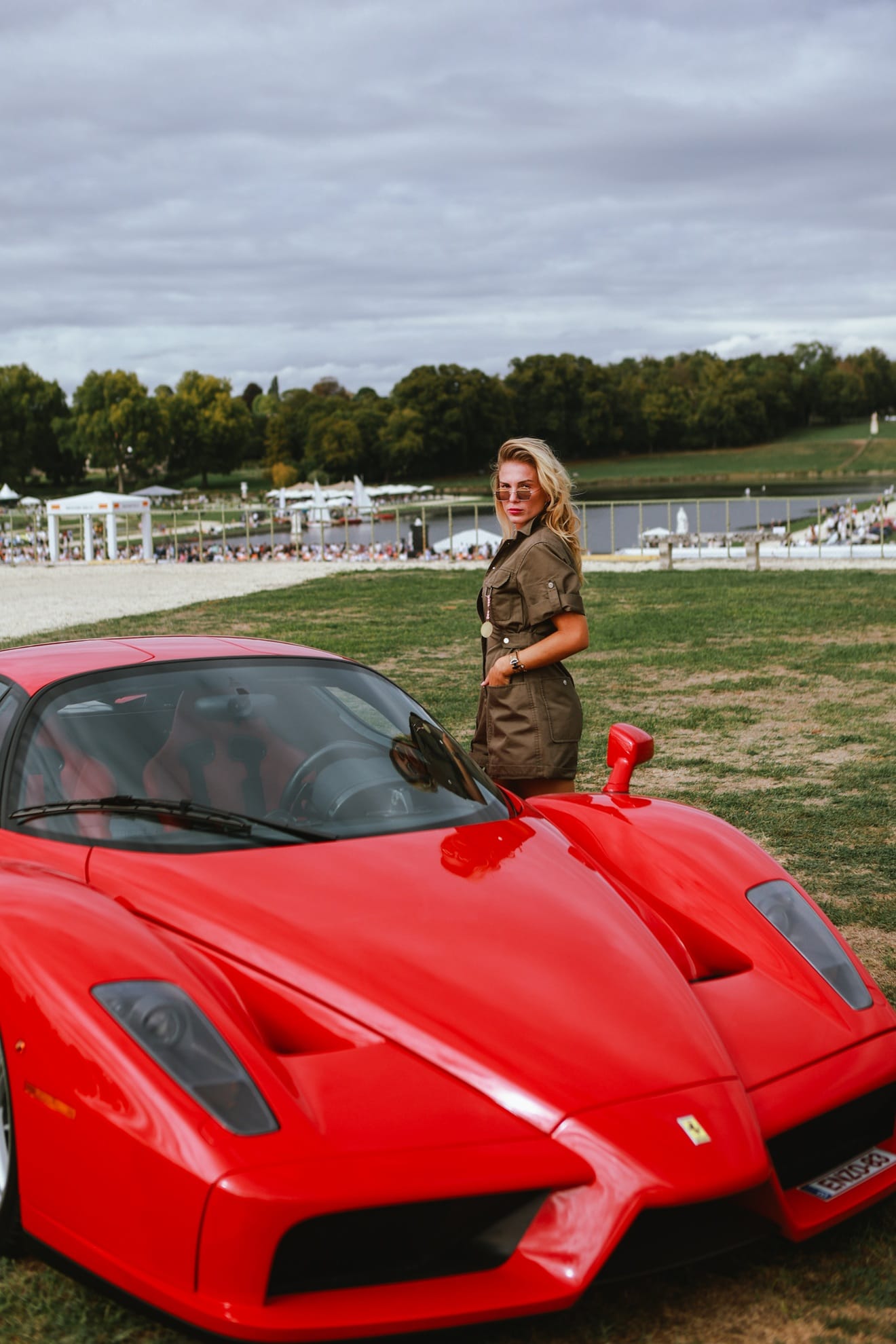
Best of Show Post-War: 1956 Ferrari 410 Superamerica
Best of Show Concept Cars: 2025 Bugatti Brouillard
Class Winners:
Automotive art according to Pininfarina: 1956 Ferrari 410 Superamerica (Anne Brockington Lee)
60th Anniversary of the Lamborghini Miura: 1972 Miura P400 SV (William Elwood Heinecke)
Pre-War coupés: 1933 Delage D8 SS (Marc Vogel)
Pre-War open cars: 1931 Delage D8 Four-Seater Sport Tourer (Hübner Hans Jörg)
GT1 - The Golden Age of Grand Touring: Nissan R390 GT-1 1998 (Eric Comas)
Bugatti Racing Cars: 1935 Bugatti Type 35 (Luc Slijpen)
Tribute to Ercole Spada: 1961 Alfa Romeo Giulietta SZ Coda Tronca (Lopresto Collection)
Ford & Shelby: 1963 AC Cobra 289 (Christophe Pund)
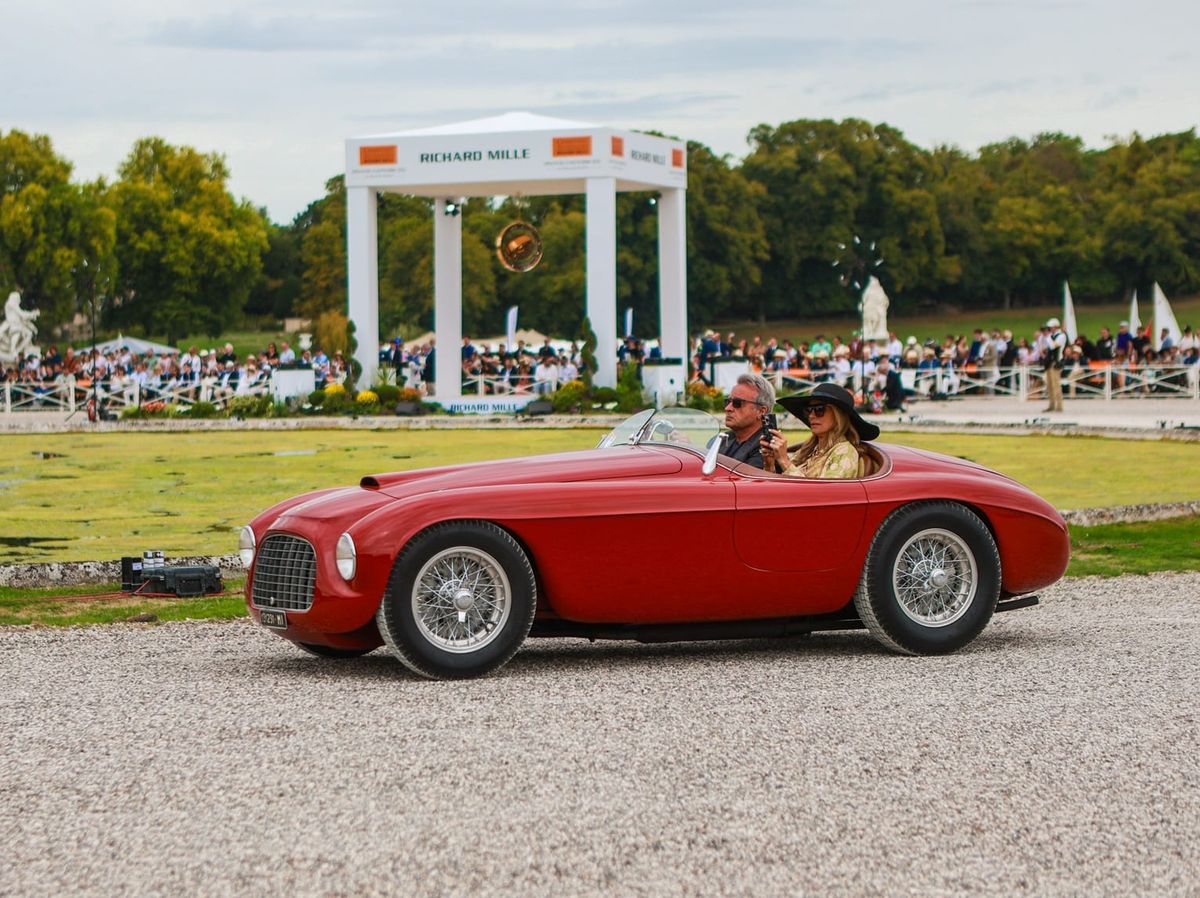
Endurance racing cars: 1949 Ferrari 166 MM Barchetta (Brian Ross)
One Off-Concept Cars: Bugatti Brouillard
The Delahaye in all its forms: 1947 Delahaye 135 MS Cabriolet Vedette (Ralph Stadler)
Automobile Club de France: 1907 Fiat 130HP (MAUTO)
Front-engine V12 Ferraris: 1952 Ferrari 212 Inter Coupe (Denis & Susan Garrity)
Preservation Class: 1964 Porsche 904 GTS (Wirtgen Invest)
Tour de France Automobile: 1971 Matra MS650 (M24)
Comments ()