Chengdu Automobile Culture Carnival Continues to Grow
The Sanhe Group campus in Chengdu once again became a gathering place for motoring enthusiasts as the Chengdu Automobile Culture Carnival returned for its second edition
Text: Song Luo
Images: Sanhe Classic Car Museum
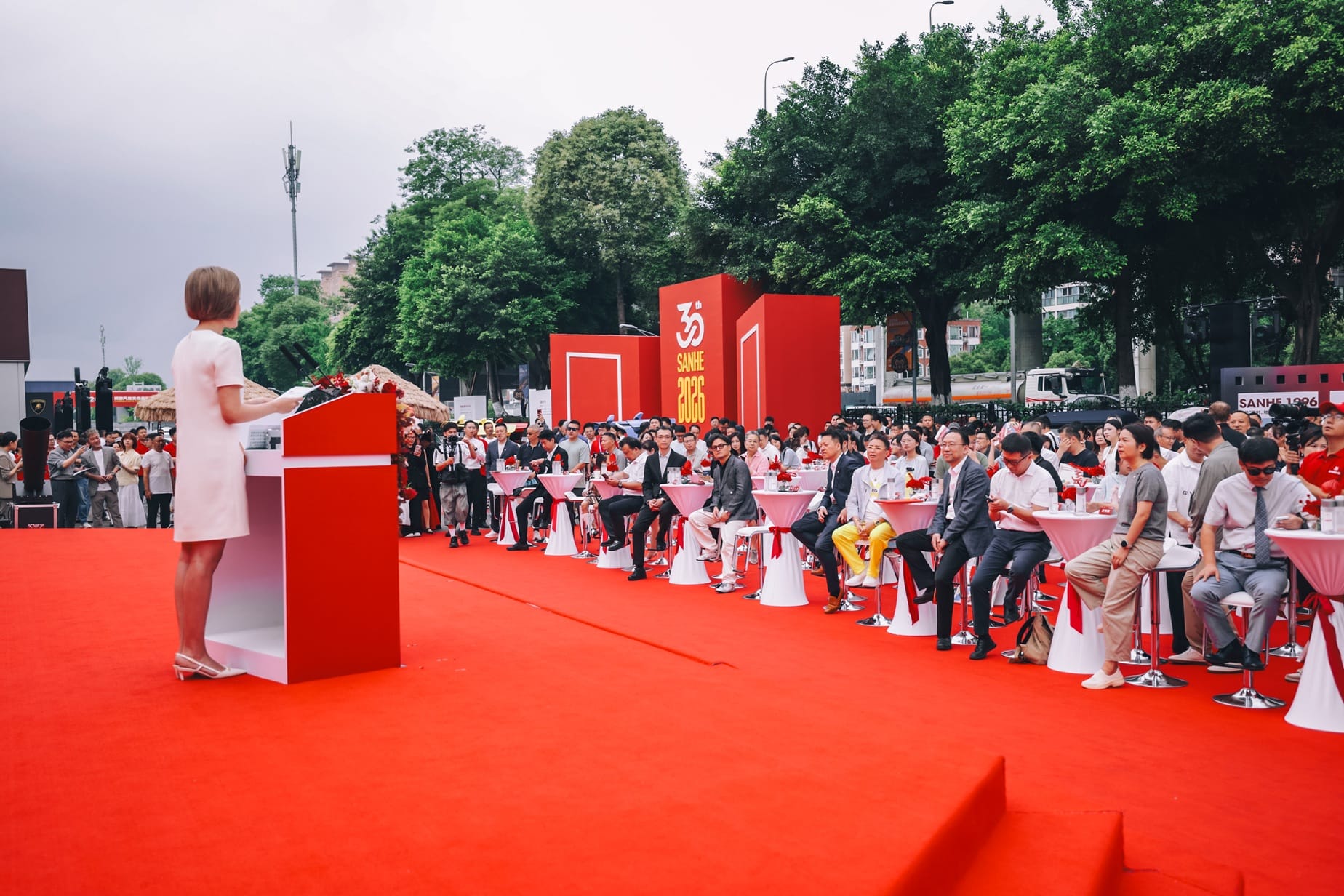
From 23-25 May 2026, the Sanhe Group campus in Chengdu once again became a destination for motoring enthusiasts, families and curious visitors as the Chengdu Automobile Culture Carnival returned for its second edition. Organised by Chengdu Sanhe Enterprise Group and the Chengdu Sanhe Vintage Car Museum, the event attracted more than 40,000 visitors over three days and demonstrated how automotive culture can extend far beyond simply displaying cars.
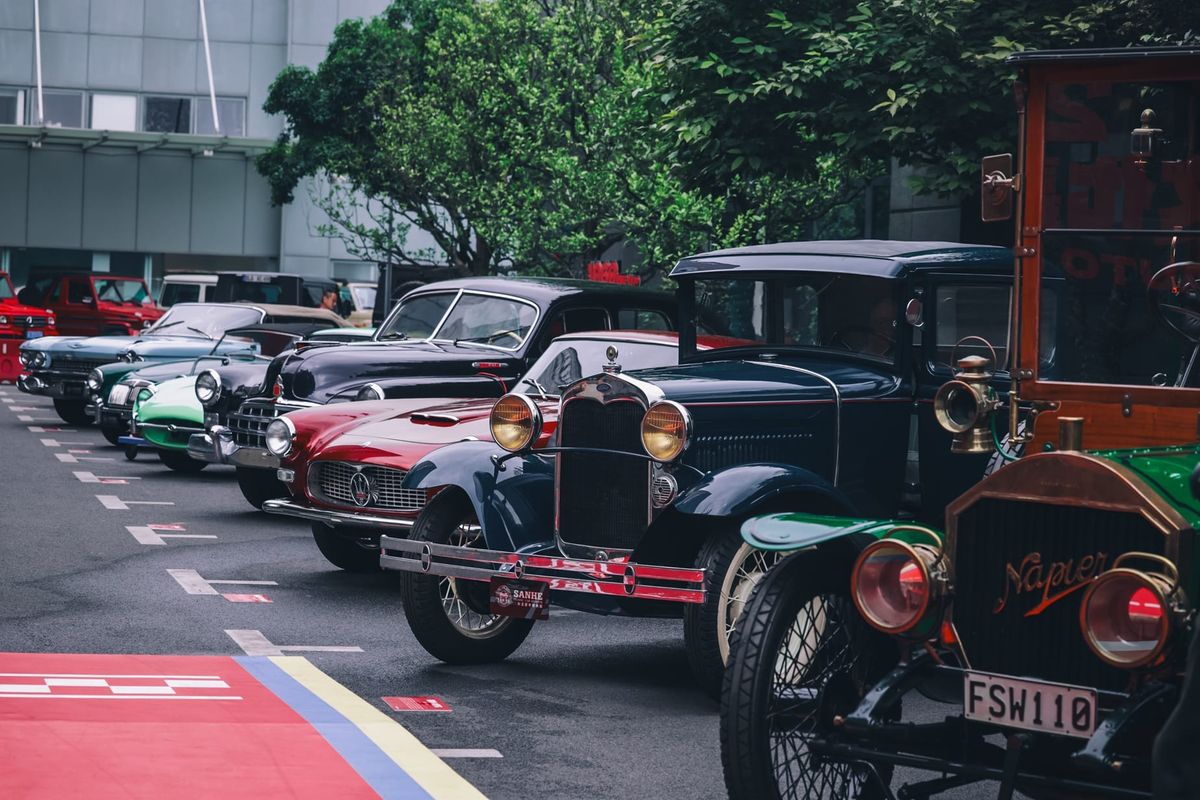
Building on the success of its inaugural edition, this year’s carnival expanded both in scale and ambition. More than one hundred classic vehicles were assembled alongside art installations, live entertainment, restoration demonstrations, markets and family activities, creating an event that successfully combined heritage, lifestyle and public engagement.
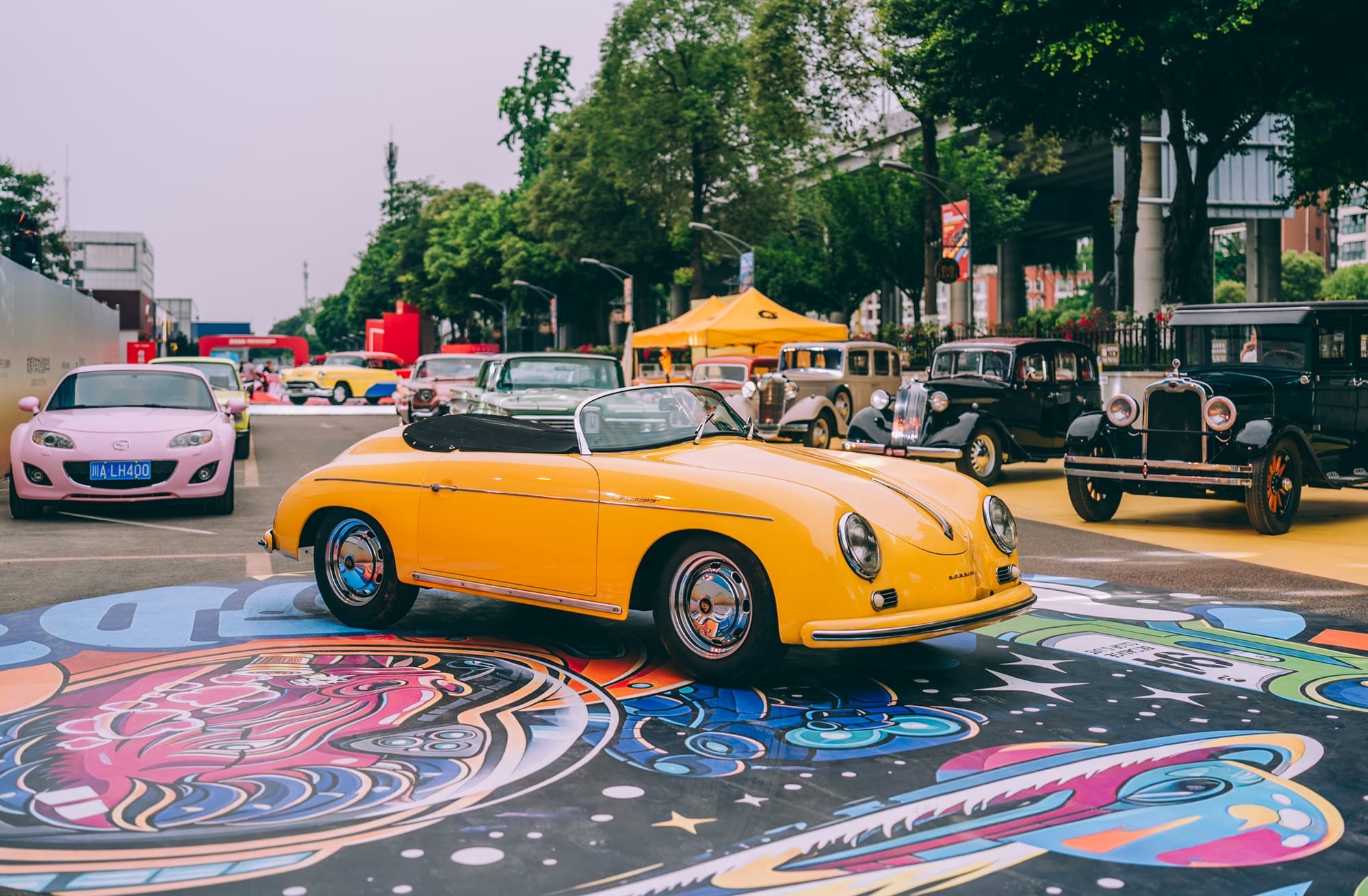
The organisers divided the carnival into three themed areas. The Red Zone focused on automotive history and design, bringing together vehicles from the museum collection, displays dedicated to some of the world’s most prestigious marques and several specially created art installations. The Blue Zone centred on interactive experiences, allowing visitors to enjoy nostalgic car rides, observe restoration work and participate in enthusiast gatherings. The Yellow Zone offered a more relaxed, family-oriented atmosphere with a retro culture market, art-car displays and activities for younger visitors.
One of the most striking visual attractions was a trio of Mercedes-Benz 300 SLS models that had been reimagined using themes inspired by Eastern aesthetics. Displayed prominently, they quickly became one of the most photographed exhibits of the weekend.
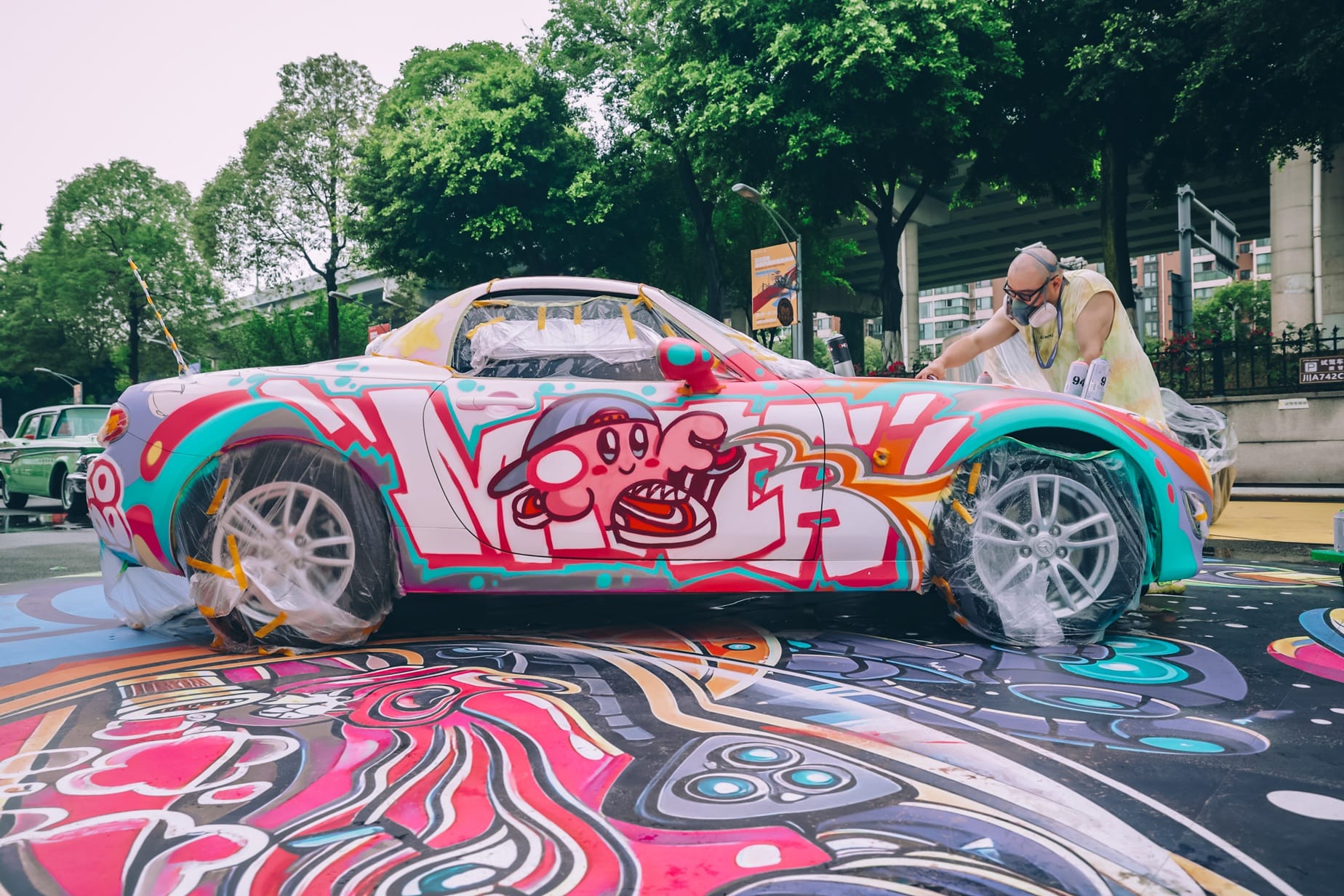
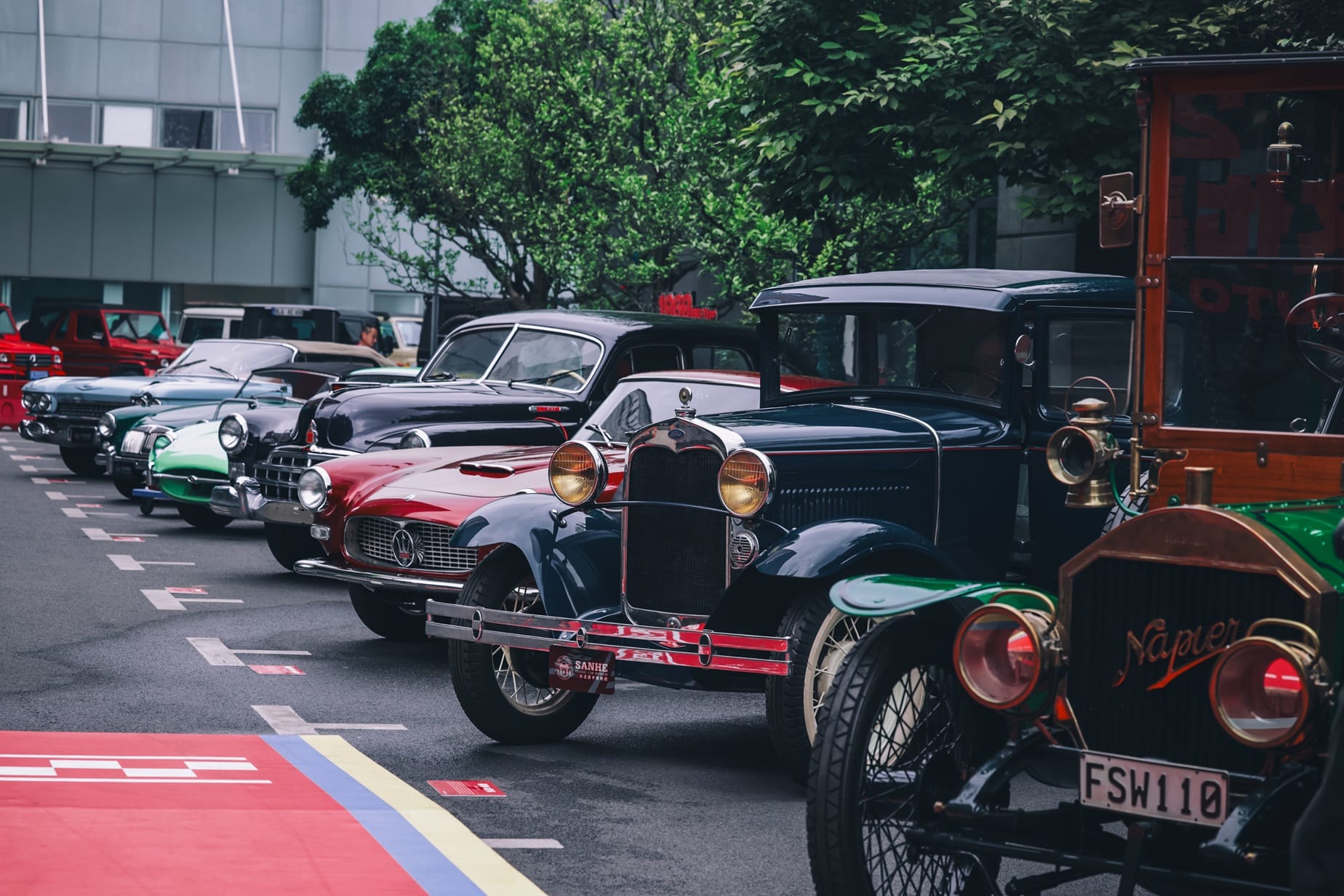
Naturally, the automobiles themselves remained the main attraction. More than one hundred classic vehicles spanning over half a century of motoring history were displayed throughout the grounds. Visitors could admire everything from an Auto Union 1000 SP, Ford Thunderbird and Oakland Six to a Fiat 1100, Studebaker Champion and Rolls-Royce Silver Ghost. Together, they provided a fascinating snapshot of how the motor car evolved through the twentieth century.
A historical corridor dedicated to ultra-luxury brands brought together significant examples from Rolls-Royce, Lamborghini, Aston Martin and other prestigious manufacturers. Several notable vehicles from private collections in Southwest China were also displayed for a limited period, providing enthusiasts with the opportunity to see automobiles rarely shown in public.
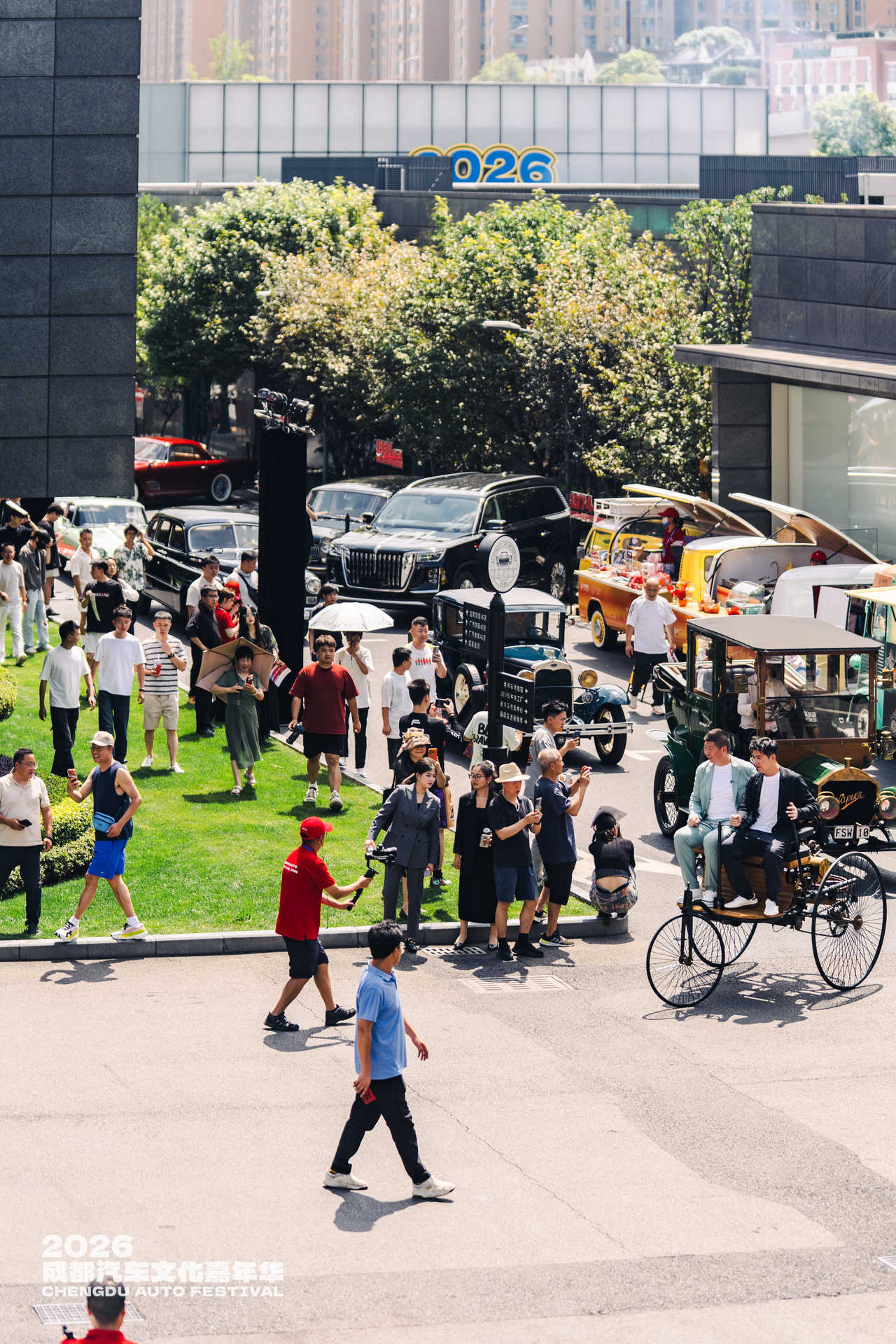
Automotive art formed another interesting dimension of the carnival. Three Chinese graffiti artists – TBAG, RESET and CHAO – transformed classic cars from Porsche, BMW and Mazda into rolling canvases, creating live works that attracted considerable attention throughout the event. The combination of historic machinery and contemporary artistic expression proved unexpectedly successful.
The Chengdu Sanhe Vintage Car Museum also opened its doors free of charge during the carnival. In addition to the museum’s permanent collection, visitors could enjoy a motorcycle exhibition, collaborative educational displays and a variety of craft activities aimed at introducing younger audiences to automotive history.
If static displays offered opportunities for closer inspection, the dynamic events brought the carnival to life. Each afternoon, a parade of historic automobiles made its way through the campus, allowing visitors to experience the sights, sounds and movement of machinery spanning several generations. Among the participants were a Napier 15HP, Ford Model A, Hongqi CA770, ZIM 12 and the ever-elegant Jaguar E-Type.
The nostalgic car ride programme proved particularly popular. Visitors were given the opportunity to experience classic motoring from the passenger seat of vehicles including Ferrari, Lamborghini, Morgan and Lotus models. The sight of these cars travelling along Chengdu’s Airport Road attracted enthusiastic crowds and plenty of cameras.
One of the most interesting additions this year was the debut of the Sanhe Vintage Car Restoration Workshop. Here, visitors were able to observe the painstaking process of restoring historic vehicles and gain an appreciation for the skills required to preserve automotive heritage. For many enthusiasts, seeing restoration work in progress was every bit as fascinating as viewing the finished cars themselves.
The organisers also ensured that younger visitors were not overlooked. The Retro Little Racer area featured miniature replicas of famous racing cars from Bugatti, Mercedes-Benz and Maserati, giving children an opportunity to experience a taste of motorsport in a safe and entertaining environment.
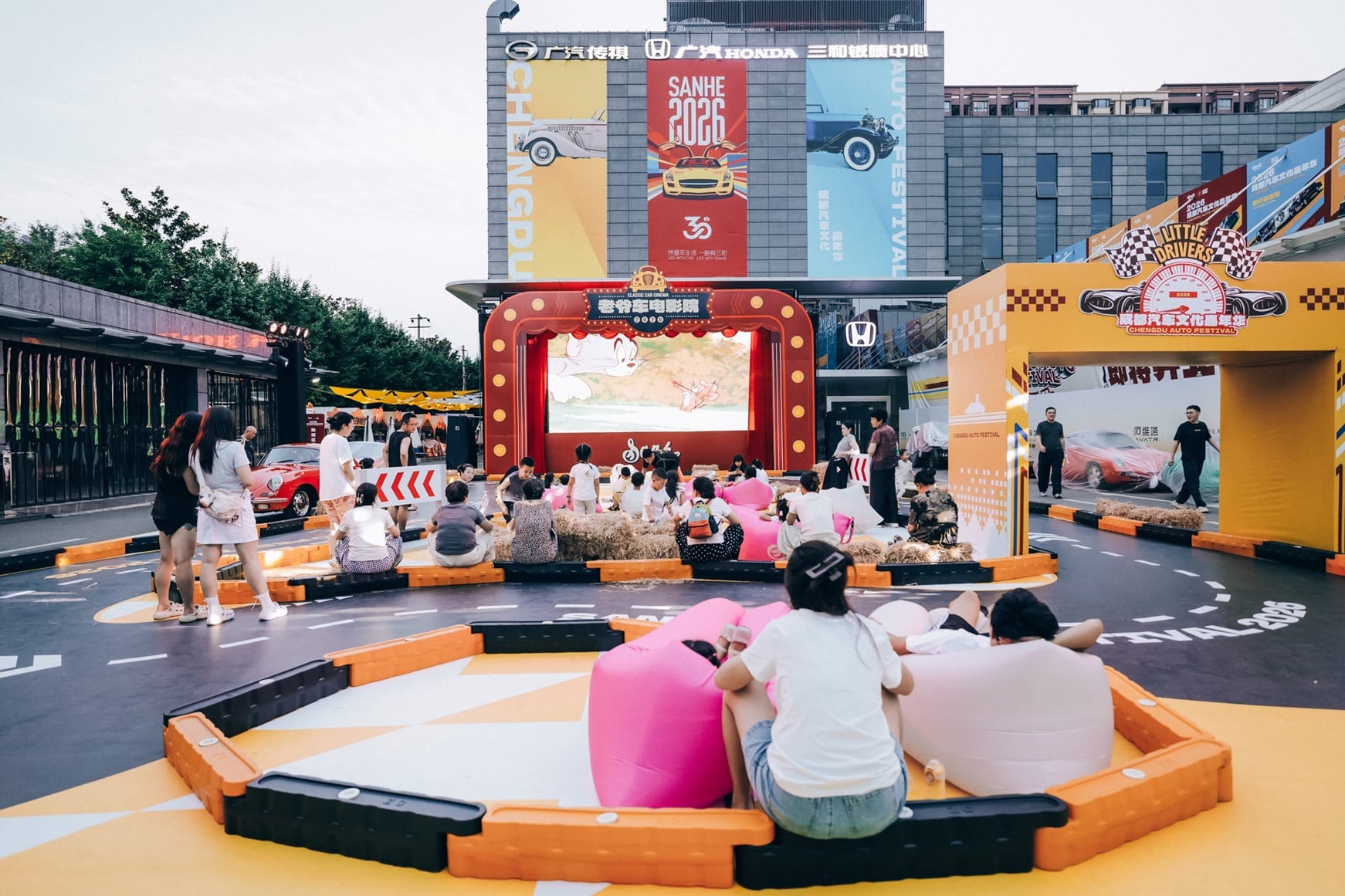
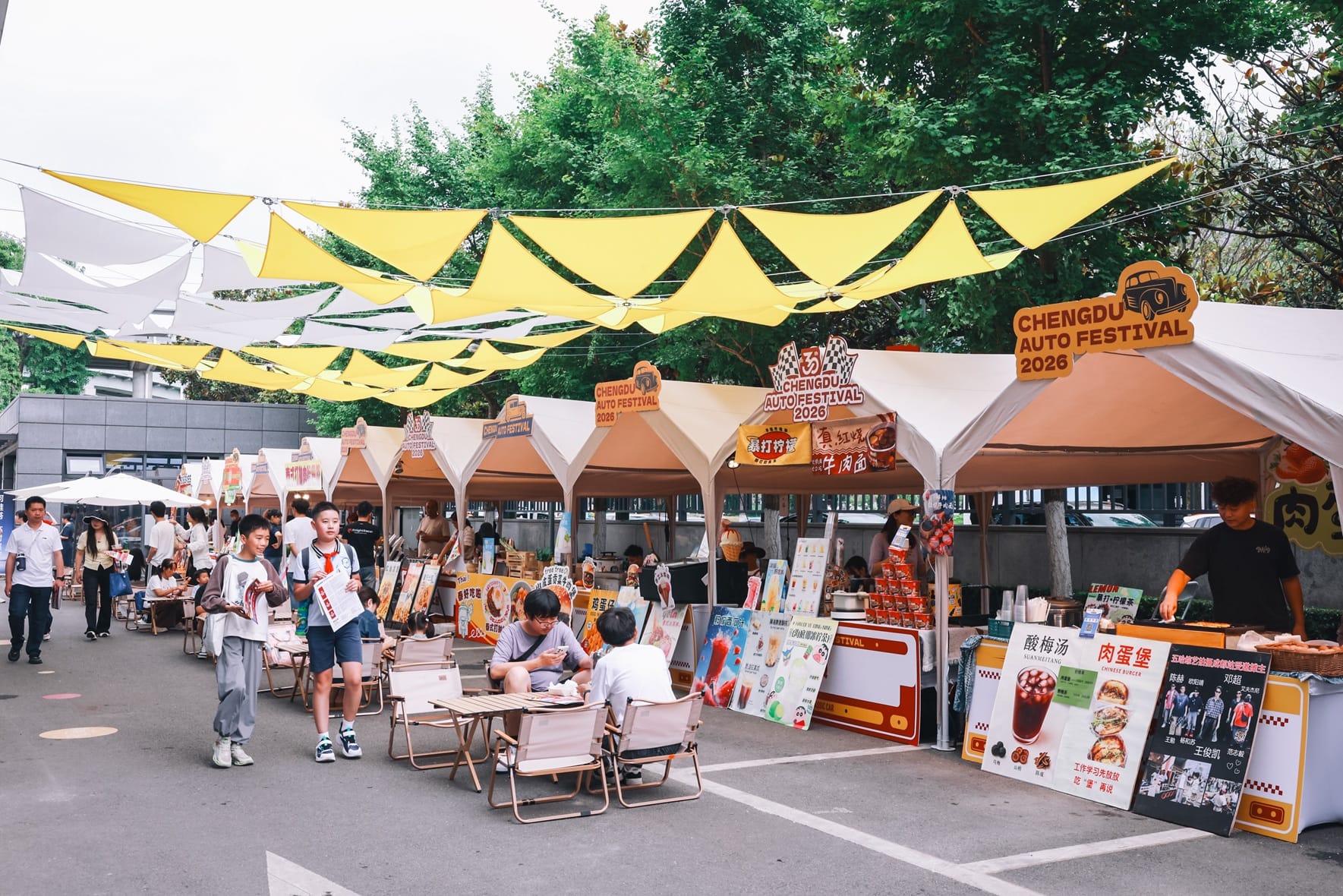
Beyond the cars, the carnival offered a broad range of entertainment. A retro culture market featured vintage clothing, retro toys, handmade leather goods and a variety of food and drink stalls. As evening approached, concerts and an open-air cinema created a relaxed festival atmosphere that encouraged visitors to remain on site long after the automotive displays had closed for the day.
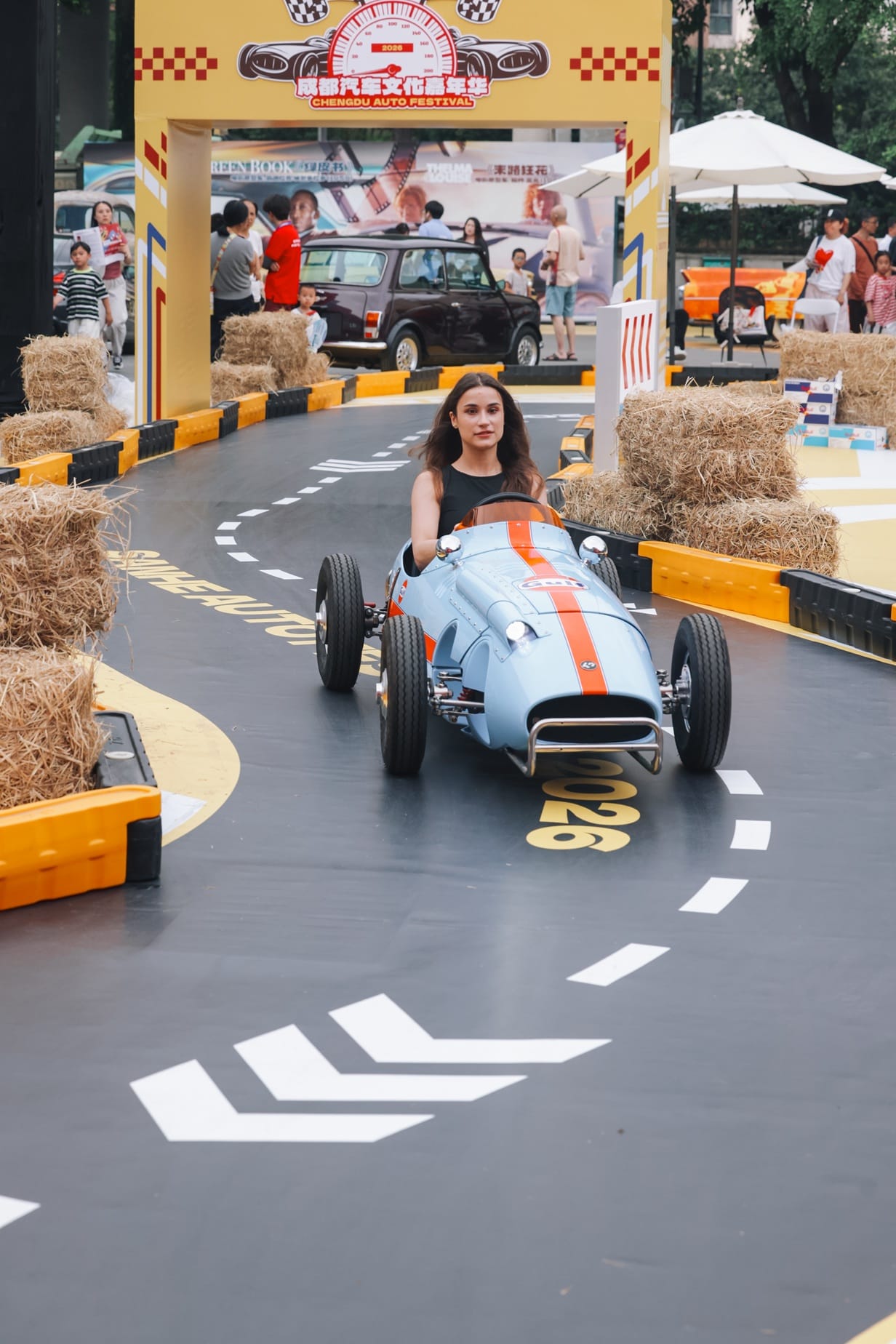
A particularly imaginative addition was a fantasy-themed parade inspired by amusement parks. Combined with interactive activities, prize draws and family participation events, it helped broaden the appeal of the carnival beyond traditional motoring enthusiasts.
Commercially, the event was equally successful. More than thirty exhibitors and partner brands participated, while new-car sales exceeded 170 units, generating transactions worth approximately 40 million RMB. These figures underline the growing influence of automotive culture as both a leisure activity and a commercial platform.
Yet perhaps the most impressive achievement was the atmosphere created throughout the weekend. By combining historic vehicles, contemporary car culture, art, entertainment and family participation, the Chengdu Automobile Culture Carnival succeeded in creating something more engaging than a conventional motor show.
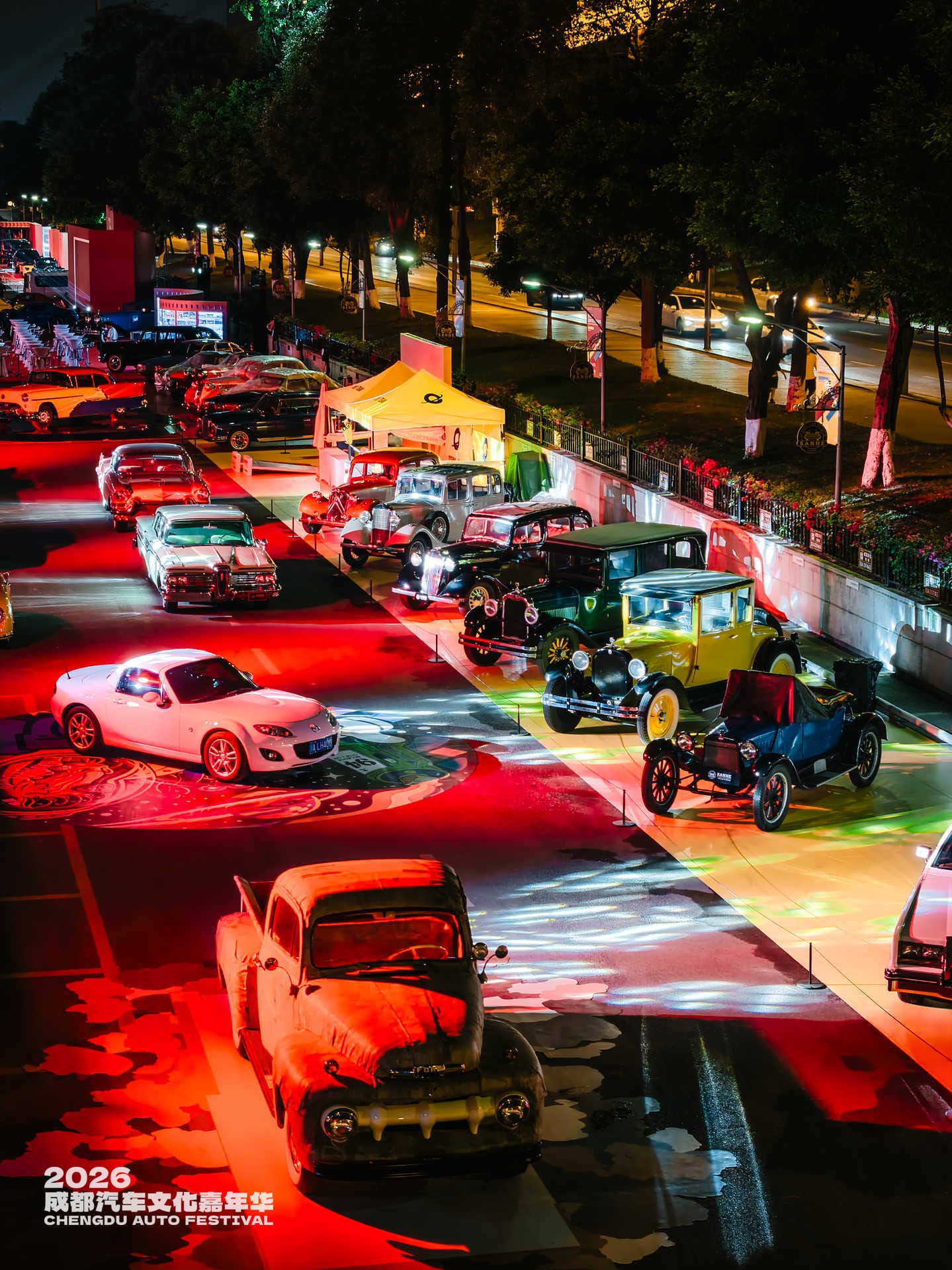
Judging by the crowds, the enthusiasm of visitors and the growing scale of the event, the carnival has established itself as one of the most significant celebrations of automotive culture in western China, and appears destined to become even larger in the years ahead.
Comments ()