Forever Amby: The Iconic Ambassador
An affectionate look back at India's legendary Ambassador and its unforgettable character
Text: Ranjit Lal
Images: Deepanjan Sarkar & Ranjit Lal
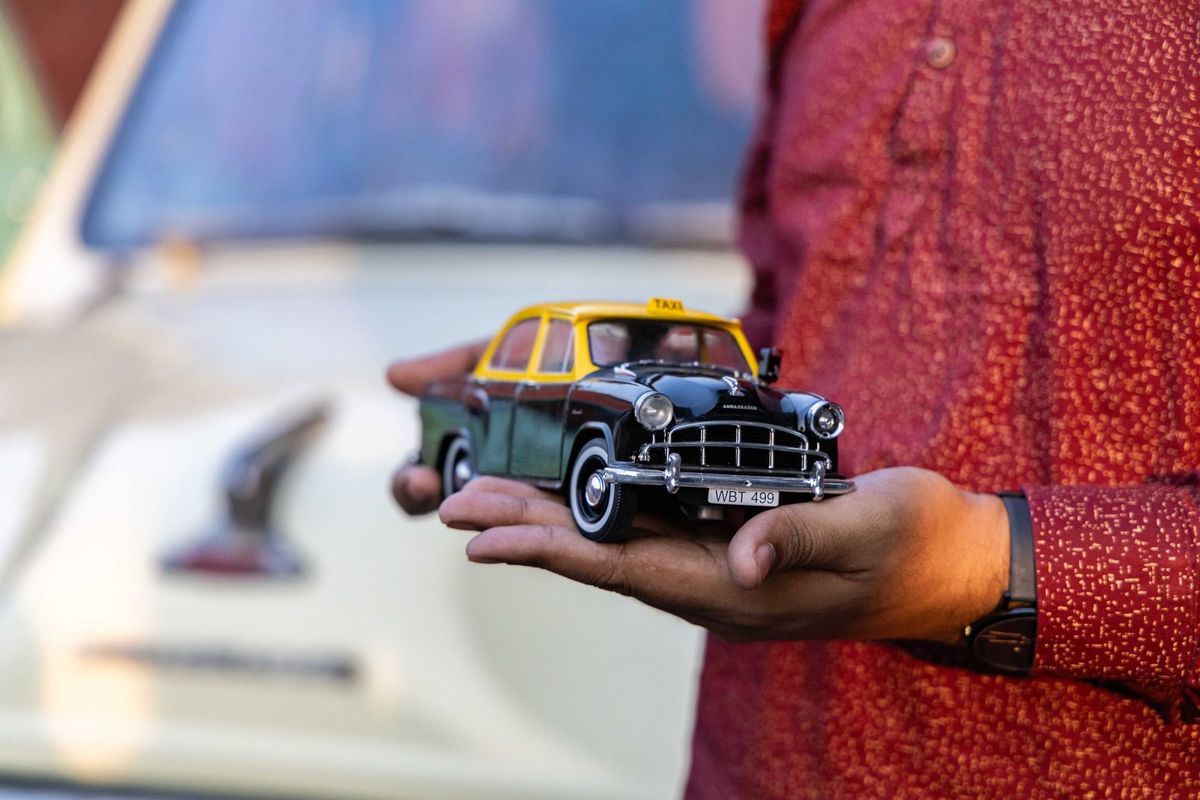
For decades, the Ambassador was the quintessential Indian car: beloved of Indian politicians, who liveried it in white, bedecked it with flashing red lights (the infamous ‘lal batti’), wailing sirens, bristling antennae and men pointing machine guns out of the windows; used by legions of large families; it was hugely popular with taxi drivers, especially in Calcutta and Delhi, and was even voted ‘the best taxi in the world’ by Top Gear magazine!
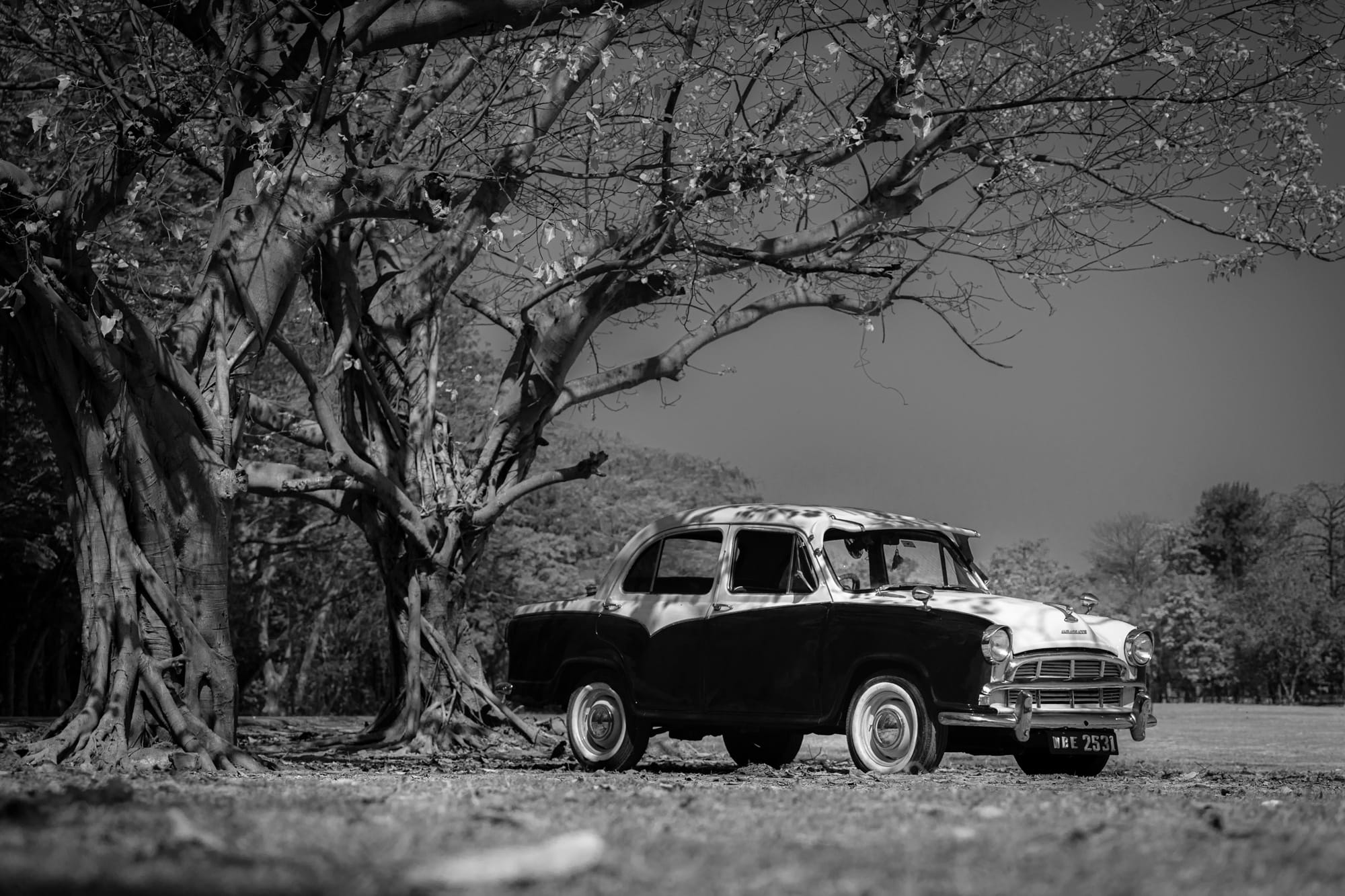
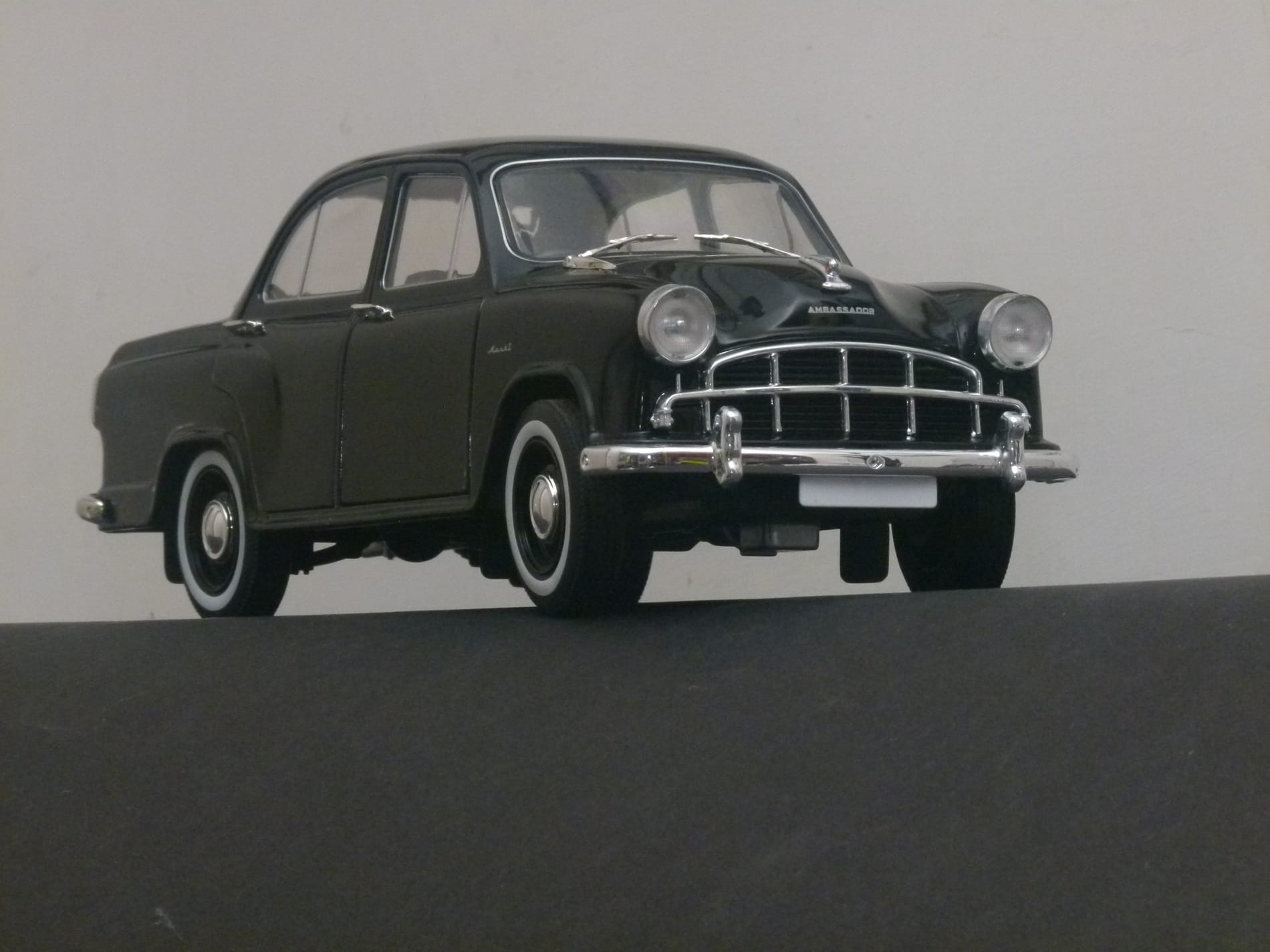
It was, in fact, a Series III Morris Cowley, made by the British Motor Corporation, which sold the rights to Birla’s Hindustan Motors in 1956, and the car remained in production virtually unchanged between 1957 and 2017.
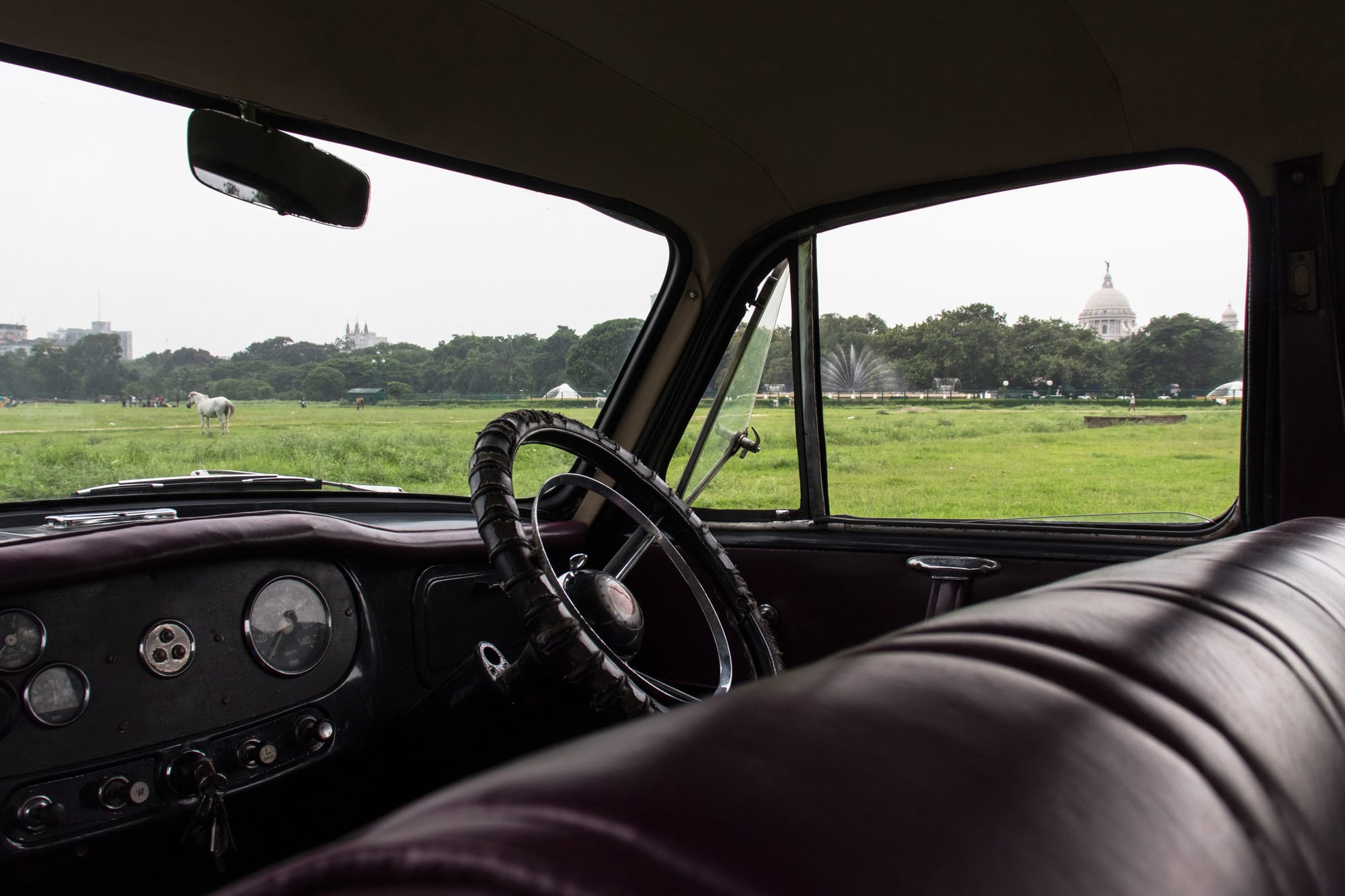
‘Powered’ by a juddering, shuddering 1489 cc four-cylinder engine producing 55 bhp, it went through various mainly cosmetic iterations during its lifetime, build quality and reliability sadly deteriorating with each successive model.
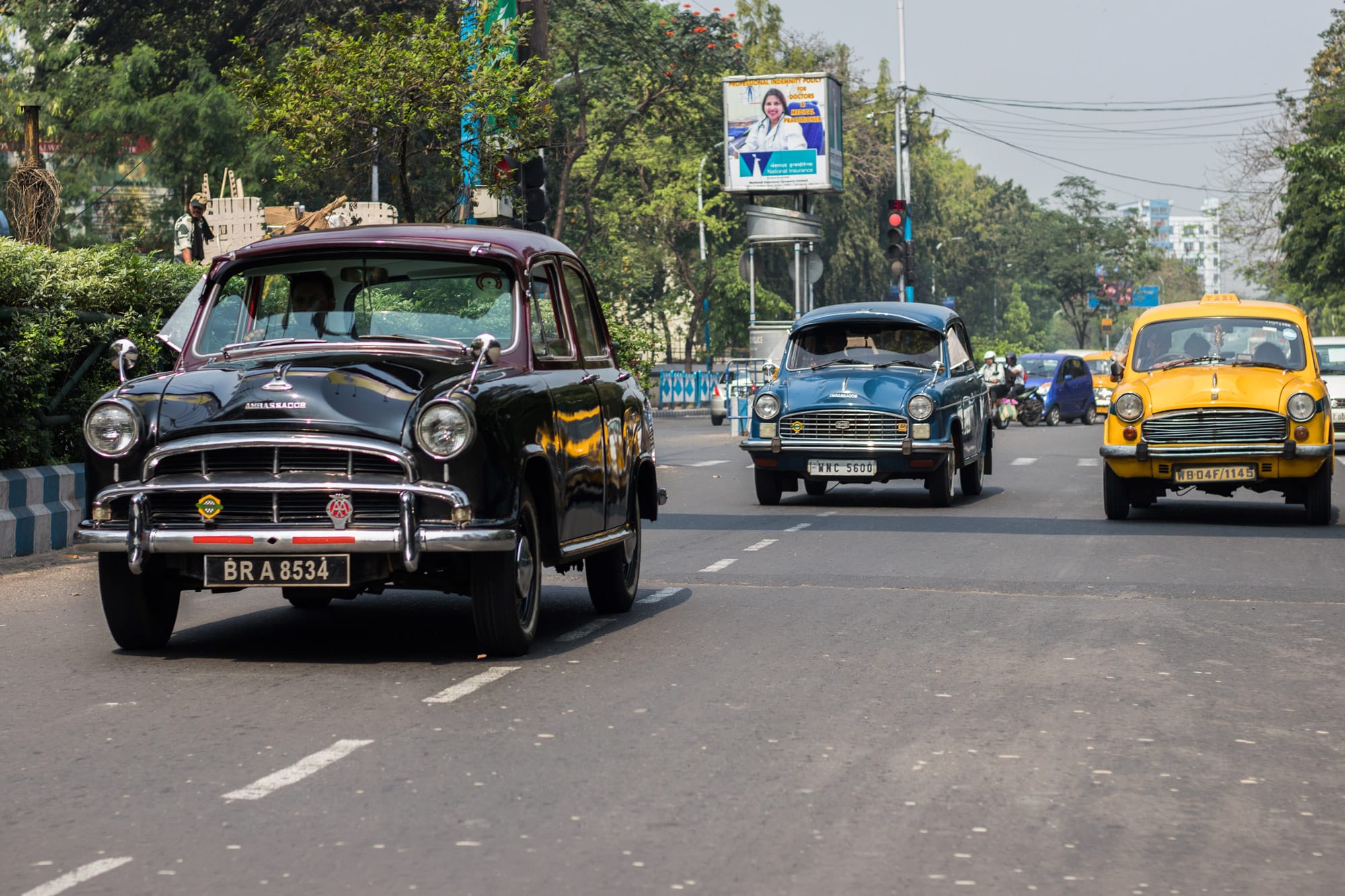
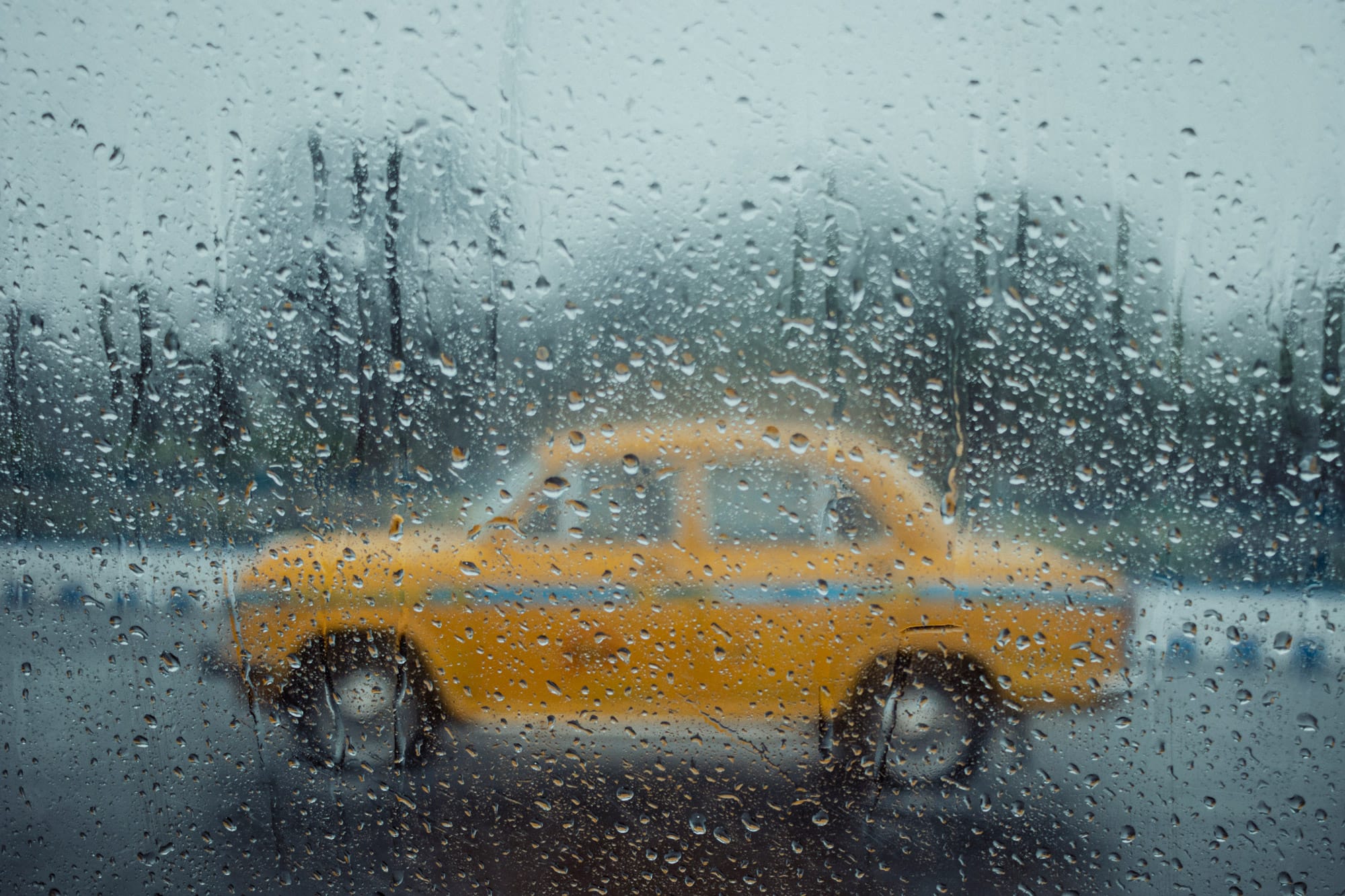
Now it has been banished from the roads of Delhi, but still clunks on as bright yellow cabs in Calcutta and has many diehard fans in the southern states of Kerala, Karnataka and Tamil Nadu – and even occasionally appears in Classic Car shows!
We had serial Ambassadors from the early sixties, until we finally got ourselves one of the new, modern Maruti vans (aka Omni), which at the time was the only vehicle that could match the Ambassador for space. And each Ambassador came with its own quirks and foibles which you had to get used to.
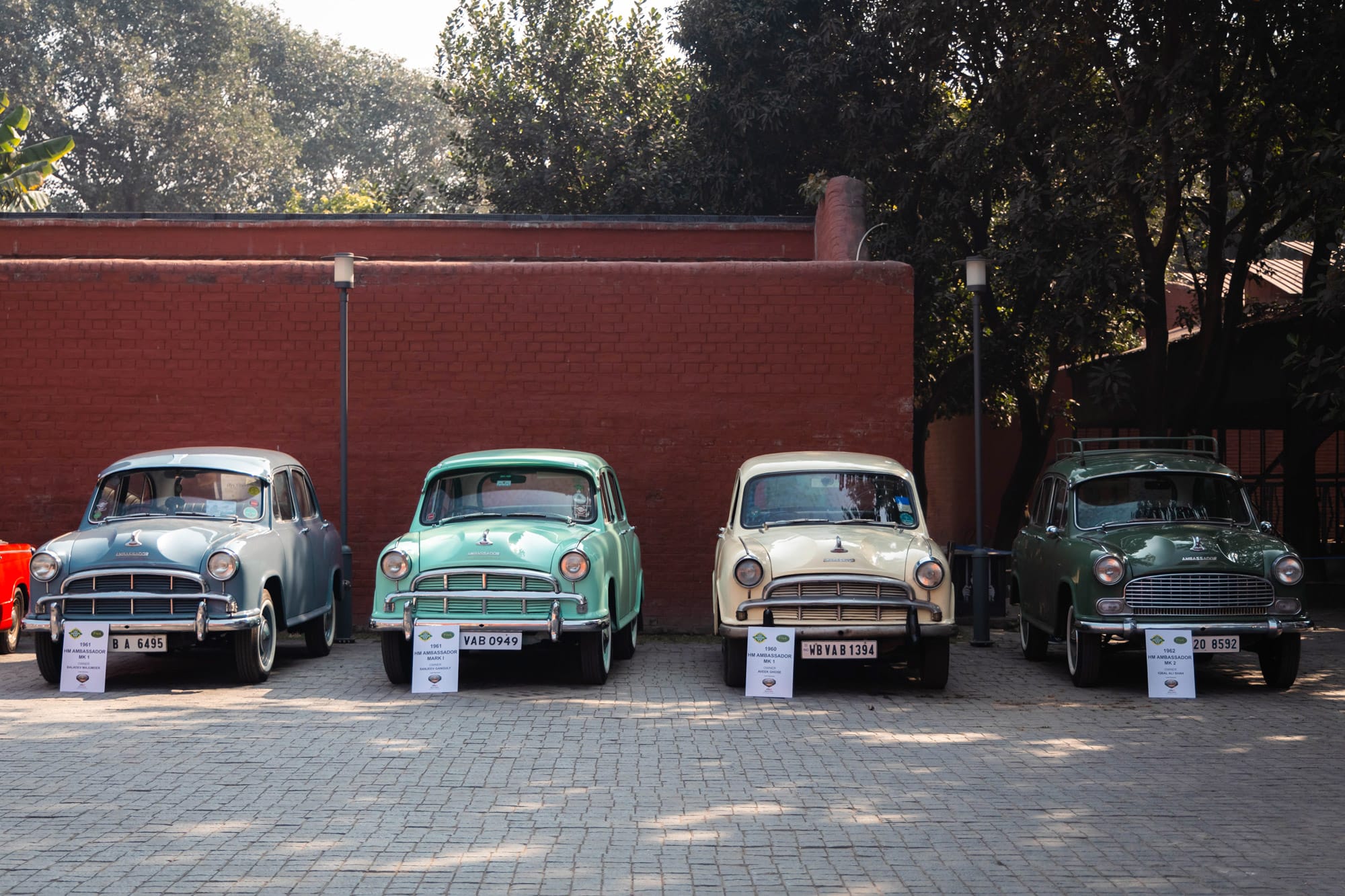
Our first, a dark blue ‘Mark I’, was easily the best, what with its lovely original Smiths instrumentation and jewelled warning lights, not to mention the clock between the bevels. Sturdy, roomy, strong and ever-reliable, it took us all over South India, without missing a beat or even having a flat!
The ‘new’ Mark II we got looked cheaper and shoddier, and had a congenitally malfunctioning fuel pump that wrecked one motoring holiday completely.
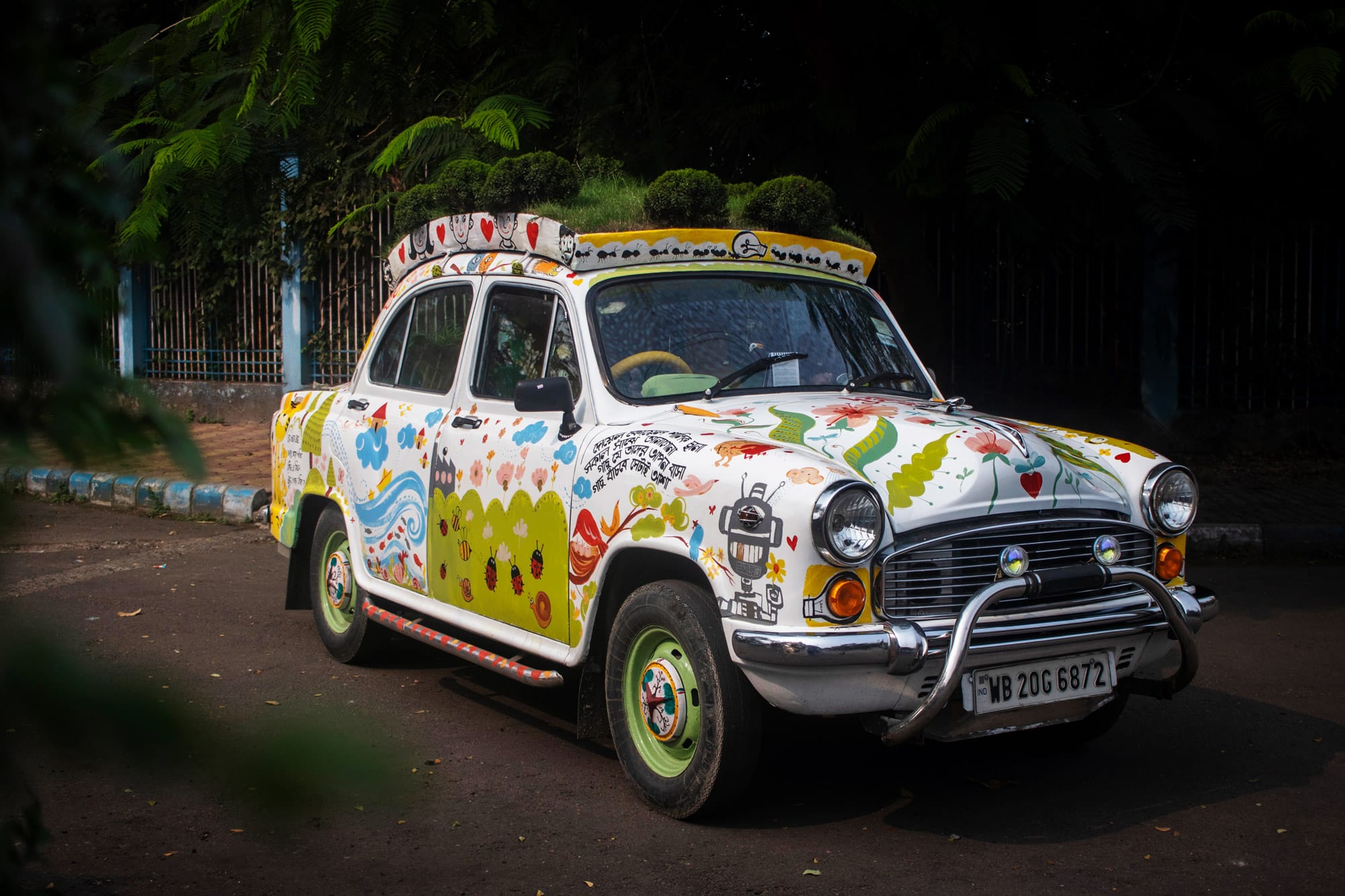
All through its lifetime, the Ambassador remained the sort of car that would bucket over a ploughed field with aplomb and also void its sump in the portico of Rashtrapati Bhavan!
Every new car had to be ‘broken in’ – you had to drop kick the clutch and karate-chop the gears, and build up steely biceps as you wrestled with the huge steering wheel.
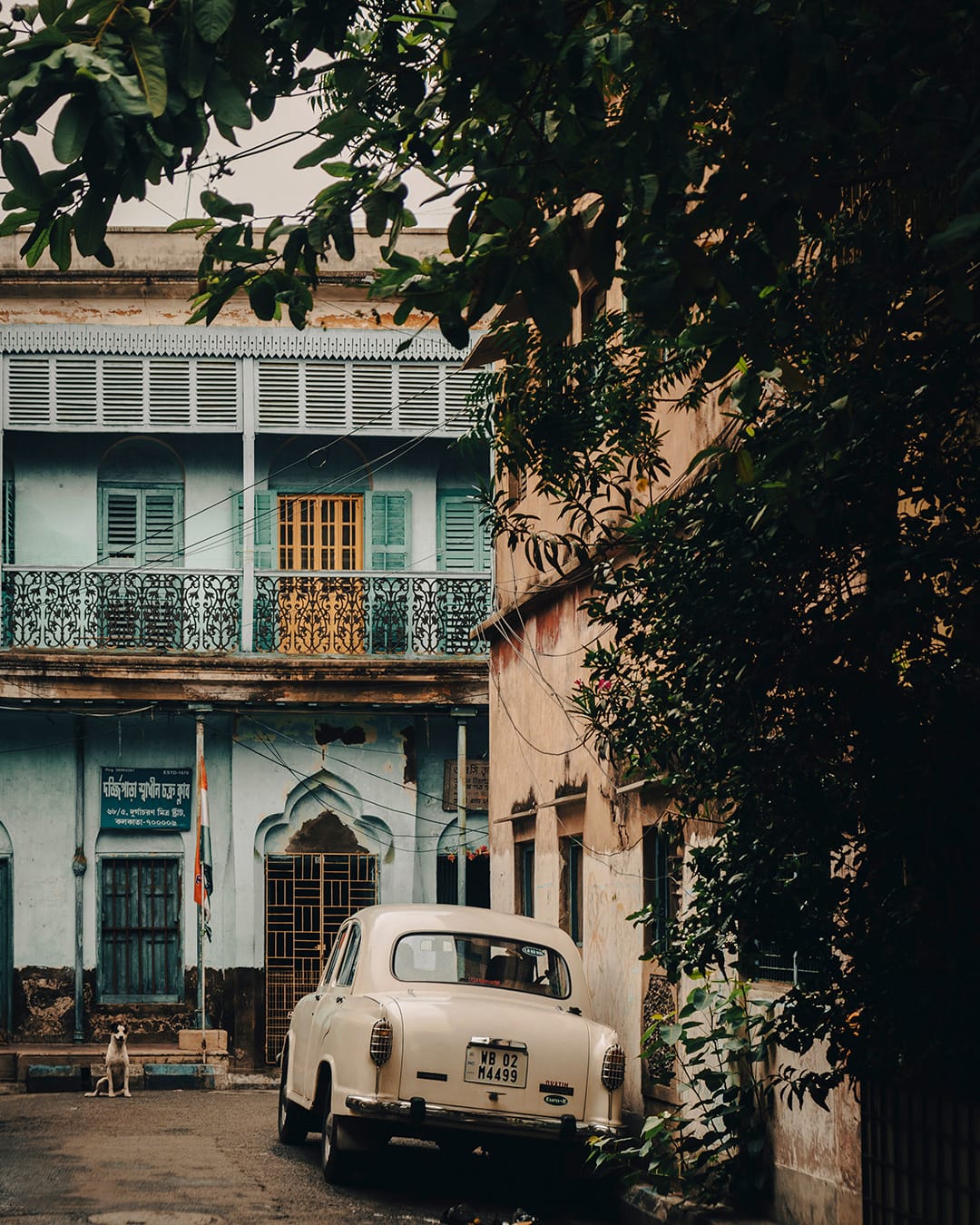
One Mark II we had would famously break her axle every three months, so much so that we didn’t plan any road trips when her ‘time’ was near! Another had a ‘trick’ third gear: changing up from second required a delicate up and down manoeuvre which only my father mastered, and which reduced professional chauffeurs to tears as the gears grated in protest.
On one infamous drive in the middle of a blazing May afternoon in Delhi, the Mark III that I was driving broke her fan-belt and went into acute brake failure simultaneously, forcing me to cling to the verge, eyes glued to the temperature gauge, shooting into the red. Pressing the brake pedal was akin to stepping into a cowpat. We finally limped into the workshop, the bonnet shrouded in steam and the mechanic paled: ‘But how did you drive it?’ he asked weakly.
The last Mark III we owned was a sensitive soul and decided to self-immolate as we were driving back from dinner one night, callously discussing the new Maruti van we proposed getting!
No one in their right mind, you would think, would want to steal an Ambassador, but that’s what my mom once did!
We’d got a replacement Ambassador at the time, the regular car had gone for repairs, and she had taken my sister out shopping. They parked at Warden Road in Mumbai, shopped, then drove across the city – around 8-9 km to the Taj Hotel, with no issue. But when they wanted to drive home again, the car refused to let them in! Annoyed, my mom called my father, who sent the driver over to check.
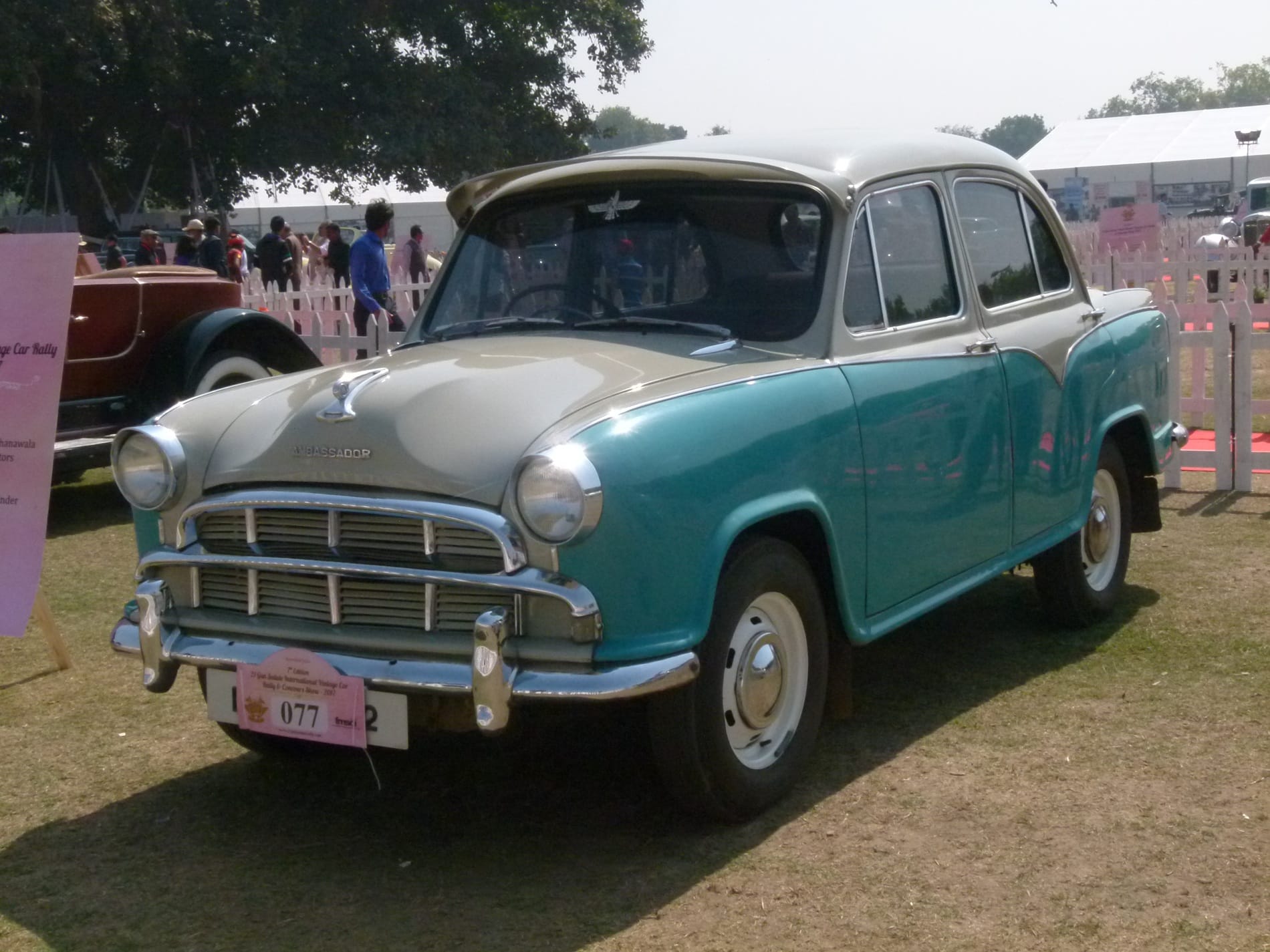
He took one look and said: 'But madam, this is not our car!'
It was the colour of our original car, which had confused my mother. They hotfooted it to the police station where, sure enough, the couple whose car it was were reporting its ‘theft’.
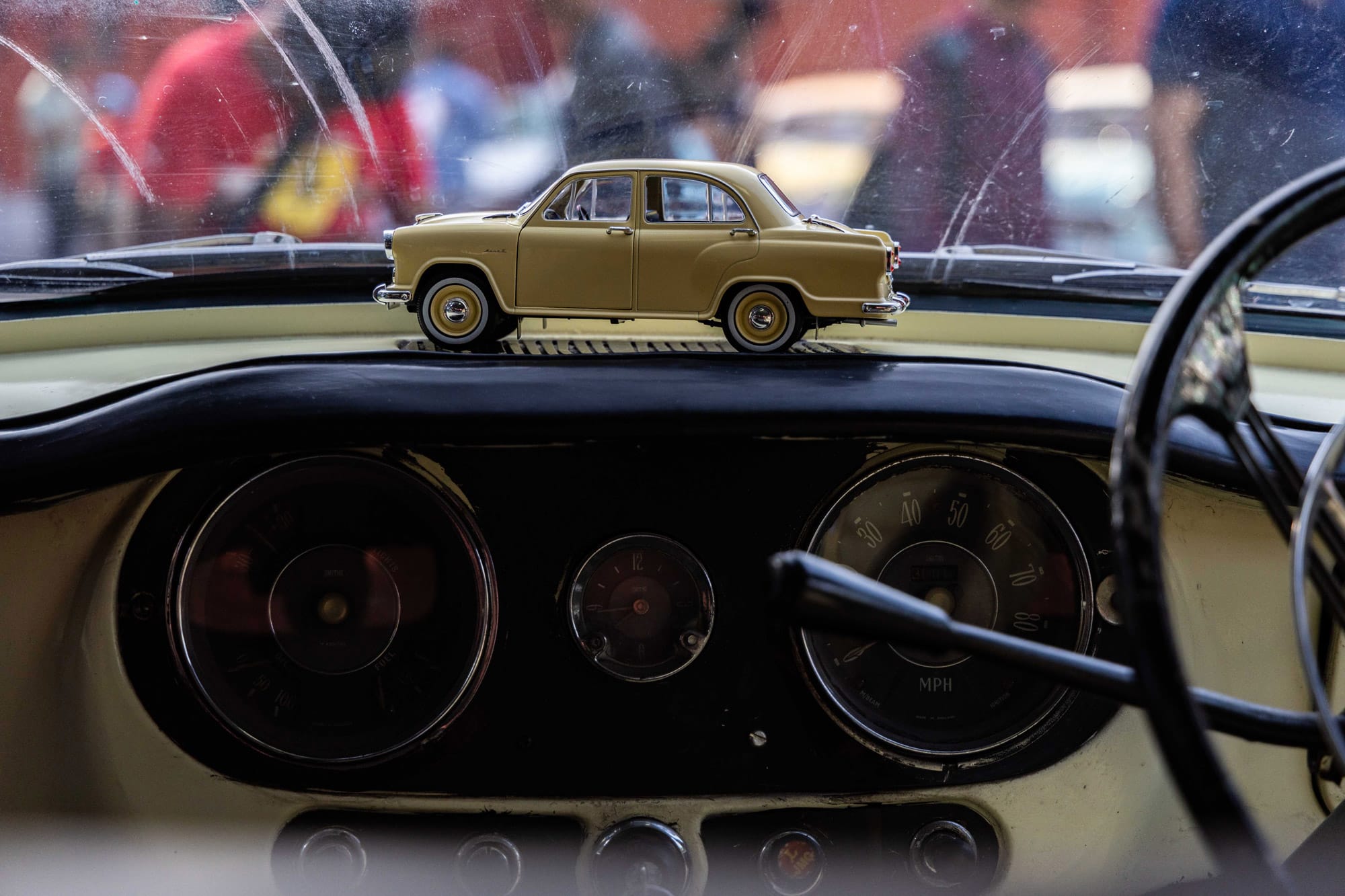
Hindustan Motors really trashed the quality of the Amby during its lifetime. In 1992, when the writing was on the wall, they put in a modern 75 bhp Isuzu engine and gave her a five-speed floor shift, but it was too late. By then the whiz-kid Japanese tin-pots had seen her off!
Comments ()