François Bazin: An Artist Beyond Automobiles
Meet François Bazin, creator of history's most elegant automotive mascots

Text: Gautam Sen
Images: Makarand Baokar & Sanket Patel
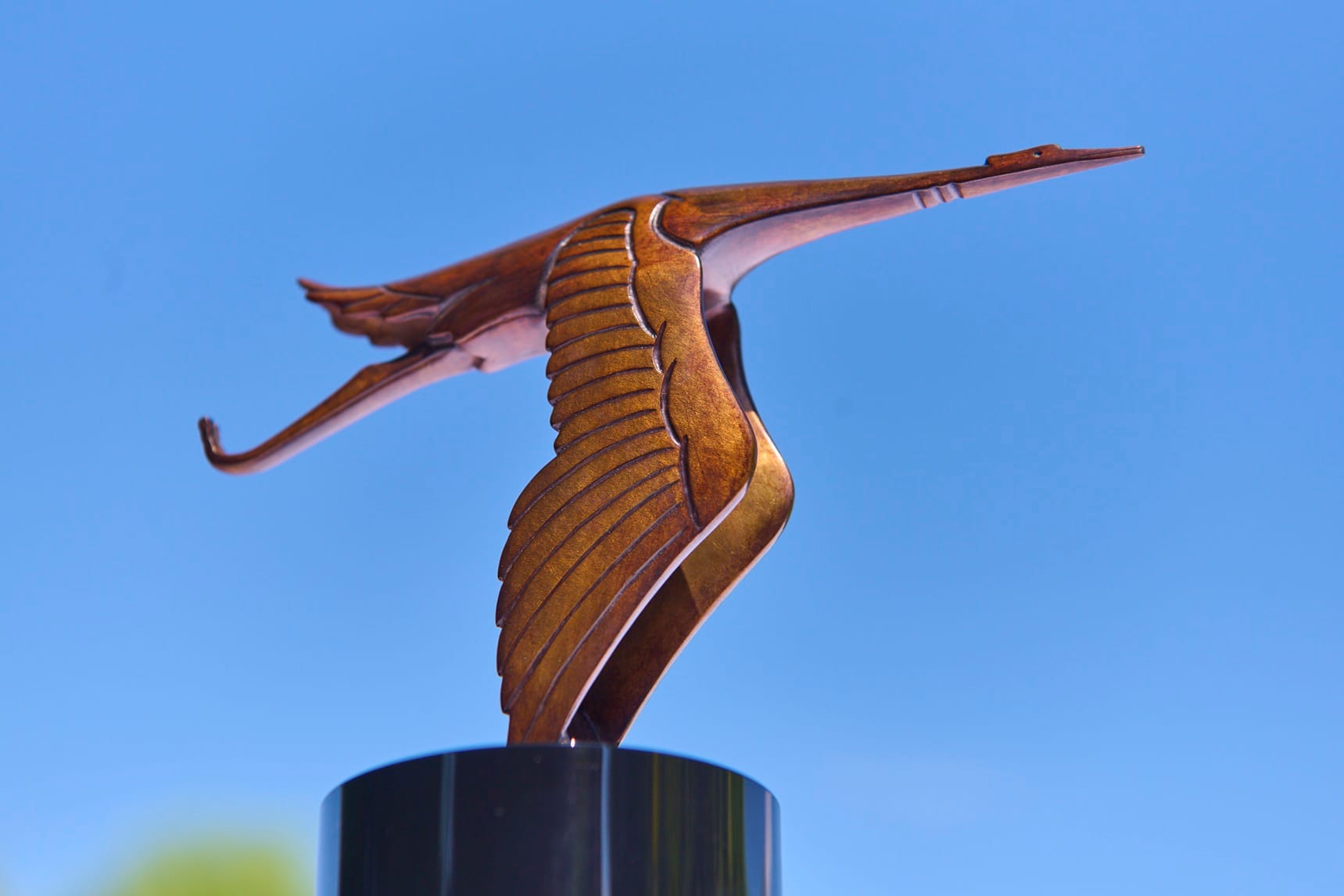
Every automotive enthusiast recognises the graceful silhouette of the Hispano-Suiza stork mascot — one of the most elegant and evocative hood ornaments ever created. But few know the fascinating story behind this celebrated emblem, or the gifted young French sculptor who brought it to life.
The stork was the creation of François Bazin, a brilliant French artist commissioned by Marc Birkigt, the legendary chief engineer and driving force behind Hispano-Suiza. The marque adopted the sculpture as its official mascot following the death of France’s celebrated fighter ace Georges Guynemer, whose personal emblem was a stork painted on the fuselage of his SPAD fighter aircraft. Those aircraft were powered by Hispano-Suiza’s famous V8 engines, creating a symbolic connection between aviation heroism and automotive excellence.
Born in Paris’ 14th arrondissement on 31 October 1897, François Bazin came from an artistic family. His parents were copper engravers, and his mother was herself a remarkable talent — the first female engraver in France and a competitor for the prestigious Prix de Rome.
Shortly after Bazin’s birth, the family moved to Chile, where both his parents taught art at the Santiago School of Fine Arts. Returning to Paris in 1913, the young Bazin enrolled at the renowned École des arts décoratifs, before continuing his studies at the École nationale supérieure des beaux-arts.

However, the outbreak of the First World War dramatically changed the course of his life. Mobilised into the French military aviation service, Bazin learned to fly fighter aircraft and became a pilot of the very same SPAD fighters powered by Hispano-Suiza engines. It was during this period that he met Marc Birkigt, who later entrusted him with the creation of what would become one of the most famous automotive mascots in history.
The resulting sculpture — a delicate flying stork captured in motion — became the official hood ornament of Hispano-Suiza automobiles. Over time, it was produced in several variations, including a unique version created for tennis champion René Lacoste, a Hispano-Suiza ambassador, where the stork famously carried a tennis ball in its beak.
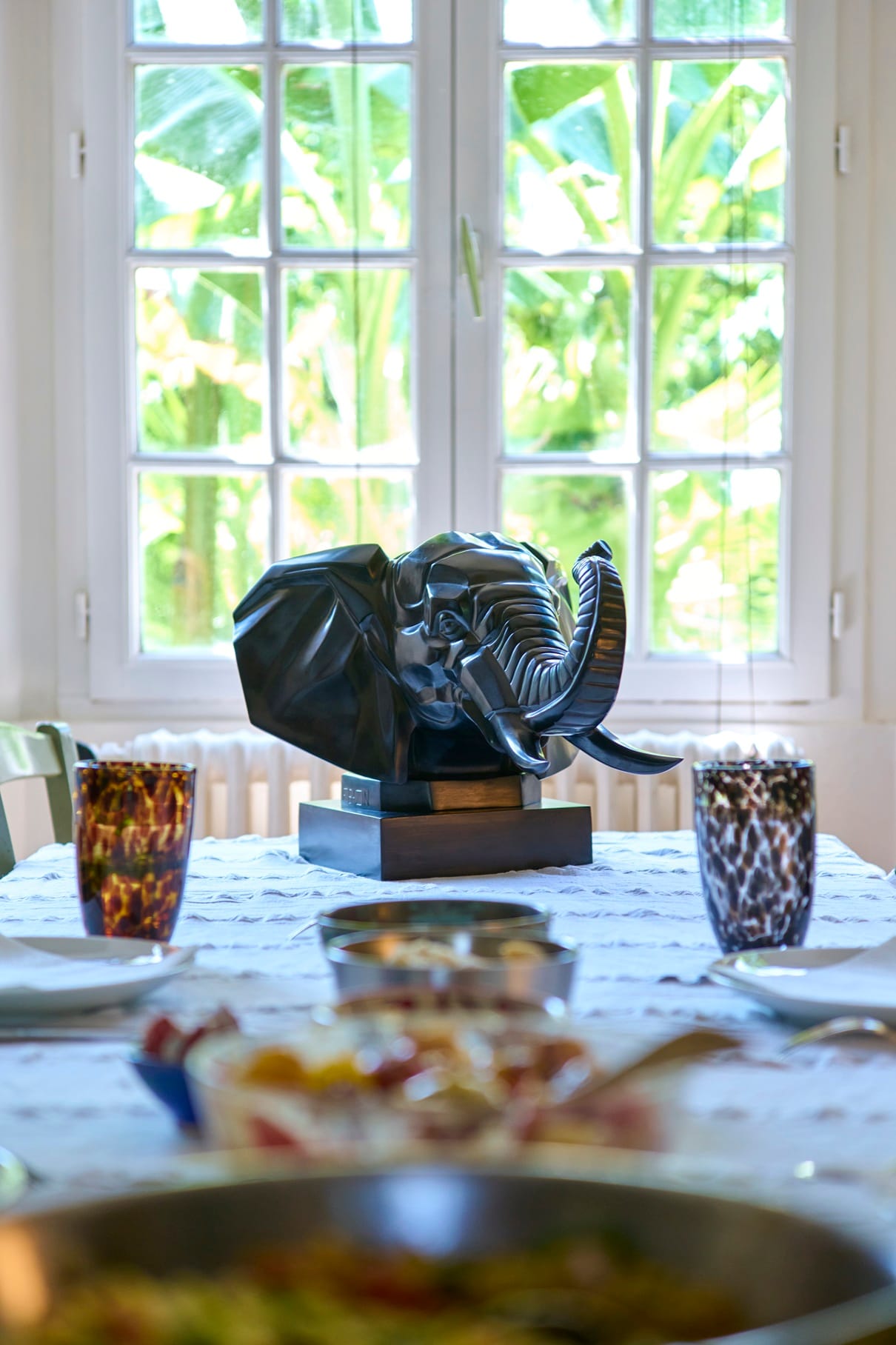
François Bazin’s creations have long been treasured by collectors of automotive art. His Hispano-Suiza storks, produced in gilded bronze, silver, and patinated finishes, often mounted on marble or wooden bases, remain highly sought-after pieces. At auction, they have achieved impressive prices, with one example reaching €5,610 at a Christie’s auction in 2016.
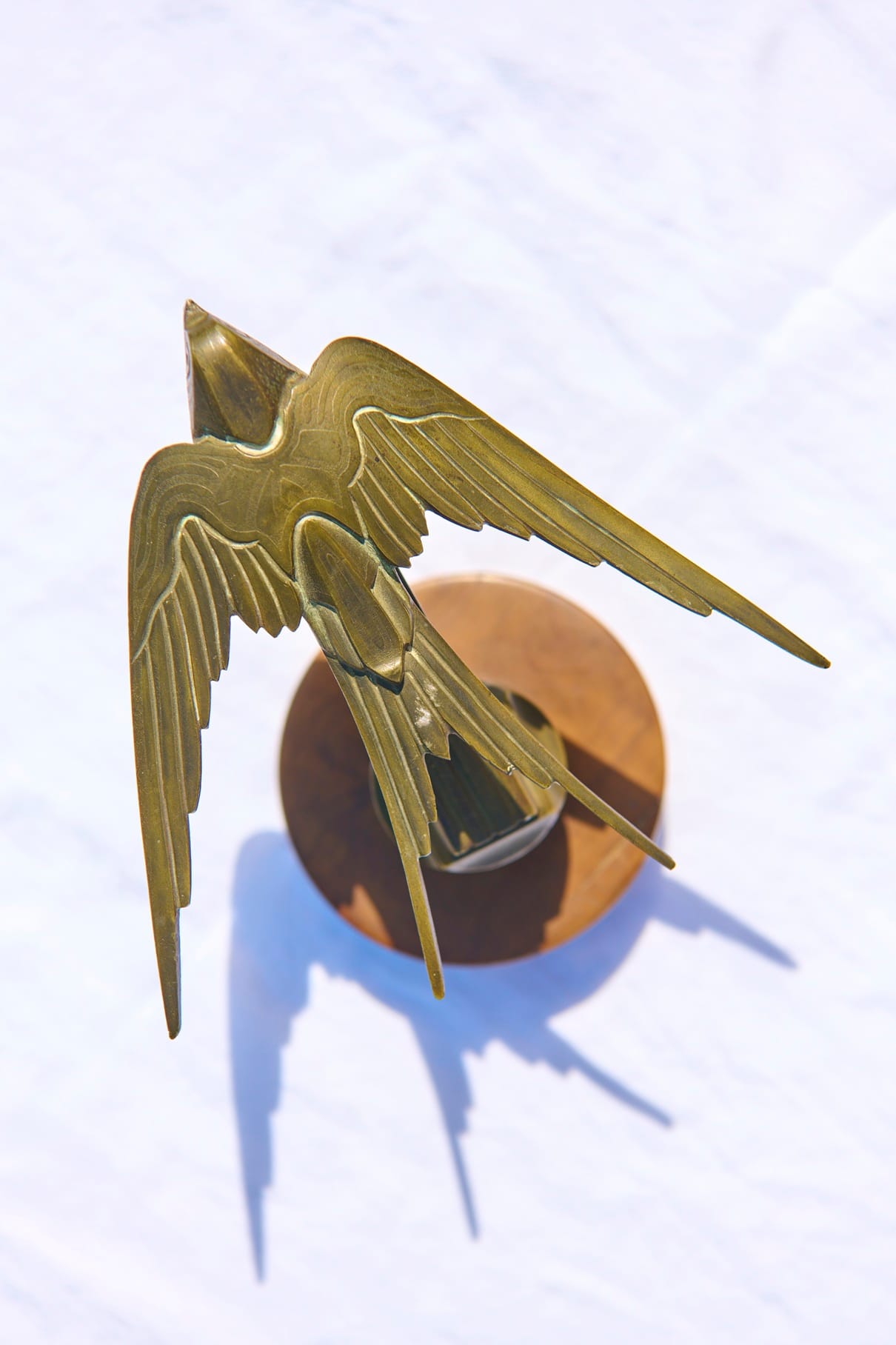
Yet the stork represented only one chapter in Bazin’s remarkable career. Over nearly four decades, before his untimely death at the age of 59 on 9 December 1956, he created more than 70 different mascots and sculptures, commissioned by private collectors as well as some of the world’s most prestigious automobile manufacturers.
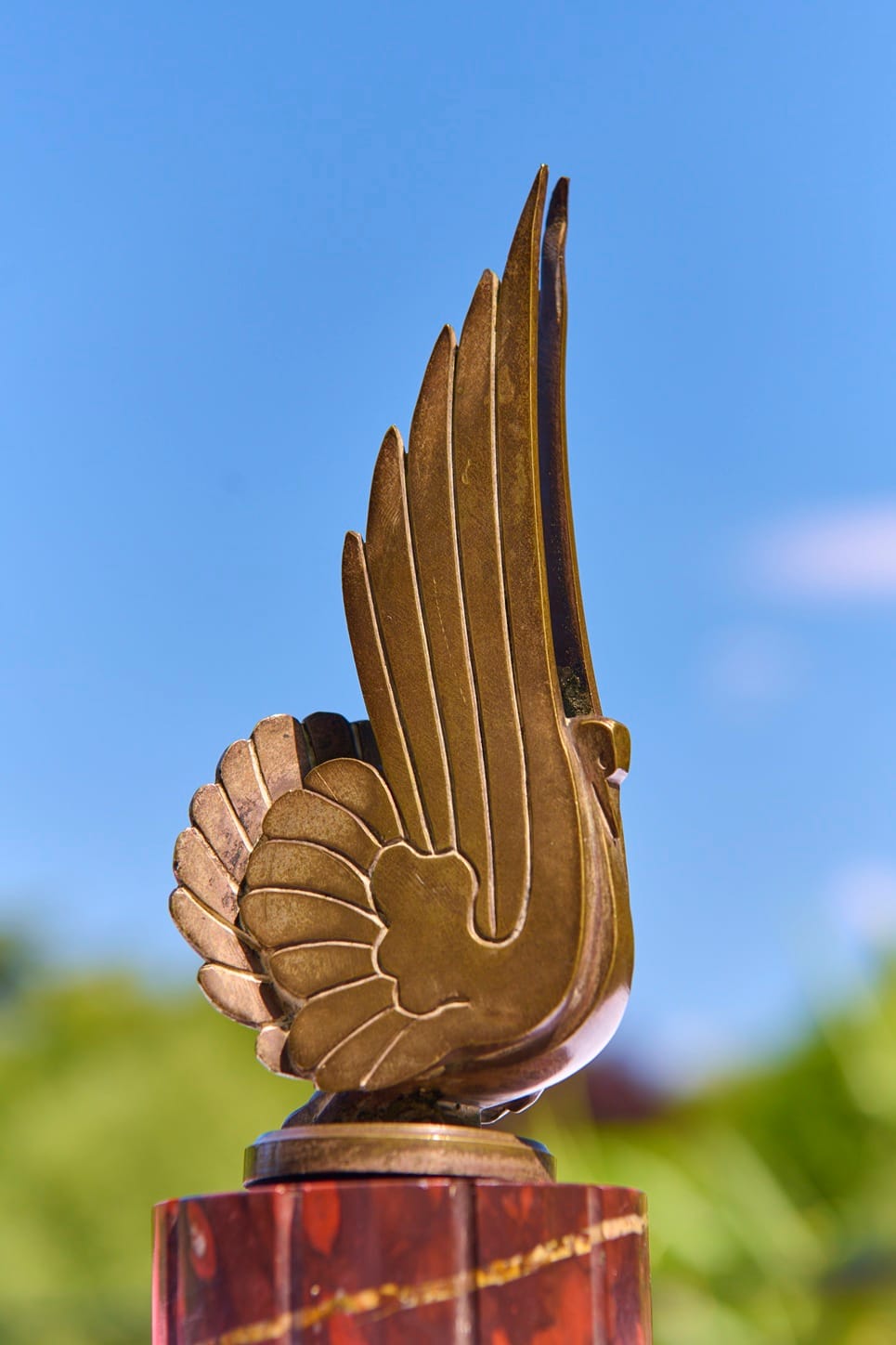
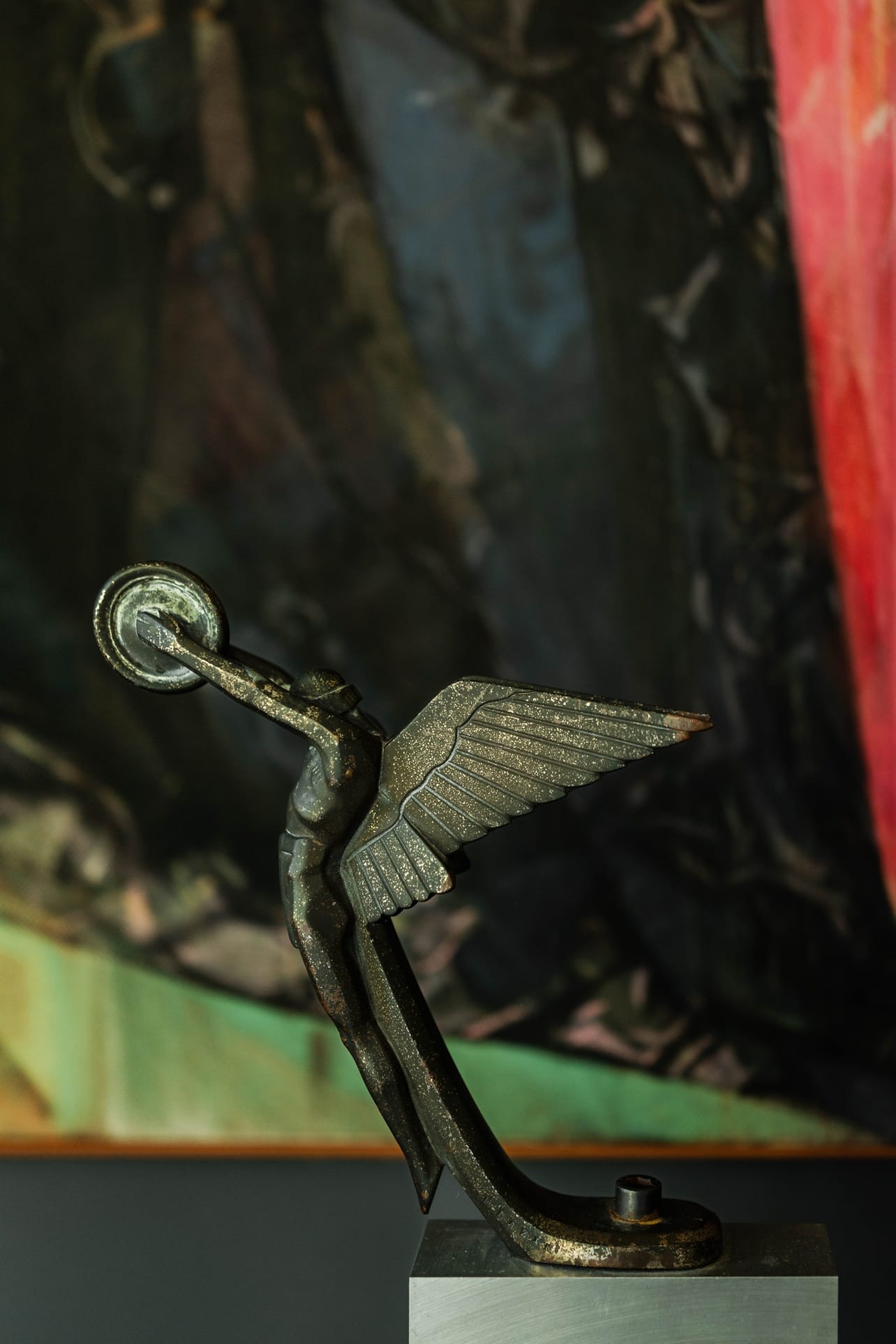
His artistic signature combined flowing curves with sharp geometric forms, creating sculptures that perfectly reflected the spirit of Art Deco. Among his celebrated works were the Éléphant-Latil, Pégase, and the magnificent Triomphe, an optional mascot offered by Italy’s prestigious luxury marque Isotta Fraschini.
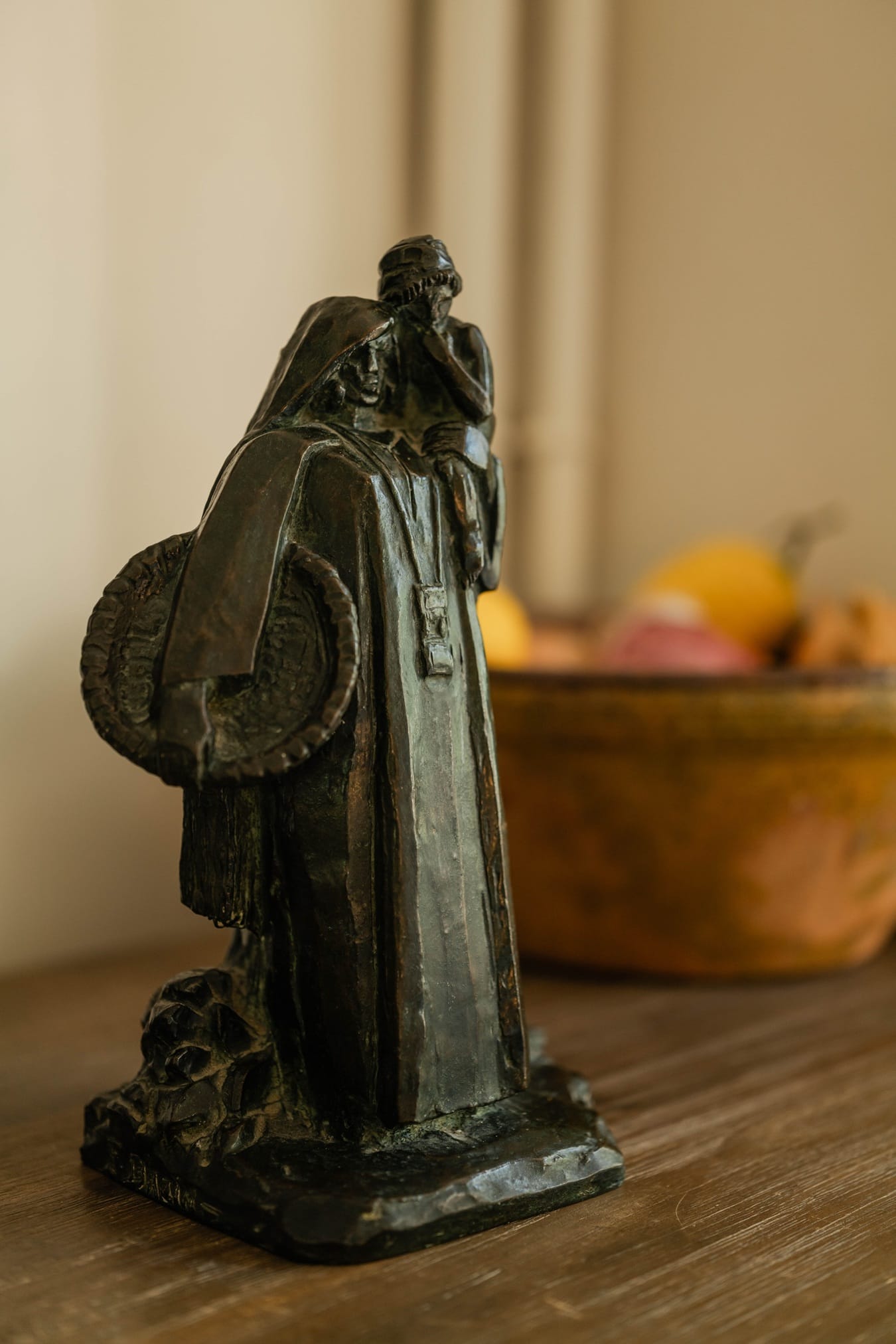
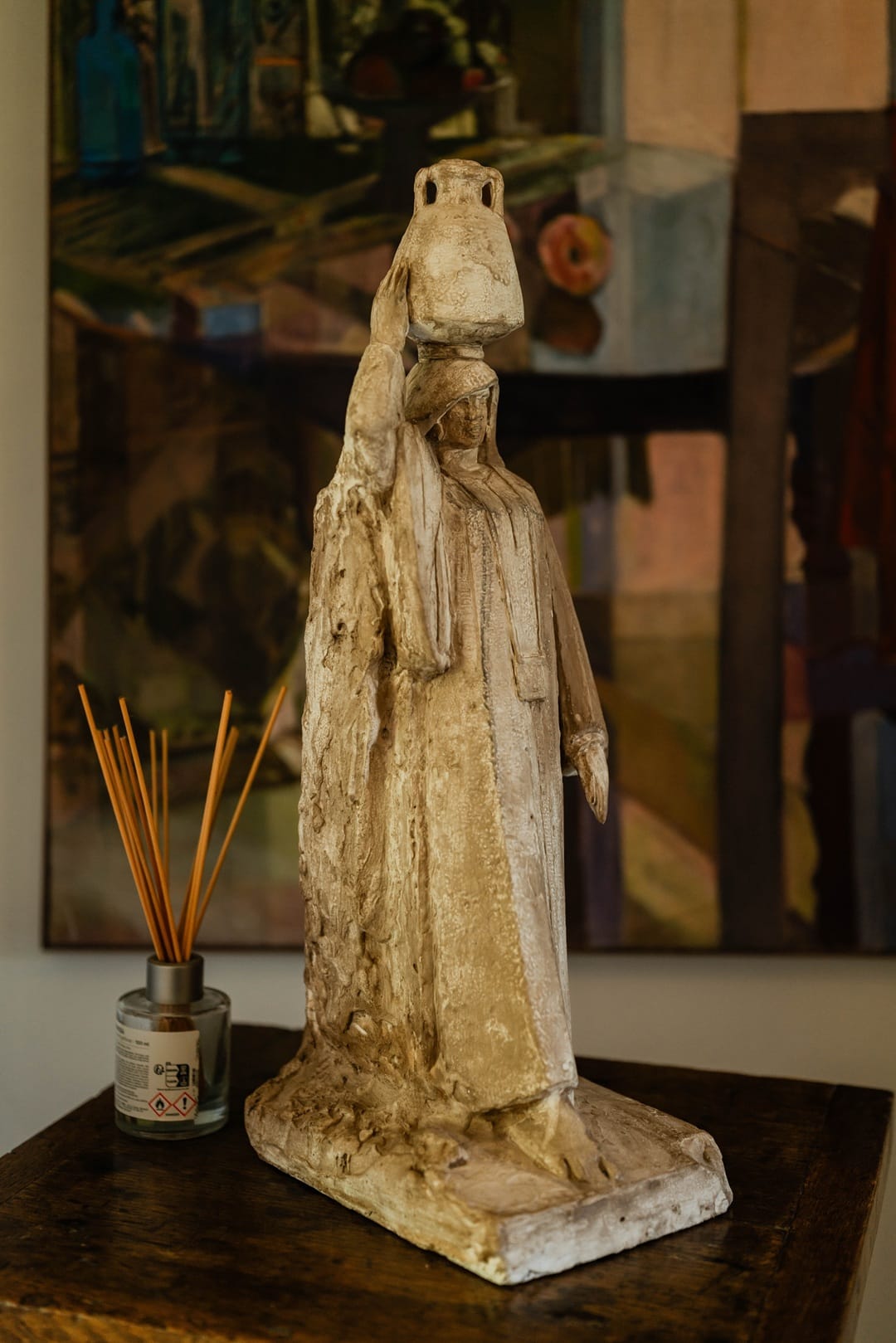
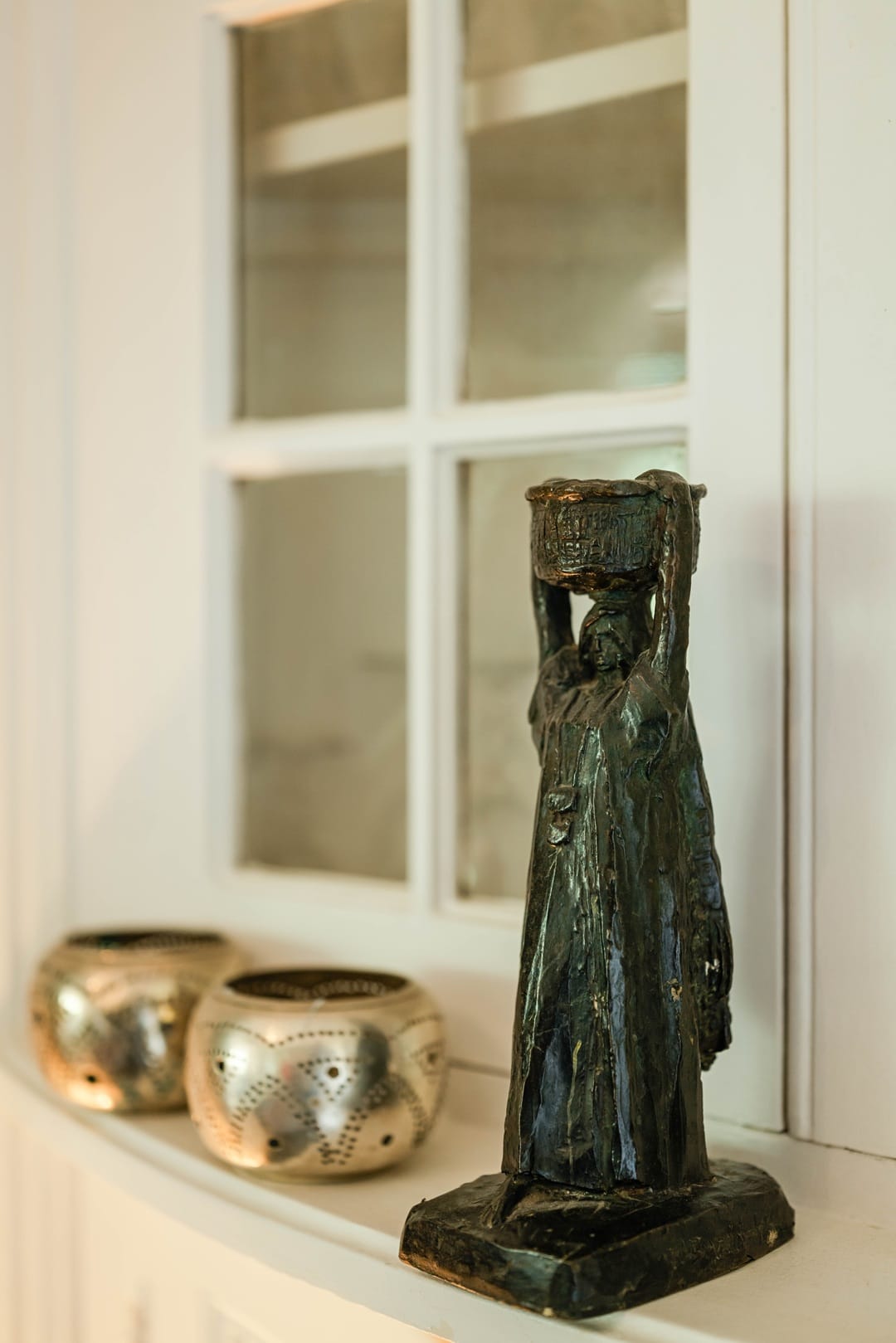
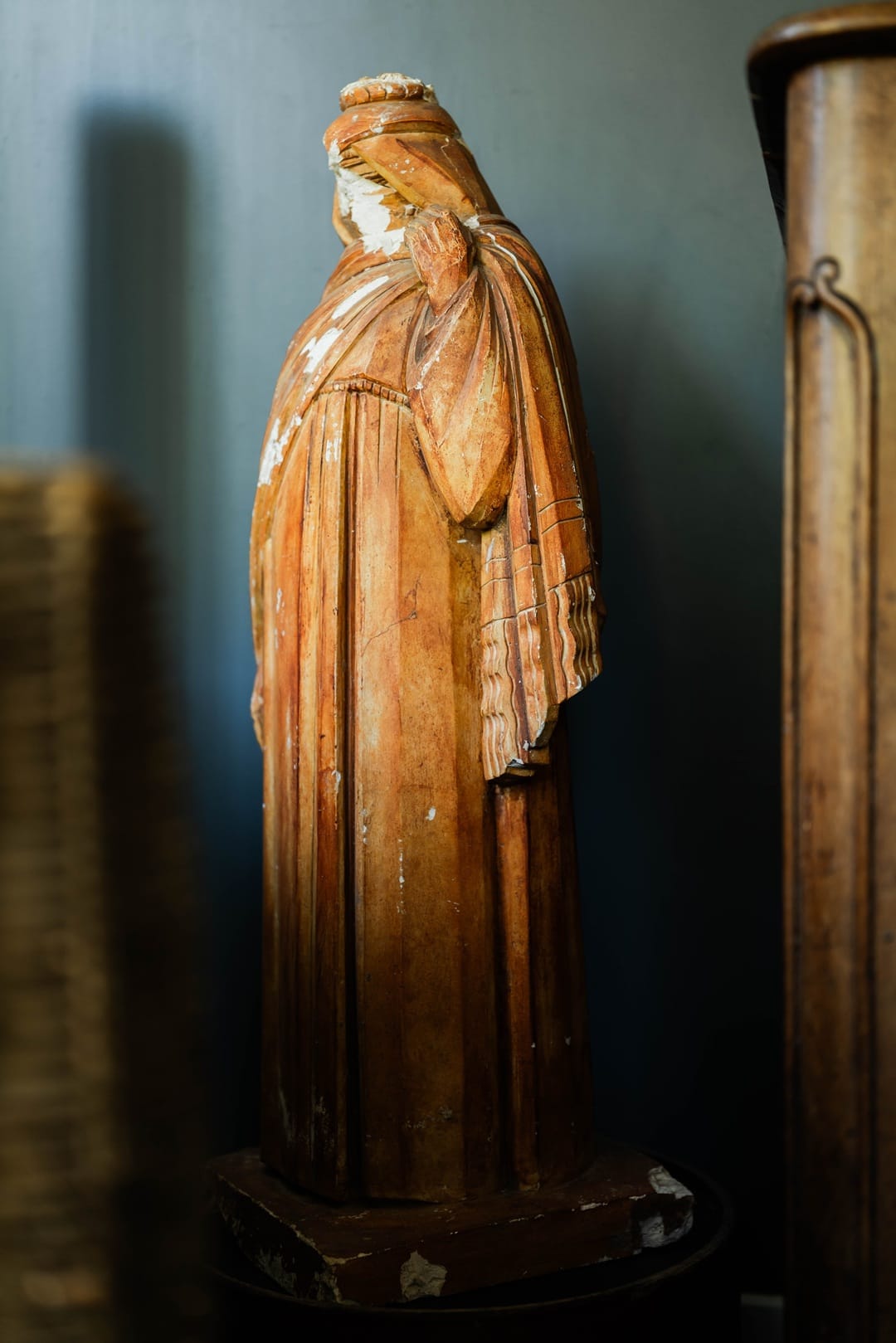
Bazin also created a series of sculptures which had nothing to do with automobiles
One of Bazin’s most remarkable commissions came in 1924, when André Citroën launched the legendary Croisière Noire, an ambitious expedition across Africa designed not only to demonstrate the reliability of Citroën vehicles but also to encourage cultural exchange and promote French industrial achievement.
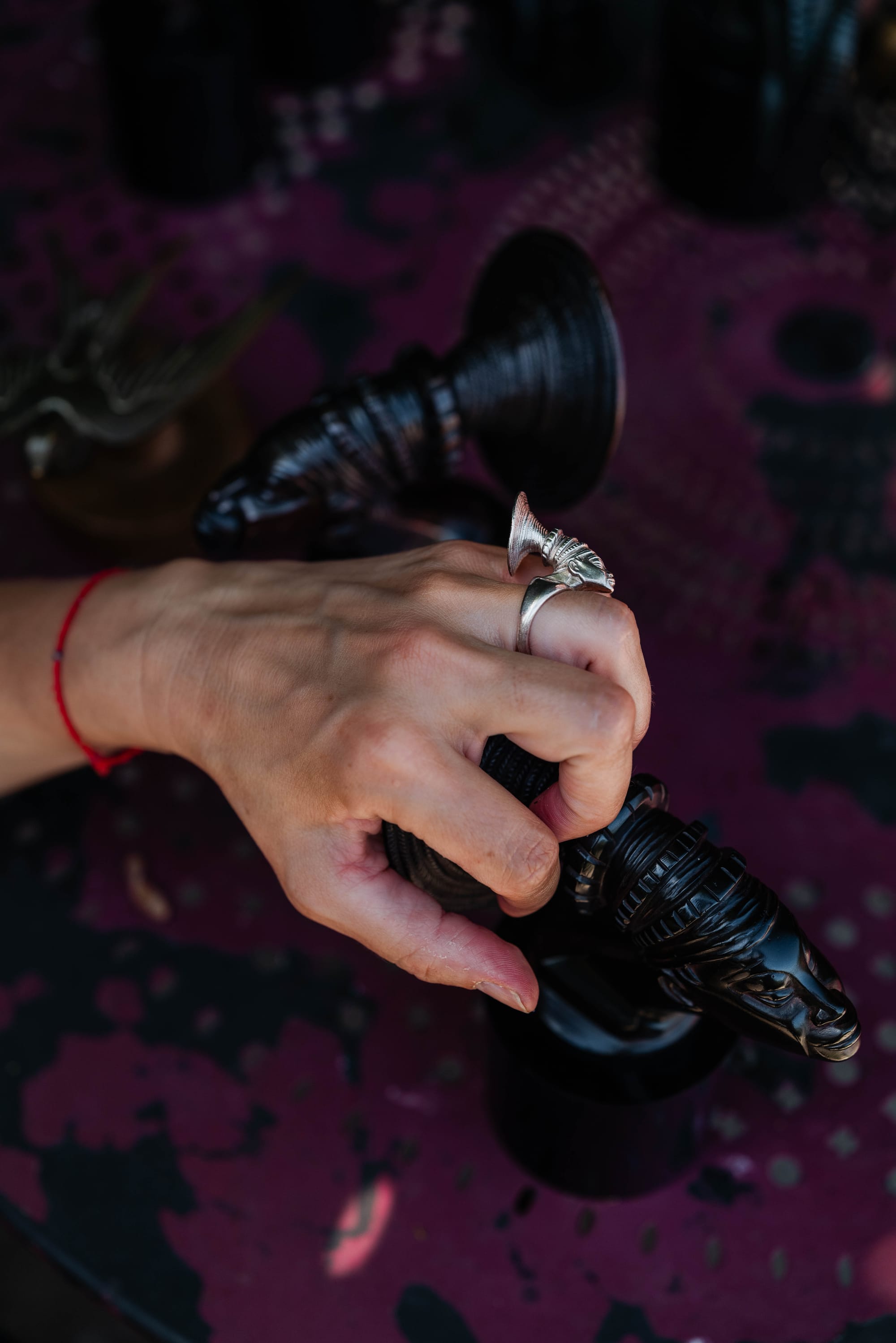
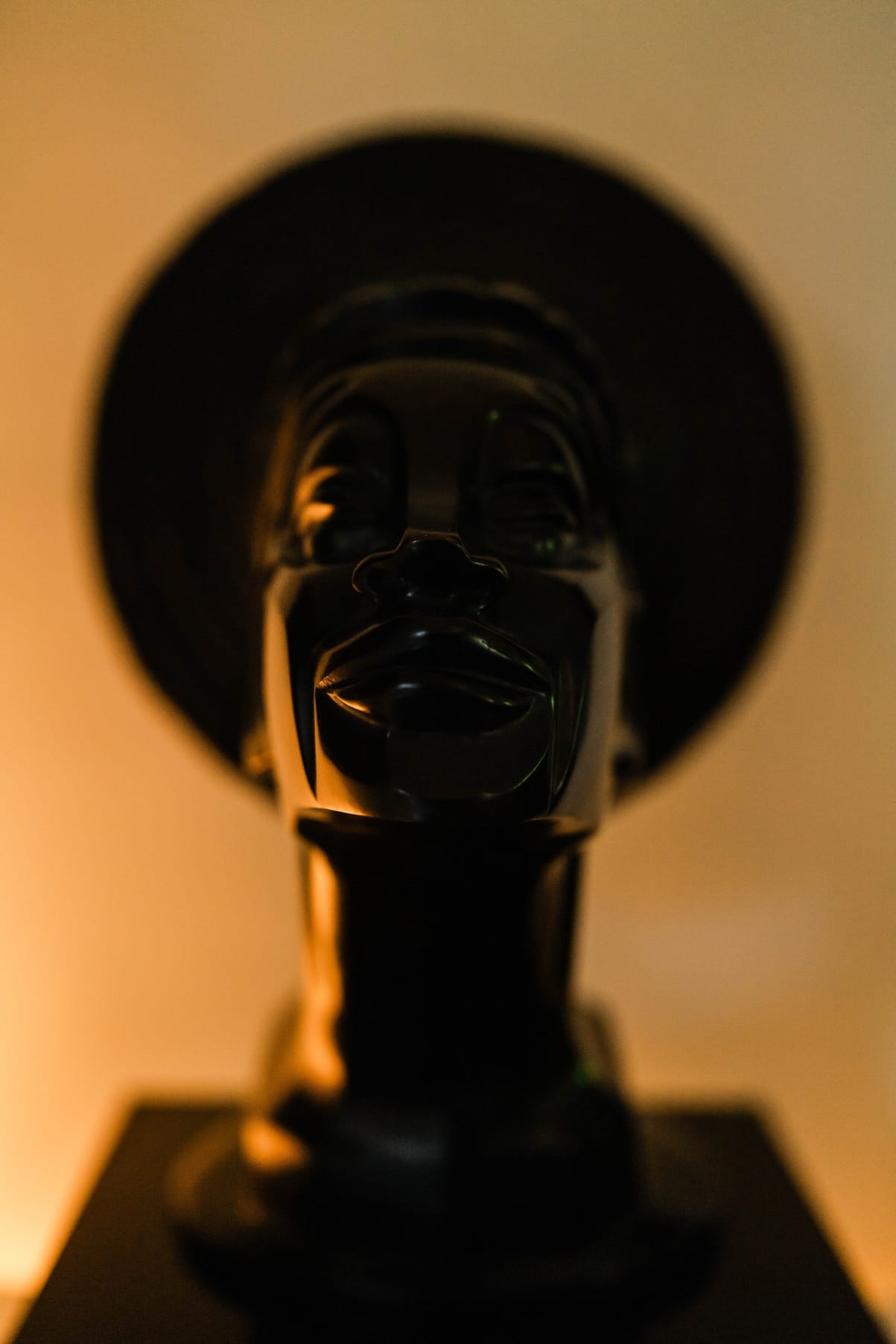
Citroën personally approached Bazin to create a mascot representing the spirit of this extraordinary journey. The sculptor responded with an unforgettable work inspired by Nobosudru, the favourite wife of the chief of the Mangbetu people.
The sculpture captured her extraordinary elegance: a serene face lifted proudly above a long, graceful neck, crowned by a distinctive circular headdress. Once again, Bazin’s unmistakable Art Deco language was evident: a harmonious combination of flowing forms, geometric patterns, and striking angular details.
Other celebrated creations from Bazin’s portfolio included the Centaure and the Licorne, further establishing his reputation as one of the greatest automotive sculptors of the 20th century.

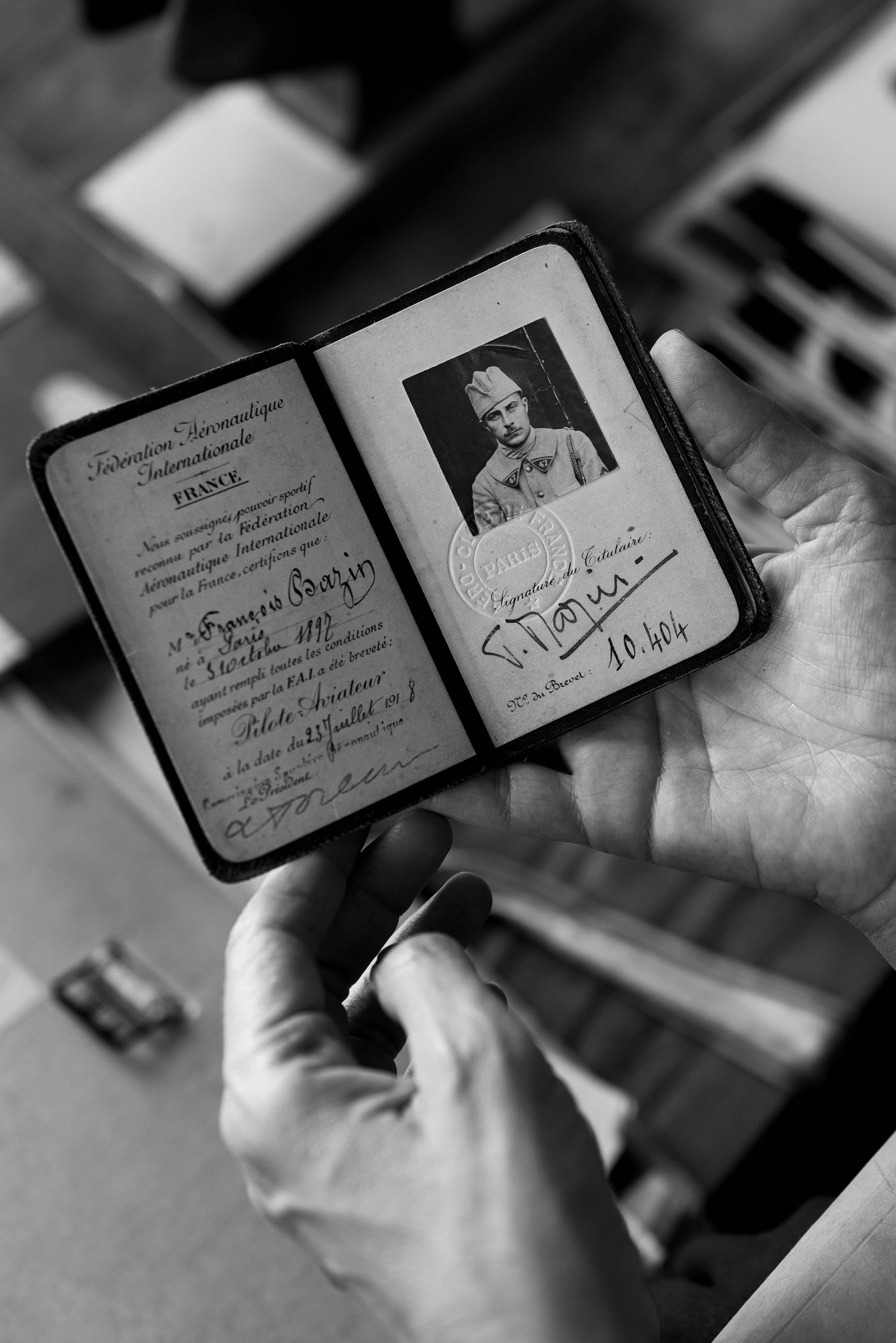
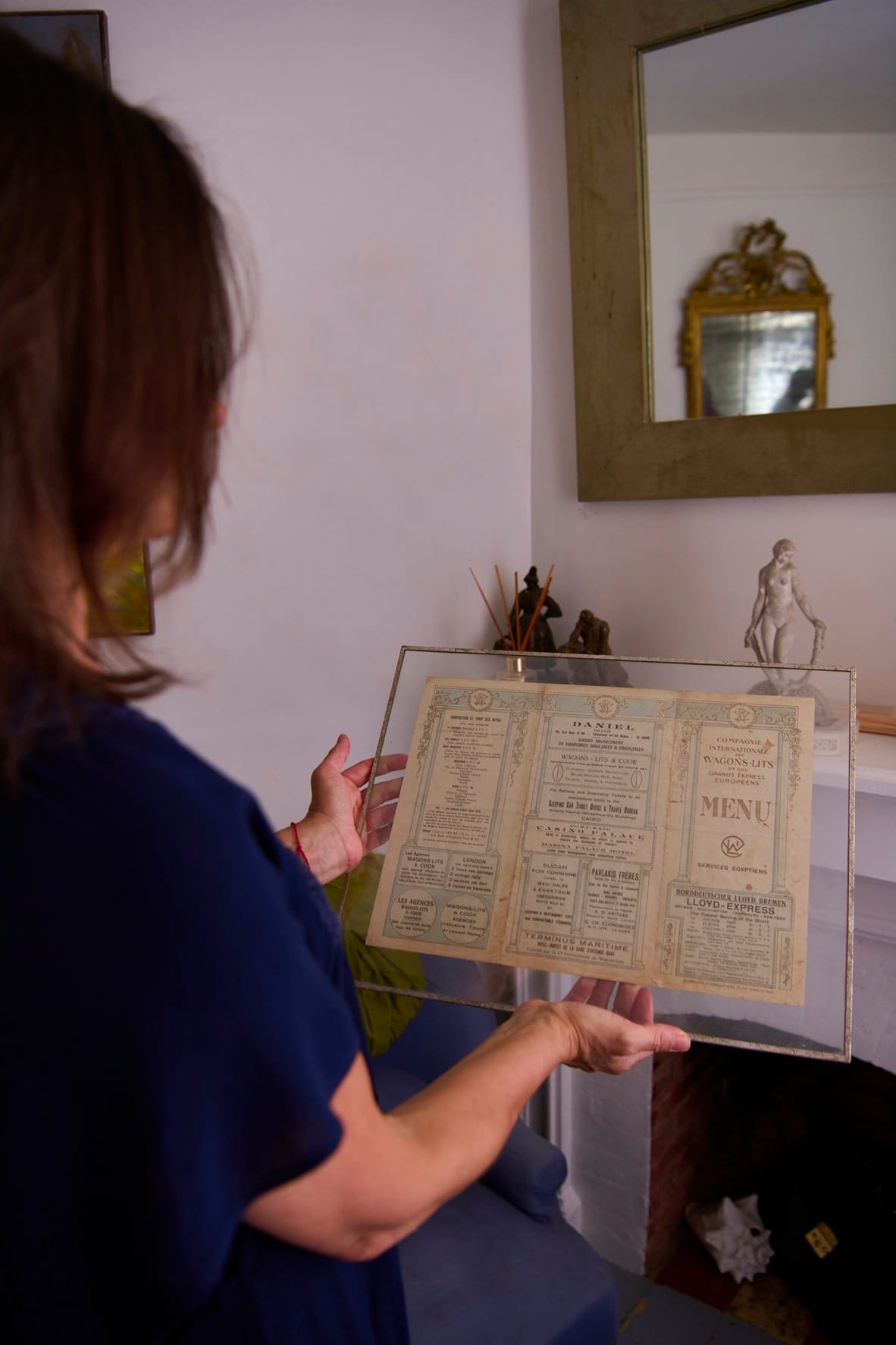
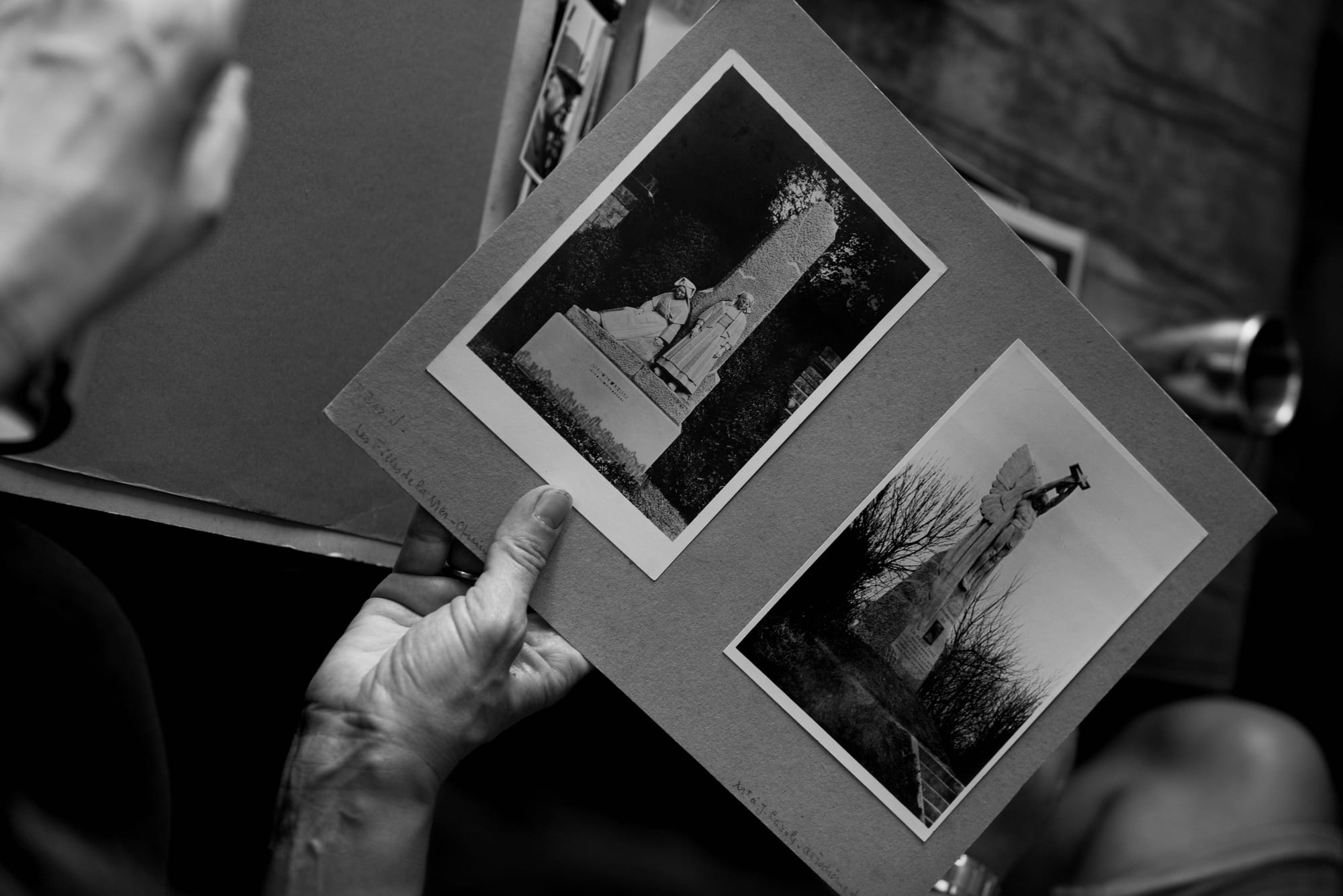
Period images, documents and even François Bazin's Fédération Internationale Aéronautique passport are treasured by Julie Bazin
Although best remembered by automotive enthusiasts, Bazin was also a respected fine artist. His work earned numerous honours, including the gold medal at the Salon des artistes français in 1929 and the National Prize for his works Aux Bigoudens, Terre de pardons and Légendes à Pors-Car-en-Penmarch.
He travelled extensively, drawing inspiration from Italy, Greece, Egypt, and Madagascar, where he created sculptures and charcoal portraits. He also produced three decorative bas-reliefs for the Palace of Hydrotherapy at the 1937 Exposition Internationale des Arts et Techniques in Paris.
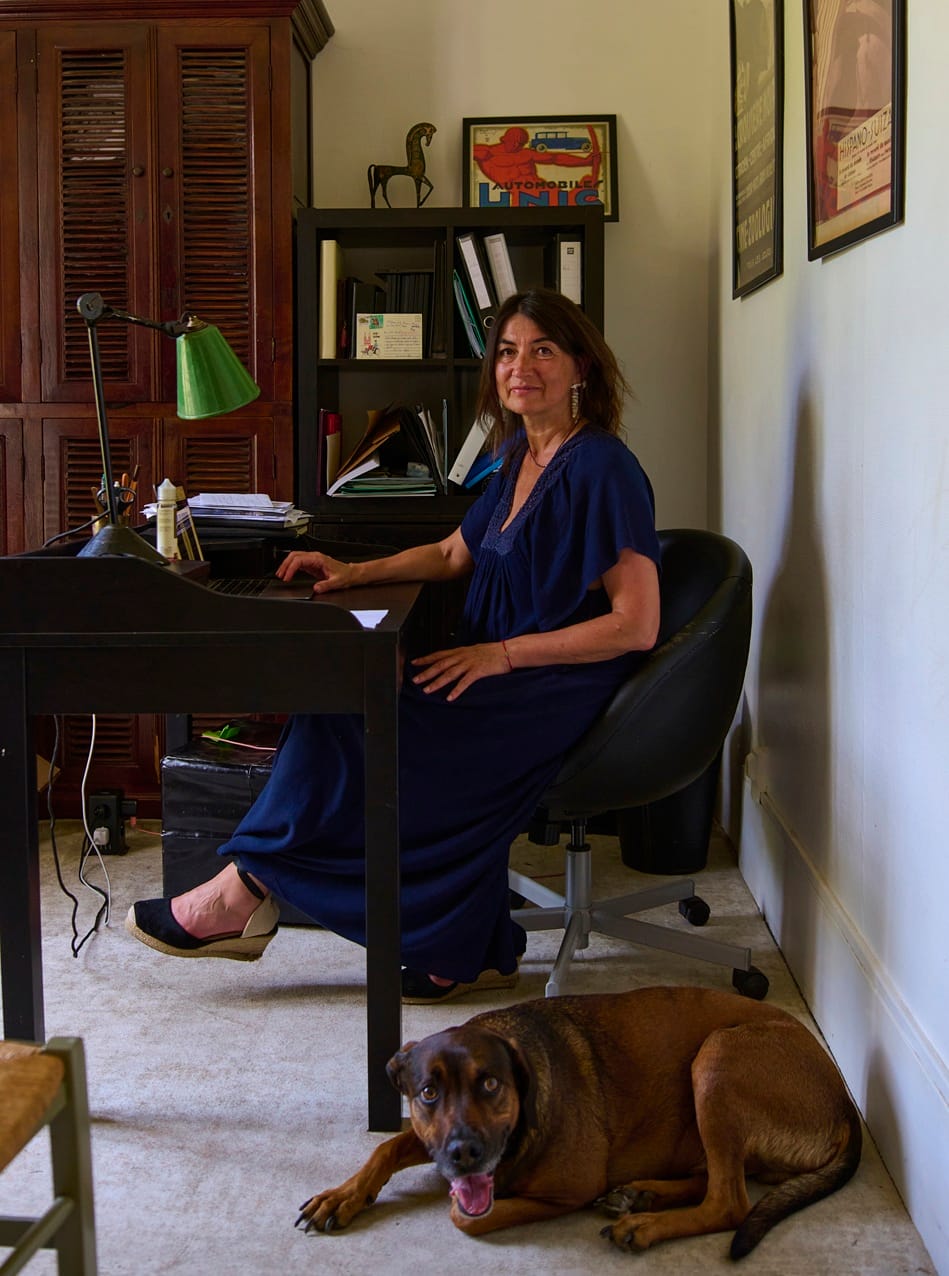
François Bazin’s influence continues today through the efforts of his granddaughter Julie Bazin, who has revived the family name by producing limited-edition monumental bronzes based on his legendary mascots.

She has also created a jewellery collection inspired by the Croisière Noire, bringing Bazin’s artistic heritage to a new generation while introducing his work to a wider audience beyond traditional automobile collectors.
More than a century after the creation of the Hispano-Suiza stork, François Bazin’s sculptures remain symbols of elegance, movement, and imagination — timeless works where automotive history and fine art meet.
Comments ()