From Horses to Horse Power
Paul Stama and Cristian Vladimirescu, both successful Romanian businessmen, have set out to create an event that will put Ploiești firmly on the map for classic car enthusiasts
Text: Gautam Sen
Images: Sanket Patel & Retro Cars
Ploiești, the capital of Prahova County in southern Romania, lies some 60 kilometres north of Bucharest and has long been one of the country's most important industrial and economic centres.
For generations, the city has been synonymous with oil. During the 19th century, the surrounding region emerged as one of the world's earliest major oil-producing areas, earning Ploiești the nickname "the capital of Romanian oil". Romania was among the first nations to record official crude oil production, and Ploiești stood at the heart of that pioneering industry.
The city's strategic importance became even more apparent during the Second World War. Its vast oil refineries supplied fuel to the Axis powers and consequently became targets of extensive Allied bombing campaigns.
Despite its rich history, Ploiești has never been regarded as a major tourist destination. Visitors can enjoy several noteworthy attractions, including the Nicolae Simache Clock Museum, the Ion Ionescu-Quintus Prahova County Museum of Art, the Cathedral of Saint John the Baptist, and the attractive Mihai Viteazul Park, but the city has traditionally remained off the radar for most international travellers.
Two passionate historic vehicle enthusiasts, however, are determined to change that.
Paul Stama and Cristian Vladimirescu, both successful businessmen in the oil pipeline insulation industry, have set themselves an ambitious goal: to create an event that will put Ploiești firmly on the map for classic car enthusiasts.
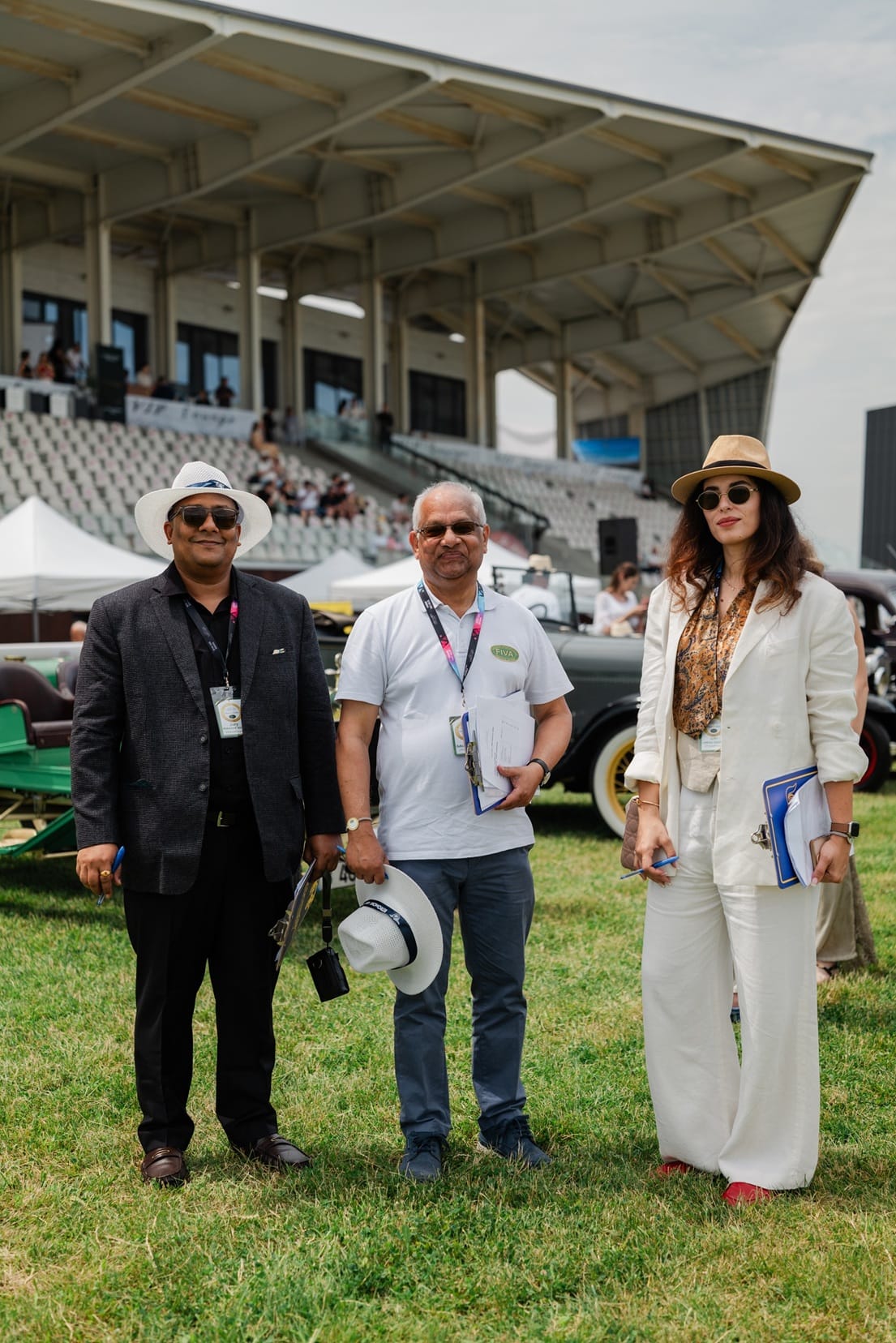
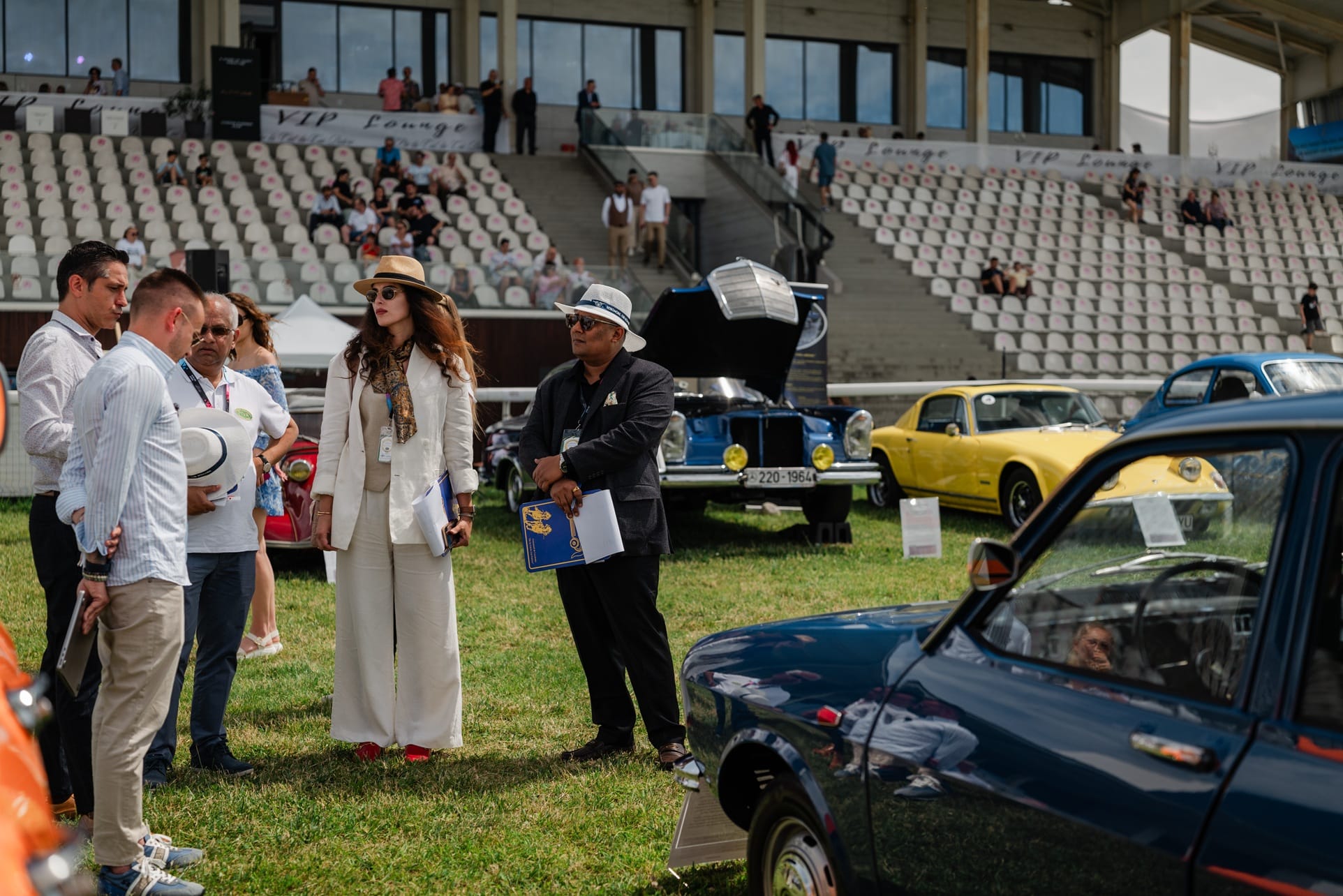
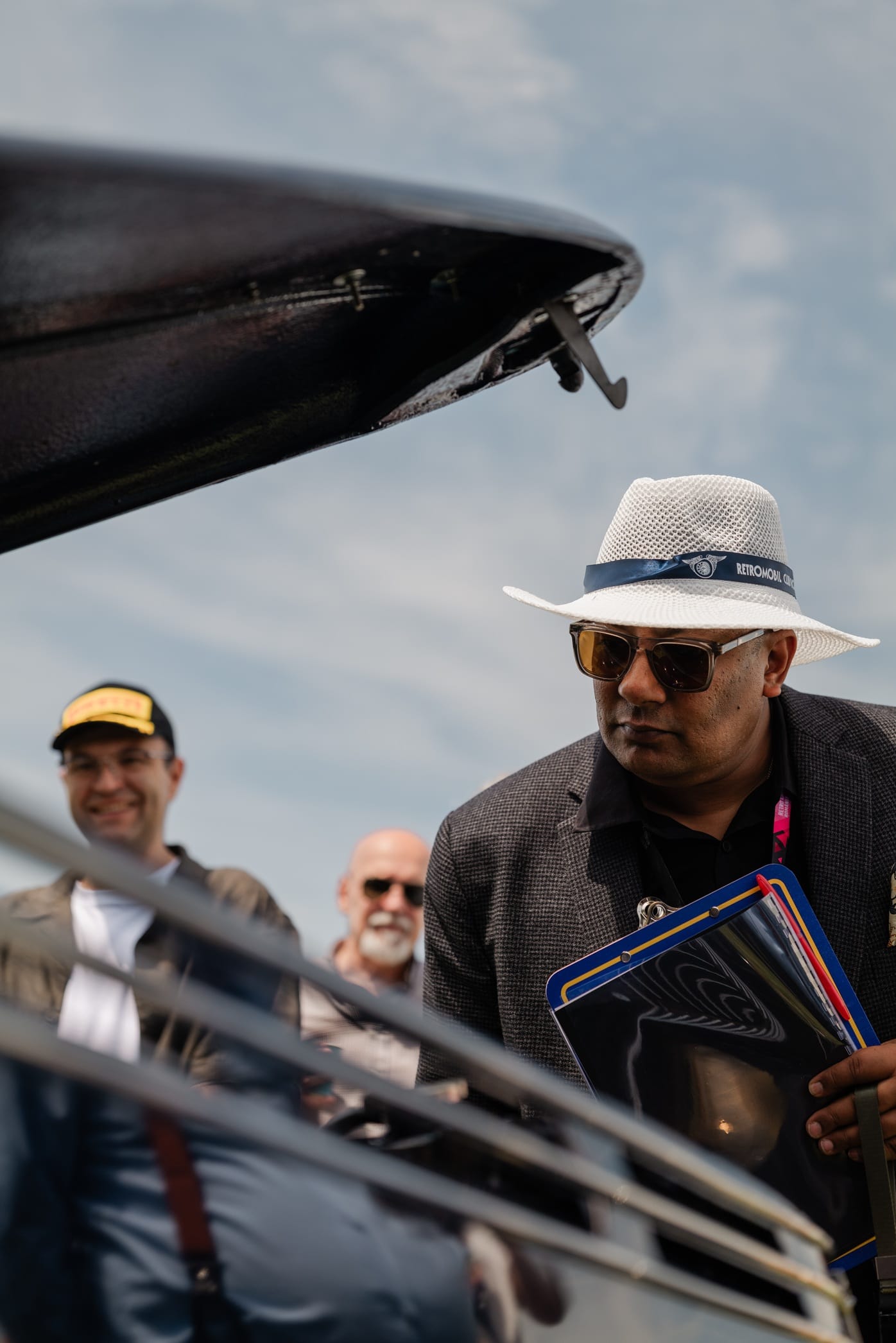
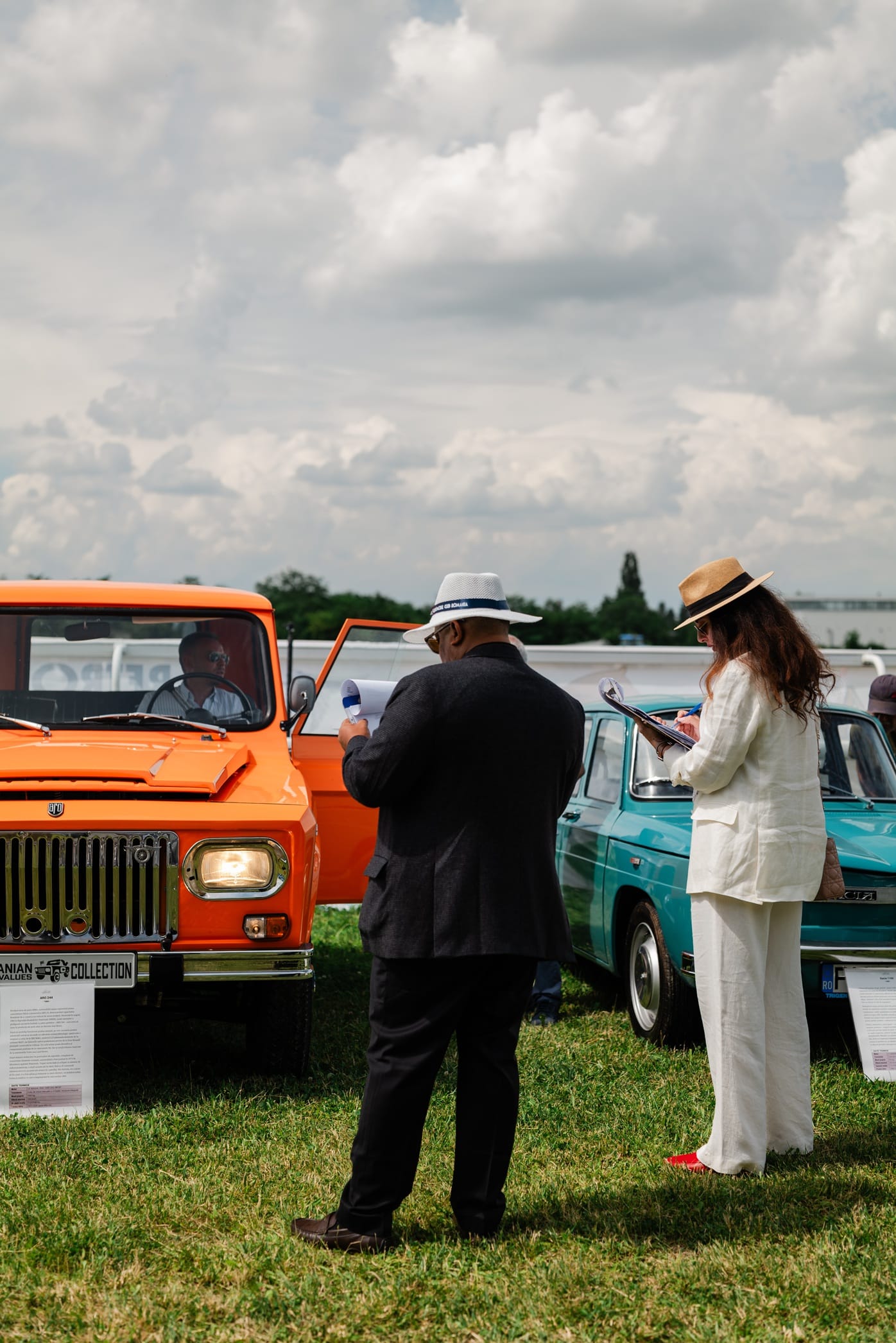
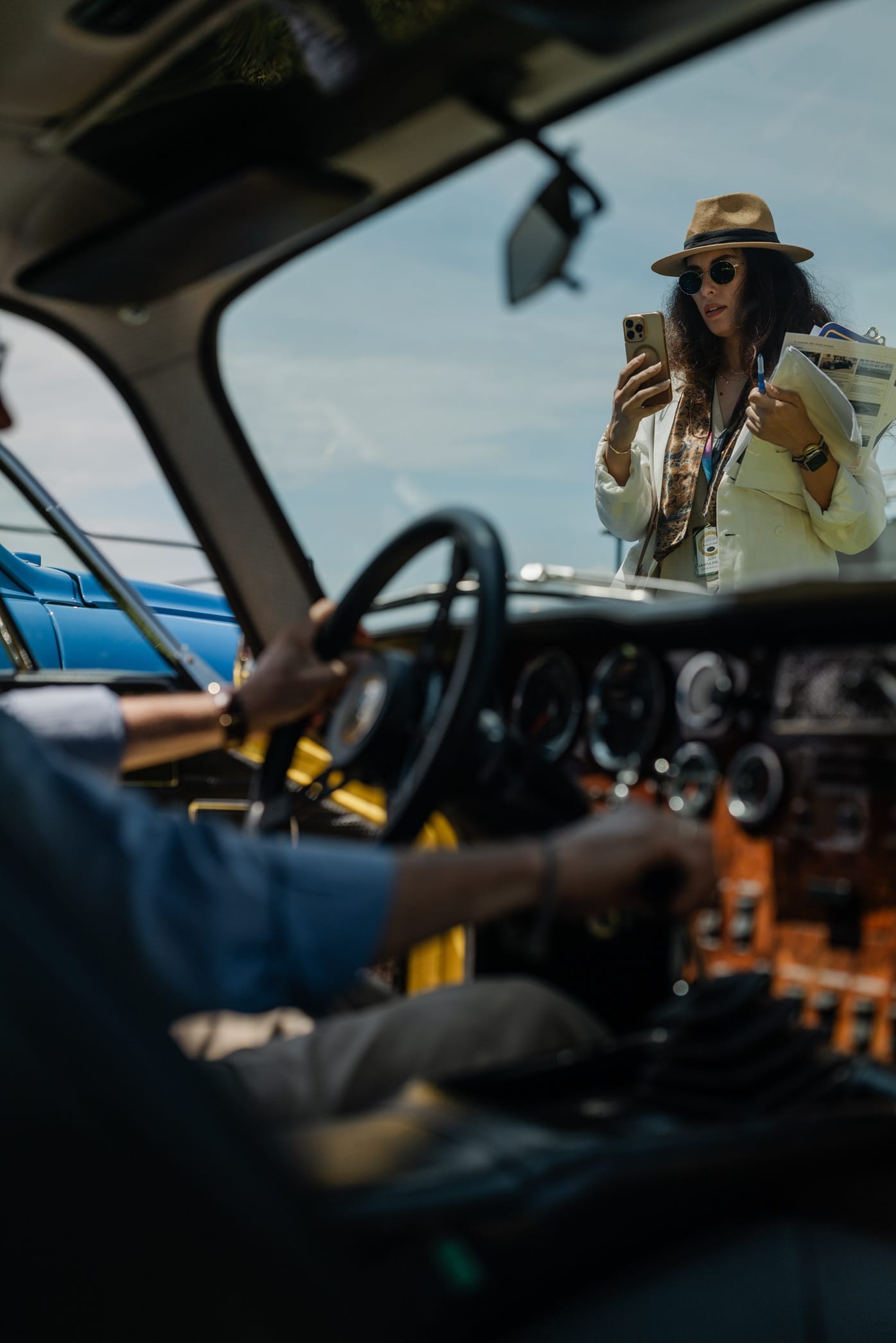
When the jury (Makarand Baokar, yours truly, and Lamiaa Zinoune, at top left) went marching...
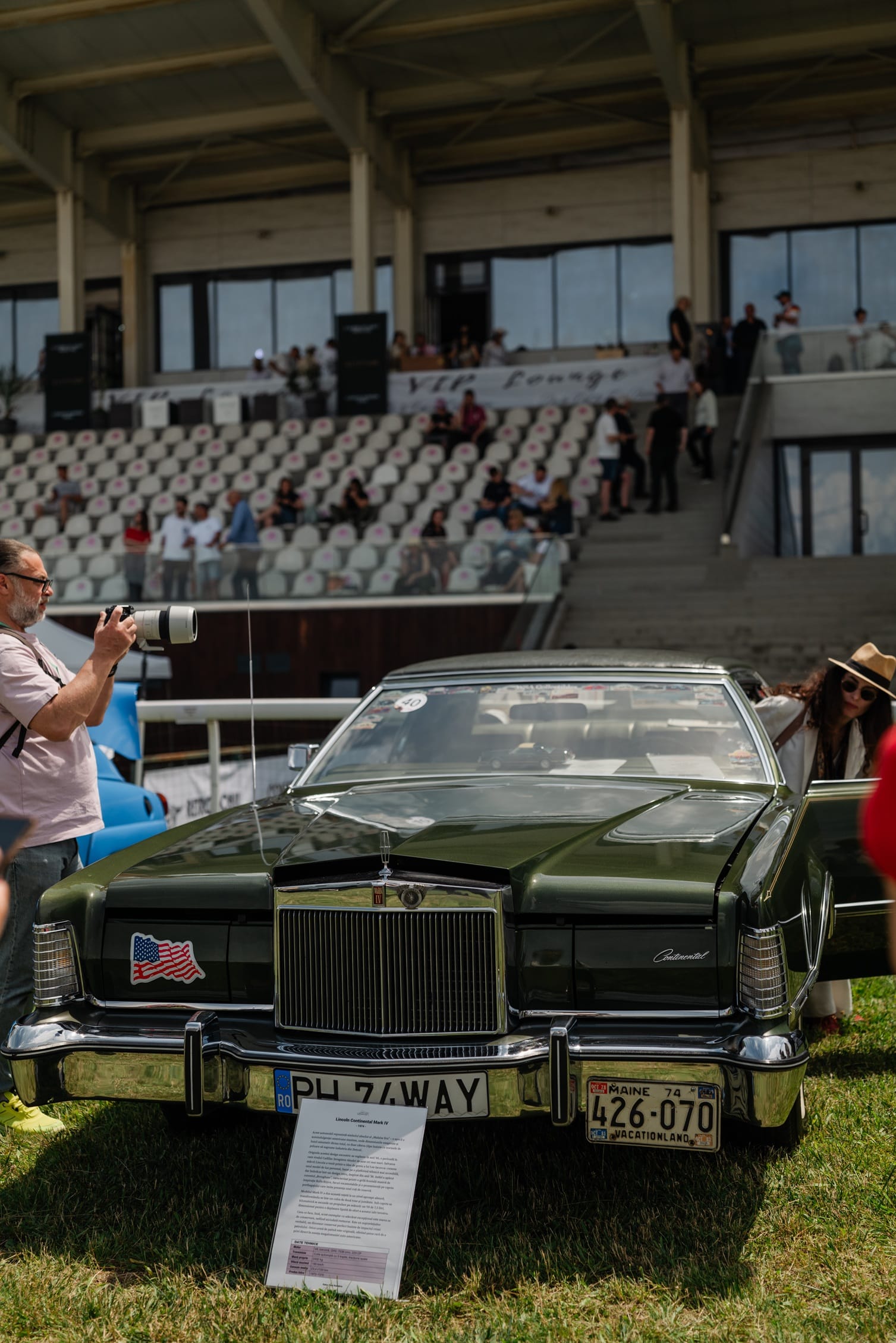
Keen to give something back to their community, they envisioned a world-class concours event in their hometown. The venue could hardly be more fitting. Ploiești's historic racecourse – the city's hippodrome – provides the backdrop for a concours built around the evocative theme "From Horses to Horsepower" (or, in Romanian, "De la cal la cai putere").
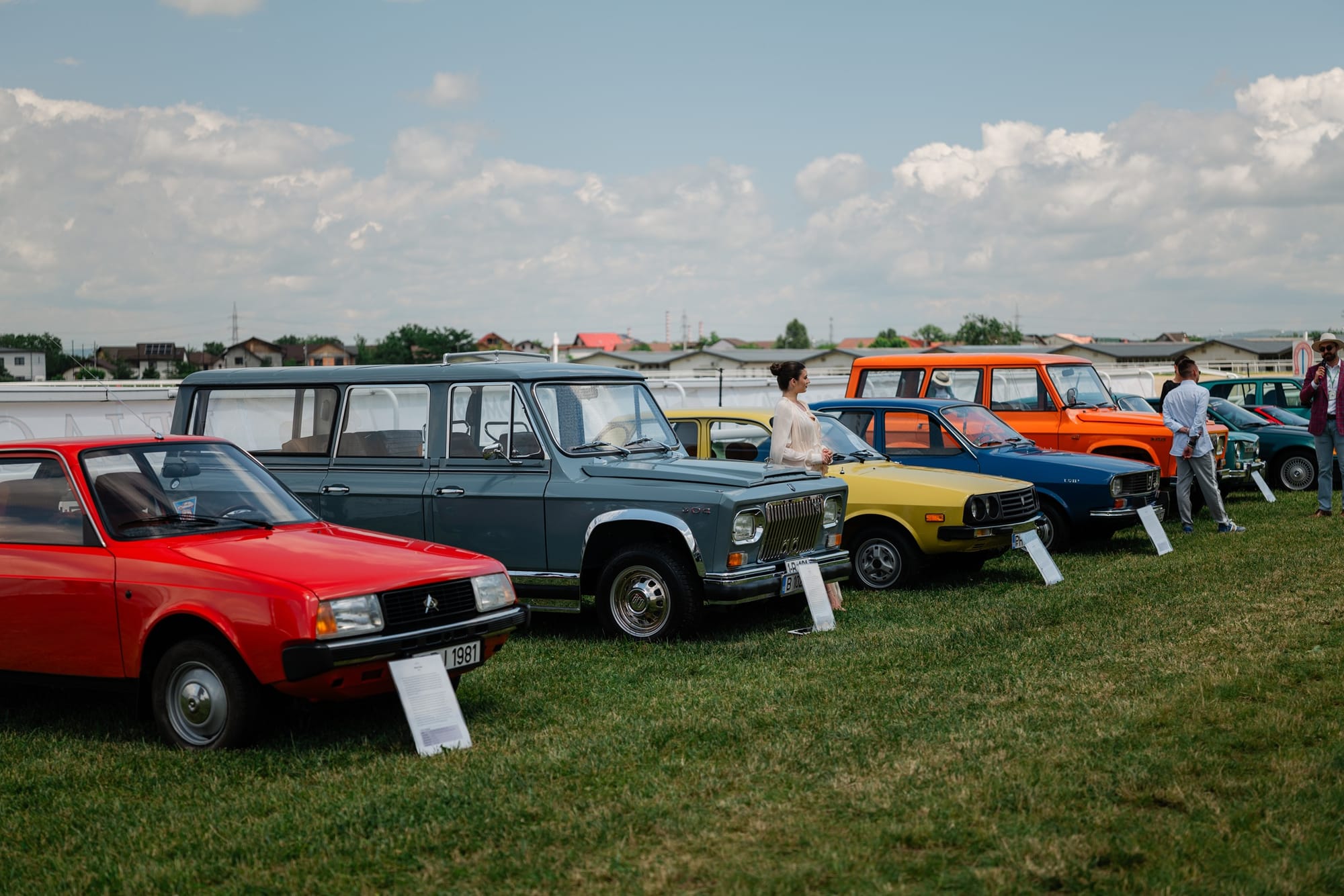
In many ways, the event is also a revival of a proud Romanian tradition.
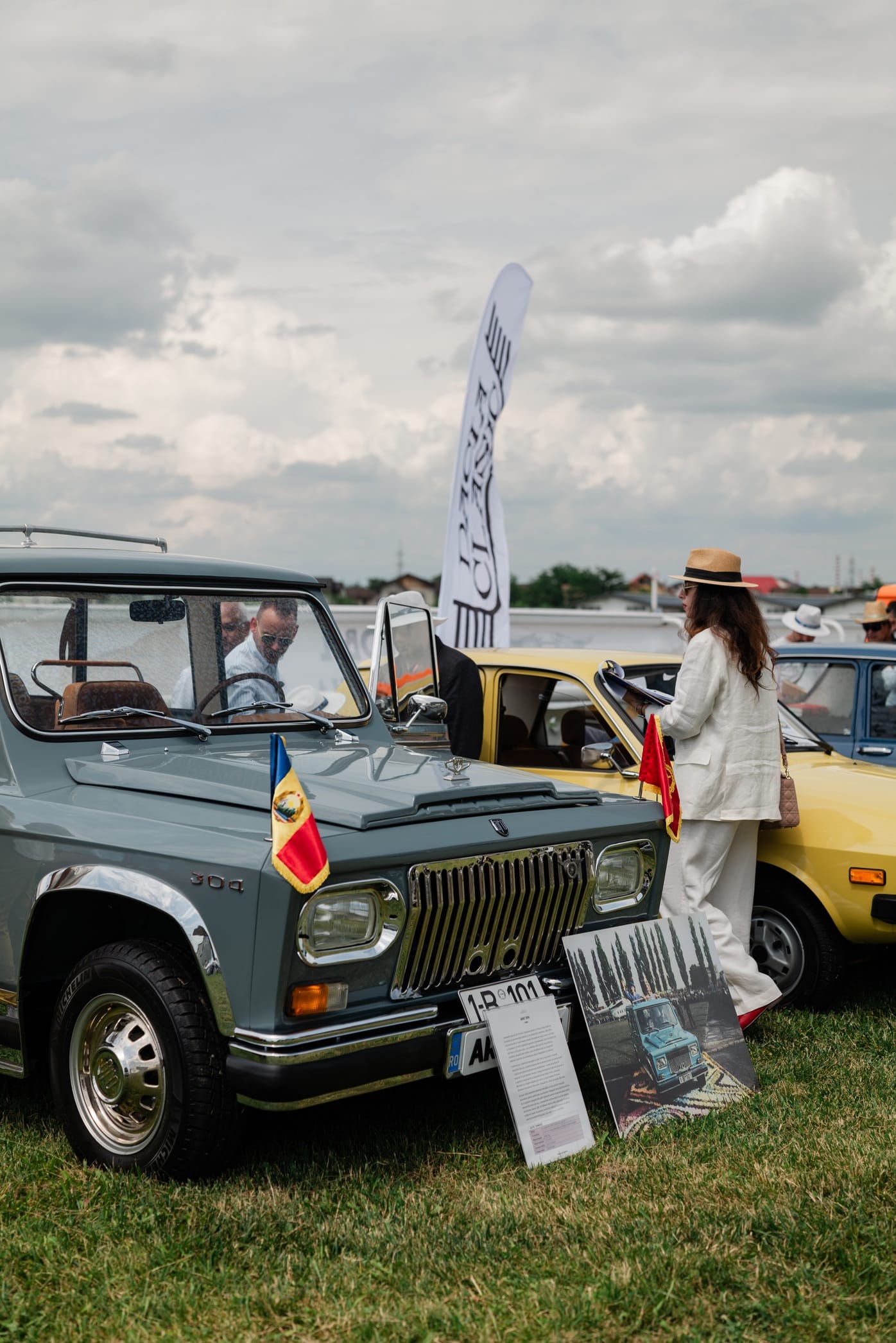
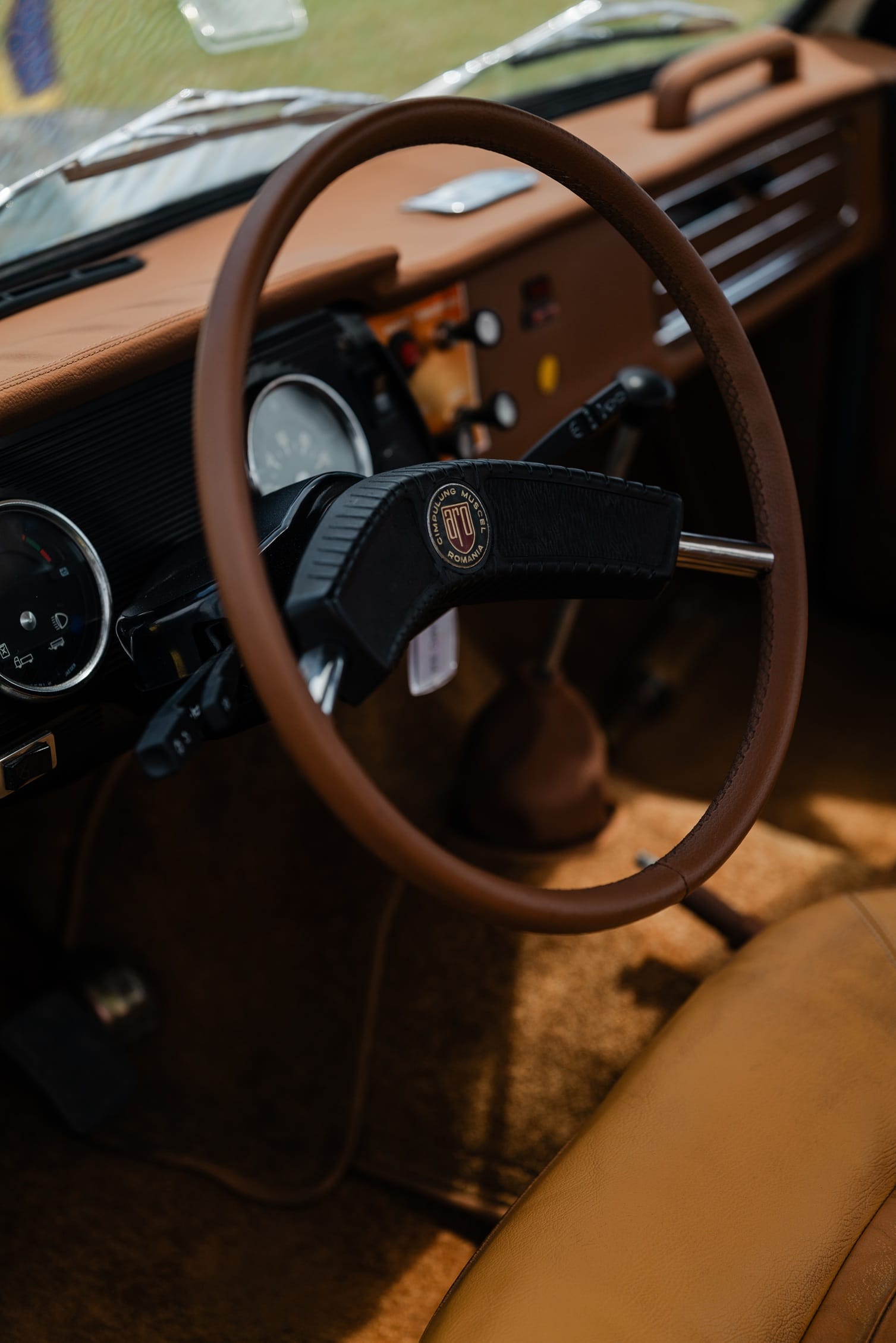
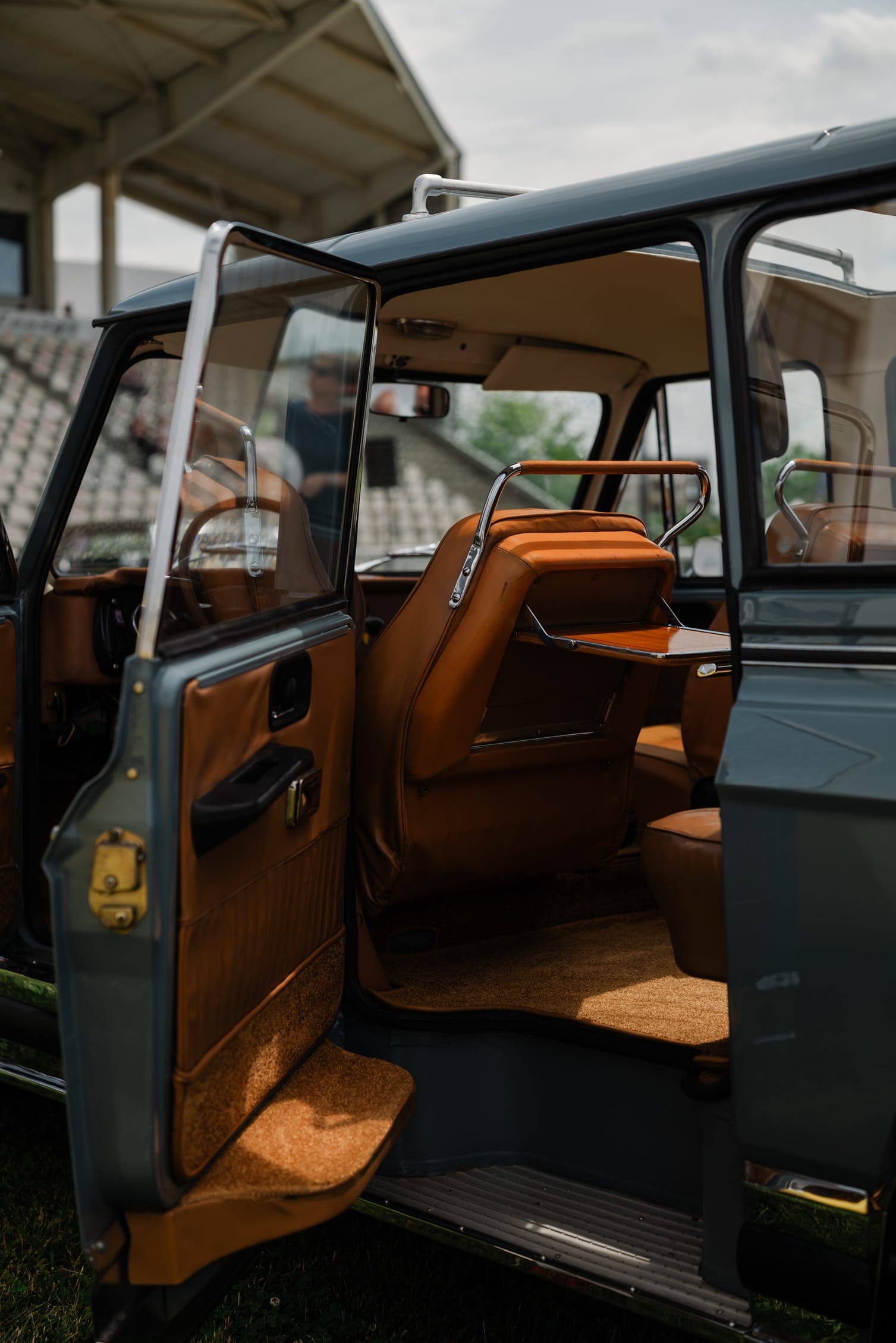
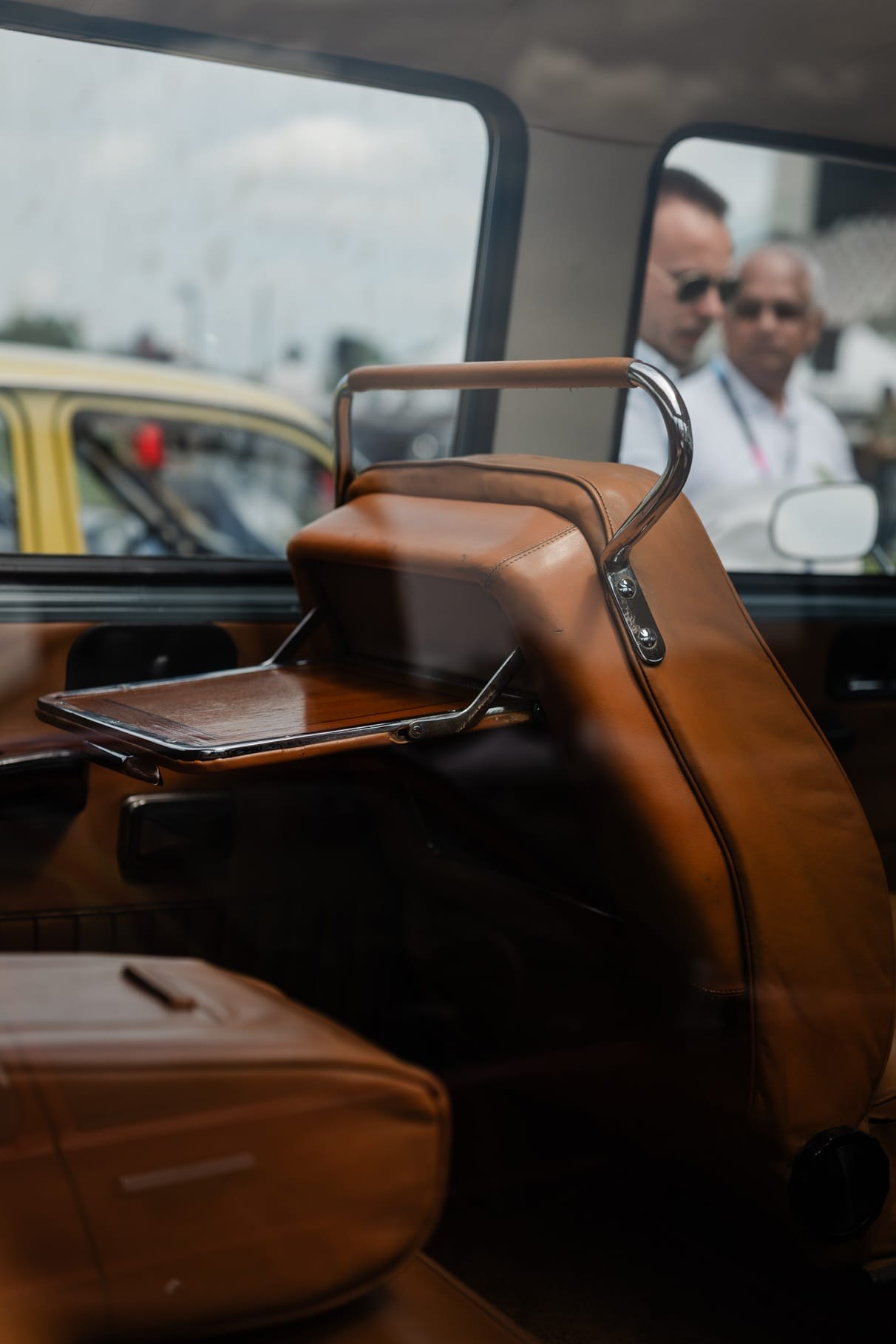
The fascinating presidential parade car – one of six special AROs – of Romanian head of state Nicolae Ceaușescu
Romania was among the first countries outside France to embrace the concept of the concours d'élégance. The nation's inaugural event took place in 1930 in the historic city of Timișoara. Known at the time as a "concurs de confort și eleganță" (Comfort and Elegance Competition), it featured an eclectic field of eleven automobiles representing marques such as Mercedes-Benz, Buick, Chevrolet, Praga, Horch, Willys Knight, Steyr and Plymouth. A Chrysler owned by Ghica Mentiuni claimed victory, while a Praga finished second.
Among those attending that pioneering event was Prince Nicolae, then serving as regent. Whether his presence directly influenced future developments remains unclear, but four years later, on 11 and 12 August 1934, the first official Elegance and Comfort Competition was held under the patronage of King Carol II. The king's summer residence in the mountain resort of Sinaia soon became the focal point of Romania's automotive social calendar.
Fast-forward nearly a century, and the spirit of those early events lives on in Ploiești.
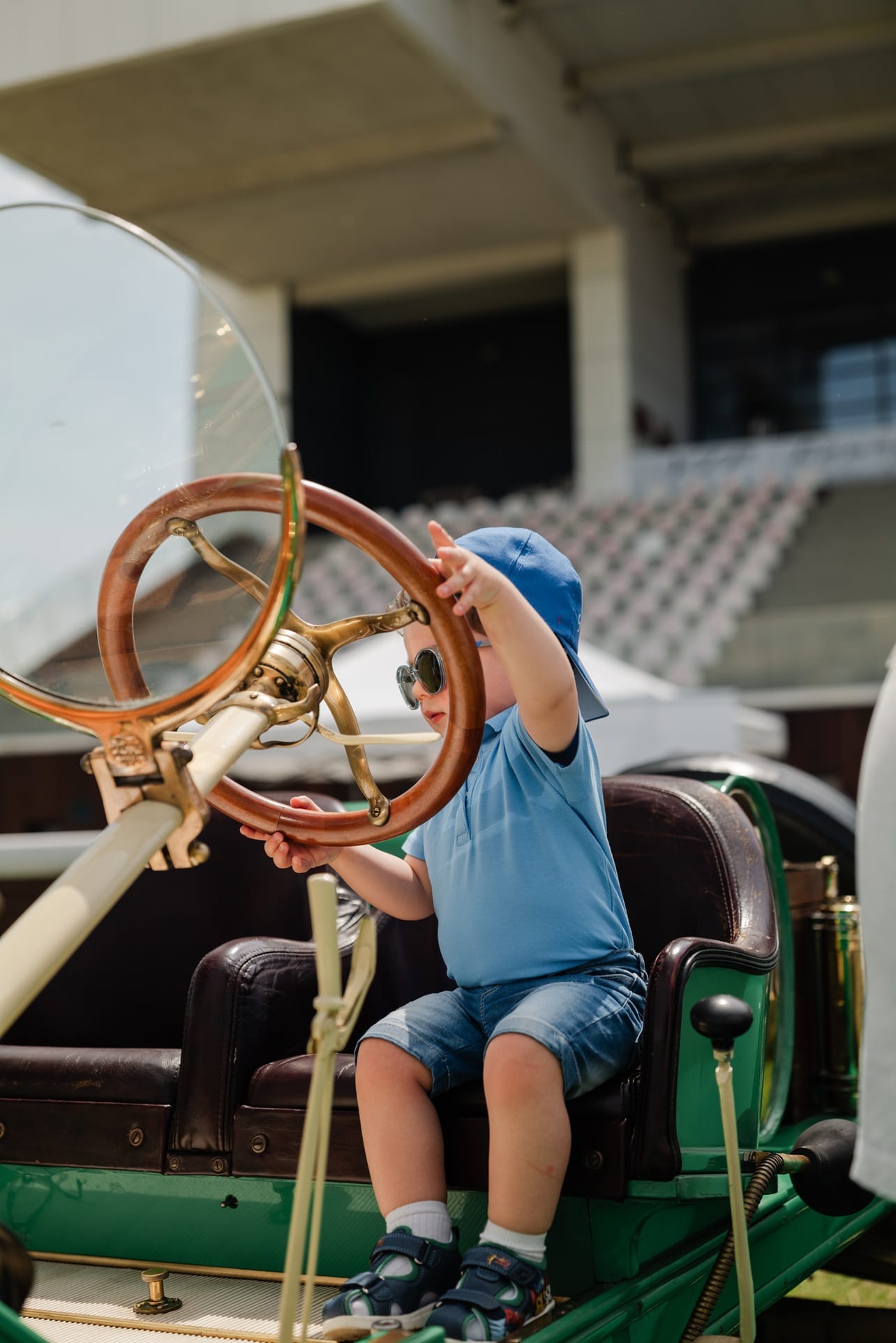
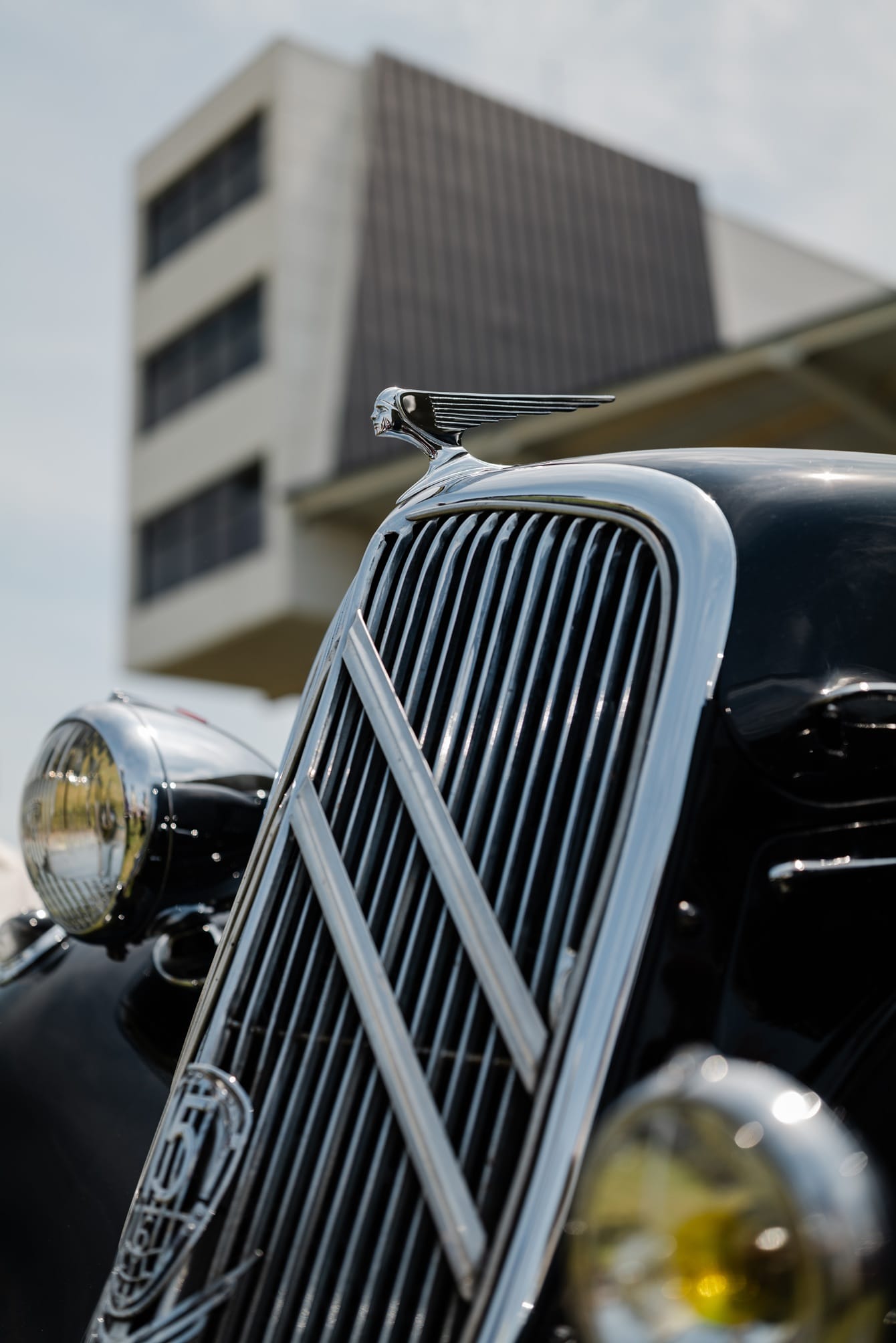
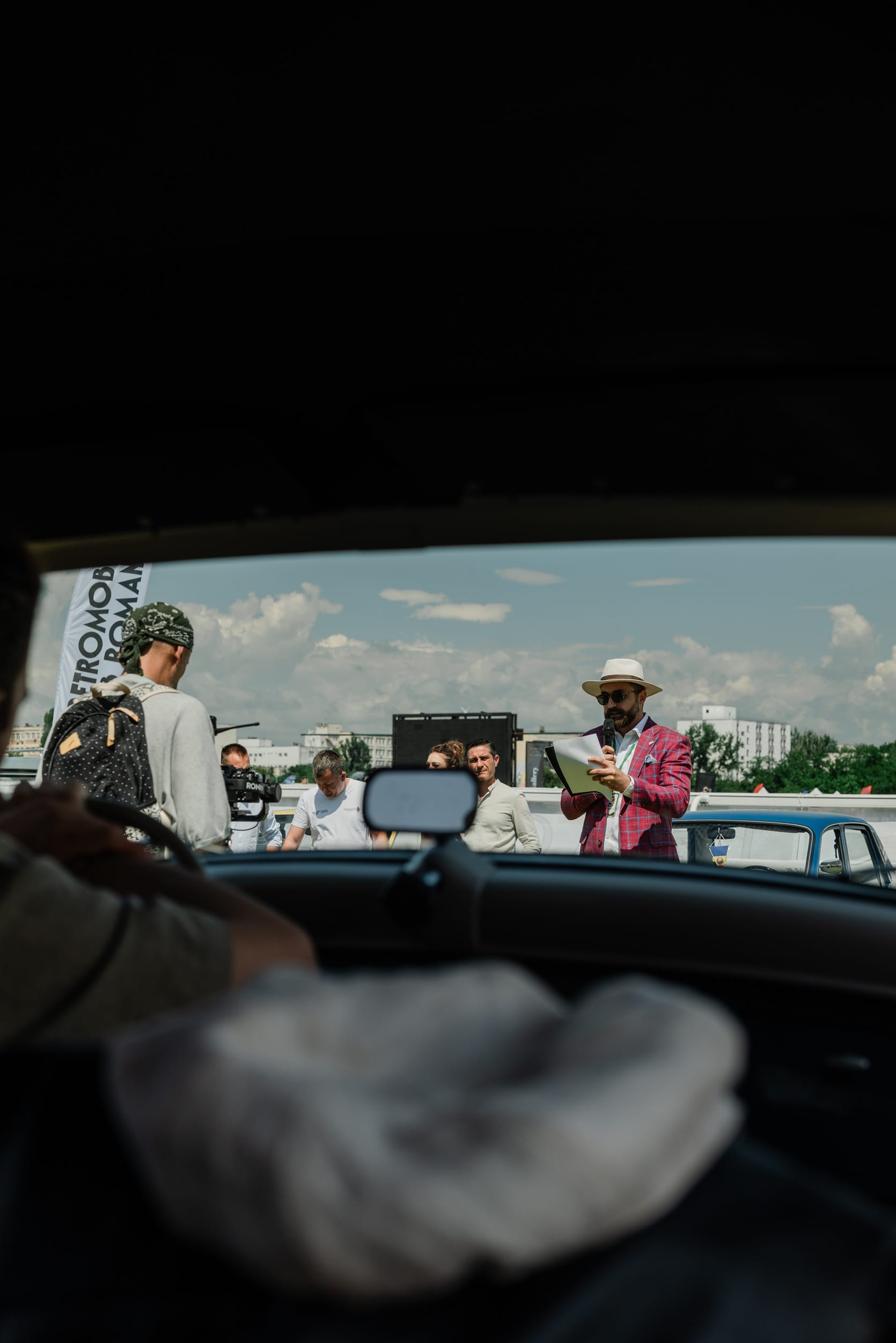
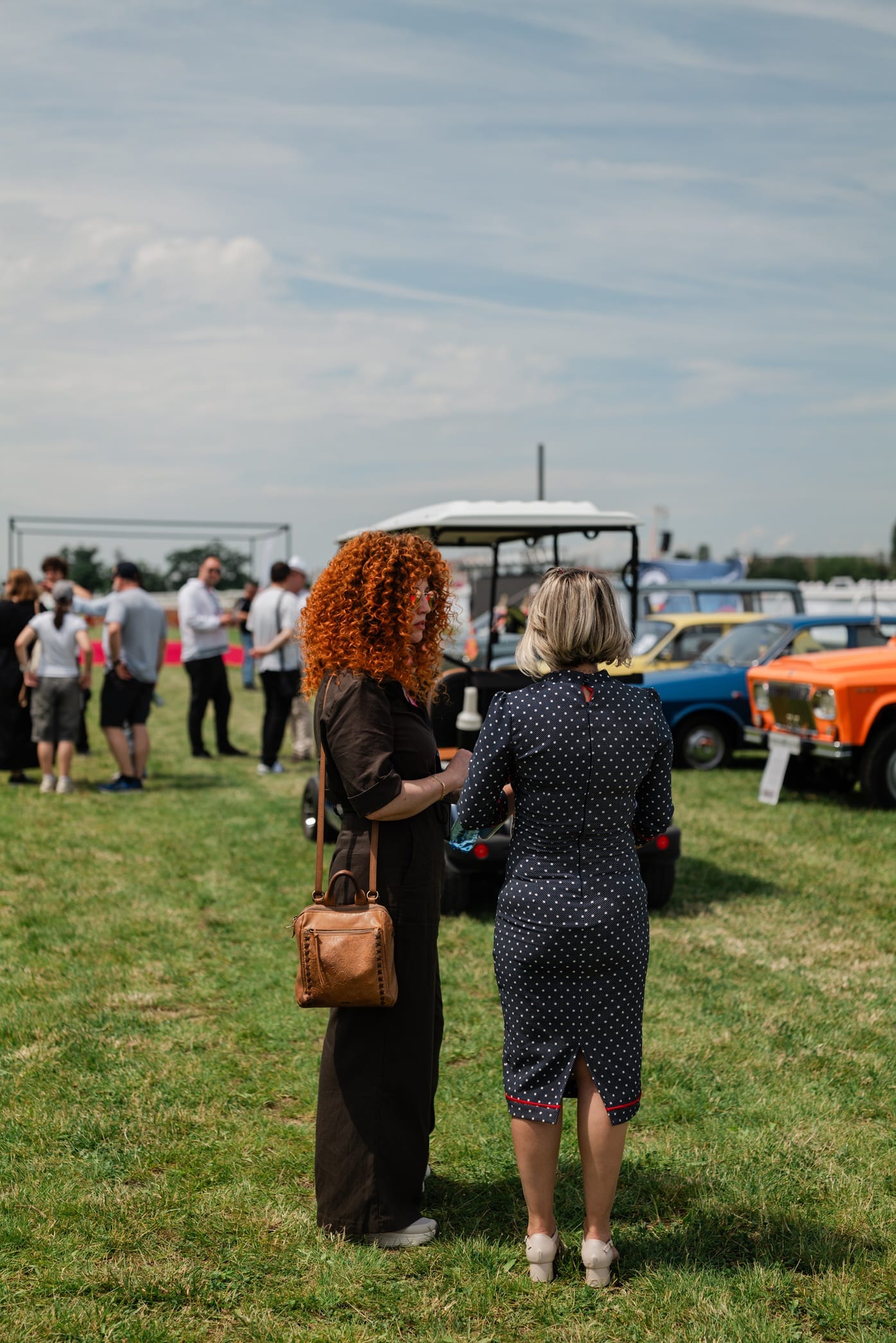
A set of lovely captures by ace photographer Sanket Patel
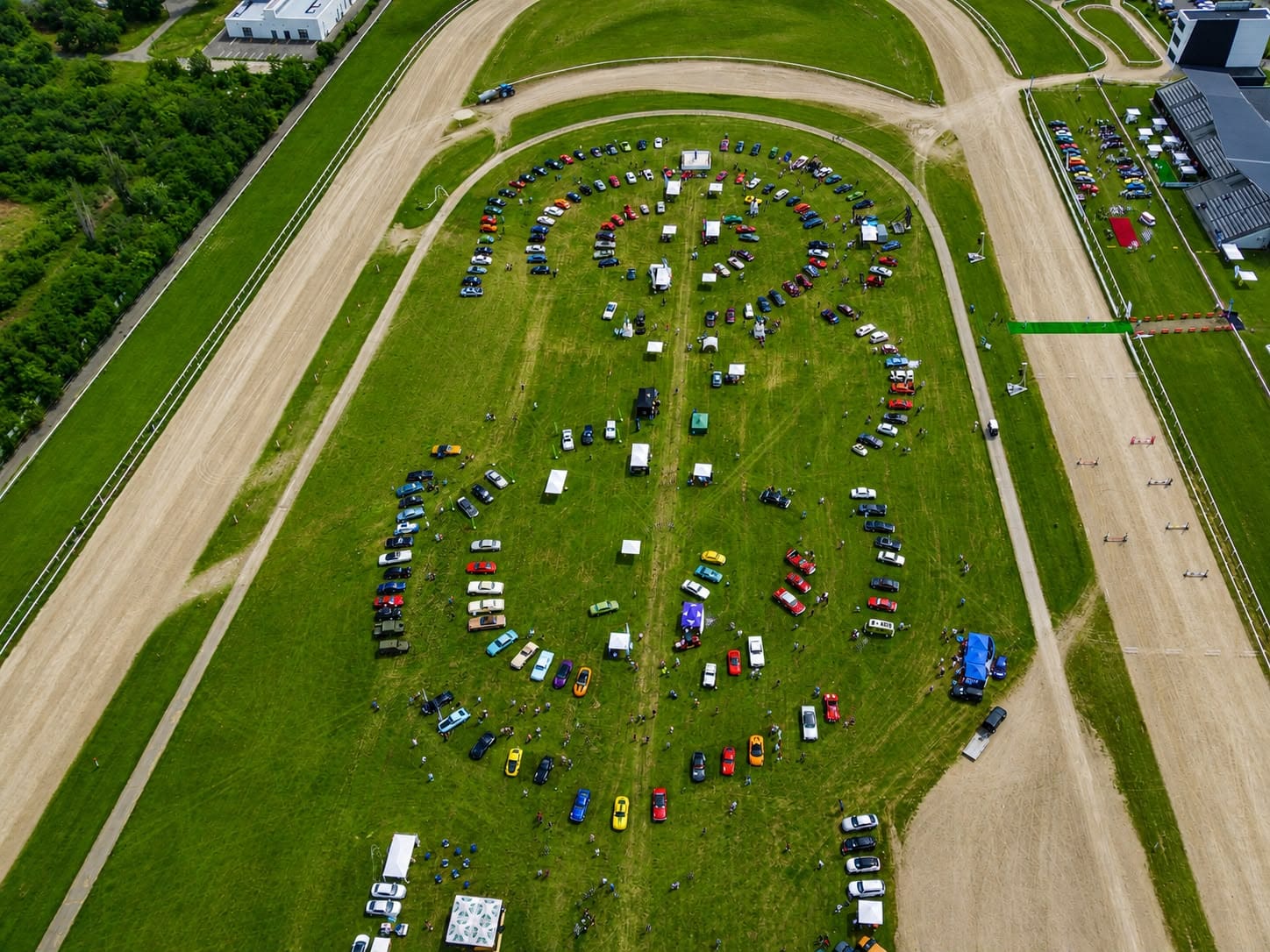
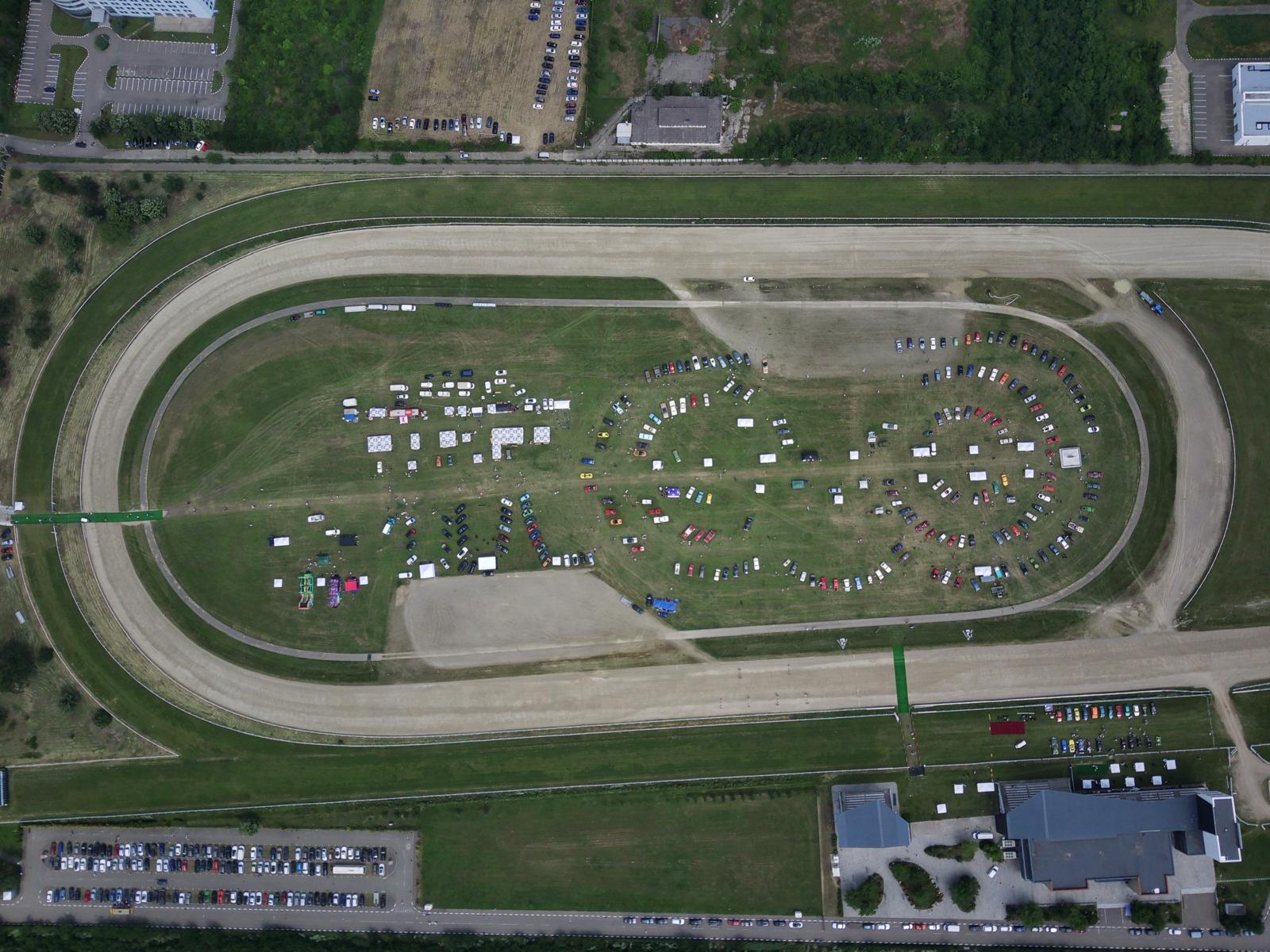
Held over the first weekend of June, the fourth edition of the Ploiești Concours d'Excellence unfolded as a two-day celebration of historic motoring. Saturday was devoted to a concours d'état-style judging process involving 23 carefully selected vehicles chosen from more than three dozen entries. Sunday shifted the focus to prize-giving and public enjoyment, with more than 200 historic vehicles filling the infield alongside a handful of modern supercars.
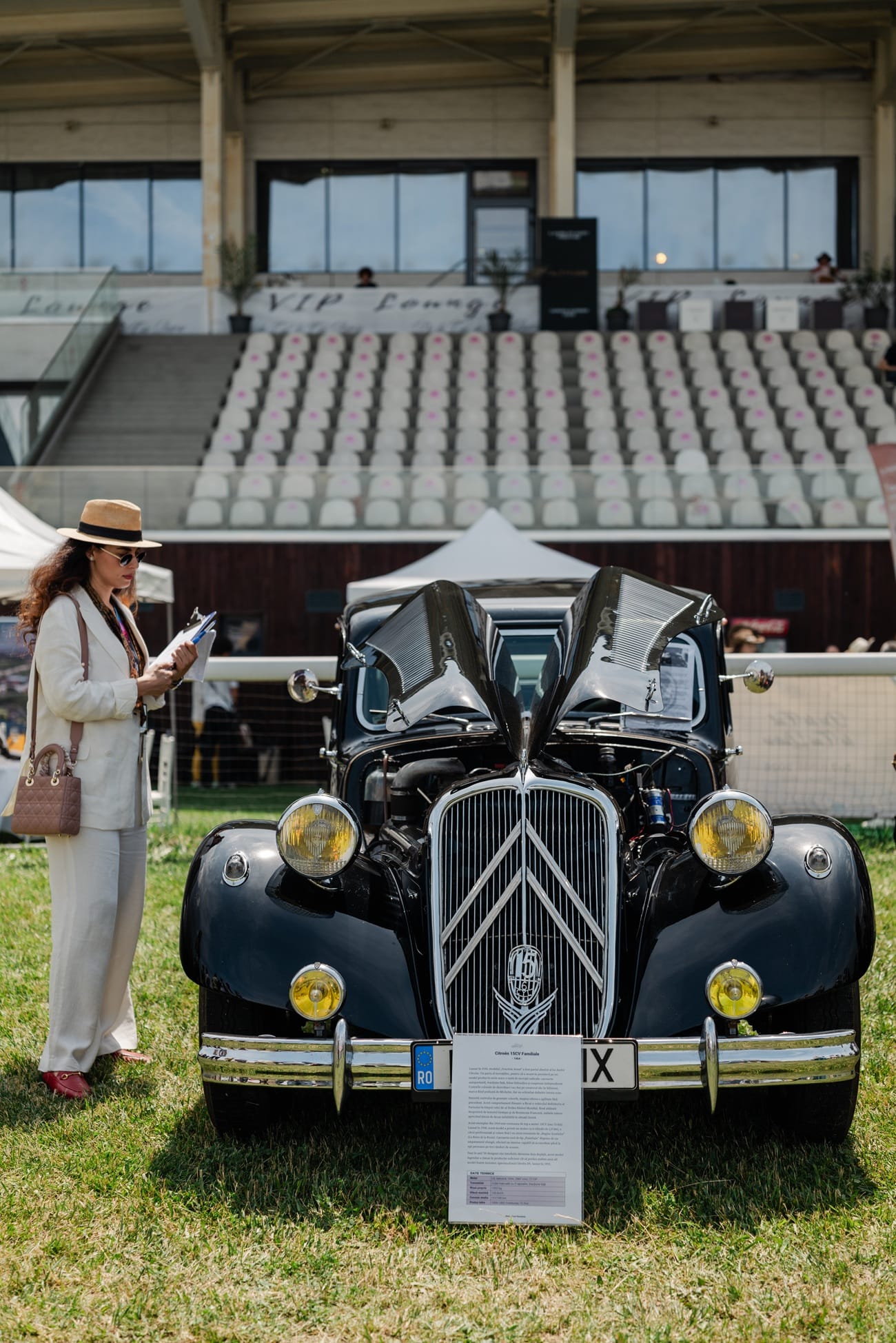
Behind the scenes, much of the event's success was made possible by Cristina Stoica, whose meticulous planning and tireless dedication ensured that every aspect of the weekend ran smoothly.
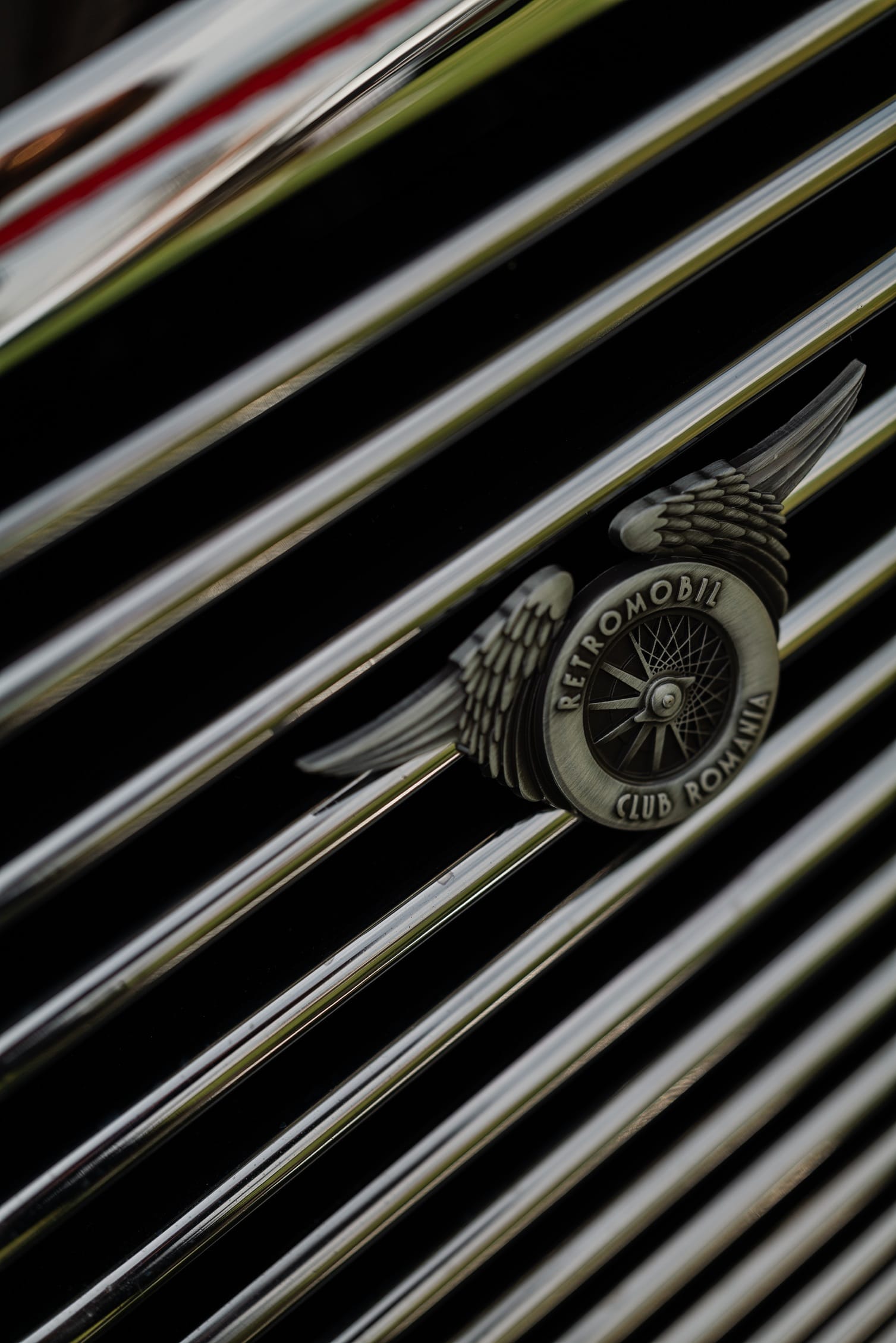
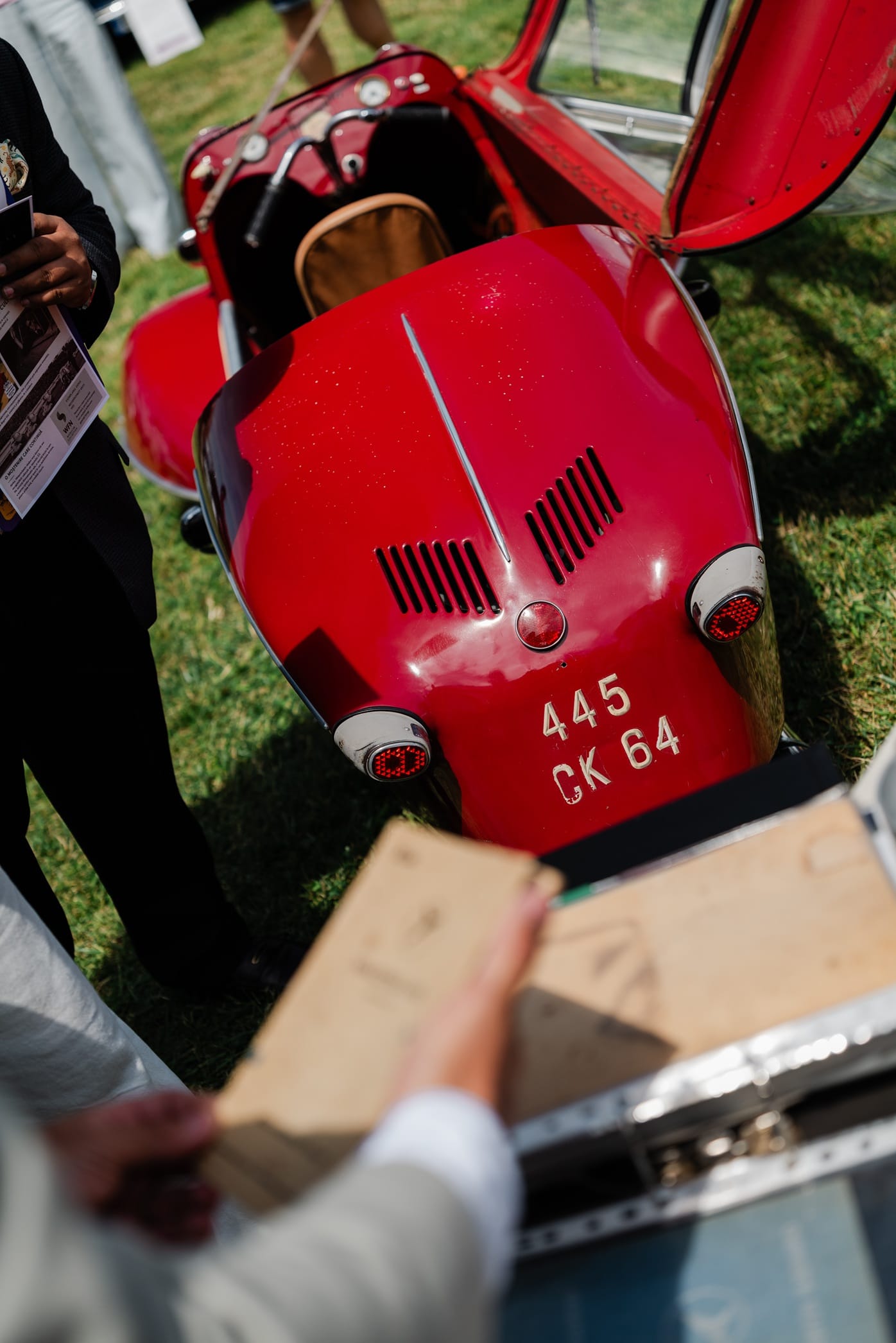
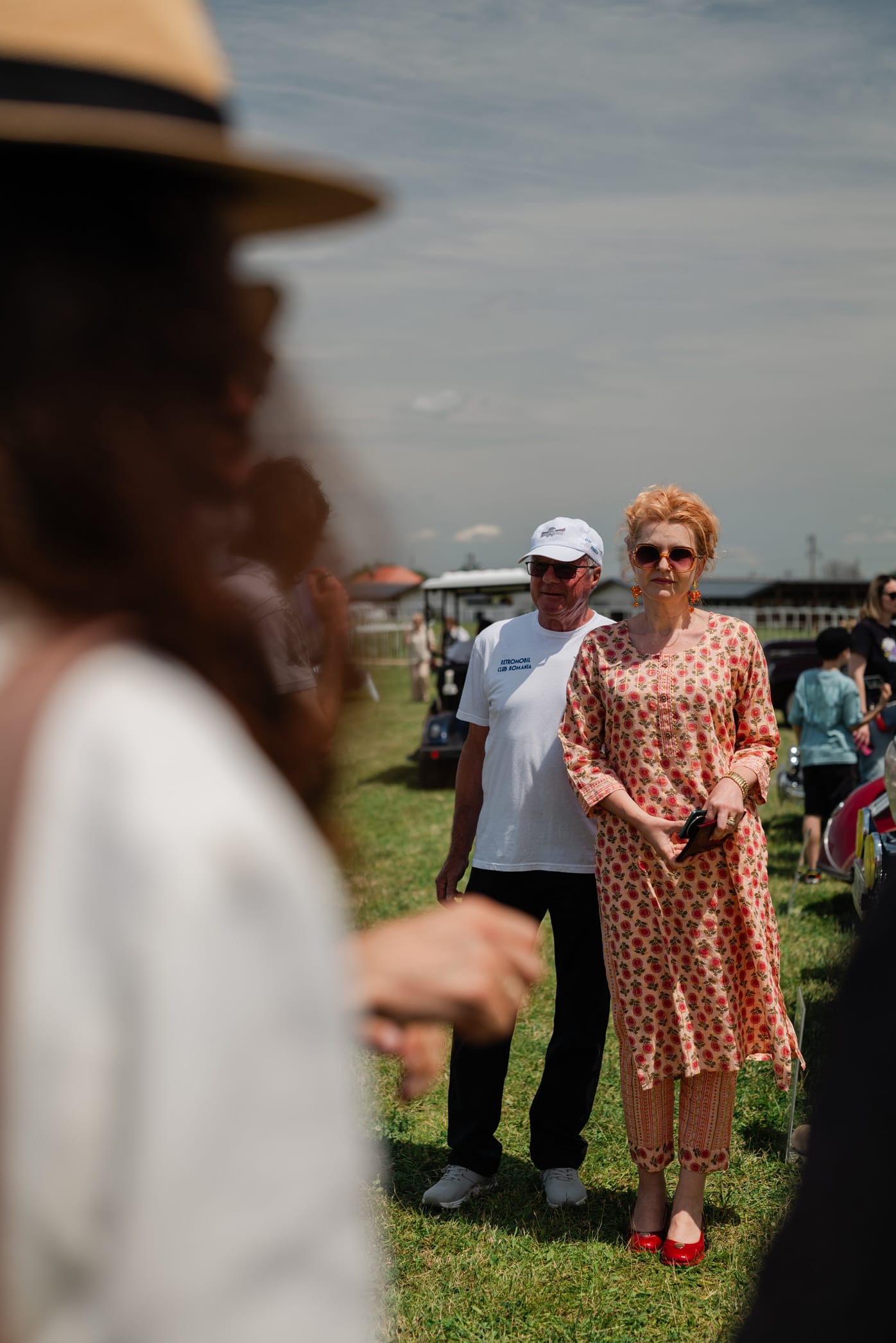
Another set of lovely captures by Sanket
Determined to establish international standards from the outset, Cristian, Paul and Cristina, together with FIVA Vice President Gabriela Măgureanu, invited me to assemble a judging panel drawn from different parts of the world. I proposed two young but exceptionally knowledgeable judges: Lamiaa Zinoune from Morocco's FMRVE federation and renowned Indian automotive photographer Makarand Baokar.
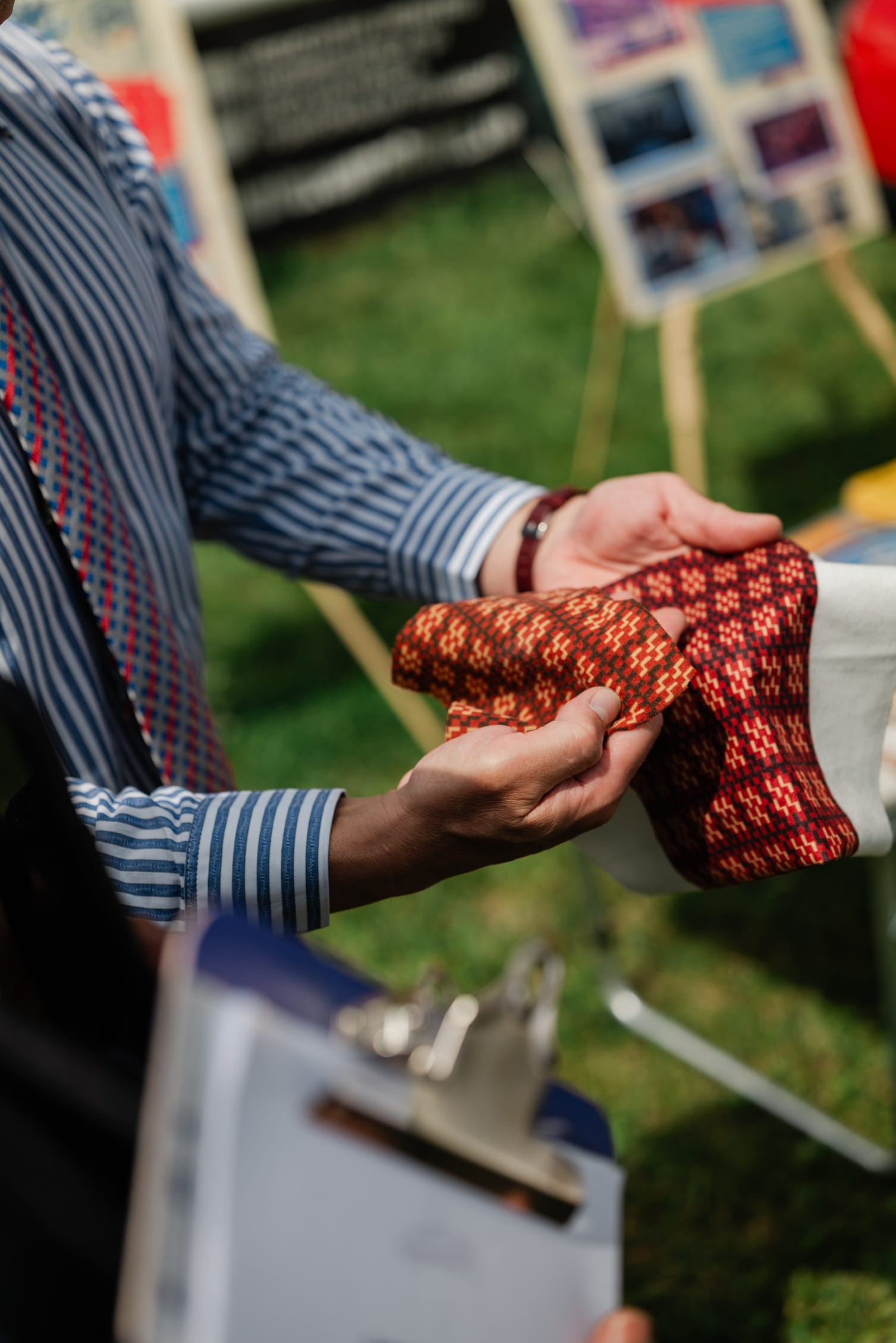
For the judging process, we adopted a streamlined version of the Chantilly Arts & Élégance scoring system, assessing each vehicle on authenticity, historical significance, design quality, and the condition of both exterior and interior components.
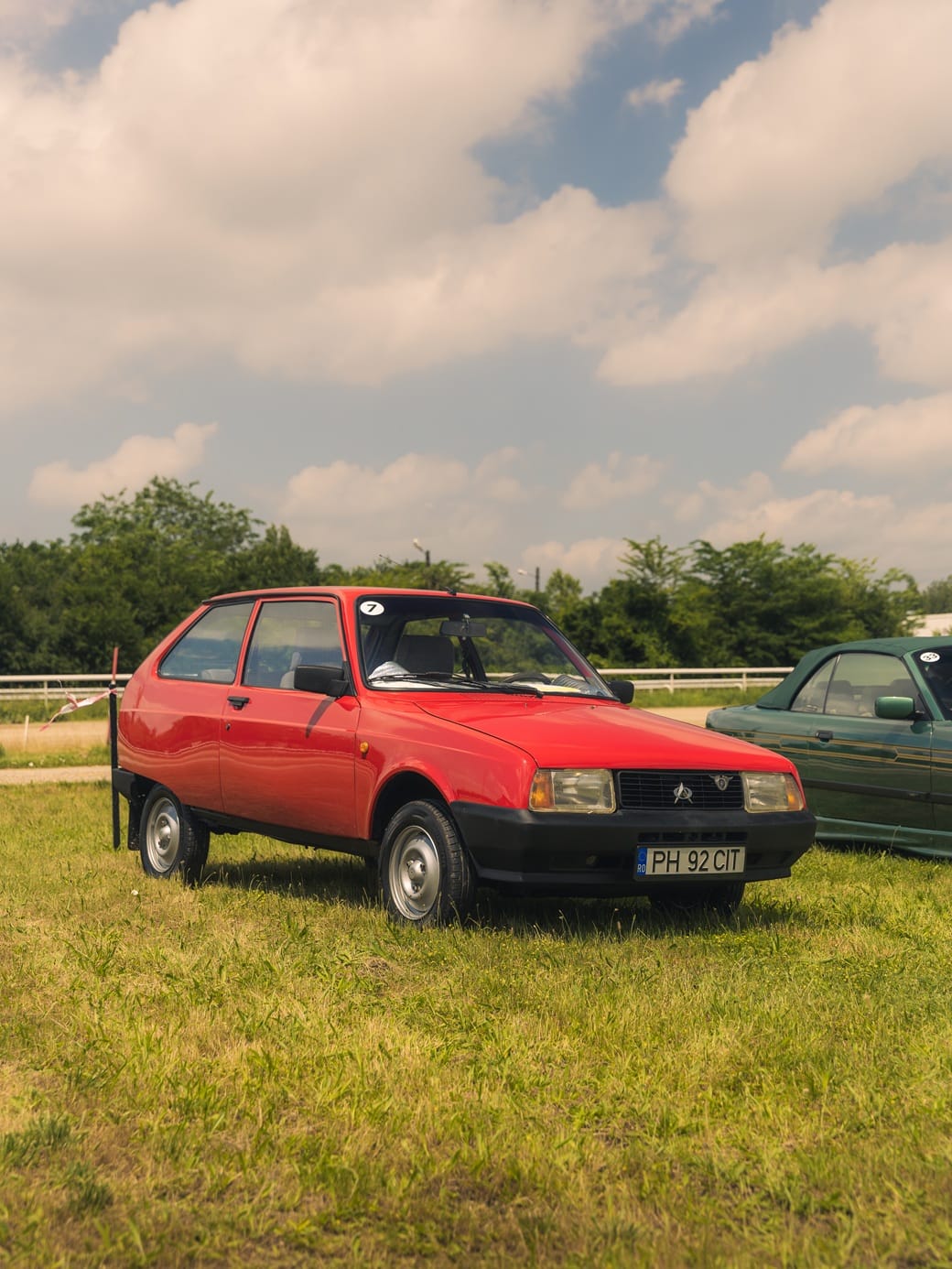
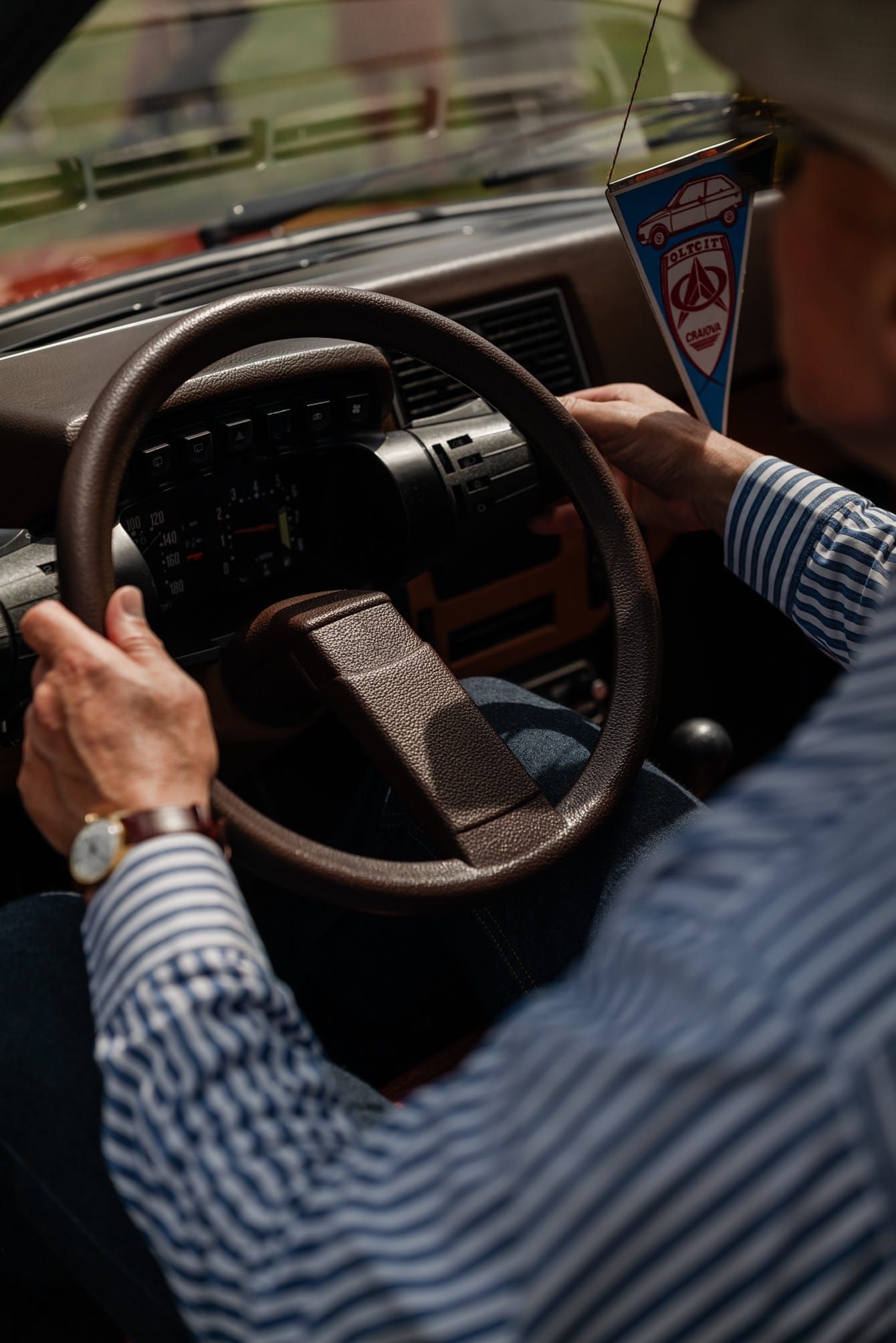
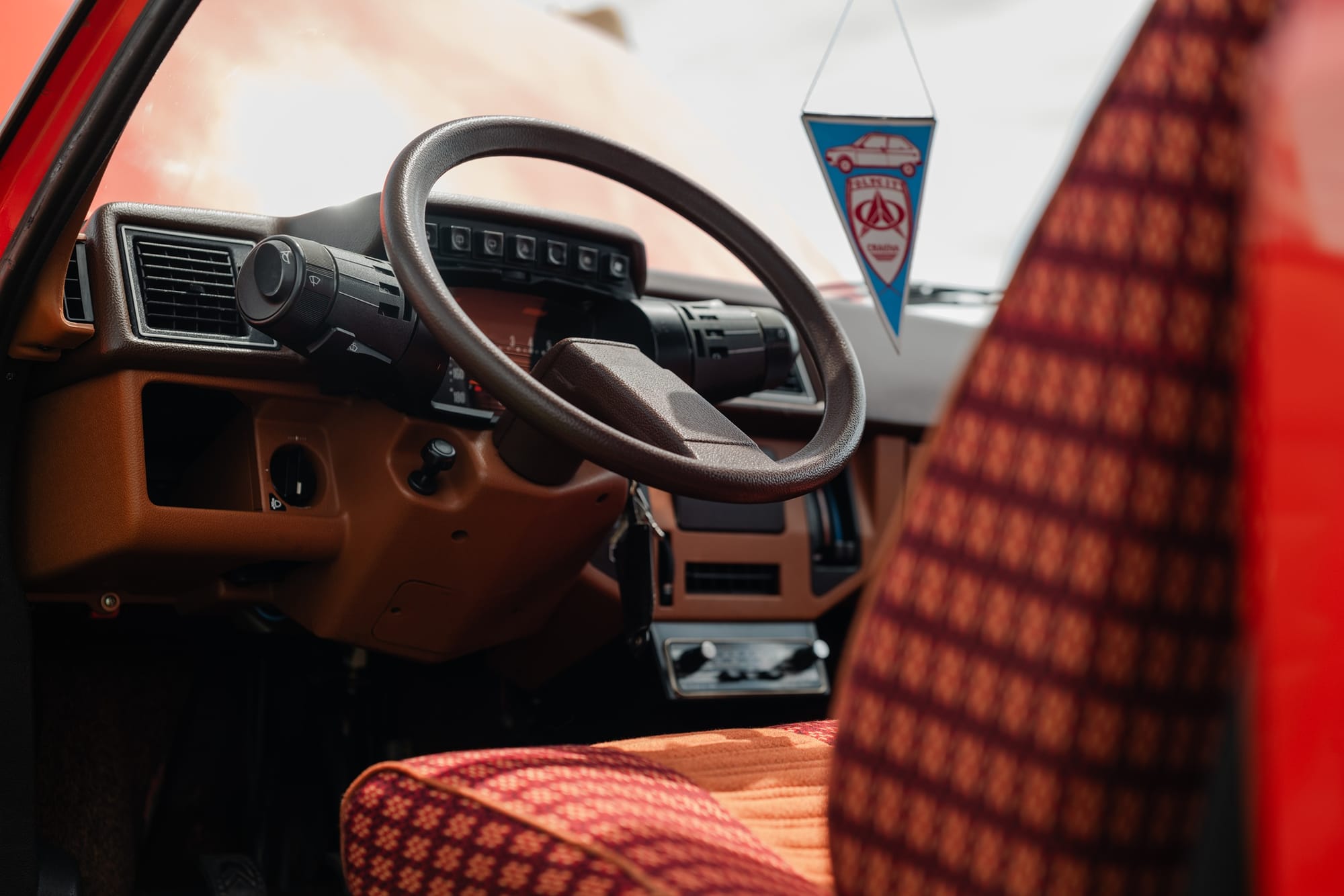
A low-mileage Oltcit that had everyone fascinated
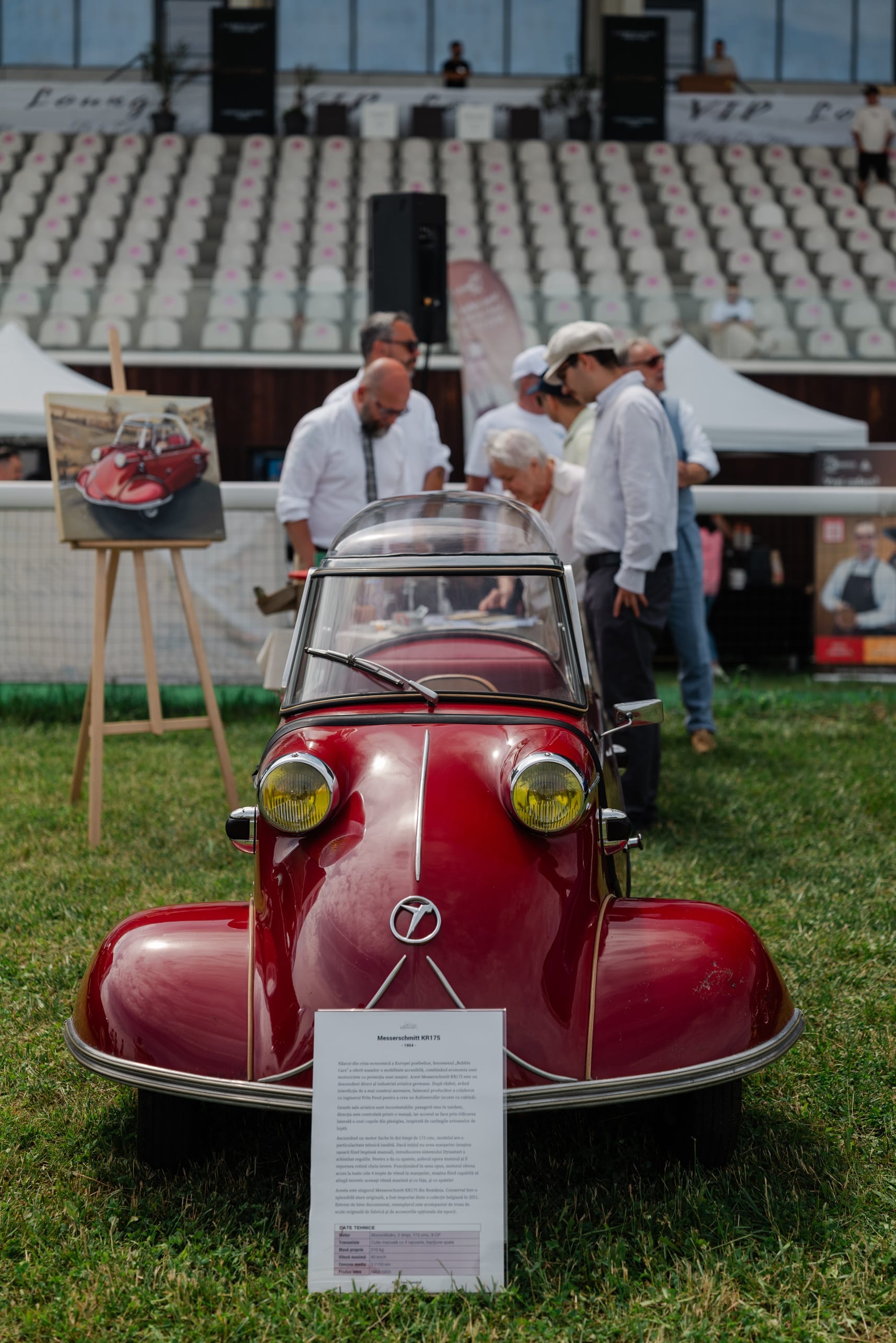
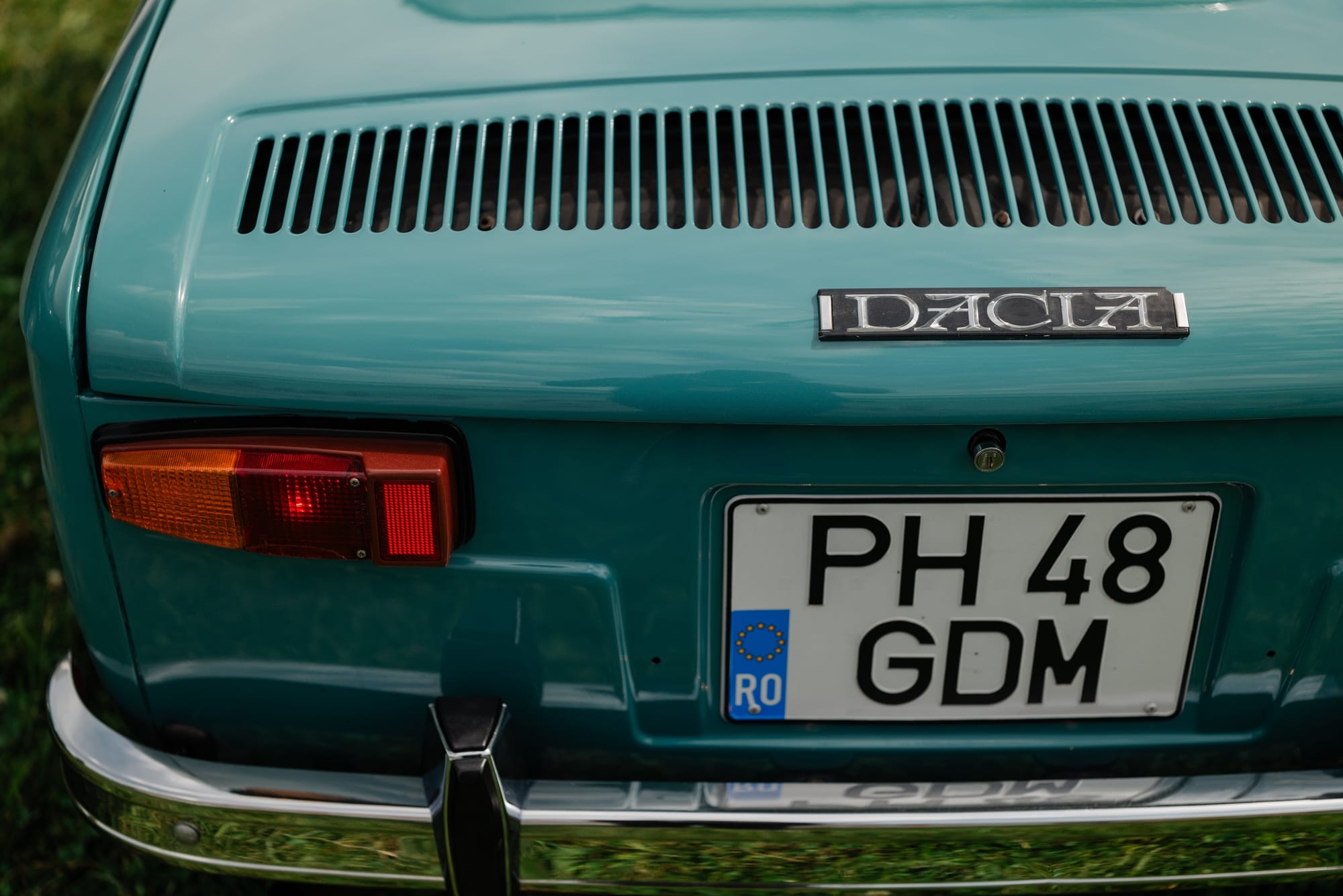
Entries were divided into four categories: Antebellum (pre-war), Postbellum (post-war), Youngtimers (1970s onwards), and Native, reserved for vehicles produced by the Romanian automotive industry.
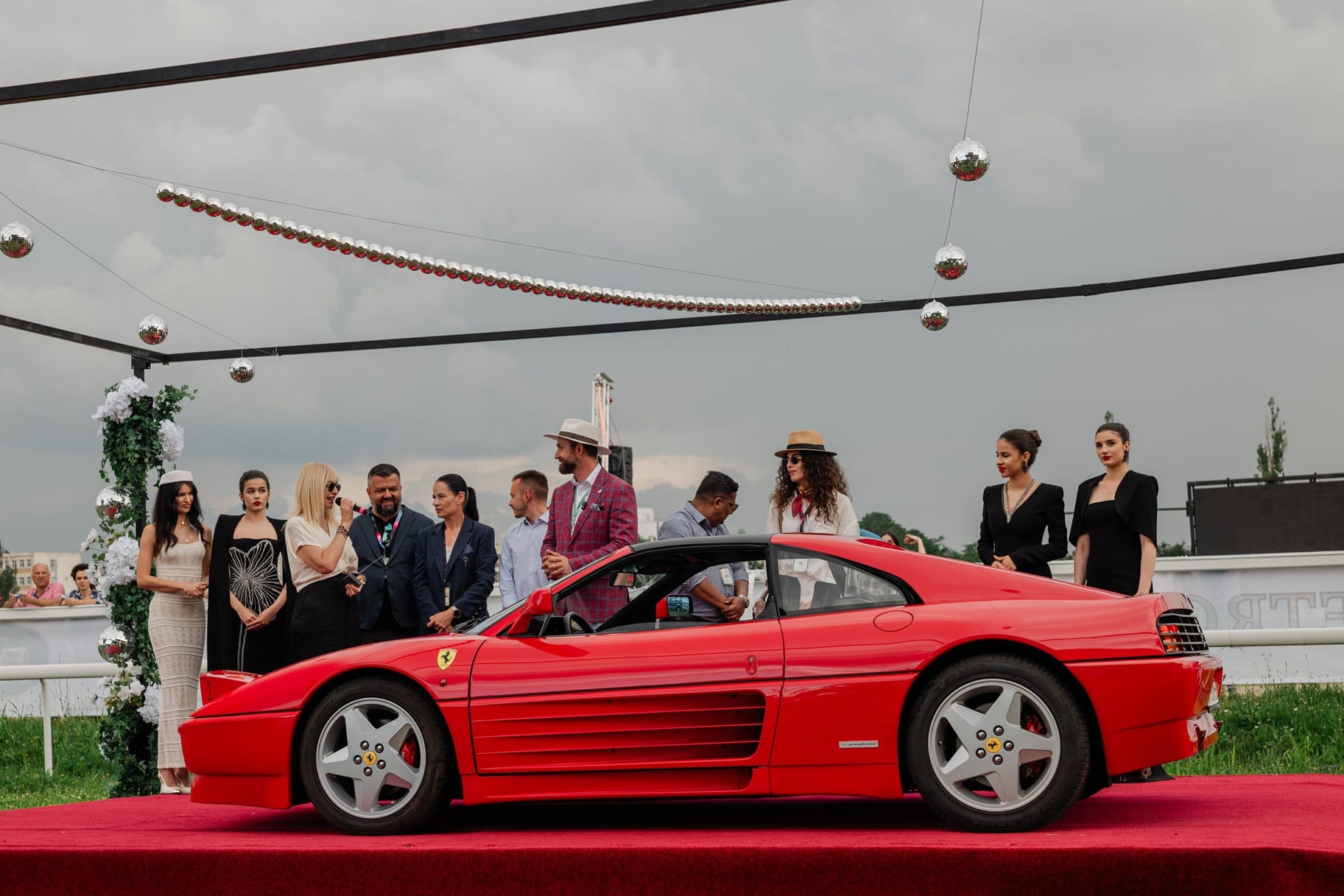
With entries limited to just six vehicles per class, competition was intense, and in several cases, only a single point separated the winners from the runners-up.
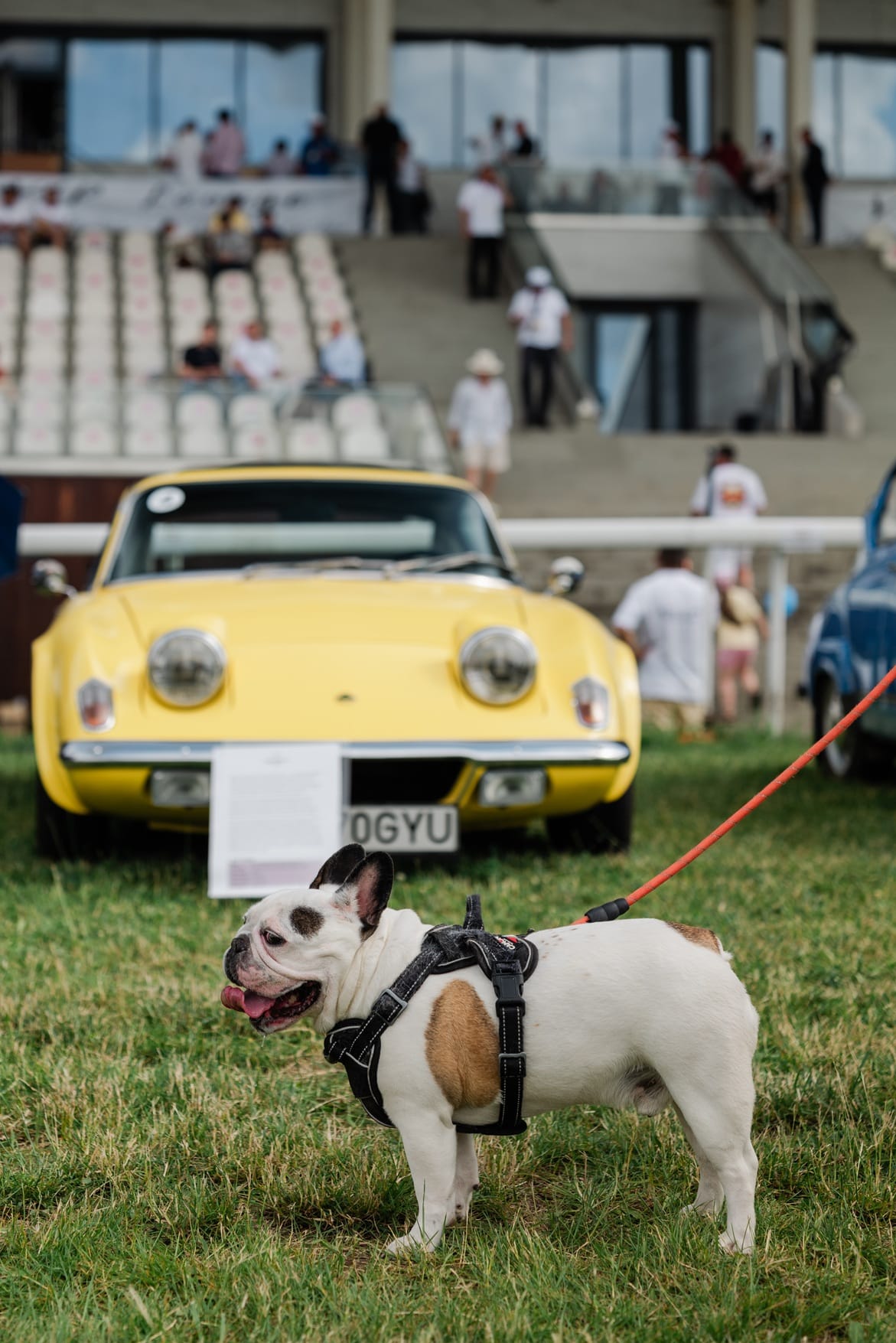
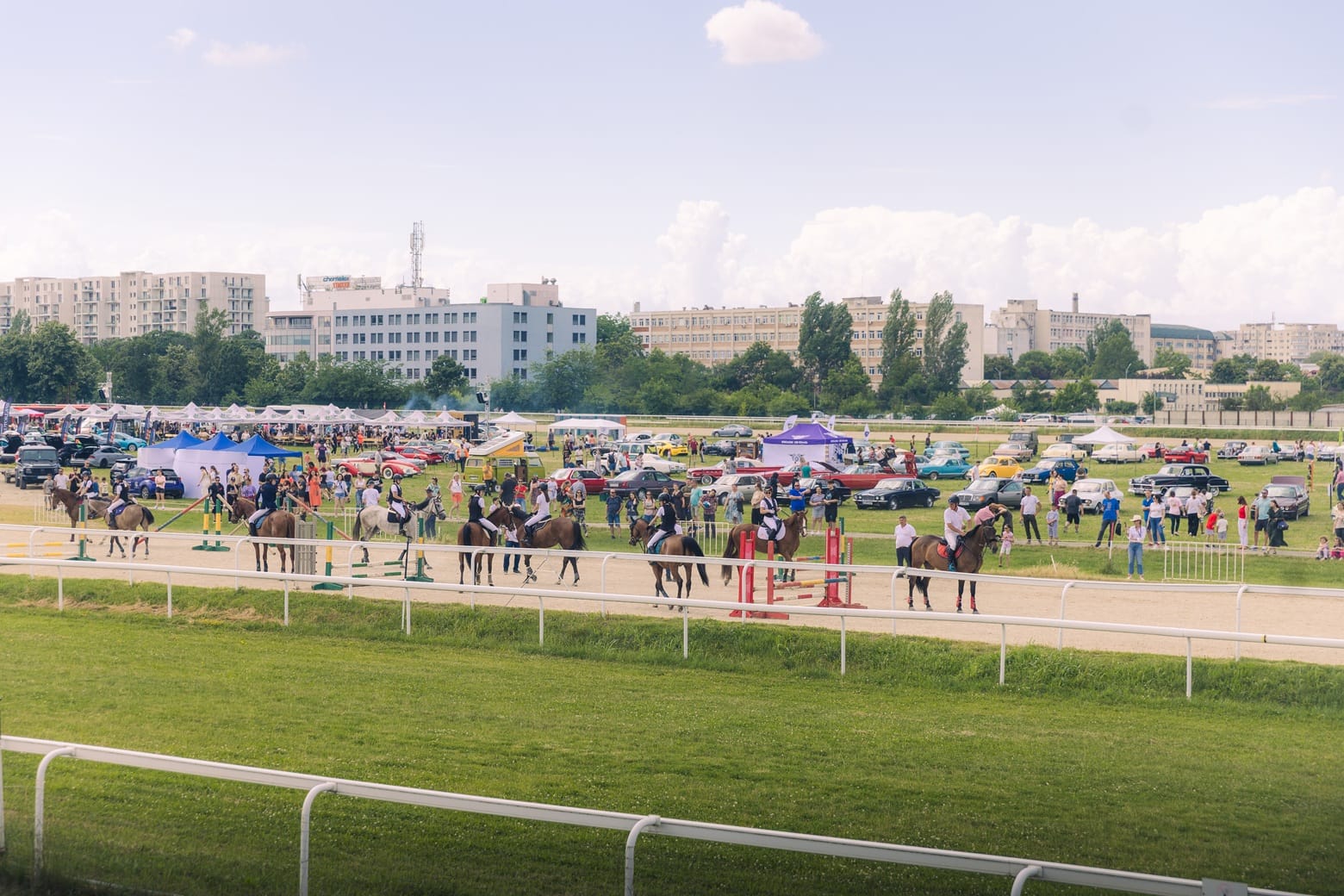
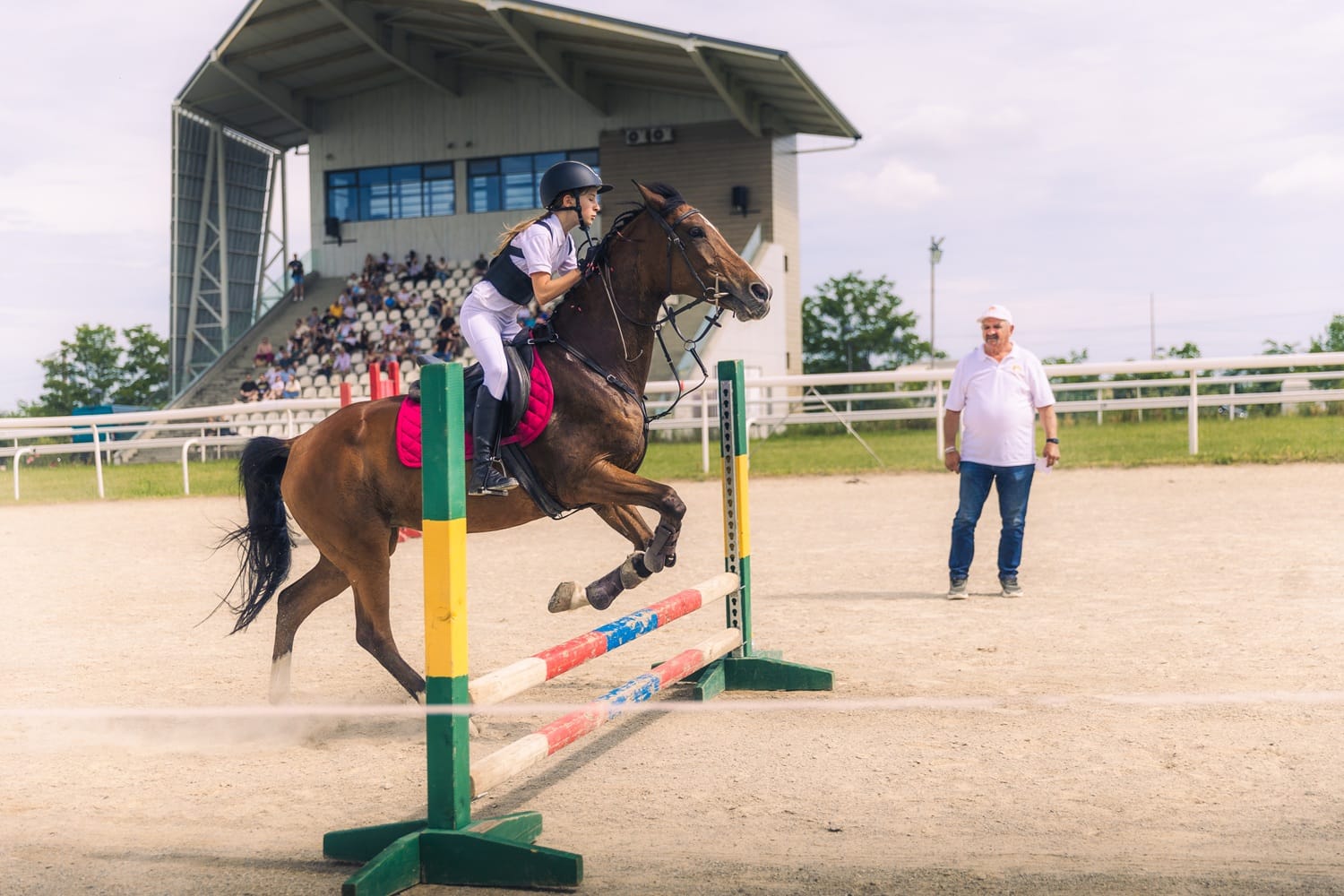
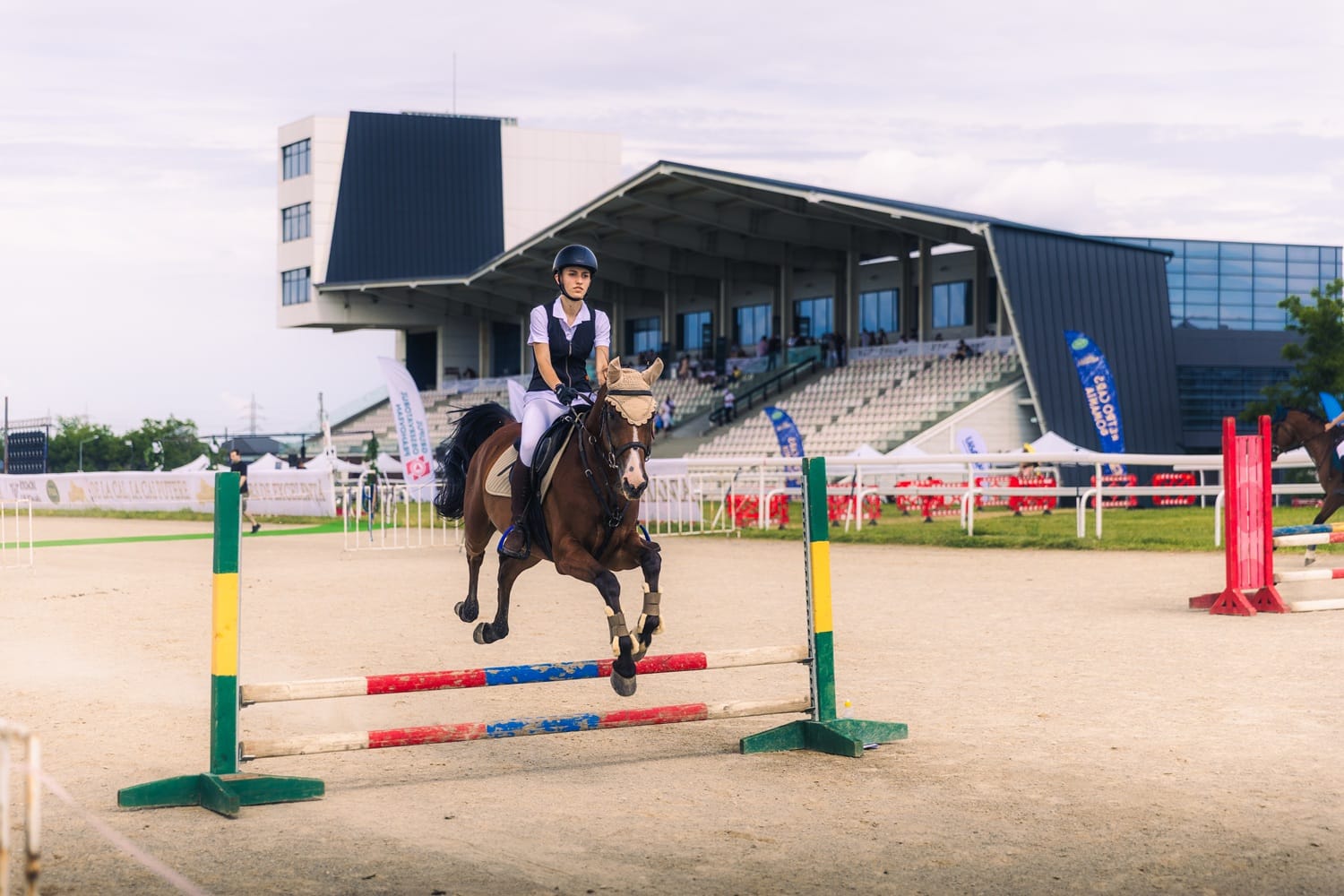
Dogs and horses – the show that made Ploiești all the more distinctive
After guiding Lamiaa and Makarand through the scoring framework during the evaluation of the first few cars, I was able to step back and watch them take charge.
They approached every vehicle with genuine curiosity and professionalism, engaging thoughtfully with owners and spending much of Saturday immersed in the remarkable collection assembled on the racecourse.
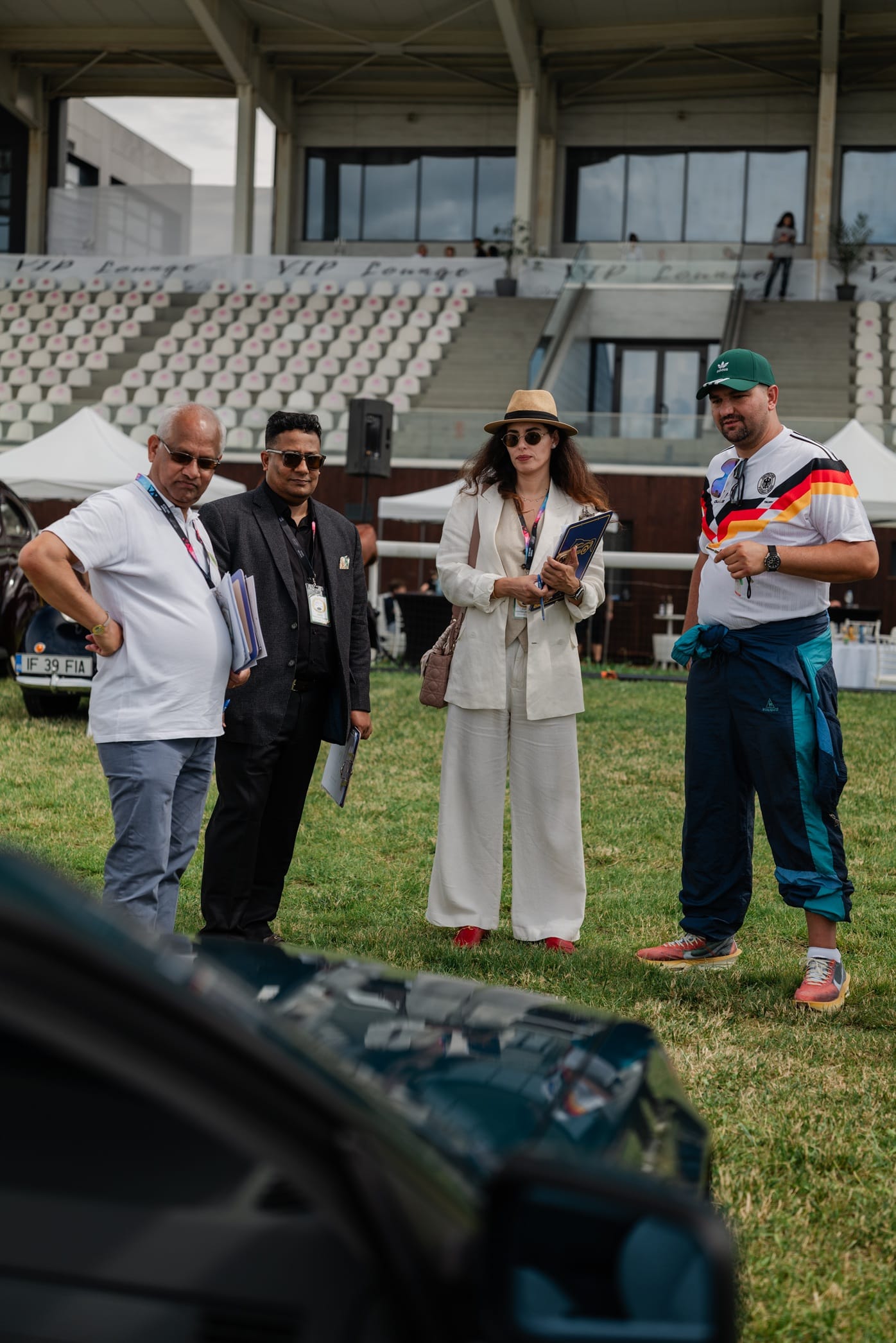
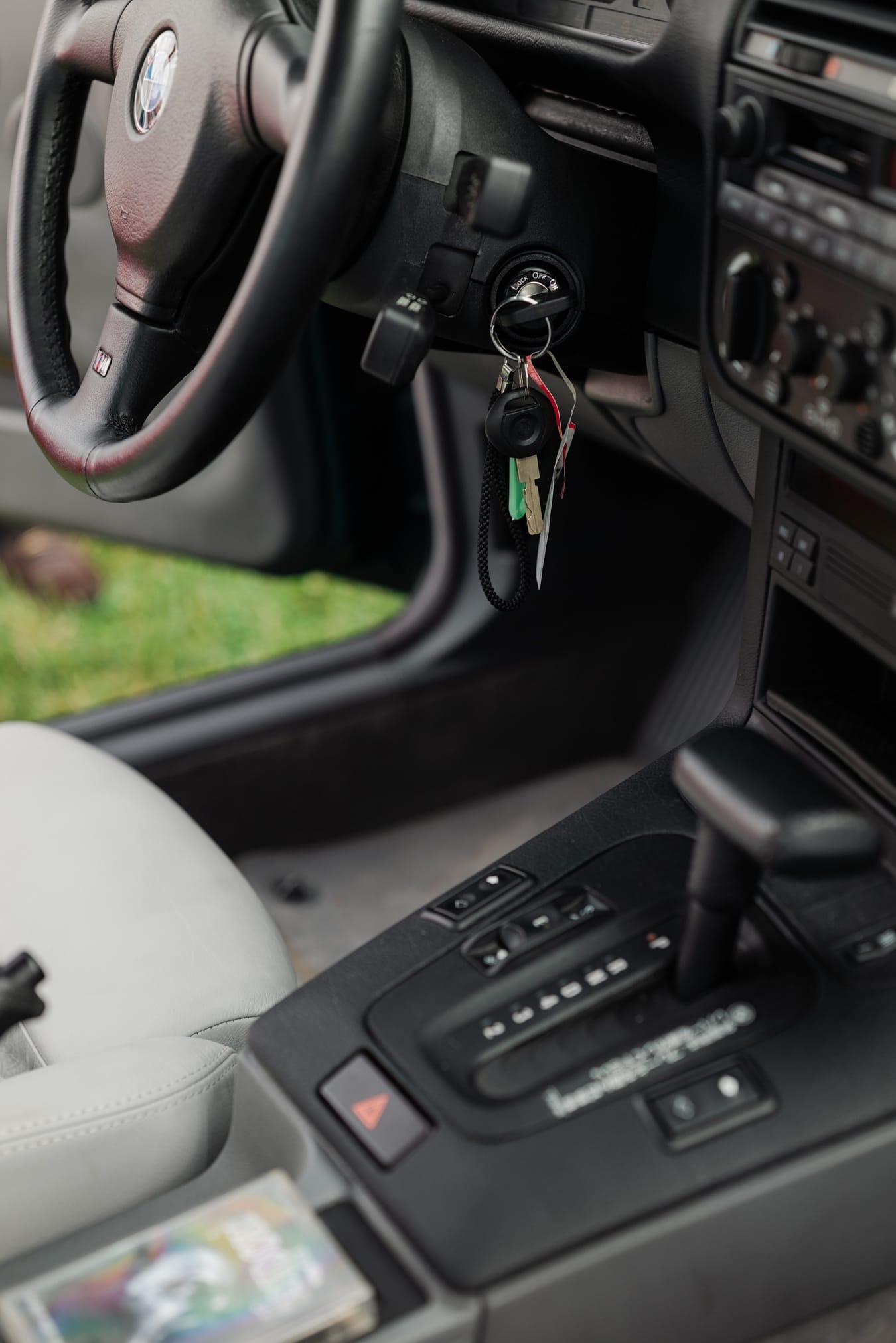
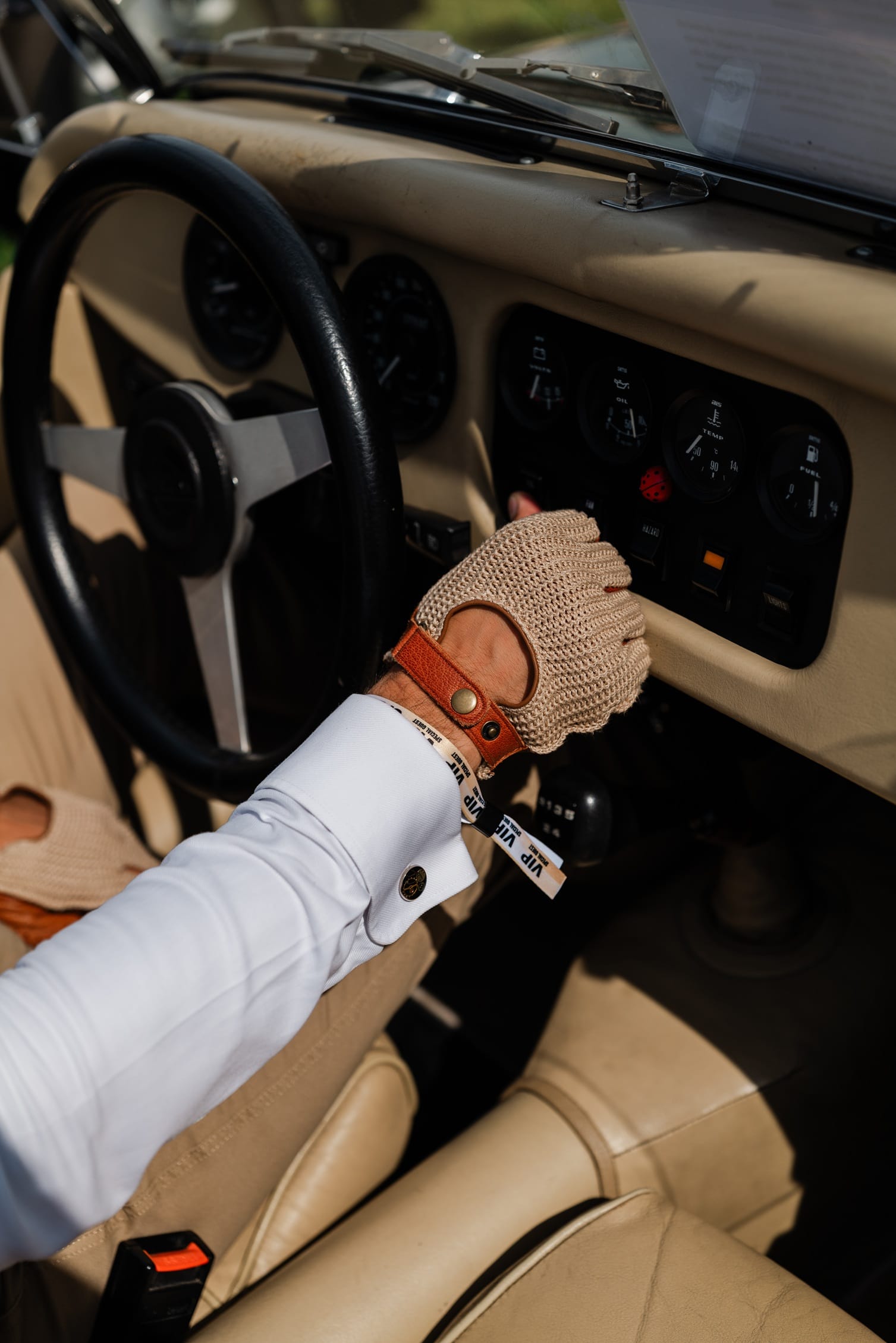
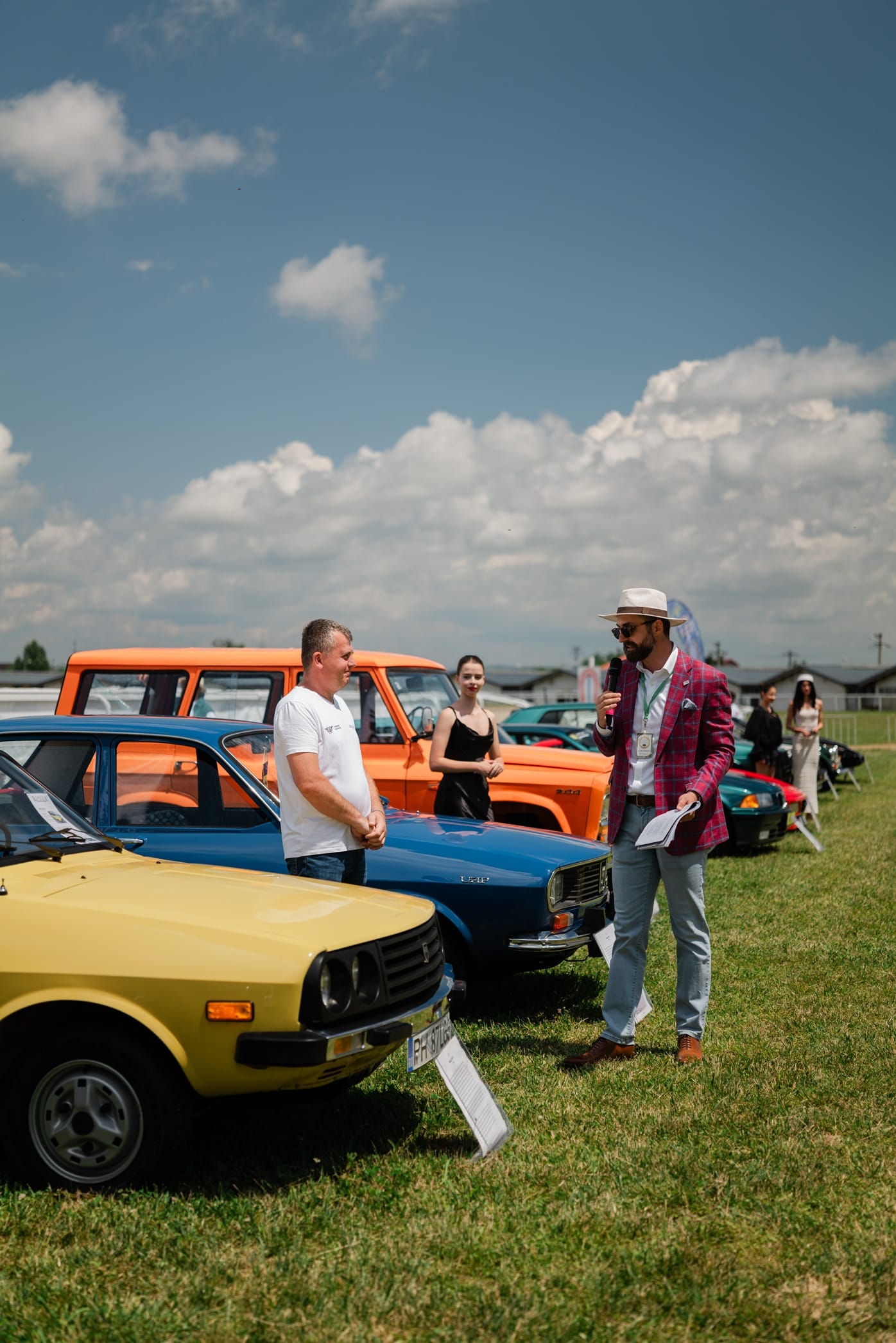
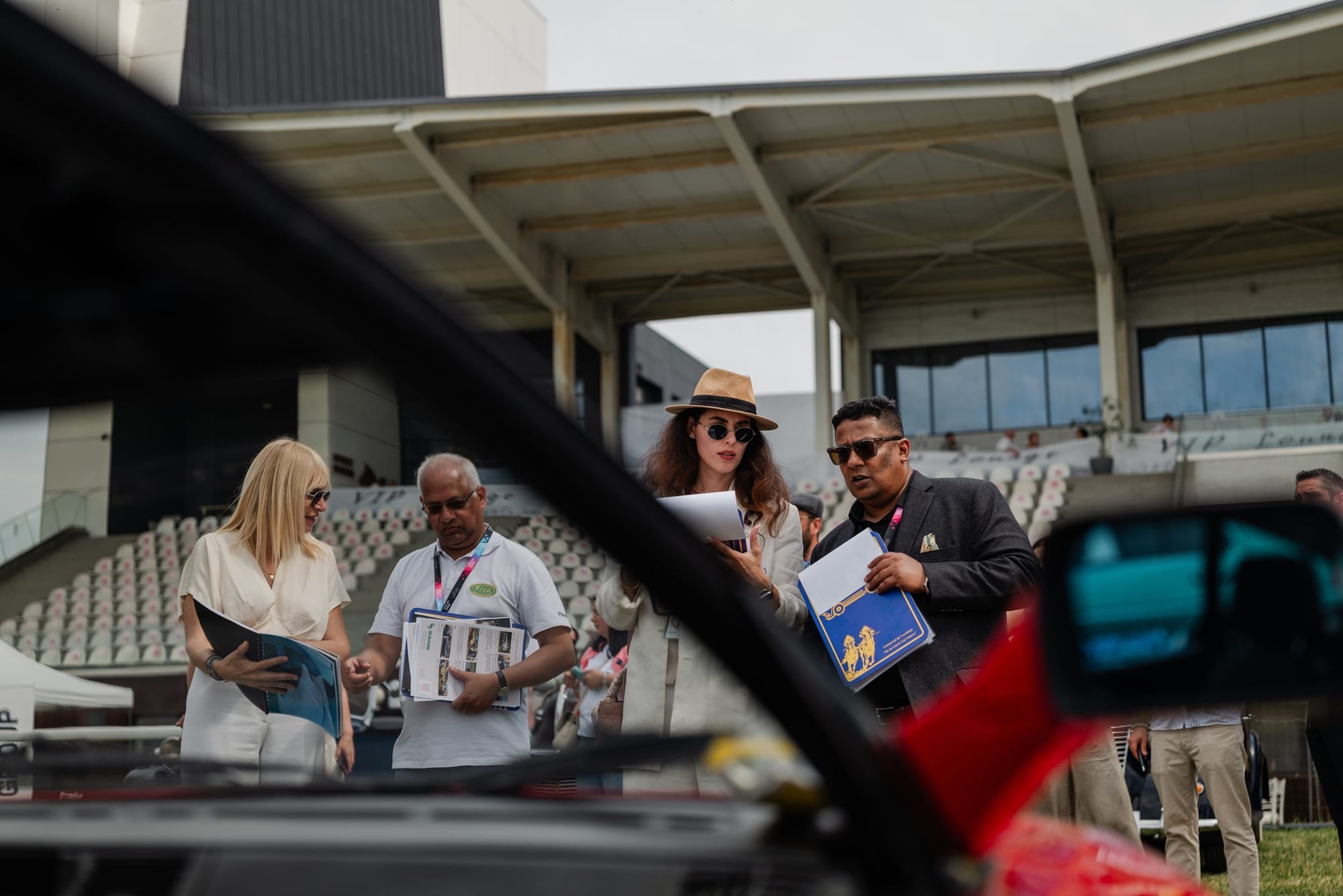
And yes, the jury worked very hard as it checked out a BMW with only 70km on the clock (at top), and followed that up with an immaculate Morgan, as Alin-Alexandru Ionescu (bottom right) described the two Dacias
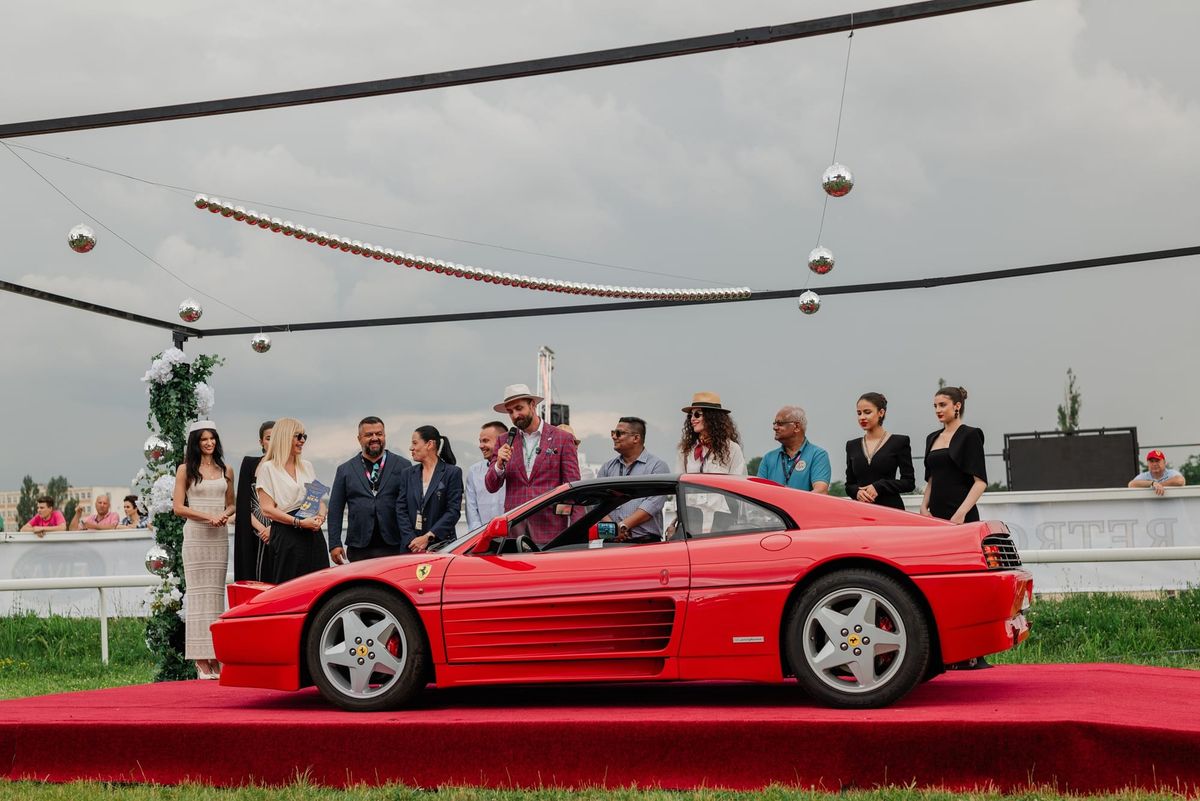
By the end of the day, the results were finalised. The winners were announced and celebrated the following mid-day in an elegant awards ceremony that provided a fitting conclusion to a memorable weekend.
More than anything, the event became a celebration of Romania's rich automotive heritage. Judging by the success of this fourth edition, the Ploiești Concours d'Excellence appears destined for even greater things.
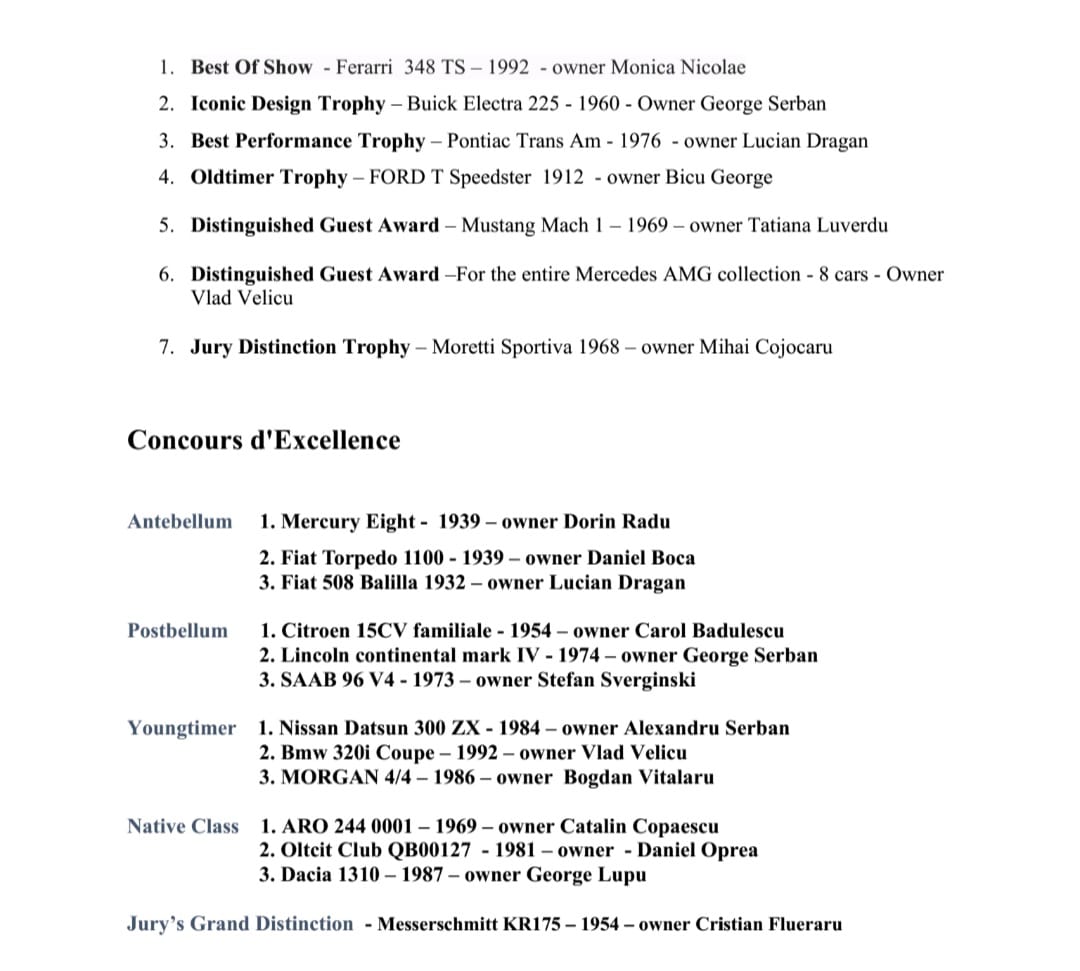
With its unique setting, growing international profile and passionate organisers, it has all the ingredients needed to become one of Europe's most distinctive and important historic vehicle events.
Comments ()