Lamborghini Miura: The Automotive Sensation of the Century
The task fell to a young designer who had only recently joined the studio: Marcello Gandini. Working rapidly with assistant Piero Stroppa, Gandini developed the striking design by December 1965

Text: Gautam Sen Images: Makarand Baokar
On this day, exactly 60 years ago, the headlines of many of the leading newspapers across Europe and the rest of the world were about a new automotive sensation: the Lamborghini Miura.
At the opening of the 47th Turin Motor Show on 3 November 1965, Automobili Ferruccio Lamborghini displayed the familiar Lamborghini 350 GT and a new convertible version, the 350 GTS. Yet the exhibit that drew the most attention was neither of these cars, but a bare chassis placed between them. Known as the TP400, it revealed an innovative engineering concept: a powerful V12 mounted transversely behind the cockpit. Even in unfinished form, it fascinated journalists and enthusiasts, who immediately recognized its revolutionary potential.
The TP400 project had begun earlier in 1964, shortly after production of the 350 GT started. Chief engineer Giampaolo Dallara, working with Paolo Stanzani and Bob Wallace, began exploring the idea of a mid-engine Lamborghini sports car. Their earliest concept was a small three-seater with a modest engine, but ambitions quickly grew, influenced by racing machines such as the Ford GT40 and mid-engined Ferraris.
Although mid-engine layouts were not entirely new – dating back to Edmund Rumpler’s Tropfenwagen of 1921 and later used in racing by Auto Union and Cooper – the challenge for Lamborghini was packaging the large V12 engine. Inspiration came from the Mini’s compact engineering solution, placing the engine and gearbox together in a single unit.
Throughout late 1964 the team developed sketches and engineering ideas centred on Lamborghini’s V12. When they finally presented the concept to Ferruccio Lamborghini, he approved the project on one condition: the car would not be built for racing. Serious engineering work began in January 1965, and by mid-year detailed drawings of the innovative chassis were completed. Constructed by Marchesi in Modena, the lightweight monocoque structure weighed only about 75 kilograms while accommodating the transverse V12 and transaxle.
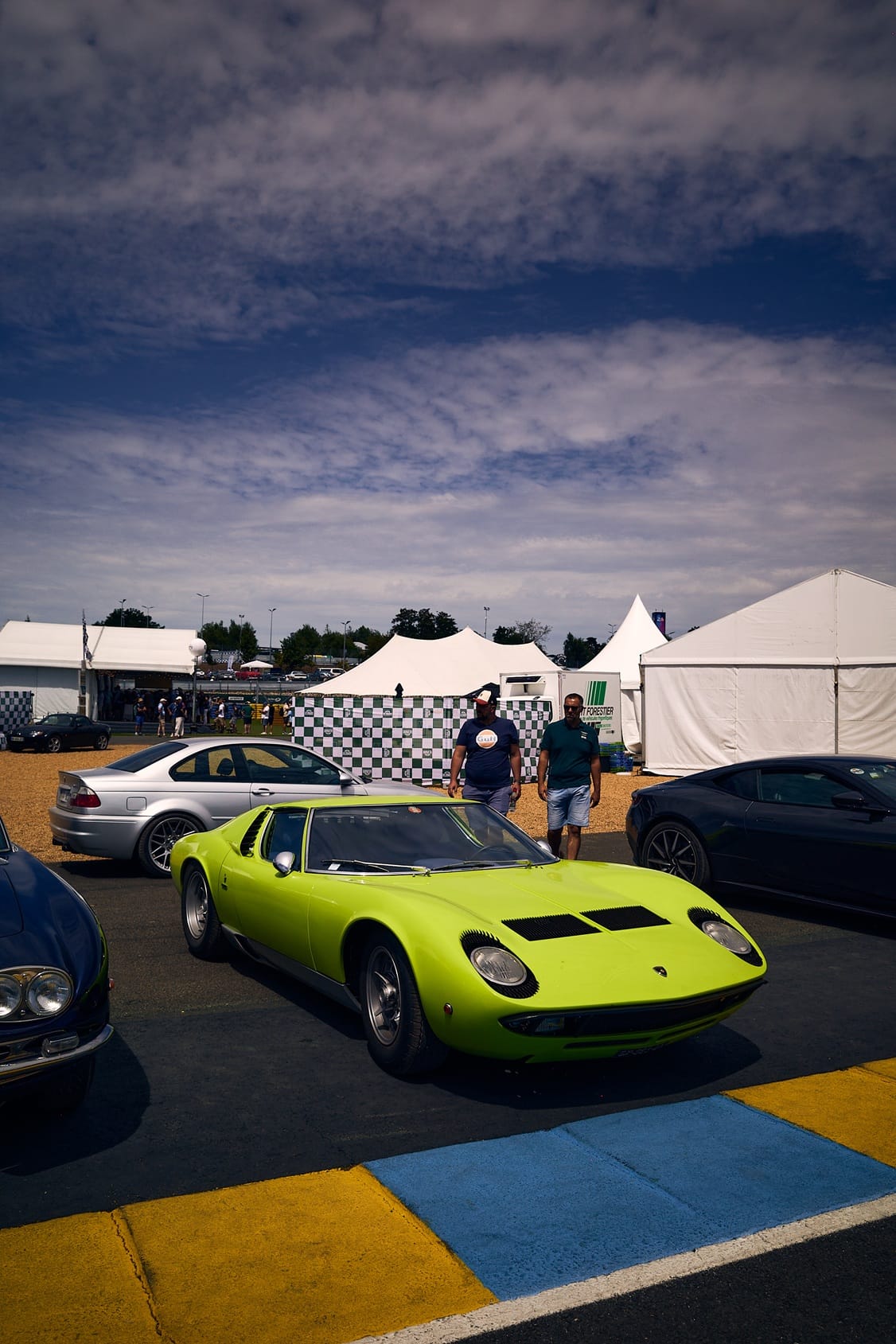
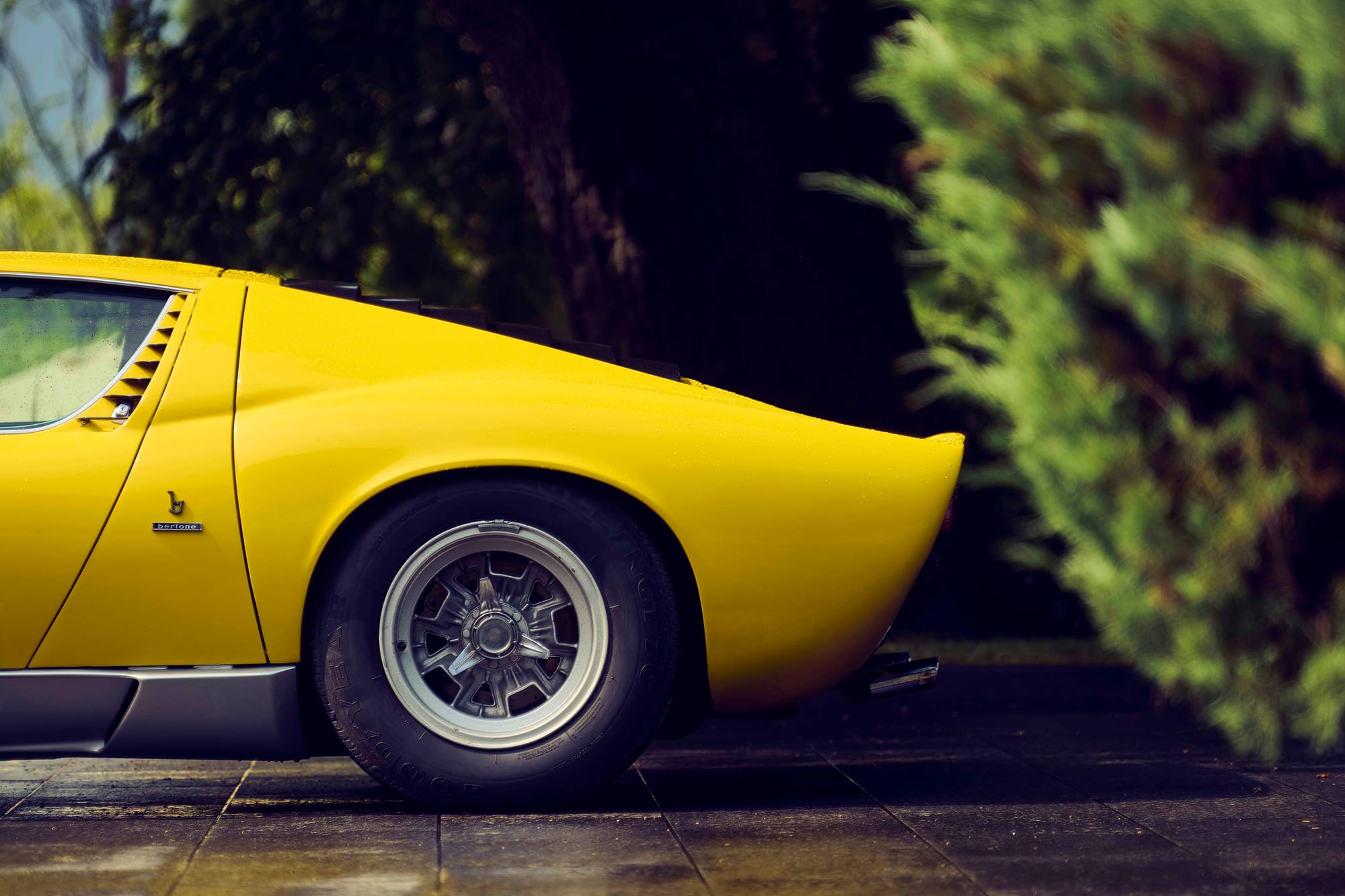
The project remained secret until September 1965, when Lamborghini approached Carrozzeria Touring to design the body. Touring’s proposals, however, failed to convince the company. After the chassis was displayed at the Turin show, several coachbuilders offered their services, except Carrozzeria Bertone, whose head Nuccio Bertone arrived late but confidently promised to design “the perfect shoe for such a wonderful foot.” Lamborghini immediately agreed.
With the Geneva Motor Show of March 1966 approaching, Bertone faced an extremely tight deadline. The task fell to a young designer who had only recently joined the studio: Marcello Gandini. Working rapidly with assistant Piero Stroppa, Gandini developed the striking design by December 1965. When the drawings were shown to Ferruccio Lamborghini and Dallara, they were approved immediately without modifications.
Construction of the prototype began in January 1966. With almost no time for refinement, the team worked continuously through the winter to finish the car. Lamborghini named it Miura, after the famous Spanish breeder of fighting bulls.
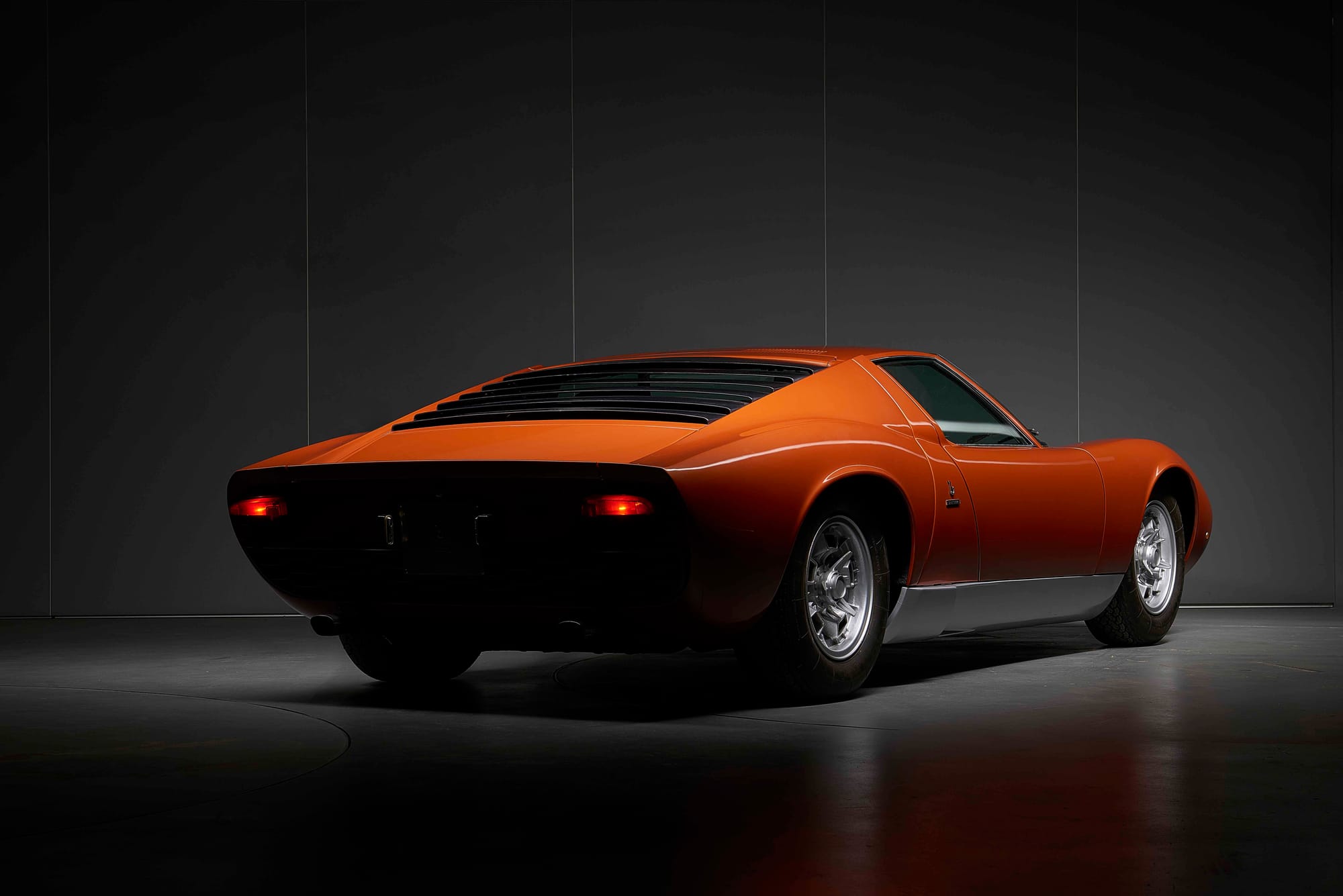
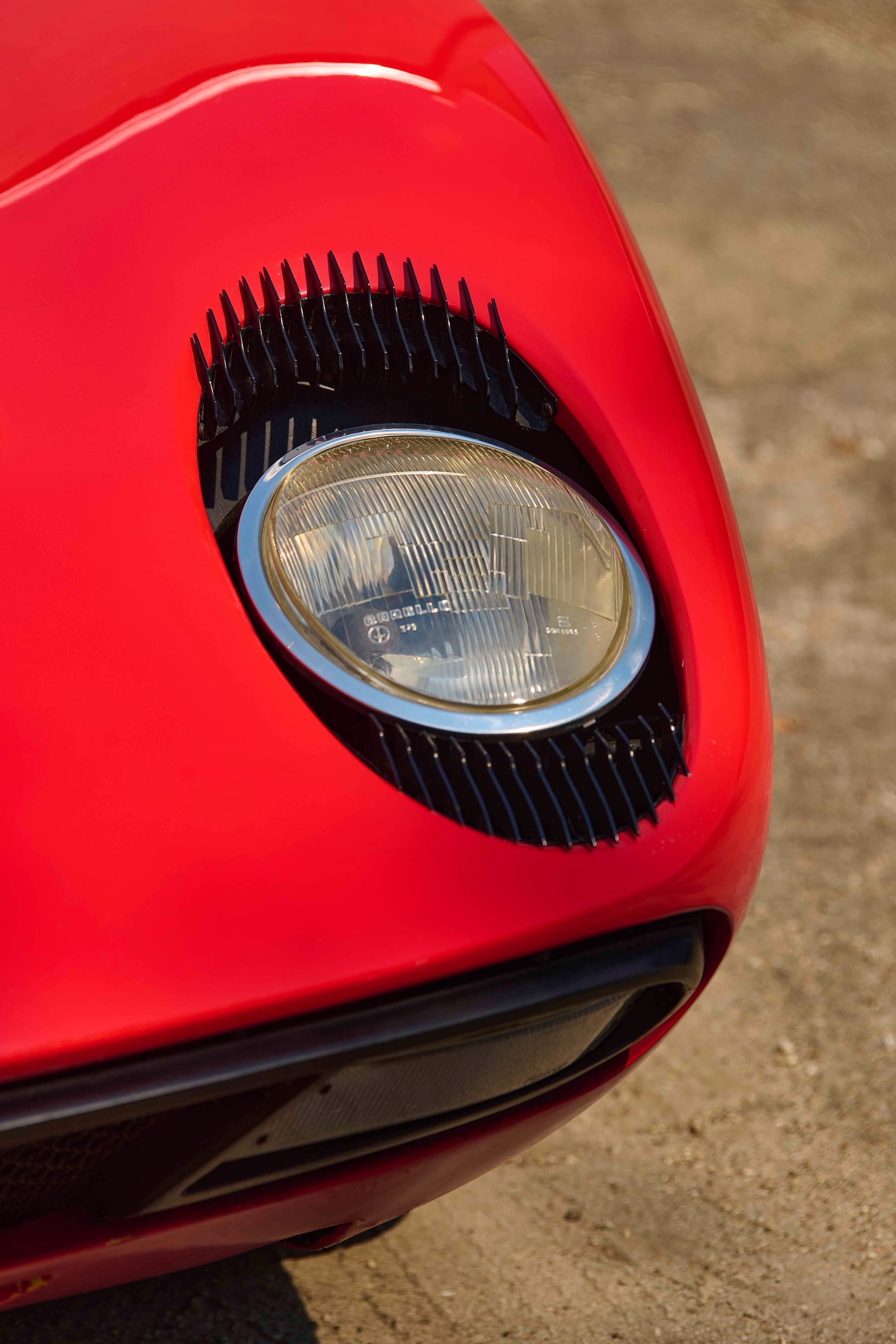
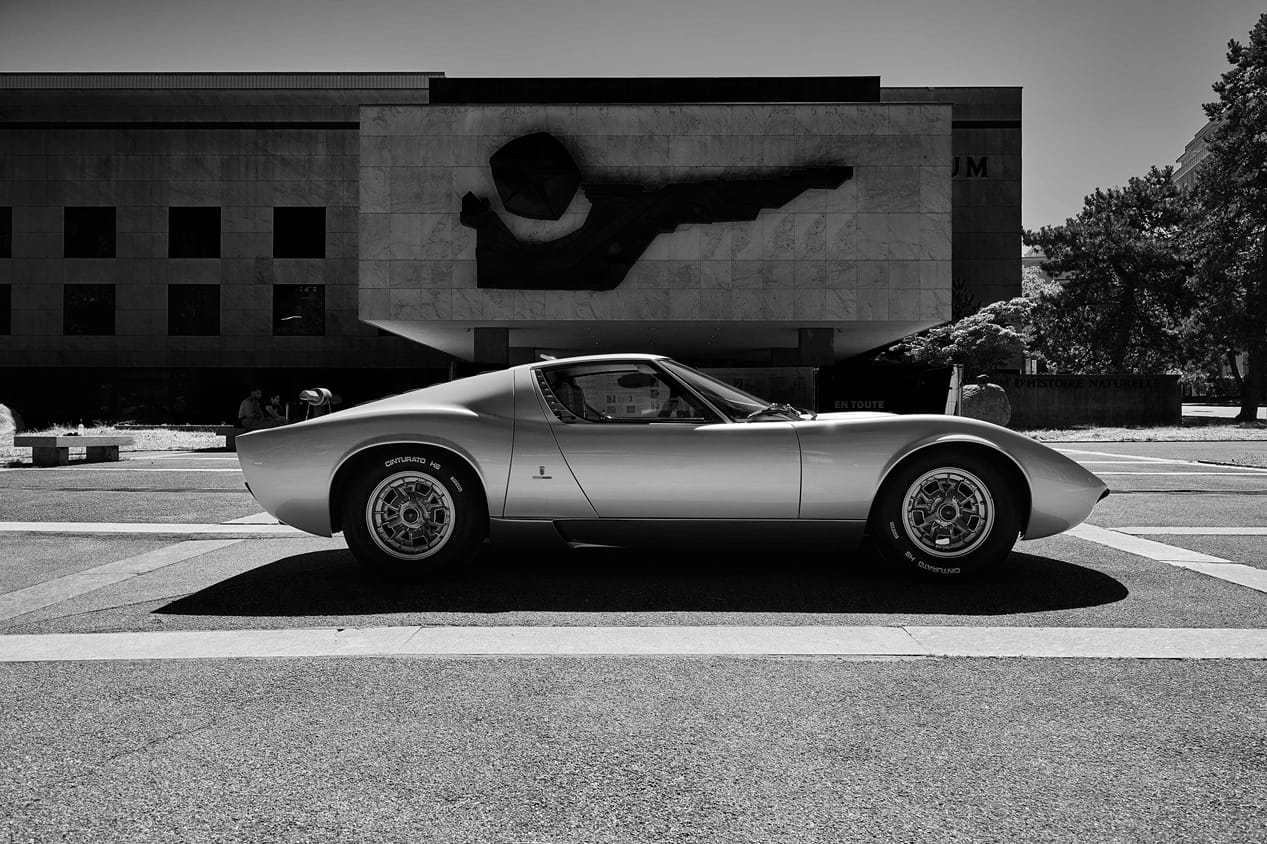
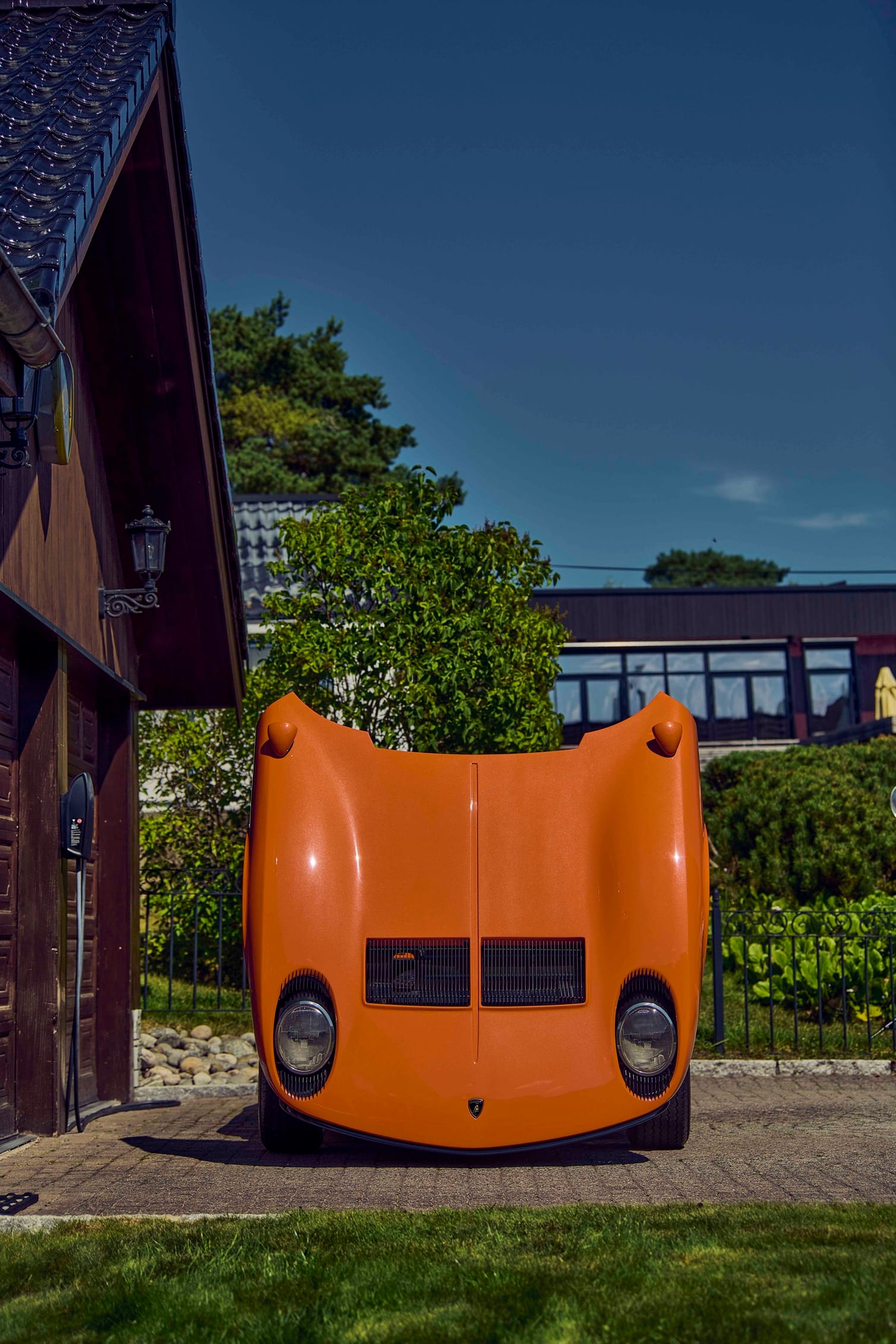
When the Miura debuted at the 1966 Geneva Motor Show, on 10th March, it became the undisputed sensation of the event. Its dramatic shape combined aggression and elegance, perfectly expressing the idea of a race car for the road.
Initially, Lamborghini believed he might sell about 50 examples, while Bertone predicted perhaps 20. Both estimates proved wildly conservative. In the end, 765 Miuras were produced across three series, establishing Lamborghini as a global icon and launching the extraordinary career of the late great Marcello Gandini.
Comments ()