Marc Deschamps (12 July 1944 – 5 October 2026)
Marc Deschamps leaves behind a remarkable legacy of creativity, persistence and automotive design
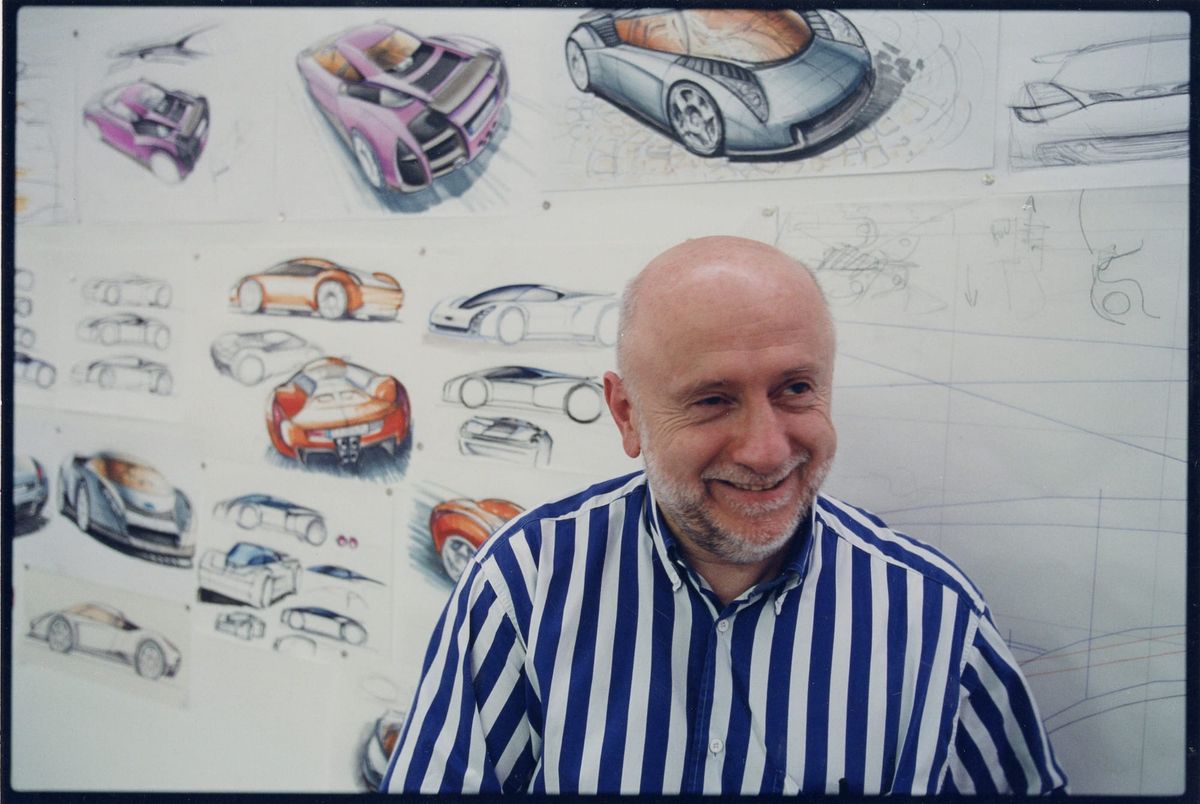
Text: André Le Roux & Gautam Sen
Images: Courtesy Eduardo Botero
On Monday, 5 October, a lesser-known design giant, Marc Deschamps, passed away.
Persistence may be the defining characteristic of Marc Deschamps’s remarkable career. At a time when the great Italian carrozzerias controlled the world of automotive design, simply getting a foot through the door was an achievement.
Deschamps was repeatedly rejected, told by the celebrated French designer Philippe Charbonneaux that he might be better advised to pursue another career. He chose instead to persist and ultimately became one of the most influential French designers to work in Italy.
His career would span more than five decades and take him from Peugeot and Simca to Ghia, Renault and, ultimately, the design director’s chair at Bertone.
Along the way came an extraordinary variety of projects, from the elegant Citroën GS Camargue and muscular Renault 5 Turbo to the Lamborghini Pregunta and Edonis.
Born on 12 July 1944 in Vincennes, near Paris, Deschamps began his career in the 1960s, when automotive styling was entering one of its most fertile periods. Yet the route into the profession was anything but easy.
After a succession of refusals, a chance encounter proved decisive. Automotive journalist Jean Bernardet, a neighbour with extensive contacts in the European motor industry, introduced him to influential figures in Italy.
Ghia eventually gave him an opportunity, although it lasted less than three months. His next attempt at Bertone, however, would prove very different. In 1972, he joined the Turin studio, then under the creative direction of Marcello Gandini.
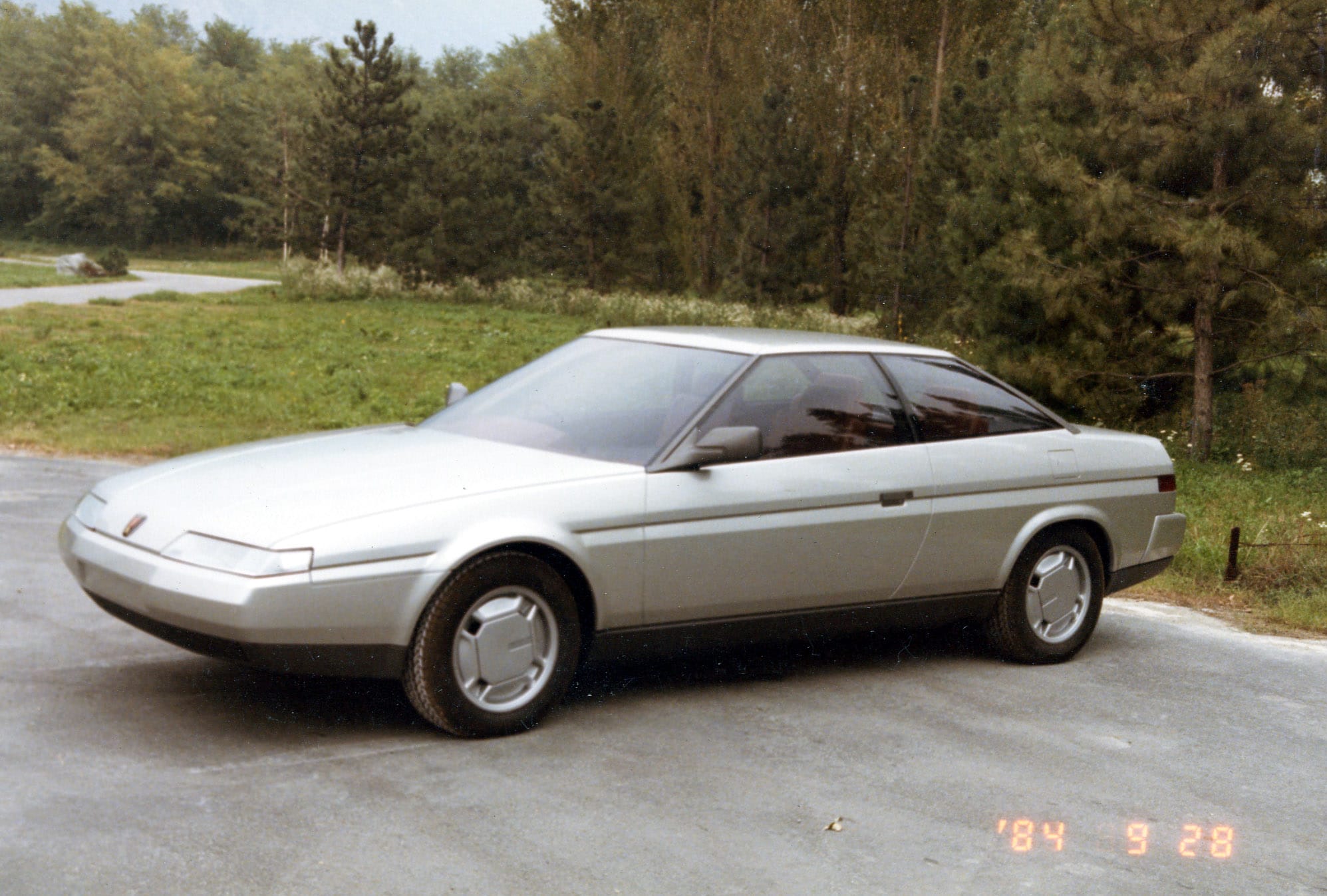
For Deschamps, it was a formidable environment in which to develop. Yet he soon demonstrated that he had a distinctive voice of his own.
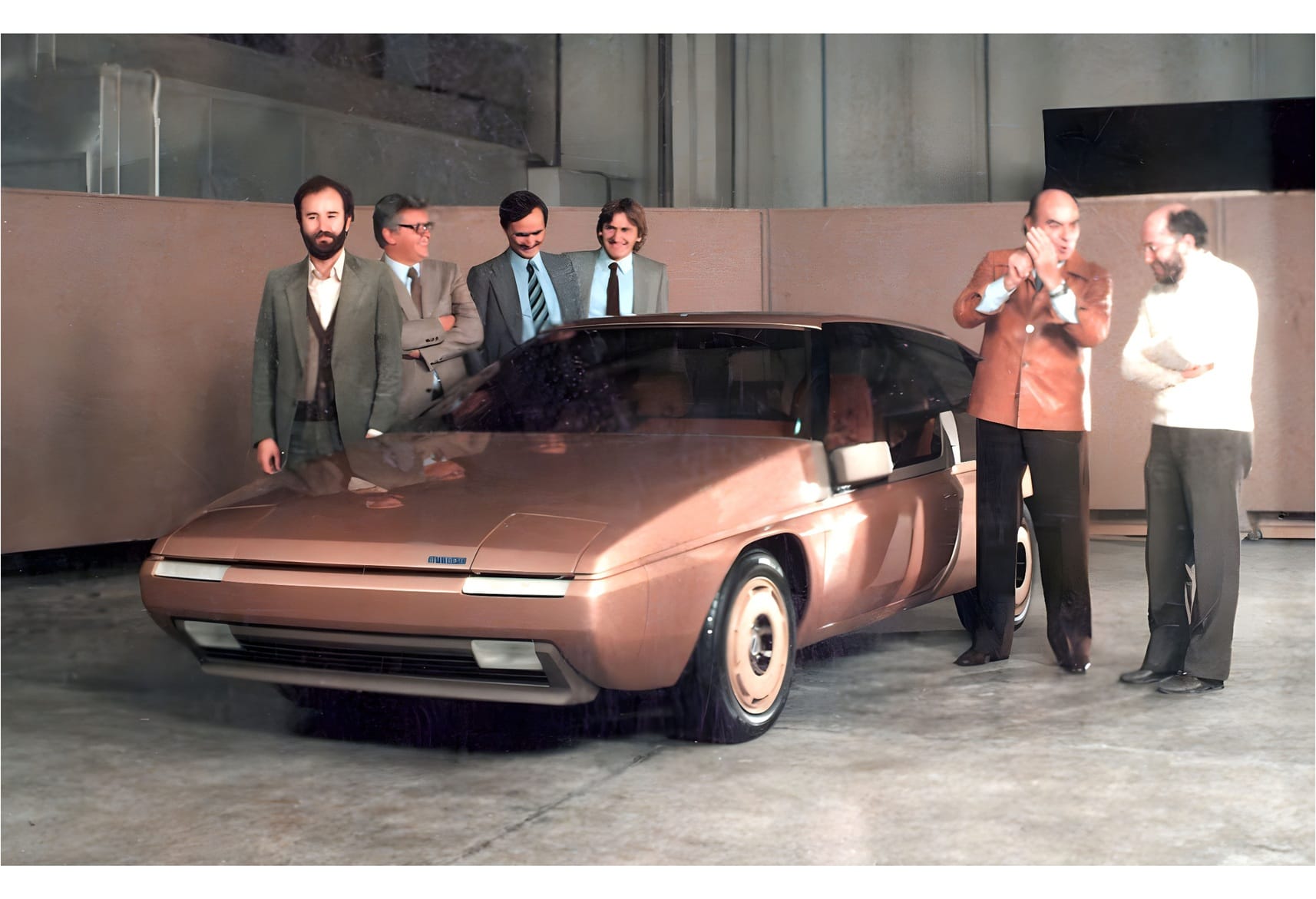
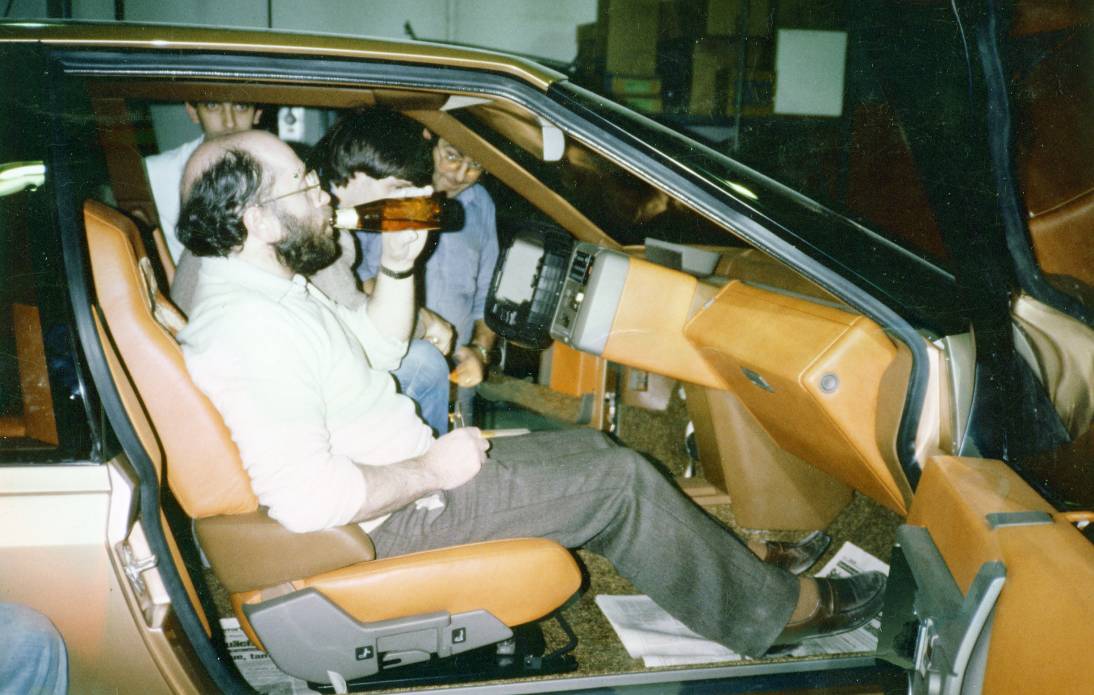
The Citroën GS Camargue was mostly conceived by Deschamps and presented to Nuccio Bertone, who immediately recognised its potential.
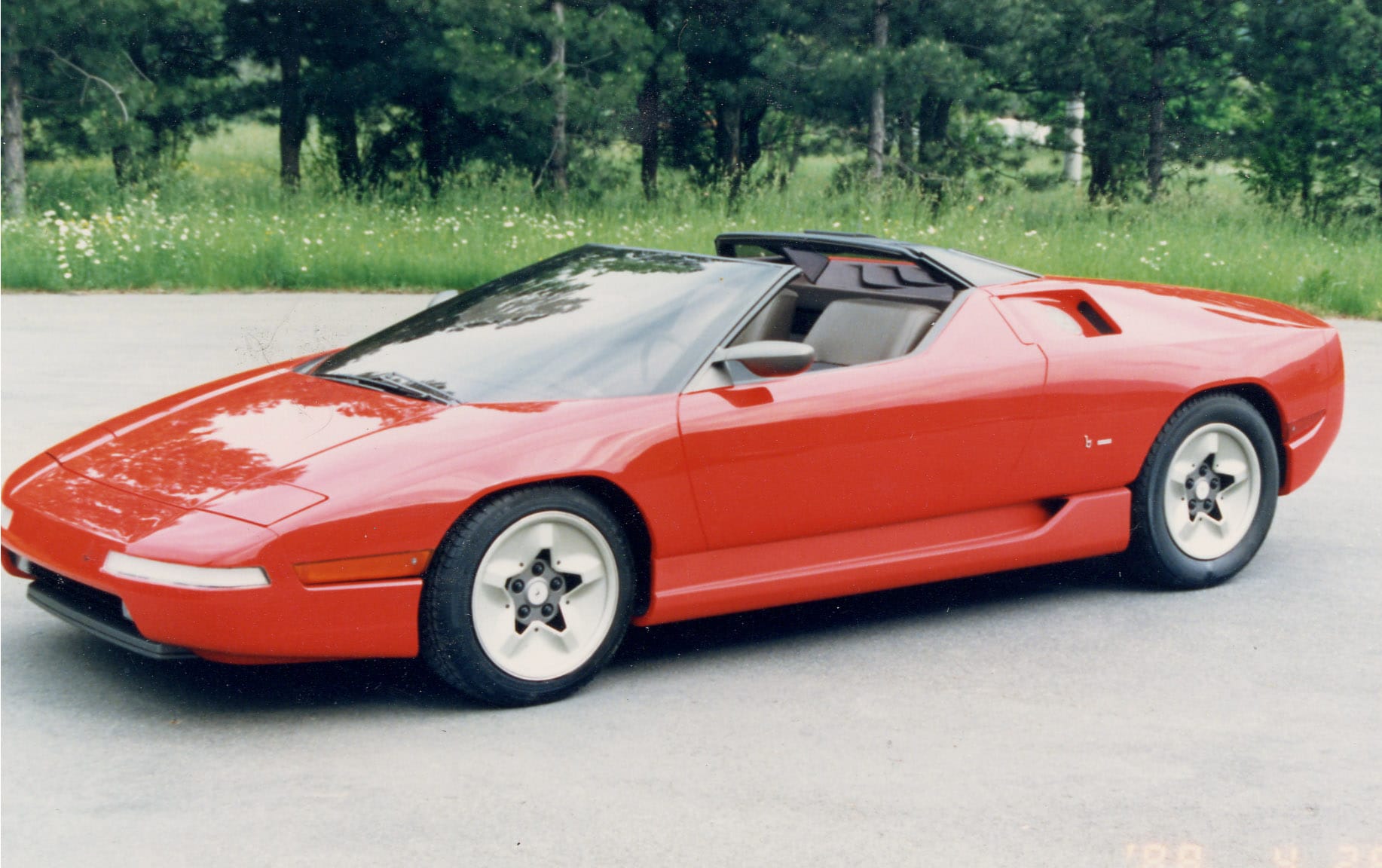
Based on the modest GS, it transformed an everyday family car into an elegant sporting coupé. Its restrained surfaces, carefully balanced proportions and controlled volumes were a world away from the visual excess of many contemporary show cars. Remarkably, the entire project progressed from initial sketches to completed prototype in just five weeks.
The Camargue revealed a designer who preferred sophistication to spectacle.
Deschamps’s career subsequently took him through Chapron and Guy Ligier, where he became involved with the Ligier JS5 Formula One car. He also explored a fascinating sporting coupé combining the Citroën GS Birotor platform with a Maserati V6.
Although the project never progressed beyond scale models, it demonstrated his willingness to challenge conventional thinking.
In 1976, he joined Renault under Robert Opron. Here, his work ranged from studies for a future small urban car to the Alpine sports-car programme. But it was the Renault 5 Turbo that would become his most celebrated contribution.
The transformation was radical: an inexpensive front-wheel-drive hatchback became a mid-engined, rear-wheel-drive rally weapon. Deschamps gave the mechanical revolution an equally dramatic visual expression, with massively swollen wheel arches, a broad stance and an unmistakable sense of purpose.
When the prototype appeared at the 1978 Paris Motor Show, it immediately captured the public imagination. The car went into production in 1980 after the design had been massaged into a somewhat squarish shape by Marcello Gandini.
Then came the opportunity that confirmed Deschamps’s standing.
When Marcello Gandini left Bertone (in 1979), the studio entrusted its design direction to Deschamps. For twelve years, he was responsible for the creative output of one of the most celebrated names in automotive design.
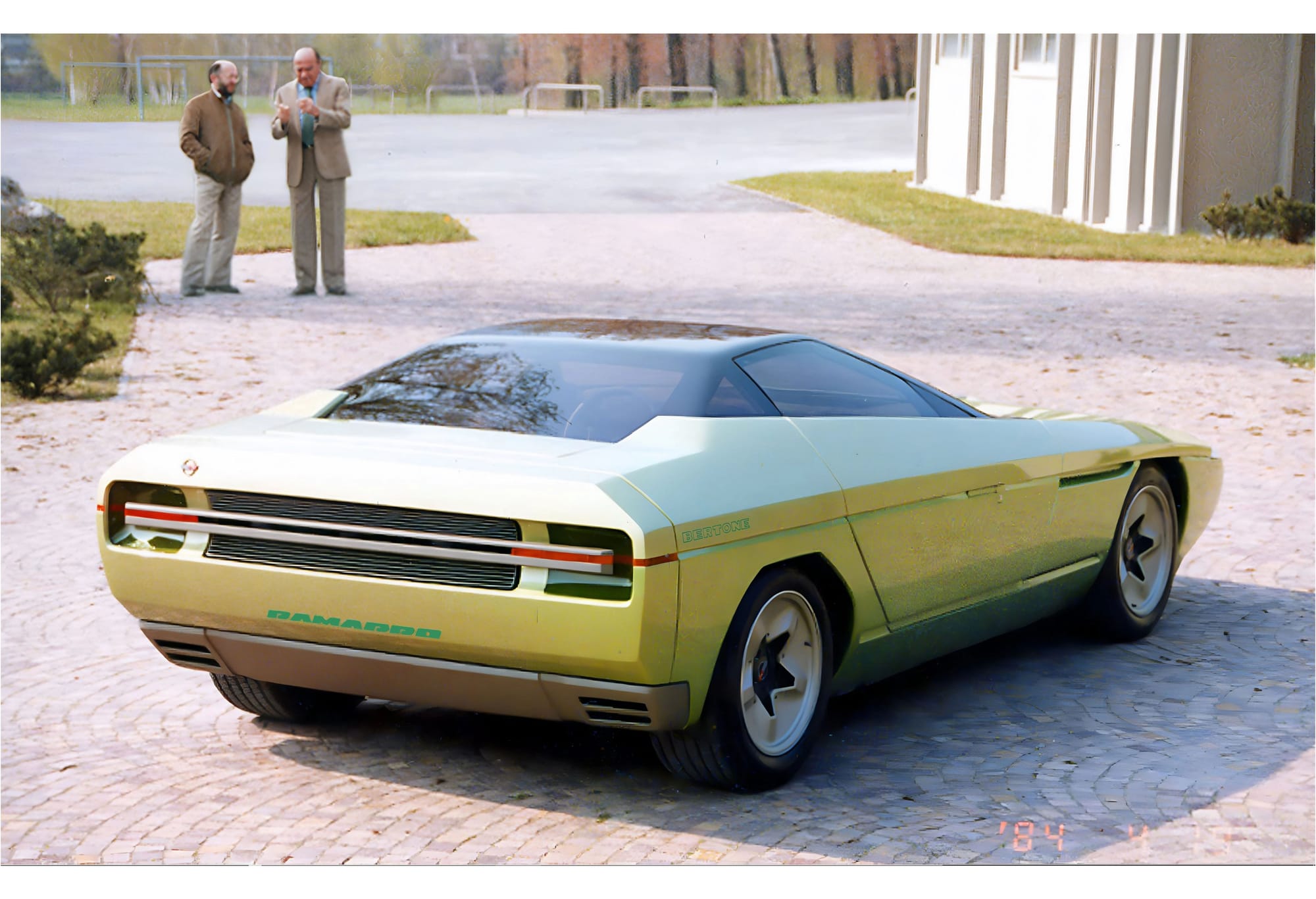
His approach was markedly different from that of his predecessor. Where Gandini often explored sharp, geometric and provocative forms, Deschamps worked with sculpture, light and volume. His designs sought richness through subtle modelling rather than graphic drama, combining innovation with elegance and a sophisticated understanding of proportion.
Under his direction, Bertone remained a powerhouse of concept-car creativity throughout the 1980s.
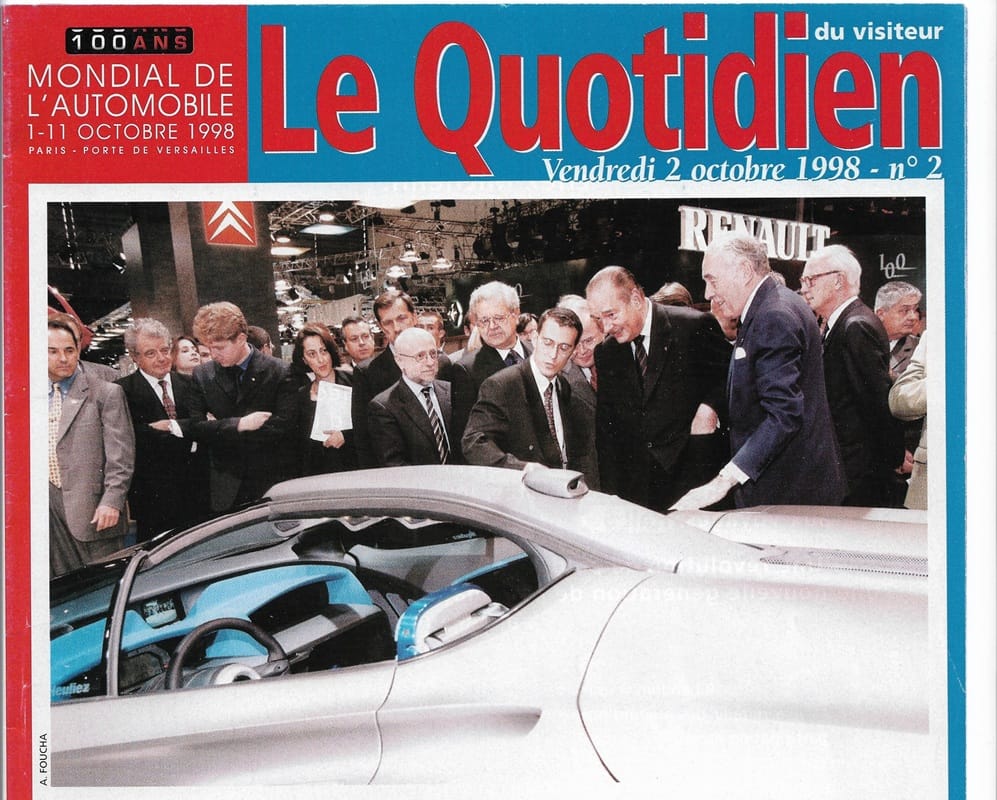
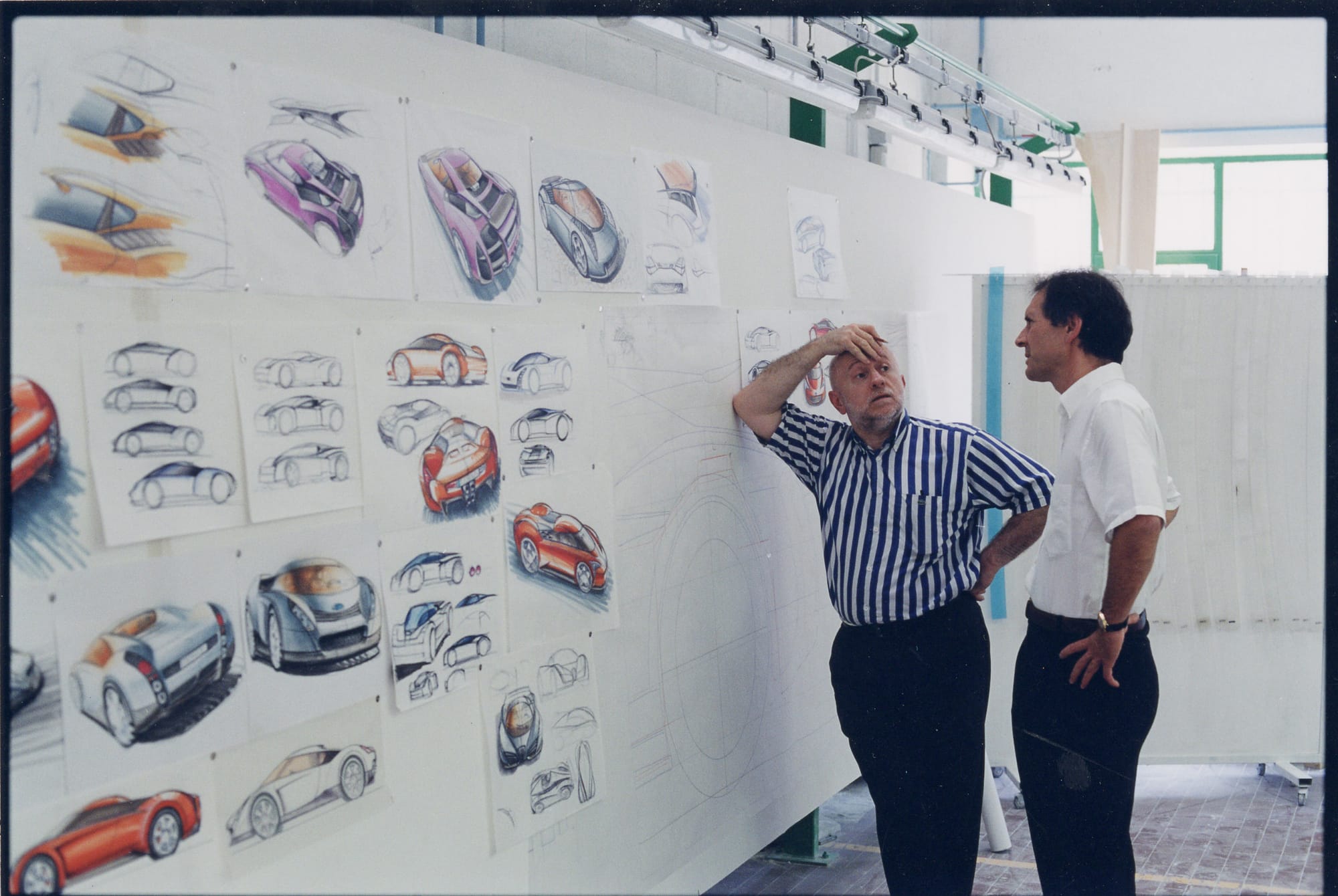
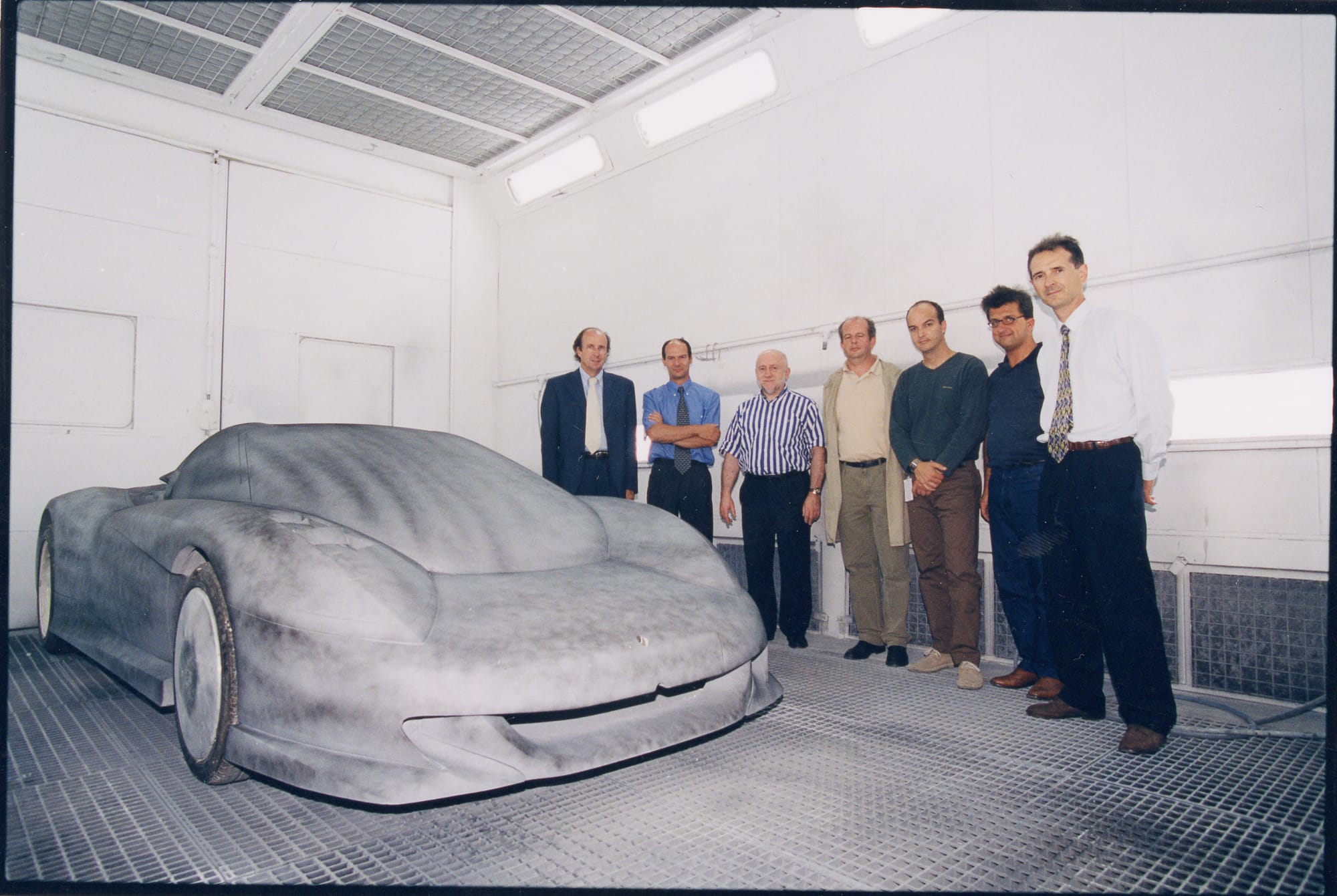
The changing automotive landscape of the 1990s opened another chapter. Heuliez established a design studio in Turin and appointed Deschamps to lead it. The resulting projects included the futuristic Raffica, the Mercedes-Benz Intruder and, most spectacularly, the Lamborghini Pregunta of 1998.
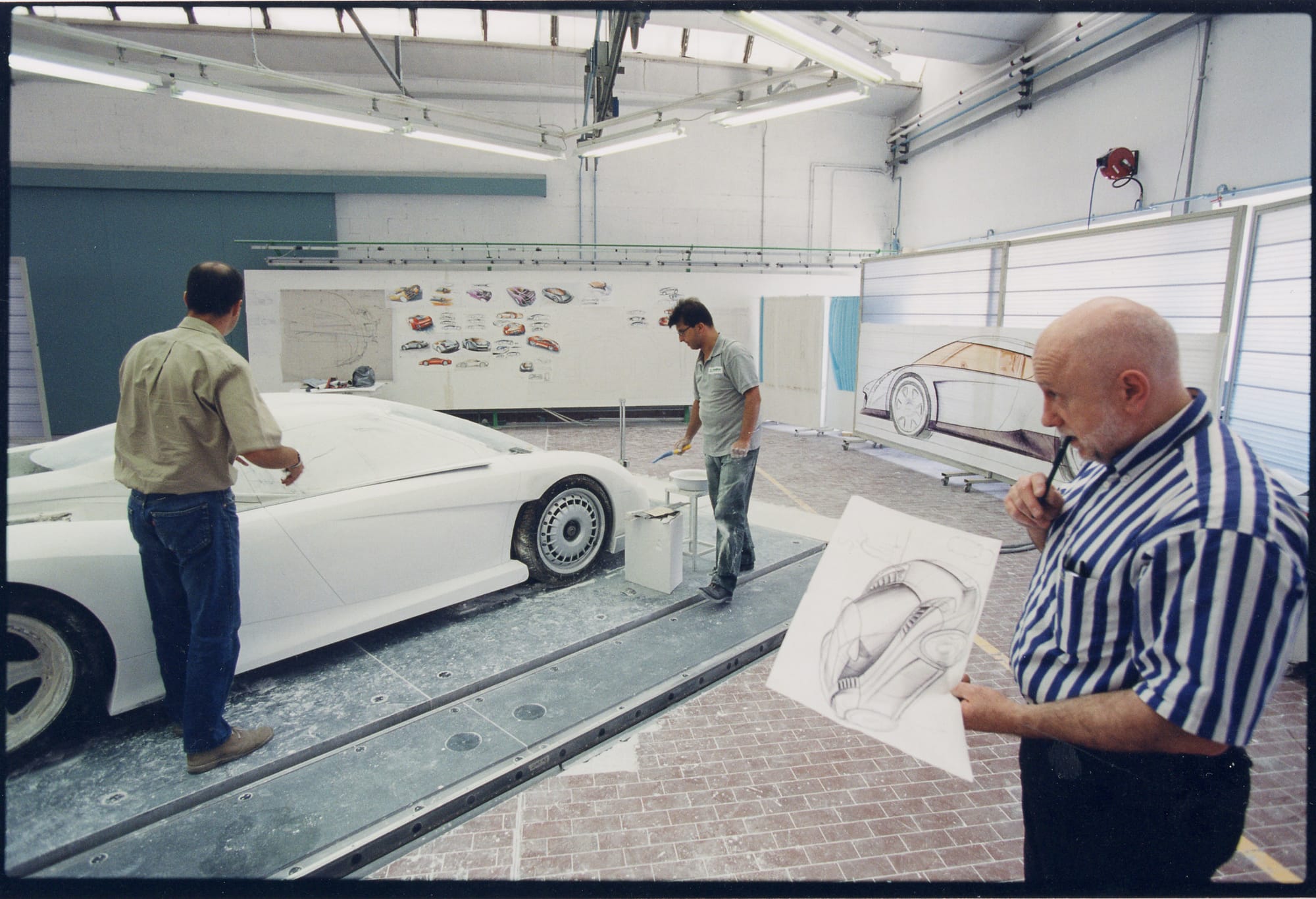
The Pregunta was quintessential Deschamps: dramatic but purposeful, technically ambitious yet unmistakably sculptural. Its advanced aerodynamics and digital technology gave it a futuristic character that still makes it stand apart from many concepts of its era.
By the new millennium, Deschamps was working independently. Among his most intriguing projects was the Edonis, created from the remains of the Bugatti EB110 programme, with engineering by Nicola Materazzi and funding by Jean Marc Borel.
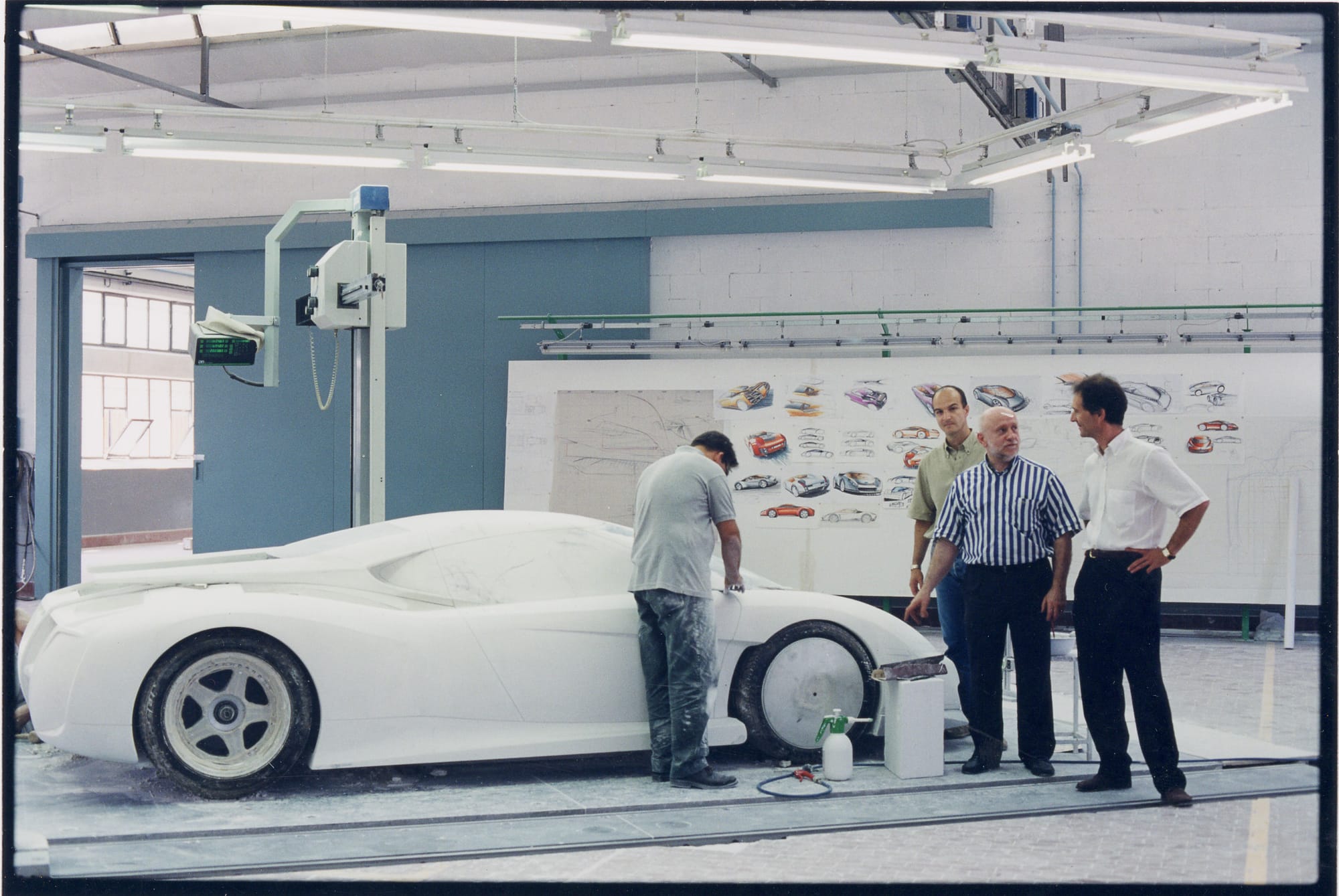
Only three were produced, but the car demonstrated that even outside the great design houses, Deschamps remained capable of tackling projects of extraordinary ambition.
Later, as China’s automotive industry expanded, he worked with emerging manufacturers seeking European design expertise.
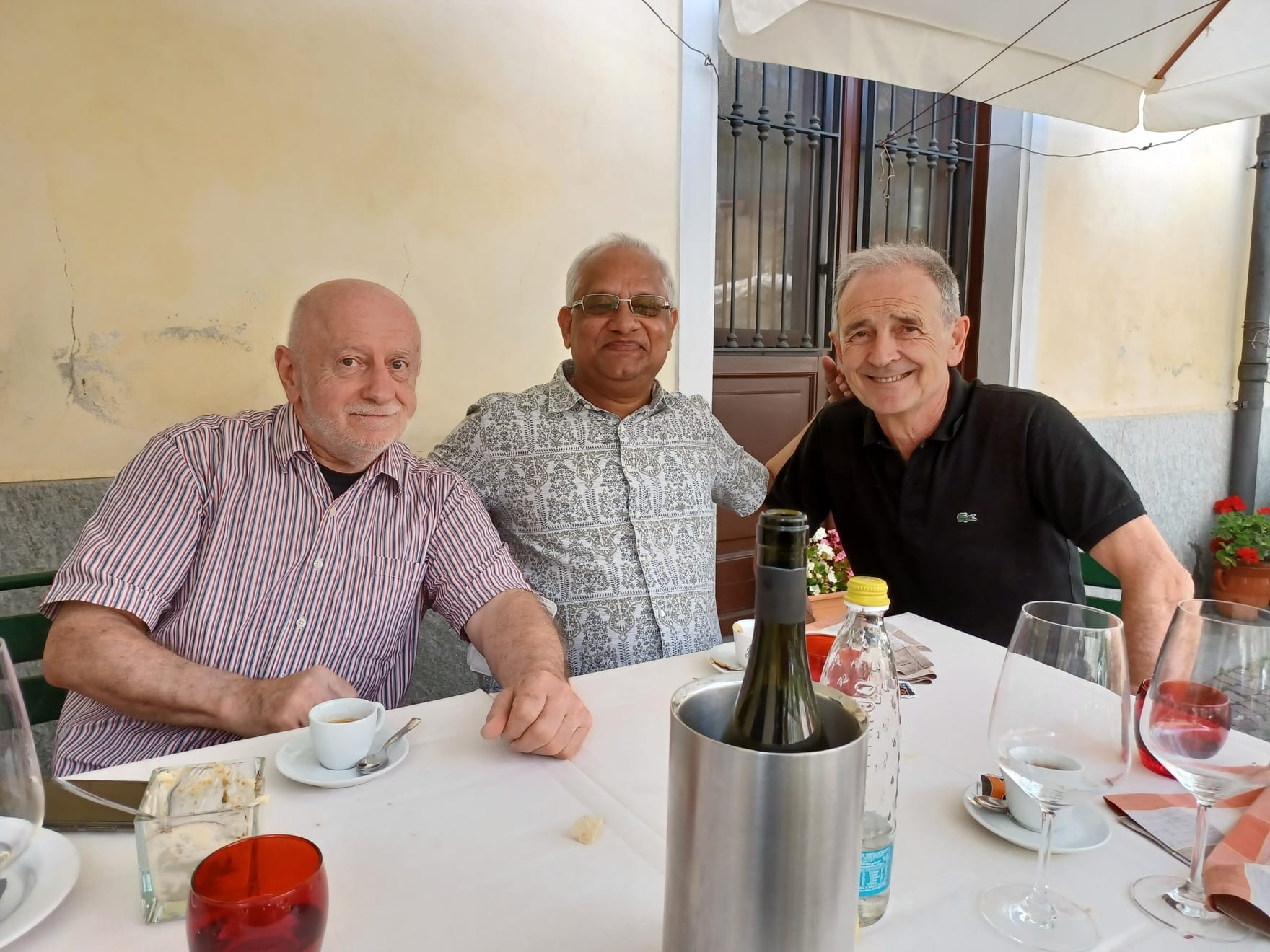
Few designers followed such a circuitous route to the top. Deschamps’s career was shaped not by an easy succession of opportunities, but by persistence in the face of rejection and an ability to adapt without losing his own design identity.
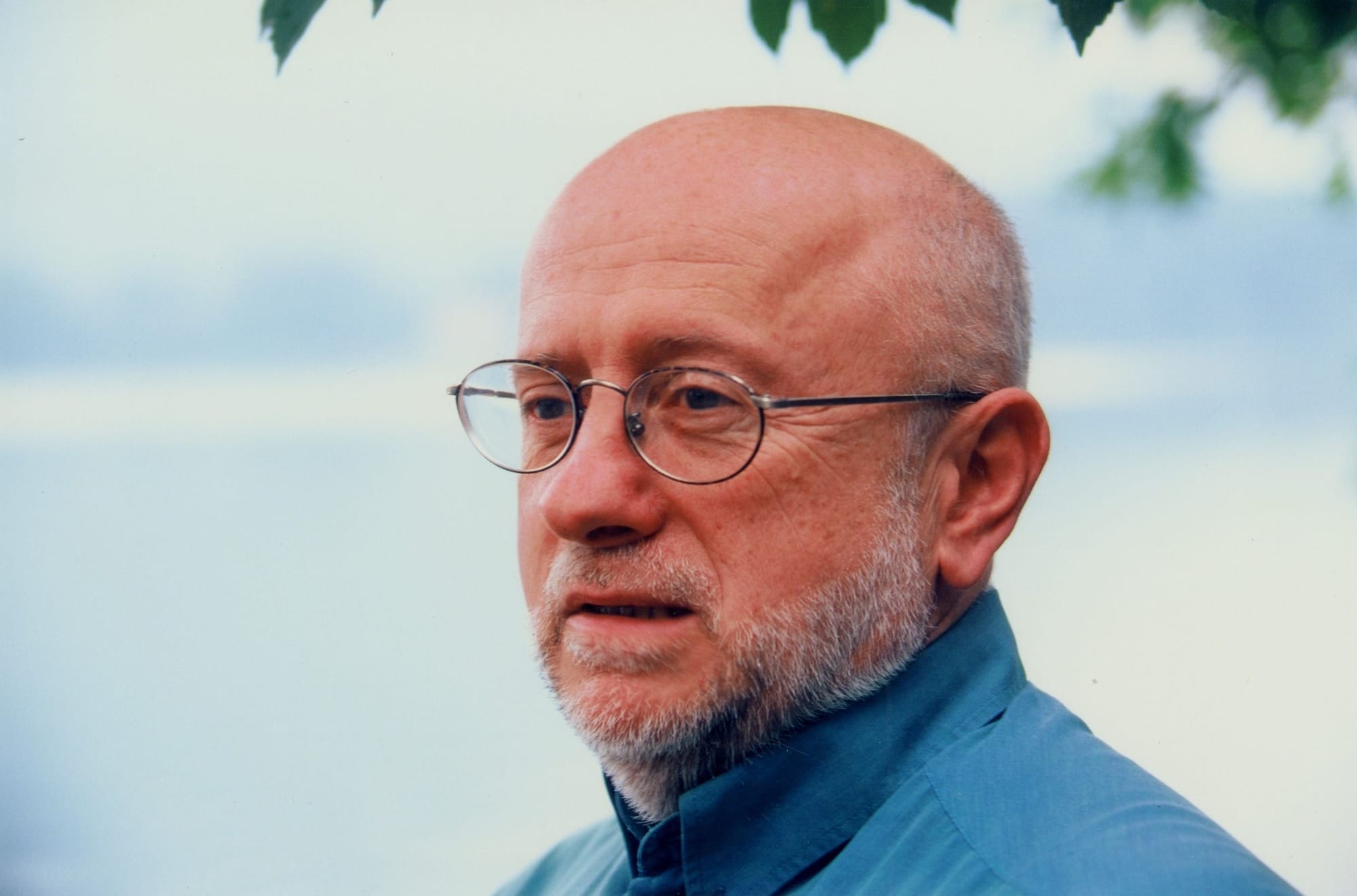
From a young man repeatedly turned away by the industry to the man entrusted with the creative direction of Bertone, Marc Deschamps’s story is ultimately one of determination, and of never accepting that a closed door has to remain closed.
Although Marc Deschamps is no longer with us, his designs and spirit live on.
Comments ()