Paris To Calcutta! An Incredible Journey
An incredible Paris-to-Calcutta adventure aboard France's forgotten little sports car
Celebrating the 60th anniversary of an amazing adventure
Text : Gautam Sen
Images: Courtesy Maïté Patoux & Philippe Berneux
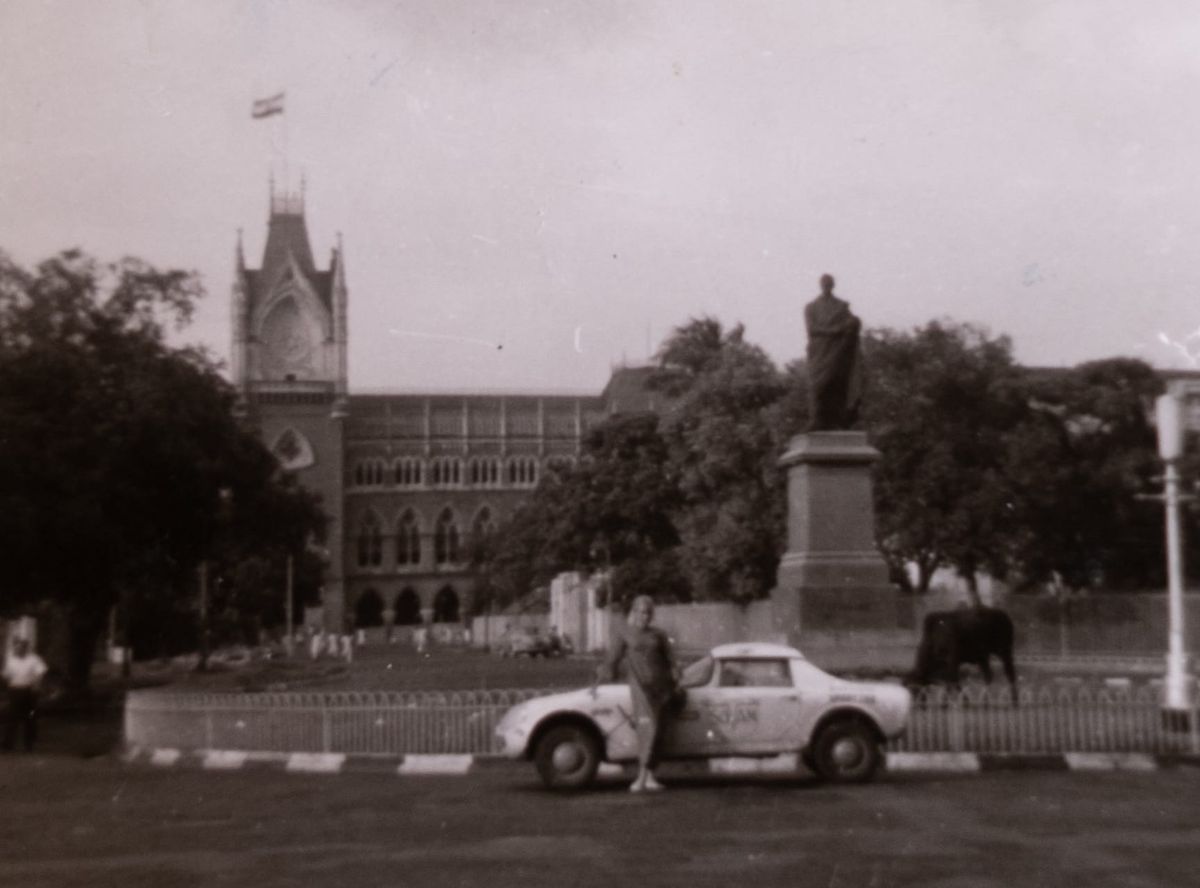
Sometimes, the most fascinating automotive stories begin with the simplest of discoveries: a photograph. In this case, it was an image shared on an Indian website and circulated across a couple of WhatsApp groups.
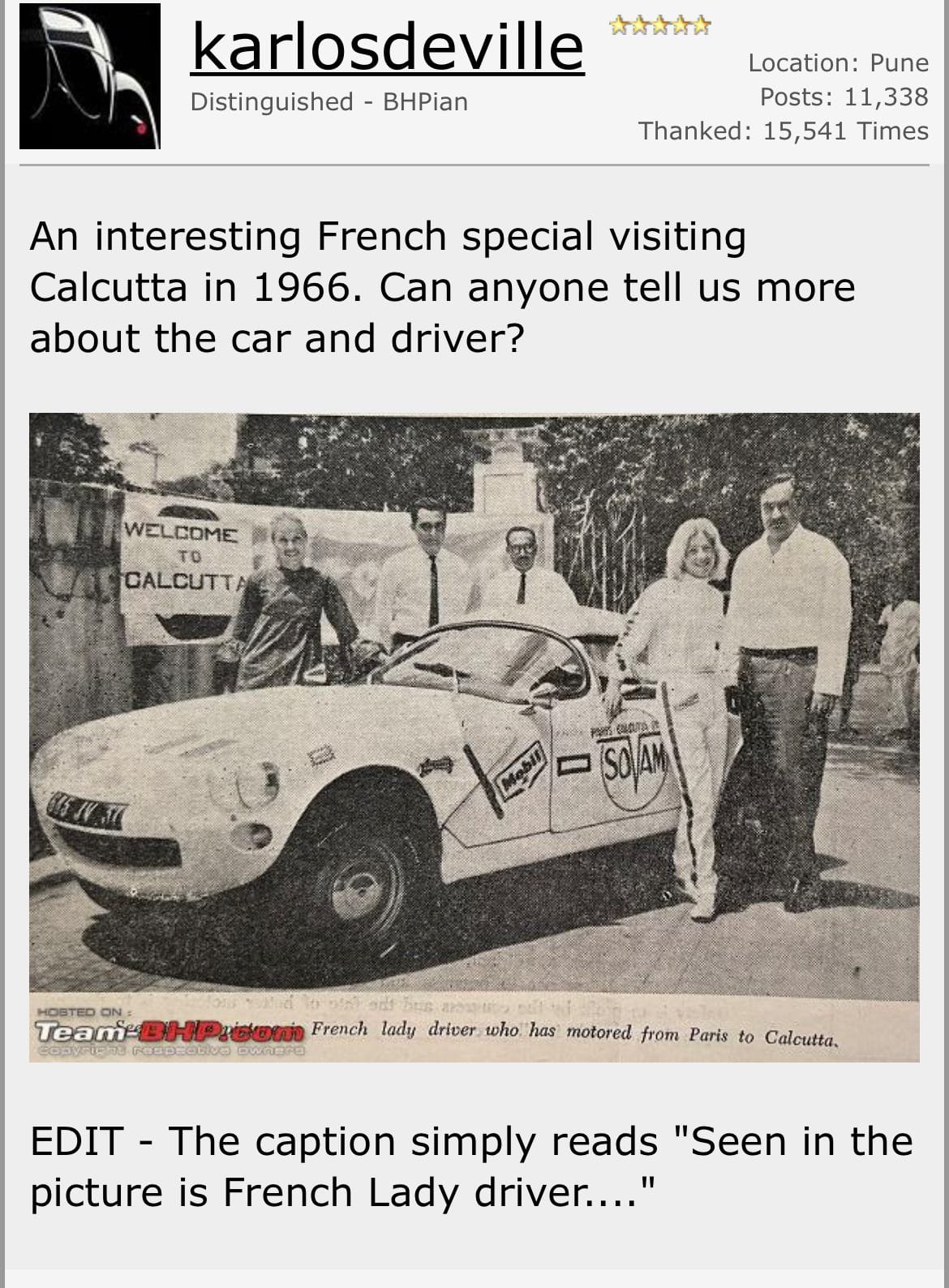
It showed two French women and three men standing beside a rather mysterious car in Calcutta: a vehicle that would have been almost impossible to identify unless one had a particular fondness for rare French sports cars.
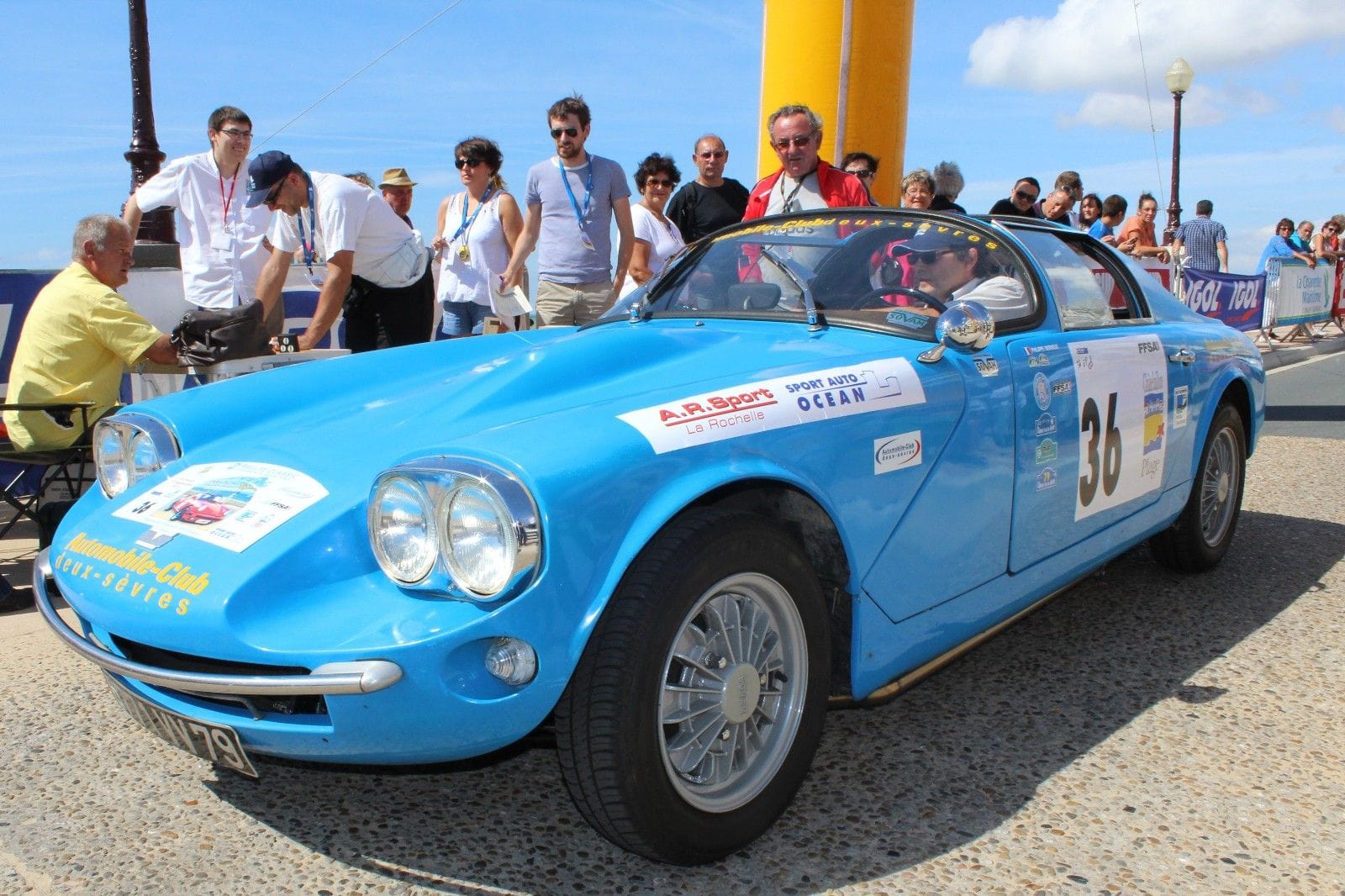
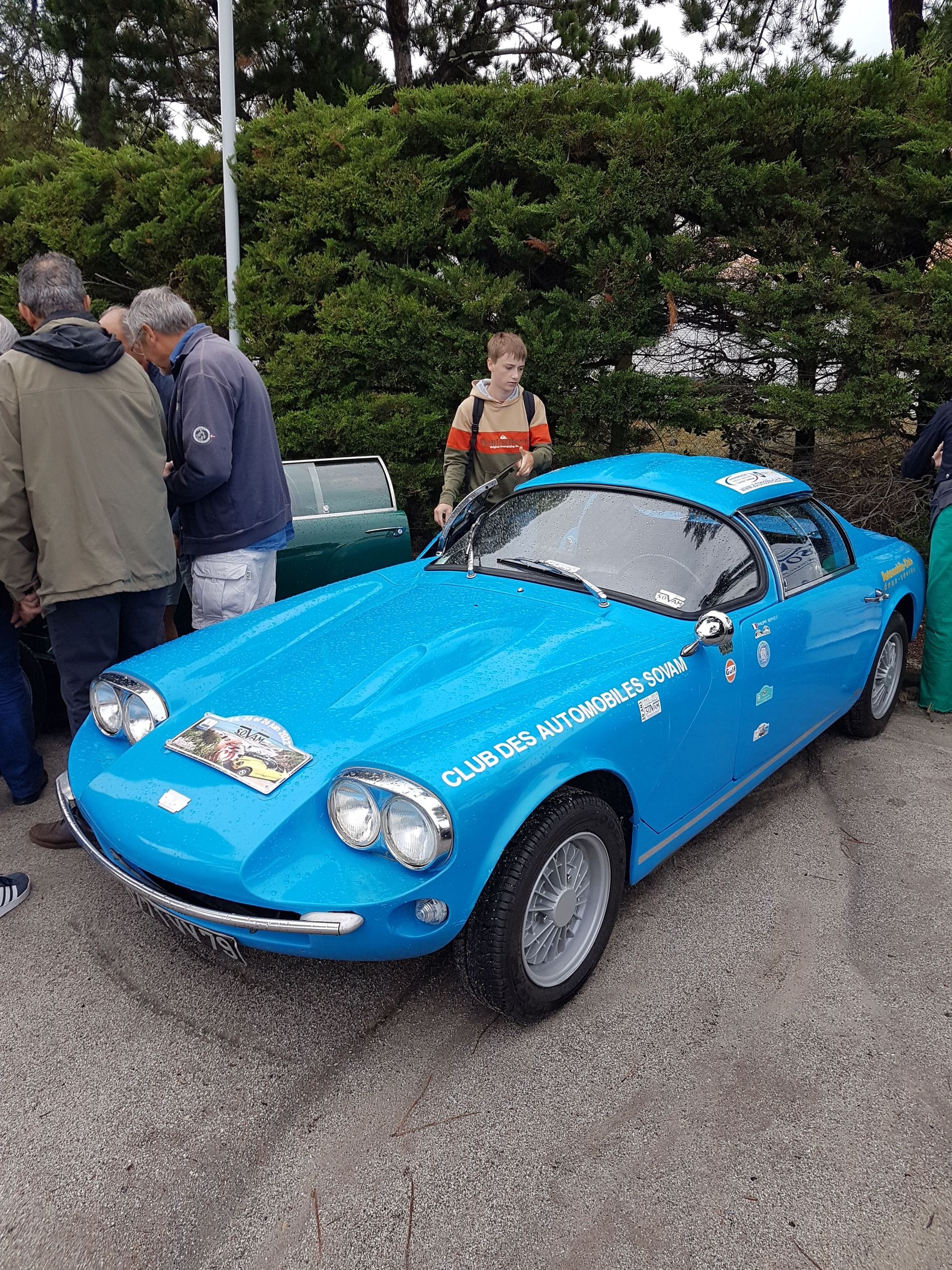
Fortunately, that happens to be a passion of mine. The car was quickly identified as a Sovam, a little-known French marque whose remarkable story deserved to be rediscovered.
I immediately forwarded the photograph to my friend Jean-François Ruchaud, who responded with scans from a book titled SOVAM: Les automobiles de Jacques Durand. The pages revealed an extraordinary connection: the two women in the photograph were none other than the adventurers who had driven a Sovam 850 VS from Paris to Calcutta in 1966, before the car was displayed at the Paris Motor Show that same year.
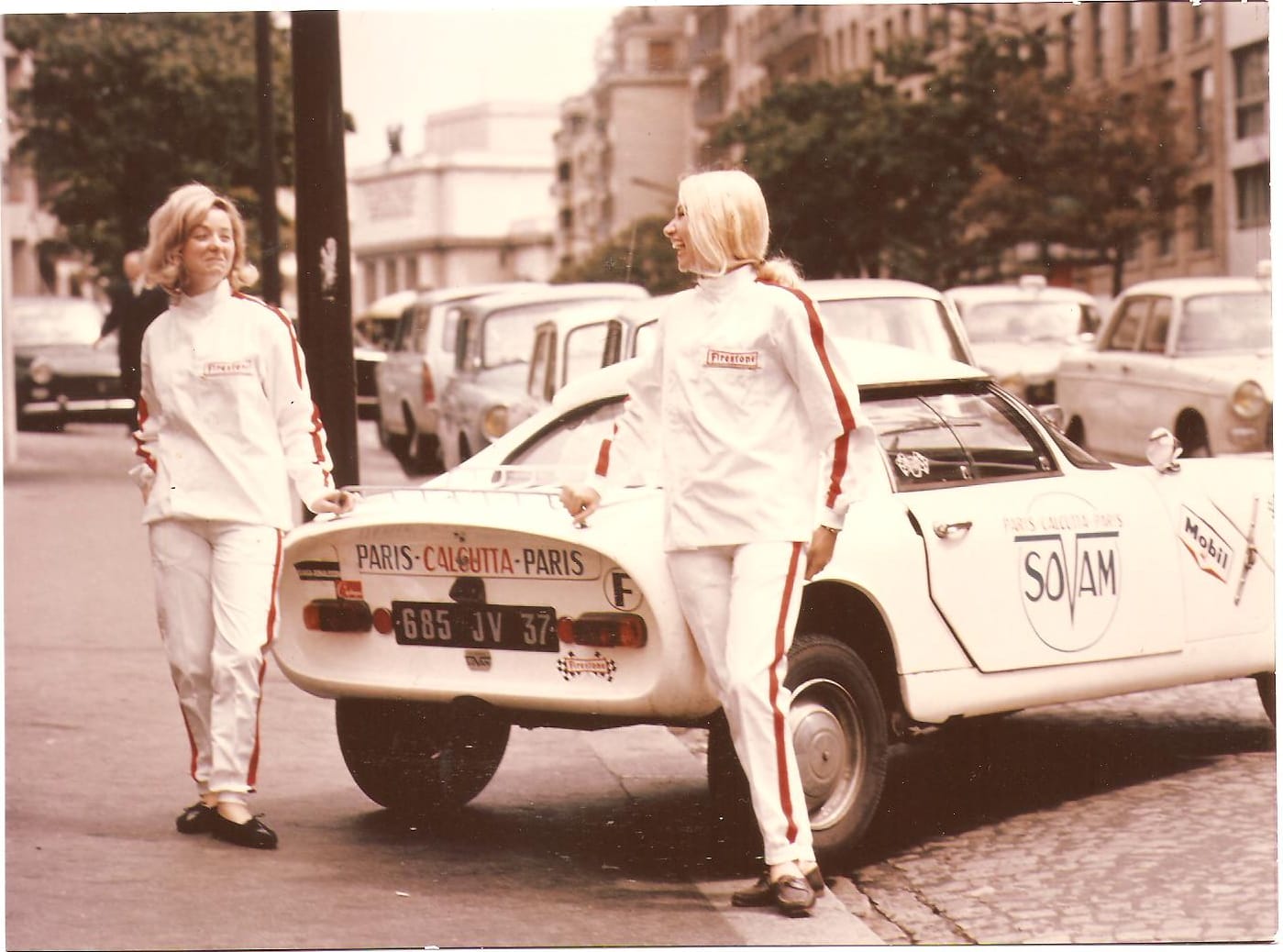
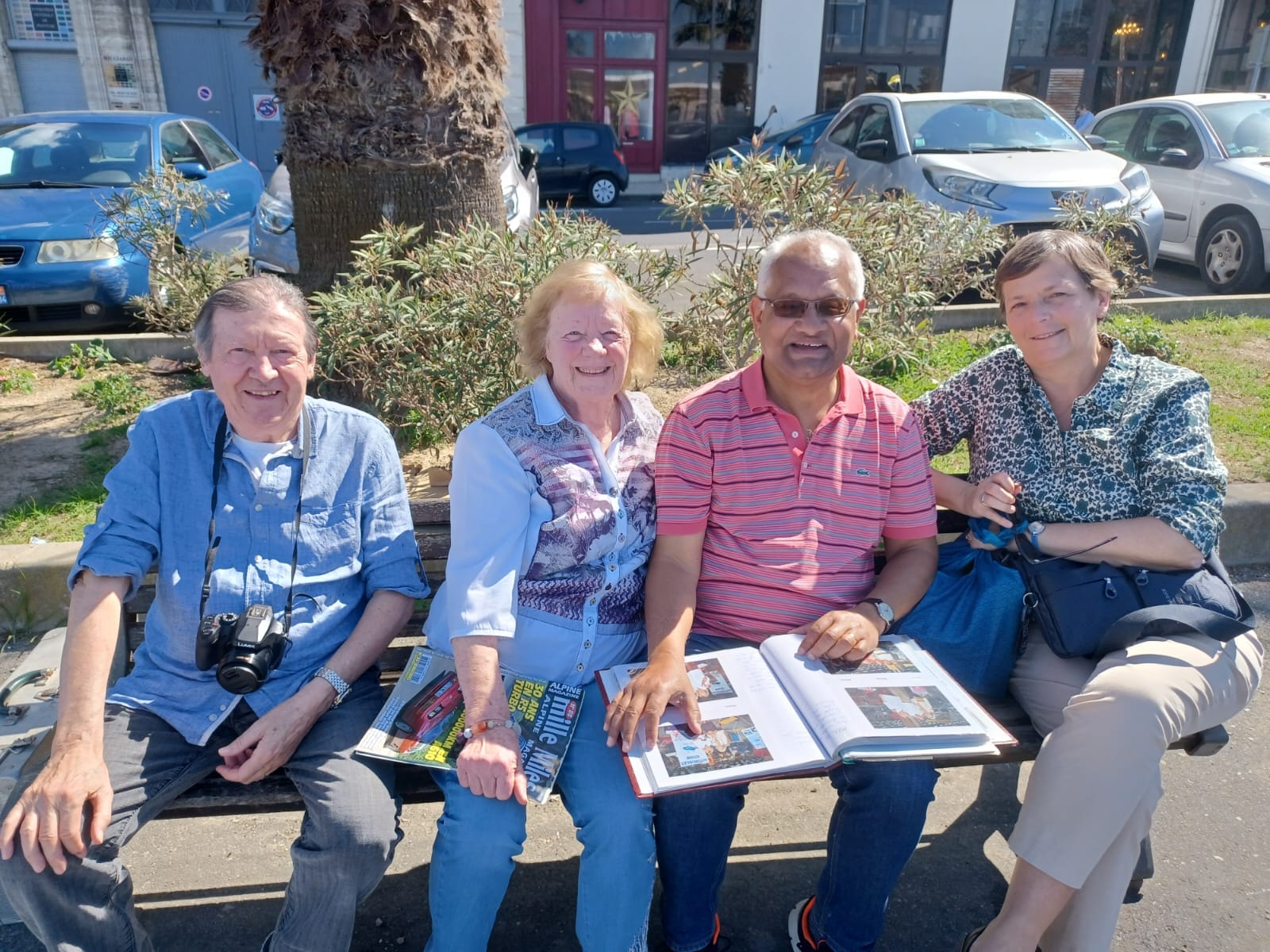
With the invaluable assistance of Philippe Berneux, President of the Sovam Club, I was able to reconnect with one of those pioneers, Maïté Patoux, and her partner, Jack Bouzige.
The name Maïté Patoux may not carry the same international recognition as fellow French motorsport legends such as Michèle Mouton or Marianne Hoepfner, but her story is every bit as remarkable. While she later competed in rallies during the 1980s, driving machines such as the Opel Kadett GT/E, Renault 5 Turbo and Citroën AX Sport, her greatest adventure had taken place almost 15 years earlier.
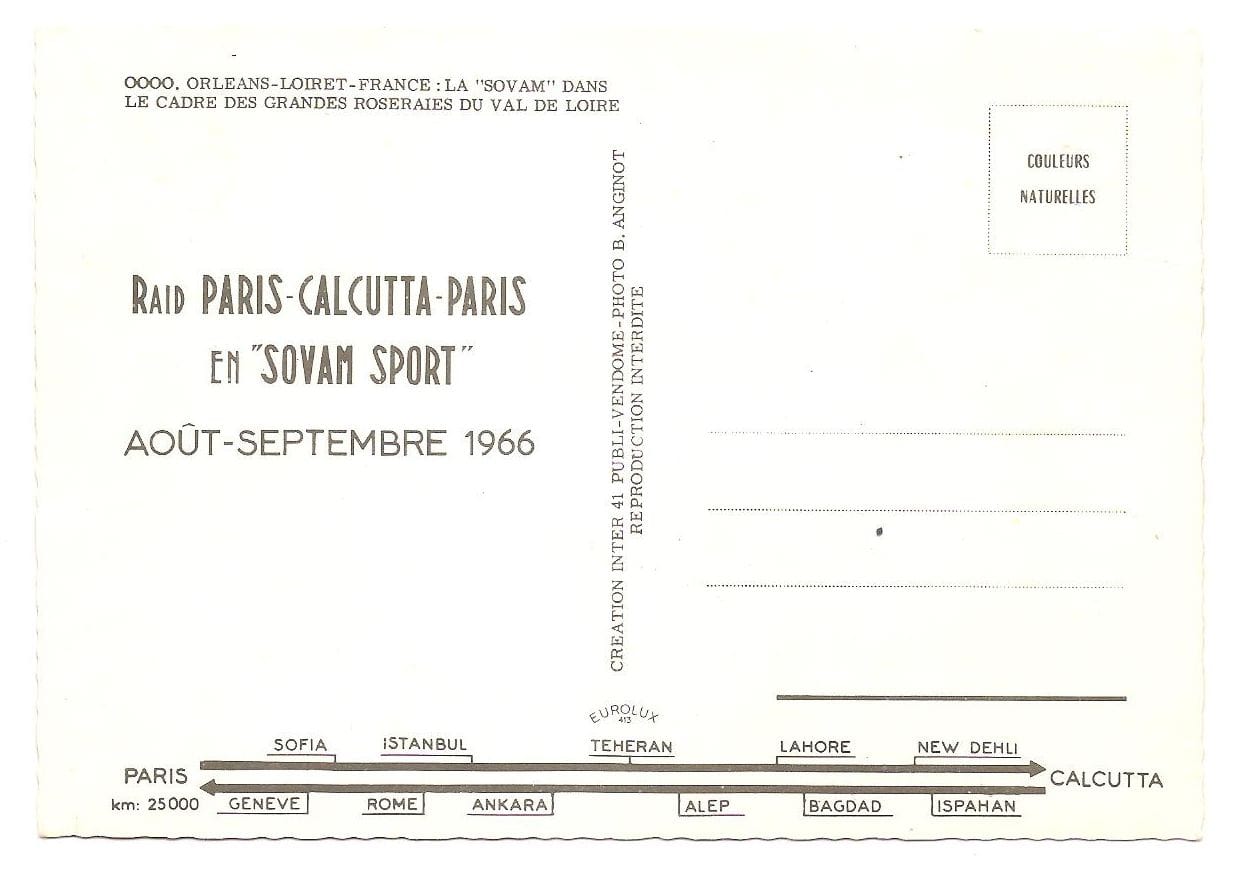
In 1966, at just 22 years of age, Patoux undertook an extraordinary challenge: driving a tiny French sports car more than 25,000 kilometres from Paris to Calcutta and back.
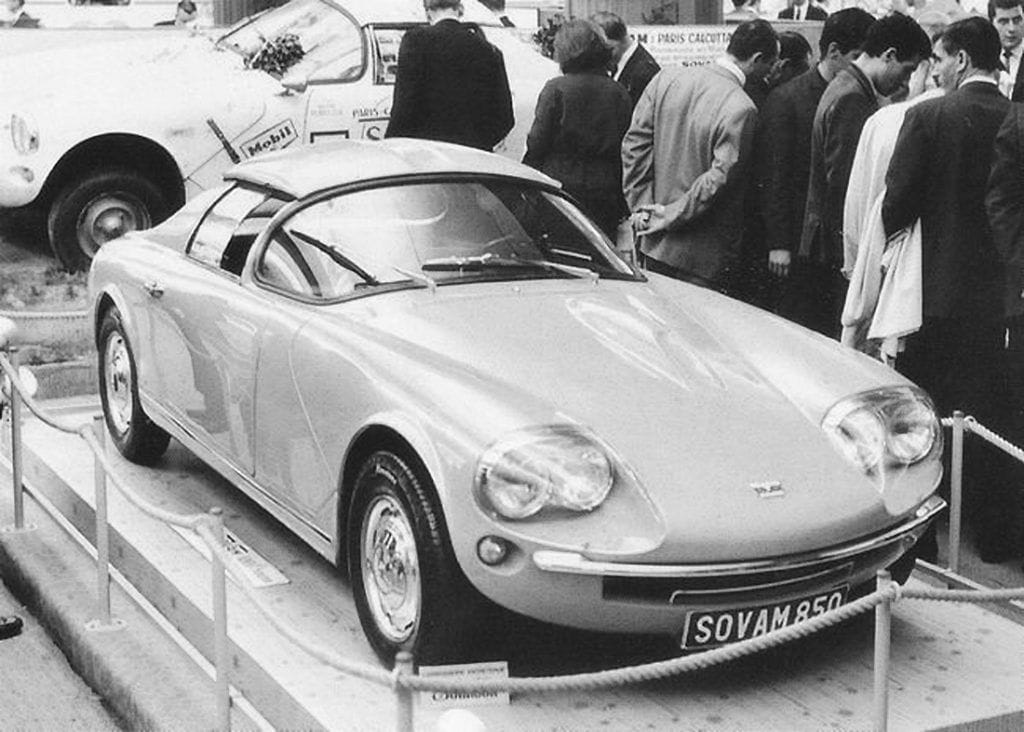
Few today remember the Sovam. It was one of those fascinating automotive ventures that appeared briefly, created something unique, and then disappeared almost into obscurity.
SOVAM (Société des Véhicules André Morin) had actually been established in 1930 as a manufacturer of specialised airport passenger and freight handling equipment. In 1964, André Morin, son of the company’s founder Robert Morin, decided to diversify by developing a lightweight delivery vehicle based on Renault 4 mechanical components. The project proved successful.
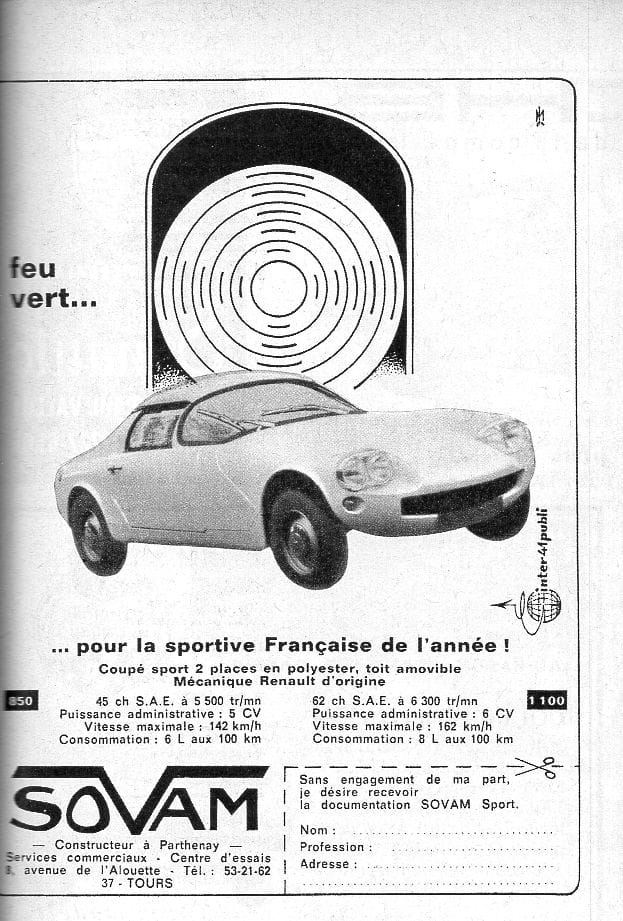
Morin then approached designer Jacques Durand to create a sports car using the same platform. Originally intended as a personal gift for his wife, the prototype was instead presented at the 1964 Paris Motor Show, where it attracted considerable public attention. Encouraged by the response, Morin decided to put the car into production as the Sovam 850 VS (Voiture de Sport).
Powered by the Renault Dauphine’s 845cc four-cylinder engine and clothed in a lightweight fibreglass body, the Sovam offered lively performance despite modest mechanicals. Weighing only around 570kg, it was a charming and innovative little sports car.
To prove its reliability, Sovam conceived an audacious publicity exercise: sending two women across continents, from Paris to Calcutta and back, in their tiny sports car.
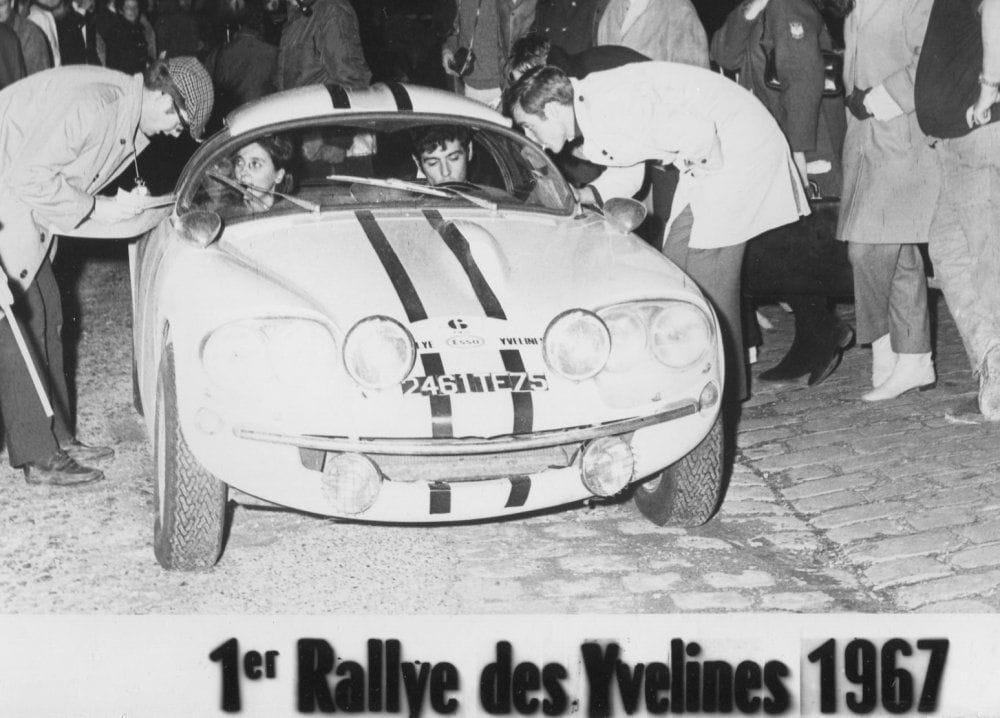
Maïté Patoux was approached by Sovam’s deputy managing director, Monsieur A. Magnat. The proposal immediately appealed to her. “I was interested in this challenge. I like cars, I like adventure, and I was getting paid for it,” she recalled. “It was crazy, yes, but an opportunity of a lifetime.”
Born in Cambo-les-Bains in France’s Basque region, Patoux had been fascinated by motorsport from an early age. She began racing almost immediately after obtaining her driving licence, competing initially with a Renault Dauphine 1093 before moving into rallying with cars including a Gordini, Lotus Cortina, Alfa Romeo, Porsche, Alpine, Mini Cooper S and Steyr-Puch.
Her companion for the expedition was Chantal Bernard, a part-time model, writer, mother of two and graduate of Paris’ prestigious École des Beaux-Arts. Bernard had met engineer Charles-Henri Armbruster at Sovam and proposed documenting the adventure in a book.
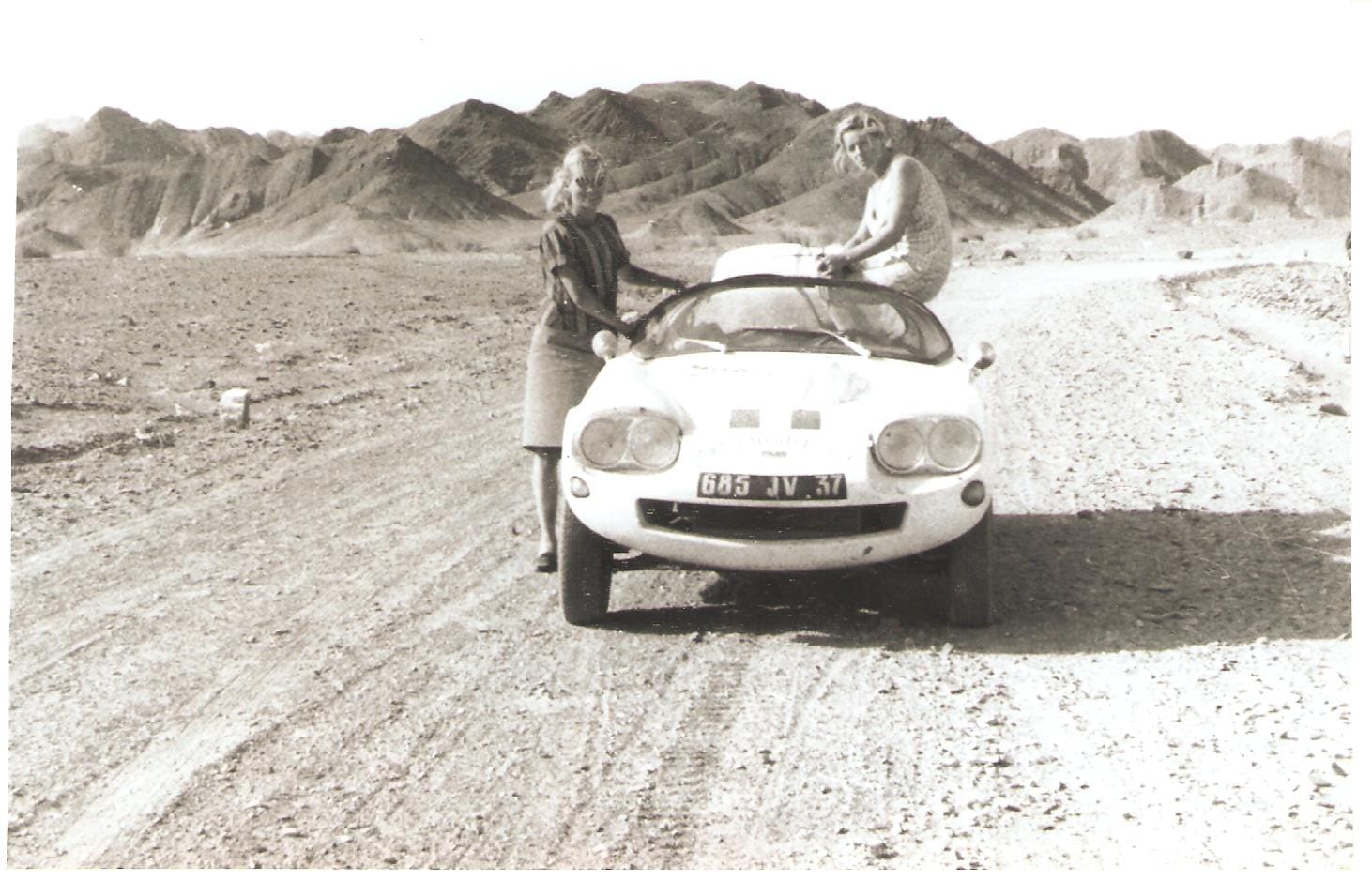
The expedition was planned on a modest budget equivalent to around US$3,000. The Sovam remained largely standard, using its 45bhp Renault engine and three-speed gearbox. However, several modifications were made for the demanding journey: increased ground clearance, a raised exhaust system for water crossings, a 60-litre fuel tank, and a special fuel pump.
The adventure began on 27 July 1966, with the goal of returning to Paris in time for the opening of the Motor Show on 4 October.
The route across Europe and Asia proved immensely challenging. The women faced rough roads, extreme temperatures exceeding 40°C, and stretches of terrain that resembled corrugated metal sheets rather than highways.
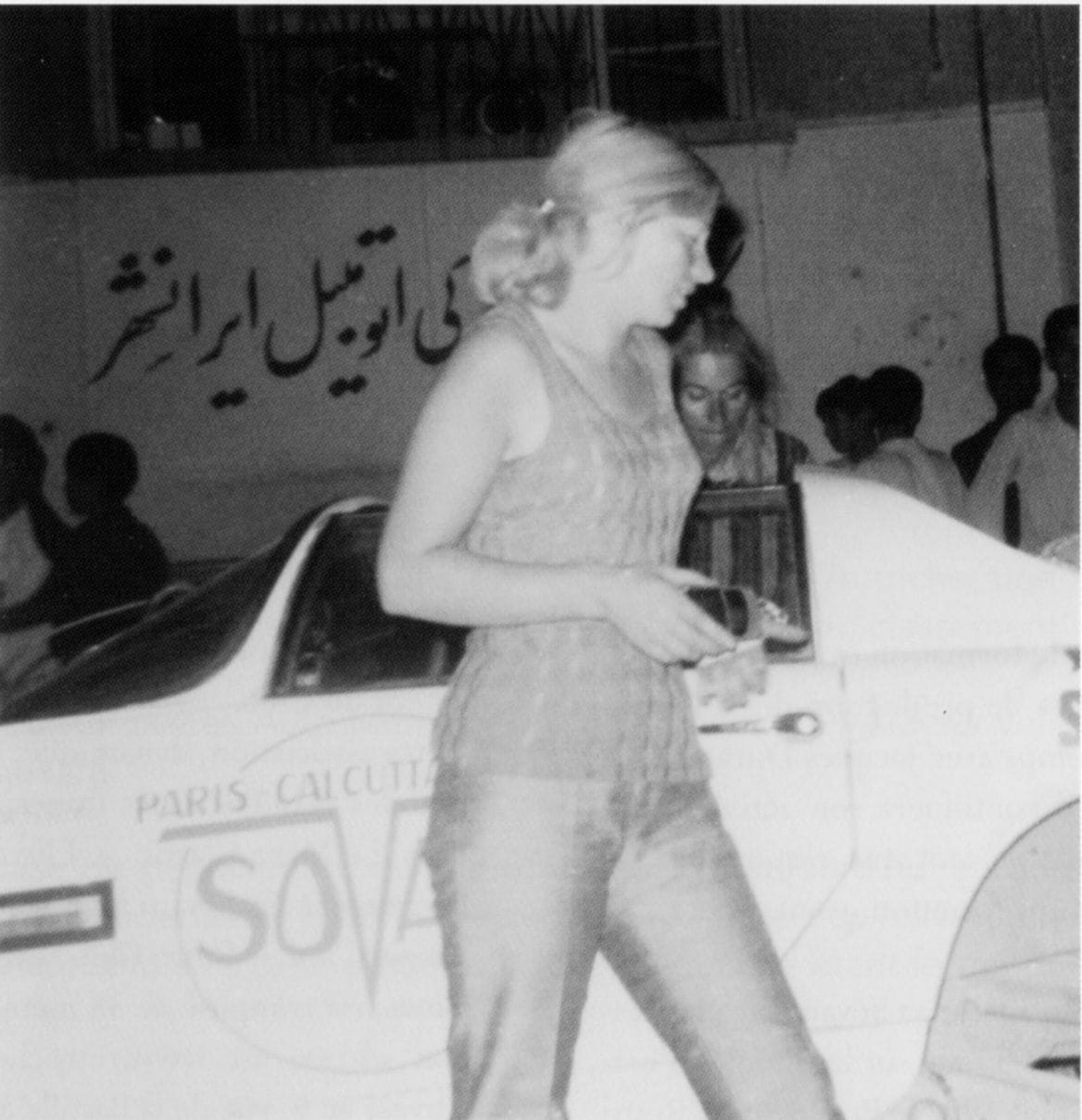
Afghanistan presented some of the greatest challenges. On one particularly difficult day, the Sovam suffered 24 punctures. In Iran, the car required a cylinder-head gasket replacement during an earthquake, while the crew also endured a cholera outbreak.
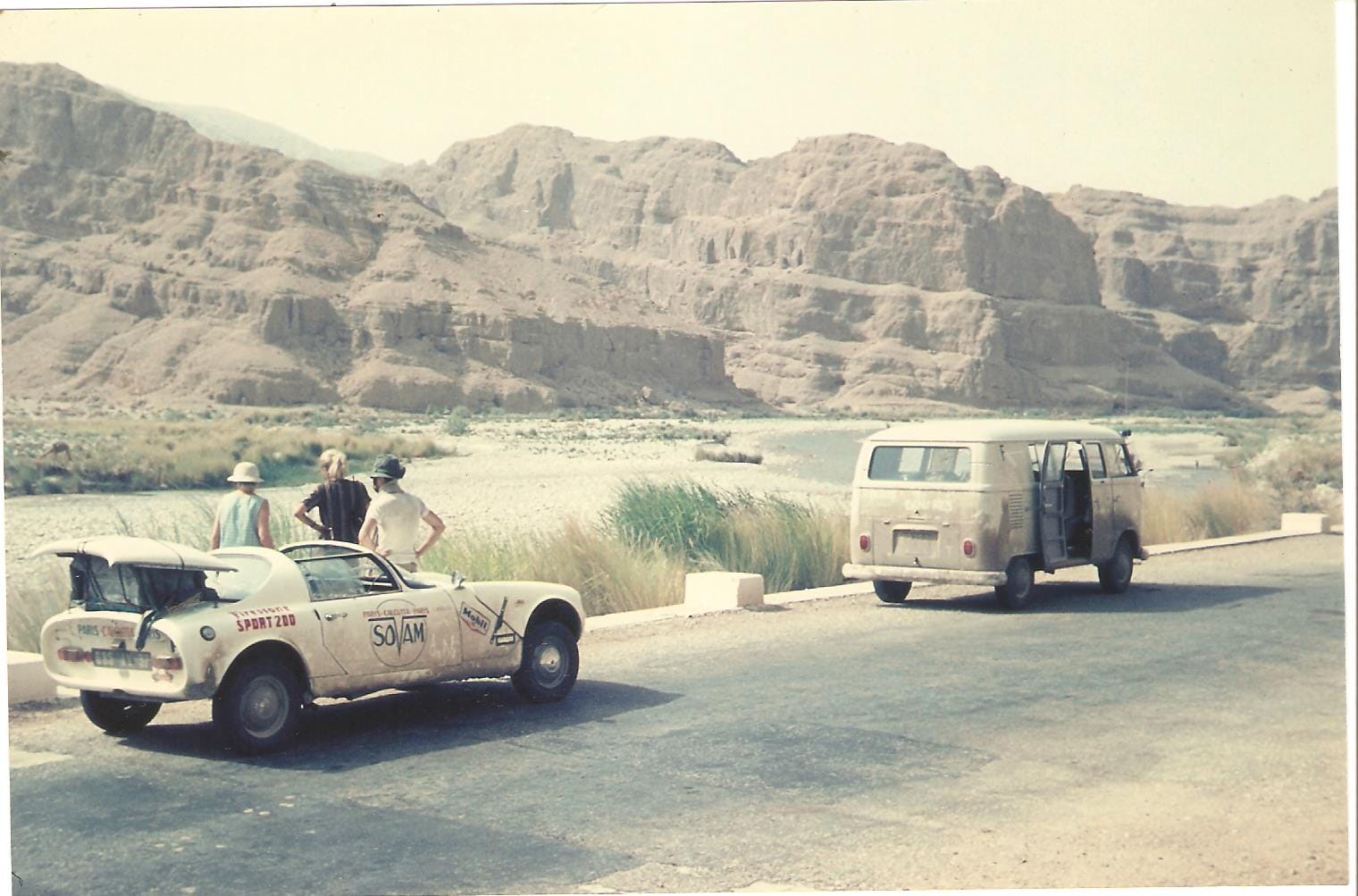
Patoux carried out all mechanical repairs herself, as Bernard concentrated on documenting the journey.
“We had just four Firestone tyres to get to Calcutta and another four for the return,” recalled Patoux. “I did all the mechanical work on my own because my teammate never drove… she only wrote.”
The two women received limited official support along the way. The French embassies in New Delhi and Baghdad were among the few diplomatic missions that welcomed them formally. Their journey also included memorable encounters: a reception with the Shah of Iran, encounters with Afghan tribesmen, and even an unusual marriage proposal from an Afghan prince who apparently wanted to keep the Sovam!
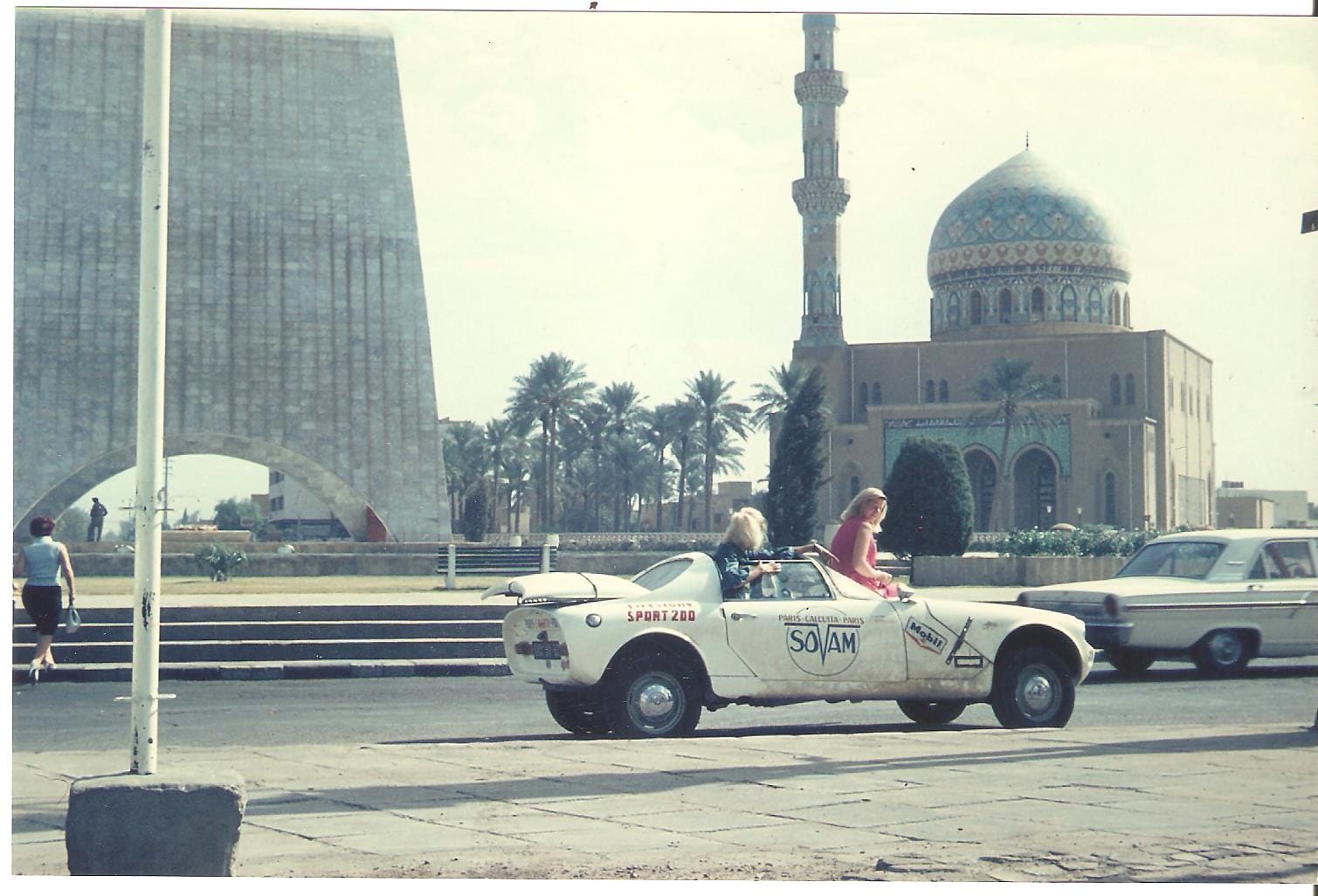
In Pakistan, political tensions and conflict near the border added further complications. Often sleeping beside their car rather than in hotels, the pair eventually joined a group of French students travelling in Renault 4Ls towards Nepal.
After more than 16,000 kilometres of driving, Maïté Patoux and Chantal Bernard finally reached Calcutta on 6 September 1966.
“It was a big relief, as well as a great sense of pride,” recalled Patoux. “I had lost four kilograms by then.”
However, the welcome was far quieter than expected. There were no major media appearances or television coverage; only a small reception organised by Firestone and a few photographs.
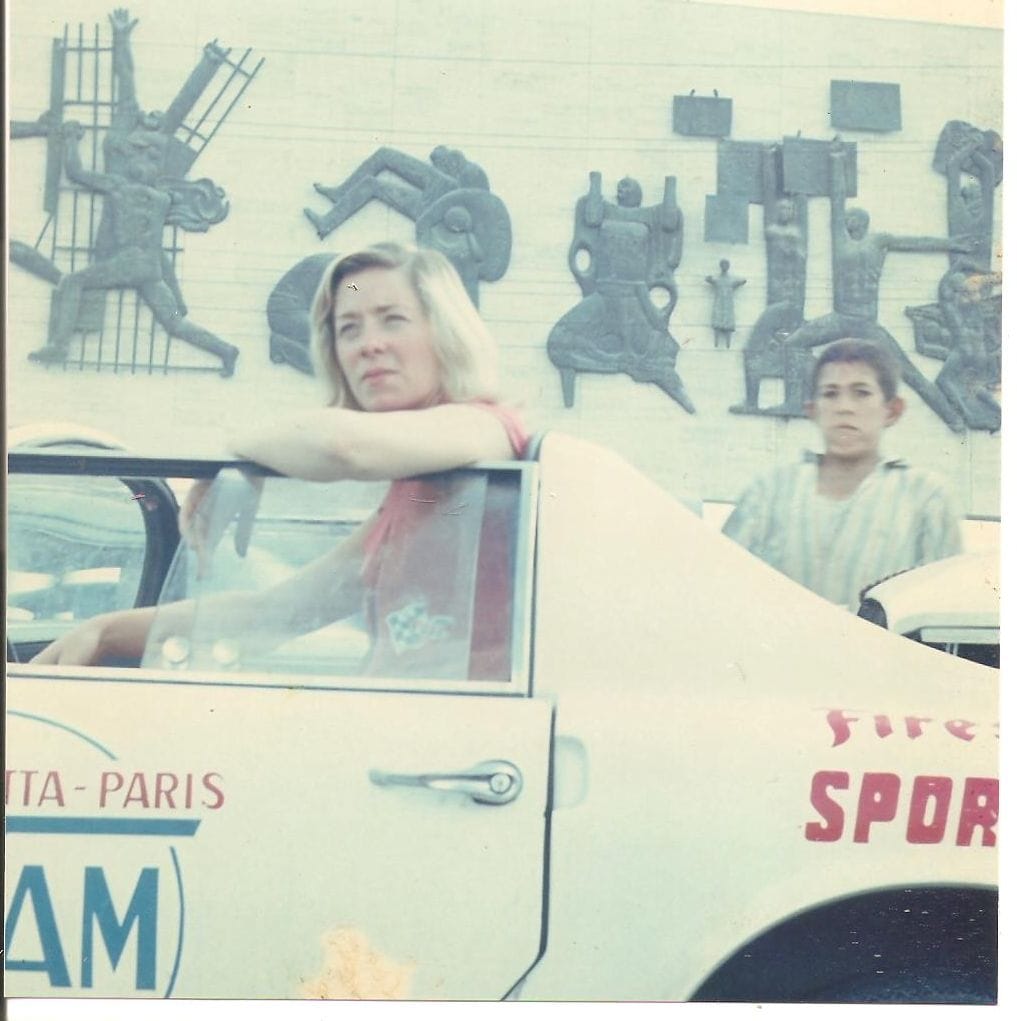
The return journey was equally demanding. With less than a month remaining before the Paris Motor Show, the team had to rush back through increasingly difficult conditions. They eventually joined four French scouts travelling in a Volkswagen Combi, who helped them navigate the return route.
After further accidents, logistical problems and a difficult sea crossing, Patoux and Bernard arrived back in France just in time for the Paris Salon.
At the motor show, Patoux received congratulations from General Charles de Gaulle, although sadly no photographs remain of the occasion.
Many people doubted that she had completed the journey alone, without assistance. However, respected figures such as Jo Schlesser and Guy Ligier believed her achievement. The Sovam was displayed next to the Ligier stand, where the new Formula One project was being unveiled.
Despite the publicity generated by this extraordinary expedition, the Sovam sports car itself remained a commercial rarity. Only 64 examples of the 850 VS were sold. A more powerful 1.1-litre version followed in 1966, producing 62bhp and reaching 162 km/h, with front disc brakes and a four-speed gearbox. Around 77 examples were produced, followed by only five 1.3-litre versions.
By 1968, after approximately 146 cars had been built, Sovam abandoned its sports car ambitions.
Yet the story did not completely disappear. According to Philippe Berneux, more than 100 Sovams survive today, with around half still in running condition and actively participating in club events.
Maïté Patoux’s adventures did not end with the Calcutta expedition. She had hoped to participate in the 1968 London-Sydney Marathon but was unable to secure the necessary car and sponsorship.
During the 1980s, she returned to rallying with Jack Bouzige, competing in an Opel Kadett GT/E before moving to the spectacular Renault 5 Turbo. Together they participated in events including the Catalunya Rally and Rallye de Lozère, continuing to compete until 2007.
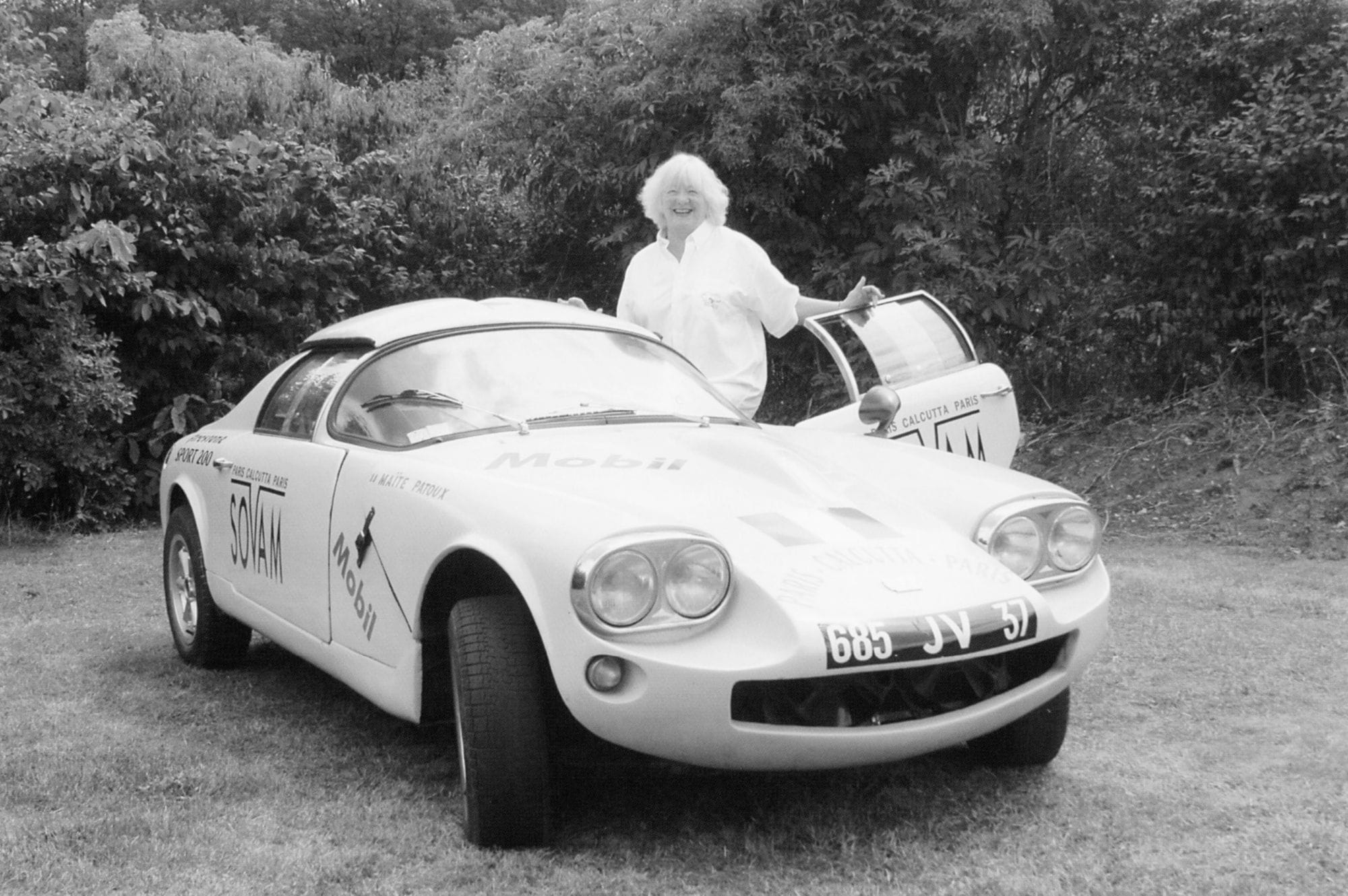
Sadly, Chantal Bernard’s planned book about their incredible Paris-to-Calcutta adventure was never published... but then, it is never too late...
But the story of the little Sovam 850 VS – and the two fearless women who drove it across continents – remains one of the most extraordinary chapters in automotive adventure history.
Comments ()