Plovdiv: A Concours in the Heart of Bulgaria
A delightful selection of cars and bikes for the Concours d’Élégance DrustaR
Text & Images: Gautam Sen
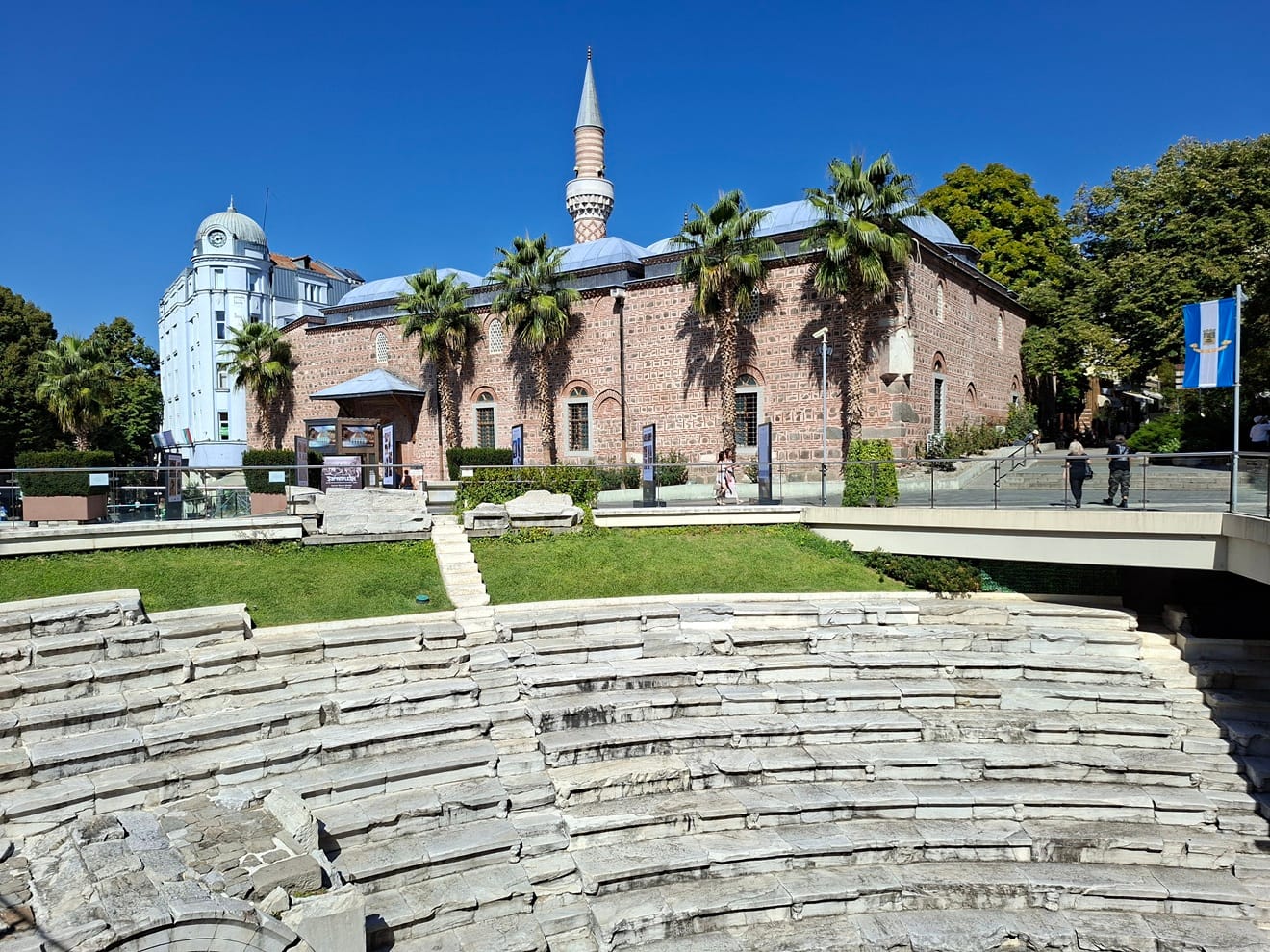
There is a good chance you may never have heard of Plovdiv, Bulgaria. Yet this remarkable city is one of Europe’s oldest continuously inhabited settlements, with a history stretching back more than 6,000 years.
Known in antiquity as Philippopolis and later Trimontium, it has been shaped by Thracian, Macedonian, Roman, Byzantine, Bulgarian and Ottoman cultures.
Today, its extraordinary heritage is everywhere: a remarkably preserved Roman amphitheatre, the remains of a Roman stadium and, perhaps most evocatively, the atmospheric Old Town, with its colourful 18th- and 19th-century Bulgarian Renaissance houses.
Named European Capital of Culture in 2019, Plovdiv combines archaeological treasures with a vibrant cultural and gastronomic scene.
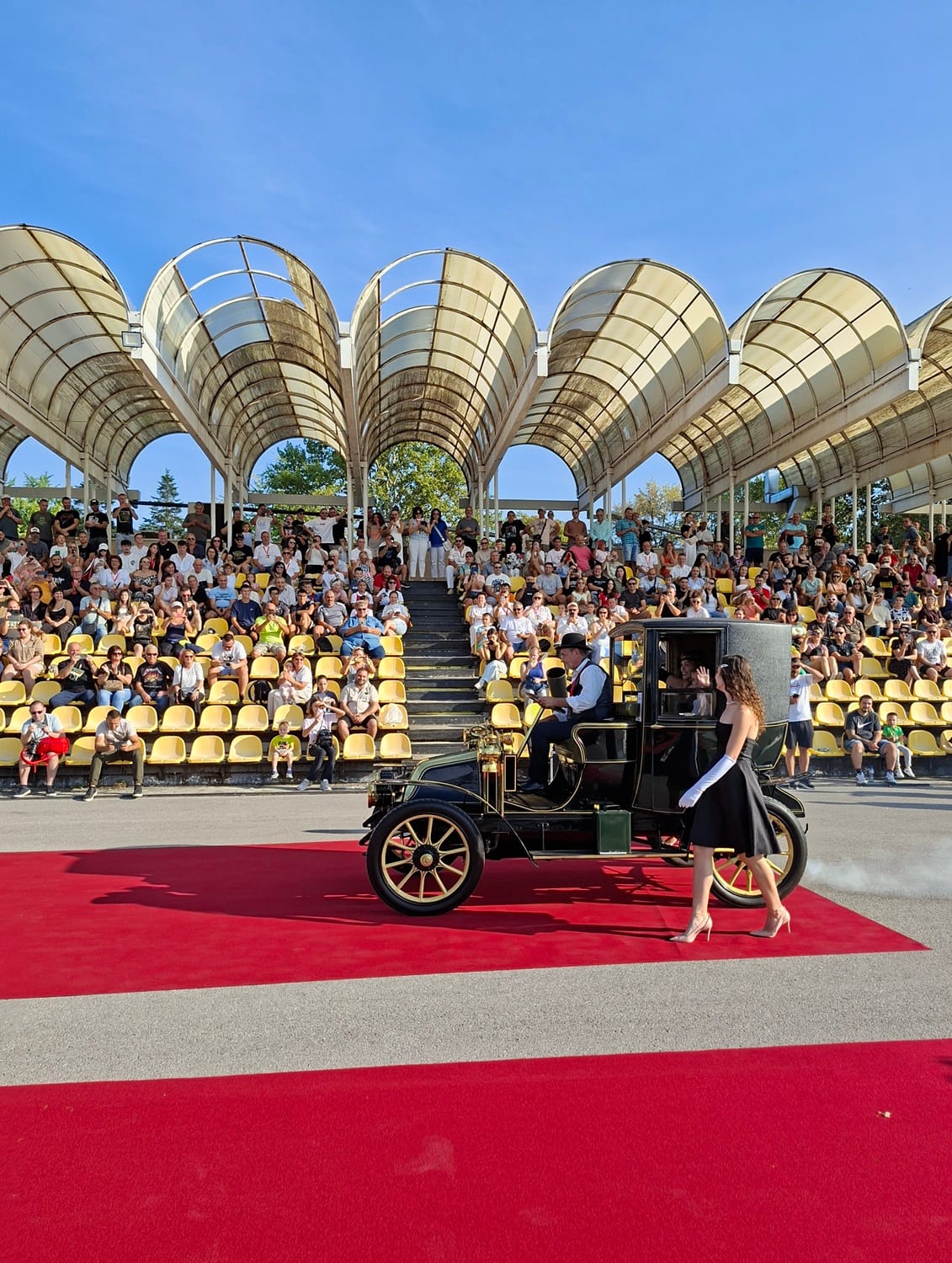
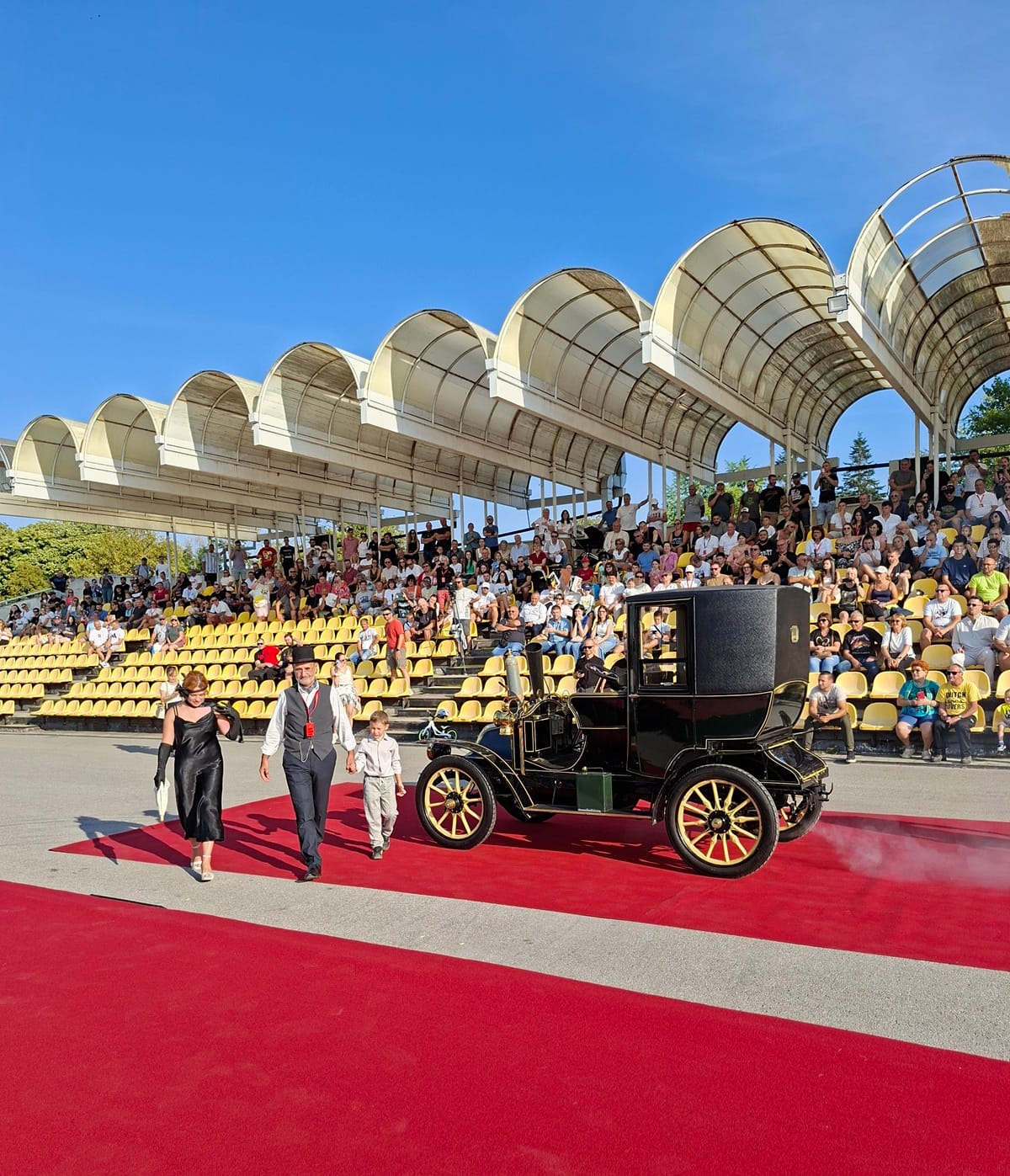
The oldest car at the concours was the Renault Taxi de la Marne from 1905. A pity that it was a tad too glossy and overdone
It is, in other words, a city with all the ingredients for an international Concours d’Élégance. The problem is that its historic centre, despite its visual appeal, is simply too congested.
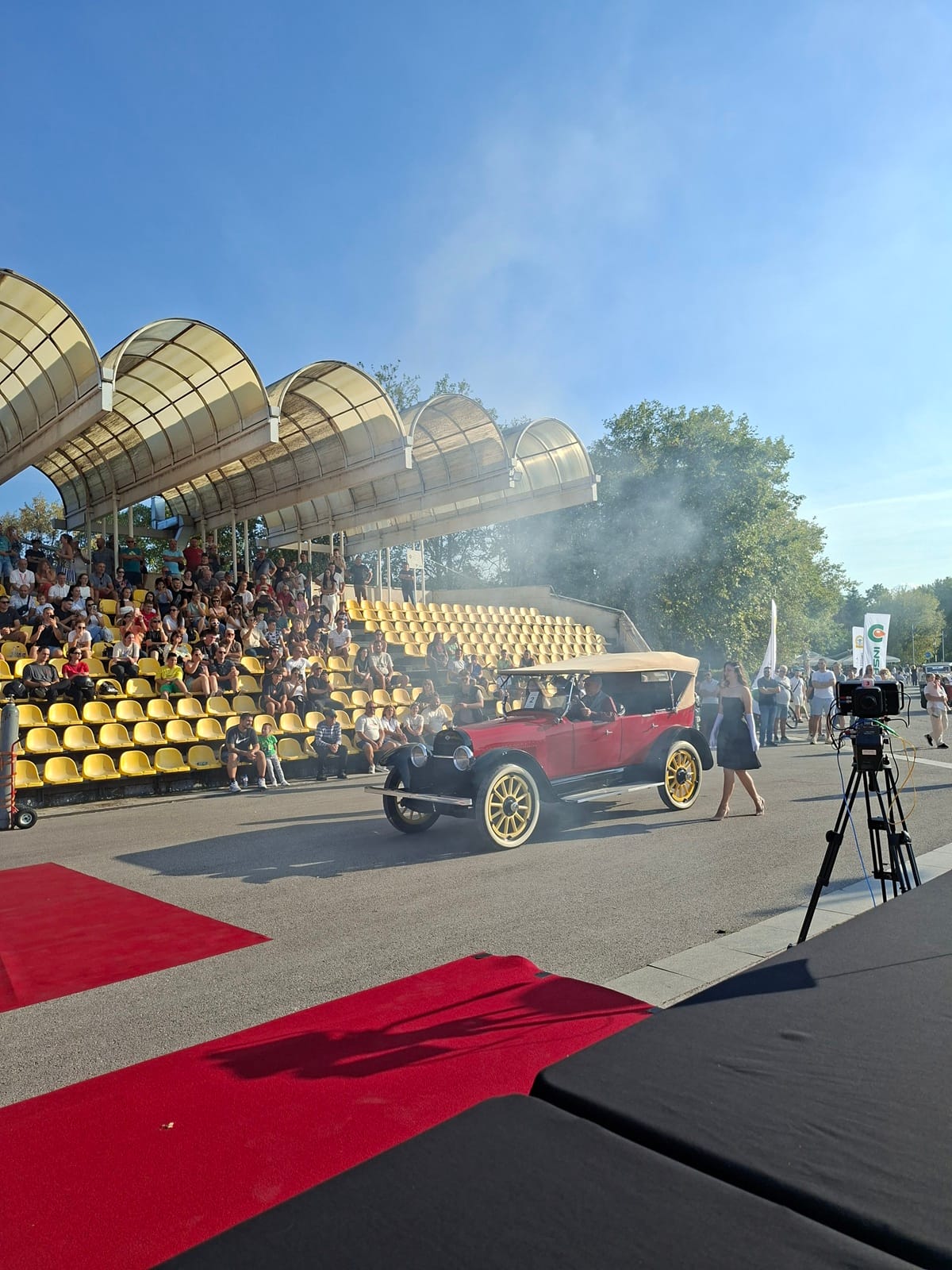
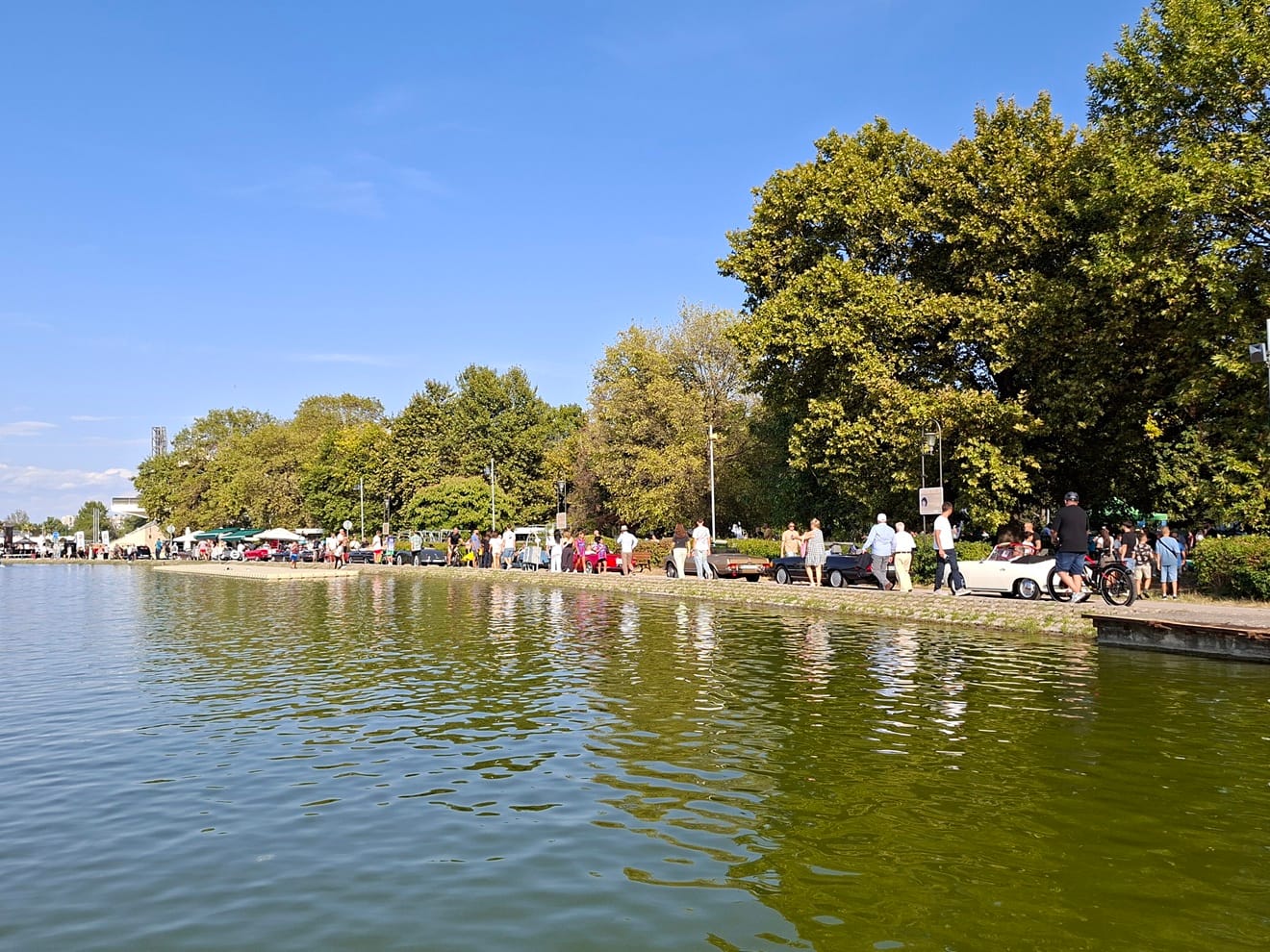
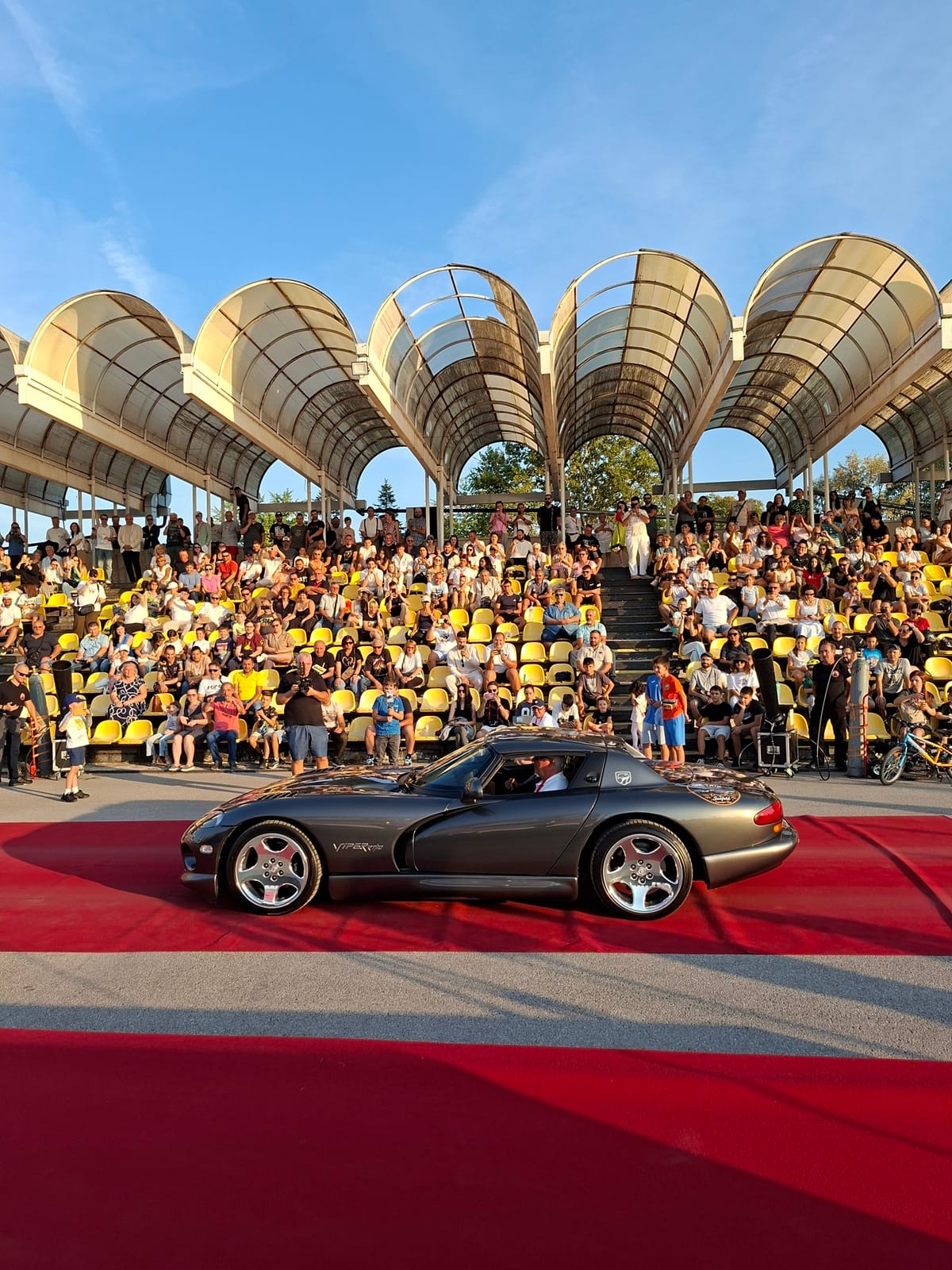
Instead, the Concours d’Élégance DrustaR found a rather different setting: the purpose-built 2.2-kilometre Rowing Canal Park, where some 48 cars and eight motorcycles gathered for a celebration of motoring from the pre-war era to the present day.
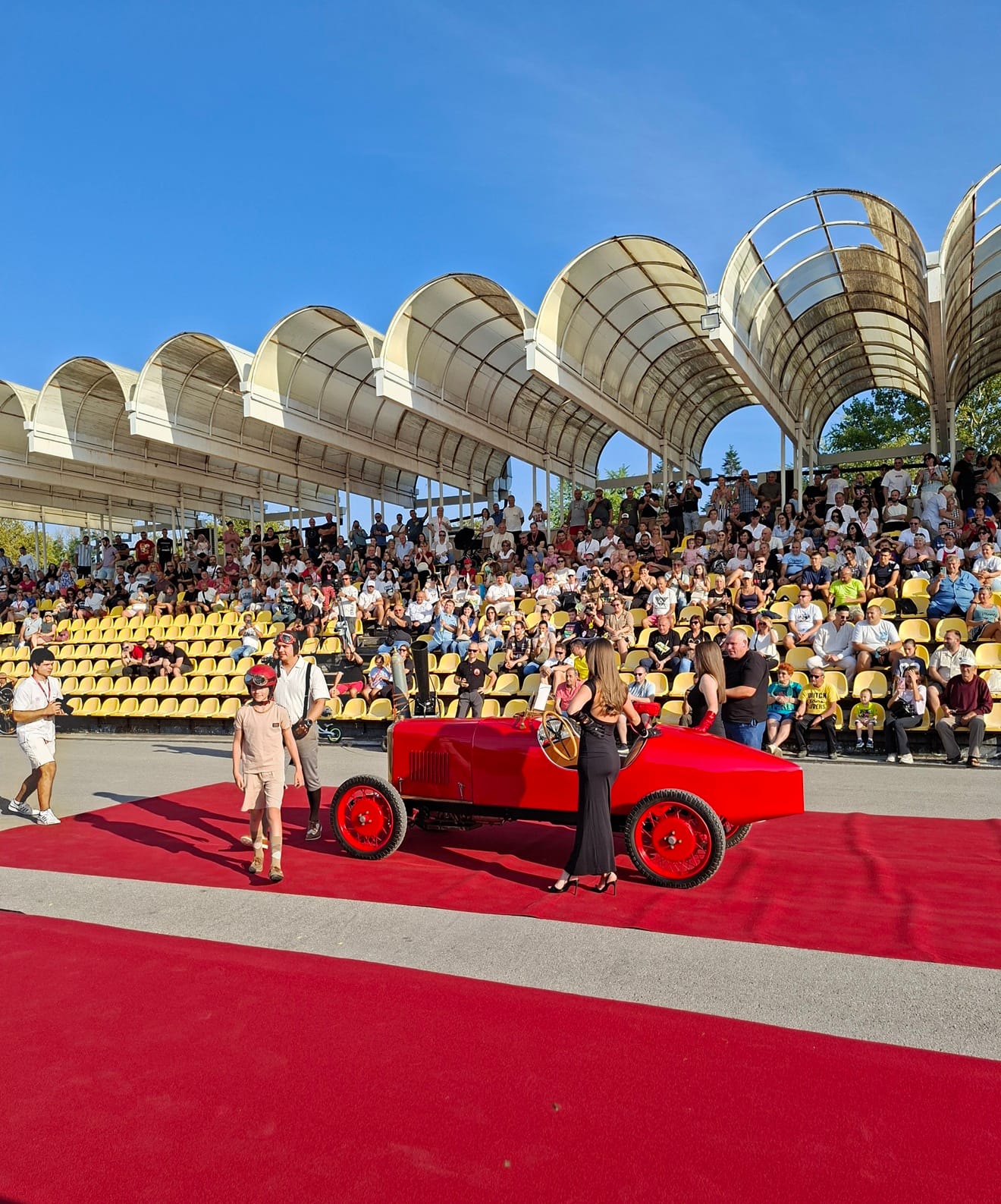
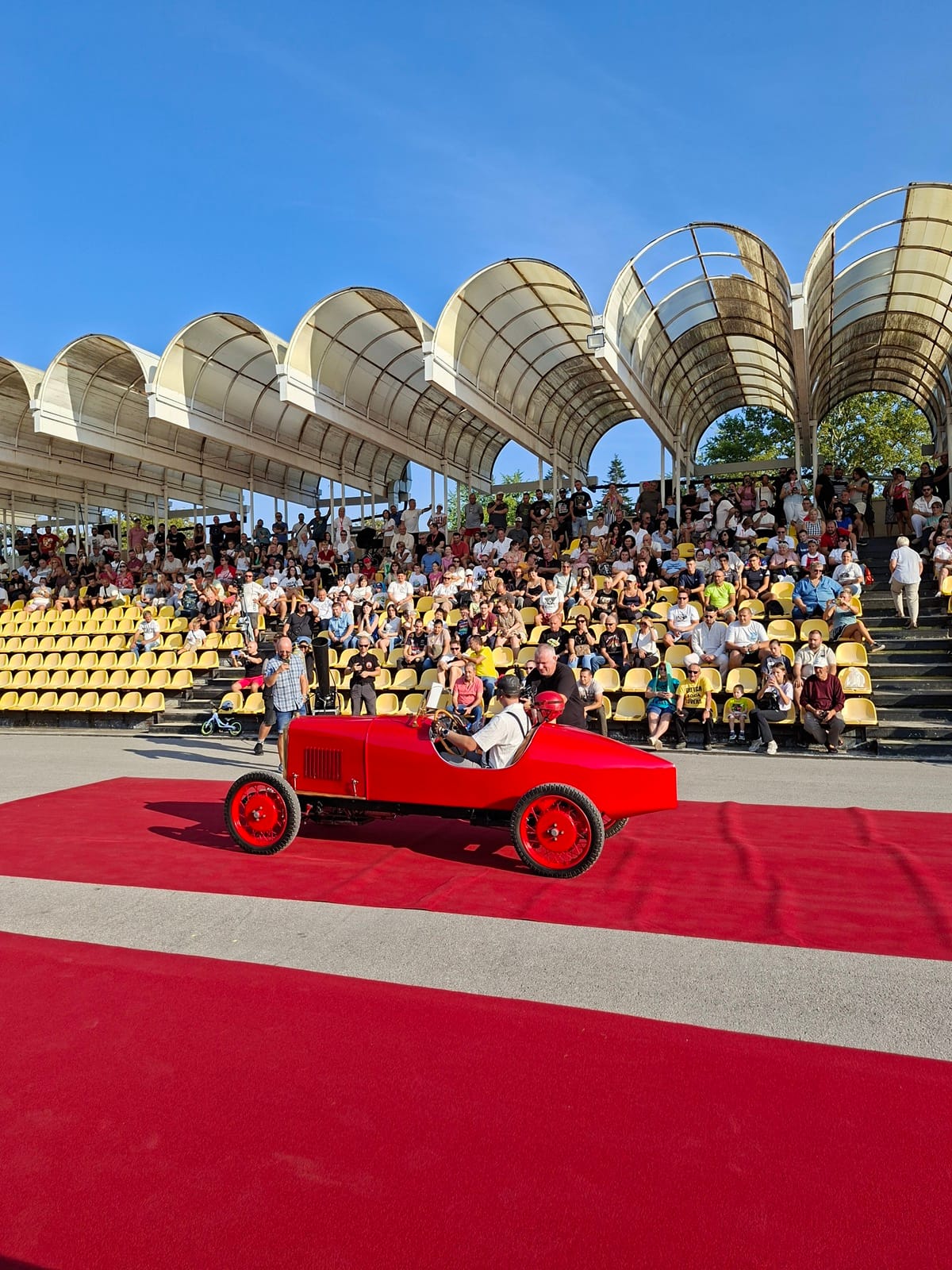
This 1929 Benjamin Benova B3 Sport is a real rarity – a French lightweight racing machine featuring a compact 1-litre engine with overhead camshafts way back then
Organised by Bulgaria’s leading automotive museum, the Zlaten Rozhen Winery & Retro Car Museum, the DrustaR has been held since 2014 and has established itself as one of the better-known concours in Eastern Europe.
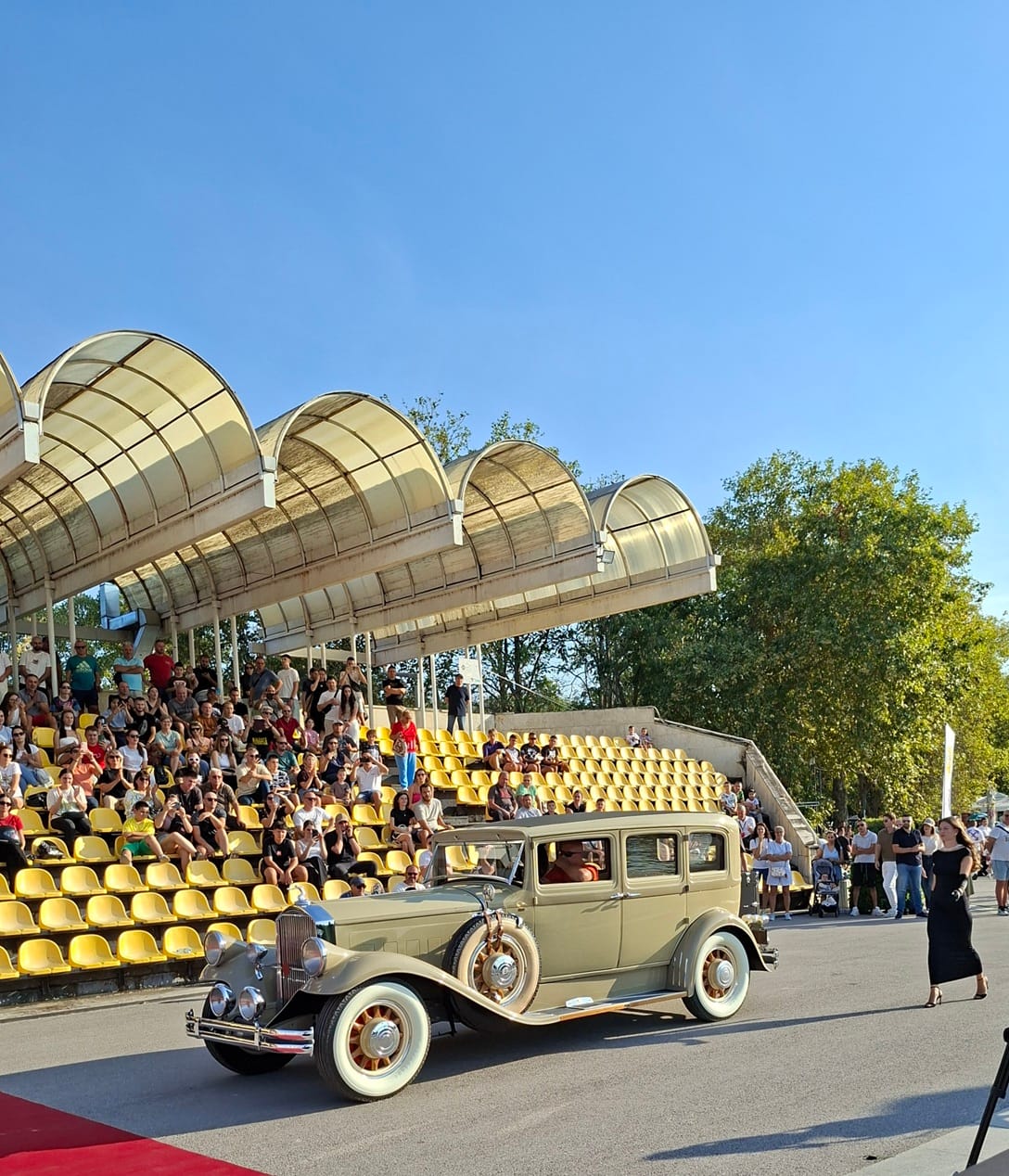
Its eclectic entry list is perhaps its greatest attraction.
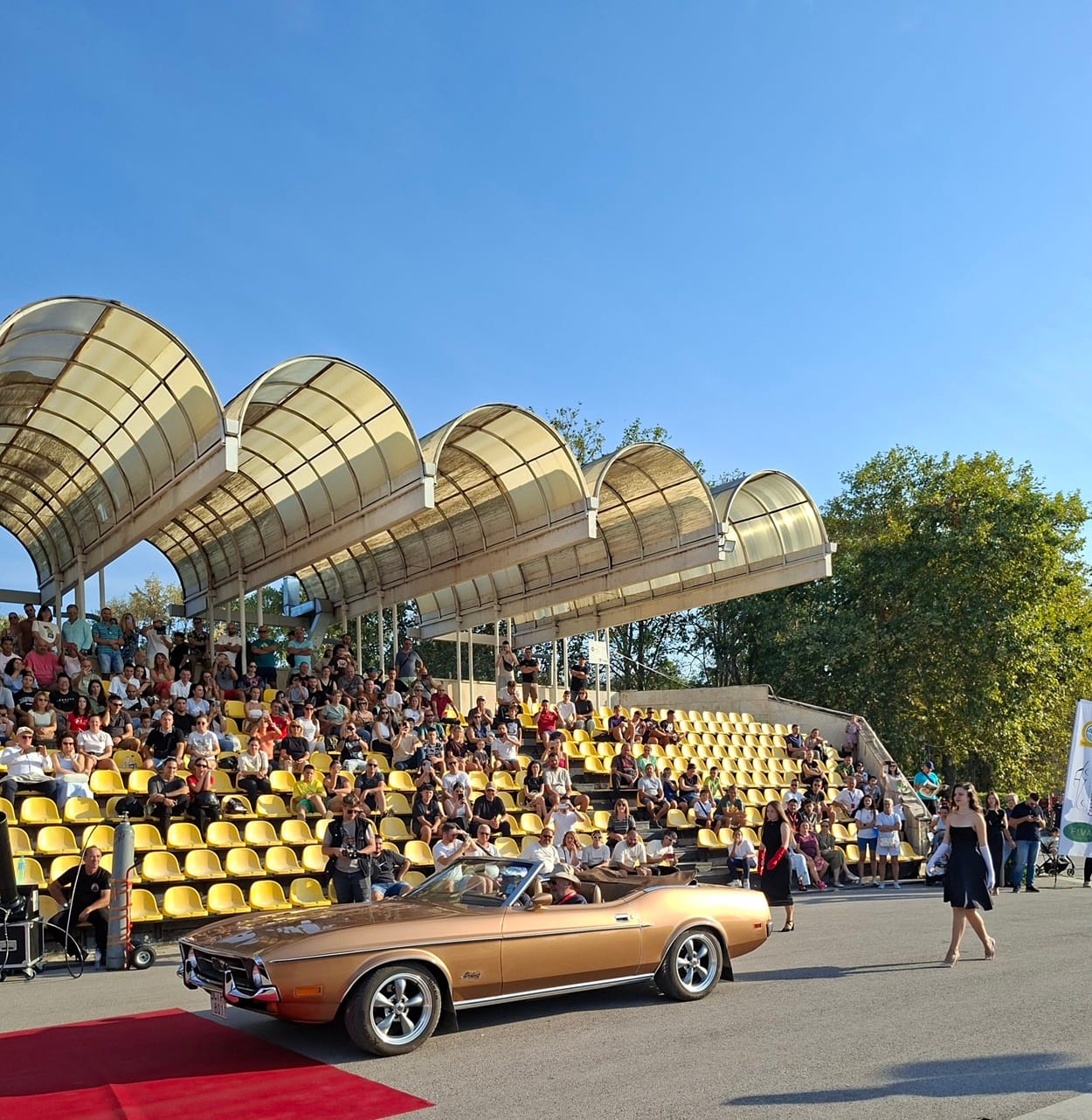
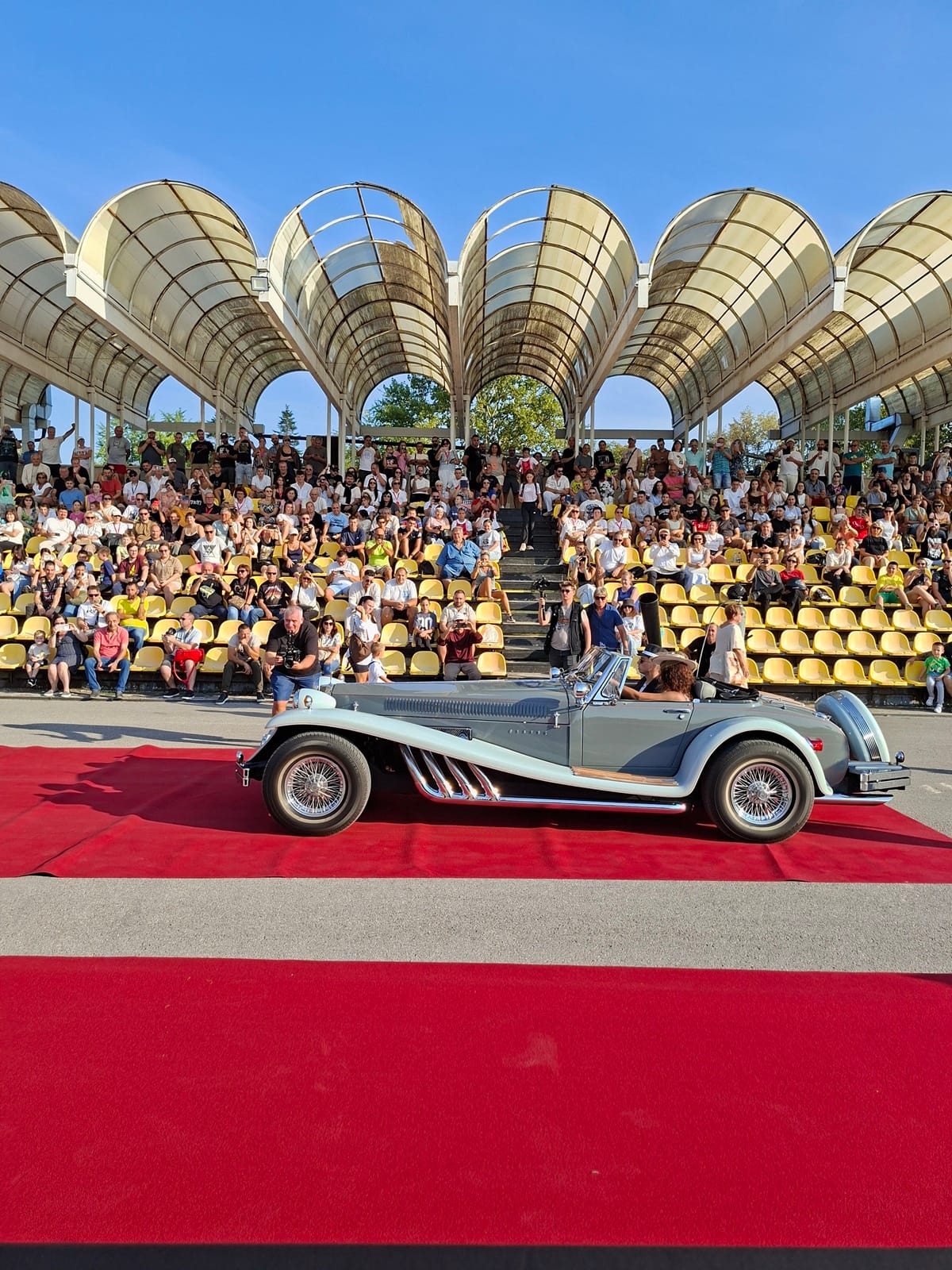
Seven classes catered for the cars, alongside a single motorcycle category, with everything from a 1905 Renault to a 2018 Porsche 911 GT2 RS. Historic vehicles shared the field with Youngtimers, limited-production sports and supercars, hot rods and modern replicas.
The motorcycles were equally diverse. Among the eight were several pre-war and post-war machines, including a 1931 Ariel VG32, a rare Belgian Gilet Herstal, a 1945 NZ 350, a 1956 Avo Tourist, a 1956 MZ 250 Doppelport and a 1976 Jawa 350 Marset.
Two that particularly caught my eye were a charming NSU Quickly and the more utilitarian Simson SR2.
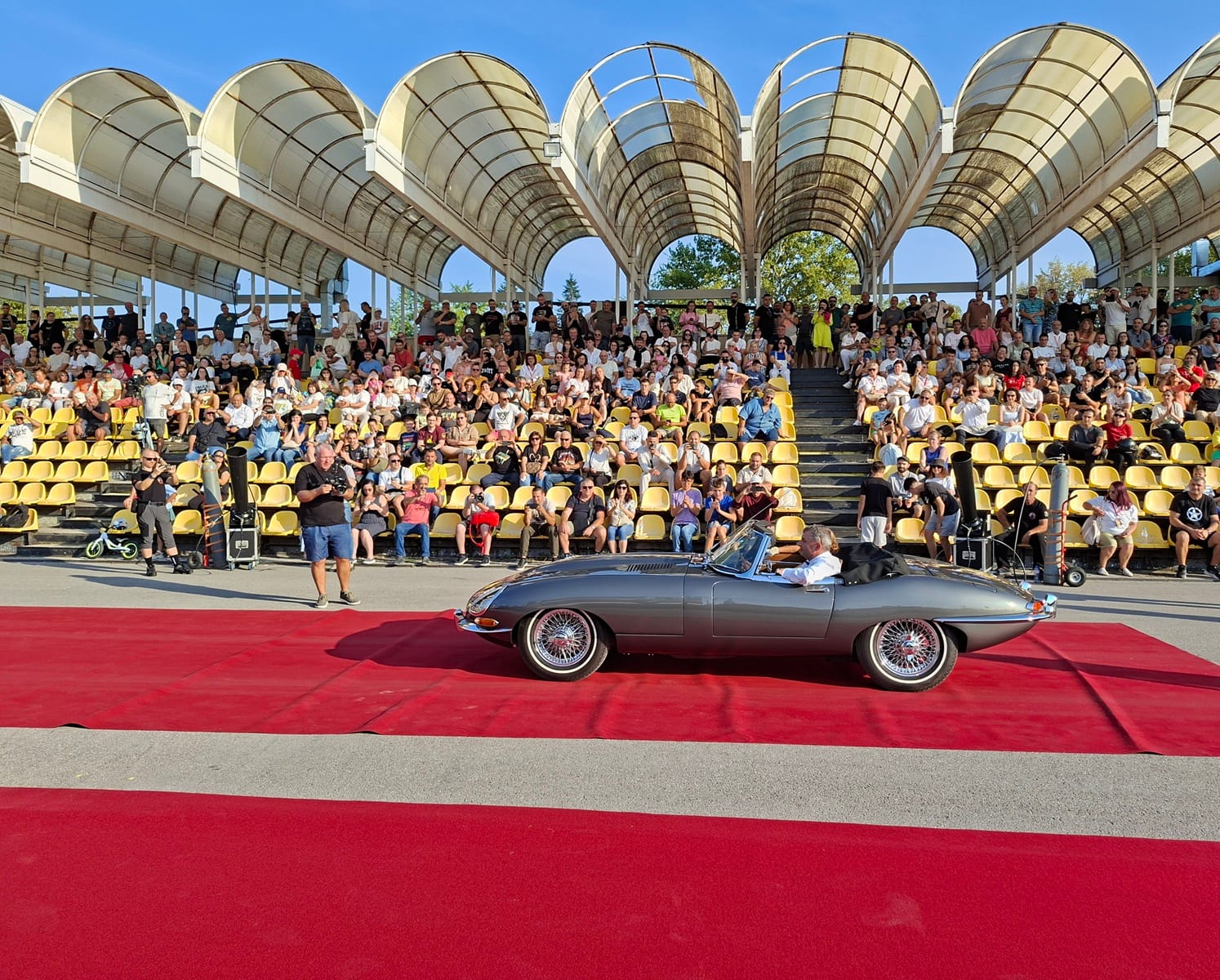
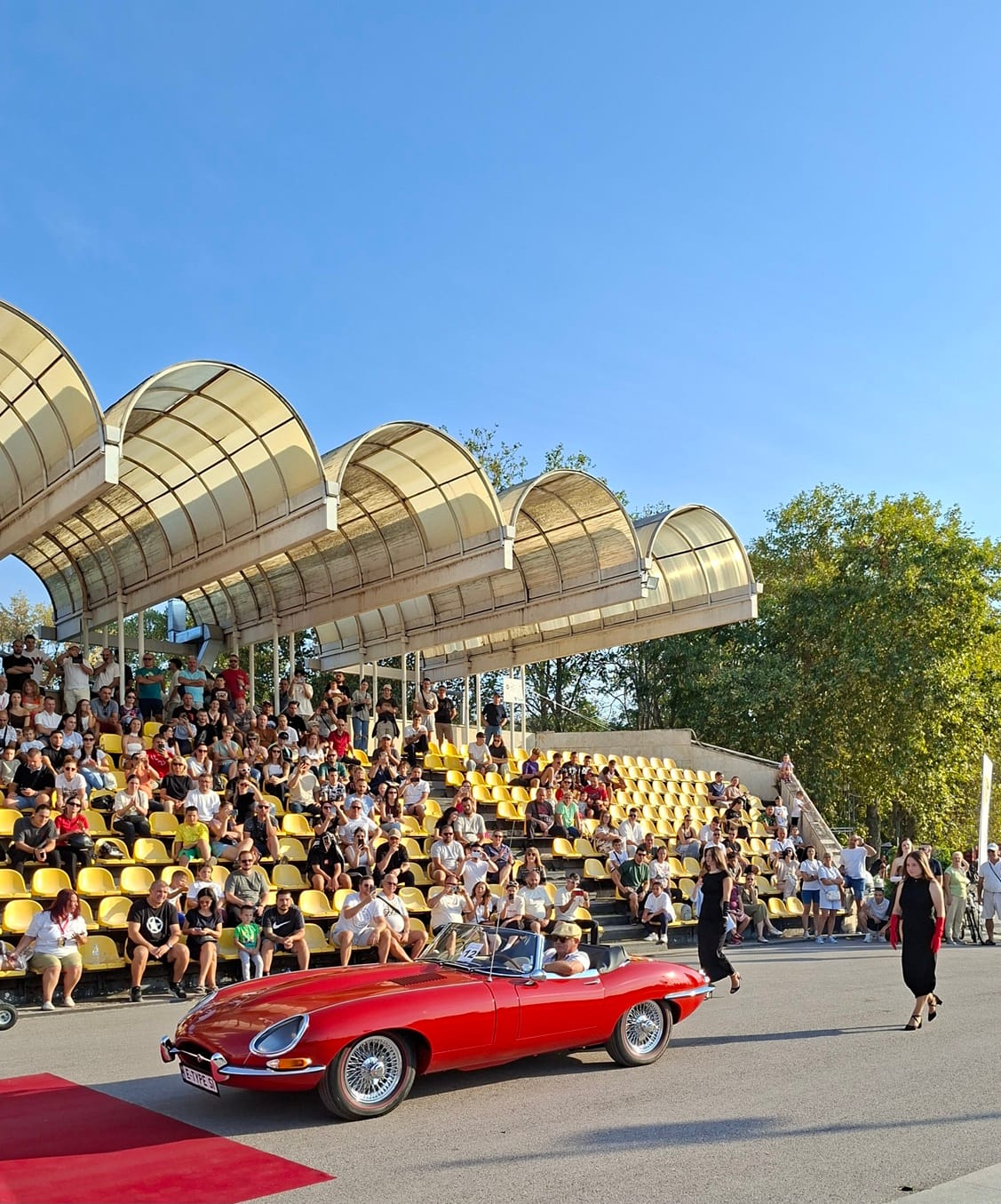
Two Series 1 E-Types both from 1963 and both looking good, yet a choice had to be made...
I was invited to join the judging team by Kristian Jelev (who is the director of the museum and who organises the concours) alongside such experienced figures as former Mercedes-Benz designer Harald Leschke, Switzerland’s Michael Bietenholz and Slovenian motorcycle expert Petja Grom.
I was also asked to suggest an alternative to the FIVA-recommended ICJAG judging system, whose complexity can sometimes favour freshly restored cars at the expense of their history and originality.
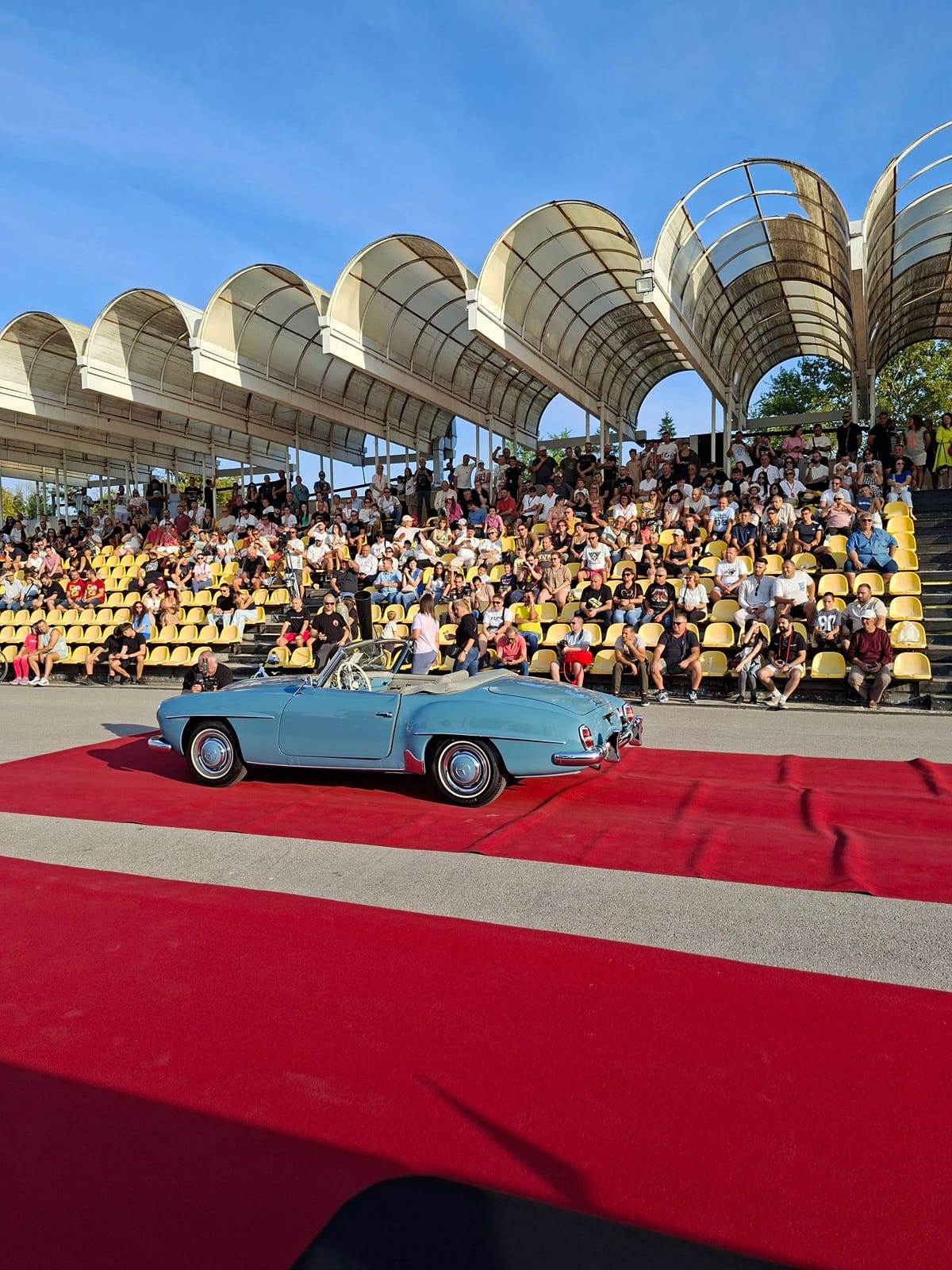
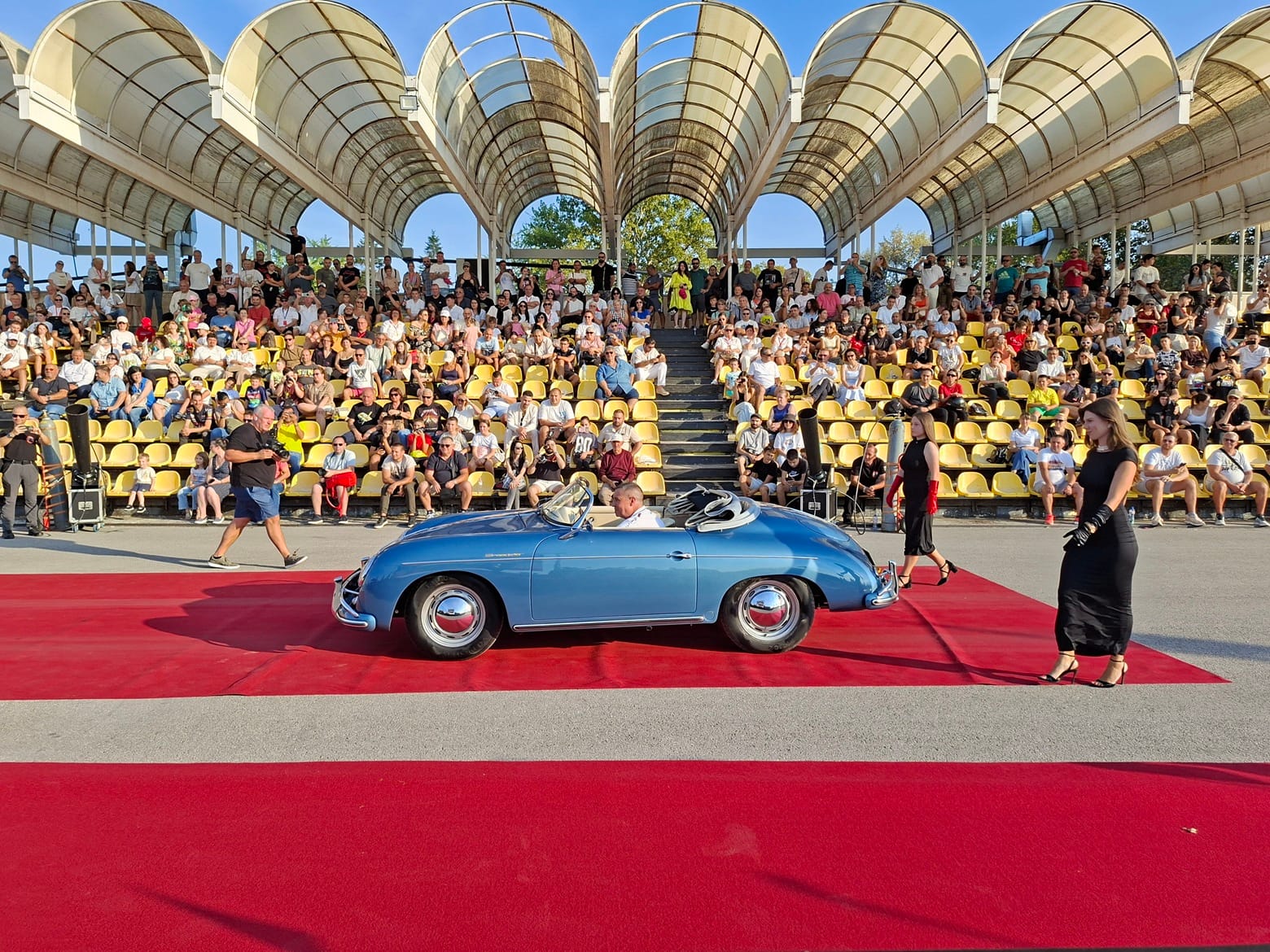
A bunch of really desirable roadsters – a 1962 Mercedes 190SL and a Porsche 356 Speedster from 1958
I therefore suggested the simplified scoring system we had used at Ploiești in Romania, itself derived from the approach employed at Chantilly. It considers not only design and elegance, but also authenticity, preservation where appropriate, historical significance and the working condition of the vehicle. With more than four dozen cars and eight motorcycles to assess, the four of us began earlier than scheduled.
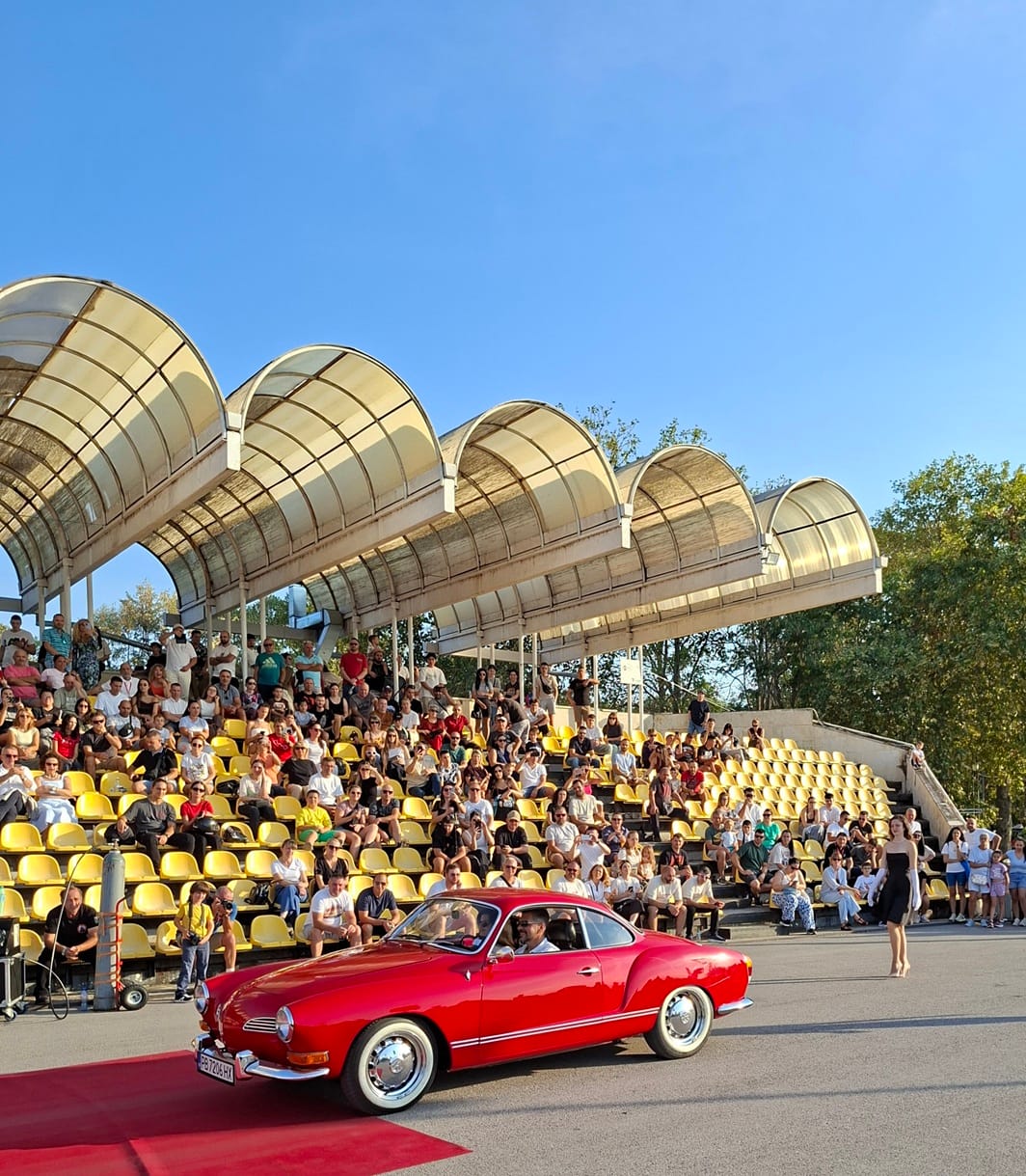
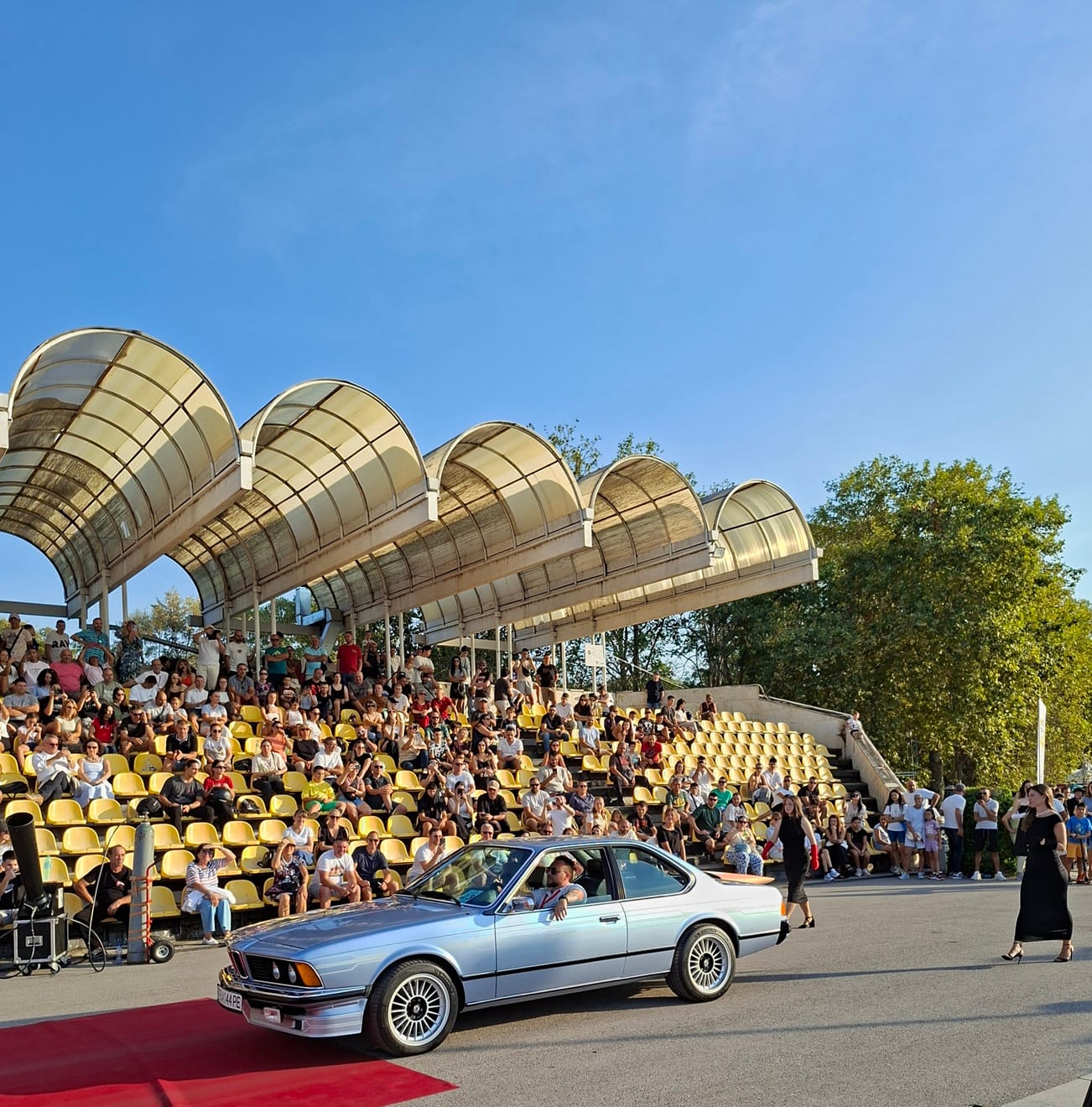
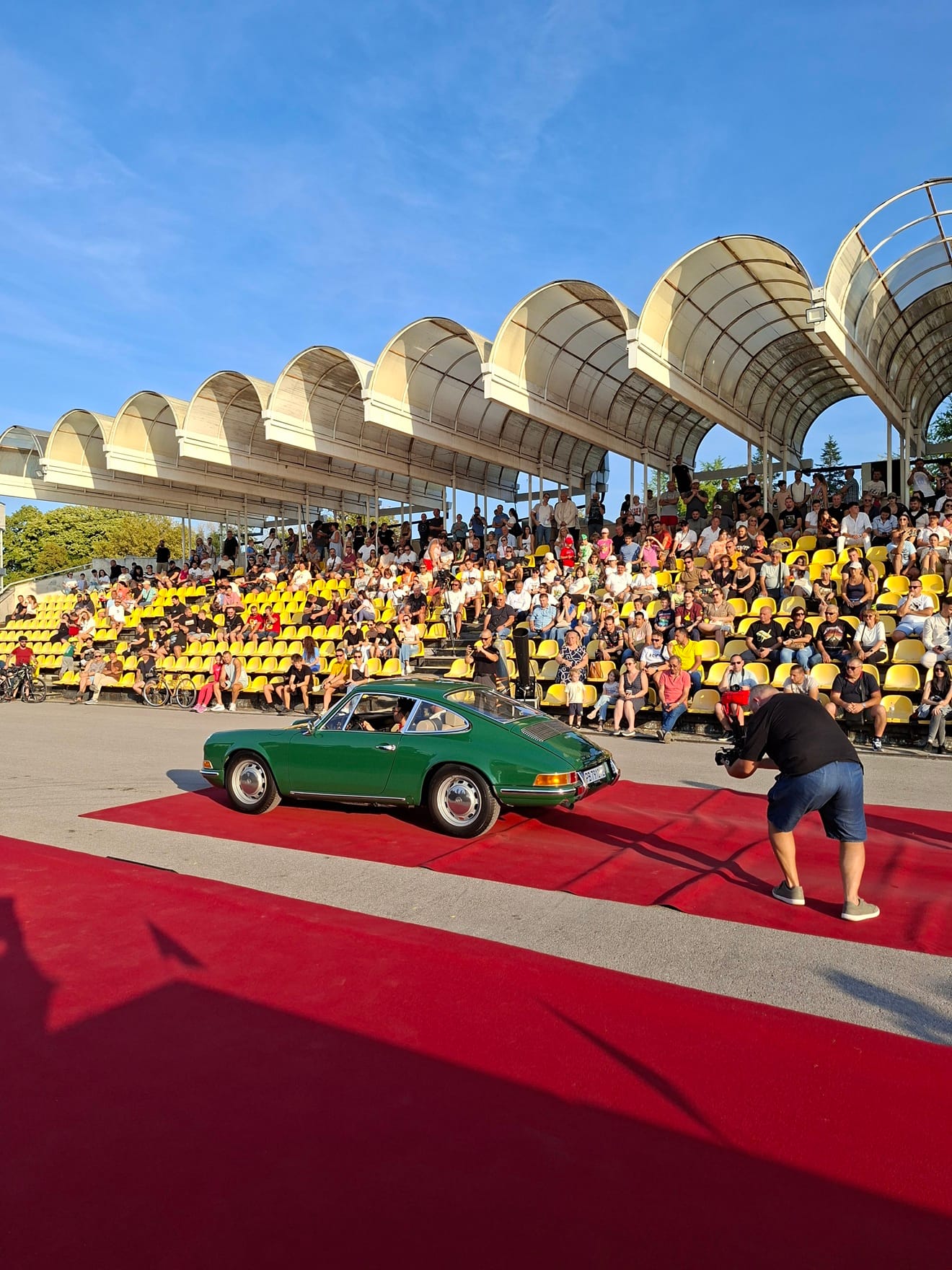
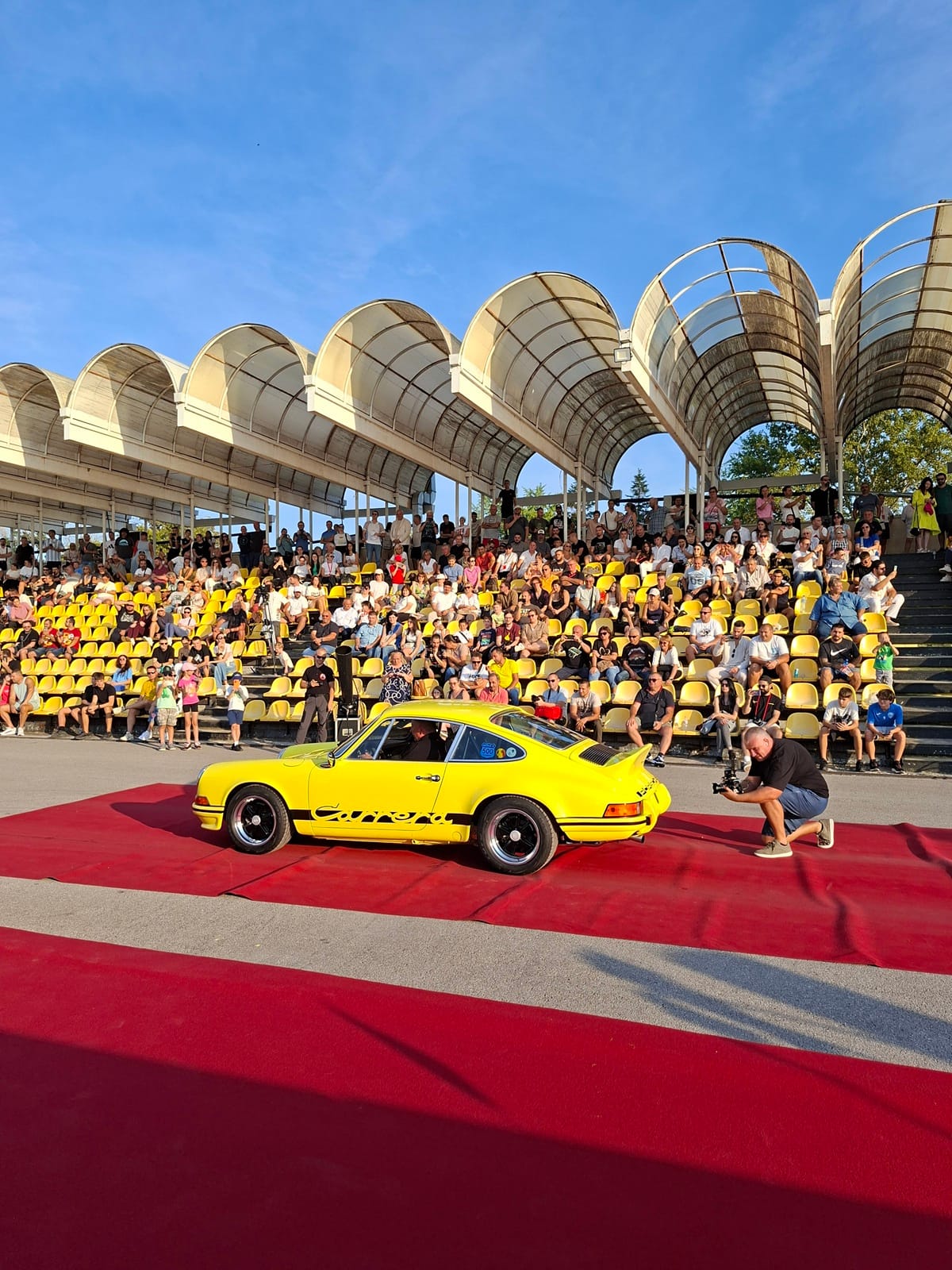
A delightful bunch of coupés had us debating loud and long
The first group comprised five pre-war cars, a wonderfully eclectic selection: a 1905 Renault, a 1922 Buick McLaughlin, a very rare Benova B3 Sport, a Pierce-Arrow and a Ford Taunus. The Ford ultimately emerged as our favourite, not because it was the most exotic, but precisely because it was a survivor.
Bought new in Bulgaria in 1939, shortly before the outbreak of the Second World War, the Ford had remained with the same family for decades. It received a sympathetic restoration after its present owner acquired it in the late 1990s, but crucially retained its remarkable provenance and connection with Bulgarian motoring history.
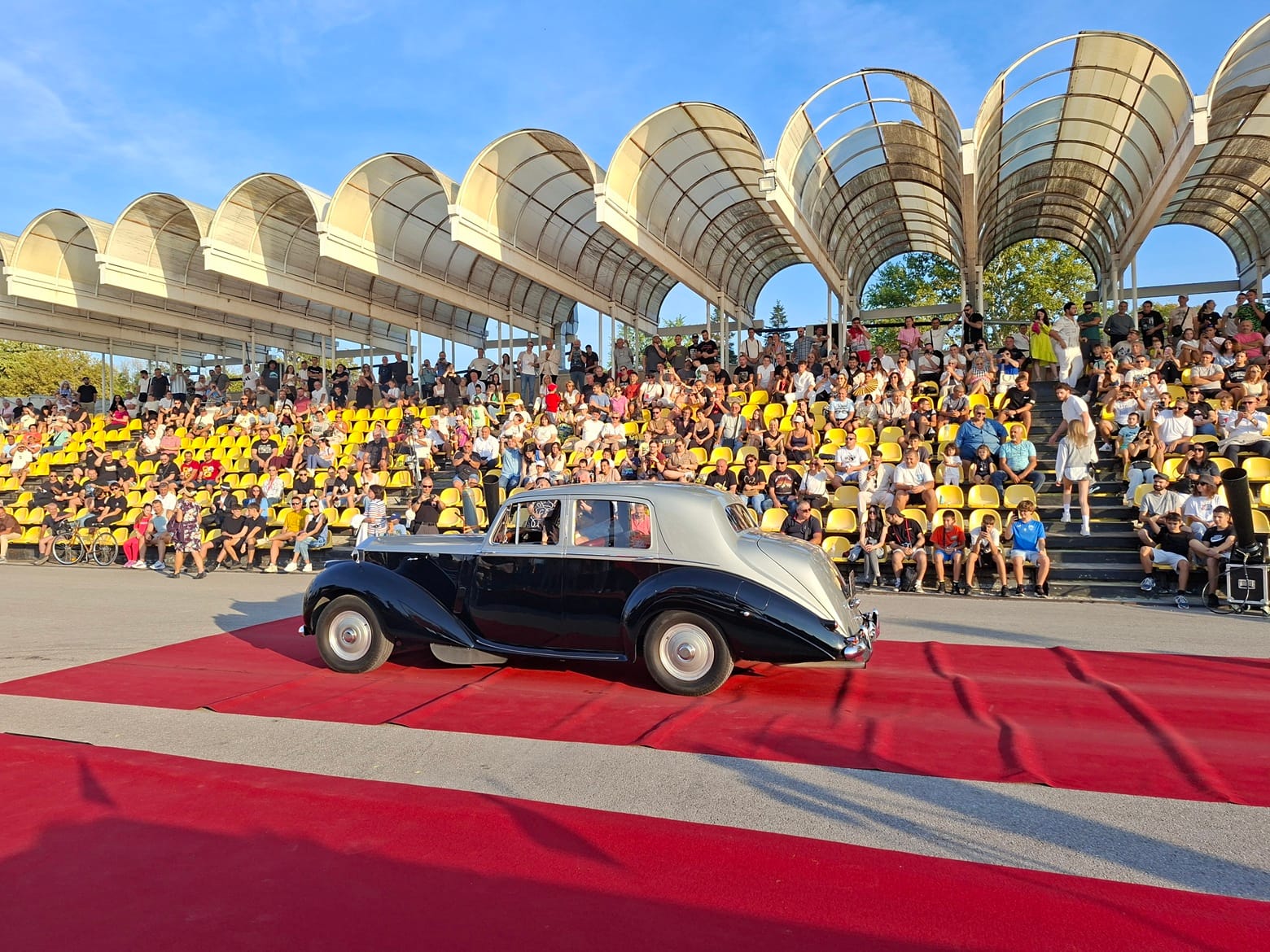
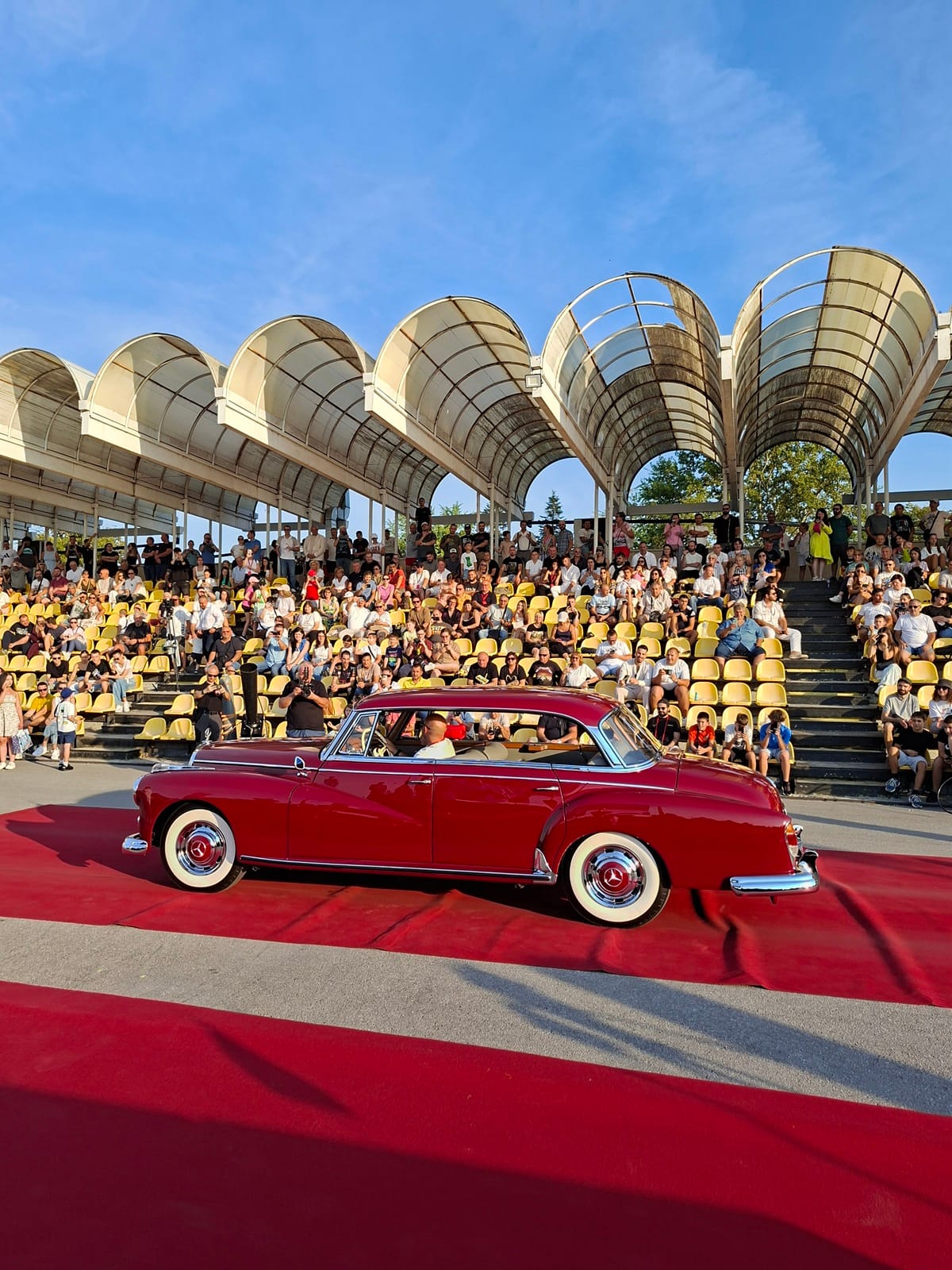
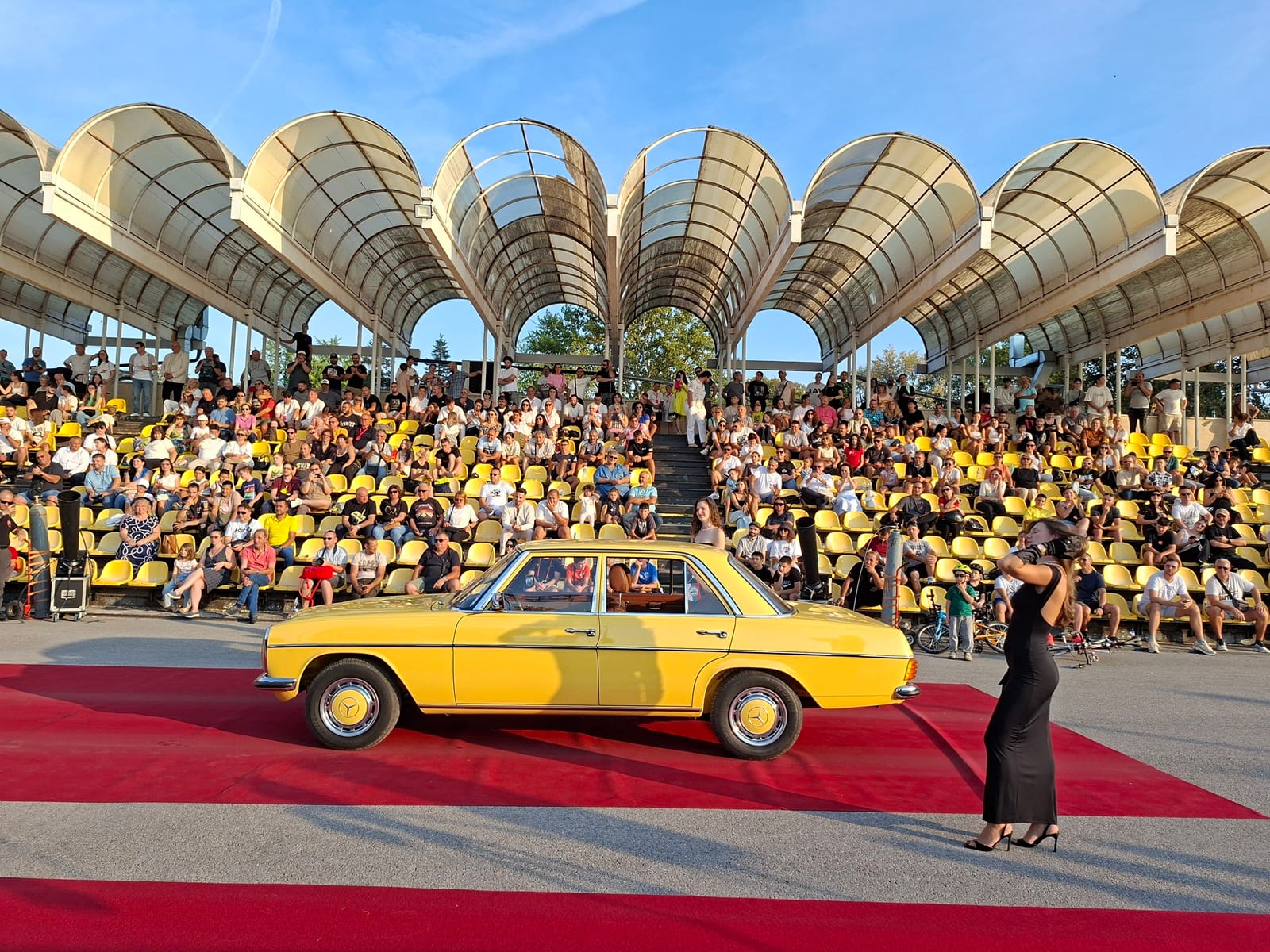
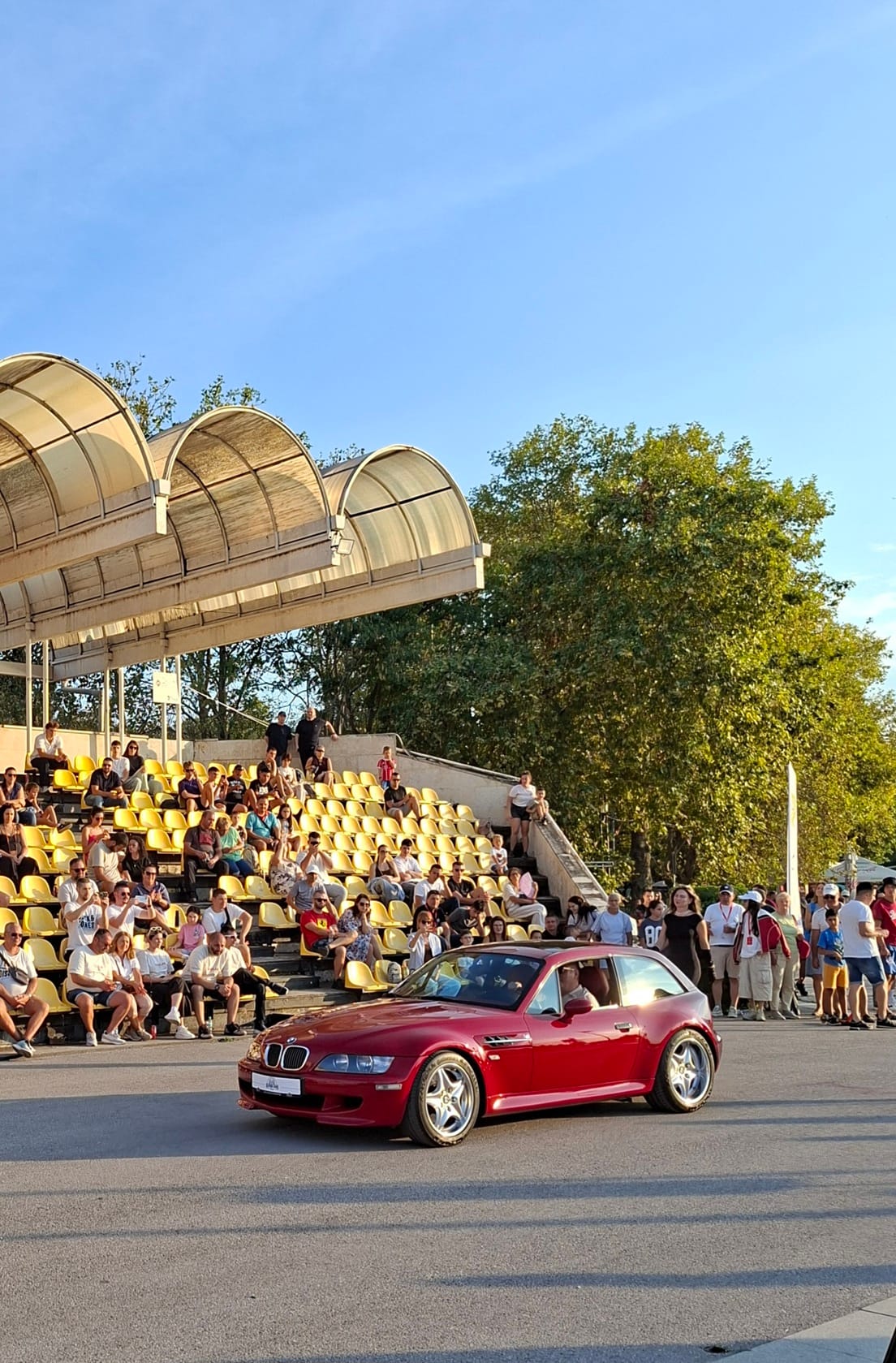
A few of the other cars worth mentioning included an Adenauer Mercedes and a subtle RR Silver Dawn
Its story gave it an authenticity and significance that outweighed the more obvious attractions of its rivals.
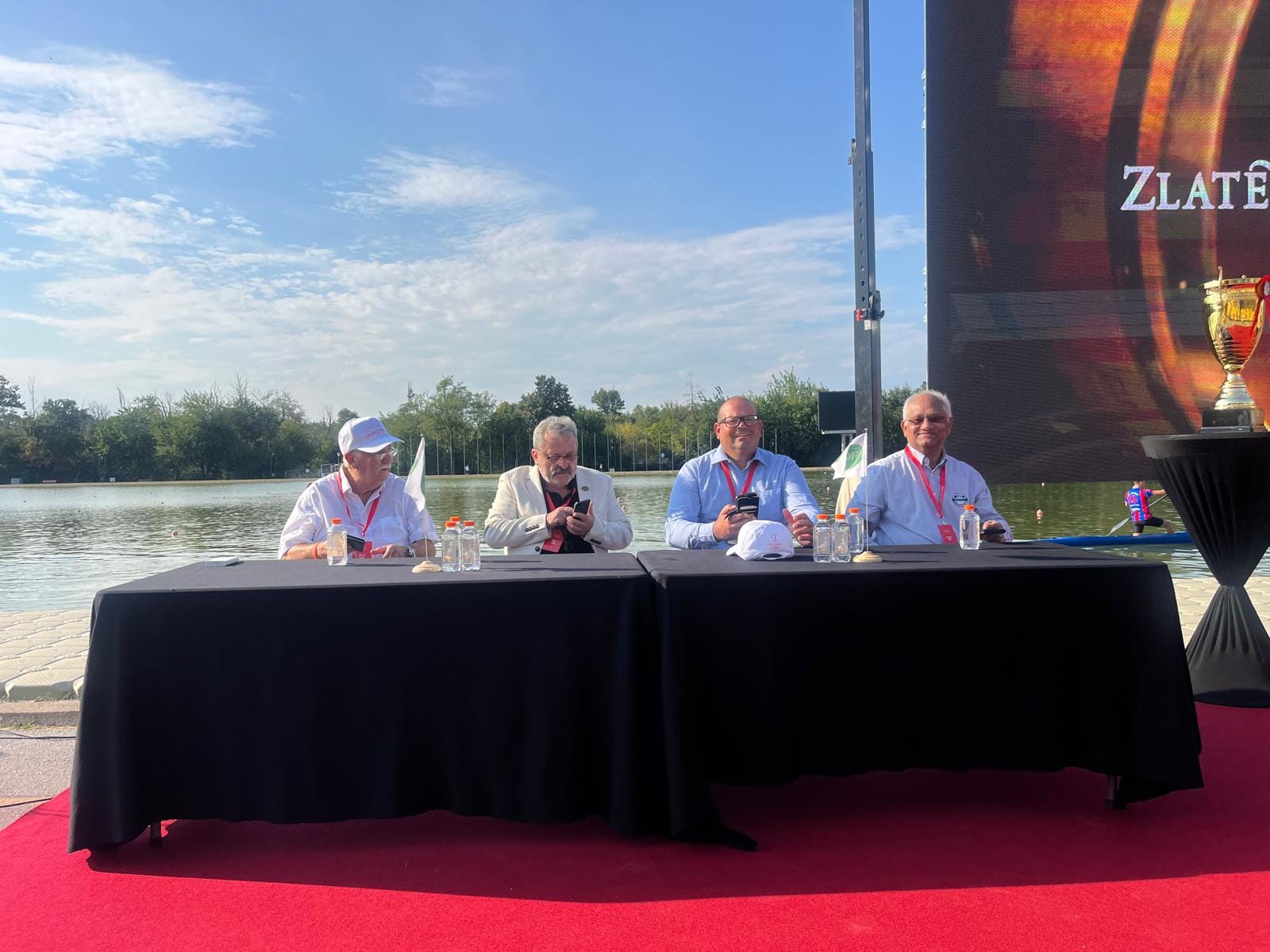
Our new scoring system proved to work remarkably well, with all four judges quickly reaching a common understanding of what we were looking for. As the day progressed, however, the judging became increasingly difficult: the cars were numerous and the quality consistently high.
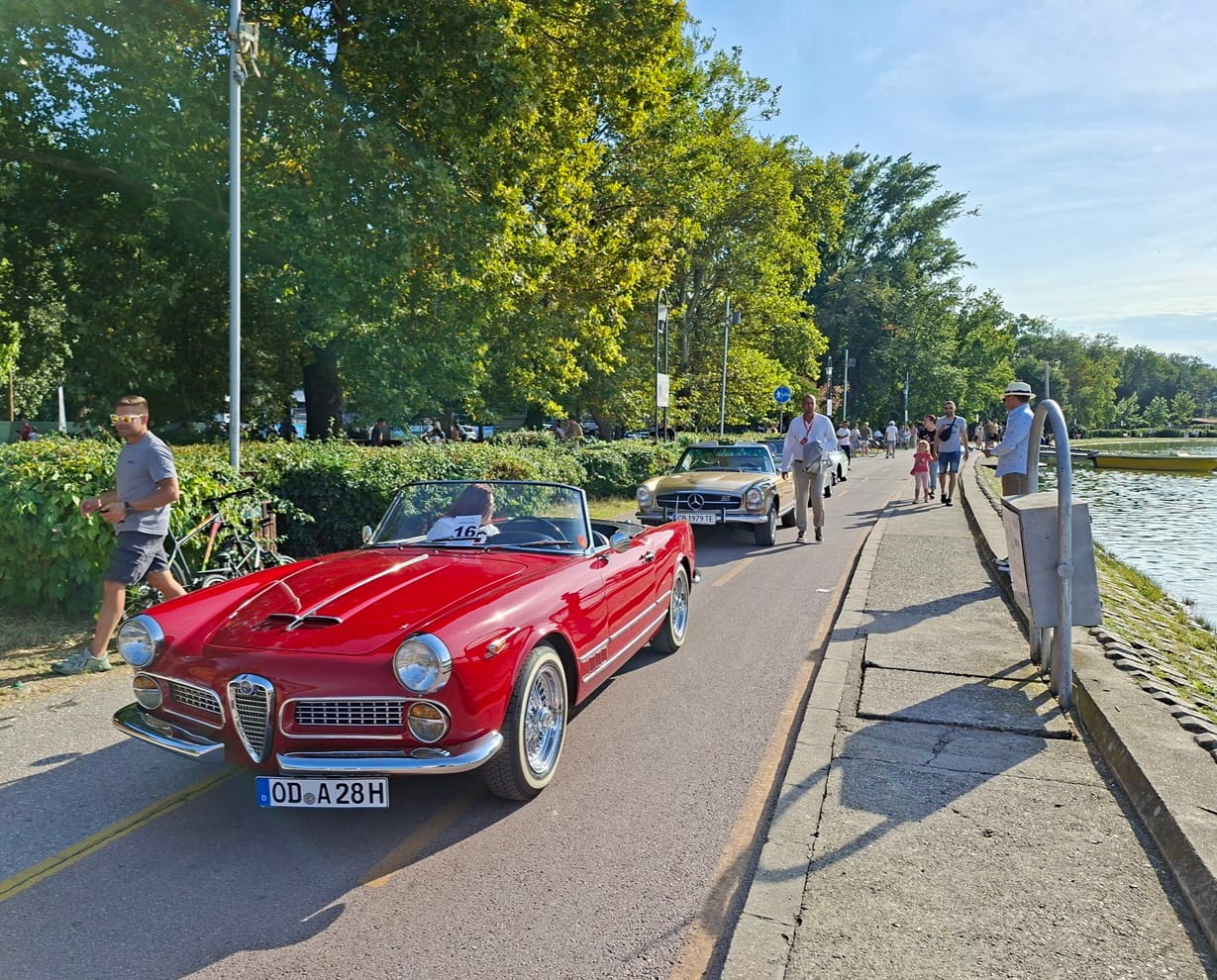
In the post-war cabriolet class, for example, a handsome Alfa Romeo 2000 Touring Spider immediately caught our attention, although ultimately for the wrong reasons.
Its elegant and understated Federico Formenti design had been compromised by the addition of heavily chromed wire wheels and whitewall tyres, rather than the standard disc wheels or period-correct Borranis. A reminder that even a beautiful car can be diminished by seemingly minor departures from its original character.
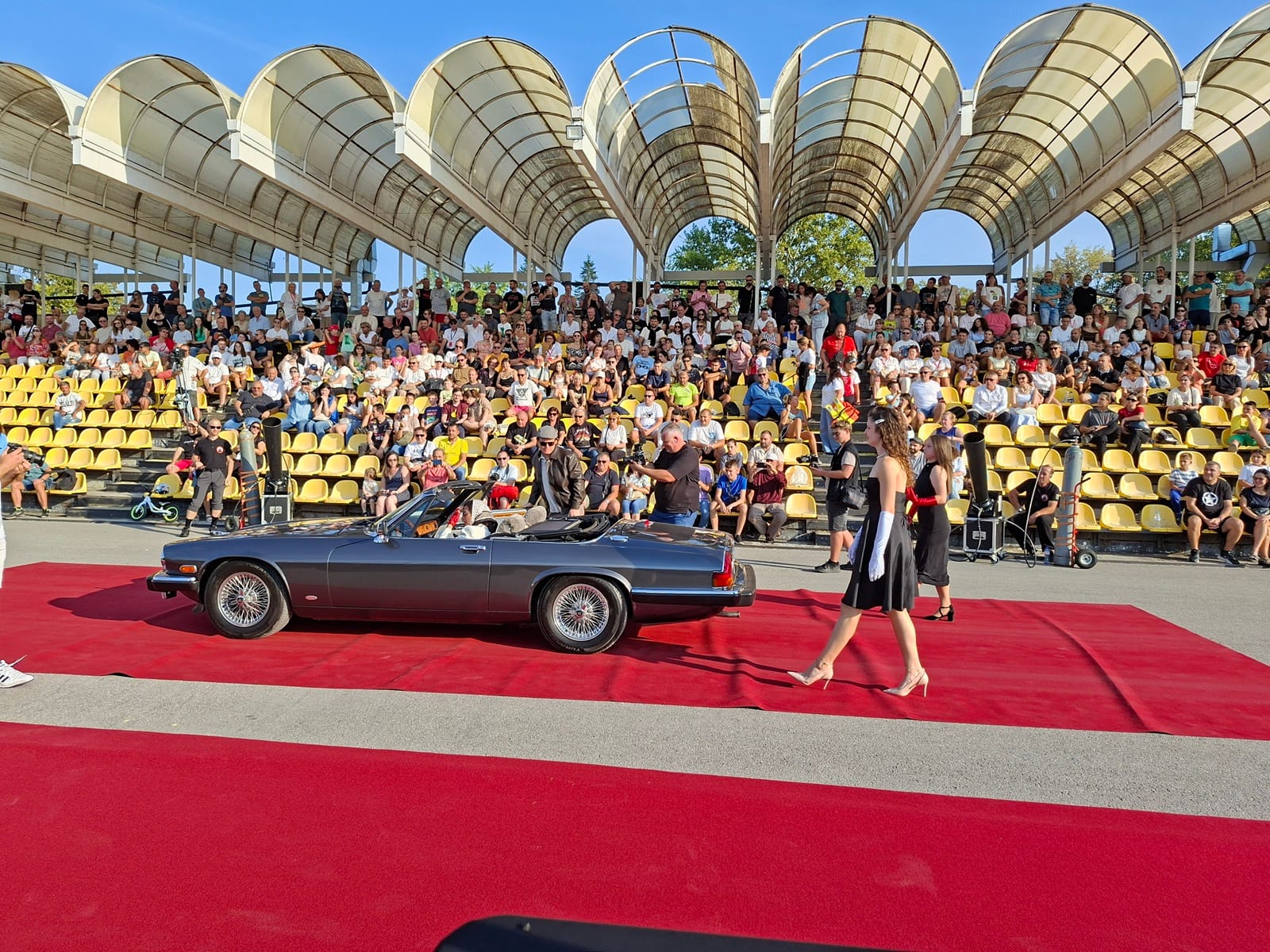
Much of the field consisted of familiar concours favourites: Porsche 356s and 911s, Jaguar E-types, XK140s and XJSs, and a sizeable contingent of Mercedes-Benzes, from W110s and W111s to W115s. Yet among them were several cars whose rarity or sheer personality made them particularly memorable.
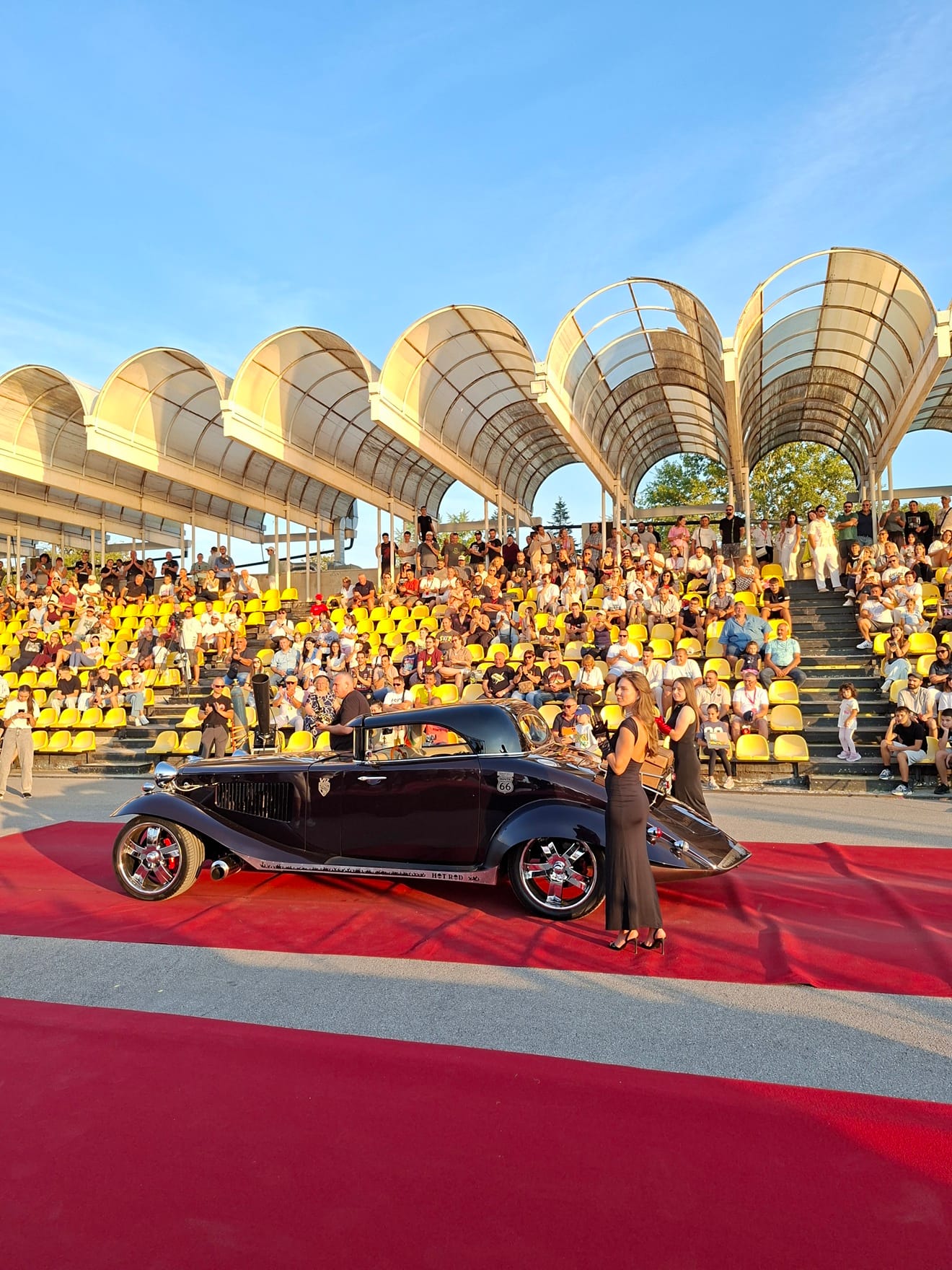
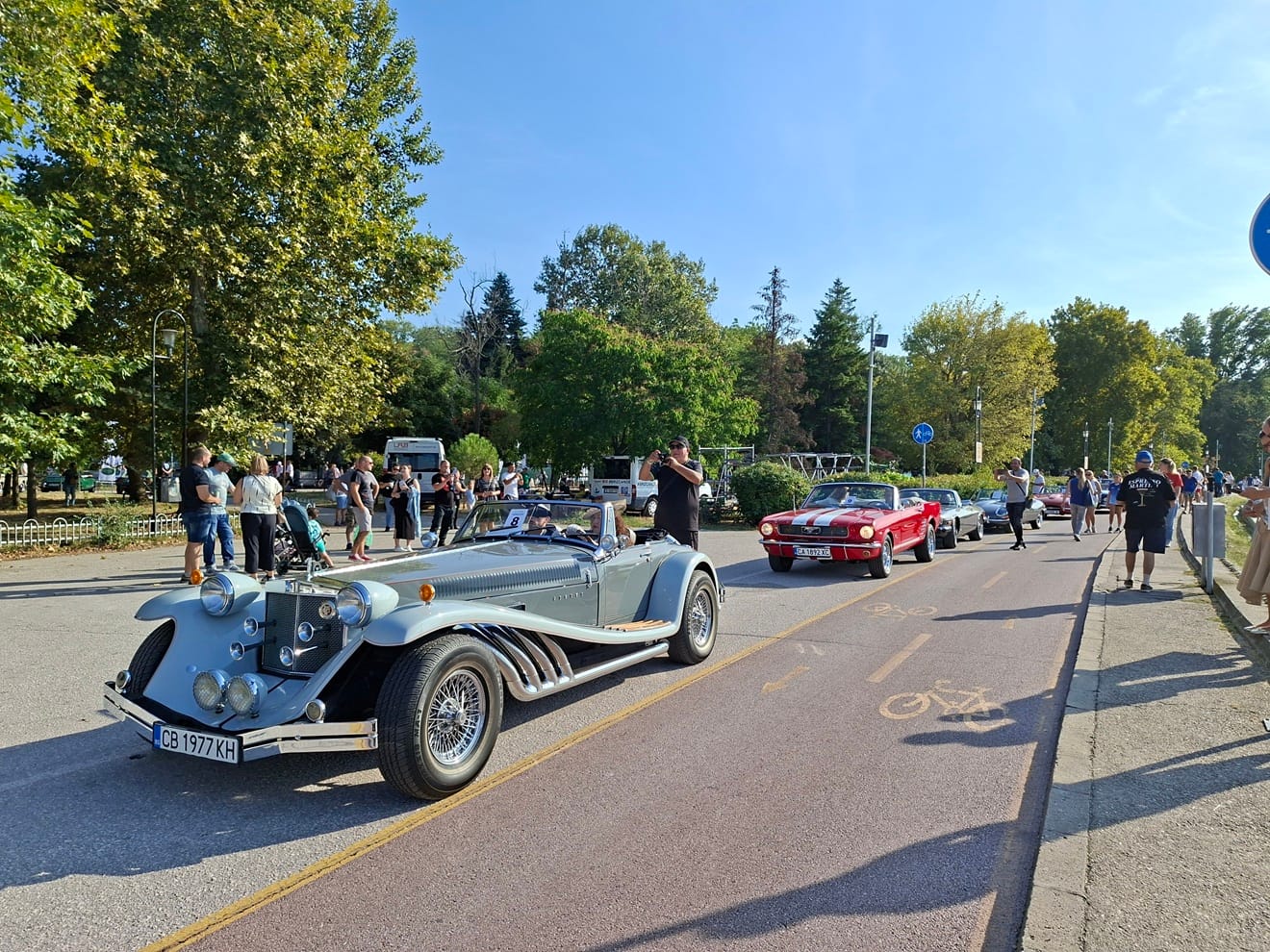
A 1977 Clenet Series 1 was one such example. The retro concept may not appeal to every taste, but its extravagant interpretation of European-inspired American luxury deserves recognition.
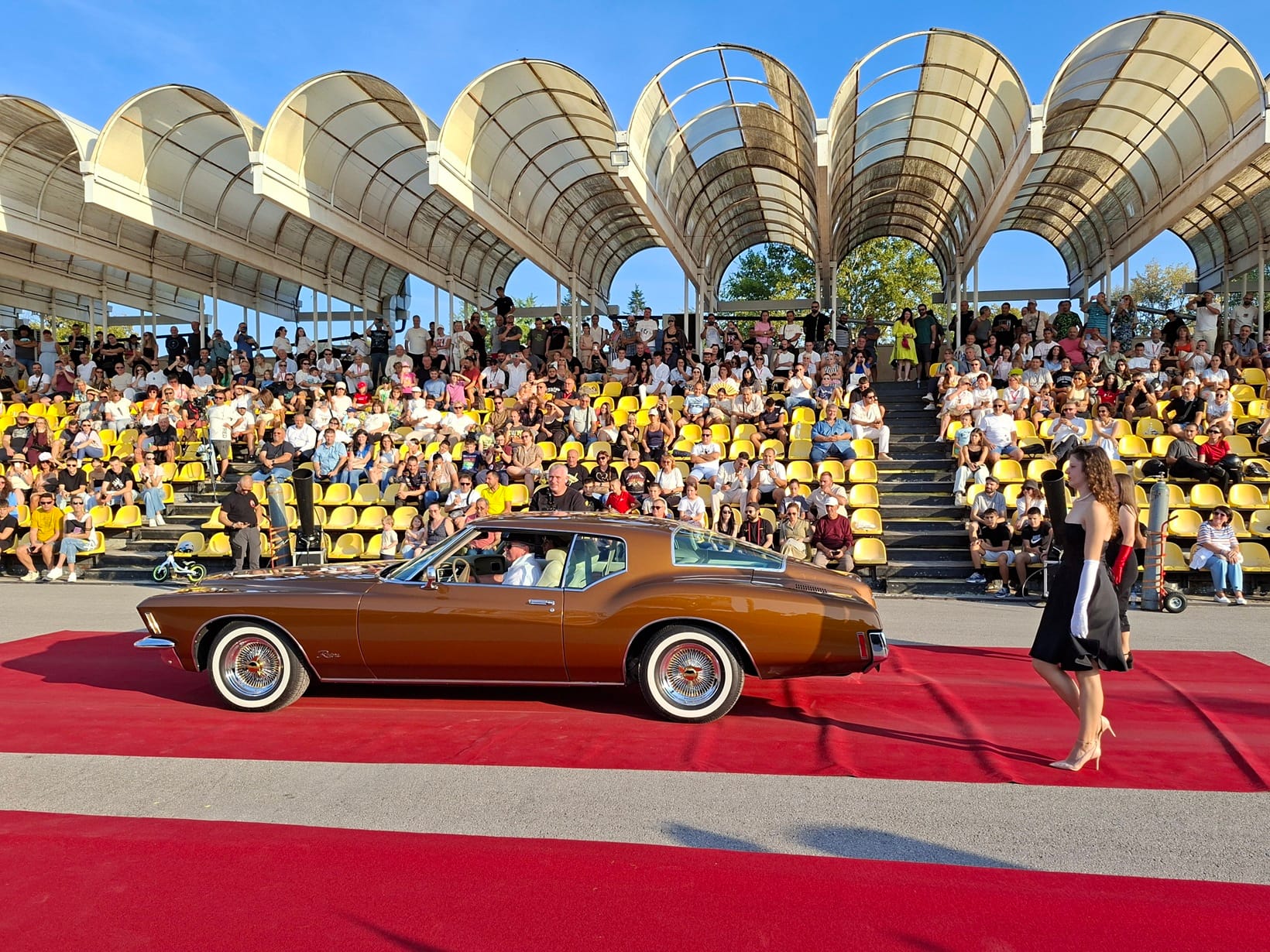
Another American car, a 1971 Buick Riviera, was equally impossible to ignore. This was an era when American designers seemed able to get away with almost anything, and the Riviera’s dramatic curved rear glass, reminiscent of the Corvette Stingray, remains wonderfully expressive.
With eleven cars competing in the class, the competition was fierce. A subtle, restrained Porsche 912 took third place, while an impressive Ferrari Testarossa claimed second. The class winner, however, was an immaculate Lamborghini Countach 5000 QV.
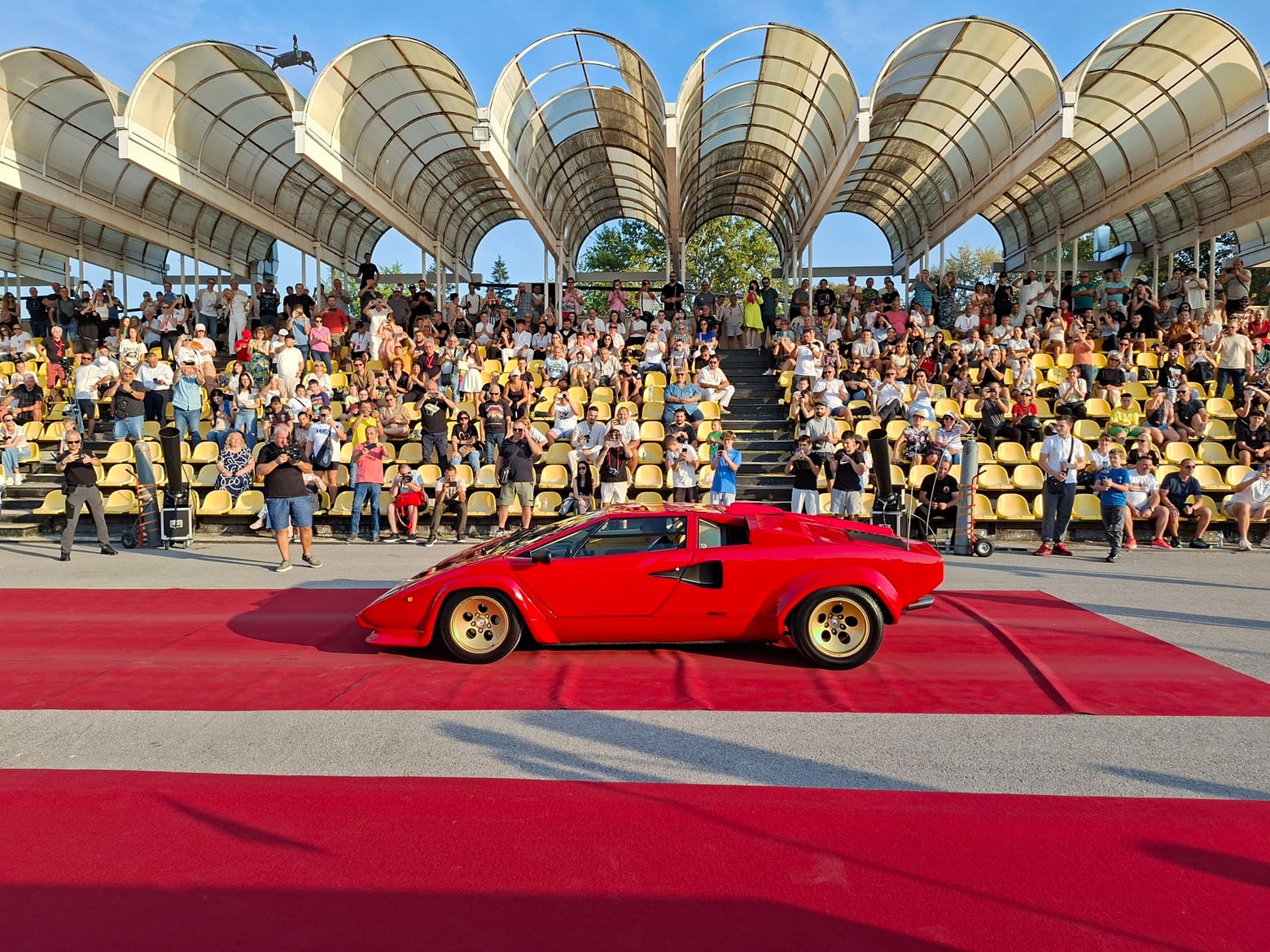
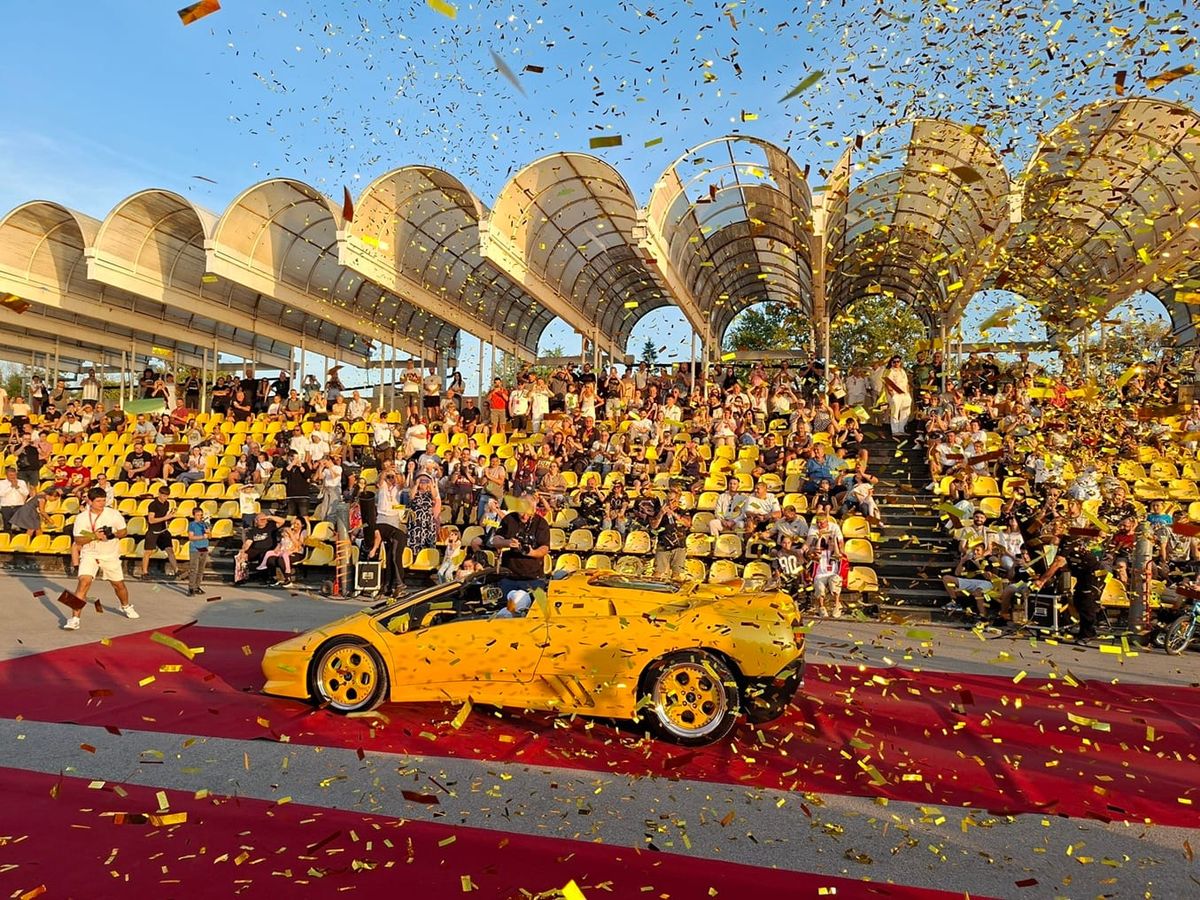
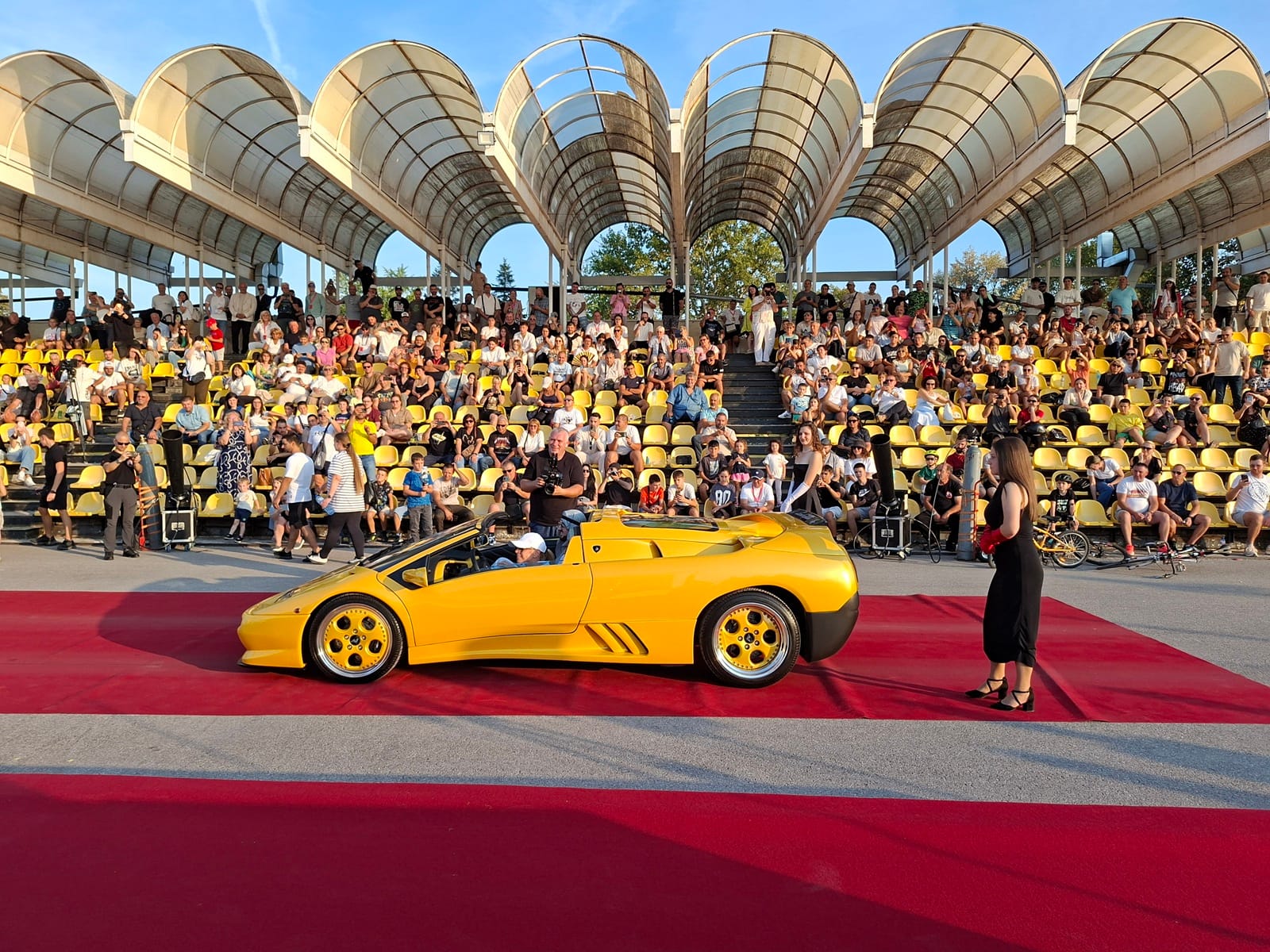
And so, the final Best of Show became a close contest between two extraordinary Lamborghinis: the Countach and an even more spectacular Diablo Roadster.
Both were Marcello Gandini designs, but it was the Diablo that took the ultimate trophy. Finished in a striking metallic yellow, it looked utterly spectacular beside the Rowing Canal.
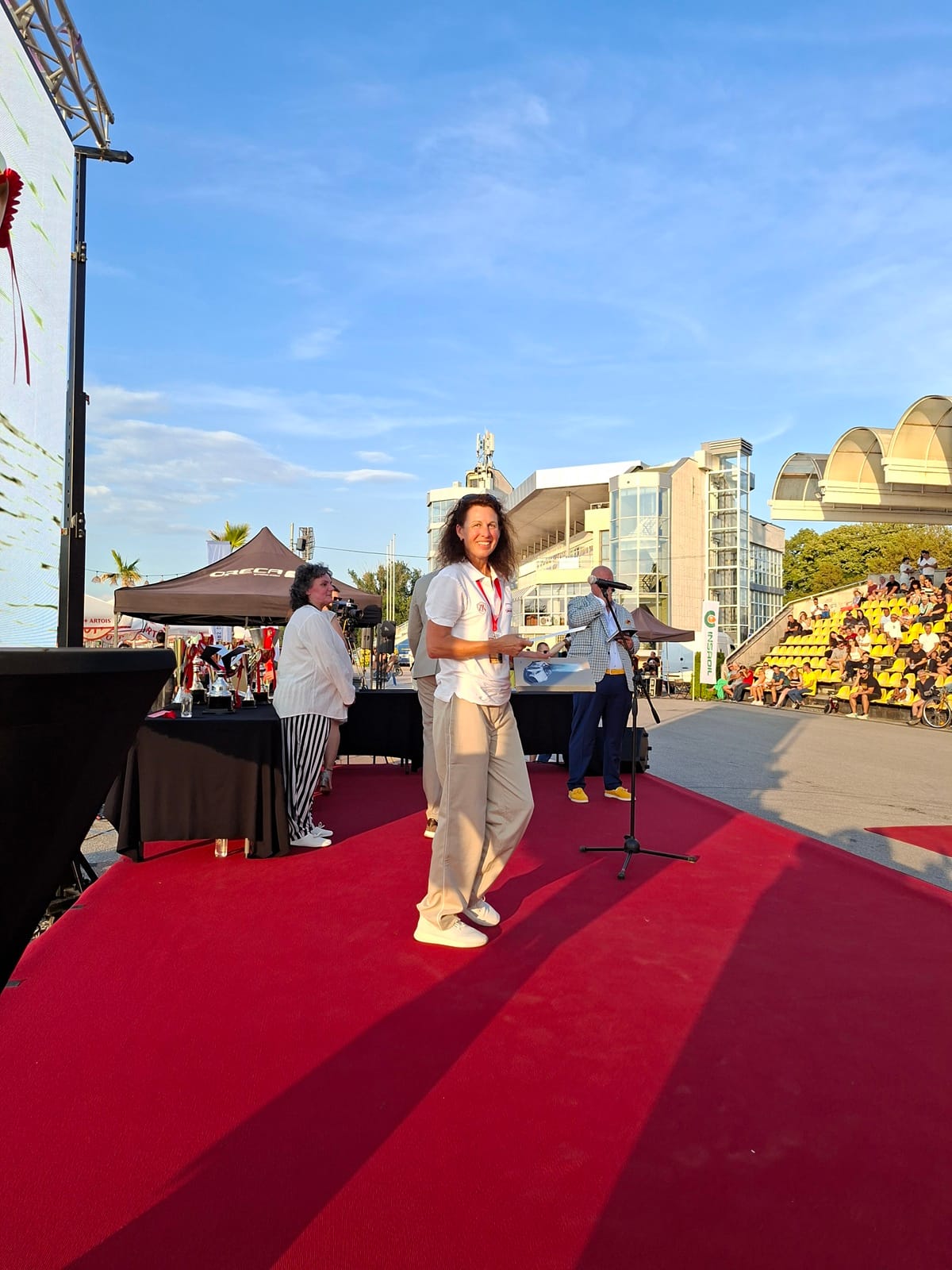
For a city that may not yet be on every motoring enthusiast’s map, Plovdiv provided a memorable setting for a concours that is refreshingly broad in its interpretation of automotive excellence.
More importantly, it demonstrated that celebrating automotive history need not mean celebrating restoration alone: sometimes, the story of a car is every bit as important as the way it looks.
Results:
Best of Show: 1998 Lamborghini Diablo Roadster
Most Authentic: 1987 Lamborghini Countach QV
Best Restored: 1973 Porsche 911 RS
Pre-War Cars:
1. 1939 Ford Taunus
2. 1927 Benjamin Benova B3 Sport
3. 1922 Buick McLaughlin
Post-War Cabriolets:
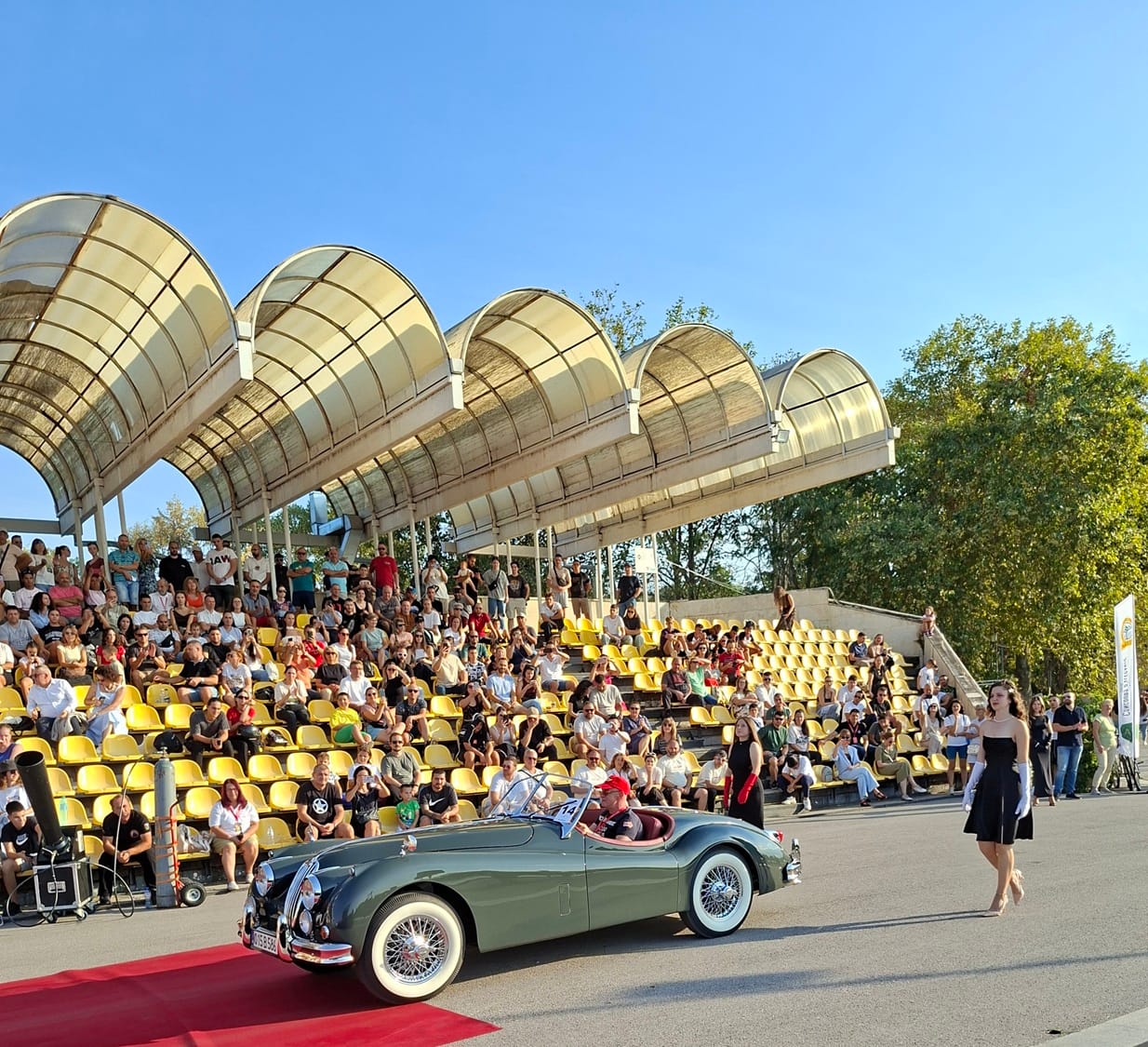
1. 1955 Jaguar XK140
2. 1963 Jaguar E-Type
3. 1958 Porsche 356 Speedster
Post-War Coupés:
1. 1987 Lamborghini Countach 5000 QV
2. 1989 Ferrari Testarossa 512
3. 1969 Porsche 912
Post-War Sedans:
1. 1959 Mercedes-Benz 300d Adenauer
2. 1974 Mercedes-Benz 230.4
3. 1954 Rolls-Royce Silver Dawn
Iconic Cars of the 20th Century
1. 1962 Mercedes-Benz 190SL
2. 1964 Porsche 356C
3. 1971 VW Karmann-Ghia
Youngtimers
1. 1998 Lamborghini Diablo Roadster
2. 1999 BMW Z3 M Coupé
3. 1996 Mercedes-Benz 500SL MM
Supercars
1. 2018 Porsche 911 GT2 RS
2. 2012 Mercedes-Benz SLS 6.3 AMG
3. 2002 Dodge Viper RT10
Replicas
1. Studebaker Rockne
2. 2002 Ford Mustang (Shelby Cobra) Backdraft
3. 1924 (Porsche) Speedster by Fiberfab
Motorcycles
1. 1934 Gilet Herstal
2. 1931 Ariel VG32
3. 1976 Jawa 350 Marset
Comments ()