Remembering Marcello Gandini: The Man Who Changed the Shape of the Automobile
The remarkable designer whose imagination transformed the automobile forever
Text & Images: Gautam Sen
Exactly eighty-eight years ago, a boy was born to Marco Gandini and his wife in Turin. His name was Marcello. Few could have imagined that this quiet, intensely private child would grow up to become arguably the most influential automotive designer the world has ever known.
He may not have designed the greatest number of cars, nor enjoyed the commercial success of some of his contemporaries. But in terms of sheer influence, few designers can claim to have changed the automobile as profoundly as Gandini did. From 1966 onwards, his designs repeatedly challenged convention, reshaped the vocabulary of automotive form, and inspired generations of designers.
For me, the story began long before I ever met him.
Growing up in small-town India, the son of an Indian Army doctor whose postings constantly moved our family around the country, my exposure to foreign automobiles was limited. Apart from the ubiquitous Hindustan Ambassador, Fiat 1100 and occasional Standard Herald, I remember a blue, be-winged 1959 Chevrolet Impala, a bright orange Volkswagen Beetle owned by our Dutch neighbours, a grey Volga and a couple of Moskvitches belonging to Russian expatriates living behind our house.
Then, in 1971, my father was transferred to Calcutta.
Suddenly, the automotive world seemed to explode before my eyes. There were fascinating foreigners everywhere: from a brand-new lime-green AMC Hornet Sportabout to an imposing black Nissan President. But an even more important discovery awaited me: the 1971 edition of The Daily Express Motor Show Review.
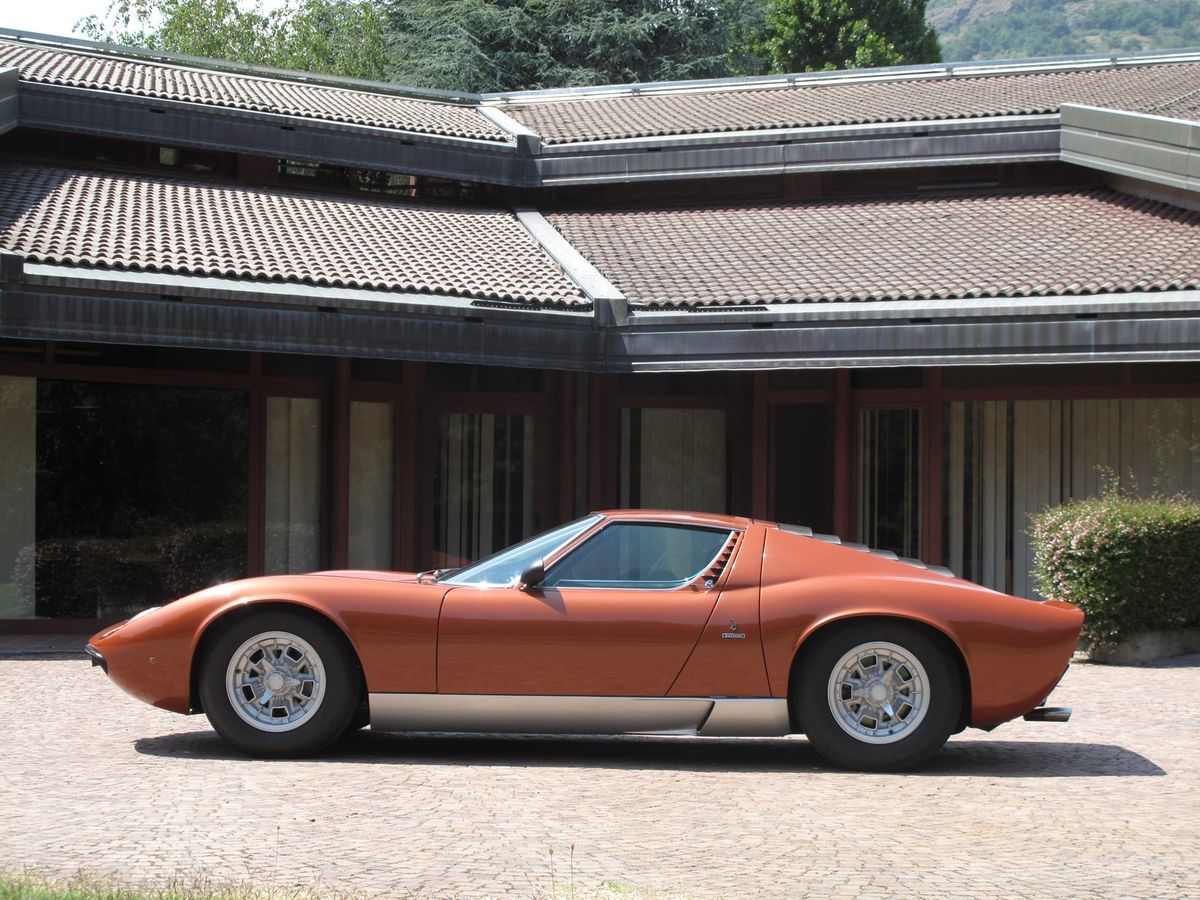
For the first time, I possessed something approaching an encyclopaedia of the world's contemporary automobiles. I devoured its pages and, without realising it, established the biases that would remain with me for life: European cars rather than American ones, sports cars rather than saloons or estates, and Lamborghini above Ferrari.
It was the photographs that did it.
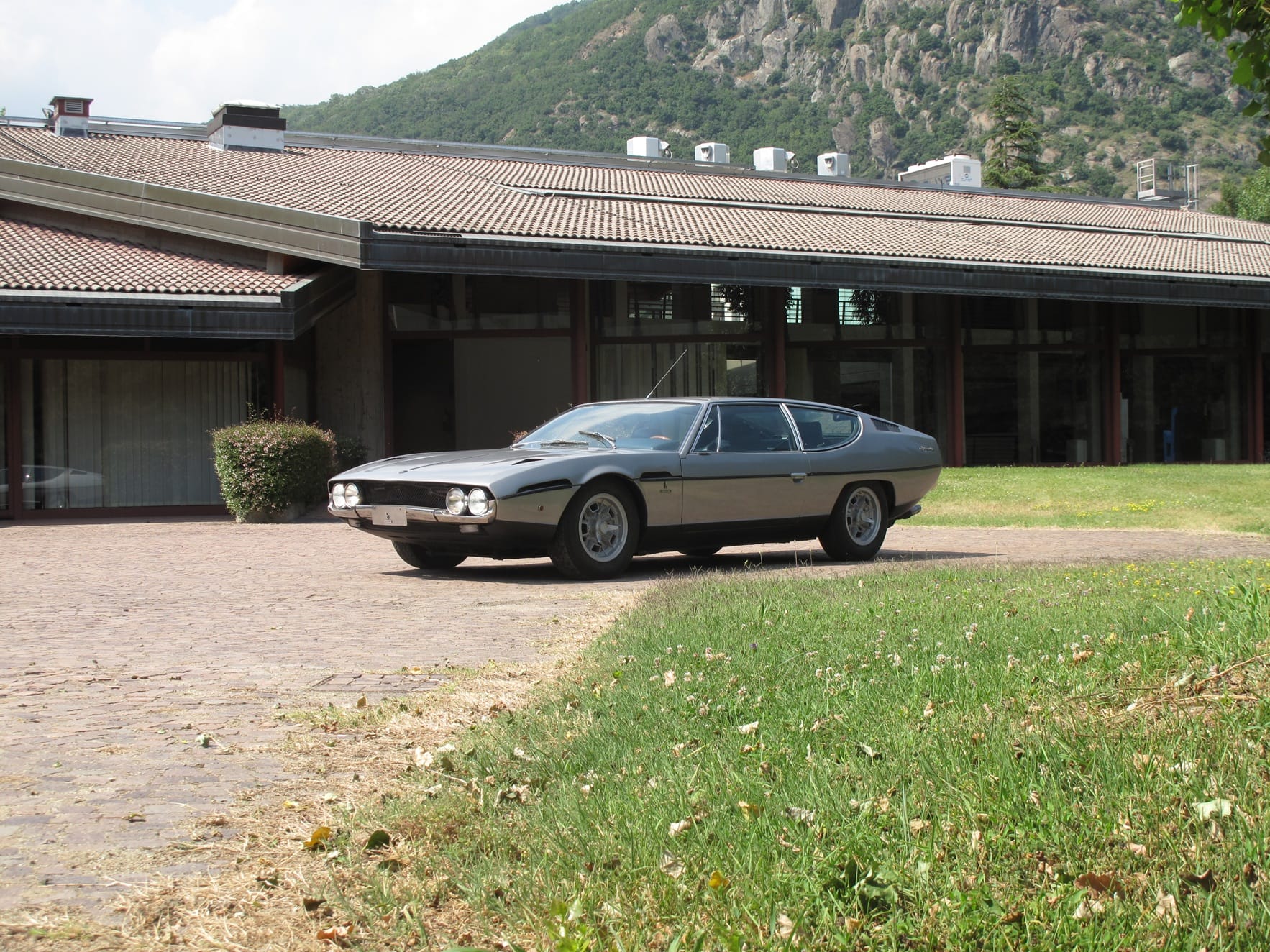
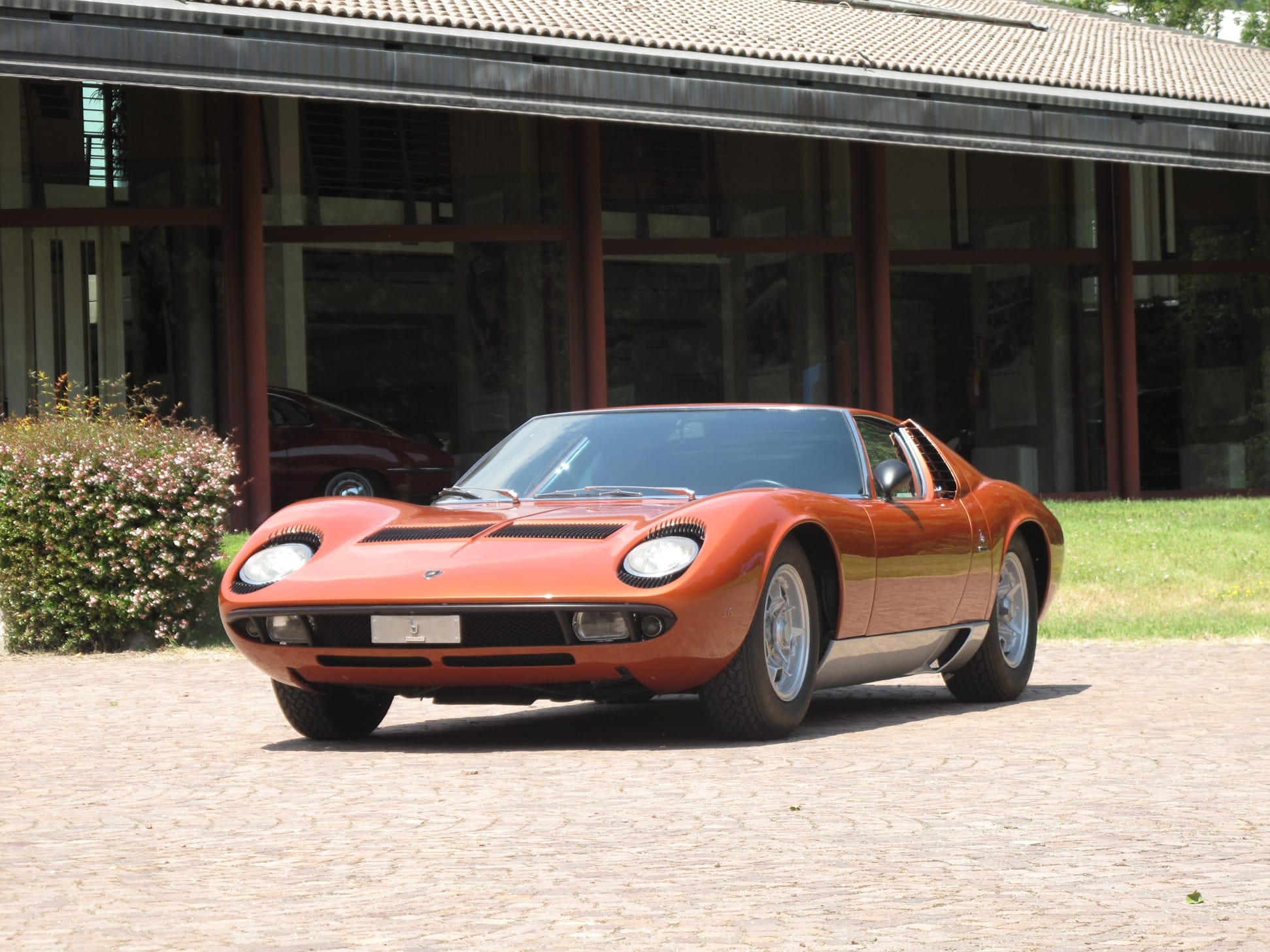
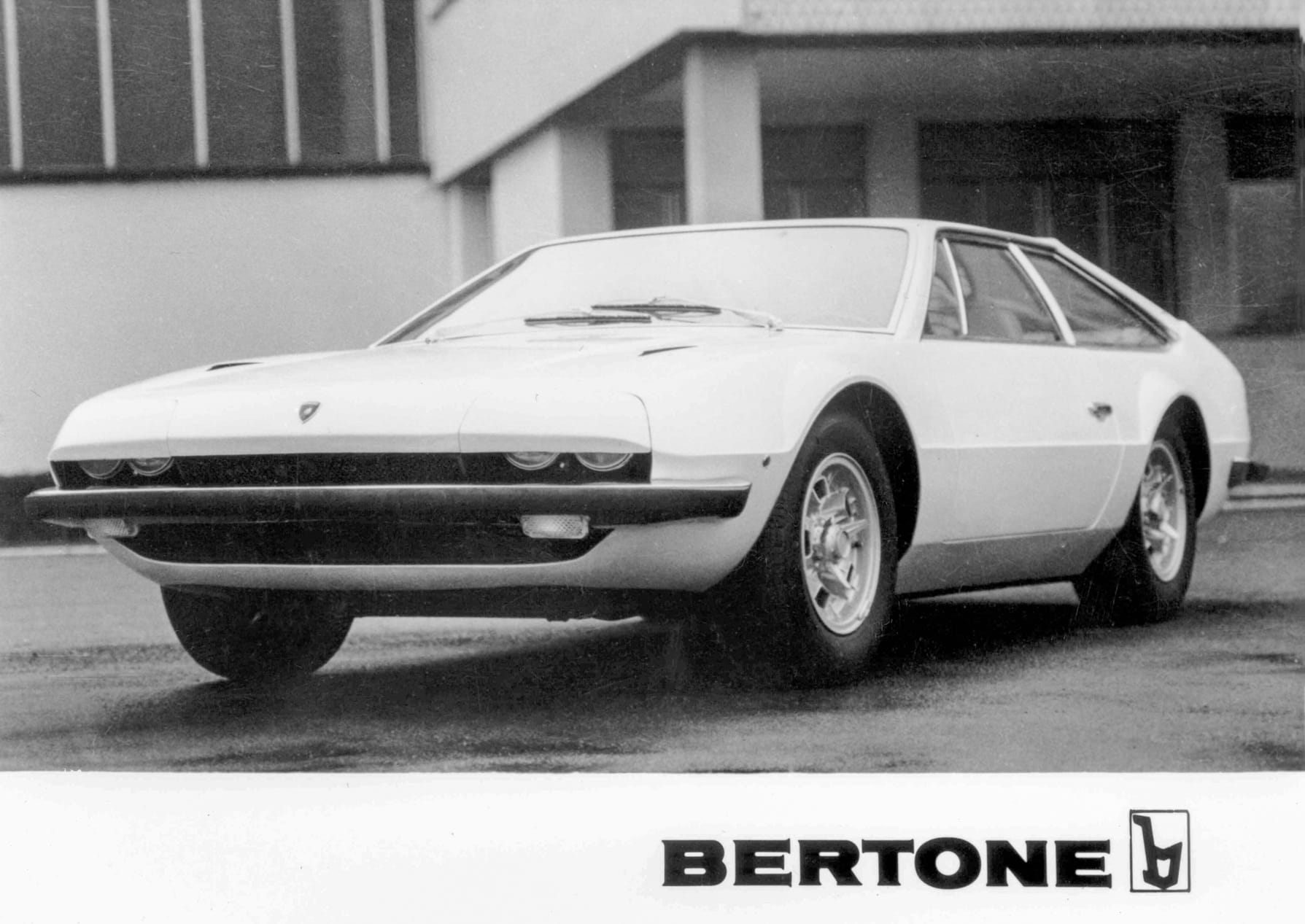
A low-angle, three-quarter view of the menacing Lamborghini Jarama and a dramatic black-and-white image of the impossibly low Espada captured my imagination. Lamborghini became my favourite marque. Ferrari's Daytona was magnificent, but somehow it could not compete with the sensuous, if already ageing, Lamborghini Miura. Even Maserati's Ghibli and Indy seemed more contemporary.
Then came the magazines: Autocar, Motor, later Car, and American titles such as Car and Driver, Road & Track and Motor Trend. In India, these were expensive luxuries, but every rupee seemed worth it. I spent my waking hours poring over them, reading and rereading every scrap of information, and my sleeping hours dreaming about the cars I had encountered on their pages.
And the stars of those dreams were Lamborghinis.
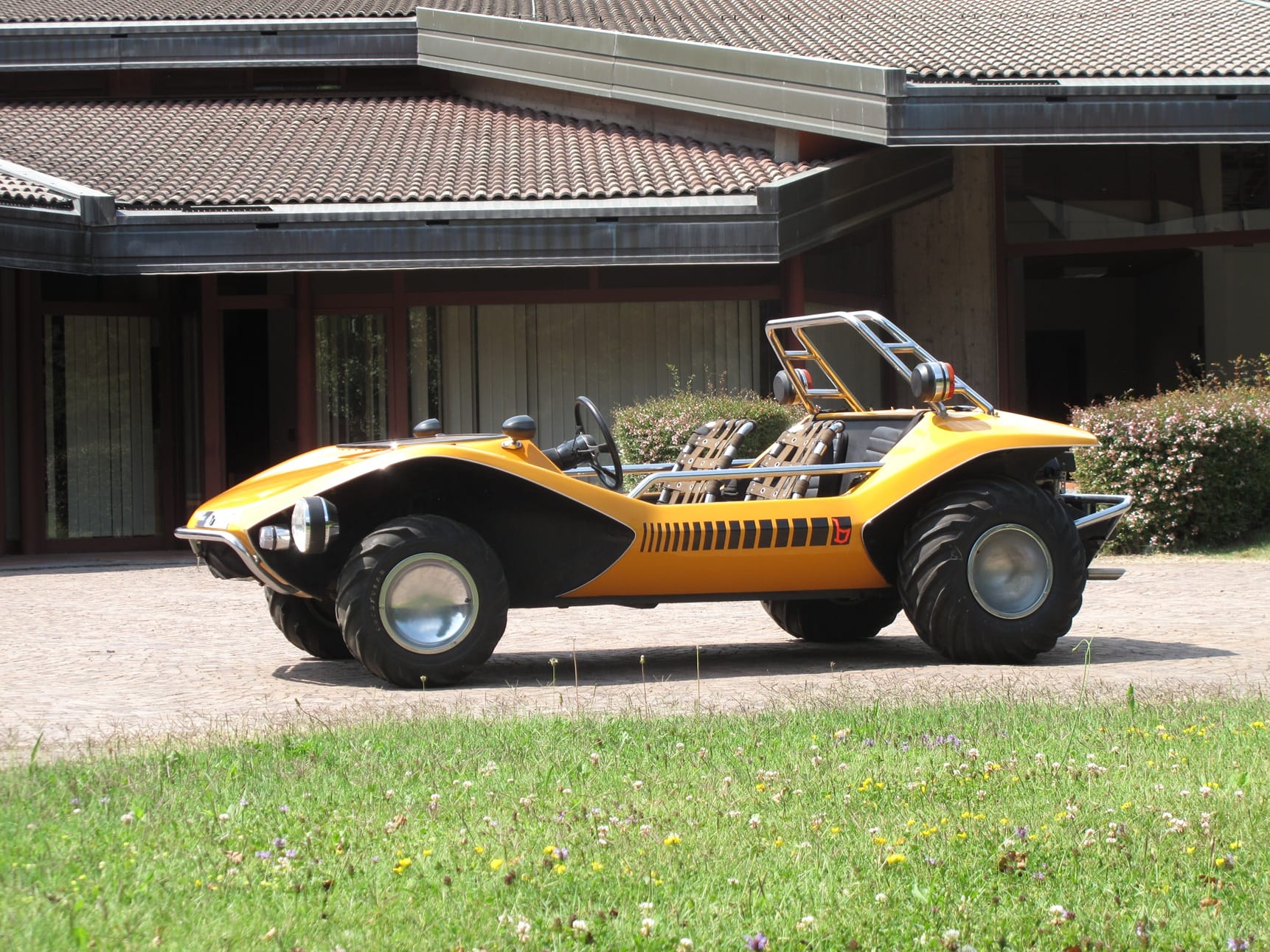
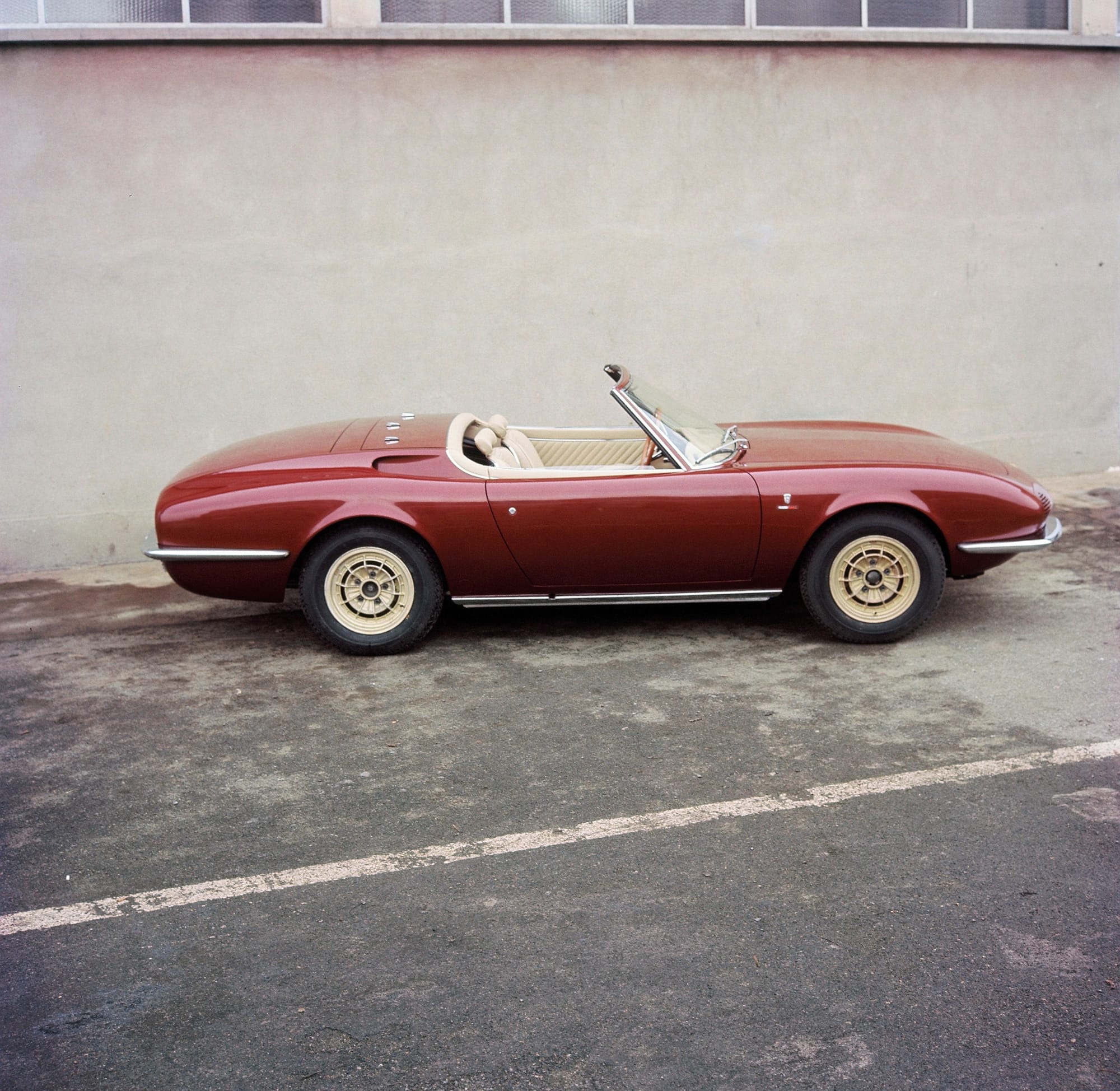
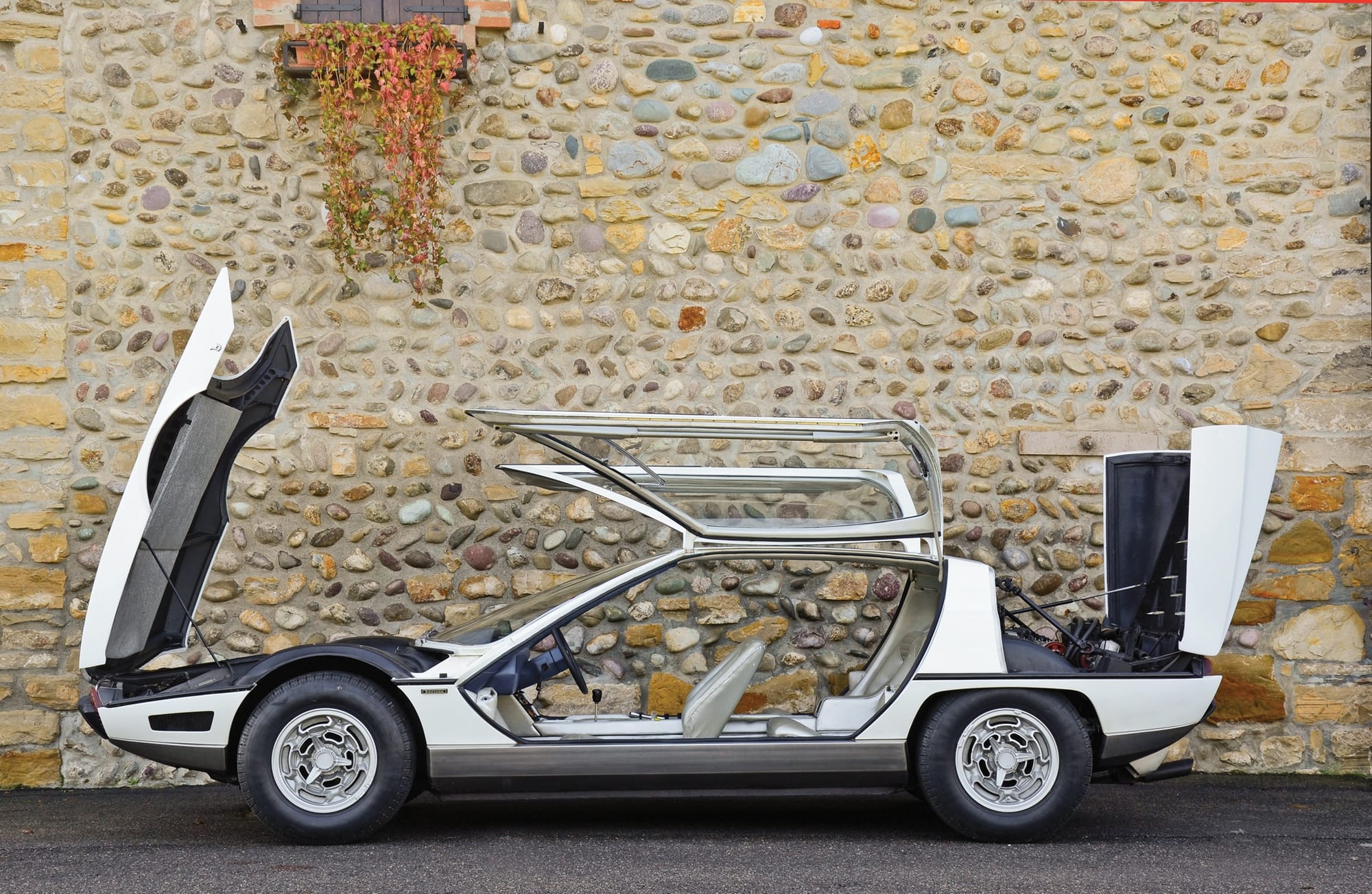
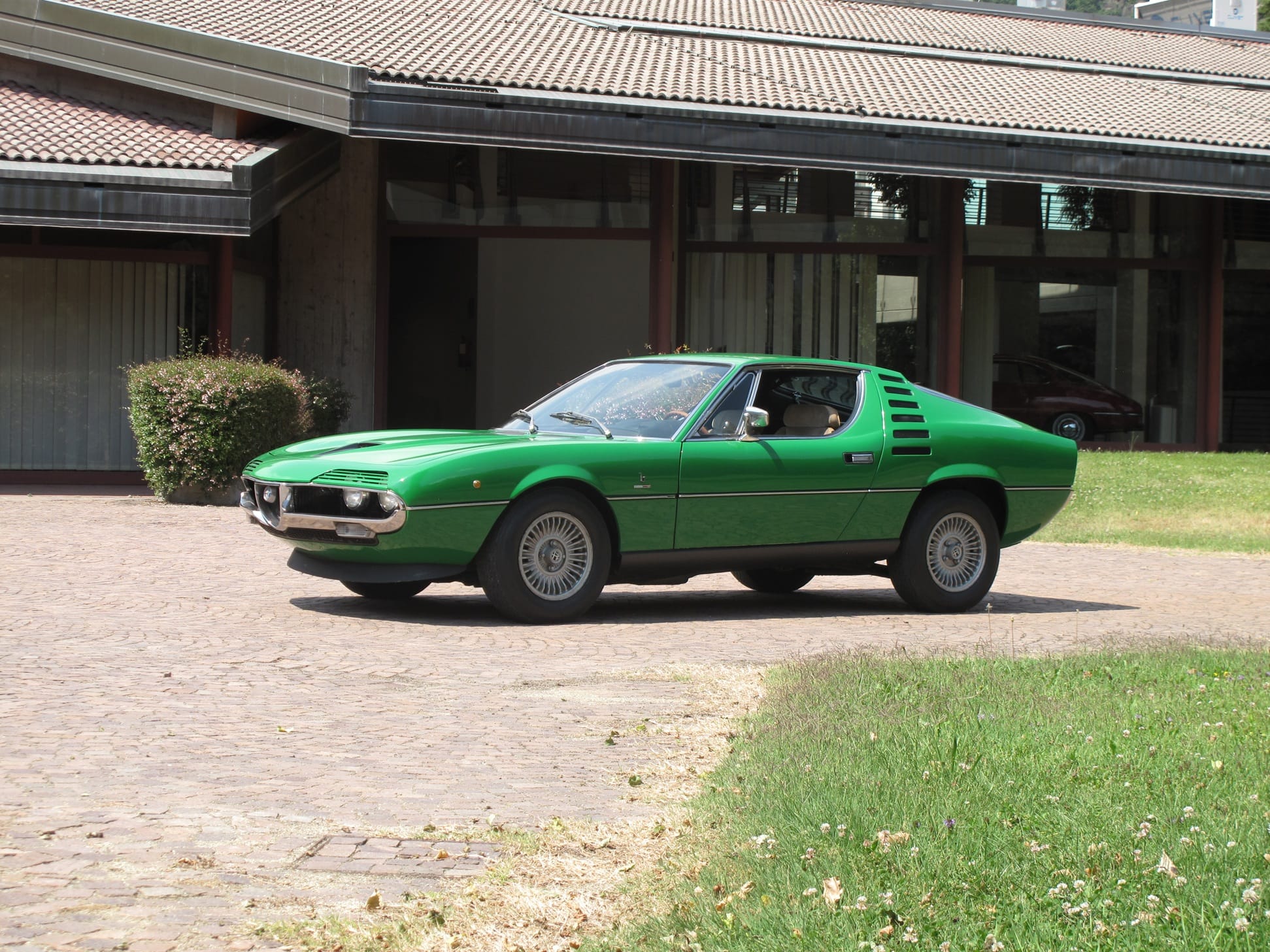
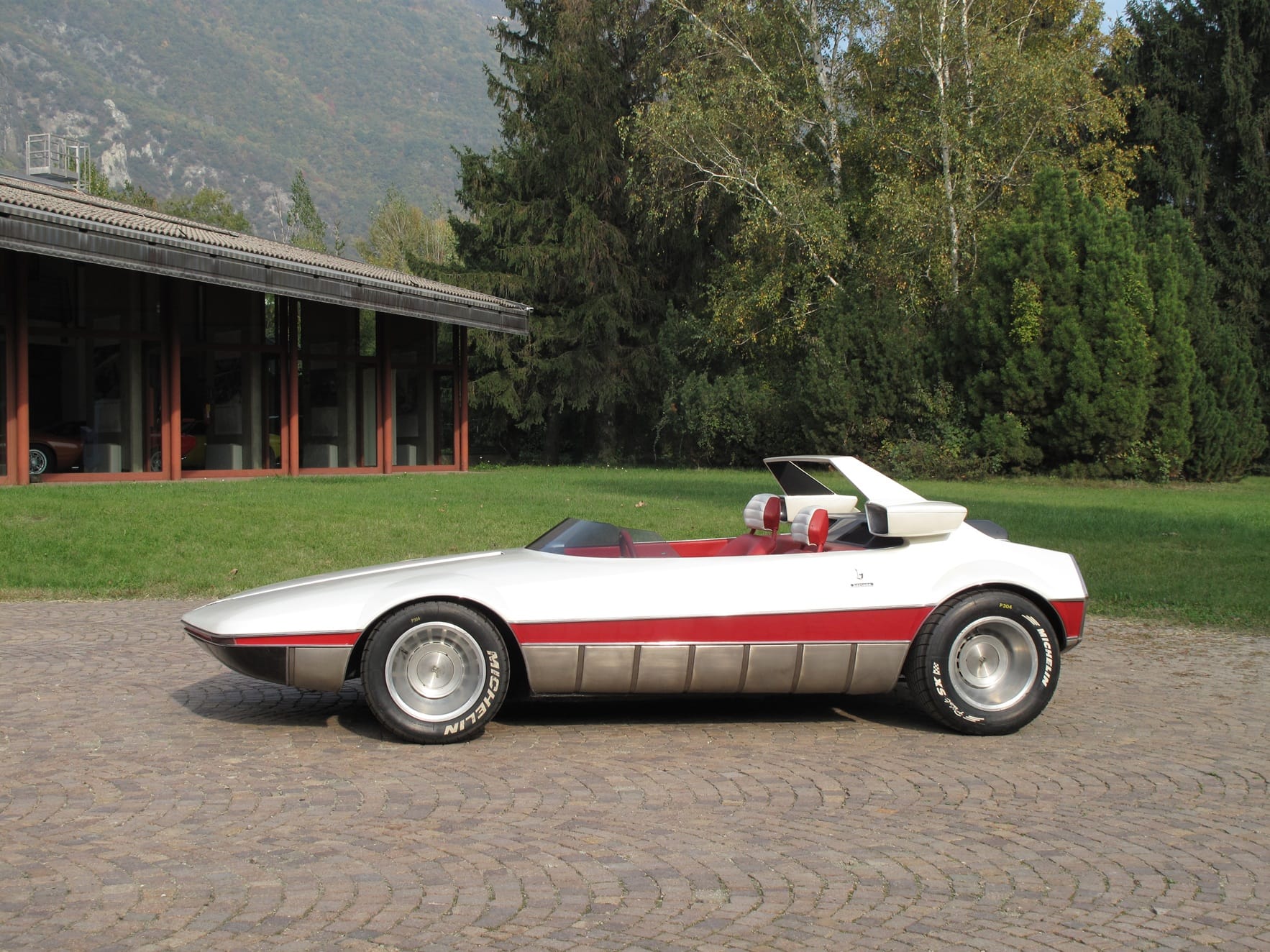
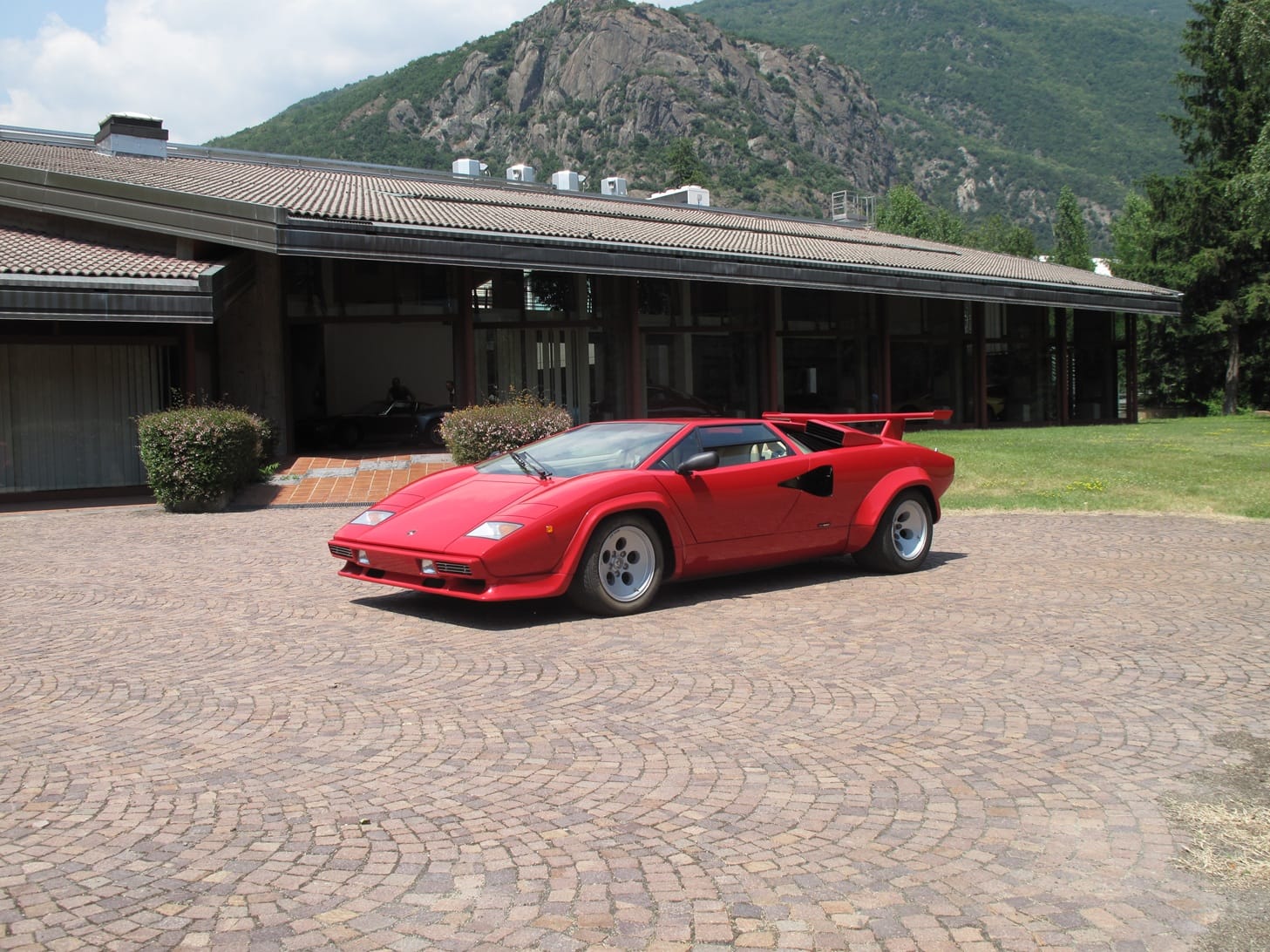
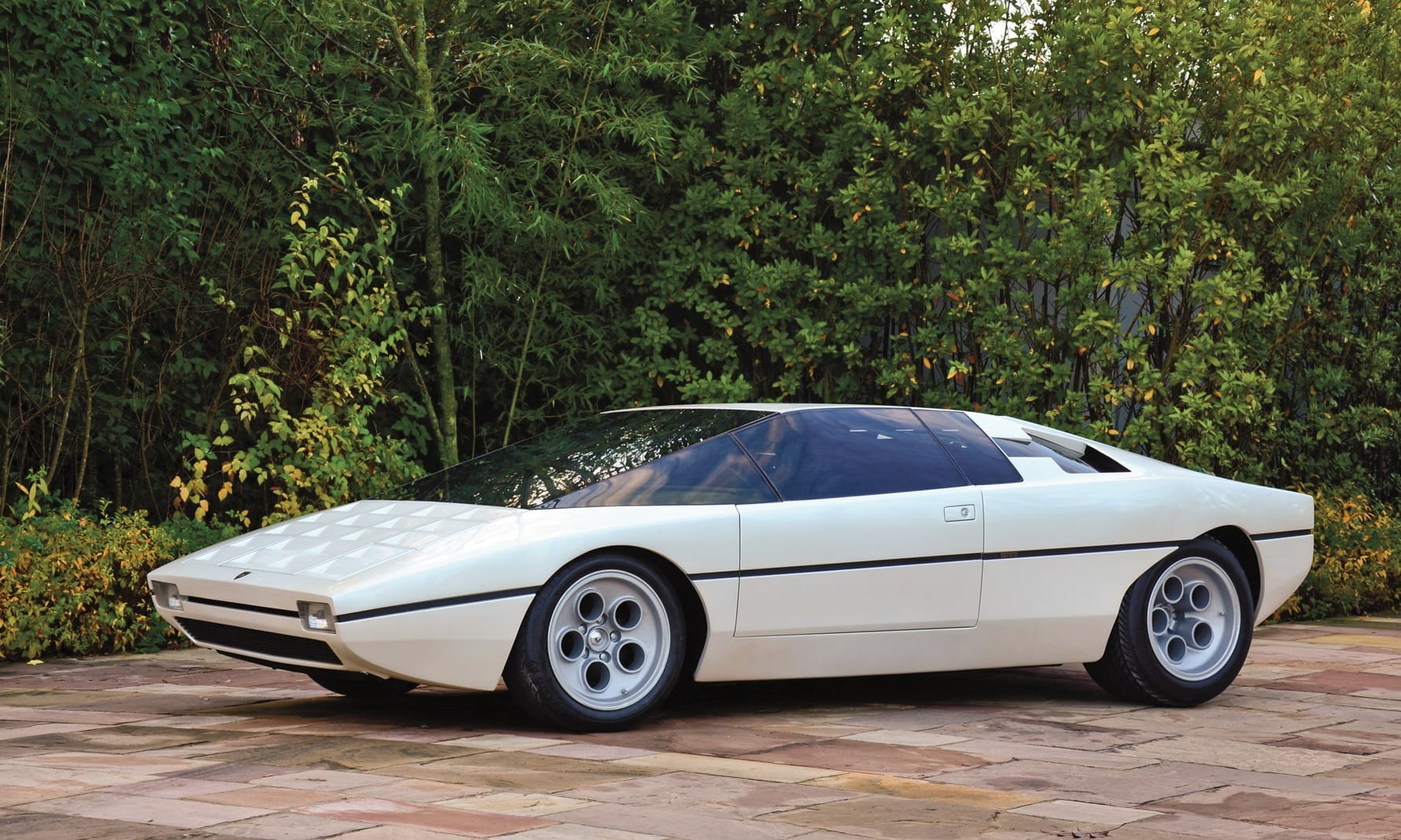
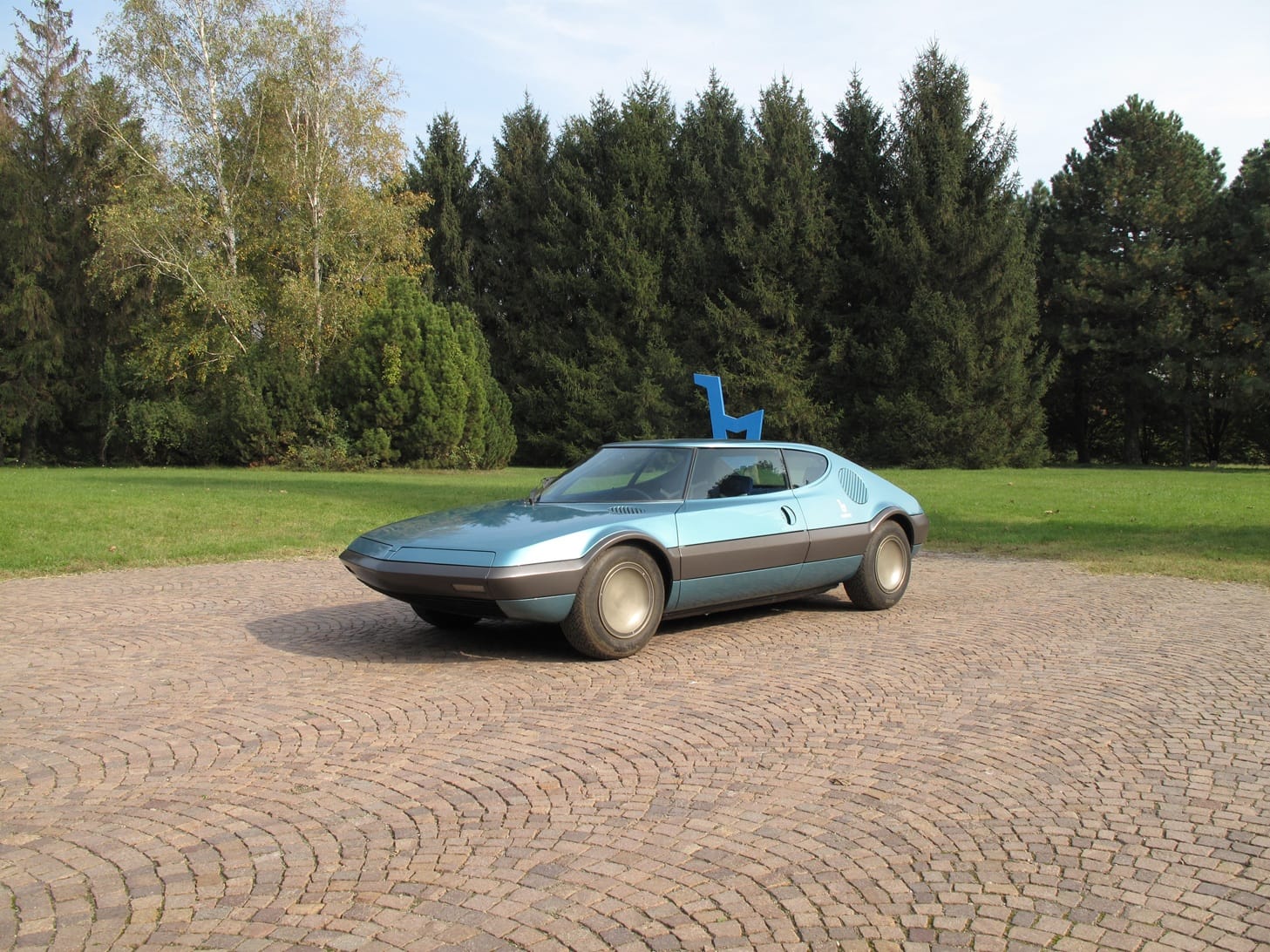
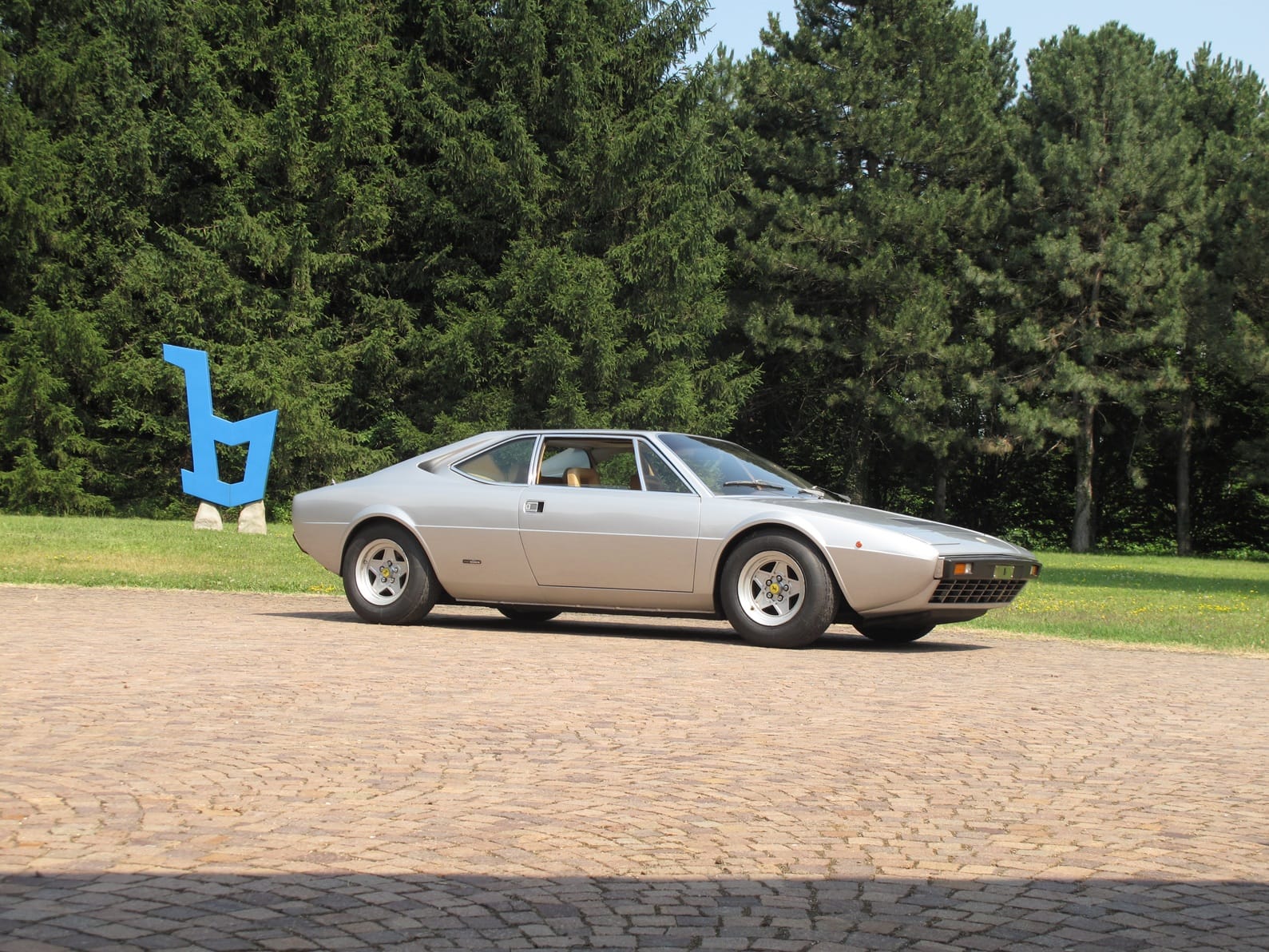
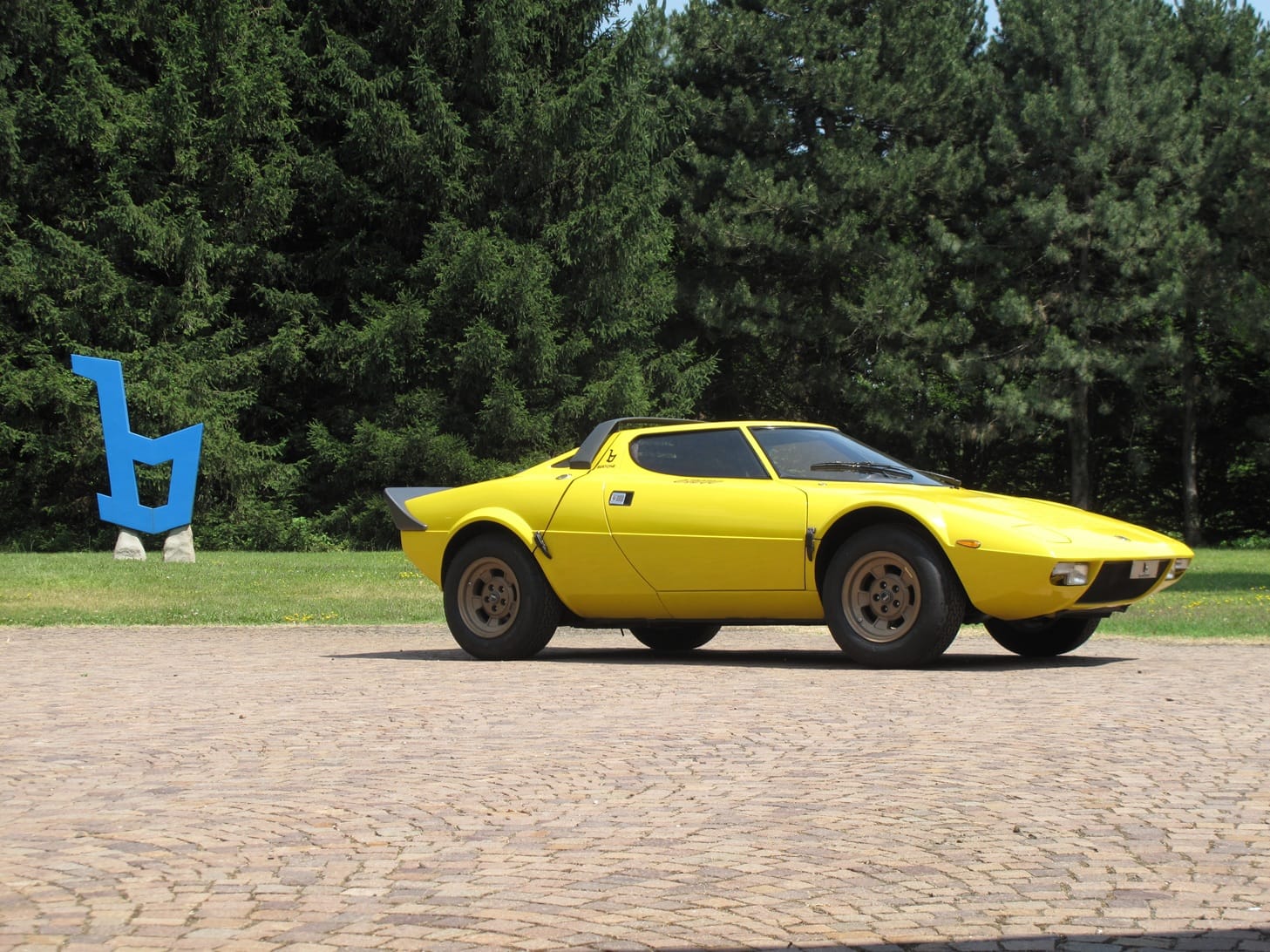
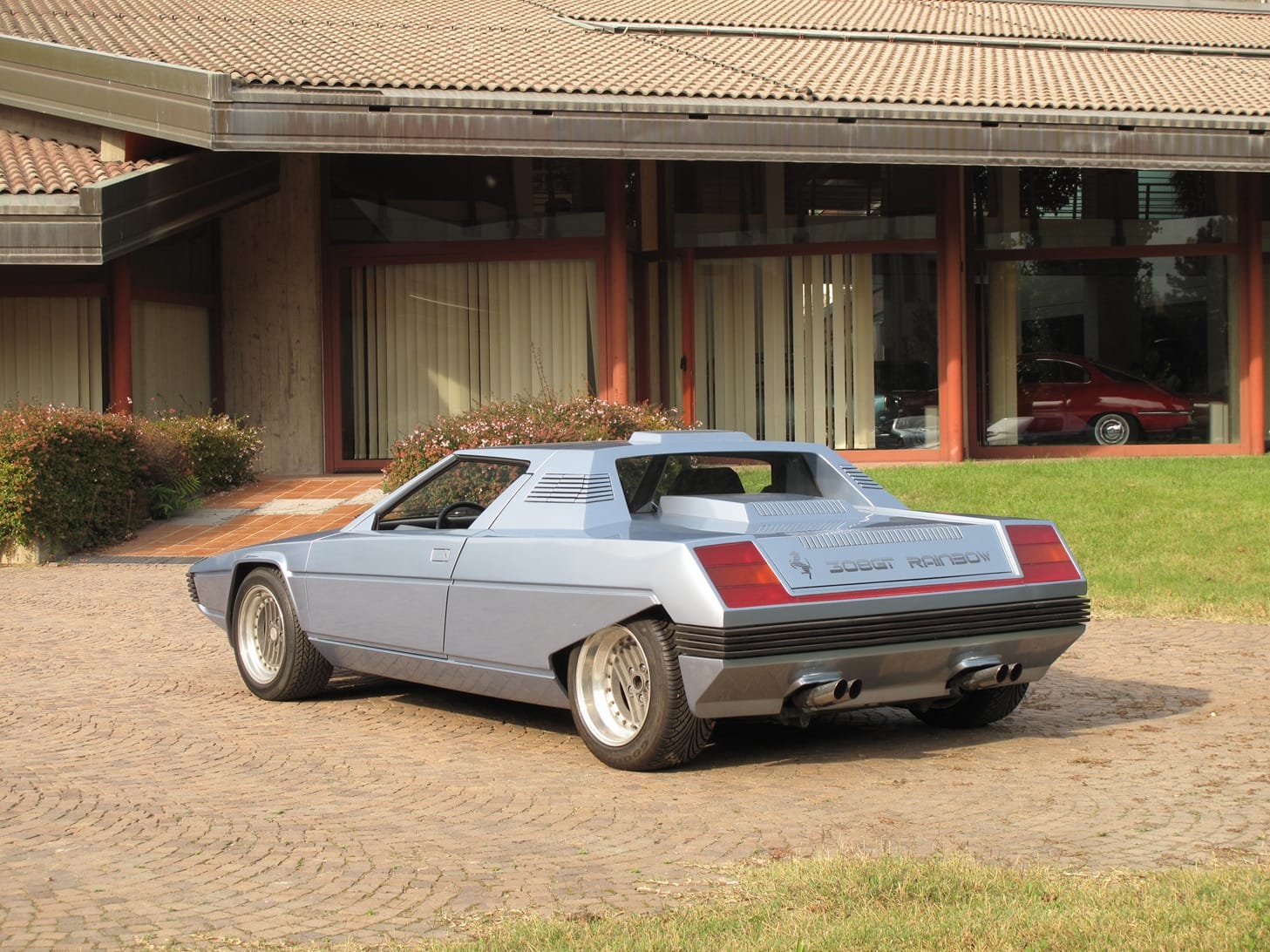
The newly unveiled Urraco and Countach seemed almost unbelievable. Then I discovered the Marzal, and later the Bravo, as well as a constellation of other extraordinary automobiles: the Alfa Romeo Carabo, the elegant Montreal, the delightful Autobianchi Runabout, the Iso Rivolta Lele, and the astonishing Lancia Stratos Zero.
There was a common thread: they had all emerged from Carrozzeria Bertone.
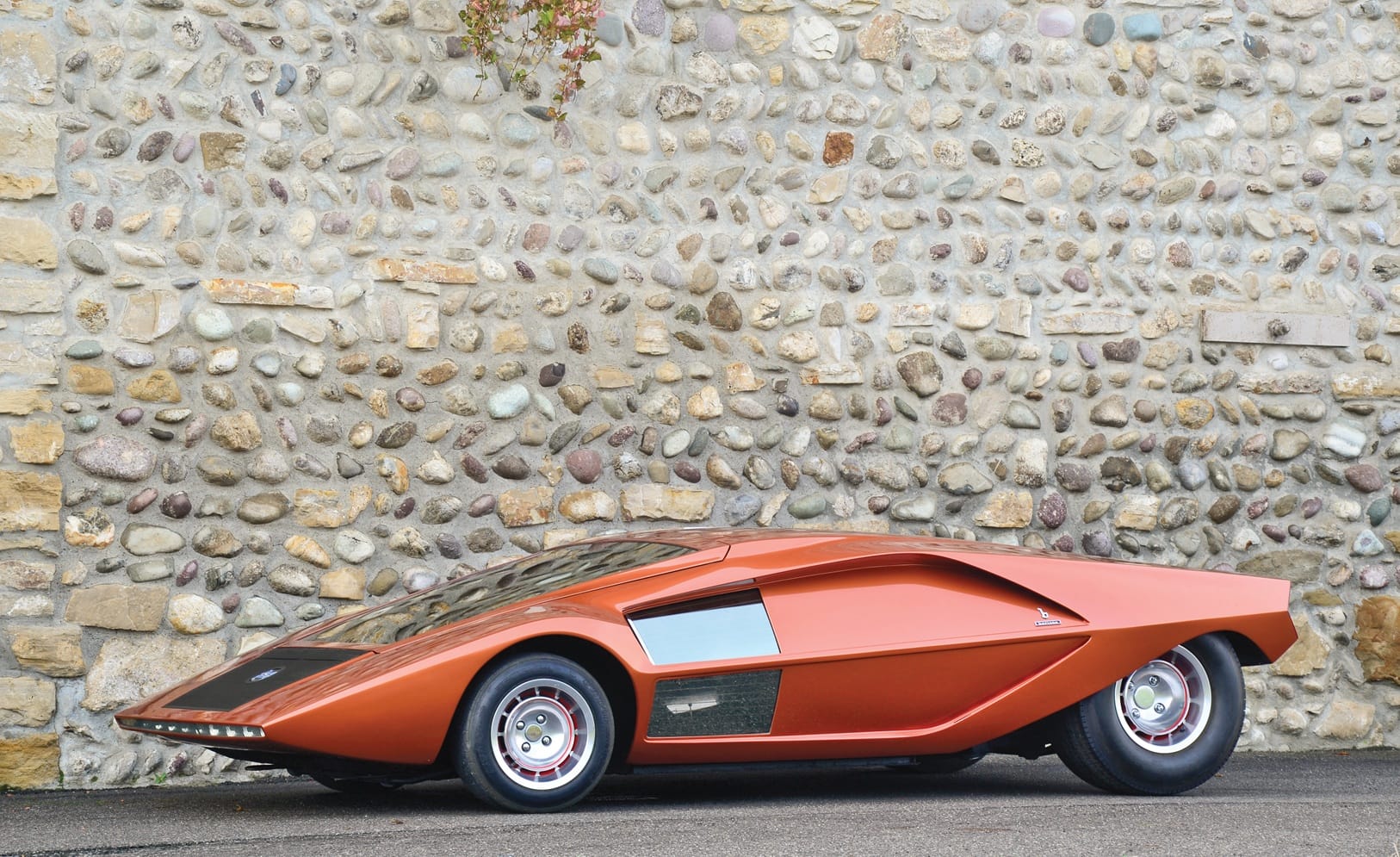
Only years later did I fully understand that the designer responsible for so many of the cars that had shaped my childhood imagination was the same man: Marcello Gandini.
By then, he had already become a hero to me, though a distant and seemingly unreachable one.
In 1990, I made my first trip to Turin, determined to meet Gandini and some of the other design legends whose work I had admired for so long. I managed to enter the hallowed worlds of Italdesign, Pininfarina, Stile Bertone and I.De.A Institute. But Gandini remained elusive.
He was busy. He was difficult to reach. He spoke Italian and French, but not English. More importantly, he simply did not seem interested in meeting people who wanted to talk about his past.
I returned to Italy in 1994 and moved to Paris in 1996. My visits to Turin became increasingly frequent, and one by one, I met many of the great designers I had admired. Yet Gandini continued to evade me.
Those who claimed to know him described him almost as a recluse, living quietly in the hills north of Turin, far removed from the bustle of the automotive establishment. To a young journalist who had grown up dreaming of his cars, he seemed almost mythical.
Then, sometime after the turn of the millennium, fate finally intervened.
Having launched the Indian edition of BBC TopGear, I became involved in a design competition in India. I contacted Marcello's daughter, Marzia, and through her I finally met the man whose work had influenced me for so many years.
It was one of those moments when reality somehow struggles to live up to the dream. And yet, what followed was even more extraordinary.
For nearly two decades, I had the privilege of seeing Marcello several times a year, until his passing on 13 March 2024. =The boy who had once stared endlessly at photographs of his cars had somehow become a friend of the man who had created them.
Gandini was reluctant to talk about his own past. He had little interest in celebrating himself or dwelling on his achievements. But he loved talking about automobiles.
We spent countless hours discussing the social impact of the automobile, its influence on emerging markets, and the future of this extraordinary invention – at once reviled and adored – which had defined so much of the twentieth century.
As my French improved, our conversations about his designs became deeper. We discussed the forms, proportions, architecture and choices behind some of the most influential automobiles ever created. I wanted to understand what had been in his mind when he drew them, what circumstances had shaped them, and why they looked the way they did.
Naturally, I also wanted to record it all. Like many others before me, I suggested that he should tell his story in a book.
His answer was invariably something along the lines of: “I can't stop you from doing one if you wish, but I don't see the point.”
Out of respect for him, I would abandon the idea.
Then fate intervened again.
Following several controversial articles that appeared in 2012 and 2013, Claudia, Marcello's wife, and Marzia came to believe that a book was necessary. The record, they felt, needed to be set straight.
Eventually, Marcello relented.
There was, however, one condition: I was to write only about his cars, not about his personal life.
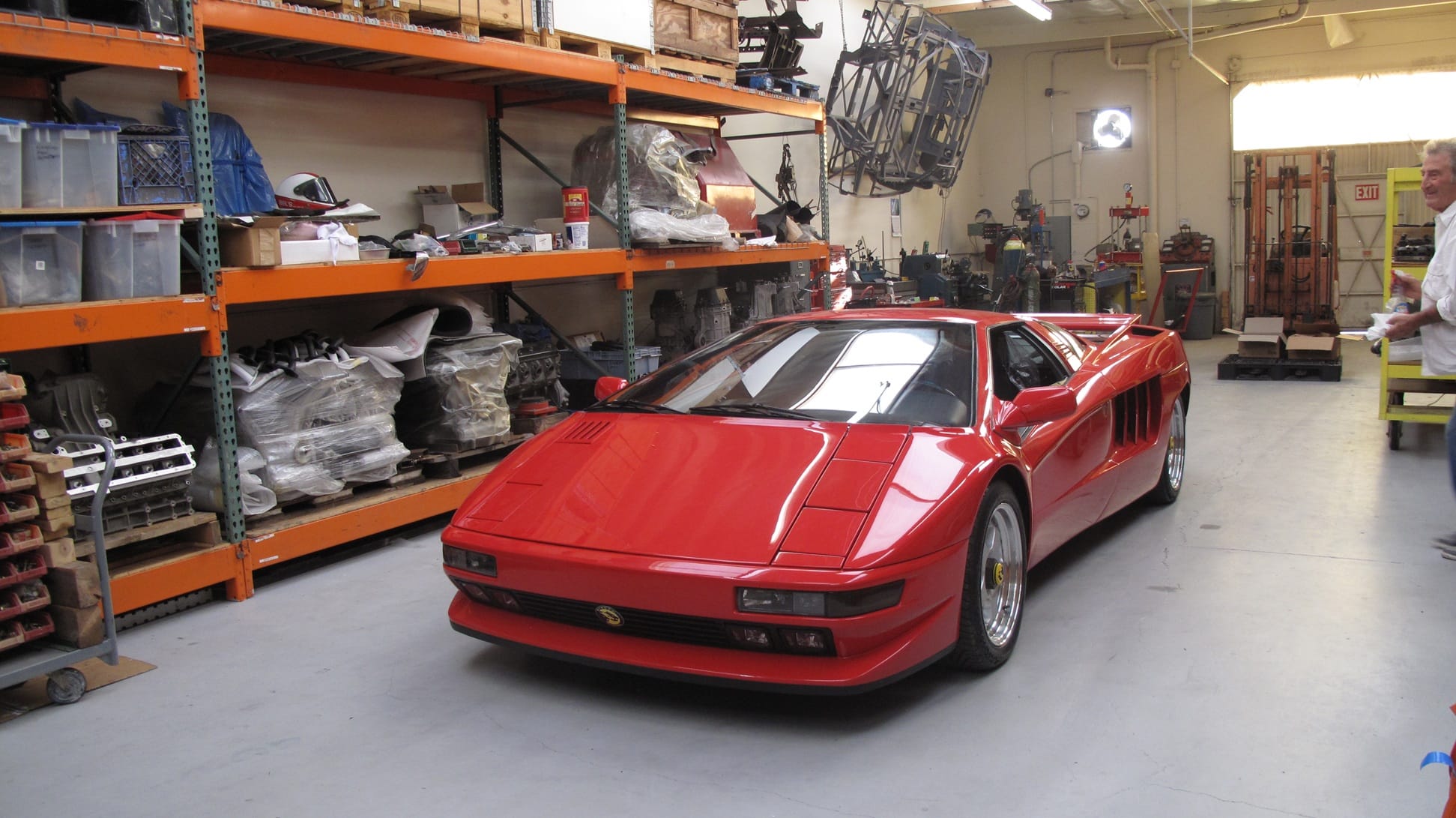
In retrospect, that condition said so much about the man himself. Gandini had no desire for celebrity. He did not want his private life placed under the spotlight. What mattered to him was the work, the ideas, the forms, the machines.
And what a body of work it was. Cars that did more than transport people. Cars that changed what people believed a car could look like.
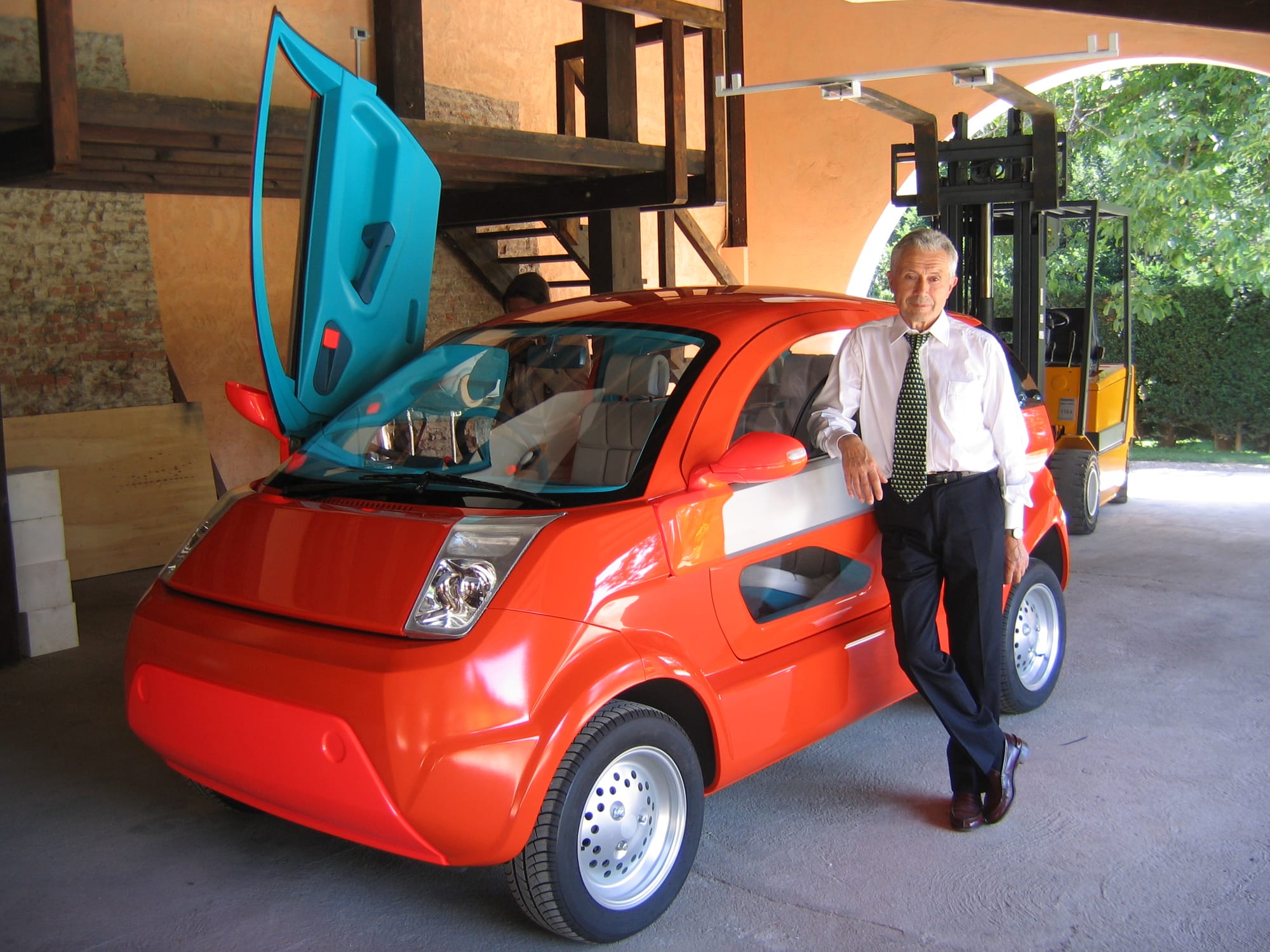
Perhaps that is Gandini's greatest legacy. He did not merely design automobiles; he expanded the boundaries of automotive possibility. He made us look at the automobile differently.
For a boy growing up in India in the early 1970s, those cars seemed to have arrived from another planet. Decades later, I had the extraordinary privilege of sitting across a table from the man who had created them, listening to him explain, debate and sometimes dismiss the very designs that had made him a legend.
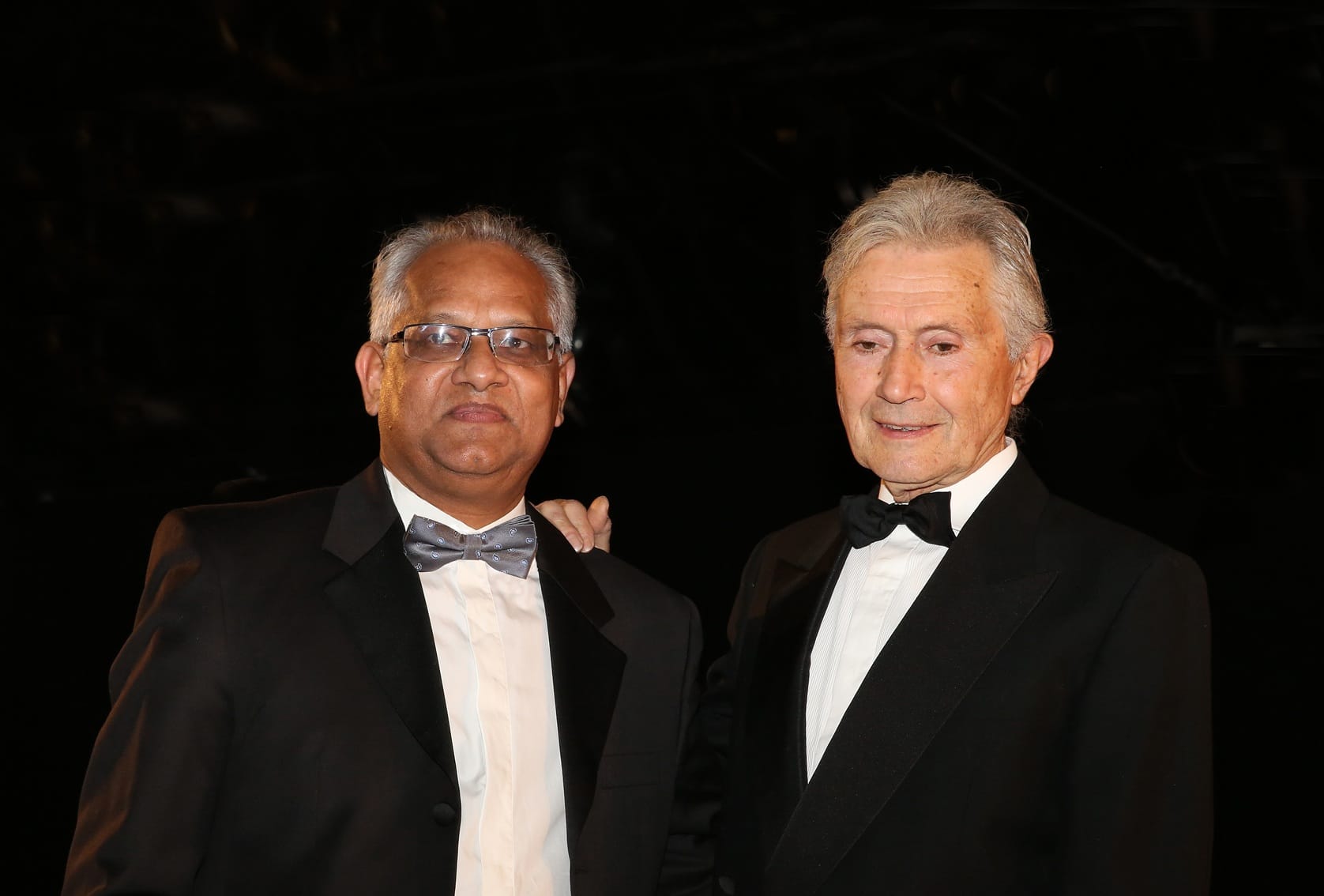
Marcello Gandini never seemed particularly interested in being a legend. That was left to the rest of us.
So, as we remember him, perhaps the best tribute is not to dwell upon the mythology surrounding the man, but to celebrate what he left behind: an extraordinary collection of ideas translated into metal, glass, rubber and motion.
And to remember the quiet man from Turin whose imagination changed the shape of the automobile forever.
Comments ()