Teilhol Tangara – Have You Ever Heard of That?
The Citroën Méhari though was one of the most distinctive and unconventional cars ever produced by Citroën.
Text & Images: Gautam Sen
While India has seen several Citroëns coming into the country since the 1920s and through to the 1950s, even the ‘60s when many 2CVs found their way here, I am not aware of a single Mehari having been imported into the country. Have you?
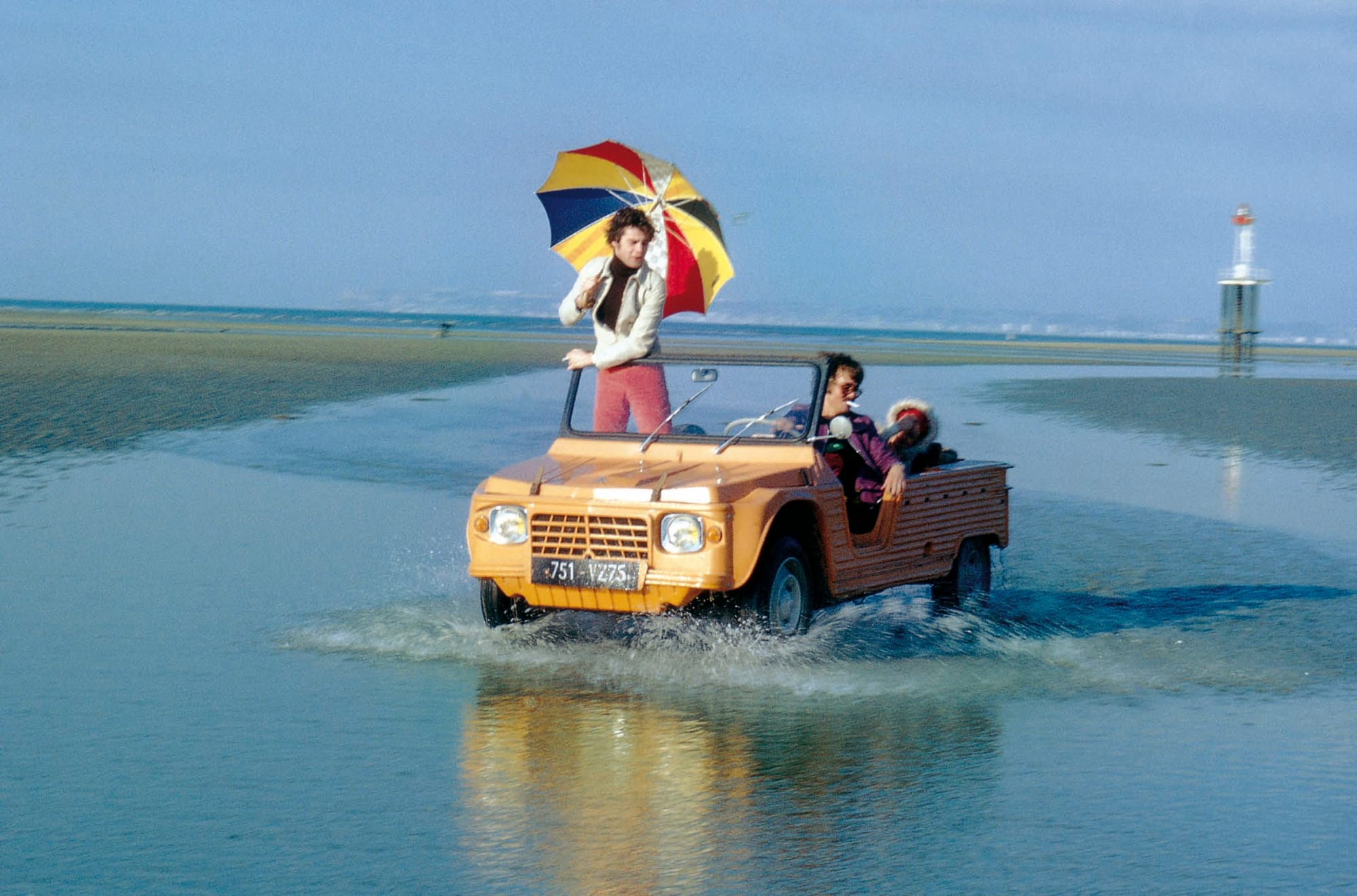
If you have, please send us images or whatever you know about that one lonely Citroën Mehari in India…
The Citroën Méhari though was one of the most distinctive and unconventional cars ever produced by Citroën. Launched in 1968 and built until 1987, it was designed as a lightweight, open-top recreational vehicle that could double as a practical workhorse.
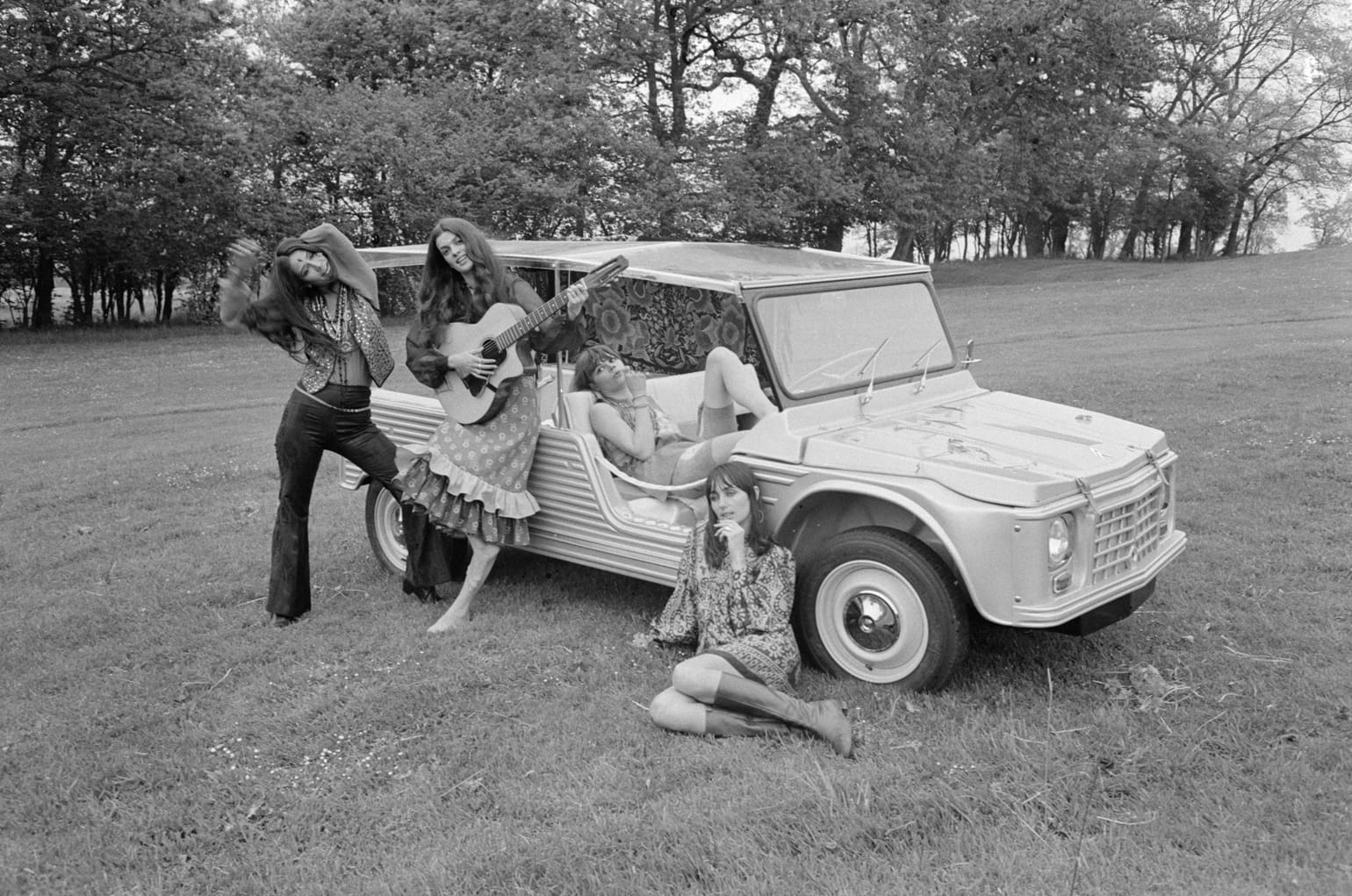
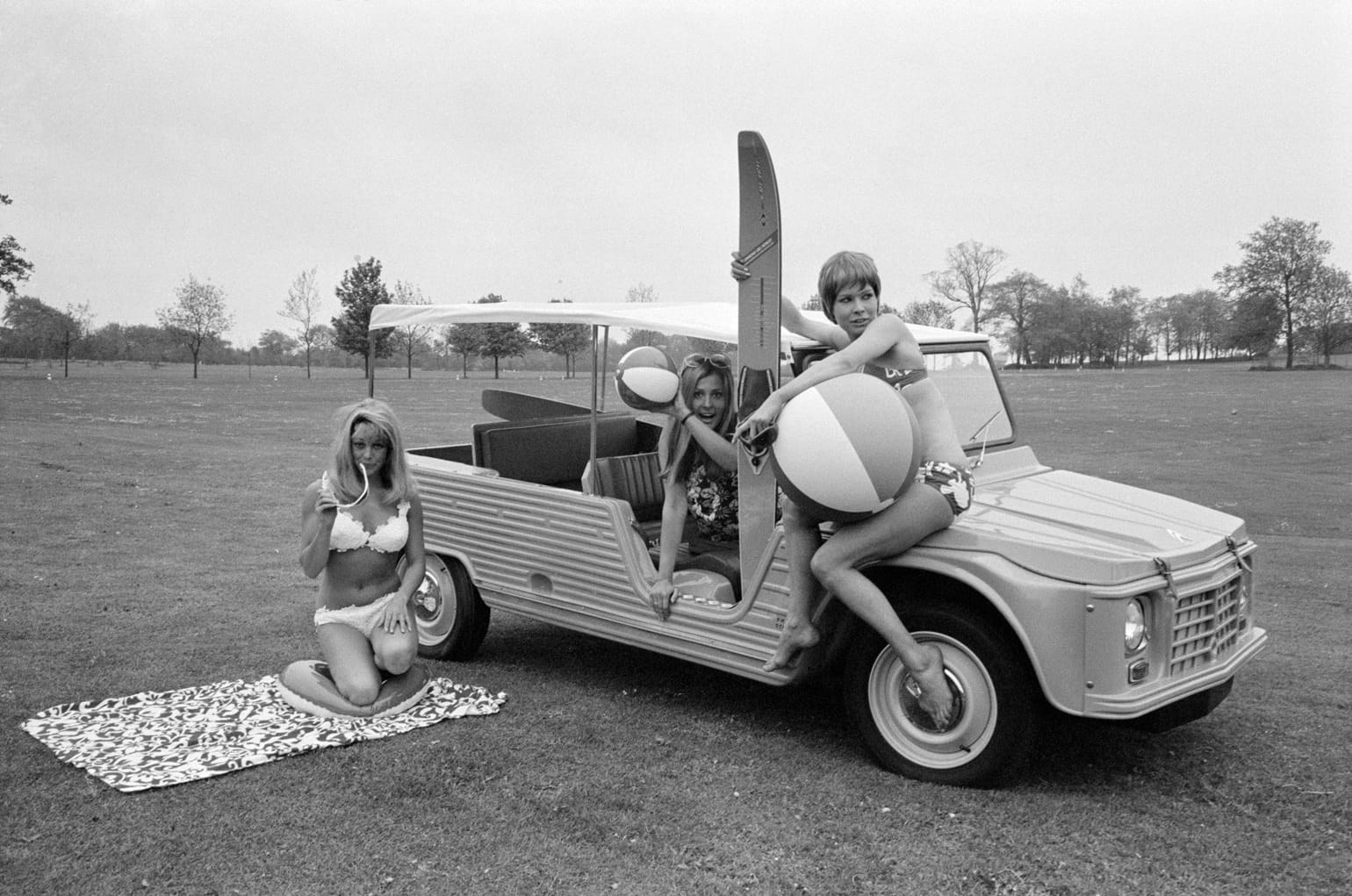
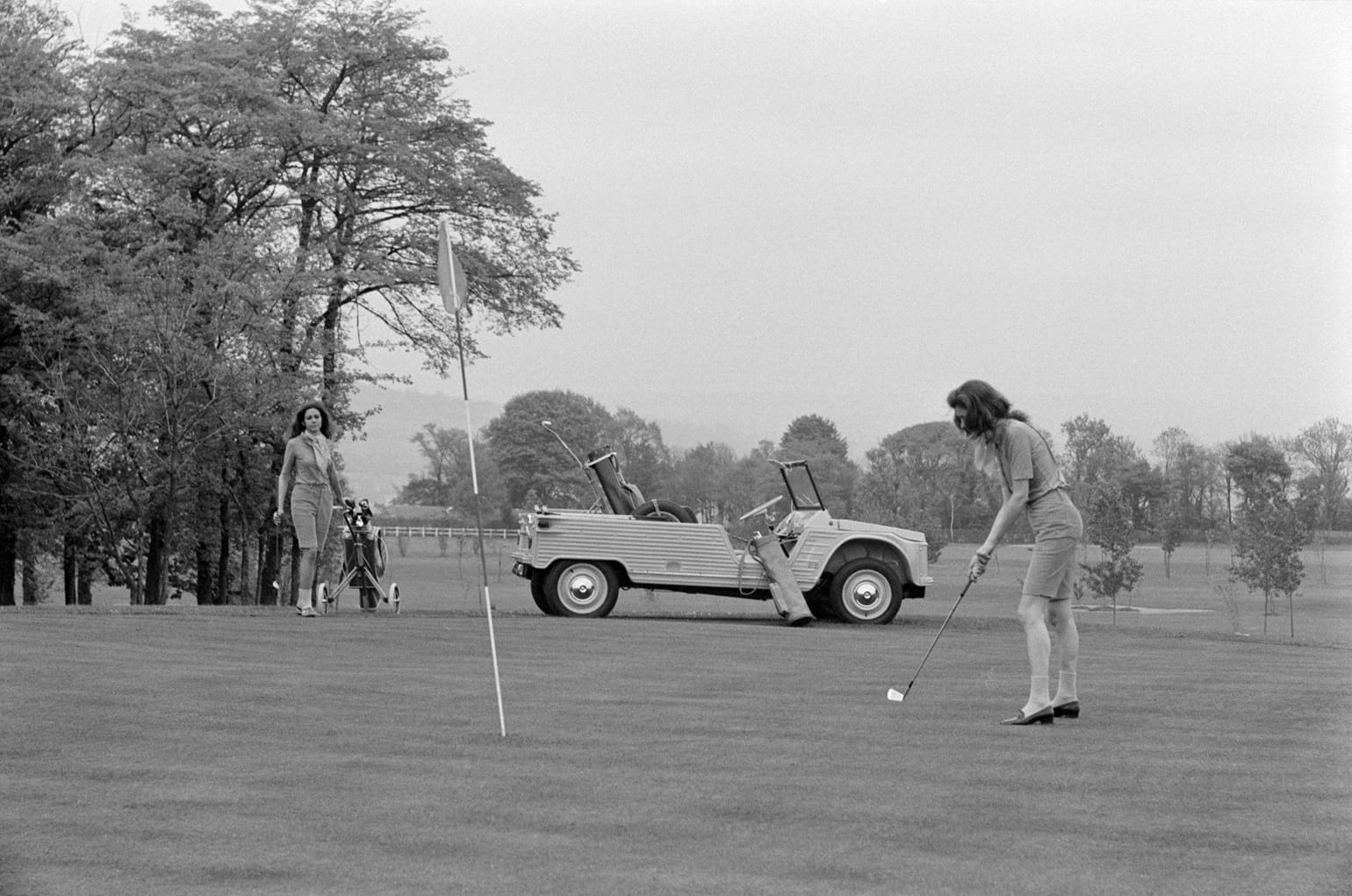
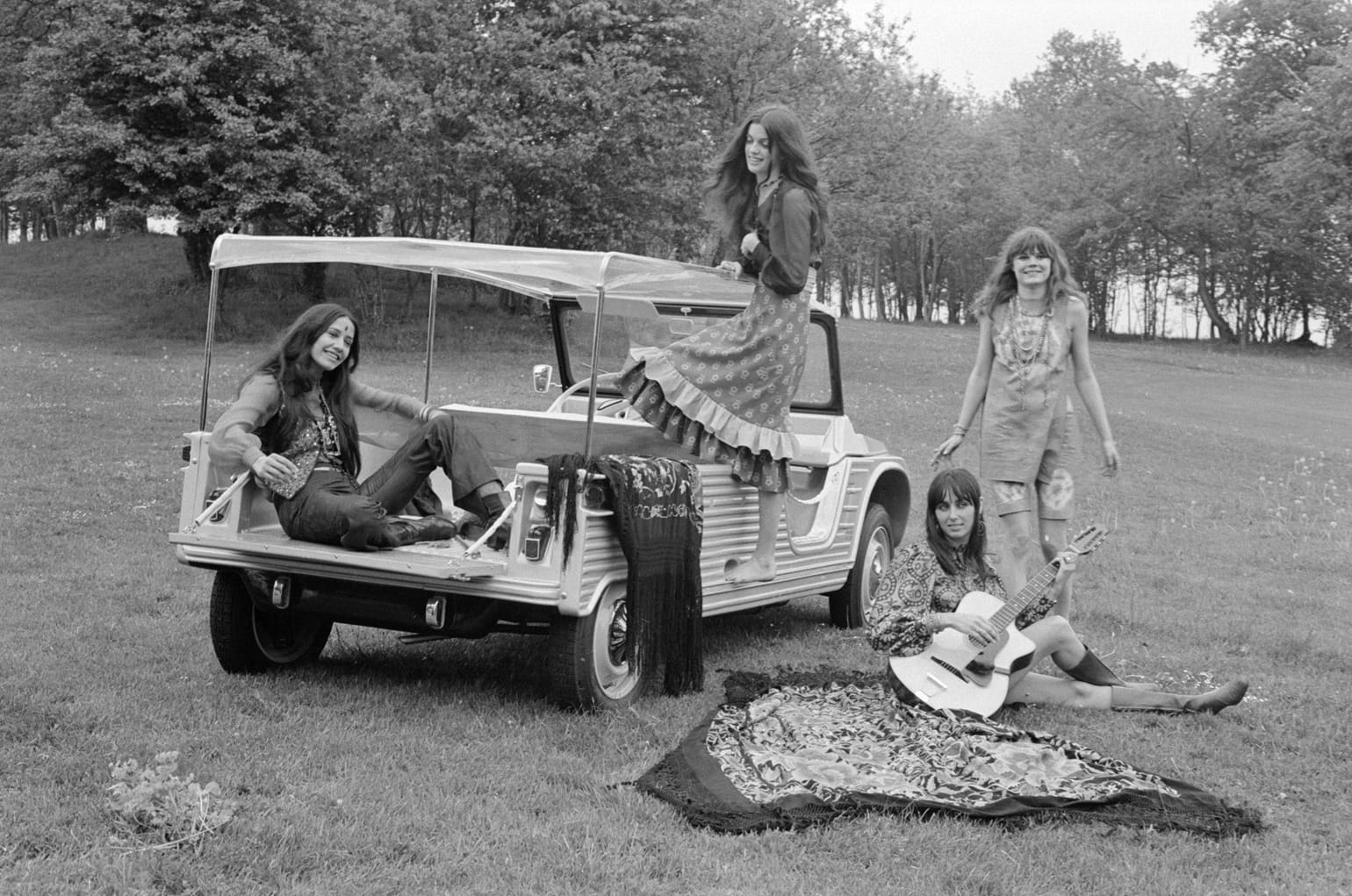
Leisure, pleasure, fun and frolic, and some more – that was the Citroën Mehari
Mechanically, the Méhari was based on the humble Citroën 2CV, using its simple air-cooled flat-twin engine and rugged suspension. What set it apart, however, was its body: instead of steel, it used ABS plastic panels, making it extremely light, resistant to rust, and easy to repair or replace. The design was minimalist and utilitarian, with a flat floor, removable doors, and even a fold-down windscreen.
Originally intended as a “beach car,” the Méhari quickly proved its versatility. It became popular with farmers, the military (notably the French army), and emergency services thanks to its durability and ability to handle rough terrain. A rare 4x4 version was also produced in small numbers.
In total, around 145,000 Méharis were built. Today, it’s remembered as a cult classic and celebrated for its quirky design, practicality, and embodiment of carefree, outdoor motoring.
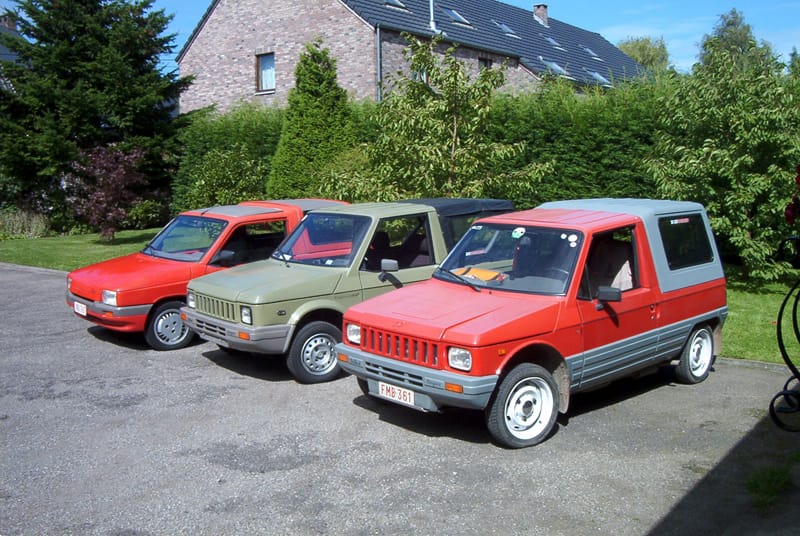
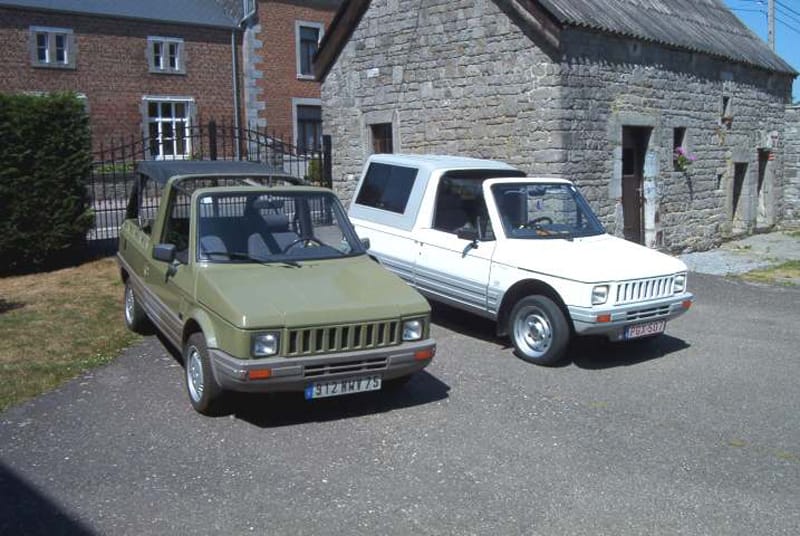
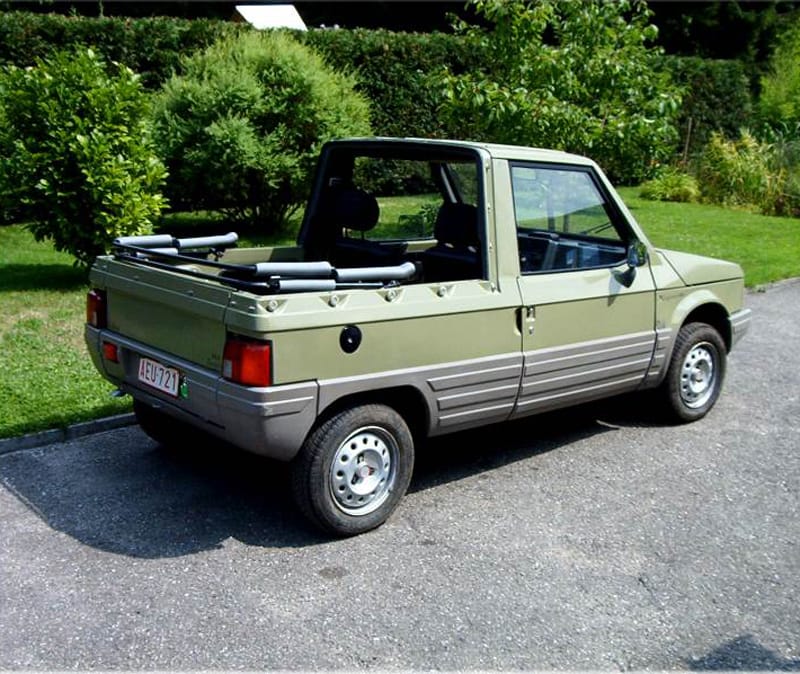
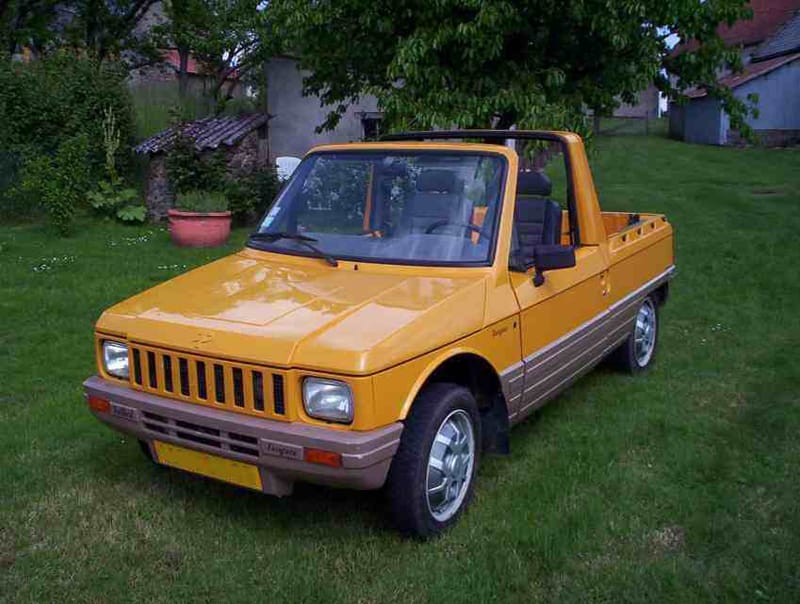
So when Renault pulled the plug on the Rodeo, Teilhol decided to develop an even better leisure vehicle – the Tangara
In the late 1980s, as Citroën prepared to retire its iconic Citroën Méhari after nearly two decades, a gap emerged in the niche market for lightweight recreational vehicles. Into this space stepped Teilhol, a small but experienced manufacturer based in the Auvergne region of France, with its ambitious new creation: the Tangara.
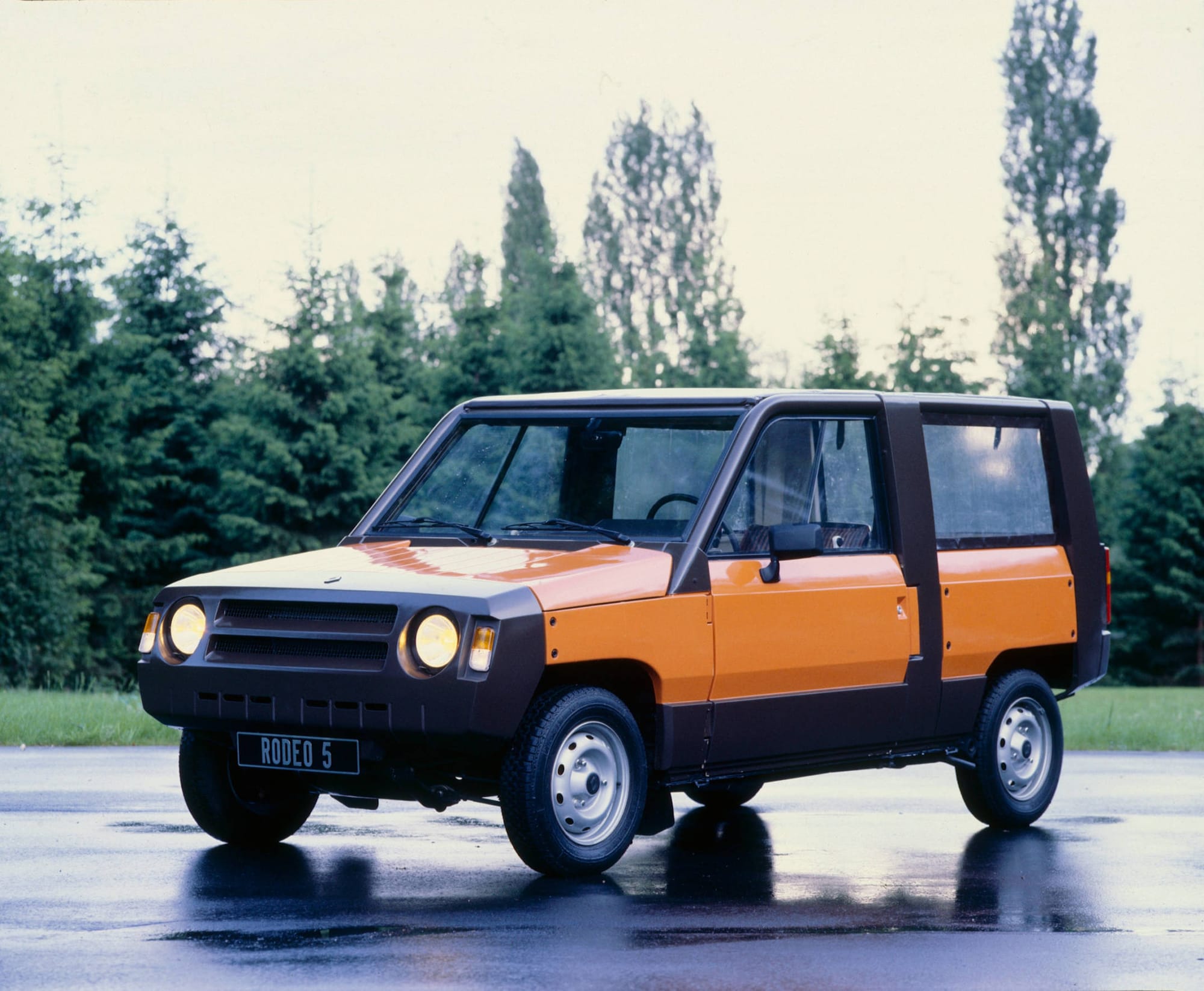
Teilhol was no newcomer. Formerly known as ACL (Ateliers de Construction du Livradois), the company had built a reputation through its collaboration with Renault, notably producing the Renault Rodéo, which was a rival to the Méhari. However, despite producing around 60,000 units, the Rodéo never matched its competitor’s success. When Renault withdrew from the segment in the mid-1980s amid financial restructuring, Teilhol lost its primary source of income.
Rather than retreat, Teilhol seized an opportunity. With Citroën discontinuing the Méhari and already supplying components through existing partnerships, Teilhol set out to create its own beach car. The result was the Tangara, unveiled in March 1987. Built on a Citroën 2CV platform and later incorporating elements from the Citroën C15 and Peugeot 205, the Tangara combined proven mechanical simplicity with a rugged polyester body.
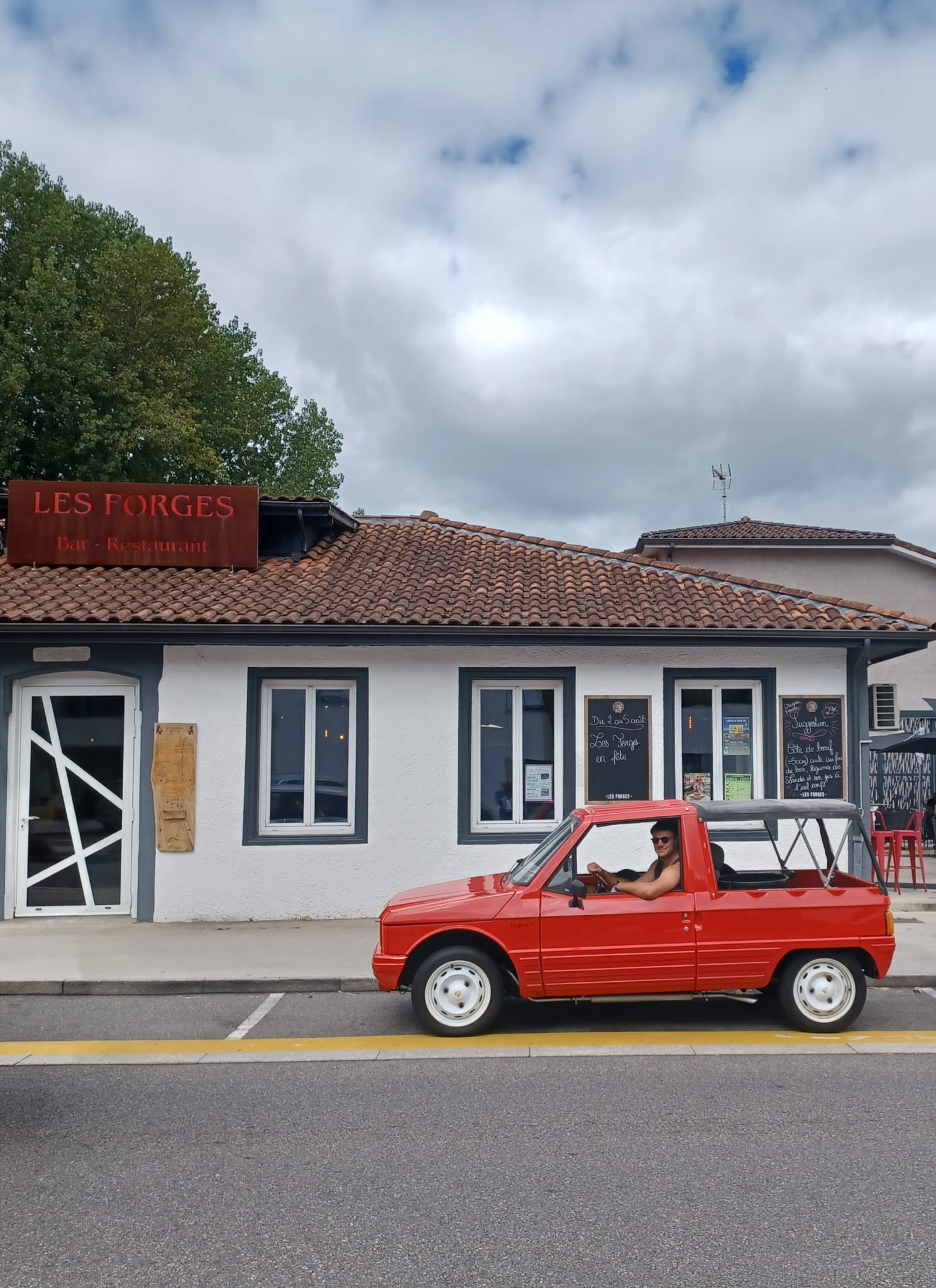
Aimed at a broad audience – from young drivers to farmers and tradespeople – the Tangara emphasized durability, ease of maintenance, and low running costs. Its versatility even attracted institutional buyers, including an order of 400 units from the French army. A rare four-wheel-drive variant, developed with Voisin transmission systems, added further appeal, though only 47 examples were produced.
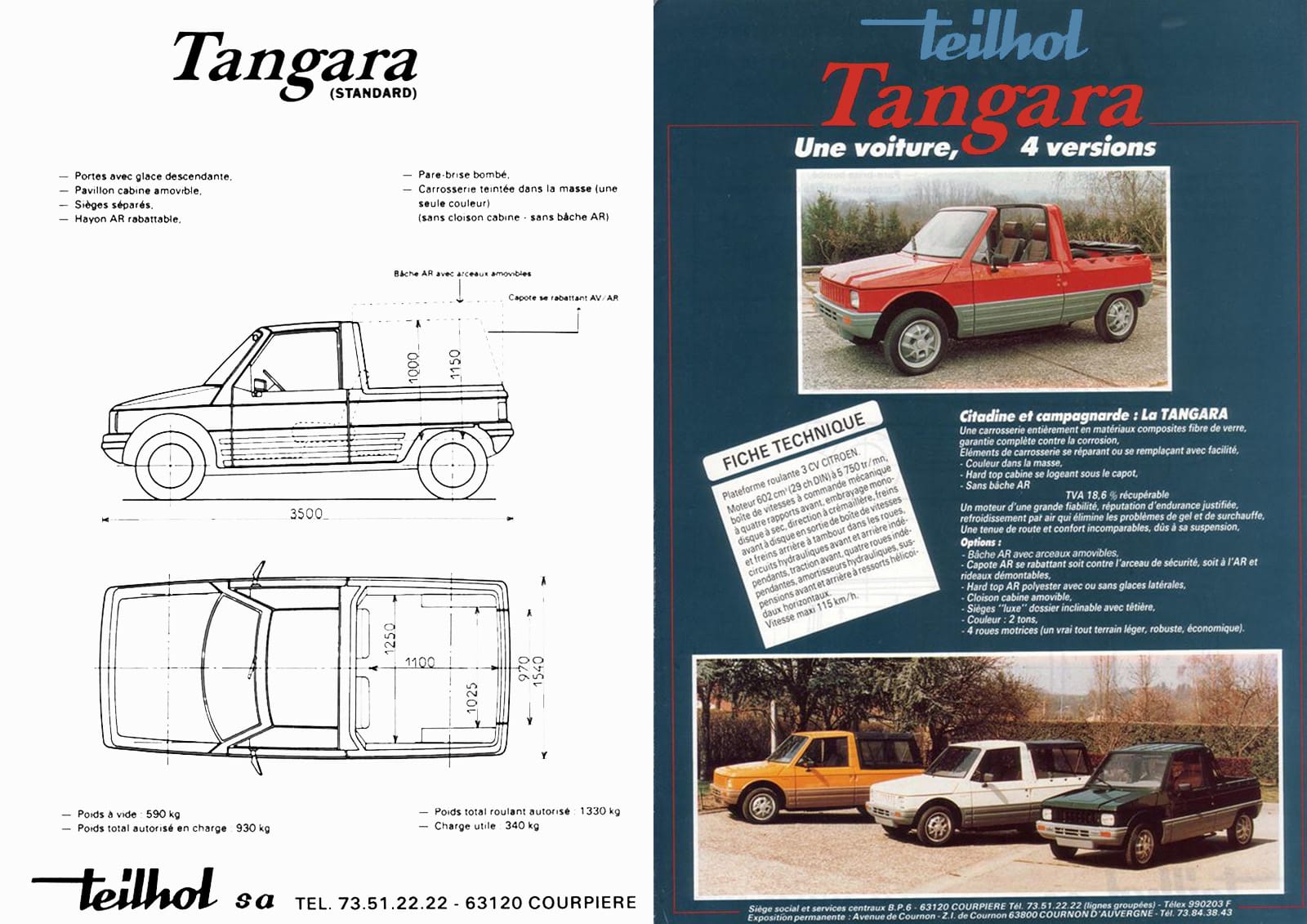
Despite a promising start, the Tangara’s future was undermined by tightening safety and emissions regulations looming in the early 1990s. Teilhol attempted to modernize the model by introducing a 1.1-litre engine from the Citroën AX in 1990, alongside launching a new model, the Théva. However, broader economic pressures, including a downturn affecting small manufacturers, proved insurmountable.
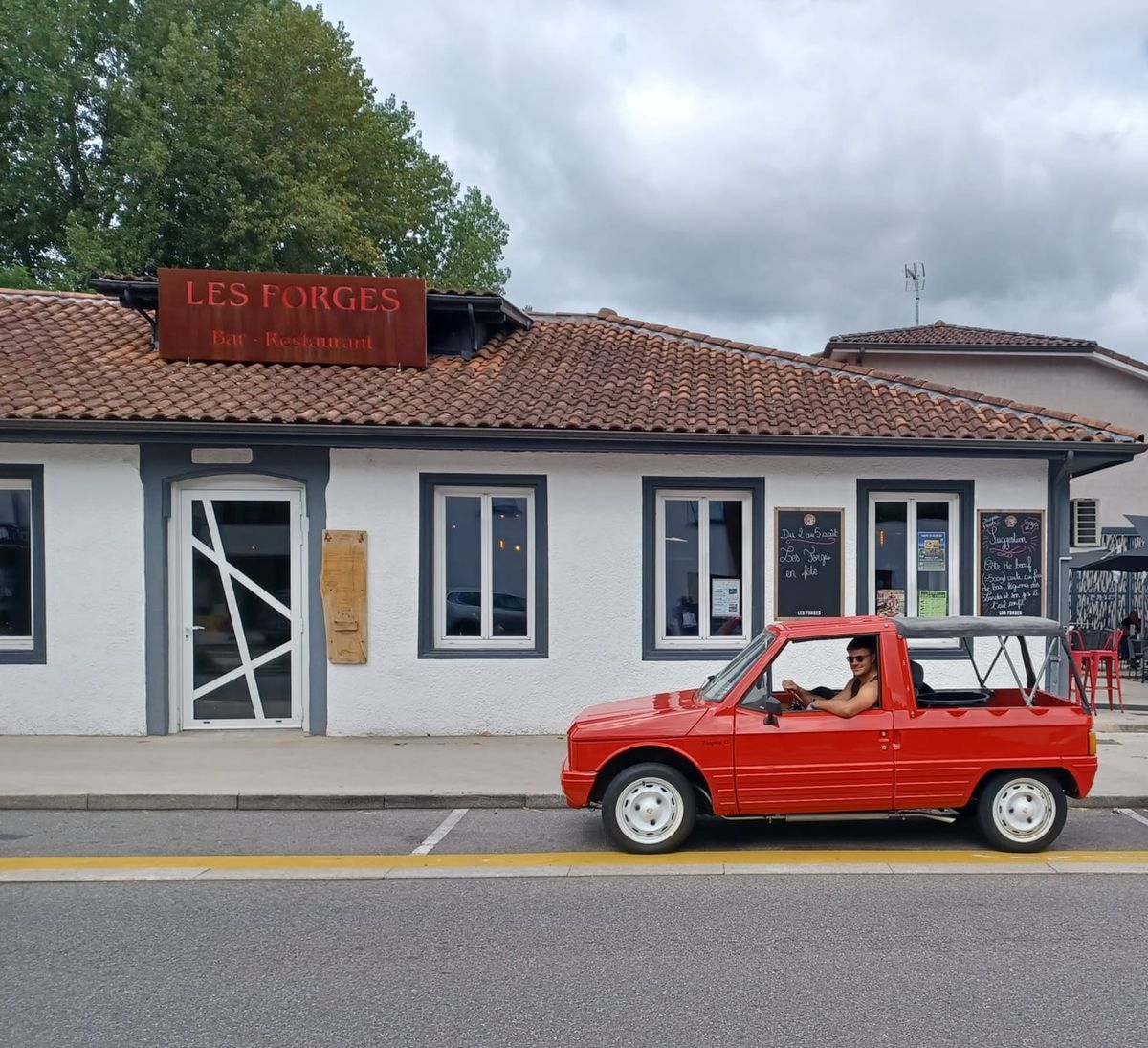
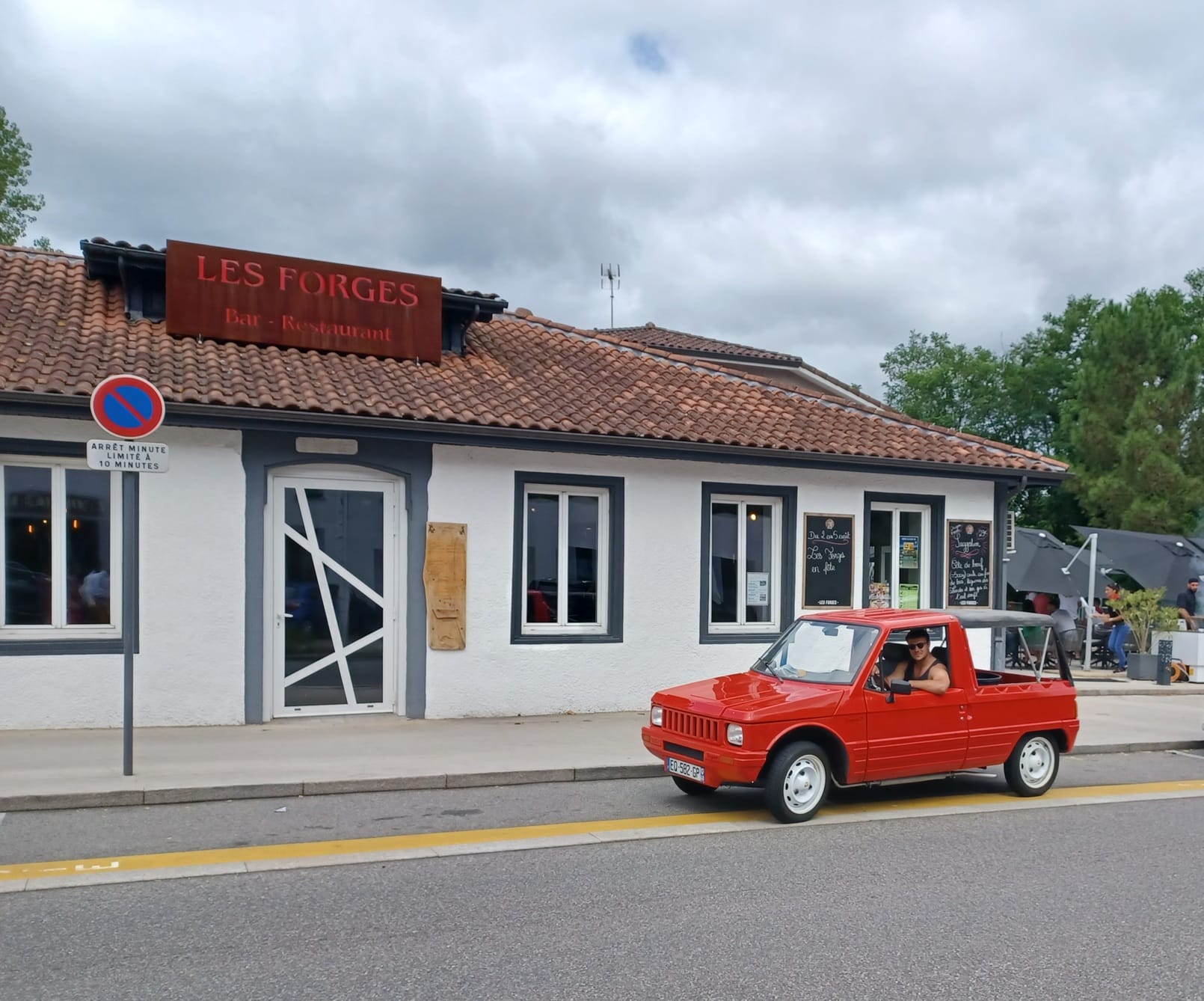
On 21st March 1990, Teilhol filed for bankruptcy, bringing an abrupt end to the Tangara’s short-lived story. In total, around 1,100 examples were built with 2CV engines, and just 65 with the newer AX-derived powertrain. Imagine my surprise when I came across this one in the Southwest of France last summer.
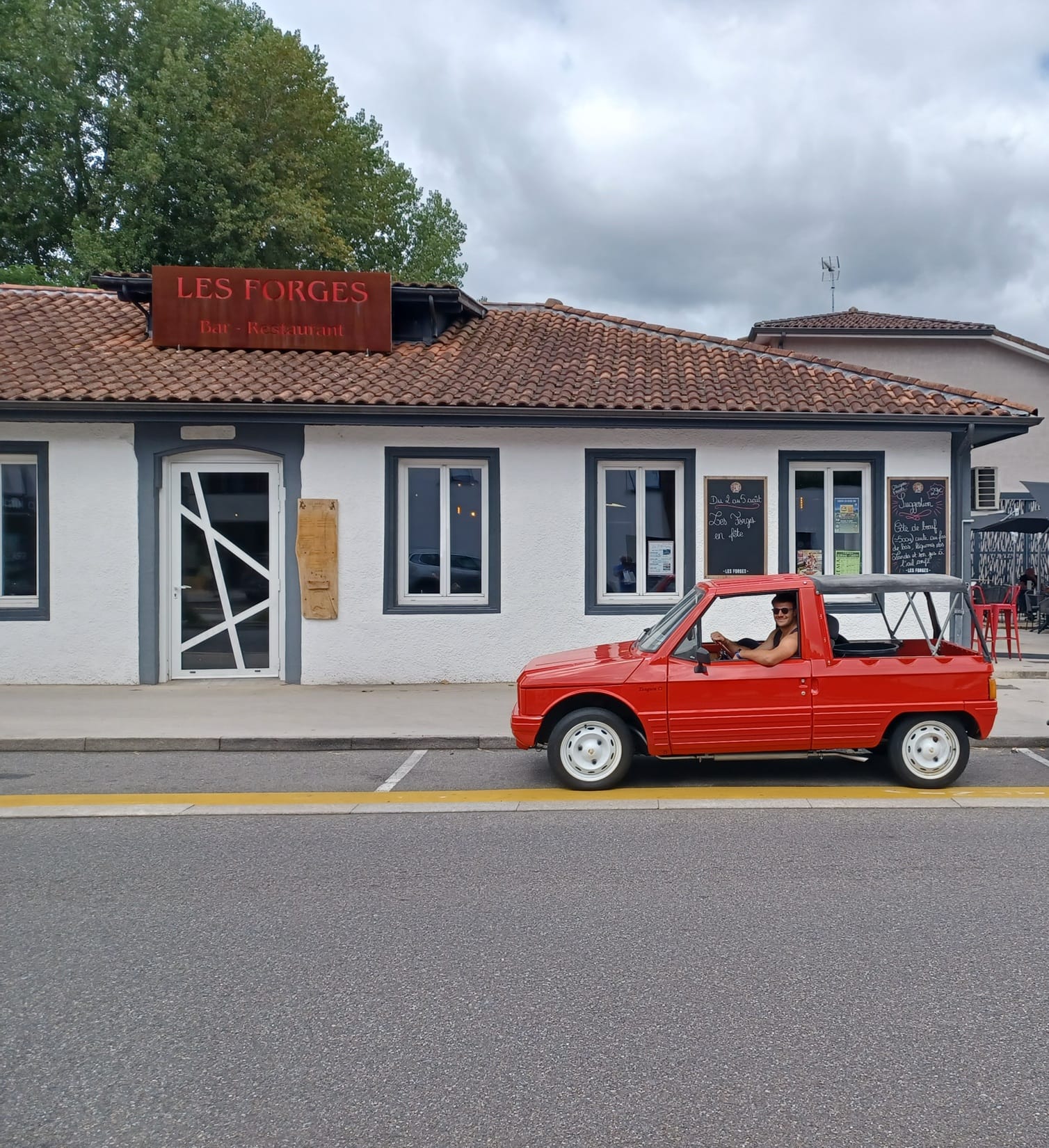
Today, the Tangara stands as a fascinating footnote in French automotive history, a final, spirited attempt to carry forward the legacy of the simple, go-anywhere leisure car. India could have done with a few of them, especially in Goa.
Comments ()