The Century of Aristocracy: The Erskine of Calcutta
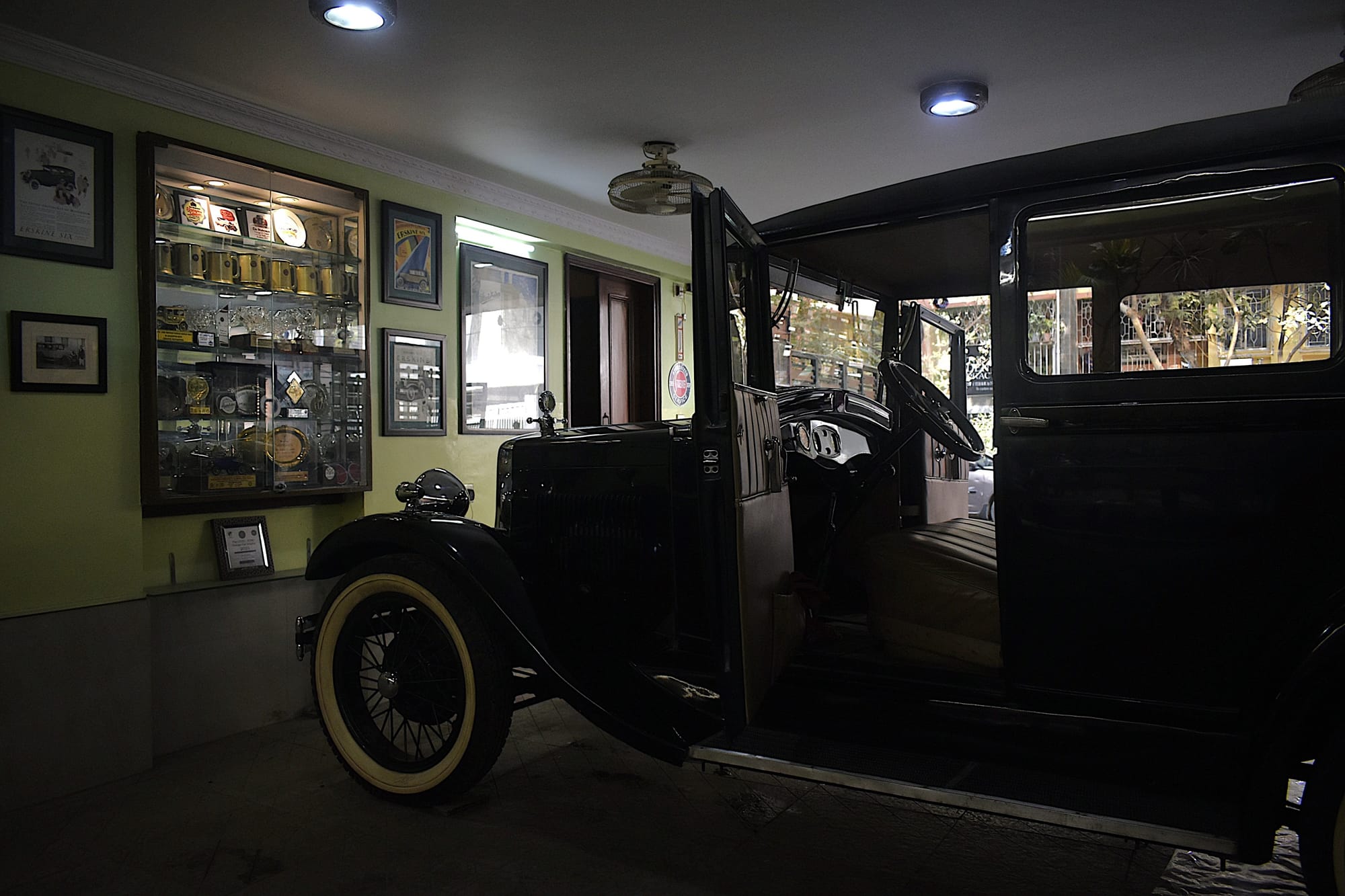
The Erskine Six was designed to meet the growing demand for smaller, affordable automobiles in Europe, yet it retained the elegance and sophistication associated with the Studebaker brand
Text & Images: Yatharth Sheth
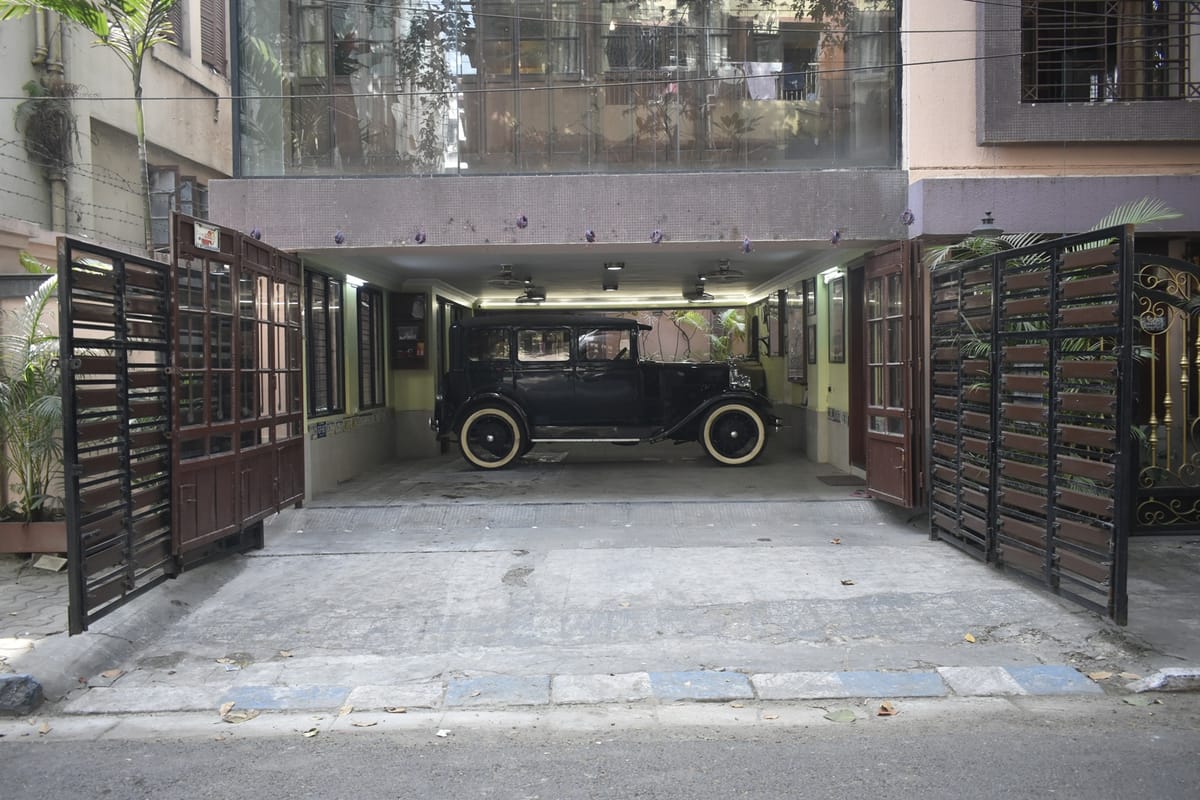
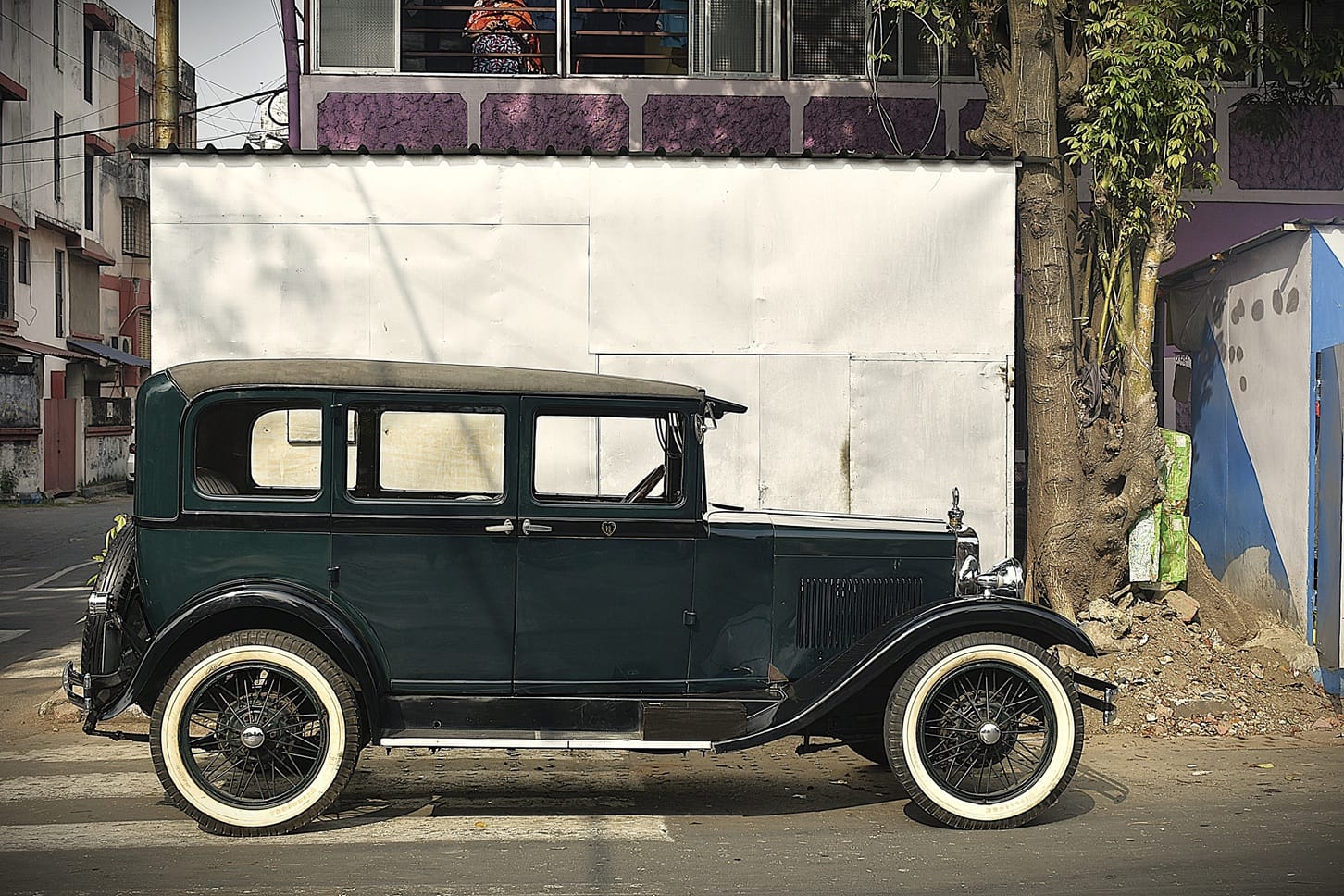
Known affectionately as the “Little Aristocrat,” the Erskine - produced by Studebaker - sold in modest numbers in India, particularly in the eastern capital of Calcutta, during the colonial era.
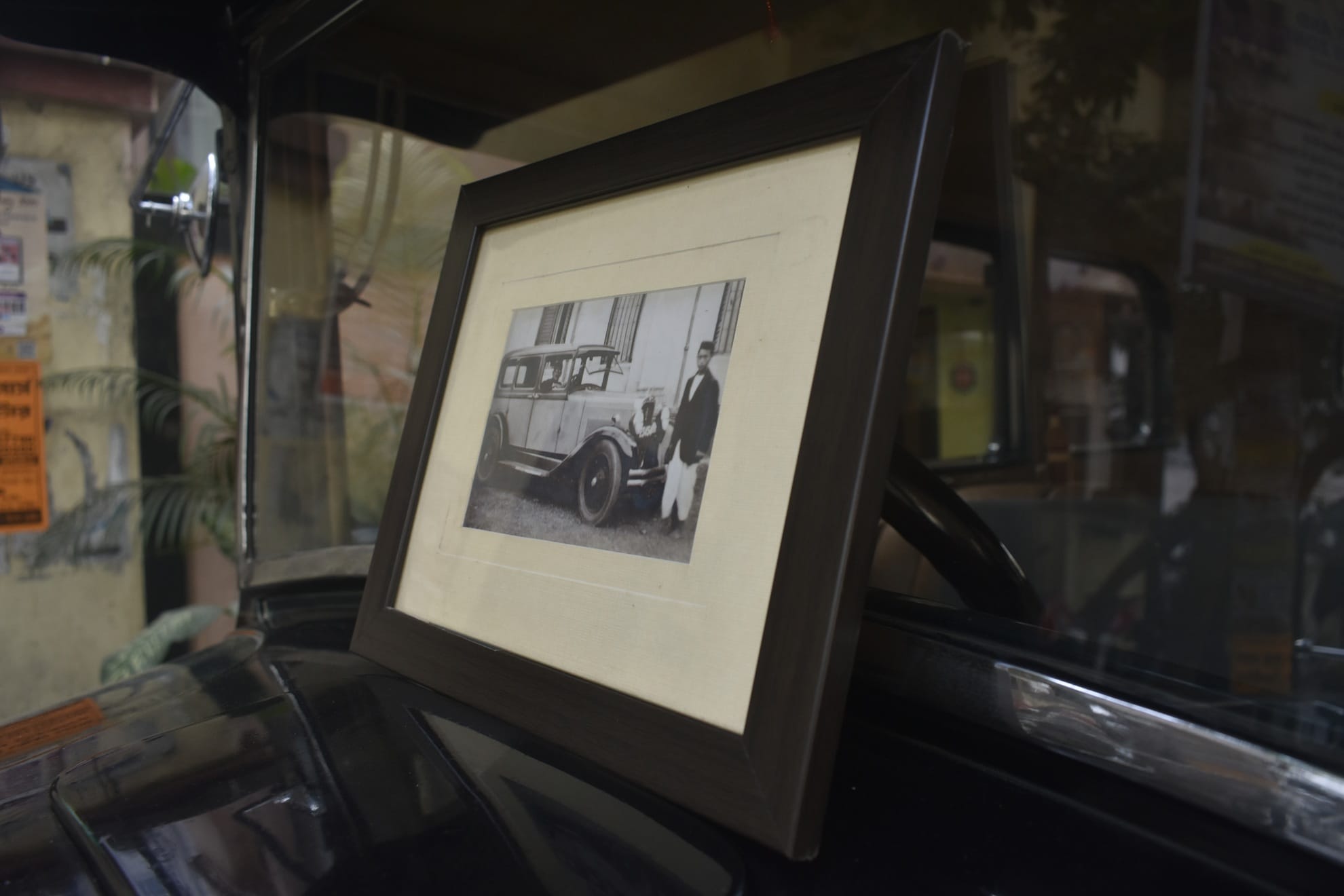
Produced in the United States between 1926 and 1930, the Erskine Six was designed to meet the growing demand for smaller, affordable automobiles in Europe, yet it retained the elegance and sophistication associated with the Studebaker brand.
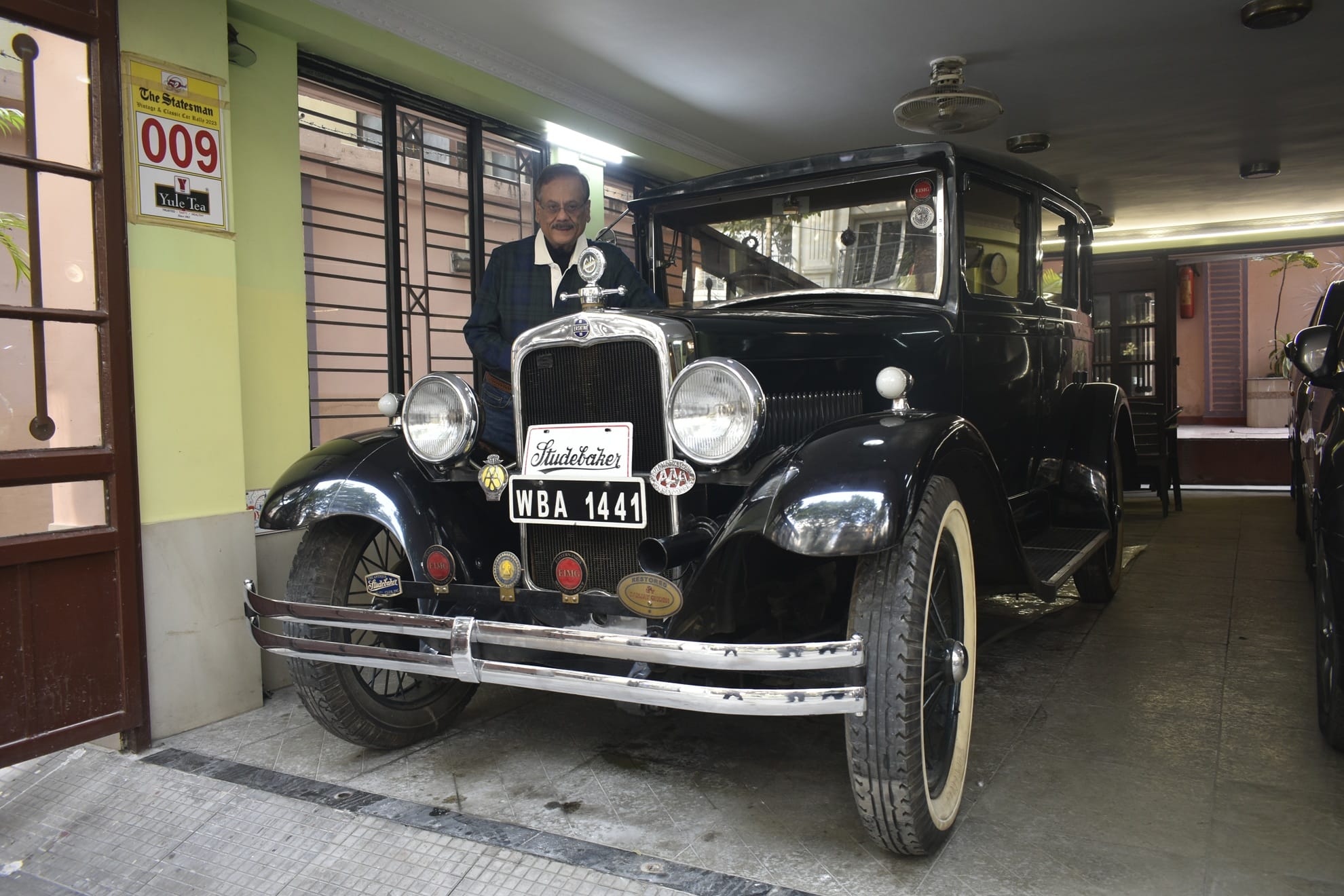
This particular Erskine has a fascinating lineage. It came into the possession of Kunal Banerji, having been inherited directly from his grandfather, P K Banerji, making him the second-generation custodian of this historic vehicle.
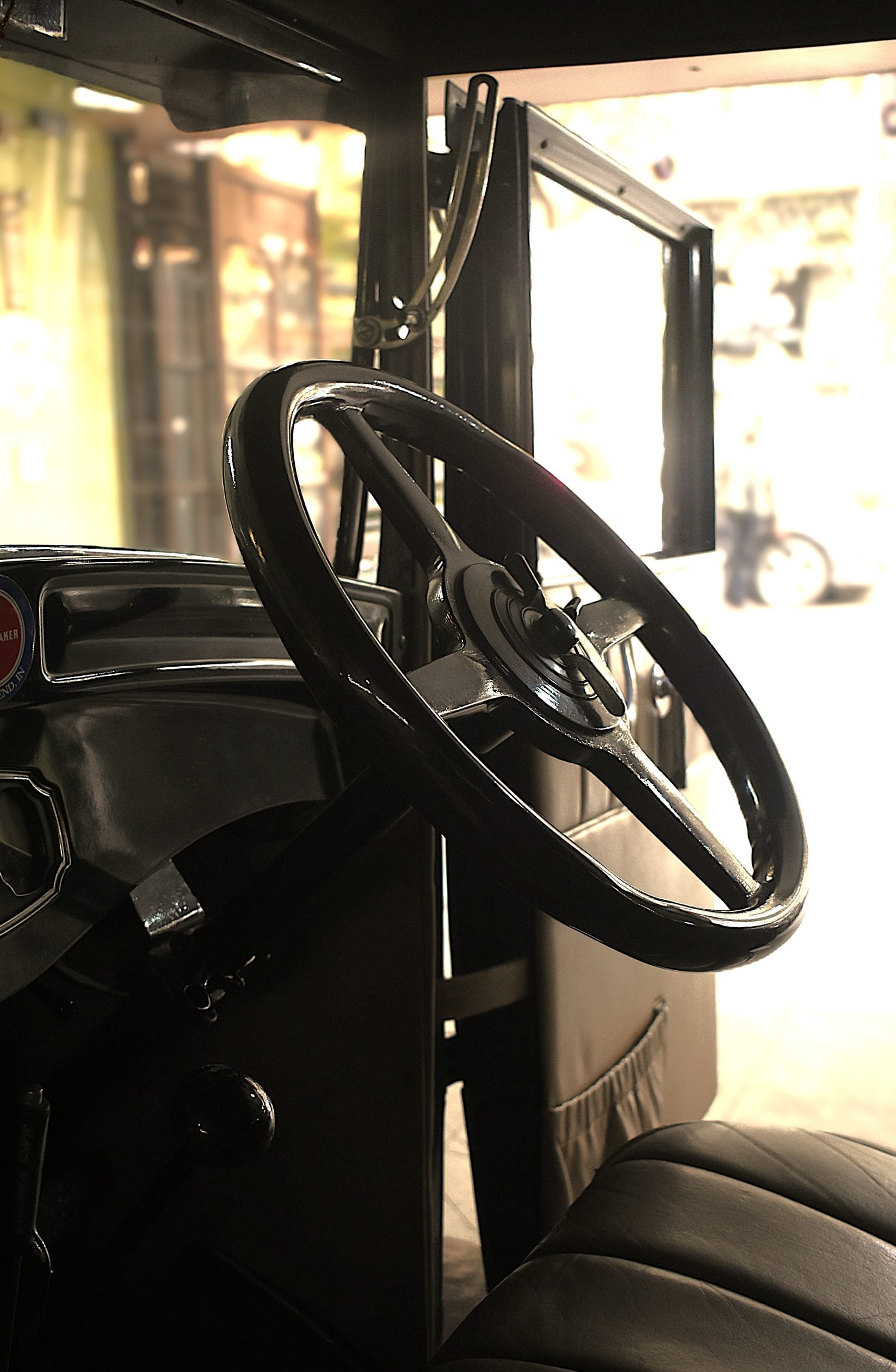
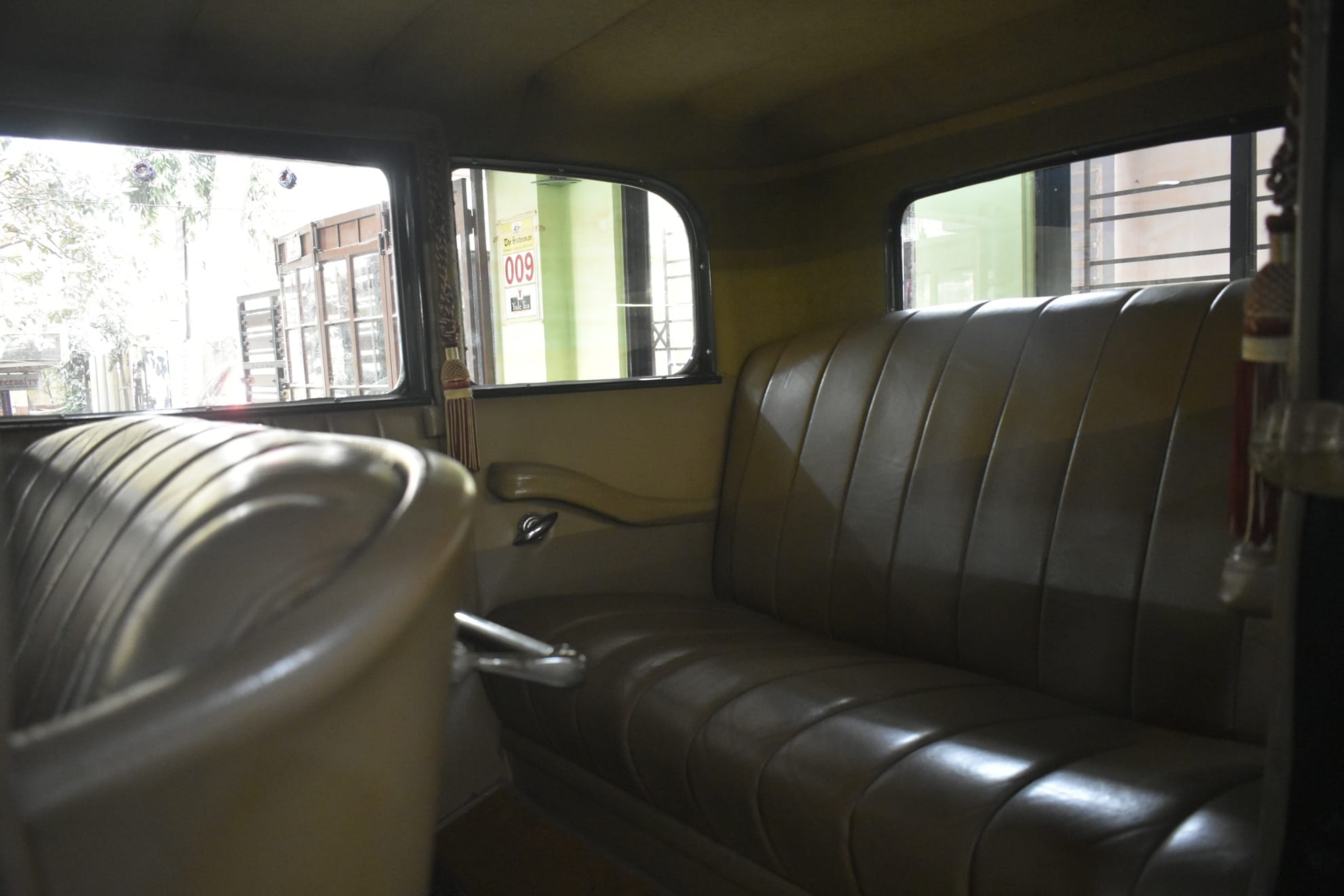
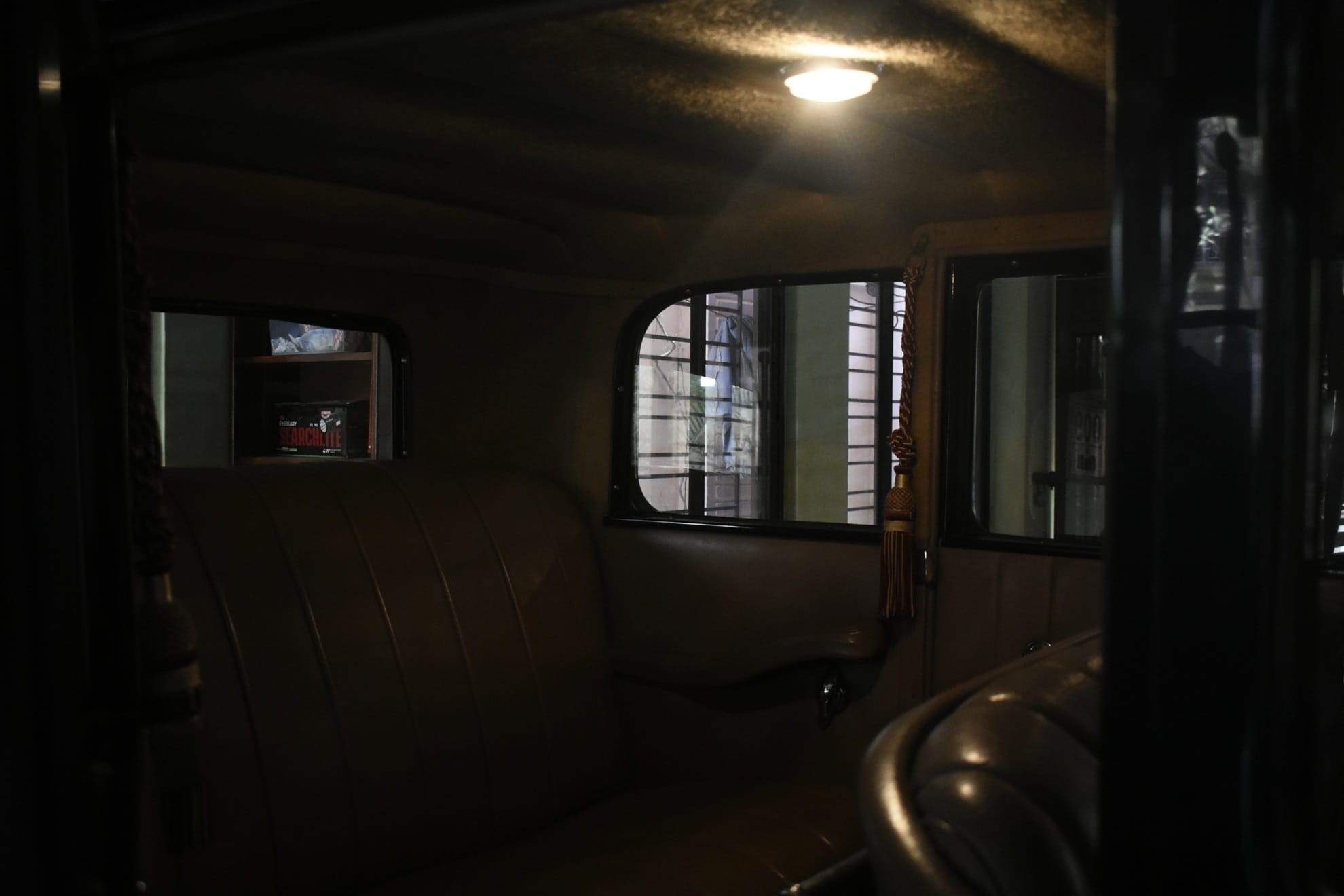
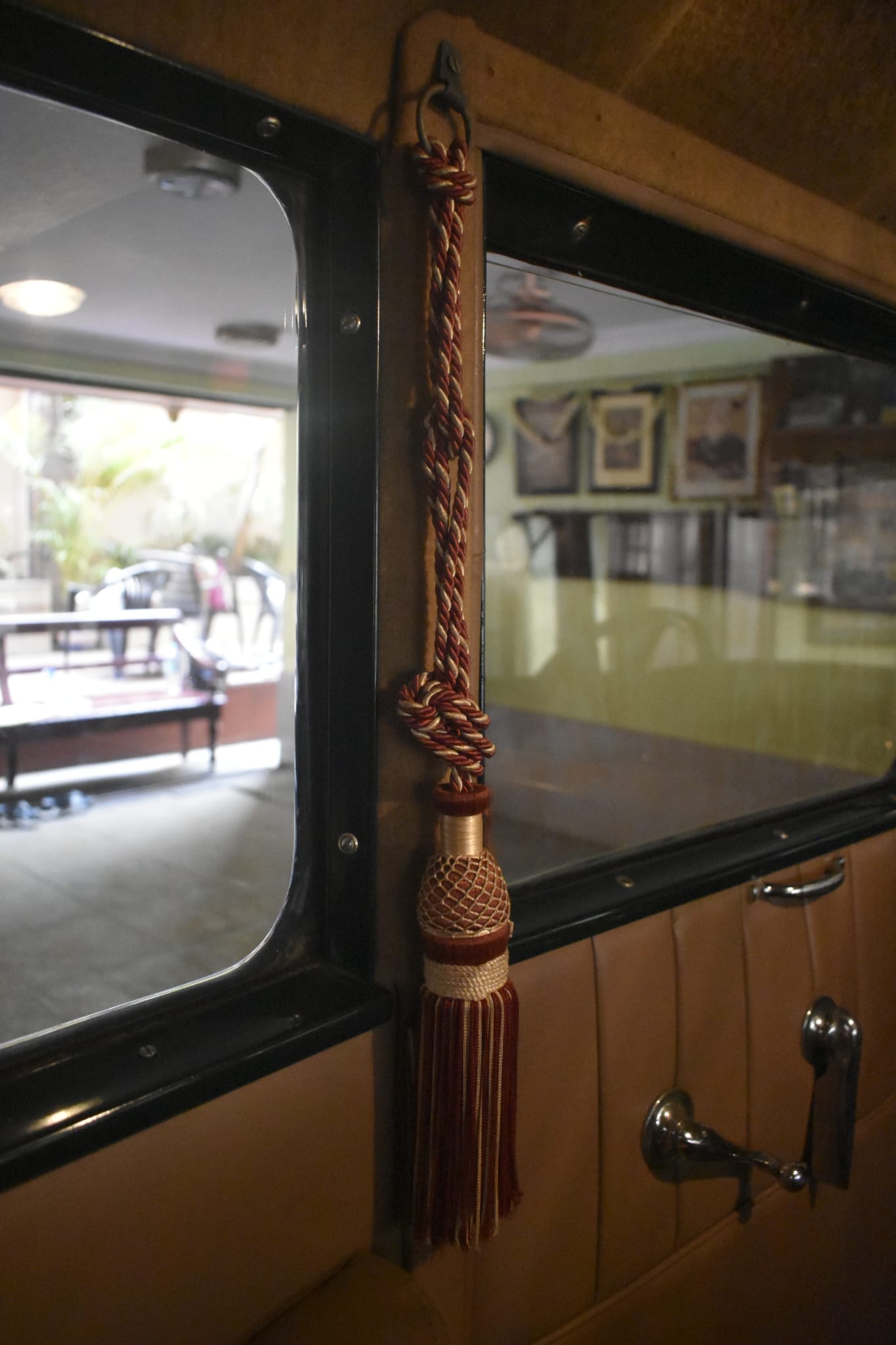
Views of the Erskine's interior
Acquired in 1926, the car was eventually restored in the 1960s, and it became a symbol of automotive refinement and a cherished collector’s piece for the family.
One of the car’s most iconic features is its hood ornament, designed by Harison Hurlbert Boyce around 1911-12.
Beyond its decorative appeal, the ornament included a practical temperature gauge on the rear that would turn red if the engine overheated, an innovative touch that reflected the Erskine’s thoughtful blend of style and utility.
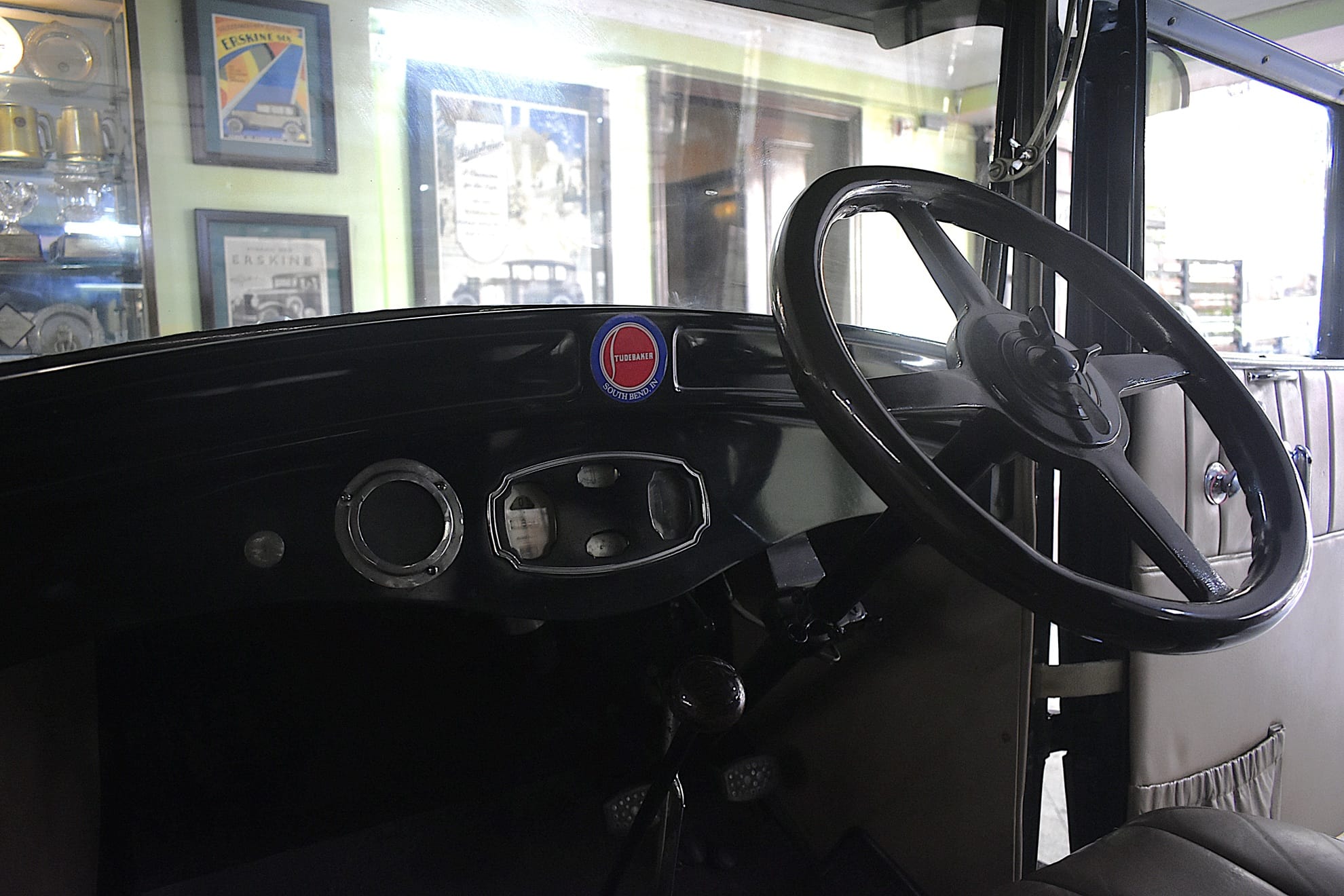
Inside and out, the Erskine was built to impress. Its interior exuded aristocracy, turning heads and sparking conversations wherever it appeared.
Despite its elegance, the Studebaker Corporation marketed the Erskine as an affordable luxury, with prices ranging from $895 to $1,125, allowing aspirational buyers to experience high-class motoring without extravagance.
The Calcutta Erskine has not only survived the passage of time but has actively participated in India’s automotive history.
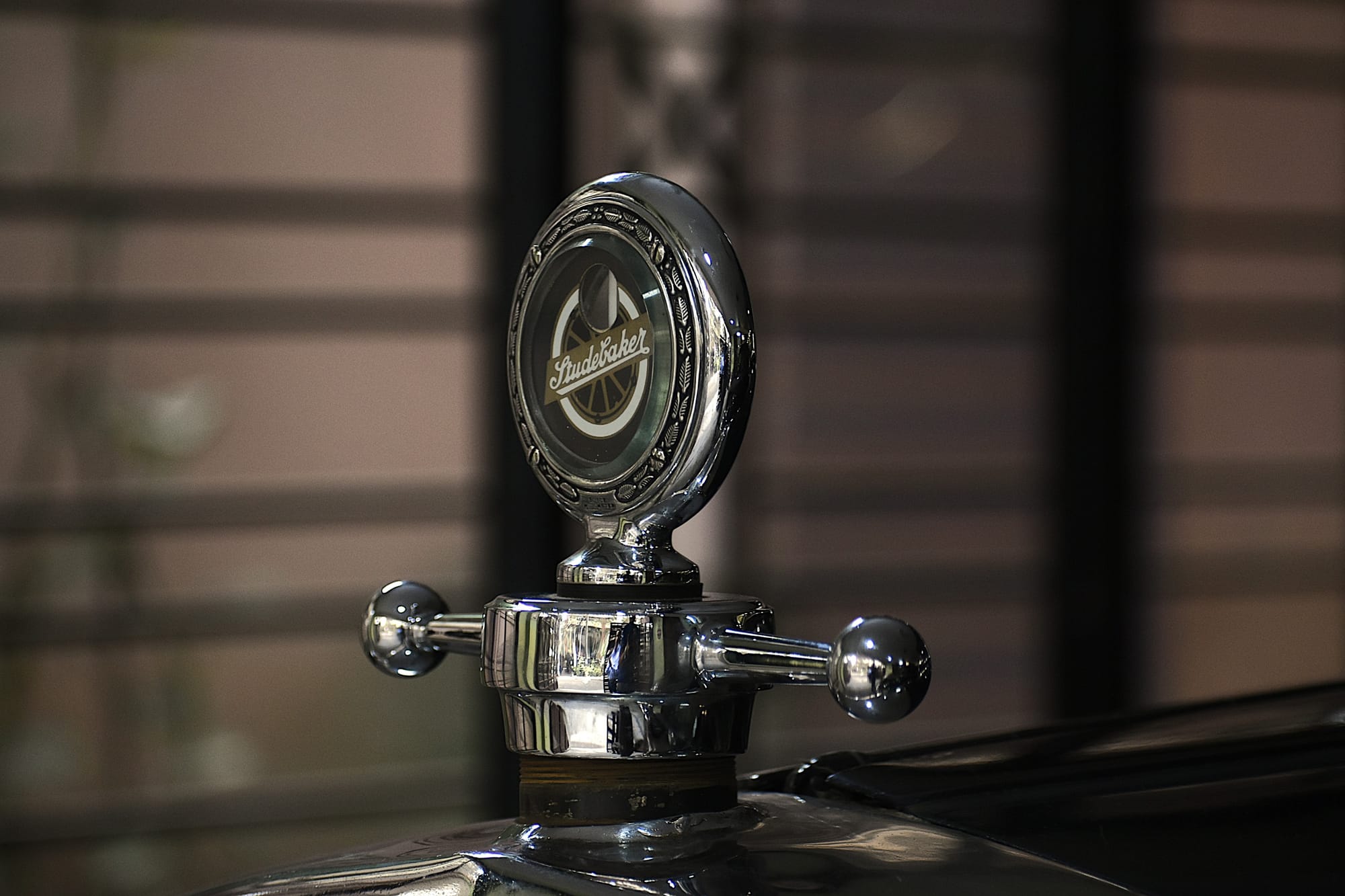
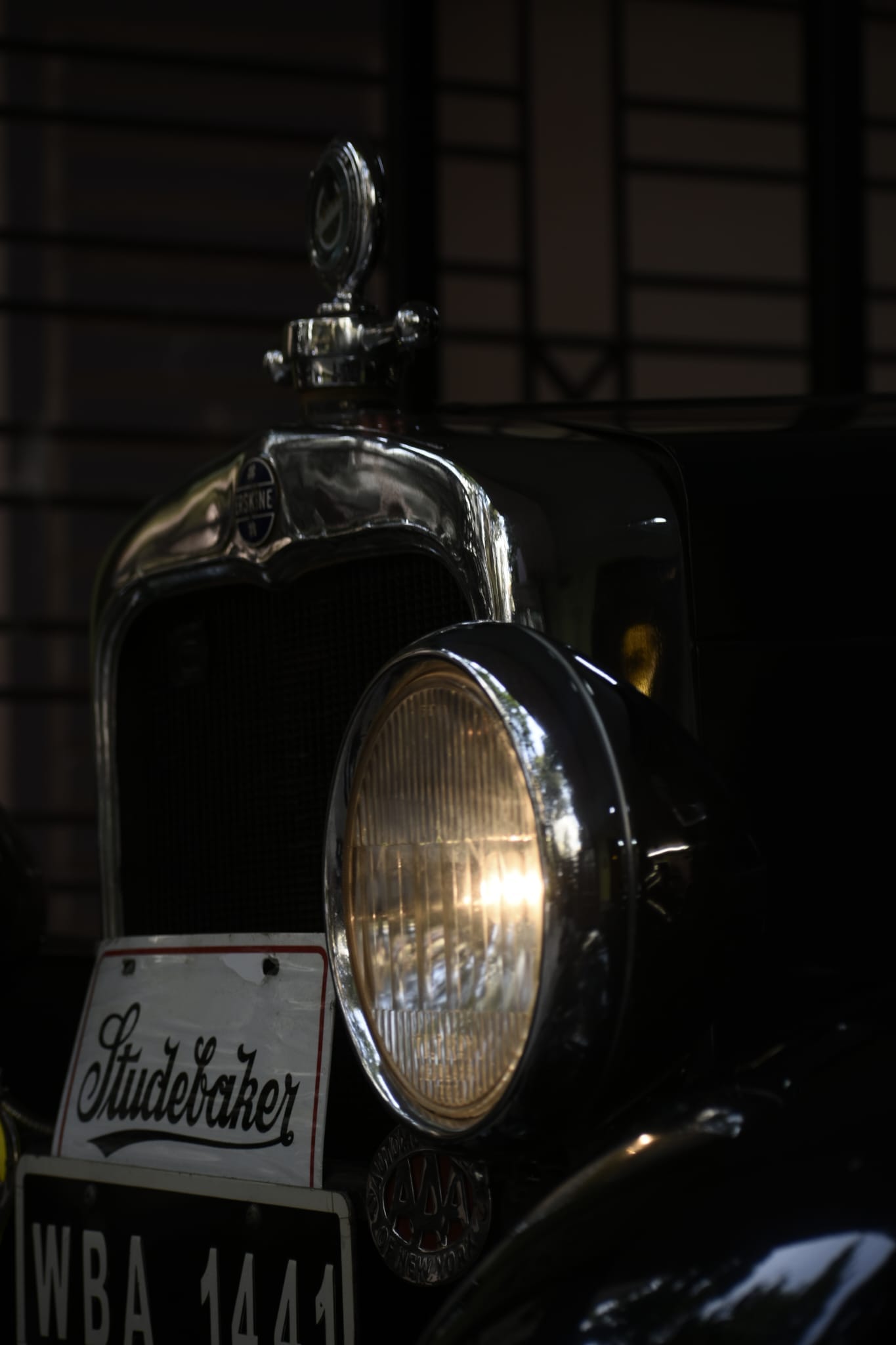
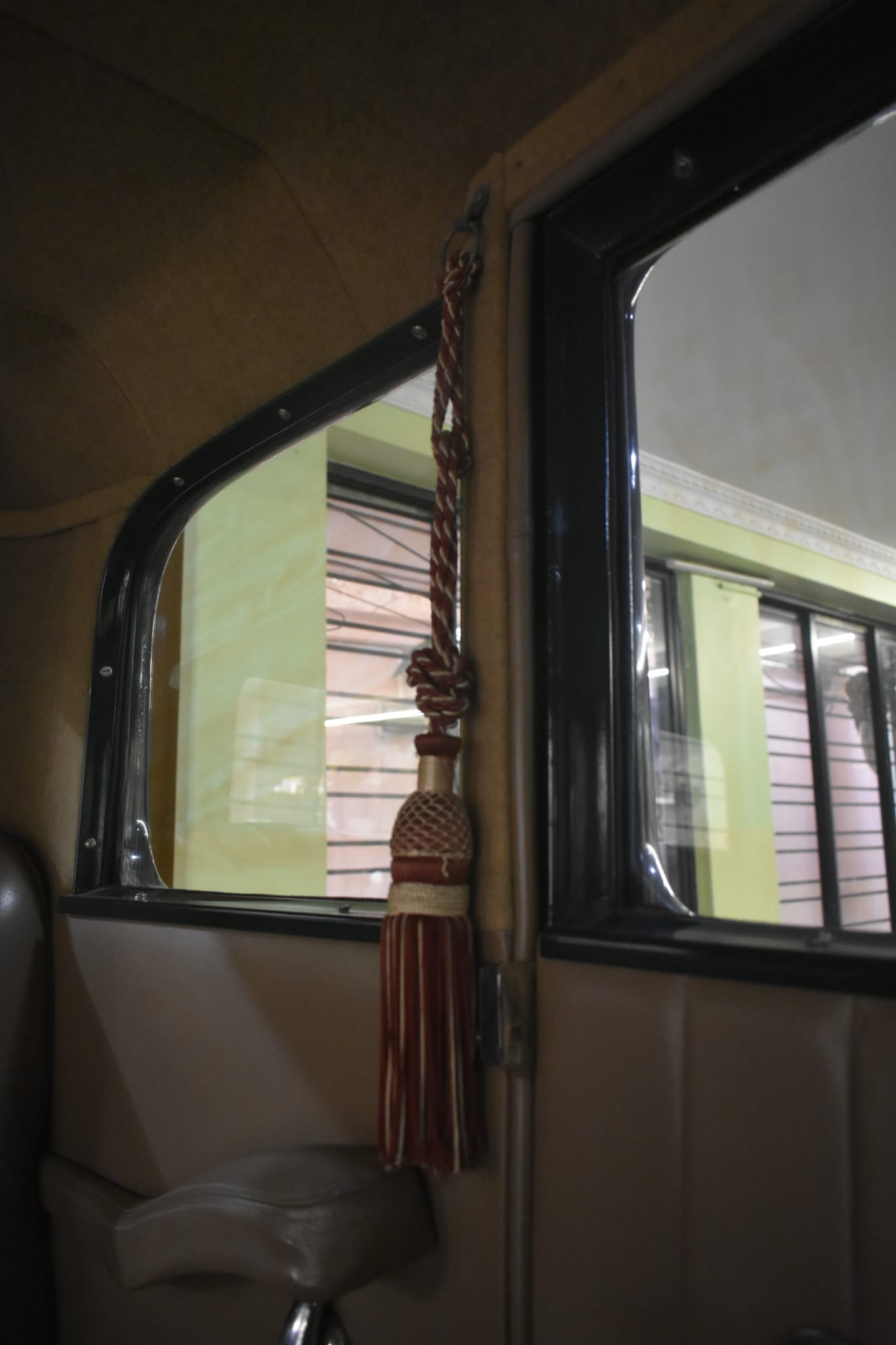
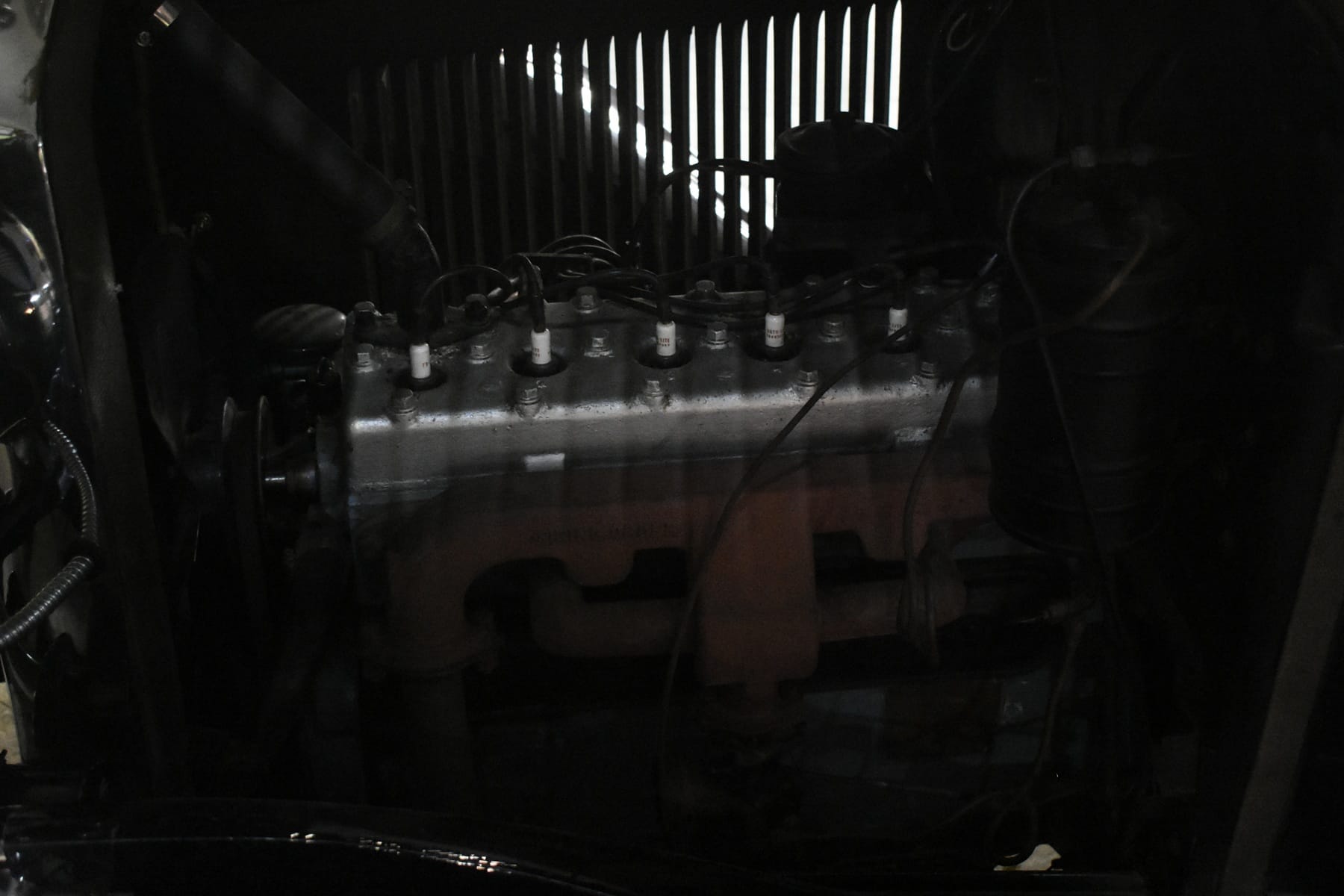
The hood ornament of the Studebaker Erskine (top left/right); a close-up of the tassel tieback within the interior (bottom left); under the bonnet, the Erskine's sturdy inline six (bottom right)
It remains one of the few surviving Erskines in the city and has been a regular at historic vehicle rallies, beginning with the 1968 Statesman Vintage & Classic Car Rally in Calcutta, itself inspired by the inaugural Delhi event of 1964.
Its continued presence on the historic vehicle circuit underscores both its mechanical resilience and its enduring charm as a conversation piece and collector’s treasure.
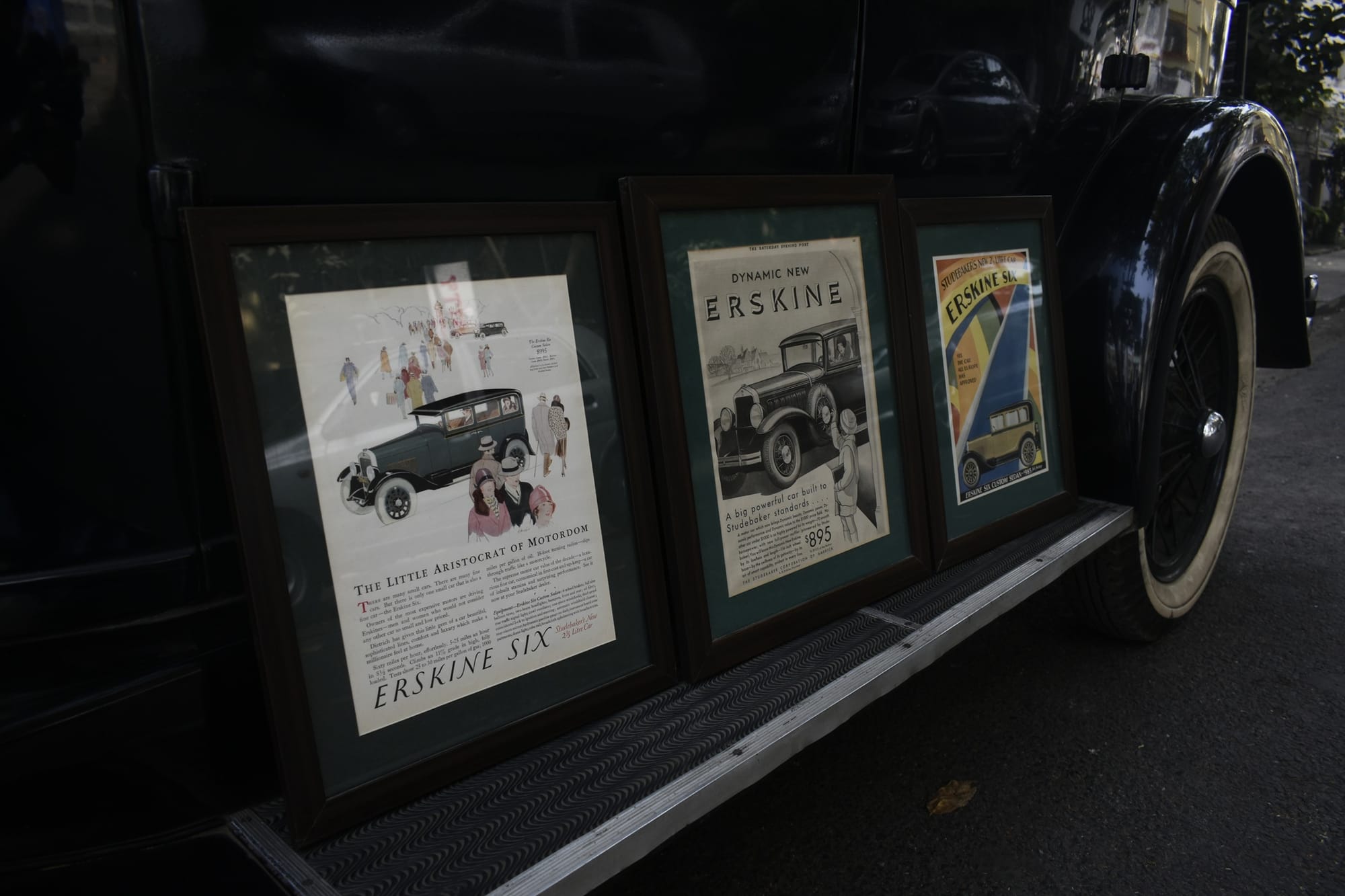
The Calcutta Erskine is more than just a historic vehicle; it is a living relic of a bygone era, a testament to the international reach of early 20th-century American automotive innovation, and a symbol of aristocratic elegance that continues to captivate enthusiasts across generations.
Comments ()