The Gems of Car-Spotting: OSI-Ford 20M TS
The OSI-Ford debuted at the 1966 Geneva Motor Show: a stunning design with a sleek, swooping steel body and a distinctive Kamm tail
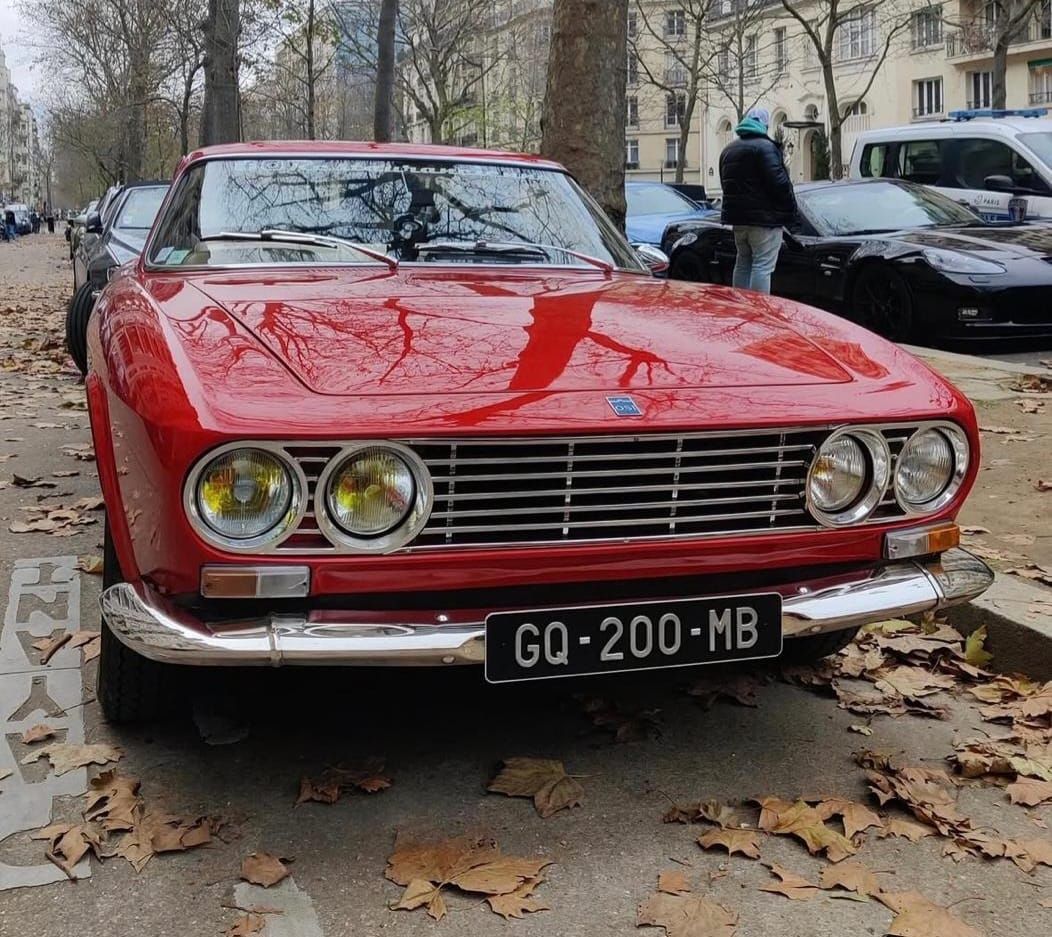
Text & Images: Ameya Vikram Mishra
One of the highlights of my two years in Paris was the Sunday car meets at Place Vauban in the posh 7th arrondissement, (almost) walking distance from my university at Rue Saint-Guillaume. An inherently informal gathering of enthusiasts from in and around the city convening just to chat about cars and grab a cup of coffee, it quickly became part of my weekly routine.
The Parisian car culture is eclectic to say the least. And that was part of the intrigue – every week you could encounter something you didn't think you would on a random Sunday morning. A Lotus Omega (yes, that one), for example, would be parked next to a Renault Espace, which would be parked next to a quirky special edition Peugeot 205.
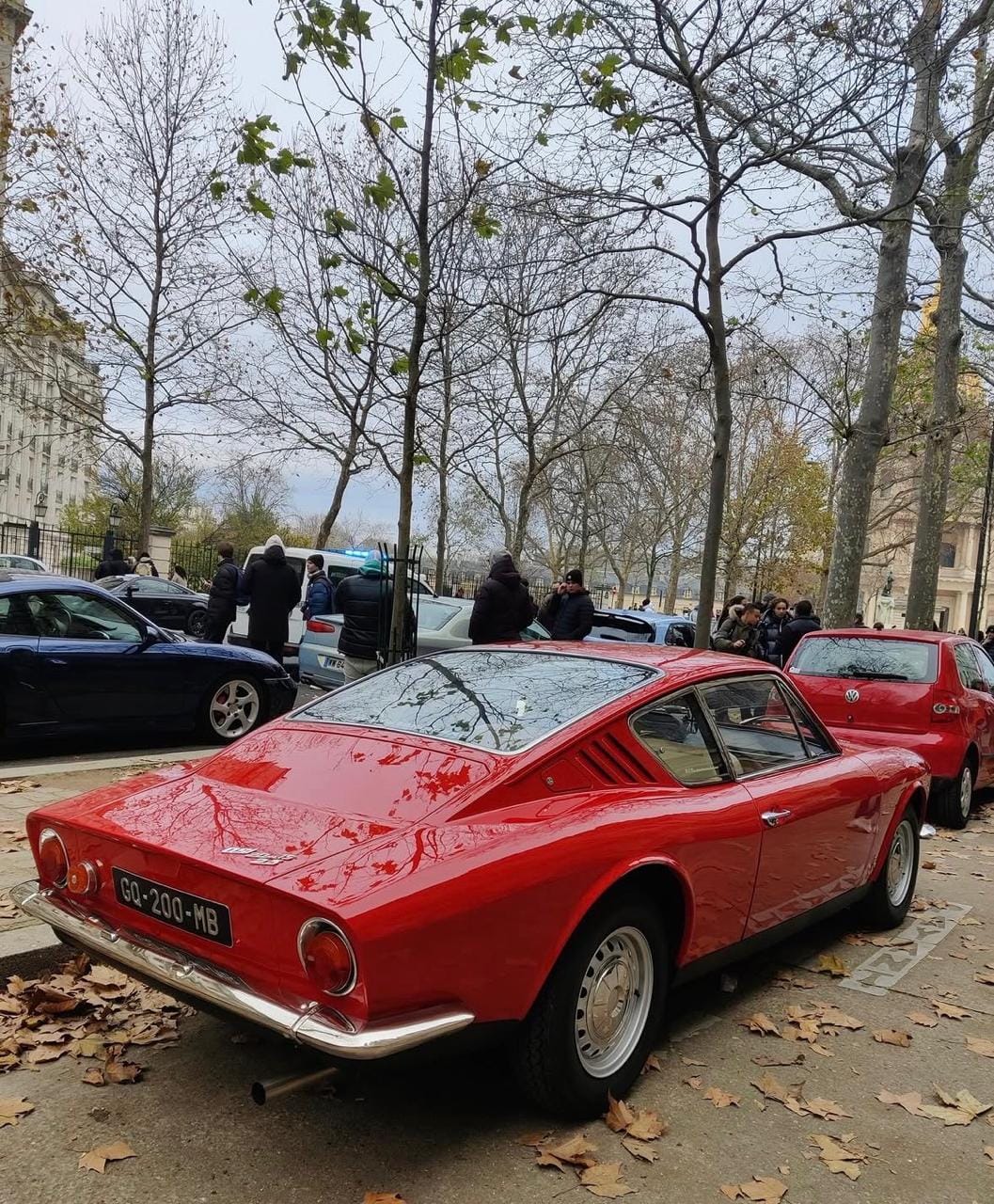
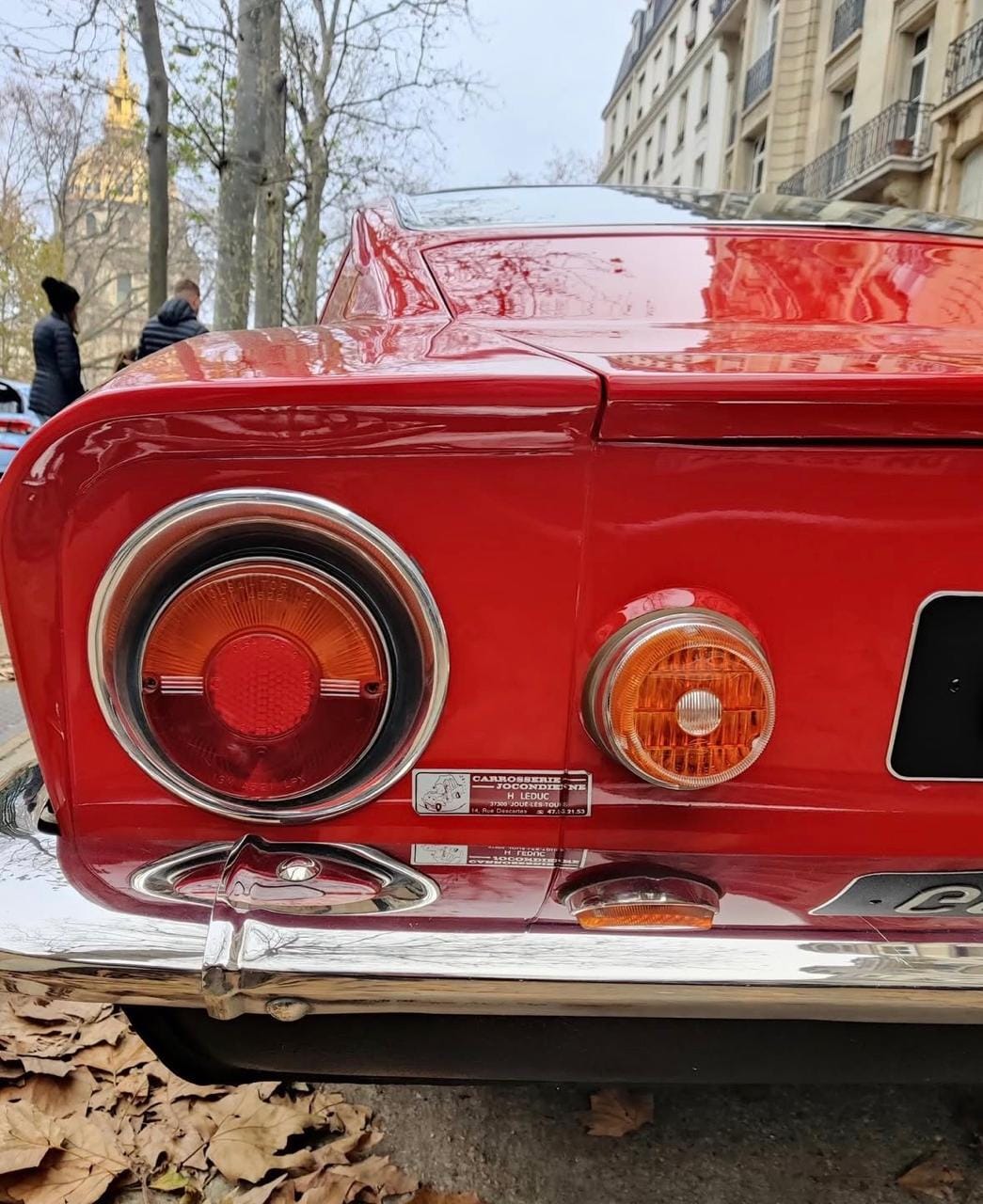
One such subject of my intrigue was a rather stylish Italian-looking red grand tourer parked unassumingly behind a MkV Golf on a chilly December morning. I had never seen or heard of such a car before. To my untrained eye, it looked like an exotic Ferrari or Maserati from the 1960s (I would be surprised to discover that this was in fact a Ford underneath, but more on that later).
Curiosity encouraged me to seek our editor's counsel in identifying what this machine was. As with any such rarity, he immediately identified it as an OSI-Ford, a 20M TS 2.3 to be precise, followed by a brief lecture on this very special Italian coachbuilder and its collaboration with Ford.
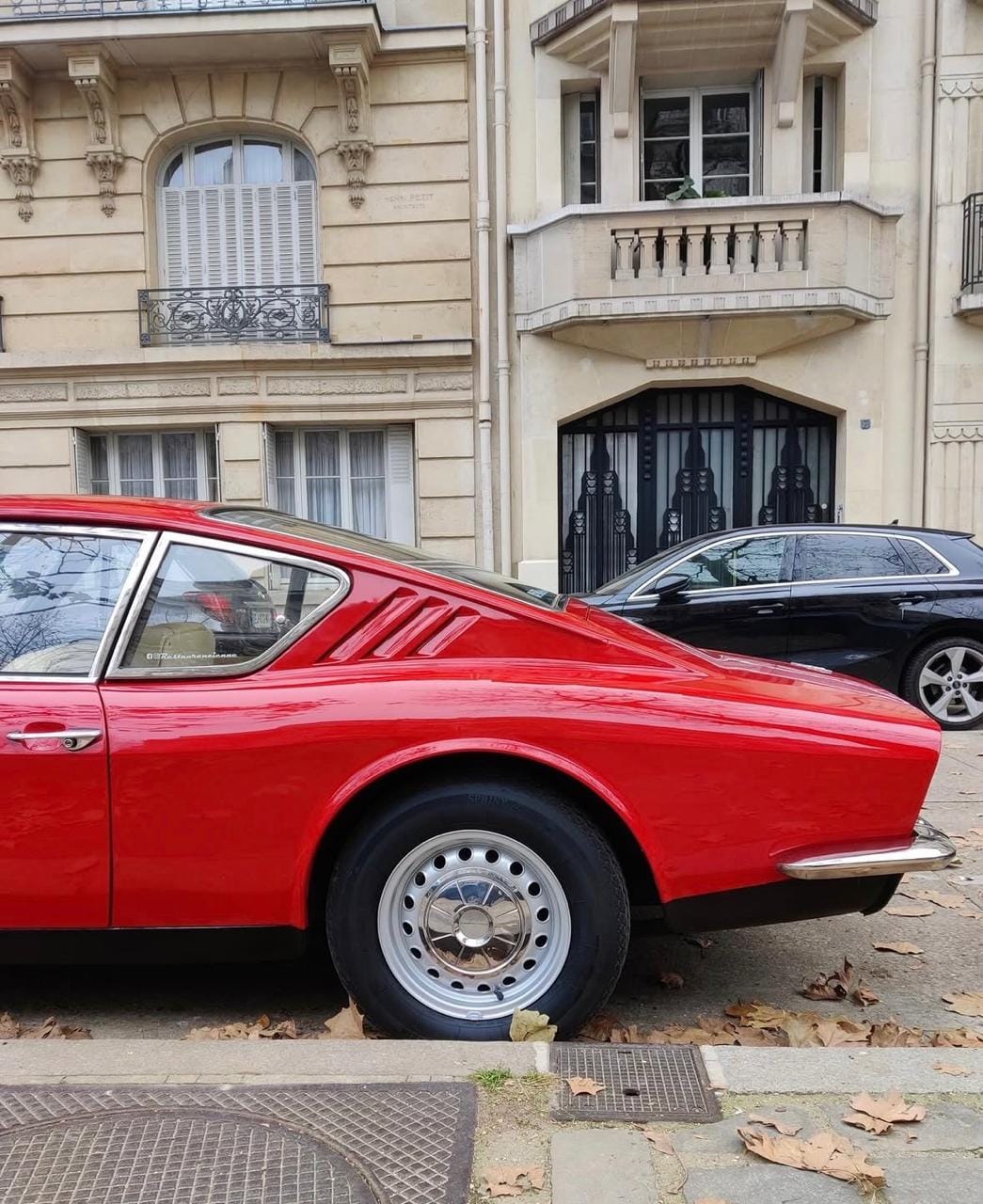
So, the story goes something like this – in early 1965, Ford of Europe in Cologne commissioned Officine Stampaggi Industriali, or OSI, to design and build a successor to the Taunus Coupé. Founded in 1960 as a subsidiary of the then legendary Carrozzeria Ghia, this task was right up OSI’s alley – it was formed with the intention of producing special bodies for run-of-the-mill, mass-produced cars. In fact, its early commissions included special bodies for the Innocenti 950 Spider and the Fiat 1300/1500 Familiare.
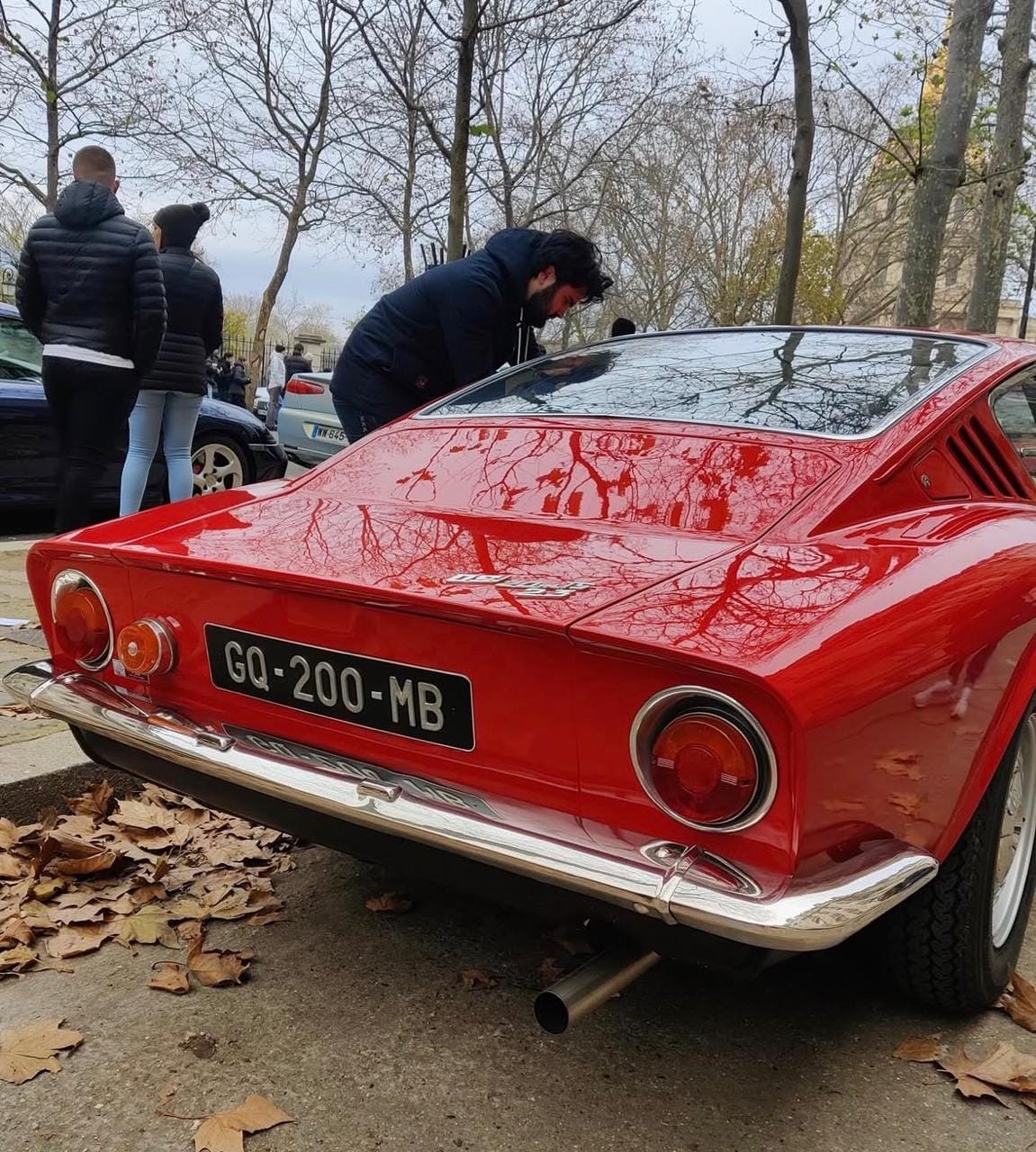
The styling duties fell to Sergio Sartorelli, the man behind the Karmann Ghia Type 34, Maserati 5000 GT and Alfa Romeo Scarabeo. The brief was simple: to build a halo car using as many Ford’s back catalogue parts as possible to fill in the gap and tidy up Ford’s brand perception to lure customers to eventually make deposits for the Capri.
The result debuted at the 1966 Geneva Motor Show: a sleek, swooping steel body with a distinctive Kamm tail. Thanks to its stunning design, it gained enough attention for Ford to green-light series production.
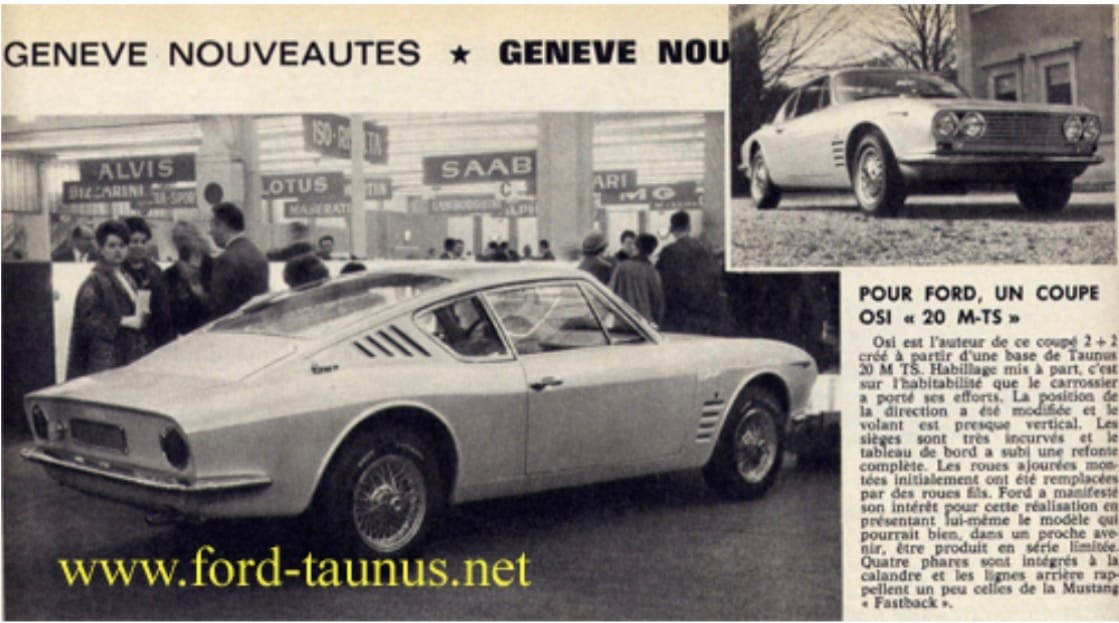
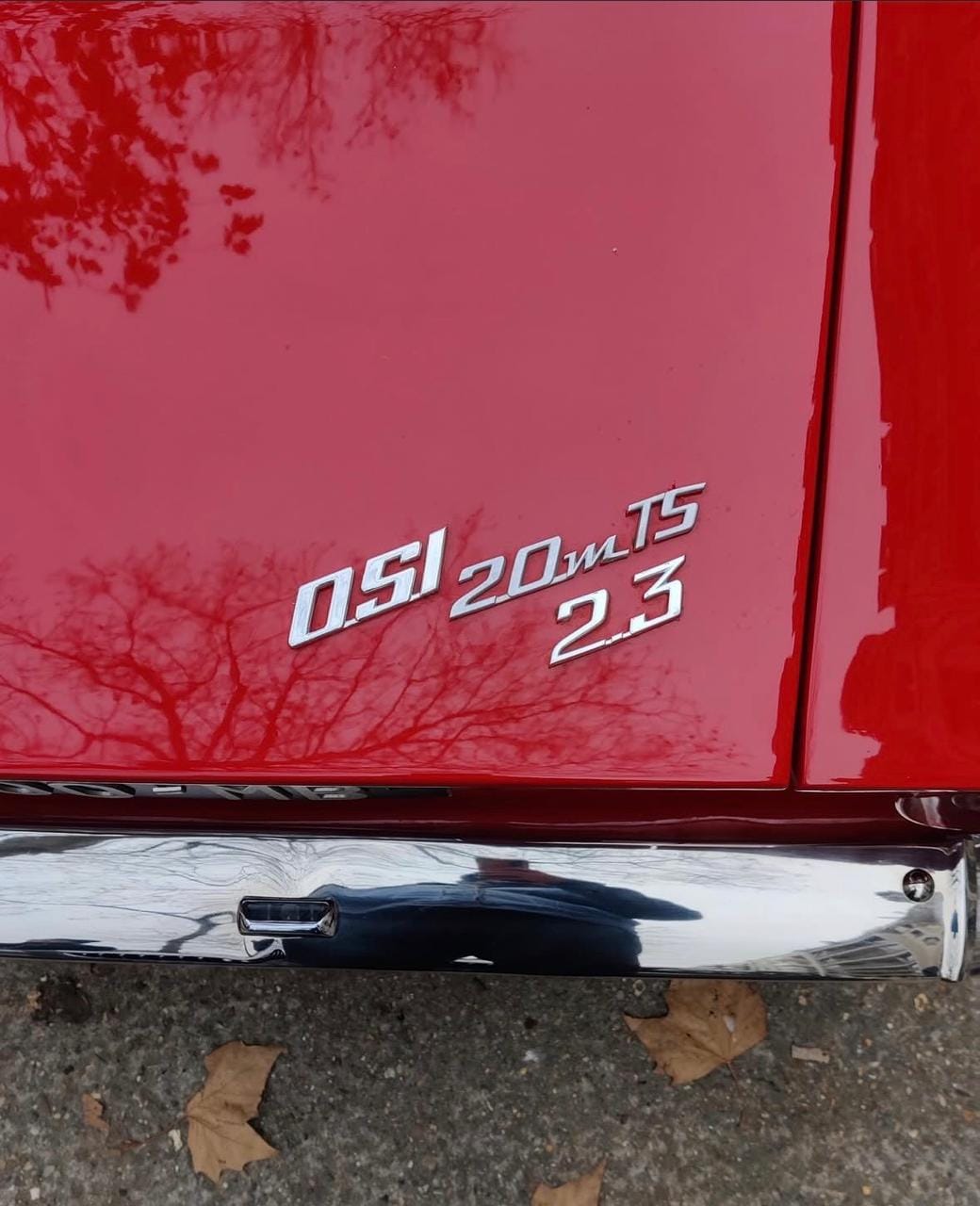
Under the skin, it remained similar to the Taunus, including the 2.0L Cologne V6. Later versions, like this stunning example in red, featured the larger 2.3L V6. While it may look like a Maserati, the underpinnings were straightforward: MacPherson struts up front and a live axle with leaf springs at the rear. In fact, these cars were also to be serviced through Ford’s dealer networks.
Interestingly, a convertible version was also showcased at the 1967 Turin Motor Show, but the concept never saw the light of day.
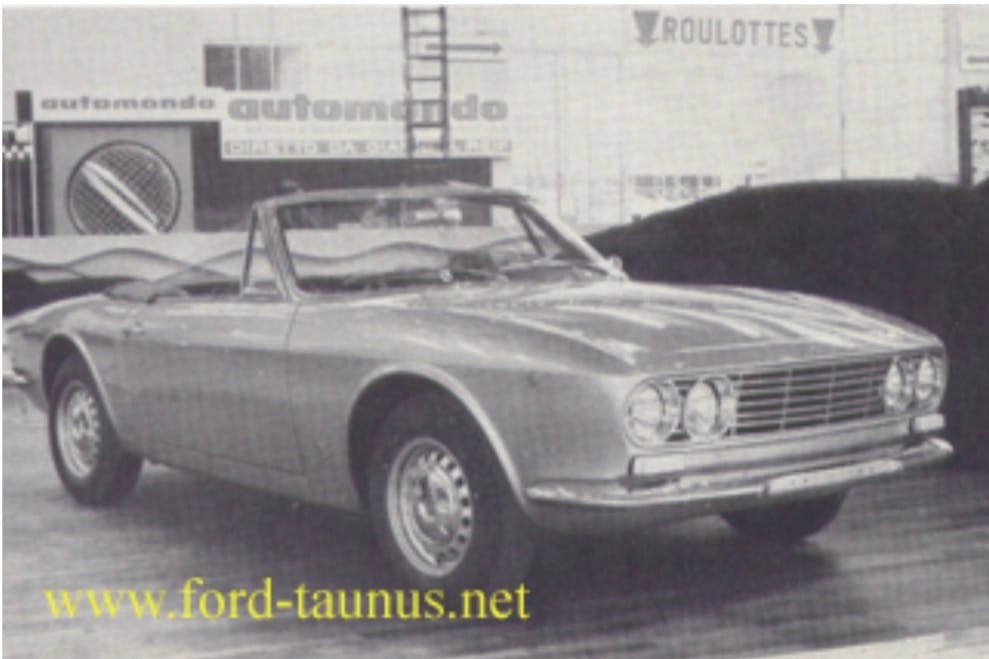
Less than 1300 examples of the OSI 20M TS were produced. By 1968, as was the case with many such small coachbuilders at the time, the company went bankrupt and production ceased.
The OSI 20M TS actually enjoyed early success in Germany but was eventually cannibalised by the arrival of the Mustang, which offered similar styling cues alongside a more diverse choice of engines and stronger performance numbers. (And, by 1969, Ford of Europe had the Capri sports coupe on sale too.)
Though iconic in its own right, the Mustang lacks the design sophistication of the OSI. I know Mustang fanboys will probably crucify me for saying this, but design is subjective at the end of the day.
Be that as it may, the OSI remains one of the most interesting 'what ifs' in automotive history. Maybe it wouldn't have caught my eye on a chilly day in Paris like it did a couple of years ago if the Mustang had not arrived. But it did. And thankfully, a few of these have survived to tell the tale.
Comments ()