The Jeep Cherokee XJ – Where Did it all Begin?
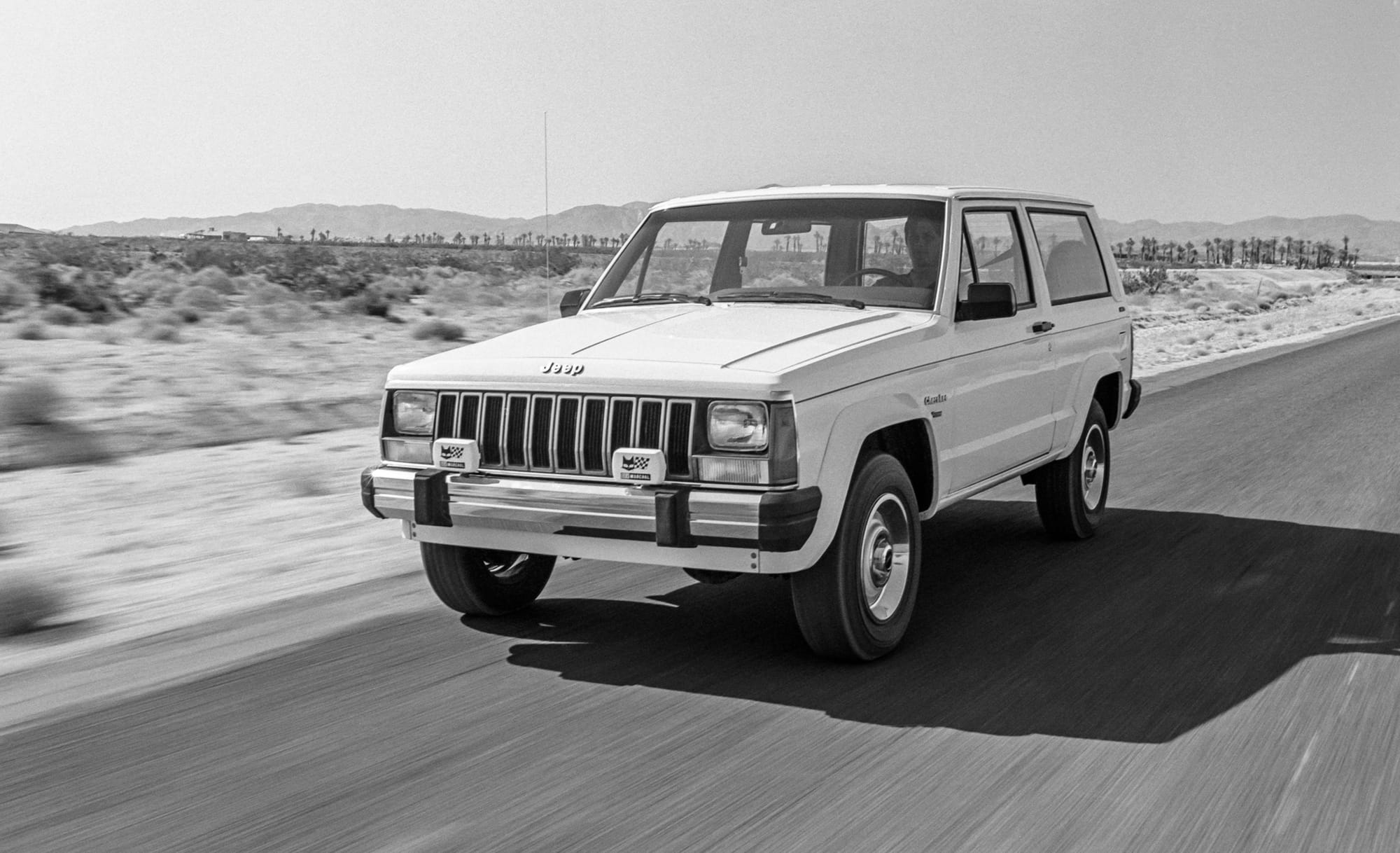
The Jeep Cherokee XJ compact SUV was conceived in the late 1970s when a team of engineers from American Motors Corporation (AMC) and Renault developed several design sketches
Text: Gautam Sen
Images: Marcello Gandini Archives/AMC Press Images
Based on historical accounts, the Jeep Cherokee XJ compact SUV was conceived in the late 1970s when a team of engineers from American Motors Corporation (AMC) and Renault developed several design sketches. While the early drawings reflected a European influence, most of the styling cues were attributed to AMC’s American designers, led by Richard Teague, the company’s longtime head of design.
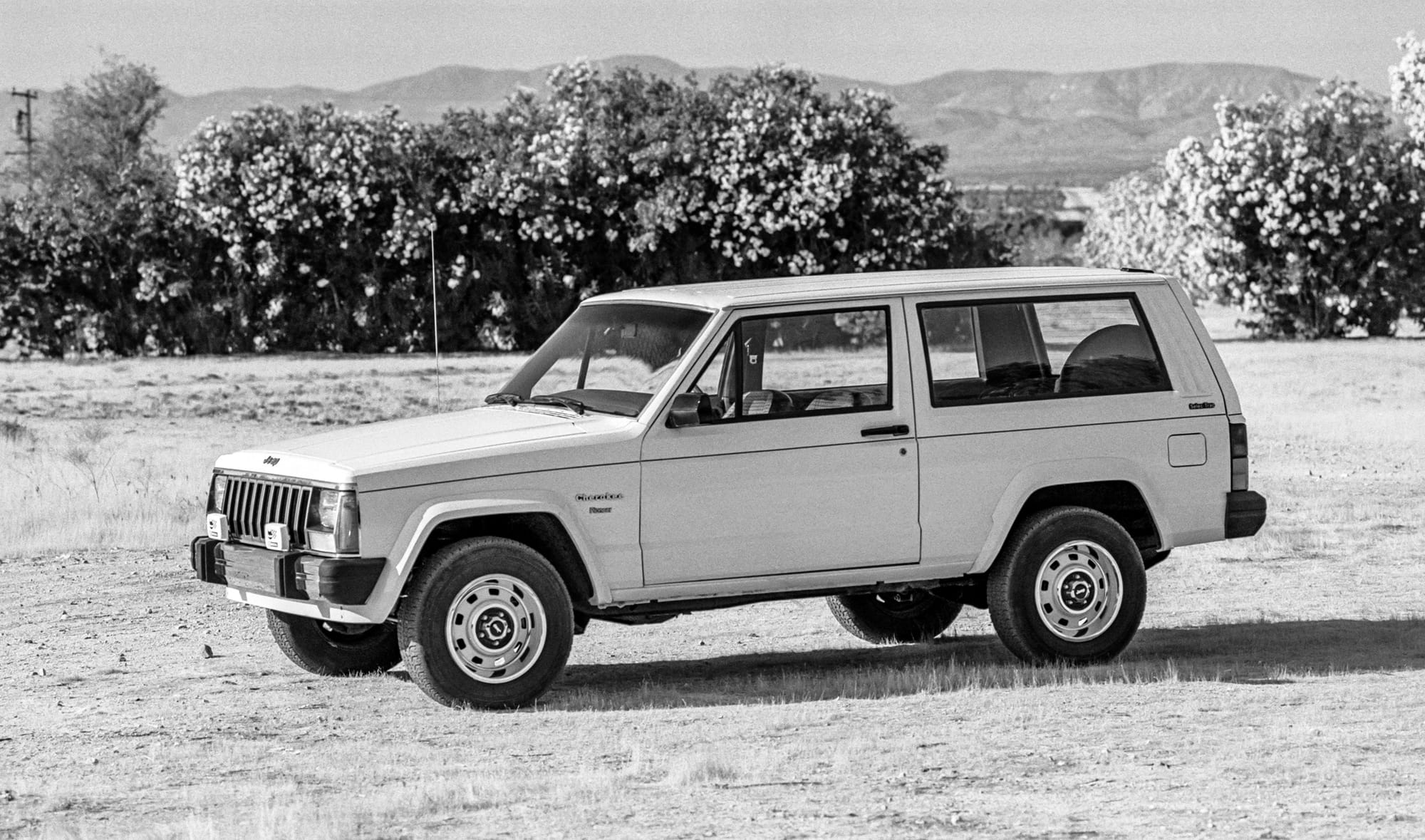
Upon learning that General Motors was developing a new two-door Blazer based on the S-10 pickup, AMC decided to create an all-new four-door model alongside a two-door variant. French-born American engineer François Castaing, who had joined AMC from Renault, played a key role in developing a more compact transmission, which contributed to reducing the vehicle’s overall weight.
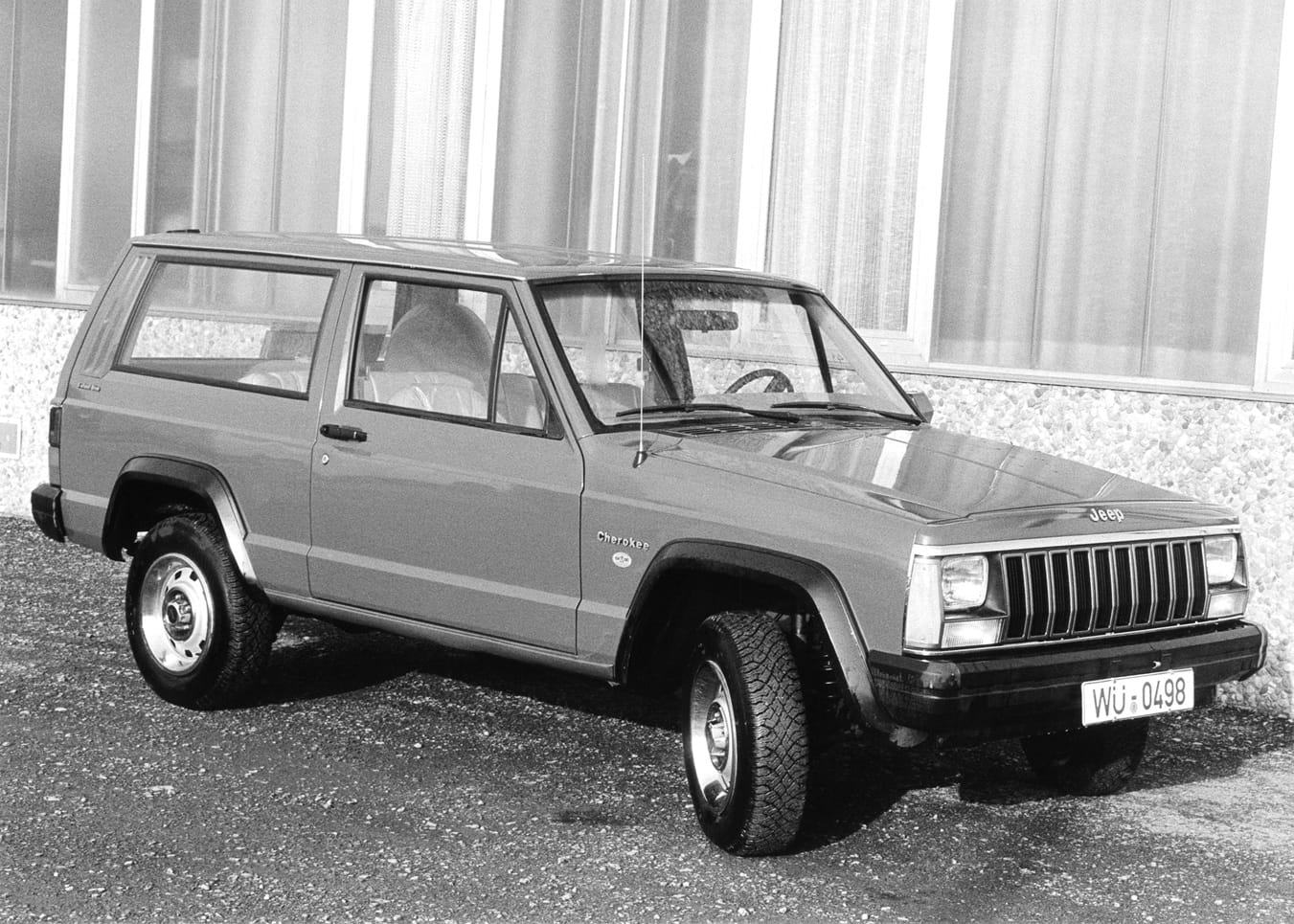
When the Cherokee XJ debuted in 1984, it became the first Jeep model built with a unibody construction. This design made it both rigid and lightweight, enabling impressive performance – even when equipped with AMC’s new 2.5-liter four-cylinder engine.
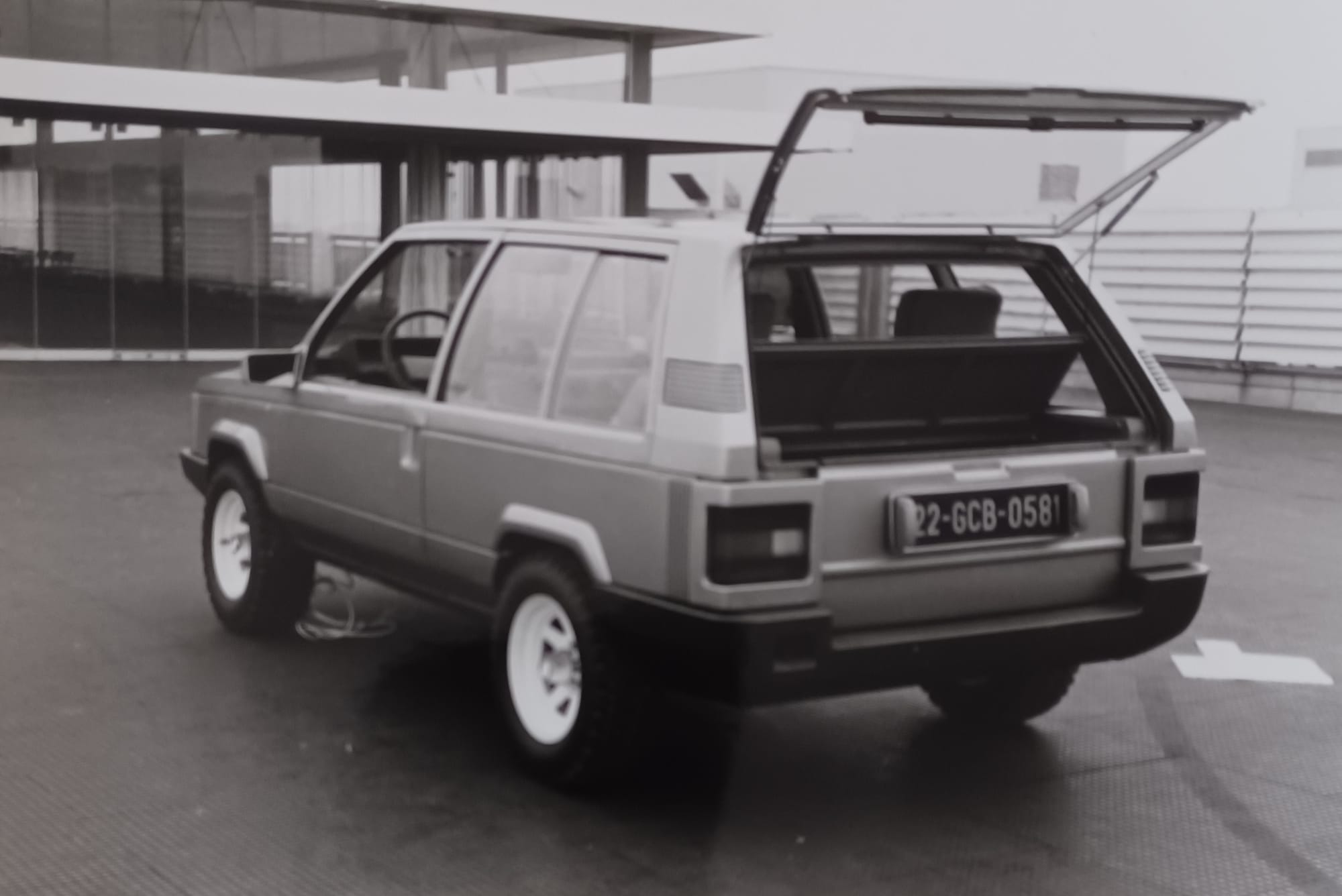
The Cherokee XJ was offered in both two- and four-door configurations, with identical overall dimensions, track, and wheelbase. Initially produced in Toledo, Ohio, the XJ was later manufactured in China by Beijing Automotive, in Argentina, in Valencia, Venezuela, and in Cairo, Egypt, by Arab American Vehicles.
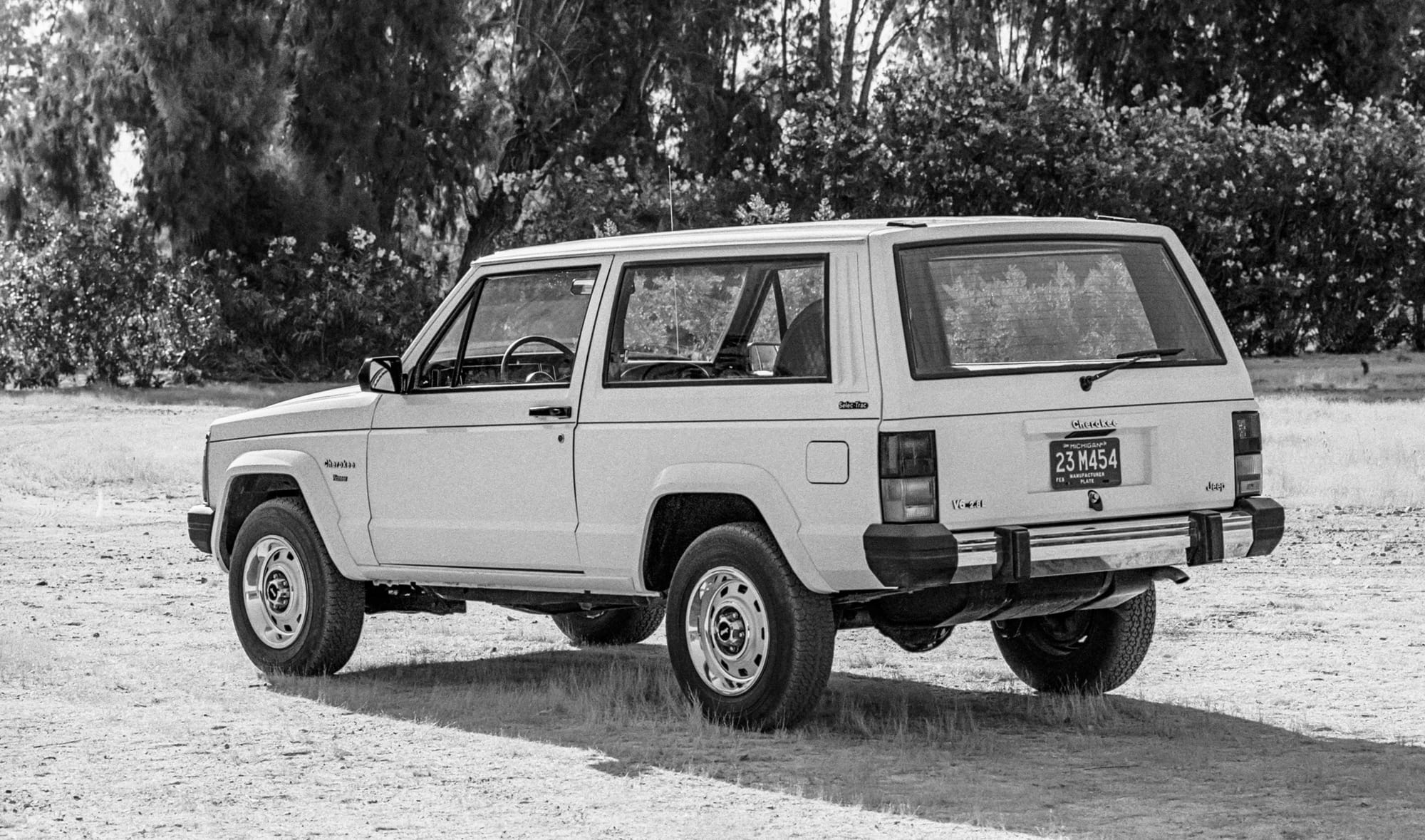
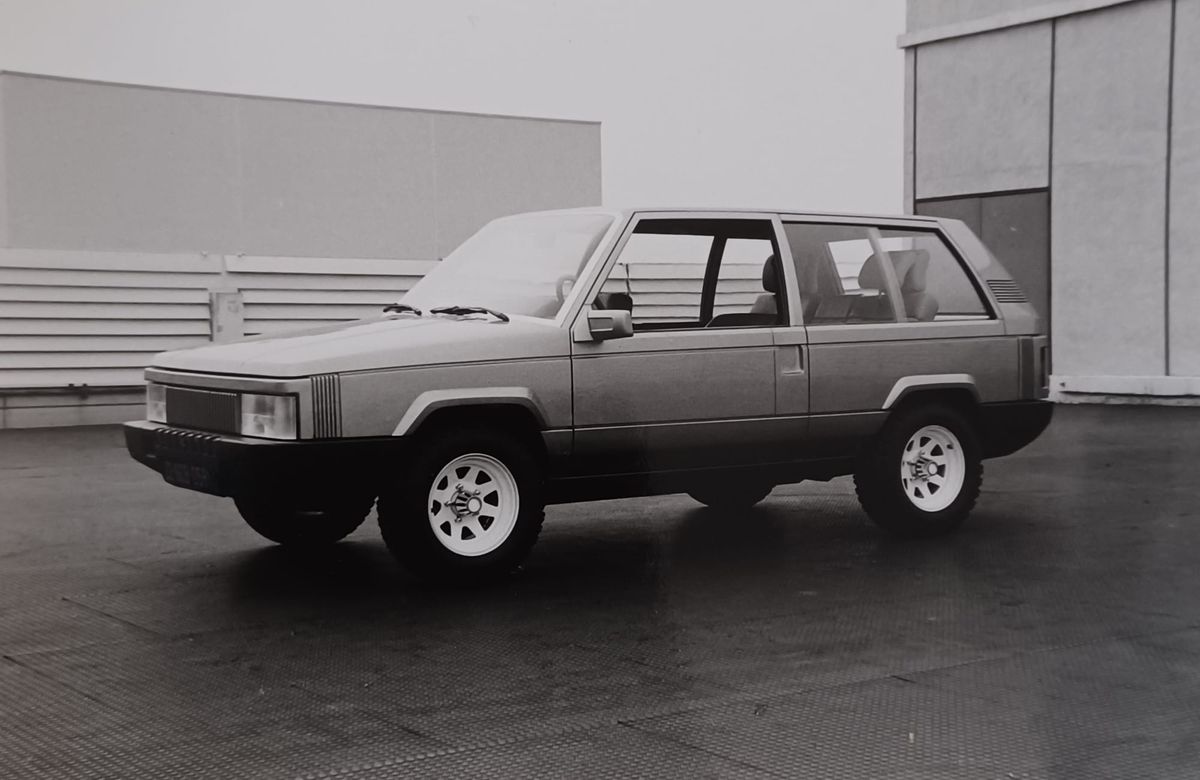
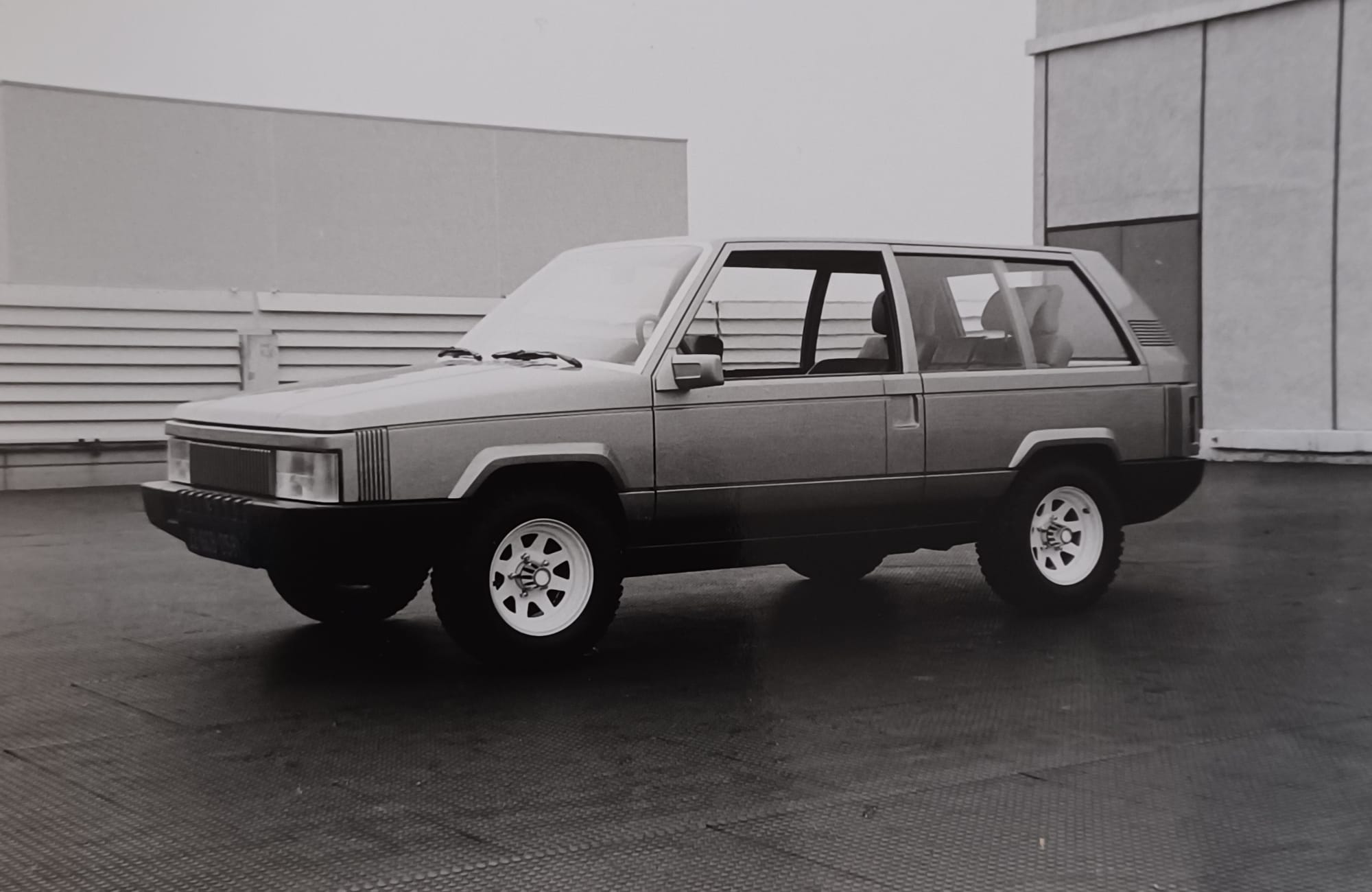
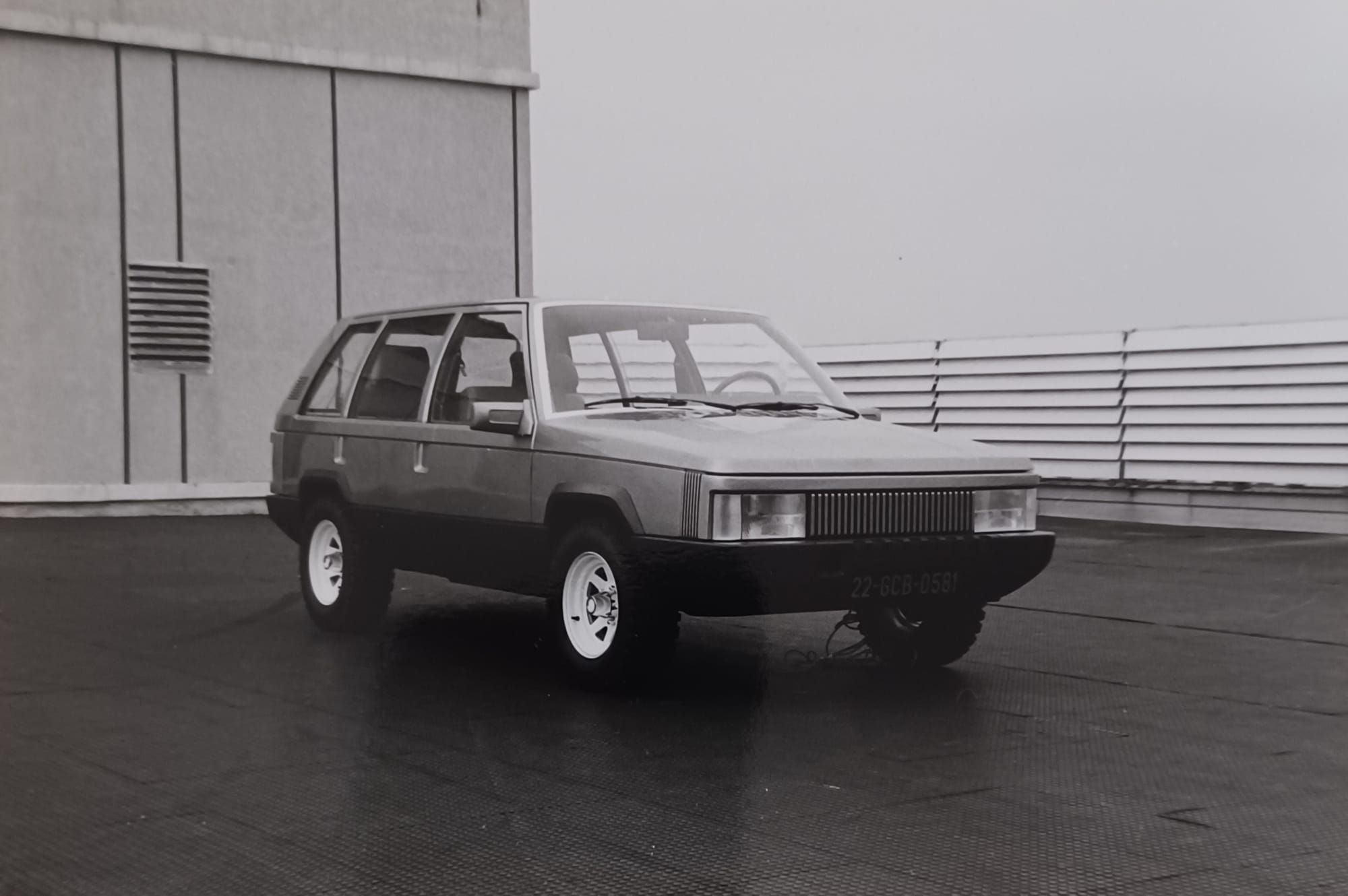
The images of the other vehicle featured here showcase a prototype from the early 1980s, likely around 1981. This prototype, known as the Alpine VGR (Véhicule Grande Randonnée, meaning 'long-distance travel vehicle'), was designed by Marcello Gandini and built under his supervision at the newly established prototype facilities of Coggiola.
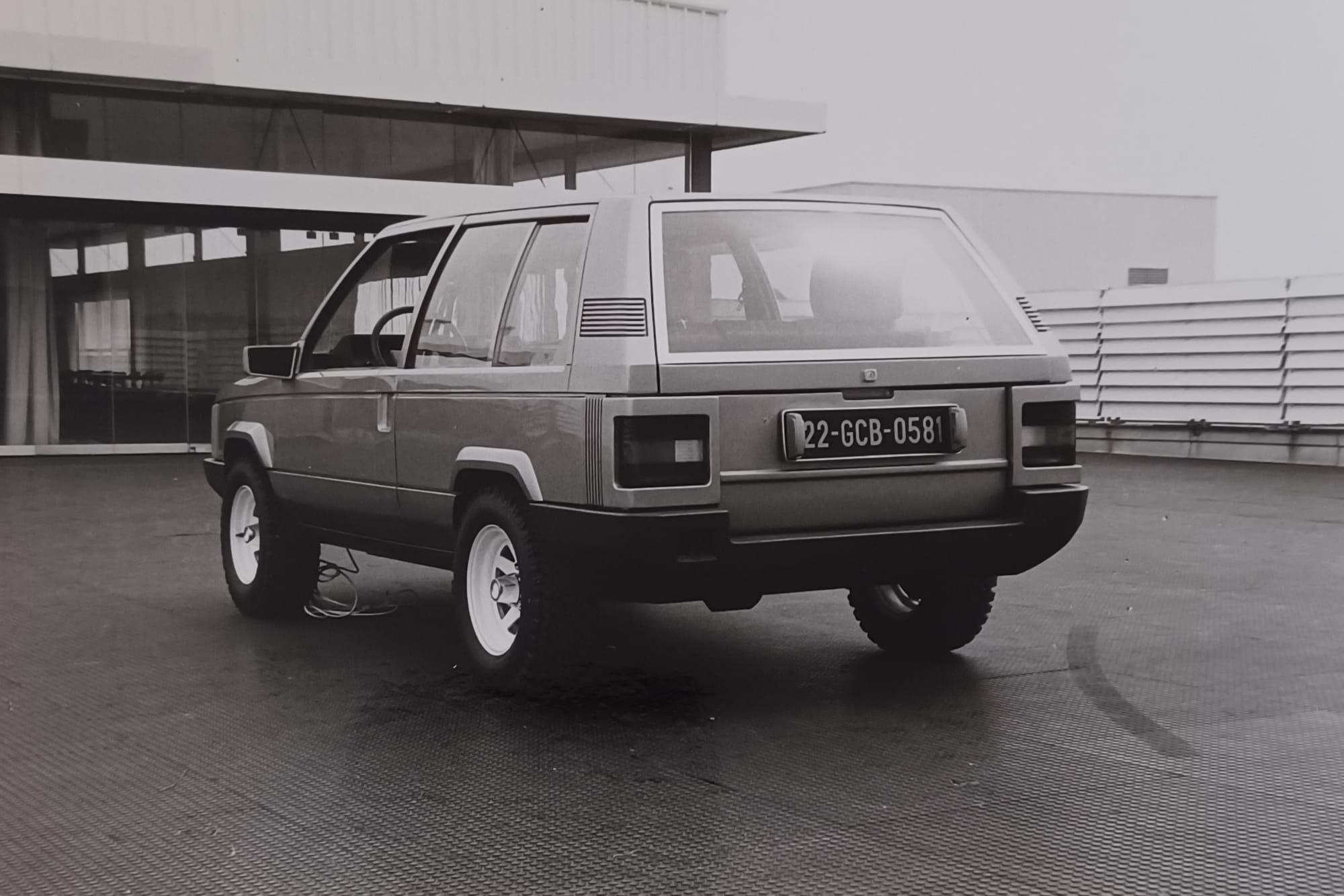
We believe that it may have served as a foundation for the final production version of the Cherokee XJ.
With the success of Matra’s Simca-based Rancho, launched in 1977, industry experts began to realise that crossovers with limited off-road capabilities and leisure vehicles of a more practical nature were gaining in popularity.
An additional product range would surely make good commercial sense for Renault, hence the project to develop a modest crossover/SUV to be produced by Alpine, which Renault had acquired in 1973, at its Dieppe factory.
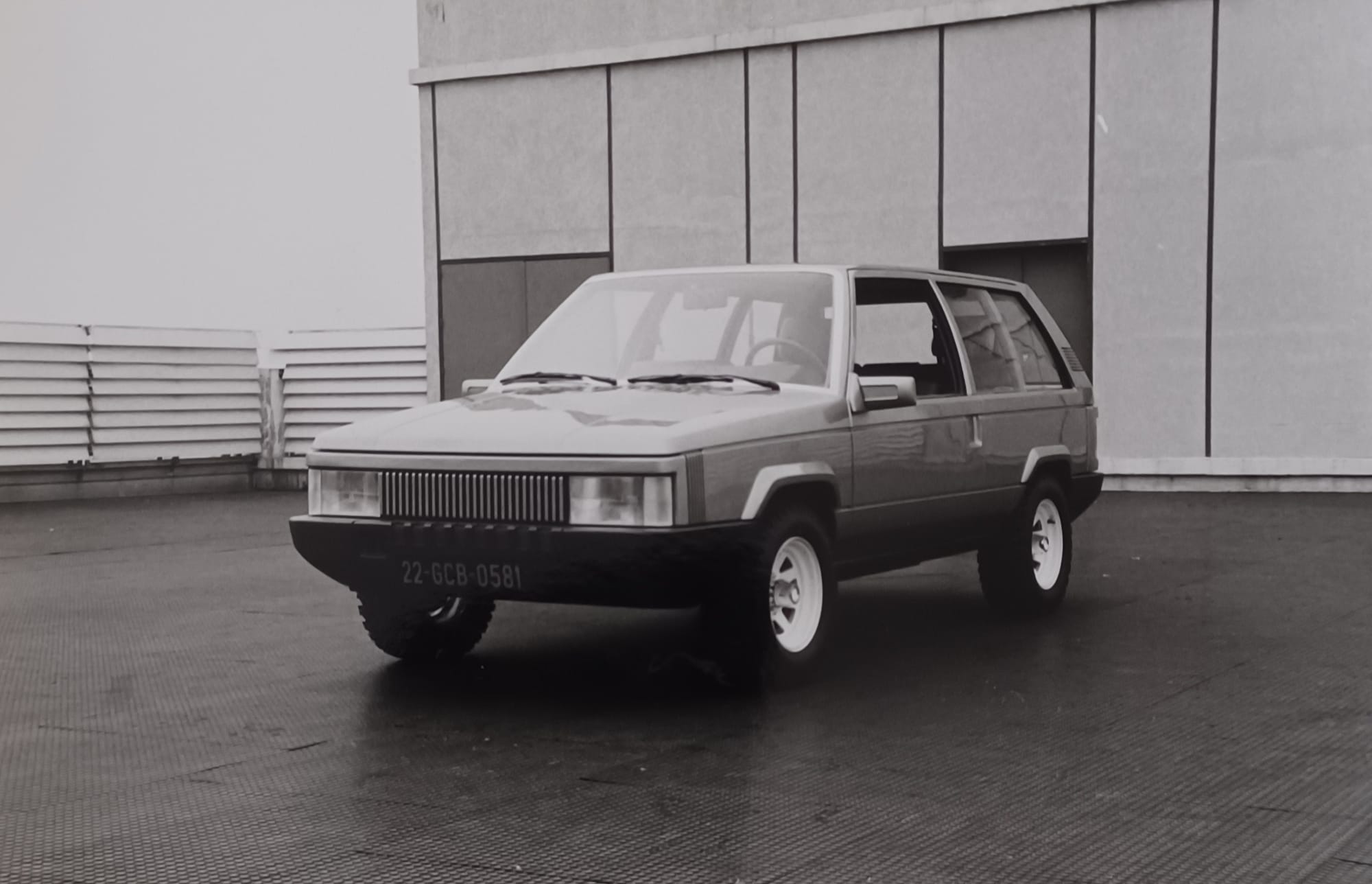
One of Marcello Gandini’s first projects after signing on as Renault’s exclusive design consultant in mid-1979 was to develop a crossover concept similar to the Matra Rancho. The design aimed to offer both three- and five-door versions, featuring modest-sized wheels but significant ground clearance.
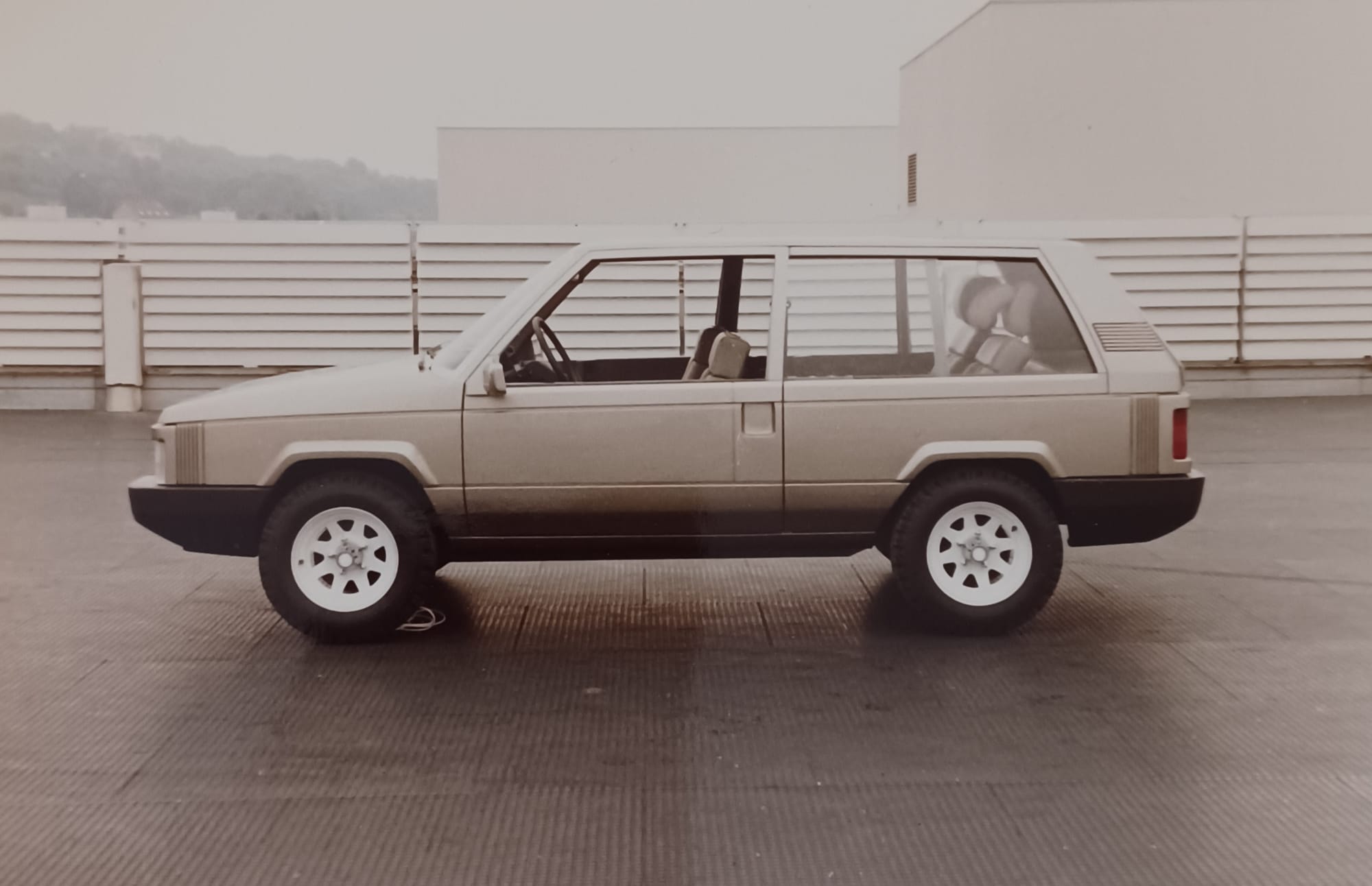
Built around Renault mechanicals, the vehicle was planned to use the 120 bhp 2.0-litre (122 cu in) engine from the Renault 20 TS/21, with a 2.1-litre diesel alternative. Given the niche’s novelty, Renault sought a cost-effective solution, leading to the decision to use a body made primarily of SMC (sheet moulding compound).
Gandini’s design for Project VVA (Véhicule Vert Alpine, or 'Alpine Green Vehicle', later renamed VGR) featured matte-painted plastic cladding along the sides, wrapping around the front and rear as integrated bumpers. Competing against two in-house proposals from Renault’s design studio, Gandini’s concept was initially approved for further refinement. The development process continued at Sergio Coggiola’s facilities in Turin.
The second prototype underwent several refinements, eliminating the intricate valance panel and pillar cladding. It evolved into a more modern and well-balanced design, moving away from the Range Rover-inspired lines of the initial version.
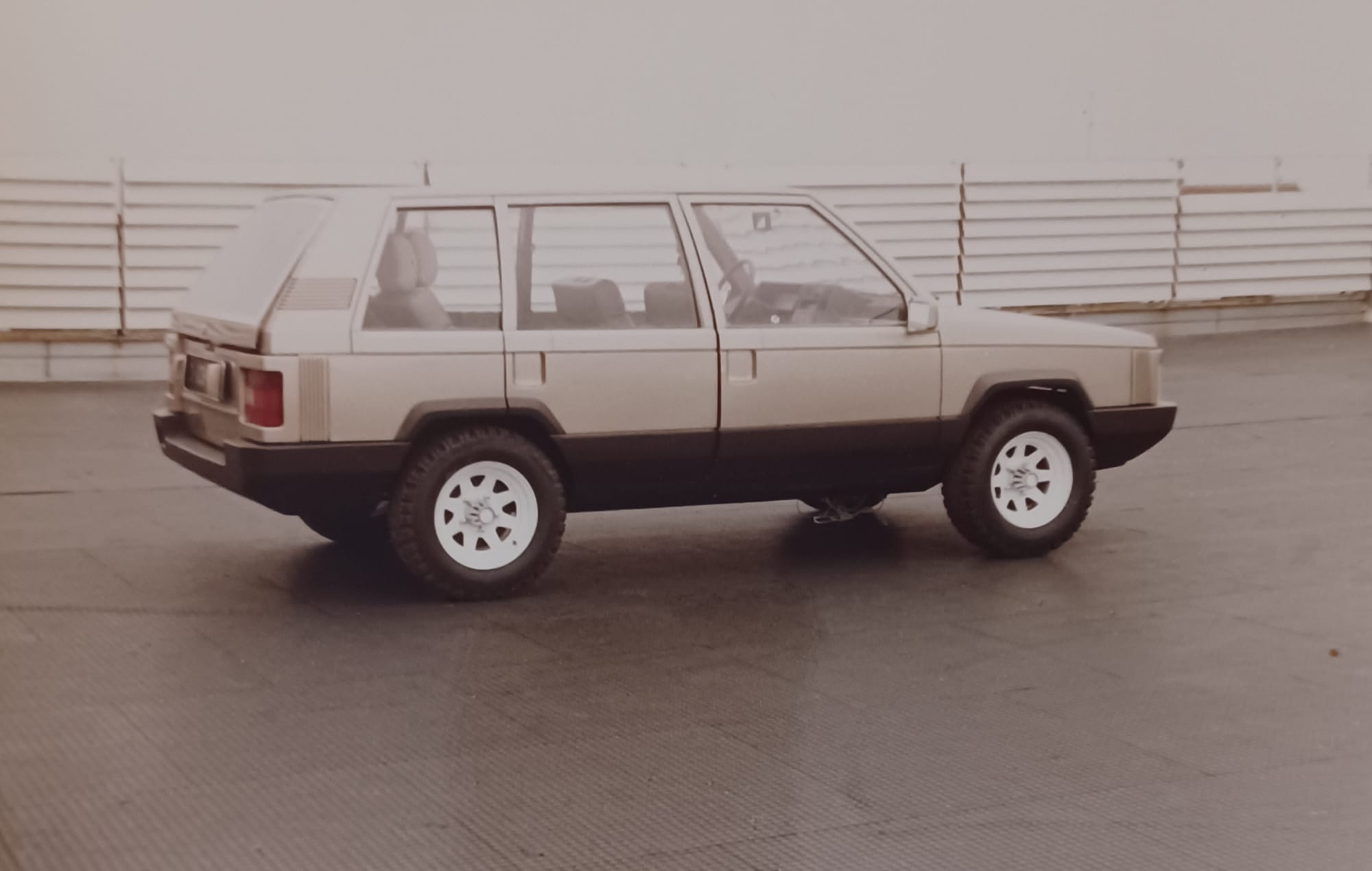
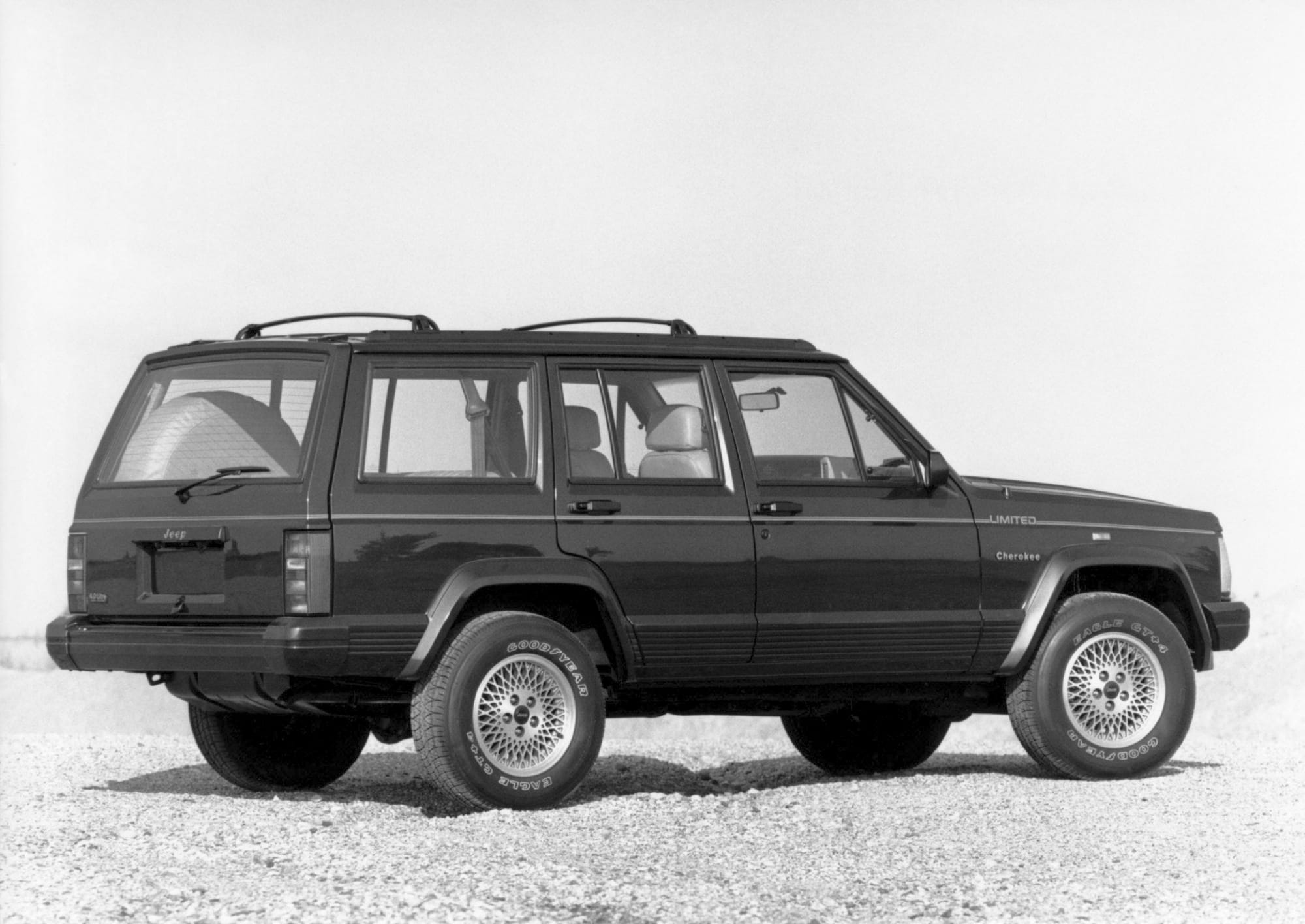
The revised model featured wraparound headlamps and indicators, along with a redesigned grille in the classic vertical style. Notably, this second prototype appears to have served as inspiration for an iconic vehicle introduced across the Atlantic: the Jeep Cherokee XJ Series.
As Renault increased its stake in American Motors Corporation (AMC), which owned Jeep, the company decided to focus its limited resources on developing the Jeep Cherokee XJ Series. As a result, the VVA/VGR project was shelved. However, Gandini’s Coggiola-built prototype was sent to Detroit, where it likely influenced the final design of the Cherokee XJ. Do you agree?
Comments ()