The Little Renault of Kolkata
A century-old Renault AX keeps Kolkata’s motoring heritage alive with charm and character
Text: Gautam Sen
Images: Shreya Goswami
In the world of India’s historic vehicles, few names are as familiar as Harish Chandra Agarwal. From the early 1950s onwards, Agarwal was locating, sourcing and trading in hundreds — perhaps even thousands — of old automobiles, at a time when most of India had yet to discover the charms of vintage and classic cars. Long before today’s enthusiasts began chasing precious old metal, Agarwal was already out there finding it, buying it and moving it on.
So, when Shashi Kanoria, a 22-year-old car enthusiast, became Agarwal’s son-in-law in 1969, he acquired rather more than a father-in-law. The two quickly became kindred spirits. Kanoria had initially been fascinated by modern rallying machinery, but Agarwal introduced him to the very different pleasures of vintage and classic cars.
The first car Kanoria restored was a 1926 Ford Model T, and it marked the beginning of a lifelong passion. As his collection grew, he continued to find cars through his father-in-law, while also developing his own network of contacts and doing plenty of scouting himself. But for Kanoria, the real fascination was not simply buying cars or discussing their value. It was restoring them and, more importantly, making them work again.
By the mid-1980s, he had assembled an impressive collection of around 35 cars, ranging from a Darracq to a 1936 SS1. Sadly, Kanoria died suddenly on 25 March 2010. Fortunately, his enthusiasm for old cars had already passed to the next generation.
His son, Shrivardhan Kanoria, has taken up the baton and is now involved full-time in restoring and refurbishing cars belonging to the family, including those of his uncle Naresh Chandra Agrawalla, as well as cars belonging to other owners.
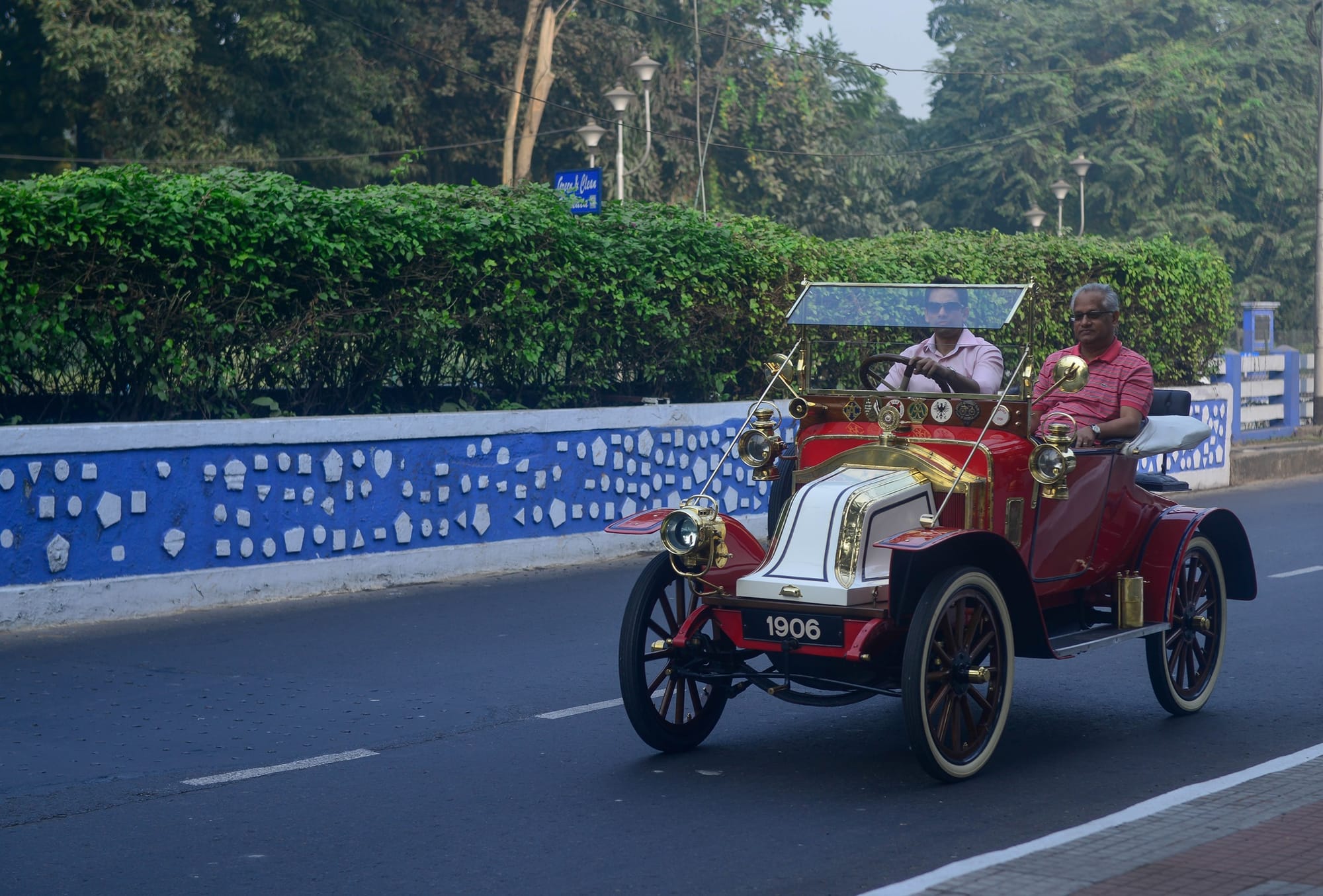
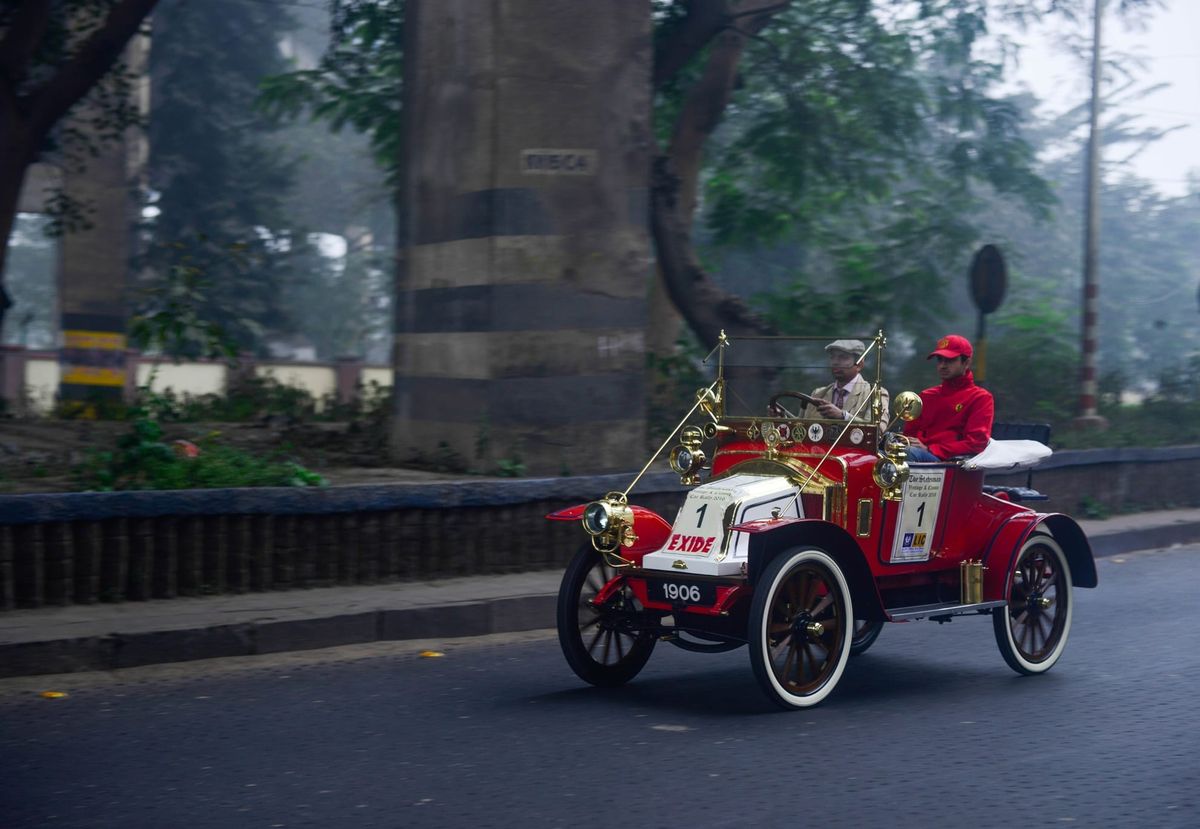
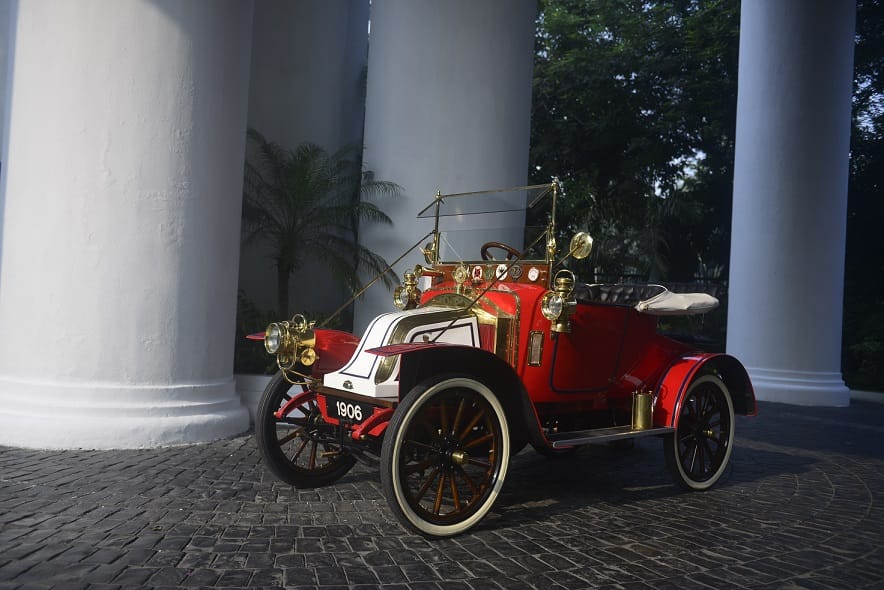
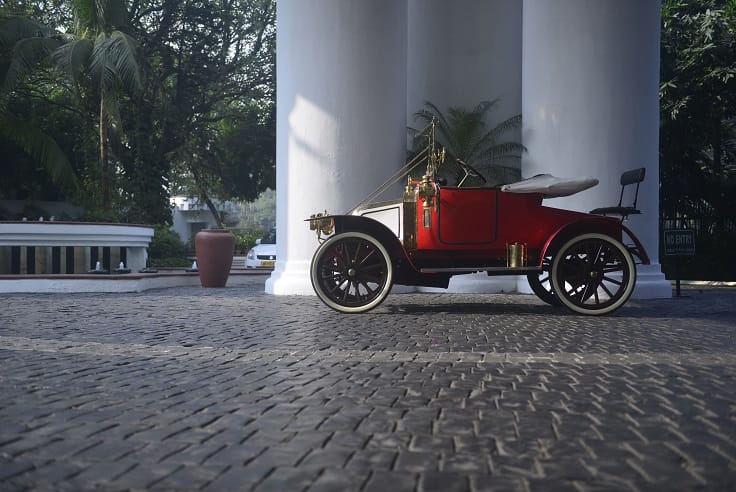
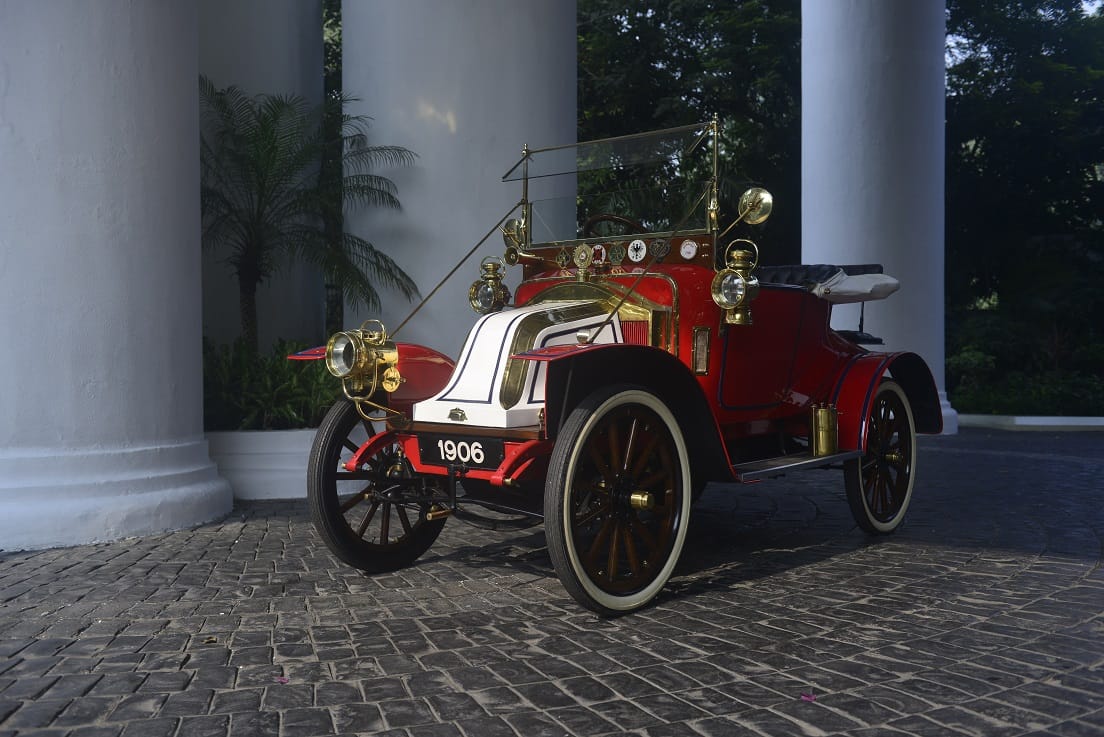
Among the best-known Kanoria cars to have undergone restoration a few years ago – for the second time – is a tiny Renault AX, dating from around 1908. Identified as an AX by Renault historian Claude Lemaitre, it is immediately recognisable by its unusually large ‘colonial’ wheels. They give the little Renault an almost comical appearance, but they were perfectly practical in an era when roads were often considerably less friendly than they are today.

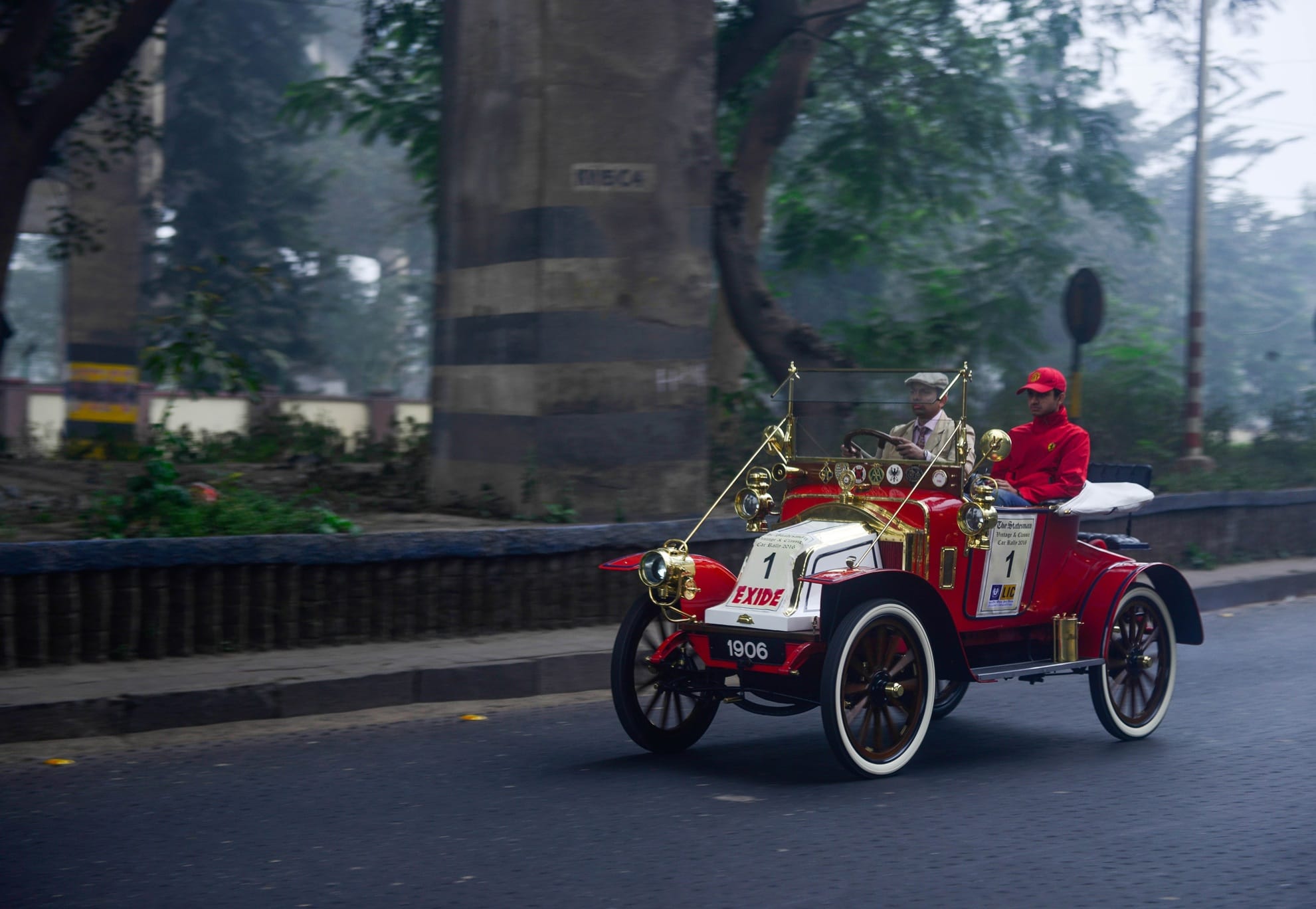
The car has also become something of a celebrity, having won scores of trophies over the years at Calcutta’s Statesman Vintage Car Rally. It is an impressively good runner, too.
The restoration is perhaps a little more elaborate than the car would have enjoyed in its youth, but that hardly matters when the result is an Edwardian veteran that remains popular with the public – and still moves under its own power.
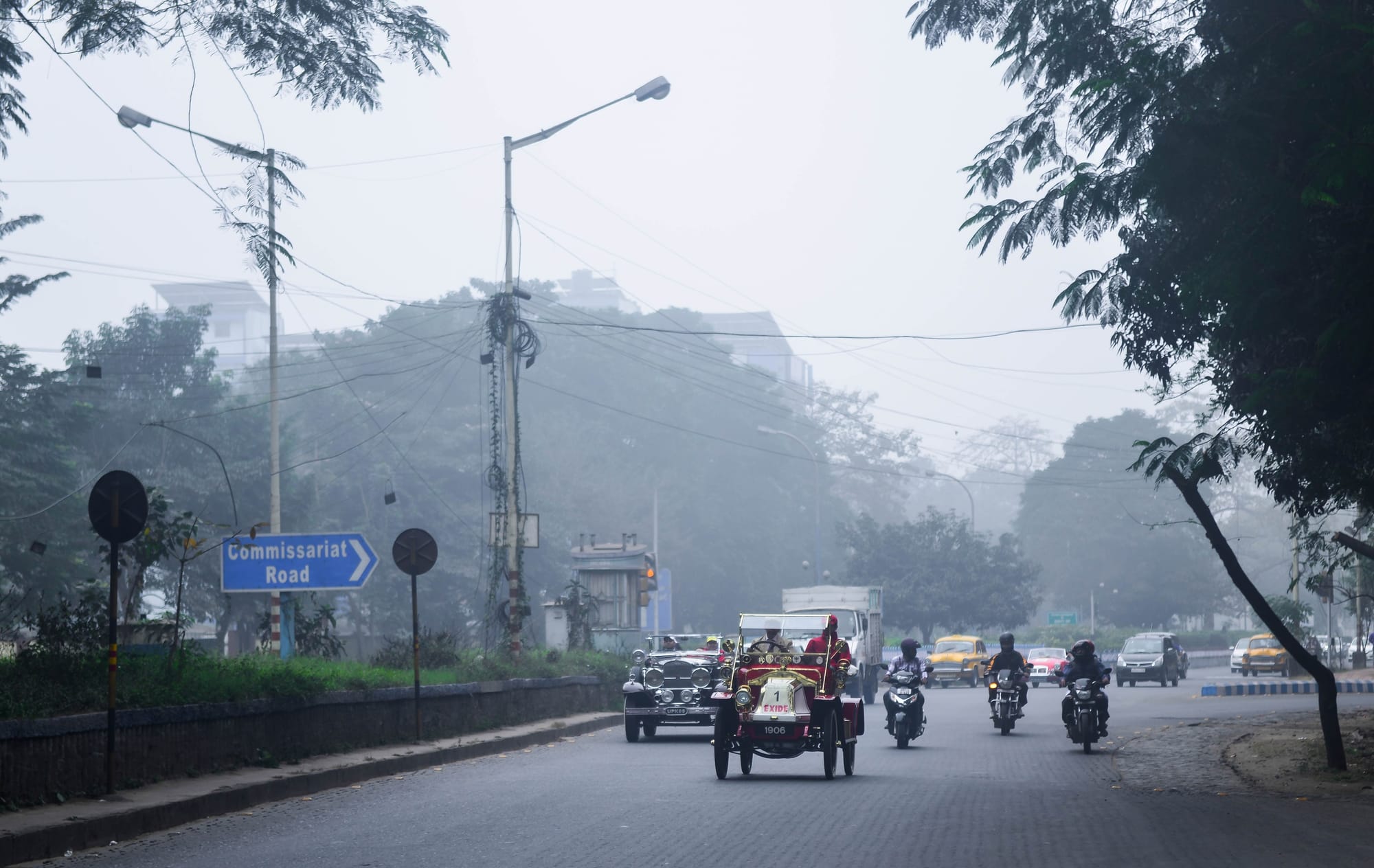
Renault itself has a surprisingly interesting Indian connection. Like Darracq and several other French marques, it sold a significant number of cars in India during the early years of motoring. Back home, Renault was rapidly becoming France’s leading automobile manufacturer, as the country established itself as one of the world’s great centres of automotive production.
The story began with Louis Renault, whose earliest production cars from 1900 were powered by single-cylinder De Dion-Bouton engines. By 1903, Renault had developed its own twin-cylinder engine, and in 1905 the AG was introduced with a 1060cc version of this engine. The AG proved a considerable success and eventually evolved into the AX.
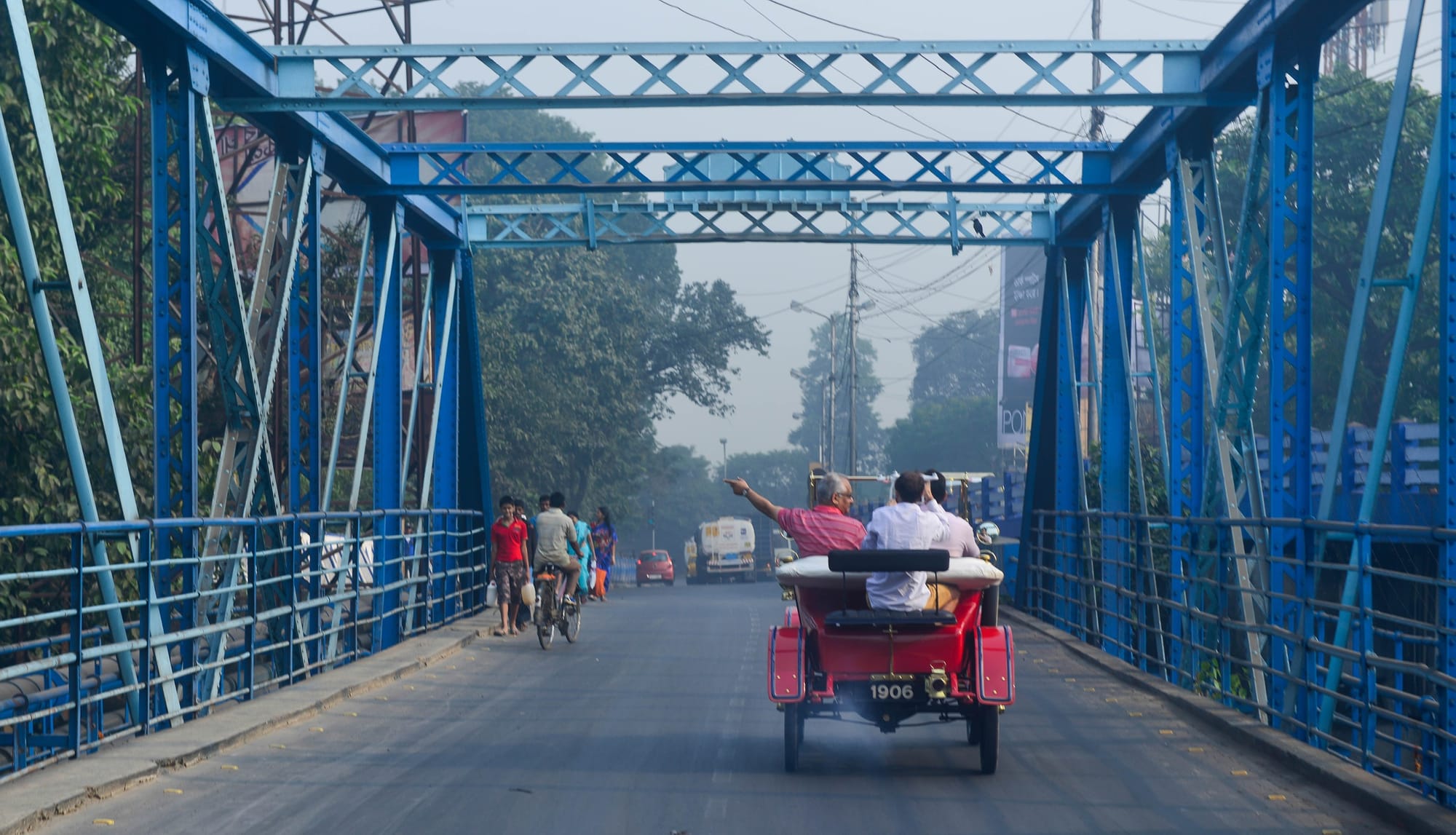
The little Renault soon found another important role as a taxi. By 1910, Renault AGs and AXs were common sights on the streets of both Paris and London. In 1914, some of the Paris taxis were famously pressed into service to transport French troops to the front during the First World War, earning immortality as the Taxis de la Marne.
Whether the Kanoria Renault ever performed taxi duties in India is doubtful. More likely, it was acquired by a wealthy local fascinated by this extraordinary new contraption that promised to replace the horse and carriage.
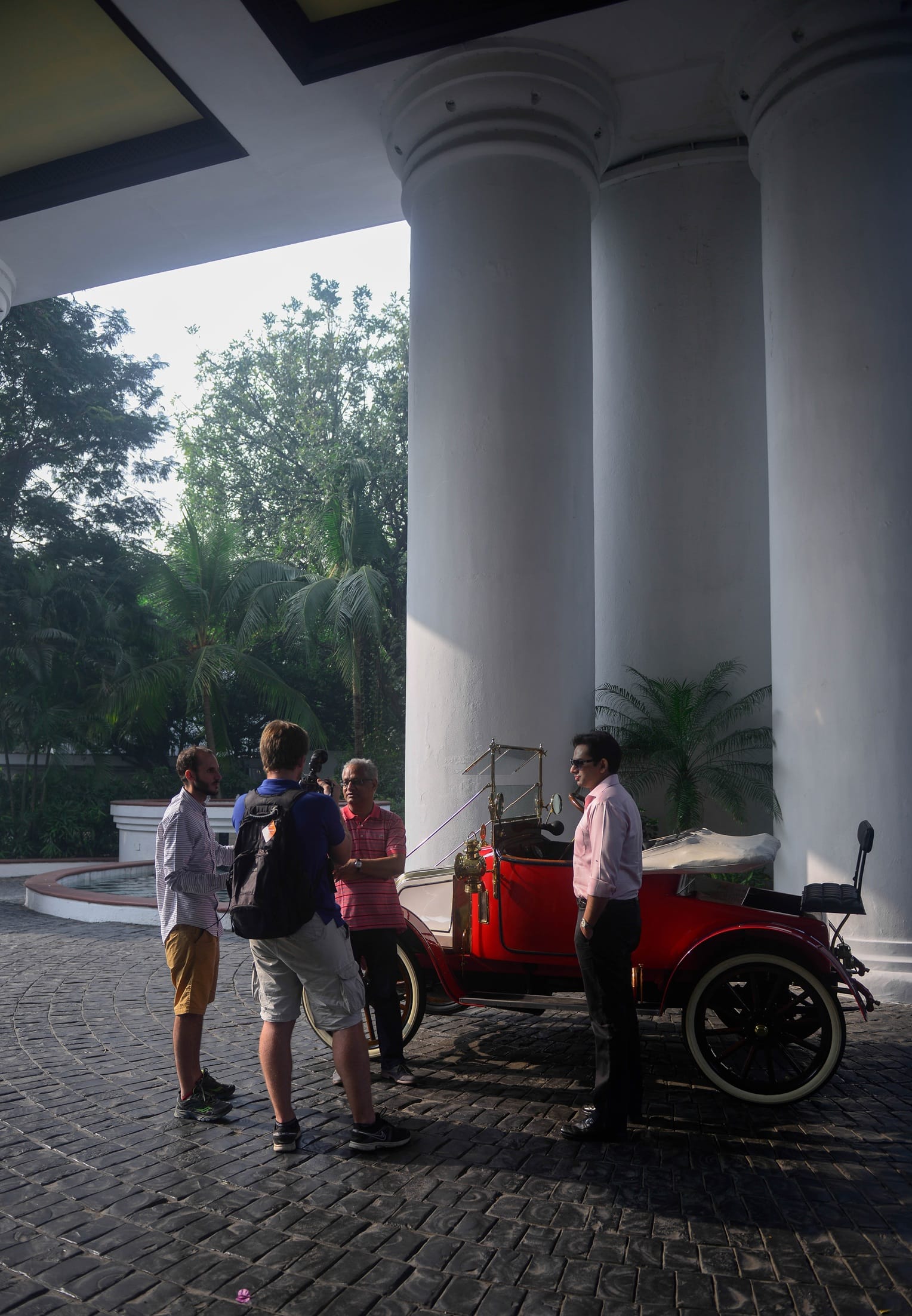
Shashi Kanoria discovered the car in 1969, remarkably complete except for one rather important component: the engine. Undeterred, he went looking for one and eventually located an engine from another early Renault – a similar twin-cylinder unit that enabled the little car to become a runner once again.
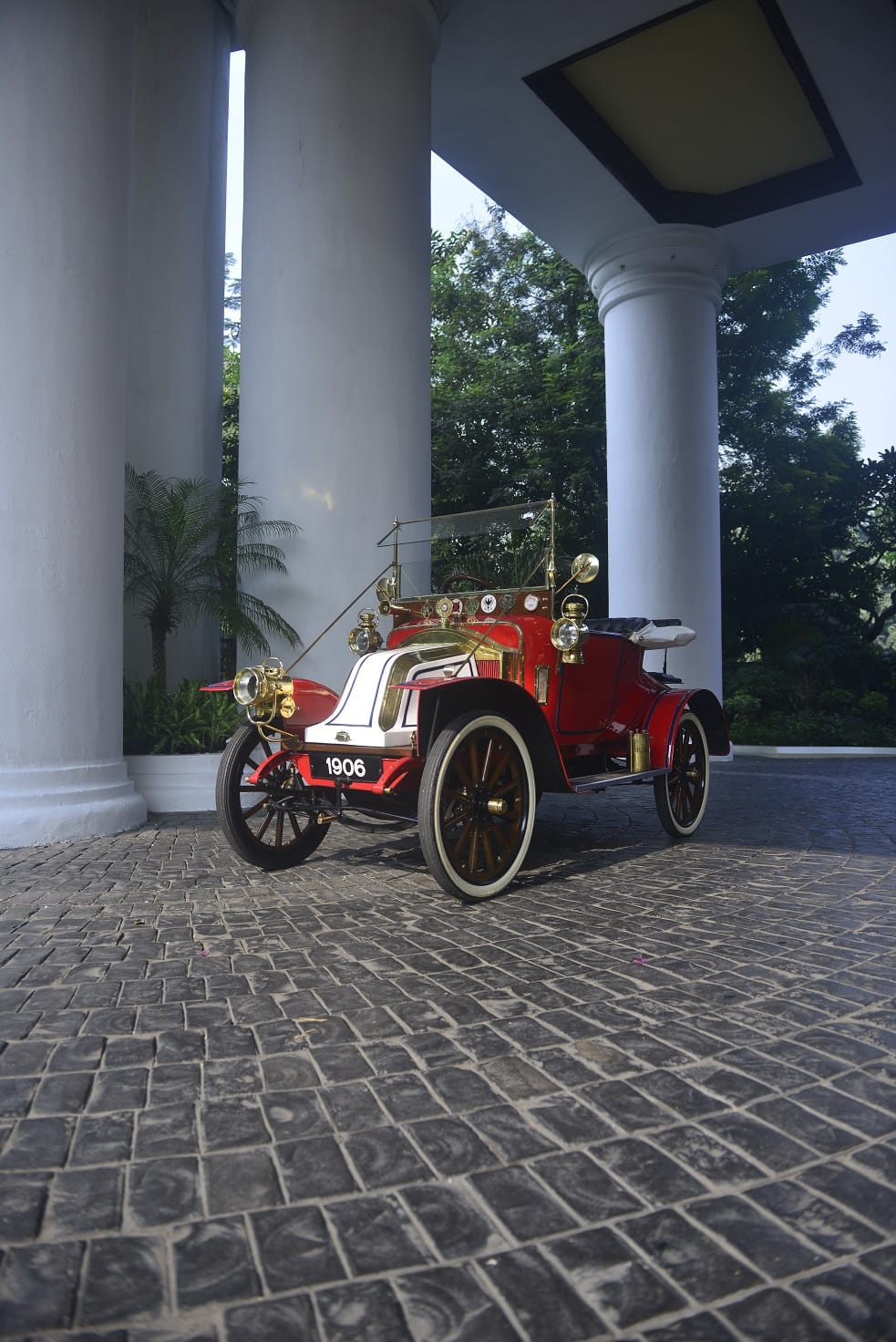
And that perhaps sums up the Kanoria story rather neatly. Harish Chandra Agarwal found the cars, Shashi Kanoria restored them, and Shrivardhan is now keeping them alive. The little Renault is a particularly charming example of that family tradition – more than a century old, still winning trophies, still delighting crowds and, most importantly, still enjoying the occasional outing on the road.
Comments ()