The Royal Use of an Auburn V12
When talking about V12 luxury cars with stunning designs reflective of the Art Deco era, the Auburn Twelve deserves a mention at the top of the list
Text: Ameya Vikram Mishra
Images: Diljeet Titus
When talking about V12 luxury cars with stunning designs reflective of the Art Deco era, the Auburn Twelve deserves a mention at the top of the list. Priced at an astonishingly low 1,000 dollars when launched new in the early 1930s, it is often regarded as one of the finest American performance cars of its era. A short production run of barely three years, from 1932 to 1934, also makes it one of the rarest.
The brainchild of E.L. Cord at the beginning of the Great Depression, Auburn launched the V12 in 1932 as a competitor to luxury offerings from Lincoln, Pierce-Arrow and Cadillac. Though the 391 cubic inch engine was smaller than the competition (that’s still a massive 6.4-litre in modern terms), it was no less powerful, rated at 160bhp. Designed by Chief Engineer George Kublin, the valves were in head and operated by a single camshaft through rockers. The narrow-angle “vee” configuration featured an unusual combustion chamber positioned at an angle to the cylinders.
The V12 was more versatile than just being an exciting performance car. It featured a 'Dual Ratio' rear end that could modify gear ratios, reducing strain on the engine and making it more fuel-efficient despite its large capacity.
All that is to say it was an incredible bargain for 1,000 dollars, no matter how you look at it — for context, it cost less than an ordinary eight-cylinder medium-range Chrysler of the period.
Master of all trades? Worth the debate.
The Auburn Cord Duesenberg Club treasures surviving Auburn Twelves for their stunning style and remarkable performance. This makes any existing example highly desirable in the collector world, complemented by its rarity.
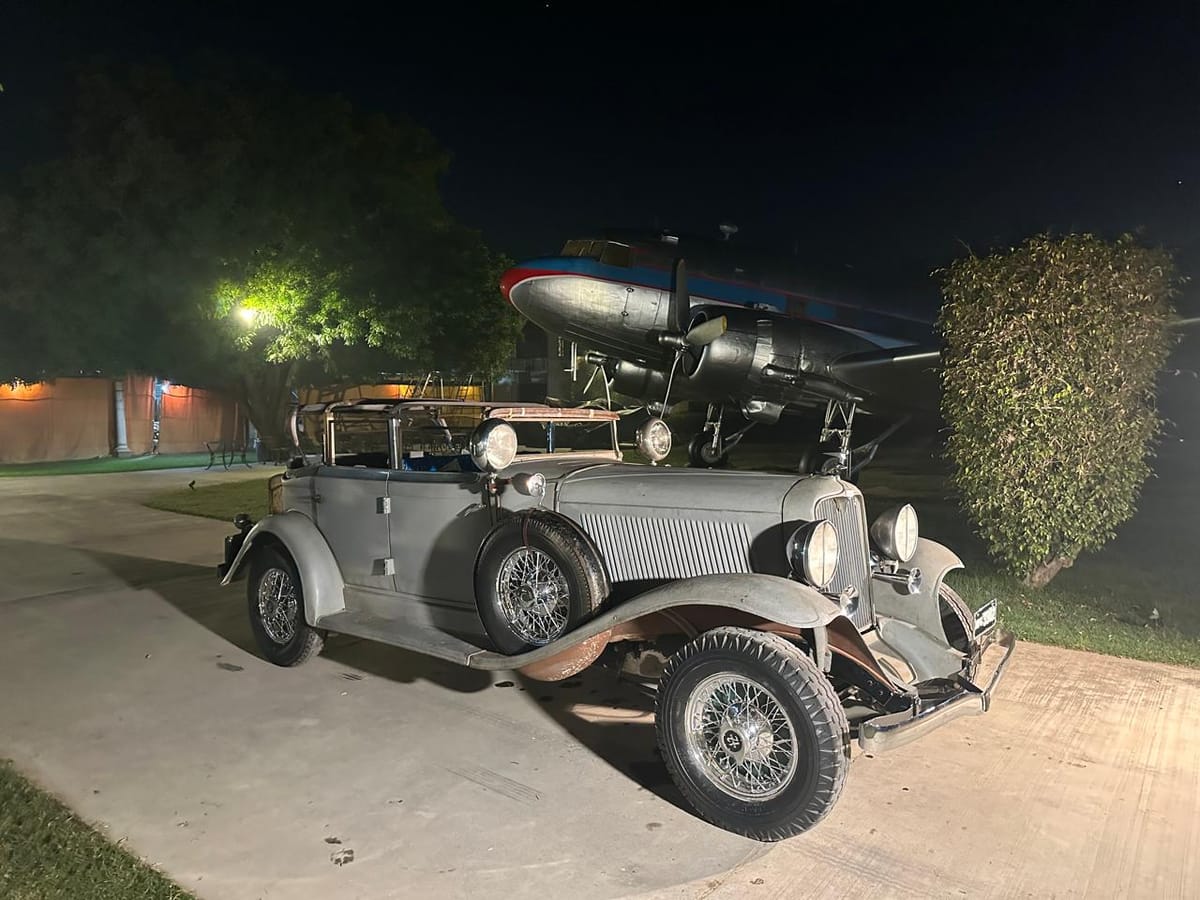
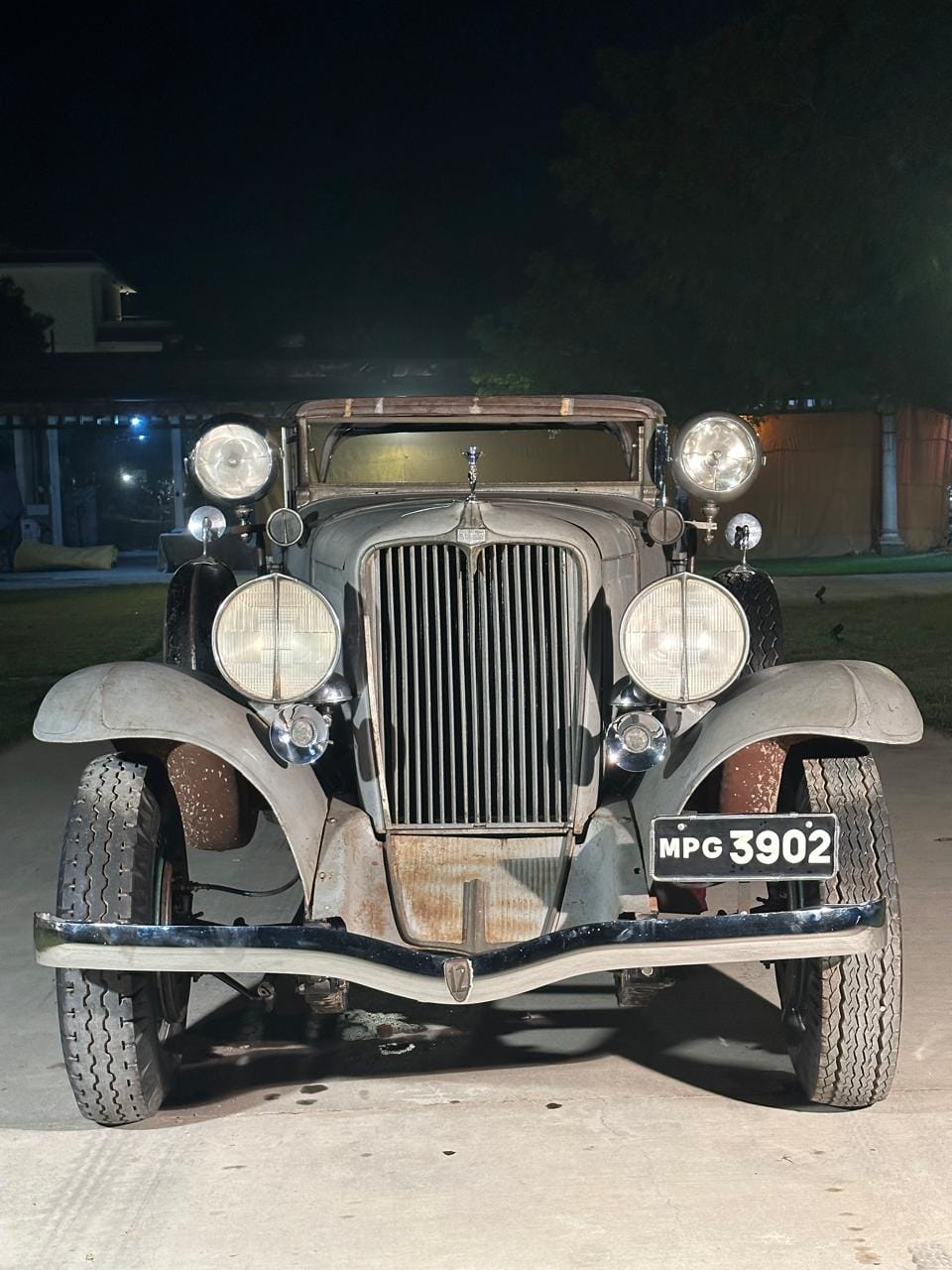
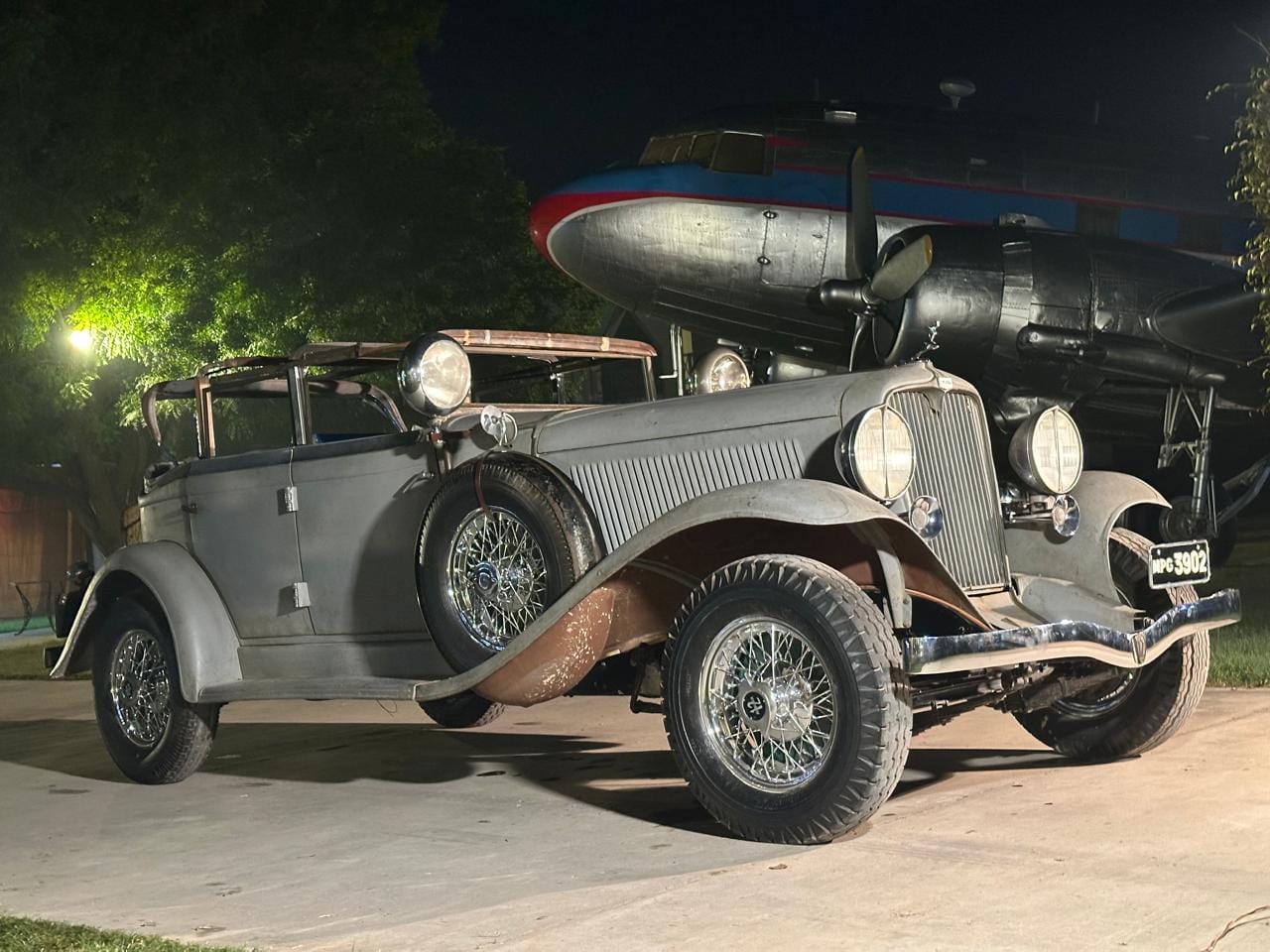
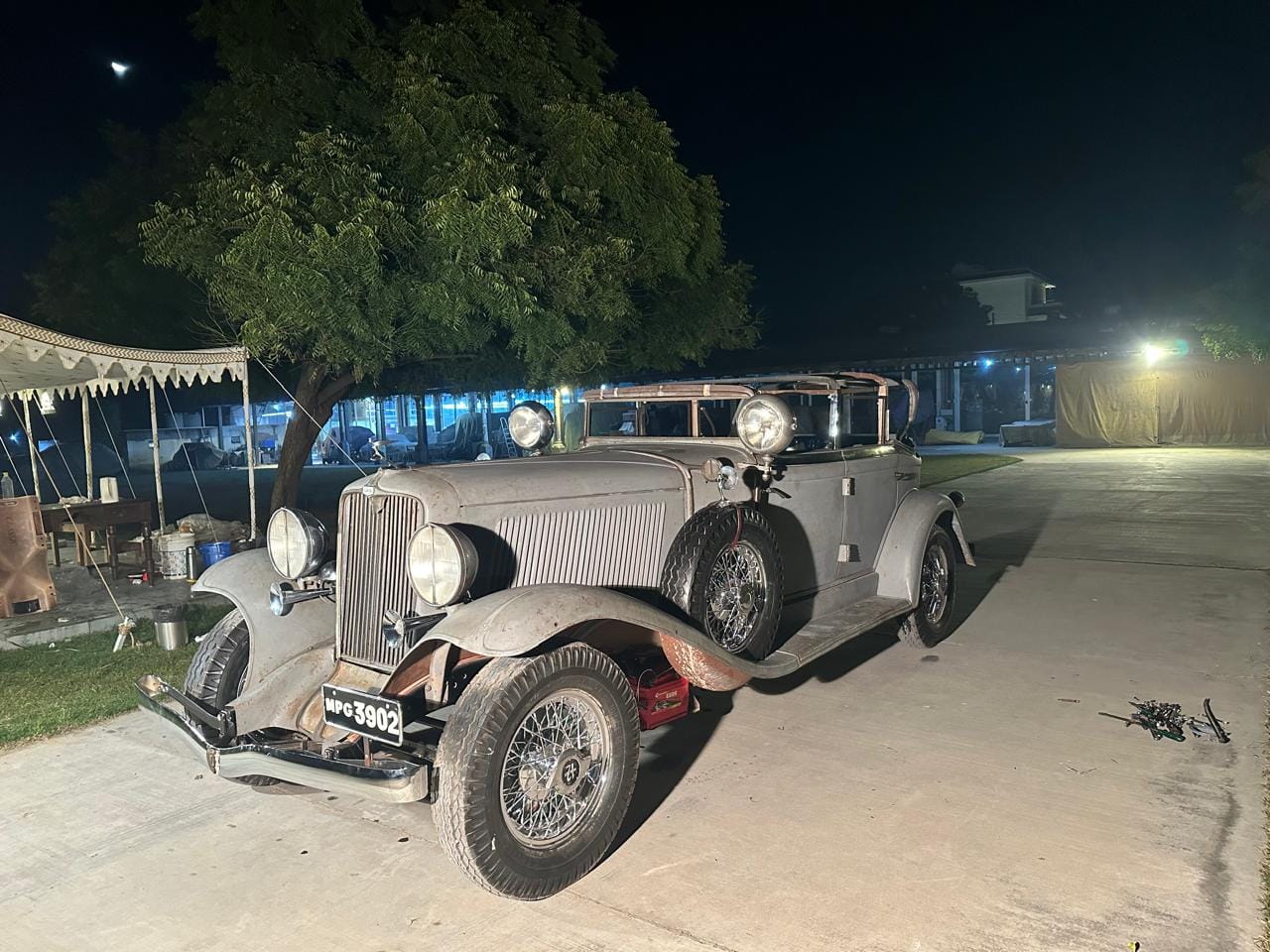
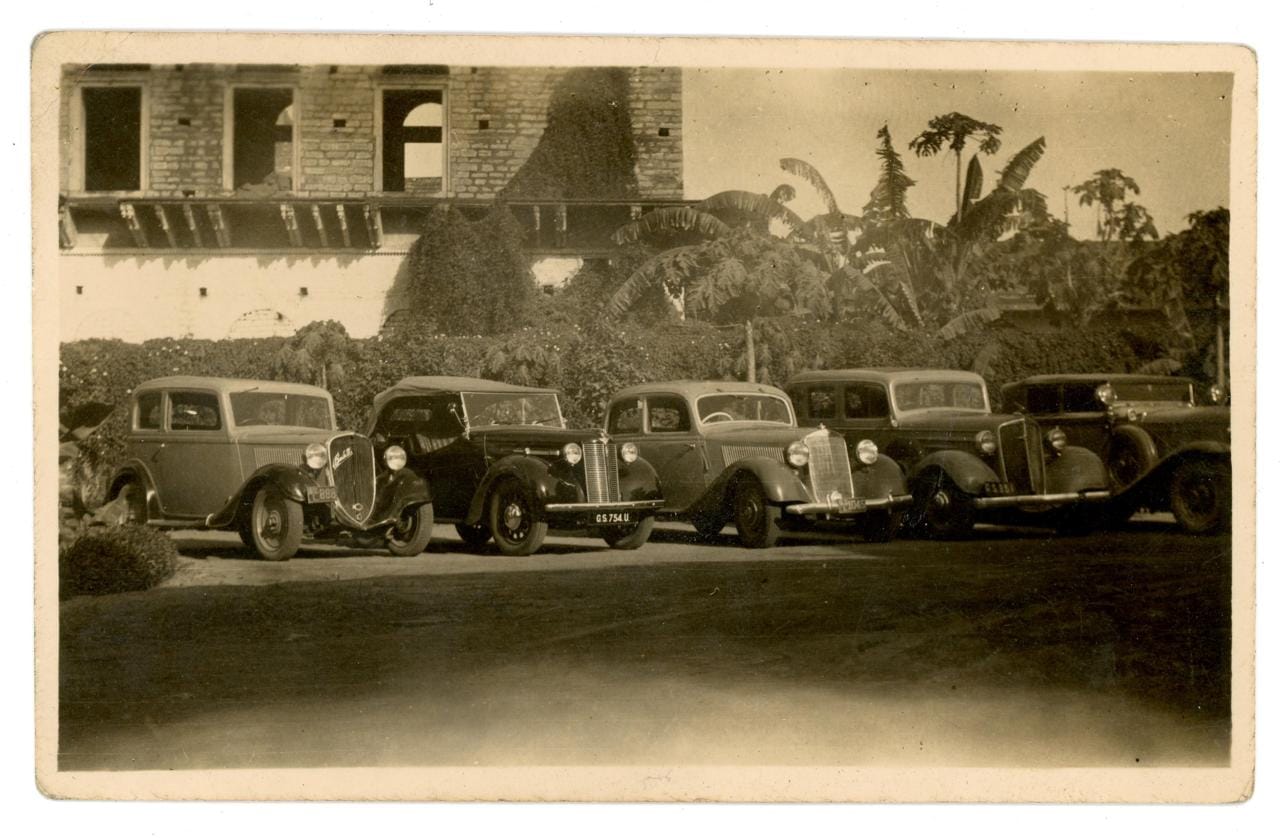
One such example, the only surviving RHD model as per the ACD Club, is part of Diljeet Titus’ collection in Delhi, formerly owned by Raja Pancham Singh of Pahargarh — a 1932 Auburn 12-160A Custom Phaeton Sedan, to be precise.
A welcome change from the Indian royalty’s obsession with Rolls-Royces, Raja Pancham Singh bought his Auburn from Sanghi Motors in Indore, which he believed was best suited for the varying uses to which it would be put.
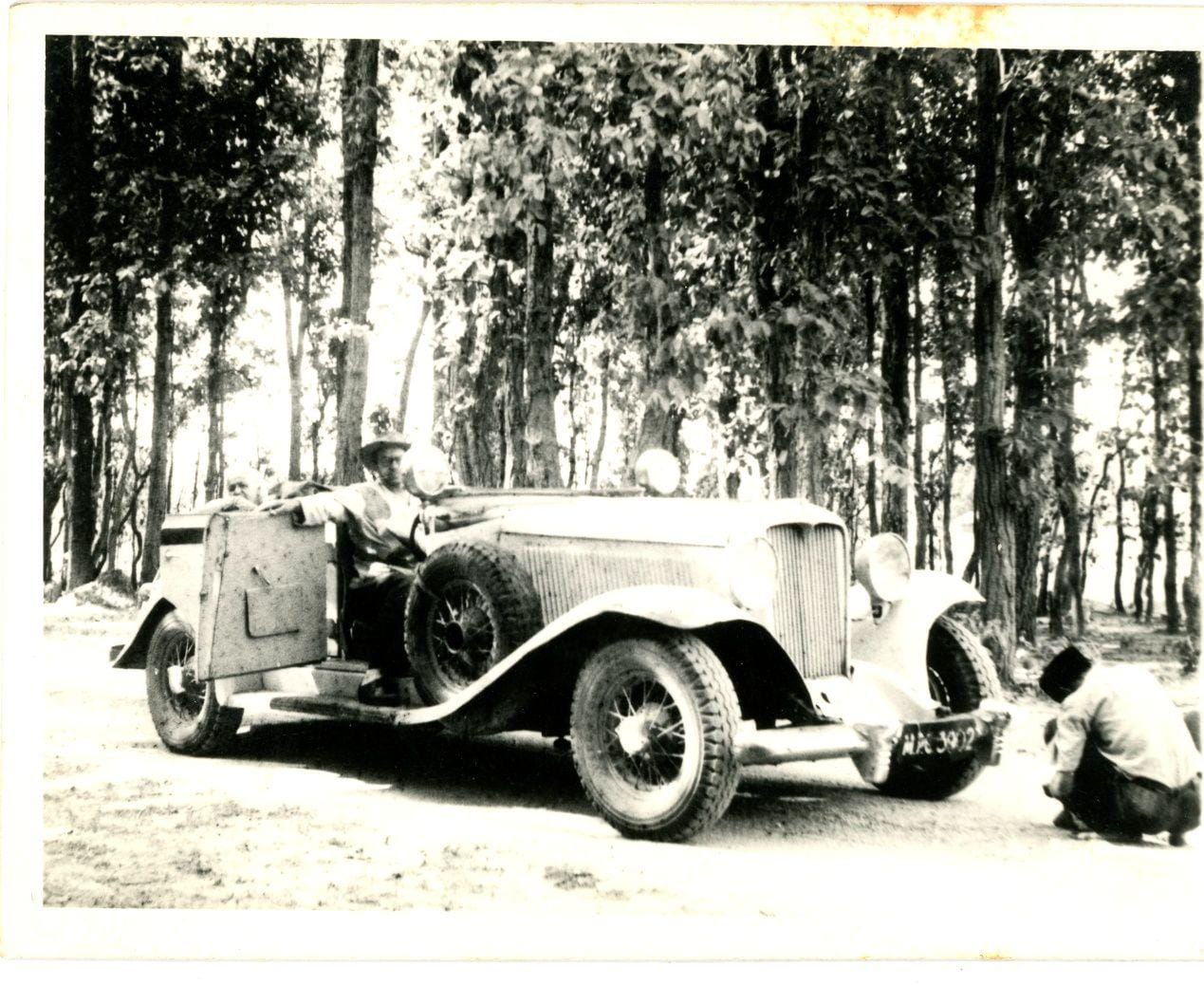
It was fitted with twin Stephen Grebel movable searchlights on individual stands mounted on the running boards, as the car was intended to be used extensively for hunting and driving through the thick forests of Madhya Pradesh. Its high-speed cruising ability, while not compromising fuel efficiency, made it the perfect companion for the royal family for their visits to Gwalior, Kanha, Indore and Delhi, and even to the hills of Shimla and Kasauli.
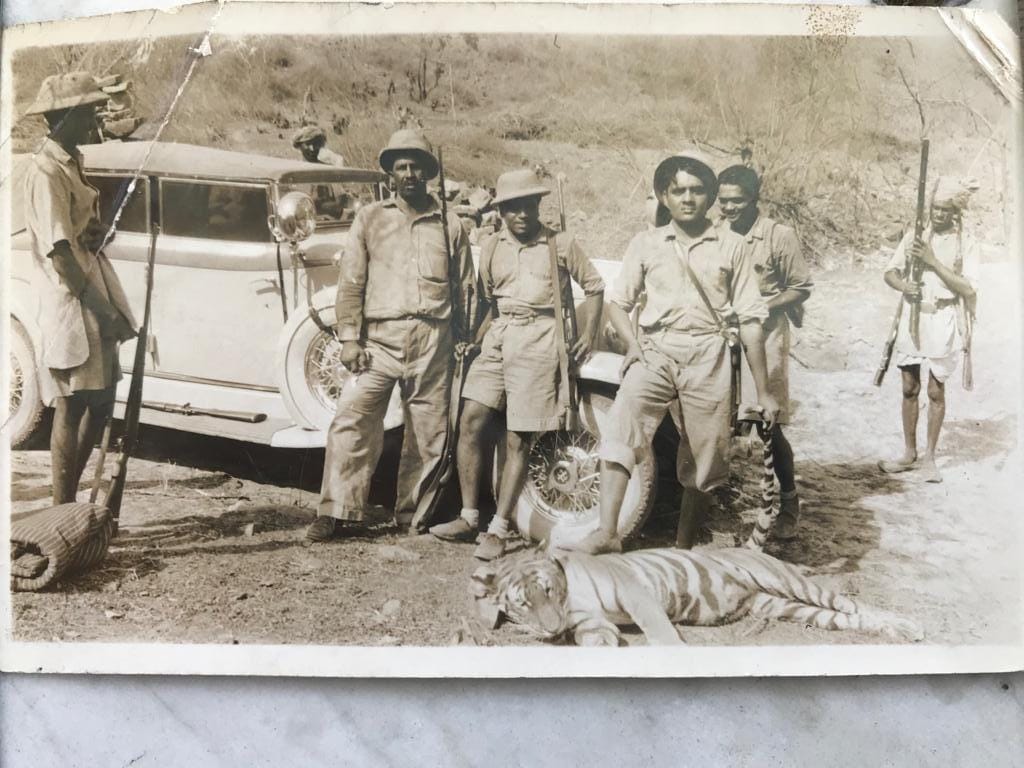
Raja Pancham Singh was a true driving enthusiast and always drove his cars himself, unless he was attending official functions and ceremonies, which is a testament to the Auburn’s commendable abilities. But it was also a special car for the royal family for reasons other than its technical prowess — the Raja drove the Auburn to receive his wife at the time of their wedding. His son, Raja Hari Singh, followed in his footsteps and did exactly the same when he got married.
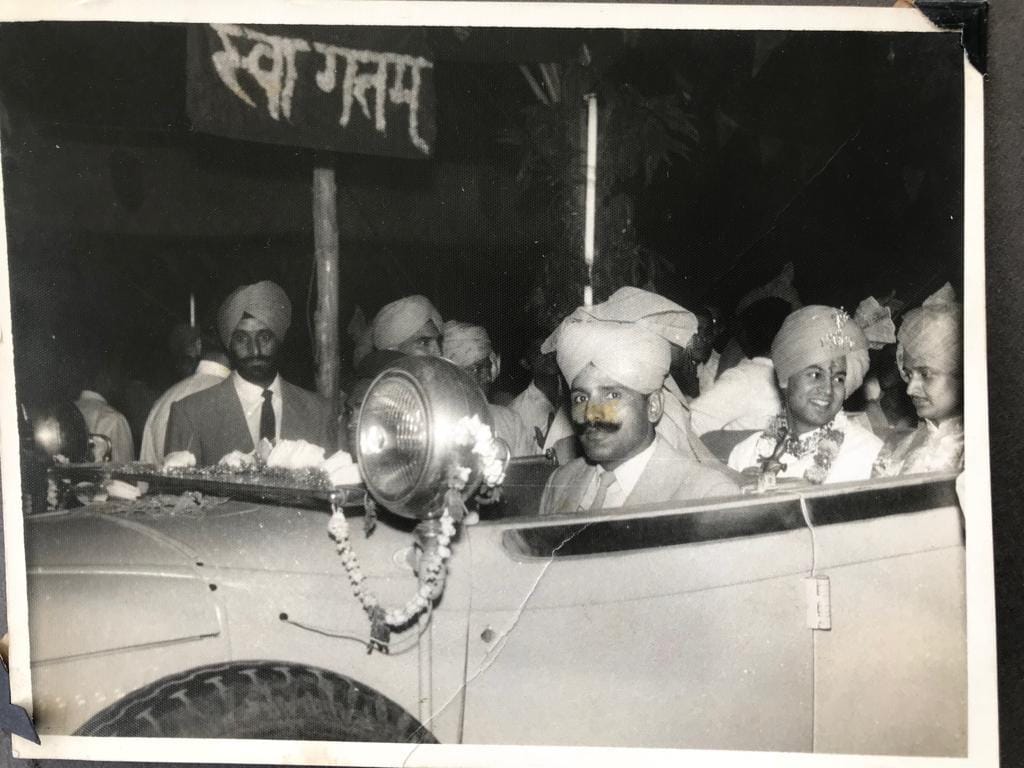
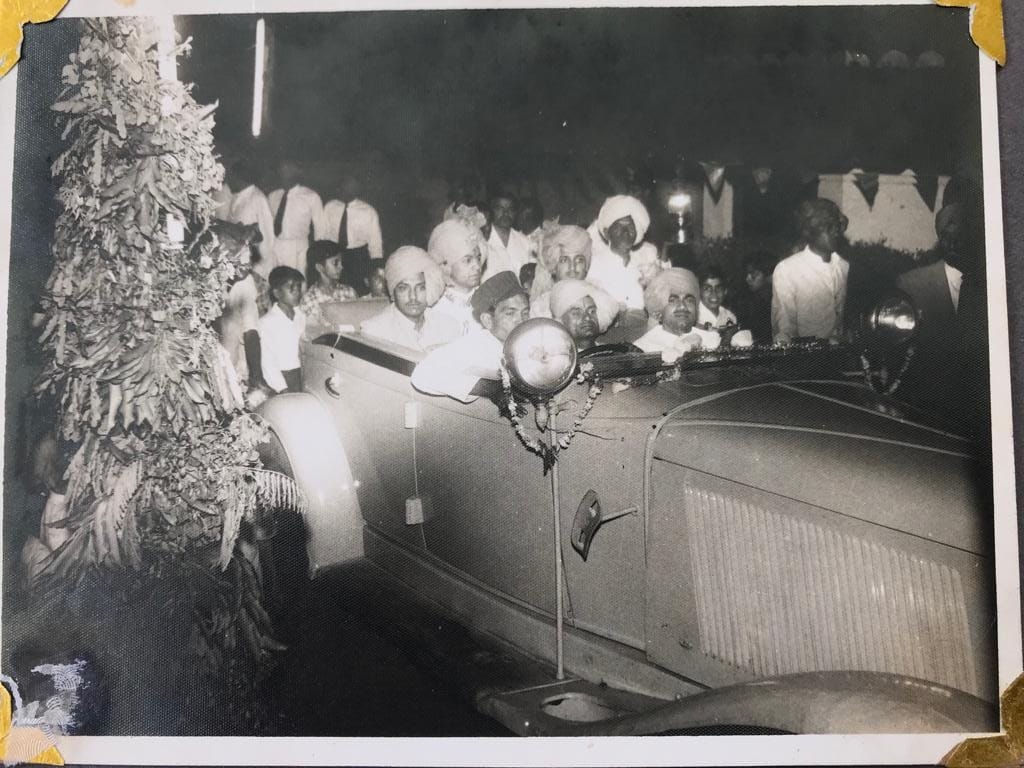
And a wedding car for royal affairs
In subsequent years, finding parts for the Auburn became increasingly difficult, especially tyres. This was also the reason why the V12 engine was replaced first by a six-cylinder Chevrolet engine and later with a Mercedes 180D engine in 1964. The extensive use manifested itself in the form of broken chrome wire wheels and broken spokes, which frequently punctured the tyres. Eventually, due to the unavailability of parts and tyres, it was relegated to being stored in the family garage.
The Auburn was brought to Delhi in 1985 when the family relocated from Pahargarh and Indore. It was acquired by Manvendra Singh of Barwani in 2010, who later passed custody to Diljeet Titus. A full restoration is on the cards, followed by participation at the Oberoi Concours and the Pebble Beach Concours in 2028.
Comments ()