Paris Rediscovers Its Automotive Soul
Paris’s motor show returns with fresh energy, European heritage and bold automotive concepts
Text & Images: Gautam Sen
There is some debate about when the motor show was born. Some historians trace its origins to the Internationale de Vélocipidie et de Locomotion Automobile, held in Paris in December 1894.
Most, however, consider the 1898 Salon de l’Automobile de Paris to be the true beginning of the motor show as we know it. Whatever the starting point, we now know the end date of the latest chapter: 18 October 2026.
And what a chapter it has been.
After years of decline, the Paris Motor Show has come roaring back. It would be unrealistic to compare it with its glorious years of the 2000s and 2010s, when as many as 1.4 million visitors could fill the eight enormous halls of Porte de Versailles.
In recent years, attendance had fallen to a few hundred thousand, the number of occupied halls had dwindled, and many European manufacturers had abandoned the event. Their absence was increasingly conspicuous, while Chinese brands seemed poised to inherit the space.
At the previous show, two years ago, there was an unmistakable air of despondency.
The European automobile industry appeared to be in retreat, while a new generation of Chinese marques, with names unfamiliar to most European consumers, seemed destined to take over.
How different Paris felt this time.
The Europeans were back, and so were the crowds.
Press Day on 12 October brought a succession of new models and concepts, but what was perhaps most striking was their connection with the past.
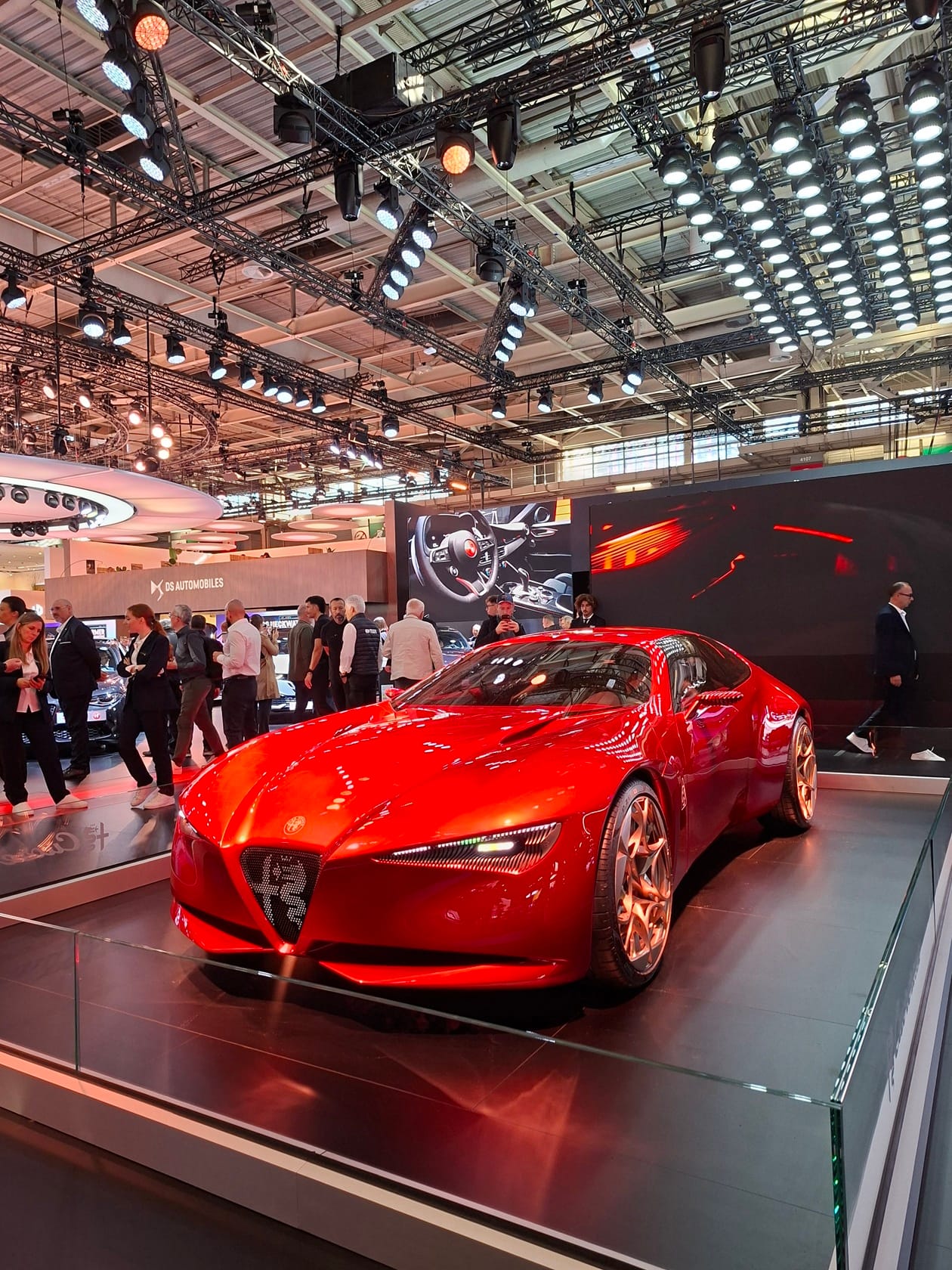
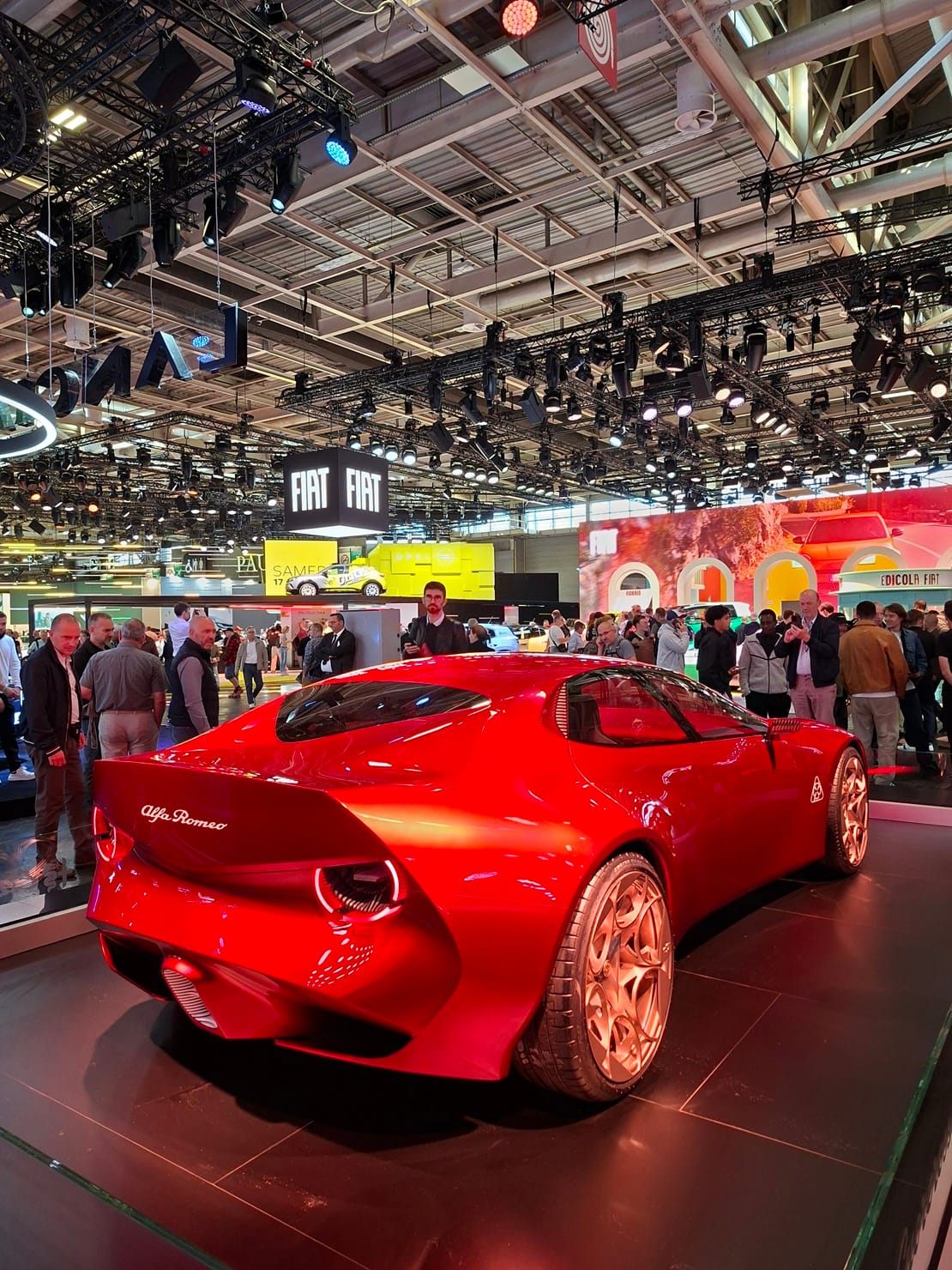
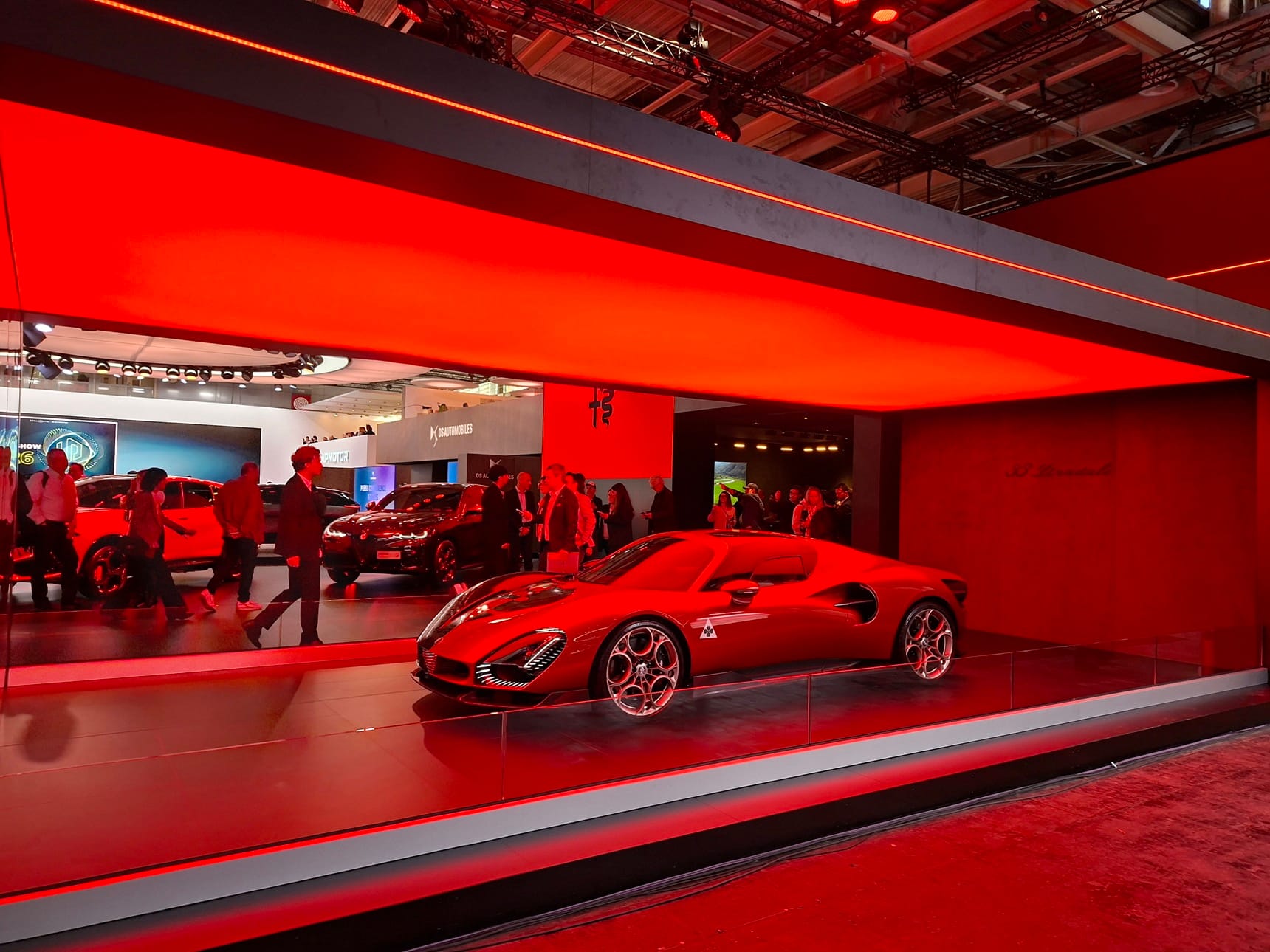
Matching the Stradale for style and sex appeal was the Alfa Romeo Courerosso concept coupé, designed under the able leadership of Alfa's design chief, Alejandro Mesonero-Romanos
Several European manufacturers appear to have recognised that their greatest asset may not be technology alone, but heritage: the emotional capital accumulated over generations.
Reinterpreting familiar names and design cues for a new era, even an electric one, offers a way of reconnecting with customers who grew up seeing these cars on the streets of their cities and towns.
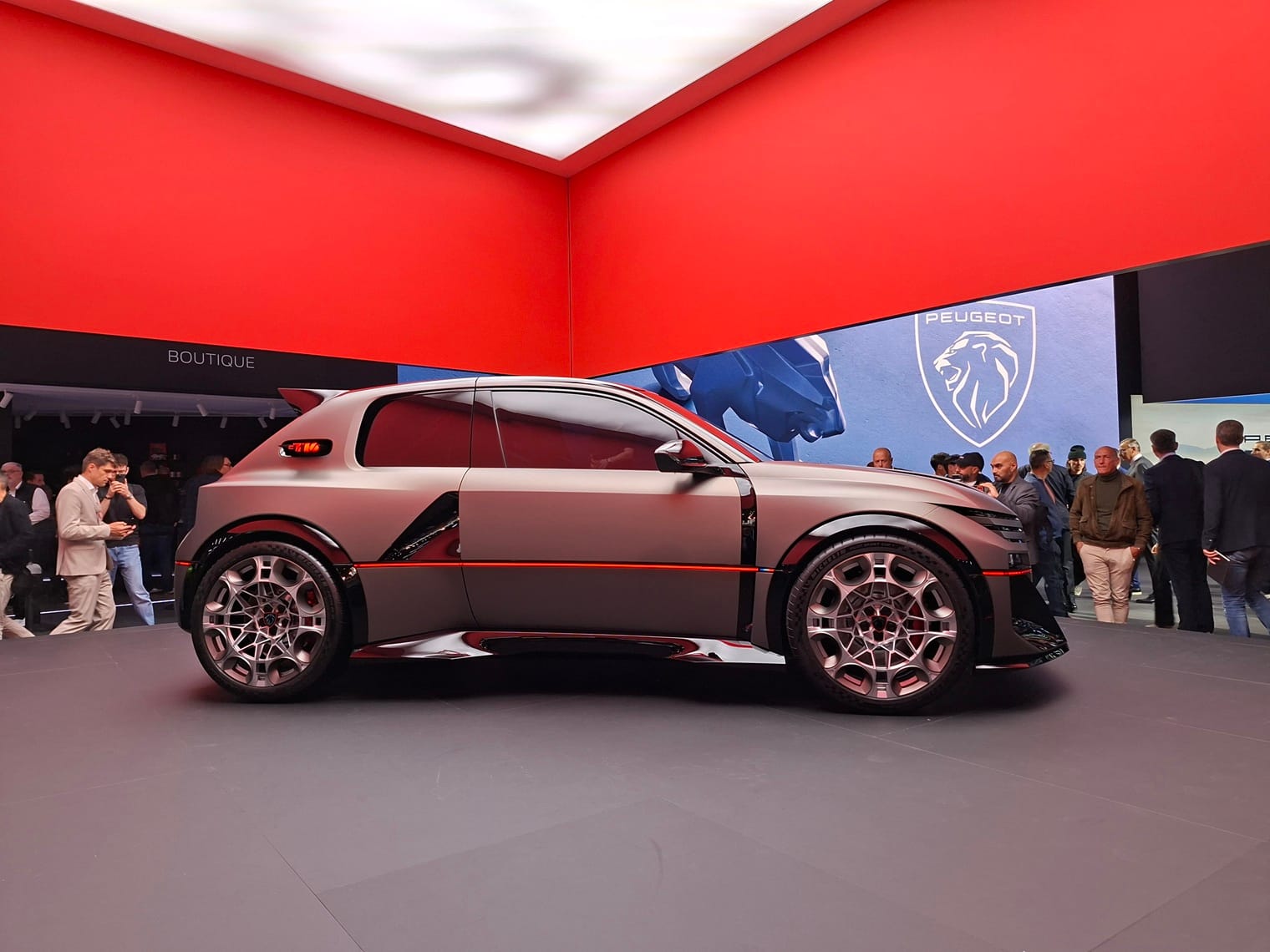
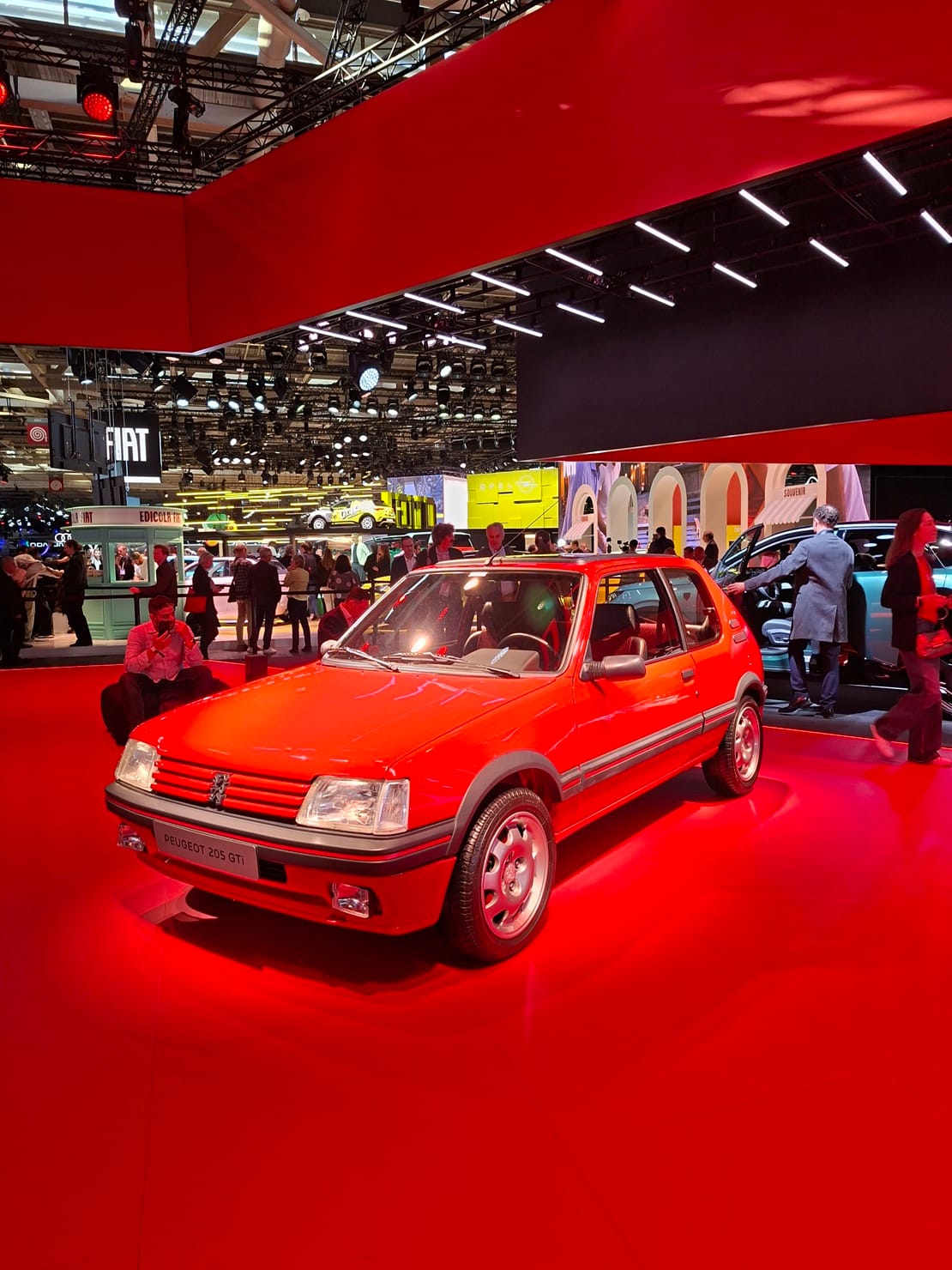
Peugeot came up with the E-T16 which was an EV recreation of the 205 T16 WRC car (left). To remind people of the legendary 205 GTi, Peugeot brought a beautiful example to the show (right)
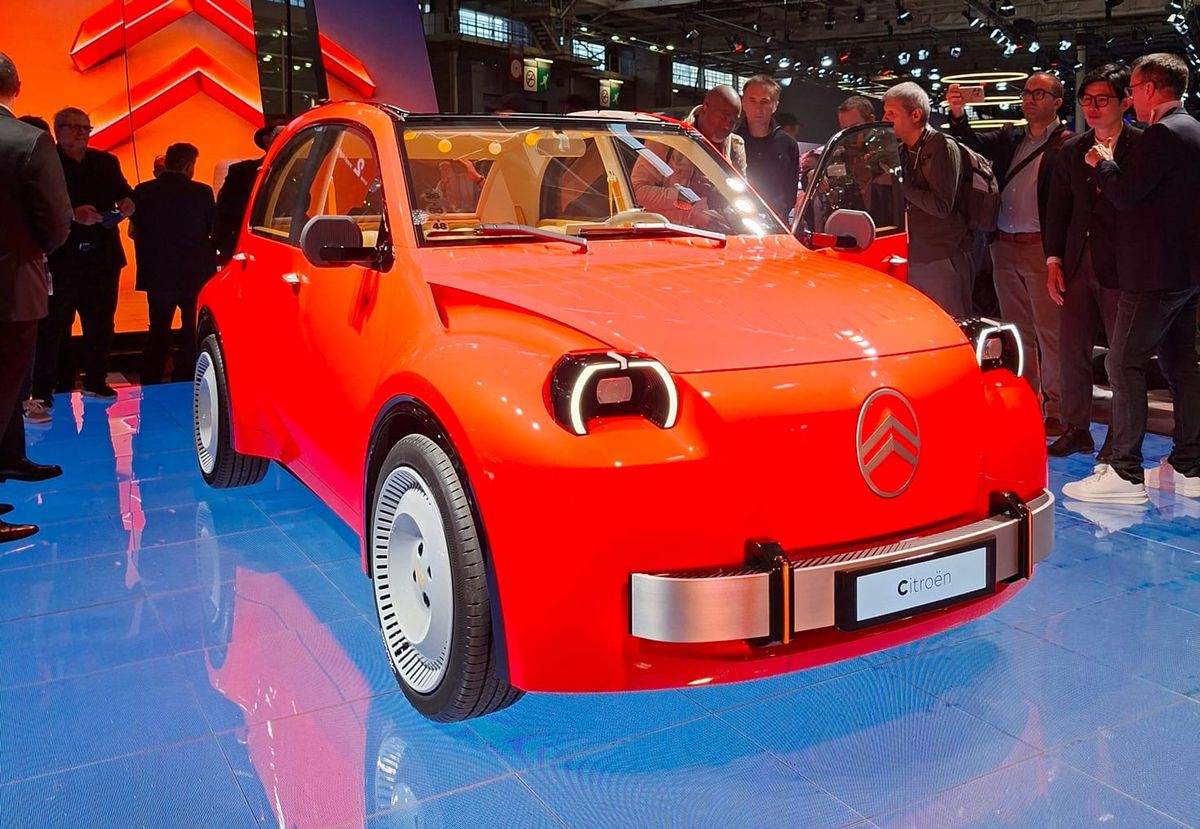
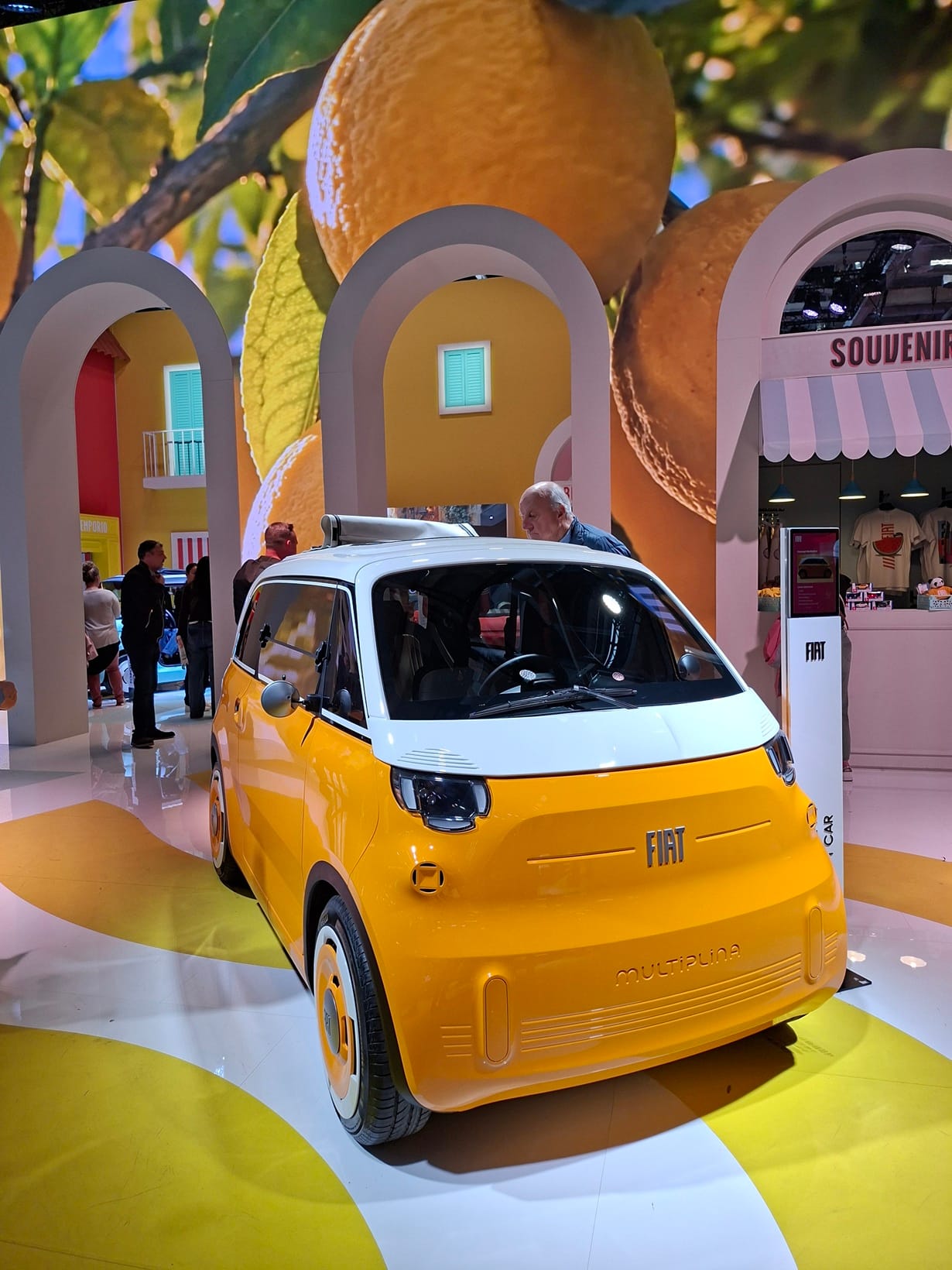
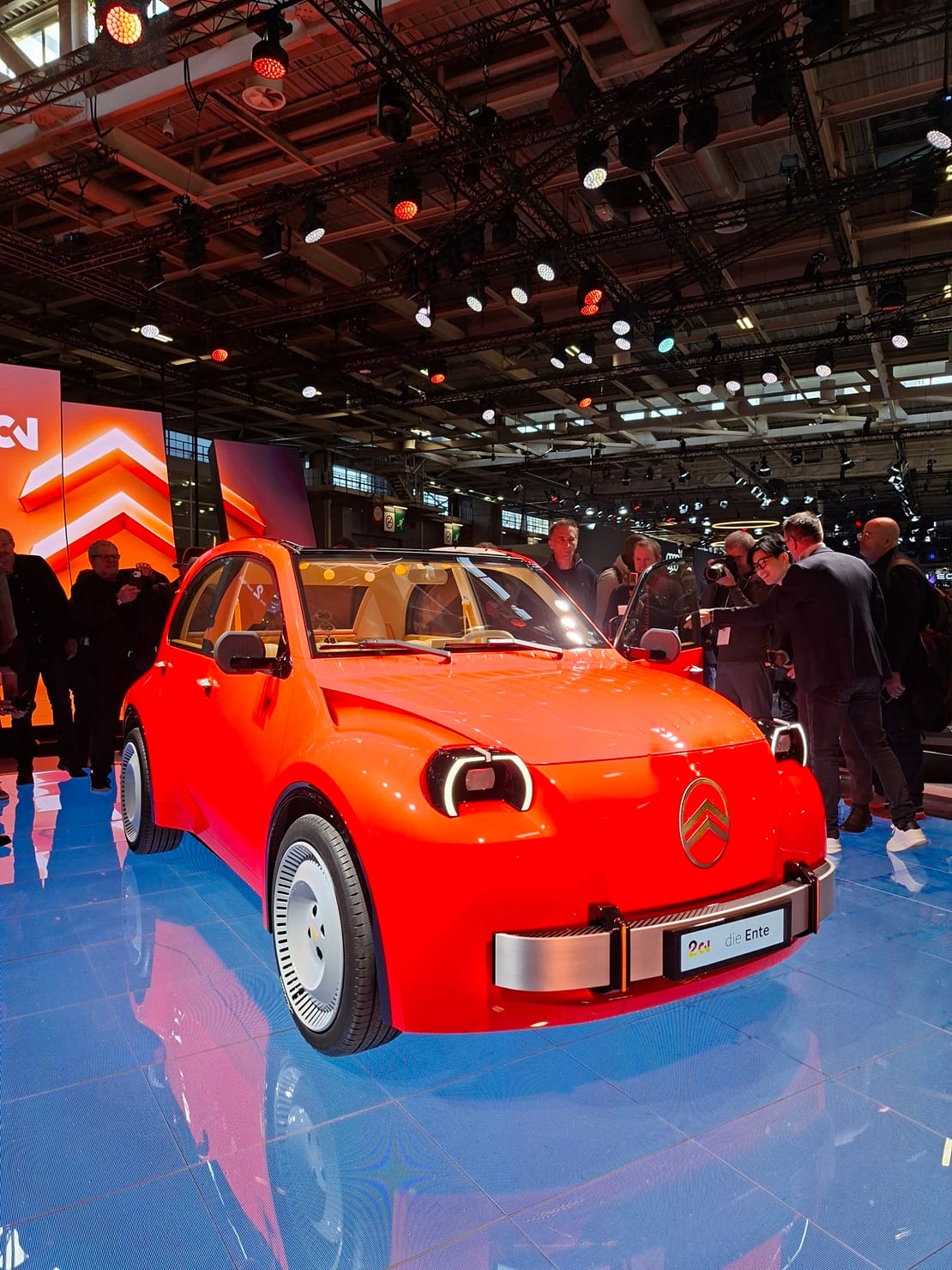
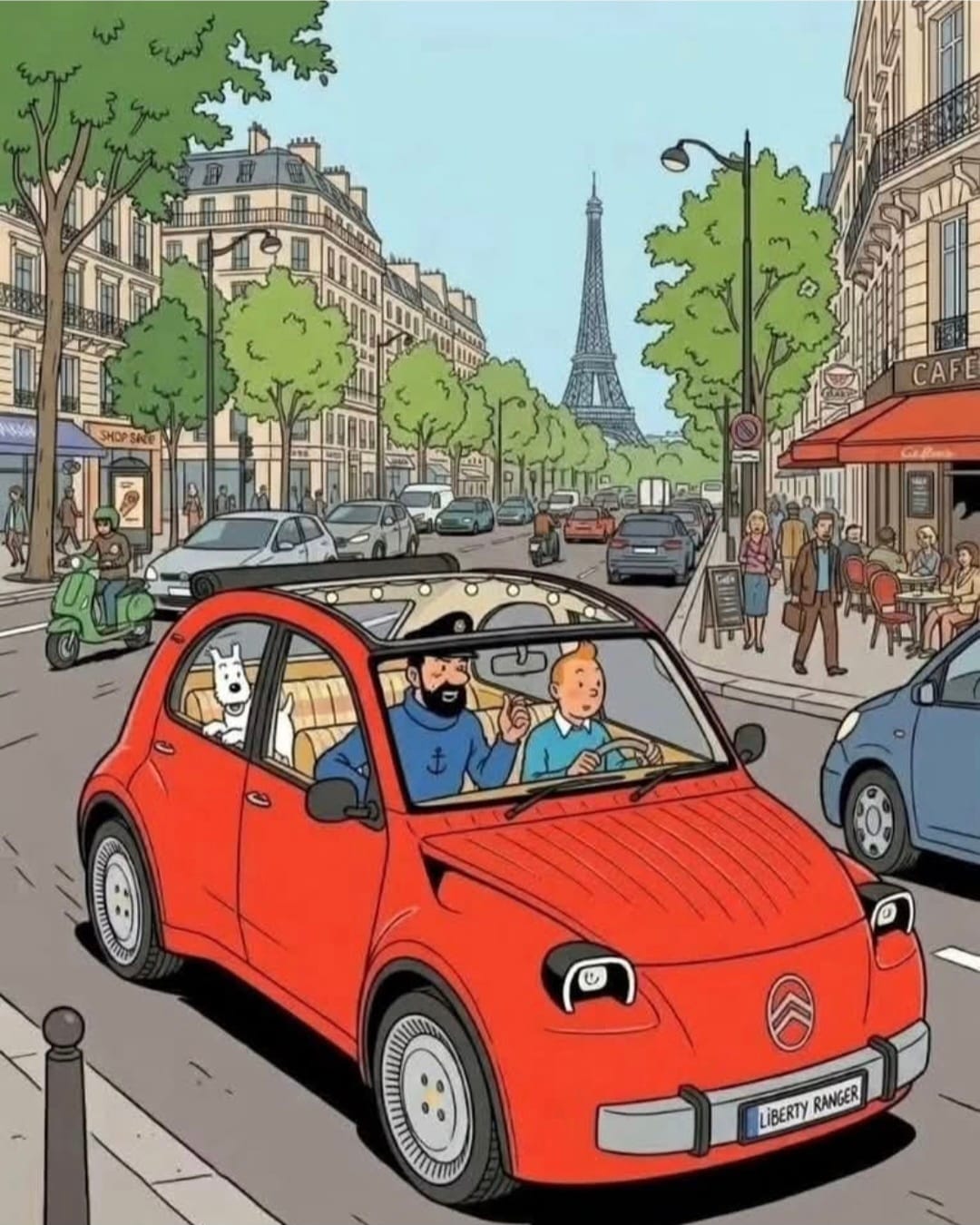
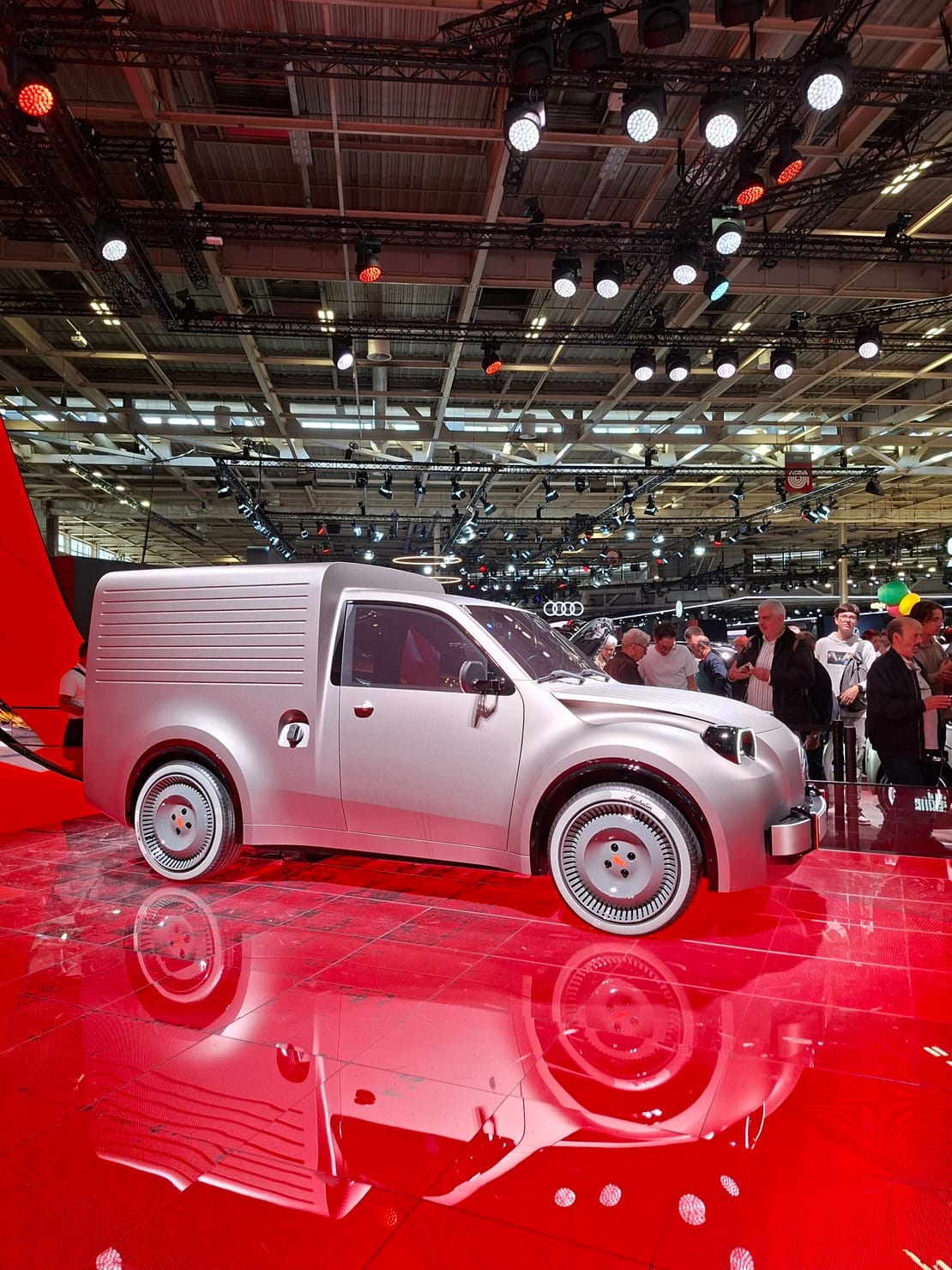
Stellantis led the nostalgia offensive, particularly through Fiat and Citroën. Fiat unveiled a series of intriguing concepts, including the Multiplay, Multiplina, Grizzly and Grizzly Fastback, while Citroën stole hearts with its remarkably cute new 2CV and 2CV Fourgonnette.
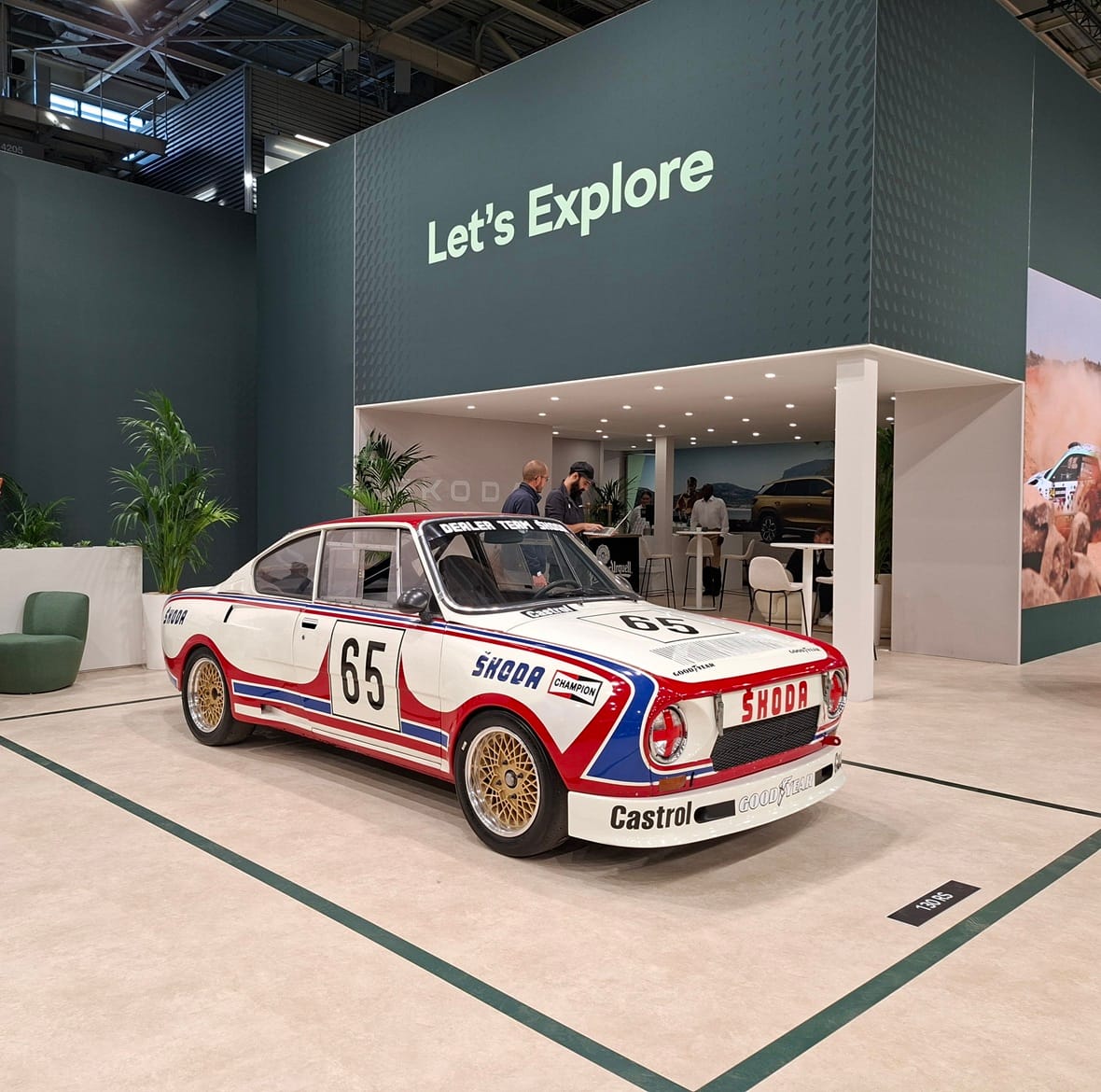
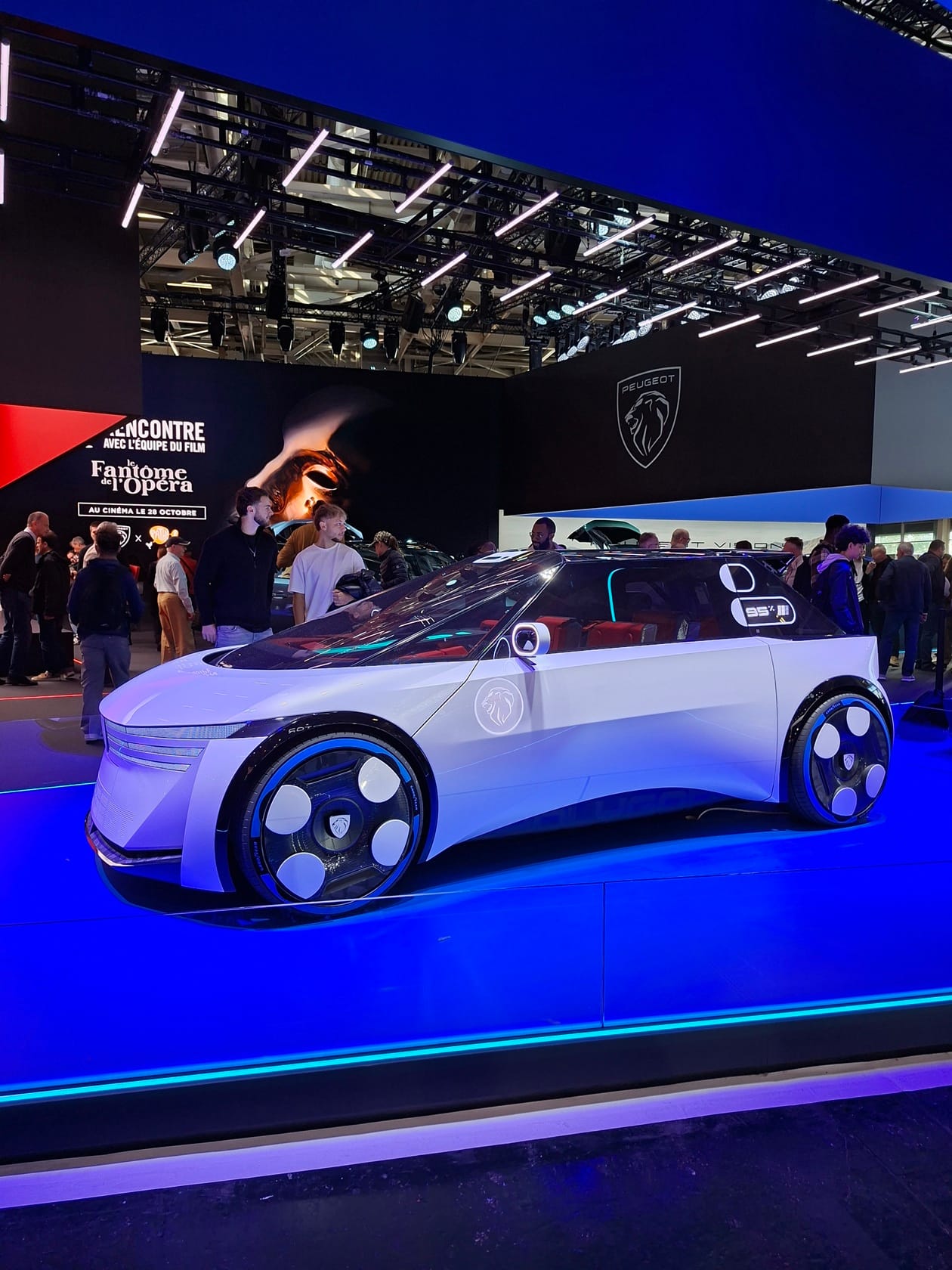
Alfa Romeo presented the gorgeous Cuorerosso, Peugeot showed the RCZ concept, recalling its much-loved coupé, while Lancia unveiled the Gamma SUV, which seems to be based on the Peugeot 3008.
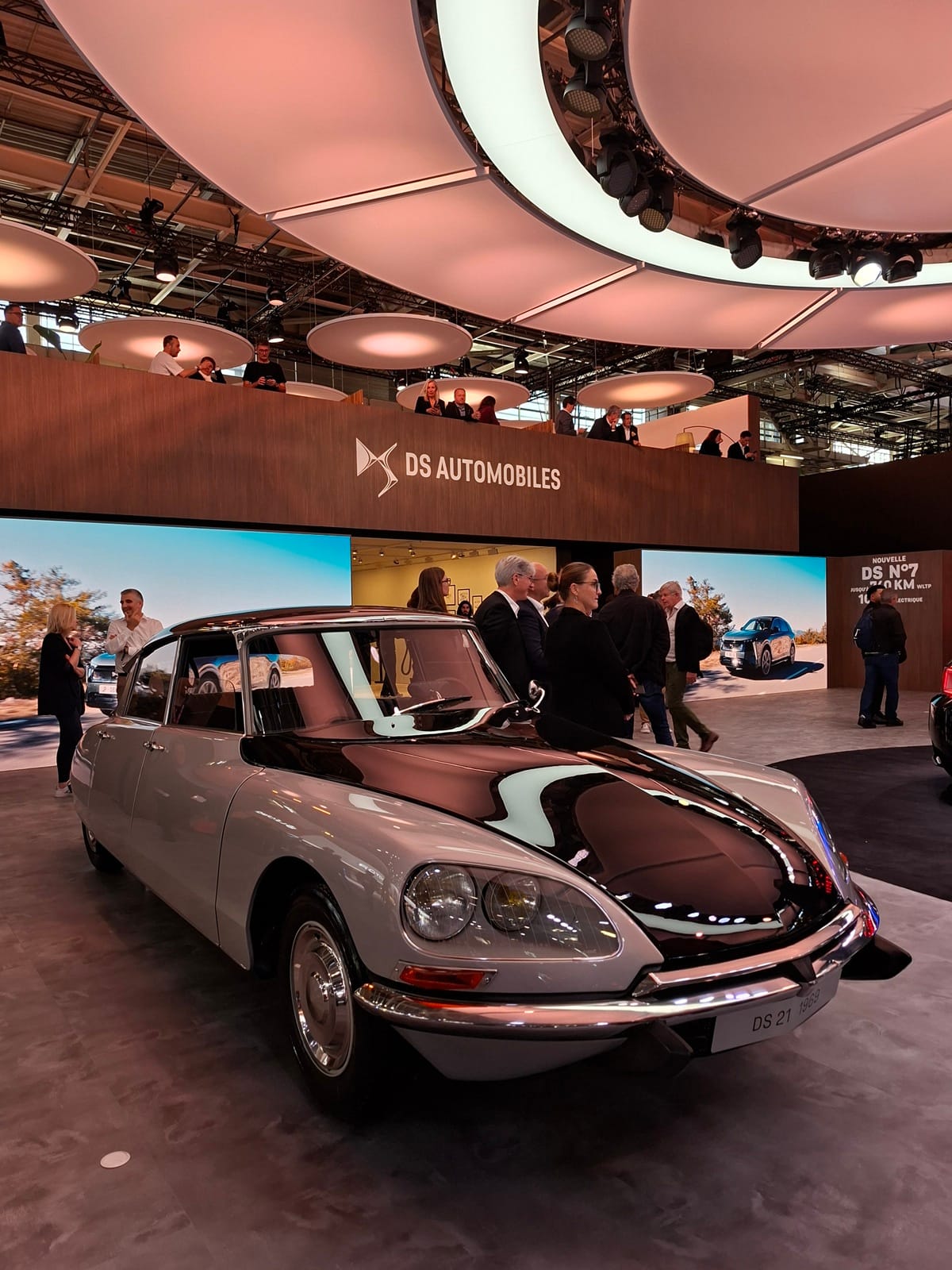
Perhaps most revealing was the response to the tiny Fiat Topolino. Derived from the Citroën Ami, this diminutive quadricycle drew crowds far beyond what its size might suggest.
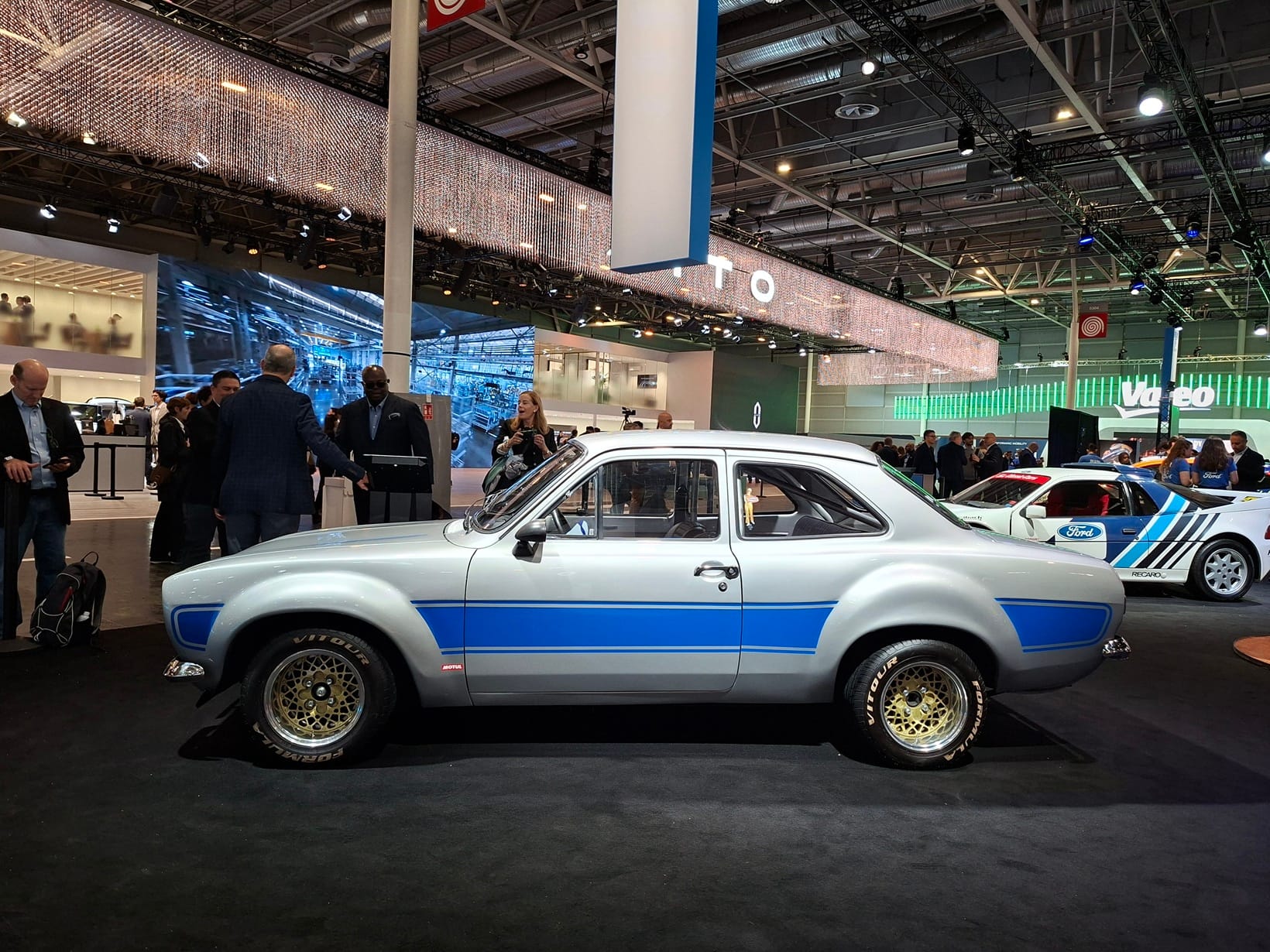
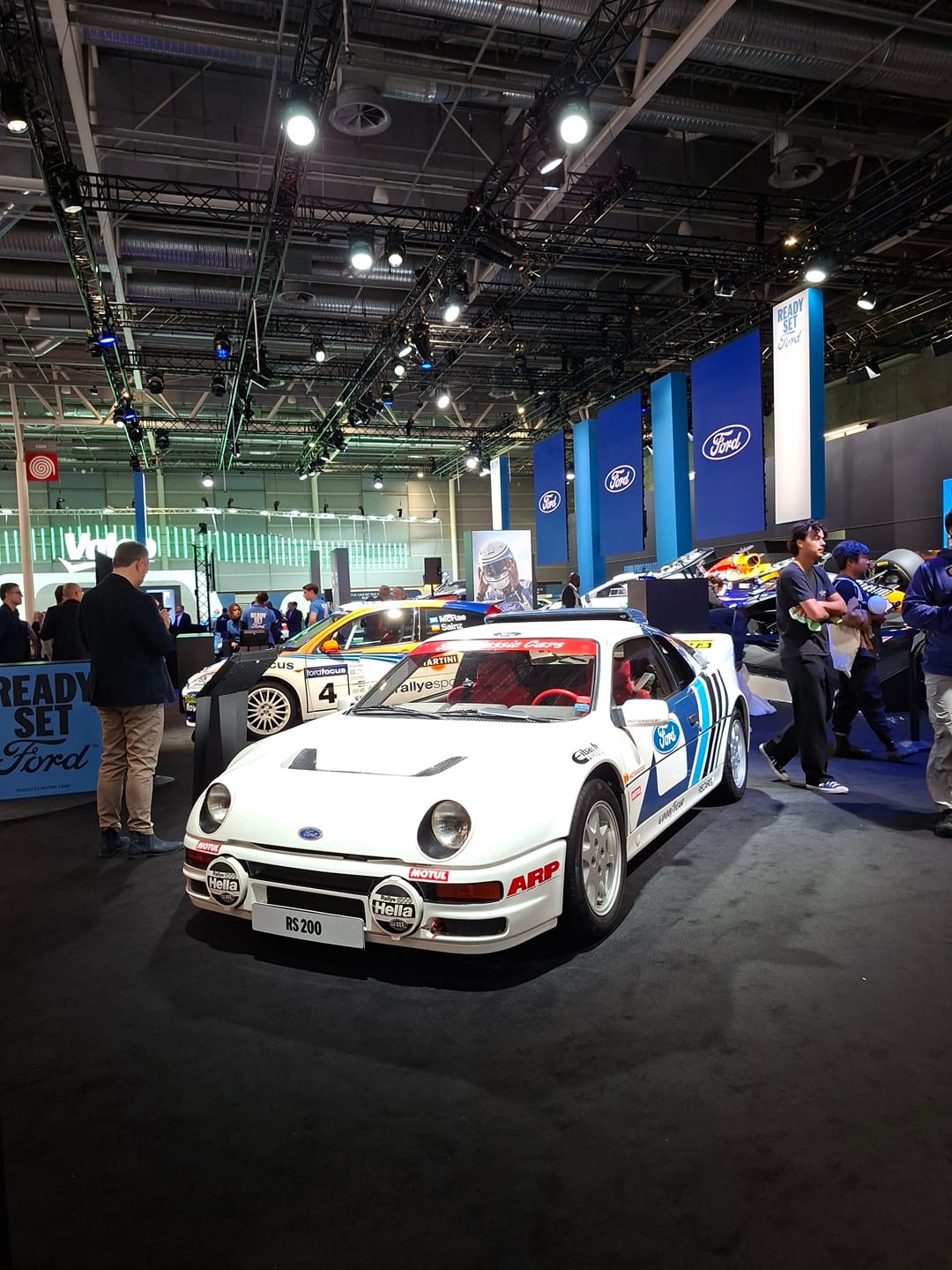
Ford too brought out its rallyware such as the Escort Mk 1 (left) as well as the very rare RS200 (right)
The Fiat Multiplina generated similar interest, with its four-seat, 90 km/h format and styling that echoed Fiat design language of the 1950s. Clearly, nostalgia works when it is translated into something accessible and contemporary.
Renault understood the message too. Its latest Twingo deliberately recalls the original, launched 34 years ago, while the fully electric Renault 5 Turbo reinterprets the legendary 1980s hot hatch.
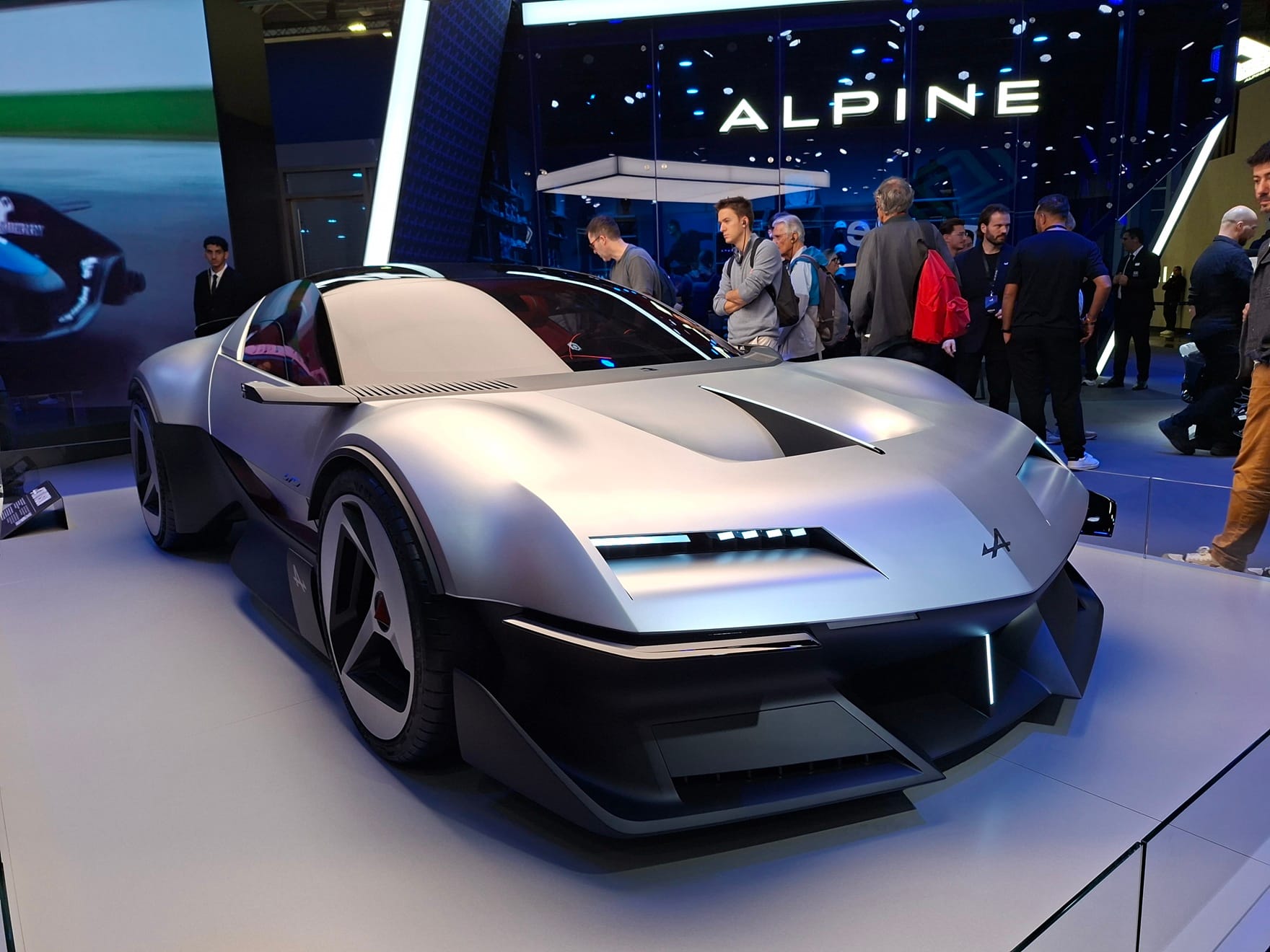
Alpine, Renault’s sporting marque, displayed a spectacular concept inspired by the iconic A310 of the 1970s.
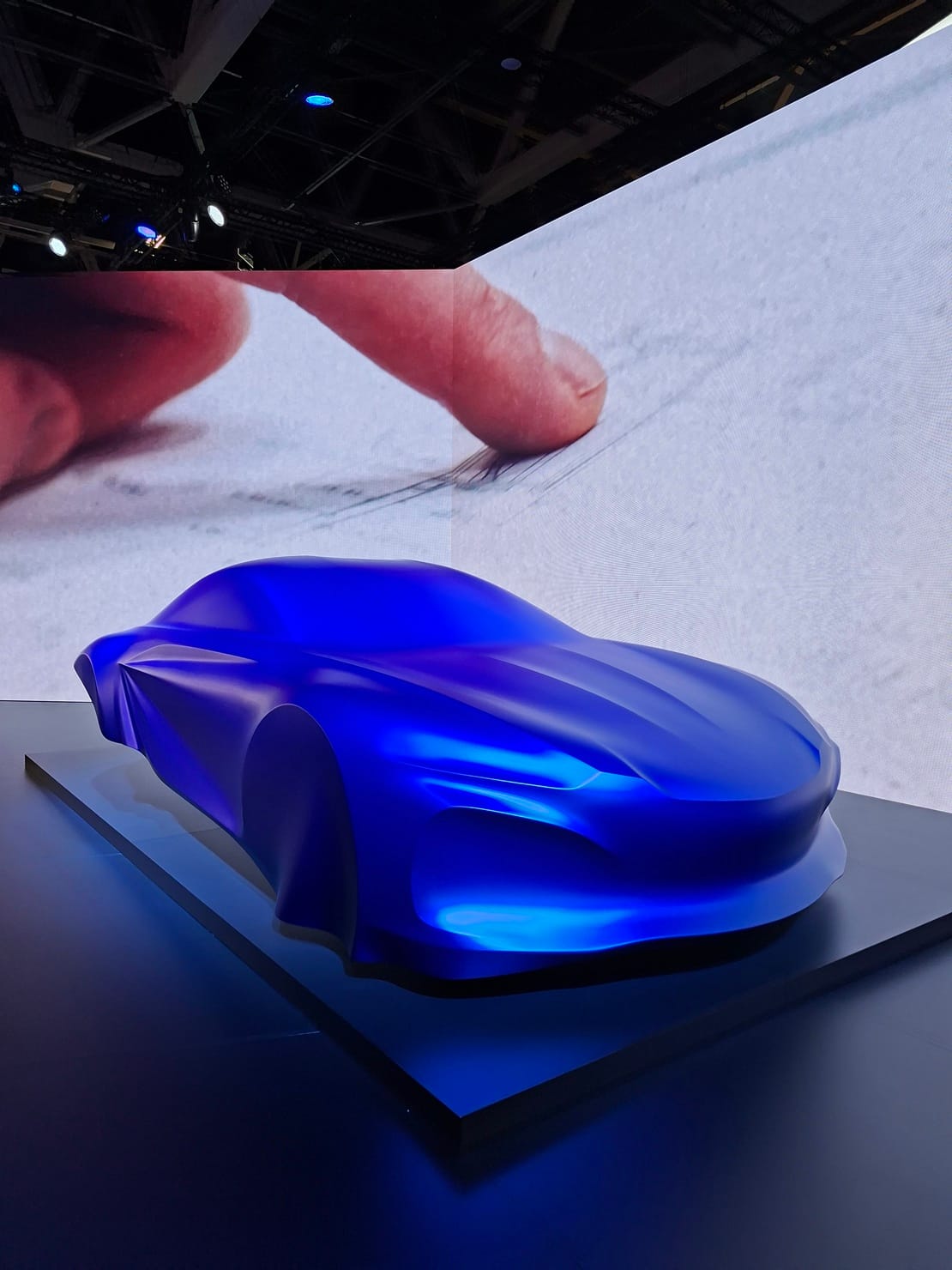
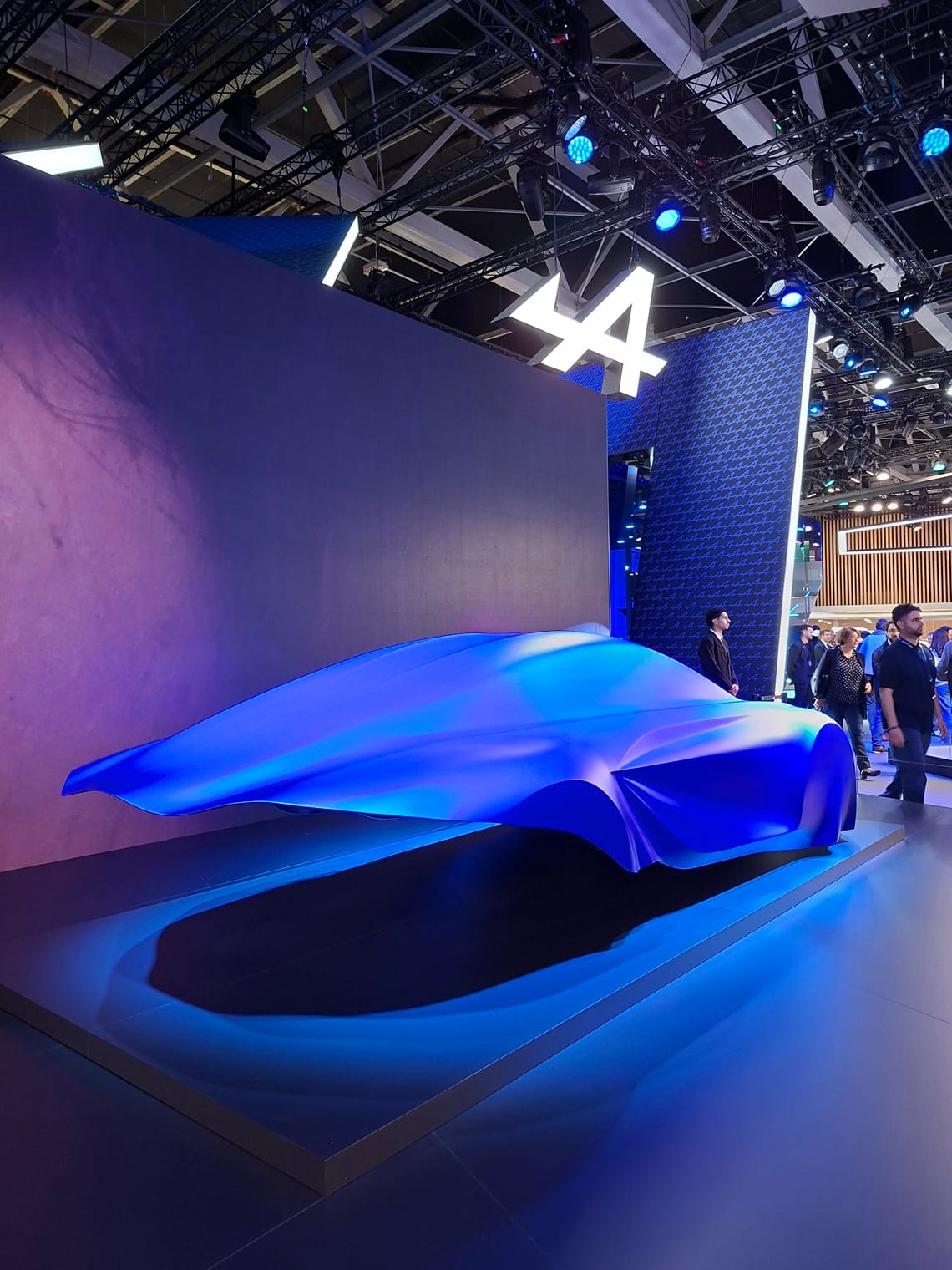
This gorgeous blue sculpture previews the third-generation Alpine A110
Peugeot joined the retro-modern movement with its electric E-T16, a three-motor hyper-hatch clearly inspired by the 205 T16 that conquered the World Rally Championship in the 1980s. A genuine 205 GTi nearby ensured that the nostalgic connection was impossible to miss.
By comparison, the German manufacturers offered little that matched this emotional charge, relying largely on the familiar language of muscular, technologically driven luxury.
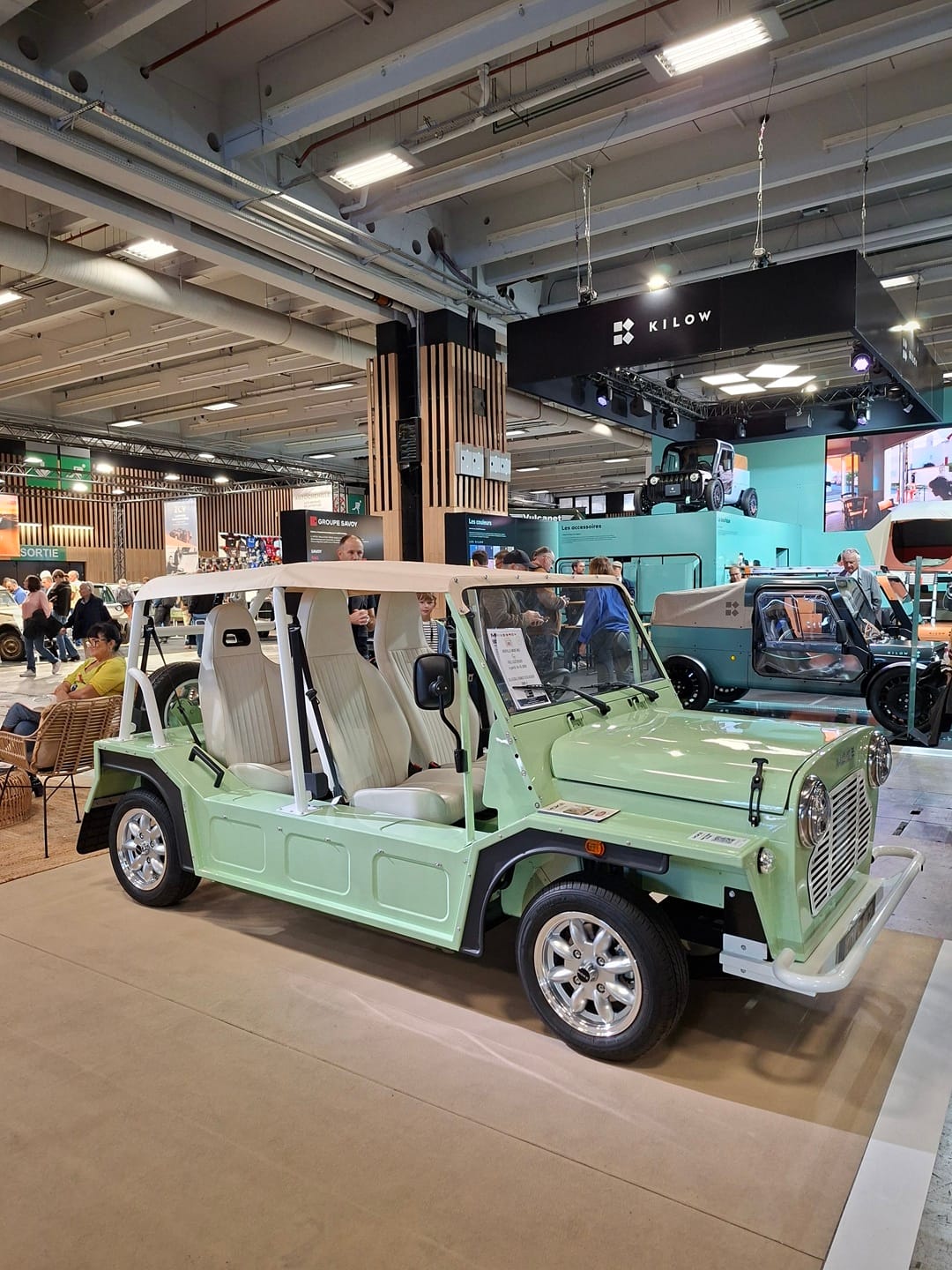
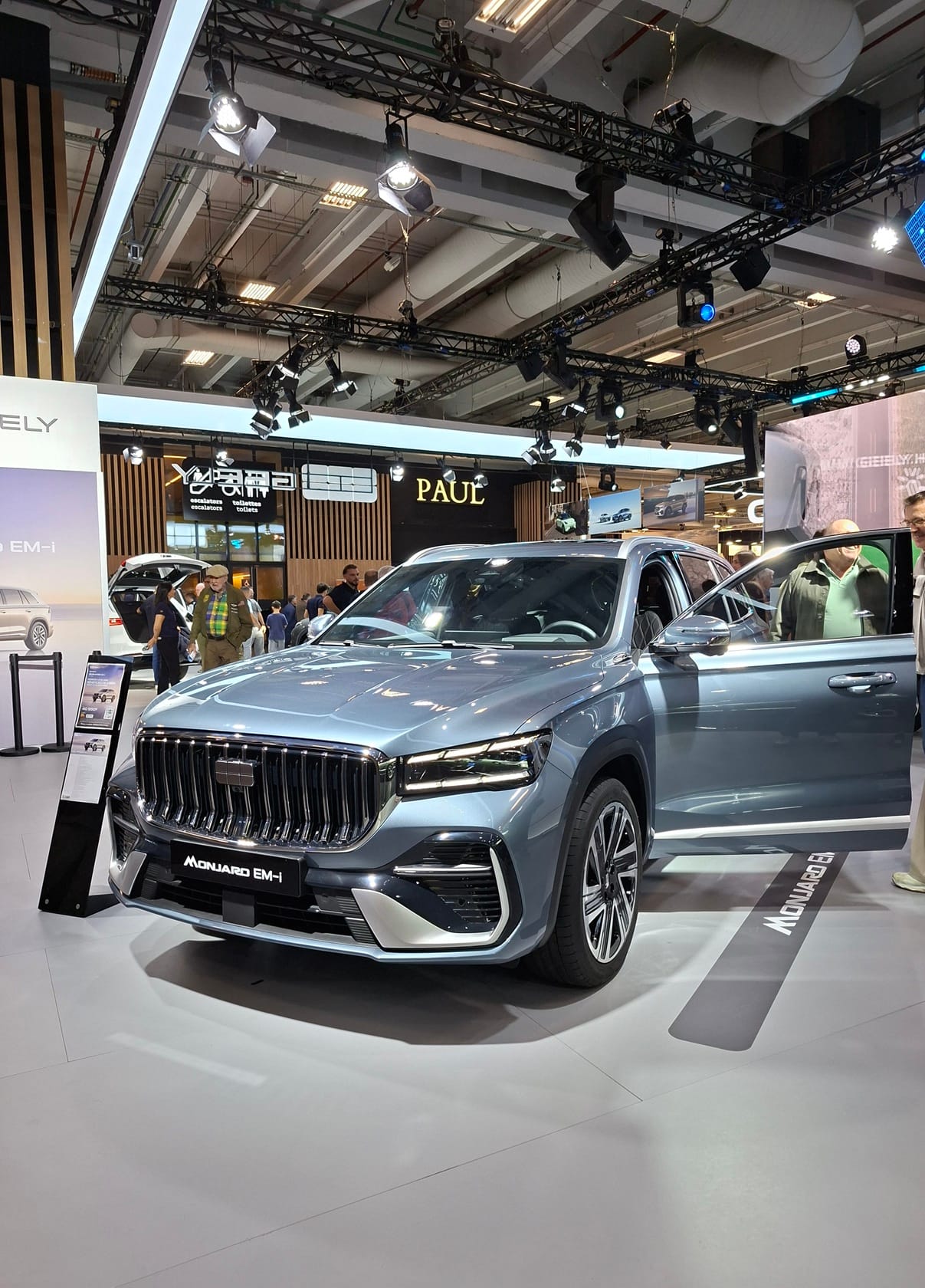
The Chinese manufacturers, meanwhile, appeared to have missed the mood altogether. Their stands were dominated by enormous SUVs that seemed to echo the Porsche Macan and Cayenne or Mercedes-Benz GLE.
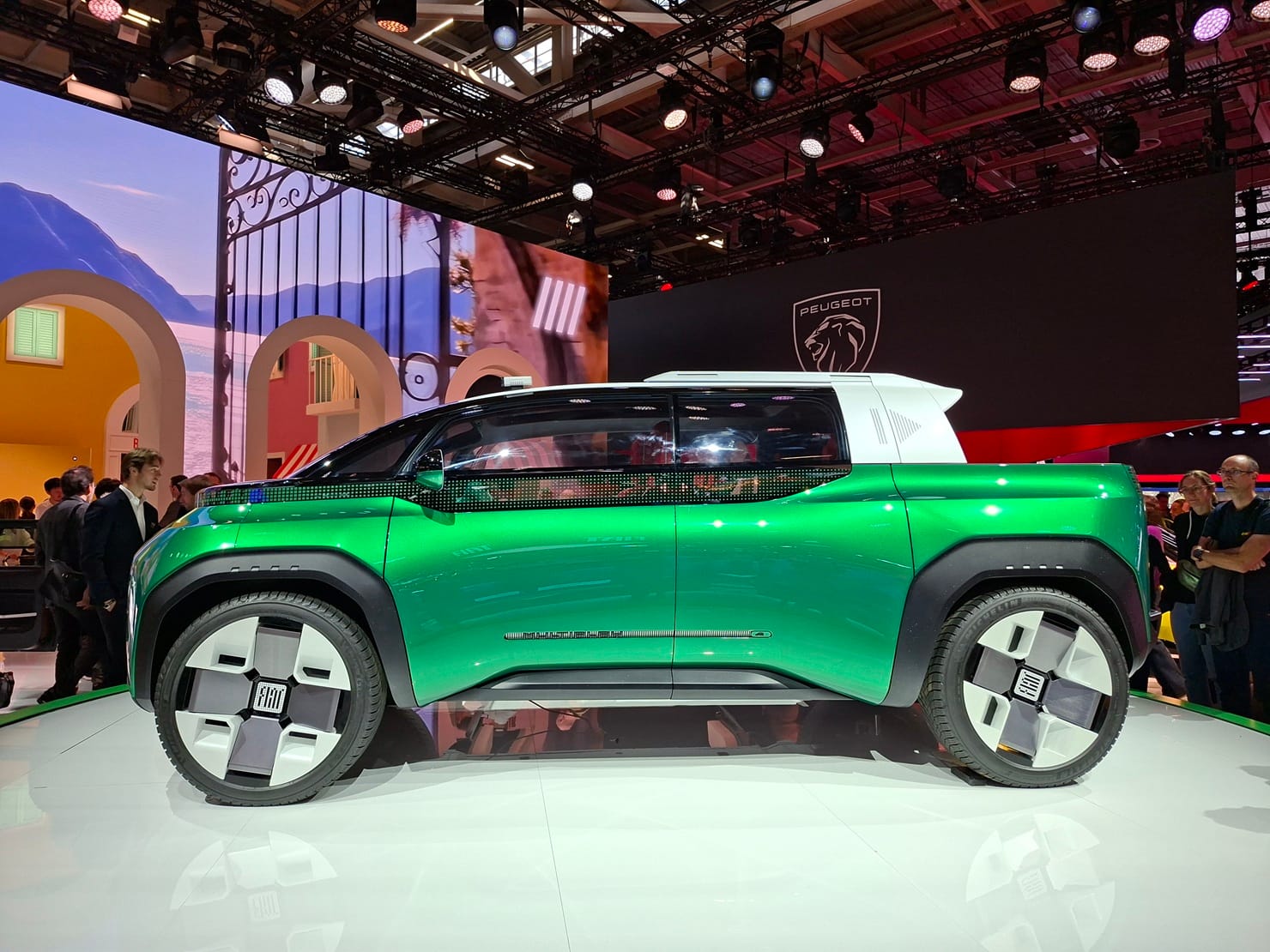
Despite the sophistication of some of the products, the relatively sparse crowds suggested that Parisian visitors were not yet convinced.
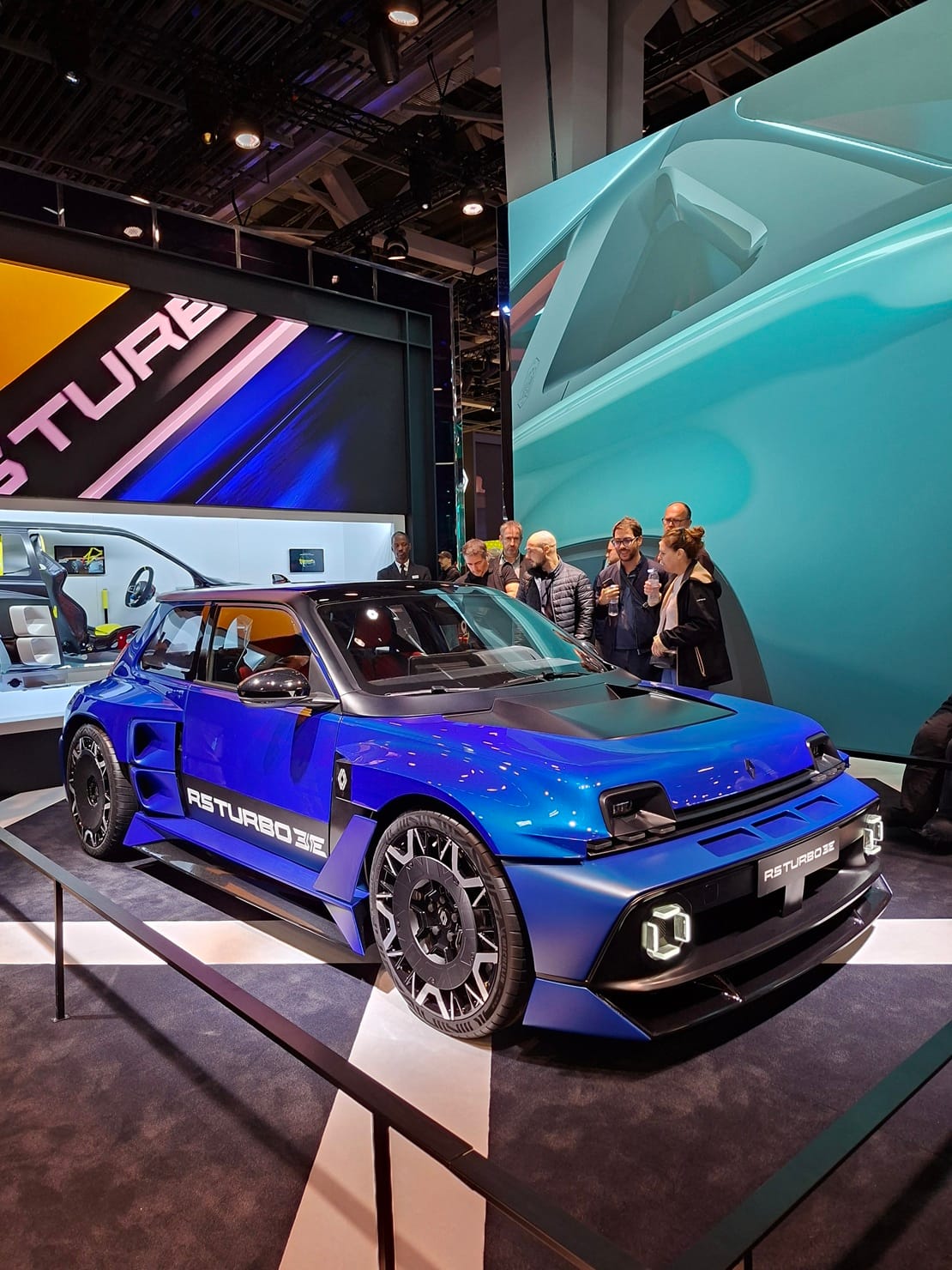
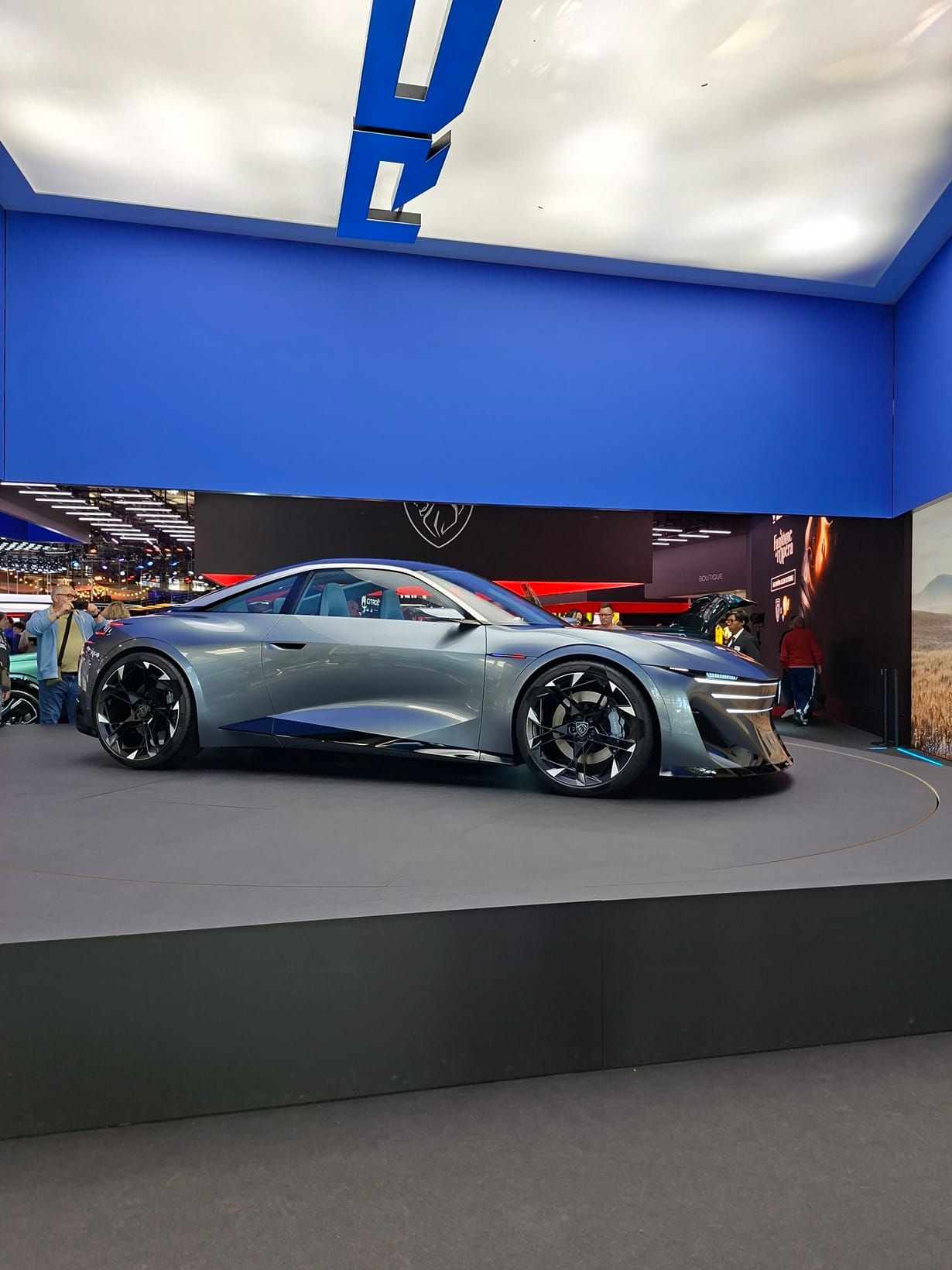
References to the past could be seen in the EV Renault 5 Turbo and the Peugeot RCZ
And that, perhaps, was the real story of Paris 2026.
The show may be shorter than it once was, and it may never again attract 1.4 million visitors. But the crowds returned, the European manufacturers rediscovered their confidence, and the atmosphere inside Porte de Versailles was once again unmistakably that of a motor show.
Paris seems to have convincingly reclaimed its place as the most important automobile show in the Western world.
Comments ()