Tonneins: The French Exception
France's charming Tonneins concours celebrates automotive elegance with unmistakable French flair
Why the lesser known Tonneins Concours d’Elégance is one fine place to be
Text & Images: Gautam Sen
While much of the historic-vehicle world was focused on the 75th Pebble Beach Concours d’Élégance, a small town in an otherwise little-known corner of la Gaule was holding its own concours: rather more modest in scale, perhaps, but unmistakably French in character. After all, the very concept of the concours d’élégance originated in France.
On August 15, as India marked the conclusion of its 80th Independence Day celebrations and much of the country was settling into sleep, some of the finest and rarest automobiles in southern France were taking centre stage at the 14th Tonneins Concours d’Élégance.
Located about 135 kilometres south of Bordeaux, Tonneins may lack Pebble Beach’s international renown, but its annual August 15 celebration has become a much-loved fixture of the French historic-vehicle calendar. Over the years, it has attracted more than a thousand automobiles and several thousand enthusiasts every year, all gathering to celebrate France’s rich motoring heritage.
My own association with Tonneins began in 2023, when I served on the jury, whilst fellow Indian enthusiast T. R. Raghunandan and his wife, Aditi, were visiting. Since then, I have returned every year except 2025, when the event was cancelled due to the extraordinary heatwave that swept across France.
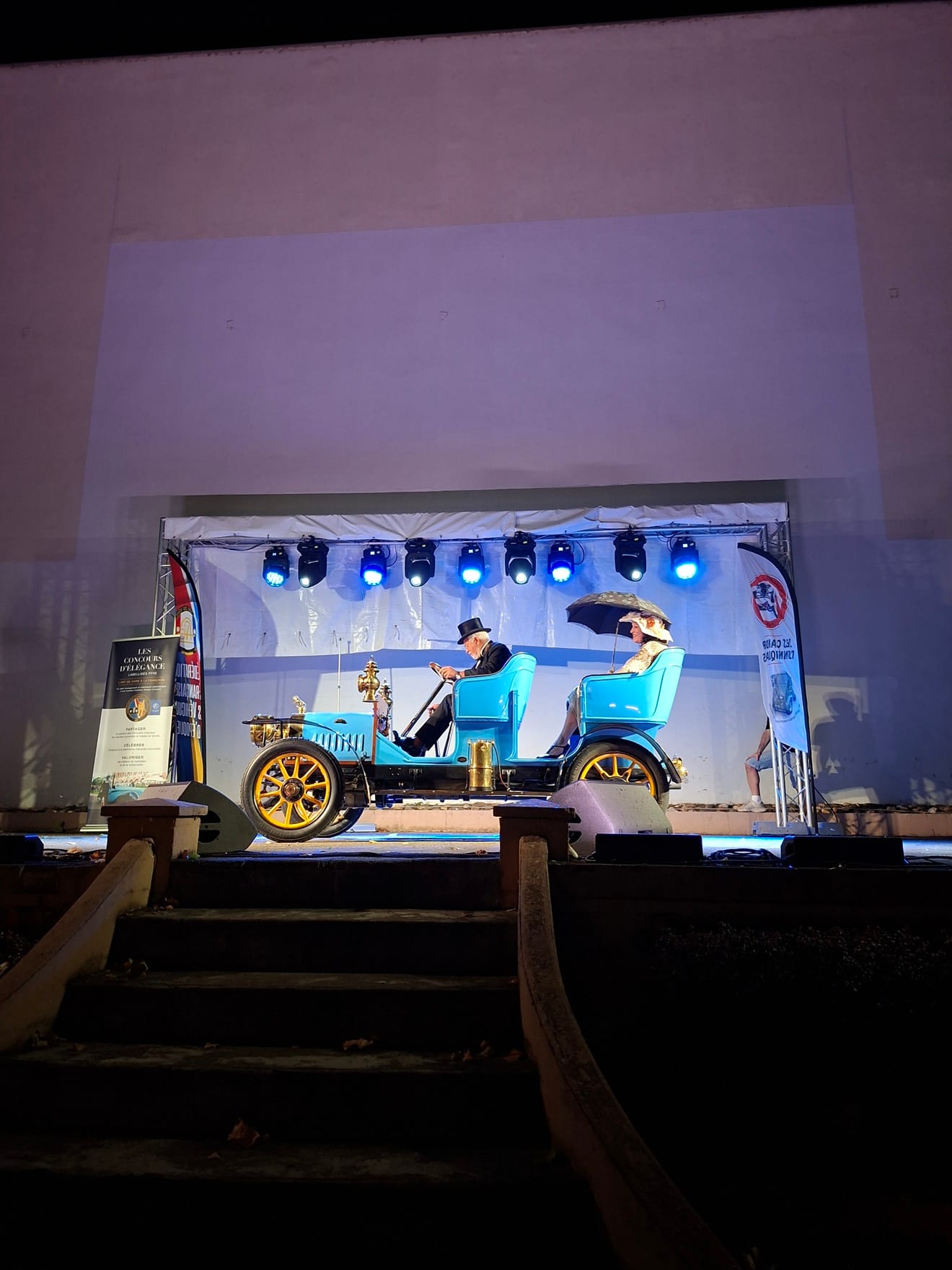
The concours is closely associated with former French senator Jean-Pierre Moga, who has played a key role in its development. Moga was also instrumental in establishing l’Amicale Parlementaire, of which he is now Honorary President. With around 120 members of the French Parliament, the organisation actively supports and advocates for the historic-vehicle movement within the French political establishment.
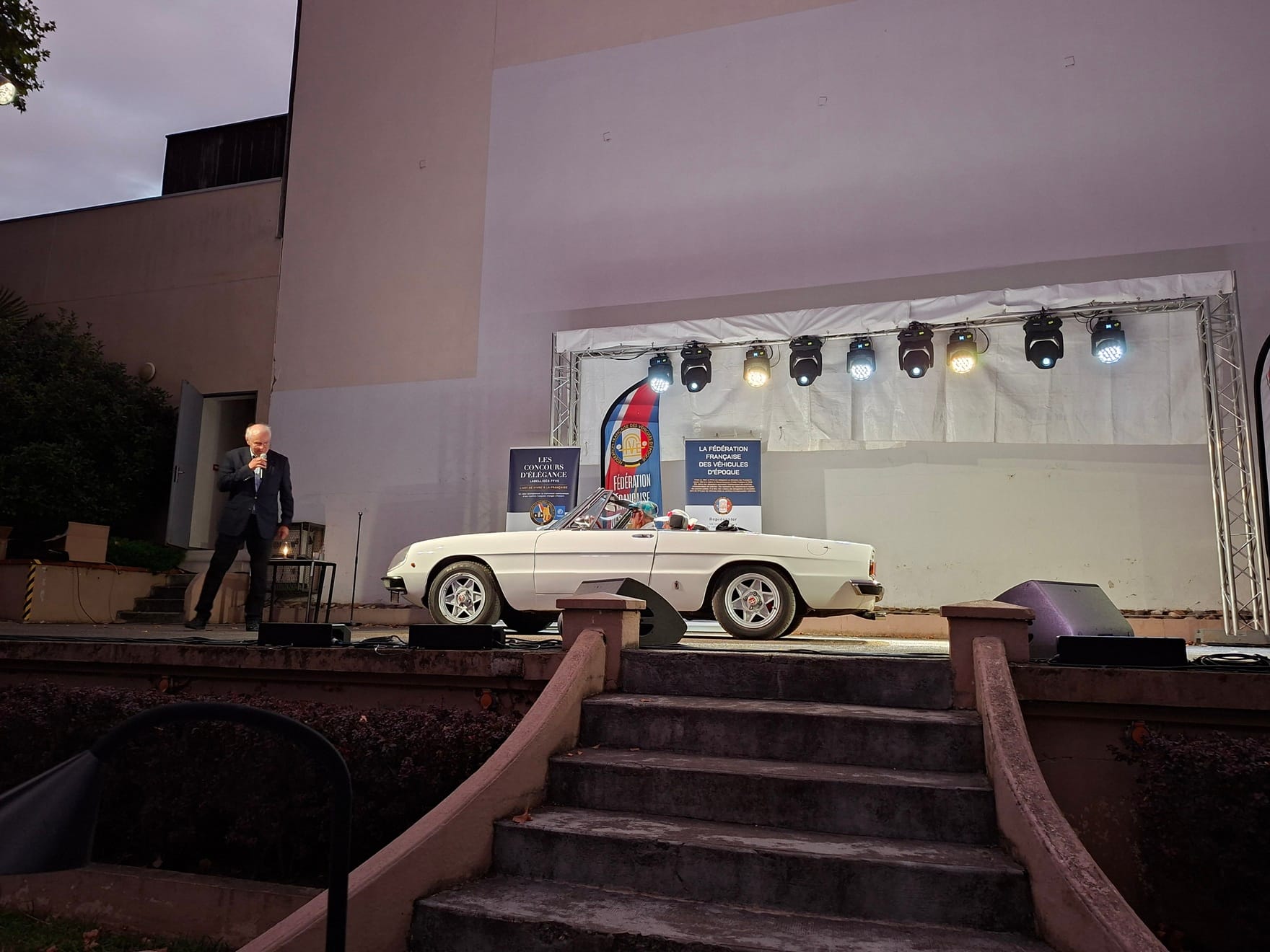
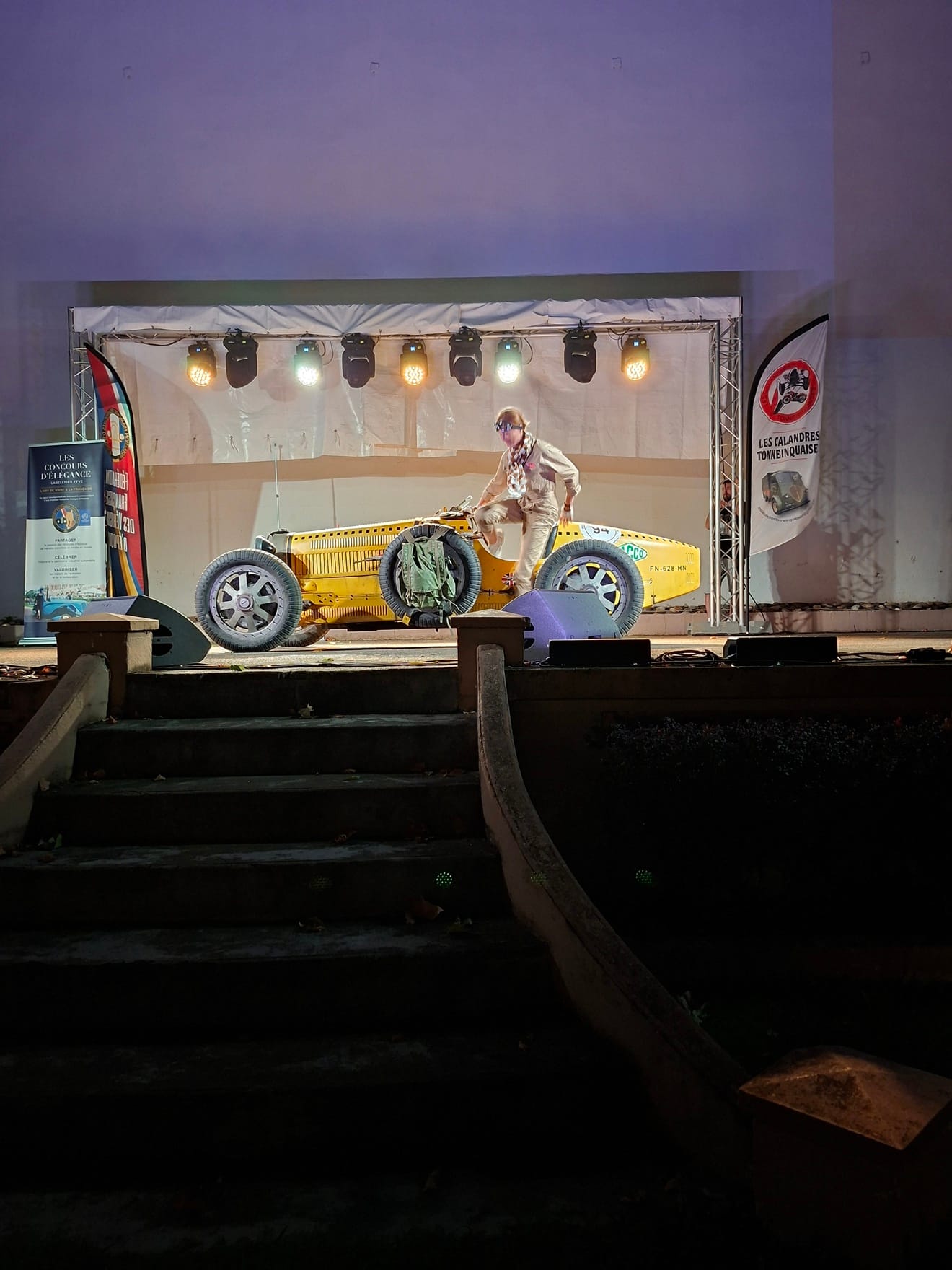
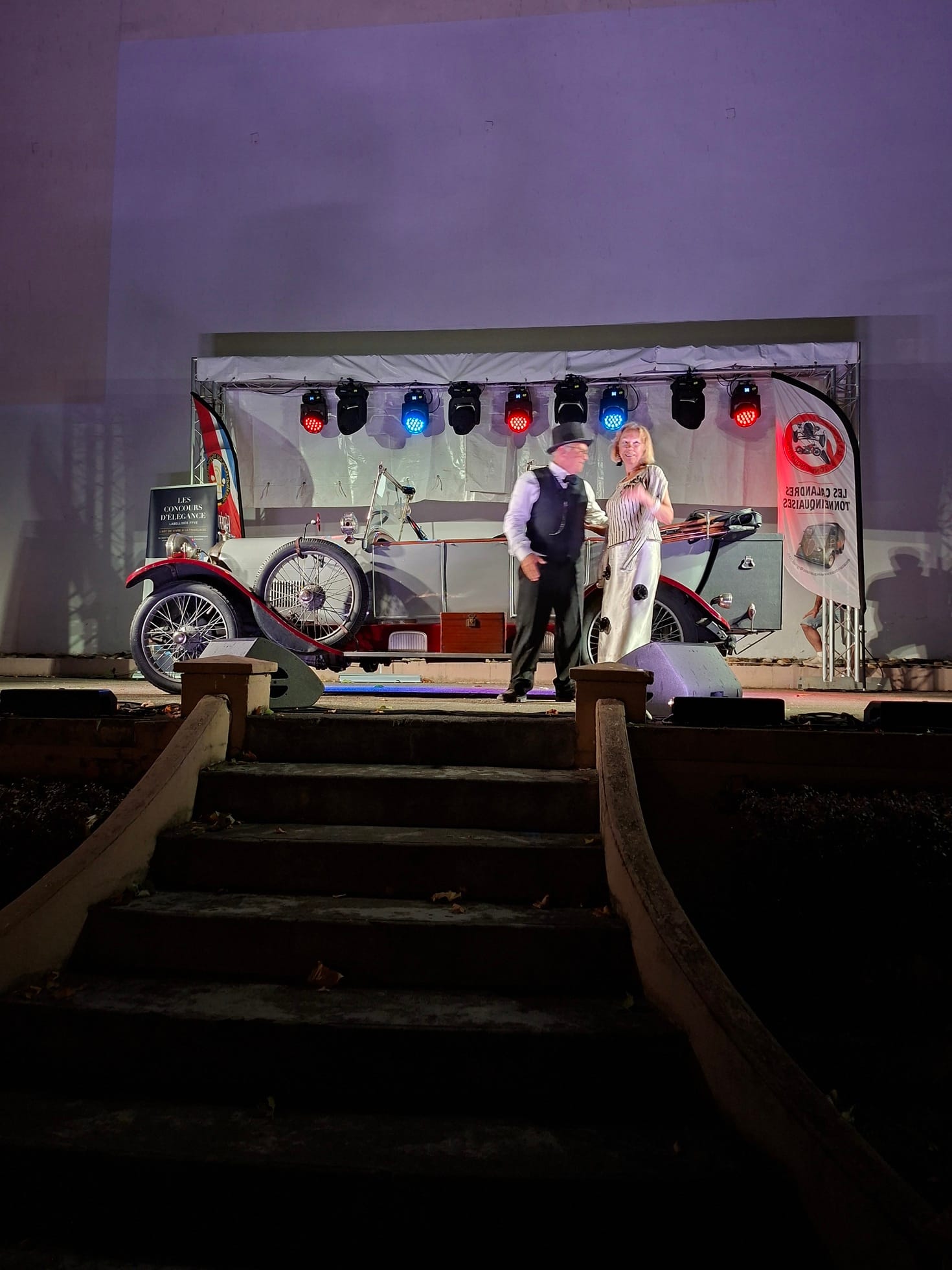
Popular cars such as this Alfa Romeo Duetto Spider (above, left) and a Bugatti Type 35 (above, right) rubbed shoulders with an extremely rare 1924 Buchet (below, left) and a more commonplace Jaguar E-Type (below, right)
August 15 is the feast of the Assomption de Marie, the Assumption of the Virgin Mary, and has long been a public holiday in France. Whether or not participants are particularly concerned with its religious significance, Tonneins embraces the tradition in its own distinctive way.
The day begins with Mass at a small church dedicated to the historic-vehicle movement. Afterwards, enthusiasts gather with their cars for a huge picnic, with food trucks providing refreshments and thousands of visitors mingling among everything from everyday classics to extraordinarily rare automobiles.
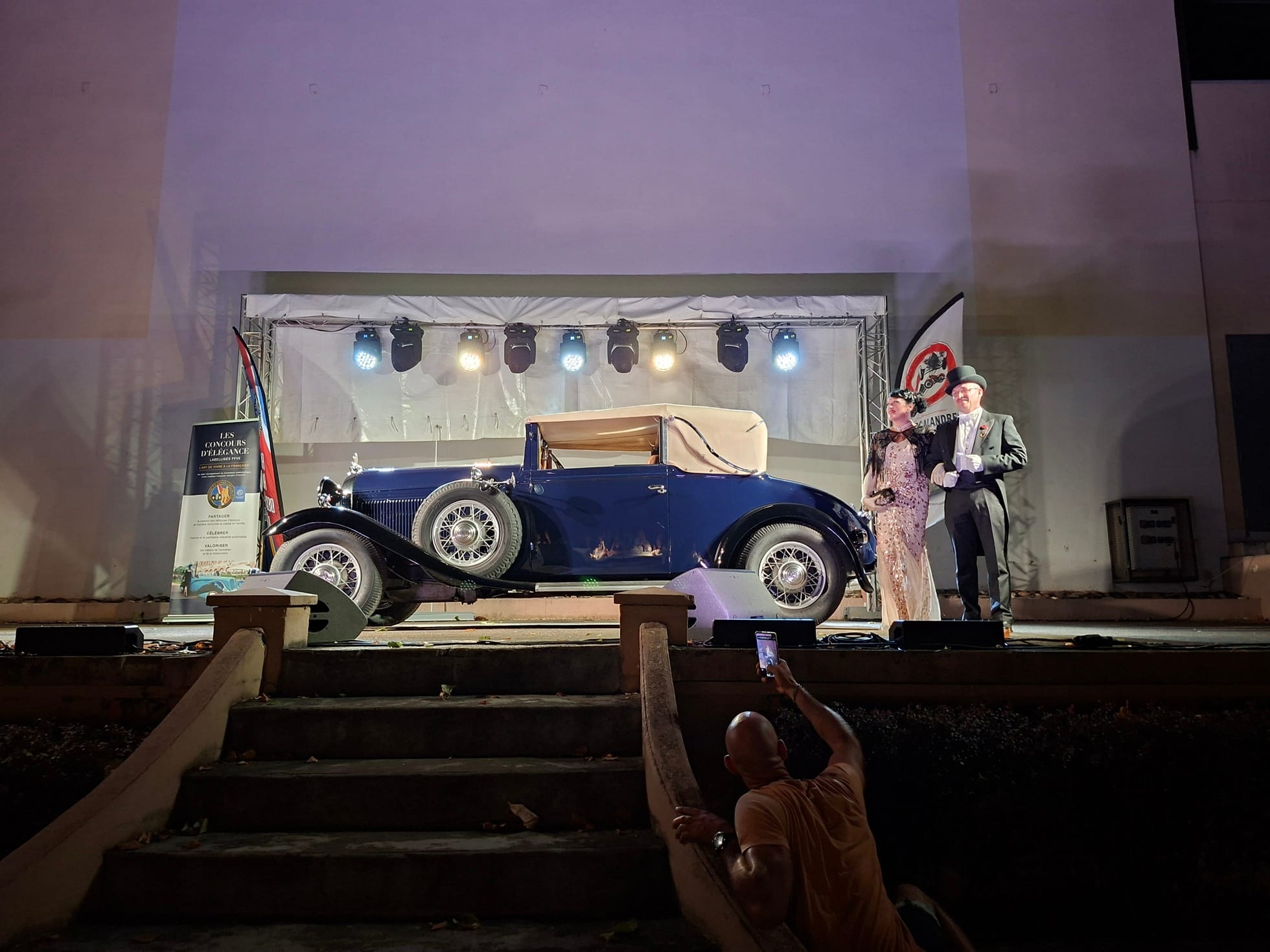
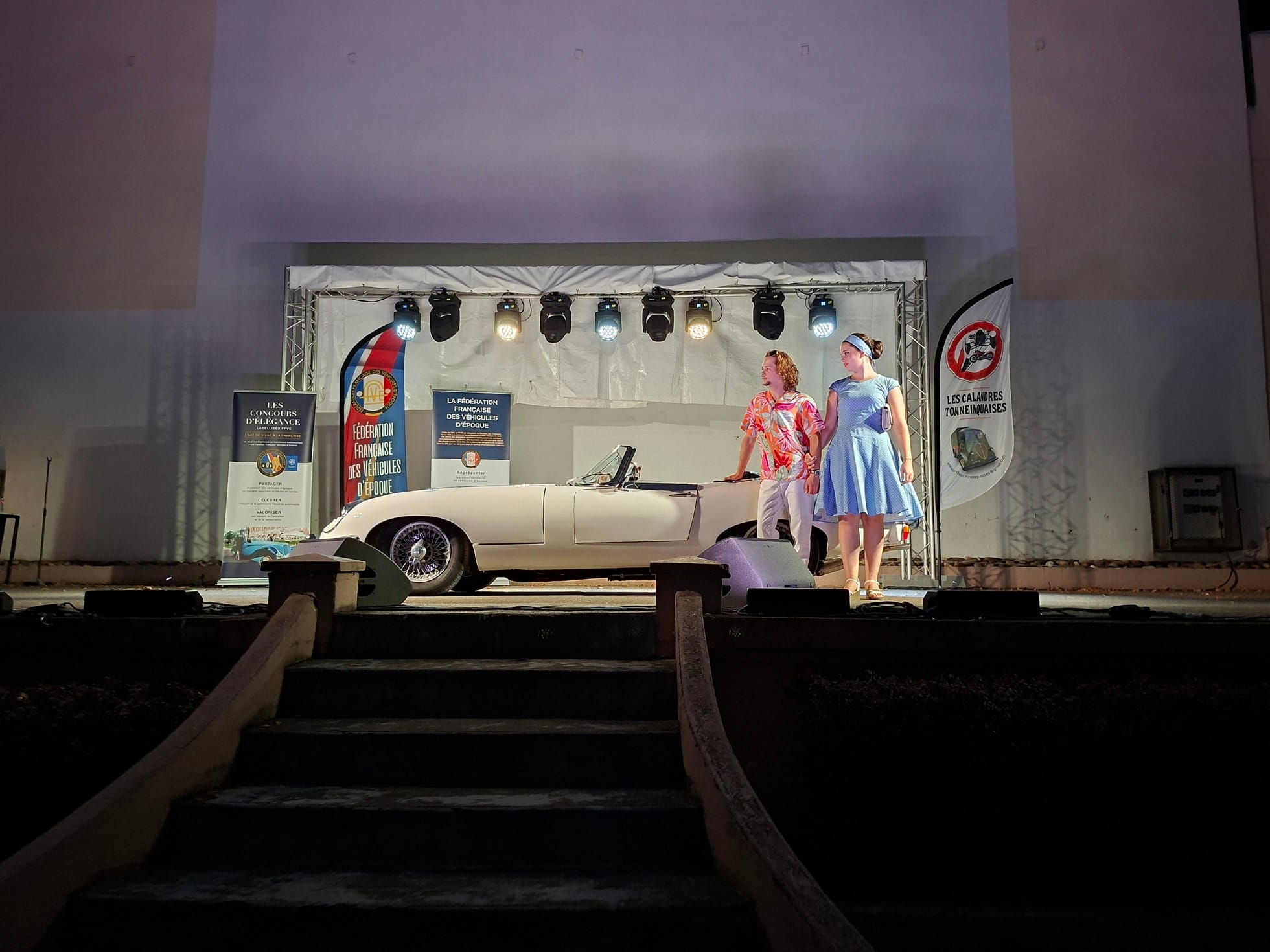
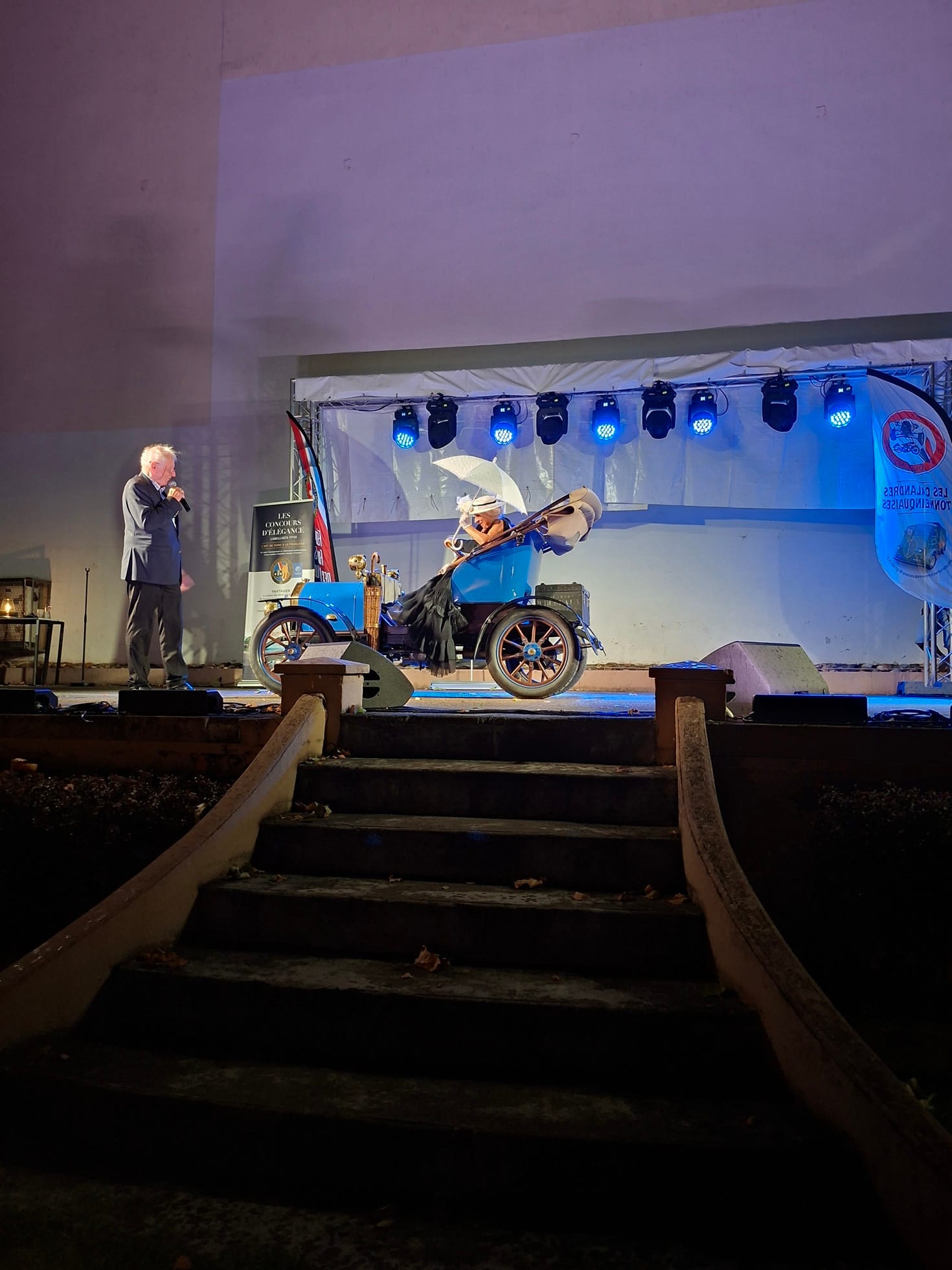
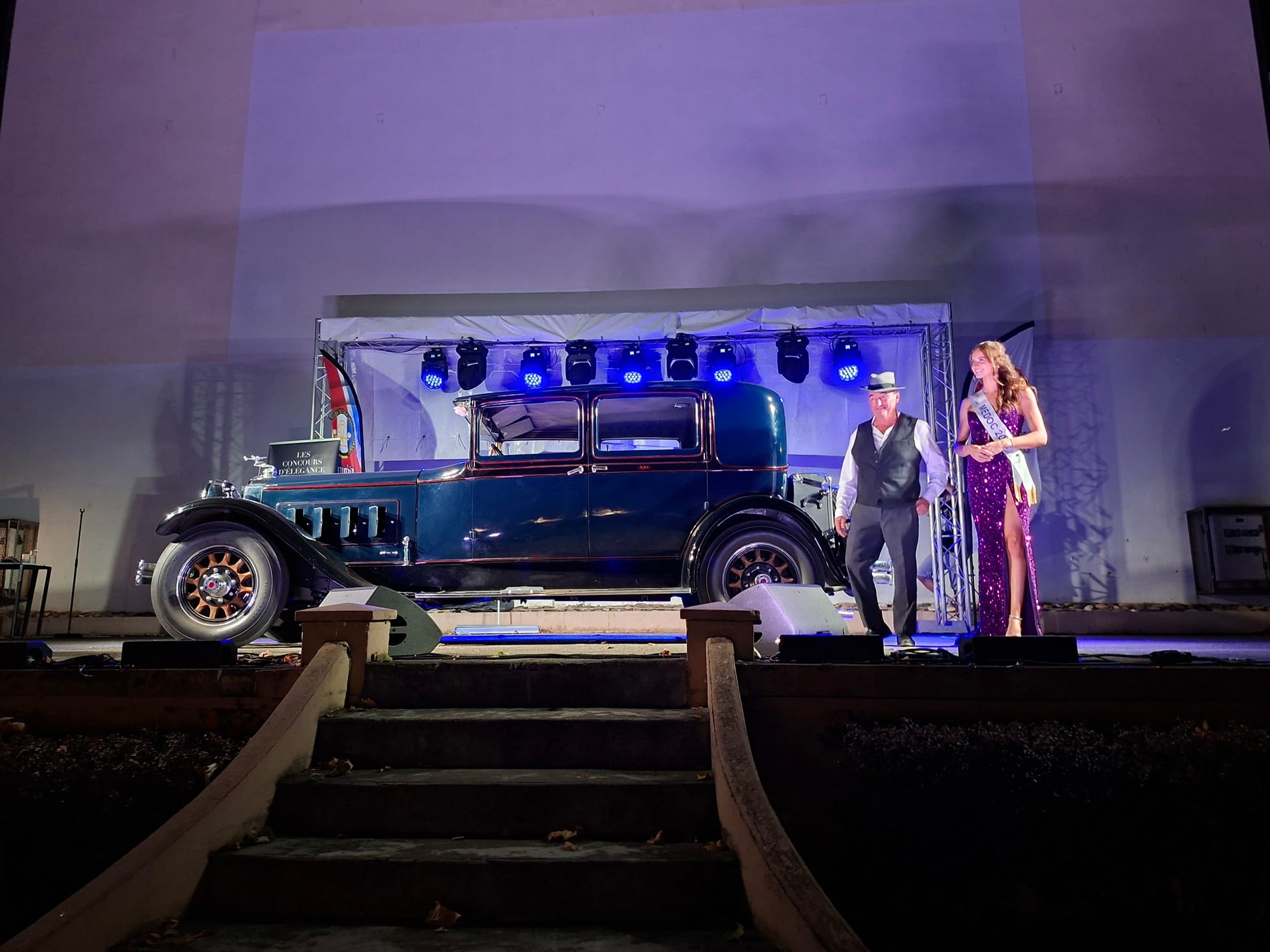
Although more than a thousand historic vehicles attend the wider celebration, only around two dozen are selected to participate in the actual concours d’élégance. This year's field was particularly eclectic, ranging from a 1909 Le Zèbre to a 1994 Bentley Arnage, the latter qualifying for historic-vehicle status under the international 30-year rule.
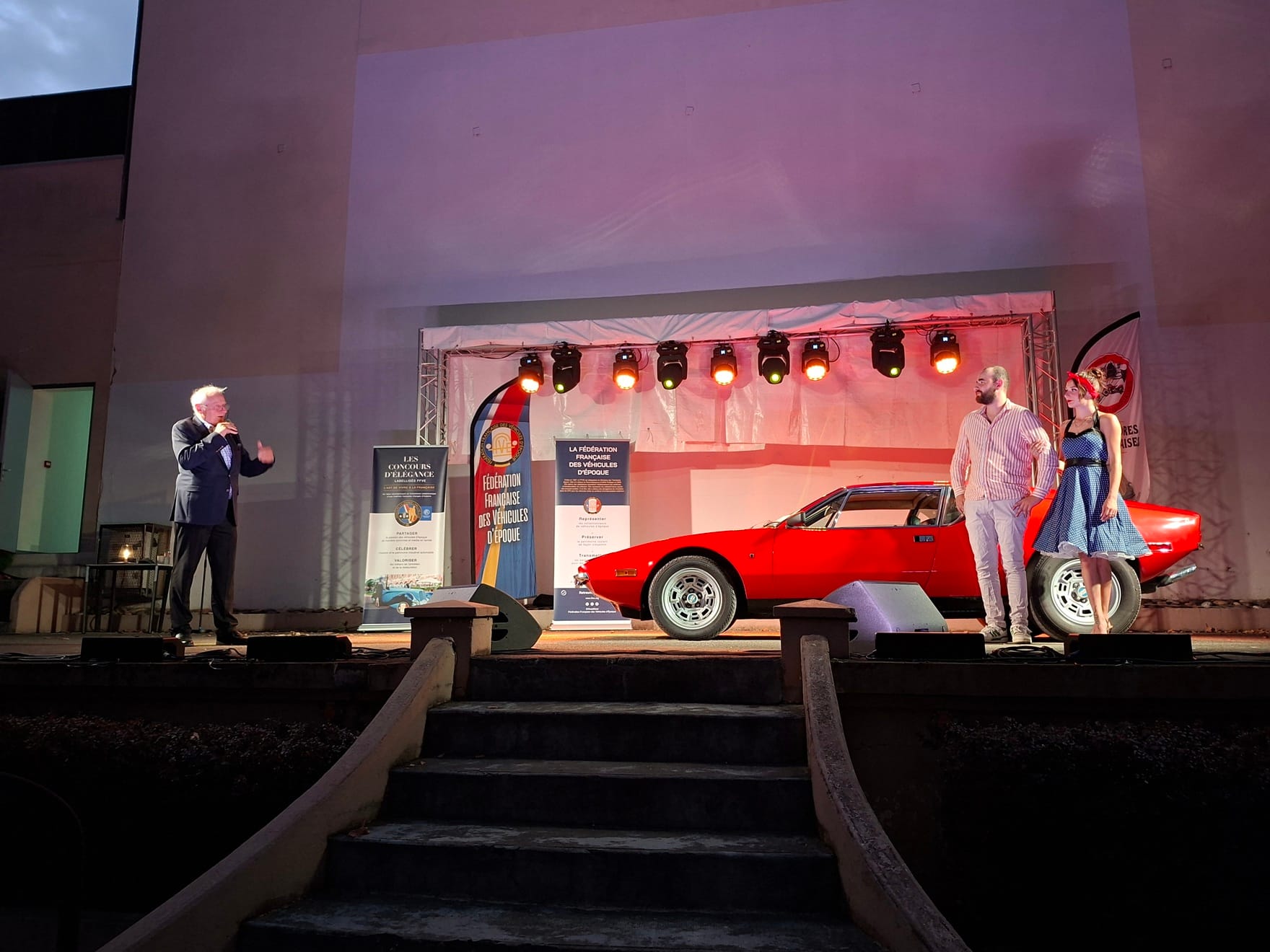
The selection demonstrated just how broad the French definition of automotive heritage can be. Familiar classics such as a 1971 Peugeot 504 Cabriolet and 1969 Jaguar E-Type shared the field with rarities including a Buchet and a Rochet-Schneider, while more exotic entries included a Bugatti, an early Talbot, a De Tomaso Pantera and a CG.
But at Tonneins, possessing a rare, valuable or beautifully restored automobile is only part of the equation. Presentation matters enormously. Participants are expected to dress in a manner that complements their cars: their colour, period and character. Presentation accounts for one-third of the judging score, while the remaining two-thirds are devoted to the automobile itself, including its condition, design and historical significance.
The eight-member jury was led by Daniel Paleni, Vice President of the FFVE, France's historic-vehicle federation. The panel also included Regis Deweer, Pascaline Mascitti, Corinne Cérède, Serge Bogiovanni, FIVA Vice President Technical Laurent Heriou, fashion specialist Valérie Kulton, Tonneins deputy mayor Hélène Chastier and myself.
Together, our scores determined the class winners, special awards and ultimately the Prix d’Excellence, Tonneins' equivalent of Best of Show.
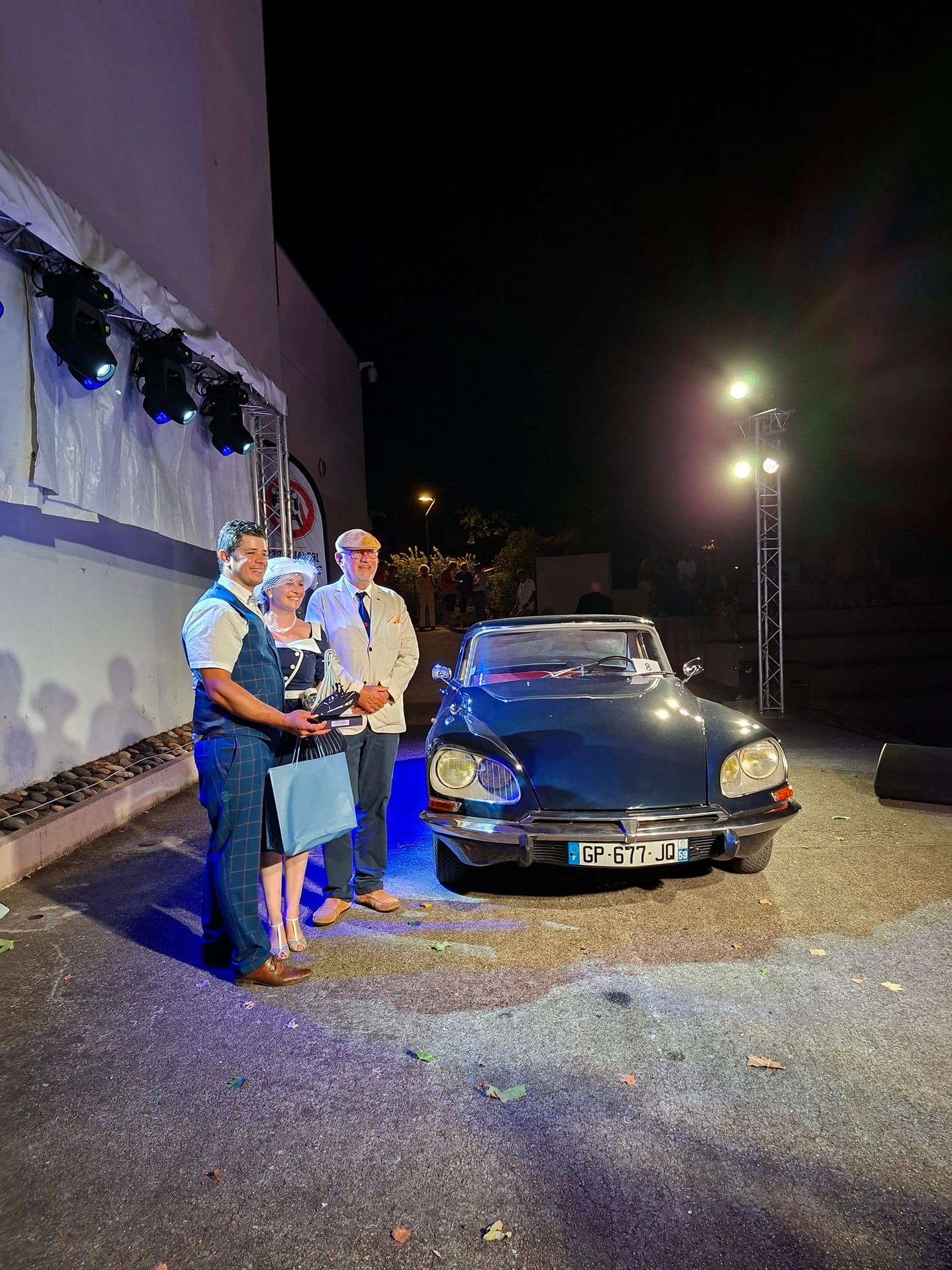
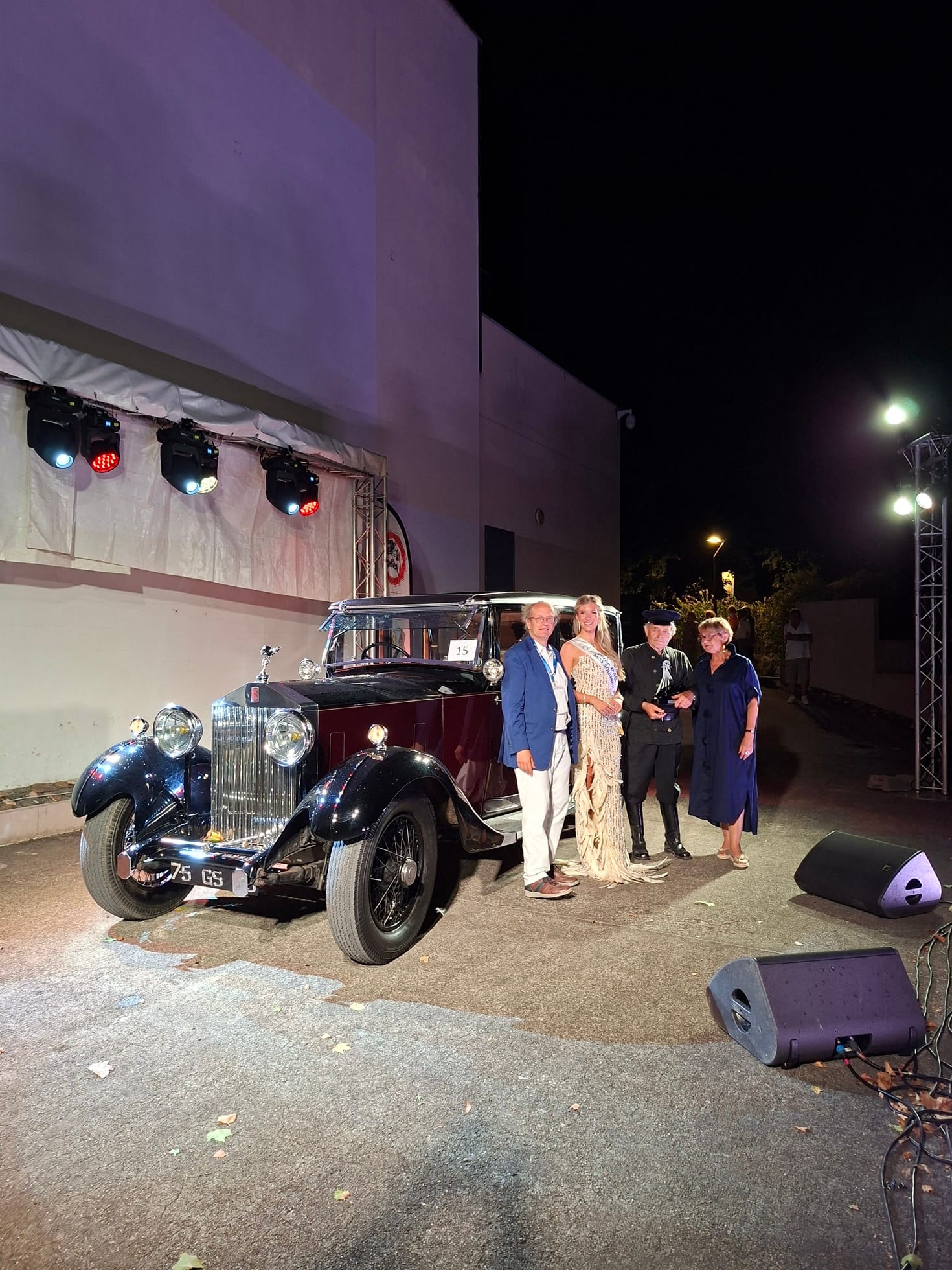
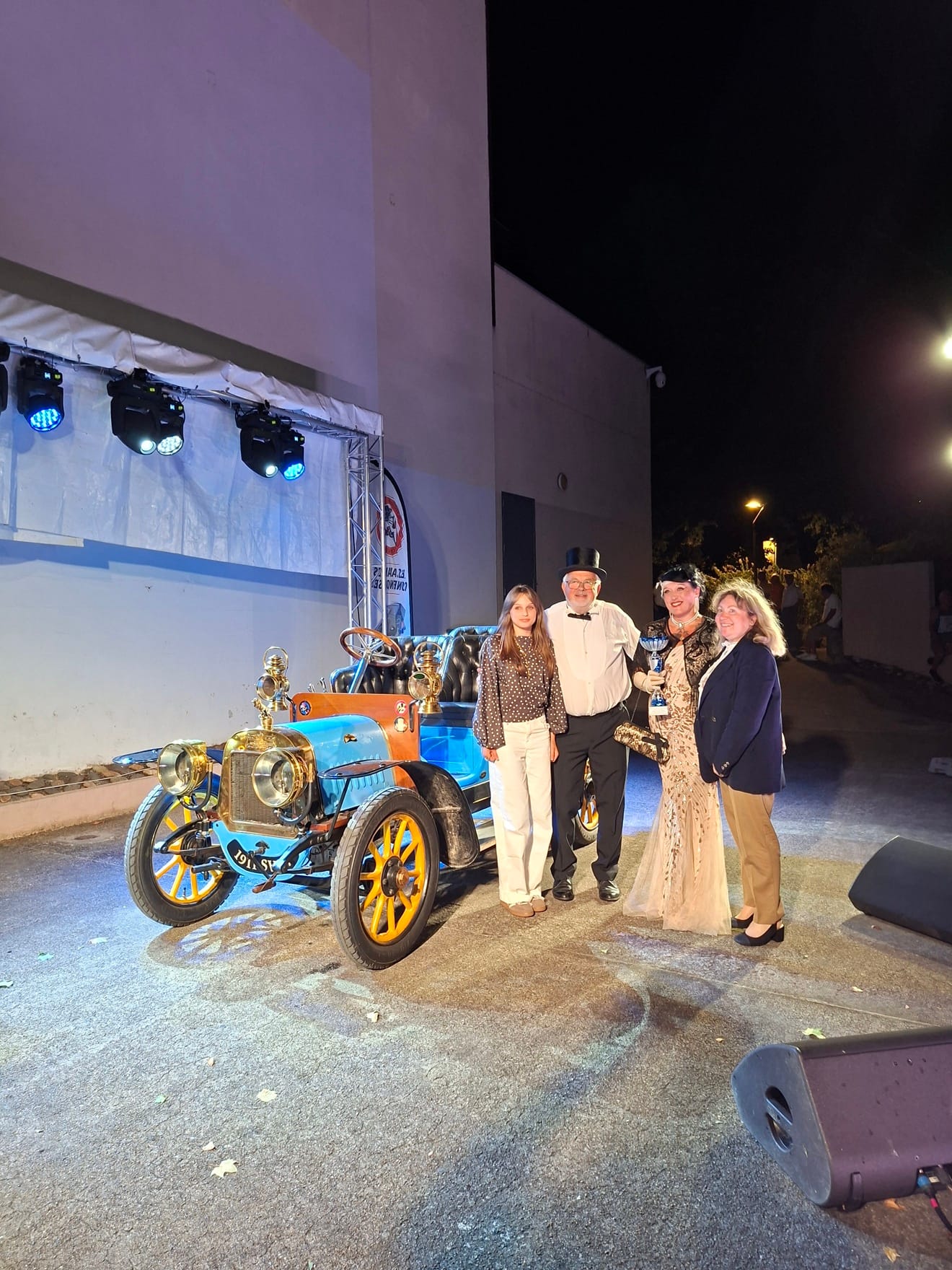

When the winners got together – Cassandra and Julien with Laurent Heriou alongside the Citroën Le Dandy (above, left); FFVE's Pascal Rousselle with Claude Gombert and his Rolls-Royce, along with the runners-up to Miss Aquitaine and Pascaline Mascitti (above, right); and the delightful little Peugeot Lion with Madame Rousselle at the right; Miss Aquitaine, the second runners-up to Miss Aquitaine, and Miss Médoc pose for the cameras (below, right)
The proceedings, as always, were conducted with characteristic French flair, beginning with a singer setting the tone for the day's celebrations.
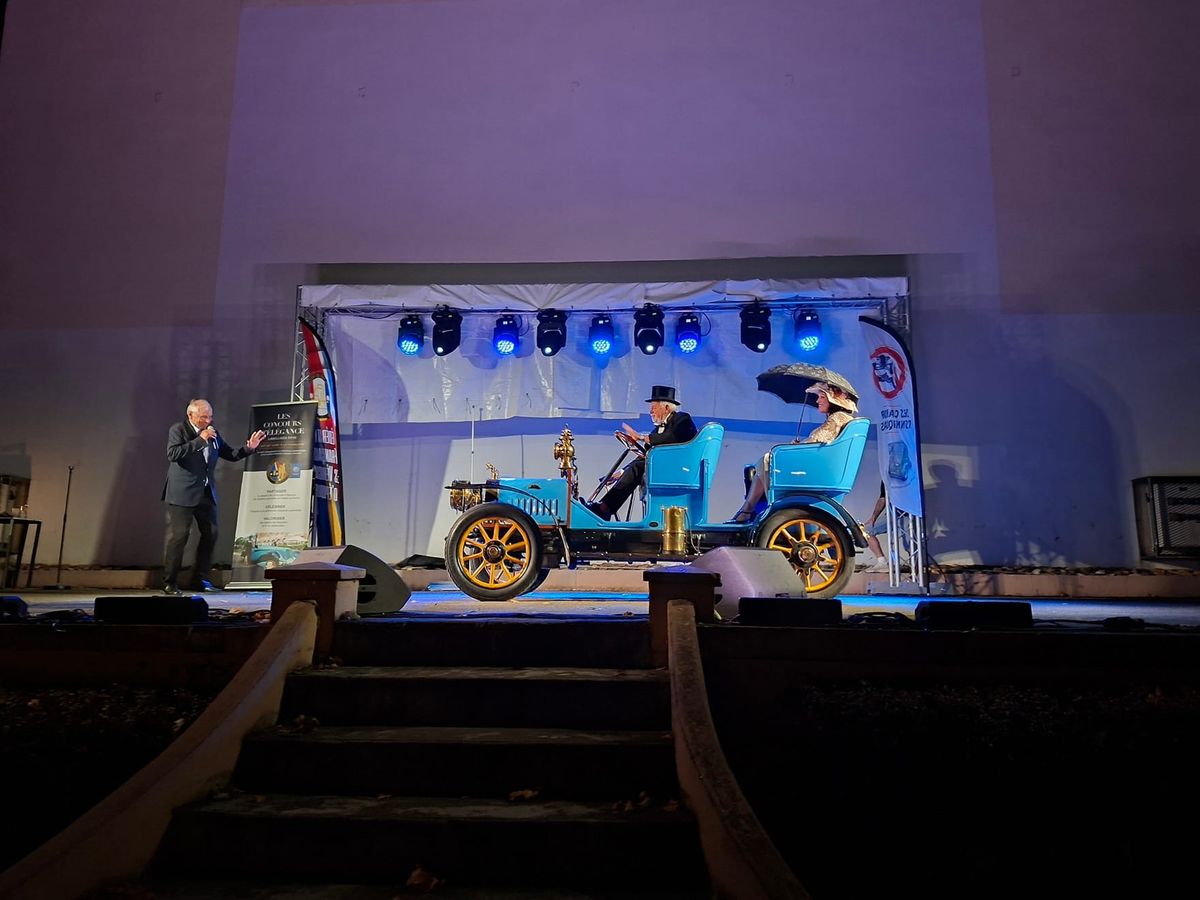
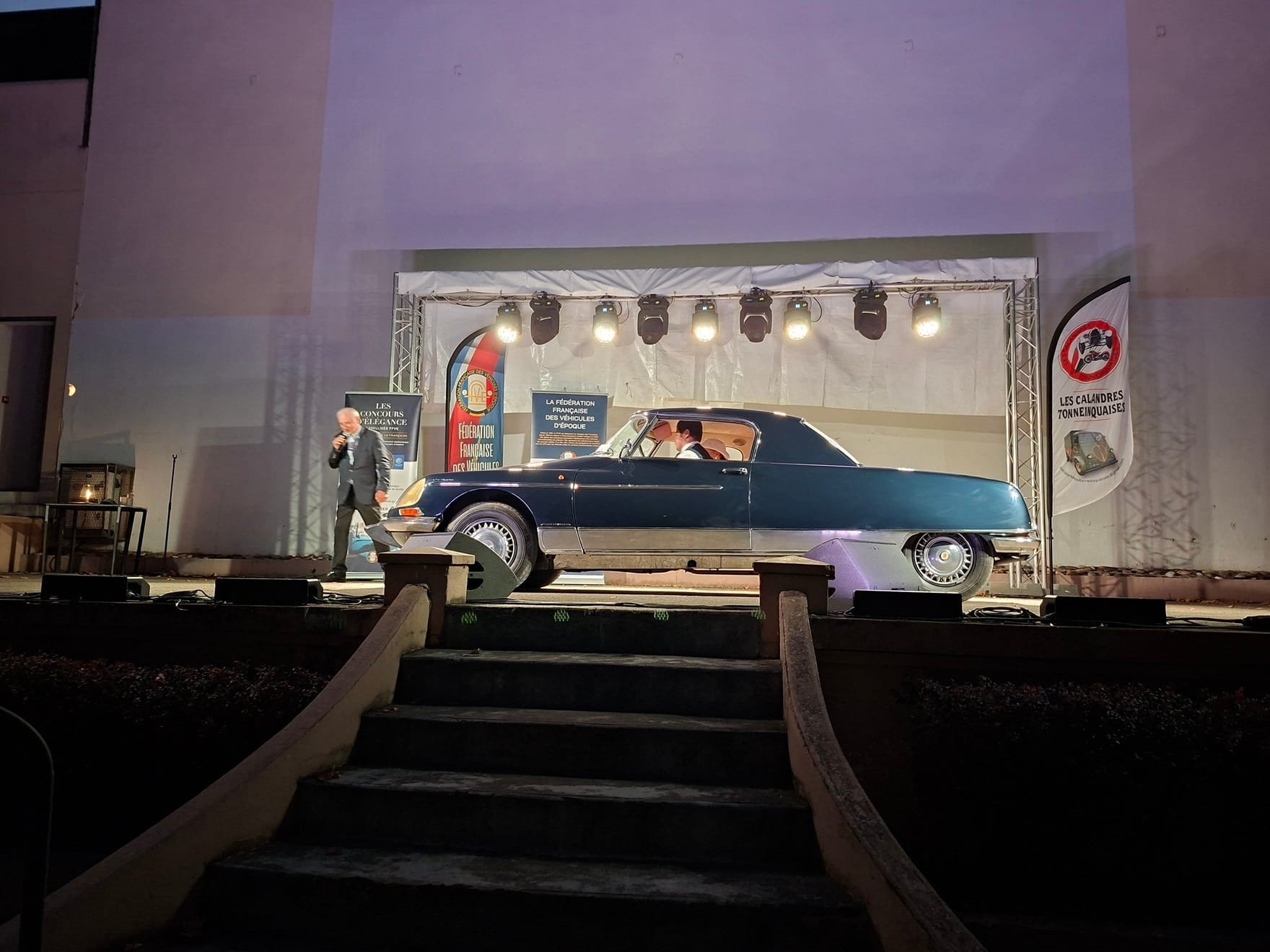
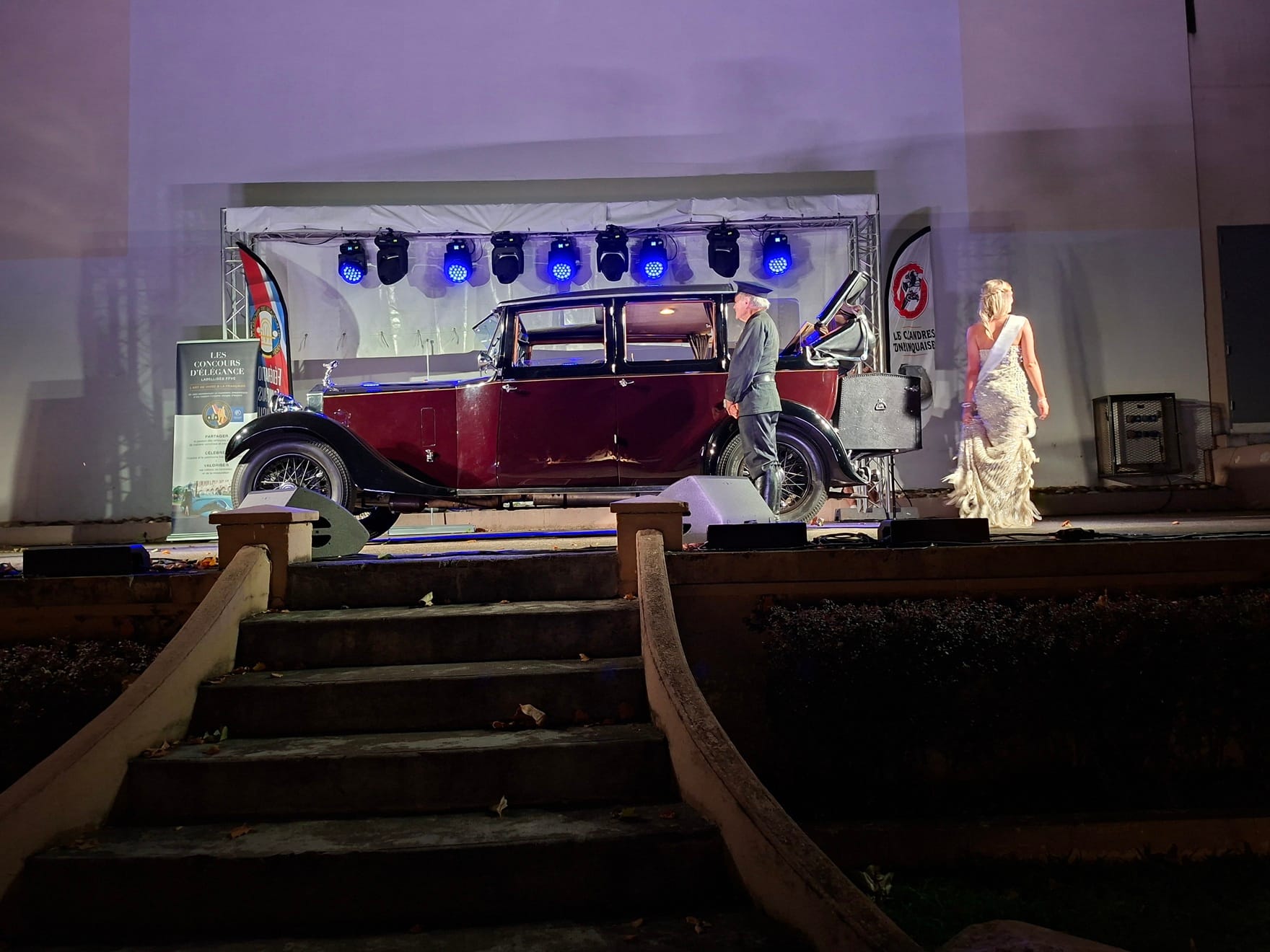
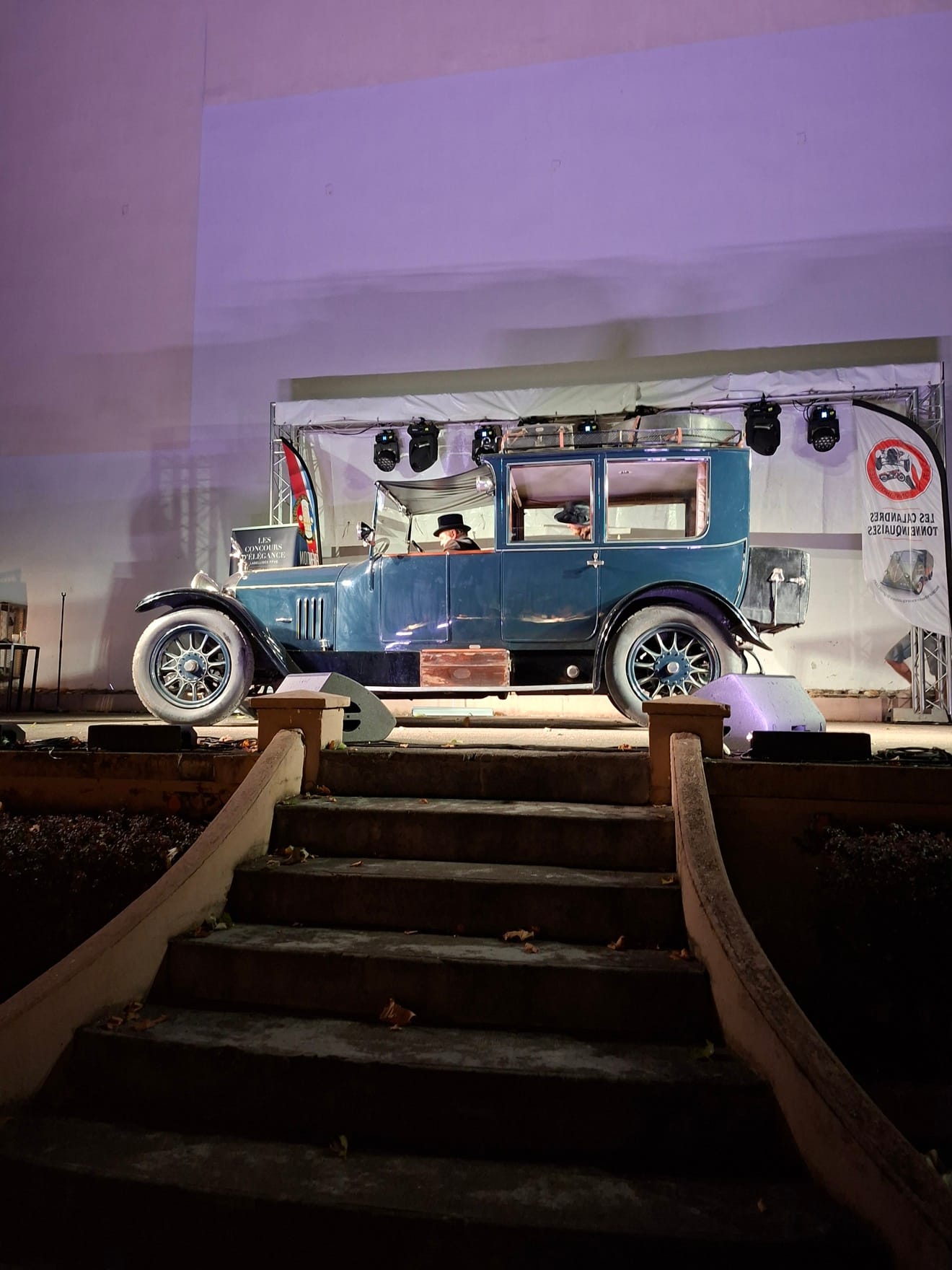
Among the class winners was a 1970 De Tomaso Pantera in the post-1970 category. The pre-1970 field produced several fascinating winners, including Giovanni Marradi's sublime Citroën DS Coupé Le Dandy, a Rolls-Royce 20/25HP Landaulet with coachwork by Manchester-based Knibbs & Parkyn, and a 1911 Peugeot Lion in the pre-1925 category.
Several special awards added further variety. The Prix de la Ville de Tonneins went to the rare 1973 CG 1000, a French sports car based on Simca 1000 Coupé mechanicals.
The prize for the most elegant ensemble, Prix de l’équipage le plus élégant, went to the team presenting a 1931 Talbot MB 75 Cabriolet Milord. The Prix de la voiture populaire, recognising the people's favourite, went to a 1953 Renault 4CV transformed into the evocative Le Mans livery.
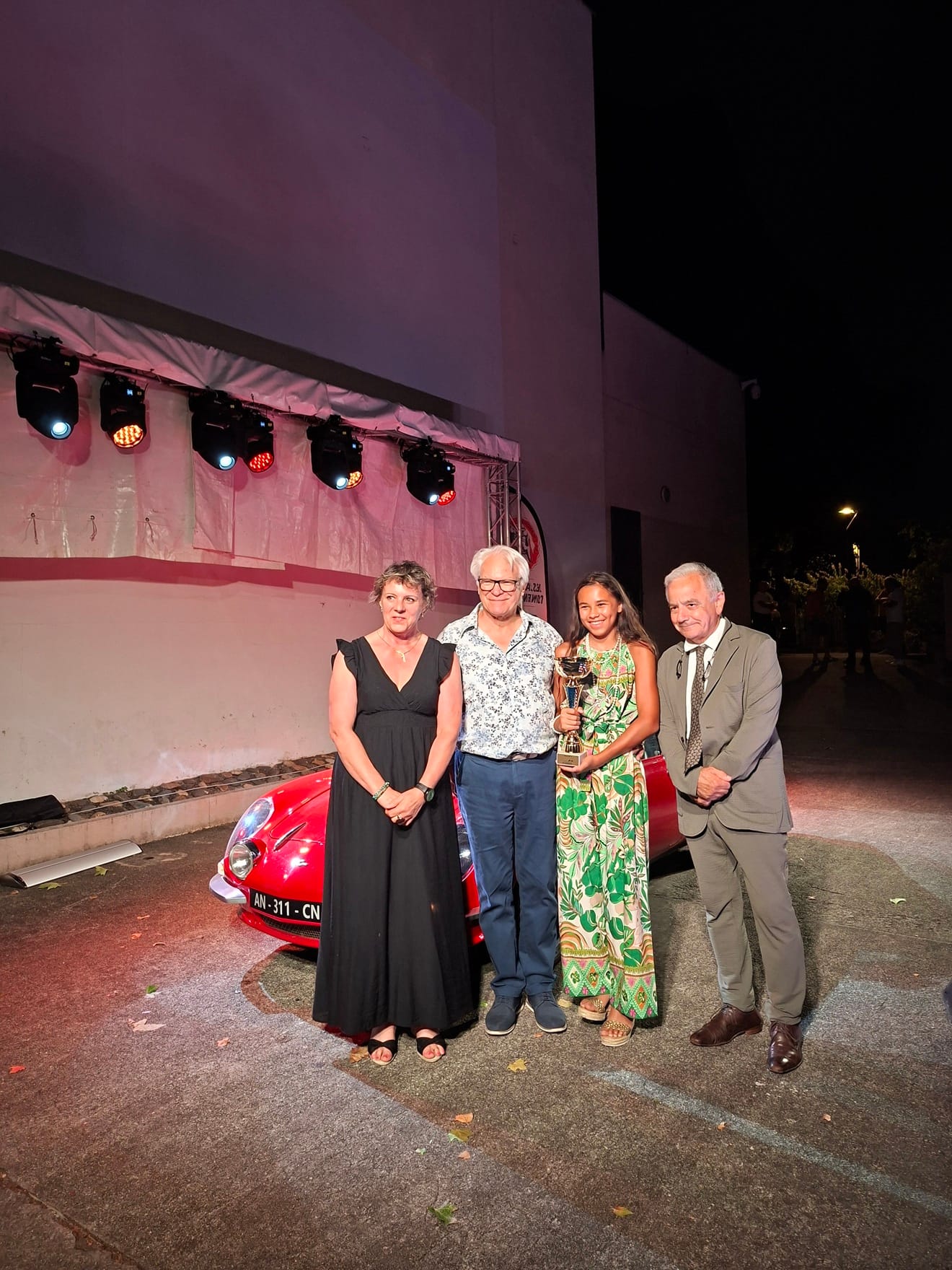
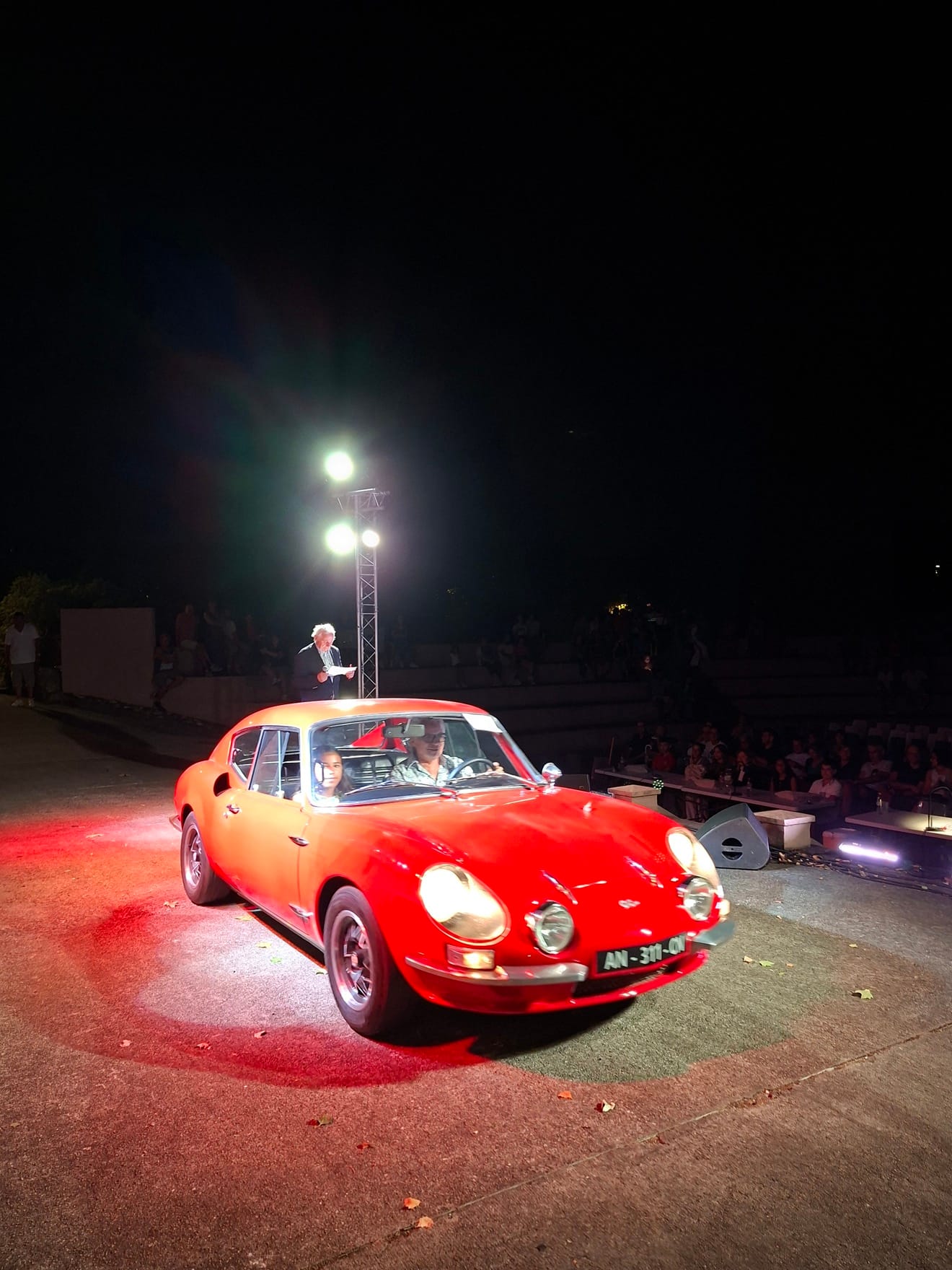
Tonneins' deputy mayor Hélène Chastier, Patrice Duverger and his granddaughter Laura, and the mayor of Tonneins, Denis Bertolaso (left) with the sporty, smart CG 1000, which won a special prize from the city of Tonneins (right)
The Prix coup de cœur, awarded to the car that captured the hearts of the judges, went to the wonderfully early 1909 Le Zèbre Type A, from the pioneering French marque that existed from 1909 to 1931.
The Automobile Club de France trophy, presented by Laurent Heriou for the best-looking French automobile, went, unsurprisingly, to the elegant 1968 Citroën DS 21 Le Dandy.
Jean-Pierre Moga's own special trophy went to the 1918 Rochet-Schneider Coupé Chauffeur, while the young jury, comprising six children and teenagers, selected the 1911 Peugeot Lion.
The most prestigious award of the day, the Prix d’Excellence, or the Best of Show, was deservedly awarded to the 1918 Rochet-Schneider Coupé Chauffeur.
Founded in Lyon in 1894, Rochet-Schneider was one of France's earliest automobile manufacturers. During the years following the First World War, the company built high-quality luxury automobiles and competed with marques such as Delage and Hispano-Suiza. From the 1930s onwards, however, it increasingly concentrated on commercial vehicles and eventually became primarily a truck manufacturer.
There was also a Bugatti Type 35, whose beautiful patina and evocative exhaust note made it one of the day's most appealing cars. Its presentation by its elegant driver, Valerie Moncere, was excellent. However, because the car's history and provenance remained unclear, the jury could not award it a prize.
As always, the event was held together with great skill by Patrick Rollet, whose role as master of ceremonies is no easy one. He guided the proceedings seamlessly and ensured that the day unfolded with the relaxed efficiency that has become one of Tonneins' trademarks.
And that, perhaps, is the real charm of Tonneins. While Pebble Beach may command the world's attention, Tonneins offers something rather different: an intimate, proudly French celebration of the automobile, where rarity matters, but enthusiasm matters just as much, and where the French exception remains very much alive.
Results:
Grand Prix d’excellence FFVE (Best of Show) : Rochet Schneider coupé chauffeur de 1918
Prix de catégories FFVE
Trophée FFVE, catégorie de 1971 à 1995 : De Tomaso Pantera de 1970
Trophée FFVE, catégorie de 1940 à 1970 : Citroën DS 21 Le Dandy de 1968
Trophée FFVE, catégorie de 1925 à 1939 : Rolls Royce 20/25 Landaulet de 1932
Trophée FFVE, catégorie avant 1925 : Peugeot Lion de 1911
Prix de la ville de Tonneins : CG de 1973
Prix de l’équipage le plus élégant : Talbot MB 75 cabriolet Milord de 1931
Prix de la voiture populaire : Renault 4cv kitée 1063 de 1953
Prix coup de cœur : Le Zèbre type A de 1909
Prix de l’Automobile Club de France : Citroën DS 21 Le Dandy de 1968
Prix du sénateur Jean Pierre MOGA : Rochet Schneider coupé chauffeur de 1918
Prix du jury jeunes : Peugeot Lion de 1911
Comments ()