Tour Auto & The Grand Palais
The Grand Palais is one of the French capital’s most remarkable and evocative monuments
Text: Gautam Sen
Images: Mariami Khubulava
Even if it does not quite rival the instant recognition of the Eiffel Tower or the Louvre Museum, the Grand Palais remains one of the French capital’s most remarkable and evocative monuments.
Conceived for the Exposition Universelle of 1900 as a celebration of France’s artistic and industrial prowess, it was brought to life by a team of distinguished architects: Henri Deglane, Albert Louvet, Albert Thomas, and Charles Girault.
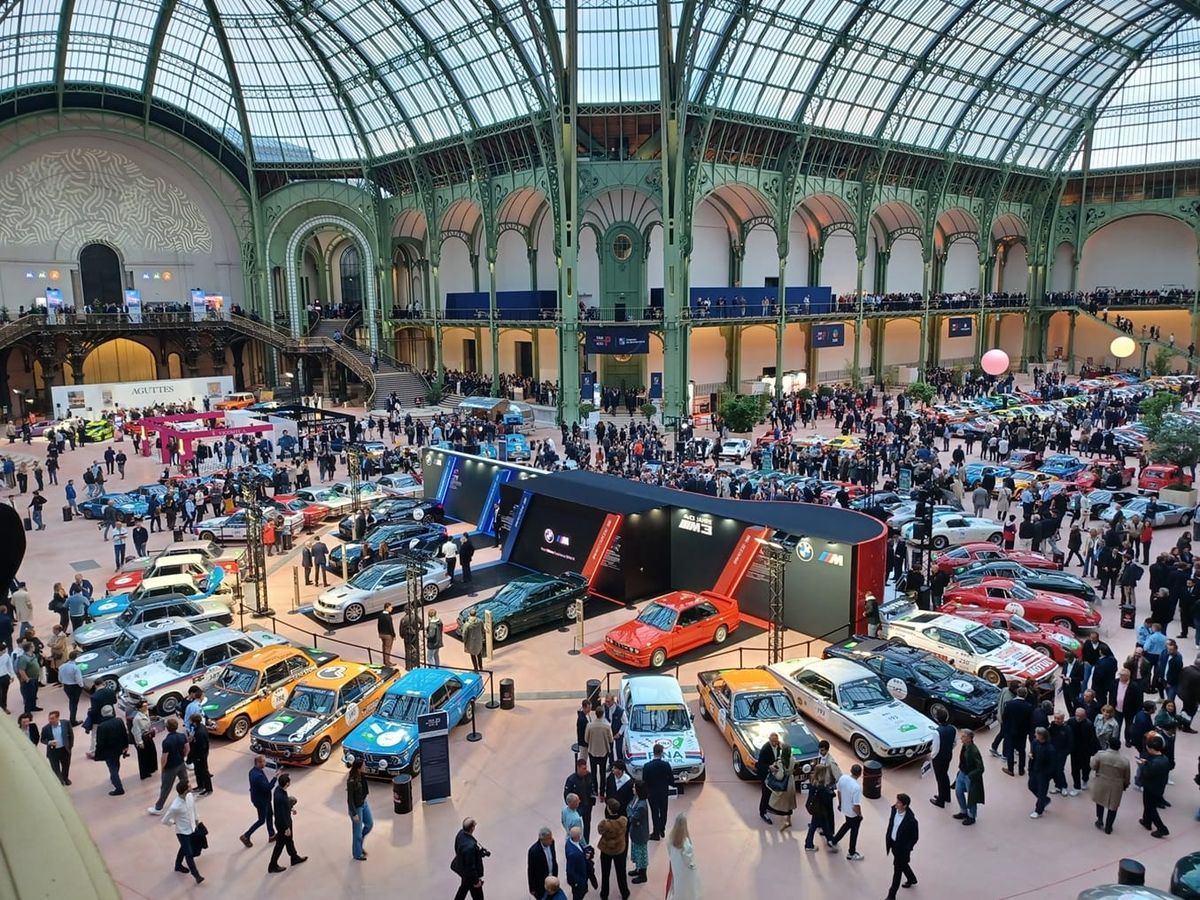
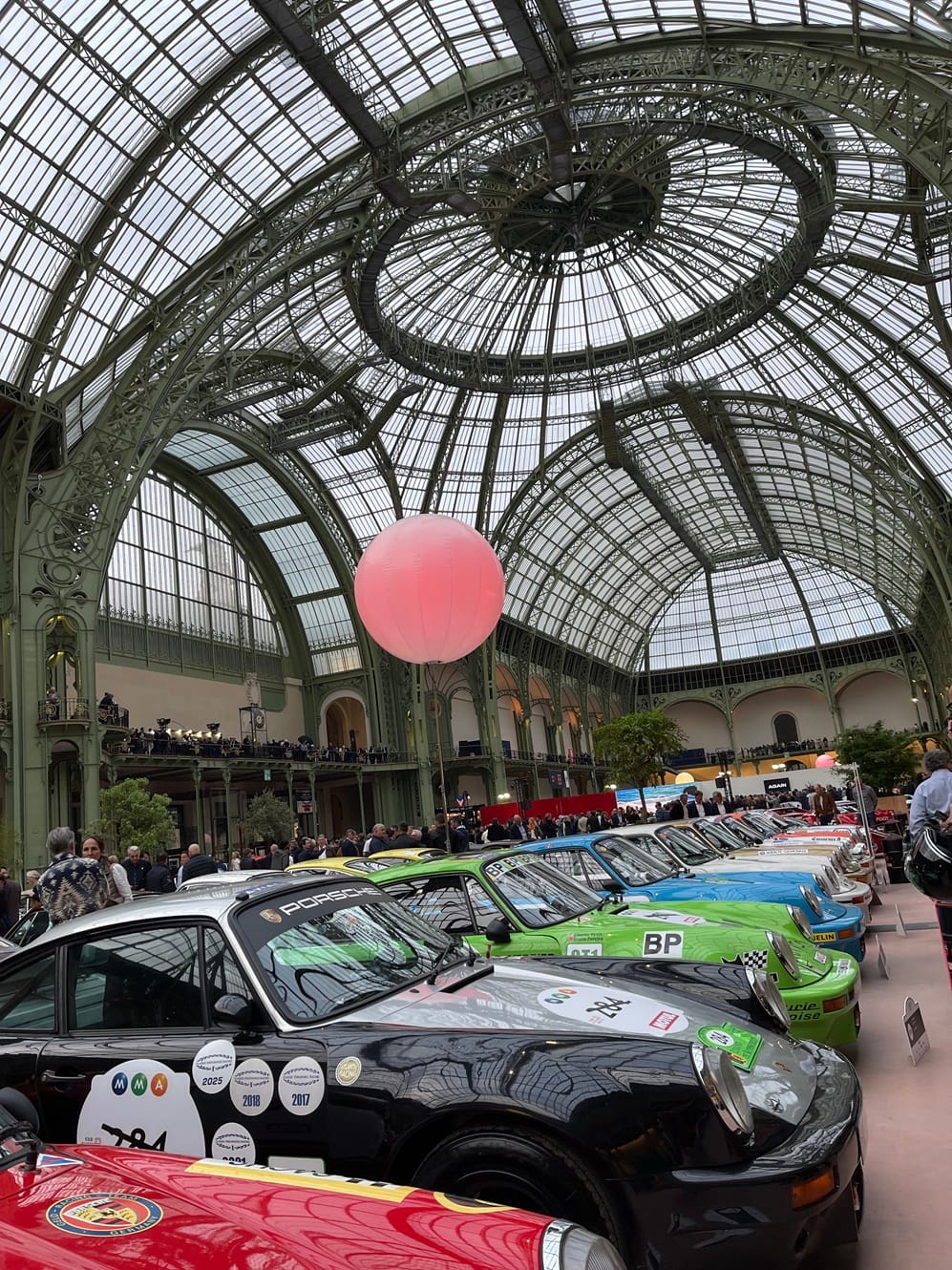
Completed in the same year, the Grand Palais is a masterpiece of Beaux-Arts design, marrying classical stone façades with a bold iron-and-glass structure. Its soaring nave, crowned by one of Europe’s largest glass roofs, creates a space that feels at once monumental and luminous, a cathedral not of religion, but of culture, innovation, and spectacle.
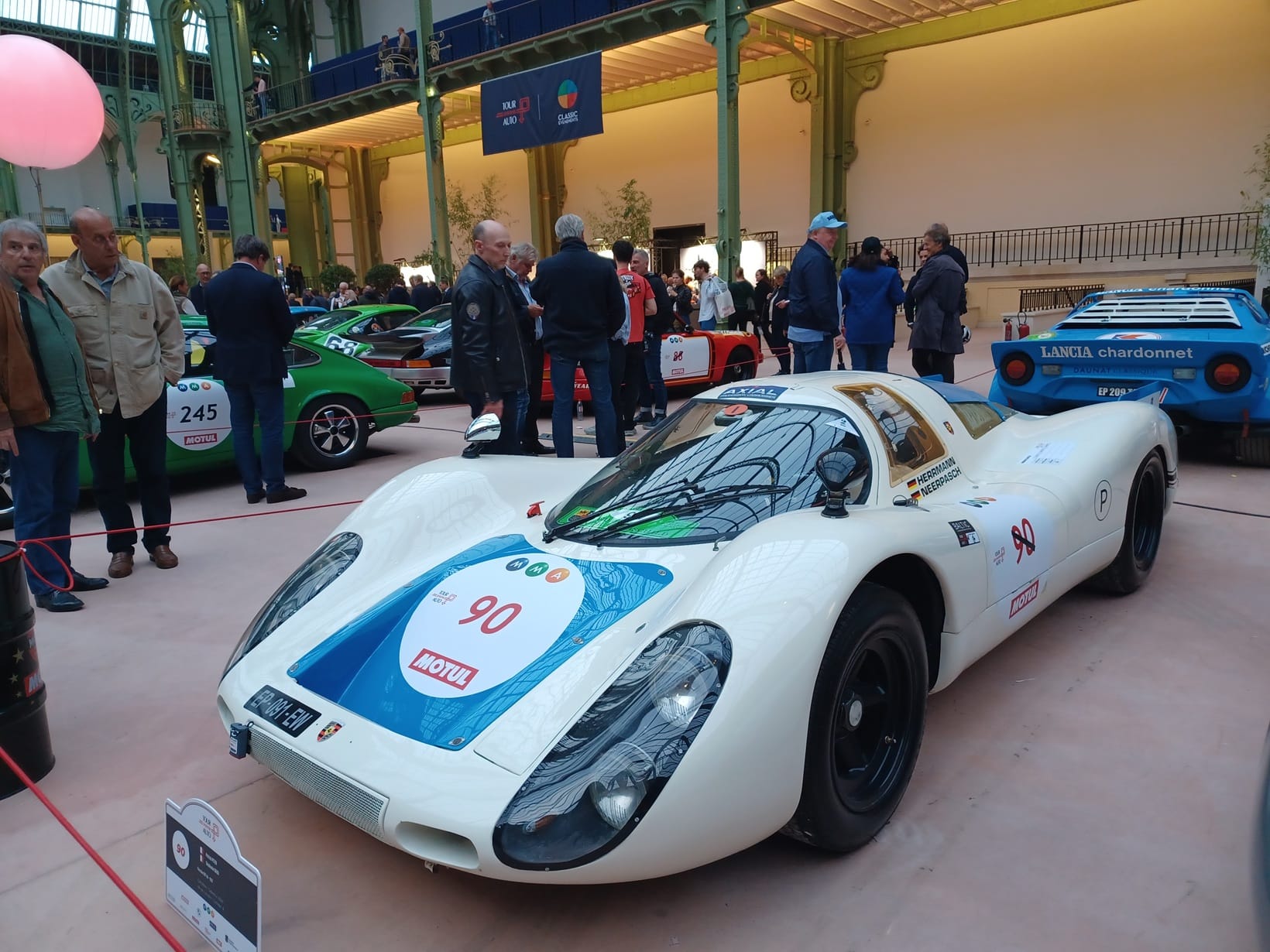
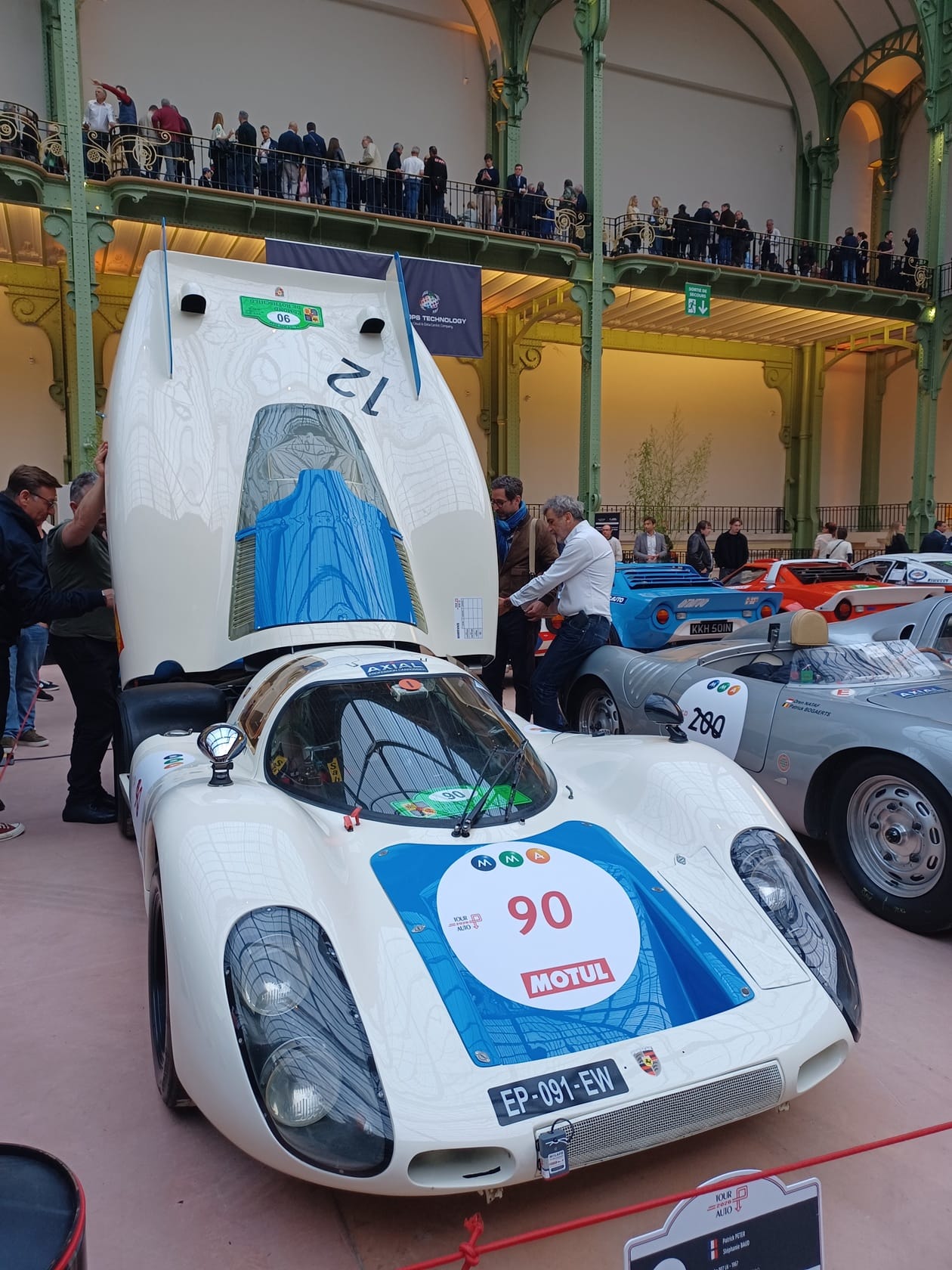
Or one of a handful of Porsche 908 long tails ever produced, driven by no less than Patrick Peter himself
Over the course of the 20th century, the Grand Palais became a stage for major exhibitions and salons, adapting even to the turbulence of history.
During World War I it served as a military hospital, and in World War II it was requisitioned for military use and sustained damage. Yet it endured, and with it, its role as a symbol of Parisian grandeur.
For automotive enthusiasts, however, the Grand Palais holds a special significance. For decades, it was the beating heart of the Paris Motor Show, then known as the Salon de l’Automobile.
Beneath its vast glass canopy, the world’s leading manufacturers unveiled their latest creations, cementing Paris’s status as a global centre of automotive design and innovation.
Archival photographs from the pre-war years capture a golden age of motoring, with stands proudly bearing names such as Berliet, Citroën, Delahaye, Delage, Hispano-Suiza, Panhard et Levassor, Renault, and many others, each contributing to a vibrant and competitive industry.
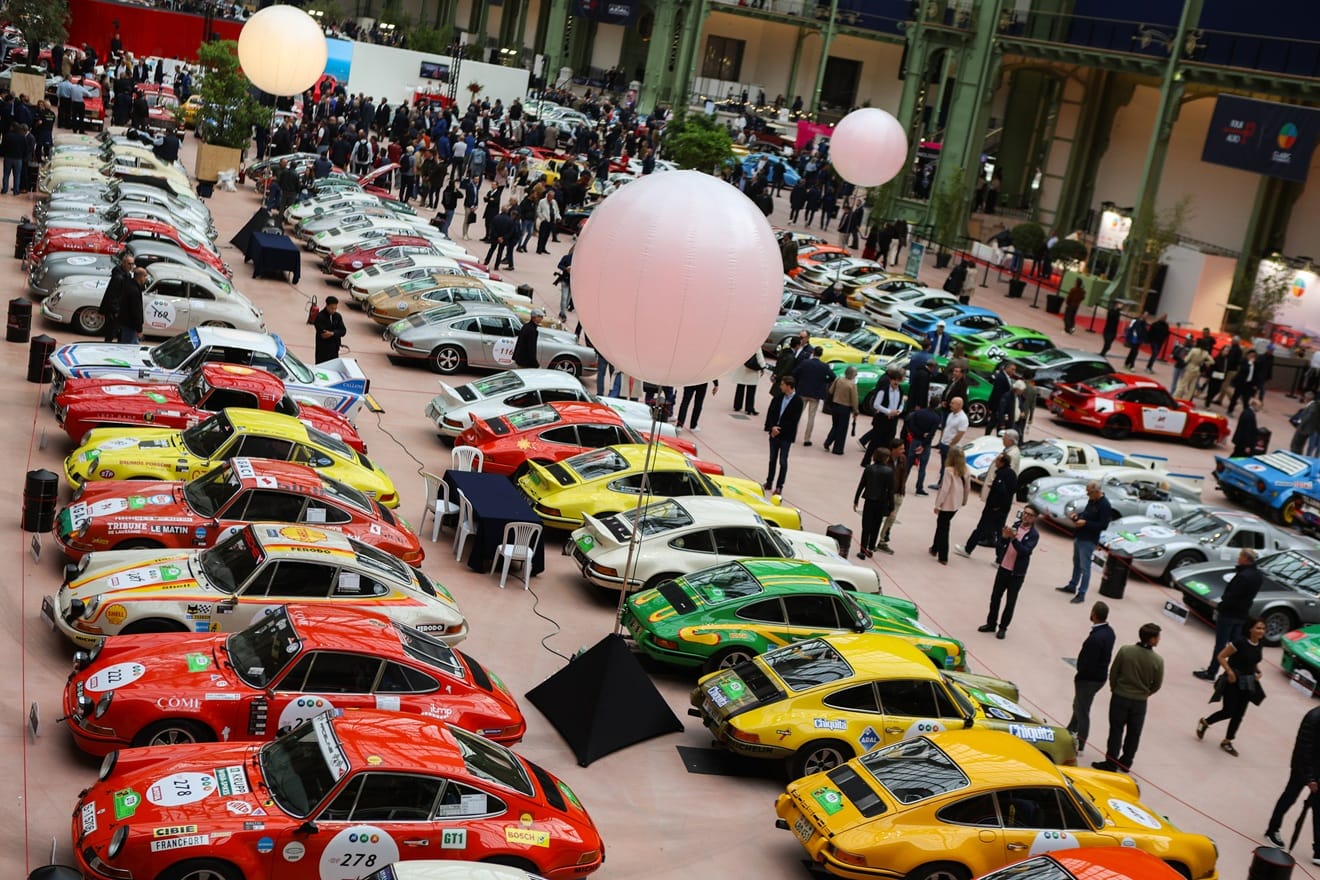
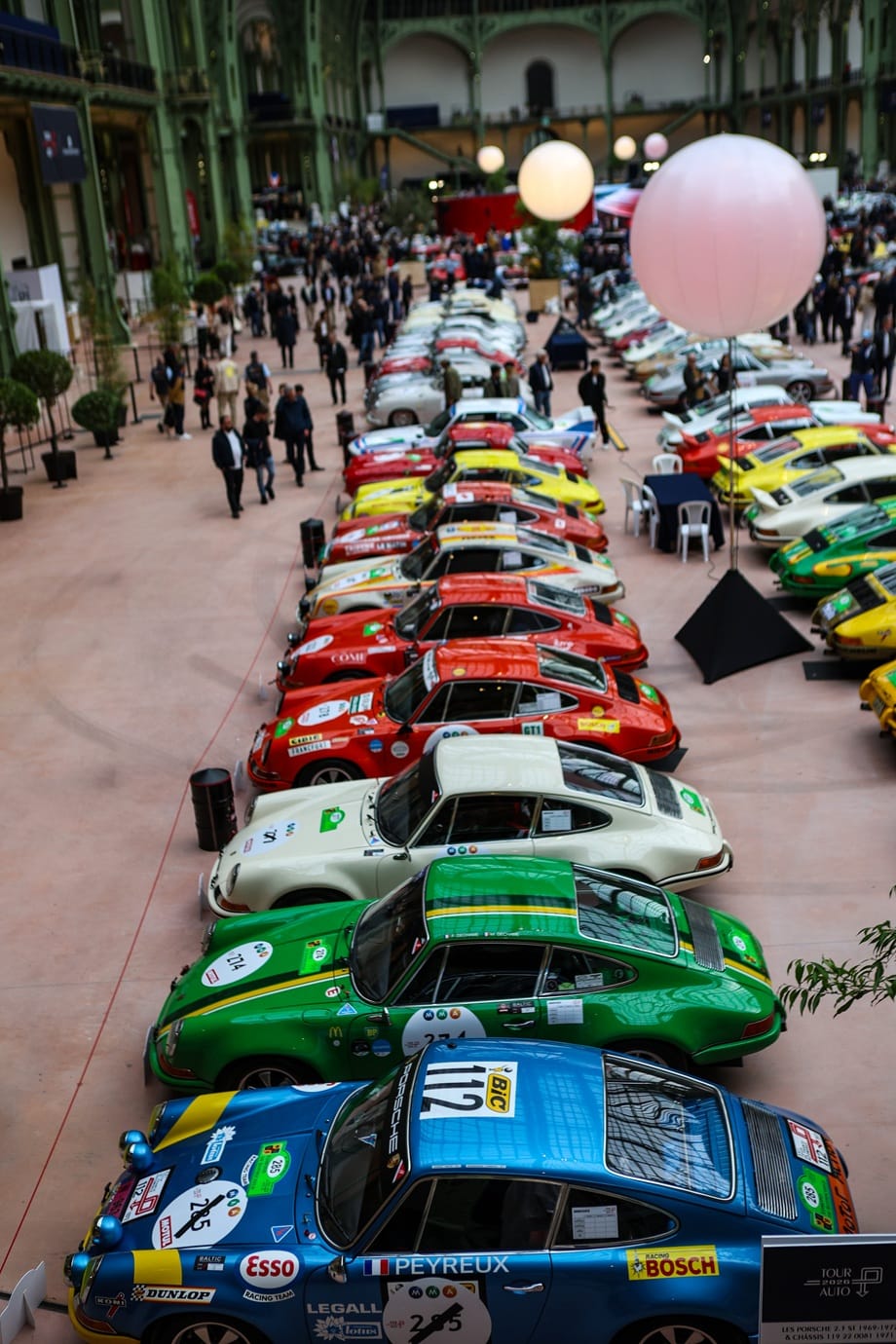
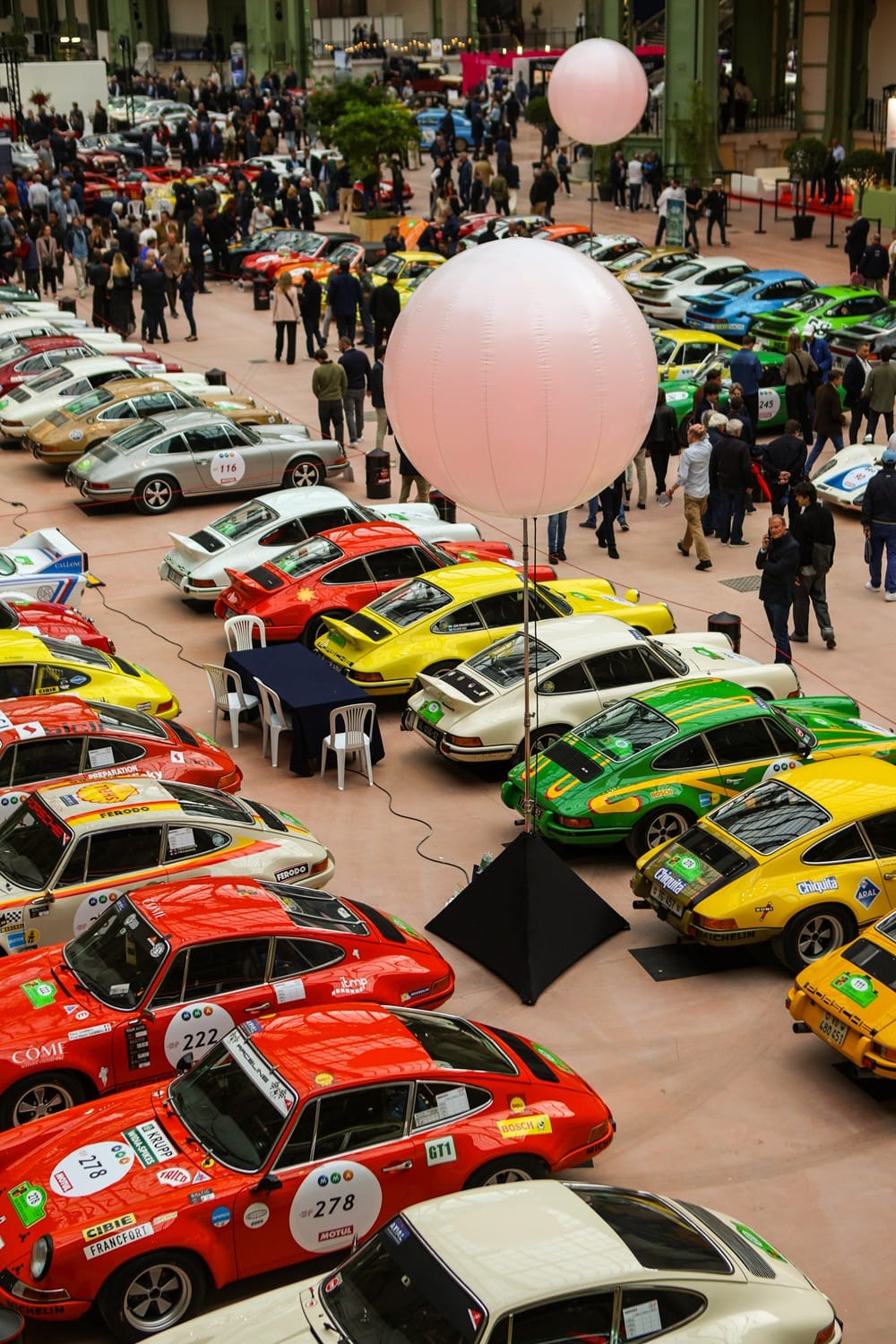
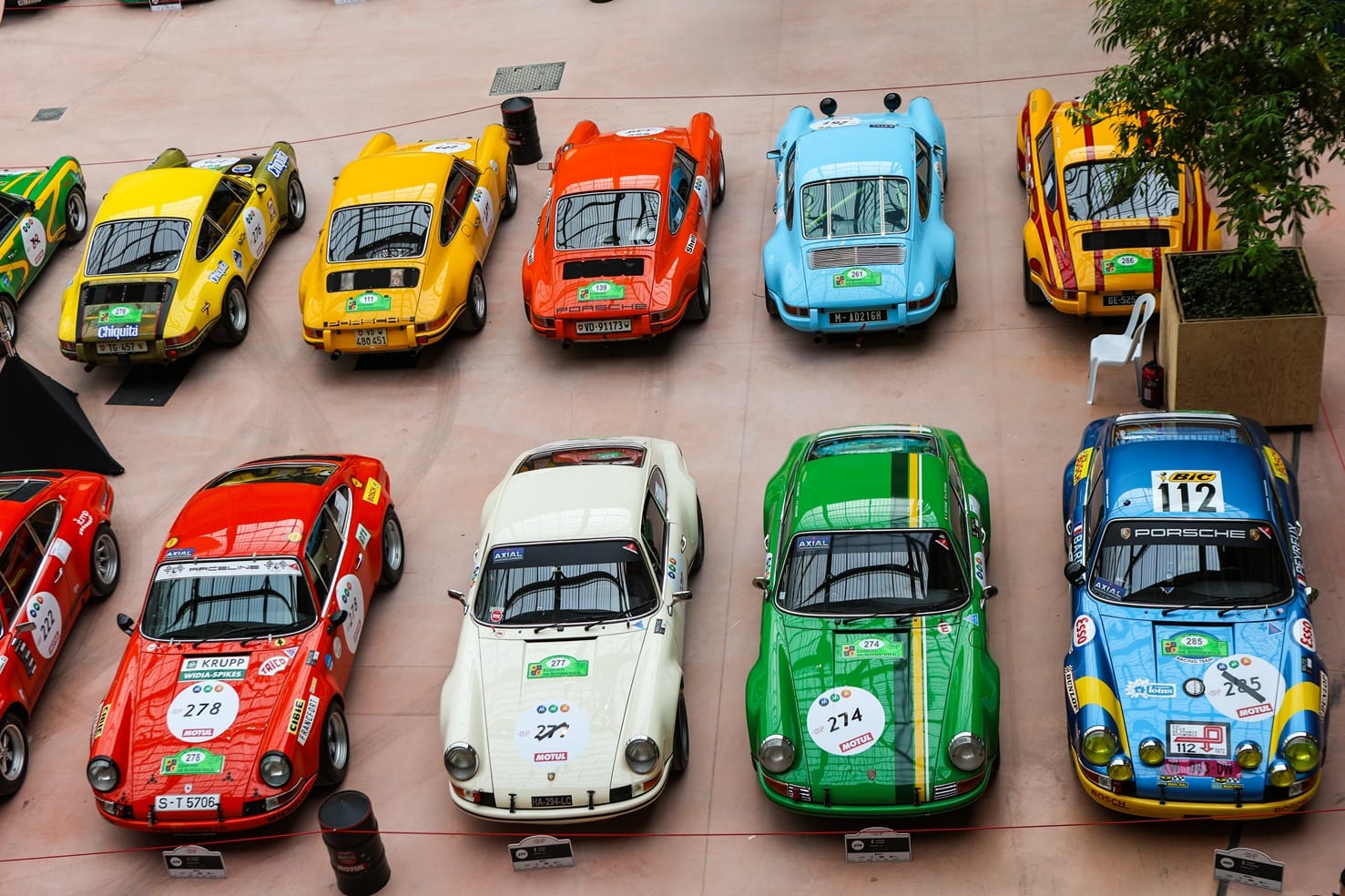
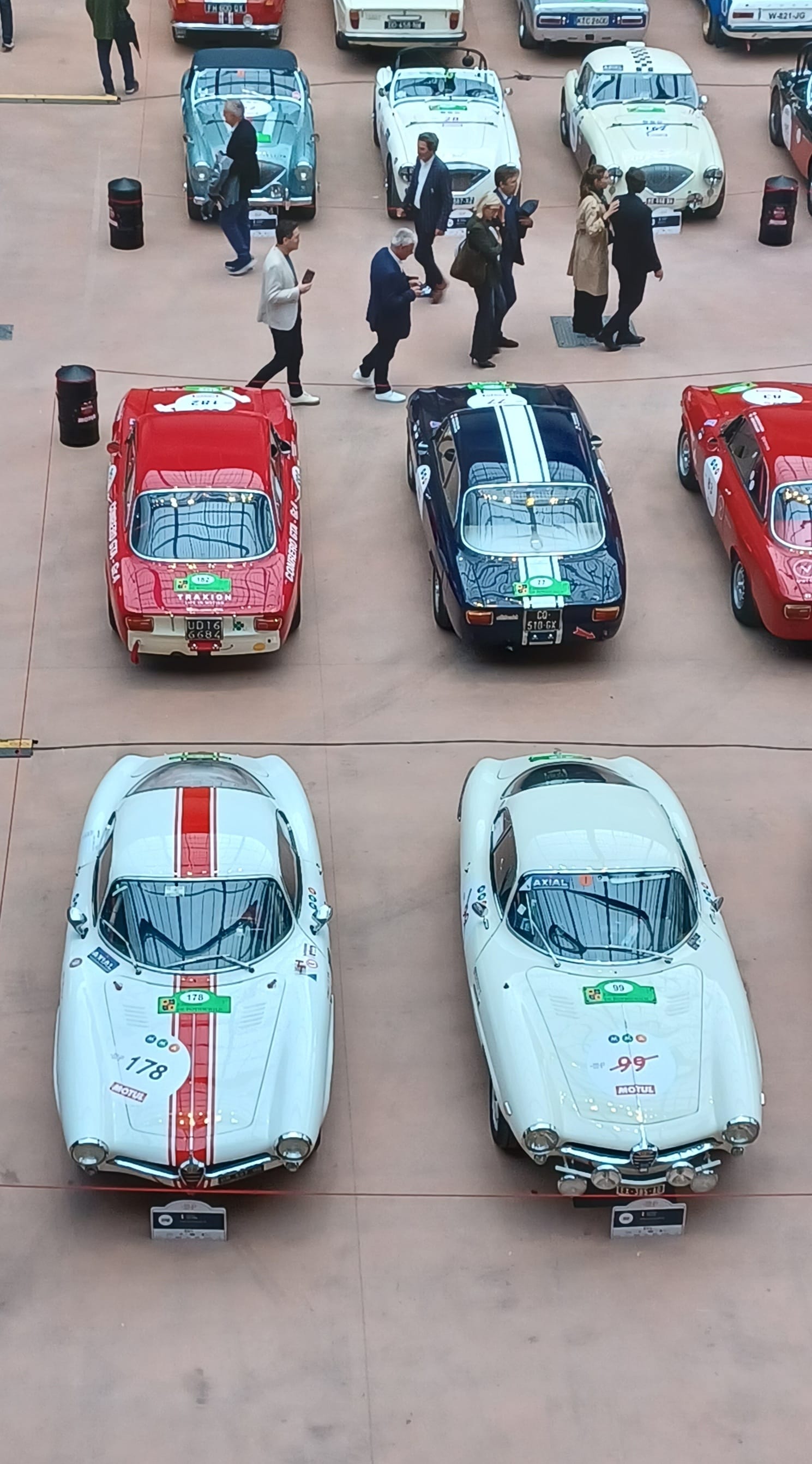
Plus scores and scores of Porsches of all kinds
As the automobile evolved and the scale of exhibitions expanded, the Grand Palais could no longer contain the growing ambitions of the industry. In the post-war decades, and particularly from the 1960s onward, the Paris Motor Show relocated to the more expansive Paris Expo Porte de Versailles.
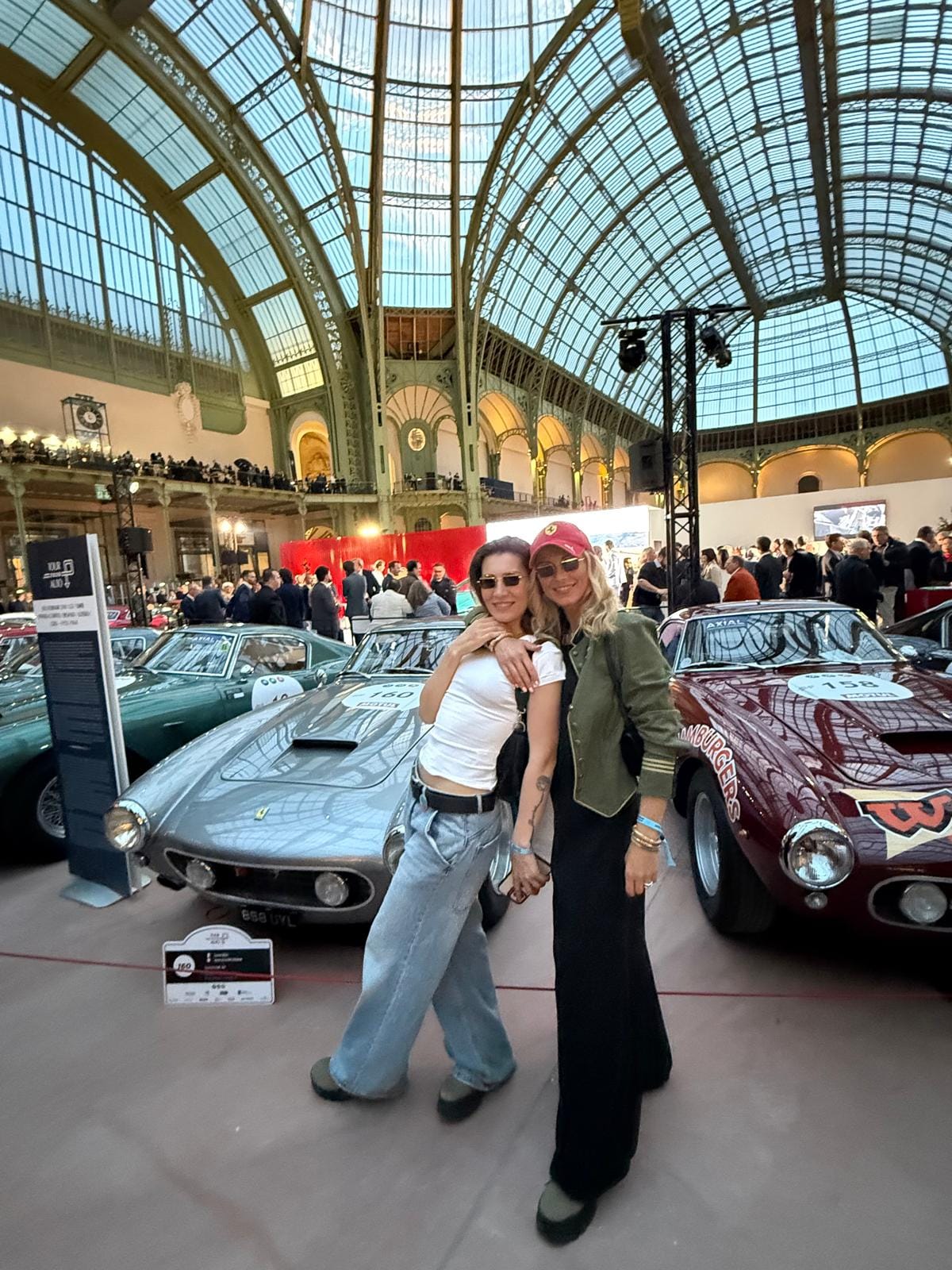
Yet the connection between the Grand Palais and the golden age of motoring never faded; it remained a symbol of a time when the automobile was as much an object of art as it was of engineering.
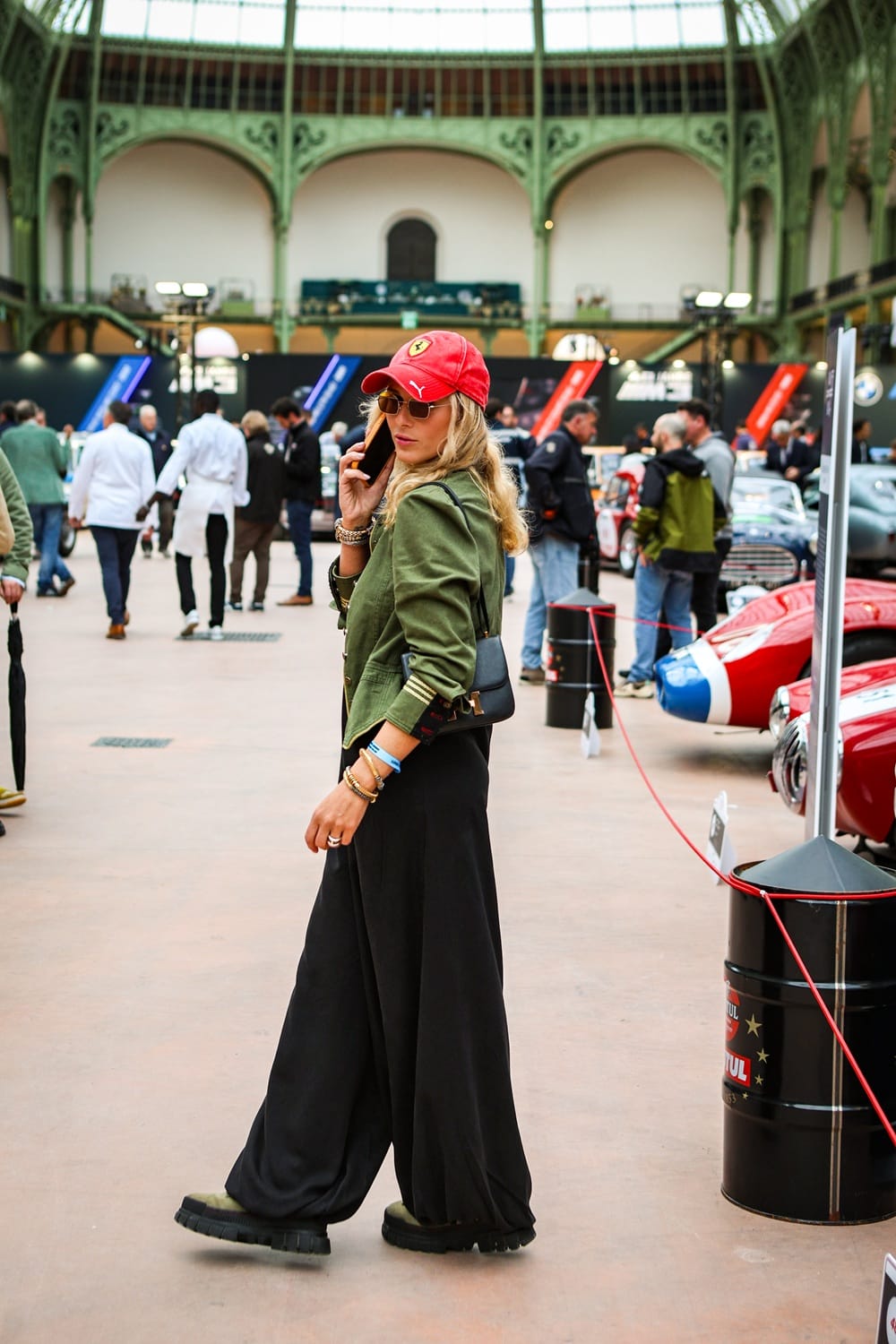
That symbolic power is precisely why Patrick Peter and his organisation Peter Auto chose the Grand Palais as the ceremonial starting point for the Tour Auto.
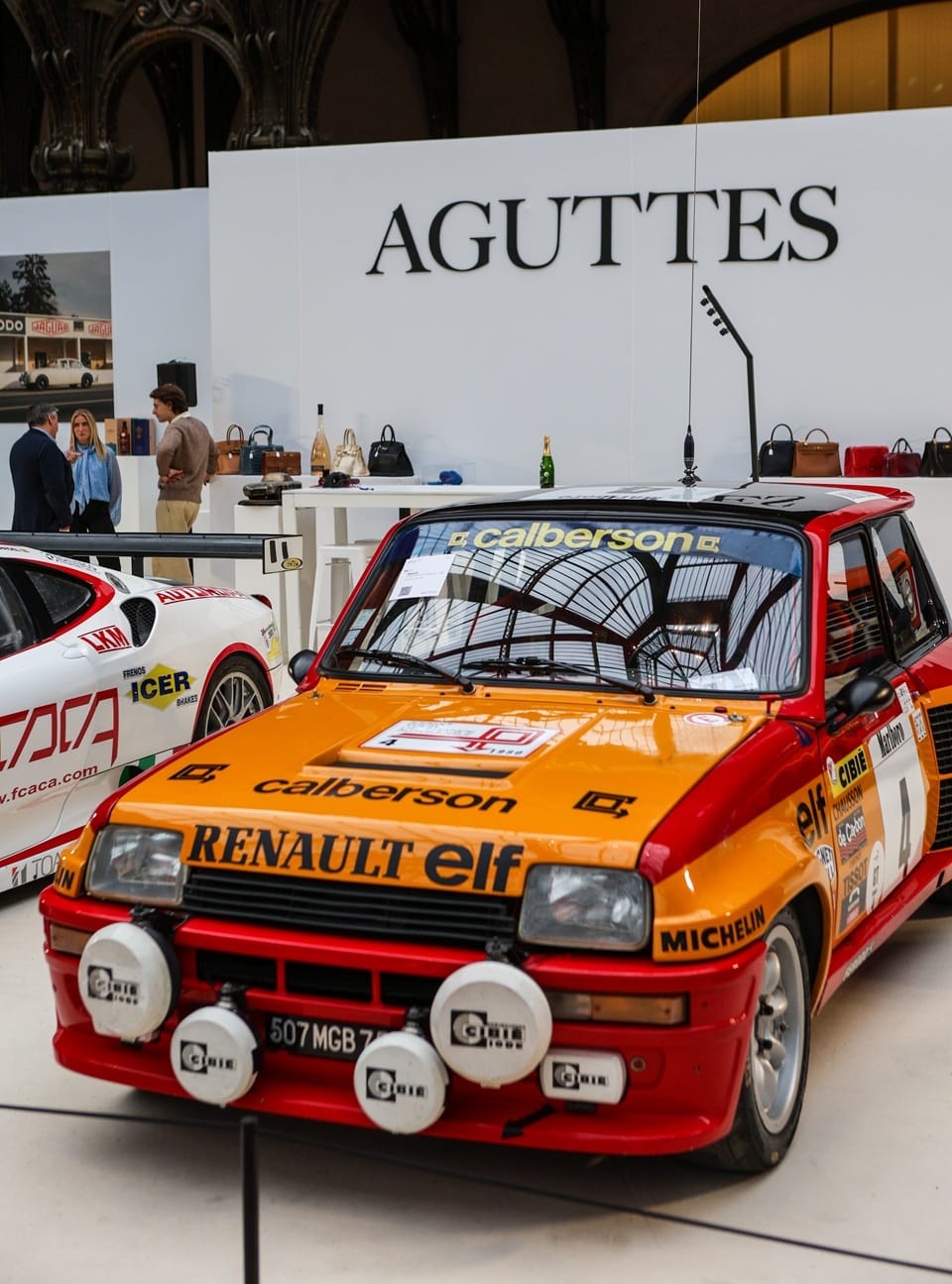
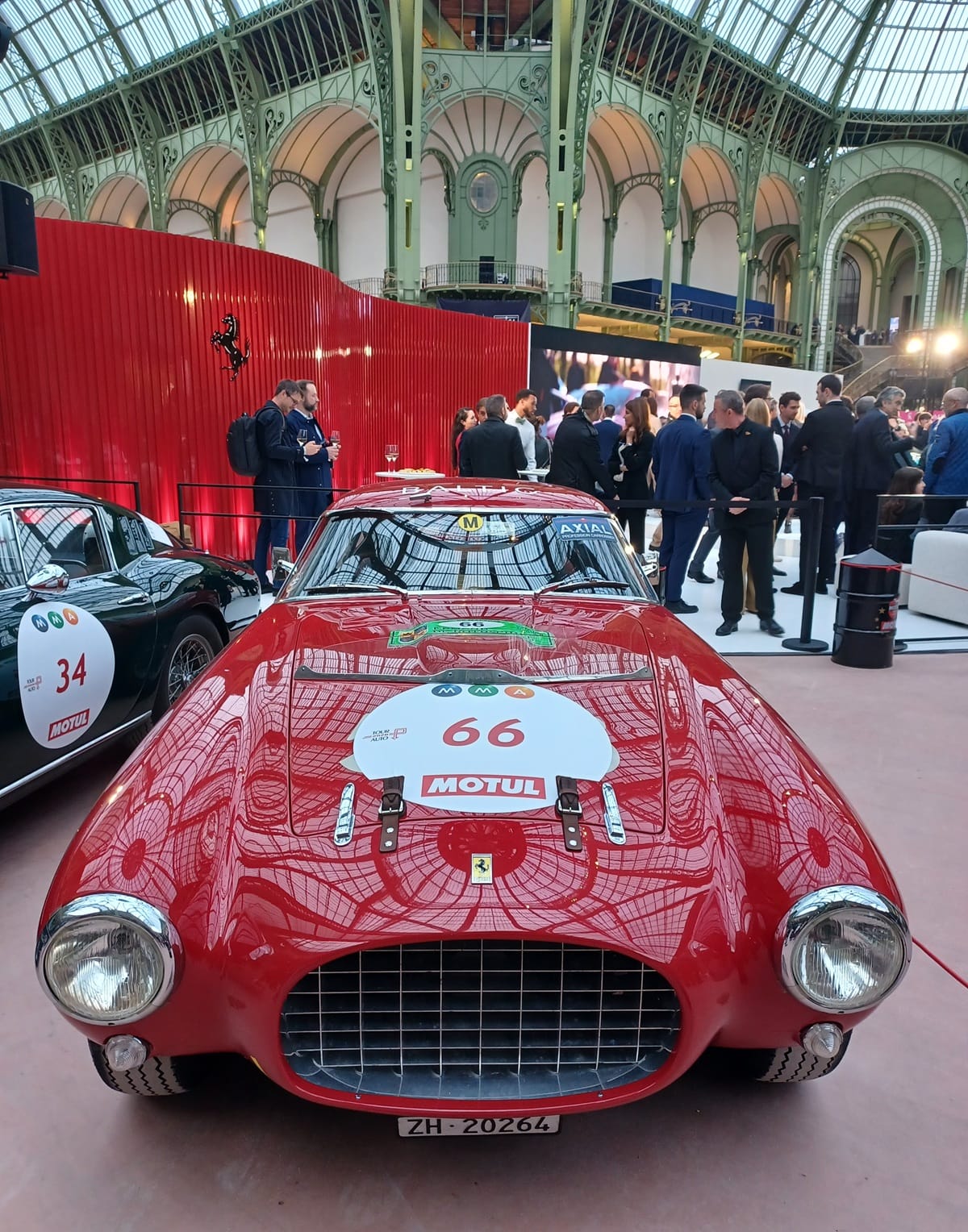
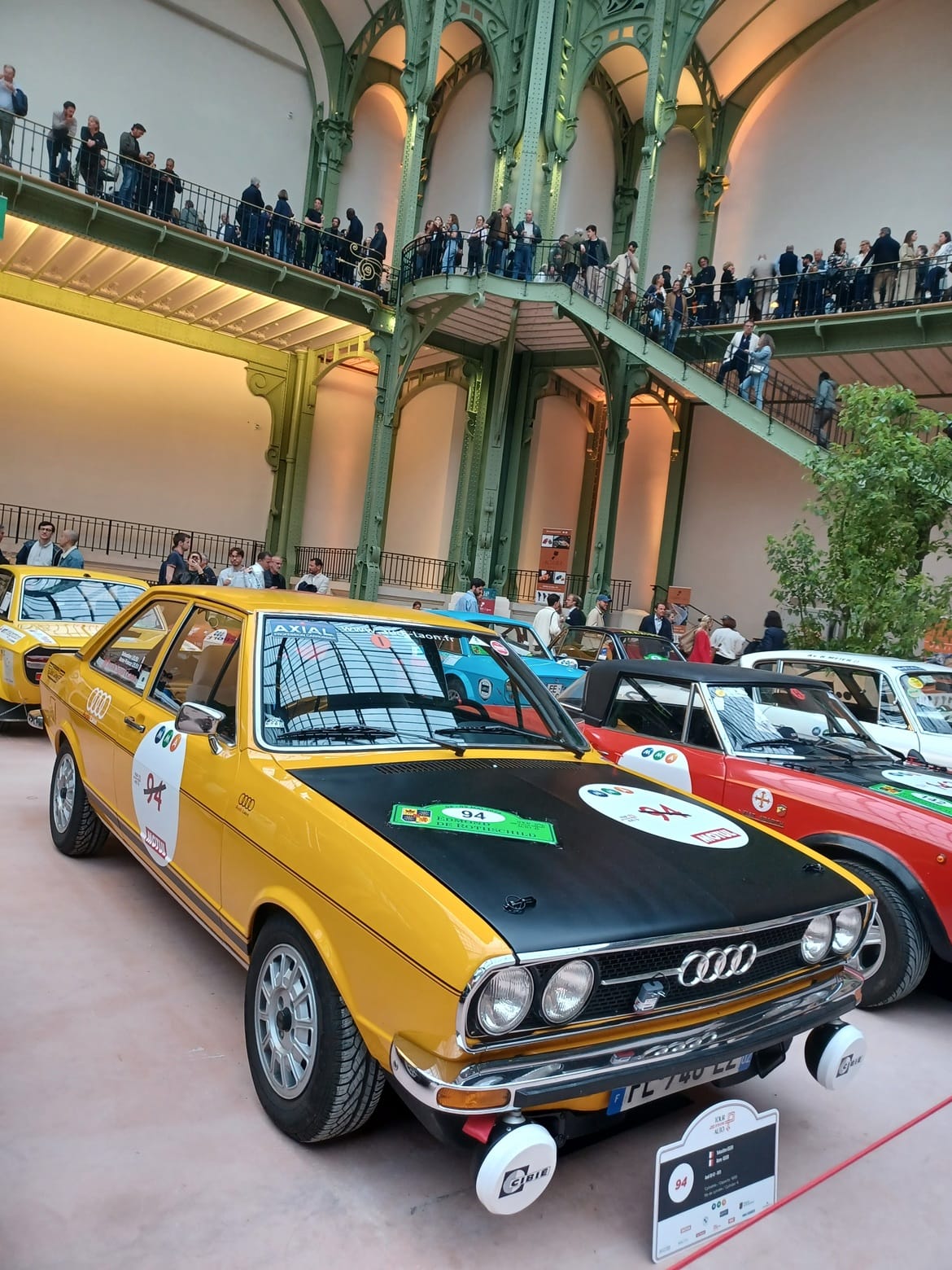
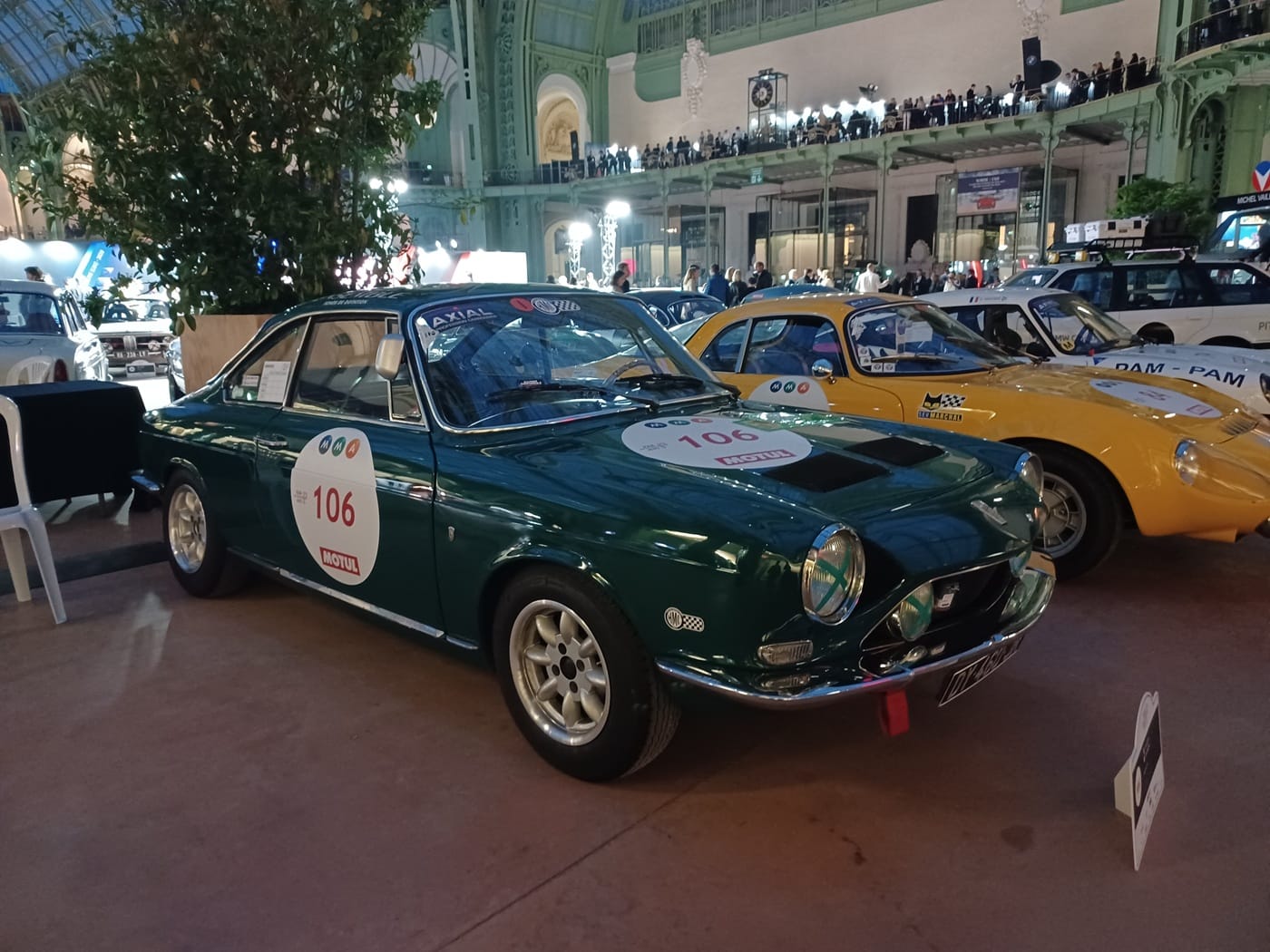
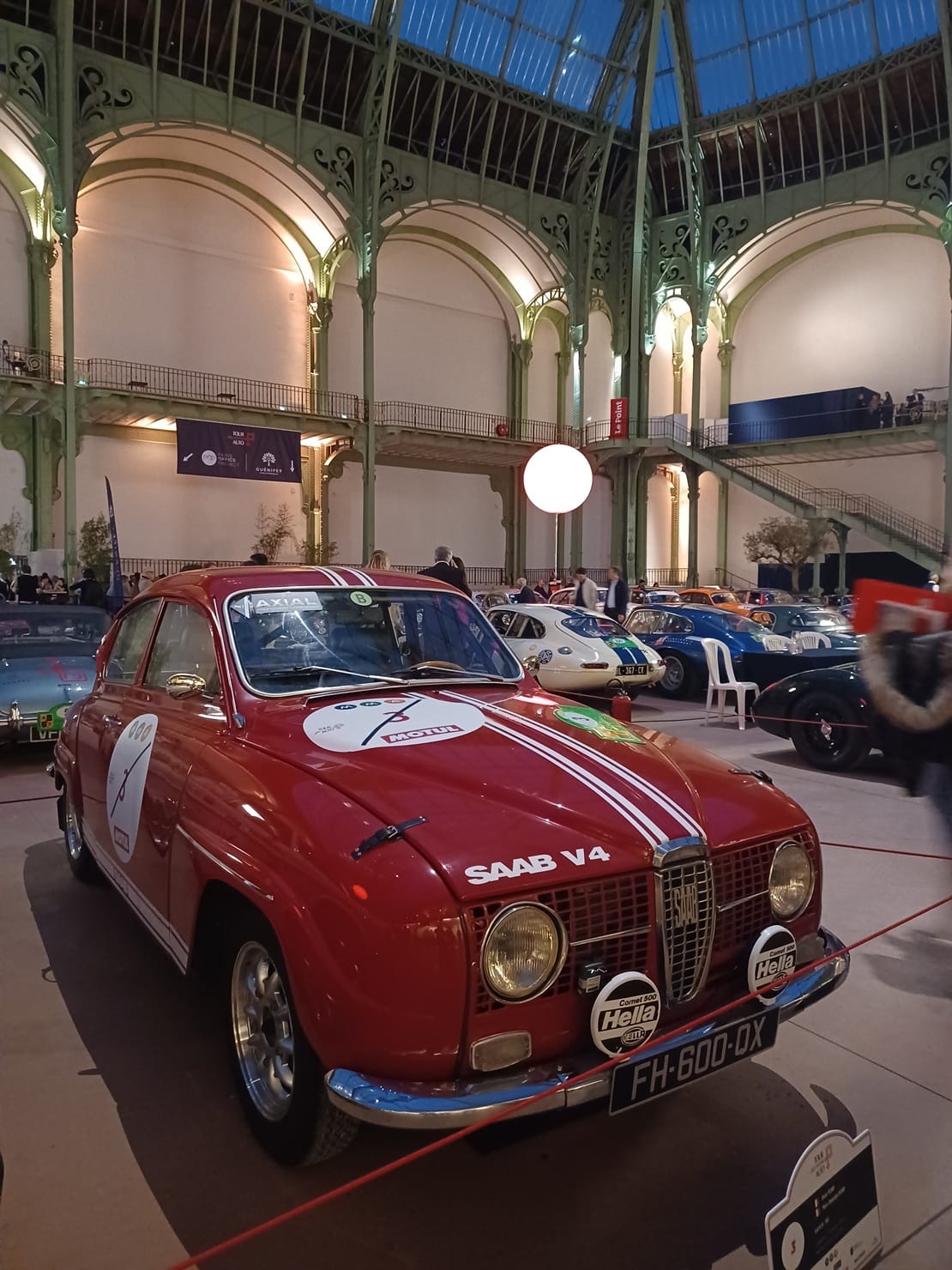
This prestigious event, inspired by the original Tour de France Automobile (1899-1986), brings together some of the most significant competition cars of the 1950s through the 1970s; machines from marques such as Ferrari, Ford, Jaguar, Porsche, Alfa Romeo, BMW, Lancia, and Lotus, as well as several rarities from Simca, CG, Audi, Saab and others.
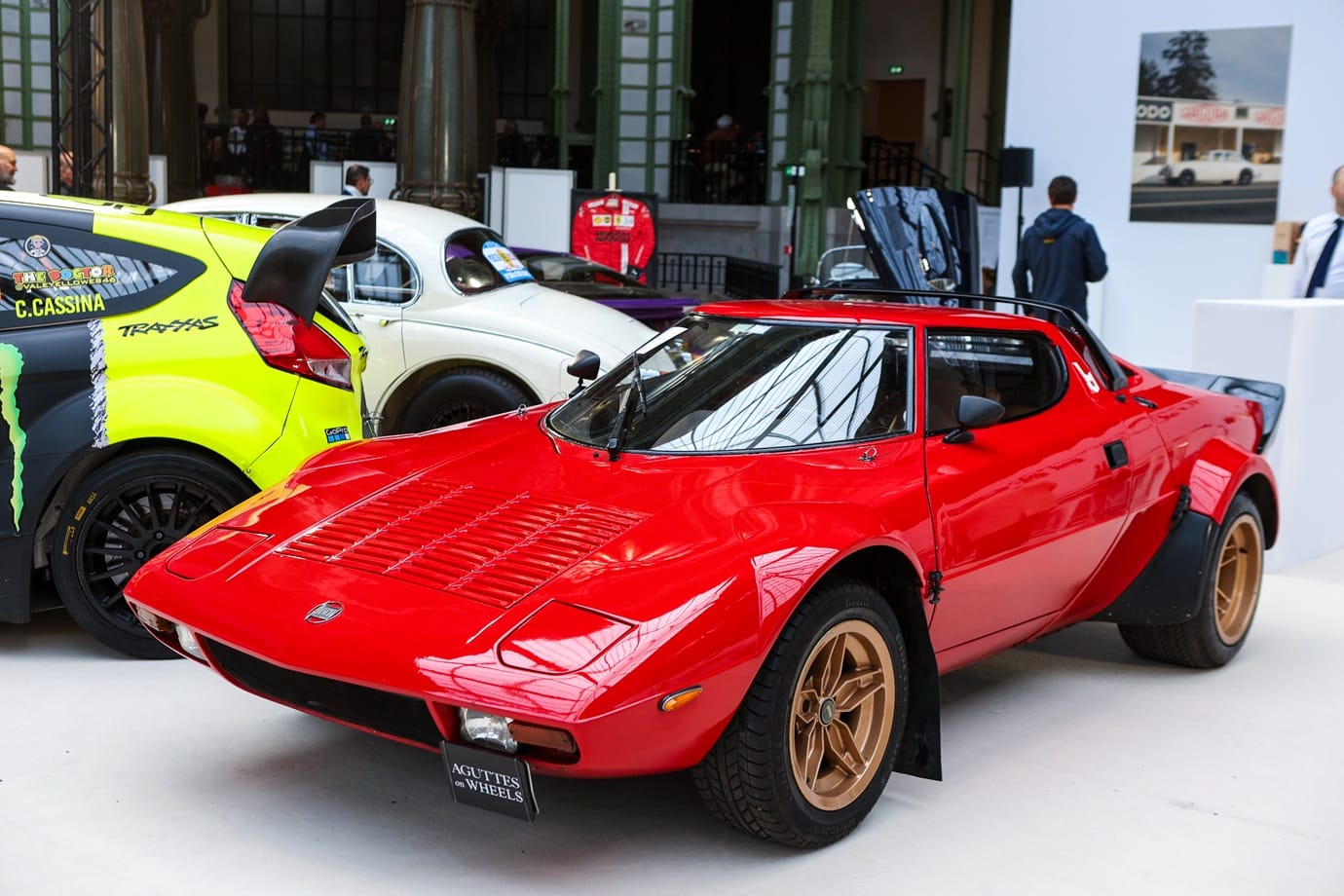
Traditionally, the rally begins with a public exhibition beneath the Grand Palais’s majestic roof, where spectators can admire these historic machines up close before they embark on a multi-day journey across France. Combining timed road stages with competitive sessions on historic circuits, the Tour Auto blends endurance, speed, and heritage in a uniquely evocative format.
In recent years, extensive restoration work temporarily displaced the event from its historic home. But with the Grand Palais now restored, its return as the ceremonial backdrop for the Tour Auto feels both natural and deeply satisfying.
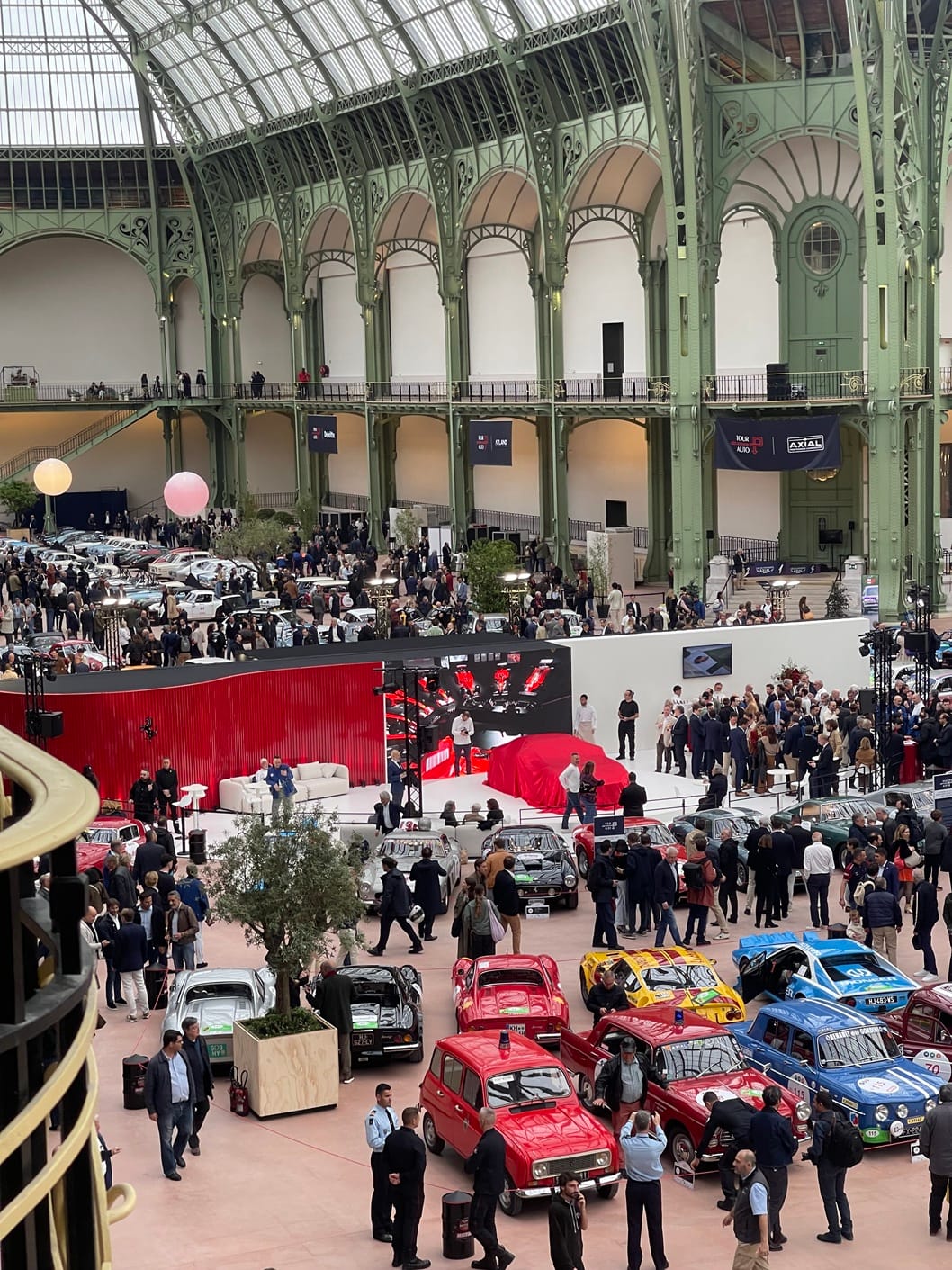
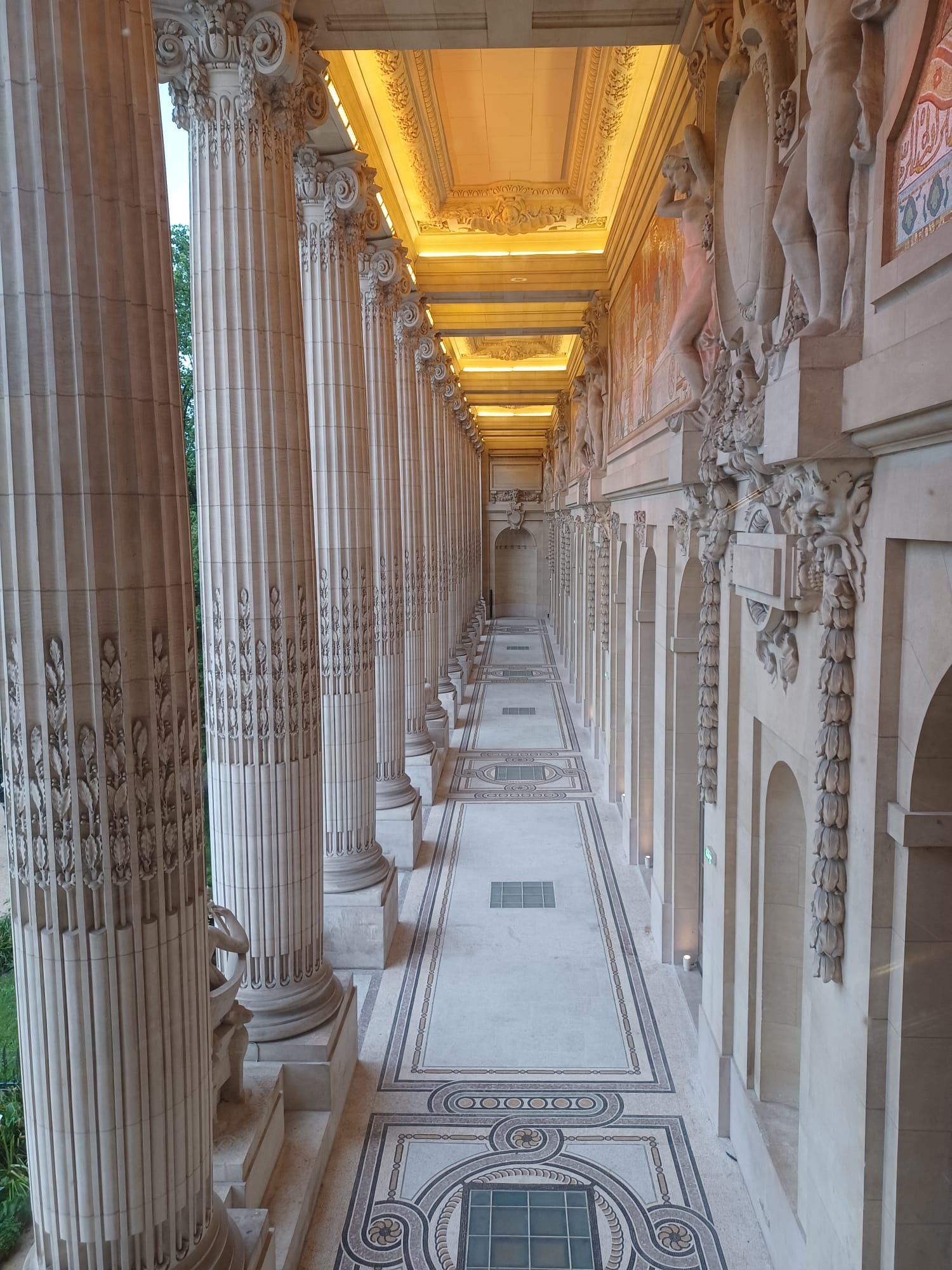
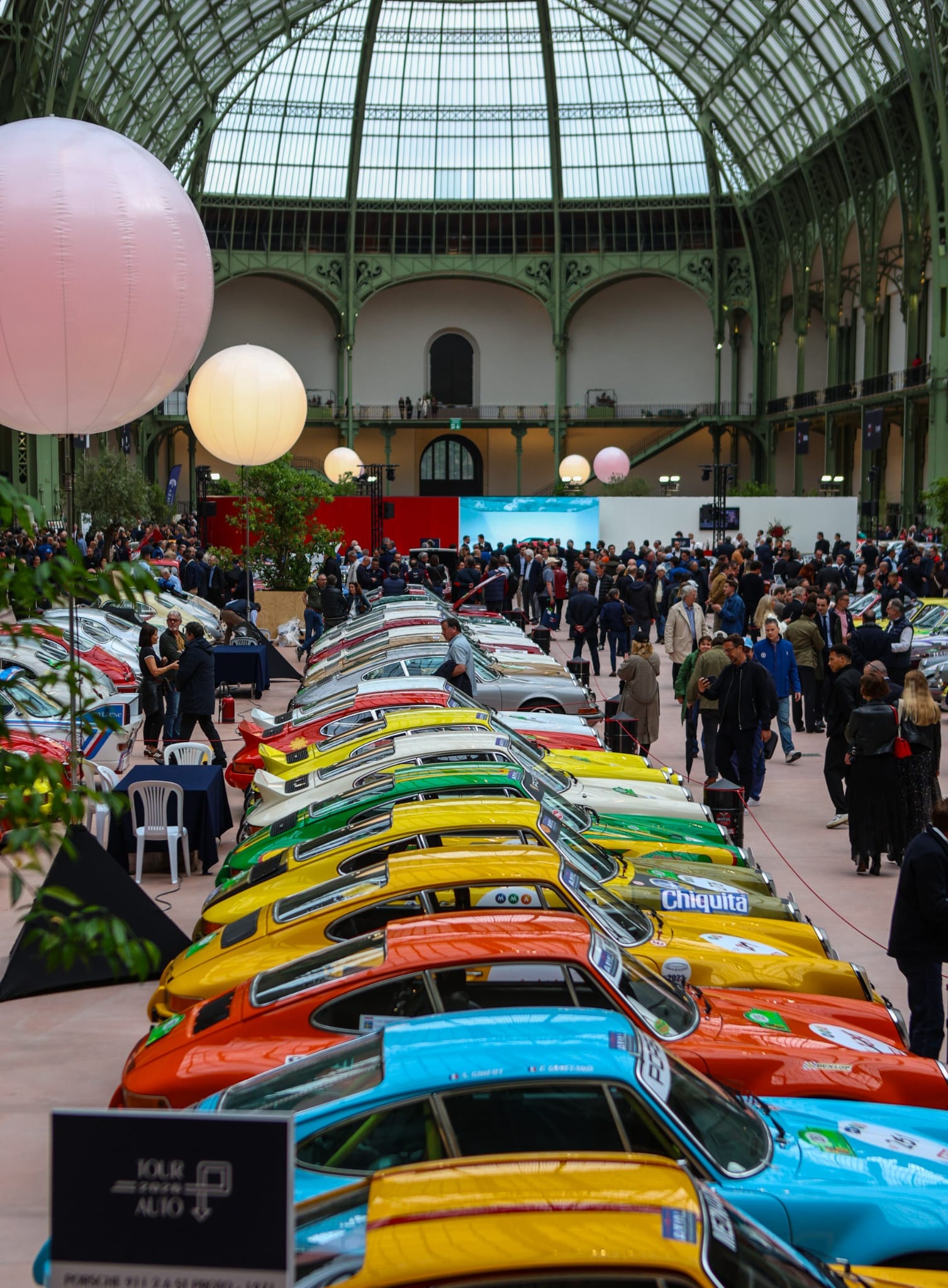
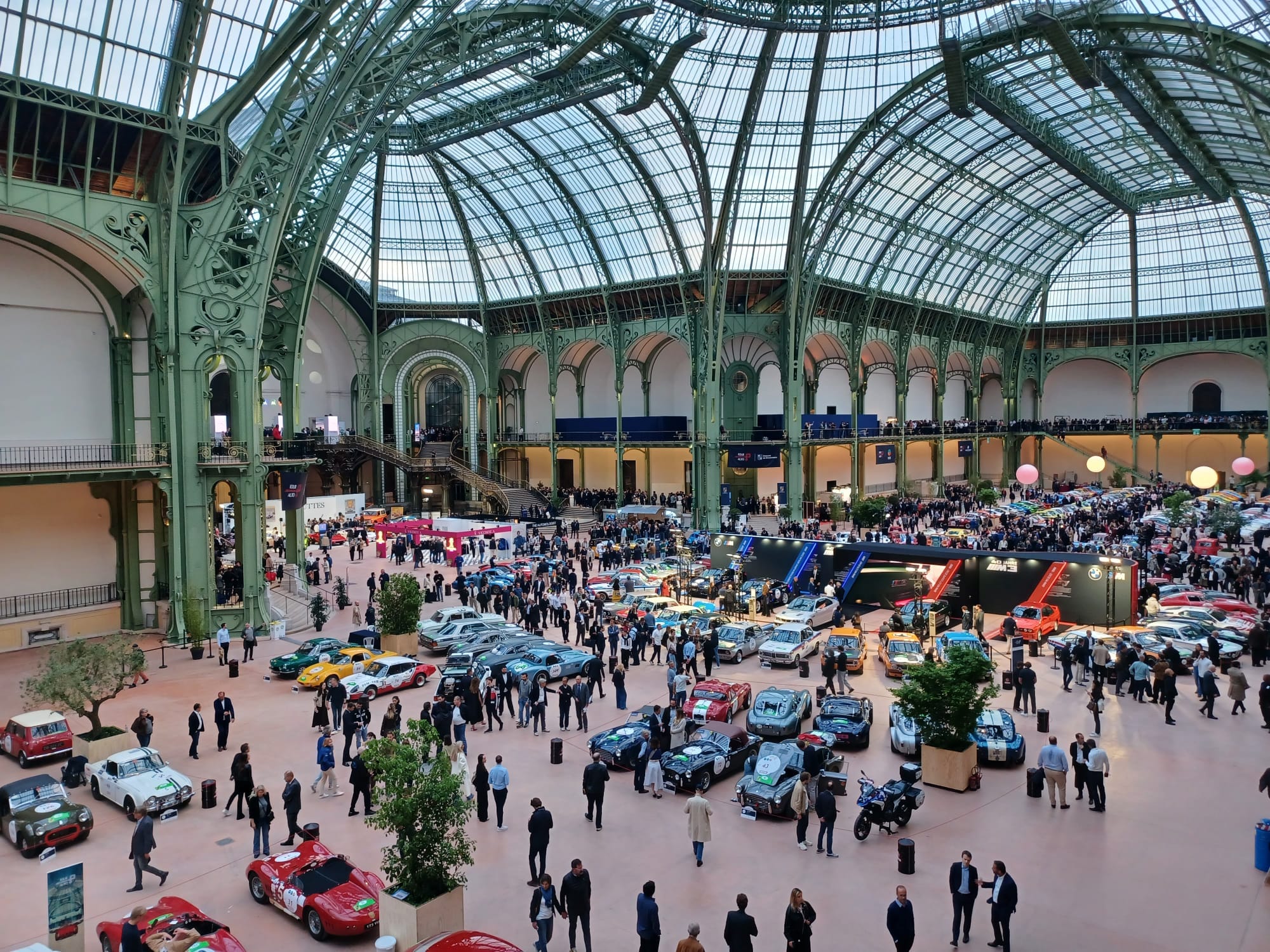
The primary objective, however, is simply to take in the atmosphere of the magnificent Grand Palais – to pause beneath its vast glass nave and appreciate the interplay of forms and function
Once again, the great glass nave was filled with the sound, colour, and spirit of motoring’s past on Monday the 4th of May, an elegant reminder that in Paris, history is never far from the present, and that the automobile, like the Grand Palais itself, remains a powerful expression of art, ambition, and human ingenuity.
Comments ()