When Cars Dreamt of the Future
The automobile once promised a future limited only by imagination
Text: Borzou Sepasi
The future has always been a mysterious and elusive concept for humanity. By instinct, human beings are driven to prepare for what lies ahead, to anticipate unknown challenges and potential threats. Yet because we are bound by the limits of our own time and place, our vision of the future has always been shaped by imagination rather than certainty.
The automobile, which has become an inseparable part of human life for well over a century, has always been deeply intertwined with the idea of the future. From the very beginning of its existence, people imagined the technologies of tomorrow and built machines that seemed years, or even decades ahead of their time.
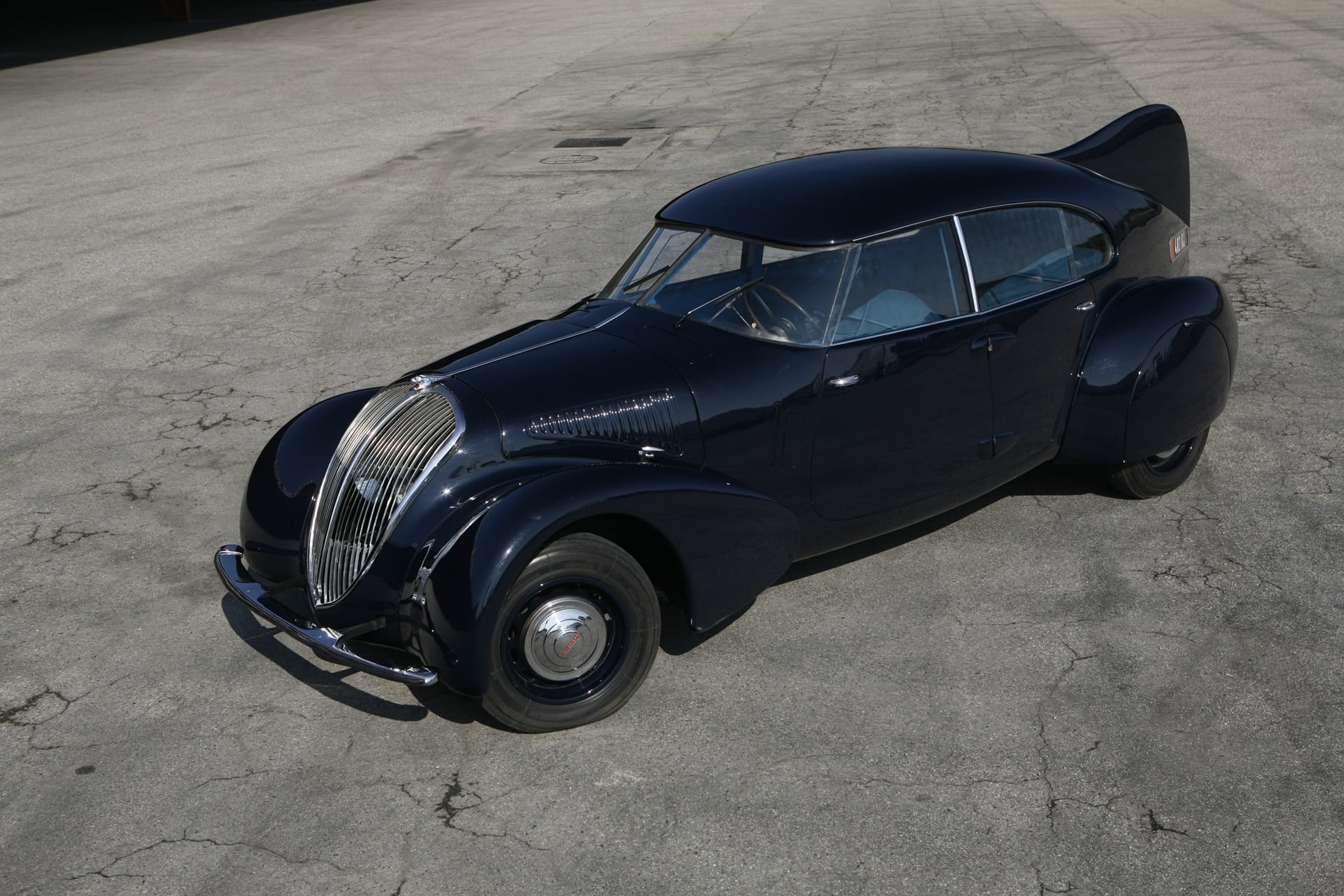
For early generations, the future was synonymous with speed. As a result, speed became the first great symbol of futurism in the automotive world. Visionaries imagined vast multi-level highways filled with autonomous vehicles carrying passengers who could relax and converse while traveling at astonishing velocities. Some of the earliest automotive pioneers, such as the Blitzen Benz, were created with the sole purpose of reaching unprecedented speeds, featuring streamlined bodies designed to slice through the air.
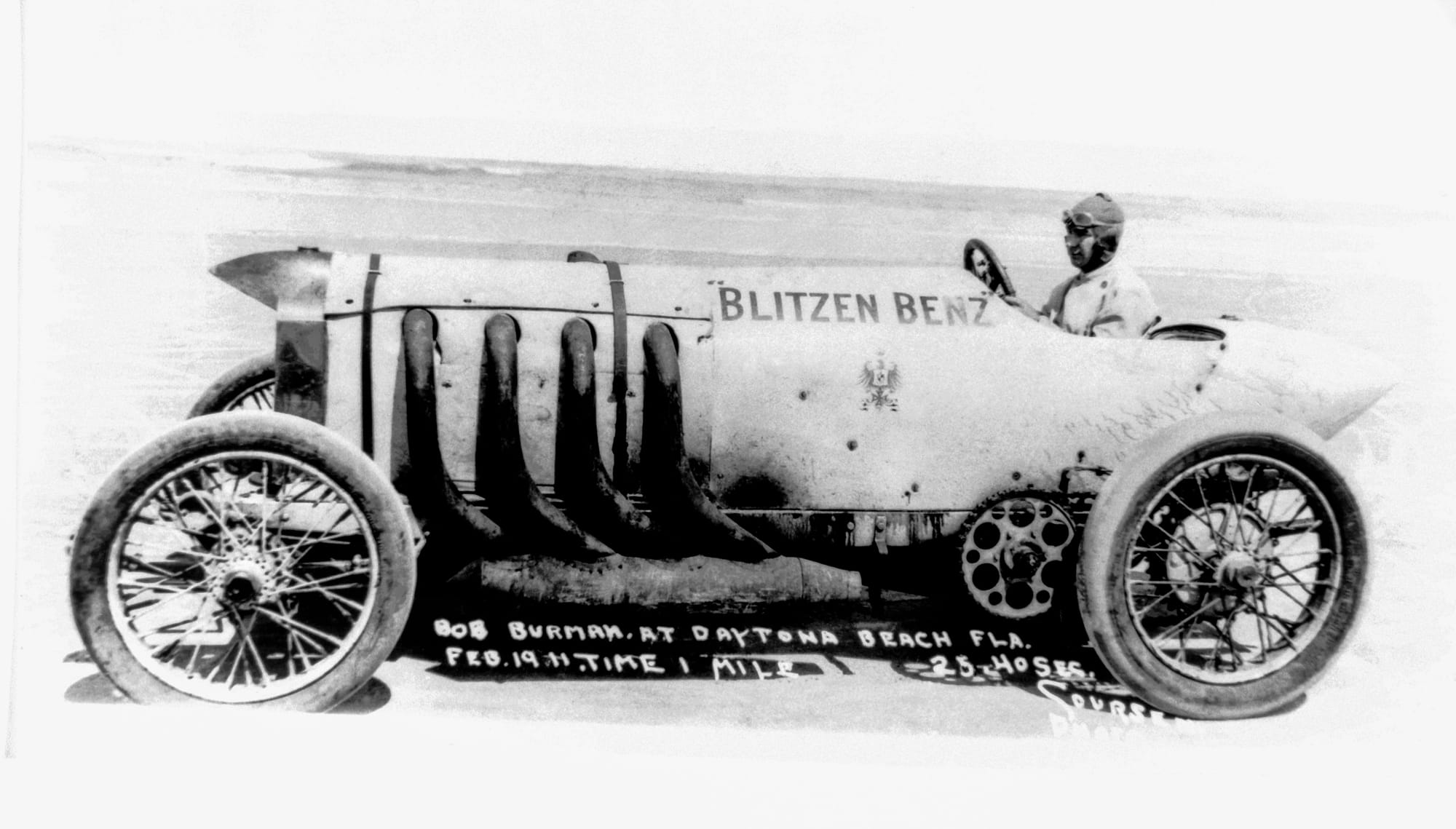
These aerodynamic forms, inspired by contemporary land-speed-record cars, soon captivated wealthy customers as well. This fascination gave rise to some of the most breathtaking coachbuilt creations of the era, including the dreamlike designs of Figoni et Falaschi and Pourtout.
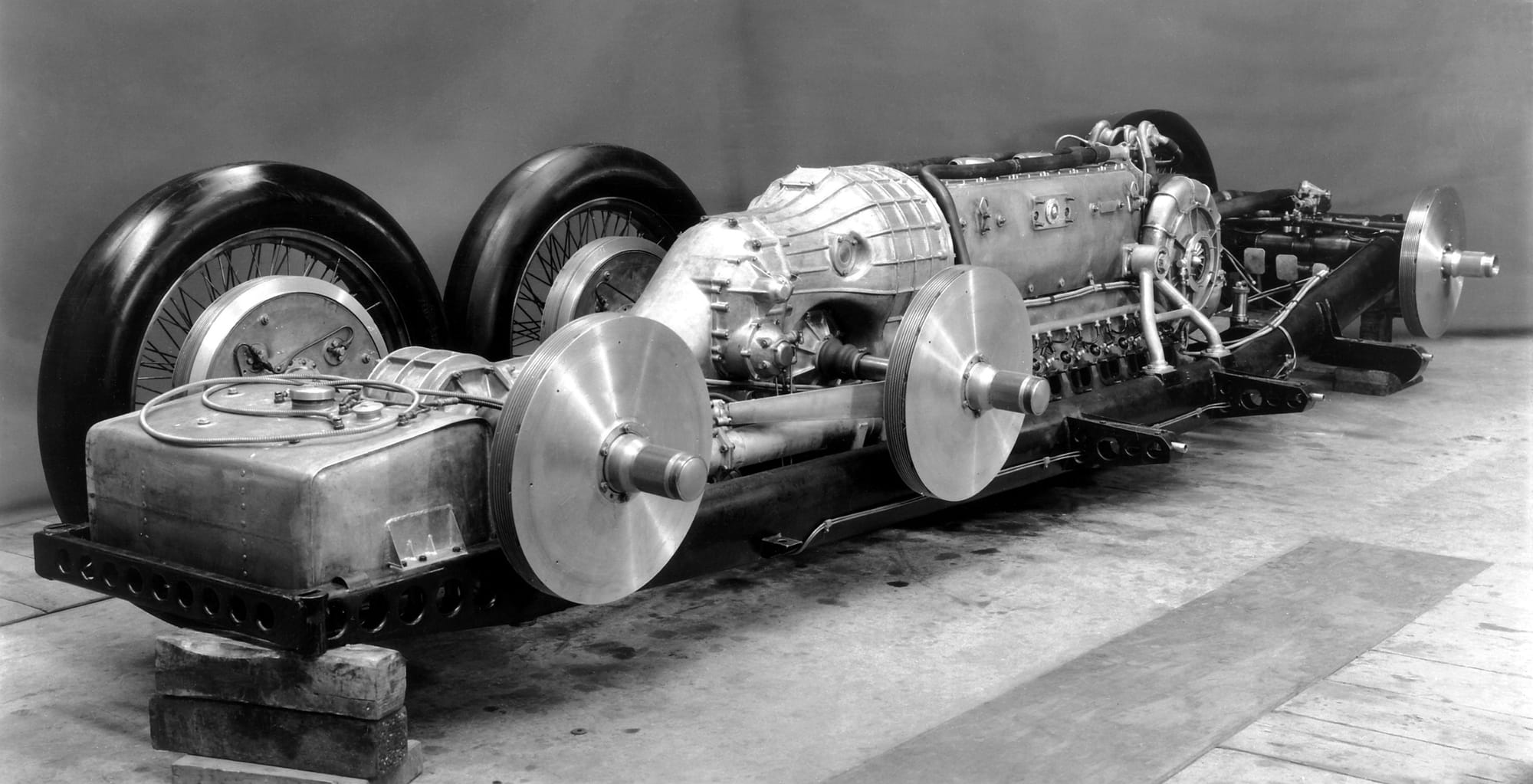
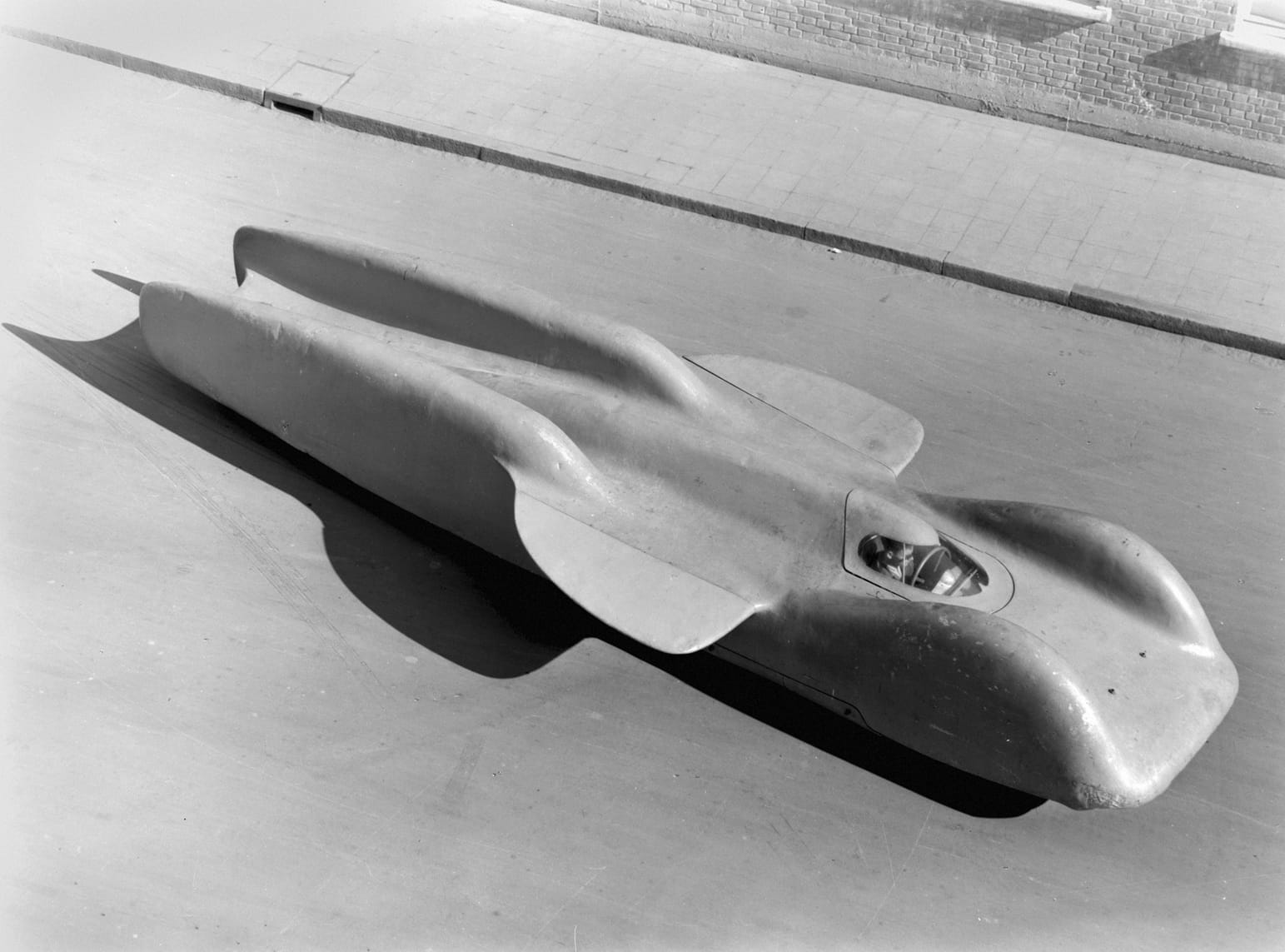
The obsession with speed continued until the outbreak of the Second World War. In 1939, Mercedes-Benz created perhaps the ultimate expression of this pursuit: a lightweight six-wheeled machine powered by a 3,452-horsepower V12 aircraft engine. It was intended to reach the almost unimaginable speed of 750 km/h. History, however, had other plans. The war began before the record attempt could ever take place.
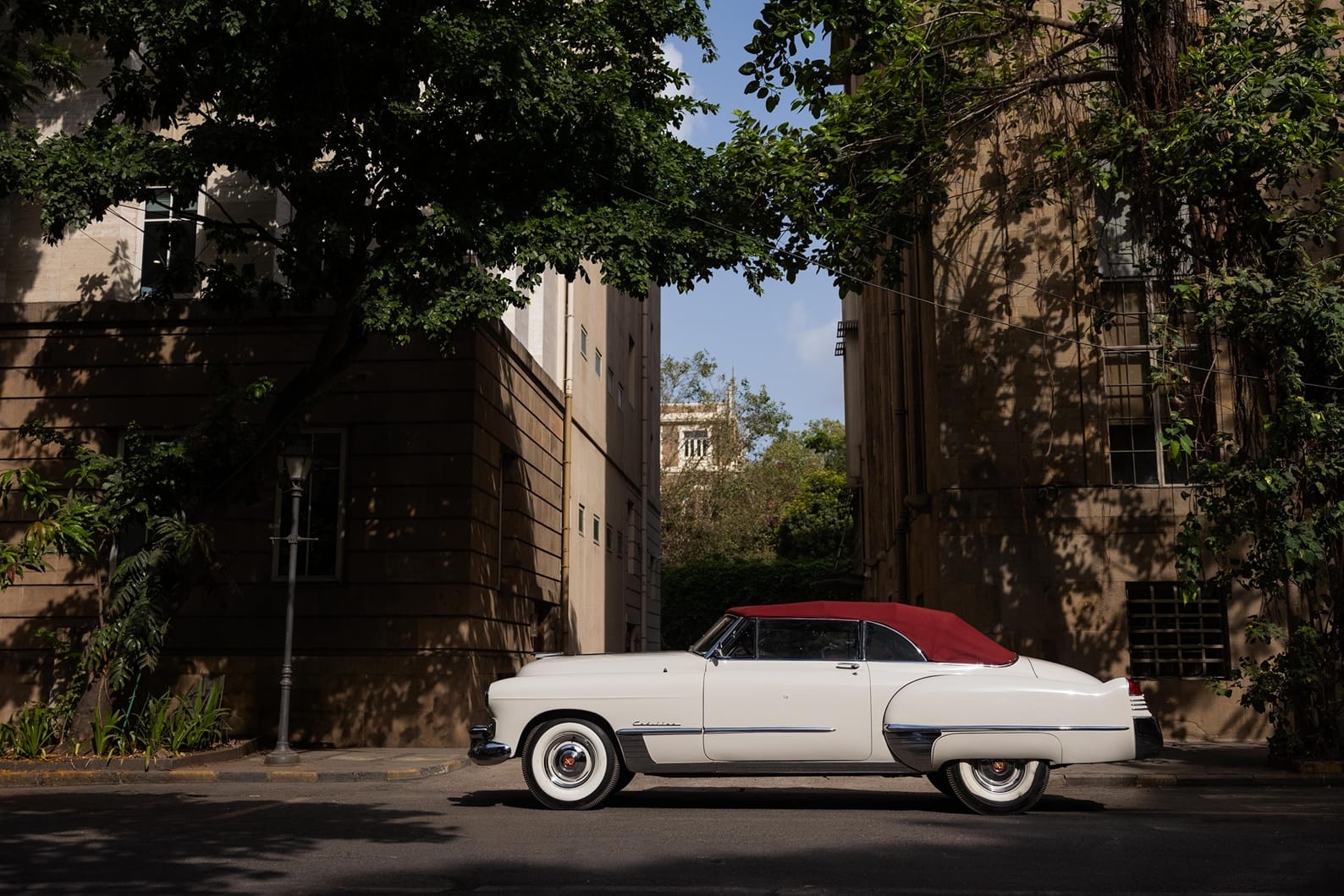
After World War II, the quest for speed records continued, but speed was no longer the sole symbol of humanity's vision of tomorrow. Automotive futurism was entering a new era.
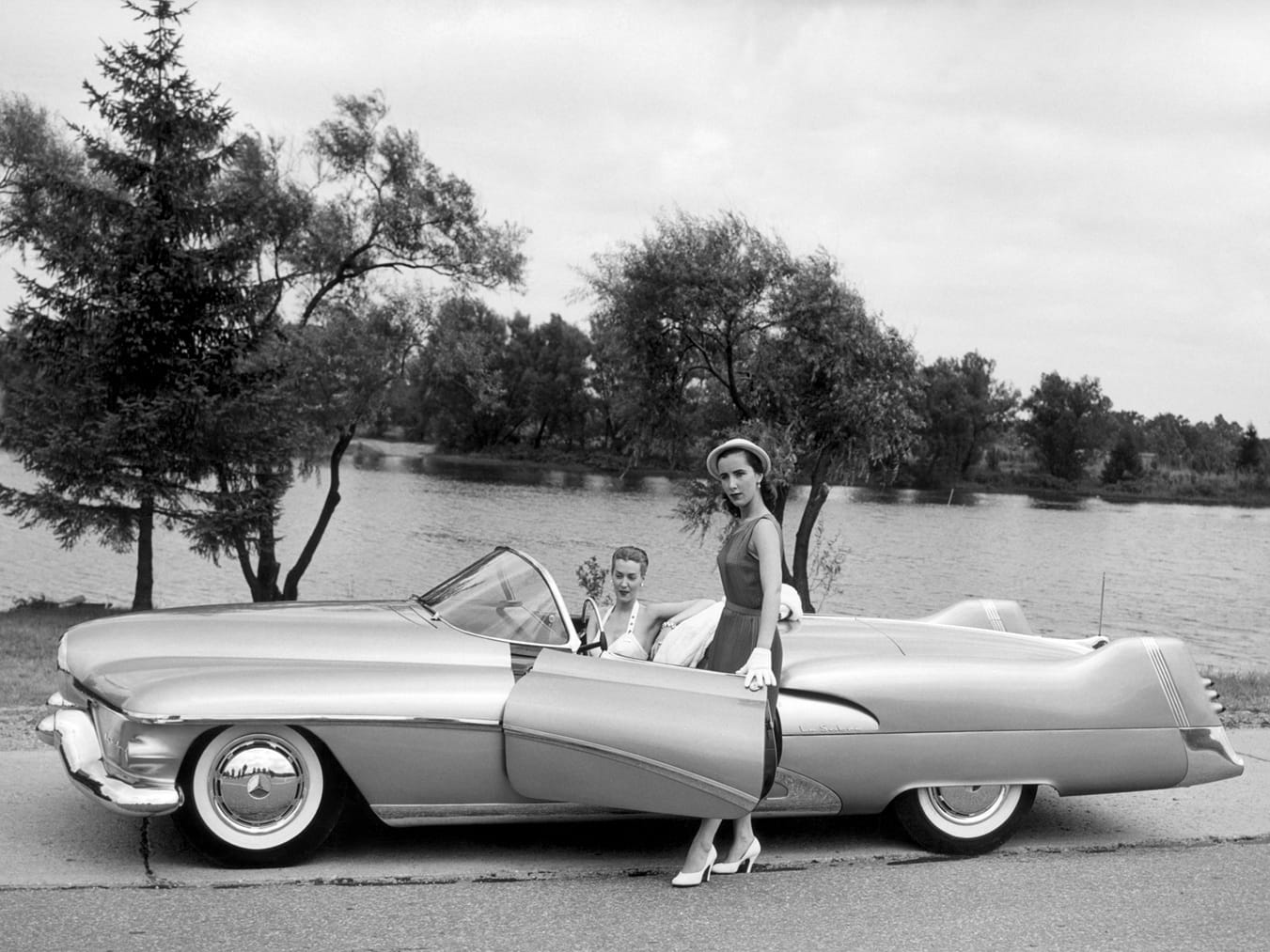
In 1948, a spark ignited in America that would reshape the future of automotive design. The GM Le Sabre concept embodied nearly everything people of the era imagined the future could be. Yet this was only the beginning.
At the same time, General Motors design chief Harley Earl introduced tailfins inspired by aircraft stabilizers on Cadillac models. What began as a styling experiment quickly evolved into a revolution. Automotive design became more than transportation—it became a reflection of humanity's dreams and aspirations.
People longed for space travel long before a real spacecraft had ever left Earth. Cars began to resemble rockets. Tailfins grew larger. Chrome flowed across bodywork like liquid metal. The future was no longer merely a destination; it had become a lifestyle and a cultural movement.
Perhaps it was this collective fascination with the unknown that eventually helped propel humanity first into the skies and later to the surface of the Moon.
Throughout these years, General Motors stood at the forefront of automotive innovation, introducing futuristic concepts that seemed almost impossible at the time. Turbine engines, autonomous driving systems, dashboard displays, cameras replacing mirrors, onboard telephones, and advanced communication technologies all appeared first as visions of tomorrow before eventually becoming reality.
By the 1960s, however, the era of space-age automotive design began to fade. One of the most glorious chapters of automotive futurism was drawing to a close.
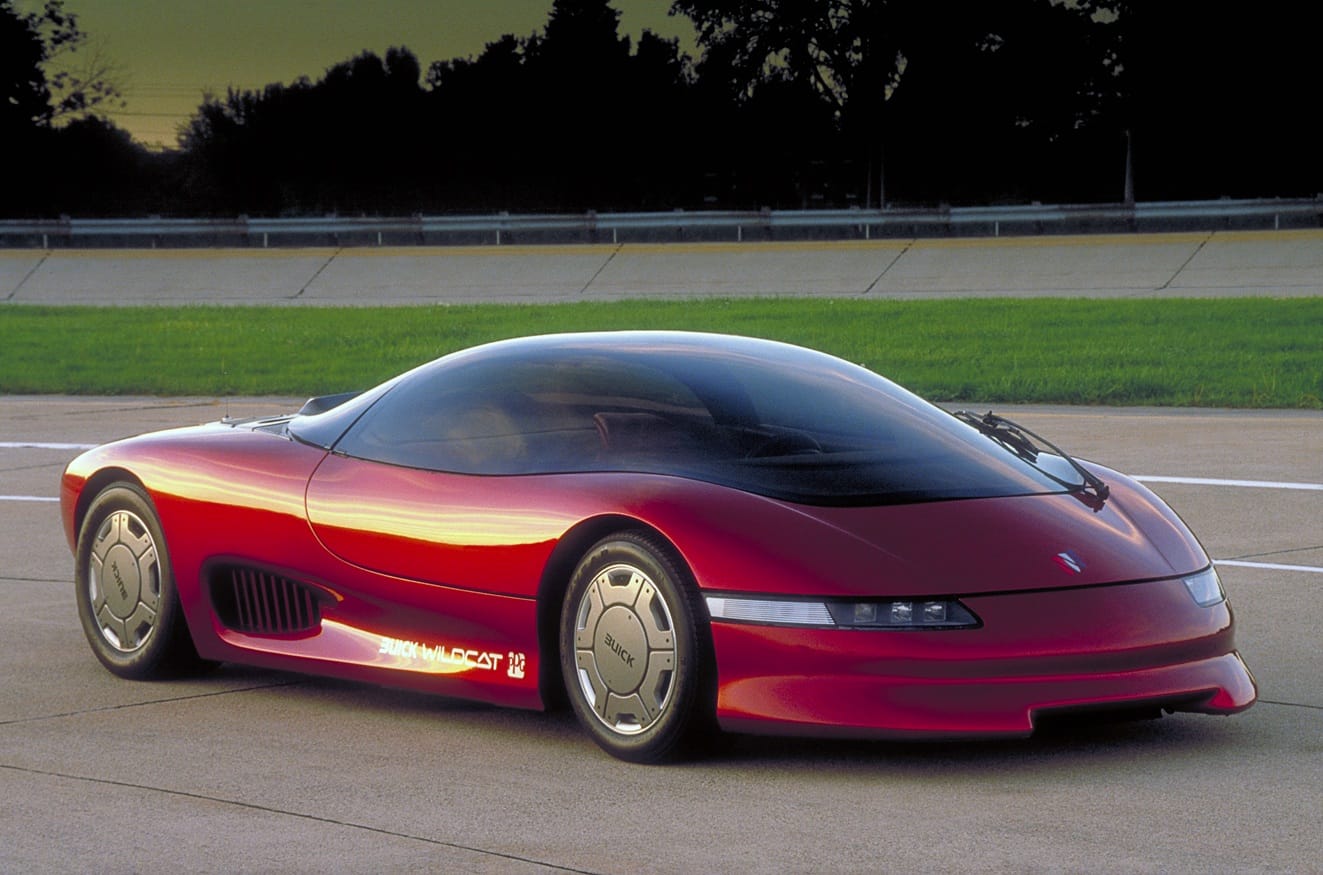
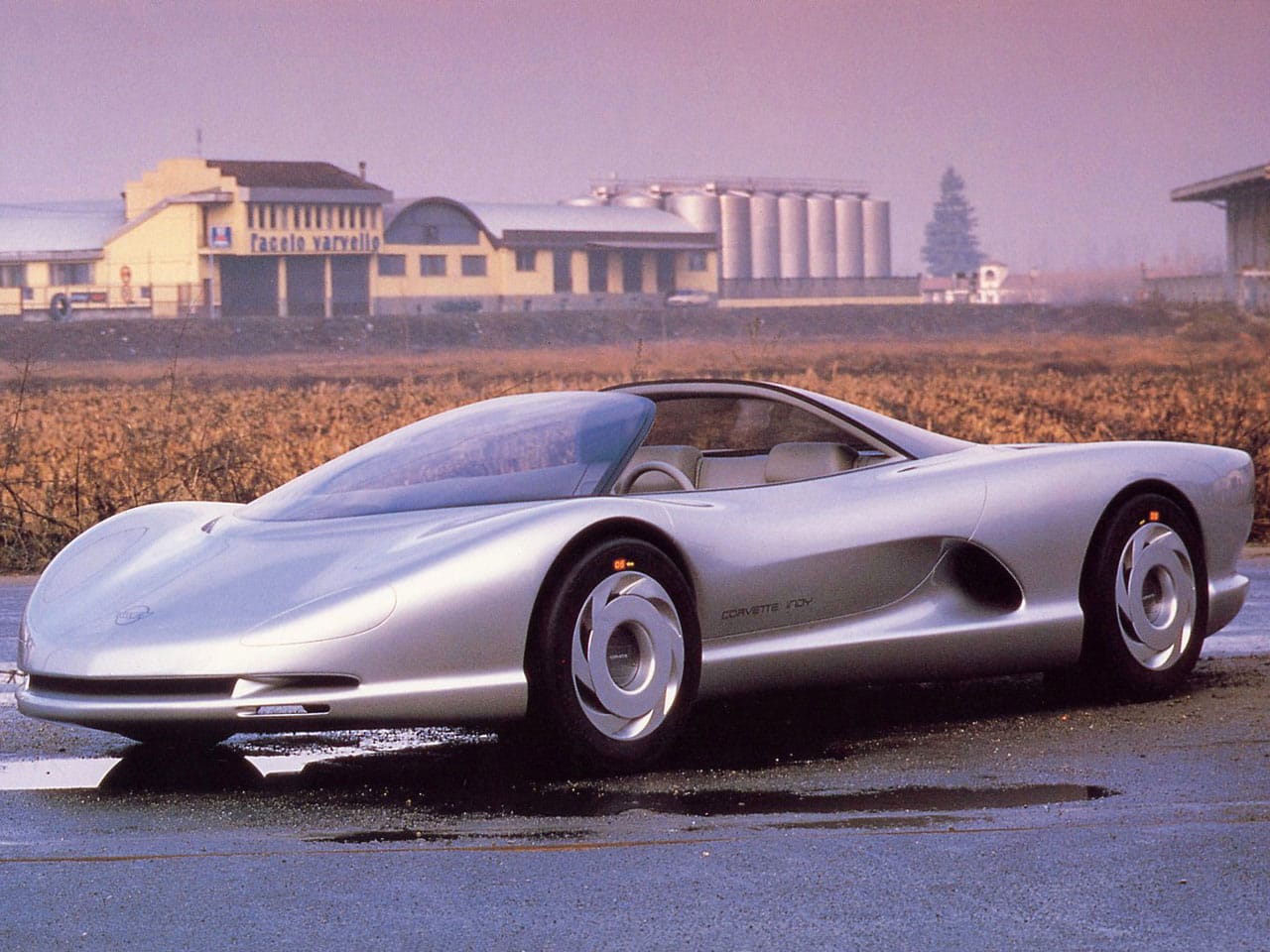
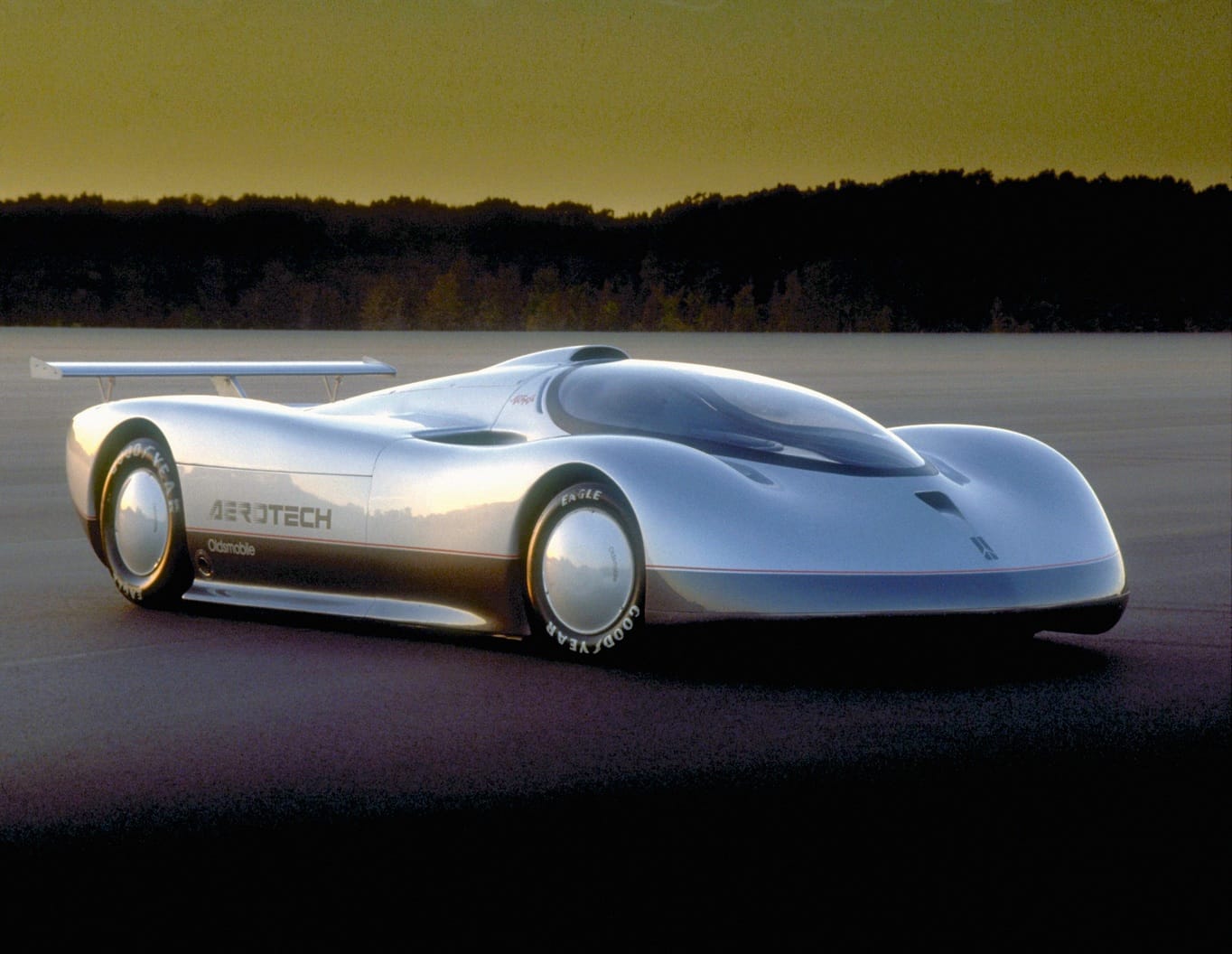
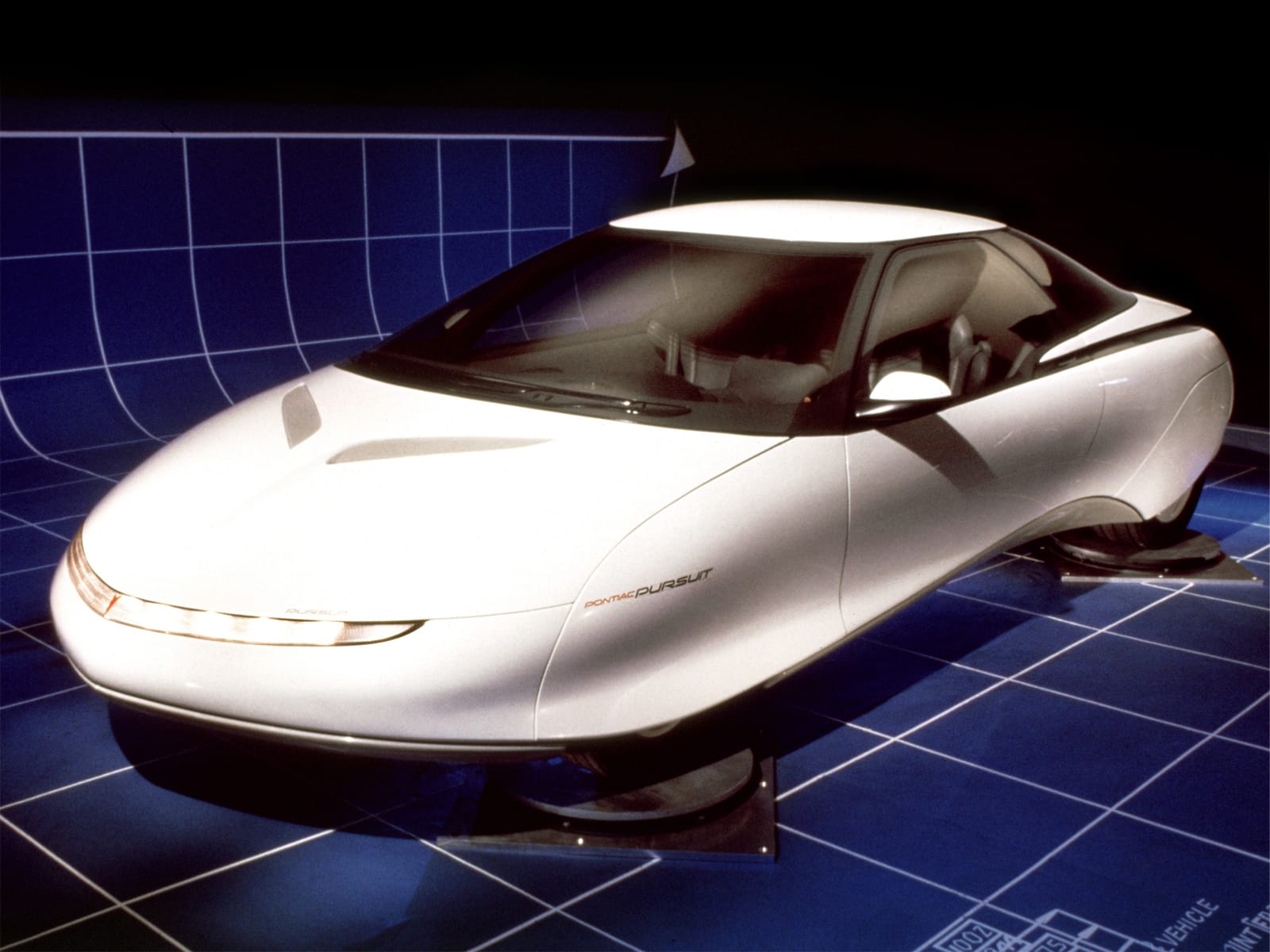
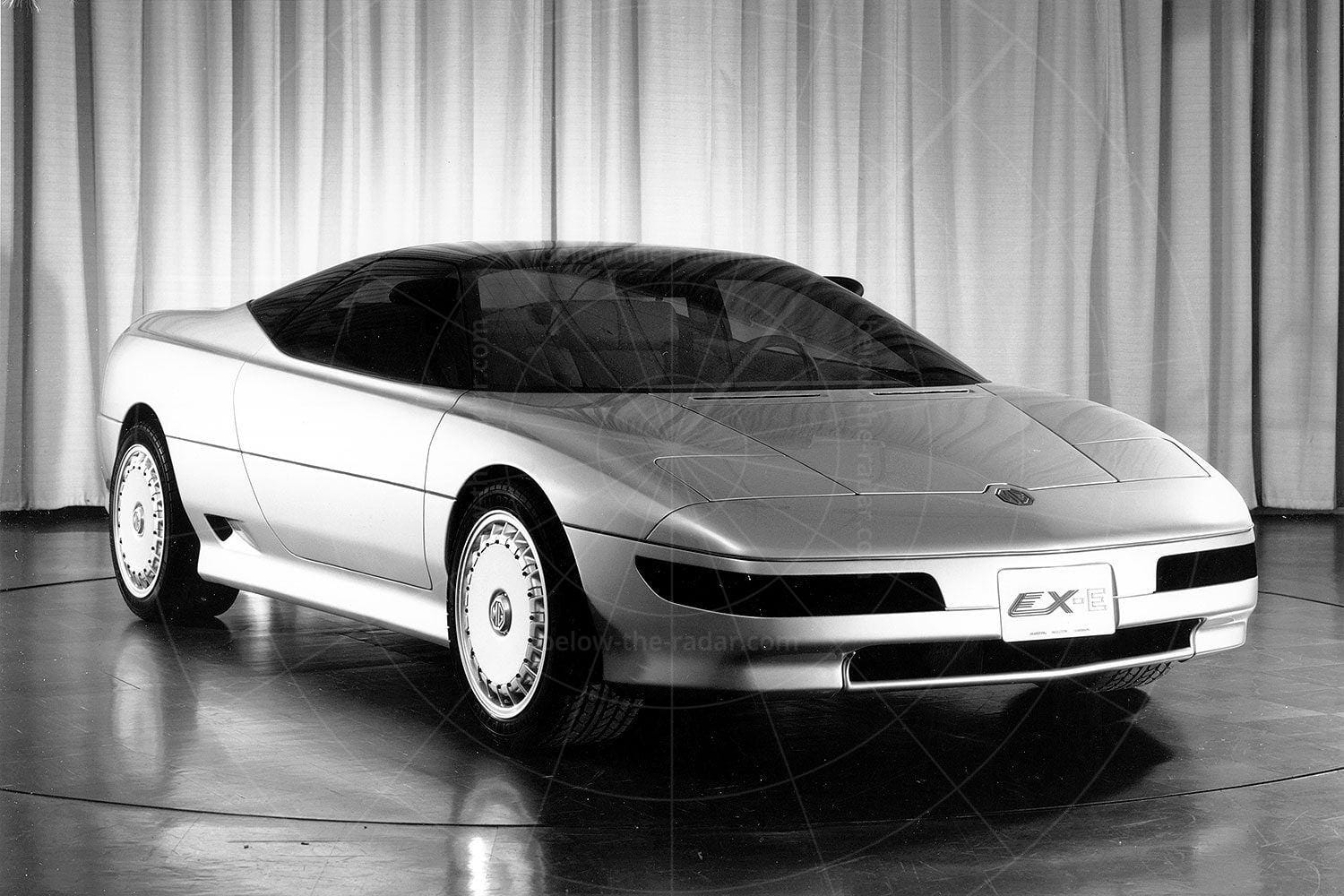
Two decades later, during the 1980s, the industry launched its final great charge toward the year 2000—the symbolic gateway to the future. Concept cars such as the Pontiac Pursuit, Buick Wildcat, Citroën Karin, Oldsmobile Aerotech, Chevrolet Corvette Indy, and MG EX-E attempted to define what a twenty-first-century automobile would look like.
Eventually, the future that humanity had spent a century anticipating finally arrived.
As the year 2000 approached, many expected chaos. Some feared that computers would fail, infrastructure would collapse, and civilization would be thrown into disorder. Instead, the new millennium arrived quietly and uneventfully.
And perhaps that was the moment something changed.
With the arrival of the twenty-first century, it seemed as though the automotive industry lost a part of itself. The anticipation, excitement, and relentless pursuit of tomorrow gradually gave way to technological routine, market research, and consumer-driven design.
The future was no longer a distant dream to strive toward – it had become the present.
Today, there is little sense of wonder. Computers perform much of the work. Design has become increasingly optimised for immediate needs rather than bold visions. Vehicles share similar shapes, similar technologies, and increasingly similar purposes. Innovation is often measured in slightly longer-range figures or marginal efficiency gains.
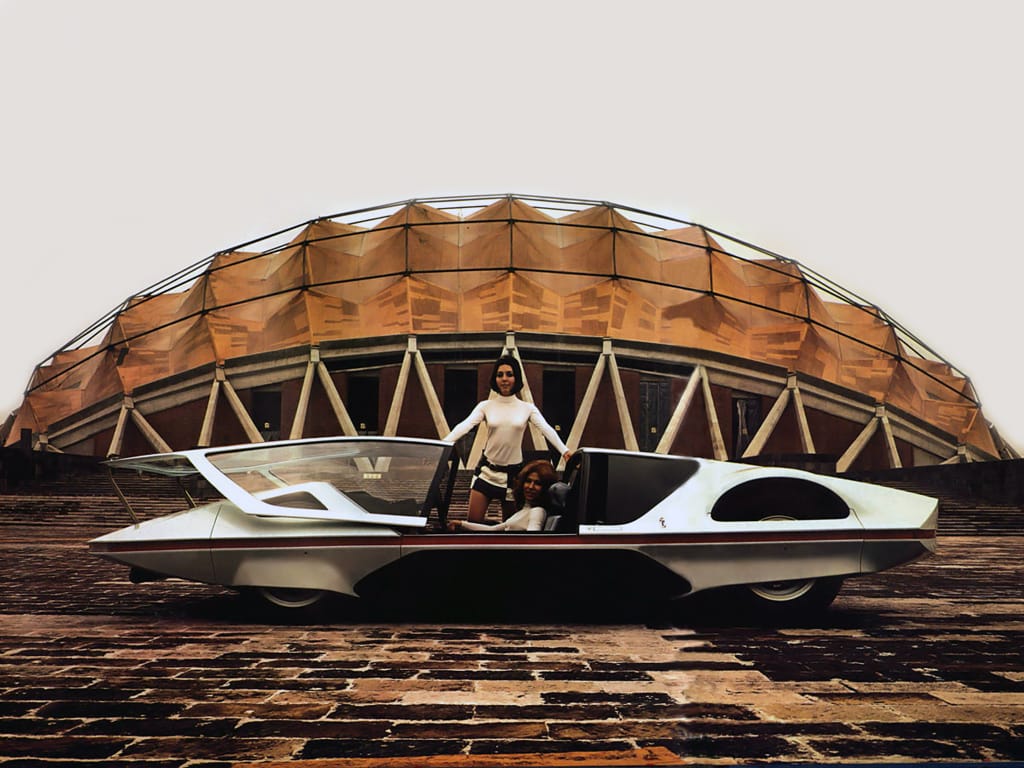
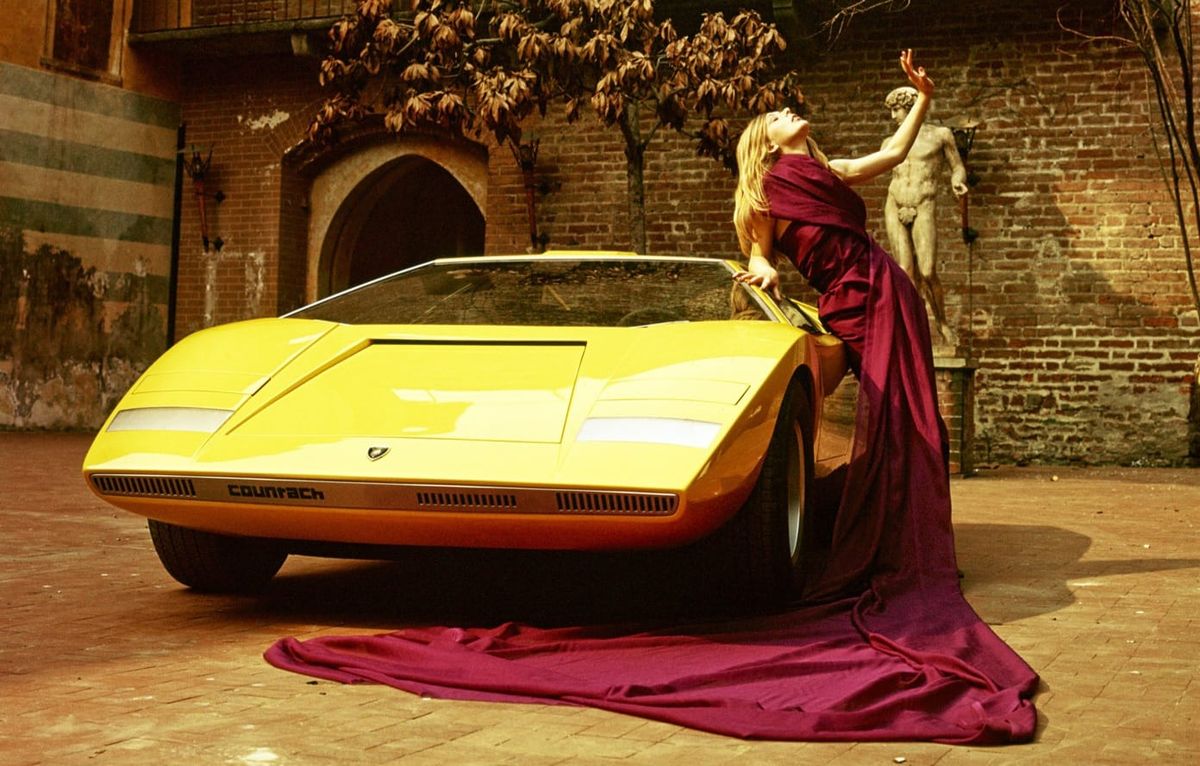
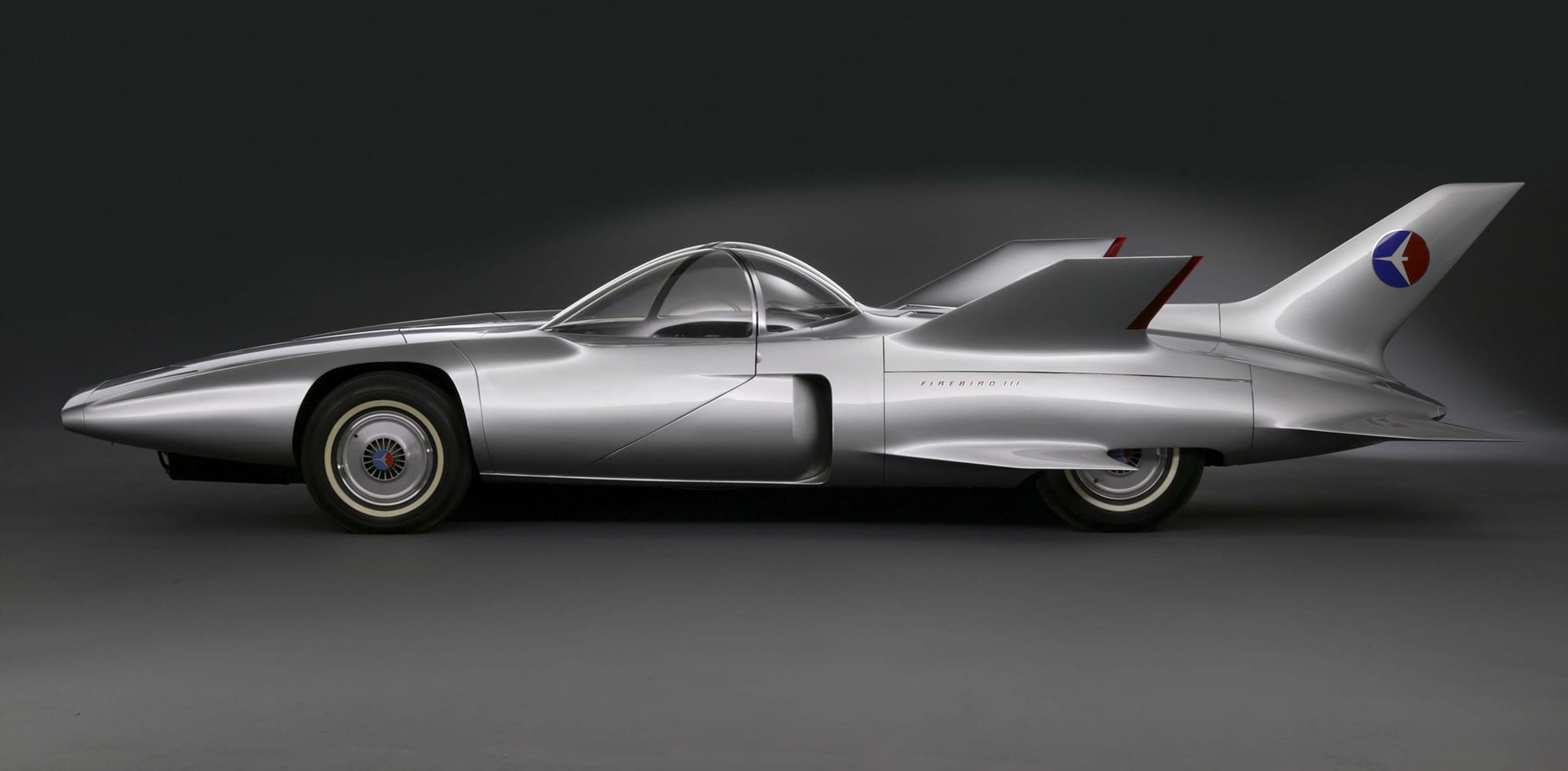
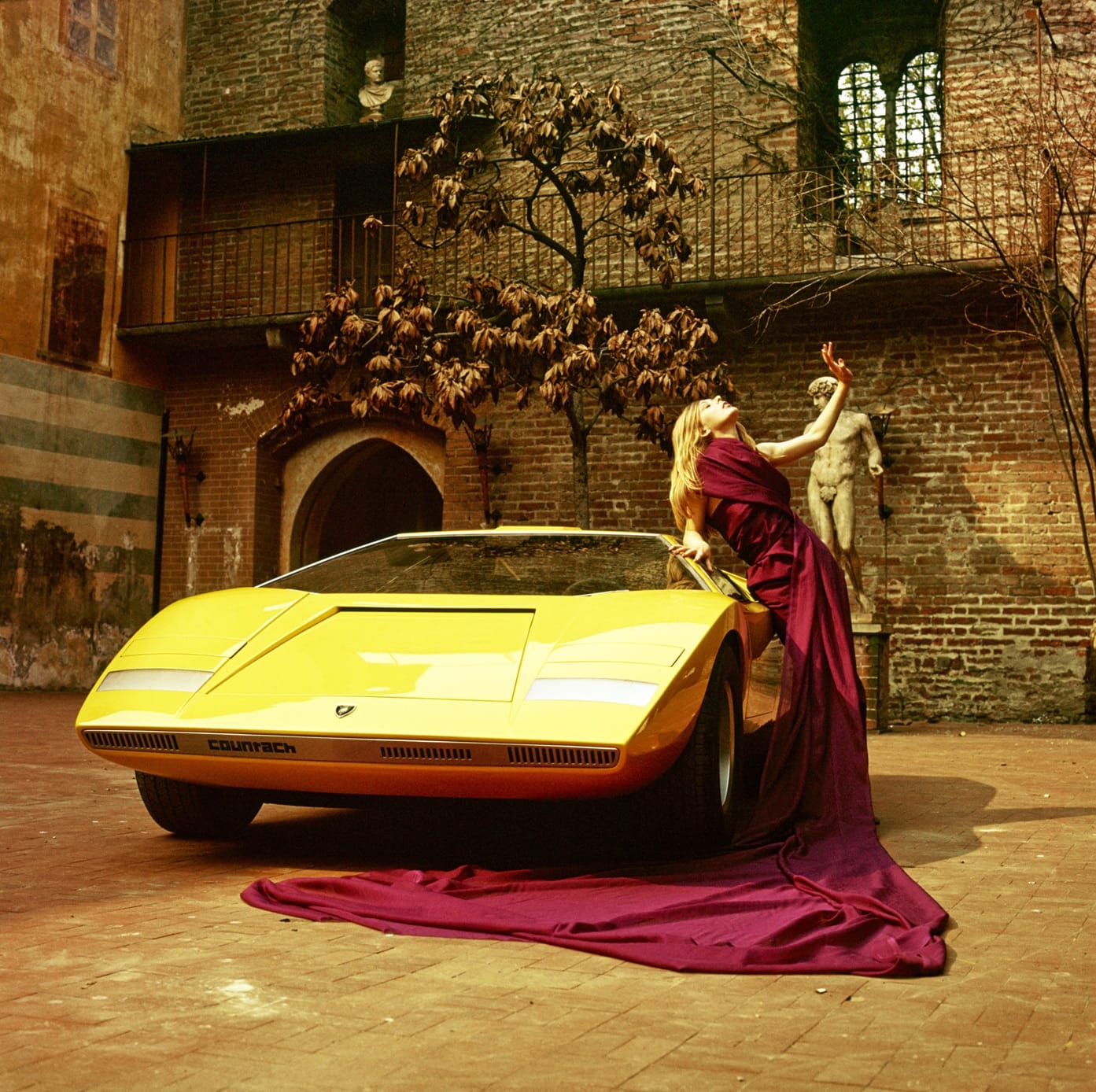
For automotive enthusiasts, what remains is the memory of another era. An era when people dreamed about the future. An era that produced machines like the 1951 Buick Le Sabre, the 1959 GM Firebird III, the 1970 Ferrari Modulo, and the 1971 Lamborghini Countach LP500.
A time when the automobile was not merely transportation, but a promise. A promise of tomorrow.
And perhaps a time that will never return.
Comments ()